Home Blog Page 46

Chennai Port Targets 1 Million TEUs at CITPL in FY 2026–27; Focus on New Shipping Services and Connectivity

CHENNAI: Chennai Port Authority is stepping up efforts to accelerate container growth and strengthen maritime connectivity, with a target of handling 1 million TEUs at Chennai International Terminals Pvt. Ltd. (CITPL) in FY 2026–27.

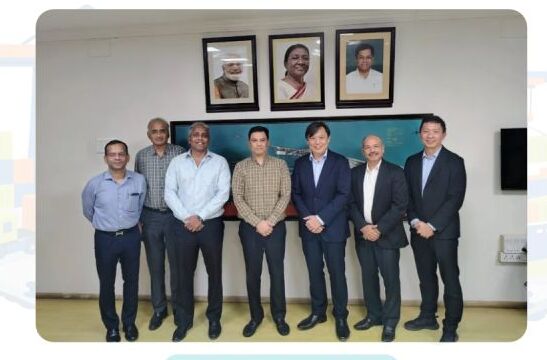
The focus on expanding container volumes and improving shipping connectivity featured prominently during a meeting between the leadership team of PSA, led by Mr. Vincent Ng, Regional CEO, and Shri Sachin S. Kurve, Chairperson of Chennai Port Authority.

According to a post shared by Chennai Port Authority on LinkedIn, the discussions centred on container terminal growth, enhanced maritime connectivity and opportunities to expand shipping services. The Chairperson encouraged CITPL to pursue new westbound and eastbound shipping services to strengthen the port’s connectivity with international trade routes and support higher container throughput.

Maduravoyal Elevated Corridor to Boost Port Connectivity

The proposed 21-km double-deck Maduravoyal Elevated Corridor, expected to be completed by November 2027, was another key topic of discussion. The infrastructure project is expected to significantly improve road connectivity to Chennai Port, streamline container movement and strengthen the efficiency of port-led logistics operations.

Improved road access is expected to support smoother cargo evacuation, enhance connectivity with hinterland markets and help address logistical challenges associated with container transportation to and from the port.

Focus on Integrated Rail, Road and Shipping Connectivity

The CITPL team appreciated Chennai Port Authority’s initiatives to improve port operations and connectivity, particularly the development of the Empty Container Yard and the introduction of new rail and shipping line services.

These initiatives reflect a broader emphasis on strengthening multimodal connectivity, improving container-handling efficiency and creating an enabling environment for sustainable cargo growth.

The engagement underscores the importance of close collaboration between the port authority and terminal operator in expanding shipping services, improving infrastructure and enhancing the port’s competitiveness.

With a target of 1 million TEUs at CITPL in FY 2026–27, the emphasis on new shipping connections, improved container evacuation and infrastructure development is expected to play a key role in supporting Chennai Port’s growth ambitions and reinforcing its position as a significant gateway for India’s international trade.

TICT achieves Green Terminal status as MoPSW Secretary flags off 13 EVs at VOC Port

THOOTHUKUDI: Tuticorin International Container Terminal (TICT), located at V.O. Chidambaranar Port, has achieved Green Terminal status with the electrification of 100% of its operational equipment, marking a significant milestone in India’s transition towards cleaner, more energy-efficient and environmentally sustainable port operations.

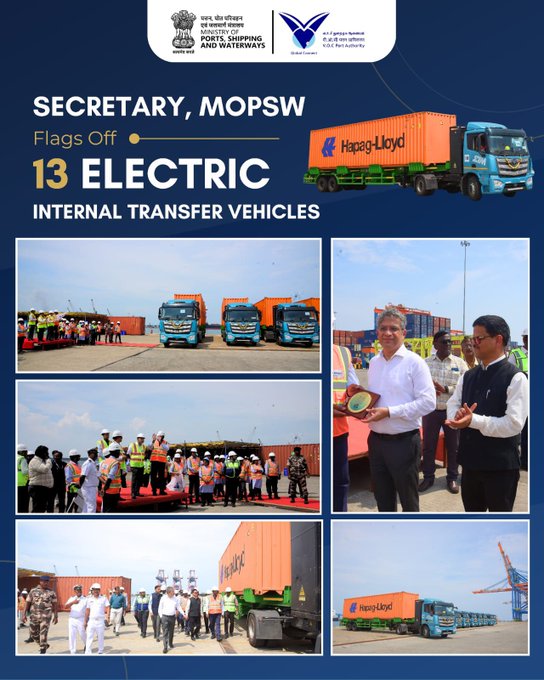
The milestone was marked by the flag-off of 13 Electric Internal Transfer Vehicles (E-ITVs) by Shri Vijay Kumar, IAS, Secretary, Ministry of Ports, Shipping and Waterways (MoPSW), during his visit to TICT. The induction of these electric vehicles further strengthens the terminal’s commitment to reducing emissions and promoting sustainable cargo-handling practices.

The Secretary was accompanied by Shri Susanta Kumar Purohit, IRSEE, Chairperson, V.O. Chidambaranar Port Authority (VOCPA); Shri Rajesh Soundararajan, IAS, Deputy Chairperson, VOCPA; and senior Port officials. During the visit, the delegation was briefed on the terminal’s infrastructure, operational capabilities and various initiatives undertaken to promote greener port operations.

The electrification of the terminal’s operational equipment represents an important step towards reducing dependence on conventional fuel-powered machinery, minimising direct emissions from cargo-handling activities and improving energy efficiency. The deployment of E-ITVs is expected to support cleaner movement of containers within the terminal while contributing to efficient and sustainable logistics operations.

The achievement also reinforces VOC Port’s broader efforts to integrate environmental responsibility with modern port infrastructure and operational excellence. As India’s maritime sector advances towards greener and more sustainable growth, the adoption of electric cargo-handling equipment is emerging as a key component of port modernisation and decarbonisation.

TICT’s Green Terminal status demonstrates how technological advancement and cleaner operational practices can complement one another to create more sustainable container-handling facilities. The initiative aligns with the Ministry of Ports, Shipping and Waterways’ broader vision of promoting green ports, reducing the environmental footprint of maritime logistics and strengthening the sustainability of India’s port ecosystem.

With the induction of 13 E-ITVs and the complete electrification of its operational equipment, TICT has taken a significant step towards establishing a cleaner and more environmentally responsible model for container terminal operations, supporting India’s long-term maritime sustainability objectives.

Paradip Port records 15.99% growth in Thermal Coal Handling in FY 2026–27

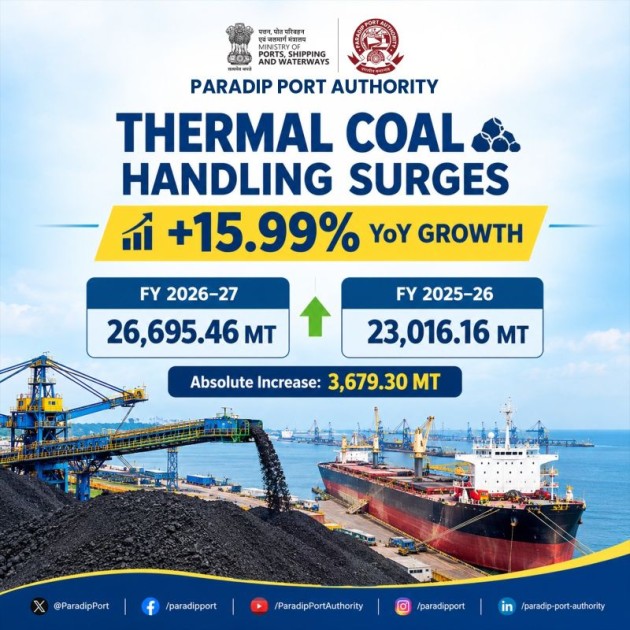
PARADIP: Paradip Port Authority (PPA) has recorded an impressive year-on-year growth of 15.99% in thermal coal handling during FY 2026–27, reflecting its continued focus on operational efficiency, enhanced cargo handling capabilities and strengthening India’s maritime logistics network.

The Port handled 26,695.46 MT of thermal coal during FY 2026–27, compared with 23,016.16 MT in FY 2025–26, registering an increase of 3,679.30 MT over the corresponding period of the previous financial year.

The robust growth highlights Paradip Port’s ability to facilitate efficient cargo movement and support the transportation of critical energy resources. Thermal coal remains an important component of India’s energy supply chain, serving the requirements of power generation and other industrial activities.

The improved performance reflects the Port’s continued emphasis on efficient cargo handling, operational excellence and the effective utilisation of port infrastructure to meet the evolving requirements of trade and industry.

As one of India’s major maritime gateways on the eastern coast, Paradip Port plays a significant role in facilitating bulk cargo movement and supporting the country’s industrial and economic development. The sustained growth in thermal coal handling further reinforces its importance in strengthening domestic supply chains and enhancing the efficiency of maritime logistics.

Paradip Port Authority remains committed to improving operational performance, facilitating seamless cargo movement and contributing to the growth of India’s maritime sector. The latest achievement underscores the Port’s continued efforts to enhance cargo handling efficiency and strengthen its position as a key contributor to the nation’s trade and logistics ecosystem.

Paradip Port: Powering Progress, Connecting Opportunities.

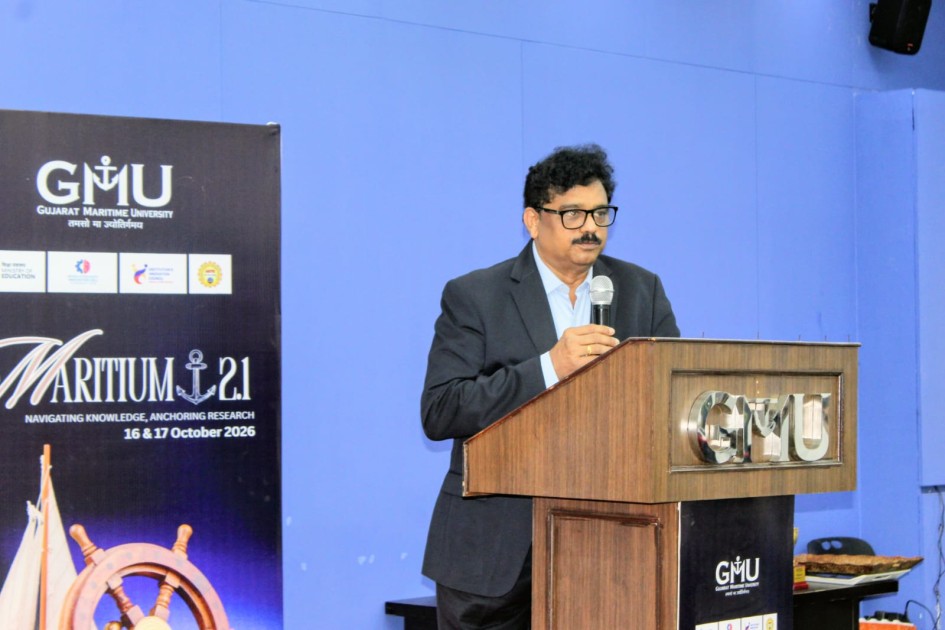
GMU organises MARITIUM 2.1 to promote research, innovation and experiential learning

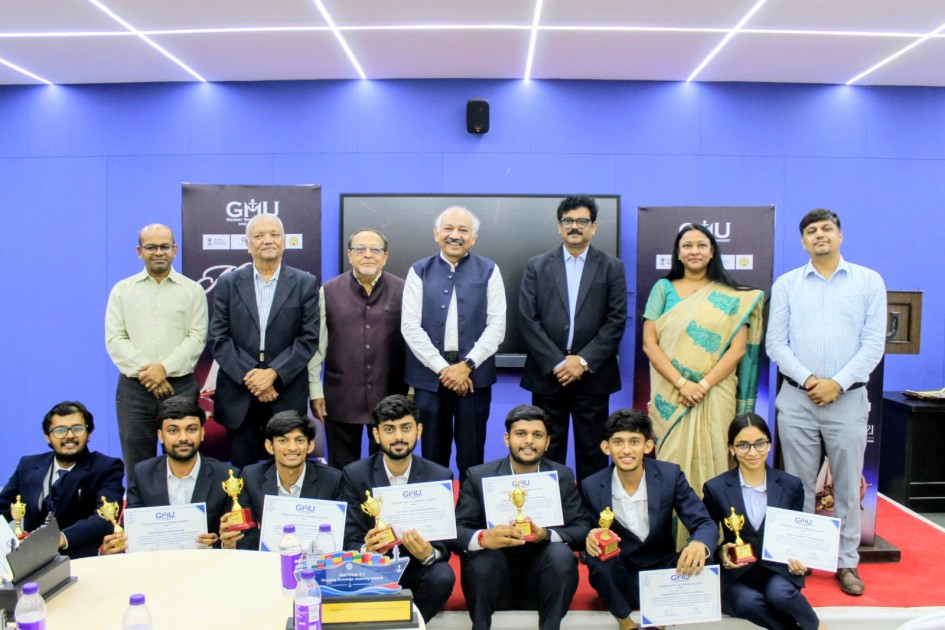
GANDHINAGAR : Gujarat Maritime University (GMU), an initiative of the Gujarat Maritime Board (GMB), successfully organised MARITIUM 2.1: Navigating Knowledge, Anchoring Research on 16–17 October 2026, in association with the Institution’s Innovation Council, Ministry of Education, Government of India. The two day academic event provided a dynamic platform for students to present research papers, exchange innovative ideas and showcase simulation models, connecting classroom learning with real world maritime challenges.

The programme commenced with the welcome and theme address by Prof. (Dr.) Tanuja Kaushik, Dean Academic Affairs, GMU, who highlighted the importance of research, innovation and knowledge sharing in maritime education. The presidential address by Prof. (Dr.) S. Shanthakumar, Provost, GMU, emphasised the significance of fostering research and industry oriented learning, underlining the value of experiential education and learning by doing, in preparing future maritime professionals.

MARITIUM 2.1 featured expert perspectives from distinguished academicians, industry professionals and policy researchers, including Dr. Ashish Dwivedi, O.P. Jindal Global University; Dr. Anusha Gavankar, Observer Research Foundation; Prof. Mukesh Parikh, former Senior Vice President, Adani Ports and SEZ; Mr. Girish Chandra Gandhi, Infinite Civil Solution; and Mr. Bipin Shah, former Managing Director, Gujarat Industrial & Technical Consultancy Organization. Their contributions enriched the academic discussions and encouraged students to examine contemporary maritime issues from research, policy, managerial and industry perspectives.

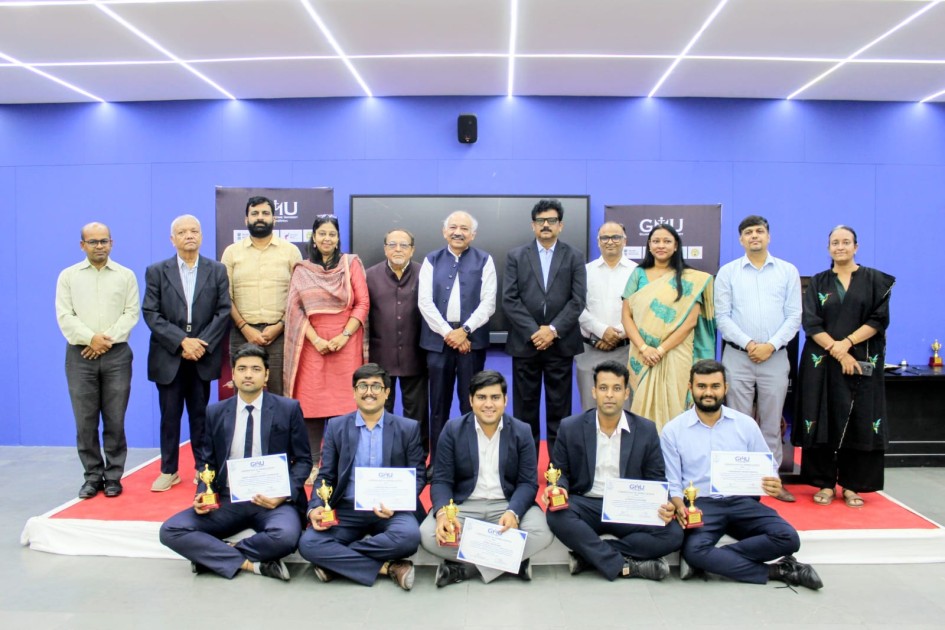
The research paper presentation segment featured five thematic tracks: Digital Transformation in Maritime Logistics and Supply Chain; Maritime Workforce and Infrastructure Development; Smart Ports and Sustainable Maritime Systems; Shipping Finance, Insurance and Risk Management; and Management of Shipping Companies and Operations. The Best Paper Presentation Awards were conferred upon Rajat Chauhan, Rajput Mahipal Singh, Achintya Kaushik, Harsh Varsakhiya and Choksi Rudra Ashish, respectively, recognising their research contributions across the five tracks.
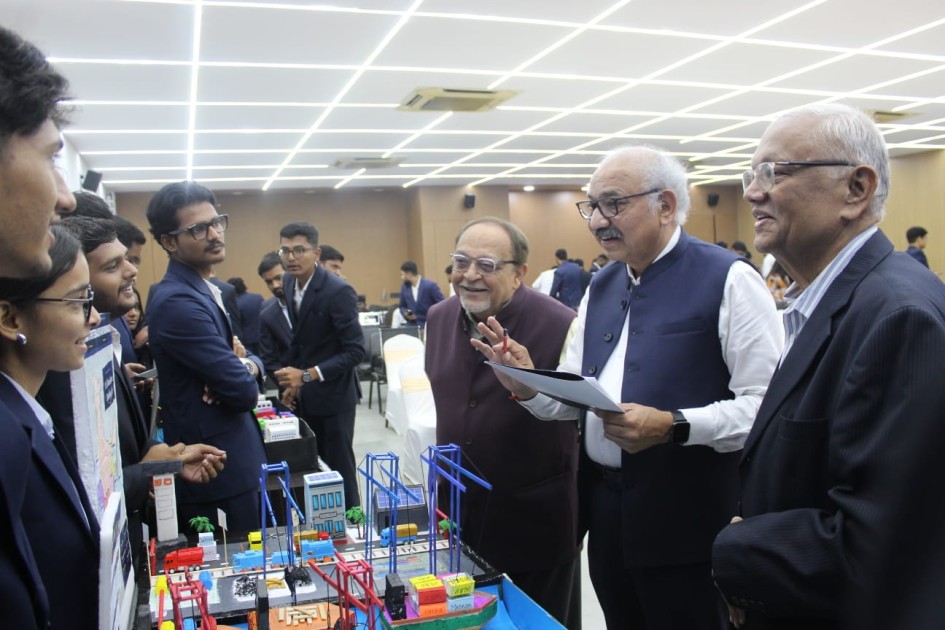
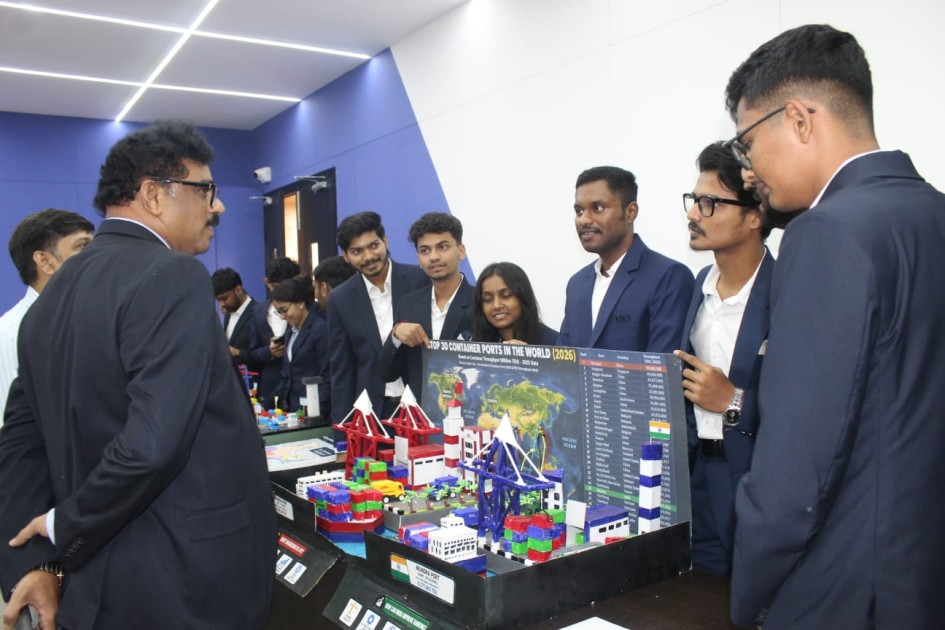
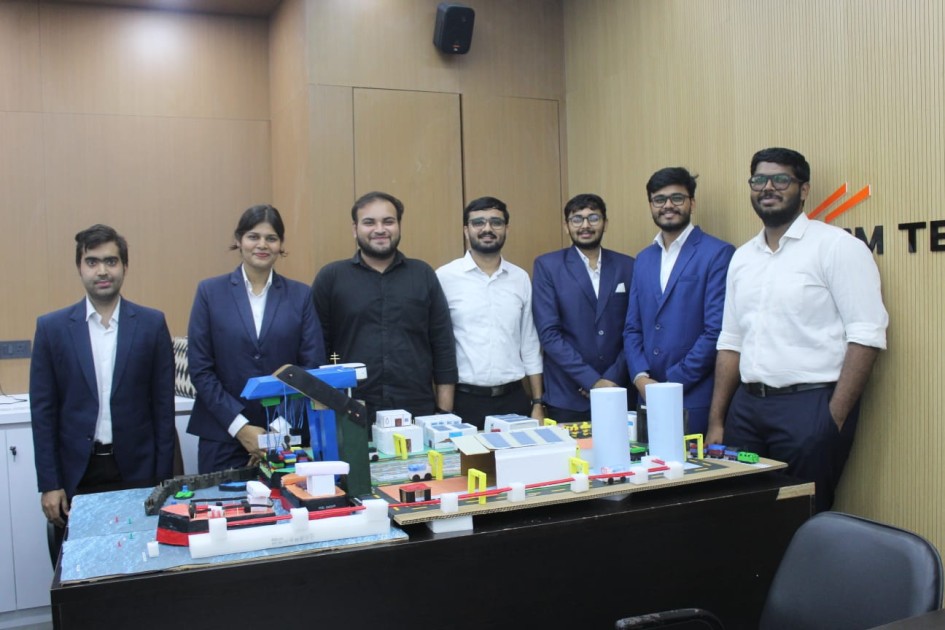
The simulation model making competition showcased students’ creativity, teamwork and practical understanding of maritime infrastructure and trade connectivity. The MBA Batch 2025–27 team won the Best Simulation Model Making Award for “Designing the Future: Smart and Sustainable Port of India.” The team comprised Ansh Chawla, Bhatti Nandan, Bhumika Agarwal, Abhaysinh Chavda, Mihir Dafda, Nayak Jay, Kaushalraj Panchal, Shine Shibu and Achintya Kaushik.

The MBA Batch 2026–28 had joint winners. The model “Reimagining India’s Port Network for Balanced Maritime Growth” was presented by Maru Hiren, Maru Keval, Siddhpura Yuvraj, Raval Yashri, Ravaliya Varun and Prajapati Rushab. The second winning entry, “IMEC: Connecting Continents, Transforming Trade,” was presented by Garva Vishwas. The models reflected students’ ability to translate maritime concepts into practical solutions and explore the role of ports and connectivity in strengthening trade and balanced regional development.

ACBA Organises Fire Safety and Emergency Preparedness Mock Drill at ICT

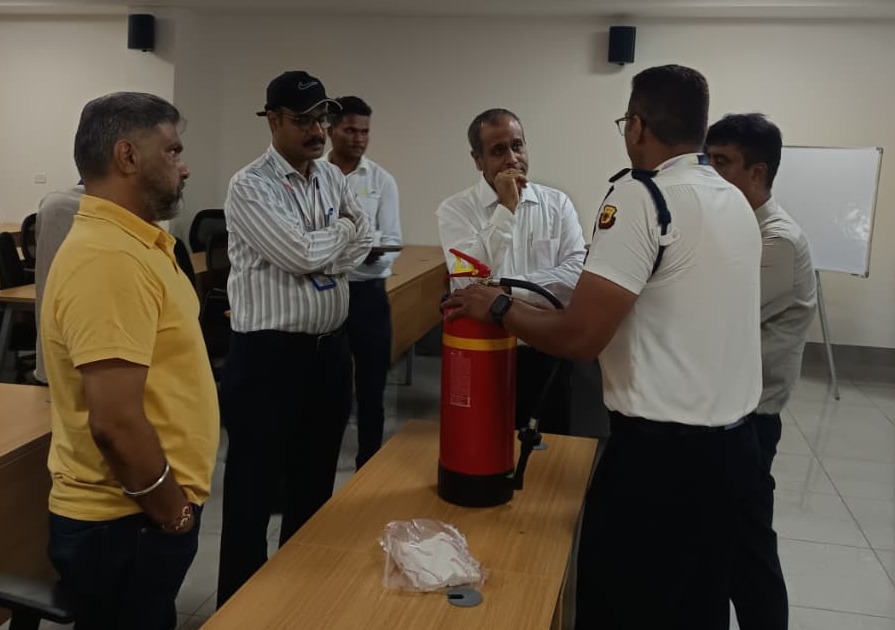
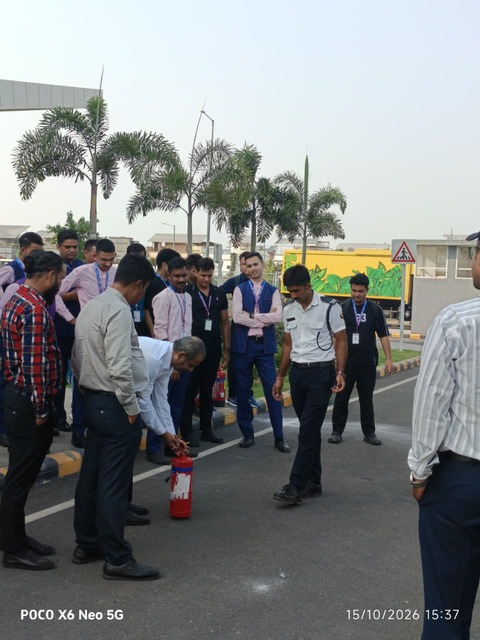
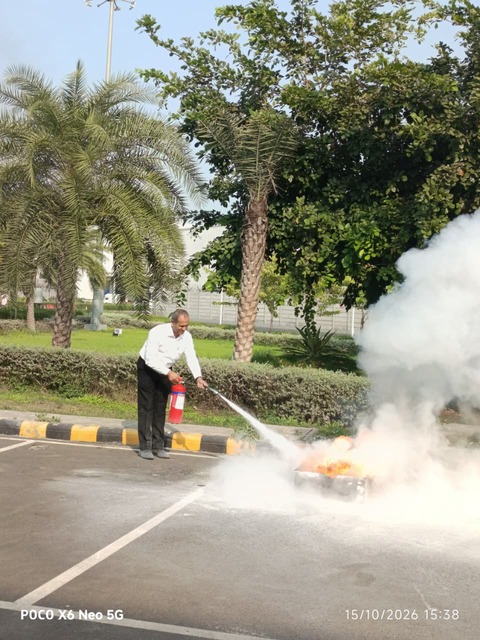
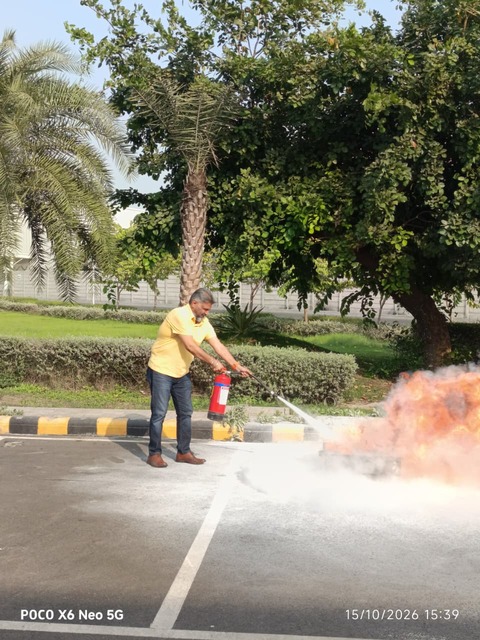
AHMEDABAD: The Ahmedabad Custom Brokers’ Association (ACBA), in association with Adani, organised a Fire Safety and Emergency Preparedness Mock Drill at ICT on Thursday, 15 October 2026.

The training session was conducted by Adani’s Aircraft Rescue and Fire Fighting (ARFF) Team. It included theoretical guidance and practical demonstrations on firefighting techniques, the proper use of fire extinguishers, and emergency response procedures involving live-fire scenarios.

ACBA Chairman Shri Parag Baraiya emphasised the importance of fire safety awareness and emergency preparedness, particularly in cargo-handling environments where personnel regularly handle both hazardous and non-hazardous materials. He highlighted that such training initiatives play a vital role in protecting human lives, preventing accidents, and ensuring a safe working environment.

ACBA Secretary Shri Rajesh Meghrajani expressed his sincere gratitude to the Adani team for conducting the training programme. He also appreciated all the participants for their active involvement and commitment to learning essential fire safety and emergency response practices. The programme reinforced ACBA’s commitment to promoting workplace safety, enhancing practical skills, and strengthening emergency preparedness among customs brokers and logistics professional

India–Oman CEPA to boost bilateral trade, expand export opportunities for Indian businesses

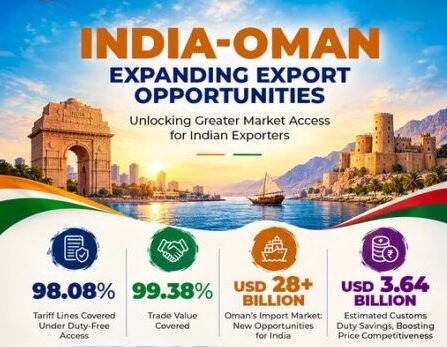
NEW DELHI : The India–Oman Comprehensive Economic Partnership Agreement (CEPA) marks a significant milestone in strengthening bilateral trade and economic relations between India and Oman, creating new opportunities for Indian exporters and businesses to expand their presence in the Gulf region and wider Middle East.

The agreement aims to enhance market access, reduce trade barriers and simplify trade procedures, providing a more favourable environment for businesses in both countries. By facilitating the movement of goods and services, the CEPA is expected to support trade diversification, improve export competitiveness and encourage greater commercial engagement between Indian and Omani enterprises.

The agreement offers significant potential for Indian industries, including engineering goods, textiles and apparel, pharmaceuticals, chemicals, agricultural and food products, gems and jewellery, and other manufactured goods. Improved access to the Omani market could help Indian businesses explore new customer bases, strengthen supply chains and identify fresh avenues for export growth.

Oman’s strategic location along key international shipping routes also enhances its importance as a gateway for Indian trade with the Gulf Cooperation Council (GCC) countries and other markets in the region. The agreement presents opportunities to deepen cooperation in logistics, shipping, port-led trade and supply-chain connectivity, further strengthening the commercial links between the two countries.

For India, the CEPA aligns with the broader objective of expanding international trade partnerships, supporting domestic manufacturing, promoting exports and integrating Indian businesses more closely with global value chains. It also provides a framework for fostering stronger business-to-business engagement, encouraging investment and exploring new areas of economic collaboration.

The India–Oman CEPA reflects the shared commitment of both countries to building a stronger, more diversified and mutually beneficial economic partnership. Effective implementation of the agreement is expected to help businesses leverage emerging opportunities, enhance bilateral trade flows and reinforce India’s economic engagement with the Middle East.

As India continues to broaden its global trade partnerships, the agreement with Oman represents an important step towards strengthening regional connectivity, supporting export-led growth and creating long-term opportunities for industry and commerce.

Hormuz war risk pushes crude shipping costs sevenfold, squeezes refiners’ margins: Goldman Sachs

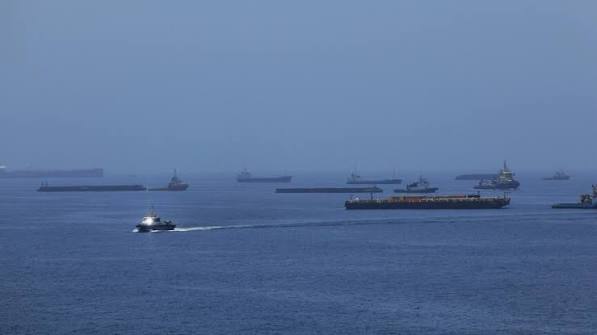
NEW DELHI: War-related risks in the Strait of Hormuz and an increase in ship-to-ship transfers account for more than half of the USD 20 per barrel year-on-year rise in global crude oil freight rates, according to a report by Goldman Sachs (GS).

The surge in shipping costs is putting pressure on refiners, particularly in Asia, which rely heavily on crude oil imports from distant suppliers. These refiners may have to pass on the higher costs to consumers or accept lower profit margins.

Brent crude crossed USD 110 per barrel this week and was trading at around USD 111.51 per barrel at the time of reporting. Another crude oil benchmark was trading at around USD 99.31 per barrel.

Goldman Sachs said global crude oil shipping costs are now seven times higher than a year ago. The report noted, “The global average crude freight rate surged above USD 20/bbl from USD 3/bbl a year ago.”

The increase in freight rates initially began in the very large crude carrier (VLCC) segment and on Middle Eastern routes but has since spread to all major crude trading routes, with long-distance voyages particularly affected.

While most crude oil benchmarks do not directly include transportation costs, higher freight rates can affect refiners’ profitability and influence their choice of suppliers.

According to GS, “high freight rates may reduce refiners margin’ overall demand for crude and/or skew it towards more closely located crude supplier.”

The report identified five key factors behind the USD 20 per barrel year-on-year increase in average global crude freight rates. These include a USD 7 per barrel war risk premium for crossing the Strait of Hormuz, USD 4 from ship-to-ship transfers outside the Persian Gulf, USD 4 from higher maritime fuel prices, USD 3 from inefficient tanker allocation and increased vessel diversions, and USD 2 from restrictions on the Iranian tanker fleet.

The report said these factors “will likely continue to support global freight rates as long as the conflict on the Middle East persists.”

Goldman Sachs said refiners that depend on crude imports from distant suppliers, particularly in Asia, face higher costs.

“Refiners with greater dependence on imported crude from distant suppliers (e.g., refiners in Asia) would have to either pass higher freight costs on to final consumers or accept lower net refinery margins,” the report said.

However, passing on these costs to consumers could be difficult in markets where alternatives to oil, such as electric vehicles in China, are widely available, or where retail fuel prices are regulated.

The rise in freight costs has put particular pressure on Asian refiners’ profit margins. This could lead to lower refined fuel output and push up global fuel prices.

Meanwhile, crude oil producers that depend on distant buyers may have to offer steeper discounts to maintain demand. In contrast, suppliers located closer to major consumption centres could benefit from a shift in demand.

The report said producers serving distant markets may need to “discount” their crude more heavily, while crude from more centrally located suppliers, such as Brent in north-western Europe and ESPO in Russia, “may gain from some demand reallocation.”

Goldman Sachs also highlighted the impact of higher tanker operating costs, driven by rising crew salaries and bunker fuel prices. The report estimated that “global maritime fuel oil prices have increased by nearly $50/bbl, or 70% yoy amid weak exports from the Persian Gulf and Russia and resilient bunker demand from tankers and container ships.”

Iran’s IRGC says 4 ships hit, set ablaze in Gulf; 3 others strike mines near Hormuz

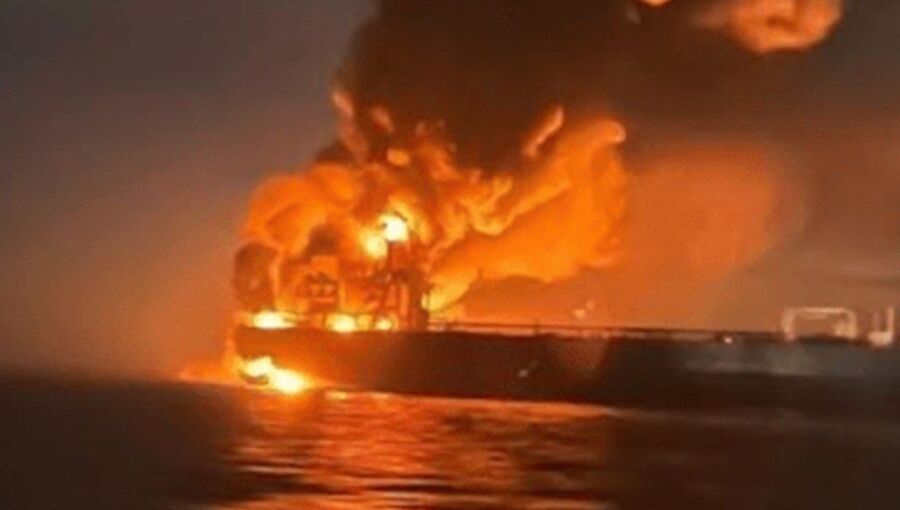
TEHRAN: Iran’s Islamic Revolutionary Guard Corps (IRGC) Navy has claimed that it struck and set fire to four ships carrying oil cargoes in the northern Persian Gulf, while three other vessels collided with mines in the western Strait of Hormuz, according to Iranian state media, Islamic Republic of Iran Broadcasting (IRIB).

In a statement issued on Thursday, the IRGC Navy said the four ships had previously crossed an “illegal route” despite warnings to the maritime companies operating them.

“Following previous warnings to the offending maritime companies, who had been deceived by the invading US military and had crossed illegal routes, Navy fighters, by observing and pursuing four offending ships, which had previously crossed the illegal route, discovered them transferring oil cargoes in the middle of the northern Persian Gulf, where all four ships were hit simultaneously and caught fire,” the statement said, as reported by IRIB.

The IRGC Navy also claimed that three other vessels had struck mines in the western Strait of Hormuz on Wednesday night and were stopped.

The statement came amid heightened tensions over maritime movement through the strategically important waterway, through which a significant share of global oil shipments passes.

Reiterating its control over the strait, the IRGC Navy said its personnel continued to manage maritime movement with the support of the Iranian public.

“With this enormous national support, the IRGC Navy sailors continue to manage and control the Strait of Hormuz,” the statement said.

The Iranian force also blamed the United States for the reported maritime incidents, accusing Washington of encouraging vessels to navigate through “illegally mined passage”.

“The insistence of the arrogant US regime on inciting ships to pass through the illegally mined passage has increased maritime incidents day by day,” the statement said.

Issuing a warning to Washington, the IRGC Navy said the confrontation could expand if the situation continued.

“The aggressive US army should know that if this trend continues, the scope of the confrontation will be extended to the aggressive bases in the region. This is a serious warning,” it added.

The statement did not identify the vessels involved or provide details about their ownership, the extent of the reported damage or any casualties.

The claim of strikes on the ships came as US President Donald Trump on Wednesday (local time) said that the United States is not negotiating with Iran and “something” will happen “fairly soon.”

Speaking to American news network NewsNation’s White House correspondent Libbey Dean, Trump was asked about developments in negotiations with Tehran; Trump initially acknowledged some activity but indicated that the outcome remained uncertain.

“A little bit, but we’ll see what happens,” Trump said when asked whether negotiations with Iran were ongoing.

Asked whether he was done negotiating with the Iranian government, Trump said, “No, I think we’re not negotiating…we are going to have something, one way or the other. It’ll happen fairly soon.”

In the interview, Trump also highlighted the situation between Washington and Tehran as “a little conflict against Iran” and said the United States was performing well on both military and economic fronts.

“I think our sanctions ended the real deal over there. But we’re doing very well militarily and financially against Iran,” he said.

Trump did not specify what action or development he expected to take place “fairly soon” or provide a definitive timeline for the next steps in the US approach towards Iran.


All the developments come amid the report by The New York Times that the United States and Israel have drawn up plans for renewed strikes on Iran after the American midterm elections, while Tehran has threatened to unveil a weapon it calls the “father of all bombs” amid escalating tensions in West Asia.

According to The New York Times, the US and Israeli militaries have developed specific plans for a short but intensive operation targeting Iran’s energy infrastructure, nuclear facilities, and missile and drone arsenal. Citing US officials and other people briefed on the deliberations, the report said the two militaries have stepped up exercises, including flying aircraft over Iraq to practise strike manoeuvres.

Amid the possibility of renewed strikes, Iran has warned that it would respond to any renewed military action. According to Iranian state-affiliated media outlet Student News Network (SNN), IRGC spokesperson Hossein Mohebbi said, “The United States has the ‘Mother of All Bombs.’ We will show them the ‘Father of All Bombs,’ and it will definitely be something new for them.”

But Tehran has not provided details about the weapon or clarified what the threat entails.

The warning follows reports that US President Donald Trump has considered using the 22,000-pound GBU-43/B Massive Ordnance Air Blast (MOAB), known as the “Mother of All Bombs”, against Iran’s deeply buried Pickaxe Mountain nuclear facility.

According to The New York Times, the United States is assembling a substantial military force expected to be fully in place by early November, including three aircraft carriers, thousands of Marines, fighter jets and Special Operations forces. Officials have cited political considerations, including Trump’s earlier pledge not to strike Iran before the midterm elections, as reasons the operation could be delayed.

Iranian President Masoud Pezeshkian, meanwhile, has highlighted the situation as a major challenge for Tehran. In an address to the Iranian Parliament, Pezeshkian said, “The memorandum of understanding we signed was very good; we hadn’t given anything. The current situation is neither good for us, nor for the region, nor for the world.”

He added, “We are in a super-challenge, not a challenge. America didn’t think we would stand firm despite the pressure and war, but we stood firm, and we will continue to stand firm.”

The New York Times report said Washington was seeking to use the prospect of renewed military action as leverage in negotiations over Iran’s nuclear programme and control over the Strait of Hormuz. However, Iranian negotiators have resisted making concessions on the nuclear issue, insisting that the matter be deferred until later in the talks.

As military preparations and diplomatic efforts continue, the possibility of renewed strikes has raised concerns about a wider regional conflict, with uncertainty persisting over Trump’s final decision and Iran’s potential response.

Source: ANI

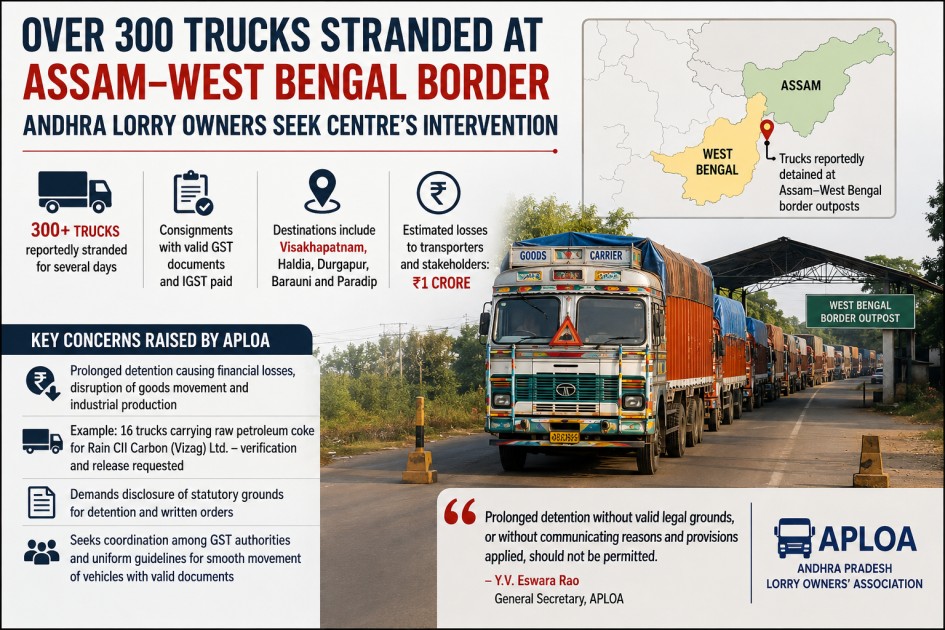
Over 300 trucks reportedly stranded at Assam–WB border; APLOA seek Centre’s intervention

VISAKHAPATNAM: The Andhra Pradesh Lorry Owners’ Association (APLOA) has urged the Union Finance Ministry and the Central Board of Indirect Taxes and Customs (CBIC) to intervene in the reported detention of more than 300 trucks at the Assam–West Bengal border, raising concerns over disruptions to cargo movement, mounting transportation costs and the impact on industrial supply chains.

According to the association, the trucks have remained stranded for several days, despite consignments reportedly being accompanied by valid Goods and Services Tax (GST) documentation and payment of applicable Integrated GST (IGST). The association has sought an urgent review of the situation and clarification of the legal grounds for the detention.

Y. V. Eswara Rao, General Secretary of APLOA, said nearly half of the affected vehicles were carrying consignments destined for Visakhapatnam, while others were bound for Haldia and Durgapur in West Bengal, Barauni in Bihar and Paradip in Odisha. The reported delays have affected transport operators and industrial establishments, while also creating hardship for drivers unable to resume their journeys.

Transporters Report Mounting Financial Losses

Highlighting the financial implications, P. Venkata Siva Nagaraju, a truck owner from Vijayawada, said three of his newly acquired vehicles had allegedly remained detained at an outpost on the West Bengal border for more than a month. He estimated his losses at over ₹2 lakh per vehicle.

The trucks were reportedly transporting crude oil from Indian Oil Corporation (IOC) refineries at Bongaigaon, Guwahati and Digboi in Assam. The prolonged stoppage has also left drivers away from their families for extended periods, adding to their personal and emotional difficulties.

APLOA has estimated the total demurrage and related losses incurred by transporters and other stakeholders at approximately ₹1 crore. It has warned that continued delays could affect the timely supply of industrial raw materials, disrupt production schedules and increase logistics costs for consignors and consignees.

Association Seeks Verification of Consignments to Visakhapatnam

The association has specifically requested authorities to verify the status of 16 trucks reportedly carrying raw petroleum coke for Rain CII Carbon (Vizag) Ltd. in Visakhapatnam. Referring to a vehicle list provided by IOC’s Marketing division, Eastern Region, APLOA has called for the release of the vehicles if they are being detained without lawful grounds.

As an example, the association cited an e-way bill for truck number AP39VW-1447. The document reportedly records a taxable consignment value of ₹17.28 lakh and IGST of ₹3.11 lakh at 18%. The consignment was invoiced by IOC, Assam, to Rain CII Carbon (Vizag) Ltd., with Shiva Transport Agency identified as the transporter.

APLOA has asked the authorities to examine the relevant tax and transport documents and establish the precise reasons for any continued detention.

Call for Clear Legal Procedures and Inter-State Coordination

While acknowledging that valid tax documentation does not prevent authorities from conducting inspections in accordance with the law, the association has stressed that prolonged detention should be supported by valid legal grounds, with the reasons and applicable statutory provisions formally communicated to the parties concerned.

In its representations to the Union Finance Ministry and other relevant authorities, APLOA has sought an immediate review of the reported detention of more than 300 trucks, verification of the 16 vehicles carrying consignments for Andhra Pradesh, and disclosure of the written orders and legal provisions relied upon in cases of detention.

The association has also called for better coordination among GST authorities across the States concerned and the introduction of consistent procedures to facilitate the movement of vehicles carrying valid documentation, while preserving the right of authorities to undertake lawful checks.

The matter highlights the importance of predictable enforcement procedures, effective inter-State coordination and uninterrupted freight movement for India’s logistics sector. A timely resolution would help reduce avoidable financial burdens on transport operators, ease the difficulties faced by drivers and support the continuity of industrial supply chains.

The allegations and loss estimates cited in this report are based on statements attributed to the Andhra Pradesh Lorry Owners’ Association and the affected truck owner. The legal grounds for the reported detentions and the response of the concerned authorities have not been independently established in the information provided.

India has huge scope to expand processed food exports to UK after trade pact: TPCI

NEW DELHI: India’s processed food exports to the UK have significant room for growth, as the country accounts for just 0.6 per cent of Britain’s USD 50.68 billion annual imports, with the India-UK trade pact removing tariffs on processed foods, shrimp and instant coffee, industry body TPCI said on Thursday.

India and the UK on July 15 implemented a Comprehensive Economic and Trade Agreement (CETA) to boost trade and investment ties.

To boost trade in the food processing sector, the Trade Promotion Council of India (TPCI) has inked a pact with the UK-India Business Council (UKIBC).

The strategic MoU establishes a dedicated framework for institutional business collaboration, it said, adding that the partnership focuses on connecting businesses, facilitating trade missions, sharing market intelligence, and creating growth opportunities for Small and Medium Enterprises (SMEs) in both countries.

“The food and beverage sector represents a significant growth corridor under the new trade framework. The U.K. currently imports $50.68 billion worth of processed food annually, with India’s share standing at 0.6% ($309.5 million), presenting significant room for expansion,” TPCI Chairman Mohit Singla said.

Under CETA, U.K. tariffs of up to 70% on processed foods, 4.2-8.5% on shrimp, and duties on instant coffee have also been eliminated, providing immediate competitive parity for Indian producers, he added.

“Following the entry into force of the India-UK CETA, both TPCI and UKIBC will be deeply engaged in bilateral trade development, ensuring that the post-FTA momentum translates into tangible outcomes,” he said.

Both the organisations held the India-U.K. Trade Promotion Event on Food and Beverages in London on 15 October, bringing together 48 Indian exporting companies and 150 U.K.-based importers.