Home Blog Page 48

Piyush Goyal holds talks with John Swinney to strengthen India–Scotland trade and investment partnership

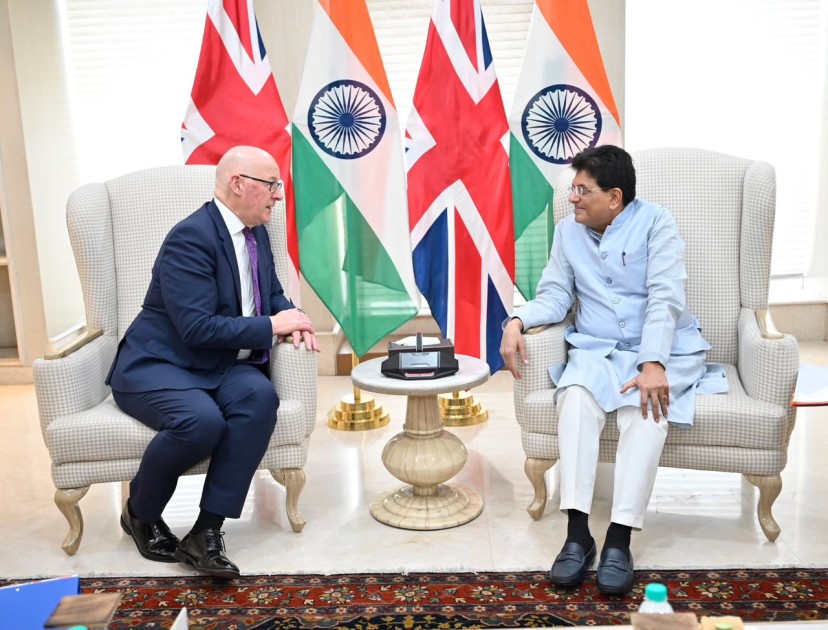
NEW DELHI : Union Minister of Commerce and Industry Shri Piyush Goyal held a productive meeting with the First Minister of Scotland, Rt Hon John Swinney, to explore new avenues for strengthening economic and trade relations between India and Scotland.

The discussions centred on advancing bilateral trade, attracting investments, promoting innovation and expanding industry-to-industry partnerships within the framework of the India–UK Comprehensive Economic and Trade Agreement (CETA), which provides fresh momentum to economic cooperation between India and Scotland.
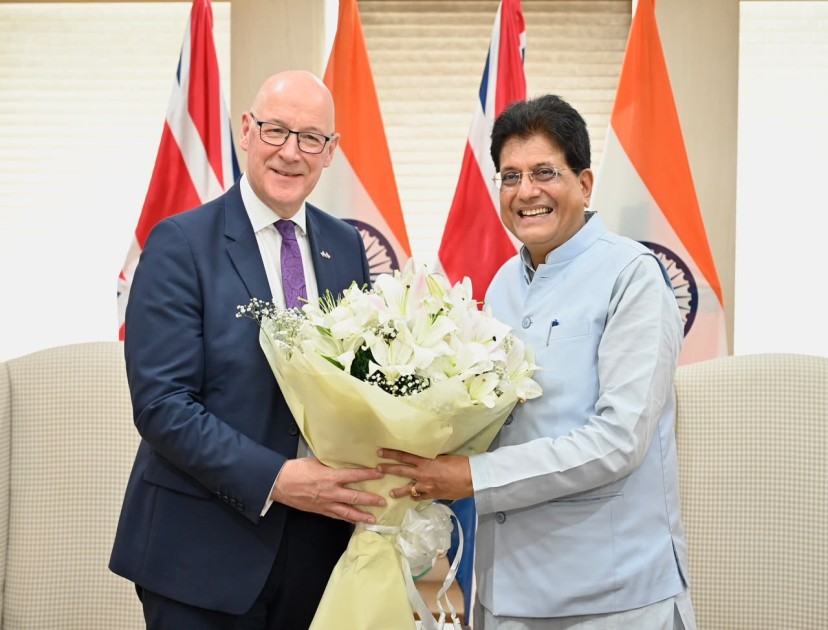
PIYUSH GOYAL John Swinney Piyush Goyal holds talks with John Swinney to strengthen India–Scotland trade and investment partnership

The two sides explored opportunities for deeper collaboration across key growth sectors, including higher education, renewable energy, semiconductors, data centres, science, space technology and tourism. The discussions also highlighted the potential to strengthen business linkages, facilitate investment flows and encourage partnerships between companies, research institutions and universities in both regions.

CETA to Unlock New Business Opportunities

The India–UK CETA is expected to provide a stronger foundation for expanding market access, improving trade competitiveness and creating new opportunities for businesses on both sides. The agreement, which came into force on July 15, 2026, offers preferential market access for Indian exporters and opens up fresh opportunities for British businesses in the Indian market.

For Scotland, the agreement presents opportunities to expand exports and investment partnerships in sectors such as clean energy, technology, education, life sciences, digital services and food and drink. For India, stronger engagement with Scottish businesses and institutions can support access to advanced technologies, research capabilities, specialised expertise and new investment opportunities.

Strengthening Cooperation in Emerging Sectors

Renewable energy, semiconductors and data centres emerged as important areas for potential collaboration, reflecting the growing significance of clean energy, advanced manufacturing and digital infrastructure in both economies. Cooperation in science, space and innovation could further encourage knowledge exchange, technology partnerships and research-led industrial development.

Higher education and tourism also offer considerable scope for strengthening people-to-people connections, academic collaboration and cultural exchanges, thereby supporting a broader and more enduring economic partnership.

The engagement reflects India’s continued efforts to deepen international trade relationships, diversify export opportunities and attract investments in high-growth sectors. Closer India–Scotland cooperation, supported by the wider India–UK economic partnership, could help businesses explore new markets, develop strategic partnerships and contribute to employment generation and sustainable economic growth.

The meeting underscores the shared commitment to translating the opportunities arising from CETA into tangible commercial outcomes through stronger trade, investment and innovation linkages between India and Scotland.
Piyush Goyal to visit Germany and the Netherlands to strengthen trade, investment and industrial cooperation

NEW DELHI : Union Minister of Commerce and Industry Shri Piyush Goyal will undertake an official visit to Germany (22–24 October 2026) and the Netherlands (24–27 October 2026) to deepen strategic economic partnerships, expand bilateral trade and advance industrial and technological collaboration.

During the Berlin leg of the visit, Shri Piyush Goyal will participate in the Berlin Global Dialogue, engaging with international policymakers and global business leaders to highlight India’s macroeconomic stability, manufacturing capabilities and pivotal role in building resilient global supply chains. On the sidelines of the summit, the Minister will hold high-level bilateral meetings with the German Federal Minister for Economic Affairs and Energy (BMWE) and the Economic and Financial Policy Advisor and G7/G20 Sherpa at the Federal Chancellery of Germany. The meetings will focus on strengthening bilateral trade and investment corridors, accelerating technological and industrial cooperation in advanced engineering, green mobility and clean technology, and exploring market access and investment avenues arising from the ongoing India–EU Free Trade Agreement (FTA) negotiations.

Proceeding to the Netherlands, Shri Piyush Goyal will lead comprehensive government-to-government (G2G) engagements in The Hague, holding bilateral ministerial meetings with the Minister of Economic Affairs and Climate and the Minister for Foreign Trade and Development Cooperation to explore expanded trade channels and green transition initiatives. The visit will also encompass key discussions with the King’s Commissioner of North Holland and members of the Dutch Parliament’s committees on foreign trade and European affairs.

Shri Piyush Goyal will be accompanied by around 100 businesses and startups in Germany and the Netherlands. The Indian business delegation accompanying the Minister will have a parallel programme in Berlin, which includes sectoral roundtables with German CEOs and Indian business delegates. The roundtables will cover automotive, advanced manufacturing, infrastructure and energy; information technology, artificial intelligence and services; agri-food, consumer goods and textiles; and healthcare, pharmaceuticals and wellness. The delegation will also participate in an India–Germany Investment Roundtable with Germany Trade & Invest (GTAI) on investing and establishing operations in Germany. It will also interact with German innovation and research institutions and think tanks on industrial transformation, deeptech, microelectronics, skills development, and India–Germany trade, investment and resilient supply chains.

The Indian business delegation will also visit the Port of Rotterdam on 25 October 2026 to see the port’s logistics and supply chain infrastructure. On 26 October 2026, Shri Piyush Goyal will address businesses from both countries, along with the Dutch Minister for Foreign Trade and Development Cooperation, at the India–Netherlands Business Forum in The Hague. The Business Forum will be followed by six parallel sectoral roundtables and B2B networking, covering agri-food and food processing; high technology and innovation; sustainability and renewable energy; logistics and supply chain connectivity; manufacturing, pharmaceuticals, textiles and engineering goods; and services and allied sectors.

Railways plans two warehouses in Kashmir to boost farm produce transport

JAMMU: The Northern Railway has invited tenders for setting up two warehouses near Anantnag and Pampore railway stations in Kashmir to boost trade, improve storage facilities and facilitate faster transportation of local produce to major markets, officials said.

With these, Jammu and Kashmir will have three such warehouses, including one at Bari Brahmana on the outskirts of Jammu city, they said.

The Jammu railway division has invited private investors to develop and operate the facilities under the Railways’ Cargo Related Facility (CRF) policy for a lease period of 25 years, officials said.

The warehouses are expected to benefit apple growers and saffron traders by providing storage facilities near railway stations, reducing loading and unloading costs and minimising post-harvest losses.

Uchit Singhal, Senior Divisional Commercial Manager, Jammu, said the initiative would strengthen freight transportation and improve storage facilities for perishable agricultural produce.

The tenders are available on the Indian Railways E-Procurement System (IREPS) portal, officials said.

On October 13, the division had also invited tenders for developing a modern warehouse and storage facility at Bari Brahmana near Jammu, making it the first such project under the CRF policy in the division.

The three proposed facilities at Bari Brahmana, Anantnag and Pampore are expected to create employment opportunities and strengthen the region’s logistics infrastructure.

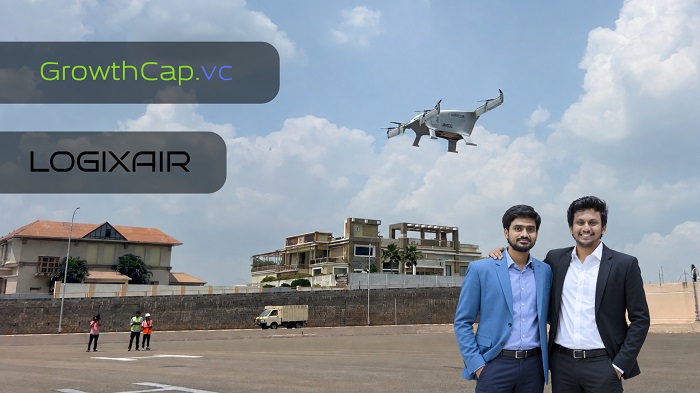
GrowthCap Ventures backs LogiXair to build India’s Autonomous Aerial Cargo Network

HYDERABAD: GrowthCap Ventures, an early-stage Deeptech venture capital firm focused on technology-led businesses, has invested in LogiXair, a Hyderabad-based deep-tech aerospace and logistics company developing autonomous hybrid-electric Vertical Take-Off and Landing (VTOL) aircraft for cargo logistics across India and international markets along with angel investors with professional backgrounds at Honeywell Aerospace have joined the round, adding aerospace industry experience and strategic insight.

Founded by Bhanu Teja Chidura and Pulla Kapil, LogiXair is closing a critical gap in India’s logistics: fast, reliable short-haul cargo movement of up to 600 km between metros, industrial hubs and Tier II and III cities, without conventional runways, with a roadmap built for international markets as well. Its engineering-led team, spanning aerospace engineering, autonomous systems, robotics and software, with experience across both research and commercial technology systems, has validated a hybrid-electric powertrain, flight-tested sub-scale prototypes and built six IP assets at TRL 6. Working with DRDO and other aerospace and defence OEMs, the team tests its technology against real operational requirements, and the resulting revenue supports a capital-efficient path to commercialisation. 

The L560, an autonomous hybrid-electric VTOL carrying up to 300 kg over 600 km, together with modular cargo containers, autonomous ground handling and fleet operations software, forms a new logistics layer alongside road, rail and conventional aviation, giving it a scalable platform for India’s fast-growing logistics market and for export to international markets. The investment will fund continued engineering development, technology validation and commercialisation, with partnerships across logistics, industrial and strategic sectors to be explored. 

LogiXair’s progress comes amid growing momentum in India’s deep-tech and aerospace ecosystem, supported by initiatives such as the government’s Rs. 1 lakh crore Research, Development and Innovation (RDI) Scheme aimed at accelerating indigenous technology development and commercialisation. With increasing interest in autonomous aviation, advanced mobility and strategic technologies, the company sees significant opportunities to build globally competitive aerospace solutions from India. 

“Our vision is to build a new layer of logistics infrastructure that makes regional cargo transportation faster, more flexible and less dependent on traditional transportation networks. We are developing an integrated platform that combines autonomous aviation, hybrid-electric propulsion, and intelligent cargo handling. GrowthCap Ventures’ backing, together with support from experienced aerospace professionals, strengthens our journey towards building scalable aerial logistics infrastructure for India and global markets,” said Bhanu Teja Chidura, Co-founder, LogiXair. 

“Logistics is one of India’s largest and most underserved infrastructure opportunities, and LogiXair is attacking it with rare engineering depth. Bhanu brings more than eight years in aerial robotics and holds an EASA pilot’s licence; with Kapil and a team backed by advisors from Honeywell and IIT Hyderabad, he has taken the company from concept to a flying hybrid-electric VTOL, built six IP assets and a revenue-generating defence engineering business. That platform can serve defence and offshore logistics first, then India’s middle-mile cargo, with Europe and Asia-Pacific as natural international markets. That execution is what gave us conviction, and it shows that India has the engineering talent to build globally relevant deep-tech companies,” said Pratekk Agarwaal, Founder and General Partner, GrowthCap Ventures.

About Growth Cap Ventures: The Operator VC Backing India’s Early-Stage Deeptech, Fintech and AI Founders

Growth Cap Ventures is a SEBI-registered Cat2, operator-led fund that invests from seed alongside founders in deeptech, fintech and AI. Deeptech accounts for about 40% of its portfolio. The fund is led by Founder & General Partner Pratekk Agarwaal, an IIM-Kozhikode alumnus whose career spans Bajaj Finserv, Fullerton India, IndoStar Capital and BharatPe. It combines Pratekk’s operating experience with capital, advice and an institutional network for founders.

RSGT Bangladesh sets New Productivity Record at Patenga Container Terminal with 72 Moves per Hour

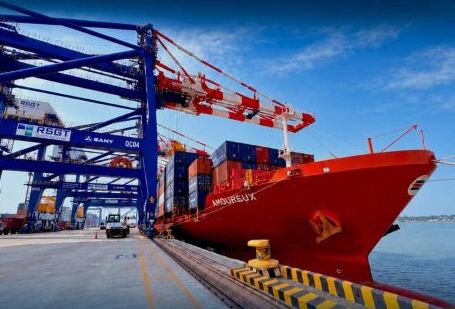
CHATTOGRAM: RSGT Bangladesh has achieved a new operational milestone at Patenga Container Terminal (PCT), recording an impressive productivity rate of 72 moves per hour during the handling of MV AMOUREUX, a vessel operated by CMA CGM, on 18 October 2026.

According to a post shared by RSGT Bangladesh on LinkedIn, the latest achievement surpasses its previous productivity record of 58 moves per hour, recorded in September 2026, demonstrating a significant improvement in terminal handling performance within a short period.

The milestone highlights RSGT Bangladesh’s continued focus on operational efficiency, productivity enhancement and the adoption of modern technology to improve container terminal operations. The company attributed the achievement to the collective efforts of its team, combining professional expertise, effective collaboration and technology-driven operations.

Achieving 72 moves per hour marks an important step in strengthening the operational capabilities of Patenga Container Terminal and supporting the evolving requirements of Bangladesh’s maritime and logistics sectors.

RSGT Bangladesh stated that every milestone presents an opportunity to raise operational standards further and contribute to the advancement of the country’s maritime industry. The latest performance achievement reinforces the importance of continuous improvement and efficient terminal management in enhancing port competitiveness.

As Bangladesh continues to strengthen its position in regional and international trade, improved container handling productivity at Patenga Container Terminal can contribute to more efficient cargo operations and support the country’s growing maritime ambitions.

Zim employees protest proposed sale to Hapag-Lloyd, noting ties to Qataris and Saudis

HAIFA: Employees of Zim Integrated Shipping Services hold a demonstration against the proposed sale of the Israeli container shipping company to Hapag-Lloyd, due to the German shipping firm’s Gulf backers.

An estimated 400 employees demonstrate in Tel Aviv, warning about the risks of Hapag-Lloyd’s ties to Qatar and Saudi Arabia. Demonstrators hold up banners cautioning about the danger of dependence on entities hostile to Israel and risks to national security and maritime independence, calling for Zim to remain Israeli.

Among Hapag-Lloyd’s shareholders are Qatar Holding, a subsidiary of Qatar’s sovereign wealth fund, which owns a 12.3% stake, and Saudi Arabia’s Public Investment Fund, which has a 10.2% stake.

The demonstration is being held in cooperation with the Zim workers’ union and the Histadrut Labor Federation.

The protest is taking place after months of uncertainty over the proposed deal announced in February, including concerns about the potential impact on employees and their job security. The Zim workers’ union demands employee representation in the deal framework and protection of workers’ rights, and has warned that decisions made over employees’ heads will not be accepted.

Panama Canal Reports Growth in Transits and Tonnage in Fiscal Year 2026

PANAMA CITY: The Panama Canal recorded growth in both vessel transits and tonnage in Fiscal Year 2026, which ran from October 2025 through September 2026. The results underscore the waterway’s ability to meet the demand of global maritime trade while continuing to adapt to the effects of El Niño.

The Panama Canal presented its FY2026 results on Wednesday during a call hosted by Anna Milne, Managing Director of Emerging Markets Corporate Research at Bank of America Merrill Lynch.

Panama Canal Administrator Ilya Espino de Marotta, Deputy Administrator Miguel Lorenzo, and Vice President of Finance Juan Mojica discussed the canal’s water management strategy and progress on initiatives under its Vision 2025–2035, including the Río Indio Lake Project.

Operational Performance

The Panama Canal handled 13,951 transits in FY2026, up 4.1% from 13,404 in FY2025. Growth was driven by energy shipping segments and strong containership performance.

Tonnage reached 521 million Panama Canal Universal Measurement System (PC/UMS) tons, an increase of 6.5% from 489.2 million PC/UMS tons the previous fiscal year.

Vessels transiting the Neopanamax locks accounted for 52.2% of total tonnage, with tonnage through these locks rising 8.2% year over year. This growth reflects the increasing share of larger-capacity vessels using the waterway.

The results reflect a sustained recovery in demand, supported in part by shifts in international trade flows. The Panama Canal also maintained a maximum draft of 50 feet throughout the dry season, providing favorable operating conditions for its customers.

Total revenue for FY2026 reached B/. 6.6 billion, an increase of 16.6% over the previous fiscal year. These unaudited figures reflect strong financial discipline and will support investment in strategic projects that will shape the future of the canal.

“Far from restricting trade flows, the Panama Canal facilitates international maritime trade by providing its customers with a reliable and safe route,” Administrator Espino de Marotta said during the call.

Results from FY2026 also highlight the performance and dedication of the canal’s workforce and its ability to deliver strong results in a complex global environment.

Last Minute Reservations

With water conservation measures proving effective and recent rainfall in the watershed approaching average levels, the Panama Canal announced today, through an Advisory to Shipping, the immediate reinstatement of its Last-Minute Reservation service for vessels using the Panamax locks.

The service gives vessels without a reservation an additional opportunity to secure a transit slot when one becomes available and the canal, at its discretion, chooses to offer it.

The Panama Canal remains committed to closely monitoring water conditions and rainfall and will promptly communicate any further adjustments as circumstances require.

WMU: Examining 20 Years of the Maritime Labour Convention

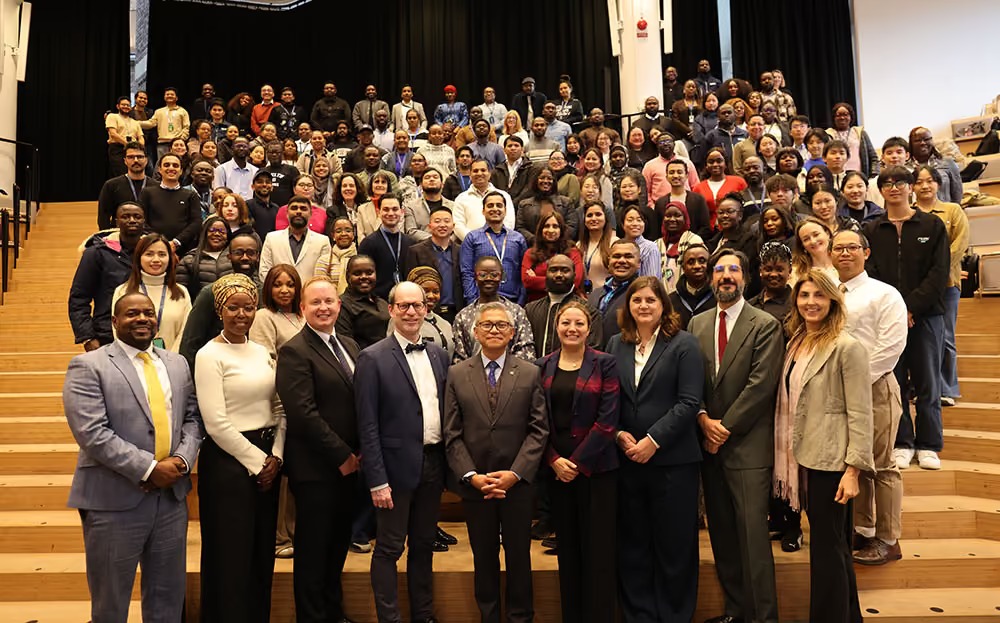
MALMO: The World Maritime University (WMU) brought together international experts on 15 October to mark the 20th anniversary of the Maritime Labour Convention, 2006 (MLC, 2006), and assess its achievements and ongoing challenges in protecting seafarers’ rights and working conditions.

Organized by WMU in collaboration with COST Action BlueRights, the panel discussion, The Seafarers’ Bill of Rights turns 20: Assessing the Maritime Labour Convention, 2006, was held for students in WMU’s Malmö MSc programme. It featured representatives from the International Labour Organization (ILO), the International Maritime Organization (IMO), shipowners’ and seafarers’ organizations, seafarers’ welfare organizations and academia.

In his opening remarks, WMU President Professor Maximo Q. Mejia highlighted how the Convention consolidated more than 65 ILO maritime labour instruments into a single framework, establishing minimum international standards for seafarers’ working and living conditions. Often described as the “fourth pillar” of international maritime regulation, alongside SOLAS, MARPOL and STCW, the Convention has made labour standards an integral part of maritime certification and inspection.

Dr Khanssa Lagdami, WMU Associate Professor of Maritime Labour Law and Policy, convened the event and chaired the discussion alongside Dr Vincenzo Pietrogiovanni, Associate Professor of Labour Law at the University of Southern Denmark. The discussion explored the Convention’s negotiation and achievements, persistent gaps between its provisions and implementation in practice, and how it can be strengthened to address evolving challenges in the maritime sector.

The session concluded with questions and discussion with WMU students, giving them the opportunity to engage directly with the panellists on the future of seafarers’ rights and maritime labour standards.

The proceedings will be documented in an open-access volume, providing a resource for researchers, practitioners and policymakers working on the future of maritime labour governance.

PANELISTS

Professor Irini Papanicolopulu
British Academy Global Professor of International Law, SOAS University of London; Vice-Chair, COST Action BlueRights

Mr Damien Chevallier
Director, Maritime Safety Division, International Maritime Organization (IMO)

Ms Beatriz Vacotto
Head of the Maritime Unit, International Labour Standards Department, International Labour Office (ILO)

Mr Danny McGowan
Head of International Relations, Nautilus International

Mr Helio Vicente
Director of Employment Affairs, International Chamber of Shipping (ICS)

Pastor Matthias Ristau
General Secretary, Deutsche Seemannsmission (German Seafarers’ Mission); International Christian Maritime Association (ICMA)

Ms Khomotjo Mphahlele
Maritime Professional; MSc Candidate, Maritime Affairs, World Maritime University (WMU)

Mitsubishi to reopen shipbuilding yard in Tamano amid rising orders

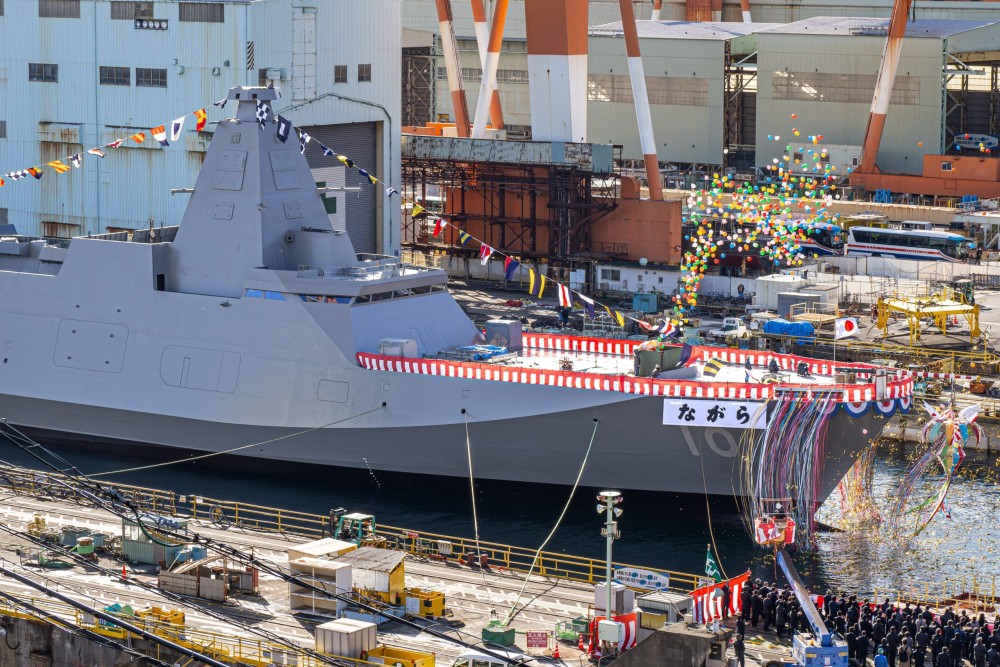
TAMANO : Mitsubishi Heavy Industries plans to resume operations at its shipbuilding slipway in Tamano, Okayama Prefecture, in fiscal year 2027.

The Japanese outlet Nikkei reported this.

The company aims to expand its warship-building capacity amid rising defense spending in Japan and growing opportunities to export military equipment. In particular, the company is considering using the slipway to build a new support vessel for the Japan Ministry of Defense.

Mitsubishi Heavy Industries also plans to increase the number of employees involved in shipbuilding. The slipway is at Maritime Systems’ main plant in Tamano, a subsidiary of Mitsubishi Heavy Industries. The facility was previously owned by Mitsui Shipbuilding, now known as Mitsui E&S.

In 2021, Mitsubishi Heavy Industries took over the company’s shipbuilding business after it exited the sector. Militarnyi previously reported that the Chief of the Royal New Zealand Navy had visited the Japanese Ministry of Defense and expressed interest in acquiring Japanese frigates to modernize the country’s surface fleet.

Construction of New FFM Frigates

One of Mitsubishi Heavy Industries’ main areas of activity is the construction of Mogami-class frigates. In August 2025, Australia selected an upgraded version of the vessel to modernize its navy. Japan has also started procuring next-generation frigates under the New FFM program, known as the 06FFM. The country plans to acquire a total of 12 such vessels for the Japan Maritime Self-Defense Force. The plan calls for building up to two frigates per year, which will require expanding shipbuilding capacity.

To avoid delays from occupied dry docks and slipways, the company plans to concentrate frigate construction at Japan’s main shipyards.

Meanwhile, the company plans to shift construction of other vessel types, including support ships, to secondary production facilities.

Japan’s flawed shipping proposal leaves developing countries adrift

LONDON: A new analysis by Opportunity Green warns governments of the wide-ranging risks posed by Japan’s proposal at the International Maritime Organization (IMO), ahead of adoption negotiations on the Net-Zero Framework (NZF) this November and December in London.

Japan’s latest proposal for changes to the NZF would significantly alter the agreed policy architecture, undermining even further the chances of making the 2023 Revised Strategy a reality. The primary changes involve: removing the Net-Zero Fund, the key pillar of “economic measure”; making the purchase of Surplus Units (SUs) the primary mechanism for addressing compliance deficits; and introducing an industry-led “direct contribution” as a global financing mechanism.

Opportunity Green highlights four interconnected risks for IMO member states in this scenario:

  1. Scrapping a just and equitable transition: A global IMO Fund is the tool to ensure climate vulnerable developing countries are supported in shipping’s clean transition, which countries committed to under the Revised Strategy. As it stands, the NZF would generate $10-15bn in additional, predictable compliance revenue to help countries meet their needs: investments in zero-emission ship technologies and energy and more resilient trade infrastructure. Removing the Fund also means losing the enforcement mechanism for the Framework.
  2. Depriving countries of the power to shape the maritime transition: Replacing the Fund with “direct contributions”, a system where companies are in charge of deciding where revenues are directed, effectively transfers decision-making power to companies. It could result in larger fleet owners paying compliance revenues back into their own supply chains and infrastructure, as opposed towards the needs of the global sector or climate vulnerable developing countries.
  3. Weakening incentives for zero-emission energy: Using SUs for compliance would undermine incentives for early uptake of zero-emission energy and fuels, allowing companies to effectively pay to pollute instead of investing in their transition.
  4. Undermining emission reduction: Weak incentives for zero-emission energy and fuels would also mean prolonged use of high-emitting fuels such as fossil-based liquefied natural gas (LNG) and biofuels in the industry. This would mean shipping cannot meet the emission reduction targets countries have committed to.

At the upcoming round of negotiations in November and December, countries are urged to retain key principles of the NZF and adopt the agreement in its current form to keep a fighting chance of meeting the IMO Revised Strategy and support states in meeting their international legal obligations on climate change.

Em Fenton, Senior Director at Opportunity Green, said:

“Under Japan’s proposal, countries would be forced to concede the power to shape the global maritime transition to the private sector, with no safeguards or guarantees to deliver justice and equity. It’s like giving up the driving seat and letting big businesses not just hold the wheel but also pick the route. The ones set to lose the most are climate vulnerable and developing countries in the global majority. The Net-Zero Framework as agreed in April last year is the best, fairest and most effective solution on the table that can still drive the clean transition.”