Home Blog Page 480

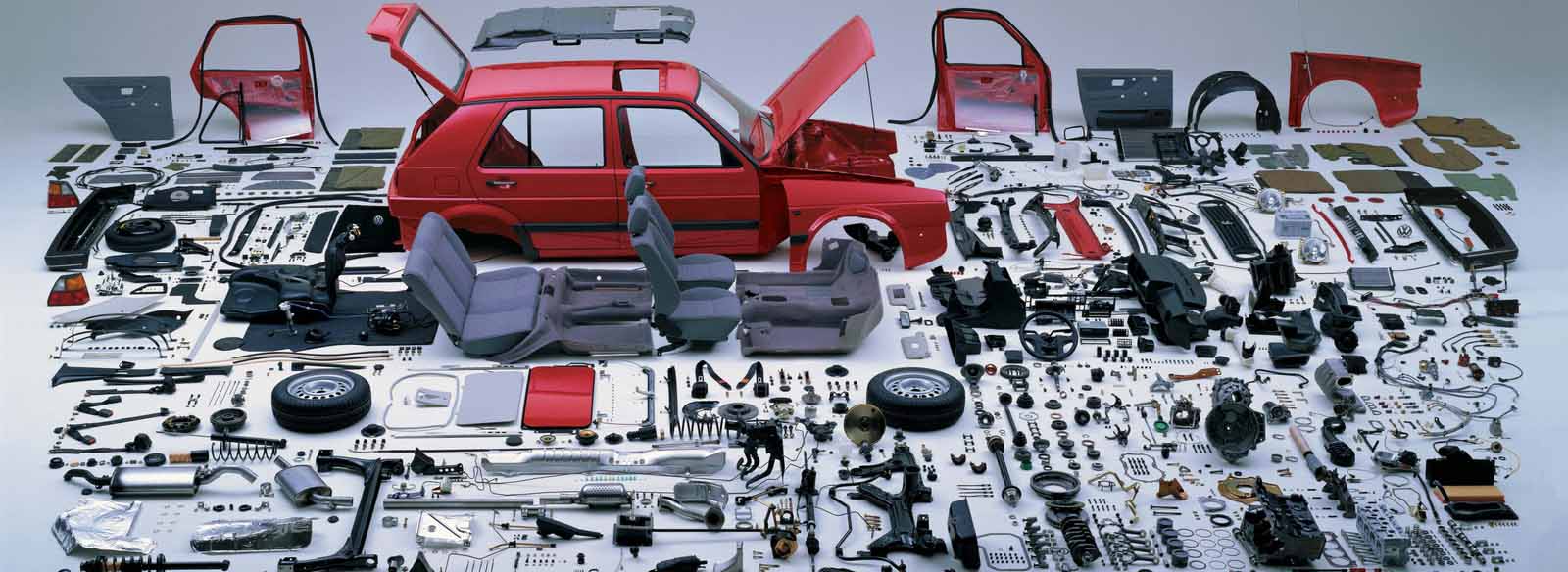
India auto ancillary sector poised to benefit from demand upcycle, EV push: Report

NEW DELHI: India’s auto ancillary sector is entering a favourable phase, supported by a structural demand upcycle, policy tailwinds and rising vehicle content intensity, according to a recent research report by Share India Securities.

Citing industry analysts, the report asserted that the sector is expected to deliver steady growth over the coming quarters, aided by improving domestic vehicle production, export momentum, and gradual margin recovery.

The Indian auto-component industry recorded a turnover of approximately Rs 6.7 lakh crore (around USD 80 billion) in 202525, marking nearly 10 per cent year-on-year growth, as per the report.

Exports reached nearly USD 23 billion, underscoring the increasing competitiveness of Indian suppliers in global markets.

Analysts estimate revenue growth of 7-9 per cent in 2025-26, supported by resilient replacement demand and operating leverage benefits as volumes scale up.

The recent 2025 GST rationalisation to simplified slabs has improved vehicle affordability, indirectly supporting higher volumes for component manufacturers, the report noted.

At the same time, policy initiatives such as the Production Linked Incentive (PLI) scheme continue to encourage localisation, capacity expansion and movement up the value chain, particularly in electronics, EV-linked components and precision manufacturing.

The shift toward electric vehicles is also proving structurally positive for auto ancillaries.

EVs typically require higher electronic, lighting and suspension content per vehicle, which could help component revenue growth outpace overall vehicle production growth over the medium term.

The report also highlighted a basket of auto ancillary companies with healthy balance sheets, consistent cash flows and earnings growth.

While near-term margin volatility from input costs such as steel and aluminium cannot be ruled out, analysts believe easing commodity cycles, partial price pass-through, and operating leverage will support gradual margin expansion.

With rising EV penetration, higher content per vehicle, and strong domestic manufacturing economics, the auto ancillary sector remains structurally well positioned at present, it noted.

Source: ANI

Lenders sanction Rs 3.362 cr under Credit Guarantee Scheme for Exporters in a month

NEW DELHI : Lenders have sanctioned Rs 3,361.83 crore to 774 applicants under the Rs 20,000-crore Credit Guarantee Scheme for Exporters (CGSE) in one month to help promote exports facing the heat of the steep US tariffs.
The scheme approved by the Union Cabinet on November 12 provides 100 per cent credit guarantee coverage by the National Credit Guarantee Trustee Company Ltd (NCGTC) to Member Lending Institutions (MLIs) for extending additional credit facilities up to Rs 20,000 crore to eligible exporters, including MSMEs.
CGSE was made operational on December 1, 2025. It enables banks and financial institutions to extend additional financial assistance to Indian exporters during a period of certain headwinds, which shall diversify their markets and enhance their global competitiveness.
“Applications worth Rs 8,764.81 crore (1,840 applications) received, out of which Rs 3,361.83 crore (774 applications) sanctioned by the lenders” till January 2, 2026, Department of Financial Services (DFS) under the Finance Ministry said in a statement.
Implemented by the DFS, CGSE is valid till March 31, 2026 or until Rs 20,000 crore of guarantees are issued, the statement said, while outlining the performance of DFS.
Talking about the Mutual Credit Guarantee Scheme for MSMEs (MCGS-MSME), it said, the scheme offers a credit guarantee to provide an incentive to MLIs to enable availability of additional credit facilities up to Rs 100 crore to MSME borrowers for purchase of equipment/plant and machinery.
Further, it aims to give a boost to manufacturing by facilitating the availability of credit for the purchase of plant and machinery/equipment, it said.
As of December 2025, banks have sanctioned Rs 16,836 crore against 8.96 lakh applications.
Sharing the performance of banks, it said, Scheduled Commercial Banks (SCBs) have recorded the highest ever aggregate net profit of Rs 4.01 lakh crore.
Public Sector Banks (PSBs) have also recorded the highest ever aggregate net profit of Rs 1.78 lakh crore during 2024-25. Further, the net profit of PSBs during the first half of 2025-26 was Rs 0.94 lakh crore.
Global deposits and global advances of PSBs increased from Rs 71.95 lakh crore and Rs 56.16 lakh crore in March 2015 to Rs 146.27 lakh crore and Rs 114.85 lakh crore, respectively, in September 2025.
GNPA ratio of PSBs declined to 2.30 per cent (Rs 2.65 lakh crore) in September 2025 (provisional data) from 4.97 per cent (Rs 2.79 lakh crore) in March 2015, and from a peak of 14.58 per cent (Rs 8.96 lakh crore) in March 2018.
Capital Adequacy Ratio of PSBs improved by 451 bps to reach 15.96 per cent in September 2025 from 11.45 per cent in March 2015.

China sets new record on a sea route abandoned by the West : 14 container voyages on the Northern Sea Route in 2025

BEIJING : While Western lines double down on familiar passages through Suez and the Cape of Good Hope, Chinese operators now push deeper into Arctic waters, betting that a shorter, harsher route could one day reshape how goods move between China and Europe.

China’s big Arctic bet moves from trial to strategy
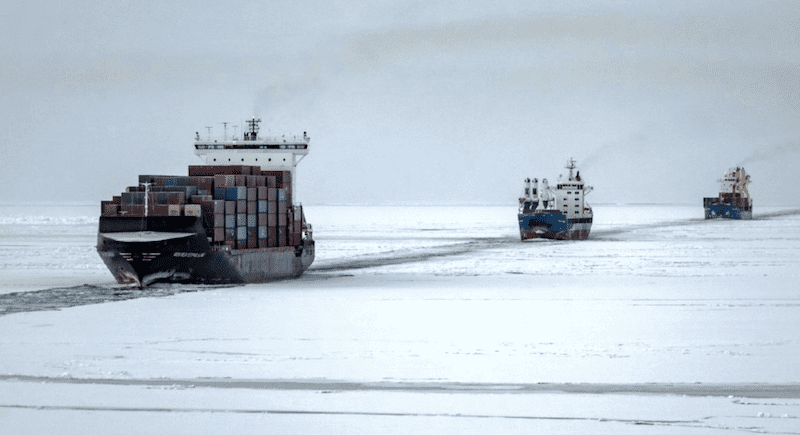
In 2025, Chinese shipping companies completed 14 container voyages between Asia and Europe via the Northern Sea Route (NSR), which runs along Russia’s Arctic coast. They logged 11 such voyages in 2024 and only 7 in 2023. The curve points one way: up.

This is no longer a curiosity driven by a single experimental ship. It looks more like the early stages of a deliberate strategy, with Chinese companies filling a space that Western carriers have largely abandoned for political, environmental and insurance reasons.

Volumes remain tiny compared with the world’s main trade lanes, yet the signal they send about long‑term logistics and geopolitics is hard to ignore.

What makes the Northern Sea Route so attractive?
The NSR cuts across the top of the globe, hugging Russia’s Arctic shoreline. For a Shanghai–Antwerp service, it shaves about 24% off the distance versus the Suez Canal route.

The Arctic route also avoids geopolitical choke points such as the Suez Canal and the Bab el‑Mandeb Strait, both exposed to regional tensions and disruption. That diversification angle increasingly matters to cargo owners bruised by recent Red Sea attacks, canal groundings and climate‑driven low‑water events.

Two Chinese operators at the sharp end
NewNew and Sea Legend push beyond trial runs
The current Arctic push rests mainly on two Chinese carriers: NewNew Shipping Line and Sea Legend. Both have signalled plans to raise their NSR transit count again in 2026. Their priority now: not just adding more voyages, but making schedules reliable enough for big retail and manufacturing clients.

A shorter 2025 season, but more traffic
The 2025 Arctic season started on 16 July with the NewNew Polar Bear sailing from Shanghai to Arkhangelsk in northern Russia. It ended on 30 October, when the Xin Xin Tian 2 completed a Shanghai–Kaliningrad trip.

That window was roughly three weeks shorter than in 2024 because ice formed earlier in the eastern Arctic. Yet container voyages rose from 11 to 14. Operators responded by bunching departures, tightening port calls and leaning more heavily on Russian icebreaker support.

India to deepen engagement with Singapore-based ship safety agency

SINGAPORE : India, a founding member of the Regional Cooperation Agreement on Combating Piracy and Armed Robbery against Ships in Asia (ReCAAP), is set to deepen its engagement with the Singapore-based Information Sharing Centre (ISC) of the grouping, its Executive Director Vijay D Chafekar has said.

“We expect closer cooperation with the Maritime Rescue Coordination Centre (MRCC), the Indian Focal Point of ReCAAP, for promoting safe and secure seas in Asia,” Chafekar told PTI on Saturday.

India is one of the founding members of the 21-nation ReCAAP, which was established as a regional, government-to-government institution for enhancing maritime security and ship safety.

The grouping is also drawing interest from countries beyond Asia, Chafekar said.

“Most of the attacks on ships are now for stealing engine and machinery spares for which there is demand in parallel markets. There has not been any incident of kidnapping of crew or hijacking ships in recent years,” said the retired Additional Director General of the Indian Coast Guard, who has been heading ReCAAP for the past year of his three-year term.

ReCAAP, he said, is now preparing for its 20th anniversary event to be held in Singapore in March, where representatives from member countries will discuss future plans of the agency.

A high-level Indian representation is expected at the Singapore forum, he said.

“Overall, ReCAAP engagement with the law enforcement agencies has been good and a successful arrangement is in place for ships to sail through Asian waters safely, though the weakest point is still the Straits of Malacca and Singapore (SOMS), where sea robberies have increased in 2025 though these were mostly petty theft cases,” Chafekar said.

He noted a marginal rise in incidents at Indian anchorages, with two cases reported in Kakinada and one in Kandla. In 2024, two incidents were recorded at Indian anchorages, according to ReCAAP ISC data.

Chafekar said the arrest of perpetrators in one of the attacks in Kakinada had led to a decline in such incidents in Indian waters.

A total of 132 incidents of piracy and armed robbery against ships in Asia were reported to ReCAAP ISC last year, marking a 23 per cent increase from 107 incidents reported in 2024. Only one Indian-flagged vessel was attacked among the incidents reported in 2025.

The SOMS continued to be an area of concern, with 108 sea robbery incidents reported in 2025.

“The sharp increase in number of incidents on SOMS in 2025 does not indicate a corresponding increase in threat to maritime trade passing through the straits, one of the world’s busiest shipping routes,” Chafekar said, adding that most of the reported incidents involved minor theft.

While the rise in sea robberies underscores persistent security challenges in busy waterways, the decline in incidents following the arrest of suspects by the Riau Islands Regional Police highlights the deterrent effect of effective enforcement, he said.

He reiterated ReCAAP ISC’s appeal to shipping companies to report all incidents of theft and unauthorised boarding to the nearest coastal state authority.

Source : PTI

Raft of shipping rules in force from 1 January 2026: IMO

LONDON: Amendments to key IMO treaties include reporting lost containers and mandatory training on preventing harassment and bullying at sea.

A set of amendments to key IMO treaties and Codes have entered into force on 1 January 2026. They include the following:

Preventing and responding to bullying, harassment and sexual assault

Amendments to the Seafarers’ Training, Certification and Watchkeeping Code (STCW Code) aim to prevent and respond to violence and harassment in the maritime sector, including sexual harassment, bullying and sexual assault.

The amendments are included in table A-VI/1-4 (Specification of minimum standard of competence in personal safety and social responsibilities) of the STCW Code. They outline new mandatory minimum requirements for basic training and instruction for seafarers.

These will equip seafarers with knowledge and understanding of violence and harassment, including sexual harassment, bullying and sexual assault, and information on how to prevent and respond to incidents.

Strengthening safety through improved training and certification of fishing vessel personnel

Amendments to the International Convention on Standards of Training, Certification and Watchkeeping for Fishing Vessel Personnel, 1995 (STCW-F Convention), together with the newly established mandatory Code on Standards of Training, Certification and Watchkeeping for Fishing Vessel Personnel (STCW-F Code), entered into force on 1 January 2026.

These amendments follow a comprehensive review of this treaty in order to respond to the evolving needs of the fishing industry by introducing harmonized qualification standards and establishing a minimum level of competence for personnel serving on fishing vessels covered by the Convention. The revised annex to the STCW-F Convention provides the legal framework within which the mandatory technical standards set out in part A of the STCW-F Code are applied. Part B of the Code offers guidance to support the uniform implementation of the Convention’s requirements, particularly for those involved in the education, training, certification, and assessment of fishing vessel personnel.

Mandatory reporting of lost containers

Amendments to the MARPOL and SOLAS Conventions on mandatory reporting of lost containers entered into force on 1 January. Containers lost overboard can be a serious hazard to navigation and safety at sea as well as to the marine environment.

MARPOL: The amendments to article V of Protocol I of the MARPOL Convention (Provisions concerning reports on incidents involving harmful substances) add a new paragraph to say that “In case of the loss of freight container(s), the report required by article II (1) (b) shall be made in accordance with the provisions of SOLAS regulations V/31 and V/32”.

SOLAS: The amendments to SOLAS chapter V (Safety of navigation), address in particular regulation 31 (Danger messages) and require the master of every ship involved in the loss of freight container(s) to communicate the particulars of such an incident to ships in the vicinity, to the nearest coastal State, and also to the flag State which is required to report the incident to IMO. The amendments also address regulation 32 (Information required in danger messages), specifying the information to be reported, including position, number of containers lost, etc.

Safety of onboard lifting appliances and anchor handling winches

A new SOLAS regulation II-1/3-13 covers requirements for the application, design and construction, operation, inspection, testing and maintenance of onboard lifting appliances and anchor handling winches.

Two related sets of guidelines for lifting appliances and anchor handling winches support the implementation of the new SOLAS regulation (MSC.1/Circ.1662 on Guidelines for anchor handling winches and MSC.1/Circ.1663 on Guidelines for lifting appliances).

Enhancing the safety of ships using oil fuel

Amendments to SOLAS chapter II-2 are intended to prevent the supply of oil fuel not complying with SOLAS flashpoint requirements (60°C).

The amendments add new definitions and provisions to SOLAS regulation II-2/4 (Probability of ignition), including requiring that ships carrying oil fuel shall, prior to bunkering, be provided with a declaration signed and certified by the fuel oil supplier’s representative that the oil fuel supplied is in conformity with regulation SOLAS II.2/4.2.1 and with the test method used for determining the flashpoint.

Safety measures for non-SOLAS ships operating in polar waters – Polar Code and SOLAS

Amendments to the Polar Code, together with associated amendments to the SOLAS Convention, extend the requirements concerning safety of navigation and voyage planning to fishing vessels of 24 m in length overall and above, pleasure yachts of 300 GT and above not engaged in trade and cargo ships of 300 GT and above but below 500 GT, operating in polar waters.

Amendments to the 2011 ESP Code

New amendments to the International code on the enhanced programme of inspections during surveys of bulk carriers and oil tankers (ESP Code) relate to the role of an Administration in relation to firms conducting thickness measurements of the hull structure of bulk carriers and oil tankers under the 2011 ESP Code, including audits of such firms by the Administration in order to ascertain that the firm is duly organized and managed.

Electronic inclinometers on new containerships and bulk carriers
Amendments to SOLAS Regulation V/19 require containerships and bulk carriers of 3,000 gross tonnage and upwards constructed on or after 1 January 2026 to be fitted with an electronic inclinometer, or other means, to determine, display and record the ship’s roll motion.

Fire extinguishing – PFOS ban

Amendments to SOLAS Chapter II-2 (Construction – Fire Protection, Fire Detection and Fire Extinction), as well as the 1994 and 2000 International Code of Safety for High-Speed Craft (HSC Code) prohibit the use or storage of extinguishing media containing perfluorooctane sulfonic acid (PFOS). The amendments aim to protect persons on board against exposure to dangerous substances used in fire fighting, as well as to minimize the impact of fire-extinguishing media that are deemed detrimental to the environment.

The prohibition applies to ships/high-speed craft constructed on or after 1 January 2026; and all ships constructed before 1 January 2026 shall comply with the ban not later than the date of the first survey on or after 1 January 2026.

Fire safety for vehicle, special category and ro-ro spaces

Amendments to SOLAS Chapter II-2 introduce new requirements to adequately protect ships from the fire hazards in vehicle, special category and ro-ro spaces, and weather decks intended for the carriage of vehicles. They include requirements for a fixed fire detection and fire alarm system; an efficient fire patrol system in special category spaces; and an effective video monitoring system in vehicle, special category and ro-ro spaces for continuous monitoring of these spaces, to allow for quick identification of a fire, with cameras to be installed to cover the whole space, high enough to see over cargo and vehicles after loading. Associated amendments introduced to the FSS Code supplement the engineering and installation aspects of fire protection systems in such spaces.

International Maritime Dangerous Goods Code (IMDG)

The revised and updated consolidated International Maritime Dangerous Goods Code (IMDG), incorporating amendment 42-24, entered into force from 1 January 2026.

The requirements apply to all ships carrying dangerous goods in packaged form.

Grain Code

Amendments to the International Code for the Safe Carriage of Grain in Bulk (Grain Code) introduce a new class of loading conditions for special compartments.

IGF Code amendments to enhance safety

Amendments to the International Code of Safety for Ship Using Gases or Other Low-flashpoint Fuels (IGF Code), adopted at MSC 108. They aim to enhance safety by regulating a variety of issues, such as pump suction wells, safety relief valve discharge, fuel preparation rooms, structural fire protection and hazardous zones.

Application of high manganese austenitic steel for cryogenic service

Amendments to the International Code of the Construction and Equipment of Ships Carrying Liquefied Gases in Bulk (IGC Code) and IGF Code, adopted at MSC 106, concern application of high manganese austenitic steel for cryogenic service.

Life-saving Appliance (LSA) Code

The amendments introduced to the LSA Code provide new requirements on ventilation for totally enclosed lifeboats (installed on or after 1 January 2029

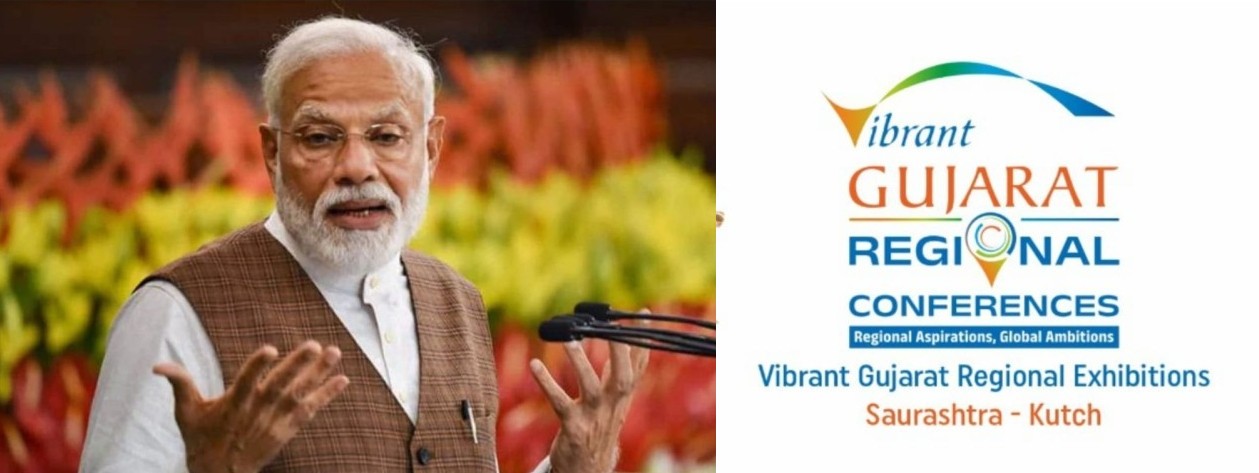
PM to inaugurate VGRC for Kutch and Saurashtra region at Rajkot on 11 January

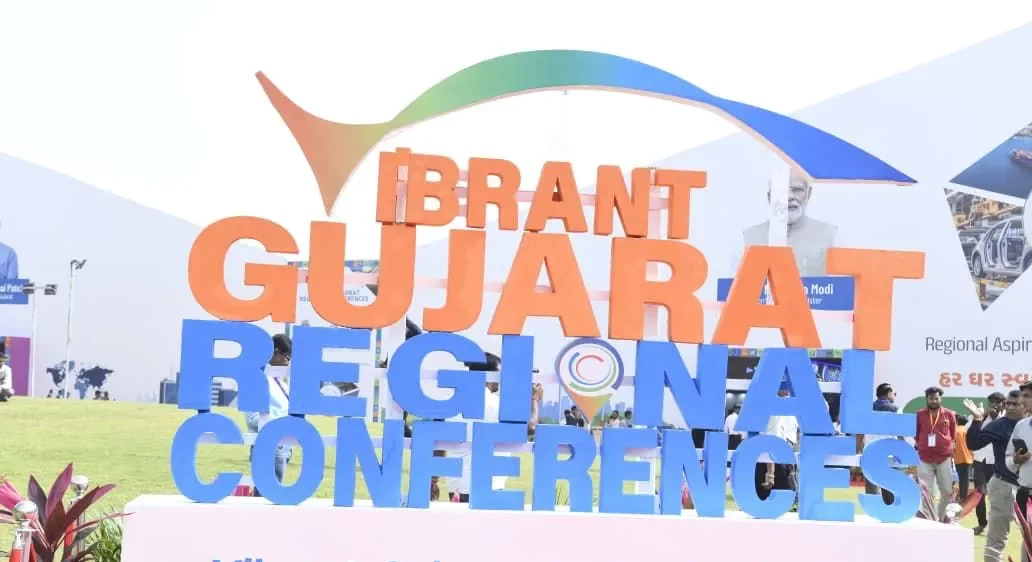
RAJKOT : Prime Minister Shri Narendra Modi will visit Gujarat to inaugurate Vibrant Gujarat Regional Conference for Kutch and Saurashtra region at Rajkot on 11 January.

At around 1:30 PM, he will inaugurate the trade show and exhibition at the conference. At around 2 PM, Prime Minister will inaugurate the Vibrant Gujarat Regional Conference for the Kutch and Saurashtra Region at Marwadi University, Rajkot, and also address the gathering on the occasion.

Aligned with the vision of Viksit Bharat @2047 and building upon the success and legacy of the Vibrant Gujarat Global Summit, these conferences are aimed at regional industrial development, promoting investments in various sectors as well as enhancing global engagement.

The Regional Conferences will not only serve as a platform for showcasing regional achievements and announcing new initiatives but also as instruments for co-creating Gujarat’s growth story by empowering regional economies, promoting innovation and facilitating strategic investments in every part of the State. The achievements of Regional Conferences will be showcased during the next edition of Vibrant Gujarat Global Summit.

Rajkot gears up for two-day Vibrant Gujarat Regional Conference

RAJKOT : The second edition of Vibrant Gujarat Regional Conference (VGRC), is scheduled to be held at the Marwadi University in Rajkot on January 11 and 12.

Prime Minister Shri Narendra Modi will inaugurate the two-day conference, focusing on Kutch and Saurashtra region, and the event will also see participation of many leading industrialists from across the country.

Preparations for the Vibrant Gujarat Summit are underway in full swing at the Marwari University campus. Naresh Jadeja, the venue coordinator and chief registrar of the University, told IANS, “Gujarat government is hosting the VGRC on January 11 and 12. Six domes have been built by the government for exhibition in 35 sectors, spread over an area of 22,000 square metres.”

A special dome has been built for the events that Prime Minister Modi will inaugurate at the VGRC. Nearly 4,000 industrialists from across Gujarat and the country are expected to take part.

Six to seven different domes have also been raised where stalls have been put up, showcasing a wide array of products.

Nearly three lakh visitors are expected to arrive here. Naresh Jadeja also said, “An inauguration dome with a seating capacity of 4,000 industrialists is being given final shape. Seminars on different subjects will be conducted at the 51 seminar halls.”

“As many as 800 students of the university are working as volunteer, coordinating on registration, guidance, guest arrival, etc. Around 22 international students from 52 countries will also participate along with delegates,” he also added.

The Marwari University Registrar, expressing delight over the opportunity, said, “This region never got so much exposure, prior to this. We are overloaded with assignments for the past five months. Last-moment preparations are in full swing.”

He also added, “A Memorandum of Understanding (MoU) will be signed by the university with an investment of Rs 1,000 crore towards the education sector in the next three years. We will launch 12 new programmes, construct academic buildings as well as hostel facilities, and a sports complex will be built.”

KCBA urges Union Minister Sarbananda Sonowal to Reconsider PPP Model for Dry Cargo Berths at Deendayal Port

GANDHIDHAM/NEW DELHI: The Kandla Custom Brokers’ Association (KCBA) has urged the Ministry of Ports, Shipping & Waterways (MoPSW) to reconsider the proposed move to allot certain dry cargo berths at Deendayal Port Authority (DPA) under the Public–Private Partnership (PPP/BOT) framework, citing past operational challenges and performance concerns. India Shipping News has reviewed a copy of the letter addressed to Hon’ble Union Minister Shri Sarbananda Sonowal.

In a detailed representation to the Minister, KCBA highlighted that while it appreciates the government’s ongoing efforts to modernize port infrastructure and promote the Blue Economy, the earlier experience of PPP-run dry bulk facilities at Kandla has not delivered the desired outcomes.

According to the Association, Deendayal Port Authority—one of India’s leading ports—handled approximately 150 million metric tonnes (MMT) of cargo in the last financial year, a performance enabled by direct port operations and close coordination among port users, stevedores, Custom Brokers, and the Port Administration.

However, the letter points out that PPP-operated Berths No. 13 to 16 experienced prolonged non-performance, contractual lapses, and legal disputes, ultimately leading to their takeover by DPA. Since reverting to direct port management, supported by licensed stevedores, these berths have reportedly achieved an average throughput of around 22 MMT annually with 97% occupancy.

KCBA argues that dry bulk cargo, being volume-driven and sensitive to market dynamics, benefits from flexible, adaptive operational control under the Port Authority. “The PPP model in dry bulk handling often results in operational rigidity, higher user charges, labour-related issues, and reduced direct oversight of strategic assets,” the Association stated in its submission.

While expressing reservations about the current plan for privatization, KCBA has simultaneously emphasized the need for significant capacity expansion over the next decade. The Association has recommended the development of at least 10 new deep-draught public berths under direct port ownership to meet future trade requirements, accommodate larger vessels, and support India’s growing economic activity.

At the same time, KCBA has suggested that an additional 5 to 10 berths may be developed through PPP/BOT arrangements, but only in a phased, calibrated, and stakeholder-driven manner. The Association stressed the need for balanced concession agreements, fair user charges, proper risk allocation, and consultations to ensure commercial viability and long-term sustainability.

The letter also references observations made by Shipping Secretary Shri Vijay Kumar during his recent visit to Kandla, where he underscored the need for Deendayal Port to enhance its cargo-handling capacity to 170 MMT and work toward becoming a globally competitive port.

KCBA concluded by appealing to the Minister to adopt a more balanced approach toward the privatization proposal, keeping in view operational realities, past experience, and stakeholder feedback.

MoPSW Reviews DG Shipping’s Performance to Accelerate Maritime Reforms and Governance Efficiency

NEW DELHI: Shri Rajesh Kumar Sinha, IAS, Special Secretary, Ministry of Ports, Shipping & Waterways (MoPSW), conducted a comprehensive review of the functioning and ongoing initiatives of the Directorate General of Shipping (DG Shipping) on Friday, reaffirming the Government’s commitment to strengthening maritime governance and regulatory efficiency.

The review meeting focused on the Directorate’s administrative performance, progress of reforms, and institutional priorities. Key areas assessed included the effectiveness of policy implementation, inter-agency coordination, and the quality of service delivery to maritime stakeholders across the sector.

Officials discussed ongoing efforts to streamline processes, enhance transparency, and reinforce accountability mechanisms within DG Shipping. The deliberations also evaluated the progress of digital initiatives aimed at improving accessibility and stakeholder engagement.

The discussions highlighted the Government’s emphasis on aligning DG Shipping’s operations with national maritime objectives under the Maritime India Vision 2030 and the long-term developmental roadmap of Amrit Kaal 2047. Shri Sinha underscored the importance of responsive governance, efficient regulation, and sector-wide reforms to support India’s ambition to emerge as a global maritime leader.

DG Shipping continues to focus on improving regulatory processes, boosting stakeholder confidence, and facilitating the maritime ecosystem’s growth in sync with India’s expanding role in global trade and shipping. The Directorate reiterated its commitment to advancing safety standards, capacity building, and international compliance while driving sustainable maritime development.

CONCOR CMD met with Adani Vizhinjam Port Team

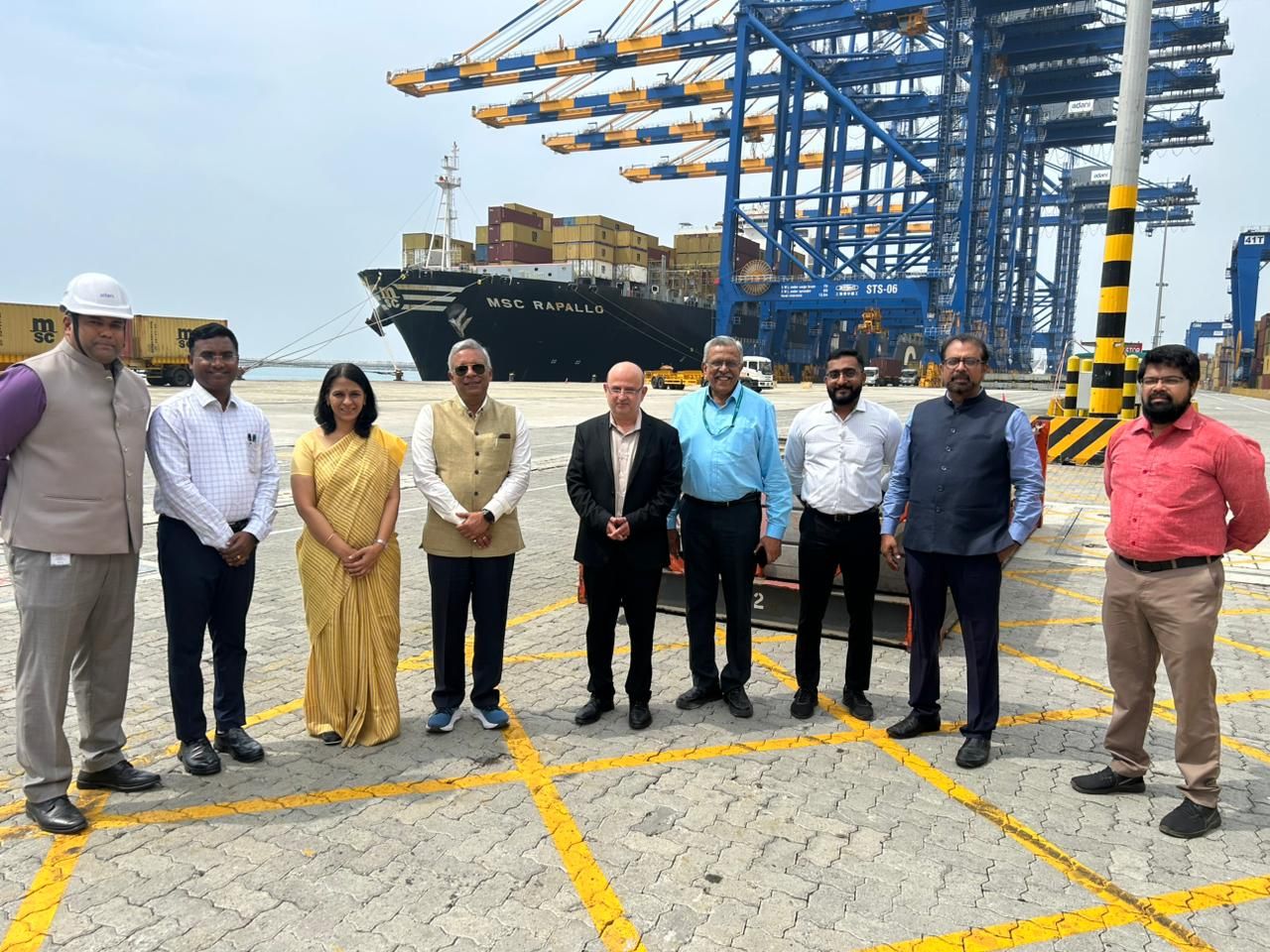
NEW DELHI : Shri Sanjay Swarup, CMD, Container Corporation of India Ltd. (CONCOR), held a strategic meeting with the team of Adani Vizhinjam International Seaport on 08 January 2026.

The discussions focused on business development opportunities, synergising port-led infrastructure with CONCOR’s robust multimodal logistics network, and unlocking new value-driven supply chain solutions for EXIM and domestic cargo.

This engagement reflects CONCOR’s continued commitment to enhancing logistics efficiency, and strengthening port–rail connectivity to support India’s rapidly evolving trade ecosystem.

CONCOR is committed to play a pivotal role in building a future-ready, sustainable, and globally competitive logistics landscape for the nation.