Home Blog Page 486

PaxOcean – ABB collaboration on Singapore’s first electric tug reaches major milestone

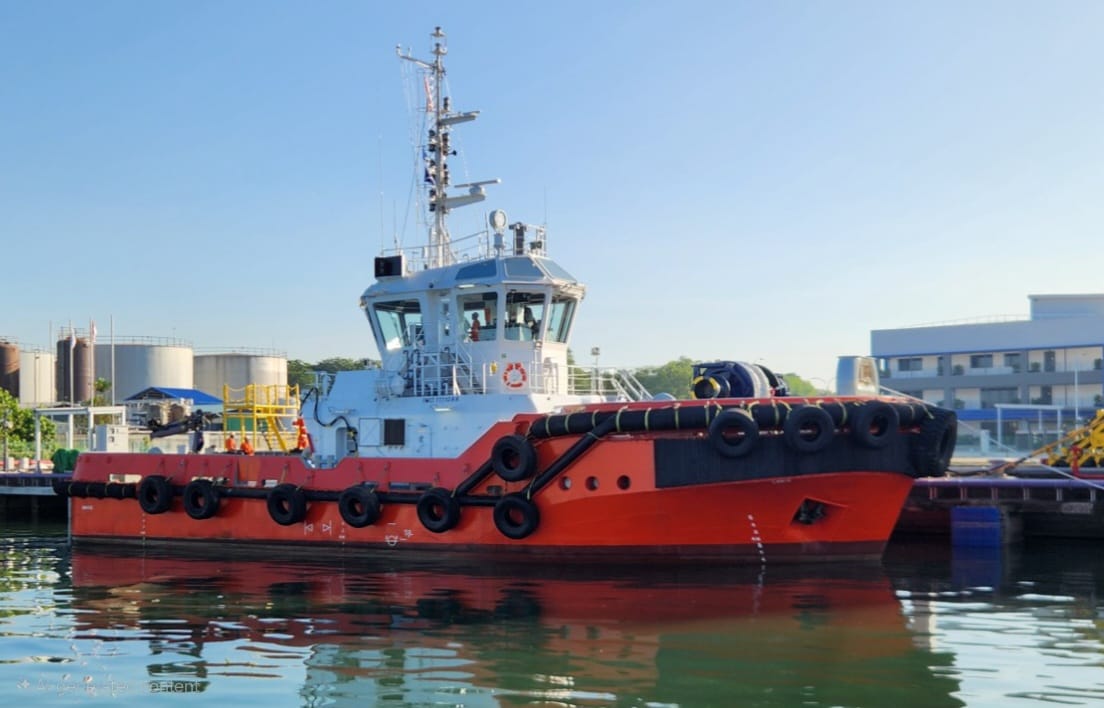
SINGAPORE: PaxOcean Group and ABB’s collaboration on Singapore’s first fully electric tug has reached a significant project milestone, with the vessel completing commissioning ahead of its expected deployment in April 2026.

Built by PaxOcean Group, a subsidiary of Singapore-based Kuok Maritime Group, the 50-ton bollard pull PXO-ACE-1 features an integrated electric propulsion system from ABB for efficient, emission-free harbor operations.

With the Maritime and Port Authority of Singapore requiring all newbuild harbor craft to be fully electric or compatible with B100 biofuels or net-zero fuels by 2030, the new vessel marks the first step towards the electrification of the city-state’s 1,600-plus harbor vessels. In addition to helping improve local air quality, battery-driven vessels substantially reduce onboard noise and vibrations compared to diesel-powered crafts, resulting in a healthier working environment for crew.

As the core of PXO-ACE-1’s power and control system, ABB’s Onboard DC Grid™ with PEMS™ power and energy management system will enable the e-tug to make optimal use of its three-megawatt-hour battery pack to support wide variations in power demand, including instant high torque. The modular and highly customizable Onboard DC Grid™ facilitates battery integration and reduces the number of energy conversions between different sources and loads, thereby optimizing drivetrain efficiency while extending operating range per battery charge.

“Developing Singapore’s first fully electric tug is a significant achievement and an important step in advancing maritime decarbonization,” said Tan Thai Yong, Managing Director and Chief Executive Officer, PaxOcean Group. “ABB has supported us as the systems integrator on this project, contributing their experience in battery-powered vessels to the integration of the power, propulsion, and bridge systems on board this e-tug – a first of its kind. The operational integrity, safety, and performance of this vessel depend on reliable systems and effective integration, and ABB has delivered on both. We look forward to seeing PXO-ACE-1 in operation starting next year.”

“We are proud to be part of this groundbreaking project for Singapore, supporting the world’s maritime capital in its journey towards fully electric harbor operations,” said Olli Tuunainen, Local Business Line Manager, Singapore, ABB’s Marine & Ports division. “Tugs are among the industry’s leading candidates for full electrification given their operational profile, relative proximity to charging infrastructure, and the operational benefits they derive from an electric drivetrain, including instant power and enhanced crew comfort. We believe that this project will provide a blueprint for further electrification in Singapore and throughout Asia.”

ABB is a global technology leader in electrification and automation, enabling a more sustainable and resource-efficient future. By connecting its engineering and digitalization expertise, ABB helps industries run at high performance, while becoming more efficient, productive and sustainable so they outperform. At ABB, we call this ‘Engineered to Outrun’. The company has over 140 years of history and around 110,000 employees worldwide. ABB’s shares are listed on the SIX Swiss Exchange (ABBN) and Nasdaq Stockholm (ABB). www.abb.com

ABB’s Automation business automates, electrifies and digitalizes industrial operations that address a wide range of essential needs – from supplying energy, water and materials, to producing goods and transporting them to market. With its ~26,000 employees, leading technology and service expertise, Automation helps process, hybrid and maritime industries outrun – leaner and cleaner.

DSTA Partners with Korean Register to Advance Verification and Validation for Autonomous Maritime Systems

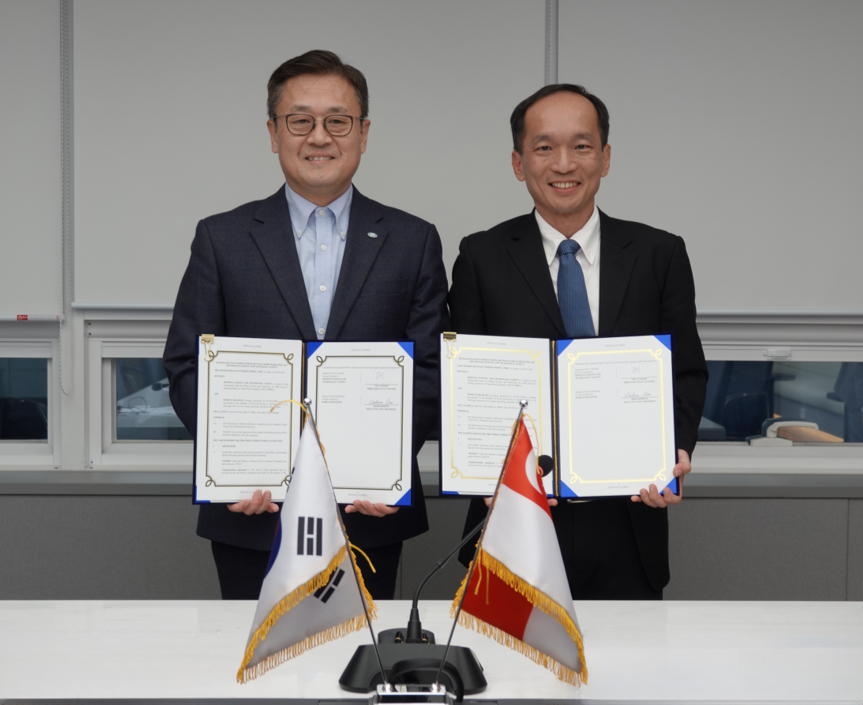
SINGAPORE: Singapore’s Defence Science and Technology Agency (DSTA) and the Republic of Korea’s Korean Register (KR) have signed a Memorandum of Understanding (MOU) to co-develop a framework to strengthen verification and validation (V&V) for perception and autonomy technologies used in Unmanned Surface Vessels (USVs).

The agreement brings together DSTA’s expertise in systems engineering with KR’s global leadership in maritime policy, certification and safety standards. Both organisations will jointly develop a V&V framework to assess AI-based perception algorithms and other core technologies that enable safe and reliable USV operations.

DSTA partnered with KR in recognition of its integrated approach encompassing policy, technology, and evaluation, as well as its extensive technical expertise. Through the project, the two organisations will play complementary roles in promoting the international standardisation of safety verification frameworks for autonomous maritime systems.

Mr Ong Li Koon, DSTA’s Director Naval Systems said, “As the maritime sector moves towards broader adoption of autonomous technologies across defence and commercial domains, our partnership with Korean Register to co-develop a unified validation and verification framework will help raise the bar for the safety of autonomous navigation globally.”

Mr Kim Daeheon, KR’s Executive Vice President, said, “This collaboration will support the development of robust test methodologies and safety guidelines for AI-based USV systems. Our goal is to enhance the safety and reliability of maritime technology, thereby building public and regulatory confidence in the deployment of autonomous vessels.”

KR plans to leverage this project to further strengthen its role in the maritime AI certification domain and expand global partnerships. The outcomes of the joint research are expected to help shape international standards and regulatory discussions, contributing to the establishment of a trusted global framework for autonomous ship technologies.

Piyush Goyal to visit Brussels for crucial India-EU FTA talks

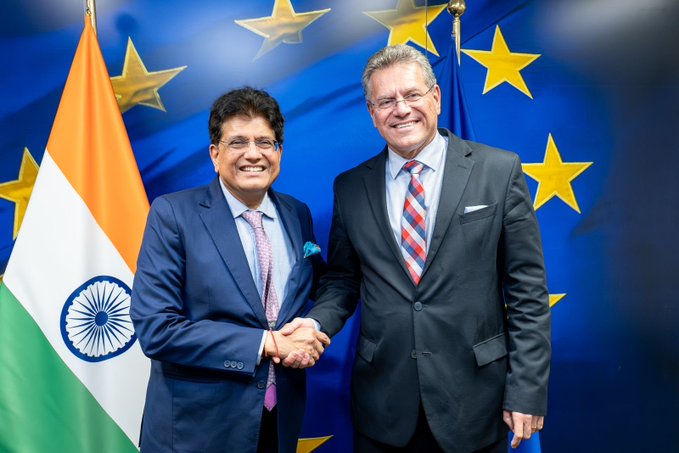
NEW DELHI : Union Minister of Commerce and Industry, Shri Piyush Goyal, is scheduled to visit Brussels for a significant two-day official trip from 8-9 January 2026. The visit underscores the intensifying diplomatic and technical engagements between New Delhi and Brussels, signalling a decisive push toward concluding the India-EU Free Trade Agreement (FTA).

The talks come at a historic juncture for India-EU economic relations. The negotiations were ambitiously re-launched in June 2022 after a hiatus of over nine years, reflecting a renewed mutual commitment to deepen economic integration. Since the resumption, the two sides have held 14 rounds of intense negotiations and several high level dialogues at Ministerial level, with the latest interaction in December 2025.

The European Union is currently India’s largest trading partner and a key investor, with bilateral trade in goods significantly bolstered in the 2024-25 fiscal year. This agreement is envisioned not just as a trade deal, but as a comprehensive partnership, that addresses modern economic realities.

During the visit, Shri Goyal will hold high-level dialogues with the European Union’s Commissioner for Trade and Economic Security, Mr. Maroš Šefčovič. The primary objective of these interactions is to provide strategic guidance to the negotiating teams, resolve pending issues, and expedite the conclusion of a balanced and ambitious agreement.

The leaders are expected to carry out detailed deliberations across key areas of the proposed agreement, aiming to narrow divergences and ensure clarity on outstanding matters. The Ministerial engagement follows a week of intensive deliberations in Brussels, building upon the groundwork laid during high-level discussions held earlier this week (6-7 January 2026) between India’s Commerce Secretary, Shri Rajesh Agrawal, and the Director-General for Trade of the European Commission, Ms. Sabine Weyand.

A central pillar of India’s negotiation strategy, guided by the vision of Prime Minister Shri Narendra Modi, is to secure an agreement that translates into tangible benefits for the common man. India is pushing for zero-duty access for its labor-intensive sectors—such as textiles, leather, apparel, gems and jewellery, and handicrafts.

Both India and the EU have expressed strong political resolve to deliver a comprehensive deal. The upcoming talks are expected to reaffirm the commitment of both sides to a rules-based trading framework and a modern economic partnership that safeguards the interests of farmers and MSMEs while integrating Indian industries into global supply chains.

JNPA initiates Stakeholders Dialogue on Green initiatives and next-phase of port development

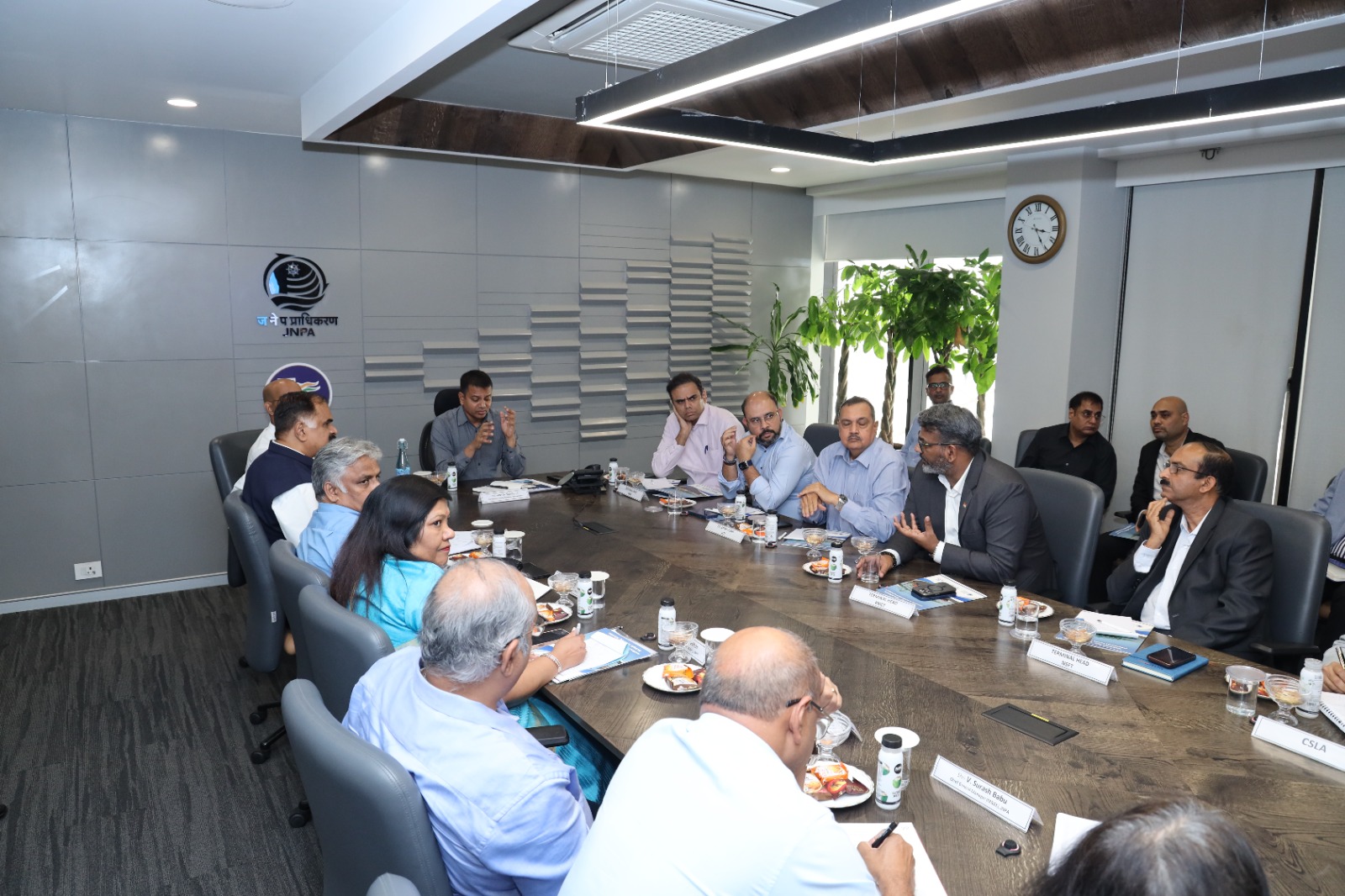
MUMBAI : Jawaharlal Nehru Port Authority (JNPA)- India’s largest container port, organised a stakeholders’ meeting on Tuesday, January 06, 2025, to deliberate on green initiatives and a range of strategic constraints related to the port’s future growth and sustainability.

The meeting brought together key stakeholders including terminal operators and container
shipping lines, to exchange views on emerging trends and operational preparedness
During the interaction, discussions focused on the evolving landscape of alternative and cleaner
fuels in the global shipping industry and the potential for green-fuel-operated vessels to
increasingly call at JNPA. Stakeholders shared perspectives on infrastructure readiness and longterm planning required to support such vessels, including the feasibility of introducing various
types of fuels like LNG, Methanol, Green Hydrogen, Ammonia, etc.

Deliberations covered the port’s transition towards complete reliance on green energy, along with
plans for extensive automation across wharf, yard, gate, and rail operations to enhance efficiency,
safety, and productivity. The pilot project of the shore power supply to vessels was discussed in
detail, including the readiness of shipping lines to tap into shore power.

In line with JNPA’s commitment to decarbonisation, stakeholders examined the conversion of
conventional equipment to electric alternatives, including yard cranes and internal transport
vehicles, and shared operational insights on challenges and timelines, particularly with a view to
achieving full electrification of terminal transport systems by the end of 2026.

Addressing the stakeholders during the meeting, Shri Gaurav Dayal, IAS, Chairperson, JNPA, said,
“the port is proactively aligning its development strategy with global best practices in sustainability,
clean energy, and automation. He emphasised that continuous engagement with stakeholders is
essential to ensure clear communication, address foreseen constraints promptly, and eliminate any
potential gaps, while enabling JNPA to remain future-ready and maintain smooth, transparent, and
environmentally responsible port operations.

The meeting was also attended by Shri Ravish Kumar Singh, IRTS, Dy. Chairperson, JNPA, and
JNPA HoDs. The need for additional port-based facilities such as ship repair and maintenance infrastructure was also deliberated, considering future traffic growth and operational requirements. The meeting further addressed navigational and capacity-related aspects such as dredging requirements,
potential projects requiring port land, and measures to strengthen road and rail connectivity to improve hinterland access and logistics efficiency. Stakeholders also exchanged views on the longterm prospects of Vadhvan Port and its role in enhancing the region’s maritime infrastructure.
About JNPA:
The Jawaharlal Nehru Port Authority (JNPA) is one of the premier container-handling ports in
India. Since its inception on May 26, 1989, JNPA has transformed from a bulk cargo terminal into
the premier container port in the country.
Currently, JNPA operates five container terminals – NSFT, NSICT, NSIGT, BMCT and APMT.
The Port also has a Shallow Water Berth for general cargo. A Liquid Cargo Terminal present at
the JNPA Port is managed by the BPCL-IOCL consortium and the additional liquid cargo terminal
developed by JNPA will be operated by M/s JSW – JNPT Liquid Terminal Pvt. Ltd. Additionally,
the newly constructed coastal berth links other Indian ports and facilitates enhancing the traffic of
coastal containers.
Nestled across 277 hectares of land, JNPA also operates a meticulously designed multi-product
SEZ, with state-of-the-art infrastructure, to boost export-oriented industries in India.
JNPA is also developing an all-weather, deep-draft, greenfield port at Vadhvan, the 13th Major
Port of India in Maharashtra. It is poised to be among the top 10 ports globally and will be a 100%
green port since its inception.

Allcargo Terminals expands CFS Capacity to 3.6 Lakh TEUs near JNP, Supporting India’s Rising EXIM Trade

MUMBAI: Allcargo Terminals Limited, a subsidiary of the Allcargo Group and a leading operator in India’s largest CFS-ICD network, announced a major expansion of its CFS near Jawaharlal Nehru Port (JNP). The facility’s handling capacity has been almost doubled from 1,90,000 TEUs to 3,60,000 TEUs annually, a move that underscores Allcargo Terminals’ growth strategy and commitment to boosting India’s EXIM trade infrastructure. The JNP capacity expansion forms a key pillar of Allcargo Terminals’ strategic three-year plan focused on scale, digitization, and infrastructure enhancement across its national network.

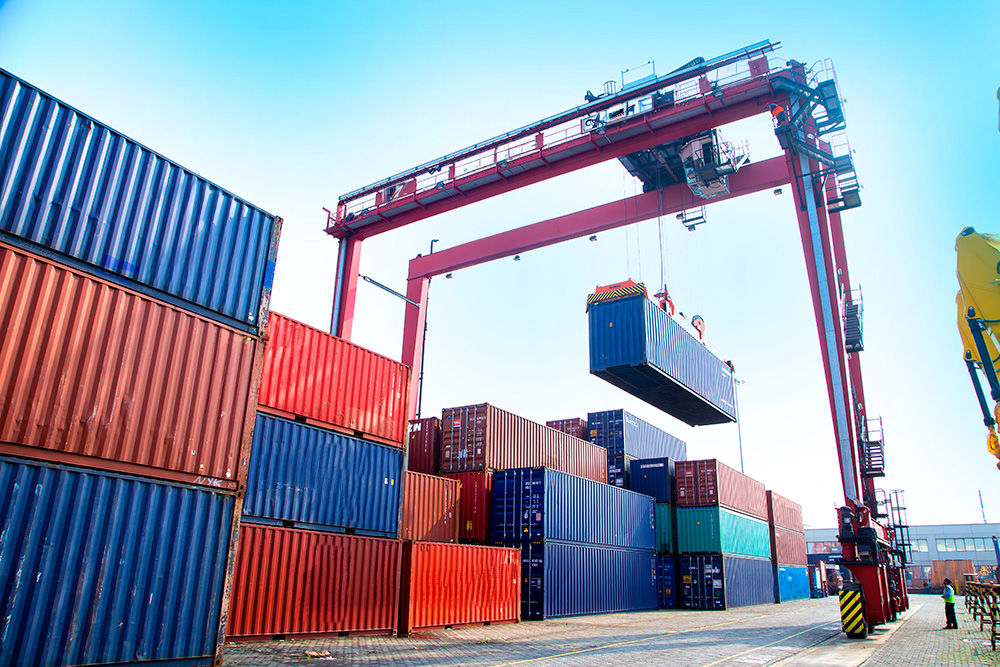
Image JNPT CFS Allcargo Terminals expands CFS Capacity to 3.6 Lakh TEUs near JNP, Supporting India’s Rising EXIM Trade

With the expanded yard capacity, powered by RTG-enabled, tag-less operations, the company is fully equipped to cater to the rapidly growing cargo volumes handled by JNP. This capacity augmentation reinforces Allcargo Terminals’ leadership in offering operational scale, efficiency, and digital-driven logistics services while supporting JNPA’s goal of becoming the first Indian port to handle 10 million TEUs by 2027.

The upgraded CFS now includes a 25% expansion in warehousing capacity and dedicated zones for special and Over-Dimensional Cargo (ODC). Allcargo Terminals’ proximity to JNP enables faster turnaround times, while advanced safety and security systems further elevate the level of service offered. Digital tools such as the MyCFS app and smart yard management systems ensure seamless and paperless workflows.

Commenting on the capacity expansion, Capt. Sunny Williams, Regional Head – West, Allcargo Terminals Limited, said, “JNP is one of the most critical gateways for India’s EXIM trade, and our capacity expansion here is both strategic and timely. By enhancing our yard space and warehousing infrastructure, we are strengthening our ability to handle increased cargo flows with precision and efficiency. With a digital-first operational approach and a robust facility network, Allcargo Terminals is well-positioned to support the evolving needs of customers and contribute meaningfully to the region’s logistic ecosystem”

Venugopal Shetty, Facility Head – CFS JNPT, Allcargo Terminals Limited, added, “The capacity expansion addresses growing customer requirements and feedback. With increased yard and warehouse capacity, backed by Allcargo Terminals’ myCFS platform and yard management solutions, we are better positioned to handle higher volumes with improved planning, visibility, and execution.“

Allcargo Terminals also operates a second facility near JNP through its wholly-owned subsidiary, Speedy Multimodes. The company currently runs seven CFS and ICD facilities across ports in India.

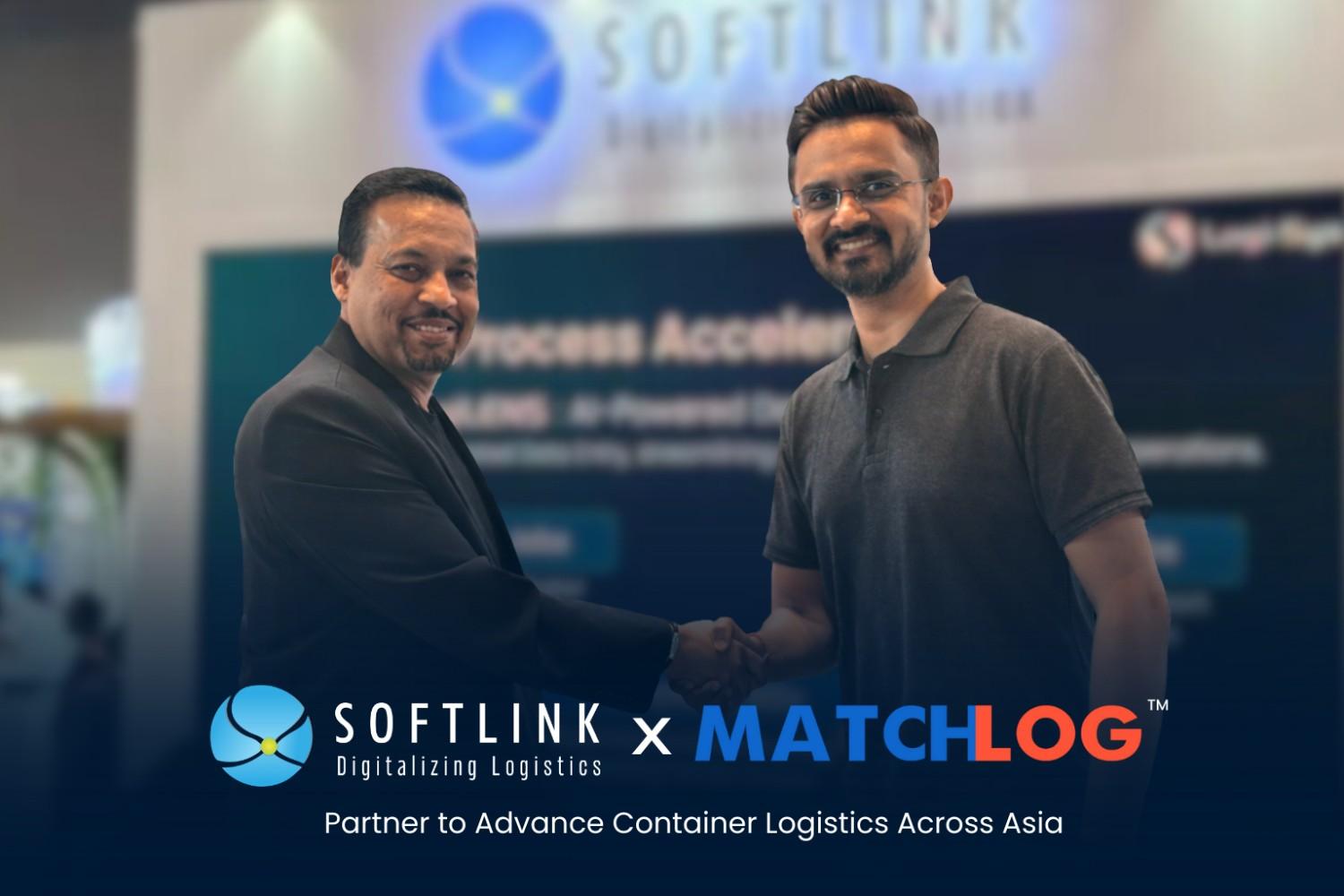
MatchLog and Softlink Global enter Strategic Partnership to Transform Container Logistics Across Asia

MUMBAI: MatchLog, the world’s largest container-reuse platform, has entered into a strategic Memorandum of Understanding with Softlink Global, the digital backbone platform powering freight and logistics operations for more than 5,100 companies globally. Under the partnership, MatchLog’s container equipment optimization capabilities will be integrated with Logi-Sys, Softlink Global’s enterprise ERP platform that serves as the system of record for freight forwarding, customs, warehousing, and financial operations.

The collaboration brings container reuse and asset optimisation directly into enterprise logistics workflows used by freight forwarders, third-party logistics providers, and shipping companies. By embedding container optimization within Logi-Sys, customers gain unified operational control across freight forwarding execution, container visibility, asset utilisation, customs documentation, warehousing, and financial workflows through a single operational system.

The partnership addresses long-standing inefficiencies in container logistics by placing container reuse intelligence inside the same ERP workflows where bookings, documentation, billing, and cost control are already managed. Logistics operators using Logi-Sys with integrated MatchLog capabilities can reduce empty container movements by aligning reuse decisions directly with live shipment execution, planning, and cost controls inside the ERP. Real-time container turnaround tracking within ERP workflows further enables more predictable planning and execution across regional networks.

Commenting on the partnership, Manish Singh, Co-Founder, MatchLog, said, “Trade lanes across the Asia-Pacific region continue to face persistent container imbalance and empty repositioning challenges. Through this collaboration, we are taking a decisive step toward making container optimization a seamless part of every logistics workflow. Integrating this capability within ERP systems empowers operators to strengthen asset utilisation, lower costs, and accelerate progress toward more sustainable and efficient supply chains.’

Amit Maheshwari, Founder and CEO, Softlink Global,commented,“Container optimisation cannot live outside the core operating system of a logistics company. By embedding MatchLog’s reuse intelligence directly into Logi-Sys, we are extending ERP from transaction management into asset efficiency. This gives our customers tighter cost control, better planning discipline, and cleaner execution without adding operational complexity.”

MatchLog has built strong momentum in the region, with consistent 20 percent month-on-month growth in India and recent expansion into Singapore. The company works with leading global shipping lines including Maersk, Hapag-Lloyd, and Pacific International Lines, with active implementations across major Asian trade corridors. Softlink Global serves more than 5,100 logistics companies worldwide through its Logi-Sys platform, supporting over one million users.

The integration is designed to scale across more than 100 countries where Logi-Sys is already deployed, using Softlink Global’s existing enterprise footprint to standardise container reuse practices while adapting to regional operating realities.

About MatchLog

Founded in July 2019, MatchLog is transforming logistics by optimising cargo, container, and trailer movements to significantly reduce operational wastage. Using advanced container-matching algorithms and a robust technology platform, MatchLog enables seamless integration across the logistics ecosystem, enhancing equipment utilisation and optimising transport routes. With a strong commitment to sustainability and innovation, MatchLog aims to eliminate 10 billion kilometres of unnecessary travel in the global EXIM (export–import) container supply chain, setting new benchmarks for efficiency and environmental responsibility.

About Softlink Global

Softlink Global is the digital backbone platform for freight and logistics operations, providing enterprise ERP systems used daily by freight forwarders, customs brokers, and logistics service providers to run mission-critical operations across freight, finance, compliance, and Warehousing. With Logi-Sys, the industry’s most advanced end-to-end cloud- based ERP, Softlink serves 5,100+ logistics companies across 100+ countries, supporting 1 million+ users. The platform seamlessly integrates freight forwarding, transportation, warehousing, finance, and compliance into a single intelligent system.

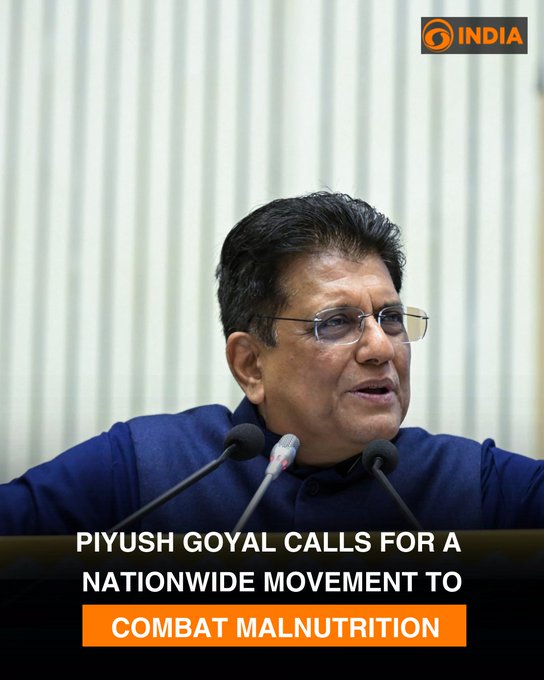
Whole-of-government approach ensuring nutrition, affordability and last-mile delivery: Piyush Goyal

NEW DELHI : Union Minister of Commerce and Industry Shri Piyush Goyal emphasised that the fight against malnutrition must be pursued as a collective national responsibility, involving government, corporates, communities and individuals alike. Addressing a CSR Conclave on Nutrition organised by the National Dairy Development Board (NDDB) in New Delhi, the Minister said that eliminating malnutrition is essential for building a Viksit Bharat and securing the country’s long-term social and economic future.

Shri Goyal said that Corporate Social Responsibility (CSR) provides a unique opportunity to link business with social impact, particularly in addressing malnutrition. While the law mandates companies to spend 2 per cent of their net profits on CSR activities, he said this should be seen as the minimum threshold and not a limitation. He described CSR not as a burden, but as a valuable opportunity to contribute meaningfully to society.

Highlighting that the spirit of service is deeply embedded in India’s history, culture and traditions, Shri Goyal said that many individuals and organisations voluntarily commit a portion of their profits to social causes, far exceeding the mandated Corporate Social Responsibility (CSR) requirement. He said the current programme serves as a wake-up call for all stakeholders to intensify efforts against malnutrition.

Minister of State for Cooperation Shri Krishan Pal Gurjar while addressing the conclave said that CSR has emerged as a powerful instrument for social transformation, moving beyond philanthropy to become a means of strategic social investment. He highlighted that programmes such as Shishu Sanjeevani demonstrate how the cooperative framework can effectively translate CSR resources into tangible social outcomes by ensuring local participation, transparency and impact. Appreciating initiatives like Gift Milk and Shishu Sanjeevani by NDDB, he said these programmes focus on aspirational districts, tribal areas, Anganwadi centres and government schools, ensuring alignment with local needs and last-mile delivery. The Minister emphasised that supporting institutional platforms such as the NDDB Foundation for Nutrition through CSR is not merely a statutory requirement but an active contribution to inclusive development and nation-building, in line with the spirit of “Sabka Saath, Sabka Vikas.”

Building on this approach of collaborative action, Shri Piyush Goyal said that malnutrition is a complex challenge that requires coordinated action. Shri Goyal highlighted that the programme is a strong example of inter-ministerial coordination, with the Ministry of Commerce and Industry, the Department of Animal Husbandry and Fisheries, the Ministry of Cooperation, the Ministry of Panchayati Raj, and the Ministry of Women and Child Development working together in line with the Prime Minister’s vision of a “whole-of-government approach”, under which all departments work in synergy to address national priorities. When the entire government moves together, programmes become more effective and impactful at the grassroots level, he added.

Shri Goyal said that NDDB is playing the role of an umbrella organisation in this programme, enabling collaboration between government and industry. He highlighted the critical role of the Department of Animal Husbandry and Fisheries in ensuring access to nutritious food, particularly milk and fish, which are rich sources of nutrition. Through government-supported institutions, nutritious food can be made available at affordable prices to address malnutrition, he said.

The Minister underscored the central role of the Ministry of Women and Child Development in addressing the root causes of malnutrition. He said that ensuring proper nutrition during pregnancy and early childhood is crucial, as malnutrition often begins even before birth. Adequate nutrition for pregnant women and children during their formative years significantly improves long-term health outcomes, he noted.

Emphasising the importance of saturation, Shri Goyal said that programmes must reach every village, every household and every section of society. He said this initiative connects corporates with beneficiaries and ensures that different stakeholders play their respective roles in reaching the grassroots.

The Ministry of Cooperation and Panchayati Raj institutions are crucial in taking these initiatives to the grassroots level, ensuring reach to every village and household. The collective involvement of all five ministries reflects coordinated governance aimed at ensuring nutrition, affordability and last-mile delivery.

Shri Goyal said that the Prime Minister consistently stresses innovation and innovative financing, as the government alone cannot fight malnutrition. He described the programme as an innovative model that links CSR directly with nutrition outcomes. By connecting corporates, PSUs and industry with the fight against malnutrition, the initiative creates shared value for society and the economy, he said.

The Minister said that addressing malnutrition also benefits farmers by increasing income through fisheries and animal husbandry. He noted that a single programme can simultaneously benefit farmers, women and children, and that large participation from these groups demonstrates the inclusive nature of the initiative.

From a management and policy perspective, Shri Goyal stressed the need for root cause analysis. He said that to eliminate malnutrition sustainably, interventions must focus on pregnancy and early childhood, and continue through the growing years to prevent stunting and underweight conditions.

He added that initiatives such as Fit India, yoga and sports also contribute to healthier lives, and that a malnutrition-free India is fundamental to achieving the goal of a developed nation. He noted that globally, the fight against malnutrition is a priority under the Sustainable Development Goals, and that access to clean drinking water through initiatives such as the Jal Jeevan Mission also plays a role by preventing diseases that lead to malnutrition.

Appealing to corporates, Shri Goyal said that investing in nutrition is an investment in India’s future workforce, future markets and future economic growth. Healthy children grow into healthy, productive and employable citizens, which benefits businesses by creating future employees and consumers, he said.

The Minister urged the media to highlight how CSR-driven nutrition initiatives are good for business and for the future of India. He said that the satisfaction derived from contributing to the fight against malnutrition instils a deep sense of responsibility and must be seen as a duty.

Calling for a people’s movement against malnutrition, Shri Goyal said that CSR should not be confined to corporates alone. He encouraged individuals to use personal milestones and celebrations as opportunities to serve society, including feeding children in orphanages and patients in hospitals.

As India works to lift 25 crore people out of poverty with speed and scale, Shri Goyal said the fight against malnutrition must be pursued with the same determination. He stated that the goal should be to ensure that not a single child in the country is malnourished or born with preventable diseases.

The Minister assured participants that the government is keen to receive new ideas and constructive suggestions through appropriate channels, including the Prime Minister’s website and concerned ministries. He expressed confidence that with collective effort, innovation and active participation of society, the goal of a malnutrition-free India is achievable.

DG Shipping issues update on migration of Seafarer profiles to e-Samudra Portal

MUMBAI : The Directorate General of Shipping (DG Shipping) has issued an important update regarding the migration of seafarer profiles from the existing DG Shipping portal to the newly launched e-Samudra portal, aimed at streamlining digital maritime services.

DG Shipping has clarified that seafarers are not required to update their complete profiles at this stage. For the ongoing migration process, seafarers are only advised to ensure that their registered mobile number and email ID are accurate and active on the existing DG Shipping portal. These contact details will be used for authentication and communication during and after the transition.

As per the update, all seafarer profiles will be migrated automatically to the e-Samudra portal, ensuring a smooth and hassle-free transition without the need for any additional action from seafarers.

DG Shipping further informed that other profile details, including personal information, certificates, qualifications, and related documents, can be reviewed and updated after the migration is completed on the e-Samudra platform.

The e-Samudra portal is designed to enhance transparency, improve service delivery, and provide a unified digital interface for seafarers and maritime stakeholders. DG Shipping has advised seafarers to regularly check official notifications and updates related to the migration process.

This initiative forms part of DG Shipping’s ongoing efforts to modernise maritime administration and improve ease of doing business in the Indian maritime sector.

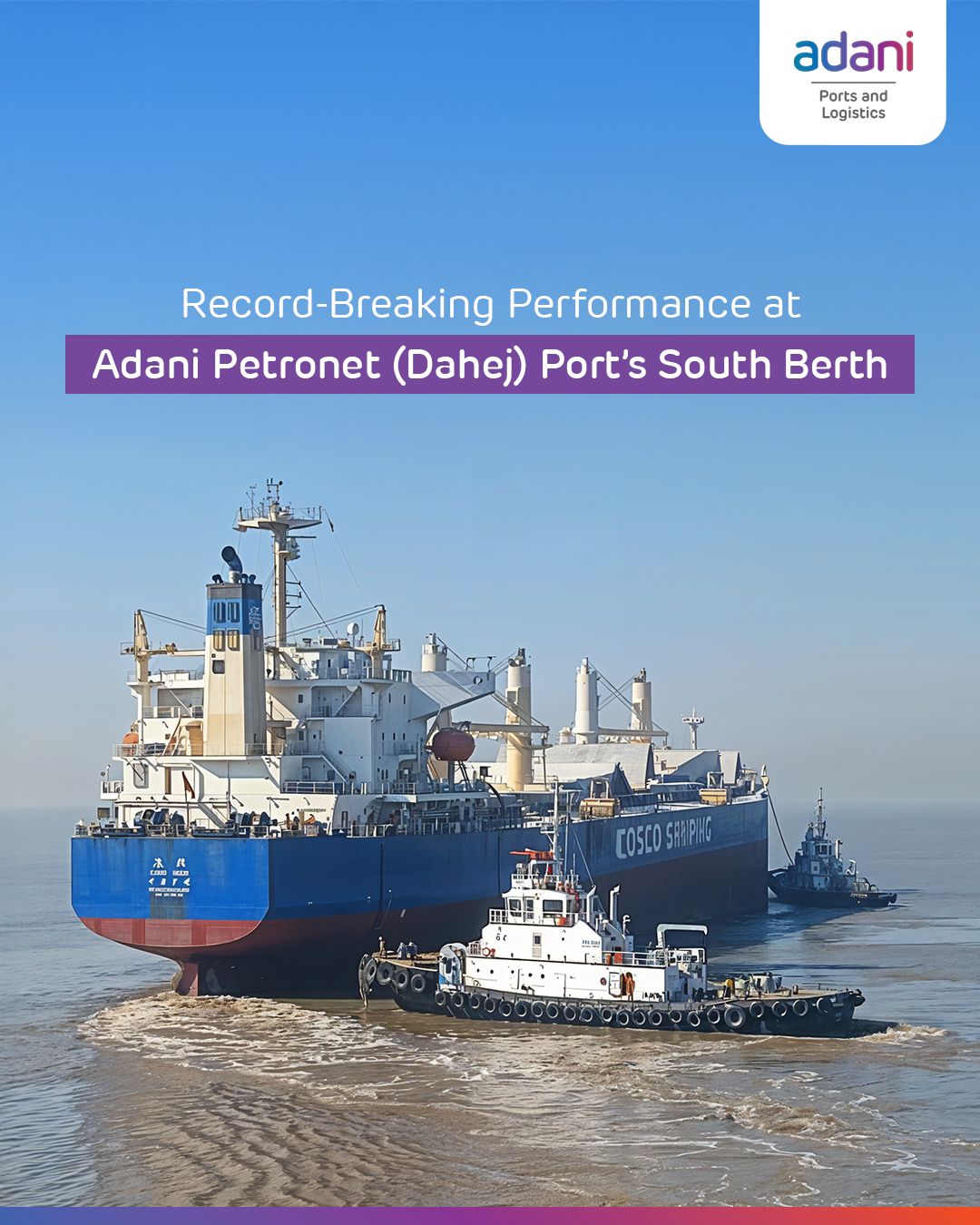
MV Kang Shun achieves record limestone discharge at Adani Petronet, Dahej

DAHEJ : MV Kang Shun, carrying a total cargo of 55,610 metric tonnes of limestone, successfully completed discharge operations at South Berth, Adani Petronet, Dahej, in a remarkable 1.9 days, setting a new benchmark in operational efficiency.

The vessel achieved an average discharge rate of 29,014 tonnes per day (TPD), the highest discharge productivity recorded among all commodities handled at the South Berth. This outstanding performance reflects the seamless coordination between vessel operations, terminal handling teams, and port support services.

The record productivity was made possible through efficient planning, optimal deployment of cargo handling equipment, uninterrupted operations, and strict adherence to safety and operational protocols. The achievement underscores Adani Petronet Dahej’s capability to handle bulk cargoes with speed, reliability, and precision.

This milestone further reinforces Dahej’s position as a key bulk cargo handling hub on India’s west coast, supporting the country’s industrial supply chains while consistently enhancing turnaround times and operational excellence.

Department of Economic Affairs creates Rs 17 lakh crore three-year PPP project pipeline

NEW DELHI: The Department of Economic Affairs (DEA), Ministry of Finance, has created a three-year Public Private Partnership (PPP) project pipeline to streamline infrastructure development across the country. This initiative follows the implementation of the announcement made in the Union Budget 2025-26, focusing on enhancing the nation’s infrastructure through structured private sector participation.

According to a Ministry of Finance press release, the comprehensive PPP project pipeline comprises 852 projects across various Central Infrastructure Ministries and States and Union Territories.

The combined total project cost for these initiatives is estimated to be over Rs 17 lakh crore. By consolidating these projects into a single pipeline, the government aims to provide a clear roadmap for infrastructure investment in the medium term, the release said.

The pipeline is designed to offer early visibility of potential PPP projects to a wide range of market participants. This visibility is intended to enable investors, developers, and other relevant stakeholders to undertake more informed planning and investment decisions.

Data from the PPP India website indicates that the Ministry of Road Transport and Highways leads the pipeline with 108 projects valued at Rs 8,76,889.124 crore. The Ministry of Power follows with 46 projects totalling Rs 3,40,230.7 crore in project costs.

Other significant central contributions come from the Ministry of Ports, Shipping and Waterways, with 22 projects worth Rs 37,644.58 crore and the Ministry of Railways with 13 projects valued at Rs 30,903.65 crore. The Department of Water Resources, River Development and Ganga Rejuvenation has 29 projects in the pipeline with a total cost of Rs 12,253.8 crore.

At the state and union territory level, Andhra Pradesh has the highest number of projects, with 270 initiatives valued at Rs 1,15,578.81 crore. Tamil Nadu has 70 projects with a combined cost of Rs 87,639.65 crore, while Madhya Pradesh reports 21 projects worth Rs 65,496.5 crore. Uttar Pradesh has 89 projects in the pipeline totalling Rs 11,518.55 crore.

Other state-level participation includes Jammu and Kashmir with 57 projects totalling Rs 21,374.31 crore, and Rajasthan with 12 projects totalling Rs 22,741.04 crore.

Source: ANI