Home Blog Page 487

Private shipyards in India flag concerns over reduced incentives for green vessels under revised SBFAS

NEW DELHI : Small private Indian shipyards have expressed concern over the Union government’s decision to reduce financial incentives for electric, solar and other green vessels from 25 per cent to 15 per cent under the revised Shipbuilding Financial Assistance Scheme (SBFAS), warning that the move could slow the adoption of clean technologies and hamper India’s maritime decarbonisation efforts.

The concerns follow the issuance of the SBFAS Guidelines on December 25, under which industry stakeholders fear that reduced support for green propulsion technologies may dampen innovation, discourage investment, and weaken India’s push towards decarbonising coastal shipping and inland waterways.

Sandith Thandasherry, Founder of Kochi-based Navalt, India’s largest solar-electric boat manufacturer, described the revised scheme as a setback for the country’s electric vessel ecosystem. “SBFAS 2025 is one step forward and two steps back for India’s electric boat revolution,” he said. Navalt currently operates 40 solar-electric boats, has 37 under construction, and built Aditya, India’s first solar ferry, in 2017.

Under the original Shipbuilding Financial Assistance Policy (SBFAP) of 2016, incentives were primarily targeted at ocean-going vessels above 24 metres, with subsidy levels tapering from 20 per cent in 2016–19 to 11 per cent by 2025–26. Smaller vessels and electric boats were largely excluded from meaningful support.

In September 2025, the Union Cabinet approved the revised SBFAS, categorising electric and hybrid vessels as “Specialised” vessels. The scheme offers financial assistance of 15 per cent for the first ₹100 crore of contract value and 25 per cent for amounts beyond that threshold. However, industry sources noted that most electric vessels, typically priced between ₹20 crore and ₹80 crore, effectively receive only the 15 per cent subsidy—placing them on par with conventional diesel-powered vessels without any additional green incentive.

While contracts signed between September 2025 and March 2026 may still opt for the earlier SBFAP incentive of 20 per cent, approvals thereafter will be governed by SBFAS. “The effective subsidy for green vessels has been reduced by five percentage points, eroding the incentive for clean technology adoption,” Thandasherry said.

Sanjiv Walia, Chief Executive Officer of the Shipyards Association of India, which represents private shipyards across the country, echoed these concerns. He pointed out that despite India’s commitments to the International Maritime Organization’s Net-Zero 2050 targets, the revised guidelines do not provide any additional uplift for electric, solar or green vessels. “On the contrary, there is an effective reduction in subsidy, which could discourage the adoption of green technologies across ocean-going, coastal and inland segments,” he said.

Walia highlighted that nearly 90 per cent of India’s 11,000-km inland waterways network relies on small vessel operations, where electric and solar vessels can reduce emissions by 80–100 per cent and significantly cut dependence on imported diesel. He added that most small and medium shipyards in Kerala, Goa and Gujarat specialise in ferries, tugs and workboats with contract values below ₹100 crore.

The Shipyards Association of India has taken up the issue with the Shipping Secretary, seeking a review of the guidelines and amendments to provide targeted incentives for green vessels under SBFAS.

A government sour
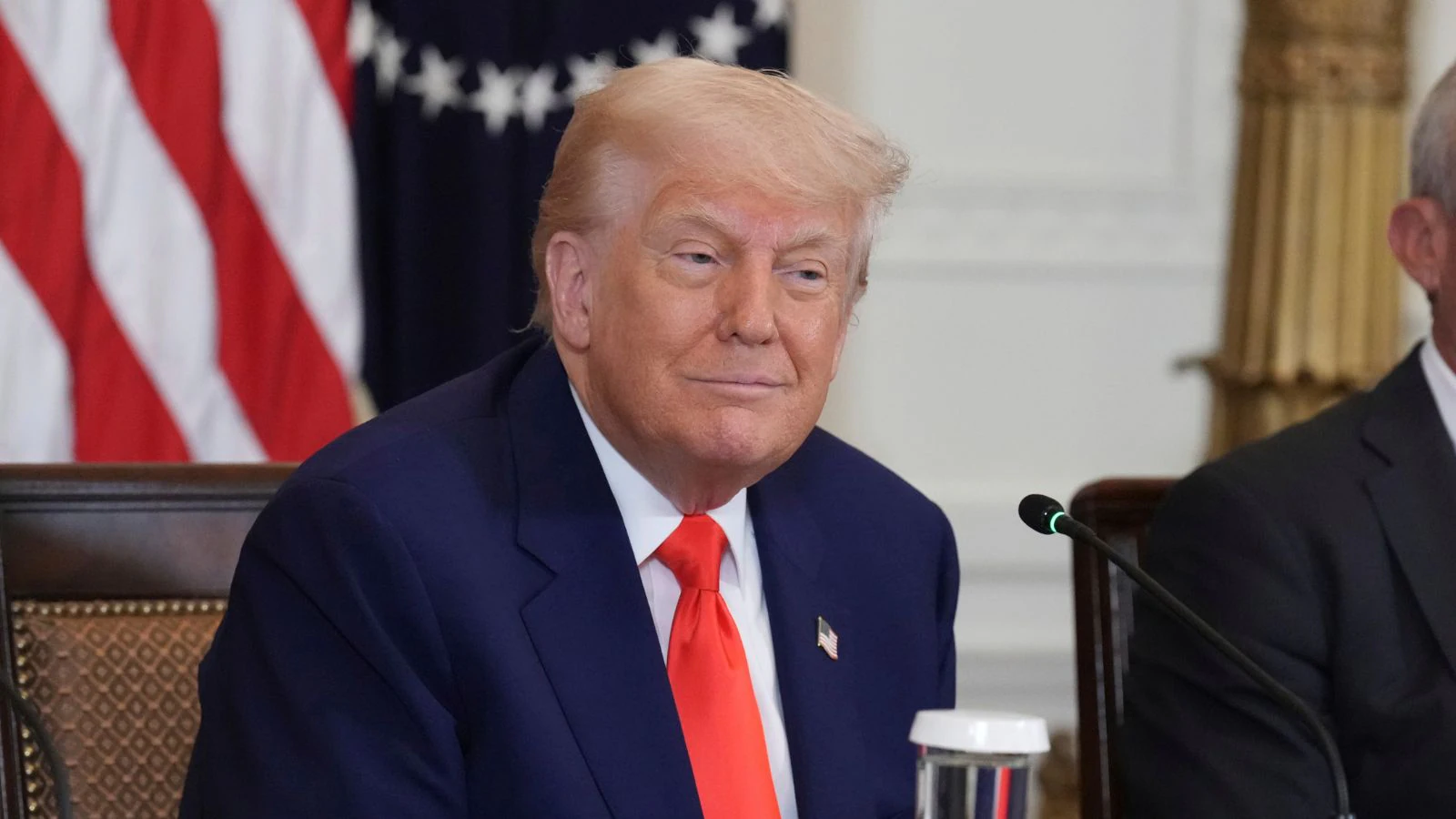
PM Modi ‘not that happy with me’ because they are paying a lot of tariffs: Trump

WASHINGTON : US President Donald Trump on Tuesday said that Prime Minister Shri Narendra Modi is “not that happy with me” because of the tariffs imposed by Washington on Delhi for its purchases of Russian oil.

Trump, delivering remarks at the House GOP Member Retreat, also claimed that “Prime Minister Modi came to see me, ‘Sir, may I see you please’. Yes.”

“I have a very good relationship with him. He’s not that happy with me because you know they’re paying a lot of tariffs now because they’re not doing the oil, but they are, they’ve now reduced it very substantially, as you know, from Russia,” Trump said.

Mr. Trump has imposed 50% tariffs on India, including 25% for its purchases of Russian oil. Mr. Trump also said that India told him it has been waiting for five years for the Apache helicopters.“We’re changing it. We’re changing it. India ordered 68 Apaches,” he said.

Source : PTI

NITI Aayog urges more competitiveness in existing FTAs as trade deficit jumps 59%

NEW DELHI : Government think tank NITI Aayog flagged the need for more competitiveness in existing Free Trade Agreements, after India’s exports to FTA partners fell 9 percent year-on-year to $38.7 billion in the first quarter of FY26.

Imports from FTA countries, in contrast, rose 10 percent to $65.3 billion, pushing the trade deficit with these partners to $26.7 billion, up 59 percent from the same period last year.

According to the fifth edition of the think tank’s Trade Watch Quarterly published this month, “the overall contraction in FTA exports, coupled with stronger import growth, suggests a demand recovery skewed toward imported inputs and energy products rather than export-oriented manufacturing, highlighting the need for deeper value chain integration and competitiveness within India’s existing trade deals.”

The slowdown in exports was led by ASEAN, India’s largest FTA export market, which contracted 16.9 percent. Shipments to Malaysia, Singapore, and Australia fell 39.7 percent, 13.2 percent, and 10.9 percent respectively, while outbound shipments to the UAE, the country’s second-largest FTA destination, declined 2.1 percent.

Some markets, including South Korea, Japan, Thailand, and Bhutan, recorded modest gains of 15.6 percent, 2.8 percent, 2.9 percent, and 10.2 percent respectively, indicating pockets of resilience amid the overall slowdown.

On the other hand, the rise in imports from India’s FTA partners was driven by strong growth from the UAE, SAFTA countries, Japan, Thailand, and Singapore, reflecting higher inflows of energy products, machinery, and intermediate goods.

Imports from Nepal also surged sharply, though from a low base, while ASEAN saw only moderate increases. In contrast, imports from Australia and Bhutan declined, highlighting uneven trade patterns across India’s FTA partners.

In 2025, India signed FTAs with the United Kingdom and Oman, concluded negotiations with New Zealand, and saw the Trade and Economic Partnership Agreement (TEPA) with the EFTA nations, Iceland, Liechtenstein, Norway, and Switzerland, enter into force in October.

The country is currently negotiating a bunch of trade deals with several blocs and nations, including European Union, Peru, Chile, Israel, Canada, among others.

Gujarat set to launch Deep-Sea Effluent Disposal Project for 400+ Surat textile units

SURAT : The Gujarat Government is moving closer to launching the ‘Surat Cluster Deep Sea’ Project, a major environmental initiative aimed at benefiting more than 400 textile processing, powerloom weaving and other industrial units in and around Surat.

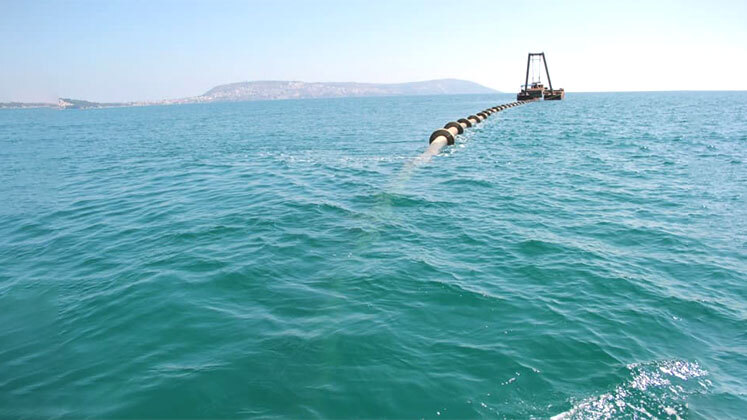
The pilot project proposes the disposal of around 600 million litres per day (MLD) of treated industrial effluent from Kadodara GIDC, Eco Textile Park, Palsana GIDC, Pandesara GIDC and Sachin GIDC. Under the plan, treated wastewater will be discharged into the sea through a pipeline, with the state government bearing 80% of the project cost and the remaining 20% to be funded by participating industrial units.

A key meeting on the project was held at Pandesara GIDC between textile industry representatives and the Minister of State for Forest, Environment and Climate Change, Pravin Mali. Discussions focused on industrial growth, sustainable development and emerging opportunities for the textile sector. As outlined under the Surat Economic Development Plan, effluent treated at Common Effluent Treatment Plants (CETPs) in GIDC industrial estates in and around Surat will be transported through a common pipeline and released into the sea approximately 10 kilometres offshore at a depth of around one kilometre.

The government has indicated that industrial units located outside GIDC areas will be required to connect to the nearest GIDC facility. Units that fail to comply may face closure, as the state plans to adopt a stricter stance against polluting industries across Gujarat.

At the meeting, the Minister of State highlighted the efforts made by industries in the Sachin and Pandesara GIDC areas towards environmental protection and acknowledged initiatives undertaken under ‘Mission Life’. He noted that while the textile sector continues to grow in compliance with regulatory norms, it must also be prepared to capitalise on opportunities arising from the ongoing industrial transformation.

MLA Manubhai Patel said the State Government maintained a supportive approach towards industrial development. He called for improved road infrastructure in GIDC areas to facilitate transportation, expedited completion of the Deep Sea project and the establishment of a skill development centre to provide locally trained manpower for industries.

The meeting was attended by officials from the Gujarat Pollution Control Board, including the regional officer from Palsana, representatives from KIM and Kadodara, presidents of various industry associations, textile industrialists and processors, who shared their views on the project.

The South Gujarat Textile Processors Association has submitted a proposal to the state government, following which the authorities are expected to issue a tender, allowing the project to move into the execution phase.

DFCCIL signs MoU with CHHRR&D and IILM University to strengthen Collaborative Training Initiatives

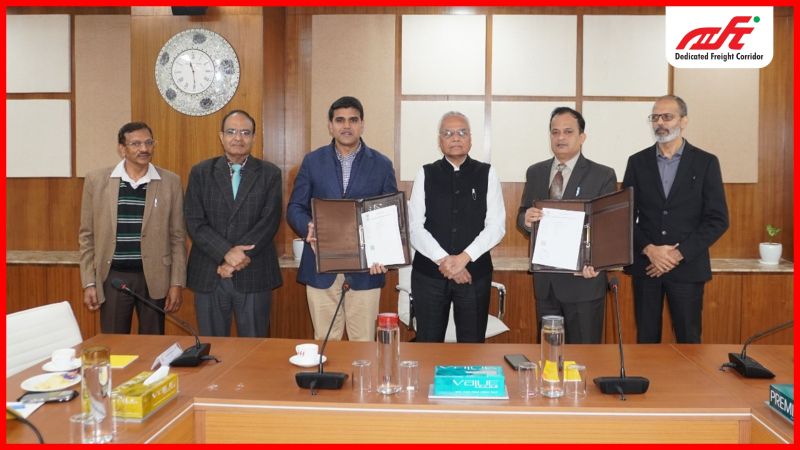
NEW DELHI : Dedicated Freight Corridor Corporation of India Limited (DFCCIL) signed a Memorandum of Understanding (MoU) with CHHRR&D and IILM University, Greater Noida, aimed at fostering collaborative training programmes and ensuring the effective utilisation of HHI assets.

1767694568806 DFCCIL signs MoU with CHHRR&D and IILM University to strengthen Collaborative Training Initiatives

Following the signing of the MoU, Shri Praveen Kumar, Managing Director, DFCCIL, delivered a comprehensive presentation highlighting DFCCIL’s vision, operational framework, ongoing infrastructure development initiatives, and future roadmap.

The MoU was formally signed by Col. Mayank Upadhya, GGM/T&R, HHI, and Dr. Nihar Amoncar, Pro Vice-Chancellor, IILM University, in the august presence of Shri Praveen Kumar, MD, DFCCIL. The occasion was also attended by senior officials from DFCCIL and IILM University, including Shri Anurag Sharma, Director (Infrastructure); Shri Parmod Kumar, CVO; Shri Sanjeev Gupta, ED (Finance); Shri Vivek Gupta, GGM (Finance); Shri Alok Shankar Pandey, GGM (IT); Shri Prashant Kumar, GGM (Mechanical); Shri Arjun Singh Tomer, GGM (S&T); Ms. Alpana Doshaj, GM (Finance); Ms. Ritu Agarwal, GM (Finance); Shri Sarvesh Gupta, GM (Law); Shri Kuldeep Kumar, JGM (Civil), HHI; Shri Brijesh Gupta, Advisor, HHI; and Ms. Jyoti Yadav, JM, HHI.

Representatives from IILM University present on the occasion included Brig. S. S. Gill, Registrar; Dr. Neel Rai, Deputy Director (Corporate Relations); Dr. Radha Mohan; and Mr. Rajkumar.

The MoU marks a significant step towards strengthening industry–academia collaboration, enhancing capacity building, and promoting structured training and knowledge-sharing initiatives aligned with DFCCIL’s long-term objectives.

INOXAP flags off India’s first LNG-fuelled cryogenic tanker

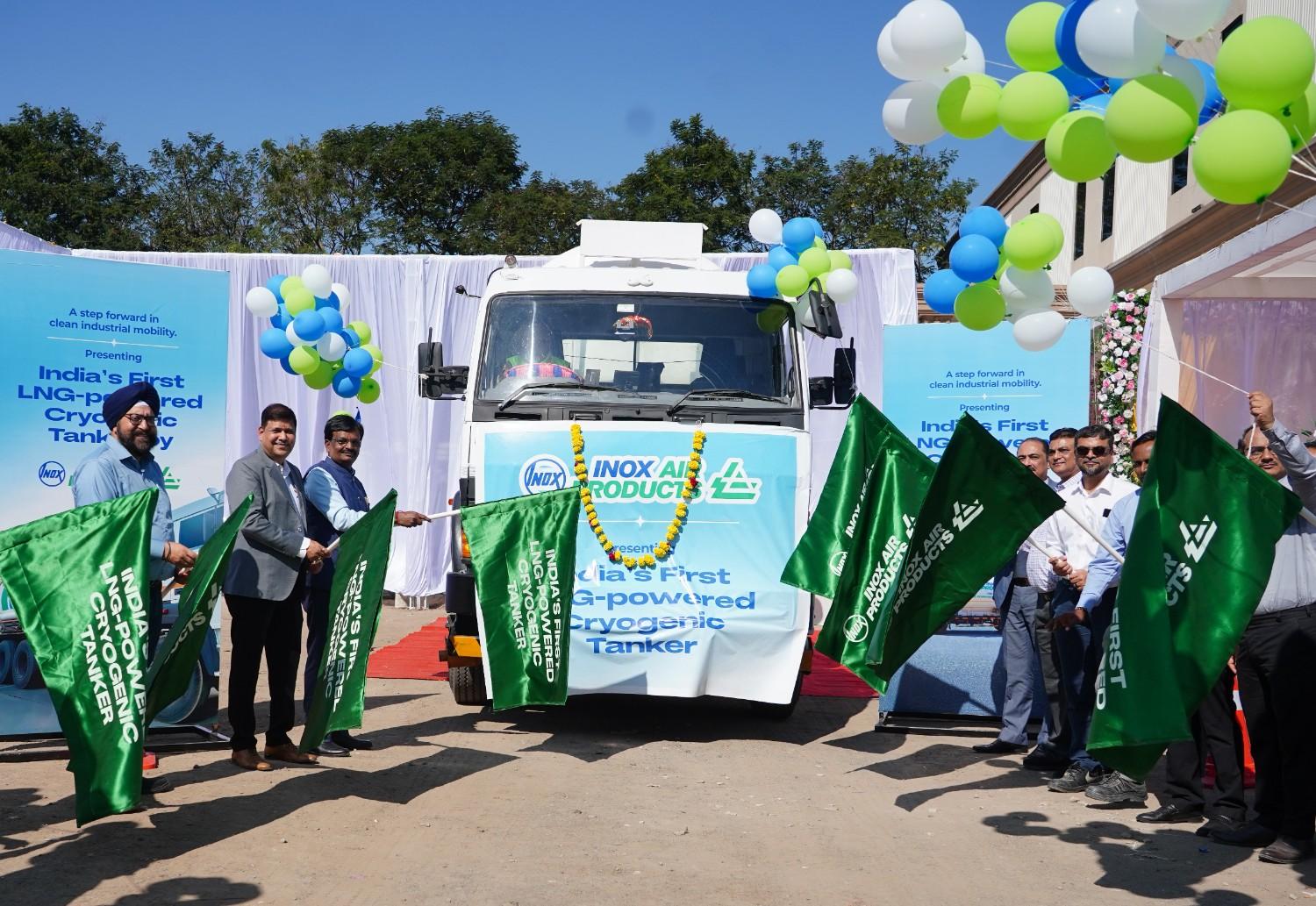
VADODARA: INOX Air Products (INOXAP), India’s leading industrial, electronic & specialty gas leader, has flagged off India’s first LNG-fuelled cryogenic tanker approved by Petroleum & Safety Organization (PESO), a part of Department for Promotion of Industry and Internal Trade (DPIIT), Ministry of Commerce. Making use of a June 2025 amendment by DPIIT in the Static and Mobile Pressure Vessels (Unfired) Rules, 2016, INOXAP became India’s first ever industrial gas manufacturer to achieve the unique distinction. The policy amendment highlights the Government’s vision of building usage of LNG as a transport fuel.

The tanker was flagged off by Shri P Seeniraj, Joint Chief Controller of Explosives, PESO Vadodara Circle.

INOXAirProductsCryogenicTanker 3 INOXAP flags off India's first LNG-fuelled cryogenic tanker

The cryogenic tanker would be fuelled by LNG through a 450 Litre Kryopower LNG Fuel tank, manufactured by INOX India Ltd, India’s largest cryogenic equipment manufacturer. As a result, the vehicle would cut CO₂ emissions by up to 25%, reduce particulates by 95%, and offer a quieter and more efficient operational performance, besides opening up a cleaner pathway for long-term cost optimization.

Speaking on this milestone, Siddharth Jain, Director – INOX Group, said, “INOXAP is spearheading a clean-energy shift in India’s industrial gases sector by flagging off the nation’s first LNG-fuelled cryogenic tanker—a transformative step that redefines sustainable logistics while strengthening supply chains for critical industries. We are grateful to DPIIT for enabling this through an extremely progressive policy amendment and PESO for the necessary assistance and statutory approvals. This milestone exemplifies the powerful convergence of forward-looking policy, indigenous engineering excellence, and sustainable innovation. It sets a new benchmark in global engineering leadership while delivering scalable, green solutions to power India’s manufacturing ecosystem. INOXCVA’s LNG fuel tanks are already the most widely deployed in this space, and this achievement is a matter of pride that underscores the strength of synergy within the INOX Group.”

Inspired by the Make in India spirit, this achievement also stands as a true Made-in-Gujarat milestone, reflecting the state’s robust industrial and manufacturing ecosystem. Both the cryogenic tanker and the LNG fuel tank have been indigenously designed and manufactured at INOXCVA’s facilities in Gujarat. The industrial gases transported by this vehicle will be produced within the state by INOXAP and will primarily serve customers across Gujarat, reinforcing a highly localized, efficient, and resilient supply chain. This milestone has been enabled by the proactive and progressive support of relevant Gujarat State Government departments, depicting the state’s strong commitment to innovation, sustainability, and industrial growth.

Bed, bath & beyond estate accuses HMM of service failures, seeks $9.3 million in damages

SEOUL : The estate of bankrupt US home-goods retailer Bed, Bath & Beyond has filed yet another complaint with the Federal Maritime Commission (FMC), continuing to blame container shipping disruptions during and after the COVID-19 pandemic for contributing to its collapse.

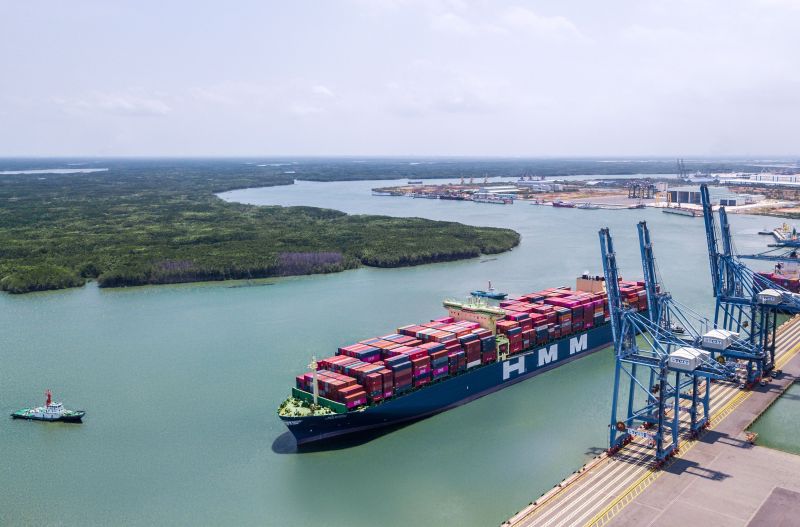
In its sixth FMC complaint, filed on December 30, 2025, the company—now operating as DK Butterfly-1—has targeted South Korea-based carrier HMM, alleging failure to meet service commitments, capacity shortfalls, and coercive pricing practices.

Bed, Bath & Beyond filed for bankruptcy in April 2023 after a prolonged financial decline. Since then, it has pursued multiple legal actions against global container lines, claiming they “systematically failed to meet service commitments” and unfairly exploited shippers during a period of severe space shortages and freight rate inflation.

The retailer first lodged complaints in 2023 against Orient Overseas Container Line (OOCL) and MSC Mediterranean Shipping Company, later expanding its actions to include Evergreen, BAL Container Line, and CMA CGM. The FMC has previously noted that, alongside Bed, Bath & Beyond’s filings, it received a surge of smaller complaints from shippers alleging similar contractual breaches during the pandemic.

In its complaint against HMM, Bed, Bath & Beyond notes that it was a new customer and repeatedly flagged difficulties in securing container space. In a July 2020 email to the carrier, the company said: “We can’t afford any booking confirmation delays ever, but esp at this critical time. We desperately need space from all of our carriers right now….”

According to the filing, Bed, Bath & Beyond had a 2020–2021 service contract with HMM covering 1,000 forty-foot containers, averaging 100 per month. For 2021–2022, the commitment was increased to 2,000 FEUs, or roughly 166 containers per month. The complaint alleges a shortfall of more than 62 containers in 2020–2021 and 531 containers in 2021–2022.

The retailer claims that these shortfalls, combined with alleged pressure to pay extra-contractual freight rates and surcharges, resulted in damages of over $440,000 during the 2020–2021 contract period and more than $8.9 million in 2021–2022.

In addition to seeking damages for alleged service failures and pricing practices, the estate is also requesting relief from a substantial portion of the demurrage and detention charges imposed by HMM. The complaint cites more than $4 million in demurrage charges and an additional $680,000 in detention charges assessed between September 2021 and January 2023. Bed, Bath & Beyond argues that these costs were incurred despite circumstances beyond its control that made it impossible to collect loaded containers or return empty equipment within the prescribed timeframes.

Container carriers, however, have consistently rejected such claims, maintaining that the global shipping industry was overwhelmed by unprecedented demand during the pandemic period. Shipping lines have argued that they worked with shippers to the extent possible, but, like their customers, were constrained by severe port congestion, equipment shortages, and widespread supply chain disruptions that left all parties with limited control over operations.

South Korea launches historic Arctic Shipping trial

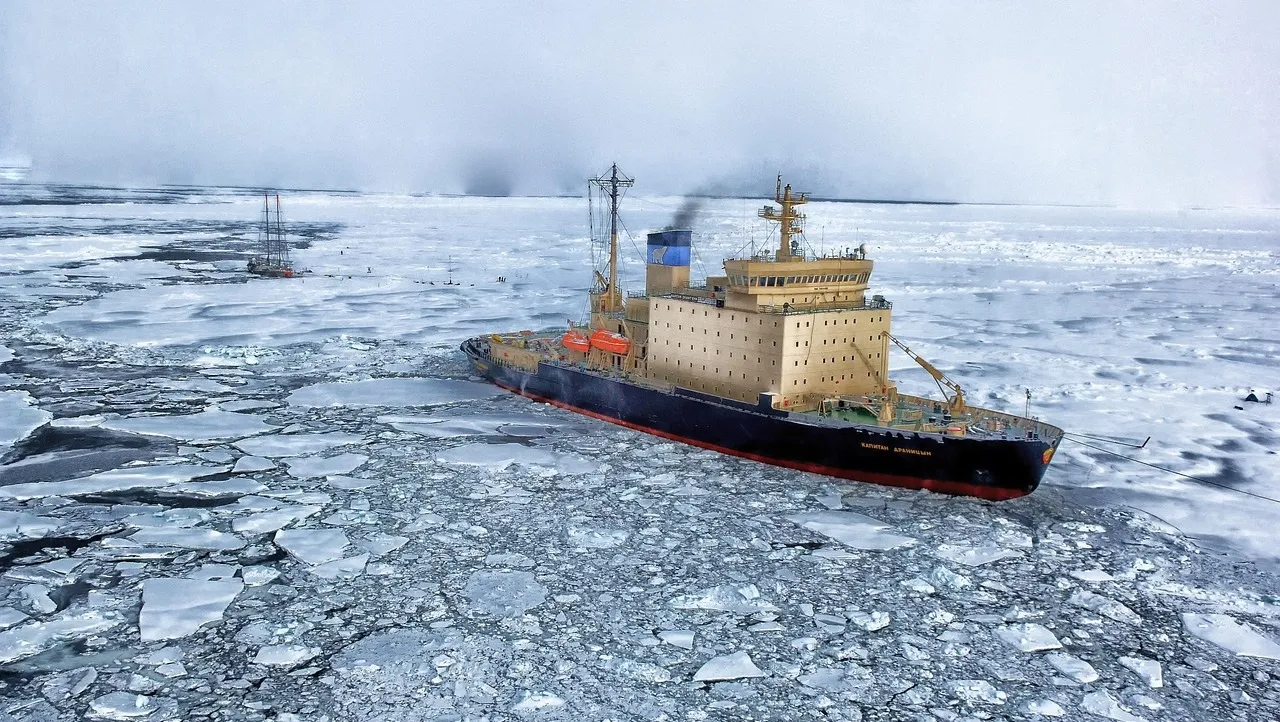
SEOUL : South Korea is set to make waves in Arctic Shipping as it prepares for its inaugural container ship trial voyage through the Northern Sea Route later this year. The Ministry of Oceans and Fisheries (MOF) announced plans for a September trial, utilizing a 3,000 TEU-class containership traveling from Busan to Rotterdam. This initiative marks a significant step in the country’s strategic push into polar trade, aligning with the administration of President Lee Jae-myung.

Strategic Timing and Route Advantages
During a recent press briefing at the MOF headquarters in Busan, Acting Oceans Minister Kim Seong-beom emphasized the importance of timing for the trial. He noted that September is considered summer in the Arctic, a period when ice conditions are at their most favorable. “We plan to prepare for trial voyages around that time,” Kim stated, highlighting the urgency of the initiative.

If successful, this Arctic route could drastically reduce transit times between Asia and Europe. The traditional Suez Canal route spans approximately 20,000 kilometers and typically requires around 30 days for a complete journey. In contrast, the Arctic alternative shortens the distance to about 13,000 kilometers, cutting the sailing time down to roughly 20 days. This significant reduction could reshape shipping logistics and enhance trade efficiency for South Korea.

While South Korea has previously tested Arctic shipping with bulk carriers on five voyages to Russia’s Yamal Peninsula, this will be the first time a containership is deployed on the route. Notably, China has already established what it claims to be the world’s first regular Arctic container service, putting additional pressure on South Korea to advance its own Arctic ambitions.

Navigating Geopolitical and Economic Challenges
As South Korea ventures into Arctic shipping, it faces complex geopolitical challenges. A substantial portion of the Northern Sea Route traverses Russian territorial waters, necessitating cooperation with Moscow. Minister Kim acknowledged the delicate balance required, stating, “Russia requires permission for passage through Arctic route waters, so cooperation with the country is crucial.” He also noted that South Korea is aligned with U.S. and European sanctions against Russia, complicating the situation further. Plans for consultations with Russian authorities are expected to take place within the first half of the year.

Commercial viability presents another significant hurdle for South Korea’s Arctic shipping plans. Operations in the Arctic often incur higher insurance premiums, particularly for voyages north of 60 degrees latitude. A previous MOF study estimated that operating a 5,000 TEU-class vessel on this route could lead to additional costs of approximately $435,000 per voyage. To address these financial challenges, Minister Kim indicated that discussions with shipping companies regarding incentives for participants in the trial voyage are underway. “Once economies of scale are achieved through route usage, profitability will align, but some incentives are inevitable before that,” he explained.

As South Korea embarks on this ambitious Arctic shipping initiative, the outcomes of the upcoming trial voyage could have lasting implications for the nation’s role in global trade and its navigation of complex geopolitical waters.

Evergreen confirms fleetwide rollout of Inmarsat NexusWave

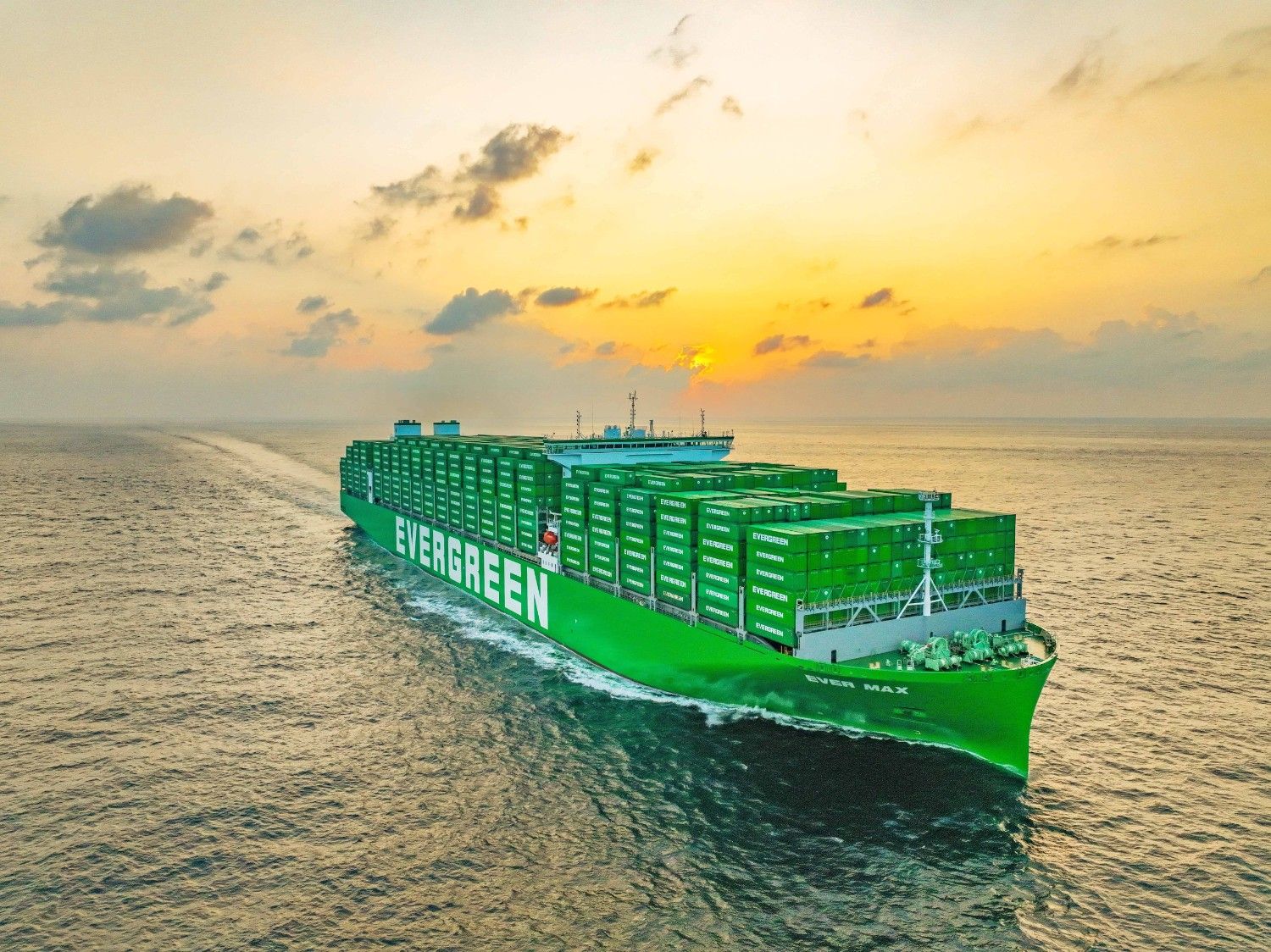
LONDON/TAIWAN: Evergreen Marine, one of the world’s leading container shipping companies, has become the first Taiwanese operator to upgrade its fleet to NexusWave bonded connectivity solution from Inmarsat Maritime, a Viasat company. The commitment reinforces a long-standing partnership and accelerates the company’s ‘Evergreen IT’ modernisation programme. Following successful trials, Evergreen is transitioning to NexusWave to enhance crew welfare, strengthen cybersecurity, and provide seamless, high-performance connectivity for its vessels and seafarers.

Building on Evergreen’s years of experience with Fleet Xpress, the upgrade to NexusWave introduces bonded, multi-network connectivity with fast speed, unlimited data and always-on performance. The crew will experience  a home-like internet experience, while ship operations benefit from a scalable platform for predictive analytics, real-time reefer monitoring, and fully integrated IoT across the fleet. The solution is secure-by-design and engineered to scale with demand, leveraging the ViaSat-3 ultra-high-capacity network to support Evergreen’s growth plans.

A spokesperson from Evergreen Marine said: “Evergreen’s fleetwide adoption of Inmarsat NexusWave reflects our commitment to the welfare of our seafarers and operational excellence, while also providing the platform to continue innovating for customers. We are confident that NexusWave, as a bonded, scalable, and secure connectivity solution, will support the digitalisation and future growth of our fleet.”

Gert-Jan Panken, Vice President Inmarsat Maritime, commented: “Evergreen is setting a clear standard for modern, data-driven shipping. By moving to NexusWave fleetwide, the company gains a single, managed connectivity solution for crew and vessel operations, backed by global coverage and secure infrastructure. We are proud to deepen our partnership and provide a platform that scales with Evergreen’s ambitions today and well into the future.”

Life cycle assessment finds significant emissions savings potential across the onboard carbon capture value chain

SINGAPORE: The Global Centre for Maritime Decarbonisation (GCMD) has published an LCA of the greenhouse gas (GHG) emissions from Project CAPTURED—the world’s first ship-to-ship offloading of onboard captured and liquefied CO2 (LCO2) with downstream utilisation, completed in June 2025.

Verified by DNV, the LCA quantifies GHG emissions and savings across the pilot’s entire carbon value chain, tracing CO2 captured and liquefied on an ocean-going container vessel to ship-to-ship and ship-to-truck transfers, overland transport, and its utilisation at an industrial facility.

There, the CO2 was used as a feedstock to recycle steel slag into post-carbonated slag (PCS) and produce precipitated calcium carbonate (PCC) through carbon mineralisation, a process in which captured CO2 is chemically converted into stable carbonates, fixing carbon long term.

OCCS as a mid-term decarbonisation pathway – and why LCA matters
Onboard carbon capture and storage (OCCS) is increasingly recognised as a promising mid-term pathway to reduce emissions from vessels that continue to rely on conventional fuels.

By capturing CO2 from exhaust gases, OCCS can significantly reduce onboard fuel-combustion (“tank-to-wake”) emissions. However, its true contribution to decarbonisation must be evaluated across the entire carbon value chain, including its final utilisation and/ or permanent storage.

An LCA quantifies these full-chain GHG impacts transparently and systematically, evaluating that emissions savings achieved onboard are not offset by upstream or downstream burdens.

Scenarios evaluated
The study presents a detailed LCA of the carbon value chain demonstrated in Project CAPTURED. Building on this baseline, the study also examined two hypothetical scenarios, one in which the inefficiencies associated with the first-time pilot are addressed and another in which captured CO2 is permanently sequestered in an offshore reservoir.

In the utilisation scenarios, producing PCC with captured CO2 displaces conventional carbon-intensive production methods, while the use of PCS replaces standard sintering materials in steelmaking, resulting in a reduction of emissions that would have otherwise been released (“avoided emissions”).

GHG emissions savings demonstrated

Project CAPTURED, with OCCS operating at a 10.7% capture rate, demonstrated 7.9% GHG emissions savings across the entire carbon value chain. This corresponds to 0.84 tonnes of CO2 savings realised per tonne of CO2 captured and offloaded from the vessel.

These savings were achieved despite several operational constraints, including the absence of a waste heat recovery system onboard that increased the fuel penalty, long-distance overland truck transport, as well as CO2 venting during offloading and handling.

When these inefficiencies are addressed, GHG emissions savings increase markedly to 17.8%, equivalent to approximately two tonnes of CO2 avoided per tonne of CO2 captured and offloaded from the vessel.

Slide1 Life cycle assessment finds significant emissions savings potential across the onboard carbon capture value chain

CO₂ utilisation can avoid more GHG emissions than permanent storage
The study finds that the specific CO2 mineralisation pathway in this pilot outperforms permanent storage.

At comparable capture rates of 40%, mineralising CO2 yields 34% GHG emissions savings, compared with 21% if CO2 were sequestered in an offshore reservoir. When the value chain is optimised, this gap widens further, with the total GHG emissions savings rising to 68-71% depending on whether the PCS produced is used in steel sintering or in concrete production (See figure).

This comparison reveals that CO₂ utilisation by carbon mineralisation can deliver greater overall climate benefits than permanent storage when captured CO2 is durably fixed over extended periods, defined under the EU ETS as 100 years or more, and as in the case of PCC that is used in construction.

Current GHG accounting frameworks understate the benefits of CO₂utilisation

At present, the IMO’s GHG accounting frameworks—including its Data Collection System, Carbon Intensity Indicator, and LCA guidelines—do not recognise or account for avoided emissions from when highly emissive conventional products are displaced by captured CO2-derived counterparts.

As a result, the environmental benefits of CO2 utilisation pathways risk being systematically underestimated in formal reporting, despite their potential to avoid more emissions across the wider value chain.

Professor Lynn Loo, CEO of GCMD, said, “Project CAPTURED shows that onboard carbon capture, when thoughtfully integrated with utilisation pathways, can deliver real emissions reductions today while we continue to scale up low- and zero-carbon fuels. It also highlights how we measure and account for those reductions matter. If our frameworks continue to ignore avoided emissions and displaced carbon, we risk disincentivising investments in solutions that can meaningfully bend the emissions curve.”