Home Blog Page 489

Andhra Pradesh gives Nod to Greenfield Port, Mega Shipbuilding Hub at Dugarajapatnam

DUGARAJAPATNAM : The Andhra Pradesh Government has granted formal approval for initiating the establishment of a Greenfield Port along with a National Mega Shipbuilding Cluster at Dugarajapatnam in Tirupati district.

The project will be developed under the Shipbuilding Development Scheme (SbDS) of the Ministry of Ports, Shipping and Waterways (MoPSW).

Under the approval, the Andhra Pradesh Maritime Board (APMB) has been authorised to take forward the development of both the port and an anchor shipyard with an annual capacity of 0.5 million gross tonnes.

The shipbuilding cluster is planned to be realised within a maximum timeframe of 10 years from the commissioning of the shipyard at Dugarajapatnam.

The decision is based on the findings of a Techno-Economic Feasibility Report (TEFR) prepared by RITES, with coordination support from APMB and Visakhapatnam Port Trust (VPT).

As per the scheme guidelines, APMB has received permission to form a special purpose vehicle (SPV) in an equal 50:50 partnership with VPT.

The SPV’s board will comprise an equal number of directors nominated by the State government and VPT, ensuring balanced representation in line with the national framework for the project.

The government has also cleared the acquisition of around 2,000 acres of land for setting up the National Mega Shipbuilding Cluster.

APMB has been authorised to mobilise the required resources to complete the land acquisition process and transfer the land to the SPV as the State’s equity contribution.

In addition, APMB has been empowered to take all necessary steps through the SPV to secure statutory approvals for both the Greenfield Port and the shipbuilding cluster.

This includes selecting an appropriate development partner for the shipyard, strictly in accordance with the guidelines prescribed under the Shipbuilding Development Scheme.

ONGC to take 50 pc stake in ethane carriers operated by Japan’s Mitsui

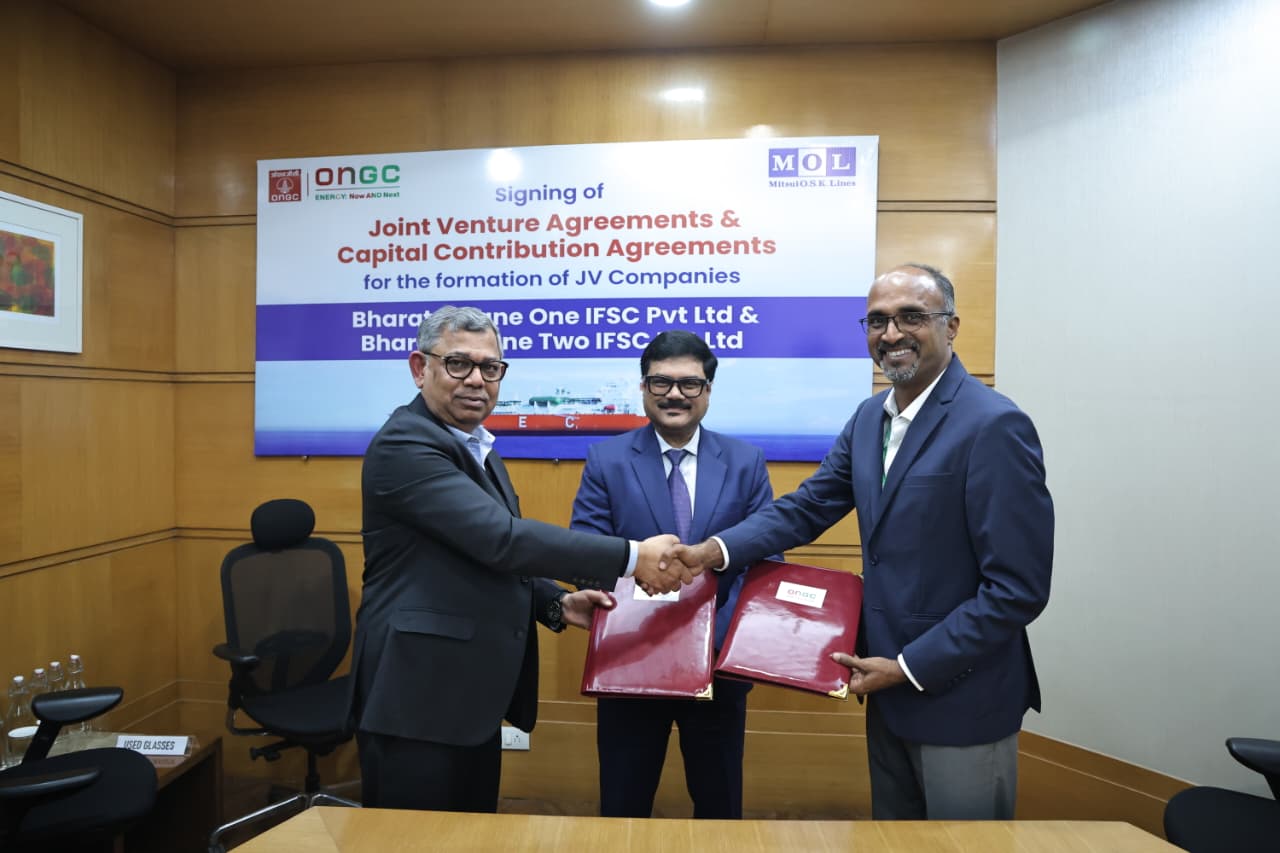
NEW DELHI : Oil and Natural Gas Corporation(ONGC) will take a 50 per cent stake in two joint venture companies that will own and operate very large ethane carriers (VLECs) in partnership with Japan’s Mitsui OSK Lines, marking the state-owned firm’s entry into specialised ethane shipping.

ONGC, in a statement, said it has signed joint venture and capital contribution agreements with Mitsui OSK Lines Ltd (MOL) to invest in Bharat Ethane One IFSC Pvt Ltd and Bharat Ethane Two IFSC Pvt Ltd, both registered in GIFT City, Gandhinagar.

MOL will hold the remaining 50 per cent stake in each entity. Each joint venture will own one VLEC, which will be operated by MOL and sail under the Indian flag. The vessels will transport ethane from the United States to supply ONGC Petro additions Ltd (OPaL), ONGC’s petrochemicals subsidiary, “The Maharatna company shall subscribe to 2,00,000 equity shares of Rs 100 per share, in each of the joint venture companies. Upon completion of the equity subscription, ONGC shall hold a 50 per cent equity stake in each of the joint venture entities, with the remaining 50 per cent held by MOL,” a statement said.
ONGC said the partnership leverages MOL’s global shipping expertise and ONGC’s scale and market presence to strengthen integration across the energy value chain.

The move represents a strategic diversification for ONGC into energy logistics and specialised shipping, aimed at securing long-term ethane supplies and capturing value beyond upstream operations.
The specialised ships, to be built in Korean shipyards at an estimated cost of USD 370 million for the pair, are intended to secure the petrochemical feedstock for ONGC Petro additions Ltd’s (OPaL) Dahej facility, with ethane imports beginning around mid-2028.

Mitsui and its partners currently own and operate four liquefied natural gas (LNG) ships for Petronet LNG Ltd, India’s biggest LNG importer, and six ethane carriers for Reliance Industries Ltd.
ONGC plans to import ethane starting in mid-2028 to compensate for the altered composition of LNG sourced from Qatar, according to a tender that the state-owned firm floated in March this year for selecting a partner for building the VLEC.

India imports 7.5 million tonnes per annum of LNG from Qatar. Under the deal, QatarEnergy supplies 5 million tonnes a year of LNG that contains methane (used to produce electricity, make fertiliser, converted into CNG or used as cooking fuel), as well as ethane and propane — feedstock to make LPG and petrochemicals — on a firm basis and the rest on a best endeavour basis.

This contract is coming to an end in 2028, and the revised contract signed last year envisages QatarEnergy supplying ‘lean’ gas (one that is stripped of ethane and propane).
ONGC had spent about Rs 1,500 crore in setting up a C2 (ethane) and C3 (propane) extraction plant at Dahej in Gujarat. The C2/C3 so extracted was used as a feedstock in its petrochemical subsidiary, OPaL.With the changed composition of LNG, the company is now looking at importing ethane.
OPaL “is having a mega grassroots petrochemical complex and is having the largest standalone dual feed cracker in Southeast Asia. Plant is having a dual feed cracker, i.e. a mix of Naphtha and C2 (Ethane), C3 (Propane) & C4 (Butane) as feedstock,” the tender document had said.

“ONGC plans to source and supply 8,00,000 tonne per annum of ethane to secure the feedstock for OPaL, from May 2028 onwards.”
And to ship this ethane, it has formed a joint venture with Mitsui to build VLECs that could ship the feedstock.
ONGC will be responsible for sourcing ethane. It will hire the VLECs from the joint venture for the shipping of ethane.
ONGC built the C2/C3 extraction unit at Dahej in Bharuch district of Gujarat in 2008-09. However, its subsidiary OPaL could build the petrochemical plant only in 2017. It sold the C2-C3 compounds extracted from the imported LNG from Qatar, to Reliance Industries-owned IPCL till its plant to convert them into polymers came up.
C2-C3 plant has a handling capacity of 4.9 million tonnes per annum of LNG. OPaL plant comprises 1.1 million tonne a year of ethylene capacity dual feed cracker, along with associated units and polymer plants, to manufacture HDPE, LLDPE, PP and Styrene Butadiene Rubber.

Source : ANI

Indigenous ASW Shallow Water Craft ‘ANJADIP’, Built Under IRClass, Delivered to Indian Navy

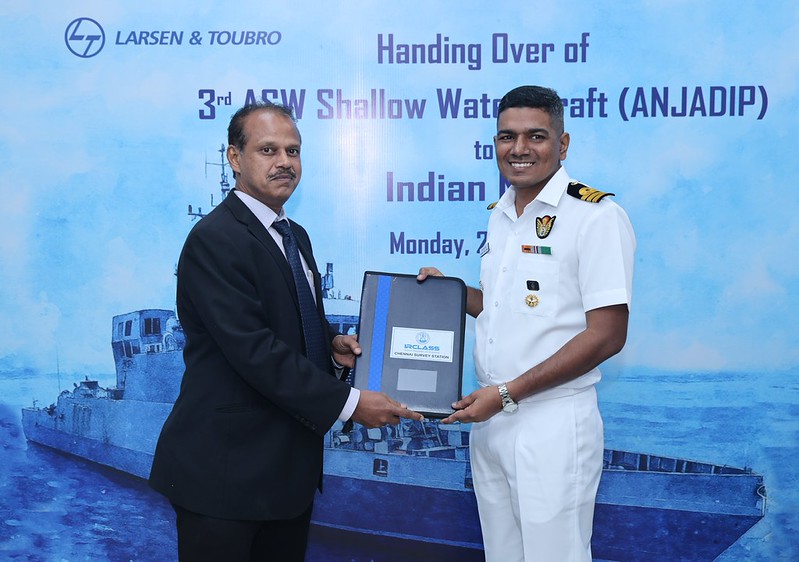
CHENNAI: The delivery of ‘ANJADIP’, the third of the eight Anti-Submarine Warfare Shallow Water Craft (ASW SWC) project, to the Indian Navy on 22 December 2025, at INS Adyar, Chennai, marks a moment of pride for Indian Register of Shipping (IRS). The warship has been indigenously designed and built by Garden Reach Shipbuilders and Engineers (GRSE) Ltd., Kolkata, in accordance with the IRS Naval Rules.

ANJADIP is named after Anjediva Island, located off Karwar, Karnataka, reflecting the island’s strategic significance in India’s maritime domain.

With an overall length of 77 metres, ANJADIP is the largest Indian Naval warship propelled by a Diesel Engine – Waterjet propulsion system, which provides superior manoeuvrability and performance in shallow waters. The vessel has been designed to undertake underwater surveillance and Anti-Submarine Warfare (ASW) operations in shallow coastal waters. It is also capable of conducting Low Intensity Maritime Operations (LIMO), advanced mine-laying missions and Search and Rescue (SAR) missions.

The induction of IRS-classed ASW SWC ships will significantly enhance the Indian Navy’s shallow water anti-submarine warfare capabilities, strengthening coastal security and maritime preparedness.

Cdr KK Dhawan, Head – Defence at IRS said, “IRS remains committed to supporting indigenous shipbuilding and naval capability development through robust classification, technical expertise, and assurance of safety and quality, in alignment with India’s vision of self-reliance in defence manufacturing (Atmanirbhar and Swavlambit Bharat).”

SIITAM, in Association with Osher Ship Management, Signs MoU with Global Seafarers Welfare Organisation

VISAKHAPATNAM: In a landmark development underscoring India’s growing leadership in maritime welfare, professional training, and humanitarian outreach, the Sun International Institute for Tourism & Management (SIITAM), in association with Osher Ship Management Pvt Ltd, has signed a Memorandum of Understanding (MoU) with the Global Seafarers Welfare Organisation (GSWO) to extend its charity arm in support of seafarers in ports and at sea.

This strategic collaboration focuses on advancing seafarers’ welfare initiatives, management and skill-enhancement training, and mental health support programs, both at ports and at sea. The partnership represents a holistic and future-focused approach to improving the wellbeing, professional competence, and quality of life of seafarers serving the global maritime industry.

Recognized as one of India’s most reputed and trusted hospitality and maritime-oriented institutions, the Sun International Institute for Tourism & Management continues to play a pivotal role in strengthening seafarers’ welfare in India and across international ports. Through this alliance, the Institute actively supports welfare initiatives in close cooperation with GSO and its member organizations, including the Merchant Navy Welfare Board (India) and various Seafarers Welfare Organisations.

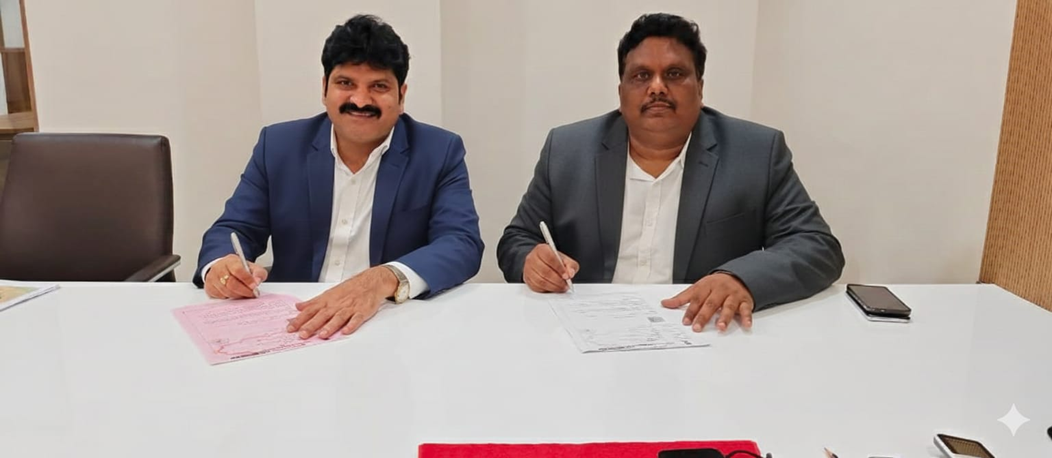
The MoU was formally signed by Dr. N. Reuben Paul, Chairman of the Merchant Navy Welfare Board (India) representing Global seafarers welfare Organisation, and Mr. Srikanth Jasti, Chairman and Managing Director of the prestigious Sun International Institute for Tourism & Management. Both leaders reiterated their shared commitment to promoting ethical, inclusive, and sustainable seafarers’ welfare programs, while enhancing professional excellence among merchant seafarers and hospitality crew serving the global shipping, cruise, offshore, and oilfield industries.

With a strong academic excellence and industry-aligned training, the Sun International Institute for Tourism & Management has established itself as one of India’s leading institutions in hospitality education. Its graduates are currently serving with distinction in merchant shipping fleets, international cruise lines, luxury yachts, and offshore and oilfield catering services worldwide, and are widely recognized for their professionalism, technical competence, discipline, and global employability.
As part of this collaboration, the Sun International Institute will actively contribute its expertise in management and hospitality training to support capacity building, career advancement, and skill enhancement for seafarers and maritime hospitality personnel, thereby improving working conditions, career prospects, and overall wellbeing.

SLPA signs Terminal Service Agreement with CMA CGM to Strengthen Colombo Port

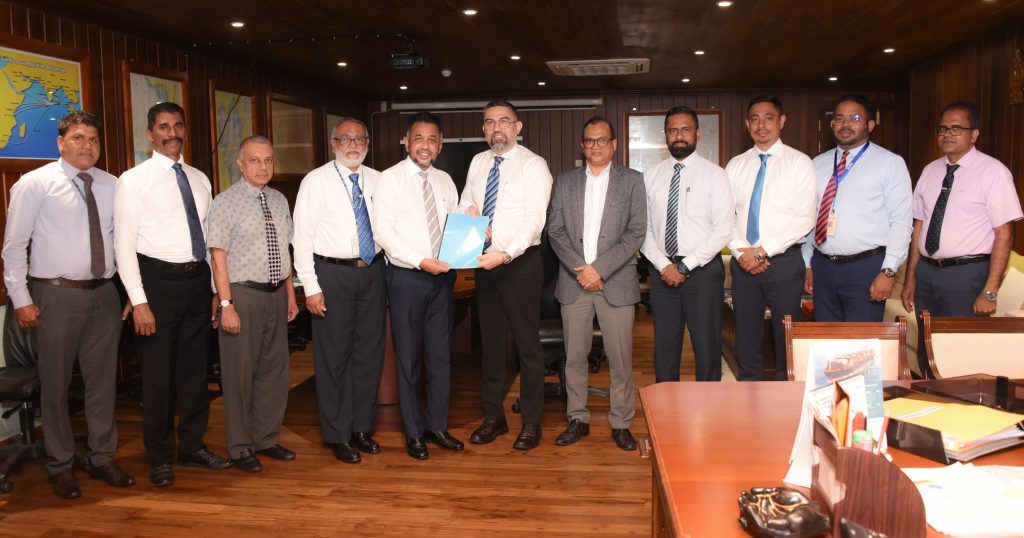
COLOMBO : SLPA Terminals and CMA CGM recently signed a Terminal Service Agreement aimed at enhancing business collaboration and attracting greater container volumes to the Port of Colombo. The signing ceremony was attended by senior officials from both organisations, including Admiral Sirimewan Ranasinghe (Rtd), Chairman of the Sri Lanka Ports Authority, Eng. Ganaka Hemachandra, Managing Director, and Mr. U. Kumara, Director – Marketing & Business Development, along with other senior officers from SLPA. Representatives from CMA CGM and its local partner Hayleys Advantis were also present, including Mr Shano Sabar, Deputy Managing Director and Chairman of CASA, Mr Eric van den Driesen, Country General Manager for Sri Lanka and the Maldives, Mr Pasan Periyapperuma, Head of Operations, and Mr Romesh Nugera, Assistant Manager – Operations.

CMA CGM, headquartered in Marseille, France, is one of the world’s largest container shipping companies, operating over 650 vessels across more than 160 countries. The company provides container shipping, freight forwarding, and integrated logistics services, and maintains a presence in Sri Lanka through its local operations in partnership with Hayleys PLC. Its services connect Colombo to a broad range of international markets across Europe, the Middle East, Africa, the Americas, and Asia, supporting both direct trade flows and transhipment operations.

The Terminal Service Agreement formalises the operational and commercial arrangements between SLPA Terminals and CMA CGM. It provides a framework for scheduling vessel calls, coordinating cargo handling, and improving overall efficiency at the port. CMA CGM’s global experience in shipping and terminal operations is expected to support enhanced service management and facilitate the handling of higher container volumes through Colombo.

The agreement is part of ongoing efforts by SLPA to strengthen port services and attract international shipping lines. Colombo continues to function as a key deep-water port in the region, serving as a hub for transhipment and regional maritime trade. The signing of the Terminal Service Agreement with CMA CGM is intended to consolidate the port’s service capabilities and support its continued growth as a major maritime gateway.

KR appoints LEE Yongsok as the 26th Chairman

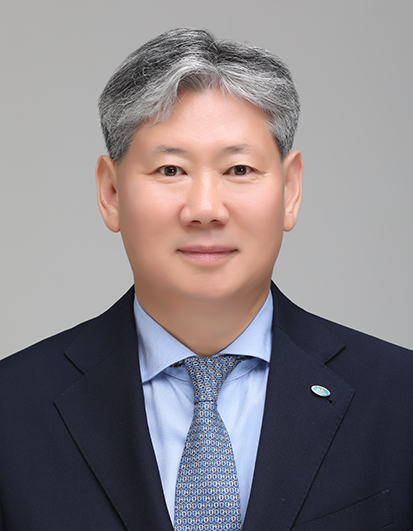
BUSAN: KR (Korean Register) announced that LEE Yongsok has been appointed as the 26th Chairman and CEO of KR, following an election held during an extraordinary meeting of KR’s General Assembly on 23 December 2025.

Since joining KR in 1995, Lee has built extensive experience across a wide range of technical and management roles, including General Manager of the Copenhagen Office and General Manager of the Domestic Business Development Team. Most recently, he has served as Executive Vice President in charge of KR’s Business Division since 2020. 

Upon his appointment, Lee stated, “I feel a strong sense of responsibility in assuming the role of Chairman at a critical time when the maritime industry is undergoing structural changes driven by decarbonization and digital transformation. Through leadership grounded in open communication, I will work to further strengthen KR’s role and responsibilities, and contribute to the sustainable development of the global maritime industry.” 

Lee’s three-year term commenced on 23 December 2025 and will run through to 22 December 2028. 

Steve Cockburn appointed NorthStandard CEO Europe

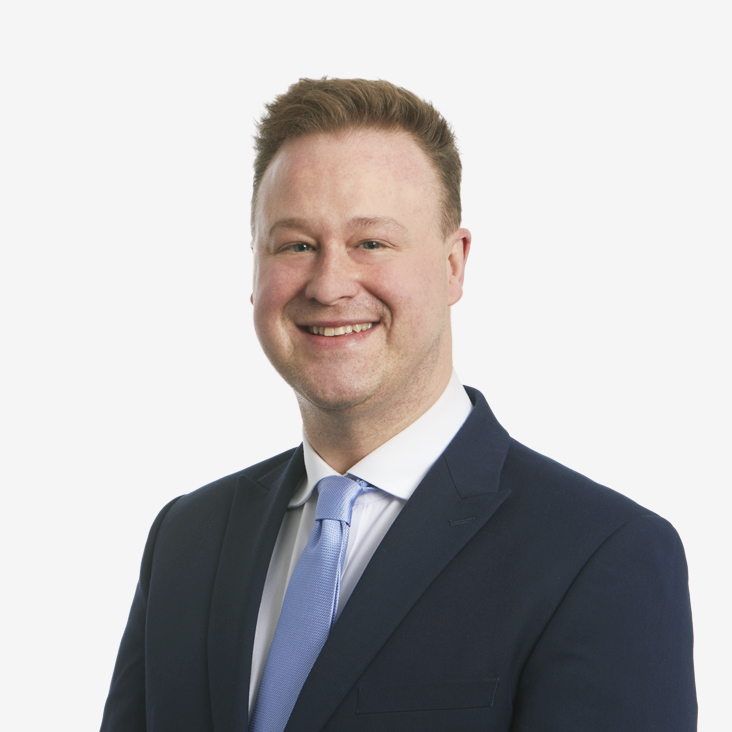
LONDON: NorthStandard has appointed Steve Cockburn as Chief Executive Officer (CEO) of NorthStandard Europe – the Dublin-based subsidiary which has oversight of around 40 per cent of the global marine insurer’s book.

The appointment follows the formal integration of two Dublin-based legacy companies previously representing the ‘North P&I’ and ‘The Standard Club’. Before their merger in 2023, North and Standard were the only P&I clubs established in Ireland.

Bringing them together creates a significant European insurance company in a centre of commerce with enduring appeal for global businesses.

Cockburn, who will relocate from Newcastle to Dublin, has over 20 years’ experience working with NorthStandard and spent nearly six years chairing the International Group’s Compulsory Insurance Committee. He was previously Chief of Geographical Sectors, with global responsibility for blue-water membership and operations. He also acted as the business integration lead for the merger between North and Standard.

Cockburn will continue as a member of NorthStandard’s Executive Leadership Team, and his new role is significant for the marine insurer’s structure and global ambitions. Beyond CBI Pre-Approval Controlled Function reporting, NorthStandard’s Dublin based heads of claims, underwriting, finance and risk will now report directly to Cockburn.

“By bringing together and growing our activities in Ireland, NorthStandard is establishing Dublin as a centre of excellence for marine insurance and signalling its intention to develop in this location as part of our global business,” said Cockburn.

“Success will be built around the strength of our existing team, which we will cultivate and expand with a blend of internal and external talent, drawing on industry leaders and experts, ambitious local professionals and those attracted to relocate to Dublin as a focal point for insurance.”

In January 2026, Cockburn and his team will move to spacious modern offices at Sir John Rogerson’s Quay on the south bank of the River Liffey in Dublin Docklands.

As CEO – NorthStandard Europe, Cockburn said he would also remain focused on looking after European members by keeping oversight of the Club’s European teams: Mediterranean and Ireland, Greece, and Nordics & Northern Europe. “I believe it’s critical that I continue to stay close to members to ensure their interests are my first priority, especially when it comes to maintaining claims, underwriting and loss prevention service excellence, and remaining a trusted partner.” he said.

Establishing a substantial new insurance business in Ireland also comes at a timely moment, with maritime matters likely to be a focus during Ireland’s hosting role as chair of EU Presidency meetings between July and December 2026.
 
Cockburn emphasised that NorthStandard EU will strengthen its ties with Ireland’s maritime community and key stakeholders, reinforcing its role as a centre for European marine insurance, and legal expertise. “This is a great opportunity to build something special in Ireland,” he said.
 
“We’re growing our European presence from a new centre of excellence that’s energised, engaged, full of talent and ready to work alongside our exceptional teams in Newcastle, Piraeus, London and around the globe to continue raising the bar for service delivery to our members.”

Clarksos Research release Shipping Markets 2025 Review

LONDON: Clarksons Research have released their latest annual review of shipping markets, including full year 2025 data points, tracking key developments across a year of building complexity from geo-political dynamics for the shipping industry.

Summarising the annual review, Steve Gordon, Global Head of Clarksons Research, commented: “Despite material geo-political complexities and uncertainties impacting global supply chains across 2025, shipping markets have seen a strong second-half earnings environment, generally resilient trade volumes and improved sentiment, transactional activity and pricing during the final quarters of the year. Key data points include:

  • Cross segment ClarkSea Index up 7% y-o-y to $26,836/day, with improved tanker, gas and bulker markets in second-half
  • Seaborne trade resilient despite disruptive impact of tariffs, growth of 1.1% to 12.9bn tonnes plus stronger second-half volumes
  • Red Sea re-routing and “long haul” Russian oil flows remaining supportive of tonne miles for the moment
  • Accelerated sanctions regime creating increasing complexity in tanker markets
  • Newbuild ordering down 27% y-o-y but with strong Q4, China taking 63% of orders, shipyard output up 6% y-o-y
  • Decarbonisation consensus “stalled” but investments in green technology continue
  • Geo-political dynamics and uncertainties to continue to impact in 2026 alongside specific market sector fundamentals”

Further data points available on request and see attached additional analysis.

Shipping Intelligence Network (SIN) is Clarkson Research’s market leading digital platform and the most comprehensive source of data on shipping and trade. The system provides immediate access to uniquely powerful data and analysis tracking and projecting market supply / demand, freight, vessel earnings, vessel values and macro-economic data around trade flows and global economic developments.

Clarksons Research, the data and analytics arm of Clarksons, are the market leaders in the provision of independent data and intelligence around shipping, trade, offshore and the maritime energy transition. Millions of data points are processed and analysed each day to provide trusted and insightful intelligence to thousands of stakeholders across maritime. Better data for better decisions.

Sarbananda Sonowal visits NMHC Stall at Assam Book Fair

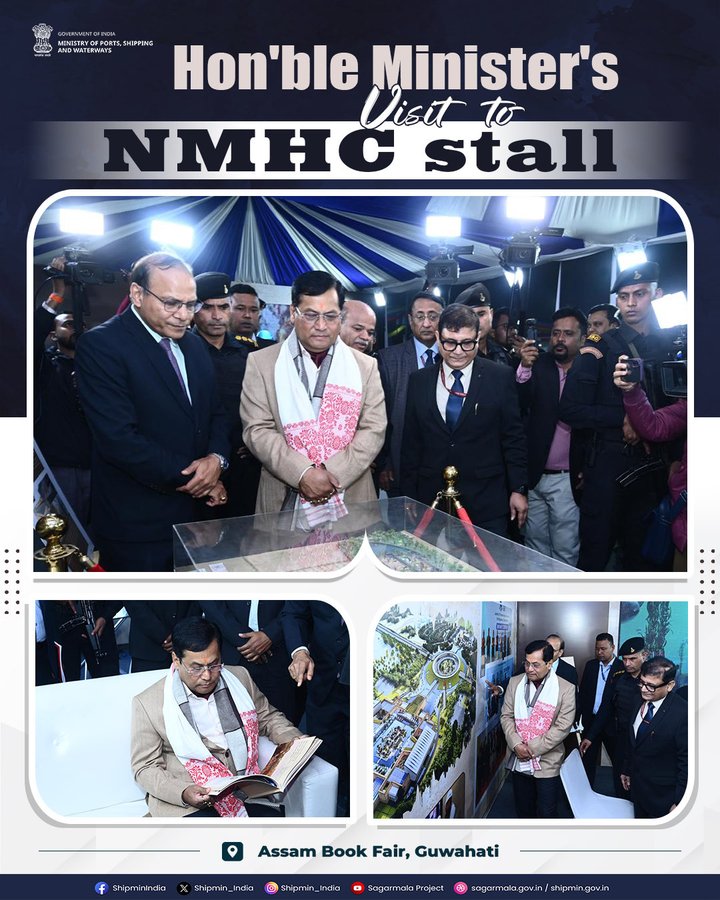
GUWAHATI : Hon’ble Union Minister of Ports, Shipping & Waterways, Shri Sarbananda Sonowal, visited the National Maritime Heritage Complex (NMHC) stall at the prestigious Assam Book Fair, held in Guwahati. The visit underscored the Government of India’s commitment to preserving and promoting the nation’s rich maritime legacy.

During his visit, the Hon’ble Minister interacted with senior officials associated with the NMHC project and engaged with enthusiastic members of the public who visited the stall. He took keen interest in the exhibits and presentations highlighting India’s vast maritime history, ancient seafaring traditions, shipbuilding excellence, coastal cultures, and the country’s long-standing engagement with global trade routes.

The NMHC stall showcased curated displays, concept visuals, and informative material outlining the vision of the National Maritime Heritage Complex, which is being developed as a world-class institution to celebrate India’s maritime heritage and achievements. The exhibits also highlighted how NMHC aims to emerge as a global centre for maritime history, education, tourism, and cultural exchange once completed.

Hon’ble Shri Sarbananda Sonowal appreciated the efforts of the NMHC team in bringing India’s maritime story closer to the public through such platforms. He emphasized the importance of creating awareness among citizens, especially the younger generation, about India’s historic and contemporary role as a maritime nation.

The Assam Book Fair, a significant cultural event in the region, provided an ideal platform for NMHC to connect with a diverse audience and reinforce the narrative of India’s maritime identity and its contribution to the nation’s economic and cultural growth

Vibrant Gujarat Regional Conference: Signing of MoUs worth Rs 8,500 crore with 334 MSME units

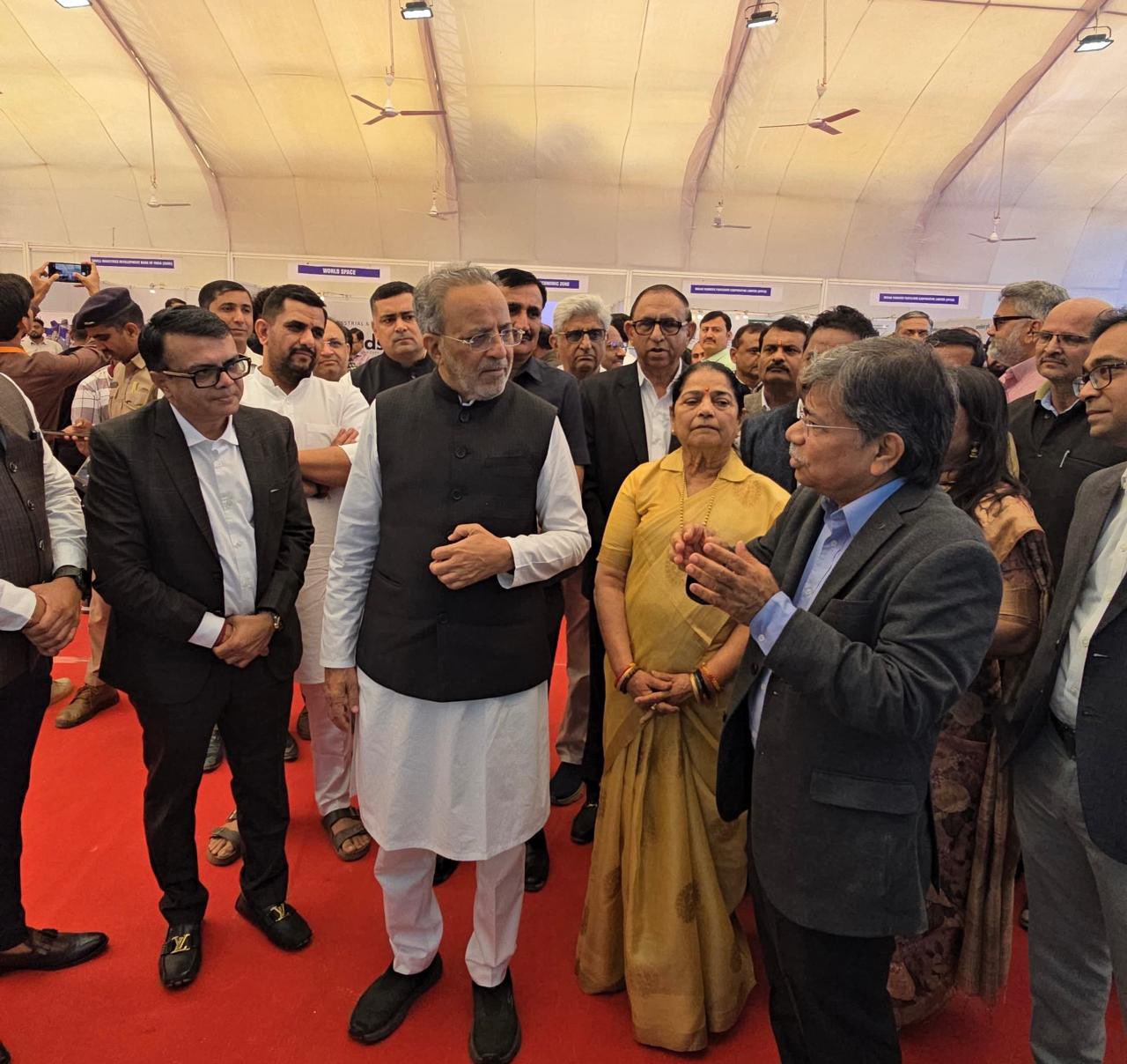
GANDHIDHAM : The MoUs worth Rs 8,500 crore were signed with 334 MSME units during the district-level Vibrant Gujarat Regional Conference that was held at Gandhidham in Kutch.

Gujarat Forest and Environment Minister Shri Arjun Modhwadia on Friday inaugurated the conference.
Addressing the gathering at the Dr Babasaheb Ambedkar Convention Centre here, the Minister stated that despite natural calamities, the people of Kutch have transformed the region into a centre of development.
Backed by the government’s vision, Kutch has emerged as a central industrial hub and a model of transformation. According to the minister, once affected by water scarcity and unemployment, Kutch today generates employment for people from across the country and is leading in tourism, agriculture, industry, and renewable energy, while handling 40 per cent of India’s cargo. In the programme, investors were invited to partner in Kutch’s future growth across sectors, including electronic components, green hydrogen, data centres, and the blue economy.

Speaking on the development of Dholera, he praised the Prime Minister’s vision on turning challenges into opportunities. He noted that India became a vaccine hub by rapidly developing and delivering vaccines during the COVID period.
Similarly, the country is preparing to overcome challenges in the semiconductor and electronics sectors to achieve self-reliance and global leadership. He said that achieving the goal of Viksit Bharat requires self-reliance across all industries.
Highlighting Kutch’s vast potential, he invited investors to partner in future-focused sectors. He noted that with emerging fields such as AI, quantum technology, and biotechnology, Gujarat has strengthened its readiness through advanced research centres and Excellence labs.
Emphasising sustainable development, he also called for the creation of world-class nurseries and urged industries to support efforts to increase green cover in Kutch.
Addressing the gathering, Minister of State (MoS) for Higher and Technical Education Trikam Chhanga said that Vibrant Gujarat was launched by the then Chief Minister and the present Prime Minister, Shri Narendra Modi, and has now expanded to a district-level organisation.
He congratulated the Kutch district administration and local entrepreneurs on the initiative and noted that the Prime Minister had transformed development into a movement and revitalised Kutch.

He said that Kutch continues to progress, with improved infrastructure, industrial and technological growth, and port development contributing to a reversal of migration. Recalling Kutch handicraft artisan Pabiben, he said that Kutch, once reliant on handicrafts and cottage industries, is now emerging as an industrial hub, with Vibrant initiatives attracting significant investment and creating employment opportunities. He urged citizens and industrialists to uphold ethical values while contributing to social and economic development.

On this occasion, Kutch-Morbi MP Vinodbhai Chavda said that Vibrant Gujarat was launched under the Prime Minister’s long-term vision and that Kutch has greatly benefited from it. He noted that thousands of industrial units are now active in sectors such as ports, minerals, and chemicals, creating ample employment and attracting people from other states, which is a matter of pride for Kutch.
He added that Kutch is uniquely blessed with a desert, a sea, and hills, and, due to the Chief Minister’s sustained efforts, has emerged as a leader in agriculture, industry, and tourism. He urged young entrepreneurs and investors to join the Vibrant programme in line with the Prime Minister’s vision of Make in India and Local for Vocal.

Chairman of Deendayal Port SK Singh said that Gujarat, especially Kutch, will play a key role in achieving the vision of Viksit Bharat. Owing to its strategic location and strong connectivity, Kutch is attracting investor interest. He noted that the port and maritime sector will make an essential contribution to this vision, adding that Kandla Port is leading in green hydrogen and shipbuilding. As these sectors expand, he invited investors to participate in the green hydrogen park in Kutch.
On this occasion, Kutch Collector Anand Patel said that Vibrant Gujarat, which started as a small initiative to realise the vision of Viksit Bharat, has today grown into a strong platform. He noted that district-level Vibrant programmes and regional conferences will give a new direction to industrial development. He stated that, under the Prime Minister’s vision, Kutch has become a land of opportunity.
Gandhidham Chamber of Commerce President Mahesh Punj, in his address, stated that under the Prime Minister’s development vision, Kutch is emerging as a leader in key sectors, including renewable energy, green hydrogen, ports, chemicals and minerals, and tourism.
He expressed gratitude to the Chief Minister for the significant opportunities that have come to Kutch as part of the development.
Additionally, DP World Director Parag Kochhar highlighted the importance of the blue economy, noted immense opportunities for port development in Kutch, and provided information on India Mart.
Manish Kiri of Kiri Industries stated that Kutch is emerging as Gujarat’s economic powerhouse. With the development of green hydrogen, digital infrastructure, seawater-based industries, agriculture, and advanced marine chemical and mineral industries, Kutch’s land is emerging as “industrial land” for investors.
At the conclusion of the programme, Kutch Management Association President Tejabhai Kangad delivered the vote of thanks.
In this programme, Gandhidham Chamber of Commerce participated as the event partner, while Deendayal Port Trust joined as the venue partner. Additionally, FOKIA and Kutch Management Association participated as knowledge partners.
This event was attended by District Panchayat President Janaksinh Jadeja, MLAs Kesubhai Patel, Maltiben Maheshwari, Pradyumansingh Jadeja, Aniruddhabhai Dave, former Assembly Speaker Nimaben Acharya, senior leader Devjibhai Varchand, Dhavalbhai Acharya, East Kutch SP Sagar Bagmar, Gandhidham Commissioner Manish Gurwani, GRIT Joint CEO Stuti Charan, ARM Ashish Dhaniya, Joint Commissioner of IndustriesKanak Der, along with a large number of industrialists and students.

Source : ANI