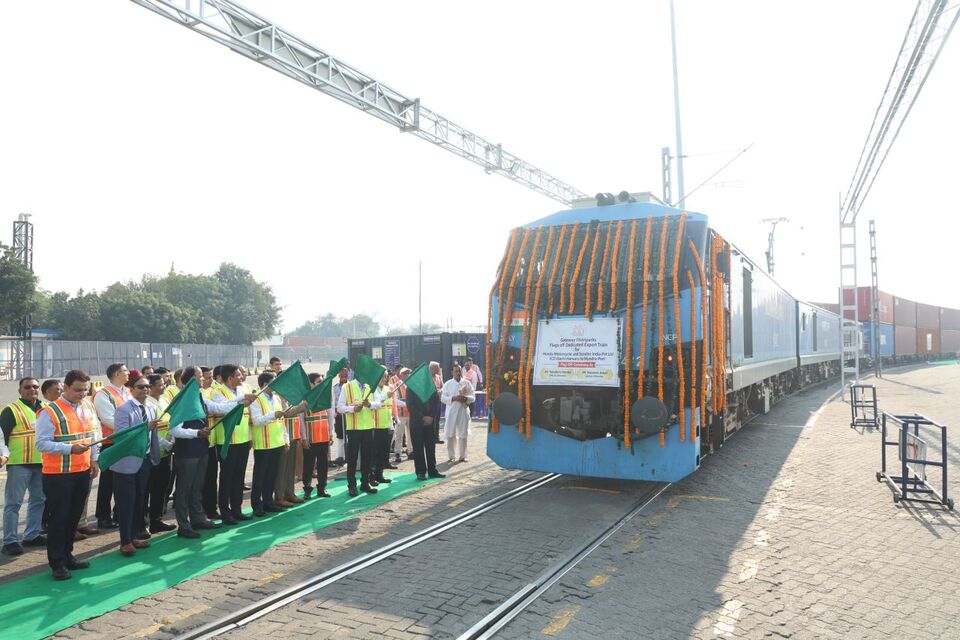
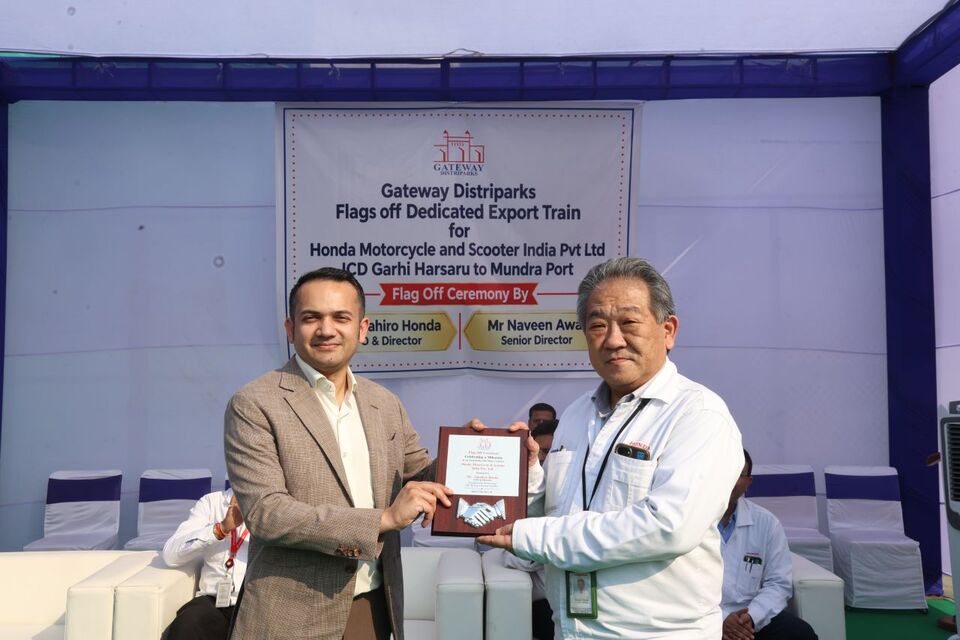
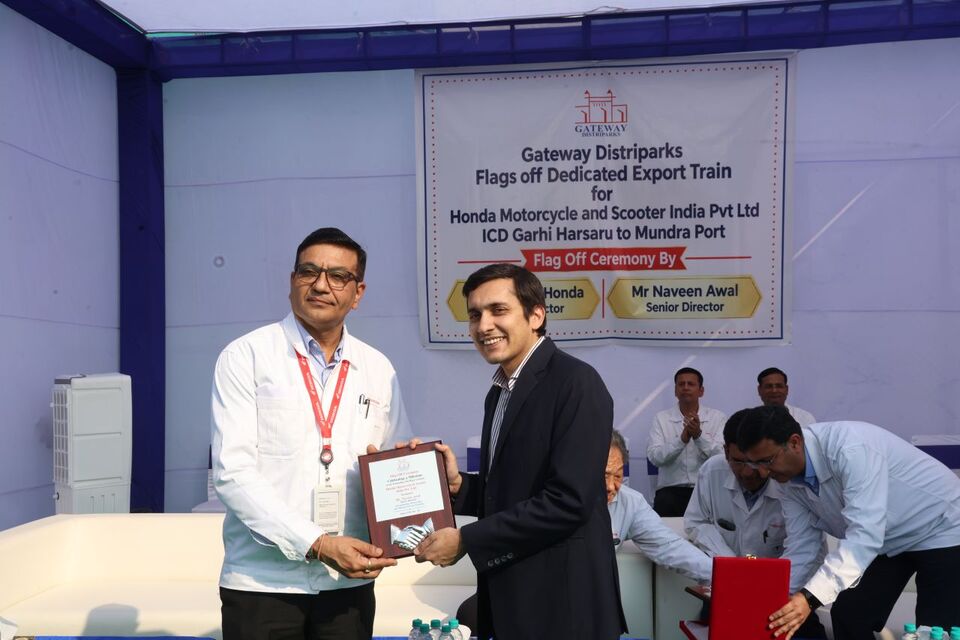
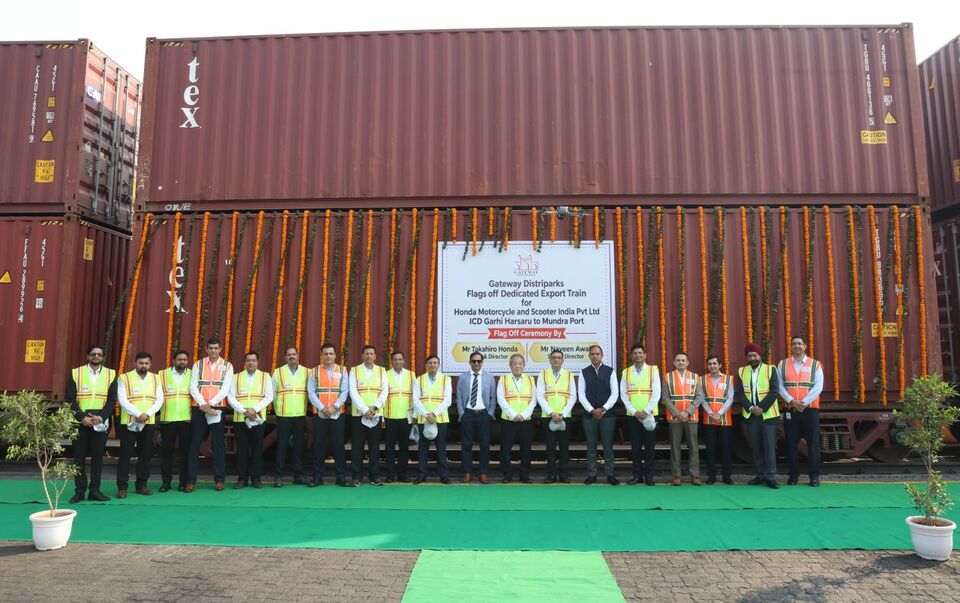
NEW DELHI: Gateway Distriparks Limited is pleased to announce the successful flag-off of a Dedicated Export Train for Honda Motorcycle & Scooter India Pvt. Ltd. (HMSI), from ICD Garhi Harsaru to Mundra Port.
The flag-off ceremony was graced by Mr. Takahiro Honda, Chief Production Officer & Director, and Mr. Naveen Awal, Senior Director(Engineering & Quality) from Honda Motorcycle & Scooter India Pvt. Ltd. The Gateway Distriparks Limited team was represented by the Joint Managing Directors Mr. Samvid Gupta and Mr. Ishaan Gupta, along with the Chief Business Officer Mr. Rajguru Behgal, marking another significant milestone in our collaborative journey.
Adding to the significance of this initiative, the rake carried export cargo destined for 15 countries across South America, Central America and the Middle East, highlighting India’s expanding global trade connectivity.
This initiative reinforces Gateway Distriparks Limited commitment to strengthening rail-led logistics, facilitating efficient export movements and providing seamless connectivity between Indian manufacturing hubs and international markets.
Deliberations Focus on Revitalising Darjeeling Tea, Strengthening Tea Auctions and Enhancing Exports
India Remains the World’s Largest Producer of Black Tea and Third-Largest Exporter, Recording USD 988.13 Million in Tea Exports in FY 2025–26
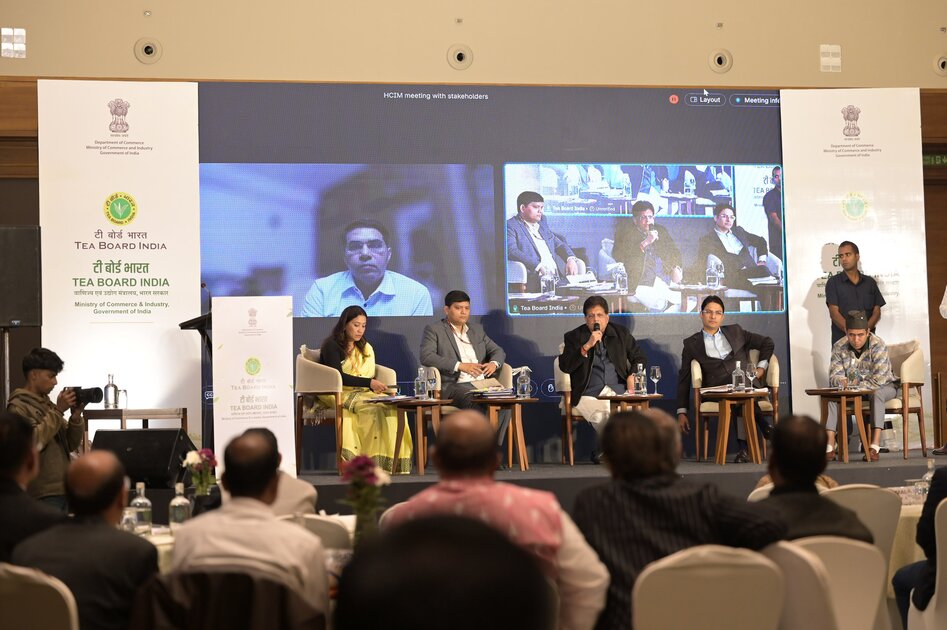
KURSEONG: Union Minister of Commerce and Industry, Shri Piyush Goyal, chaired an interaction with tea industry stakeholders at Kurseong, West Bengal, organised by Tea Board India. The meeting was also attended by Member of Parliament, Darjeeling, Shri Raju Bista, and MLA, Kurseong, Shri Sonam Lama.
Senior officials of the State Government, representatives of various tea associations and stakeholders from different segments of the Indian tea industry participated in the interaction. The meeting provided an important platform for constructive dialogue on key challenges, emerging opportunities and measures required to strengthen the long-term growth, sustainability and global competitiveness of the Indian tea sector.
India continues to be the world’s largest producer of black tea and the third-largest exporter of tea globally. During the financial year 2025–26, India exported 282.11 million kg of tea, valued at USD 988.13 million, underscoring the sector’s significant contribution to the country’s agricultural economy and export earnings.
Detailed deliberations were held on a wide range of issues, including the revitalisation of the Darjeeling tea industry, making the tea auction system more responsive, faster and robust, strengthening tea research, quality enhancement, export promotion, welfare of tea workers and initiatives under the Export Promotion Mission (EPM).
An extensive brainstorming session was also held on making the existing tea auction system more robust, efficient, faster and responsive to the evolving requirements of the industry. The importance of technology-driven reforms, greater transparency, improved operational efficiency and reduction of transaction-related difficulties was highlighted.
Ease of Doing Business emerged as a key priority, with emphasis on simplifying processes, improving efficiency and creating a more enabling environment for stakeholders across the tea value chain.
Considerable emphasis was placed on strengthening Indian tea exports through focused promotional measures and effective utilisation of opportunities under the Government of India’s Export Promotion Mission. Stakeholders shared suggestions for expanding India’s presence in international markets, strengthening the global positioning of Indian tea, improving market access and enhancing export competitiveness. Discussions also highlighted the need for coordinated efforts between the Government, Tea Board India and industry stakeholders to promote Indian tea in both traditional and emerging markets.
The critical role of research and development in improving the quality, productivity and competitiveness of Indian tea was emphasised during the interaction. Discussions focused on strengthening tea research, encouraging innovation and adopting improved scientific practices to address emerging challenges and meet the evolving quality requirements of domestic and international markets. The services of the Tea Research will be extended to small tea growers.
The welfare of tea plantation workers and their families remained an important area of discussion. In this context, reference was made to the proposed implementation of the Pradhan Mantri Cha Shramik Protsahan Yojana (PMCSPY), aimed at improving the welfare of tea workers, particularly women and their children, in West Bengal. The significance of effective implementation of the scheme and its intended benefits in the areas of education, healthcare and improved living conditions was highlighted.
The interaction provided an opportunity for stakeholders to present their concerns, share suggestions and deliberate on practical measures for the overall development of the tea sector. The discussions underscored the importance of a coordinated approach towards revitalising the Darjeeling tea industry, modernising tea trading infrastructure, promoting Ease of Doing Business, strengthening research and quality assurance, enhancing exports, improving the welfare of tea workers and strengthening the tea auction system.
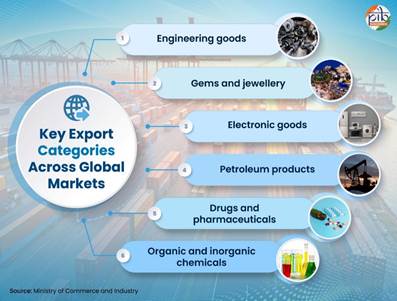
India’s merchandise exports recorded broad-based growth across major global regions during April-September 2026-27. Exports to Africa registered the highest growth of 44%, followed by Asia at 21%. The Americas recorded 13% growth, while Europe and CIS & Baltics registered increases of 8% and 7%, respectively. Engineering goods, electronic goods and petroleum products remained important export categories. Strong performance across diverse markets and product groups reflects the expanding reach of India’s merchandise exports across global regions.
India’s Exports Strengthen Across Global Regions
India’s exports recorded broad-based growth across major global regions during April–September 2026-27, with Africa and Asia emerging as the fastest-growing regions.
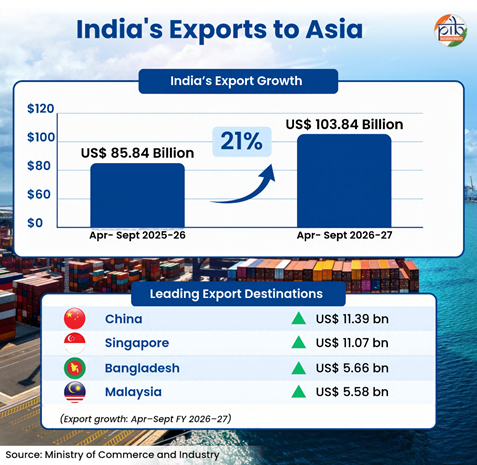
Exports to Asia increased 21% from US$ 85.84 billion to US$ 103.84 billion, while exports to Africa surged 44% from US$ 21.87 billion to US$ 31.42 billion. The Americas registered 13% growth to US$ 66.82 billion, followed by Europe at 8% to US$ 51.04 billion and CIS & Baltics at 7% to US$ 3.36 billion.
The regional expansion was supported by demand across a diverse range of markets and export categories. Engineering goods, electronic goods, petroleum products, and chemicals featured prominently across regional export baskets.
Regional Export Performance
Asia: Exports Cross US$ 100 Billion, Led by China and Singapore
India’s exports to Asia increased 21%, from US$ 85.84 billion to US$ 103.84 billion.
Among the major export destinations:
China and Singapore were the largest markets, with exports reaching US$ 11.39 billion and US$ 11.07 billion, respectively. Exports to China increased 36%, while those to Singapore more than doubled, registering 103% growth.
Malaysia and Hong Kong also emerged as significant markets, with exports reaching US$ 5.58 billion and US$ 5.12 billion, respectively. Malaysia registered 83% growth, while Hong Kong recorded 37% growth.
Other markets included Bangladesh at US$ 5.66 billion, Nepal at US$ 4.37 billion, Japan and Australia at around US$ 4.10 billion each, Sri Lanka at US$ 3.94 billion, South Korea at US$ 3.91 billion, Vietnam at US$ 3.83 billion and Oman at US$ 3.29 billion.
At the commodity level, engineering goods remained the largest growing category at US$ 27.47 billion, registering 22% growth. This was followed by petroleum products at US$ 17.05 billion, up 28%. Electronic goods nearly doubled to US$ 10.54 billion, growing 91%, while gems and jewellery reached US$ 9.59 billion and organic and inorganic chemicalsincreased to US$ 6.17 billion.
Americas: Exports Reach US$ 66.82 Billion, Driven by the US and High-Value Manufacturing
India’s exports to the Americas increased 13%, from US$ 59.30 billion to US$ 66.82 billion.
Among the major export destinations:
United States: Accounted for US$ 50.80 billion, registering 11% growth and remaining the largest market in the region.
Brazil, Mexico and Canada: Exports reached US$ 4.33 billion, US$ 3.45 billion and US$ 2.67 billion, respectively. Brazil registered 14% growth, Mexico 26% and Canada 18%.
Other markets: Colombia and Chile also recorded positive growth.
The region’s growth was anchored by engineering goods at US$ 19.19 billion, up 21%, and electronic goods at US$ 15.35 billion, up 23%. Drugs and pharmaceuticals reached US$ 6.59 billion, followed by organic and inorganic chemicals at US$ 4.17 billion, gems and jewellery at US$ 3.35 billion and petroleum products at US$ 3.16 billion.
Europe: Exports Reach US$ 51 Billion, with Engineering and Electronics Leading
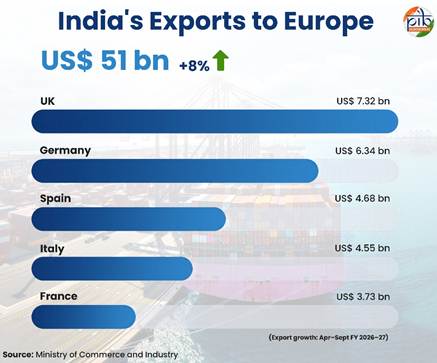
India’s exports to Europe grew 8%, from US$ 47.06 billion to US$ 51.04 billion.
Among the major export destinations:
United Kingdom and Germany: The UK was the largest market at US$ 7.32 billion, followed by Germany at US$ 6.34 billion, with exports to Germany increasing 12%.
Spain and Italy: Exports to Spain rose 45% to US$ 4.68 billion, while Italy recorded 25% growth to US$ 4.55 billion.
France and Turkey: Exports to France reached US$ 3.73 billion, while those to Turkey increased 72% to US$ 3.63 billion.
Engineering goods remained the largest growing commodity category at US$ 15.88 billion, up 12%. Electronic goods rose 52% to US$ 5.44 billion, while organic and inorganic chemicals increased to US$ 4.06 billion and drugs and pharmaceuticals to US$ 3.29 billion. Gems and jewellery also grew 19% to US$ 2.20 billion.
Africa: Exports Surge to US$ 31.42 Billion, Led by Petroleum and Engineering Goods
India’s exports to Africa increased strongly by 44%, from US$ 21.87 billion to US$ 31.42 billion.
Among the major export destinations:
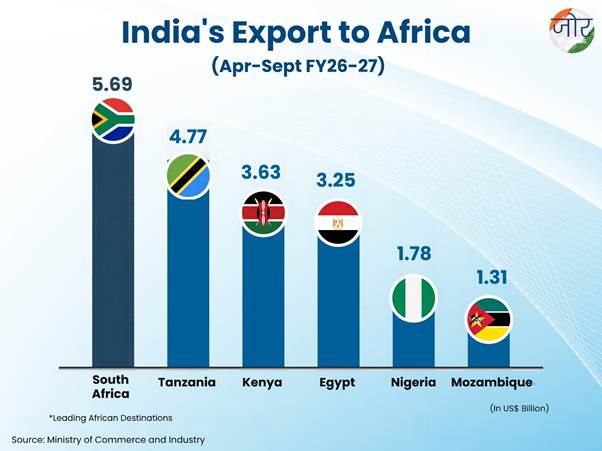
South Africa: Remained the largest market at US$ 5.69 billion, registering 52% growth.
Tanzania and Kenya: Exports reached US$ 4.77 billion and US$ 3.63 billion, respectively. Tanzania recorded 121% growth, while exports to Kenya more than doubled, increasing 101%.
Egypt: Exports increased 73% to US$ 3.25 billion.
Nigeria and Mozambique: Also recorded positive growth, reaching US$ 1.78 billion and US$ 1.31 billion, respectively.
At the commodity level, petroleum products were the largest contributor at US$ 11.85 billion, more than doubling with growth of 137%. Engineering goods reached US$ 7.48 billion, up 29%, while drugs and pharmaceuticals stood at US$ 2.58 billion. Organic and inorganic chemicals increased to US$ 1.41 billion, while plastic and linoleum and meat, dairy and poultry products also recorded strong positive growth.
CIS & Baltics: Exports Rise to US$ 3.36 Billion
India’s exports to the CIS & Baltics increased 7% from US$ 3.14 billion to US$ 3.36 billion.
Among the major export destinations:
Russia: Remained the largest growing market, with exports rising 7% to US$ 2.39 billion.
Georgia: Exports reached US$ 0.25 billion.
Armenia and Kazakhstan: Also recorded positive growth.
Among growing commodity categories, organic and inorganic chemicals reached US$ 0.37 billion, up 33%. This was followed by meat, dairy and poultry products at US$ 0.36 billion, up 36%, and electronic goods at US$ 0.24 billion. Mica, coal and other ores and minerals reached US$ 0.17 billion, while marine products increased to US$ 0.14 billion.
Diversification Across Markets and Products
The regional trends underline the scale as well as growing diversification of India’s global exports. Asia remained the backbone of the export footprint at over US$ 103 billion. This was complemented by the US$ 66.82 billion Americas market and US$ 51.04 billion European market. Africa delivered particularly strong expansion to cross US$ 31 billion.
Importantly, growth was supported by large and commercially significant markets such as the United States, China, Singapore, the UK, Germany and South Africa, alongside strong expansion in Malaysia, Spain, Italy, Tanzania and Kenya.
At the product level, engineering goods, electronics and petroleum products accounted for some of the largest growing export values, pointing to a geographically and product-wise diversified expansion in India’s global merchandise exports.
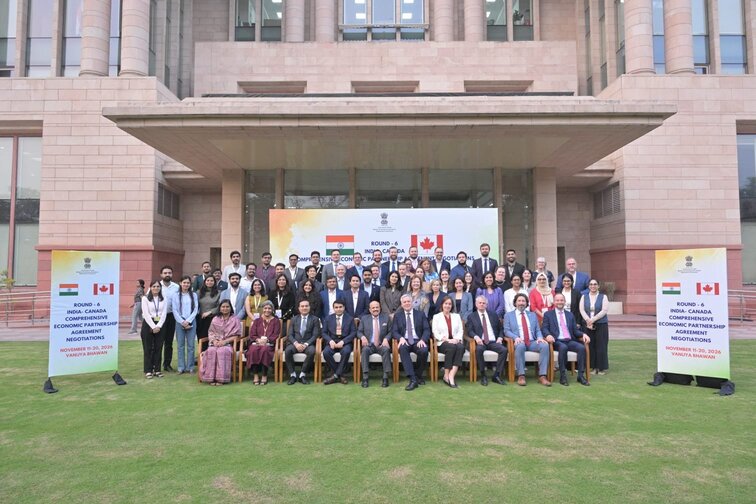
NEW DELHI: The sixth round of negotiations for the India-Canada Comprehensive Economic Partnership Agreement (CEPA) was held in New Delhi from 11 to 20 November 2026. The Indian delegation was led by Dr. Brij Mohan Mishra, Chief Negotiator, while the Canadian delegation was led by Ms. Mary-Catherine Speirs, Chief Negotiator. The negotiations covered key areas, including Trade in goods, Trade in services, Rules of origin, Trade Remedies, Intellectual Property and Investment promotion.
The negotiating round opened with a warm and constructive meeting in New Delhi on 11 November between Shri Piyush Goyal, Minister of Commerce and Industry and Mr. Maninder Sidhu, Canada’s Minister of International Trade. Both Ministers underscored the importance of a balanced and mutually beneficial CEPA that delivers meaningful market access, builds on the complementarities of both economies and creates new opportunities for trade and investment. They reviewed progress in the negotiations and guided their teams to advance discussions productively.
The round witnessed constructive and substantive discussions across the negotiating tracks, with both sides making progress towards advancing the negotiations. The discussions were guided by the shared objective of concluding the negotiations within the ambitious timelines envisaged by the leaders of the two nations.
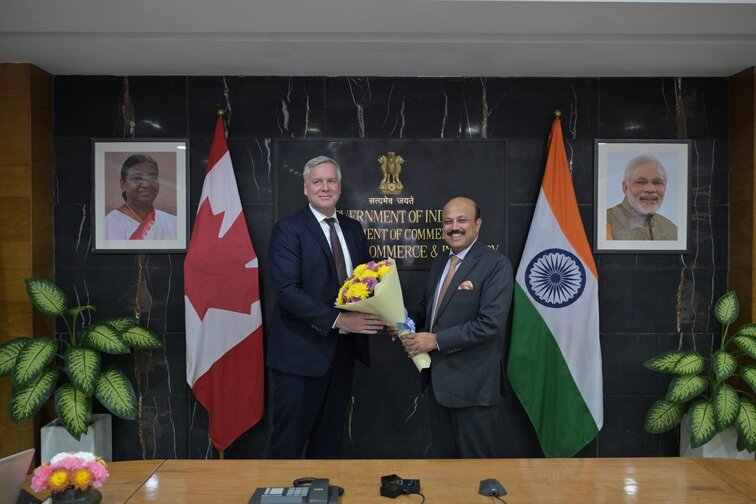
Towards the conclusion of the round, the Commerce Secretary Shri Rajesh Agrawal held a productive meeting with Mr. Glenn Purves, Vice Minister of International Trade of Canada, and his delegation in New Delhi. The meeting provided an opportunity to review the progress achieved during the sixth round of negotiations and take stock of the overall status of the India-Canada CEPA discussions. Both sides reaffirmed their shared commitment to concluding an ambitious, balanced and commercially meaningful agreement that delivers tangible benefits to farmers, industries, businesses and Micro, Small and Medium Enterprises (MSMEs) in both countries.
It was underscored that the proposed CEPA would unlock new opportunities in trade and investment, strengthen resilient and diversified supply chains, and further deepen the economic partnership between India and Canada. The successful conclusion of the sixth round reflects the continued engagement and commitment of both sides towards advancing the negotiations and strengthening bilateral economic and commercial ties.
NEW DELHI: Government e Marketplace (GeM), the national public procurement portal, has signed a Memorandum of Understanding (MoU) with the Tribal Indian Chamber of Commerce and Industry (TICCI) on 20 November 2026 to strengthen the participation of tribal entrepreneurs and enterprises in government procurement. The collaboration aims to connect tribal businesses with public procurement opportunities through targeted outreach, capacity building, onboarding assistance and sustained handholding support.
The MoU was signed by Additional CEO, GeM, Shri Ajit B. Chavan, and Founder and Chairman, TICCI, Shri Sudhakar Dharavath, formalising the partnership to promote awareness, capacity building and greater participation of tribal entrepreneurs in public procurement through GeM.
Speaking about the collaboration, CEO, GeM, Shri Mihir Kumar said, “This partnership with TICCI is an important step towards expanding public procurement opportunities for tribal entrepreneurs. We aim to strengthen their awareness, build capabilities and enable greater inclusion on GeM and further improve their participation in GeM’s transparent and inclusive procurement ecosystem.”
Under the MoU, TICCI will identify and mobilise tribal entrepreneurs, facilitate regional and national outreach programmes, provide field-level support and develop a network of trainers and mentors. GeM will support these efforts through training resources, onboarding facilitation, capacity-building initiatives and appropriate issue-resolution mechanisms. Both organisations will also work together to develop action plans, monitor progress and incorporate feedback from entrepreneurs to improve participation.
At the MoU signing, Shri Ajit B. Chavan said, “This partnership will help take GeM closer to tribal entrepreneurs through focused outreach, training and handholding, enabling greater access to government procurement opportunities.”
The collaboration reinforces GeM’s commitment to making public procurement more inclusive by enabling enterprises from diverse backgrounds to participate in the national procurement ecosystem and access opportunities for business growth.
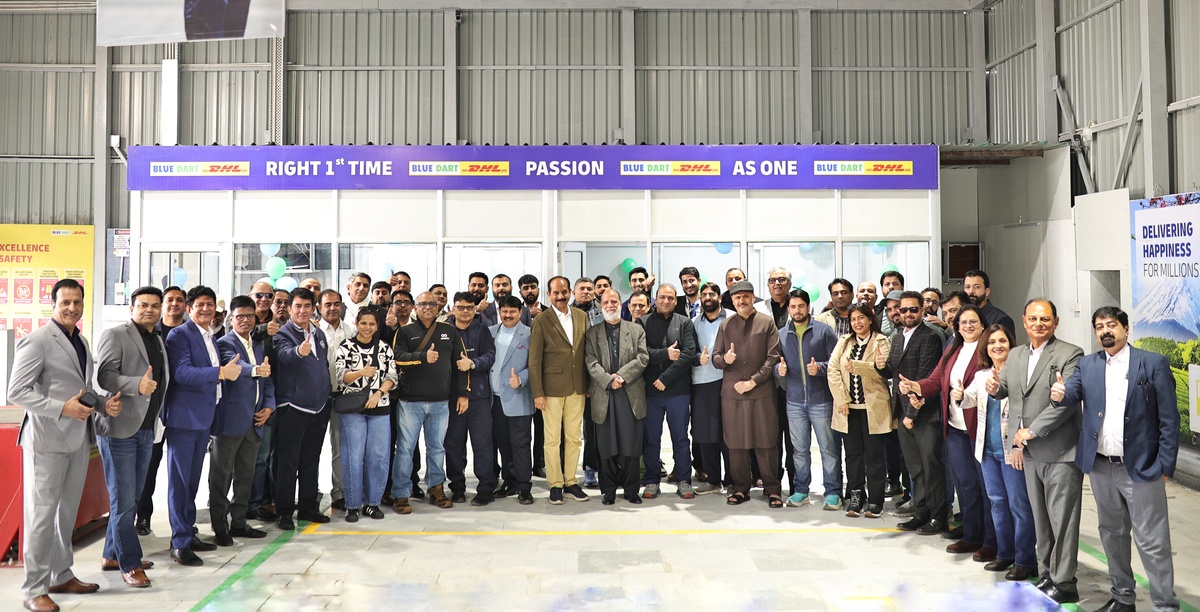
MUMBAI: Blue Dart Express Limited, South Asia’s premier express air & integrated transportation and distribution logistics company, has launched next-day delivery from Srinagar to five major metropolitan cities. The development marks a significant milestone in the company’s continued expansion across India. Blue Dart’s first Service Centre in Jammu & Kashmir supports the launch, giving businesses and residents direct access to the company’s express logistics expertise, fleet and nationwide network.
Delivery from Srinagar to five major metropolitan cities in India is available within 24 hours, subject to applicable terms and conditions. The launch strengthens Srinagar’s role as a gateway to key domestic markets and lays the groundwork for extending express connectivity to more locations across the region.
Commenting on the launch, Balfour Manuel, Managing Director, Blue Dart Express Limited, said, ““For more than four decades, Blue Dart’s promise has been to connect businesses across India through dependable express delivery. We are delivering on that promise in Srinagar by making it easier for local enterprises to reach customers across the country and internationally, with our global network extending to 220 countries. When businesses can serve a wider market reliably, they have more reason to invest, expand production and create jobs. That is how stronger logistics connectivity can support long-term economic growth in Jammu & Kashmir.”
Highlighting the opportunity for local businesses, Dipanjan Banerjee, Chief Commercial Officer, Blue Dart Express said, “At Blue Dart, our priority is to democratise access to express logistics, giving small businesses across geographies the ability to compete in larger markets. With industrial investment in Jammu & Kashmir up about 40% YoY in FY2025–26, we see an opportunity to help local enterprises meet growing demand. Faster express connectivity from Srinagar helps them fulfil orders sooner, replenish stock for retail partners and take on new business.”
The enhanced connectivity is expected to benefit businesses across the Kashmir Valley, including Pashmina weavers, handicraft and carpet artisans, cricket bat manufacturers, apple growers, and saffron and dry fruit producers. The new centre will also support e-commerce sellers, retailers and other MSMEs with shipping needs ranging from individual customer orders to larger commercial consignments.
UCL and WWF Greece report finds the IMO Net-Zero Framework offers Greek ship owners the clarity they need, and the best protection against a patchwork of regional rules
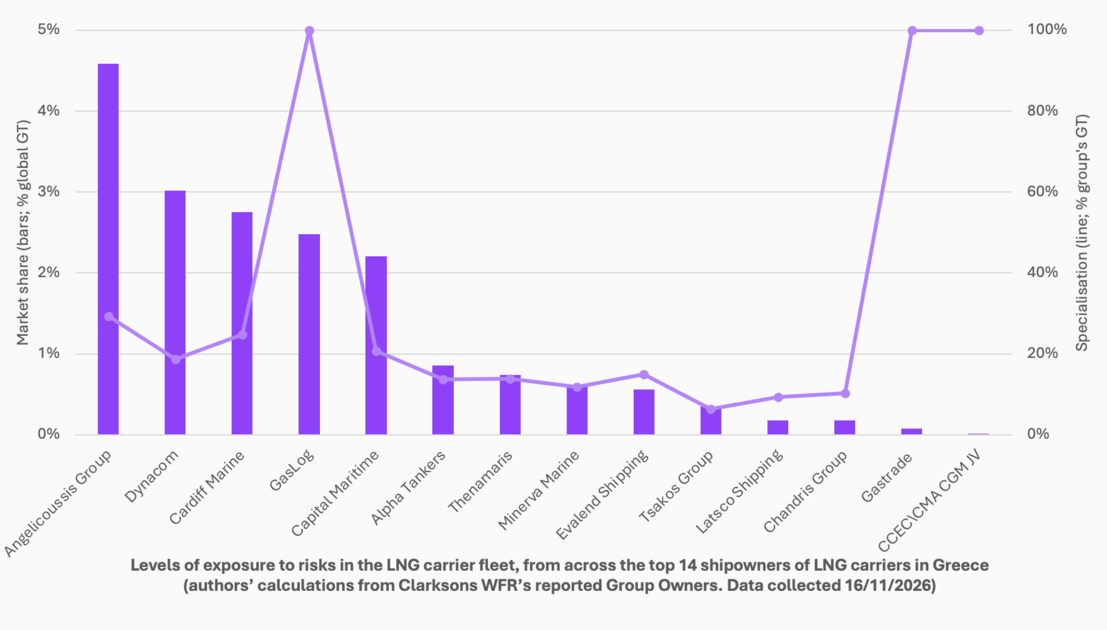
LONDON/ATHENS: Greek shipowners hold around USD 78bn of assets exposed to the global energy transition, twice the exposure of Japan, the next most exposed ship owning nation. The risk relates to declining demand for fossil fuel cargoes which could reduce the need for vessels such as LNG carriers. It is separate but related to the risks faced by all shipowners as they manage the energy transition that will also take place within international shipping, whether driven by IMO regulation adopted this December, or postponed global regulation accompanied by a patchwork of regional regulation.
The new report finds that the IMO Net-Zero Framework (NZF) is the most credible route to the single global rulebook that the shipping industry, including the Union of Greek Shipowners (UGS) has called for. A weaker, technical-only outcome at the IMO would leave the EU Emissions Trading System (ETS) alongside the IMO fuel standard, as well as incentivising additions to other unilateral carbon pricing such as those already started in Africa – which is the regional patchwork UGS warns against.
Greece owns about a fifth of the world fleet, roughly 5,800 ships and 460 million deadweight tonnes (dwt). Greek shipowners collectively have particularly leading market shares in ownership of the oil tankers, LNG carriers and bulk carriers that move fossil fuels, making them more exposed to transition risks than any other nation. Owners cannot change demand for fossil fuel cargoes, but they can influence how shipping is regulated. The report finds that the NZF would give them a predictable timetable, more compliance options and a managed exit from LNG exposure, reducing the risk of stranded assets.
Dr Tristan Smith, Professor of Energy and Transport at UCL Energy Insitute and co-director of the Shipping and Oceans Research Group said “Greek owners already face one transition they cannot control, which is related to changes in the demand for the cargoes their ships carry. Supporting the NZF, the only adoptable architecture on the table at MEPC 85, is a chance to make the second one, in how shipping’s own energy transition is regulated, predictable, lower burden, less complicated and more supportive of a mix of decarbonisation strategies and pathways.”
The report, Real economy consequences for Greece from success or failure of the Net-Zero Framework, is published ahead of ISWG-GHG 23 (23 to 27 November) and MEPC 85, which opens on 30 November. At MEPC 84, NZF-like options drew more than twice the support of technical-only alternatives.
Earlier this week, UGS President Melina Travlos urged IMO member states to deliver a regulation that is “pragmatic, proportionate and implementable”, and questioned whether the EU is putting its regional measures, and the revenues they generate, ahead of a global deal. The report draws a similar concern about the risk of regulatory fragmentation, particularly how this could disadvantage smaller shipping companies with less capacity and flexibility to manage the administrative burden and timing of shipping’s energy transition. The report finds there is no alternative architecture to NZF that has anywhere close to the levels of support for adoption and efforts that do not support NZF are only increasing risks of stalemate and fragmentation. The European Commission’s commitment to avoid double payment depends on a global carbon price being adopted, so without one, the EU ETS would stay in force on top of the IMO standard.
Demetres Karavellas, CEO of WWF Greece said “As climate impacts intensify, shipping must play its part in the transition to net-zero. The IMO Net-Zero Framework is the only credible global pathway to decarbonise the sector while providing the certainty businesses need to invest. This report shows that Greece, as the world’s leading shipping nation, has more to lose from delay than almost anyone else. Opposing the NZF will not stop the transition. It will only increase uncertainty and expose Greek shipping to greater risk. Greece has an opportunity to help shape a global framework rather than face a more fragmented and disruptive transition later.”
The report concludes that failure to adopt the NZF, or a delay of more than a year, would weaken the IMO as global regulator, accelerate regional regulation and force a steeper decarbonisation pathway later. The report urges shipowners to engage constructively in developing the NZF and its guidelines, as the only viable, truly global framework.
The UCL Energy Institute hosts a world leading research group which aims to accelerate the transition to an equitable and sustainable energy and trade system within the context of the ocean. The research group’s multi-disciplinary work on the shipping and ocean system leverages advanced data analytics, cutting-edge modelling, and rigorous research methods, providing crucial insights for decision-makers in both policy and industry. The group focuses on three core areas: analysing big data to understand drivers of historical emissions and wider environmental impacts, developing models and frameworks to explore energy and trade transition to a zero emissions future, and conducting social science research to examine the policy and commercial structures that enable the decarbonisation of the shipping sector
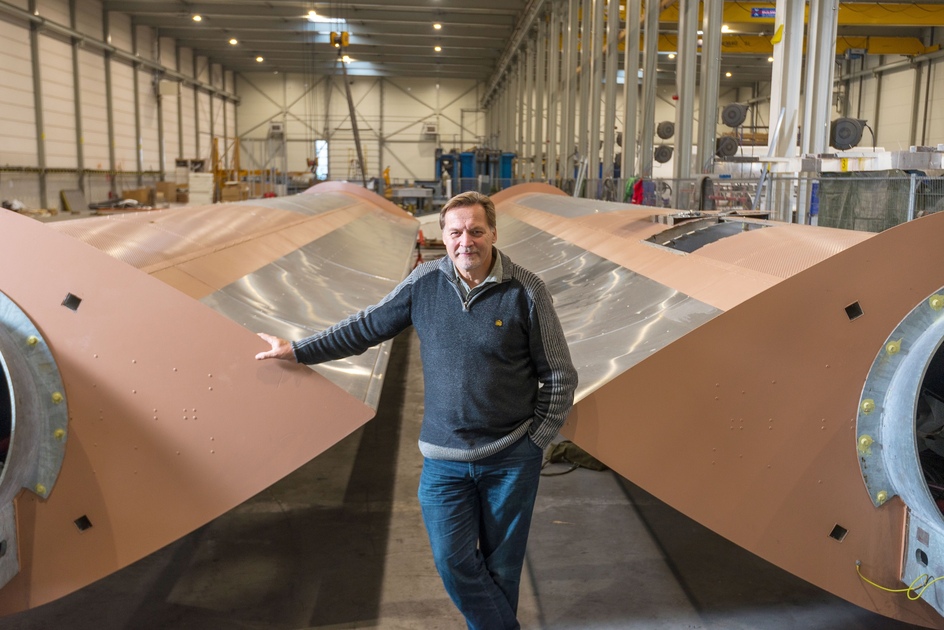
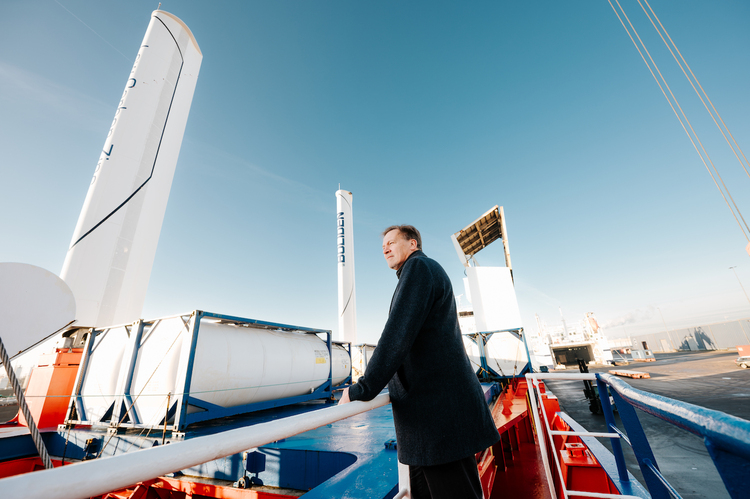
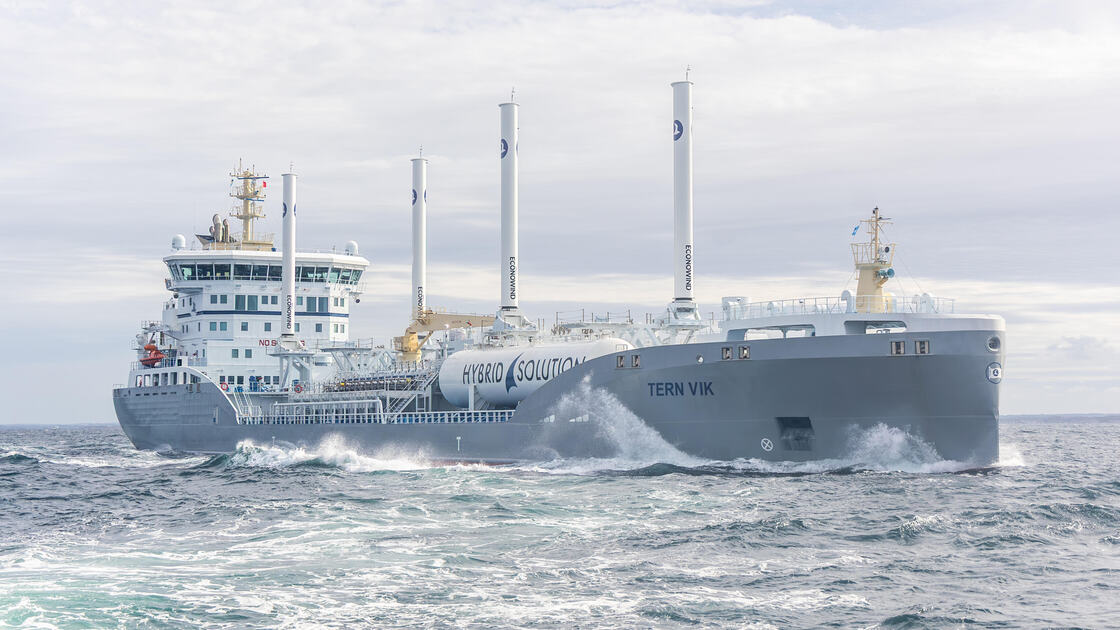
ZEEWOLDE: Econowind is celebrating its tenth anniversary, with more than 170 VentoFoil units sold to shipping companies around the world. Reaching the ten-year mark highlights both the company’s journey from early start-up to established scale-up, and a broader shift in how global commercial shipping views wind power.
When founder Frank Nieuwenhuis launched Econowind in 2016 in collaboration with ship design firm Conoship International, many in the maritime sector were still sceptical about wind-assisted ship propulsion, so he set out to show that compact, vertical wings could cut a cargo ship’s fuel use. His first tests were very hands-on: he bolted wooden prototypes to the roof of his car and used a vacuum cleaner to mimic the suction that keeps air flowing smoothly over the wing. Later, he tested an early prototype on a car trailer.
Early pioneers did not just have to sell a new technology, they had to sell wind itself as a credible modern energy source. When early setbacks tested Nieuwenhuis’ resolve, Gavin Allwright of the International Windship Association (IWSA) persuaded him to persevere.
Taking the concept to sea was not smooth, as early trials required manual operation by an onboard technician, and showed that smaller wings delivered limited savings on larger ships. Econowind responded by developing automated bridge controls that respond to changing winds. It also added tilting designs, so crews can lower the wings during cargo handling or heavy weather. That engineering work laid the foundation for the 3-series VentoFoil, the company’s best-selling unit.
Over the past ten years, Econowind has grown alongside the wider WASP market. What began as a handful of trial installations is now a recognised commercial segment, with installations roughly doubling every twelve months.
“In terms of the number of vessels installed, Econowind is right in the front line, definitely one of the frontrunners,” says Gavin Allwright, Secretary General of the IWSA.
“What has changed most over the past decade is perception: shipping now sees wind not as a romantic throwback, but as a 21st-century toolbox of commercial solutions.”
Much of that growth comes down to cost and pressure to act. With fuel accounting for around half of a ship’s operating expenses, shipping companies and charterers are facing high and unpredictable fuel prices, alongside the heavy cost of long-term decarbonisation. Alternative fuels such as green methanol and ammonia remain expensive, and the production and bunkering networks they require are still being built. Meanwhile, rules such as the EU Emissions Trading System (EU ETS) and FuelEU Maritime, which grants a reward factor for wind propulsion and allows operators to pool compliance surpluses, are turning emissions reduction into a direct financial case.
VentoFoils ease the load on a ship’s main engine, giving operators a practical way to reduce fuel burn and compliance costs without relying on new fuel supply chains that are still taking shape. Wind propulsion also works well alongside hull and voyage optimisation as well as future low-carbon fuels.
Looking back on the past decade, Nieuwenhuis says: “This journey has been full of trials and learning by doing. It would not have been possible without the people behind Econowind and everyone who supported us along the way.”
To mark the anniversary, Econowind is launching a series of ten stories, each told by a different voice. Together, clients, shipyards, and other maritime stakeholders tell the story of how both the company and commercial wind propulsion have developed over the decade.
Entering its second decade, Econowind is focused on expanding its manufacturing capacity and rolling out the 30-metre steel 5-series VentoFoil for deepsea fleets. Ten years after testing its first scale models, the company aims to help make wind assistance a standard part of life at sea.
“Wind propulsion is approaching an inflection point. The groundwork has been laid by technology providers such as Econowind, and the sector is now absolutely ready to ride the wave,” Allwright adds.
The Dutch maritime water specialist marks its 120th year by expanding production and doubling system-testing capacity to keep pace with growing maritime and offshore energy orders
SCHIEDAM: Hatenboer-Water has started building a new headquarters in Schiedam, driving the first foundation pile on Thursday after early demolition work.
Due to finish in the third quarter of 2027, the new building project adds manufacturing space and twice the company’s current testing capacity as orders grow across shipping and offshore energy.
Hatenboer-Water’s existing premises in Schiedam have reached their limit. Rebuilding on site upgrades its engineering workshops and manufacturing facilities and keeps the business inside the Port of Rotterdam maritime cluster. Schiedam’s focus on maritime manufacturing puts the company close to European shipbuilders, engineering firms and offshore service providers. The site also serves as the main hub for regional offices in Aberdeen, Dubai, Houston, Singapore and Hamburg.
Doubling production and testing capacity means Hatenboer-Water can build more systems and run several demanding tests simultaneously, cutting waiting times and speeding up delivery.
Inside, the building includes new production equipment, a better layout for moving materials, shared meeting spaces for visiting clients, and upgraded IT infrastructure and access controls. Separate, fully secured office zones with restricted access will let teams work on confidential projects. Designed as an all-electric, fully insulated building, it will also operate without natural gas.
Daily operations will not stop during construction. Using a phased ‘chessboard’ plan, the existing building will stay in use while the first new sections are built. Staff and equipment will move across step by step as each part finishes, keeping production and support running as normal through 2027.
“The demands placed on reverse osmosis water systems in the maritime and offshore industries continue to increase,” said Willem Buijs, CEO of Hatenboer-Water.
“With our new headquarters in Schiedam, we are investing in the capacity, technology and expertise required to meet those expectations for decades to come. This project enables us to serve customers more efficiently, accommodate increasingly complex requirements and provide an environment where our people can continue to innovate and grow.”
Across shipping and offshore operations, reliable water management is becoming an increasingly important part of the industry’s duty of care towards crew health and safety, as well as operational reliability. Growing expectations around water quality, safety and regulatory compliance place greater demands on the systems, expertise and testing capabilities required to manage water on board.
“As the first foundation pile is driven into the ground, we are marking the start of a new chapter in a journey that began 120 years ago in 1906 when my great-grandfather founded the Hatenboer Water Company,” stated Peter Willem Hatenboer, Chairman of the Supervisory Board of Hatenboer-Water.
“While much has changed over the decades, our commitment to quality, innovation and long-term relationships remains the same. Our new headquarters development project on the banks of the River Maas fills me with pride and confidence for the future.” Founded in Rotterdam in 1906, Hatenboer-Water marks 120 years in business this year. What started as a small local supplier is now an international specialist in maritime and offshore water management, providing integrated water treatment systems, water quality monitoring, water sampling and technical support worldwide.
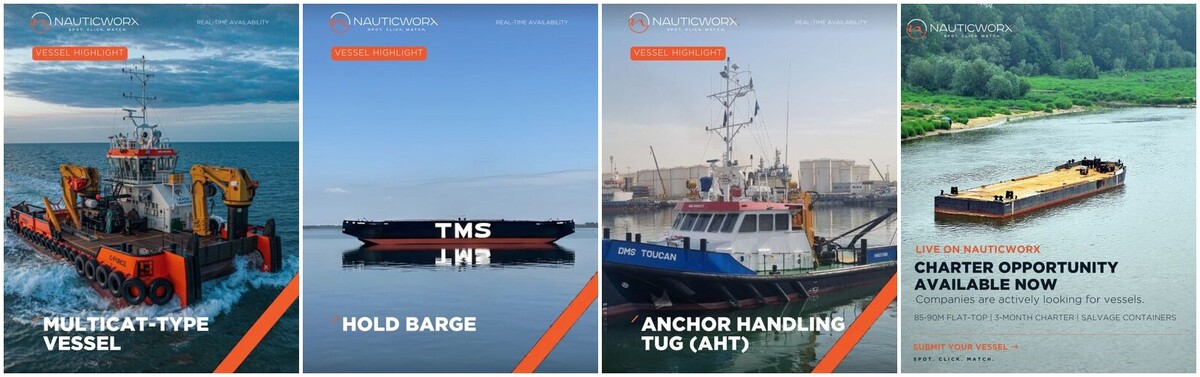
ROTTERDAM: Digital matching is gaining ground in the international workboat chartering market. Two years after its introduction at SMM Hamburg in September 2024, Nauticworx is seeing continued growth in both matches and concluded charters, with West Africa and the North Sea accounting for most fixtures to date.
The platform, which connects vessel owners, charterers and brokers for short-term vessel requirements, now has 70 clients and more than 400 vessels listed. Since becoming fully commercial in January 2026, Nauticworx has also attracted a strategic investor and expanded its team.
From availability to fixture
Nauticworx aims to make available workboats easier to find and connect them with short-term operational requirements. Fleet owners can list vessel availability, charterers can post requirements for upcoming projects or tenders, and brokers can operate on both sides, matching available vessels with chartering opportunities.
A match occurs when a fleet owner responds to a charter requirement or a charterer responds to listed vessel availability. When this results in a charter agreement, it becomes a fixture.
The platform’s clients include international maritime and offshore companies, such as dredging contractors, shipbuilders, workboat operators, towage companies, offshore contractors, heavy lift installation contractors, oil & gas terminal management companies, and more.
Digital matching opens doors to new markets
Beyond individual spot charters, the platform is also being used to establish partnerships between operators that might otherwise have difficulty finding each other.
In one example, a large fleet owner from the Middle East was looking to participate in a tender in Nigeria but needed a reliable indigenous partner to pursue the opportunity. Through Nauticworx, the company connected with a Nigerian operator, enabling the two parties to join forces in preparing a joint tender submission. The partnership gave the Middle Eastern fleet owner a route into the Nigerian market, while the local operator gained access to additional vessel capacity and international fleet expertise.
Nauticworx Co-founder and Managing Director Friso Visser says this development was not necessarily anticipated when the platform was first conceived. “We initially set out to make short-term vessel availability easier to find. What we are now seeing is that digital matching can also help operators establish local partnerships and access new markets. The Nigerian example illustrates how two companies can find complementary capabilities through the platform and pursue an opportunity together.”
Brokers remain crucial
While digital platforms are often associated with removing intermediaries, Nauticworx has deliberately included brokers in its operating model.
Brokers can work on both the supply and demand sides of the platform. The platform operates on fixed subscription fees rather than commissions on concluded charters, leaving brokers’ existing commercial arrangements intact.
“Brokers play an essential role in the workboat chartering market, particularly where local knowledge, relationships and commercial expertise are important,” says Visser. “Digital matching can complement that role rather than replace it. We see both small and large brokers increasingly using the platform alongside vessel owners and charterers.”
Technology, team, and trust
Over the past six months, Nauticworx has introduced platform updates and interface improvements based on user feedback. The company is also developing AI-supported matchmaking functionality to help users identify relevant vessel availability and chartering requirements.
Seasoned IT professional Geerten Oelering has joined as Chief Technology Officer to oversee further technical development, including the controlled integration of AI tools. Nauticworx has also attracted a strategic investor to support its next phase of development.
For Visser, the growing number of matches and concluded fixtures is an indication that digital platforms are beginning to establish a practical role in a traditionally relationship-driven market. “The workboat chartering market will always depend on relationships, trust and local knowledge. What digital platforms can do is make it easier for the right parties to find each other, whether that leads to a short-term charter or a longer-term business relationship.”