Home Blog Page 6

PM Modi announces ‘Seafarers’ Safety Initiative’ to strengthen international maritime cooperation

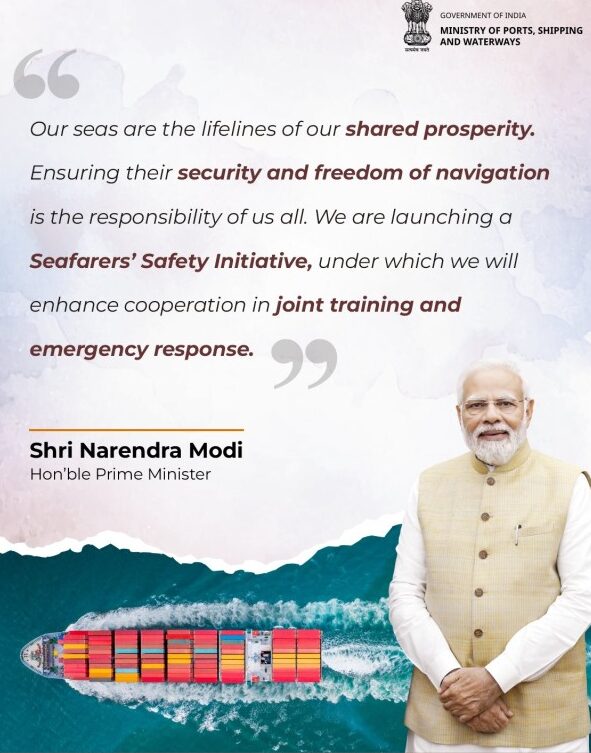
MANILA : Prime Minister Shri Narendra Modi has announced the Seafarers’ Safety Initiative at the 21st East Asia Summit (EAS) in Manila, Philippines, marking an important step towards strengthening international cooperation for the safety and security of seafarers and commercial shipping across global waterways.

Highlighting the strategic importance of maritime routes to global economic prosperity, the Prime Minister emphasised that oceans and seas are the lifelines of shared prosperity and that ensuring their security and freedom of navigation is a collective responsibility of all nations.

Under the proposed initiative, India will work with East Asia Summit partner countries to enhance cooperation in joint training programmes and coordinated emergency response mechanisms, with the objective of improving preparedness and strengthening the protection of seafarers during maritime emergencies and security-related incidents.

The announcement assumes particular significance amid growing maritime security challenges, geopolitical tensions and attacks on commercial vessels in critical international shipping corridors. Such incidents not only threaten the lives and safety of seafarers but also disrupt international trade, global supply chains and the movement of essential commodities, including food, fuel and fertilisers.

The initiative seeks to encourage greater coordination among participating countries, strengthen operational preparedness and promote the sharing of knowledge and best practices in maritime emergency management. Joint training and response cooperation can play an important role in improving the ability of maritime stakeholders to respond effectively to unforeseen incidents at sea.

Addressing the 21st East Asia Summit, Prime Minister Modi reiterated India’s commitment to a Free, Open, Inclusive and Rules-based Indo-Pacific, stressing the importance of dialogue, mutual respect and international cooperation in maintaining regional peace, stability and predictability. He also called for ensuring the safety and security of commercial ships and seafarers navigating international waterways.

The Seafarers’ Safety Initiative forms part of India’s broader engagement with East Asian nations to strengthen maritime cooperation and address emerging regional and global challenges. It also complements India’s wider maritime priorities, including maritime security, freedom of navigation, capacity-building and the development of a safe and resilient maritime ecosystem.

For the global shipping industry, seafarers remain the backbone of international trade, ensuring the uninterrupted movement of goods across continents. Strengthening their safety, emergency preparedness and protection at sea is therefore essential for the sustainability and resilience of the maritime transport sector.

With this announcement, India has reaffirmed its commitment to placing seafarer welfare and maritime safety at the forefront of regional cooperation, while encouraging collective international efforts towards safer seas, secure shipping routes and sustainable global trade.

The initiative reflects India’s vision of a cooperative maritime order in which the protection of human lives at sea remains a shared priority and international waterways continue to serve as secure channels of global commerce and prosperity.
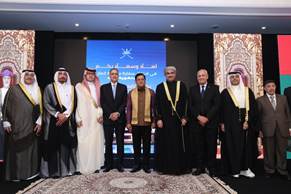
Sarbananda Sonowal represents India as Chief Guest at Oman National Day Reception

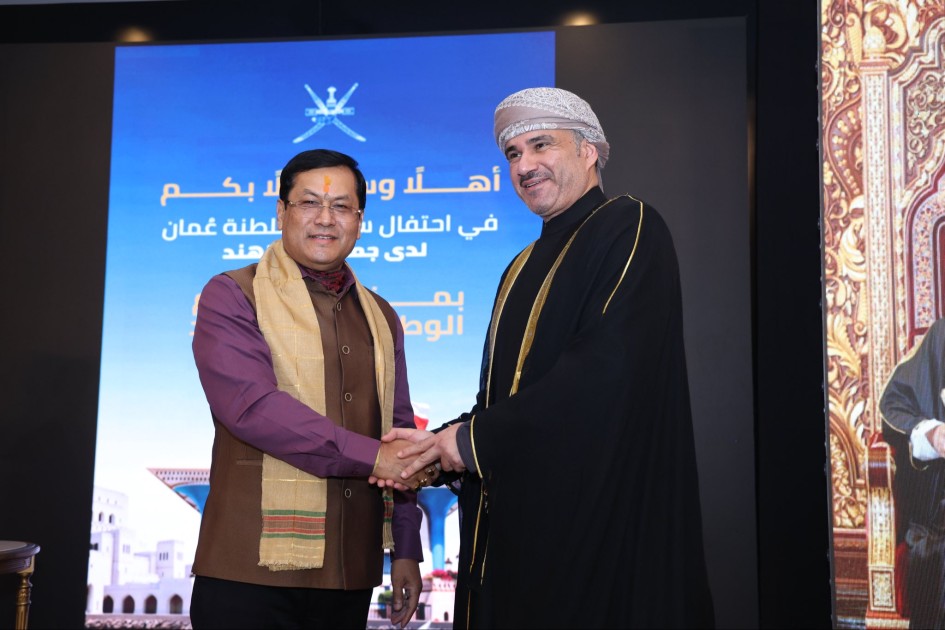
NEW DELHI : Union Minister of Ports, Shipping and Waterways, Shri Sarbananda Sonowal, represented the Government of India as the Chief Guest at the National Day Reception of the Sultanate of Oman, hosted at the Embassy of the Sultanate of Oman in Chanakyapuri, New Delhi, on 20th November. Sonowal was received by H.E. Issa Saleh Al Shibani, Ambassador of the Sultanate of Oman to India, in the presence of senior diplomats, government officials, and distinguished guests.

Addressing the gathering, Sarbananda Sonowal extended warm greetings on behalf of the Government and the people of India to His Majesty Sultan Haitham bin Tarik, the Government, and the friendly people of Oman, wishing the Sultanate continued peace, progress, and prosperity.

Underscoring the deep-rooted historical ties between the two nations, the Union Minister noted that for nearly five thousand years, sailors and merchants have crossed the Arabian Sea, connecting ancient Indian ports with Muscat, Sohar, and Salalah. “The Arabian Sea has never separated our countries. It has always connected us,” Sonowal said, adding that these centuries-old exchanges built bonds of trust long before formal diplomatic ties were established.

Recalling his visit to Muscat in January this year to welcome INSV Kaundinya following its maiden voyage from Porbandar, Sonowal described the vessel, inspired by a fifth-century ship depicted in the Ajanta caves and built using traditional stitching techniques, as a living symbol of the enduring maritime, trade, and people-to-people ties between India and Oman.

Highlighting the renewed momentum in the India-Oman Strategic Partnership following Prime Minister Narendra Modi’s visit to Oman in December 2025, Sonowal pointed to two landmark milestones: the entry into force of the Comprehensive Economic Partnership Agreement (CEPA) in June 2026, and the adoption of the Joint Vision Document on Maritime Cooperation.

“India and Oman are natural maritime partners occupying strategic positions along major shipping routes connecting Asia, Africa, and Europe. Oman’s ports at Duqm, Sohar, and Salalah, together with India’s expanding port network, can support stronger trade connectivity and more resilient supply chains,” the Union Minister stated. He emphasised vast opportunities for bilateral collaboration in port-led development, shipbuilding and ship repair, green fuels, digital port systems, maritime training, logistics, and the blue economy.

Sonowal also underscored the importance of maritime security and praised Oman’s balanced and constructive role in regional and international affairs. He expressed India’s deep gratitude to the Omani authorities for their consistent humanitarian assistance to Indian nationals, particularly Indian seafarers in distress.

Celebrating the human bridge between the two countries, Sonowal highlighted the contributions of nearly seven lakh Indians living in Oman and commended cultural preservation initiatives such as the book “Mandvi to Muscat” and the digitisation of thousands of historical records belonging to Indian families in Oman.

Emphasising the strong synergy between Oman Vision 2040 and India’s Viksit Bharat 2047, Sonowal noted that under the leadership of His Majesty Sultan Haitham bin Tarik and Prime Minister Shri Narendra Modi, the bilateral partnership stands as a model of trust, stability, and cooperation in the Indian Ocean region.

Concluding his address, the Union Minister reaffirmed India’s commitment to the enduring friendship, stating that shared history provides strong foundations, the sea offers a shared horizon, and mutual trust gives both nations the confidence to sail forward together.

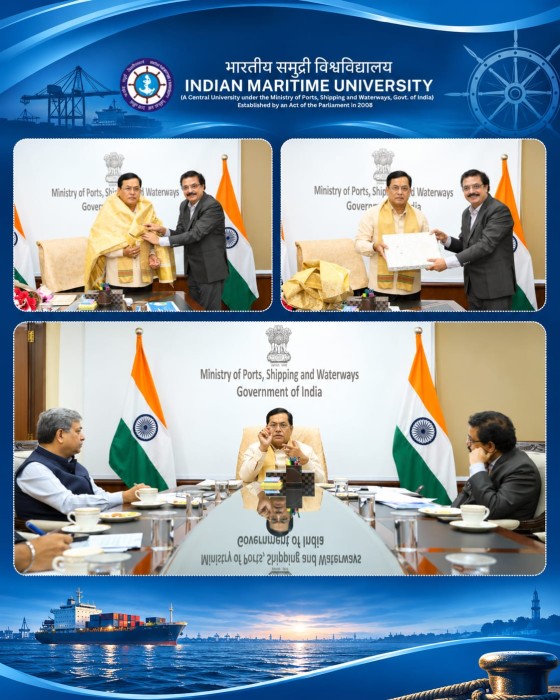
IMU Vice-Chancellor meets Sarbananda Sonowal to discuss future roadmap for maritime education

NEW DELHI : The Indian Maritime University (IMU) is strengthening its focus on academic excellence, institutional development and capacity-building in line with India’s expanding maritime ambitions. In this regard, Dr. Venkata Ramana Akkaraju, Vice-Chancellor of IMU, met the Hon’ble Union Minister for Ports, Shipping and Waterways, Shri Sarbananda Sonowal, on November 17, 2026, to discuss the university’s future growth and strategic priorities.

The meeting focused on the future direction of IMU, its institutional development roadmap, existing academic programmes and courses, and opportunities to further strengthen maritime education and professional training. The discussions also explored ways to enhance the university’s academic capabilities and align its educational initiatives with the evolving requirements of India’s maritime industry.

Particular emphasis was placed on preparing a skilled, competent and industry-ready maritime workforce to support the country’s growing shipping, port, shipbuilding and allied maritime sectors. Strengthening academic programmes, encouraging innovation and promoting quality maritime education and training remain important priorities in this regard.

The interaction reaffirmed the shared commitment of the Ministry of Ports, Shipping and Waterways and Indian Maritime University towards developing a robust maritime education ecosystem and nurturing the next generation of maritime professionals.

As India advances its Maritime Amrit Kaal Vision 2047, IMU is expected to play an important role in developing skilled human resources, promoting maritime research and innovation, and supporting the country’s ambition to emerge as a leading global maritime nation.

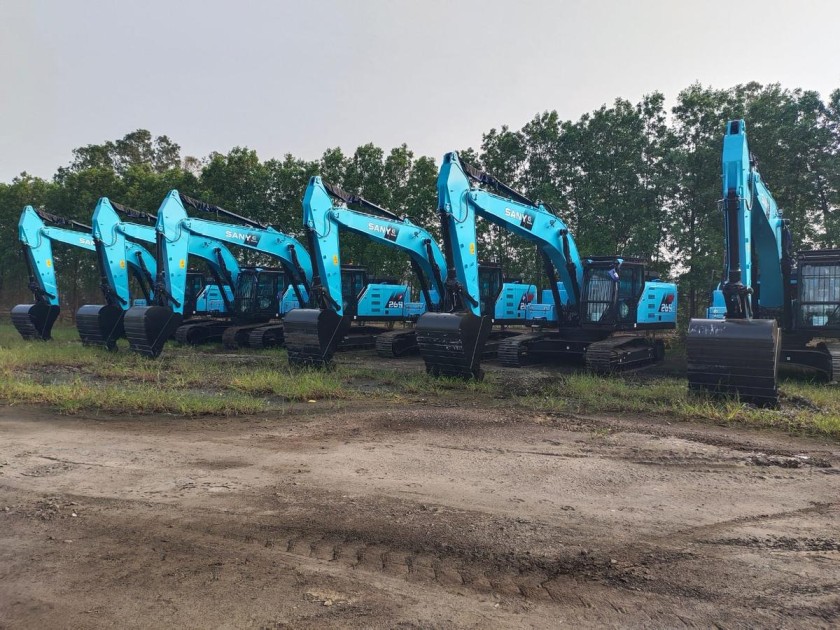
Adani Krishnapatnam Port inducts 288 EVs into its fleet

NELLORE : Adani Krishnapatnam Port Limited (AKPL) has inducted 288 electric vehicles (EVs) into its operational fleet. The fleet comprises 170 electric trucks, 108 loaders, six excavators and four Internal Transfer Vehicles (ITVs). An additional 193 EVs are expected to join the fleet soon.

“As part of its sustainability journey, AKPL has initiated the phased replacement of conventional diesel-powered equipment with electric alternatives. This strategic shift reinforces the port’s commitment to reducing carbon emissions, enhancing energy efficiency, and fostering a cleaner and greener future for port operations,” company CEO Jagdish Patel said.

The initiative represents a significant milestone in AKPL’s sustainability roadmap and reflects its continued focus on innovation, environmental stewardship, and operational excellence. By progressively electrifying its fleet, AKPL is not only reducing its environmental footprint but also setting new benchmarks for sustainable and efficient port operations,” he added.

Through these efforts, AKPL was powering the next generation of logistics and maritime infrastructure while advancing steadily towards its carbon-neutral future, the CEO said.

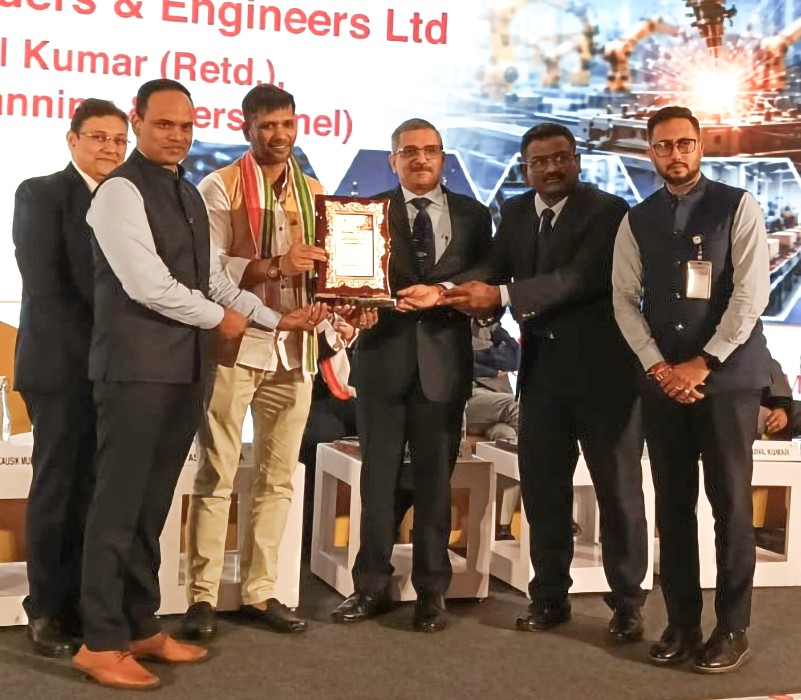
GRSE wins ASSOCHAM Award for Excellence in digitalisation and automation

KOLKATA : Garden Reach Shipbuilders & Engineers Ltd. (GRSE), a Navratna Defence Public Sector Undertaking (PSU) under the Ministry of Defence, Government of India, has been conferred the prestigious ‘Excellence in Digitalisation and Automation of the Year’ award at the ASSOCHAM 5th Manufacturing Conclave 2026 and Business Excellence Awards held in Kolkata.

The award recognises GRSE’s significant contributions to the manufacturing sector through the adoption of advanced digital technologies, automation and innovative manufacturing practices, reinforcing its position as a technologically progressive shipbuilding organisation.

The award was received by Capt (IN) P. Sunilkumar (Retd.), Director (Corporate Planning & Personnel), GRSE, from Shri Ashoke Dinda, Hon’ble Minister of State for MSME & Textiles, Government of West Bengal, during the award ceremony held on November 20, 2026, at Hotel Taj Vivanta, Kolkata.

The recognition highlights GRSE’s sustained efforts to integrate digital transformation, automation, Artificial Intelligence (AI) and Industry 4.0 technologies into its shipbuilding and manufacturing operations. These initiatives are aimed at improving operational efficiency, strengthening production capabilities, optimising manufacturing processes and enhancing quality standards across its shipbuilding ecosystem.

GRSE’s continued focus on technological modernisation reflects its commitment to building a future-ready shipyard capable of meeting the growing demands of India’s defence shipbuilding and maritime manufacturing sectors. The integration of smart manufacturing solutions is also expected to contribute towards improved productivity, precision and efficiency in ship construction.

The 5th Manufacturing Conclave 2026, organised by the Associated Chambers of Commerce and Industry of India (ASSOCHAM) under the theme ‘Smart Manufacturing: The Power of Innovation and Growth’, brought together industry leaders, policymakers and experts to discuss emerging technologies, innovation and the transformation of India’s manufacturing landscape.

The Business Excellence Awards recognised organisations demonstrating outstanding achievements and contributions to industrial development and operational excellence.

This prestigious recognition further reinforces GRSE’s commitment to digital innovation, advanced manufacturing and technological excellence, supporting India’s broader vision of self-reliance in defence production and strengthening the country’s indigenous shipbuilding capabilities.

Rupee hits 7-month high on stock rally, traders eye exporters for fresh fuel

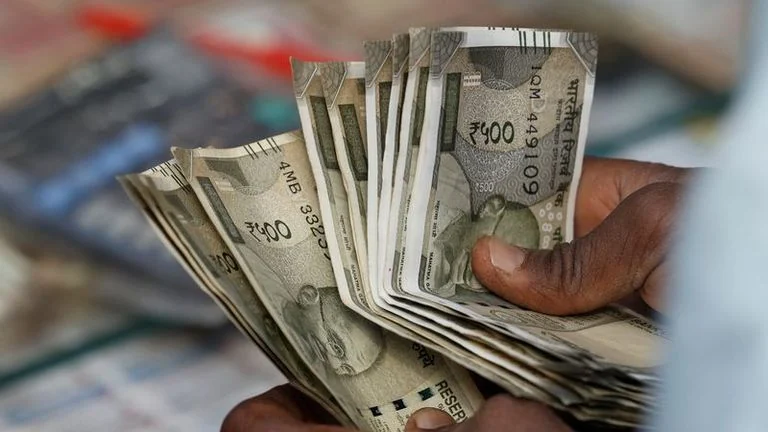
NEW DELHI : The Indian Rupee strengthened on Thursday to touch its strongest level in seven months, boosted by an ongoing rally in Indian equities, while traders and analysts closely track signs of improved exporter participation in the FX market.

The rupee rose 0.16% from its previous close to end at 93.29 per dollar, helped along by an 1% rise in India’s benchmark stock index the Nifty 50. The Nifty 50 has risen over 10% over November so far, fuelled by a rebound in foreign equity inflows into local stocks. This has also helped the rupee strengthen by about 1.8%, the best month-to-date performance in Asia.

The wave of foreign money coming into equity markets has also helped ease pressure on the central bank to support the rupee, allowing it to pare its dollar sales sharply after months of aggressive intervention.

Traders and analysts are now watching out for signs of a rise in exporter dollar conversions — alongside the momentum in portfolio inflows — to gauge how far the rupee’s rally may run. “A break below 93 for the pair would then prompt exporters to convert their USD holdings, which could create a large momentum move lower (on USD/INR),” Deutsche Bank analysts said in a note.

For now, corporate activity appears to be divergent across lenders with some pointing to a pick up in exporter participation while others continue to observe elevated importer hedging while exporters remain largely on the sidelines.

“It seems that clients are also waiting and watching a bit but that could change quickly as well,” an FX salesperson at a large foreign lender said. Elsewhere, the dollar index was down 0.1% at 103.7 while Asian currencies were mixed.

Later in the day, the focus will be on the latest test for the AI trade as Claude chatbot maker Anthropic gets ready for its market debut.

Gopalpur Port achieves multimodal logistics milestone with first-ever rail-sea-rail cargo movement

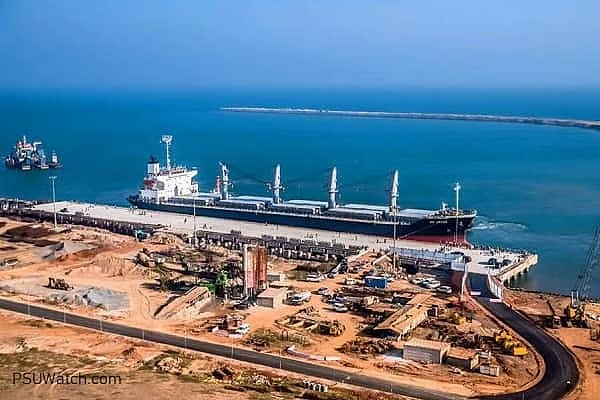
GOPALPUR : Gopalpur Port has achieved a significant milestone in its multimodal logistics operations with the successful commencement of its first-ever Rail-Sea-Rail Cargo Movement, marking an important step towards strengthening integrated transportation infrastructure and improving supply-chain efficiency in Eastern India.

The initiative, promoted by Adani Ports and Special Economic Zone (APSEZ), brings together rail and maritime transportation networks to facilitate seamless cargo movement through an integrated logistics model. By combining the advantages of rail and sea connectivity, the new arrangement is expected to offer a more cost-effective, reliable and efficient transportation solution, particularly for power-generating companies and other bulk cargo users.

The Rail-Sea-Rail logistics model provides an integrated transportation alternative, enabling cargo to move through multiple transport modes while improving logistics planning, operational flexibility and connectivity between industrial centres and consumption destinations. It can also help optimise transportation costs, reduce dependence on individual transport modes and strengthen the overall resilience of supply chains.

The development is particularly significant for the power sector, where the timely and consistent movement of bulk commodities is essential for maintaining uninterrupted operations. Improved multimodal connectivity can support more dependable cargo flows, better inventory management and greater efficiency in the movement of critical industrial materials.

This achievement further reinforces Gopalpur Port’s growing role as a strategic maritime gateway for Odisha and the wider Eastern Indian region. With its focus on infrastructure development, operational efficiency and integrated logistics solutions, the port is steadily strengthening its capabilities to serve industries, facilitate EXIM trade and support regional economic growth.

The successful introduction of the Rail-Sea-Rail movement also reflects the broader vision of developing an integrated, efficient and sustainable logistics ecosystem in India, in alignment with the Government of India’s PM Gati Shakti National Master Plan and the Maritime Amrit Kaal Vision 2047.

With this milestone, Gopalpur Port continues to advance its multimodal logistics capabilities, contributing to improved port-led connectivity, stronger industrial supply chains and India’s ambition to build a globally competitive maritime and logistics sector.

The Maritime Standard Tanker Conference 2026 concludes, addressing the industry’s evolving priorities

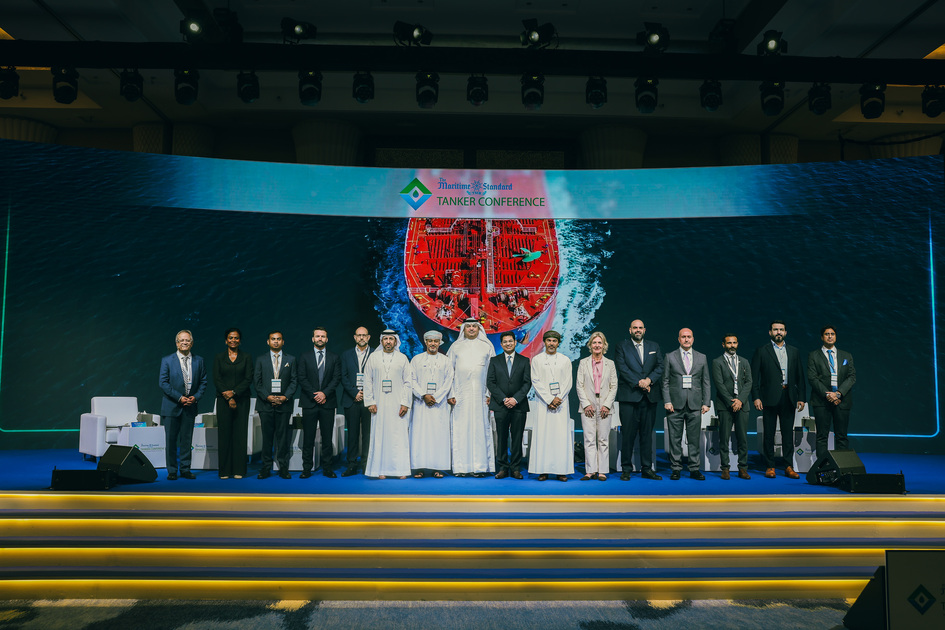
DUBAI: The Maritime Standard Tanker Conference 2026 concluded successfully at Atlantis, The Palm, Dubai, on 11 November, bringing together senior maritime executives, shipping professionals and industry specialists to examine the challenges and opportunities shaping global tanker shipping.

Opening the conference, Clive Woodbridge, Conference Chairman and Editor of The Maritime Standard, highlighted the importance of industry collaboration in assessing market developments and the future direction of tanker shipping. He addressed commercial and security challenges, the growing influence of digitalisation and artificial intelligence, and the implications of net zero regulations and emerging technologies for maritime operations.

Delivering the keynote address, Dr Ibrahim Al Nadhairi, CEO of Asyad Shipping, emphasised shipping’s strategic role in global energy security, economic resilience and stability. He noted that the reliability of the regional shipping industry directly affects global energy supplies, making the protection of maritime trade a shared international responsibility. He called for resilience to be built into the maritime system before crises occur, highlighting the need for international collaboration, fleet renewal, infrastructure investment and operational efficiency. He also underlined the importance of national shipping capabilities in maintaining essential trade during periods of disruption.

The first session, titled Market Rebalancing and Strategic Positioning in a Changing Landscape, was moderated by Clive Woodbridge. It examined changing tanker market conditions, commercial strategies, fleet investment and the impact of geopolitical developments on global trade flows.

Dr Ahmed Al Abri, CEO of ASRY, highlighted how the company is using market uncertainty as an opportunity to diversify beyond traditional ship repair. He outlined new ventures in marine services, ship recycling, terminal operations and energy services, noting that its onshore services venture has generated approximately 4.5 million in business. He also discussed plans to develop ship recycling capacity and expand into shipbuilding through partnerships.

Catrine Vestereng, SVP and Business Director for Tanker at DNV, examined fleet renewal challenges amid an ageing global fleet, high newbuilding costs and uncertainty over future fuels and regulations. She highlighted the importance of efficiency, operational performance and fuel flexibility in investment decisions.

The session also featured perspectives on commercial strategy, market developments and fleet investment from Ahmed Al Dhaheri, Senior Vice President, Commercial (Shipping) at ADNOC Logistics & Services; Friedrich Portner, CCO–Maritime at AD Ports Group; and Theo Kourmpelis, Global Business Director for Tankers at Lloyd’s Register. Tony Dagher, Managing Director of TMC Shipping, explored entrepreneurial thinking and commercial flexibility, while James Kennedy, Regional Sales Manager GCC at Advanced Polymer Coatings, Inc., examined advances in cargo tank coating technology. Navin Kumar, Director, Maritime Research, Bulk Shipping at Drewry, and Dereck Wate, CEO of Gulf Energy Maritime, also contributed perspectives on tanker fleet dynamics and the industry’s changing commercial landscape.

The second session, Operational Resilience and Innovation in the Energy Transition Era, was moderated by Navin Kumar. Discussions focused on operational performance, maritime security, fuel supply, digital connectivity, regulatory compliance and the practical challenges of adapting to the energy transition.

Katherine Yakunchenkova, General Manager of Al Safina Security Services Ltd, examined how intelligence supports maritime security and risk management across global energy supply chains. She highlighted the use of AIS data, incident reports and open-source intelligence to identify threats, assess vessel exposure and inform routing and security decisions.

The session also featured Capt Anwar Buftain, Manager, Fleet Personnel Group at Kuwait Oil Tanker Company; Ali Shehab, Global Director of Special Projects and Services at DNV Maritime; Alessandra Burke, CEO of K2 Bunker Supply LLC; Ali Al Shibani, Chairman of O Bunkering; June Manoharan, Managing Director of LENOL FZCO; and Roger Harfouch, Sales Director at Marlink Communications.

Other speakers included Capt Vikas Pandey, Founder and CEO of ShipFinex; Capt Amarjit Kauchhur, Vice President (Middle East) and Regional Director of International Registries, Inc.; Mehtab Kassam, Managing Associate at Stephenson Harwood; Ravi P. Jawani, Partner at Fichte & Co Legal Consultancy; Nivesh Chaudhary, Co-Founder and Managing Director of ASCELA; and Capt Gagan Dhillon, CEO (Dubai) of West of England P&I Club.

The conference provided a platform for industry professionals to exchange perspectives on the commercial, operational and strategic issues influencing tanker shipping. Discussions highlighted the importance of adaptable business models, stronger cooperation, investment in technology and infrastructure, and a continued focus on safety and efficiency as the industry responds to a changing global environment.

Trump claims US has “total control” over Strait of Hormuz

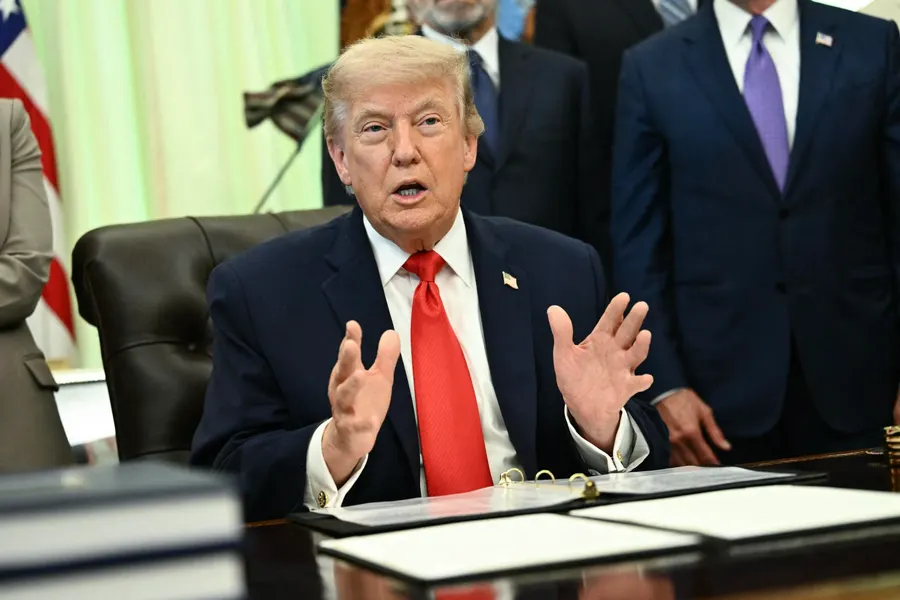
WASINGTON D.C.: US President Donald Trump on Friday (local time) claimed that the United States has “total control” over the Strait of Hormuz, asserting that the US Navy has established a blockade in the strategically important waterway, while reiterating that Washington would never allow Iran to acquire a nuclear weapon or develop a dirty bomb.

“Last week, we took out record amounts of oil from the Hormuz Strait. Our navy has a blockade,” Trump said during his remarks to the press. “We have total control over the Hormuz Strait.”

His remarks come as Iranian authorities continue to insist that all vessels must follow their prescribed protocol to transit the Strait of Hormuz or risk coming under attack.

Trump also reiterated his administration’s position against Iran acquiring nuclear weapons, asserting that Washington would never allow Tehran to develop such capabilities. “Iran will never have a nuclear weapon, ever,” he said.

Addressing concerns over reports that Iran could be developing a dirty bomb, Trump said the US was aware of developments in the country and would not allow Tehran to pursue such a weapon.

“There is a rumour that they’re building a dirty bomb,” Trump said during the news conference.

“We know a lot about what’s happening in Iran. We know everything they say. We know who they are, where they are. We’ll find out about it. We will not allow that,” he added.

Trump’s response was more measured than his remarks earlier this week, when he warned that Iran would “pay a price the likes of which no country has ever paid before” if it targeted members of his administration with a dirty bomb or chemical weapon in the US capital.
The US President also linked gasoline prices to the outcome of negotiations with Iran, claiming that Tehran wanted a deal but was unwilling to accept terms satisfactory to Washington.

“The prices of gasoline now also depend on how we settle up with Iran. They want to make a deal, but they don’t want to make a deal that’s acceptable to me. We want to make a real deal, not a fake deal that they’ve been doing for 51 years. They’ve been bullshitting people for 51 years,” Trump said.

He further claimed that the United States had generated USD 25 trillion in new wealth since he took office, while alleging that the country had lost USD 4 trillion following the election.

“We’ve created 25 trillion dollars in new wealth since I took office. It’s less than two years, and we’ve created 25 trillion dollars. We’ve lost 4 trillion dollars since the election because the world is not happy about the people who did well in the election. I wasn’t on the ballot. I hope you remember that…” he said.

Trump’s remarks come amid continuing tensions between Washington and Tehran, with the US President maintaining that his administration would not compromise on preventing Iran from acquiring nuclear weapons while leaving the door open to a negotiated agreement with the country.

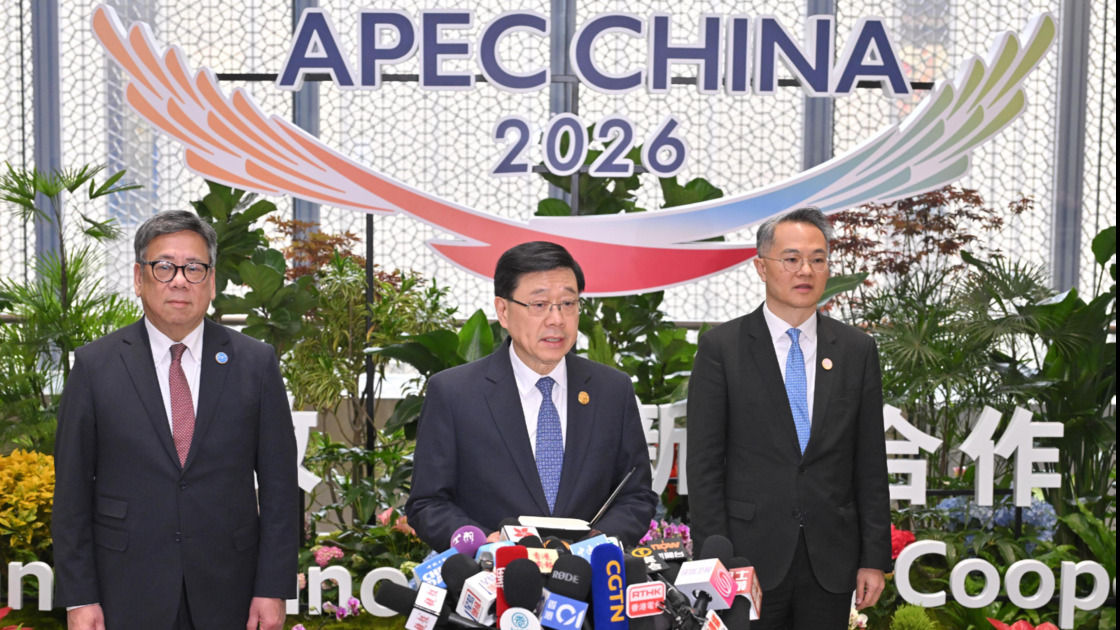
Hong Kong showcases its unique advantages, forges closer ties with regional economies during APEC China 2026

HONG KONG SAR: John Lee, Chief Executive of the Hong Kong Special Administrative Region (HKSAR), led the city’s largest-ever delegation of government officials and business leaders to attend the Asia-Pacific Economic Cooperation (APEC) Economic Leaders’ Week in Shenzhen (November 17-19).

Mr Lee attended the 33rd Asia-Pacific Economic Cooperation (APEC) Economic Leaders’ Meeting yesterday (November 19), exchanging views with leaders of other economies on deepening regional co-operation and expanding into diversified markets.

Speaking at the meeting, Mr Lee said that the Asia-Pacific region is today’s economic growth engine, providing two-thirds of global growth. As an international finance, trade and innovation centre, and benefitting from the national support, the HKSAR will give full play to its significant role as a “super connector” and “super value-adder”. Hong Kong will continue to maintain a free and open market, embrace the rules-based multilateral trading system, and look forward to expanding its co-operation with APEC, to continuously contribute to the region and work hand in hand towards shared prosperity.

Earlier, the Chief Executive set out five achievements resulting from Hong Kong’s participation at APEC 2026.

First, contributing Hong Kong’s strength by actively participating in and supporting our country’s successful hosting of the APEC meetings. Hong Kong, China actively attended and organised meetings and workshops, and launched a series of capacity-building projects.

Second, deepening exchanges with APEC member economies. APEC member economies are Hong Kong’s important trading partners, accounting for 87 per cent of Hong Kong’s external trade. “Through bilateral meetings and engagements, I met with the leaders of seven economies: Malaysia, Vietnam, Brunei, Thailand, Chile, Peru and Singapore to strengthen ties and discuss issues of mutual concern,” Mr Lee said.

Third, consolidating relations with ASEAN (Association of Southeast Asian Nations) member states. Seven ASEAN member states are APEC members. ASEAN is Hong Kong’s second-largest trading partner.

Fourth, further exploring emerging markets. The HKSAR Government is actively expanding Hong Kong’s economic and trade network, and expanding and exploring different markets, especially on strengthening ties with emerging markets and economies with growth potential. Mr Lee met with the President of Chile, Mr José Antonio Kast, and together they witnessed the signing of the Working Holiday Scheme agreement between Hong Kong and Chile. Mr Lee noted that Chile is Hong Kong’s third-largest trading partner and first Working Holiday Scheme partner in Latin America.

Fifth, telling good stories of the Greater Bay Area (GBA) and Hong Kong. The successful hosting of APEC meetings in Shenzhen, a core city of the GBA, fully demonstrated the GBA’s strength and charm as a window for the country’s high-standard opening up.

In a special address at the APEC CEO Summit (November 17), Mr Lee seized the opportunity to promote the development opportunities of the GBA and Hong Kong’s unique advantages.

“Hong Kong has an indispensable role to play in ensuring that this rapid growth continues. Under ‘one country, two systems’, we are the only global city to capitalise on both China and international advantages,” Mr Lee said.

“We maintain a common law system, the free flow of capital and information, a simple and competitive tax regime and a deep pool of talent. These strengths make our city the natural ‘super connector’ and ‘super value-adder’ between the Greater Bay Area and the rest of the Asia-Pacific.”

Hong Kong, as one of the world’s most competitive economies, has firmly supported free trade and multilateralism and actively leveraged the APEC platform to deepen international exchanges and co-operation.

The APEC Finance Ministers’ Meeting was successfully held in Hong Kong for the first time last month, fully demonstrating Hong Kong’s unique advantage of connecting the Chinese Mainland and the world under the “one country, two systems” principle, and contributing Hong Kong’s strength to the financial co-operation of APEC China.

“Under the ‘one country, two systems’ principle, ‘Hong Kong, China’ continues as a full member of APEC, since our city was established as a special administrative region of China, our country, in 1997,” Mr Lee said, during the APEC CEO Summit. “We are proud to sit at the APEC table with our own delegation, our own trade and customs policies, and our own voice – while also being part of China, our country, part of its Greater Bay Area, with our shared interest in an open and prosperous Asia-Pacific. That’s ‘one country, two systems’ at work to its fullest.”