Home Blog Page 502

Alang Ship recycling yard emerges as Gujarat’s Global Green Maritime hub ahead of Vibrant Gujarat Conference

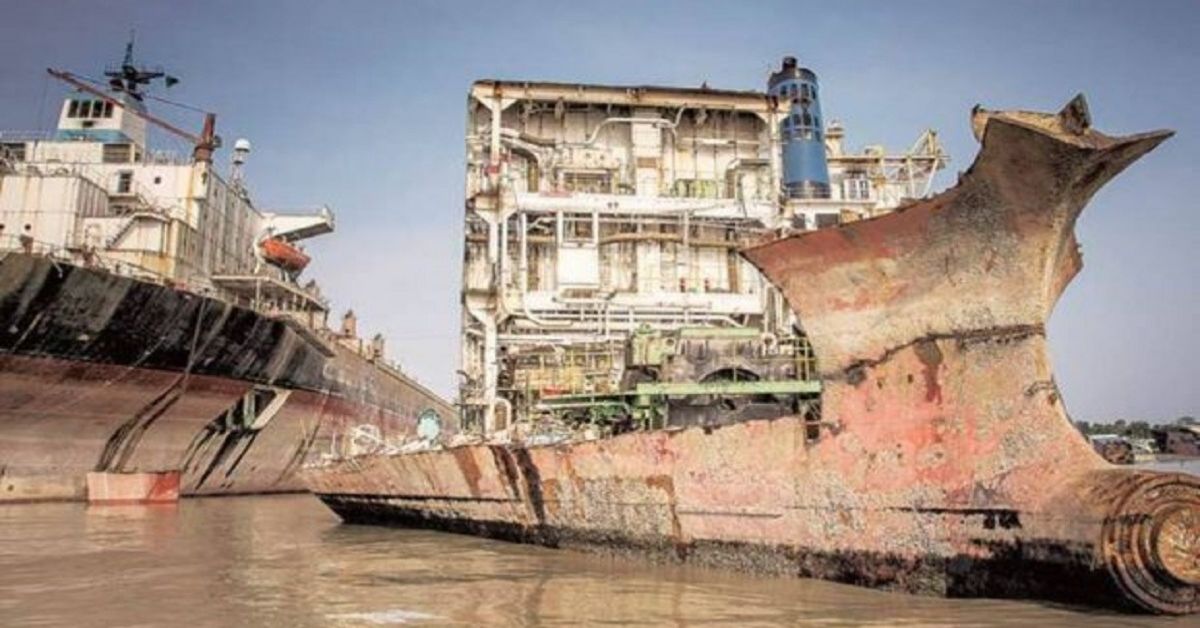
GANDHINAGAR : The Alang-Sosiya Ship Recycling Yard in Gujarat is being positioned as a global benchmark in sustainable maritime practices, as the state prepares to showcase its achievements at the upcoming Vibrant Gujarat Regional Conference (VGRC) for Kutch and Saurashtra in January 2026.
Scheduled to be held in Rajkot from January 10 to 12, the conference will highlight Alang’s four-decade journey as one of the world’s largest and most trusted ship-recycling hubs. Developed under the guidance of the Gujarat Maritime Board (GMB),

Alang today accounts for nearly 32 per cent of global ship recycling, underscoring Gujarat’s growing prominence in the international maritime sector.
Since its inception, more than 8,800 ships have been recycled at Alang using systematic and environmentally responsible methods. An impressive 99.95 per cent of materials recovered from ships are reused, reinforcing the yard’s credentials as a key pillar of the green economy. All hazardous and non-hazardous waste is handled through scientifically approved disposal systems.

Of 128 operational plots, 115 are compliant with the Hong Kong International Convention for the Safe and Environmentally Sound Recycling of Ships (HKC), which entered into force in June 2025, thereby earning Alang recognition as a leading green ship recycling centre worldwide.

The facility is supported by advanced infrastructure, including a dedicated training institute, a Level-3 multispecialty trauma hospital for workers, and modern waste management systems. The state government has also undertaken a comprehensive master plan for Alang, with an investment of Rs 1,224 crore, aimed at doubling its current recycling capacity from 4.5 million light displacement tonnage (LDT).
Despite global economic headwinds, Alang recycled 113 ships during 2024-25 and has recorded a 13 per cent rise in ship arrivals in the early months of 2025-26, indicating renewed momentum. Building on this, the Government of Gujarat has unveiled an ambitious vision to recycle 15,000 ships over the next decade and expand capacity to 9 million LDT by 2035.
At VGRC 2026, Alang will be presented not just as a recycling yard but as a comprehensive maritime industrial cluster, offering opportunities across steel, scrap processing, machinery refurbishment, logistics and allied sectors. With investor-friendly policies, modern port infrastructure and a clear long-term growth roadmap, Gujarat aims to position Alang as a cornerstone of global sustainable ship recycling. Source : ANI

New Fumigation Certification module set to transform trade practices; Industry urged to prepare

GANDHIDHAM : In view of recent developments concerning the implementation of a new module in the fumigation certification process, stakeholders have initiated efforts to apprise the trade of key changes that are expected to significantly alter existing trade practices.

With the post-implementation of the new module, the trade and shipping industry may experience several operational and cost-related challenges, including :

Delays in shipments due to containers being held up for compliance.

Multifold increase in fumigation costs, impacting overall logistics expenses.

Requirement of substantial acreage for designated fumigation areas at every Container Freight Station (CFS) and warehouse.

Extended pre-planning cycles, with nearly a week of advance planning required for each shipment.

Advance allotment of containers (3–10 days) and potential holding up of containers and vessels, placing an added burden on the shipping industry.

While these changes may pose short-term challenges, the new module is being welcomed for the enhanced transparency, traceability, and standardization it brings to the fumigation certification process.

The shipping and logistics industry is advised to proactively brace itself for the transition by factoring in the additional costs, infrastructure development, and revised operational planning required under the new system. Strategic preparedness and coordinated efforts among stakeholders will be crucial to ensure smooth adaptation and continuity of trade.


Indian exporters can help NZ reduce China dependence, boost shipments : GTRI

NEW DELHI : Indian Exporters in various sectors like agriculture, petroleum, pharma, apparel, electronics and auto have potential not only to scale up shipments to New Zealand but also help the island nation reduce its dependence on China.

According to think tank GTRI, in 2024-25, New Zealand imported goods worth over $10 billion from China compared to just $ 711 million from New Delhi. Wellington’s total imports in that fiscal year were $50 billion.

GTRI’s report stated that opportunities exist for various Indian sectors to increase penetration in the island nation, given a bilateral free trade agreement.

The sectors with potential include processed foods and agri-linked products, petroleum products and industrial chemicals, pharmaceuticals and healthcare, plastics, rubber and consumer goods, textiles and apparel, electronics and electrical equipment, automobiles and transport equipment, aerospace and high-value manufacturing, furniture and lighting.

India is a significant global exporter of bakery products, with exports of $602 million worldwide. New Zealand imports around $ 250 million of these goods annually, yet India supplies only $6.5 million compared to $21 million from China, the report said on Thursday.

The pattern repeats in food preparations also. India exports $817 million globally, New Zealand imports $455 million, and India’s share is just $7.7 million.

In oil-cake and animal feed preparations, India’s global exports range from $382 million to $507 million, and New Zealand’s imports are $340 million to $379 million.

“India’s exports are negligible, between $0.1 million and $5 million, even though Chinese competition in these lines is minimal. This suggests an untapped market rather than one blocked by entrenched suppliers,” GTRI founder Ajay Srivastava said.

Similarly, India is among the world’s largest exporters of refined petroleum products, with global exports of $69.2 billion.

New Zealand imports around $6.1 billion worth of these products each year, but sources only $2.3 million from India, while China supplies $181 million.

A similar gap, it said, exists in aluminium oxide. India exports more than $ 1.1 billion globally, and New Zealand imports worth $ 255 million. Yet, Indian exports to New Zealand amount to just $ 0.2 million.

In pharma also, India’s export strength is clearest in medicines, with global exports at $ 20.6 billion.

New Zealand imports nearly $ 962 million worth of medicines, but India supplies only $ 75 million, against China’s exports at $ 9.6 million in this category.

In biologicals and vaccines, India exports $ 1.6 billion globally, and New Zealand imports $ 328 million. India exports only $ 5.2 million, another case of significant under-penetration, Srivastava said.

“In women’s woven apparel, India’s global exports stand at $ 3 billion. New Zealand imports $ 179 million, but India supplies just $ 9.8 million, while China accounts for $ 112 million, despite India’s well-established competitiveness in garments,” he added.

Further, India’s global exports of telecom equipment exceed $ 21.7 billion. The island nation imports $ 1.3 billion, but India supplies only $ 7.6 million, while China exports stand at $ 707 million.

“Transformers, batteries, switchgear and cables show similar gaps: Indian global exports of $ 1-3 billion, New Zealand imports of $ 175 million to $ 300 million, and only marginal Indian participation,” GTRI said.

In the auto sector, India exports $ 6.9 billion of passenger vehicles globally, and New Zealand imports $ 3.1 billion. India supplies just $ 26.6 million compared to $ 261 million from China.

In auto parts, India’s global exports exceed $ 7.4 billion, but shipments to New Zealand are only $ 2.9 million, against $ 69.5 million from China.

He added that for India, the challenge now is to pair the FTA with targeted export promotion, standards cooperation, regulatory facilitation and logistics support.

Gujarat dyes and intermediates sector sees early signs of demand revival

AHMEDABAD : Gujarat-based manufacturers of dyes and intermediate chemicals are cautiously optimistic about a demand recovery in the coming months, as global supply chain disruptions ease and overseas markets begin to stabilise. Industry representatives note that operating conditions, while still challenging, have improved compared to the pre-festive period.

Capacity Utilisation Improves After Diwali
According to Ankit Patel, Vice-Chairman, Chemexcil, manufacturing units are currently operating at an average capacity utilisation of 55–60%, a marked improvement from below 50% before Diwali. He added that conditions were even more difficult earlier, when utilisation levels hovered around 40–45%, reflecting weak global demand and trade uncertainties.

Textiles and Leather Demand Picks Up
Meanwhile, demand from downstream sectors such as textiles and leather has started to show positive momentum. Patel noted that a resolution of US tariff-related issues could further boost global trade flows. However, he cautioned that ongoing geopolitical tensions continue to weigh on demand from key European markets.

Weak Rupee Boosts Export Competitiveness
Highlighting the export outlook, Bhupendra Patel, Chairman, Chemexcil (Gujarat Region), said the depreciation of the rupee has made imports more expensive but has also improved overall industry sentiment in recent months.

He explained that while tariff challenges persist, the weaker rupee has turned into a “blessing in disguise” for exporters. As a result, Indian dyestuff manufacturers have become more competitive globally, enabling them to offer better pricing and benefit from improved margins amid a strong dollar.

Strong Export Orientation Across Markets
Currently, nearly 60% of dyestuff exports from Gujarat cater to markets such as Europe, Bangladesh, the Middle East, China, Hong Kong, Dubai, Indonesia, and Turkey. This diversified export base continues to support the sector despite short-term trade headwinds.

MSME-Driven Industry with Strong Cluster Base
Gujarat is home to over 3,000 chemical manufacturing units, of which nearly 80% are MSMEs. Over the years, the state has developed robust chemical clusters in regions such as Vatva, Naroda, Vapi, Ankleshwar, and Padra. As reportdd by thetimesofindia.indiatimes.com, companies operating within these clusters supply a wide range of chemical products to international markets, reinforcing Gujarat’s position as a key hub in India’s chemical exports landscape.

Indian cardamom exporters bet big on Guatemalan crop failure

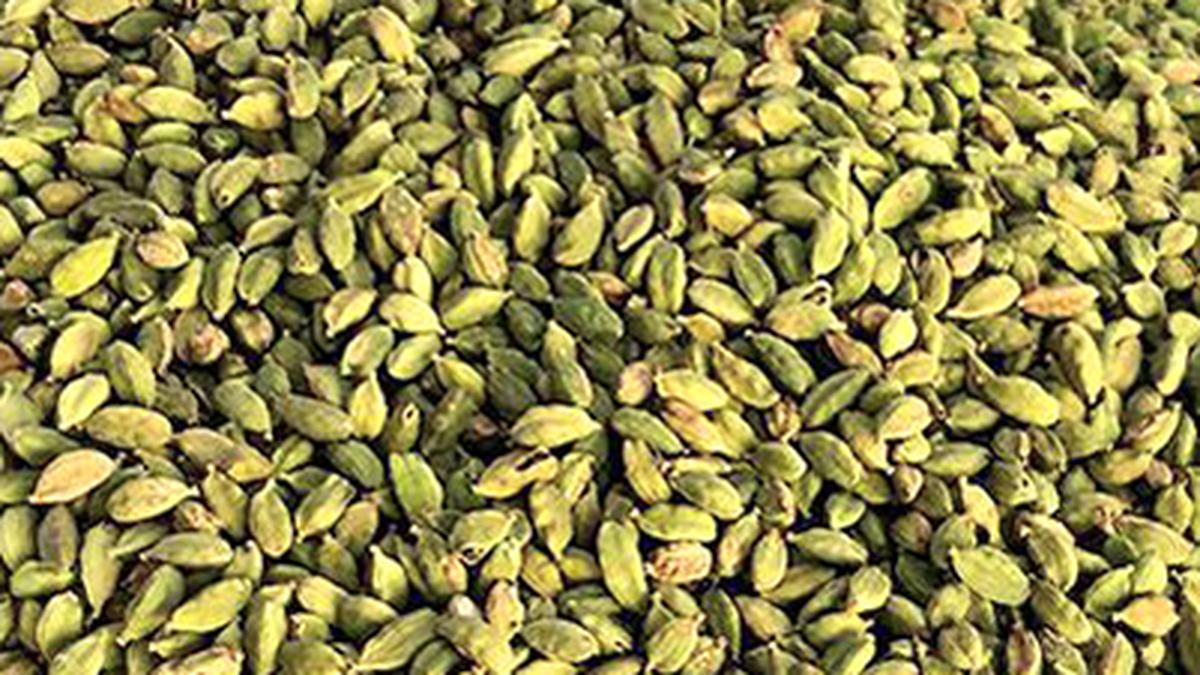
NEW DELHI : A failure in Guatemala’s cardamom crop has rekindled the hopes of Indian exporters of dispatching more overseas shipments, especially to the Gulf markets for the ensuing Ramadan season.

The emerging situation leaves India with a good scope to export more quantity with a record shipment of 12,000 to 14,000 tonnes, industry sources said.

Guatemala production, according to S.B. Prabhakar, a cardamom planter in Idukki, is expected to be around 17,000 tonnes this season against 14,000 tonnes.

In normal years, the usual production is around 40,000 to 50,000 tonnes. As replanting has not been undertaken in the wake of drought last year, the production next year is likely to be around 22,000 tonnes.

Meanwhile, the picking season in many growing regions in Idukki is on and there will be sporadic pickings till March 2026. The calendar year 2025 should see auction arrivals to be in the range of 30,000 to 31,000 tonnes with average prices ruling at Rs2520 per kg.

For producers, he said 2025 was a better year after the El Niño drought in 2024.. With La Niña conditions, the sector is expecting good spring showers by March 2026.

Shifting global dynamics
Hareesh M.V., Director, Wealth Management Service, Harnez Fin EPSL, said the crop failure in Guatemala has fundamentally shifted the global supply-demand dynamic, which is seen as a rare strategic window for India to reclaim territory in the global market.

For years, Indian cardamom (which is oil-rich and premium) struggled to compete with the sheer volume of cheaper, lower-grade Guatemalan exports in the Gulf markets such as Saudi Arabia, UAE, Kuwait etc. With Guatemala’s production dropping, Indian exporters are seeing a massive surge in inquiries.

India is poised to be the primary supplier for the peak Ramadan/Eid season where demand for cardamom for Gahwa coffee is at its highest, he said adding that exporting 12,000 to 14,000 tonnes would be a significant jump from the average 6,000–8,000 tonnes.

‘Availability sensitive’
The Middle East market is currently less price-sensitive and more “availability-sensitive”—they need the greenest, largest pods for the festive season and are willing to pay the premium to secure Indian stock over the missing Guatemalan supply. The Indian 8mm cardamom is currently quoted around $35/kg.

SKM.Dhanavanthan, a Bodinayakanur based exporter said high-volume arrivals in the auctions have not compromised quality and the current crop meets stringent international standards, sustaining robust demand. The significant drop in Guatemala production has started redirecting global buyers towards Indian auctions.

However, the price volatility in the auctions is making it difficult for exporters to commit to high quantity and long term contracts. At the same time, sharp forex volatility is making export price-fixing nearly impossible. Sudden exchange rate drops are eroding the margins of small exporters. Any further price hike will inevitably shrink export volumes, he said.

Exporters seek ban on rice exports to Bangladesh due to unrest

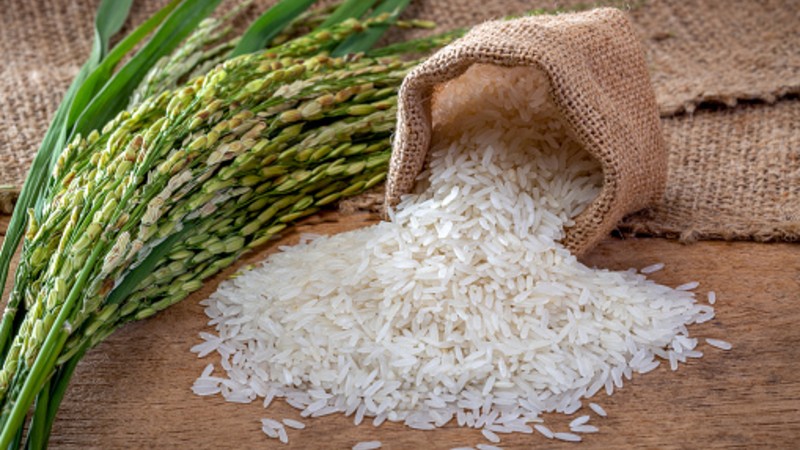
NEW DELHI : A section of exporters wants the Indian government to ban rice exports to Bangladesh, following attacks on Indians, particularly the Assistant High Commissioner’s office in Chattogram last week.

The exporters say that the situation is so alarming that shipments to Bangladesh are at risk. They also point out how Bangladesh has banned exports of raw jute, forcing Indian jute mills to cut production.

The section of the exporters, which is hurt over the current developments in Bangladesh, wonders if New Delhi should risk and ship rice cargo since India and its citizens are being targeted.

The aggrieved group of exporters says the government should act to avoid risky exports. Those seeking a strong reaction from India say that if the government does not ban, then exporters should quote a higher price for rice to Bangladesh.

Visa operations suspended
Last week, the assistant high commissioner’s office in Chattogram, Bangladesh, was attacked by protesters following the death of Bangladeshi youth leader Sharif Osman Hadi. India has suspended visa operations from Chattogram.

On the other hand, Dhaka suspended its visa operations from New Delhi on Monday after about two dozen protesters demonstrated before its High Commission office in protest against the killing of Deepu Chand Das, a member of the minority community, in Mymensingh city in Bangladesh.

“Exporters should not bid for the rice import tenders floated by the Bangladesh government,” said a Delhi-based exporter, speaking on the condition of anonymity in view of the gravity of the situation.

Bangladesh plans to import at least 9,00,000 tonnes of rice during 2025-26 in tranches of 50,000 tonnes each to build strategic stocks and stabilise domestic prices. Dhaka is not a major buyer of Indian rice with its imports being less than one million tonnes over the past couple of years. For India, Africa is the biggest buyer.

Pricey Pak rice
Of this, 2 lakh tonnes are to be imported on a government-to-government arrangement from Myanmar, Vietnam and Pakistan. The rest of the volume will be met through tenders in which private traders from abroad can take part, with parboiled rice making up six lakh tonnes and white rice the rest.

So far, 10 such tenders have been floated with bids to offer rice for the tenth tender ending on Monday. Indian exporters have been the lowest bidders or offered the lowest price for rice in six of the ten tenders.

The lowest bid in the first tender was $359.77 a tonne. It dropped to a low of $351.11 in the eighth tender before rebounding to $359.77 in the 10th tender. However, under the G2G arrangement, Pakistan will supply at $395 a tonne.

“Indian prices are $40 a tonne cheaper than what Pakistan is offering to Bangladesh. Indians need to wake up as competition between themselves is killing the export sector,” said a South-India based shipper.

‘Wait & watch’ welcome
“Why should India offer rice at a lower price when, under G2G, Bangladesh is paying $40 more?” wondered the North Indian exporter.

“Let them pay more for targeting India, which has helped Bangladesh in various ways right from its gaining Independence in 1971,” said the South India-based exporter.

Defence analysts say any attack on the Indian mission in Bangladesh is seen as an offensive act. However, they said India’s strategy of “waiting and watching” is welcome.

A defence expert pointed out how Indians paid a ₹0.05 cess on bus tickets and a ₹0.25 levy on cinema tickets to help rebuild Bangladesh under a relief fund.

India most competitive
A meeting of exporters on the Bangladesh situation during the weekend did not yield any result. A key issue confronting Indian rice exporters is that they have to pay a $300,000 deposit when they buy the tender papers. If they do not bid, they will lose the amount paid as an earnest money deposit (EMD).

“If you quote and your offers are priced high, you will get back the EMD. So, why not quote higher prices?” asked the north Indian exporter.

Globally, Indian rice is the most competitive, with its white rice 5 per cent being offered at $351 a tonne. While Pakistan is offering the rice at $356, Vietnam is quoting it at $365 and Thailand at $430.

In the parboiled sector, India’s offers are at $355, Pakistan’s at $387 and Thailand’s at $446. Vietnam does not offer parboiled rice.

Central Govt starts land acquisition process in Patan for Tharad-Ahmedabad Greenfield Expressway

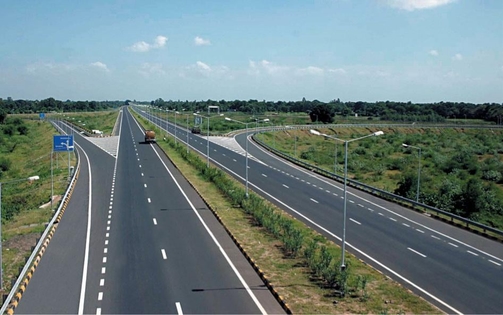
NEW DELHI : The Ministry of Road Transport & Highways, Government of India, has issued a notification under the National Highways Act, 1956, declaring its intention to acquire land for the Tharad–Ahmedabad Greenfield Expressway in Gujarat.

The notification covers the around 40 km stretch (km 56.8 to km 98.3), spanning several villages in Patan district, including Lodhpur, Kamlivada, Matpur, Ruvavi, Visal Vasna, Charup, Kimbua, Kotavad, Kuntavada, Morpa, Rakhav, Renchavi, Vadu, Vagdod, and Vayad. The acquisition involves agricultural, non-agricultural, government, and common lands spread across several villages in Patan and Saraswati talukas, covering a total area of about 55.54 hectares.

The acquisition is intended for the construction, widening, maintenance, management, and operation of the expressway, which may include two-laning with paved shoulders or four-laning, depending on project requirements.

Landowners or interested parties have 21 days from the date of publication of this notification (8 December 2025) to file objections regarding the acquisition. Objections must be submitted in writing to the Competent Authority, namely the Sub-Divisional Magistrate, Patan, and should clearly state the grounds for objection. After that the authority will provide an opportunity for objectors to be heard, either in person or through a legal representative. Following consideration of all objections and any further enquiries, the authority will pass a final order, which will be binding.

This notification is part of ongoing efforts to develop the Tharad–Ahmedabad Greenfield Expressway, a key infrastructure project aimed at improving connectivity in Gujarat.

INSV Kaundinya revives India’s ancient shipbuilding legacy

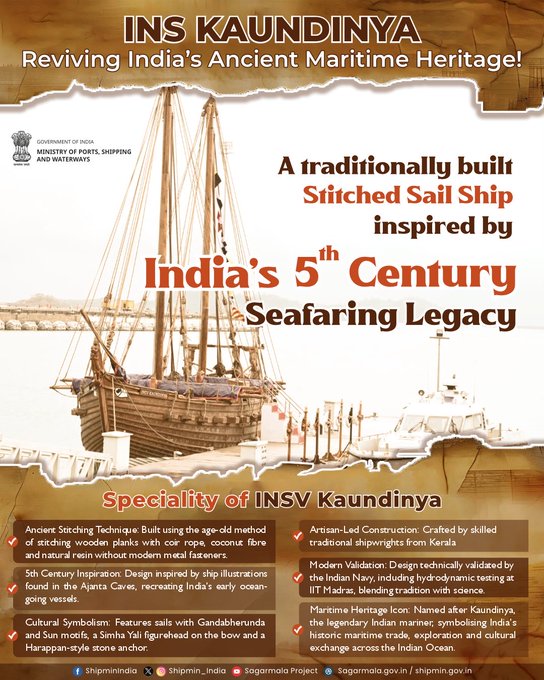
SINGAPORE : The Indian Navy’s INSV Kaundinya, a traditionally built stitched sail ship inspired by 5th century CE maritime traditions, marks a remarkable revival of India’s ancient shipbuilding heritage. Crafted using age-old techniques, the vessel has been constructed without the use of nails or metal fastenings, relying instead on coir rope, coconut fibre and natural resin—methods once mastered by India’s early seafarers.

Named after the legendary mariner Kaundinya, who is believed to have sailed across the seas to Southeast Asia, the ship stands as a living symbol of India’s rich maritime legacy, oceanic trade routes and centuries-old cultural exchange. The project reflects the ingenuity, skill and deep maritime knowledge that defined India’s historic seafaring communities.

Blending traditional craftsmanship with modern naval validation and seaworthiness assessments, INSV Kaundinya underscores India’s enduring connection with the seas. The initiative not only celebrates the nation’s seafaring past but also reinforces pride in its maritime heritage, inspiring renewed appreciation for indigenous knowledge systems and ancient technologies that shaped global navigation and trade.

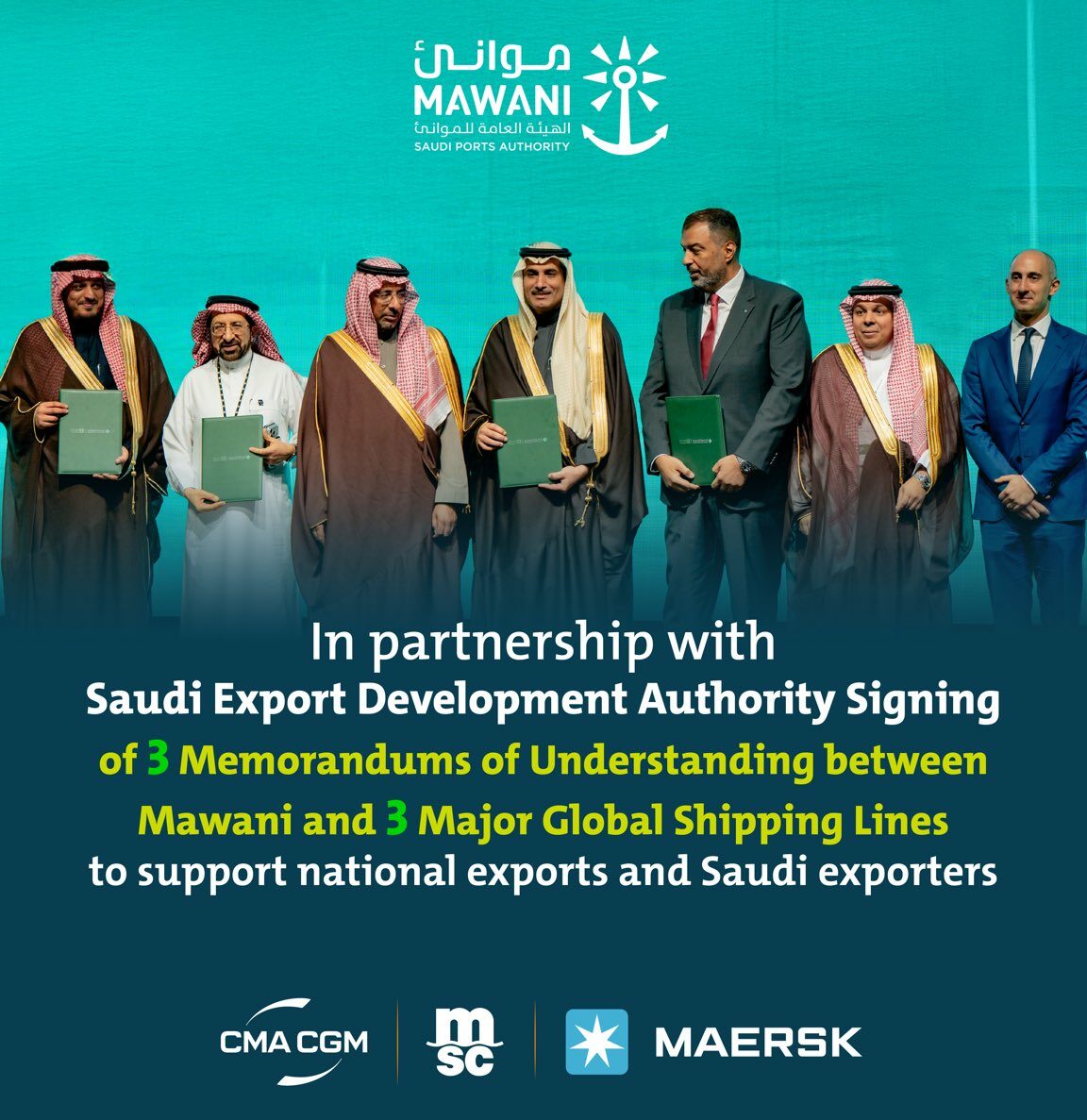
Mawani inks MoUs with the world’s leading global shipping lines MSC, Maersk and CMA CGM

RIYADH : The Saudi Ports Authority (Mawani) has signed three Memoranda of Understanding (MoU) with the Saudi Export Development Authority (Saudi Exports) and three of the world’s leading global shipping lines, Mediterranean Shipping Company (MSC), Maersk, and CMA CGM.

This comes as part of Mawani’s efforts to support Saudi products in their journey to global markets through an integrated logistics services ecosystem connected to ports worldwide via major international shipping lines.

This provides exporters with broader opportunities for expansion and growth, enhances global market confidence in the quality of Saudi products, and ensures their delivery in the shortest possible time with the highest standards of efficiency and reliability.

The MoUs aim to strengthen Mawani’s role as a key link between national industries and global markets by establishing a strategic business framework for cooperation among the signatory parties.

This includes providing innovative, integrated, and efficient logistics solutions, facilitating the export of Saudi products to international markets, and enhancing the availability of empty containers at the Kingdom’s ports to ensure sufficient inventory levels that meet exporters’ needs.

They also aim to enhance cooperation in initiatives that contribute to expanding exports through launching workshops, conferences, and exhibitions to raise awareness, support exporters’ capabilities, assess satisfaction with logistics services, and promote national exports globally.

The MoUs seek to enhance the access of Saudi exporters’ products to new markets by providing innovative and effective logistics solutions through Jeddah Islamic Port, King Abdulaziz Port in Dammam, and Jubail Commercial Port, as well as through performance automation.

They also contribute to information exchange and logistics journey management across various shipping modes, offering Saudi exporters options related to export procedures and best practices for entering global markets, and providing specialised services for transporting Saudi exports.

Furthermore, the MoUs promote joint cooperation to deliver innovative solutions that improve export efficiency and accelerate supply chains for Saudi exports, as well as the exchange of national and international best practices in logistics operations and export management.

China probe finds Taiwanese men controlled ship that cut undersea cables

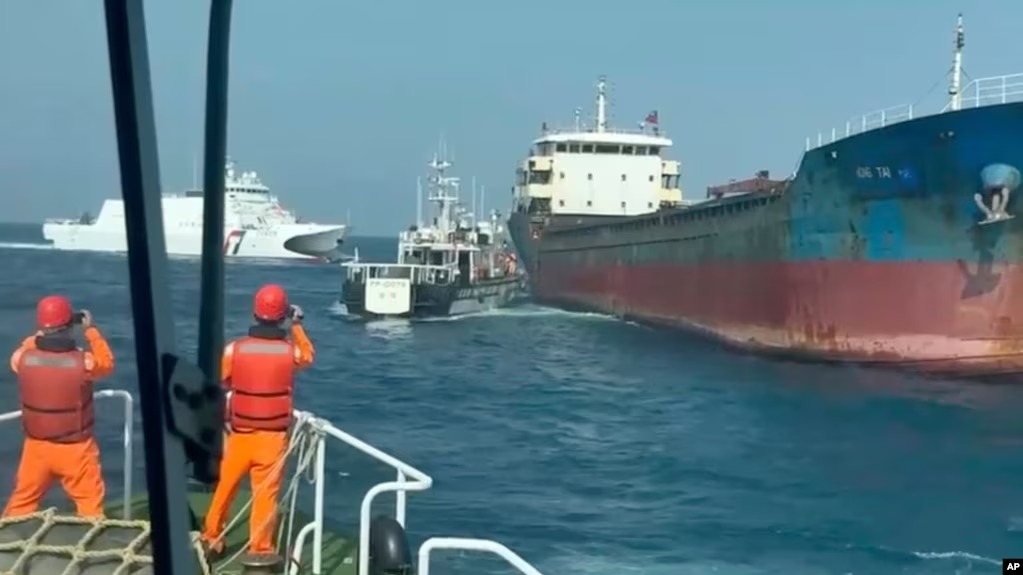
BEIJING : China has accused two Taiwanese nationals of leading a smuggling ‍operation involving a ‍Chinese-crewed vessel that damaged subsea cables in February, in an incident that has stoked tensions between the countries.

The public security bureau in Weihai, in China’s eastern Shandong province, said on Wednesday that a probe into the incident showed that two Taiwanese men had been operating the ship involved – the Togo-registered Hong Tai 58 – as part of a longstanding operation smuggling frozen goods into China.

In comments carried in Chinese state media, China’s Taiwan Affairs Office ‌accused Taiwan’s governing Democratic Progressive Party of falsely claiming that Beijing had used the Hong Tai 58 to deliberately sabotage an undersea cable off the island in a bid “to stir cross-Strait confrontation”.

Taiwan has accused Beijing of severing the cable as a so-called “grey zone” or “hybrid warfare” tactic to apply pressure on the self-ruled island of 23 million people, which China views as its territory.

The terms refer to low-grade coercive acts such as sabotage that hold a certain degree of plausible deniability.

But China has denied its involvement, calling the incident a “common” maritime occurrence that has been “exaggerated” by Taiwanese authorities.

In June, a Taiwanese court sentenced the Chinese captain of the Hong Tai 58 to three years in ⁠jail after finding him guilty of intentionally damaging the cables off Taiwan.

Seven Chinese crew members were sent back to China without charge, and were interviewed by authorities on the mainland as part of their probe into the incident.

Announcing the probe’s findings, the Weihai public security bureau offered a reward of up to 250,000 yuan ($35,569) for information ‌or assistance regarding the Taiwanese suspects, who it said had the surnames Chien and Chen. The pair had been on a Chinese customs office wanted list since 2014, it added.

Taiwan’s Mainland Affairs Council said the Chinese Communist Party does not have jurisdiction over Taiwan and urged the Chinese authorities to provide concrete evidence if they had it.

“In the absence of concrete evidence, publicly announcing ​names and offering rewards is not a civilized practice,” it ‌said in a statement. “It is merely another instance of cross-border repression and political manipulation.”

Subsea cables are the backbone of the internet and global telecoms industry, carrying nearly all of the world’s internet traffic, but are also susceptible to breakdowns from movements on the sea floor or human activity.

Between 100 and 200 cable breakdowns occur each year, according to industry data, and proving damage as deliberate is difficult.

Since 2023, there have been at least 11 cases of subsea cable breakdowns around Taiwan, although some were later ruled as accidents or due to the old age of the equipment.

Countries around the Baltic Sea have also seen an increase in undersea cable breakdowns since the Russian invasion of Ukraine, and they have struggled to bring legal cases against China and Russia-linked ships and their owners.