Home Blog Page 51

KR launches Pilot Service of Cyber Resilience Platform to Support IACS UR E26 Compliance

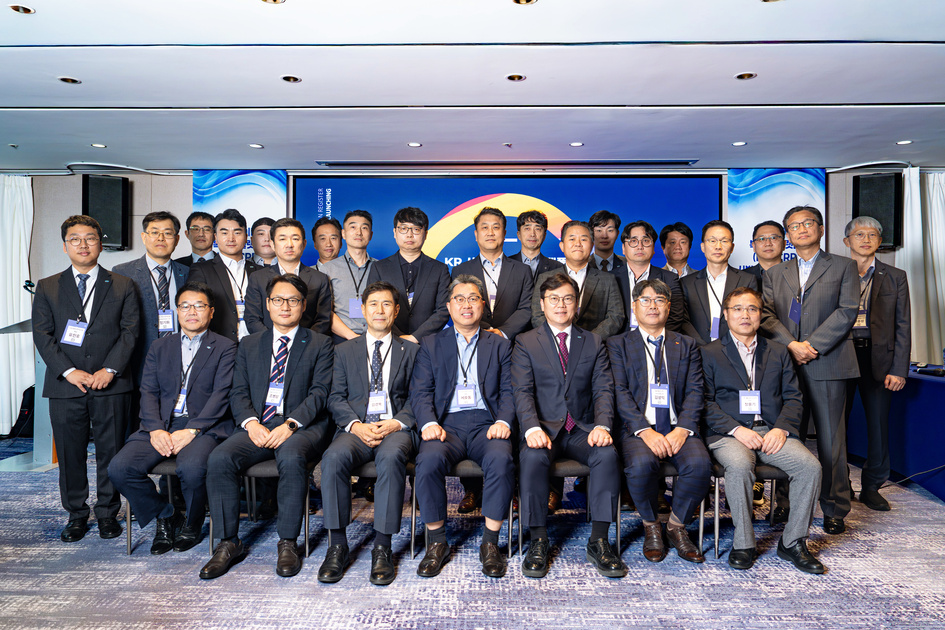
BUSAN: KR (Korean Register) marked the launch of the pilot service of KR Cyber Resilience Platform (KR-CRP), a cyber resilience management platform developed by KR, with an event at the Wyndham Grand Busan on October 13. Nearly a hundred participants attended, including executives from leading Korean shipping companies and ship managers such as SK Shipping, H-Line Shipping, Hyundai LNG Shipping, HMM Ocean Service and POS SM, as well as representatives of system integration (SI), security and IT solution companies.

The event kicked off with a seminar on international regulations and response measures for ship cyber security, followed by a presentation of KR-CRP’s pilot service.

Offering a digital environment for preparing and managing the design documents required under IACS Unified Requirement (UR) E26 on cyber resilience of ships, the platform is linked to KR’s drawing approval and classification survey processes. This is intended to reduce the documentation and approval burden on shipowners and shipyards and make regulatory compliance more efficient.

Topics covered during the seminar included ISO/IEC 27001:2022 on information security management systems, standard procedures on cyber security for shore-based managers, and KR-CRP for UR E26 compliance. A demonstration then showed how KR-CRP can draw on data from existing onboard security monitoring systems developed and installed by third parties to support data-driven class surveys, streamlining survey preparation and reducing time on board, highlighting its practical applicability.

To support prompt, systematic response to ship cyber incidents, KR also announced plans for an internal collaborative framework. Its Statutory System Certification Team, which works with shipping companies on ISM and ISPS Code audits, will act as the single point of contact for reporting incidents, with relevant departments working together on technical analysis, recovery support, vessel safety verification and survey support.

Feedback from shipowners and shipyards gathered during the pilot service will be used to continually improve the functions and usability of KR-CRP, further strengthening the industry’s cyber resilience and compliance with international regulations.

“As ships and shore-side systems become more connected, cyber resilience is fast becoming a prerequisite for safe and reliable shipping,” said Yongsok Lee, Chairman & CEO of KR. “We will continue to support our clients, including shipowners and shipyards, with practical, technology-driven services such as KR-CRP, to help ease the burden of regulatory compliance and focus on operating safely at sea.”

China’s non-tariff walls a major export hurdle: FM Nirmala Sitharaman

BANGKOK: Union Finance Minister Nirmala Sitharaman on Friday said China’s non-tariff barriers were the biggest hurdle for Indian exports, alleging that Beijing had denied market access to Indian products despite significant demand potential, including for generic drugs, bovine meat and agricultural produce, contributing to a widening trade imbalance. She also called for a review of India’s trade agreement with the Association of Southeast Asian Nations (Asean), saying its benefits were skewed in favour of the bloc.  

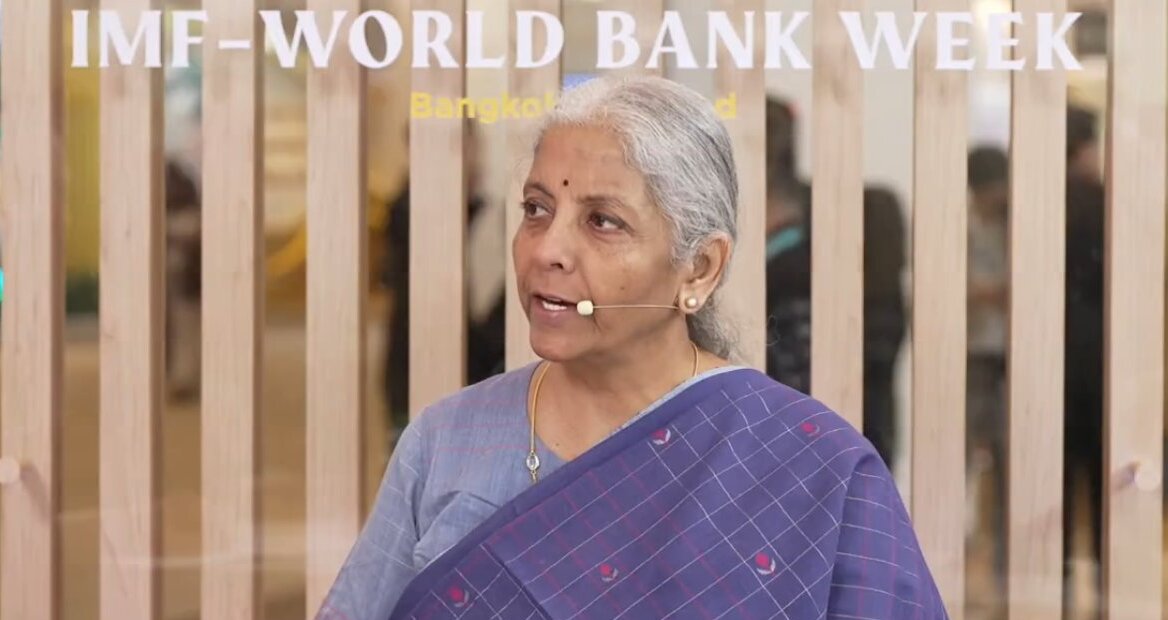
“A decade has gone by consistently putting up a case for market access for Indian products but non-tariff barriers have been very strong and China uses non-tariff barriers unhesitatingly. Non-tariff barriers are the biggest hurdle in the trade between India and China,” she said during a conversation hosted by the Atlantic Council on the sidelines of the International Monetary Fund-World Bank annual meetings in Bangkok.

India’s trade deficit with China more than doubled to $112 billion in FY26 from $52.7 billion in FY16. Sitharaman said New Delhi had repeatedly sought market access for products in which India had a competitive advantage, but progress had been limited despite scope for discussions on sanitary and phytosanitary measures and other regulatory issues. 

Responding to Sitharaman’s remarks, China’s foreign ministry said Beijing was ready to work with New Delhi to address “each other’s economic and trade concerns in a balanced way and promote the steady development of bilateral relations”. “China never aims for trade surplus,” Chinese foreign ministry Spokesperson Mao Ning told media in Beijing, as reported by PTI.

Sitharaman’s comments come days after Commerce Minister Shri Piyush Goyal said India was working to develop relations with China “once again”, while cautioning that the outcome remained uncertain.

“I think we had some concerns in the past. We are working to develop relations with China once again, but the last word has not been scripted on this journey,” he said on Wednesday at the Bloomberg New Economy Forum. 

Sitharaman said India had refrained from adopting punitive trade measures to address its trade imbalance with China, preferring negotiations despite the difficulties involved, unlike some other countries. “Probably that’s not the way India believes in dealing with trade negotiations. We sit and talk. It is sometimes very tiresome but we do go through that approach rather than putting countervailing duties or some non-tariff barriers to counter their non-tariff barriers,” she said.

On the skew in trade benefits in favour of Asean, Sitharaman said India needed to reassess the impact of its trade agreement with the bloc, signed more than a decade ago, and refashion it to address the imbalance and its effects on domestic manufacturers and importers. “We need to have that agreement continue but in a slightly refashioned manner. It cannot so adversely affect one side which is the Indian side,” she said. India’s trade deficit with Asean countries crossed $50 billion in FY26. 

Sitharaman also defended India’s decision to stay out of the Regional Comprehensive Economic Partnership (RCEP), saying the government had not seen sufficient benefits in joining the trade framework. “We took a conscious call to stay out of RCEP because we didn’t think it was going to do any help for us,” she said.

Sitharaman said Indian exporters had turned global trade disruptions into opportunities by identifying alternative markets, including countries that had imposed high tariffs on Indian goods. Exports of goods and services grew 23 per cent in September, she said, citing the performance as evidence of exporters’ resilience amid a difficult global environment. 

“Even in this situation Indian exporters have found very many different alternative markets — and even to markets which have literally levied huge tariffs on us — we have reached these markets and very efficiently,” she said. 

India remained committed to multilateralism but was accelerating bilateral trade agreements rather than waiting for progress in the global trading system, the minister said. “We believe in multilateralism. However, given today’s environment we are very keen that we build our strength in trade through bilateral agreements as well.”

She cited India’s trade engagements with the European Union, New Zealand, Australia and the United Arab Emirates, as well as negotiations with Canada, saying political will on both sides had helped move long-pending talks forward. 

On India-US trade negotiations, following recent comments by Goyal, Sitharaman said: “I hope in the interest of global trade and in the interest of trade between the two partners India and US the trade agreement gets concluded at the earliest.”

VOC Port Strengthens Regional Maritime Connectivity with Arrival of Mainline Vessel M.V. NawataBhum

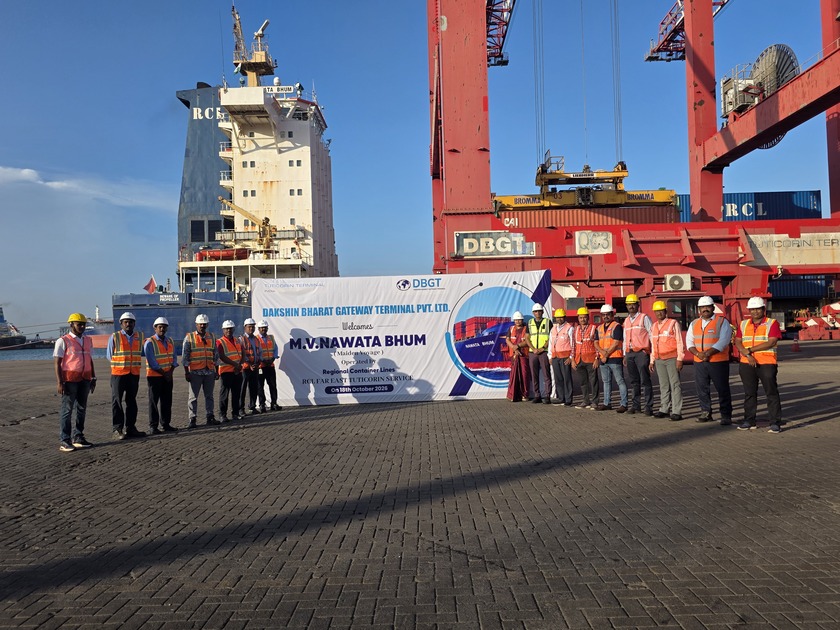
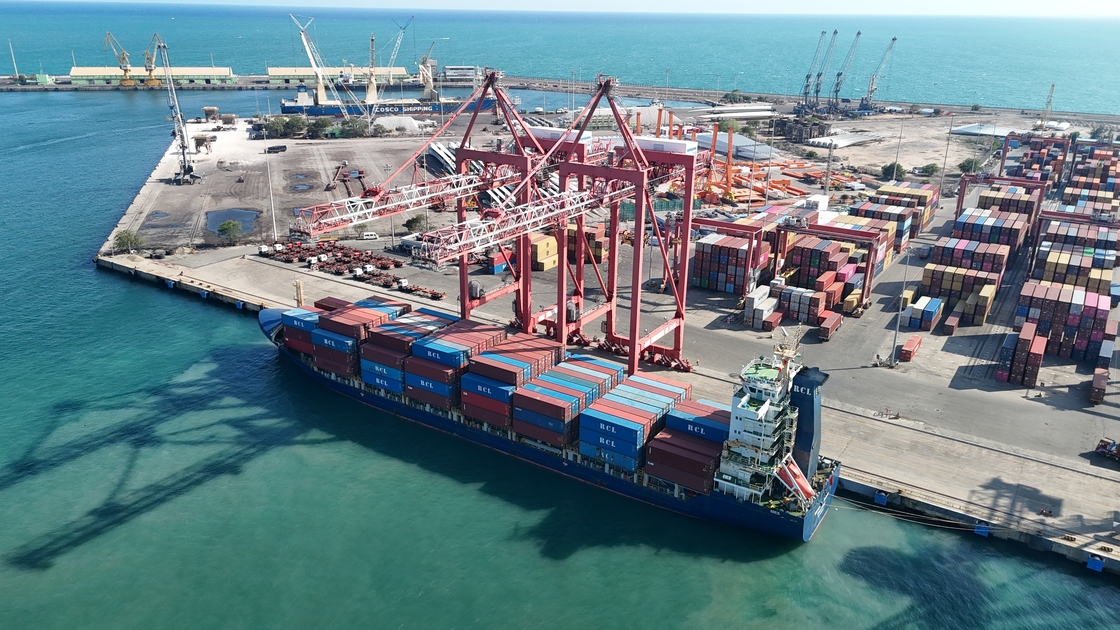
TUTICORIN: On October 18, 2026, V.O. Chidambaranar Port’s Dakshin Bharat Gateway Terminal (DBGT) received the mainline shipping vessel M.V. Nawata Bhum, further strengthening the Port’s maritime connectivity with South China and Vietnam through enhanced mainline shipping services and creating new trade opportunities for exporters and importers in the region according to a Press Release issued by the V.O. Chidambaranar Port Authority.

M.V. Nawata Bhum VOC Port Strengthens Regional Maritime Connectivity with Arrival of Mainline Vessel M.V. NawataBhum

The Singapore-flagged vessel, with a container capacity of approximately 1,100 TEUs, a length overall (LOA) of 147.82 metres and a beam of 23.38 metres, shall handle containerised cargo, with transit times of 13 days from Qinzhou to Tuticorin and 12 days from Haiphong to Tuticorin.

The service follows a port rotation from Qinzhou (China) →Haiphong (Vietnam) →Tuticorin (India) →Kattupalli (India) →Chu Lai (Vietnam) →Qinzhou (China). The service is operated by Regional Container Line (RCL), with Chakiat Shipping Services Pvt. Ltd. Tuticorin as the vessel agent.

Initially, the service will operate on a bi-weekly schedule, with plans to scale up to weekly frequency based on market demand from exporters and importers. Furthermore, this service offers shipping lines and Non-Vessel-Operating Common Carriers (NVOCCs) an additional transshipment option to route their outbound export cargo through Kattupalli Port.

V.O. Chidambaranar Port, one of the fastest-growing major ports in the country, handled 4.42 lakh TEUs of container traffic up to September 2026 in the Financial Year 2026-27, registering a growth of 3.18% compared with 4.28 lakh TEUs handled during the corresponding period of the previous financial year.

Dakshin Bharat Gateway Terminal (DBGT), with a 335.5-metre berth, a draft of 14.2 metres and annual container-handling capacity of 6 lakh TEUs, provides container-handling facilities at V.O. Chidambaranar Port, supporting regional and international maritime connectivity.

The addition of the new mainline shipping service is expected to enhance the Port’s connectivity with South China and Vietnam, expand market access and create additional opportunities for export-import (EXIM) trade, especially the Solar panel, Electronic Vehicle manufacturing and other industries located in the hinterland of the Port.

Shri Susanta Kumar Purohit, IRSEE, Chairperson, V.O. Chidambaranar Port Authority, stated, “The arrival of the mainline container vessel M.V. NawataBhum marks a significant step in strengthening the Port’s regional maritime connectivity with South China and Vietnam. Such services expand market access and facilitate EXIM trade. With the upcoming third container terminal at Berth No. 7 and the Outer Harbour project, the Port is poised to enhance its container-handling capacity, attract more shipping services and further strengthen its position as a major container hub on India’s east coast.”


Port of Montreal and Adani Group strengthen ties between India and Canada and renew collaboration agreement

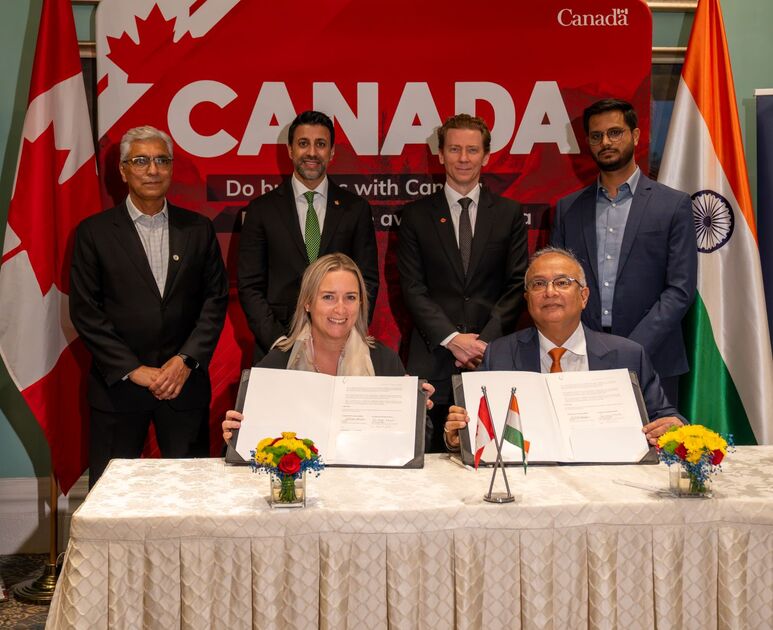
MUMBAI: As part of Team Canada’s trade mission to India from October 12 to 17, the Montreal Port Authority (MPA) and the Adani Group announced the renewal of their collaboration agreement. The initiative aims to strengthen trade relations between the two countries and create new opportunities for Quebec and Canadian businesses.

The agreement was signed in Mumbai by Captain Sandeep Mehta, representing the Adani Group, and Marie-Claude Galarneau, Executive Vice-President and Chief Operating and Transformation Officer of the Montreal Port Authority (MPA), in the presence of The Honourable Maninder Sidhu, Minister of International Trade of Canada. It builds on the collaborative efforts between the two port authorities that began in 2018 with the signing of their first collaboration agreement.

The renewed agreement will enable the two organizations to continue working together on issues of mutual interest, including the efficient movement of goods and the enhancement of port infrastructure. The agreement focuses primarily on:

Developing trade between Canada and India, particularly through the Mundra–Montreal maritime corridor.
Joint promotion and information sharing to identify new business opportunities.
Sharing port and technological expertise to improve operations and the fluidity of road and rail transportation.
Exploring new areas of collaboration, including vehicle transportation and exchanges between the two organizations’ teams.

Against the backdrop of a changing global trade environment, the MPA is strengthening its presence in a strategic market to support trade diversification, develop lasting relationships with industry stakeholders and contribute to the resilience of supply chains between the two countries.

Strengthening our presence in a key market

Through its participation in Team Canada’s trade mission and the appointment of Prakash Tulsiani as its new agent in India, the Port of Montreal is demonstrating its commitment to maintaining strong ties with this high-potential market.

According to widely shared projections from the International Monetary Fund (IMF), India is expected to become the world’s fourth-largest economy by 2027–2028, underscoring the strength and consistency of its growth trajectory.

The MPA’s local representation will facilitate engagement with shipping lines, freight forwarders, as well as importing and exporting companies, while helping to raise awareness of the services and business development opportunities available between the two countries.

Trade with India has become an increasingly important part of the Port of Montreal’s activities in recent years. After becoming one of the Port’s leading trading partners, India ranked second among the Port’s markets in 2025, with a balanced flow of imports and exports. In total, 1 million tonnes of goods were exchanged between the two countries, including 60% exports and 40% imports.

The main commodities traded include food products, ceramic products and plastics on the import side, as well as forestry and metal products on the export side.


“India is a major trading partner for the Port of Montreal. Renewing our agreement with Adani Ports, together with our new local representation, gives us the means to deepen this relationship and better support businesses as they develop new markets. Our ambition is to facilitate trade, create new business opportunities and strengthen Montreal’s role as a strategic gateway between India and the economic heart of North America.” — Paul Bird, President and Chief Executive Officer of the Montreal Port Authority (MPA).

“As trade between India and Canada continues to grow, the renewal of this MoU between Adani Ports and the Port of Montréal reaffirms our commitment to strengthening maritime and commercial ties between our two nations. Through our shared membership in the International Association of Ports and Harbors, we are well positioned to open new opportunities for businesses on both sides. We look forward to working closely with our Canadian counterparts at the Port of Montréal to advance this partnership further.” — Capt. Sandeep Mehta, Adani Group

“With India now the Port of Montreal’s second-largest market, and 1 million tonnes of goods moving between our countries through the Port last year, the opportunity for Canadian businesses is clear. Partnerships like this help more Canadian exporters reach one of the world’s fastest-growing economies and build more resilient supply chains. As we move at speed to conclude a Comprehensive Economic Partnership Agreement with India, we will build on this momentum and create even more opportunities for Canadian workers and businesses.” — the Honourable Maninder Sidhu, Minister of International Trade of Canada.

CONCOR ICD Kanpur facilitates India’s First-Ever Export of Liquid Glucose to Vietnam

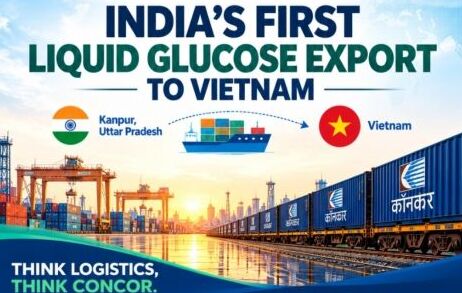
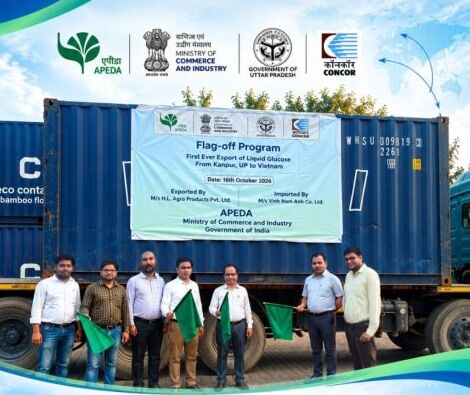
KANPUR: Container Corporation of India Limited (CONCOR) has achieved a significant milestone in export logistics by facilitating the first-ever export of liquid glucose from Kanpur, Uttar Pradesh, to Vietnam. The export was undertaken by M/s HL Agro Products Pvt. Ltd., with support from the Agricultural and Processed Food Products Export Development Authority (APEDA).

The landmark shipment marks an important step in expanding the international market reach of Indian agricultural and processed food products, while highlighting the growing role of inland container depots in facilitating seamless export connectivity for businesses located away from coastal gateways.

CONCOR ICD Kanpur 1 CONCOR ICD Kanpur facilitates India’s First-Ever Export of Liquid Glucose to Vietnam

CONCOR’s Inland Container Depot (ICD) Kanpur played a pivotal role in facilitating the export movement, demonstrating the importance of efficient inland logistics infrastructure in connecting domestic manufacturing and processing hubs with international markets.

The successful shipment also underscores the significance of collaboration among logistics service providers, exporters and export promotion agencies in identifying new market opportunities and strengthening India’s export ecosystem.

With Vietnam emerging as the destination for this pioneering consignment, the development represents a notable achievement for HL Agro Products Pvt. Ltd. and reflects the potential of Indian companies to expand their global footprint through improved logistics connectivity and institutional support.

As India continues to focus on enhancing export competitiveness and strengthening international trade linkages, CONCOR’s achievement at ICD Kanpur reinforces the strategic importance of inland container depots in facilitating cargo movement, supporting exporters and connecting regional production centres with global supply chains.

The milestone further highlights CONCOR’s contribution to India’s trade facilitation efforts and its role in enabling Indian businesses to access new international markets.

Maersk completes the world’s largest ethanol bunkering in Singapore

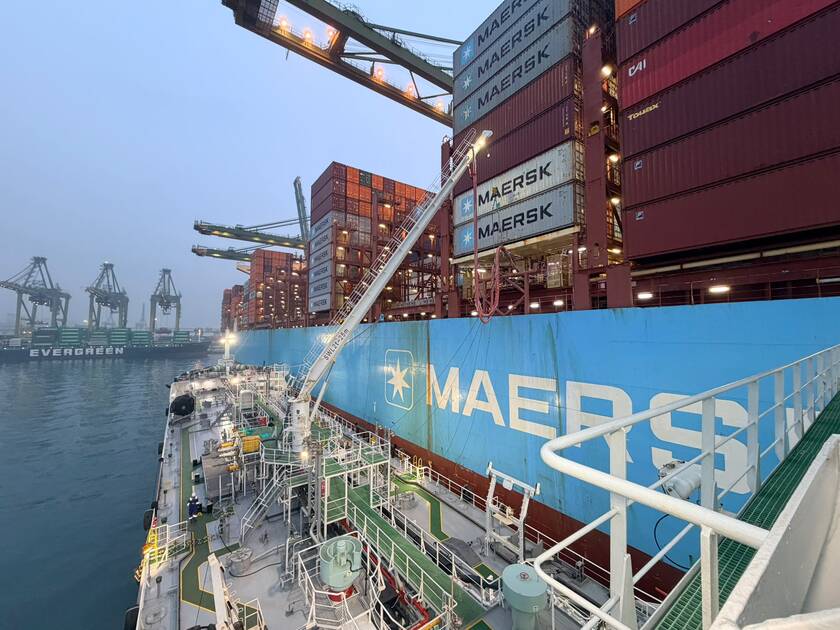
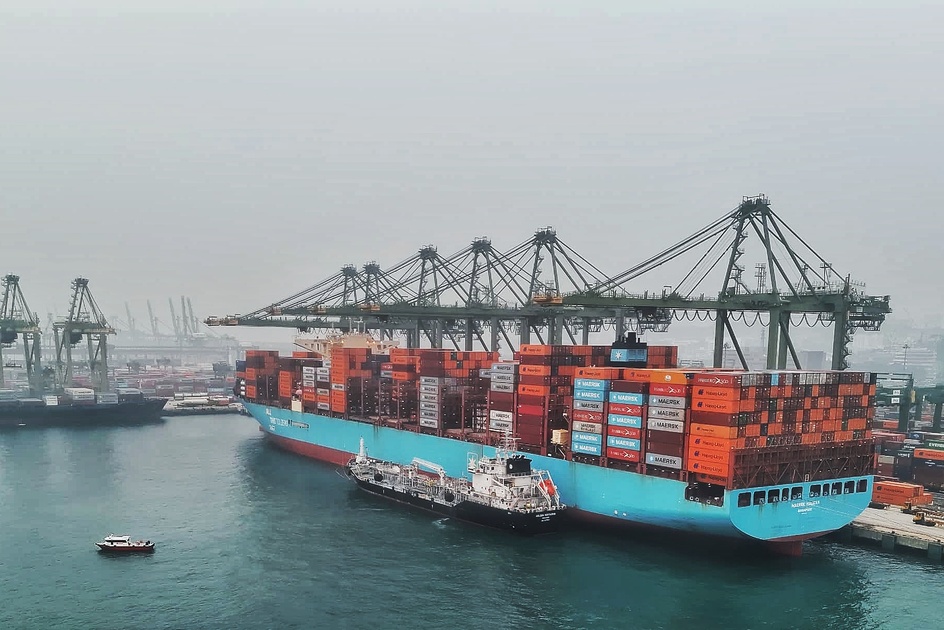
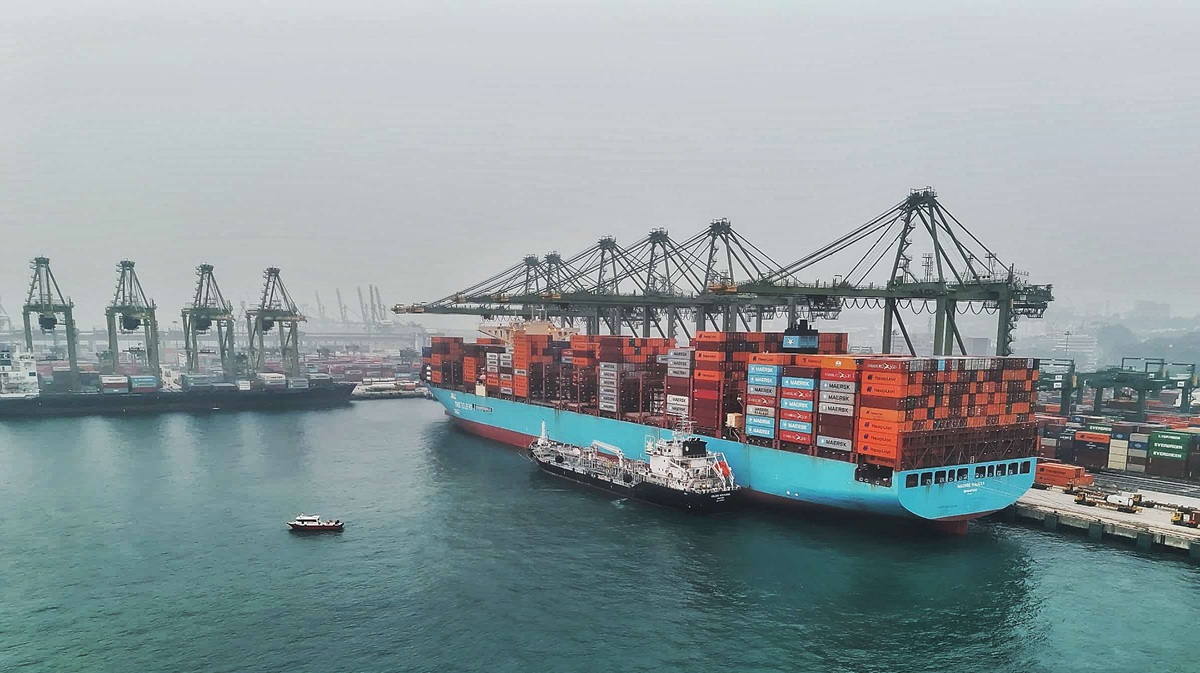
SINGAPORE: A.P. Moller – Maersk (Maersk) on Saturday announced the successful ethanol bunkering of Maersk Halifax, the company’s first retrofitted dual-fuel vessel, in Singapore. The operation marks the first time ethanol has been bunkered on a retrofitted vessel in Maersk’s fleet and represents another important milestone in the company’s efforts to explore multiple fuel pathways for the future of decarbonised shipping. 

Conducted in Singapore in collaboration with the Maritime and Port Authority of Singapore (MPA) and other partners, the operation involved bunkering approximately 5,000 metric tonnes of ISCC-certified bioethanol, providing valuable operational experience and insights into the infrastructure, sourcing, supply chain readiness, and vessel operations associated with using ethanol as a marine fuel. 

The operation builds on Maersk’s longstanding commitment to pursuing multiple fuel and technology pathways to support the maritime industry’s transition toward decarbonising ocean transportation. Ethanol is emerging as a promising transition fuel because of its global availability, established production and distribution networks, and compatibility with alcohol-enabled engine technologies. When certified and sourced from low-carbon pathways, ethanol can deliver significant greenhouse gas reductions compared with conventional marine fuels. 

“The energy transition requires us to explore and scale solutions that can deliver real-world impact,” said Emma Mazhari, Head of Energy Markets, Maersk. “At Maersk, we continue to pursue a multi-fuel strategy because we recognise that no single fuel pathway can decarbonise global shipping on its own.” Earlier this year, Maersk conducted a series of successful ethanol trials on the dual-fuel vessels Laura Maersk, Antonia Maersk and Tangier Maersk.

About A.P. Moller – Maersk

A.P. Moller – Maersk is an integrated logistics company working to connect and simplify its customers’ supply chains. As a global leader in shipping services, the company operates in more than 130 countries and employs over 100,000 people worldwide. Maersk is aiming to reach net zero emissions by 2040 across the entire business with new technologies, new vessels, and green fuels.

Singapore Conducts World’s Largest Ethanol Bunkering Operation

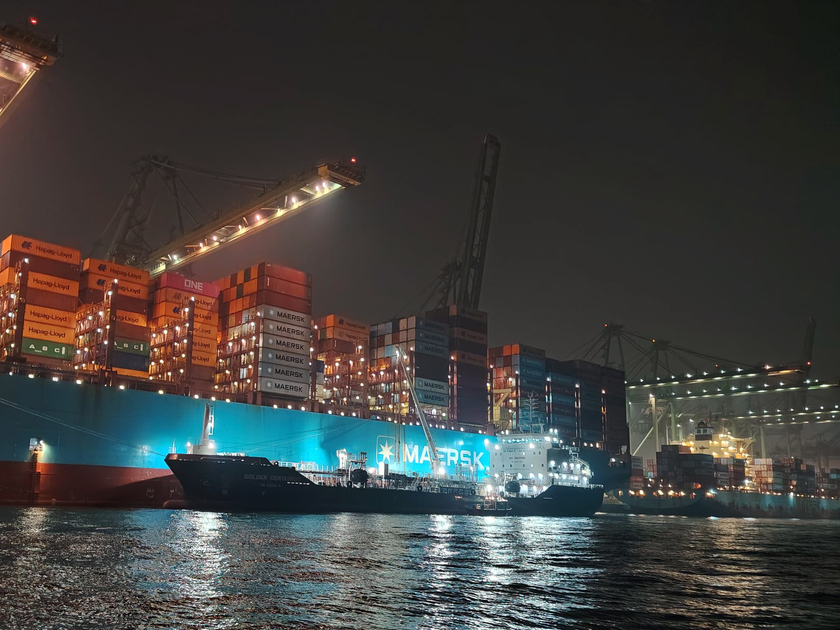
SINGAPORE: Maersk, Golden Island Pte Ltd. and PSA Singapore (PSA) successfully completed Singapore’s first ethanol bunkering operation at PSA’s Pasir Panjang Terminal on Saturday, with the support of the Maritime and Port Authority of Singapore (MPA). The operation was conducted simultaneously with cargo operations (SIMOPS), with bioethanol bunkered using a mass flow meter (MFM).

Maersk Halifax, a Singapore-registered dual-fuel container vessel, was bunkered with approximately 5000 metric tonnes of ISCC-certified bioethanol from Golden Island’s Singapore-registered IMO Type II chemical tanker, M.T. Golden Centaurus, while container operations were carried out concurrently. This was the largest volume of ethanol bunkered in a single operation globally to date.

The operation will provide data and learning points to assess how Singapore’s existing methanol bunkering technical reference, TR 129, could be adapted for ethanol bunkering. Ethanol has similar handling characteristics to methanol and can be used in methanol-capable engines, subject to the necessary modifications. The findings will also inform whether existing MFM systems can be used for future ethanol bunkering operations.

Safety-First Approach

Mr Nelson Quek, Regional CEO Southeast Asia, PSA International, said, “The successful completion of the SIMOPS at Pasir Panjang Terminal marks an important step in advancing our operational readiness for a wider range of lower-carbon fuel options, supporting PSA’s commitment to sustainability and the maritime industry’s decarbonisation efforts. Safety remains our foremost priority, and this operation provides valuable insights into how ethanol bunkering can be safely integrated with container terminal operations. PSA Singapore will continue to work closely with our partners to strengthen our capabilities, build operational resilience, and support the safe, efficient, and scalable adoption of new marine fuels as we enable a more sustainable maritime ecosystem.”

Prior to the SIMOPS, participating parties conducted a Hazard Identification and Hazard and Operability Study workshop. MPA also worked closely with all stakeholders to ensure crew members were trained in handling the marine fuel and associated emergency responses, drawing on experience from methanol bunkering.

Mr Ang Wee Keong, Chief Executive, MPA, said, “This operation allows us to test how Singapore’s experience and existing infrastructure for methanol bunkering can support another emerging marine fuel. The findings will help us develop the standards and procedures needed for safe and efficient ethanol bunkering, as we continue to prepare Singapore for a multi-fuel future.”

“The energy transition requires us to explore and scale solutions that can deliver real-world impact,” said Emma Mazhari, Head of Energy Markets, Maersk. “At Maersk, we continue to pursue a multi-fuel strategy because we recognise that no single fuel pathway can decarbonise global shipping on its own.”

Mr Johnny Tan, Managing Director, Golden Island Pte Ltd, said, “We are proud to have delivered Singapore’s first ethanol bunkering, and to have done it alongside live cargo operations, using a mass flow meter. Our crew and Golden Centaurus built on what we learned in methanol bunkering and followed the same safety-first discipline. That let us deliver the largest single ethanol bunker to date safely and on time. We thank MPA, Maersk and PSA for their close collaboration. Golden Island will keep investing in the people, vessels and know-how needed to supply lower-carbon fuels, so that customers can choose the fuel that best meets their decarbonisation goals in the Port of Singapore.”

Dr. Anil Sharma receives Malta Maritime Award for Contribution to Sustainable Maritime Operations

Founder of GMS and Lila Global recognised for more than three decades of work in shipowning, responsible ship recycling and sustainable vessel lifecycle management

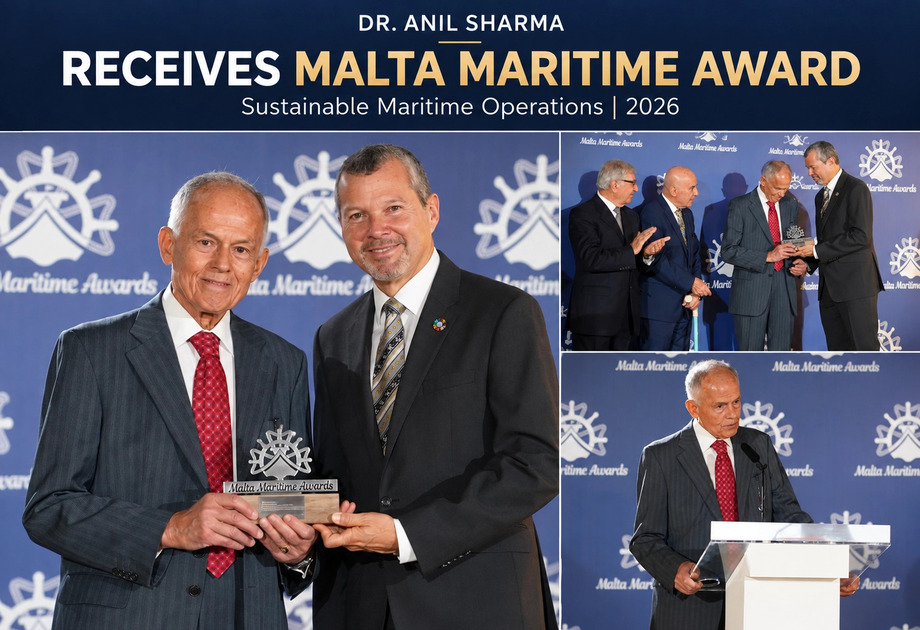
MALTA: Dr. Anil Sharma, Founder and CEO of GMS and Founder of Lila Global, has received the Malta Maritime Award for Contribution to Sustainable Maritime, Logistics & Resource Operations, presented during the opening reception of the 10th anniversary Malta Maritime Summit in Malta.

Dr. Anil Sharma Receives Maritime Award received by Prof. Andreas Merikas 1 Dr. Anil Sharma receives Malta Maritime Award for Contribution to Sustainable Maritime Operations

The award was presented by H.E. Mr. Arsenio Dominguez, Secretary-General of the International Maritime Organization (IMO), and accepted on Dr. Sharma’s behalf by Prof. Andreas Merikas.

The award recognises Dr. Sharma’s contributions to the international maritime industry over more than three decades, including ship ownership and operations, maritime asset transactions, responsible ship recycling, worker safety and environmental standards.

Commenting on the recognition, John A. Gauci-Maistre K.M., Chairman of GM Group and Founder of the Malta Maritime Awards, said:

“Dr Sharma’s visionary leadership and unwavering commitment to sustainable maritime and resource operations have set a benchmark for our industry. This recognition at the MMA 2026 is a well-deserved testament to his groundbreaking work in building resilient, forward-thinking logistics ecosystems that harmonise commercial efficiency with environmental stewardship.”

Dr. Sharma founded GMS in Maryland, United States, in 1992. The company has since grown to become the world’s largest buyer of ships and offshore assets for recycling, completing more than 5,000 vessel and offshore asset transactions worldwide.

GMS was the first cash buyer in the ship recycling sector to achieve ISO certification and has worked for many years to improve safety, environmental and compliance standards in the ship recycling industry.

Dr. Sharma later expanded into ship ownership and operations through Lila Global, the Dubai-based shipping company he founded. Today, Lila Global owns and operates a diversified fleet of more than 45 vessels, including tankers, bulk carriers and container vessels trading internationally.

Alongside his shipowning activities, Dr. Sharma has focused on improving standards when vessels reach the end of their operational lives. This led to the establishment of the Sustainable Ship and Offshore Recycling Program (SSORP), an LRQA-verified programme supporting safe, environmentally responsible and transparent ship recycling.

Using 281 health, safety and environmental (HSE) data points, SSORP monitors performance throughout the recycling process. The programme also provides tools to measure the environmental impact of recycling, including the carbon footprint associated with individual vessels.

GMS and SSORP have also provided free training in safe and environmentally responsible ship recycling practices to more than 14,000 workers across the Indian subcontinent.

More recently, Dr. Sharma’s work has also extended to addressing the challenge of sanctioned vessels. In 2026, GMS became the first entity to receive specific licences from the United States Government to acquire and recycle sanctioned vessels. His pioneering effort also addresses a growing environmental concern by providing a responsible recycling solution for ageing sanctioned vessels that might otherwise remain idle, deteriorate and pose risks of marine pollution.

The Malta Maritime Award adds to Dr. Sharma’s record of industry recognition, including 16 consecutive years in Lloyd’s List’s annual ranking of the 100 most influential people in global shipping.

Hooghly Cochin Shipyard completes launch of Six Hybrid-Electric Catamarans for IWAI

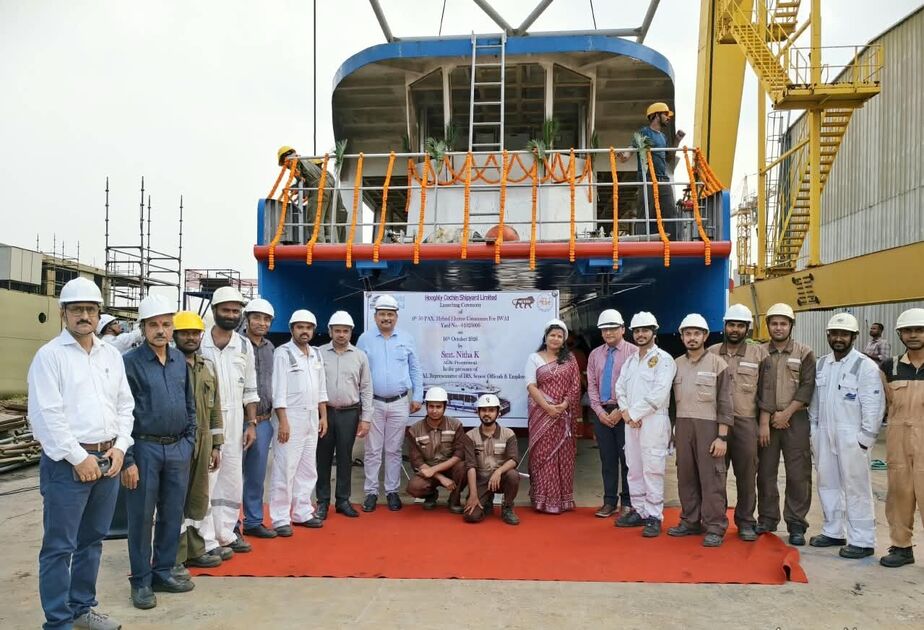
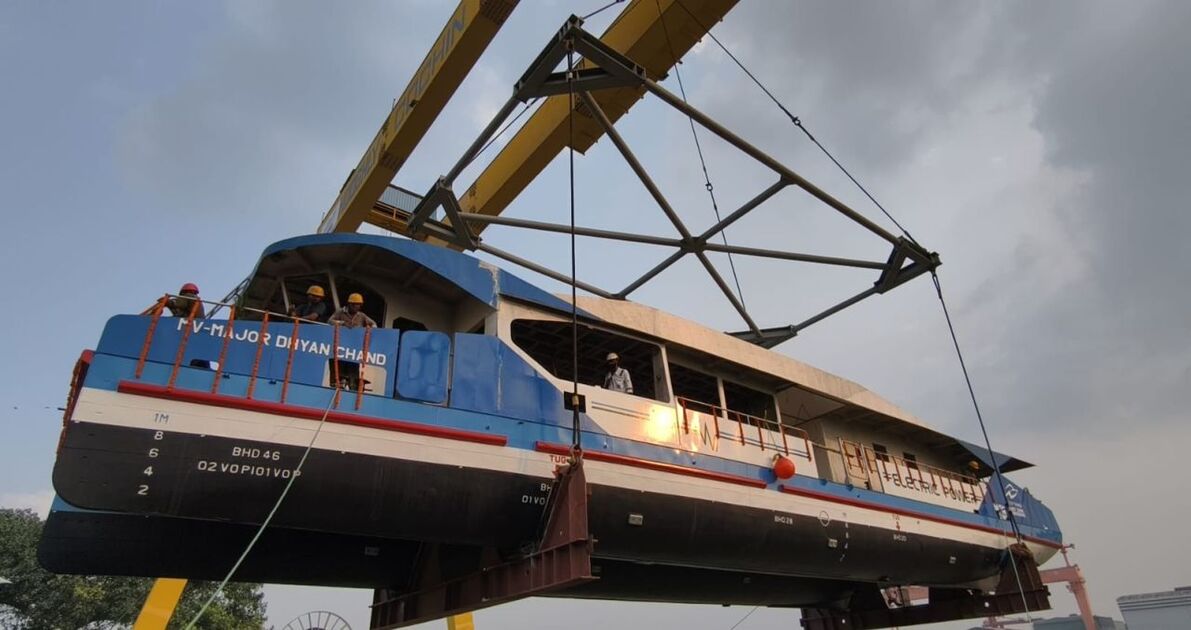
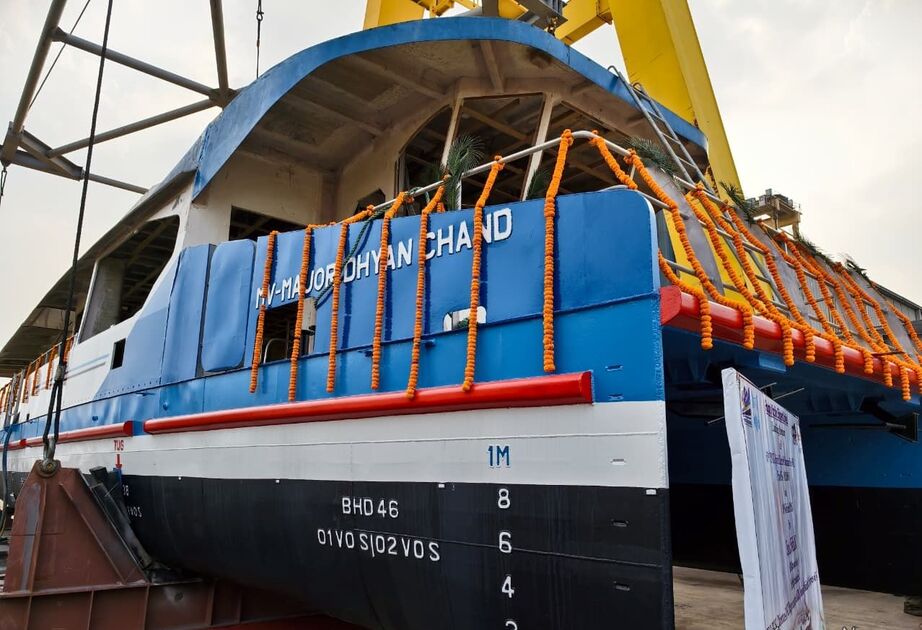
KOLKATA: Hooghly Cochin Shipyard Limited (HCSL) has achieved a significant milestone in India’s indigenous shipbuilding and green mobility initiatives with the successful launch of the sixth 50-passenger hybrid-electric catamaran named MV Major Dhyanchand being built for the Inland Waterways Authority of India (IWAI). The latest launch marks the completion of the launch of all six vessels in the series.

The vessel was launched by Smt. Nitha K., Assistant General Manager, Hooghly CSL, in the presence of the CEO of Hooghly CSL, the Director of IWAI (Kolkata), Indian Register of Shipping (IRS) surveyors, IWAI representatives, and senior officials and employees of HCSL.

The successful launch of all six vessels underscores HCSL’s shipbuilding capabilities, engineering expertise and commitment to delivering modern vessels designed to support sustainable inland water transport. The achievement also reflects the coordinated efforts of HCSL’s workforce and project partners throughout the vessel construction programme.

Hybrid-electric propulsion technology offers the potential to reduce dependence on conventional fuels and lower emissions, supporting the broader transition towards environmentally responsible waterborne transportation. The development of these passenger catamarans is aligned with India’s efforts to strengthen inland waterways as an efficient and sustainable mode of passenger mobility.

With all six catamarans now successfully launched, Hooghly Cochin Shipyard has taken another important step in its contribution to the development of greener vessels for India’s inland waterways sector.

The milestone reinforces the growing role of domestic shipbuilding expertise in supporting modernisation, sustainable mobility and the long-term development of the country’s inland water transport infrastructure.

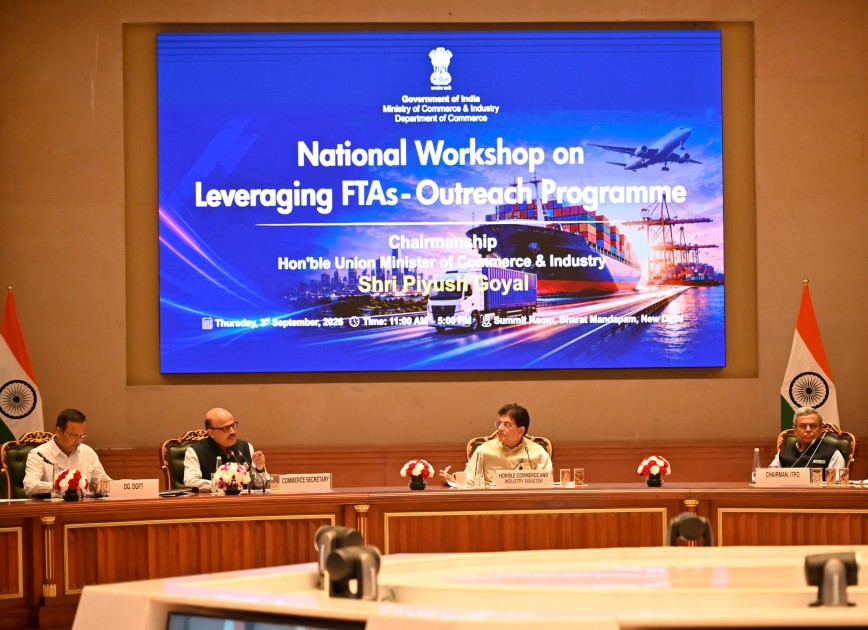
Dept of Commerce organises “Leveraging FTAs Outreach Programme” in Jaipur to strengthen export opportunities

JAIPUR: The Department of Commerce organised an outreach programme “Leveraging FTAs – Outreach Programme” in Jaipur, Rajasthan, to create awareness about the benefits available under India’s Free Trade Agreements (FTAs) and facilitate their effective utilisation by exporters. The programme was addressed by Joint Secretary, Department of Commerce, Shri Mohit Yadav, and witnessed participation from exporters across sectors and representatives of the Government of Rajasthan, Directorate General of Foreign Trade (DGFT), Jaipur Special Economic Zone and the Gem and Jewellery Export Promotion Council (GJEPC).

The programme aimed to help Indian enterprises translate preferential market access under FTAs into export opportunities through targeted information, capacity building, practical guidance and coordination among the Department of Commerce, State Governments, industry associations and exporters.

The programme assumed significance in the context of India’s expanding engagement with the global economy. At the Bloomberg New Economy Forum in New Delhi, the Prime Minister Shri Narendra Modi stated, “Our constant endeavour is to ensure that India’s capabilities open new doors of opportunity for other countries as well.” In his Independence Day address on 15 August 2026 and on other occasions, the Prime Minister has highlighted the opportunities created by FTAs for Indian producers, farmers and micro, small and medium enterprises (MSMEs), while emphasising the importance of meeting international quality standards to access global markets.

Union Minister of Commerce and Industry Shri Piyush Goyal has emphasised the commercial opportunities from India’s FTAs. The Minister has noted that India’s agreements provide preferential access to markets accounting for a major share of global trade This will create numerous jobs and huge opportunities for farmers, women entrepreneurs, youth, MSMEs, artisans and industry. He urged them to make use of reduced- or zero-duty access by focusing on quality. He has highlighted the new market opportunities for Indian industry and businesses opened through India’s recently concluded FTAs. The objective of the outreach programme is to move beyond negotiating market access to helping enterprises actually use it, with targeted information, capacity building, practical guidance and coordination among the Department of Commerce, the State Government, industry associations and exporters.

India’s exports of merchandise and services have continued to register growth. Cumulative exports during April–September 2026–27 are estimated at US$ 476.20 billion, compared with US$ 418.31 billion during the corresponding period of 2025–26, registering estimated growth of 13.84%. Major drivers of merchandise export growth in September 2026 included electronic goods, petroleum products, organic and inorganic chemicals, engineering goods, and cotton yarn, fabrics, made-ups and handloom products.

The programme provided a platform for exporters from Rajasthan to discuss opportunities under India’s FTAs and the practical challenges involved in availing preferential market access. India’s trade agreements and arrangements with partners, including the UAE, Australia, the European Free Trade Association (EFTA) countries and the United Kingdom, offer avenues for Indian goods and services to access overseas consumers, buyers, investors and value chains, subject to the provisions and implementation status of the respective agreements.

The discussions focused on identifying export-ready products, understanding tariff preferences and rules of origin, meeting quality and certification requirements, and strengthening connections with overseas buyers. These areas are important for enabling businesses to make effective use of the market access available under India’s trade agreements.

A sector-specific presentation was delivered by Joint Director General of Foreign Trade, Jaipur, Shri Md. Moin Afaque, on export opportunities for the gems and jewellery sector under India’s recently concluded FTAs. The presentation highlighted that India ranks eighth among global gems and jewellery exporters, with a 2.9% share in the US$ 1 trillion global market. It also outlined the import market opportunities available under India’s new FTAs, including immediate duty-free access across tariff lines in each of the agreements, as stated in the presentation.

The presentation examined India’s competitive position vis-à-vis major supplier countries and identified product categories and FTA markets where Indian exporters could benefit from tariff advantages. Emerging opportunities were highlighted in lab-grown diamond jewellery, coloured gemstones, Kundan-Meenakari heritage jewellery, smart and wearable jewellery, recycled and ethically sourced gold jewellery, and pearl and cultured jewellery. These opportunities are particularly relevant for Rajasthan, given the State’s established presence in the gems and jewellery sector.

Rajasthan has significant potential to contribute to India’s export growth through textiles and garments, handicrafts, gems and jewellery, engineering goods, stone and minerals, and agricultural and processed-food products. The Rajasthan Economic Review 2024–25 outlines the State’s ambition to become a US$ 350 billion economy by 2029 and achieve exports of ₹1.5 lakh crore by 2029, as envisaged under the Rajasthan Export Promotion Policy (REPP) 2024. The Rajasthan Budget 2026–27 also sets out the vision of Viksit Rajasthan @ 2047, with the goal of building a US$ 4.3 trillion economy by 2047. These objectives align with the national vision of Viksit Bharat by 2047.

FTAs can provide opportunities for Rajasthan’s farmers and farmer-producer organisations (FPOs) to access new markets for eligible agricultural produce, millets, spices and processed foods, subject to food-safety, traceability and other importing-country requirements. For MSMEs and artisans engaged in textiles, handicrafts, jewellery and engineering, tariff preferences can improve price competitiveness and support participation in international supply chains. Women-led enterprises and self-help groups can benefit from export training, e-commerce and buyer linkages, while larger businesses can explore investment, technology partnerships and market diversification. The benefits available will depend on the product, partner country and applicable FTA provisions.

By connecting enterprises in Jaipur, Jodhpur, Udaipur, Bhilwara and other districts with international buyers and supply chains, the outreach programme seeks to strengthen Rajasthan’s participation in global trade. Greater awareness of trade preferences, export documentation, product standards, logistics and market intelligence can help first-time exporters expand beyond domestic markets.

State Government support, along with initiatives for developing industrial areas and parks, sector-specific task forces focused on exports, and policies and schemes promoting credit facilities, financial incentives, market linkages, skill development, quality certification, technology upgradation and e-commerce, can further support entrepreneurship, employment and livelihoods. These efforts can contribute to Rajasthan’s development aspirations under Viksit Rajasthan 2047 and the national vision of Viksit Bharat 2047.