Home Blog Page 517

India approves coal exports amid healthy power station stocks

NEW DELHI : India’s cabinet on Friday permitted the export of coal as the country’s power plants have a surplus, Information Minister Shri Ashwini Vaishnaw said. Power plants that have access to coal supply will be permitted to export up to 50% of their allocation and use coal flexibly across group companies.

India, the world’s second-largest coal producer, has been opening its coal sector to private players and commercial mining to meet rising energy demand and reduce import dependence.

The move to allow export of domestic coal comes as the country’s coal-fired power generation, which typically accounts for about 75% of India’s electricity output, has fallen on an annual basis in seven out of 11 months this year, the most since 2020.

The move will also benefit the country’s top coal miner, Coal India which accounts for about three quarters of the country’s production. India is the world’s No.2 coal producer and consumer after China.

Indian power plants have comfortable stock levels because domestic coal production is strong and electricity demand growth has slowed, iEnergy Natural Resources said this week in a report.

The cabinet on Friday also approved the auction of coal for any industrial use.

The policy will allow domestic buyers to secure long-term coal supplies through auctions without end-use restrictions, except for coking coal, which will not be offered under the scheme.

Traders will be barred from participating, the government said.

The move aims to accelerate coal reserve utilisation, ease business processes and cut reliance on imports, the government said in a statement.

Source : Reuters

India’s Rail Electrification drive nears completion, enabling Net-Zero Carbon emissions and cleaner, faster passenger mobility

NEW DELHI : Indian Railways is close to completing the electrification of almost its entire broad-gauge network, with more than 99% already electrified and the remaining stretches expected to finish soon. The pace of work in recent years has been extraordinary. Between 2019 and 2025, Indian Railways electrified over 33,000 route kilometres, working at an average speed of more than 15 Route KMs every single day. The total distance electrified during this period alone is almost equal to the entire railway network of Germany, showing the scale and seriousness with which India has expanded clean and efficient rail traction.

India’s broad gauge rail network is nearly fully electrified, with 99.2 percent coverage across 25 states and union territories. India’s achievement stands out even when compared with countries that have long-established railway systems. India has managed to electrify nearly its entire broad-gauge system despite operating one of the world’s largest and busiest rail networks.

This transition has reduced diesel consumption, cut emissions, lowered operational costs and improved the efficiency and speed of train operations. While several advanced economies still depend heavily on diesel traction due to cost or structural limitations, India has moved forward with clear planning and consistent execution.

As the final stretches are completed, the country is set to operate one of the world’s largest fully electrified railway systems, supporting Indian Railways’ goal of becoming a net-zero carbon emitter and offering cleaner, faster and more reliable mobility to millions of passengers every day.

Boxes fall off ONE container ship as heavy winds collapse stacks

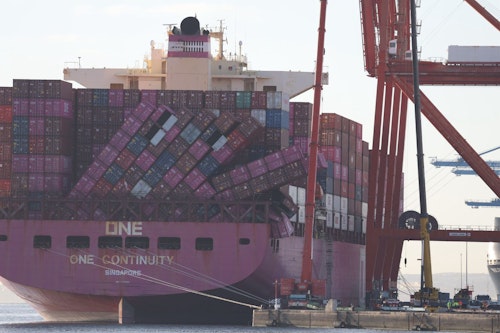
SINGAPORE : A Japanese-controlled boxship has suffered what was described as a major cargo loss in the Atlantic. About 45 containers were reported to have fallen off the Ocean Network Express-operated 8,110-teu ONE Continuity (built 2008) south of the Canary Islands.

MarineTraffic said the ship had encountered severe weather off Maspalomas last week.

Several more boxes were crushed as stacks collapsed.

The ONE Continuity had left Le Havre on 4 December, bound for Singapore.

Instead, the ship arrived in Las Palmas on Friday.

Video footage released by port police showed a crane lifting containers from the ship, which could be seen with a stack of collapsed boxes towards the stern.

The incident occurred while the vessel was carrying empty containers.

The master had observed multiple container stacks leaning dangerously to starboard and declared an emergency, MarineTraffic said.

An initial assessment showed 10 rows of containers at the stern had collapsed due to powerful waves.

At the shipowner’s request, authorities conducted an aerial drone inspection to assess the damage.

On Saturday, a complex cargo recovery operation began.

A team of eight specialised personnel was deployed to stabilise and safely unload the affected containers, the report said.

After the operation is complete, repairs will be undertaken to the damaged mooring equipment on the ship.

ONE told TradeWinds the vessel lost boxes due to rough sea conditions while transiting the Bay of Biscay on 6 December.

“ONE is working closely with the vessel owner and relevant parties to manage recovery efforts and ensure the vessel’s safety before proceeding with her voyage,” a spokesperson added.

The Singapore-flagged ship is owned and technically managed by Canadian tonnage provider Seaspan Corp.

The ONE Continuity, which is 320 metres long, has insurance through the NorthStandard protection and indemnity club in the UK.

Source : TradeWinds

China launches carrier rocket to deploy experimental cargo ship and satellite

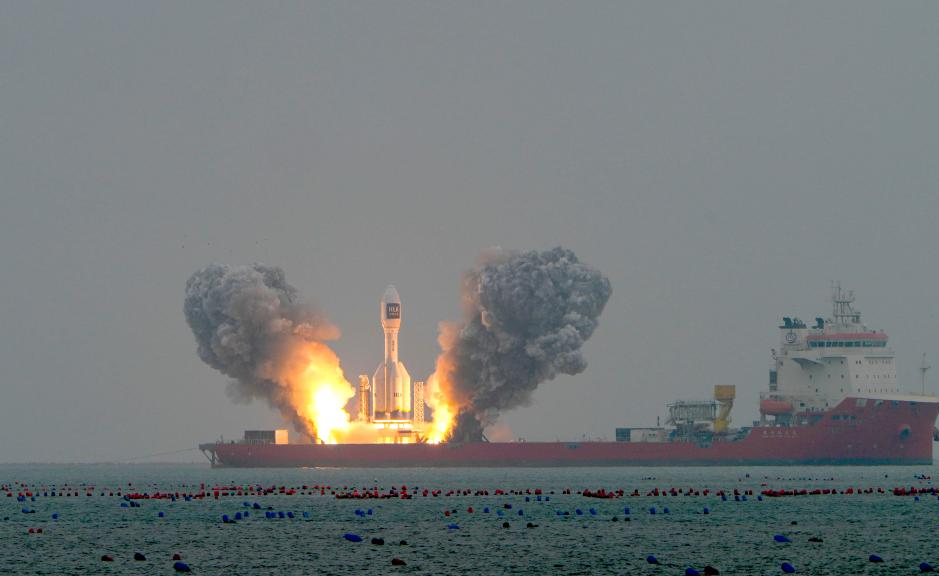
BEIJING : China launched a Kuaizhou 11 carrier rocket on Saturday morning to deploy a privately developed experimental cargo ship and a satellite into space.

The rocket blasted off at 9:08 am at the Jiuquan Space Launch Center in the Inner Mongolia autonomous region and soon placed the DEAR 5 ship and the Xiwang 5B satellite into their preset orbital position, according to China Aerospace Science and Industry Corp, a State-owned space contractor that builds the Kuaizhou series rockets.

Developed by Beijing-based private spacecraft company AZSpace, the DEAR 5 is the second member of the company’s B300-L family. It consists of two major components – a service cabin and a payload capsule, and has 1.8 cubic meters available for up to 300 kilograms of payload.

According to the company, DEAR stands for Discovery, Exploration, Advance and Reentry.

Flying in an orbit 343 kilometers above the Earth, the robotic ship is carrying 34 sets of devices from research bodies, universities, and enterprises to conduct experiments related to microgravity physics, life and medical sciences, material science, and new space technologies, AZSpace said, noting it is designed to work at least one year in orbit.

In addition to the experimental payloads, the DEAR 5 also accommodates several “mini space labs” that can be used for experiments and educational purposes.

Zhang Xiaomin, Chairman of AZSpace, said that an increasing number of research institutions and enterprises are looking to conduct scientific research in space.

“Our spacecraft is capable of meeting these needs. It aims to serve as a space laboratory for scientists, an orbital factory for entrepreneurs, and a ‘delivery courier’ for the space station,” he said.

The Kuaizhou 11 model is 25 meters tall and has a diameter of 2.2 meters. With a liftoff weight of 78 metric tons, the rocket is able to place a 1-ton payload into a sun-synchronous orbit at an altitude of 700 kilometers, or a 1.5-ton spacecraft into a typical low-Earth orbit.

ABB and HDF Energy to develop high-power fuel cell unit for large seagoing ships

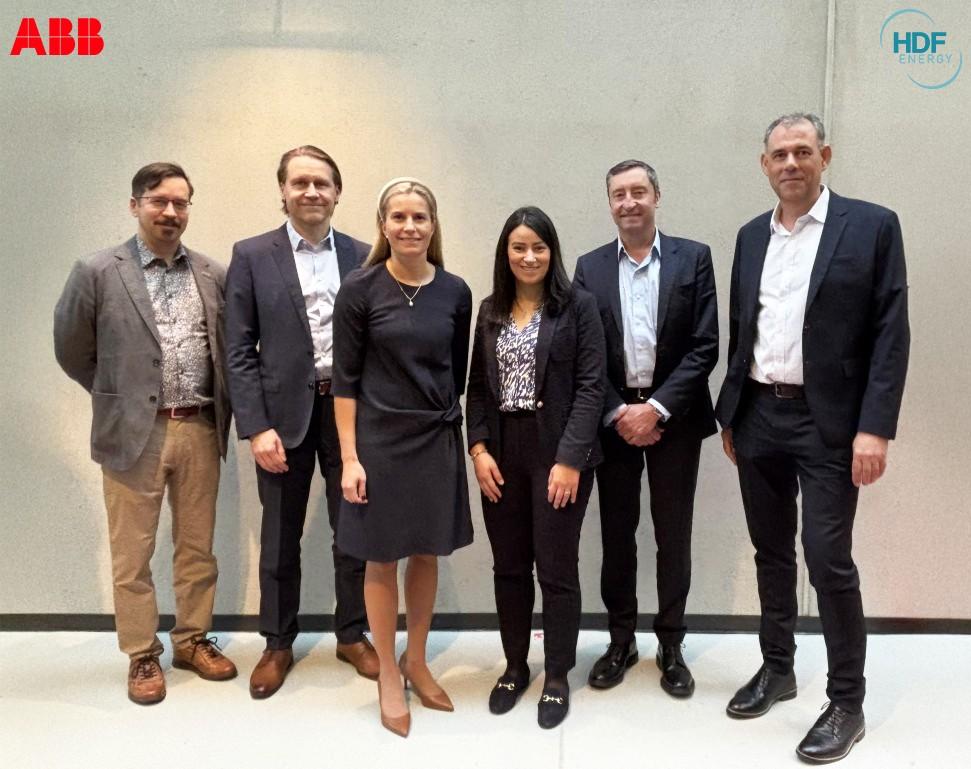
HELSINKI: ABB and HDF Energy have signed a joint-development agreement (JDA) to develop a high-power fuel cell unit for marine applications. Enabling megawatt-scale hydrogen fuel cells, the project anticipates installations on board several vessel types, even large seagoing vessels such as container feeder ships and liquefied hydrogen carriers. The agreement builds on an earlier Memorandum of Understanding (MoU) signed between ABB and HDF Energy in 2020, envisaging the collaboration1. 

Foreseeing pilot installations in 2028–2029 and serial production from 2030, the agreement initiates a significant step forward for developing fuel cells as a commercially viable option to support maritime decarbonization.

The collaboration combines ABB’s system integration expertise with HDF’s unique capabilities in designing and producing large fuel cell units. France-based HDF will provide the fuel cell technology, while ABB will supply power converters, power management, and electrical and control integration, with the two parties collaborating on specifications, conceptual design, and commercial opportunities.

The high-power fuel cell unit will enable reducing maritime emissions by facilitating the construction of large hydrogen-electric vessels and allowing diesel auxiliary gensets to be replaced with hydrogen fuel cell units on board existing ships. Where the fuel cells utilize a carbon-neutral fuel such as green hydrogen, the decarbonization impact will be particularly significant.

ABB’s Onboard DC Grid™ power system will ensure the unit can be integrated seamlessly with other power sources and subsystems such as battery energy storage, where the fuel cells will maximize the operational range and flexibility of the hybrid power system. The unit also has the potential to accelerate marine electrification as an auxiliary power source for shore-power and -charging infrastructure in ports, supporting peak power demands when grid capacity is limited.

“We at HDF are very excited to combine our fuel cell knowledge with ABB’s marine systems integration expertise to provide a practical means of decarbonizing the maritime industry,” said Hanane El Hamraoui, CEO of HDF Energy.

“ABB and HDF have been collaborating for several years, making significant progress toward a viable solution for decarbonizing larger vessels,” said Rune Braastad, President, ABB’s Marine & Ports division. “We at ABB remain fully committed to developing technologies that accelerate maritime decarbonization, and this new agreement with HDF reflects another important step forward.”

1ABB brings fuel cell technology a step closer to powering large ships
 
ABB is a global technology leader in electrification and automation, enabling a more sustainable and resource-efficient future. By connecting its engineering and digitalization expertise, ABB helps industries run at high performance, while becoming more efficient, productive and sustainable so they outperform. At ABB, we call this ‘Engineered to Outrun’. The company has over 140 years of history and around 110,000 employees worldwide. ABB’s shares are listed on the SIX Swiss Exchange (ABBN) and Nasdaq Stockholm (ABB). 

ABB’s Automation business automates, electrifies and digitalizes industrial operations that address a wide range of essential needs – from supplying energy, water and materials, to producing goods and transporting them to market. With its ~26,000 employees, leading technology and service expertise, Automation helps process, hybrid and maritime industries outrun – leaner and cleaner.

Rhenus and Avianca Cargo Complete Historic Helicopter Transport from U.S. to Brazil

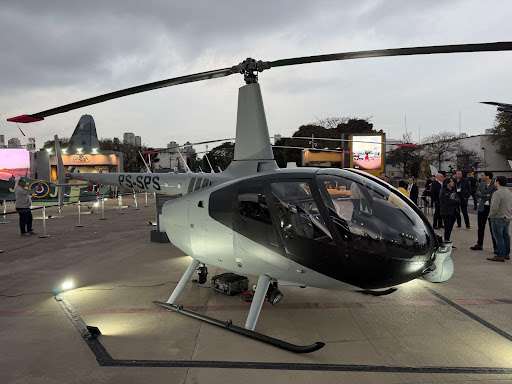
MIAMI: Rhenus Logistics, a leading global logistics service provider, and Avianca Cargo, one of the region’s top air freight carriers, successfully transported crated civil helicopters from Miami International Airport (MIA) in the U.S. to Vitória–Eurico de Aguiar Salles International Airport (VIX) in Brazil.

This marks the first time a helicopter shipment of this kind has landed at Vitória. Rhenus plans to complete more than 35 helicopter shipments by the end of the year for one of the world’s leading civil helicopter manufacturers, using an Airbus A330F aircraft, with additional phases continuing beyond 2026.

Rhenus and Avianca Cargo are the first logistics companies to carry out this type of operation at Vitória Airport, offering a complete, end-to-end solution. The entire shipment process is managed by Rhenus and Avianca Cargo teams in both the U.S. and Brazil, covering international air freight, domestic transport, and bonded operations.

 The door-to-door solution included:

  • Inland transport from California to Florida
  • Handling and compliance at Rhenus’ 160,000-square-foot Foreign Trade Zone (FTZ) facility in Miami
  • Direct air freight via Airbus A330F from Miami (MIA) to Vitória (VIX)
  • Customs clearance and final-mile delivery in São Paulo, coordinated with the client’s trading company

“Historically, helicopter shipments into Brazil would land at Viracopos (VCP), requiring complex bonded trucking to Vitória for customs clearance and then returning to São Paulo for final delivery. This process was time-consuming and operationally inefficient,” said Christian Luque, regional head of key accounts, Tech-Trade Americas, Rhenus Logistics. “By flying directly into VIX, we have eliminated multiple legs and created a faster, leaner, and more cost-effective solution. This operation sets a new benchmark for high-value air cargo in Brazil, and the ability to streamline delivery directly through Vitória represents a major step forward in efficiency and service excellence.”

Given that São Paulo is home to one of the largest helicopter fleets in the world, Rhenus plays a strategic role in supporting Brazil’s expanding agribusiness sector, where helicopters are increasingly used for crop monitoring and operations. Brazil, a leading global producer and exporter of coffee, sugar, and soybeans, recorded agribusiness exports of $164.4 billion in 2024, nearly half of the country’s total exports.

“This operation highlights the expertise and capabilities we’ve developed to handle specialized and oversized cargo, efficiently connecting the United States and Latin America with logistics solutions that create new opportunities for our customers and the region. We will continue strengthening our presence in Brazil and offering innovative alternatives that drive competitiveness and economic development,” said Diogo Elias, CEO of Avianca Cargo.

“We are thrilled to support this operation, ensuring the safe, efficient, and timely delivery of the helicopters,” said Jacques Nijankin, head of air freight for North America at Rhenus Logistics. “Our expertise in managing complex air freight operations through our Miami gateway allows us to meet the growing demand for fast, reliable transportation to Latin America, particularly for industries like agribusiness that are vital to Brazil’s economy. Being part of this milestone for Vitória highlights our ability to navigate complex logistics and create new opportunities for air cargo in the region.”

PortXchange Wins European Green Innovation Award for its EmissionInsider Port Decarbonisation Platform

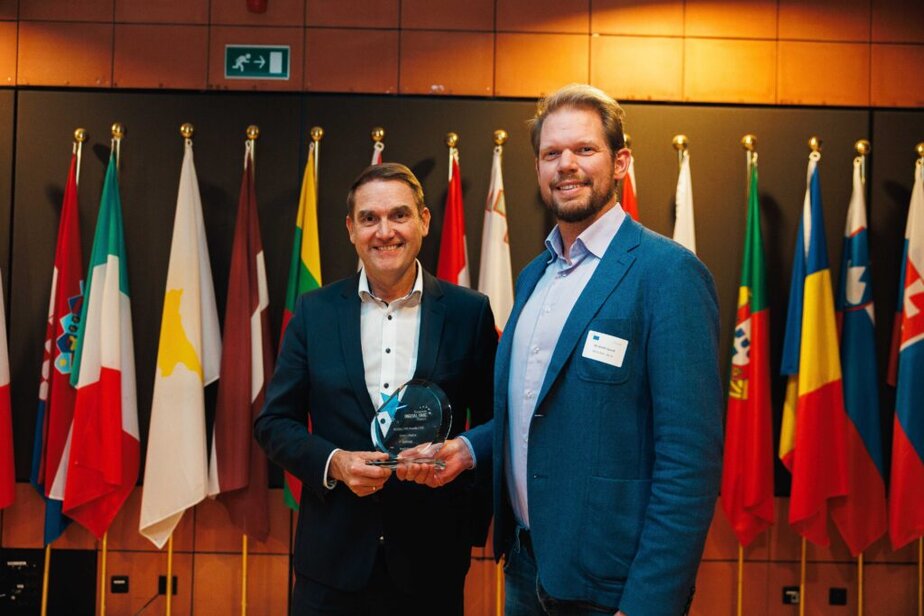
ROTTERDAM: PortXchange has won the European DIGITAL SME Award – Green Category, recognising the company’s EmissionInsider platform as one of Europe’s leading digital innovations for port decarbonisation. The win – following its selection as one of only three shortlisted companies – highlights the rapid shift in the industry toward data-driven emissions-intelligence solutions as ports accelerate their climate strategies. The award was given to PortXchange at the European DIGITAL SME Summit on Thursday, December 4th, 2025, in Brussels.

The DIGITAL SME Awards are one of Europe’s most competitive recognition awards for innovation, attracting applications from across the EU. Winners are selected by a European jury of technology, policy and sustainability experts, with the Green Category celebrating digital solutions delivering measurable environmental gains.

EmissionInsider stood out for its ability to give ports full visibility of transport-related emissions, from sea-going vessels to barges, trucks and rail, providing the granular insight needed to reduce emissions at scale. Ports can consolidate multimodal emissions data into a single transparent view, replacing previously fragmented and inconsistent reporting methods.

Already used by the Port of Rotterdam and Belfast Port, the platform enables data-driven decision-making, supports standardised reporting, prioritises decarbonisation investments, and plans initiatives such as shore power. As ports prepare for tightening emissions-reporting regulations and growing expectations for air-quality improvement, accurate, comparable data has become essential.

Sjoerd de Jager, CEO of PortXchange, who accepted the award, said: “Ports everywhere are looking for actionable, trustworthy data to drive down emissions. This award underscores how essential that capability has become. With EmissionInsider, we’re helping ports turn insight into meaningful progress.”

Matthew Swenson, US Account Representative, explains: “Ports tell us that their biggest challenge isn’t ambition, but access to reliable, comparable emissions data. This award reflects the work we’re doing with port authorities to close that gap and create a foundation for real-world decarbonisation.”

The win comes amid strong global growth for PortXchange, with new collaborations across Europe and the Americas and rising demand from ports that view emissions management as a strategic priority rather than just a compliance requirement.

As a certified B Corp, PortXchange continues to scale digital tools that support transparent reporting and meaningful emissions reduction across port communities worldwide.

Looking ahead, PortXchange will expand EmissionInsider’s capabilities in 2026, including enhanced forecasting, multimodal emissions benchmarking, and additional integrations with port community systems to further accelerate decarbonisation across global port ecosystems.

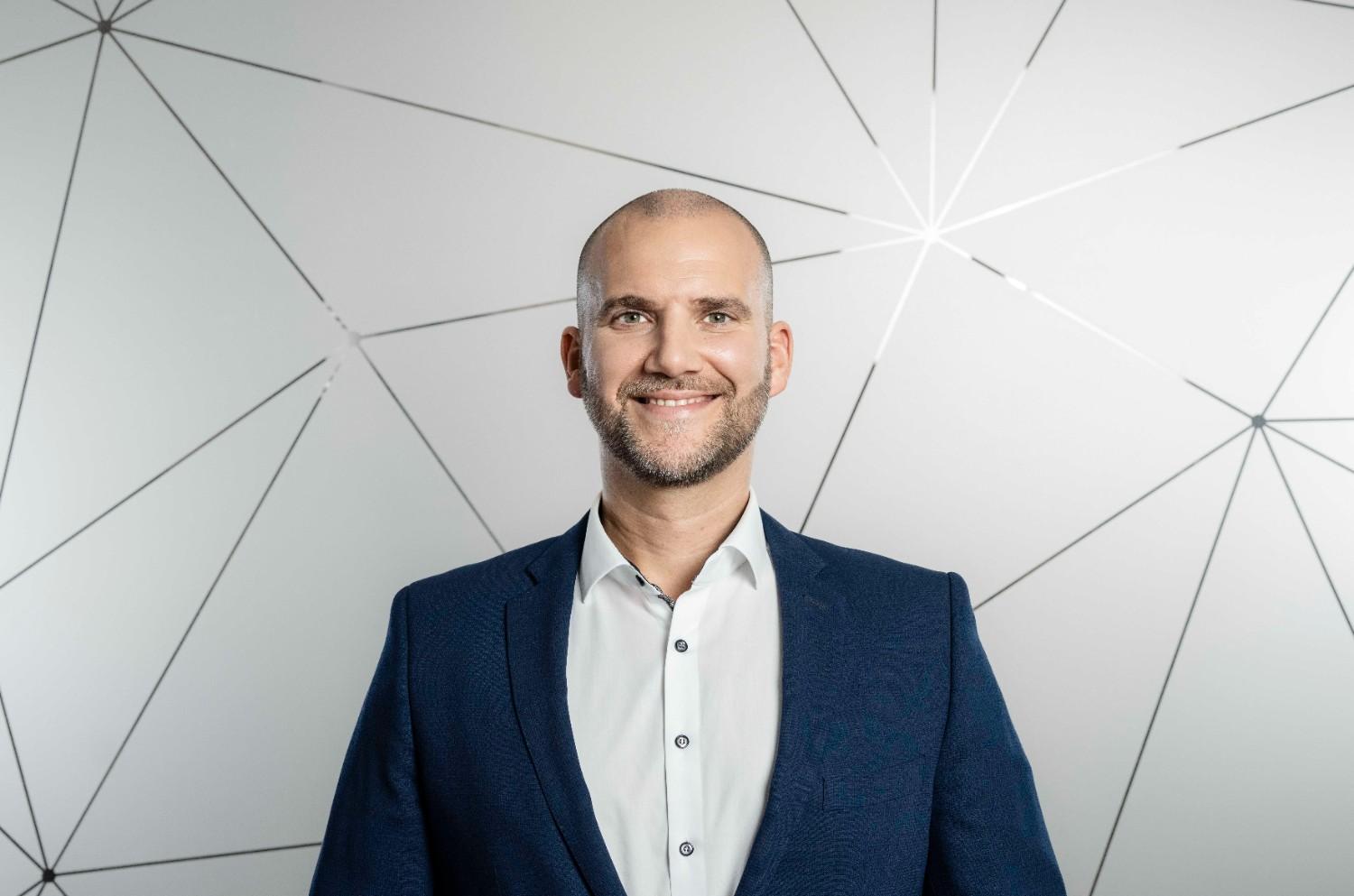
Patrick Krawutschke appointed new Managing Director at HPC

HAMBURG: The Executive Board of Hamburger Hafen und Logistik AG (HHLA) has appointed Patrick Krawutschke as Managing Director of HPC Hamburg Port Consulting with effect from 1 January 2026. Together with Nils Kemme, he will be responsible for managing the HHLA subsidiary.

“We are delighted that Patrick Krawutschke, a proven expert, has joined us as the Managing Director of HPC. He brings in-depth expertise in both the operational aspects of terminal processes as well as in the strategic development and integration of sustainable automation solutions. With his experience in the field of efficient terminal design and control, he is ideally suited to develop HPC’s offers in this area”, said Jeroen Eijsink, Chief Executive Officer of HHLA.

Patrick Krawutschke began his professional career in 2008 as part of a dual study programme in industrial engineering. He later held various senior positions at HHLA Container Terminal Altenwerder (CTA), the world’s first certified climate-neutral terminal, including as Vice Head of Container Administration, Head of Operations Control, and Operations Manager. Patrick Krawutschke has been responsible for managing CTA since 2023.

Bunkering Services Initiative marks the start of operations across the ARA region

LONDON: A group of leading companies officially launched the Bunkering Services Initiative (Initiative) across Amsterdam–Rotterdam–Antwerp (ARA) ports with operations having been conducted since December 1, 2025.

The Initiative, which is voluntary and open to any third party, introduces a new gold standard of bunkering operations with technology-enabled, verifiable, and traceable insights into fuel quantity and quality to bring greater transparency and efficiency to participating companies and to help address long-standing problems across the industry.

Founding participants, from both the buying and supplying sides of the ARA bunker market, together account for a meaningful share of activity in the region and include: bp Marine, Cargill, Frontline, Hafnia, Hapag‑Lloyd, Mercuria, Minerva Bunkering, Oldendorff, Trafigura, TFG Marine, Unifeeder, and Vitol, as well as other significant industry players. Lloyd’s Register will act as system auditor carrying out checks on barges, while ADP Clear Pte Ltd will be its technology partner for multi-party workflows, real-time reporting and verifiable performance metrics.

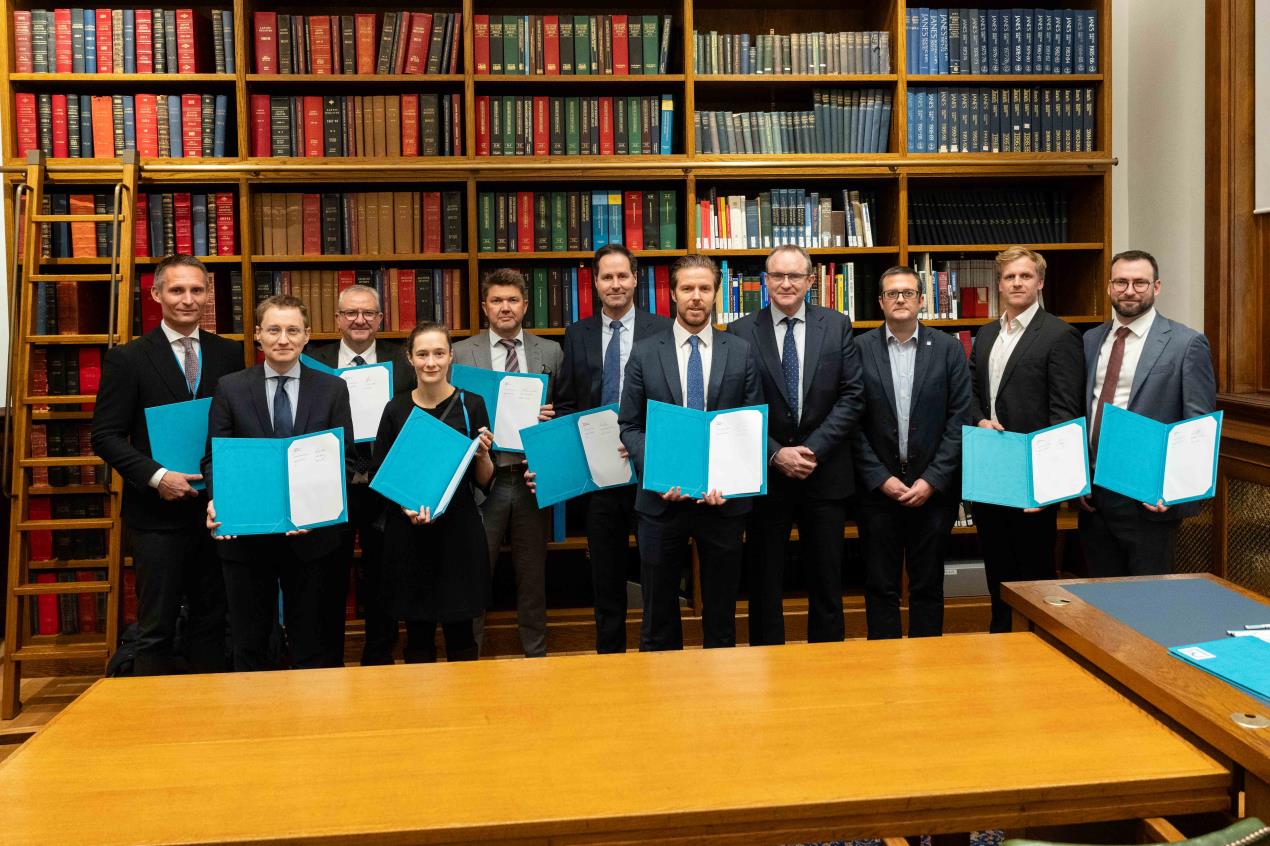
The launch ceremony, which took place at the headquarters of Lloyd’s Register (LR) in London, marks the start of operations for a system designed to deliver unprecedented levels of transparency, accountability, and efficiency in one of the world’s largest marine fuel hubs. It was attended by representatives from the founding companies, new participants, port authorities, and other industry stakeholders, demonstrating the scale and significance of this uniquely cross-industry and collaborative approach.

Following its unveiling in July 2025, the Initiative’s supplier participants have onboarded bunker barges, installed Internet-of-Things (IoT) enabled hardware, and had crew trained in the Initiative’s protocols and mass flow meter (MFM) operational best practices.

All bunker barges have certified MFMs installed and integrated with ADP Clear’s hardware and software to allow seamless, real-time data capture. Every vessel has met LR’s qualification requirements and will remain subject to unannounced compliance inspections of the MFM system, piping, and seals.

The major fuel testing companies are providing laboratory results directly into the platform providing buyers with visibility into fuel quality from every sample drawn from each parcel of fuel from shore tank through final delivery, as required by the BSI standards.

Andy Mckeran, LR’s Chief Growth Officer, said: “LR has always championed innovation that strengthens confidence in the maritime industry, and this Initiative is a natural progression of that commitment. By combining advanced technology with independent assurance, we are helping to deliver a new level of transparency and trust that supports safe, efficient and future-ready fuel operations.”

Jens Maul Jorgensen, Director of Bunker Purchasing at Oldendorff, said: “We welcome the introduction of the Bunkering Services Initiative and the opportunity it creates for greater transparency and cooperation between buyers and suppliers in the ARA region. We look forward to working with our partners to ensure safe, efficient and reliable bunkering operations,”.

Kenneth Dam, Executive Director and Global Head of Bunkering at TFG Marine said: “Since 2021, the industry has advocated for ISO 22192 standards for MFM implementation in the Ports of Antwerp and Rotterdam, set for January 2026. The BSI launch represents a decisive step by suppliers committed to eliminating market distortions, whilst aligning standards as closely as possible with Singapore. The BSI provides a strong framework for integrity, efficiency and compliance across international markets.”

Tyler Baron, CEO of Minerva Bunkering said: “The BSI combines standardization, technology, and regulation to create a level playing field with robust competition on the basis of service quality and cost competitiveness.”

Simon Lock, Head of Technology at ADP Clear said: “By integrating mass flow meters, blockchain workflows, and live reporting into a single platform, we’ve created a seamless chain of transparency. This level of visibility in bunkering has simply not existed before.”

About the Bunkering Services Initiative

The Bunkering Services Initiative was developed through voluntary collaboration among certain physical marine fuel buyers and suppliers, with the purpose of addressing known challenges in fuel quantity consistency and quality transparency. The Initiative sets out open standards available to any organisation that wishes to adopt them.

Founding participants, from both the buying and supplying sides of the ARA bunker market, together account for a meaningful share of activity in the region and include:

bp Marine, Cargill, Frontline, Hafnia, Hapag‑Lloyd, Mercuria, Minerva Bunkering, Oldendorff, Trafigura, TFG Marine, Unifeeder, and Vitol, as well as other significant industry players.

Designed as a self‑regulating framework supported by independent auditing, the operating model combines advanced measurement and data systems with continuous oversight:

  • Mass Flow Meters (MFM): Integrated with digital systems for precise quantity measurement.
  • Blockchain Workflows: Secure, multi‑party transaction records enabling full transparency.
  • Fuel Quality Tracking: Traceable and verifiable across the supply chain.
  • Quantity Balance Accounting: Complete reconciliation of delivered vs. supplied volumes.
  • Real‑Time Reporting: Instant visibility for buyers and suppliers on operational and compliance metrics.
  • Independent System Auditing: Ongoing qualification and inspection of participating bunker barges by Lloyd’s Register.

Any marine fuel buyers and suppliers engaged in the ARA market and interested in participating in the Initiative can direct their inquiries to initiative@adpclear

About Lloyd’s Register

Trusted maritime and energy sector advisors, partnering with clients to drive performance across the ocean economy. 

Lloyd’s Register (LR) is a global professional services group specialising in marine and offshore engineering, technology and digital solutions. We were created more than 260 years ago as the world’s first marine classification society to improve and set standards for the safety of ships.  We were created more than 260 years ago as the world’s first marine classification society to improve and set standards for the safety of ships. 

Today we are a leading provider of classification and compliance services to the marine and offshore industries, helping our clients design, construct and operate their assets to accepted levels of safety and environmental compliance.

Our digital solutions are relied upon by more than 30,000 vessels, following the acquisition of OneOcean in 2022 and Ocean Technologies Group in 2024.

In the race to zero emissions, our research, advisory and technical expertise and industry-firsts are supporting a safe, sustainable maritime energy transition.

Lloyd’s Register Group is wholly owned by the Lloyd’s Register Foundation, a politically and financially independent global charity that promotes safety and education.

Somtrans christens LNG bunker barge as alternative fuel demand grows

ANTWERP: Bunker barge United LNG I has been officially christened in the port of Antwerp. It marks an important moment for shipping company Somtrans, main shipbuilding contractor RensenDriessen and outfitting partners TeamCo Shipyard and Gas & Heat. The vessel will enter service in early 2026, reinforcing the growing role of LNG bunkering in the Belgian and Dutch seaports.

The vessel is an estuary-class LNG bunker barge designed for both inland waterways and coastal service up to Zeebrugge. Measuring 135 by 21.46 metres, the barge carries eight cylindrical Type C cargo tanks of 1,000 cubic metres each, engineered to store LNG at –165 degrees Celsius. These cylindrical cryogenic tanks are central to the design and represent a significant technical step.

The hull was built in China and transported to the Netherlands. LNG tanks supplied by Gas & Heat in Italy were then installed in Rotterdam, before the vessel moved to TeamCo Shipyard for final outfitting. Shipbuilder RensenDriessen acted as the main contractor, coordinating every phase from hull construction to delivery, with TeamCo overseeing tank integration, engineering and yard execution.

Embracing new fuels
For Somtrans, the christening reflects the company’s long-standing drive for innovation. CEO Caroline Somers explains: “We aim for depth. For vessels and technologies that anticipate the next chapter of sustainable shipping. LNG bunkering is a deliberate step in that direction. We choose solutions that matter over the long term, focusing on cleaner fuels and the vessels that support them. This project strengthens our role in the maritime energy transition.”

Her words echo the evolution of Somtrans: a family company with 39 vessels and a legacy of taking bold steps, from advanced tank technology to low-water concepts. The United LNG I marks the start of a new phase. A second sister vessel will follow soon, expanding Somtrans’ LNG bunkering capacity in the region. This comes as LNG bunker demand in Northwest Europe continues to expand, driven by new dual-fuel tonnage in container, tanker, bulk, RoRo and cruise segments. The global fleet of LNG-fuelled vessels continues to grow by double digits each year, driven by owners seeking cleaner operations and reliable access to alternative fuels. By investing early, Somtrans positions itself at the forefront of this shift.

Entering the shortsea shipping arena
Managing Director Wim Driessen of RensenDriessen highlights the ambition and teamwork behind the project. “By combining efficient hull construction in China with local outfitting in Western Europe, we are now offering our hull building expertise more widely to the shortsea shipping segment. These cylindrical LNG tanks take this project into new territory. Integrating them at this scale is unique. It shows what is possible when a shipowner, contractor and yard work as one team.”

That cooperation between Somtrans and RensenDriessen spans more than 20 years. Together, they have delivered vessels with advanced propulsion, optimised hull forms and pioneering tank solutions. The United LNG I continues that tradition, showing how this model of hull construction in China followed by final outfitting in Western Europe is increasingly being adopted in the shortsea shipping market.

The final phase of the build took place at TeamCo Shipyard, where the vessel was prepared for operation and brought to completion. Managing Director Marcel Zweers reflects: “This was not a standard build. The LNG systems, the tank integration, the bunkering equipment, all demanded precision. It is a project that strengthens our position in LNG and shows what our yard is capable of when it comes to delivering future-proof vessels. We look forward to outfitting the sister vessel United LNG II from March 2026 onward.”