Home Blog Page 518

Hoppe Marine and Admaren Tech launch SecureLoad Systems Joint Venture for Modern Cargo Operations

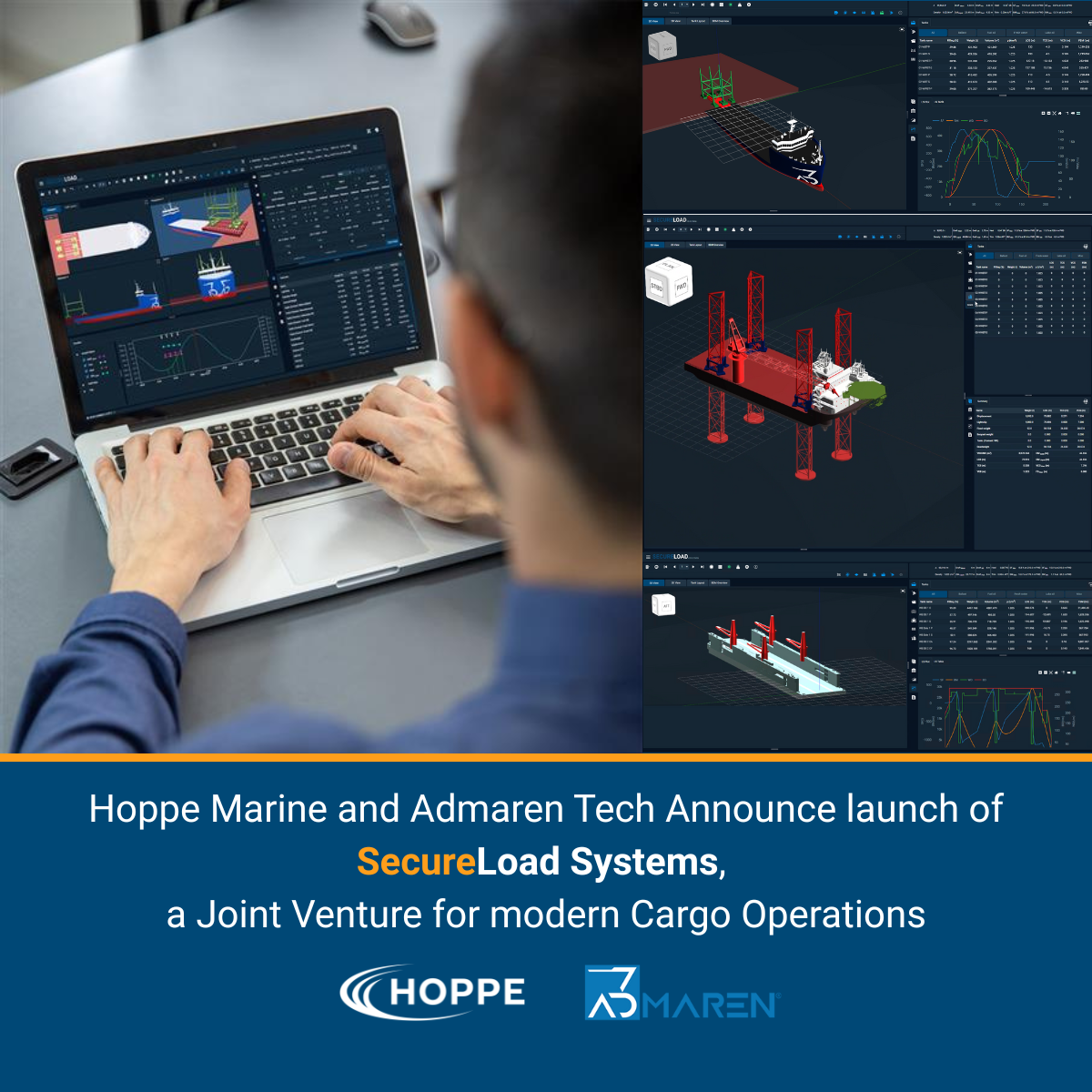
HAMBURG: Hoppe Marine GmbH and Admaren Tech Pvt. Ltd. announced the launch of SecureLoad Systems Pvt. Ltd., a joint venture dedicated to modernising vessel loading, stability assessment and cargo planning across global fleets.

The launch crowns an eight-year journey that began in 2018, when Admaren started building web-native cargo tools and later partnered with Hoppe to develop a new-generation loading computer; those capabilities now come together in SecureLoad Systems Pvt. Ltd.

“SecureLoad has outgrown its origins as a project and matured into a comprehensive platform,” said Marc Rohde, General Manager, Hoppe Marine GmbH. “With SecureLoad Systems, we are giving it the dedicated structure and long-term support it deserves.”

“For many years, the loading-computer space has seen little real innovation,” said Lothar Beinke, General Manager, HoppeMarine GmbH. “This is a significant step in which loading-computer hydrostaticdata moves beyond regulatory compliance and becomes an active planning tool for safer, better-engineered stowage.”

SecureLoad addresses long-standing gaps in cargo operations, still dominated by legacy tools and disconnected workflows, with a unified, web-native platform. Its 3D visualisation and optimisation engine help users solve complex loading and stability cases quickly. At the centre is a single ship–shore ecosystem where crew, port captains, naval architects and charterers work from the same approved model and dataset, eliminating version drift and improving operational consistency.

“Cargo planning should be fast, safe and transparent,” said Nikhil Mathew, CEO, SecureLoad Systems. “SecureLoad brings engineering accuracy and modern usability into one environment. This joint venture keeps us fully focused on strengthening and scaling that vision globally.”

SecureLoad Systems will now focus on advancing the Loading Computer and Fleet Cargo Planner, strengthening core modules, expanding capabilities, and improving ship–shore connectivity and multi-user collaboration in a single shared environment.

In the near term, the priority is to expand and consolidate the existing product suite, while bringing to market next-generation tools for unitised cargo, including Stowage Planner 3D and Acceleration & Lashing for breakbulk and project cargo. In parallel,high-end capabilities such as a Ship Structural Digital Twin and an advanced Hydrostatic Solver will move forward on a controlled long-term roadmap.

“Our philosophy is simple: cargo operations should benefit from the same intelligence, automation and collaboration seen in other parts of maritime,” said Binoy Pilakkat, CTO. “SecureLoad now has a focused identity and a dedicated organisation behind it, which means faster development, a more consistent customer experience and a stronger commitment to the fleets that rely on us.”
Gujarat CM pushes new vision, regional conferences for inclusive growth

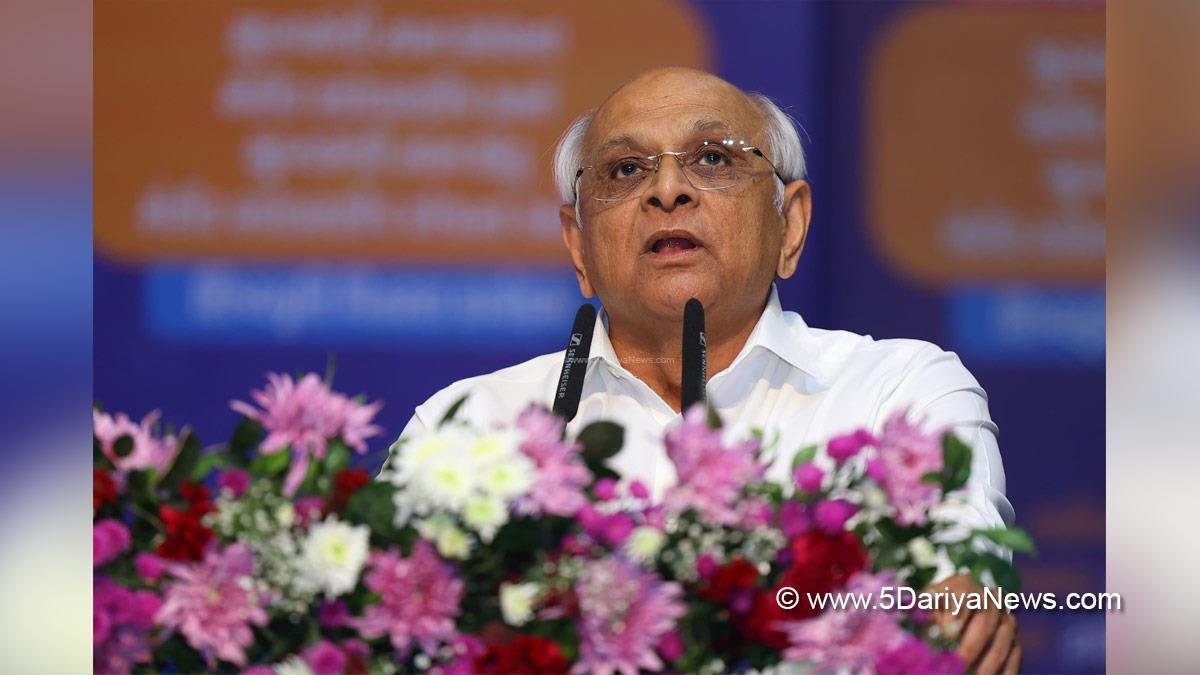
GANDHINAGAR : Building on the global success of the Vibrant Gujarat Global Summit, launched in 2003 under Prime Minister Shri Narendra Modi’s vision, Chief Minister Shri Bhupendra Patel is now steering Gujarat toward a more granular model of growth.

His new initiative, the Vibrant Gujarat Regional Conferences (VGRC), aims to spotlight the unique strengths and sectoral opportunities of each region, ensuring development reaches every corner of the state.

As part of this four-region plan, the Saurashtra-Kutch edition of VGRC will be held in Rajkot from January 10 to 12, 2026.

To promote the upcoming conference and engage international stakeholders, the Gujarat government hosted a dialogue session in New Delhi on December 12. Diplomats and representatives from over 20 countries – including Russia, Canada, Israel, Singapore, the UAE, Finland, and South Africa – participated in the discussion.

The session underscored VGRC’s theme, “Regional Aspirations, Global Ambitions,” and highlighted Gujarat’s push for an inclusive, innovative and sustainable economic ecosystem.

Key areas of collaboration – fisheries, ports, the Dholera Special Investment Region, and tourism – were presented as major opportunity zones, with detailed conversations on B2B prospects, partnership benefits, and logistical support for participating nations.

Officials also showcased the success of North Gujarat’s first VGRC held in Mehsana, which secured investment MoUs worth Rs 3.24 lakh crore.

Senior officials from the Government of India’s DPIIT, the Union Fisheries Department, Invest India, and various Gujarat departments – including Industries & Mines, Tourism, Maritime Board and Dholera SIR – attended the session.

With growing foreign interest and a renewed focus on regional strengths, VGRC is emerging as Gujarat’s next strategic leap: a platform that takes the state’s “Gateway to the Future” promise from global corridors to regional growth centres.

Vibrant Gujarat began as an ambitious investment summit to rebuild the state’s economy after the 2001 earthquake and position Gujarat as a global business destination.

Over the years, it has evolved into India’s most influential economic summit, attracting heads of state, multinational CEOs, global policymakers and major investors.

Each edition has expanded in scale, focusing on sectors like manufacturing, renewable energy, innovation, logistics and startups, while projecting Gujarat as a hub of stability, policy clarity and ease of doing business.

Now, with two decades of momentum, Vibrant Gujarat has transformed from a regional investment meet into a globally recognised platform that shapes India’s economic diplomacy and long-term development vision.

Sarbananda Sonowal visits Namrup to review preparation for PM’s Fertiliser Project launch

DIBRUGARH : The Union Minister of Ports, Shipping & Waterways (MoPSW) Shri Sarbananda Sonowal visited the Namrup fertiliser complex in Dibrugarh district on Sunday, to review on-ground preparations ahead of Prime Minister Shri Narendra Modi’s scheduled visit on Dec. 21, when he will lay the foundation stone for the fourth fertiliser plant at Namrup.

The new brownfield ammonia-urea complex will be set up at the existing premises of Brahmaputra Valley Fertiliser Corporation Limited (BVFCL) with an investment exceeding ₹10,000 crore. The project is widely seen as a landmark step toward strengthening Assam’s industrial base and improving fertiliser availability across the Northeast and eastern India.

During the site visit, Sonowal assessed logistical arrangements, security preparedness and overall readiness for the Prime Minister’s programme. Sonowal also reviewed the progress of preliminary works and coordinated with officials to ensure that all preparations for the foundation-laying ceremony are completed smoothly and on time.

“This project represents the fulfilment of a long-standing aspiration of the people of Assam,” Sonowal said, noting that the fourth plant at Namrup had been demanded for decades. The Union Minister said the Prime Minister’s decision to take up the project reflects the Centre’s commitment to the Northeast and to strengthening India’s agricultural and industrial ecosystem.

“Under the visionary and decisive leadership of Prime Minister Narendra Modi, a decades-old demand of the people of Assam has finally been fulfilled. The fourth fertiliser plant at Namrup reflects the Prime Minister’s deep commitment to the Northeast and his resolve to strengthen India’s agricultural and industrial self-reliance,” Sarbananda Sonowal said following his review visit of the venue.

Once operational, the new fertiliser unit is expected to significantly expand the supply chain for urea and related products in the Northeast, reduce dependence on distant production centres and improve timely availability for farmers. The plant will have an annual production capacity of about 1.25 million metric tonnes and is expected to generate substantial direct and indirect employment, officials said.

Sarbananda Sonowal also highlighted the broader developmental push in Assam and the Northeast under the Prime Minister’s leadership, citing major investments in connectivity, infrastructure and industrial capacity that have created new opportunities for youth, farmers and workers across the region.

Senior state ministers, local legislators, district administration officials and representatives of civic and development bodies accompanied the Union Minister during the inspection. Officials were directed to work in close coordination to ensure that the Prime Minister’s visit and the foundation-laying ceremony are conducted successfully.

“The Prime Minister’s visit to Namrup on December 21 is a moment of pride for Assam. We are working with full dedication to ensure a flawless foundation-laying ceremony that reflects Prime Minister Narendra Modi’s transformational development agenda and his special focus on the Northeast,” said the Union Minister following his review with the officials at the site.

The Namrup project is expected to open a new chapter in Assam’s industrial growth, strengthen fertiliser security for the Northeast and contribute to the national goal of boosting agricultural productivity and farmers’ incomes. Translated and AP-style rewritten copy:

The Union Minister Sarbananda Sonowal was accompanied by Assam government ministers Prashanta Phukan and Jogen Mohan; MLAs Taranga Gogoi, Binod Hazarika, Chakradhar Gogoi, Terash Gowala, Bhaskar Sharma and Dharmeswar Konwar; Assam Tourism Development Corporation (ATDC),  Chairman, Rituparna Baruah; Dibrugarh Municipal Corporation (DMC), Mayor, Saikat Patra and Deputy Mayor, Ujjal Phukan; Chairman of the Dibrugarh Development Authority (DDA), Asim Hazarika; Chief Executive Member of the Sonowal Kachari Autonomous Council (SKAC), Tankeswar Sonowal; and Deputy Commissioner Bikram Kairi, among other officials.

MoPSW Secretary attends Stakeholders’ Meet at DPA Kandla

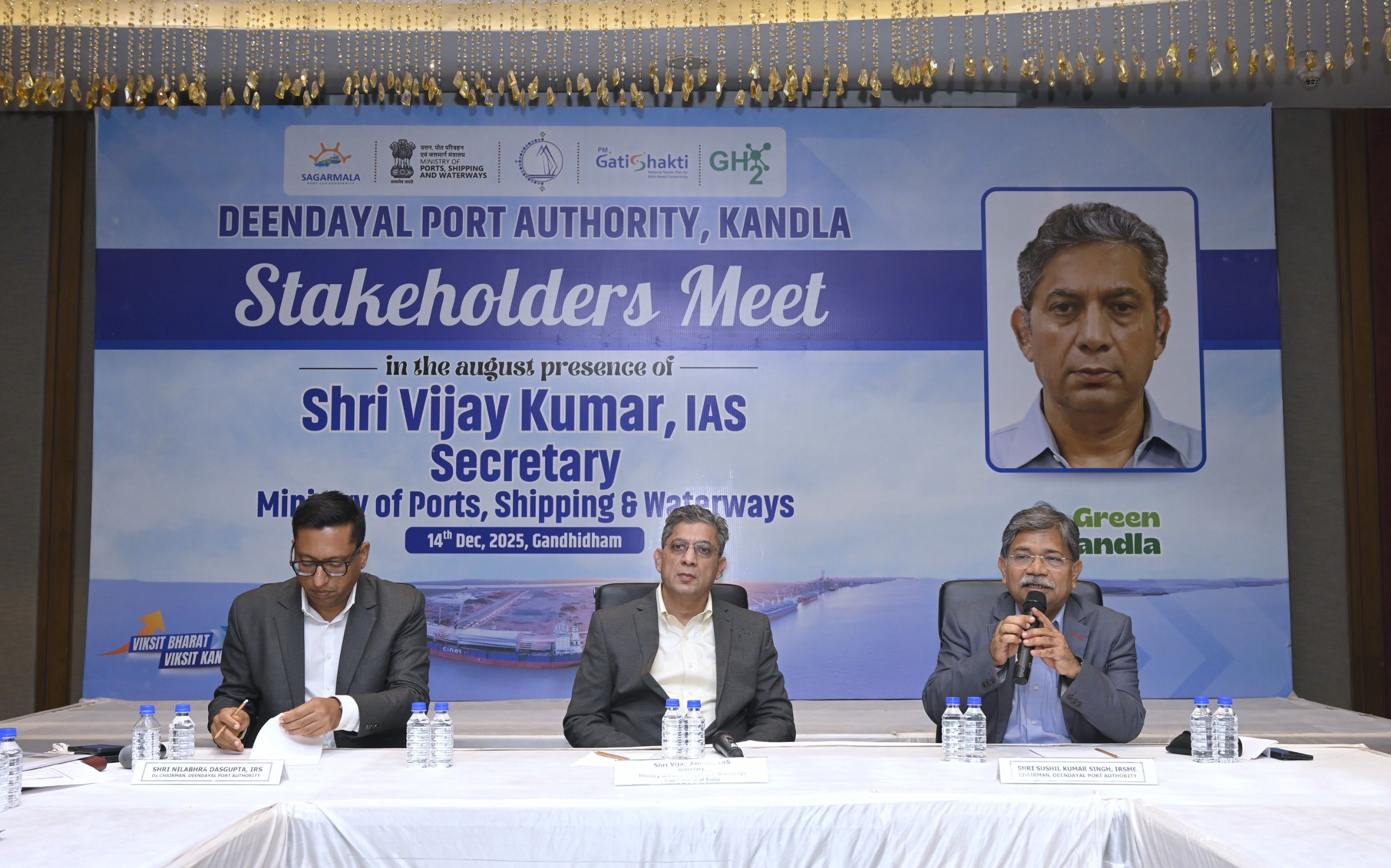
GANDHIDHAM : In a continued effort to strengthen partnerships through constructive dialogue, Shri Vijay Kumar, IAS, Secretary, Ministry of Ports, Shipping and Waterways (MoPSW), attended the Stakeholders’ Meet held at Deendayal Port Authority (DPA), Kandla.

The meeting was chaired by Shri Sushil Kumar Singh, IRSME, Chairman, DPA, and was attended by Shri Nilabhra Dasgupta, IRS, Deputy Chairman, along with senior officials of the port authority. Representatives from the port user community and key stakeholders participated actively in the session.

The interactive deliberations focused on enhancing operational efficiencies, addressing stakeholder concerns, and identifying future opportunities for growth and modernization. Participants shared valuable inputs on improving service delivery, infrastructure utilization, and strengthening collaboration between the port and its stakeholders.

Shri Vijay Kumar emphasized the importance of continuous engagement with port users to build a resilient, efficient, and globally competitive port ecosystem. He reiterated the Ministry’s commitment to stakeholder-centric development, ease of doing business, and sustainable growth across India’s port sector.

The Stakeholders’ Meet concluded with a shared resolve to work collaboratively towards achieving higher efficiency, improved customer satisfaction, and long-term growth at DPA Kandla, in alignment with the broader vision of MoPSW.

In a major stride towards clean fuels, LOA was awarded to M/s Thermax for development of India’s first 5 TPD Green Methanol Facility at Deendayal Port. This initiative will position Kandla as a pioneer in alternative marine fuel infrastructure.

Shri Vijay Kumar, inaugurated the Fleet of VOLVO Green EV Loaders along with the Charging Bay, reinforcing DPA’s commitment to clean, sustainable and future-ready port operations. He inaugurated and laid the foundation stone for multiple transformational projects of Deendayal Port Authority, with a total investment of ₹193 crore. These projects will significantly enhance infrastructure, boost cargo evacuation and support long-term port expansion.

CMA CGM’s Nhava Sheva Terminal takes steps to reduce landside congestion

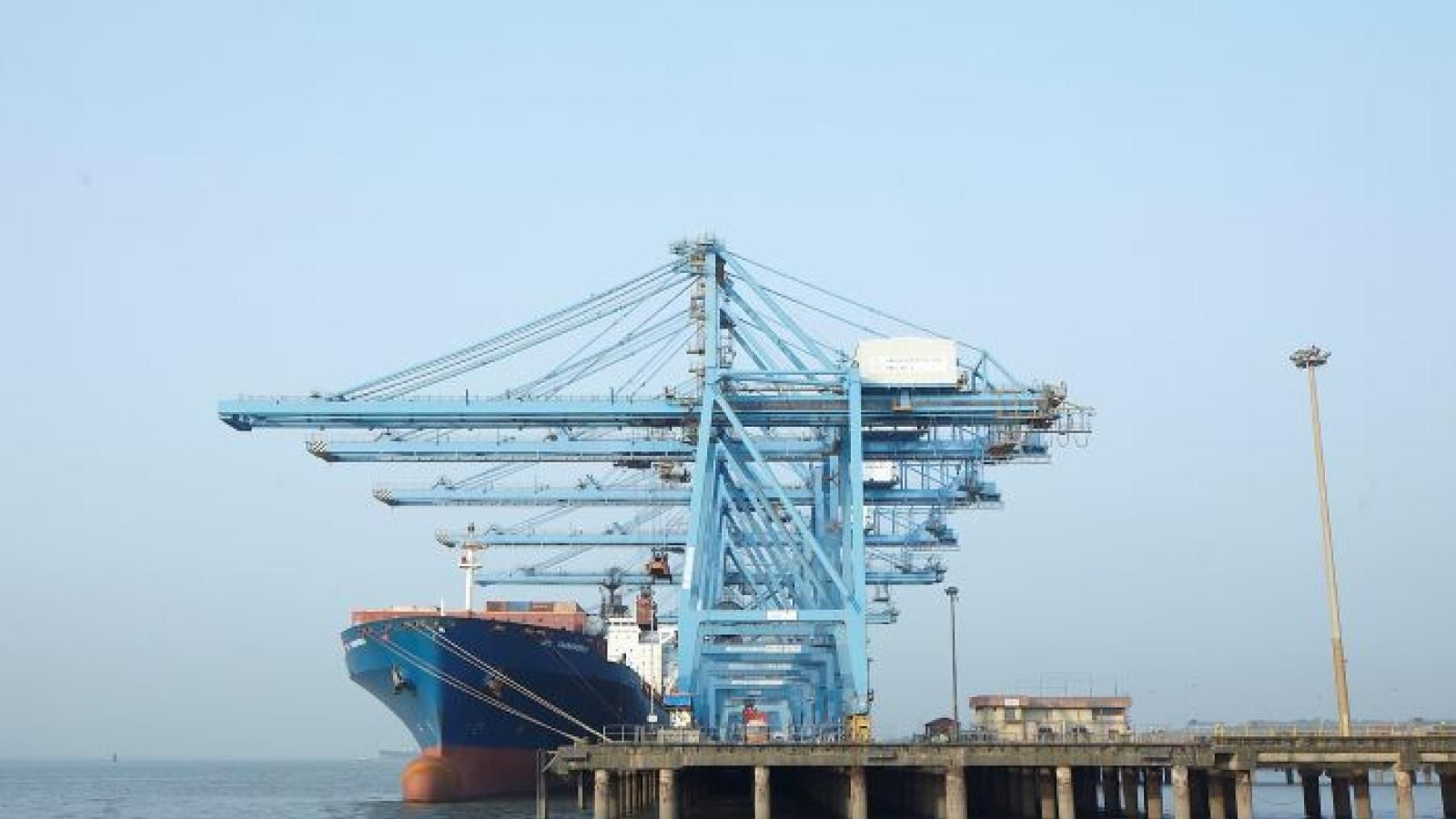
MUMBAI : Landside traffic congestion at CMA CGM’s Nhava Sheva is poised to reduce following the Centre’s approval of a major road infrastructure project designed to improve cargo evacuation from India’s largest container port. The move is being welcomed by exporters, transporters and logistics players who have been struggling with prolonged truck queues at Jawaharlal Nehru Port Authority (JNPA).

The approved project involves the development of a new 29-km greenfield access corridor that will provide a direct link between the port complex and the nearest state highway junction. To be implemented under a build–operate–transfer (BOT) model, the six-lane road is expected to attract an investment of around US$525 million.

According to an official government release, enhancing last-mile and hinterland connectivity for ports remains a key focus under the PM GatiShakti National Master Plan. Authorities highlighted that sustained growth in container traffic at JNPA, along with the impending commissioning of Navi Mumbai International Airport, has made it essential to expand and modernise road links in the region.

At present, trucks entering and exiting Nhava Sheva often require up to three hours to connect with the highway network due to chronic congestion on existing roads. Officials cautioned that without capacity augmentation, delays would worsen as port volumes continue to rise.

The proposed corridor is expected to ease freight movement, reduce transit times, and improve road safety, while also boosting overall logistics efficiency between JNPA and the airport. Beyond port operations, the project is likely to spur economic activity by creating new development corridors across the Mumbai–Pune region.

Nhava Sheva currently operates six container terminals and handles a major share of India’s containerised cargo. In recent weeks, worsening truck turnaround times have drawn strong reactions from transport unions as well as exporters and importers.

Traffic pressure has been driven by robust volume growth at the port. Between April 2024 and February 2025, JNPA recorded a 13.6% year-on-year increase in container throughput to 6.6 million TEUs, data accessed by Container News showed. With the current momentum, total volumes in FY2024-25 are projected to exceed 7 million TEUs, marking a new all-time high for the port.

Additional pressure on landside infrastructure is expected in the near term, with PSA Mumbai’s Phase-2 expansion at Bharat Mumbai Container Terminals (BMCT) scheduled to add 2.4 million TEUs of capacity from next month. Once commissioned, the expansion will significantly increase cargo flows, reinforcing the urgency of improved road connectivity to maintain operational efficiency at Nhava Sheva.

India considers appropriate response to Mexico’s 50% tariffs on Indian exports

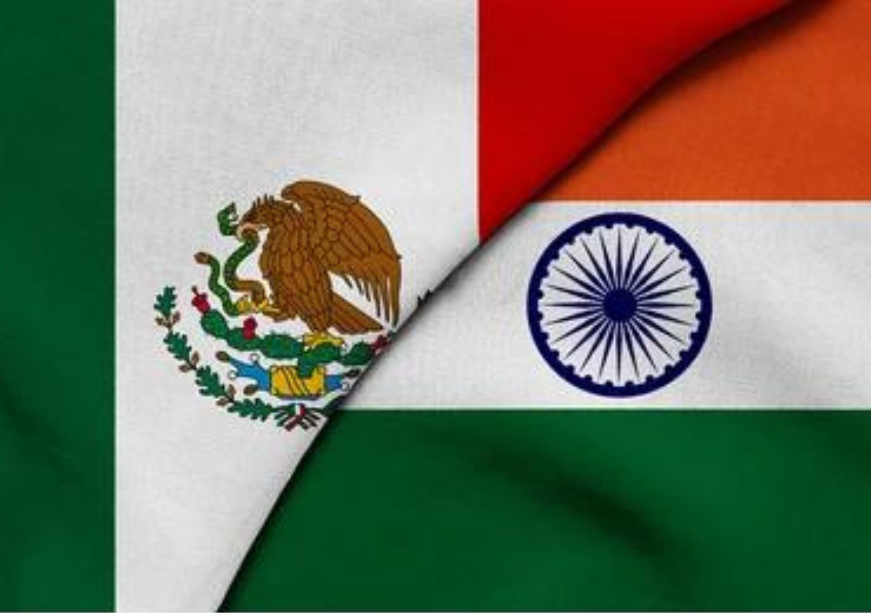
MEXICO : After Mexico imposed a 50% tariff on Indian goods—mirroring similar U.S. actions—India has cautioned that it may take “appropriate measures to safeguard the interests of its exporters,” an official told PTI.

Earlier this week, the Mexican Senate approved a new tariff regime effective January 1, 2026, targeting imports from countries without a free trade agreement (FTA) with Mexico, including India, China, South Korea, Thailand, and Indonesia.

“India values its partnership with Mexico and stands ready to work collaboratively toward a stable and balanced trade environment that benefits businesses and consumers in both countries,” the official added.

Engaging with Mexico for mutually beneficial solutions
India has already engaged with Mexican authorities to discuss ways to mitigate the impact of the tariffs. The Indian Embassy in Mexico raised the issue with Mexico’s Ministry of Economy on September 30, 2025, seeking special concessions to protect Indian exports. “The Department of Commerce is engaged with Mexico’s Ministry of Economy to explore mutually beneficial solutions which align with global trade rules,” the official said.

Both nations are also preparing to formally launch negotiations for a free trade agreement. Terms of reference (ToR) to initiate the talks are expected to be finalised soon, which could help insulate Indian exporters from these tariffs.

A high-level meeting has already taken place between Commerce Secretary Rajesh Agrawal and Mexico’s Vice Minister of Economy Luis Rosendo, with follow-on technical discussions scheduled in the coming weeks.

“India reserves the right to take appropriate measures to safeguard the interests of Indian exporters, while continuing to pursue a solution through constructive dialogue,” the official added. He noted that the impact of these tariffs will depend on “the criticality of Indian exports to domestic supply chains in Mexico and [the] ability of Indian companies to secure exemptions or pass on the tariff cost to the Mexican consumers.”

Reasons behind Mexico’s tariff decision
The tariff hike follows warnings from the Trump administration about low-priced Chinese goods entering the U.S. via Mexico. Mexico framed the measure as a step to protect its domestic industry, preserve jobs, and correct distortions caused by cheap imports.

Ajay Sahai, Director General of the Federation of Indian Export Organisations (FIEO), said the move could affect sectors like automobiles, auto components, machinery, electrical and electronics, organic chemicals, pharmaceuticals, textiles, and plastics.

“Such steep duties will erode our competitiveness and risk disrupting supply chains that have taken years to develop,” Sahai told PTI.

Trade figures and outlook
India exported goods worth $8.9 billion to Mexico in 2024, while imports from Mexico stood at $2.9 billion.

The ongoing engagement between India and Mexico, coupled with potential FTA negotiations, aims to stabilise trade relations and protect the interests of Indian exporters in the face of rising tariffs.

Gujarat to establish Data Cable Landing Station at Dhuvaran with ₹1,317 crore investment

GANDHINAGAR : In a major boost to Gujarat’s digital infrastructure and global connectivity, the Government of Gujarat, GIFT City, and Henox IT & Datacenters have signed a Memorandum of Understanding (MoU) to set up a Data Cable Landing Station at Dhuvaran in Anand district. The project entails an estimated investment of ₹1,317 crore.

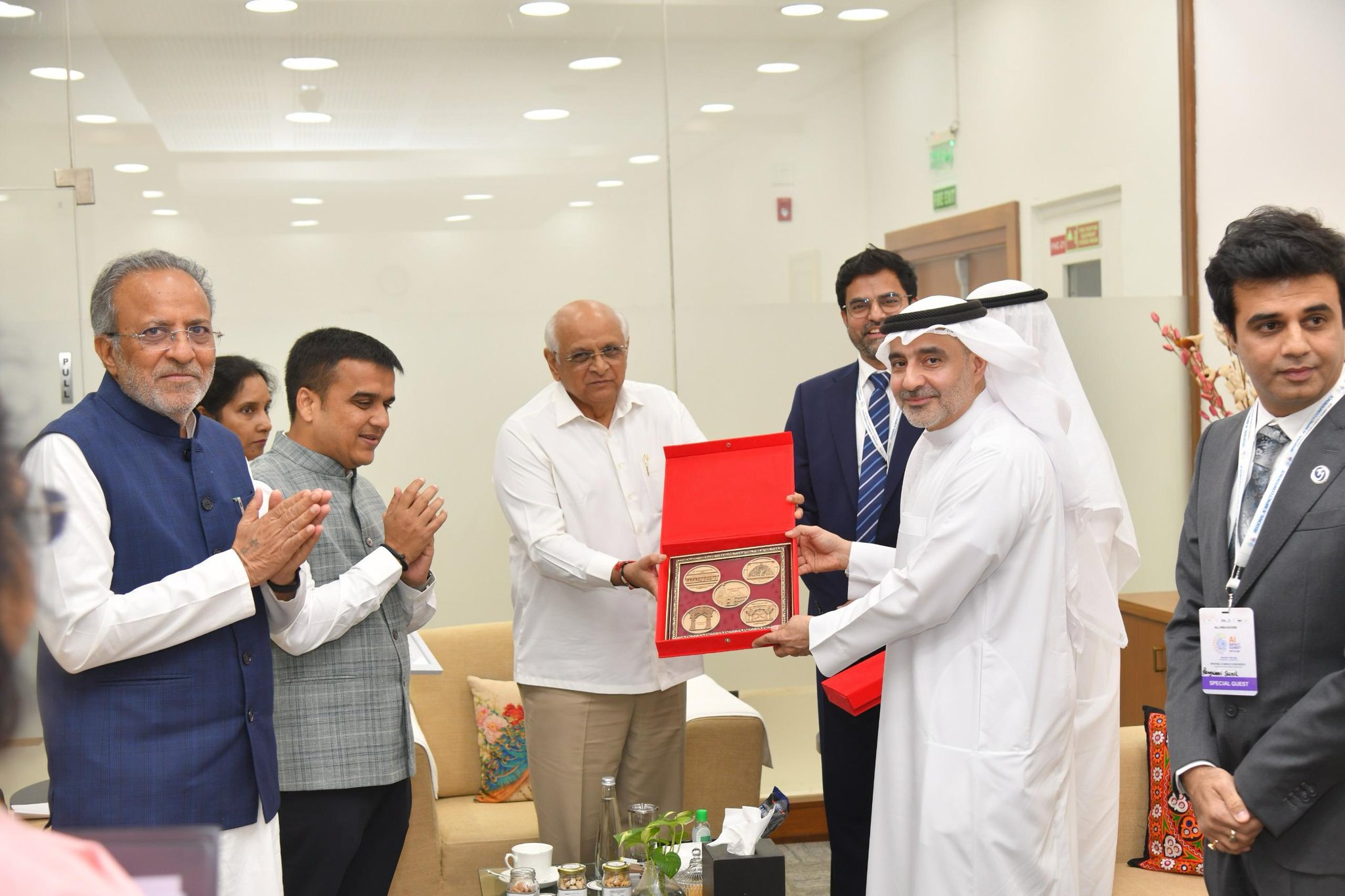
The MoU was formalised during a meeting held in Gandhinagar, where Gujarat Chief Minister Shri Bhupendrabhai Patel met Shri Sakthivel K, CEO of Henox Group, and Mr. Rashid Ali Al Ali, Executive Director of the Sharjah Communication Technologies Authority.

Speaking on the occasion, the Chief Minister said the proposed Data Cable Landing Station will significantly enhance India’s and Gujarat’s global digital connectivity by facilitating high-capacity international data traffic. He noted that the project will further strengthen Gujarat’s emergence as a preferred destination for hyperscale and enterprise data centres.

Shri Bhupendrabhai Patel said that the initiative aligns with the state government’s vision to develop world-class digital infrastructure, attract high-value investments, and generate substantial employment opportunities. The project is also expected to provide a strong impetus to the growth of GIFT City as a global fintech and technology hub.

The Data Cable Landing Station at Dhuvaran will play a crucial role in supporting the growing demand for secure, reliable, and high-speed data services, reinforcing Gujarat’s position at the forefront of India’s digital transformation journey.

Four CMs, over 100 CEOs to attend WEF annual meeting at Davos

NEW DELHI : Four Chief Ministers, including Shri Devendra Fadnavis of Maharashtra and Shri N Chandrababu Naidu of Andhra Pradesh, will join more than 100 CEOs from India at the World Economic Forum Annual Meeting next month.

Several union ministers are also expected to attend the five-day annual meeting from January 19-23, 2026, which will host a record number of nearly 3,000 global leaders from close to 130 countries, including around 60 heads of state.

Maharashtra and Andhra Pradesh chief ministers will be joined by A Revanth Reddy of Telangana and Mohan Yadav from Madhya Pradesh.

Besides these four states, a few more, including Uttar Pradesh, are expected to have a significant presence in Davos during the WEF Annual Meeting 2026, which will be held under the theme of ‘a spirit of dialogue’.
The names of union ministers scheduled to attend the meeting are expected to be announced soon.
Business leaders from India expected in Davos for the annual congregation of the rich and powerful from across the world include Reliance Industries Chairman and Managing Director Mukesh Ambani, Tata group’s N Chandrasekaran, Bajaj group’s Sanjiv Bajaj and Jubilant Bhartia Group’s Hari S Bhartia.
Other Indian corporate leaders expected to be there are Axix Bank’s Amitabh Chaudhry, Godrej Industries Group’s Nadir Godrej, JSW Group’s Sajjan Jindal, Zerodha’s Nikhil Kamath, Bharti group’s Sunil Bharti Mittal, Infosys co-founder Nandan Nilekani, Infosys CEO Salik S Parekh, Wipro’s Rishad Premji, Essar CEO Prashant Ruia, Paytm’s Vijay Shekhar Sharma and Renew CEO Sumant Sinha.

Department for Promotion of Industry and Internal Trade Secretary Amardeep Singh Bhatia, as well as several PSU heads, including GAIL’s Sandeep Kumar Gupta, SBI’s Challa Sreenivasulu Setty, NTPC’s Gurdeep Singh and REC’s Jitendra Srivastava, will also be there.

Global leaders attending the summit include World Bank President Ajay S Banga, IMF Managing Director Kristalina Georgieva, European Central Bank President Christine Lagarde, European Commission President Ursula von der Leyen, WHO Director-General Tedros Adhanom Ghebreyesus, UNESCO Director General Khaled el-Enany, WTO Director-General Ngozi Okonjo-Iweala and London Mayor Sadiq Khan.
From Pakistan, Prime Minister Shehbaz Sharif, Deputy Prime Minister and Foreign Affairs Minister Mohammad Ishaq Dar, Finance Minister Muhammad Aurangzeb and Pakistan Peoples Party Chairman Bilawal Bhutto Zardari will also be there.

Under the theme ‘a spirit of dialogue’, the meeting will seek to harness the need for an impartial platform that connects leaders to confront shared challenges and drive the innovations defining the future, according to the WEF.

The meeting will focus on five global challenges where public-private cooperation can make a difference: cooperation in a more contested world, unlocking new sources of growth, better investment in people, deploying innovation at scale and responsibly, and building prosperity within planetary boundaries.
Public figures expected to attend include leaders from G7, G20, BRICS countries and beyond, as well as heads of international organisations.

Source : PTI

MoPSW informs on Development of Mega Ports Clusters under Sagarmala Programme

NEW DELHI: Maritime India Vision 2030 envisions Chennai-Kamarajar-Cuddalore cluster to  become a Mega Port in the eastern coast by 2047. This cluster is targeted to achieve a  cargo handling capacity of over 300 million tonners per annum by the year 2047.   

(b) Under the Port Modernization pillar of Sagarmala Programme, a total of 234  projects at cost of Rs. 2,89,427Cr. have been undertaken for implementation and out of  234 projects, 106 projects worth Rs. 32,675Cr. have been completed and 56 projects  worth Rs. 74,743 Cr. are under implementation. 

The key initiative of the Government includes Port Modernisation of Chennai, Ennore  (Kamarajar), and Tuticorin (VO Chidambaranar) ports, and investment in infrastructure  connectivity such as rail and road linkages. Further, strategic location, deep-draft ports,  and policy support aim to position Tamil Nadu as a key maritime hub in Asia.

This information was given by the Union Minister of Ports, Shipping and Waterways, Shri Sarbananda Sonowal Ji, in a written reply to the Lok Sabha.

India invites Global Partnership in Shipping Sector

NEW DELHI: The Government has been actively engaging with foreign Governments, multilateral organisations and global maritime industry partners for collaboration in ports, shipping and maritime logistics. These include partnerships for port modernisation, development of shipping infrastructure, green shipping initiatives, digitization and maritime skill development.

Notable recent engagements include India- Russia partnership to explore Northern Sea Route, Eastern Maritime Corridor & training of Indian Seafarers in Polar Waters, Indo-Danish Centre of Excellence in Green Shipping and India-Singapore partnership for Green & Digital Shipping Corridor. Further, Deendayal Port Authority (DPA) in the state of Gujarat has collaborated with Port of Rotterdam for setting up technically advanced, state of the art supply side facilities including storage, handling, transportation and dispatch facilities for green hydrogen/green ammonia and derivatives at DPA, Kandla.

Foreign Direct Investment (FDI) is also allowed in port sector in India. DP World, UAE currently operates container terminals at various location such as Jawaharlal Nehru Port in Maharashtra, Cochin Port in Kerala, Chennai Port in Tamil Nadu. Further, DP World is also developing a container terminal at Tuna Tekra, Deendayal Port in state of Gujarat. Similarly, PSA Singapore operates terminals at Jawaharlal Nehru Port in Maharashtra.

The Government, through Joint Working Group meetings/bilateral meetings and Memorandum of Understanding/ letter of Intent etc. has engaged with maritime countries like Norway, Netherlands, Denmark, Italy, South Korea, Singapore, Japan, Saudi Arabia, Sri Lanka, Myanmar, Oman etc. to explore avenues for possible collaboration. India Maritime Week 2025, which was organised in Mumbai from 27–31 October 2025, elicited participation from over 93 countries, and involved more than 100,000 delegates and stakeholders.

Key legislations that have been passed recently include:

  • The Merchant Shipping Act, 2025, to promote tonnage under the Indian flag
  • The Coastal Shipping Act, 2025, to simplify license regime for coastal vessels
  • The Indian Ports Act, 2025, for long-term planning & integrated development of ports
  • The Bills of Lading Act, 2025 and the Carriage of Goods by Sea Act, 2025 to eliminate outdated colonial-era laws
  • The Marine Aids to Navigation Act, 2021, and Inland Vessel Act, 2021, modernizing inland water transport, replacing outdated legislation to enhance safety, efficiency, and environmental protection
  • The Major Port Authorities Act, 2021 to enhance autonomy, provide greater flexibility, and attract private investment, replaced the Major Port Trust Act,

Various projects have been undertaken for technological, operational or capacity enhancement to strengthen the cargo handling at ports, coastal shipping, cruise tourism and fisheries etc. Projects worth more than Rs 40,000 crores to enhance the capacity and efficiency of Major Ports have been completed in the last ten years.

Further, to strengthen digitalization, green shipping and maritime innovation across ports and waterways, several initiatives have been/are being undertaken as follows:

Digitalization efforts across ports and waterways are focused on standardizing procedures, reducing manual interventions, and improving information exchange between stakeholders. The One Nation One Port Process (ONOP) initiative is being undertaken to standardize documentation processes and re-engineer operational steps to lower transaction volumes and reduce cargo processing times. Other initiatives such as, the Maritime Single Window (Sagar Setu), e-Samudra, e-Pariksha, and Jalyan & Navic are strengthening IT systems, to increase operational efficiency in maritime sector.

Measures are being undertaken to support environmental objectives in maritime sector. “Harit Sagar” Green Port guidelines, launched in 2023 provide a framework to Indian ports for reducing carbon footprint. Other measures include adoption of alternate fuels, low/zero-emission equipment, and integration of renewable energy. Three ports are being developed as Green Hydrogen hub ports, and the Green Tug Transition Programme outlines a phased shift from conventional tug vessels to low-emission alternatives.

Further, the Government of India, approved a comprehensive package of ₹69,725 Crore to revitalize the country’s shipbuilding and maritime ecosystem. The initiative adopts a four-pillar approach aimed at developing a globally competitive, technologically advanced, and sustainable maritime sector. These include Shipbuilding Financial Assistance Scheme (SBFAS), Maritime Development Fund (MDF), Shipbuilding Development Scheme (SbDS) and policy, technology, and institutional reforms. National Shipbuilding Mission (NSbM) will serve as the nodal body for coordination, implementation, and monitoring of all initiatives under this framework.

This information was given by the Union Minister of Ports, Shipping and Waterways, Shri Sarbananda Sonowal Ji, in a written reply to the Lok Sabha.