Home Blog Page 538

Lithuania’s First Private 5G SA Network activated and now under testing at the Port of Klaipėda

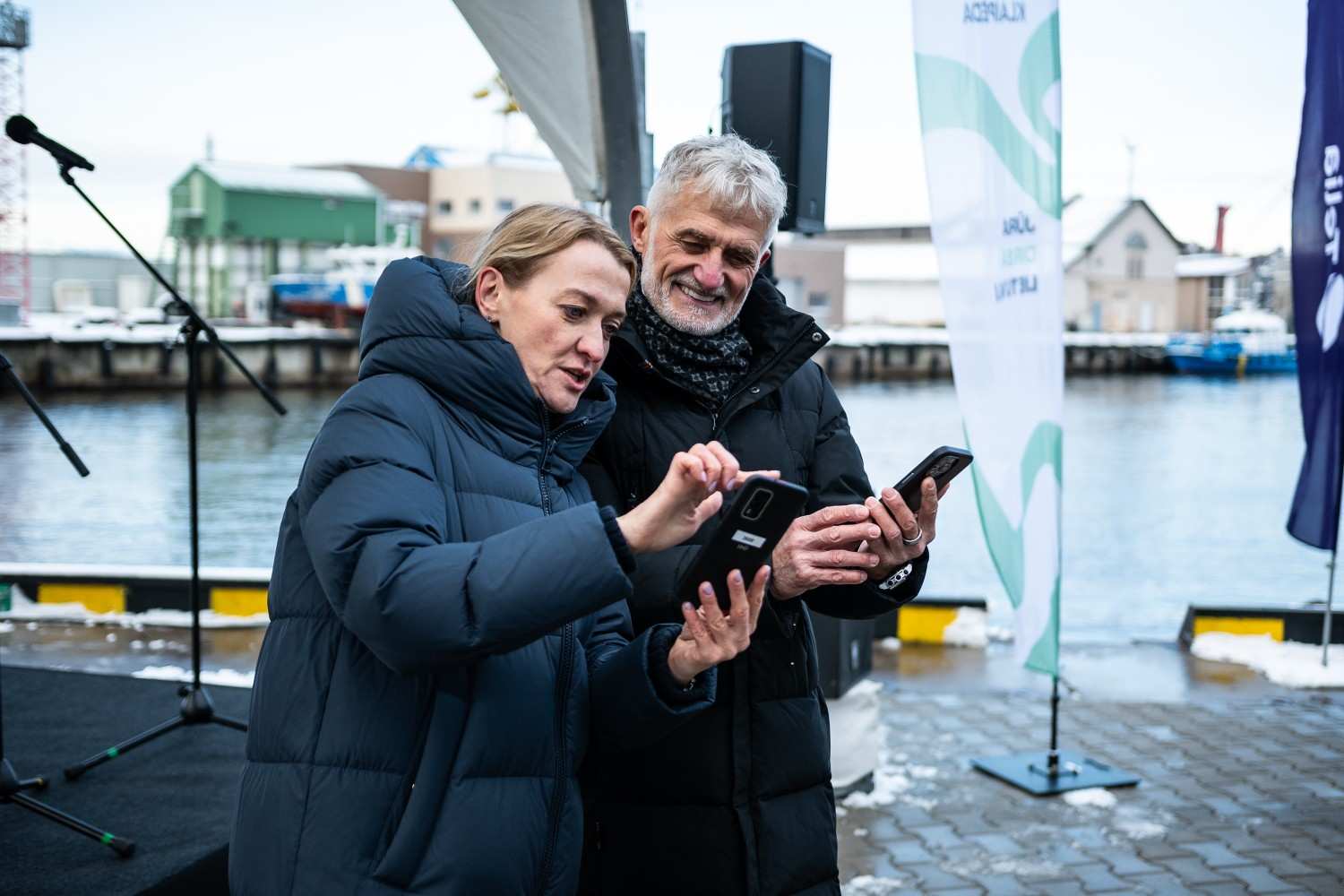
RIO DE JANERIO: Telia has launched Lithuania’s first private 5G Standalone network at the Port of Klaipėda, fully funded and installed by the company. This marks a new milestone in the country’s communications technology and was officially introduced with a symbolic first call. Real-life testing in the port environment will now begin.

“Testing the private 5G network highlights the Port of Klaipėda’s consistent leadership in implementing innovative solutions and automating its processes. This infrastructure will enable smart cargo management, autonomous transport, and other modern solutions that will strengthen the port’s safety and efficiency. It will further reinforce the Port of Klaipėda’s position in the Baltic Sea region,” says Algis Latakas, CEO of the Klaipėda State Seaport Authority.

A private standalone 5G SA network is a closed system, fully separated from the public mobile network and operated by the company itself. Such a network offers several key advantages: maximum speed, minimal signal latency, and stable coverage even in the most challenging areas. Network resources can also be allocated in real time based on a company’s needs, guaranteeing the highest level of reliability.

“The launch of a private, standalone 5G SA network at the Port of Klaipėda proves that world-class solutions can be developed here in Lithuania. This technological breakthrough enables more secure infrastructure, industrial automation, and innovations on a completely new scale. Together, the Port of Klaipėda and Telia are becoming leaders of this transformation, and the first call is only the beginning. I am confident that other strategically important Lithuanian companies will soon recognize the potential of private 5G SA,” says Giedrė Kaminskaitė-Salters, CEO of Telia.

With the new private 5G SA network in place, the Port Authority and stevedoring companies will now test its capabilities under real operating conditions. Ultra-low data transmission latency will be crucial for processes requiring rapid response. Mobile devices will be able to make calls directly over the 5G network, and a one-button digital radio solution will allow employees to communicate instantly with all users on the network at the touch of a button. These tests will show how the technology performs in the industrial environment of Lithuania’s main port.

According to data from Ookla, only around ten percent of operators worldwide have deployed commercial 5G networks. This reinforces both Telia’s and Lithuania’s technological leadership and shows that Lithuania is among the countries shaping the future of connectivity rather than following it. At the Port of Klaipėda, Telia’s private 5G SA network will deliver download speeds of up to 1.5 gigabits per second (Gb/s) and upload speeds of up to 120 megabits per second (Mb/s).
Thordon Bearings wins 2025 Motorship award for T-BOSS® Sterntubeless ship design

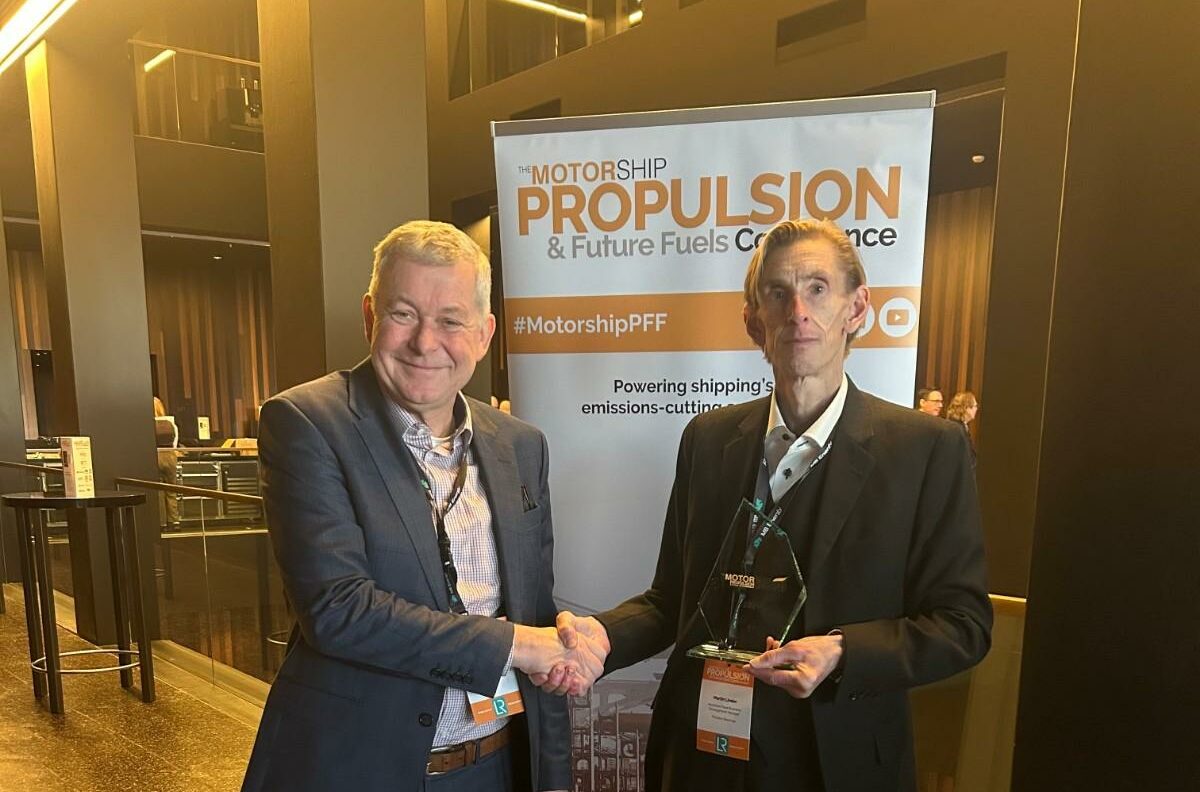
HAMBURG: Thordon Bearings has won the 2025 Motorship Award for T-BOSS, the ship design which replaces a traditional sterntube with a space that allows inspection and maintenance of a seawater-lubricated bearing and seal arrangement from inside the ship.

The award, presented at the Motorship Propulsion & Future Fuels Conference in Hamburg, Germany, on the 25th of November, recognizes innovative partnerships that result in low-emissions maritime solutions. T-BOSS – the Thordon – Blue Ocean Stern Space – was developed by a consortium of maritime partners consisting of ABS, Thordon Bearings, Wärtsilä Shaft Line Solutions, CSSC-SDARI (Shanghai Merchant Ship Design & Research Institute), and the National Technical University of Athens.

The innovative solution replaces the conventional sterntube and cooling tank with a dry chamber housing a single seawater-lubricated, non-metallic Thordon COMPAC bearing. In addition to minimizing shipbuilding costs with the removal of the sterntube and oil sealing system, the design significantly reduces operating expenditure.

“It is an honour to accept this prestigious award on behalf of Thordon Bearings and the wider consortium,” commented Martin Linder, Merchant Fleet Business Development Manager Northern Europe, Thordon Bearings. “By combining the traditional principles of seawater lubrication with modern design, T-BOSS establishes a new solution to help ship owners and builders eliminate oil discharges into our oceans.”

Accessed through an opening in the bulkhead and large enough for an engineer or surveyor to stand up in, the new space allows inspection and maintenance to take place without withdrawing the shaft or the vessel entering drydock, significantly reducing maintenance costs. A shorter shaftline also means increased cargo capacity or engine room space to include a shaft generator, which not only enhances profitability but also minimizes fuel consumption and emissions per capacity tonne-mile for improved Energy Efficiency Design Index – EEDI – ratings.

Using seawater as its lubricant means that Thordon’s COMPAC bearing eliminates the pollution risks and costs associated with emergency oil seal repairs, while the lower friction results in further fuel and emissions savings. In fact, operational ship data suggests that reduced fuel consumption and OPEX combined with higher vessel utilization could add up to gains of more than US$1 million over the ship’s lifespan.

Putin’s India visit to revive big-ticket defence deals, new S-400 offer on table

NEW DELHI : Russian President Vladimir Putin is expected to arrive in India on December 4 and 5 for the 23rd Annual Summit, marking his first visit since the onset of the Russia-Ukraine war and India’s Operation Sindoor. Defence cooperation, particularly a potential new S-400 air defence system contract, is expected to be at the forefront of discussions between Prime Minister Shri Narendra Modi and Putin, reaffirming the strategic partnership between the two countries.

India and Russia are expected to explore renewed collaboration on a range of defence projects during the summit, including the offer by Moscow to supply two to three additional S-400 regiments to the Indian Air Force. This offer comes as India’s dependency on Russian military equipment remains high, with 60-70 per cent of its arsenal originating from Russia, though the share of Russian arms imports has sharply declined over the past decade.

Despite this reduction, the historical trust and interoperability between the two militaries continue to play a crucial role in shaping India’s defence preparedness. The talks will also address the need for timely deliveries and maintenance support, which have become increasingly important given the evolving regional security environment.

India’s approach to defence acquisitions has shifted due to the ‘Aatmanirbhar Bharat’ initiative, prioritising domestic defence manufacturing. According to the Stockholm International Peace Research Institute (SIPRI), 76 per cent of India’s arms imports came from Russia in 2009, but this figure dropped to 36 per cent in 2024.

The trend reflects India’s intention to diversify its defence partners, including France and the US, while still maintaining joint projects with Russia such as the S-400, BrahMos cruise missile, and T-90 tanks.

India and Russia have also collaborated on the production of MiG-29 fighter jets, Kamov helicopters, T-72 tanks, BMP-2 armoured vehicles and stealth frigates for the Navy. The joint development of the BrahMos missile and AK-203 assault rifle further underscores the depth of cooperation between the two nations.

Operation Sindoor in May highlighted the operational success of the S-400, known in India as the “Sudarshan Chakra”. An S-400 unit based in Adampur reportedly shot down a Pakistani aircraft at 314 km, and the Indian Air Force confirmed that the system neutralised seven Pakistani aircraft and tracked over 300 airborne targets simultaneously.

The rapid deployment capability of under five minutes was cited as a significant advantage. The S-400’s integration into India’s multi-layered air defence grid along both the China and Pakistan borders has been widely regarded as a force multiplier, enhancing the country’s strategic autonomy.

Sources said Russia’s defence firm Rostec has already initiated preliminary talks for a new S-400 contract and has assured New Delhi that future deliveries will strictly adhere to the committed timeline seen as essential after earlier delays caused by the Ukraine conflict.

India’s original USD 5.43-billion deal for five S-400 regiments has seen three delivered, with the remaining two scheduled for early to mid-2026. The new contract discussions are expected to emphasise adherence to delivery schedules and enhanced after-sales support.

A notable aspect of the new proposal is Russia’s readiness to offer up to 50 per cent technology transfer for the S-400 missiles and supporting systems. This could enable Indian companies, such as Bharat Dynamics Limited (BDL), to participate in local assembly and expedite production of the 48N6 missile, approved in October.

Nearly half of the S-400 support ecosystem could be indigenised, aiming to reduce costs and foster domestic defence capabilities. If implemented, this technology transfer would mark a significant step toward India’s goal of self-reliance on advanced defence systems.

Despite the strong historical ties, Russia’s share of India’s defence imports has dropped considerably. According to the 2025 SIPRI report, India’s defence imports from Russia were 36 per cent of its total imports for the 2020-2024 period, a significant decrease from previous years.

Russia remains India’s largest supplier, but the share has declined sharply from 55 per cent in 2015-2019 and 72 per cent in 2010-2014, as India diversifies its imports towards countries like France and the US. This diversification is also attributed to India’s push for domestic defence production and the desire to avoid over-reliance on any single supplier.

Negotiations around the expanded S-400 contract and future joint projects are expected to accelerate during Putin’s visit, with both countries aiming to finalise discussions by mid-2026.

Source : BT

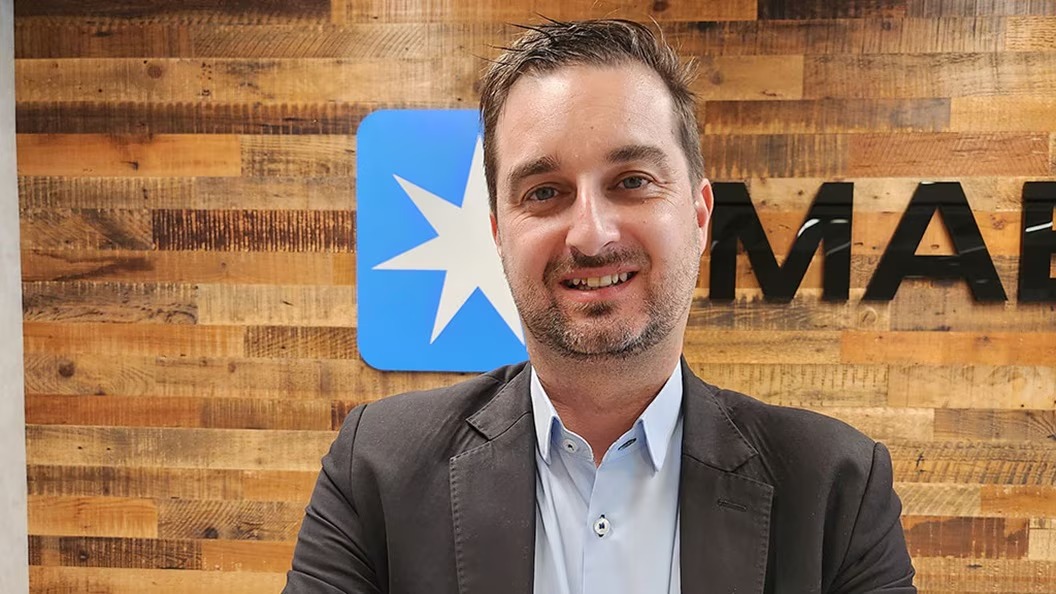
Maersk appoints Thomas Theeuwes as its new MD for India, Bangladesh & Sri Lanka

MUMBAI : Maersk has appointed Thomas Theeuwes as its new Managing Director for India, Bangladesh & Sri Lanka, effective January 1, 2026. Christopher Cook, the current Managing Director for the area, will assume the Managing Director role for Maersk in the United Kingdom and Ireland.

Theeuwes brings nearly two decades of global expertise to the role, most recently serving as Managing Director of the West Africa Area since 2024. Since joining Maersk in Belgium in 2007, he has held senior commercial and leadership positions across Europe, China, and Africa, consistently driving operational excellence and customer-centric growth.

It is with great pleasure that I welcome Thomas to his new role in one of our most important markets. Thomas is a seasoned leader, and his experience from various parts of the world will aid our growth in this region.

Richard Morgan
Managing Director, Indian Subcontinent, Middle East, and Africa
Richard Morgan, Managing Director, Indian Subcontinent, Middle East, and Africa also recognised Christopher Cook’s significant contributions, “Christopher has been pivotal in operationalising our long-term strategy and delivering exceptional growth across India, Bangladesh, and Sri Lanka. His leadership has positioned us strongly for the next phase of development, and we look forward to his continued success in his new role.”

Theeuwes has played an invaluable role as Managing Director in the West Africa Area, building a strong area leadership team with a clear sense of purpose and an extended team that has consistently delivered strong business results. Under his leadership, the team has served Maersk’s customers with the right products and aligned their growth with West Africa’s economic development.

The India, Sri Lanka and Bangladesh markets are extremely exciting with a great growth potential. I am excited to work closely with our talented team here. Together, we will strengthen Maersk’s position as a trusted logistics partner for our customers while driving solutions that create value for them and our stakeholders.

Thomas Theeuwes
Managing Director in the West Africa Area
About Maersk
A.P. Moller – Maersk is an integrated logistics company working to connect and simplify its customers’ supply chains. As a global leader in logistics services, the company operates in more than 130 countries and employs around 100,000 people. Maersk is aiming to reach net zero GHG emissions by 2040 across the entire business with new technologies, new vessels, and reduced GHG emissions fuels*.

*Maersk defines “reduced GHG emissions fuels” as fuels with at least 65% reductions in GHG emissions on a lifecycle basis compared to fossil of 94 g CO2e/MJ.

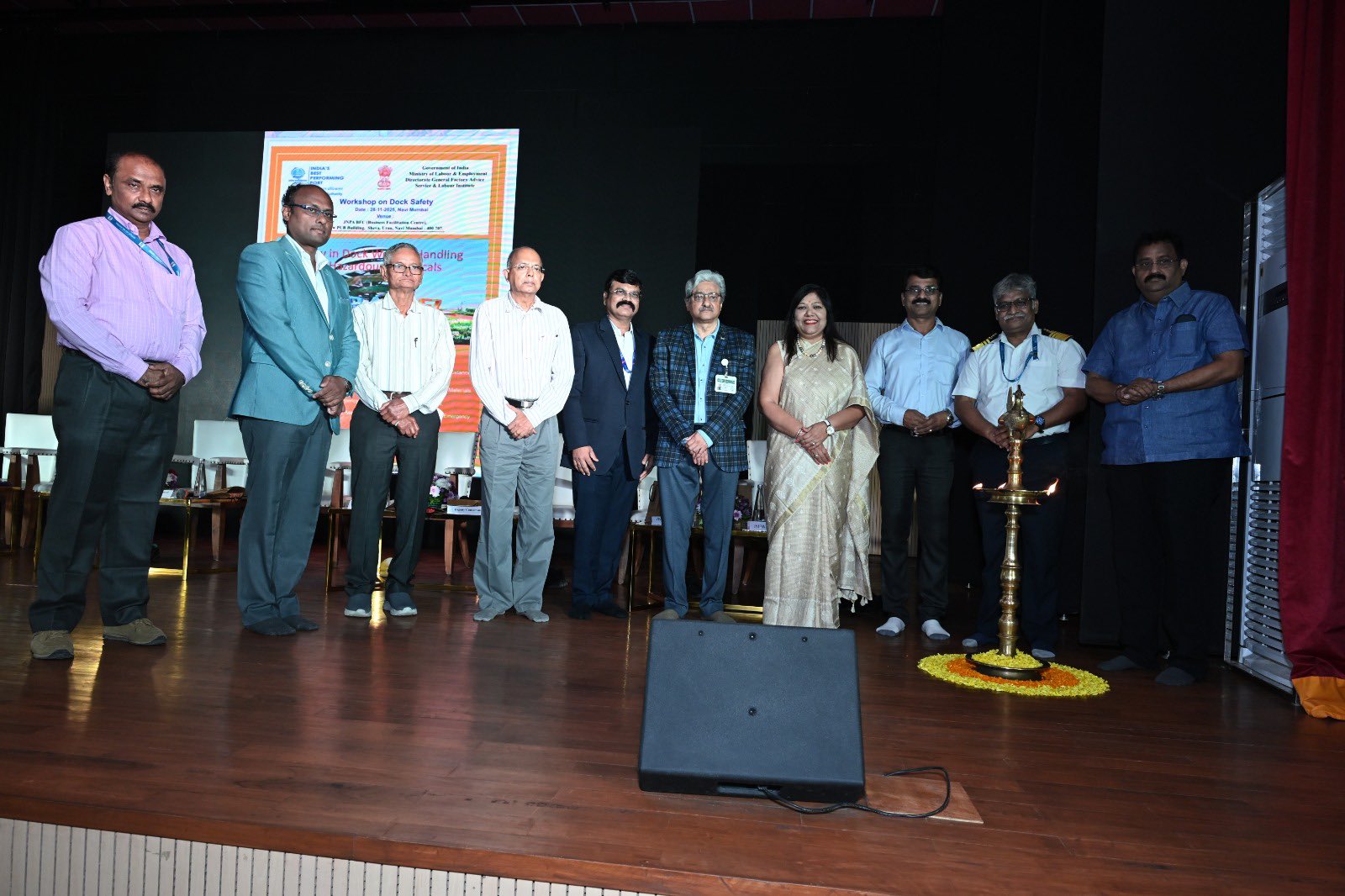
JNPA hosted one-day workshop on Dock Safety & Handling of Hazardous Chemicals in collaboration with Ministry of Labour & employment, and DGFASLI

MUMBAI : Jawaharlal Nehru Port Authority (JNPA), India’s largest container port, hosted a One-Day Workshop on Dock Safety & Handling of Hazardous Chemicals on Friday, November 28, in collaboration with the Ministry of Labour & Employment (MoLE) and Directorate General, Factory Advice Service & Labour Institutes (DGFASLI). The workshop, held at the JNPA Business Facilitation Centre (BFC), brought together port officials, terminal operators, safety professionals, emergency responders, and industry experts to strengthen awareness and operational readiness in managing hazardous cargo at ports.
This program is a component of JNPA’s persistent efforts to create a robust, safe, and compliant operational environment by making sure that international best practices are included in regular port operations.
The workshop featured a series of expert-led technical sessions covering critical safety themes:

  1. Overview of National and International Regulations on Handling of Dangerous Substances in Dock Operations
    Participants were briefed on key regulatory frameworks, international conventions, and statutory obligations governing hazardous materials movement in port ecosystems.
  2. Competence and Supervision in Handling Hazardous Cargoes
    Experts emphasised the importance of skilled manpower, competency-building, and supervisory excellence to prevent incidents and ensure safe cargo operations.
  3. Radiation Protection and Emergency Preparedness in Port Environments
    The session addressed protocols for radiation safety, monitoring mechanisms, and readiness planning for radiation-related contingencies.
  1. Port Safety Against Hazardous Chemical Incidents
    Specialists from DGFASLI highlighted risk identification, preventive safety measures, and incident control strategies specific to chemical hazards in port zones.
  2. Mitigation of Medical Emergencies Due to Hazardous Chemical Incidents
    Medical and safety professionals guided attendees on first response, emergency medical care, coordination with health agencies, and post-incident management.

  3. Held at JNPA, the workshop forms part of an ongoing nationwide capacity-building initiative aimed at strengthening hazardous chemical management across major Indian ports.
    The event was graced by several eminent dignitaries, including Capt. Balasaheb Pawar, Deputy Conservator, JNPA, along with JNPA HoDs, Chief Guest Shri Dinesh Kumar Shukla, Chairman, Atomic Energy Regulatory Board (AERB); Dr. D. N. Sharma, Former Member, National Disaster Management Authority (NDMA) and Former Director, HSE Group, BARC; Shri Sumit Roy, Deputy Director General, DGFASLI; and Dr. Sandip Roy, Professor of Chemical Engineering, IIT Bombay. Senior technical experts from AERB, BARC, IIT Bombay and DGFASLI also participated, offering valuable scientific, regulatory and operational insights.

  4. About JNPA: The Jawaharlal Nehru Port Authority (JNPA) is one of the premier container-handling ports in India. Since its inception on May 26, 1989, JNPA has transformed from a bulk cargo terminal into the premier container port in the country.

Currently, JNPA operates five container terminals – NSFT, NSICT, NSIGT, BMCT and APMT. The Port also has a Shallow Water Berth for general cargo. A Liquid Cargo Terminal present at the JNPA Port is managed by the BPCL-IOCL consortium and the additional liquid cargo terminal developed by JNPA will be operated by M/s JSW – JNPT Liquid Terminal Pvt. Ltd. Additionally, the newly constructed coastal berth links other Indian ports and facilitates enhancing the traffic of coastal containers.

Nestled across 277 hectares of land, JNPA also operates a meticulously designed multi-product SEZ, with state-of-the-art infrastructure, to boost export-oriented industries in India.

JNPA is also developing an all-weather, deep-draft, greenfield port at Vadhvan, the 13th Major Port of India in Maharashtra. It is poised to be among the top 10 ports globally and will be a 100% green port since its inception.

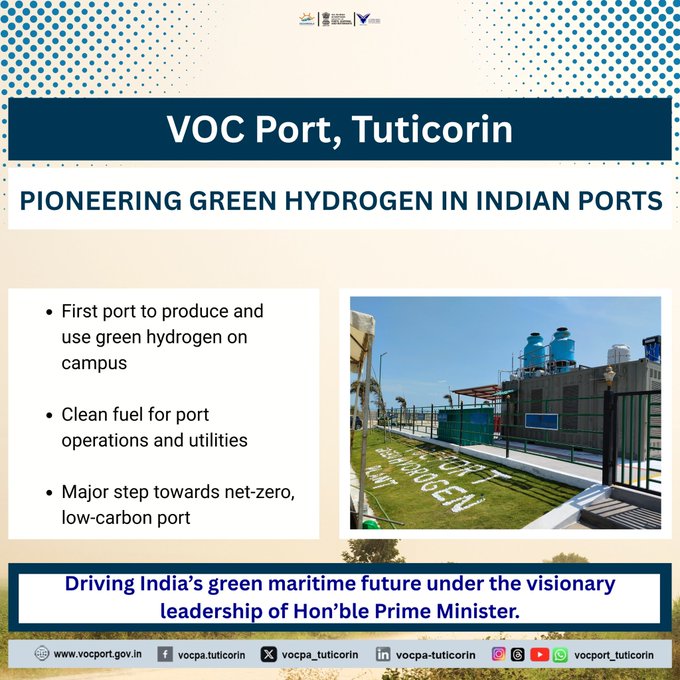
VOC Port becomes the first Port to produce and use Green Hydrogen on-campus

TUTICORIN : V.O. Chidambaranar Port Authority (VOCPA), Tuticorin, has marked a major milestone in India’s green maritime transition by becoming the first port in the country to produce and utilise green hydrogen within its campus.

In a significant step toward cleaner and more sustainable port operations, the port has launched India’s first port-based green hydrogen pilot project. The facility is equipped with a dedicated production system, with the generated green hydrogen being used to power streetlights and an EV charging station inside the port colony—demonstrating a practical, real-world application of the clean fuel.

This initiative underscores VOC Port’s strong commitment to reducing carbon emissions and building a future-ready, net-zero port ecosystem aligned with India’s broader vision for a green and energy-secure maritime sector.

Further strengthening its sustainability roadmap, the port has also unveiled a state-of-the-art Digital Twin project, aimed at enhancing operational efficiency, predictive planning, and environmental performance.

These developments form part of a comprehensive strategy to position VOC Port as a leading hub for green shipping in the region. Upcoming plans include establishing a green methanol bunkering facility, along with large-scale solar and wind energy installations, reinforcing the port’s role in shaping India’s clean energy maritime future.

PHDCCI presents pre-budget suggestions to Finance Minister for MSME sector

NEW DELHI : Industry body PHD Chamber of Commerce and Industry (PHDCCI) presented a set of pre-budget suggestions for the micro, small and medium enterprises (MSME) sector to the Finance Minister Smt. Nirmala Sitharaman, seeking easier taxes, cheaper credit and simpler rules for small businesses.
The proposals focused on changes in income tax, bank loans, export support and equity funding so that MSMEs could run their businesses with less cost and delay. The chamber said these steps could help small units grow, pay back loans on time and compete better with firms in other countries.

PHDCCI recommended that, similar to earlier relief for start-ups, investments of capital gains in MSMEs on the sale of residential or other properties should get income tax exemption to give a direct push to this sector.

On the cost of borrowing, the chamber sought the re-introduction of the interest subvention scheme on bank and NBFC credit to MSMEs, with a 2 per cent interest subsidy on new and incremental loans. It said the cost of credit in India stayed higher than in many other countries and argued that such support made MSMEs more competitive and encouraged timely repayment.

For exporters, it called for bringing back the Interest Equalization Scheme on pre and post-shipment export credit, with equalization rates of 3 per cent for MSME manufacturer exporters and 2 per cent for other eligible exporters, and for including service exports under the scheme.

PHDCCI also proposed higher loan ceilings under the Pradhan Mantri MUDRA Yojana, noting that project costs had almost doubled since the scheme began in 2015. It suggested raising the Shishu category limit from Rs 50,000 to Rs 1 lakh, the Kishore category from Rs 5 lakh to Rs 10 lakh, and fixing the Tarun and Tarun Plus category at Rs 20 lakh.
On equity support, the chamber called for separate allocations from the Fund of Funds to provide seed capital to registered start-ups and to subscribe to a small share of SME initial public offerings. It also suggested that MSE Facilitation Councils, which handle delayed payment cases, should cover medium enterprises as well, as current provisions under the MSME Development Act, 2006, applied only to micro and small enterprises. Further, it sought the re-introduction of a capital subsidy for technology upgradation, with the investment limit raised to Rs 2 crore from the earlier Rs 1 crore, to help MSMEs adopt green and eco-friendly technologies.
To cut compliance costs, PHDCCI recommended amending Section 44AB of the Income Tax Act, 1961, so that all businesses with annual turnover up to Rs 10 crore remained fully exempt from mandatory tax audit, saying this would relieve micro enterprises of audit costs in the range of about Rs 75,000 to Rs 1.5 lakh every year and reduce administrative burden.

Source : ANI

Rhenus shared commitment to support India’s Maritime Sector at India Maritime Week 2025

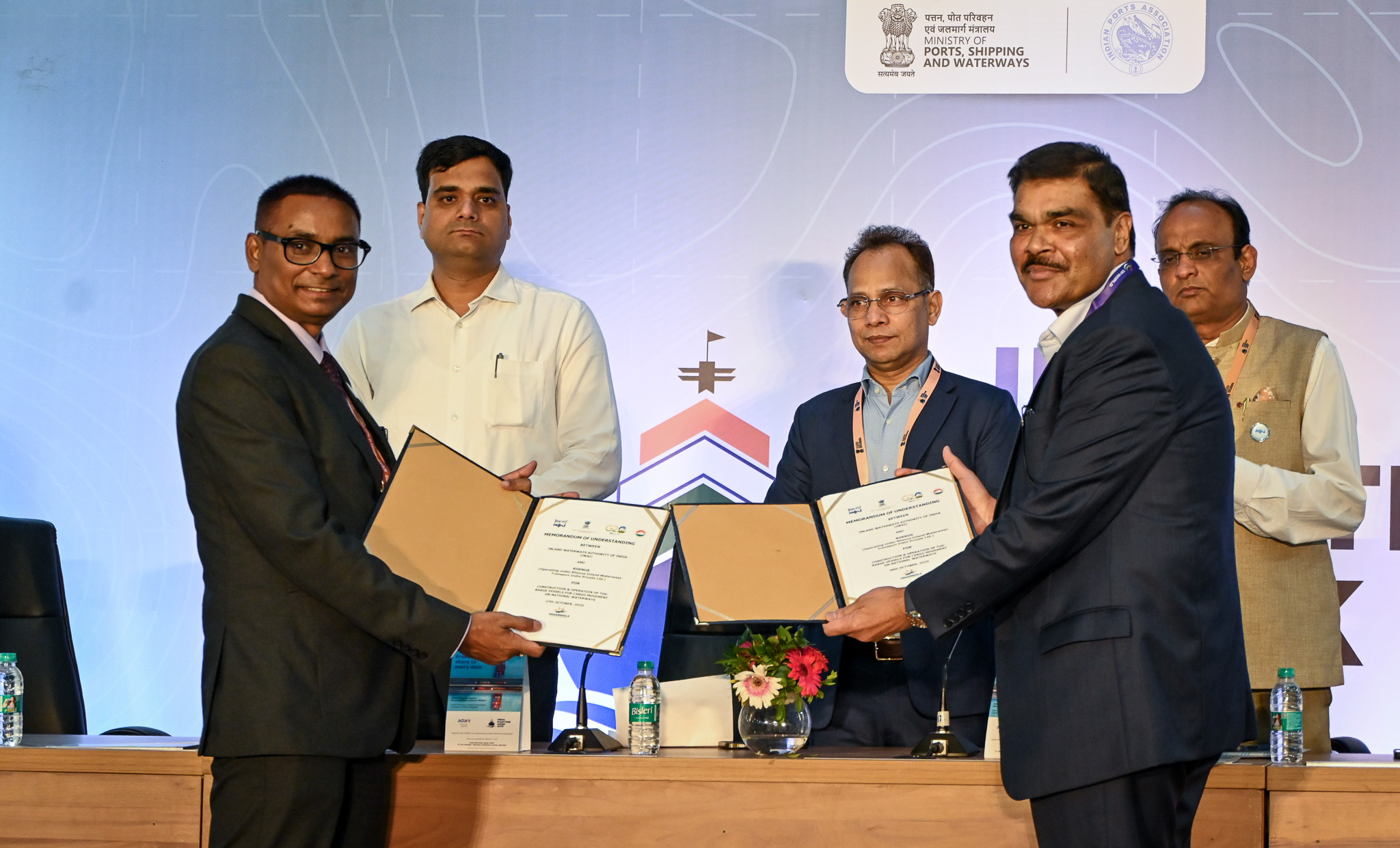
MUMBAI: Rhenus exchanged an MoU with Inland Waterways Authority Of India (IWAI) for the construction and operation of tug-barge vessels to enable cargo movement across National Waterways NW-1, NW-2, NW-16, and the Indo-Bangladesh Protocol (IBP) route. Mr. Vivek Arya, CEO of Rhenus India also shared his insights on logistics as a panelist in a conference discussion session. These were among the highlights in the India Maritime Week 2025‘s participation.

Held in late October 2025, the India Maritime Week was a biennial global maritime event which brought together leaders from the maritime industry, governments, innovators, investors, and stakeholders from over 100 countries. It was hosted by the Ministry of Ports, Shipping and Waterways and organized by the Indian Ports Association (IPA).

The MoU with IWAI will see Rhenus India operate barge services on various local routes, gradually expanding to other national waterways. A combination of pushers and barges, suited for low-draft navigation, will transport Bulk and Break-Bulk cargo across North & East India, North-East India, and eventually to neighbouring countries. With 1,000 vessels operating daily on European waterways, Rhenus will leverage its Port Logistics expertise and European Waterways fleet to support India’s Inland Water Transport (IWT) sector.

Vivek Arya, CEO of Rhenus India, was also a panelist, discussing the topic of “Reviving Veins of Inland Trade”. Hosted by the Inland Waterways Authority Of India (IWAI), the discussions explored strategies to revitalize riverine logistics, integrate inland routes into national supply chains, and promote environment friendly cargo movement. The discussion revolved around India’s inland waterways emerging as a game-changer in the country’s transport and logistics landscape. With government initiatives like Sagarmala and Jal Marg Vikas Project driving infrastructure development, waterways offer a cost-effective and sustainable alternative to traditional modes of transport.

Rhenus India also showcased their services with a dedicated booth in the exhibition hall, during the conference days.

Tobias Bartz, CEO of the Rhenus Group: “Waterways are becoming one of India’s most important drivers of trade and regional transformation. Strengthening the Inland Water Transport network is a long-term opportunity for the country – and a strategic priority for us as Rhenus. Our collaboration with IWAI reflects our commitment to developing efficient, scalable and sustainable transport corridors that connect regions, industries and communities across the subcontinent.”

Vivek Arya said: “India’s maritime sector is on a transformative journey, with port capacity doubling, cargo volumes surging, and inland waterways emerging as a green, efficient alternative. As the future of logistics in India looks to be multimodal and sustainable, Rhenus is proud to be part of this movement enabling smarter, cleaner, and more connected supply chains across India.”

Since its founding in 1912, Rhenus has built its legacy in inland navigation along the Rhine, evolving into a global logistics provider with strengths in barge shipping, warehousing, road, rail, air, and ocean freight.

GoI has taken a number of initiatives to provide support to MSMEs for improving access to finance, timely payments and faster technology adoption

NEW DELHI : The Government of India has taken a number of initiatives and measures to provide support to Micro, Small and Medium Enterprises (MSMEs) for improving access to finance, timely payments and faster technology adoption. Some of them are:

i. Under the Credit Guarantee Scheme (CGS) for Micro and Small Enterprises (MSEs) of Ministry of MSME, additional corpus fund of Rs. 9,000 crore was infused into the corpus of Credit Guarantee Fund Trust for MSEs, to enable an additional credit of Rs. 2.00 lakh crore, at a reduced cost of credit. Further, the guarantee ceiling has been increased from Rs. 5 crore to Rs. 10 crore (w.e.f. 01.04.2025) to MSEs, with guarantee coverage up to 90%, for various category of loan under CGS.

ii. Prime Minister’s Employment Generation Programme provides Margin Money subsidy upto 35%, for setting up of new micro enterprises, in the non-farm sector with project cost of Rs. 50 lakh and Rs. 20 lakh, for Manufacturing and Services enterprises, respectively.

iii. PM Vishwakarma, launched on 17.09.2023 to provide end-to-end holistic support to artisans and craftspeople of 18 traditional trades who work with their hands and tools. The Scheme includes provision of loans upto Rs. 3 lakh with interest subvention of max upto 8%.

iv. Self Reliant India (SRI) Fund has been set up to infuse Rs. 50,000 crore as equity funding in MSMEs, under this Fund, there is a provision of Rs. 10,000 crore from the Government of India and Rs. 40,000 crore through Private Equity/Venture Capital Funds.

v. To ensure timely payment settlements for Micro and Small Enterprises (MSEs) across the country, Ministry of MSME launched SAMADHAAN Portal on 30.10.2017 for monitoring of the outstanding dues to the MSEs. 161 Micro & Small Enterprises Facilitation Councils (MSEFCs) have so far been set-up in States/UTs. Ministry of MSME has launched Online Dispute Resolution (ODR) Portal on 27.06.2025 to provide end-to-end digitized resolution of the delayed payment cases.

vi. RBI issued guidelines for setting up and operating the Trade Receivables Discounting System (TReDS) to facilitates the financing of trade receivables of MSMEs from corporate and other buyers, including Government Departments and Public Sector Undertakings (PSUs) through multiple financiers electronically. Five entities are presently operating TReDS. The monetary limit for onboarding on TReDS for Corporates and CPSEs has been reduced to a turnover of Rs. 250 Crore vide Notification dated 07.11.2024.

In order to promote technology upgradation in MSMEs sector, Ministry of Micro, Small and Medium Enterprises (MSME) is implementing various Schemes which inter-alia include MSE-Cluster Development Programme (Common Facility Centres), Tool Rooms / Technology Centres, Micro and Small Enterprises (MSE) – Green Investment Financing for Transformation (GIFT) Scheme and MSME Champions Scheme.

A number of steps have been taken to address regulatory hurdles and improve ease of doing business for MSMEs by the Government as given below:

(i) Udyam Registration Portal was launched on 01.07.2020 to facilitate ease of registration for MSMEs. The process of registration on Udyam is fully online, paperless and based on self-declaration. The Ministry in association with Small Industries Development Bank of India launched Udyam Assist Platform on 11.01.2023, for bringing Informal Micro Enterprises (IMEs) into the formal ambit. This has helped the registered IMEs to avail the benefits of Priority Sector Lending.

(ii) The Ministry of MSME reduced the Compliance Burden on business as well as on citizens related to Public Procurement Policy for Micro and Small Enterprises Order, 2012 vide Notification No. S.O. 3237(E) dated 11.08.2021 as identified by the Department for Promotion of Industry and Internal Trade (DPIIT).

(iii) As informed by DPIIT, National Single Window System has been developed, which integrates the existing clearance/regulatory systems of various Ministries/ Departments of Government of India and State Governments.

Rupee at record low as weak flows, stalled US trade talks eclipse blowout growth print

MUMBAI : The Indian Rupee fell to a record low on Monday as sluggish trade and portfolio flows, coupled with the lack of a U.S.-India trade deal, overshadowed the impact of stellar economic growth.
The rupee declined to 89.7575 against the U.S. dollar, dipping past its previous record low of 89.49 hit about two weeks ago. The drop came right after India posted a blowout GDP number that exceeded all expectations. The economy expanded 8.2% in the September quarter.

The rupee ranks among Asia’s worst-performing currencies this year despite resilience in domestic economic fundamentals which have boosted shares to record highs. The losses on the rupee would have been larger if not for the regular intervention from the central bank, traders say.
Bankers said the robust growth has offered little respite to the currency, which remains pressured by the lack of progress on a U.S.-India trade deal, importer hedging activity, and a balance of payments position that has turned less supportive.
The maturity of positions in the non-deliverable forwards market also hurt the rupee, traders said, while state-run banks were spotted offering dollars intermittently.

A “calibrated” rupee depreciation is “both inevitable and desirable” in the current macroeconomic environment, economists at J.P. Morgan said in a note. The longer there is no trade deal, the greater the onus on rupee depreciation would be to provide that offset, the economists said.
Comments from U.S. and Indian officials last month had raised hopes that the steep 50% tariffs on Indian exports would soon be reduced, but a deal has not been finalised.
The U.S. tariffs have dented trade and portfolio flows into Indian equities, leaving the currency reliant on central bank interventions for support.
Foreign investors have net pulled out over $16 billion from Indian shares over the year so far. India’s merchandise trade deficit hit an all-time high in October.

The rupee’s rough patch has brought down its 40-currency real effective exchange rate, a measure of competitiveness, to undervaluation territory.

At the end of October, the measure stood at 97.47, per central bank data. A level below 100 signals that a currency is undervalued relative to those of its trading partners.
Last month, the International Monetary Fund reclassified India’s foreign exchange framework as a “crawl-like arrangement”, noting that “while the exchange rate has exhibited increasing two-way movement this year, there remains room for additional exchange rate flexibility.”