Home Blog Page 541

Global Trade momentum eases as early-year tariff rush fades: WTO

LONDON : Global merchandise trade lost steam in the September quarter as the early-year surge driven by advance ordering ahead of fresh US tariffs tapered off, according to the World Trade Organisation.

The WTO’s latest Goods Trade Barometer slipped to 101.8 in September, down from 102.2 in June, signalling that growth in the coming months will align only with medium-term trends rather than show any strong pickup. A reading above 100 points to expansion.

Key indicators such as air freight and container shipping continued to expand but weakened from the previous quarter, reflecting a gradual cooling in the movement of goods worldwide. Automotive and electronics sectors showed signs of stabilisation, while agriculture remained in contraction territory. New export orders picked up slightly, offering some relief.

The WTO said the overall picture suggests “moderation in global trade growth” as the boost from front-loaded US import demand fades. Importers had rushed to place orders earlier this year to avoid higher duties imposed by US President Donald Trump on goods from major trading partners.

Trade patterns shifted sharply as a result. US imports from China dropped 22 per cent through August, while shipments from Vietnam, India, Thailand, Malaysia and Taiwan recorded gains of more than 20 per cent, US data showed.

The WTO expects world trade volumes to grow 2.4 per cent in 2025, slower than the 2.8 per cent recorded in 2024. Growth is projected to cool sharply to 0.5 per cent next year amid persistent tariff tensions and softening global demand.

Two ships of Russia’s sanctioned shadow fleet caught fire in the Black Sea off Türkiye

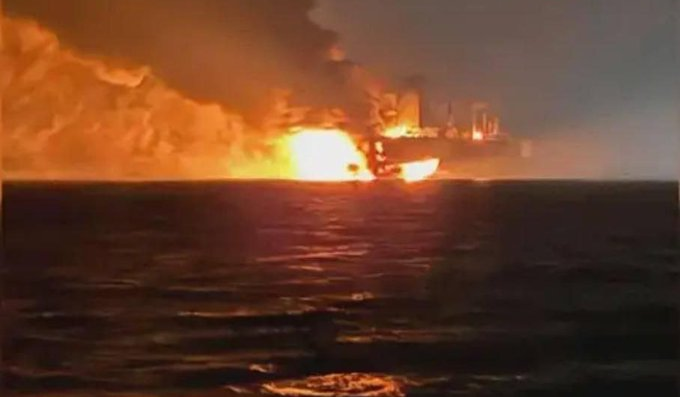
LONDON: Two sanctioned oil tankers, the Kairos and the Virat, have caught fire in the Black Sea a few dozen nautical miles off the Turkish coast. Their crews are safe as the causes of the explosions are being investigated.

Turkish authorities reported that two oil tankers linked to the notorious Russian “shadow fleet” which are on the international sanctions list, caught fire on Friday in the Black Sea near the Bosporus Strait, triggering an extensive rescue operation.

The first ship, the Gambia-flagged Kairos, exploded and caught fire about 28 nautical miles off the Turkish coast of Kocaeli province, while sailing without cargo from Egypt to the Russian port of Novorossiysk, the Turkish Transport Ministry reported.

Shortly afterwards, a second tanker, the Virat, was reported to have been ‘struck’ in another area of the Black Sea, about 35 nautical miles off the Turkish coast.

Turkish maritime authorities explained that the first incident was reportedly caused by an “external impact”, but did not provide further details on the attack’s origin.

The dynamics remain unclear, and the authorities do not rule out an explosion caused by naval mines or a targeted attack. There have been incidents of ships hitting drifting mines in the Black Sea in recent years.

Pending further verification, the maritime authorities maintain a high level of alert and monitor the situation to prevent new incidents and ensure the safety of ship traffic in the Bosporus area.

History of sanctions against the ships Kairos and Virat
The crews of the two ships were rescued thanks to the rapid intervention of the coast guard and rescue units: 25 people on board the Kairos and 20 on the Virat.

The ships are on the list of those subject to international sanctions, following the Russian invasion of Ukraine in 2022, and are identified as part of the fleet of old cargo ships used by Moscow to circumvent restrictions on Russian crude oil.

According to the website OpenSanctions, the US sanctioned Virat in January this year, followed by the EU, Switzerland, the UK and Canada.

The EU then sanctioned Kairos in July this year, followed by the UK and Switzerland.

“The shadow oil tanker fleet continues to provide multibillion-dollar revenues to the Kremlin by circumventing sanctions, disguising its activities under the flags of third countries, using complex schemes to disguise owners, and posing a significant environmental threat,” OpenSanctions writes.

The 2018-built Virat has previously sailed under the flags of Barbados, Comoros, Liberia and Panama, while the 2002-built Cairos has flown the flags of Panama, Greece and Liberia.

Friday’s incidents raised serious concerns about the possible environmental impact and safety of shipping in the Black Sea, an area already considered high-risk after years of war and the presence of ordnance from previous conflicts.
Source: Euronews

China forecasts auto exports above 6.8 million vehicles in 2025, industry official says

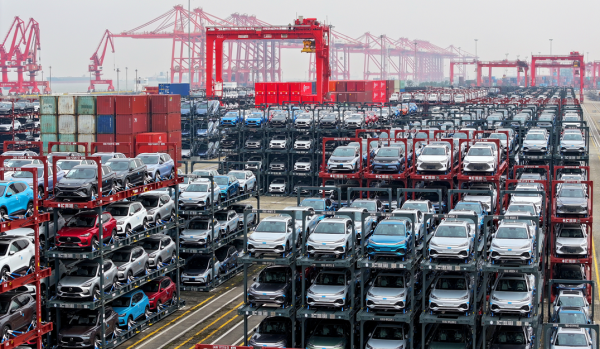
BEIJING : China’s auto industry appears to be heading for a record-breaking year in 2025 as domestic sales and exports surge in tandem. According to China Association of Automobile Manufacturers (CAAM) deputy secretary-general Chen Xu, total vehicle sales for the year are projected to exceed 34 million units, with new energy vehicles (NEVs) accounting for roughly 16 million units. At the same time, CAAM believes that exports of Chinese-made cars could surpass 6.8 million units in 2025, according to Sina.

CAAM’s export forecast represents a significant increase over recent years. In 2024, exports reached 5.86 million units; in 2023, 4.91 million; and in 2022, 3.11 million. Data for the first 10 months of 2025 show exports at 5.62 million vehicles, a 15.7 per cent increase compared with the same period last year.

The growth in exports appears tied to rising overseas demand for both conventional and new-energy Chinese vehicles, as well as to expanding overseas distribution networks and supply-chain scale. The export value of Chinese vehicles reached 798.39 billion yuan (approximately USD 112.8 billion) in the first 10 months of 2025, up 14.3% year-on-year.

The domestic market remains robust, with overall output and sales volumes increasing. In the first ten months of 2025, total auto output reached nearly 27.7 million units, reflecting a 13.2 per cent increase compared with the same period last year.

With exports now accounting for a growing share of total production, Chinese automakers are consolidating their international reach at a scale unmatched by any other country. If CAAM’s full-year forecast proves accurate, China will have shipped nearly 7 million vehicles abroad in 2025. That volume would reinforce the country’s position as the world’s largest auto exporter by volume, replicating a milestone first reached in 2024.

Asia-US container rates fall as capacity continues to outweigh demand

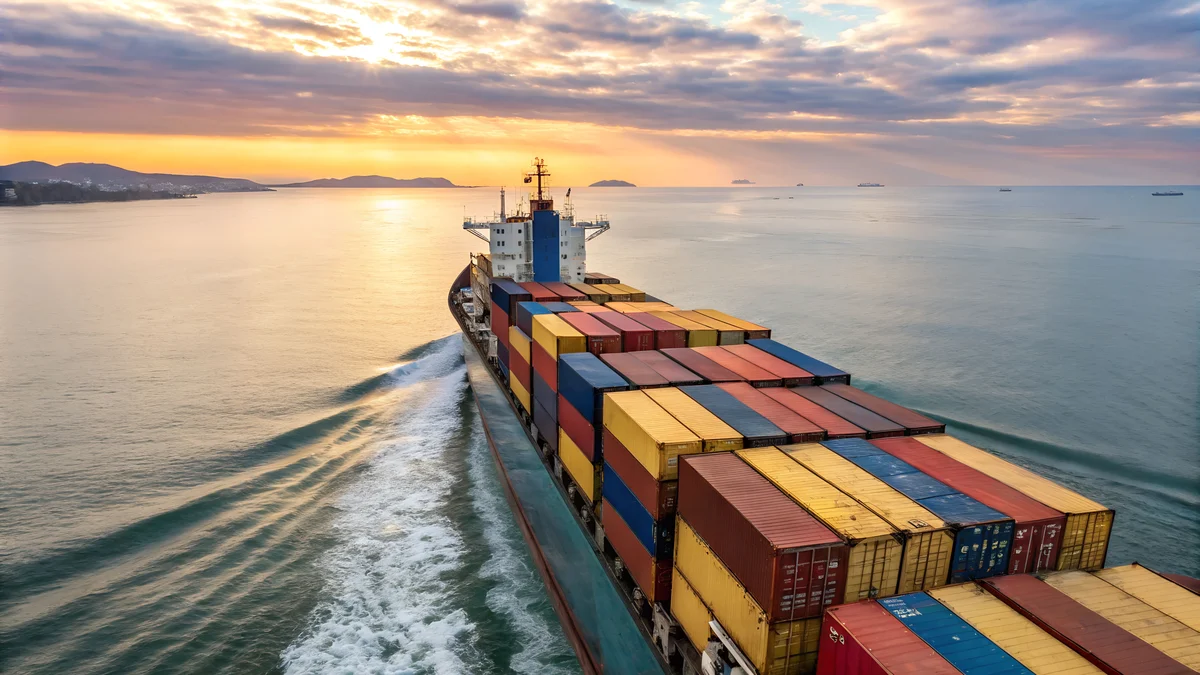
HOUSTON: Rates for shipping containers from east Asia and China to the US fell significantly week on week as available capacity continues to outstrip demand, according to shipping analysts.

Rates from global logistics company Freight Right on its TrueFreight Index (TFX) experienced significant weekly decreases, as shown in the following chart.

Robert Khachatryan, founder and CEO of Freight Right Logistics, said spot rates to the West Coast continued their rapid decline this week, now falling to the $1,350-1,500/FEU (40-foot equivalent unit) range, with some carrier-specific lows touching $1,350/FEU.

“This marks the fifth or sixth consecutive weekly drop, driven by slow demand and an extremely short holiday week in the US,” Khachatryan said.

Rates to the East Coast also fell, now averaging about $1,900/FEU, shrinking the typical spread between West and East Coast from $800-900/FEU to just $600-700/FEU.

“Both lanes are effectively at or near their ‘rock-bottom’ levels for the year,” Khachatryan said. “The market anticipated declines in late November, but not to this extreme, and not at month-end heading into December.”

Rates to the West Coast from online freight shipping marketplace and platform provider Freightos plunged by 32% from the previous week and fell by 8% to the East Coast.

Judah Levine, head of research at Freightos, said rates remain slightly above the low for the year, hit in early October.

“The current overcapacity on the East-West lanes is the main reason that carriers’ November transpacific GRIs (general rate increases) – which had pushed West Coast rates up by $1,000/FEU this month to about $3,000/FEU – have now fizzled,” Levine said.

Market intelligence group Linerlytica said the outlook for the rest of the year remains gloomy as TEU-mile (20-foot equivalent unit-mile) demand growth has slipped below the growth in vessel supply.

“Carriers’ reluctance to withdraw capacity during the slack winter season has hurt freight rates across key routes with the transpacific rates facing the greatest stress,” Linerlytica said.

Container ships and costs for shipping containers are relevant to the chemical industry because while most chemicals are liquids and are shipped in tankers, container ships transport polymers – such as polyethylene (PE) and polypropylene (PP), which are shipped in pellets. Titanium dioxide (TiO2) is also shipped in containers.

They also transport liquid chemicals in isotanks.

LIQUID TANKER RATES TO BRAZIL SURGE
US chemical tanker trade lanes were overall unchanged this week for most routes, while vessel demand continues to remain soft. Overall, the spot market was quiet due to a holiday shortened trading week.

One exception is rates for the USG to Brazil trade as they perk up and as interest to this region remains steady, supported by steady COA (contract of affreightment) volumes. Space is becoming very tight until the end of the year, keeping rates firm in this direction.

USG to ARA remains muted for spot and solid for contractual cargoes and as CPP (clean petroleum products) tonnage continues to participate in the chemical sector. The market to this region has had a few new inquiries, but COA volumes have increased, supporting the trade lane. If it persists, it could continue to pressure the market even further.

For the USG to Asia, there seems to be limited available space as COA volumes remain strong. Due to the lack of any new spot fixtures rates remain unchanged. Although, if this should persist, rates could be pressured upward. There seems to be interest in December for the usual parcels of glycol, methanol, and ethanol.

Bunker prices remain lower mainly due to the continued plunge in energy prices week on week.

Source: ICIS

PM Modi says economic growth reflects impact of reforms as Q2 GDP soars to 8.2%

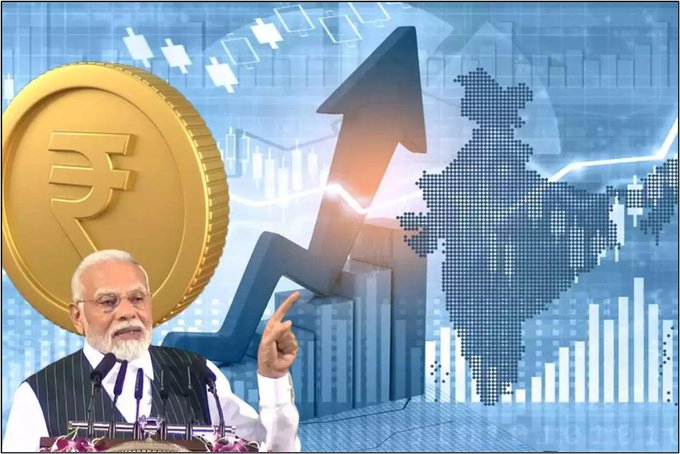
NEW DELHI: Prime Minister Shri Narendra Modi on Friday said the 8.2% GDP growth in Q2 of 2025-26 is “very encouraging” and the government will continue to advance reforms and strengthen Ease of Living for every citizen.

PM Modi, in a post on X, said that the Q2 quarter GDP data reflects the impact of the government’s “pro-growth policies and reforms”.

“The 8.2 per cent GDP growth in Q2 of 2025-26 is very encouraging. It reflects the impact of our pro-growth policies and reforms. It also reflects the hard work and enterprise of our people. Our government will continue to advance reforms and strengthen Ease of Living for every citizen,” he said.

Finance Minister Smt. Nirmala Sitharam said the GDP estimates released today showed robust economic growth and momentum of the Indian economy. She said India is the world’s fastest-growing major economy.

“With a Real GDP growth rate of 8.2 per cent for Q2- FY 2025-26 (July-Sept), India is the world’s fastest growing major economy. In the current financial year, Real GDP has registered 8% growth rate in first half (April-September). The growth has been driven by sustained fiscal consolidation, targeted public investment, and various reforms that have strengthened productivity and improved ease of doing business,” she said.

“Various high-frequency indicators also point to continued economic momentum and broad-based consumption growth. Hon’ble PM Shri @narendramodi-led NDA government is committed to sustaining this growth momentum and advancing reforms that support long-term economic growth,” the Finance Minister said in a post on X.

Commerce and Industry Minister Shri Piyush Goyal said the GDP numbers are an outcome of policy consistency and continuity under the leadership of PM Modi.

“This stellar performance is a result of policy consistency and continuity under PM @NarendraModiji’s leadership, which is powering long-term stability and growth,” he said in a post on X.

India’s real GDP has been estimated to have grown by 8.2 per cent in the July-September quarter of the current financial year 2025-26, compared with 5.6 per cent in the same quarter of the previous fiscal, official data showed Friday.

The National Statistics Office (NSO), Ministry of Statistics and Programme Implementation (MoSPI), has released the Quarterly Estimates of Gross Domestic Product (GDP) for the July-September quarter.
India’s nominal GDP grew at an 8.7 per cent rate during the September quarter, data showed today.
The Secondary (8.1 per cent) and Tertiary Sector (9.2 per cent) has boosted the Real GDP growth rate in Q2 of FY 2025-26 to rise above 8.0 per cent.

Manufacturing (9.1 per cent) and Construction (7.2 per cent) in the Secondary Sector, has registered above 7.0 per cent growth rate at Constant Prices in this quarter.

Financial, Real Estate & Professional Services (10.2%) in the Tertiary Sector has sustained a substantial growth rate at Constant Prices in Q2 of FY 2025-26.

Agriculture and Allied (3.5%) and Electricity, Gas, Water Supply and Other Utility Services Sector (4.4%) has seen moderated Real growth rate during Q2 of FY 2025-26.

Real Private Final Consumption Expenditure (PFCE) has reported 7.9% growth rate during Q2 of FY 2025-26 as compared to the 6.4% growth rate in the corresponding period of previous financial year.
Real GDP has registered 8.0% growth rate in H1 (April-September) of FY 2025-26, as compared to the growth rate of 6.1% in H1 of FY 2024-25.

In the April-June quarter, India’s real GDP grew 7.8 per cent, up from 6.5 per cent in the same quarter of the previous fiscal. India’s nominal GDP grew at an 8.8 per cent rate during the said quarter.

In 2024-25, the Indian economy grew by 6.5 per cent in real terms. The Reserve Bank of India had projected 6.5 per cent GDP growth for the fiscal year 2024-25. In 2023-24, India’s GDP grew by an impressive 9.2 per cent, continuing to be the fastest-growing major economy.

According to official data, the economy grew 8.7 per cent and 7.2 percent, respectively, in 2021-22 and 2022-23.

To realise the vision of ‘Viksit Bharat’, a developed nation dream by 2047, India will need to achieve a growth rate of around 8 per cent at constant prices, on average, for about a decade or two, the Economic Survey document for 2024-25, tabled on January 31 this year, had said.

Source: ANI

India re-elected to the IMO Council for 2026–27 with highest vote tally

LONDON : India has been re-elected to the Council of the International Maritime Organization (IMO), London, in Category B, comprising 10 countries with the largest interest in international seaborne trade. India secured the highest number of votes in the category, receiving 154 out of 169 valid votes cast during the elections held on 28 November 2025 at the 34th Session of the IMO Assembly.

Hon’ble Union Minister of Ports, Shipping and Waterways, Shri Sarbananda Sonowal, expressed his delight on the achievement, stating:

“A proud moment for India’s maritime sector! India has been re-elected to the IMO Council for the 2026–27 biennium with the highest tally of votes in the category of countries with the largest interest in international seaborne trade.

This resounding mandate reaffirms the global community’s trust in Hon’ble Prime Minister Shri Narendra Modi ji’s vision for a safe, secure and green maritime domain.”

India’s highest vote tally reflects the international community’s strong confidence in India’s constructive leadership in global shipping. It also reaffirms the success of India’s maritime growth agenda under the Hon’ble Prime Minister’s vision. The result further validates the Government of India’s sustained reforms and forward-looking initiatives to strengthen the maritime sector.

The achievement comes soon after the successful organisation of India Maritime Week 2025, inaugurated by the Hon’ble Prime Minister, which saw participation from over 100 countries.

IMO Council for 2026–27 India re-elected to the IMO Council for 2026–27 with highest vote tally

The IMO Council consists of 40 elected members across three categories and functions as the executive body of the IMO between sessions of the Assembly. On the sidelines of the Assembly, the Indian delegation engaged with several countries, international organisations and IMO officials on cooperation in areas of mutual interest.

This is the second consecutive biennium in which India has secured the highest tally in Category B—reaffirming the nation’s commitment to the Amrit Kaal Maritime Vision 2047, guided by the Hon’ble Prime Minister and steered by Shri Sarbananda Sonowal along with the Hon’ble Minister of State Shri Shantanu Thakur.

India continues to strengthen its global position in the maritime sector by advancing sustainable, safe, secure and smart shipping and contributing to the growth of the global maritime ecosystem.

“Youth are the torchbearers of Ek Bharat”: Sarbananda Sonowal at the Sardar@150 March in Vadodara

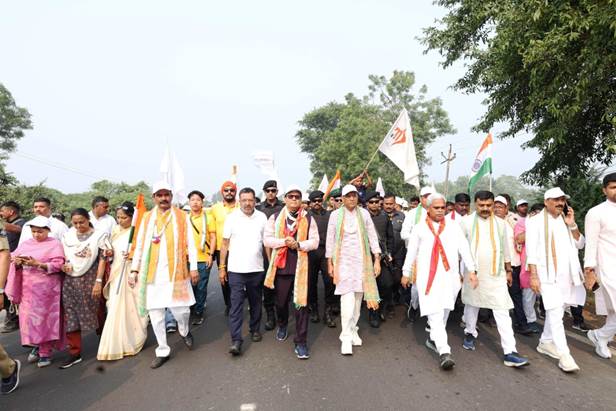
VADODARA : The Union Minister for Ports, Shipping and Waterways (MoPSW), Shri Sarbananda Sonowal took part in the Sardar@150 March along with other leaders at Vadodara on Friday. Sonowal said the Sardar@150 National Unity March has “ignited a powerful wave of patriotism across India and showcased the determination of the nation’s youth to uphold Sardar Vallabhbhai Patel’s vision of a united India”.

image0026I0Q “Youth are the torchbearers of Ek Bharat”: Sarbananda Sonowal at the Sardar@150 March in Vadodara

Speaking at the inaugural cultural programme held at Aarana Lawns, Sevasi as the padyatra entered Vadodara on Day 3, the Union Minister Sarbananda Sonowal said the march is a testament to collective resolve and national pride. “The passion of our youth proves that the spirit of Ek Bharat continues to inspire every citizen. Under the dynamic leadership of Prime Minister Shri Narendra Modi ji, India is moving ahead with the mission of Shreshtha Bharat and a Viksit Bharat,”Sarbananda Sonowal said.

The padyatra began from the Hare Krishna Temple at Anklav and drew strong participation from students, cultural groups and community organisations. According to MY Bharat, the initiative has already seen 1,514 padyatras across more than 620 districts and 440 Lok Sabha constituencies, involving over 1.5 million citizens who have collectively covered 10,007 km nationwide.

The inaugural programme featured Sardar Gatha, themed “Vithalbhai – Maniben – Sardar,” followed by cultural performances including Gram Sabha, Nrutya Natika and Bhajan Sandhya, celebrating unity through art and heritage.

The padyatra will proceed on Saturday through key locations in Vadodara, culminating at Navlakhi Ground for a large cultural event.

The 11-day march, commemorating the 150th birth anniversary of Sardar Patel, continues to galvanise young India around the ideals of national integration and self-reliance.

The Union Minister Sarbananda Sonowal was joined by other dignitaries including Dr. Mansukh Mandaviya, Union Minister of Youth Affairs & Sports and Labour & Employment; Ajay Tamta, Minister of State for Road Transport & Highways; Sheeshpal Rajput, Chairman, Gujarat State Yog Board; Jagdishbhai Makwana, MLA and Deputy Chief Whip, Gujarat Vidhan Sabha; Vijaybhai Patel, MLA and Deputy Chief Whip, Gujarat Vidhan Sabha; Hemang Joshi, Member of Parliament (MP); Smt. Ranjanben Bhatt, former MP; Narhari Amin, Former Deputy Chief Minister of Gujarat and MP; and Jashubhai Bhilubhai Rathva, MP.

Piyush Goyal highlights ongoing trade negotiations with all major trading nations of the world at the 98th AGM of FICCI

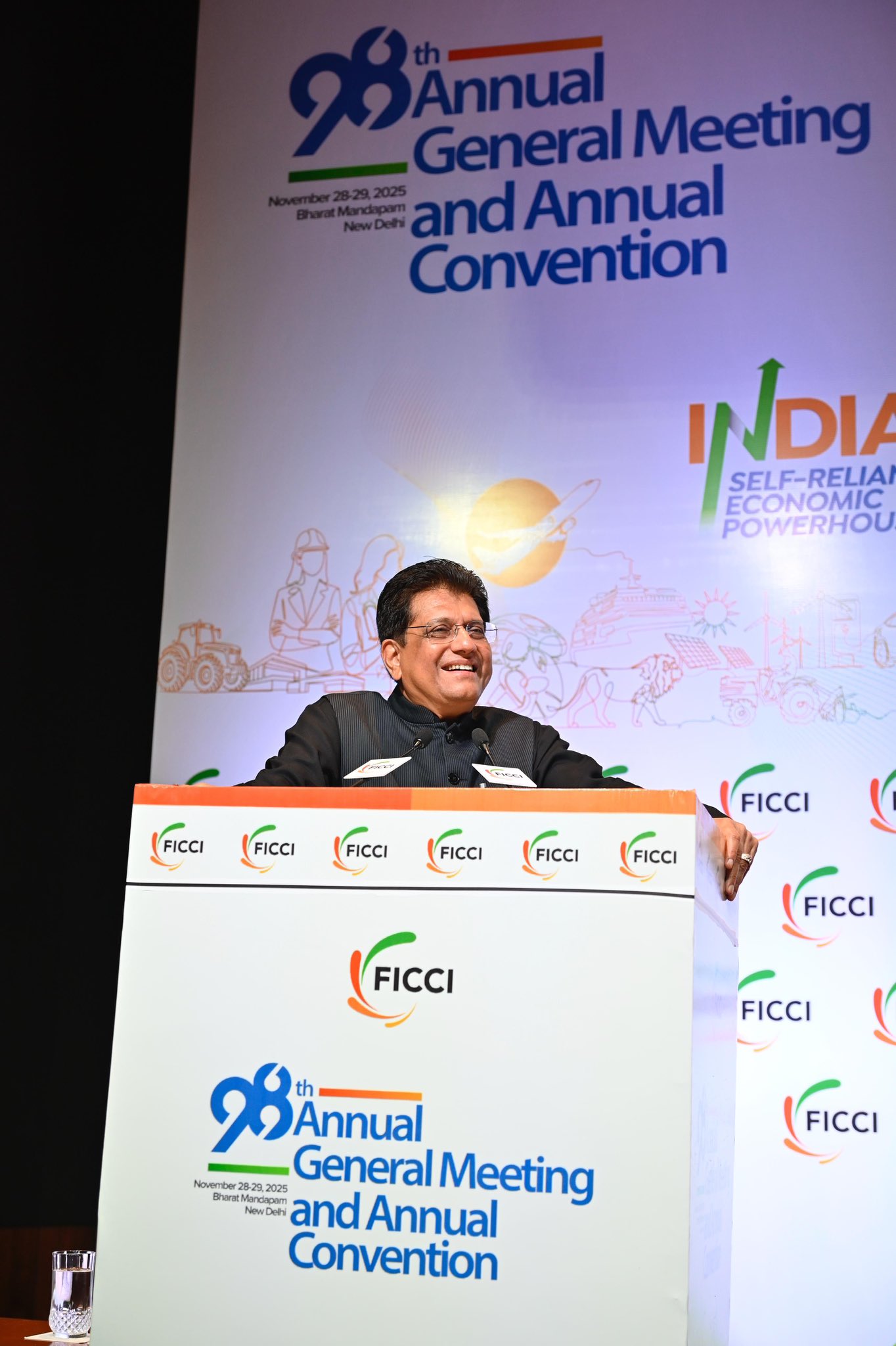
NEW DELHI : Union Minister of Commerce and Industry, Shri Piyush Goyal, said that India has concluded balanced and equitable trade agreements with Australia, the UAE, Mauritius, the United Kingdom and the four-nation EFTA bloc and is currently engaged in discussions with 14 countries or groups representing nearly 50 nations, including the United States, the European Union, GCC countries, New Zealand, Israel, Eurasia, Canada, South Africa and the Mercosur group. Shri Goyal said this while addressing the 98th Annual General Meeting of the Federation of Indian Chambers of Commerce and Industry (FICCI) in New Delhi on Friday.

Shri Goyal said that the idea of self-reliance is central in India’s civilisational ethos, recalling references from the Bhagavad Gita and Mahatma Gandhi’s emphasis on Swadeshi. He said that self-reliance has historically guided India’s progress and continues to remain central to the country’s economic strategy. He added that this vision has been strengthened through the focus on Atma Nirbhar Bharat under the leadership of Prime Minister Shri Narendra Modi.

Referring to the recent EFTA agreement, the Minister noted that the bloc has committed to invest USD 100 billion in India across innovation and precision manufacturing. He highlighted India’s cost competitiveness in research and innovation, stating that high-quality innovation undertaken in India can be achieved at a fraction of the cost compared to Europe or the United States. He emphasised the need for Indian industry to move beyond legacy mindset and adopt a forward-looking and globally competitive approach.

The Minister highlighted India’s strengths in innovation and technology, supported by a young demographic, increasing digital adoption and a growing talent pool. He said that India’s large number of STEM graduates and widespread internet access create strong potential in emerging areas such as applied artificial intelligence, automation, robotics and deep-tech innovation. He noted that the recently announced USD 12 billion Research, Development and Innovation (RDI) fund, along with ongoing support to startups and deep-tech industries, will further accelerate India’s innovation ecosystem.

Shri Goyal emphasised the importance of strengthening skilling to prepare India’s youth for future opportunities. He said that unlike many developed economies facing ageing populations, India’s youthful demographic is quick to adapt to emerging technologies and has already demonstrated high engagement with digital platforms. He added that this readiness positions India to play a major role in the global technology landscape.

Highlighting broader global developments, the Minister said that recent geopolitical and economic challenges have underscored the need for trusted partners and resilient supply chains. He stated that India’s expanding network of FTAs and economic partnerships is aimed at building long-term cooperation anchored in fairness, transparency and mutual benefit.

Shri Goyal outlined India’s strengths through the PESTLE framework, noting that Prime Minister Shri Narendra Modi has consistently advanced the vision of self-reliance across sectors. He said that politically, a stable and predictable government committed to “Minimum Government, Maximum Governance” has enhanced investor confidence. In the economic domain, initiatives such as the National Manufacturing Mission and the ₹25,000 crore Export Promotion Mission are supporting India’s rise towards becoming the world’s third-largest economy. On the social front, he highlighted that the four Labour Codes ensure better wages and protections, while the Antyodaya approach has supported the fulfilment of basic needs.

In the technology sector, Shri Goyal pointed to initiatives aimed at reducing external dependence, including the Semiconductor Mission (₹76,000 crore) and the ₹7,000 crore programme for permanent magnet production, which strengthen domestic manufacturing and supply chain security. In the legal domain, he referred to ongoing reforms, including progress toward Jan Vishwas 3.0, designed to enhance ease of doing business. He further noted that the Atomic Energy Bill 2025 marks a historic shift by opening up the nuclear sector to strengthen energy sovereignty.

The Minister urged FICCI to adopt a mission-driven approach to promoting innovation, deepening research and development, strengthening industry-academia linkages and supporting India’s journey towards becoming a developed nation by 2047. He said that the collective efforts of industry, government and citizens will be vital in enabling India to emerge as a resilient, competitive and self-reliant global economic power.

Piyush Goyal calls for sustainable farming, eco-friendly packaging and greater value addition in India’s tea sector

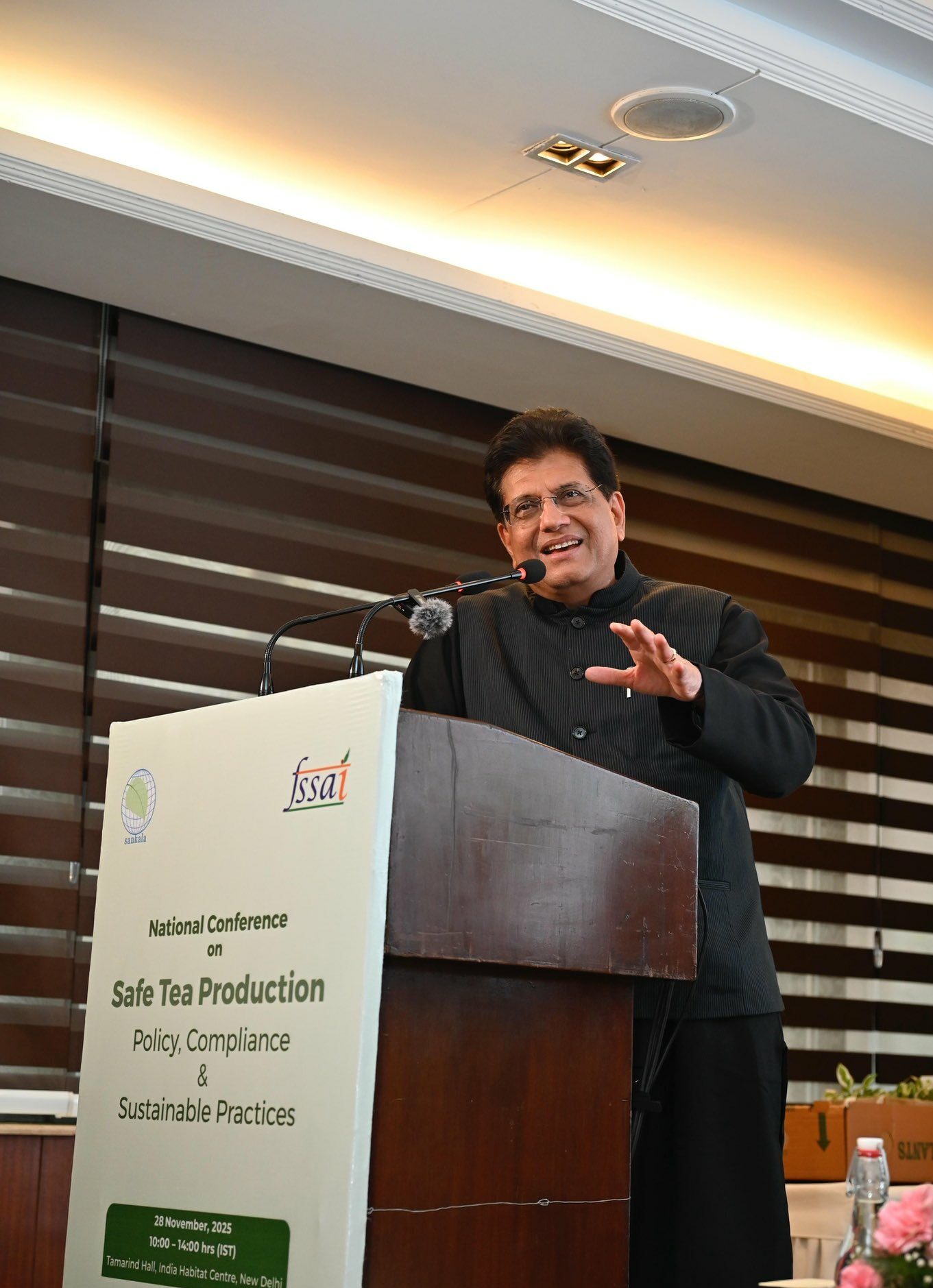
NEW DELHI : Union Minister of Commerce and Industry Shri Piyush Goyal observed that while India continues to be globally recognised for iconic teas such as Darjeeling, Assam, and Nilgiri, it is important for the country to develop a wider catalogue of internationally marketable products while addressing the Sankalp Foundation’s National Conference on Safe Tea Production in New Delhi on Friday.

Shri Goyal underlined that India must move beyond its traditional strengths and focus on creating new signature blends that resonate with changing consumer tastes, emerging wellness trends, and premium lifestyle markets worldwide. He emphasised that sustainable practices, responsible labour standards, and continuous innovation are essential to maintaining high-quality tea and low MRL levels.

He urged researchers and scientists to leverage India’s diverse agro-climatic strengths to develop innovative varieties and high-value products that can unlock new export opportunities. Such innovation-driven value addition, he said, would not only enhance India’s global footprint but also enable farmers—particularly small growers—to secure better returns. The Minister stressed that sustained research, experimentation, and product development will be key to ensuring that Indian tea remains competitive, distinctive, and future-ready in an increasingly dynamic global tea industry.

Shri Goyal noted that India is among the world’s largest tea producers and exporters, with nearly 255 million tonnes exported annually. He underscored the importance of safeguarding this key industry, which plays an integral role in India’s hospitality and trade culture, and added that deliberations held during the conference would provide valuable inputs to the Ministry and the Tea Board to further strengthen the sector.

He stated that initiatives under the leadership of Prime Minister Shri Narendra Modi are focused on supporting small tea growers, workers, and allied stakeholders. He observed that tea is deeply ingrained in India’s social fabric and plays a vital role in bringing families and communities together.

Shri Goyal emphasised that while the Government remains committed to improving the lives of tea growers, inputs, suggestions, and guidance from stakeholders, researchers, and industry players are invaluable in shaping effective policies. He highlighted the Government’s ₹1,000-crore package aimed at supporting tea growers and workers, along with initiatives such as the Chai Sahayog App, which enables small growers to realise better prices for their produce.

The Minister highlighted the need for complete traceability across the tea supply chain and stressed that the integrity of Indian tea must be protected at every stage—from plucking and processing to packaging and export. He urged researchers, industry stakeholders, and young entrepreneurs to explore emerging technologies such as blockchain to enable end-to-end transparency. Such systems, he said, can record every step of the production cycle, helping identify the exact source, grade, and quality of each batch of tea, prevent mixing with lower-quality or imported varieties, and ensure that only authentic Indian blends reach consumers. Strengthened traceability, he added, would safeguard India’s reputation as a global tea leader, build greater trust among international buyers, and secure better value for farmers and small growers.

Shri Goyal encouraged the wider adoption of innovative and sustainable farming practices, noting that methods such as drip irrigation can significantly improve water efficiency and overall productivity for growers. He emphasised that the future of the tea sector depends on embracing environmentally responsible approaches at every stage of cultivation and processing. The Minister also urged stakeholders to explore biodegradable and eco-friendly packaging options, stating that such measures would help the industry meet global sustainability expectations. He reiterated the need to increase the share of value-added, branded, and packaged teas in both domestic and international markets, underlining that India must move beyond commodity exports to strengthen its global presence. He assured that the Ministry and the Tea Board would extend full support for global outreach initiatives, including participation in trade fairs, international events, and buyer–seller meets.

He called on stakeholders to work collectively towards improving opportunities for children in tea-growing regions, emphasising that long-term sectoral progress must also include social development. Shri Goyal underscored the importance of skilling initiatives, mechanisation, and modern tools in helping farmers raise productivity and secure better incomes. He encouraged the adoption of technology-driven systems to forecast weather variations and pest-related risks, stating that such intelligence-based approaches are essential for supporting timely agricultural decisions and helping growers manage challenges more effectively.

The Minister suggested incorporating innovative storytelling in tea marketing by highlighting the origin, process, and uniqueness of each cup. He also urged the industry to identify state-of-the-art testing equipment to ensure the highest quality standards and assured that FSSAI, BIS, and EIC stand ready to support the establishment of world-class testing facilities across the country.

Shri Goyal emphasised that government and industry must work as a team to ensure that every cup of Indian tea represents quality, heritage, and trust. He expressed confidence that the tea sector will play a significant role in India’s journey towards Viksit Bharat 2047 during the Amrit Kaal.

India–Afghanistan gear up to restart cargo flights amid Pakistan transit freeze

NEW DELHI : India and Afghanistan are drawing closer once again, this time, doing so above Pakistan’s head. After months of border closures, airspace restrictions, and disrupted trade routes, New Delhi and Kabul are preparing to relaunch direct cargo flights that could reopen a vital economic lifeline between the two nations.

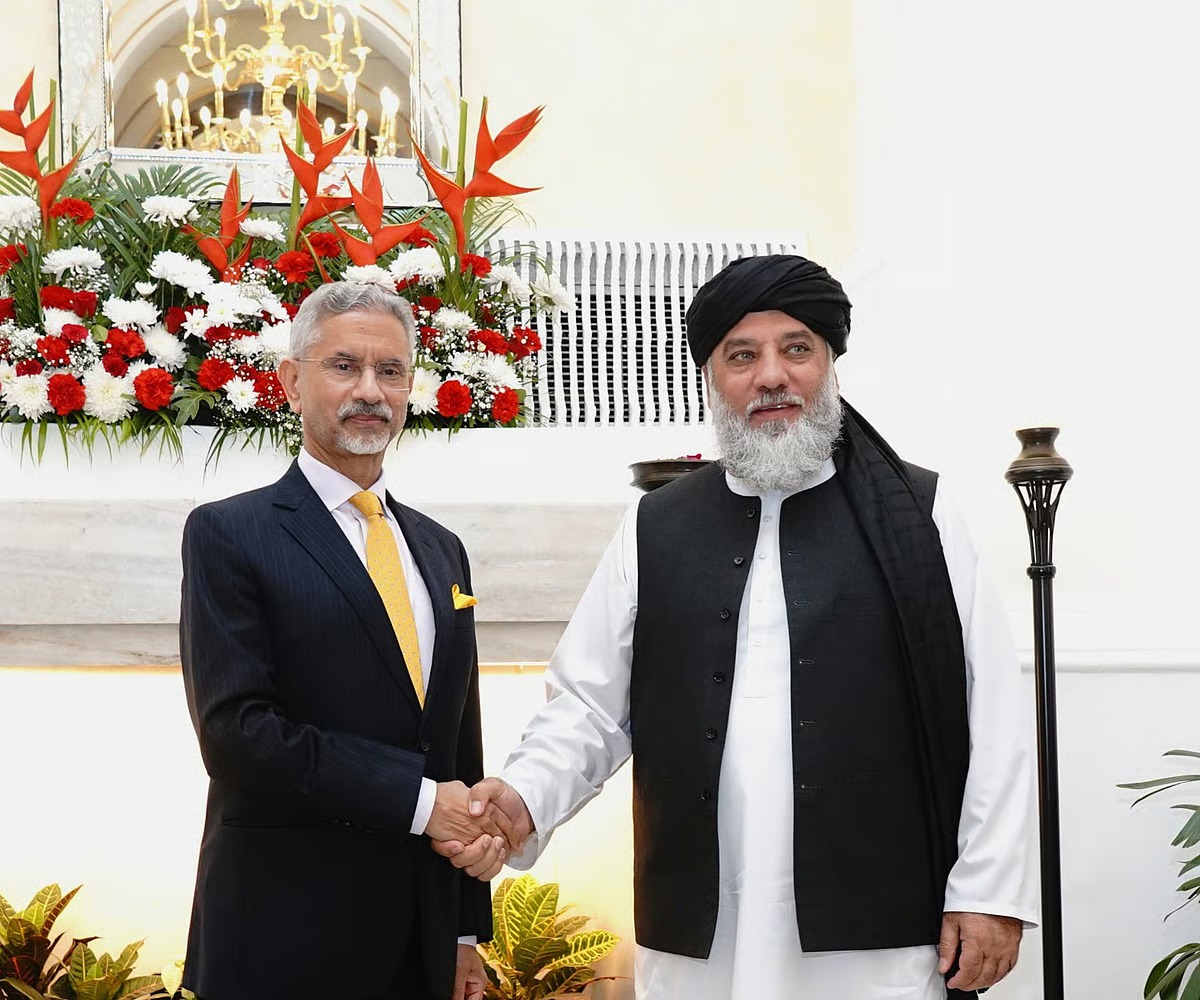
The breakthrough occurred during Afghan Commerce and Industry Minister Al-Haj Nooruddin Azizi’s five-day visit to India, a trip aimed at reducing Kabul’s dependence on Pakistan. Over the past year, Islamabad has repeatedly closed border crossings, restricted movement, and limited cross-border trade following military clashes, choking Afghan exports and stranding thousands of traders.

A senior Indian Ministry of External Affairs (MEA) official announced that air freight corridors on the Kabul–Delhi and Kabul–Amritsar sectors have now been activated. Cargo flights, the official said, will begin “very soon,” adding that all formalities on India’s side are already complete. The next step lies with Afghan authorities, who are in the final stages of documentation.

For Afghanistan, the urgency is pressing. Farmers and exporters have suffered losses exceeding $100 million after Pakistan closed major trade points, including Torkham and Chaman. Perishable produce, including fruits, dry fruits, herbs, and medicinal crops, rotted in stranded trucks as border workers, truck drivers, and agricultural traders bore the brunt of the shutdown.

With Pakistan’s airspace closed to Indian carriers, even air connectivity between India and Afghanistan had collapsed. Cargo flights could reverse that almost instantly, allowing Afghan produce to reach Indian markets within hours instead of days or weeks via land routes.

India also stands to gain significantly. Renewed air trade strengthens New Delhi’s economic footprint in Afghanistan and provides a direct alternative route into Central Asia, one that strategically bypasses Pakistan. The development aligns with India’s broader effort to expand regional trade links through both air corridors and the Chabahar Port route via Iran.

Both sides are also exploring deeper institutional collaboration. India and Afghanistan plan to appoint dedicated trade attachs and revive the long-dormant joint working group on commerce, investment, and connectivity. Discussions are underway to launch air courier services on the Kabul–Delhi, Kabul–Amritsar, and even Kabul–Kandahar routes.

However, flights to Kandahar are undergoing a rigorous security review due to the IC-814 hijacking incident in 1999, which remains a sensitive chapter in Indian aviation history.

Despite optimism, traders in Amritsar say official notifications are still awaited, and progress since earlier Taliban visits has been slow. Yet the momentum remains strong, and the political signalling is unmistakable.

As India recalibrates its diplomacy and Afghanistan seeks to escape Pakistan’s shadow, the sky itself may become the route that reconnects two old partners, opening a new chapter in regional trade and strategic cooperation.