Home Blog Page 544

DP World joins forces with UAE–India CEPA Council start-up series to empower Indian innovations

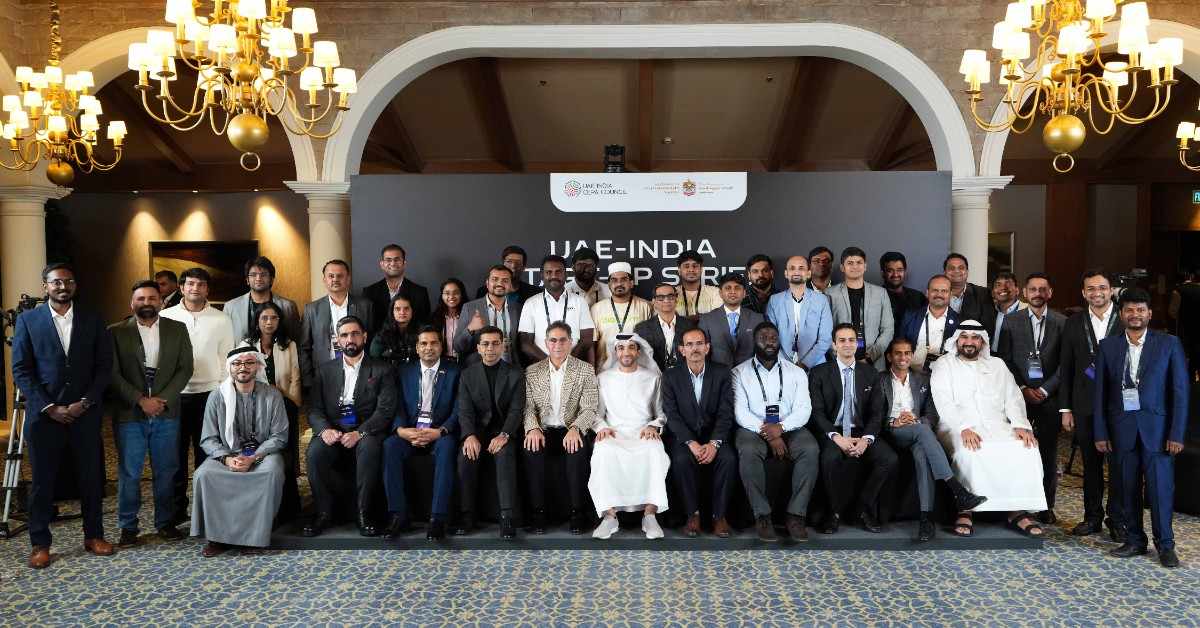
MUMBAI : DP World reinforced its commitment to advancing UAE–India economic ties as a supporting organisation in the UAE–India CEPA Council’s flagship Start‑Up Series, which showcases and nurtures small, high-potential Indian businesses. As part of its support, DP World extended a “soft‑landing” package in the UAE to DocketRun AI, an artificial Intelligence start‑up selected among the top five winners of the competition.

DocketRun will benefit from mentorship, access to DP World’s trade ecosystem and exposure to potential partners and investors from DP World’s global supply chain and logistics networks, enabling it to explore opportunities for growth.

Launched in June, the Start-Up Series attracted more than 10,000 applications in just 50 days, underscoring India’s rapid growth in technology-led entrepreneurship and making it the largest initiatives of its kind.

DocketRun was recognized for its Artificial Intelligence of Things (AIoT) solutions, including automated operational assessments, advanced quality inspection systems, video analytics, that enhance efficiency, safety and resource utilitisation across industrial and logistics operations.

DPWORLDJOINSFORCESWITHUAE INDIACEPACOUNCILSTART UPSERIESTOEMPOWERINDIANINNOVATORS DP World joins forces with UAE–India CEPA Council start-up series to empower Indian innovations

The two-day programme brought together key stakeholders from government, industry and the start-up community. Distinguished attendees included: His Excellency Dr. Abdulnasser Alshaali, Ambassador of the UAE to India, Mr. Ahmed Aljneibi, Director of the UAE–India CEPA Council and Mr. Hemant Kumar Ruia, Country Manager DP World India Subcontinent.

Mr. Hemant Kumar Ruia, Country Manager, India Subcontinent, DP World, said, “I had the opportunity to engage with some of India’s most ambitious founders during the Start‑Up Series and witnessed innovation of real substance. DocketRun distinguished itself through clarity of vision, disciplined engineering, and a platform built for scale. Supporting its entry into the UAE innovation ecosystem reflected our shared commitment under CEPA to encourage entrepreneurship and strengthen start up ecosystem that can in turn support the economy.”

Mr. Ahmed Aljneibi, Director of the CEPA Council said, “The UAE–India Start‑Up Series illustrates how CEPA brings together high-potential Indian startups, entrepreneurial platforms, and growth enablers to strengthen bilateral trade by fostering a deeper understanding of each other’s ecosystems. We value DP World’s support in offering a soft‑landing package to one of the five selected start‑ups, creating pathways to expand cross‑border supply chains and drive the next phase of this dynamic partnership.”

DP World continues to support ideas and technologies that can reshape global trade and supply chains. Alongside its development of ports and inland infrastructure within India, the company is also developing Bharat Mart, a transformative 2.7 million square foot market, which will serve as a key trading hub for Indian businesses accessing the Gulf and global markets.

India–UAE convene third CEPA Joint Committee Meeting; Bilateral Trade crosses USD 100 Billion

India and the UAE successfully convened the third meeting of the Joint Committee under the India–UAE CEPA in New Delhi. The meeting was co-chaired by Additional Secretary, Department of Commerce, Shri Ajay Bhadoo and Assistant Undersecretary for International Trade Affairs, UAE, H.E Juma Al Kait. Both sides welcomed the strong growth in bilateral trade, which crossed USD 100.06 billion in FY 2024–25, reflecting a robust increase of 19.6% and reaffirming the UAE’s position as one of India’s key trading partners. The India-UAE Joint Commission serves as the primary institutional mechanism to review progress, address challenges, and implement the CEPA.

The two sides conducted a comprehensive review of progress under CEPA and detailed discussions were held on market access issues, data sharing, allocation of Gold TRQ, anti-dumping matters, services, Rules of Origin, BIS licensing etc. The India side also briefed the UAE on its recent decision to allocate Gold TRQ through a transparent competitive bidding process.

Both sides reviewed recent high-level engagements, including meetings between Hon’ble Commerce & Industry Minister Shri Piyush Goyal and H.E. Dr. Thani in Mumbai and Dubai. They reaffirmed their shared commitment to expanding non-oil/ non precious metal trade towards the USD 100 billion target by 2030. Discussions also covered regulatory cooperation in pharmaceuticals, resolution of issues related to Certificates of Origin, BIS coordination, and early signing of the MoU on Food Safety and Technical Requirements between Agricultural and Processed Food Products Export Development Authority (APEDA), India and Ministry of Climate Change & Environment (MoCCAE), UAE.

The meeting concluded with both sides agreeing to strengthen trade facilitation, regulatory collaboration, data sharing and convening of Services Subcommittee meeting. The UAE delegation also had a meeting with Commerce Secretary, Shri Rajesh Agrawal where issues related to optimum CEPA utilisation by both sides were discussed. The visit of the UAE delegation underscores the commitment of both countries to deepen the balance of trade, expand market opportunities, and further reinforce the strategic partnership under CEPA.

Construction of 6 new Gati Shakti cargo terminals advancing rapidly NFR

GUWAHATI : The construction of six new Gati Shakti cargo terminals under Northeast Frontier Railway (NFR) is progressing rapidly, with the first facility at Baihata in Kamrup district expected to be operational soon, officials said on Thursday.

The Baihata terminal, built at an estimated cost of Rs 245 crore, is nearing completion and necessary clearances are underway to ensure safety. Once operational, it is expected to significantly strengthen the freight logistics ecosystem for industries across the Northeast, an official release said.

The Gati Shakti Cargo Terminal policy was introduced in 2022 to promote the development of state-of-the-art logistic terminals built with the participation of major industry partners. Earlier, there were two Gati Shakti terminals at Moinarband near Silchar and Cinnamara near Jorhat, but in February this year, Railway Minister Ashwini Vaishnaw announced the development of six new Gati Shakti cargo terminals in the state.

The six new terminals under construction are at Habaipur in Lanka (Lumding Division), Jogighopa, Baihata, the Multi-Modal Logistics Terminal at Kendukona, the Hindustan Petroleum Corporation Limited (HPCL) Terminal at Basugaon, and the Gati Shakti Multimodal Cargo Terminal at Chaygaon (Rangiya Division).
These new facilities are part of a broader effort to enhance multimodal connectivity, increase freight efficiency and strengthen logistics networks under the PM Gati Shakti National Master Plan improving connectivity and meeting the rising logistics needs of the region, the release added.

Successful completion of Skill development programmes by the Port under CSR initiative

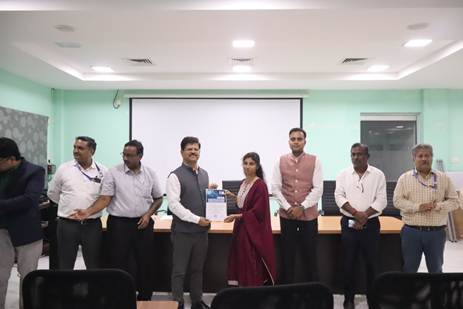
TUTICORIN : The valedictory function of the Skill Development Programmes conducted by the Centre of Excellence in Maritime and Shipbuilding (CEMS), under the Port’s CSR initiative, was held at the Port on 26.11.2025 at Tuticorin, Tamilnadu. Shri Susanta Kumar Purohit, IRSEE, Chairperson, distributed the course completion certificates to the successful trainees of the EXIM & Warehouse Executive, Welder, and Computer Numerical Control (CNC) programmes, in the presence of Shri Rajesh Soundararajan, IAS, Deputy Chairperson, and senior officers of the Port.

The programme has continued to deliver measurable outcomes, with strong placement results reflecting industry acceptance and demand. Many of the trained candidates have been successfully placed in major MNCs. It is pertinent to note that all 14 trainees in the Welder and CNC Operator batch secured employment, recording a 100% placement success. The initiative stands as an impactful step toward career transformation, economic upliftment, and long-term community development.

In a significant step towards empowering local youth with industry-relevant skills and improving their employment prospects across various sectors, VOC Port has been organising multiple skill development programmes through CEMS. The programmes offer seven specialised vocational courses to enhance employability across multiple industrial sectors, including Domestic Data Entry Operator, Exim Executive, Warehouse Executive, Welder, CNC Operator, Supply Chain Executive, and Courier Associate Operations.

While addressing the gathering, Chairperson, Shri Sushant Kumar Purohit, IRSEE, motivated the students to seize this opportunity to build their career. He also highlighted the importance of gender equality and equal opportunities for women in the training programs. Deputy Chairperson, Shri Rajesh Soundararajan, IAS, shared his insights and guidance with the trainees and encouraged them to actively explore new opportunities and continuously learn new skills to strengthen and advance their career.

VOC Port reaffirms its commitment to empowering local communities through sustained skill development and employment-oriented training. By enabling youth to gain practical industry skills and secure meaningful job opportunities, the Port continues to contribute to the socio-economic advancement of the region. The initiative reflects the Port’s ongoing dedication to creating an inclusive, skilled, and future-ready workforce for the maritime and industrial sectors.

ICG hosts maiden shipbuilding, indigenisation & IT Conference

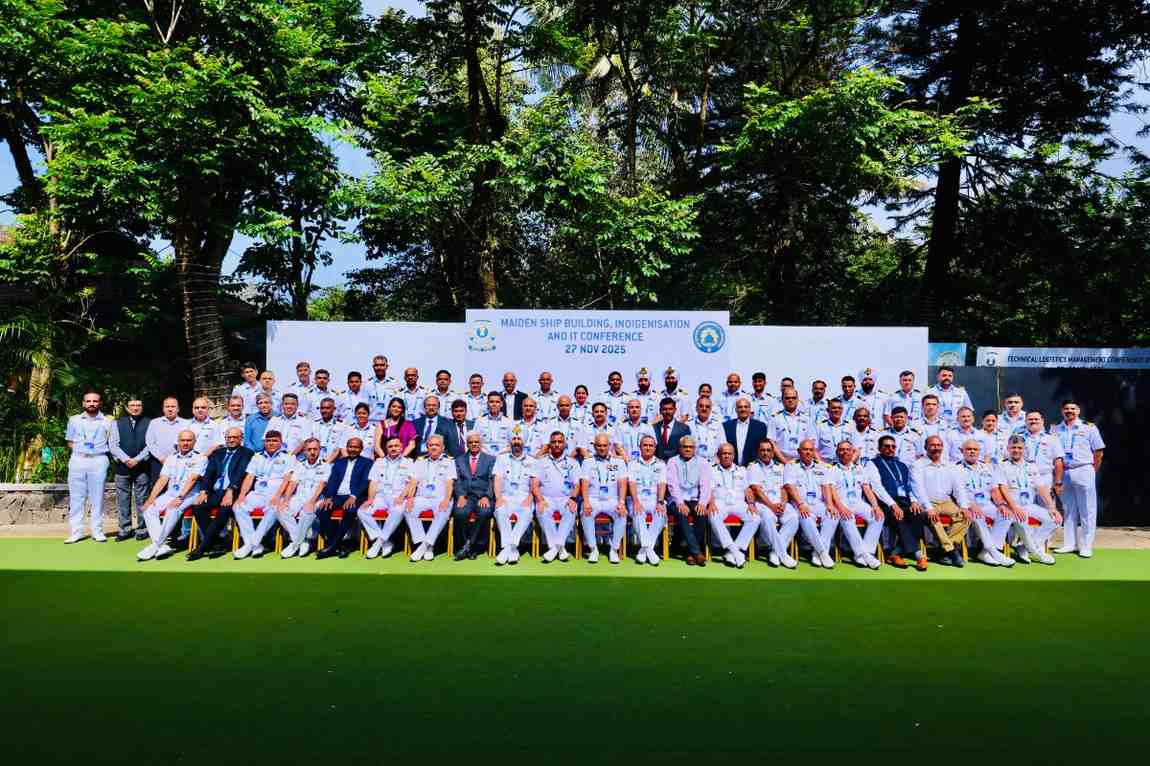
MADIKERI : The Indian Coast Guard (ICG) hosted the maiden Shipbuilding, Indigenisation & IT Conference at Madikeri, Karnataka on November 27, 2025, marking a significant milestone in strengthening India’s maritime capabilities. A major highlight of the event was the signing of a Memorandum of understanding between the ICG and the Coimbatore District Small Industries Association and Defence Innovation & Atal Incubation Centre. The partnership seeks to strengthen the defence innovation ecosystem and accelerate indigenisation efforts through the Defence Innovation Hub at Coimbatore.

In his inaugural address, Director General Paramesh Sivamani, DG ICG, underscored the strategic importance of self-reliance in shipbuilding through indigenous design, robust digital infrastructure and resilient supply chains. He appreciated the steadfast support of Indian shipyards and equipment manufacturers in boosting the ICG’s operational readiness. He also highlighted the successful progression of the 200th indigenously built vessel (fourth Pollution Control Ship), which is currently undergoing sea trials. He described it as a symbol of the technical proficiency and engineering excellence of ICG technocrats.

DG ICG detailed the progress of Project Digital Coast Guard, a long-term initiative to create a secure, scalable and resilient digital backbone for all ICG units, emphasising that digital expansion must be matched with strong cybersecurity frameworks. During the conference, he also released three documents: the teaser of the e-book ‘History of Shipbuilding in the Indian Coast Guard’; the Roadmap for Artificial Intelligence in ICG and the ICG Cyber Crisis Management Plan-2025, each reinforcing the organisation’s commitment to technological advancement, digital capacity-building, and future-ready preparedness.

The conference enabled valuable exchanges among stakeholders, aligning perspectives and fostering synergy to shape the future requirements of the ICG. It marked a decisive step toward building a technologically advanced, operationally superior and fully indigenous maritime force. Bringing together senior dignitaries, leading shipyards, equipment manufacturers, classification societies and subject-matter experts from across the maritime domain, the conference created a comprehensive platform to advance Aatmanirbhar Bharat, promote technological innovation and accelerate the ICG’s digital transformation.

US and Canada step up WTO challenge to India’s $18 billion rice policy

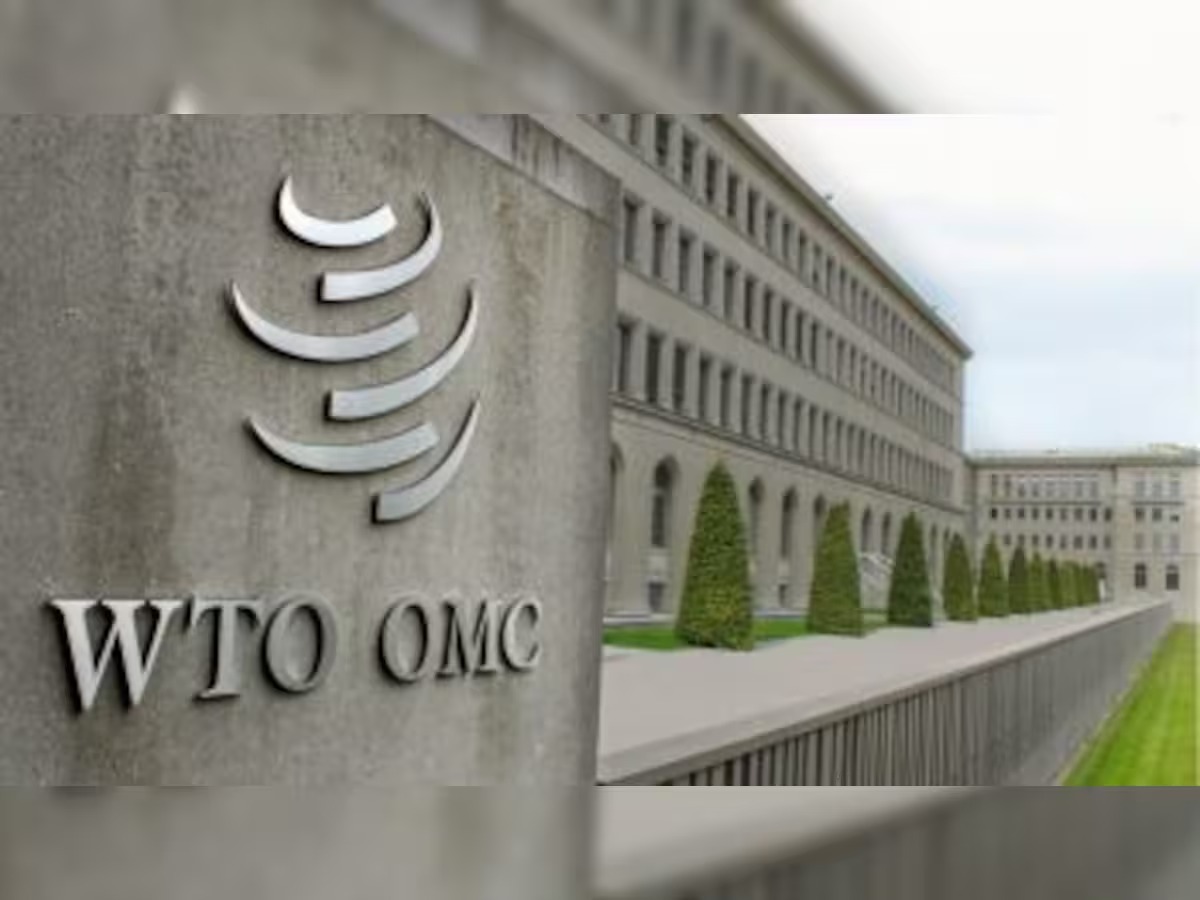
NEW DELHI : The debate around India’s rice trade intensified this week after representatives from the United States and Canada raised objections at the World Trade Organisation (WTO). Their complaint centred on the worry that India’s growing presence in the global rice market may end up unsettling countries that rely on stable prices and dependable supplies.

People in the knowhow of the discussions said both delegations voiced the view that New Delhi’s plan to expand exports in the coming seasons might trigger tremors across international markets, especially for smaller economies that have little cushion when price trends change.

Union Minister Shri Prahlad Joshi acknowledged the concerns but added that India’s intention remains unchanged. The government, he said, wants farmers to earn a fair return while the country continues to meet global demand in a balanced manner.

New Delhi has earlier indicated that it plans to double exports over the next few years, a projection that carries weight considering India already accounts for almost 40 percent of the world’s rice trade.

During its submission to the WTO, Canada alleged that India had been encouraging farmers to raise output through financial support and yearly increases in the minimum support price for paddy. It argued that such policies maximise production and create a surplus that eventually flows into international markets. The statement warned that this expansion could distort trade patterns and place other exporting countries under pressure, gradually altering price behaviour across the region.

The numbers behind India’s basmati shipments illustrate why the conversation has gathered momentum. In 2019-20, Basmati rice exports were valued at 4.33 billion dollars, before settling at over 4 billion dollars the following year.

The figure stood at 3.54 billion dollars in both 2021-22 and 2022-23, but it surged dramatically to 5.83 billion dollars in 2023-24 and inched further to 5.94 billion dollars in 2024-25.

These swings reveal how strongly global buyers continue to rely on India for premium aromatic rice, despite periodic turbulence in trade policies.

The non-Basmati segment has travelled an equally eventful path. In 2019-20, India exported rice worth 2.01 billion dollars in this category. The number rose steeply to 4.8 billion dollars in 2020-21 and then crossed 6.12 billion dollars in 2021-22. It climbed slightly to 6.35 billion dollars in 2022-23 before easing to 4.57 billion dollars in 2023-24.

By 2024-25, it had surged again to 6.52 billion dollars. These figures explain why competing exporters are watching every move taken by New Delhi. Even a modest change in India’s export policy can shift expectations for importers, traders and retailers in dozens of countries.

With the matter now gaining traction at the WTO, trade diplomats expect several more rounds of submissions and counter-submissions. India is preparing a detailed response that will outline its position and the rationale behind its support policies.

For now, both sides appear to be settling in for prolonged discussions, because few commodities reveal the global balance of power as clearly as rice, the grain that feeds more people on this planet than any other.

How tariffs are eating into export gains from a weak rupee

NEW DELHI : Despite a sharp depreciation since 2013, from around 60 to almost 90 against the dollar, merchandise exports grew only modestly, from $313 billion in 2013 to about $440 billion in 2024-25.

While a weaker currency usually makes exports more competitive, experts say the impact has been blunted by years of higher inflation, which kept the rupee’s real effective exchange rate from falling as much as the nominal slide suggests.

And this fiscal, high US tariffs are further eroding whatever cost advantage the currency might otherwise have offered.

The rupee held near 89.24 on November 27, having weakened to a record 89.49 on November 21 following a wider trade deficit and foreign portfolio investment outflows. Its recent recovery, albeit slightly, is seen on account of possible intervention by the Reserve Bank of India.

It has depreciated 3.5 percent against the dollar from the end of March to the end of October, showing a gradual weakening in line with broader emerging‑market currency trends.

To be sure, a weaker rupee can boost exports by making Indian goods cheaper, but the extent of this benefit depends on global demand and how much exporters rely on imported inputs.

“Global demand remains subdued, with key markets experiencing slower growth and tighter financial conditions. In such an environment, buyers are cutting orders outright rather than negotiating lower prices, meaning a cheaper rupee does little to stimulate export volumes,” said Riya Singh, an analyst at Emkay Global Financial Services.

She also pointed to the impact of steep US tariffs on Indian exports, which is eroding any advantage that a weaker rupee might have provided.

When tariffs rise by 25–50 percent, a 1–2 percent depreciation in the rupee does little to improve competitiveness. “India also depends heavily on imported inputs for its exports, so a weaker rupee makes those imports costlier, eating into margins and reducing the benefit exporters might have got,” Singh said.

This is reflected in India’s latest trade data, with the merchandise trade deficit widening to $41.68 billion in October from $32.15 billion in September, led by a surge in gold imports and a sharp fall in exports, especially to the US.

Cumulatively, while merchandise exports during April–October remained little changed at $254 billion from a year earlier, goods imports rose by 6.4 percent to $451 billion.

Most Indian exports are subject to steep 50 percent tariffs by the US, effective August 27. To be sure, both sides are negotiating an interim trade deal to reduce these duties.

Global Trade Research Initiative’s (GTRI) Ajay Srivastava said that a weaker rupee should have boosted India’s export competitiveness, but high input tariffs, strict standards, supply chain issues from quality control orders, costly logistics, and reliance on imported intermediates have erased much of the currency advantage.

“The recent data shows India doesn’t suffer from an overvalued rupee, it suffers from an over-regulated, high-cost manufacturing ecosystem,” Srivastava added.

However, there is reason for optimism, thanks to the recent rollback of quality control orders on key industrial inputs, the rationalisation of GST rates, and the long-pending labour reforms, all of which could help reduce domestic bottlenecks.

“If these reforms are executed with consistency and depth, they could finally allow India’s exporters to benefit from a competitive currency, and unlock the scale and dynamism,” Srivastava said.

But for now, Indian exporters may gain little from a weaker rupee.

“The rupee’s depreciation is occurring at a time when global demand is weak, tariffs are high, input costs are rising, and volatility is elevated. These forces are overwhelming the traditional export boost that a weaker currency would normally provide,” Emkay’s Singh said.

Breaking the decarbonisation deadlock : Fashion for good unveils first-of-its-kind blueprint for near-net-zero textile manufacturing

AMSTERDAM : Fashion for Good launches the first open-source blueprint for near-net-zero textile manufacturing, tackling one of fashion’s biggest emissions hotspots. Developed under the Future Forward Factory project, the blueprint offers Tier 2 manufacturers in India five practical, financially viable pathways to reduce carbon emissions by up to 93%.

THE URGENT NEED FOR PRACTICAL DECARBONISATION STRATEGIES
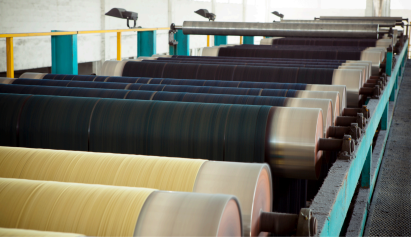
Textile dyeing, treatment, and finishing facilities (Tier 2 of the fashion supply chain) are a major source of pollution and emissions. These wet processes consume high amounts of water, energy, and chemicals, yet manufacturers face a tangle of barriers: prohibitive upgrade costs, a fragmented approach, and no clear path. forward. Without a holistic playbook, decarbonisation remains out of reach and unjustified for most, hindering the industry’s biggest opportunity to decarbonise.

A BLUEPRINT FOR SCALING THE FUTURE OF TEXTILE MANUFACTURING
Developed as part of the Future Forward Factories project, this one-of-its-kind blueprint is freely available to manufacturers, brands, bringing together energy interventions, disruptive process innovations and best-in-class technologies.
Designed as a practical guide for Tier 2 textile manufacturers in India producing cotton knits and wovens, the blueprint launches today through Fashion for Good. The initiative is backed by catalytic funders Laudes Foundation and H&M Foundation, as well as Apparel Impact Institute, IDH, and on-the-ground experts Bluwin, Wazir Advisors, Grant Thornton Bharat, and Sattva Consulting. Arvind Mills serves as the anchor partner supporting the blueprint’s development in India.

The blueprint provides five tailored pathways based on product type and production process, identifying best available technologies and innovative processes to achieve near-net-zero operations. In case of full implementation of all processes and infrastructure upgrades, factories can achieve up to:
● 93% reduction in carbon emissions
● 33% reduction in water usage and
● 41% reduction in electricity consumption.
Critically, each pathway includes financial analysis (payback periods, internal rates of return, and net present value calculations), revealing where additional support is needed. The blueprint also incorporates a Policy Landscape Overview that maps available government incentives, and includes a “How to Navigate” section enabling manufacturers to identify the scenario most applicable to them.
“The Future Forward Factory blueprint removes the guesswork and delivers a pragmatic solution to a complex problem,” said Katrin Ley, Managing Director of Fashion for Good. “By making this knowledge freely available, we are systematically dismantling the biggest barrier to decarbonisation: the lack of a clear, implementable ‘how-to.’ Every manufacturer now has access to concrete guidance and validated financial data. This is more than a roadmap; it is the essential guide for the industry’s factory transformation.”
Fashion for Good aims to support a selected set of manufacturers in India to retrofit their facilities with the help of this blueprint, with the support of Apparel Impact Institute (Aii). Selected facilities will gain hands-on guidance, technical expertise, and financial clarity to implement the blueprint. Manufacturers interested in taking part in the programme can register their interest here.
“As we build this facility, we are committed to sharing what we will learn. The Future Forward Factory blueprint is proof that a holistic understanding of the decarbonisation journey can unlock an investment case and create operational efficiencies for long-term profitability. Moving from assessments to the actual deployment of solutions.” Abhishek Bansal, SVP-Sustainability, Arvind Mills.

Moving beyond theory, the blueprint’s viability will be concretely demonstrated by Fashion for Good and Arvind. The partners are aiming to transition from concept to reality and are in the process of exploring the set-up of the first Future Forward factory using this blueprint. This near-net-zero textile production facility will function as a demonstrative, operational proof of concept and will set the foundation for future blueprints, which Fashion for Good is already looking to develop in South Asia and Latin America, developing bespoke solutions to suit the diverse needs of different manufacturing contexts.

Indian Manufacturers and other industry stakeholders are invited to join a webinar hosted on Fashion for Good LinkedIn on 8th December 2025. This session will offer a guided walkthrough of the blueprint’s structure and practical advice for effective implementation. To get the blueprint, please visit the Fashion for Good website at this link.

ABOUT FASHION FOR GOOD
Fashion for Good unites the entire fashion ecosystem—brands, retailers, suppliers, innovators, and funders—to foster collaboration and spearhead change towards a regenerative industry. At its core, Fashion for Good empowers groundbreaking innovators on their journey to scale, offering hands-on support, access to capital, and a rich network of experts. This accelerates the introduction of the most impactful innovations to the market, driving significant systemic change.

This transformative work is made possible by the support of Laudes Foundation, co-founder William McDonough and corporate partners, adidas, Arvind Limited, BESTSELLER, Birla Cellulose, C&A, CHANEL, Inditex, Levi Strauss & Co., Norrøna, ON, Otto Group, Paradise Textiles, PDS Limited, PVH Corp., Ralph Lauren, Reformation, Shahi Exports, Target, Teijin Frontier, and Zalando.

IMO Assembly, 34th session: New 40-member Council to be voted in for the 2026-2027 biennium

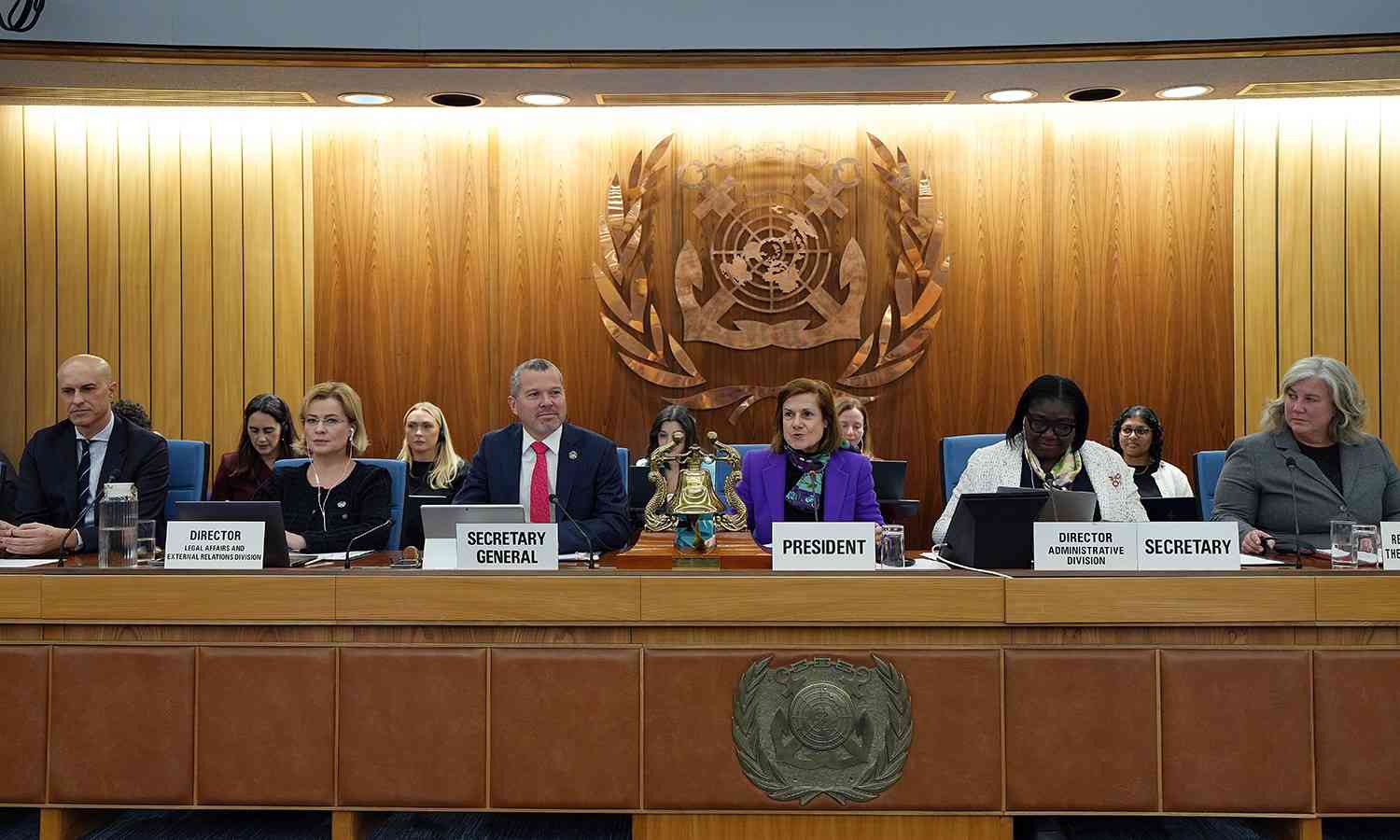
LONDON: The IMO Assembly is holding its 34th session at IMO headquarters in London fro 24 November to 3 December.

The Assembly is the highest Governing Body of the Organization, consisting of all Member States, responsible for approving the work programme and deciding on the budget. The Assembly also elects the Council. 

In his welcome remarks, Secretary-General Dominguez stated: “We meet today at a time when the maritime sector continues to navigate a complex international environment marked by geopolitical tensions, evolving trade patterns, and an accelerating global transition towards decarbonization and digitalization.” 

“The successes still ahead of us will depend on your decisions and your collective action in bringing together this diverse community,” he said.  

Secretary-General Dominguez highlighted the Organization’s achievements during the current biennium, including work to promote maritime safety, ocean protection and digitalization, address fraudulent ship registration, support seafarers, and strengthen capacity development.  

Key speakers 

The Right Honourable Heidi Alexander, Secretary of State for Transport for the United Kingdom, welcomed delegates to the Assembly, as the representative of the Host State. 

The outgoing President of the Assembly, His Royal Highness Prince Khalid Bin Bandar Bin Sultan Al-Saud, Ambassador Extraordinary and Plenipotentiary of Saudi Arabia, and the incoming President, Her Excellency Mrs. Marine de Carné de Trécesson de Coëtlogon, Ambassador and Permanent Representative of France to IMO, addressed the Assembly. 

Election of Officers 

The Assembly elected the following officers: 

Assembly President 

H.E. Mrs. Marine de Carné de Trécesson de Coëtlogon, Ambassador and Permanent Representative of France to IMO 

Assembly Vice Presidents 

First Vice President: H.E. Mr. Hakim Hajoui, Ambassador Extraordinary and Plenipotentiary of Morocco to the United Kingdom and Great Britain 

Second Vice President: H.E. Dr. Iruthisham Adam, High Commissioner and Permanent Representative of Maldives to IMO, was elected as second Vice President. 

Election of Council  

The Assembly, which meets every two years in regular sessions, elects the forty Members of the Council. The Council is the Executive Organ of IMO and is responsible, under the Assembly, for supervising the work of the Organization.   

A new 40-Member IMO Council for the 2026-2027 biennium will be elected. The candidates for the election are listed here. The election will take place on Friday 28 November, with an in-person, secret ballot.   

The Assembly is also expected to adopt the Organization’s budget and work programme for 2026 and 2027. 

Lloyd’s Register signs global partnership with EIC to strengthen energy transition role

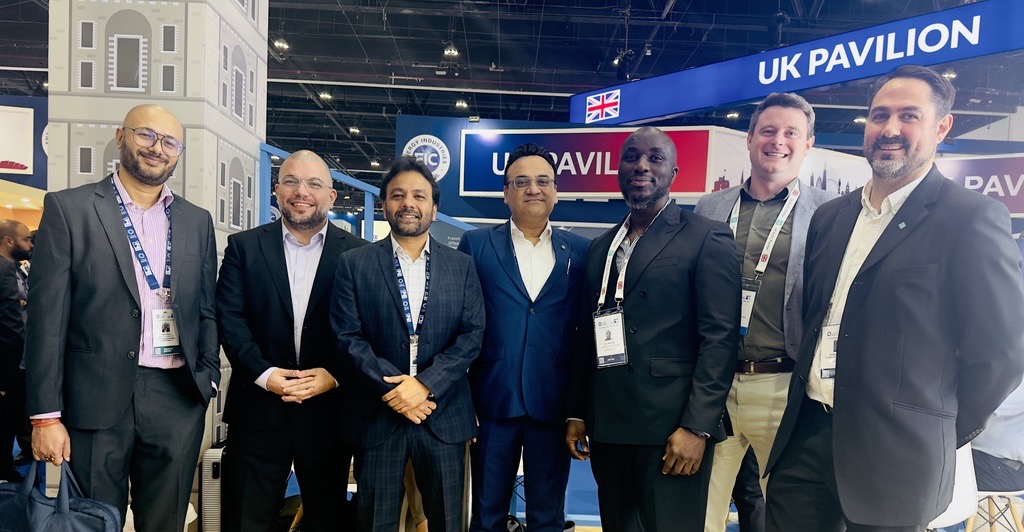
LONDON: Lloyd’s Register (LR) has signed a global platinum partnership with the Energy Industries Council (EIC), the world-leading trade association for the energy supply chain, strengthening its position across international markets and major industry events.  

The agreement marks the first time LR has joined the EIC at platinum level, providing the organisation with a prominent presence at leading global industry gatherings including ADIPEC in Abu Dhabi, the Offshore Technology Conference in Houston and the World Future Energy Summit in 2026. 

Through this new platinum-level partnership, LR will support EIC trade delegations and  facilitate  networking initiatives, gaining access to senior-level business forums focused on decarbonisation, financing and regulatory reform.  
 
For EIC’s member companies – totalling more than 950 across the globe – the partnership will bring Lloyd’s Register’s assurance and risk expertise directly into trade missions, market intelligence briefings and supply chain forums.  

LR will feature alongside EIC at several major international events over the next 12 months, including Hydrogen Technology Expo Europe, the World Nuclear Exhibition and WindEnergy Hamburg. The company will also support EIC’s trade missions to emerging energy markets such as Mozambique, Guyana and Nigeria. 

Together, LR and EIC will support the global energy supply chain to de-risk complex projects, open new export routes and contribute to making energy transition investments more bankable and deliverable. 

Sean Van der Post, LR’s Global Energy Director, said: “Working with the EIC gives us a powerful platform to engage with energy leaders and policymakers, helping shape the discussions that will define the sector’s future. We are committed to supporting the supply chain to explore new technologies, investment opportunities and frameworks that accelerate progress towards net zero.” 

EIC chief executive Stuart Broadley said: “Lloyd’s Register has been a trusted technical authority across the ocean and energy economies for generations. As our Platinum Global Partner, LR will sit at the heart of our global pavilions and trade delegations, bringing world-class assurance and risk expertise into the conversations that matter most to the energy supply chain. Together we will connect more companies to real export opportunities and help make energy-transition projects safer, more investable and faster to deliver.”