Home Blog Page 55

Indian Railways freight loading rises 6.14 % to 135.35 million tonnes in September as coal, food grains and steel shipments rise

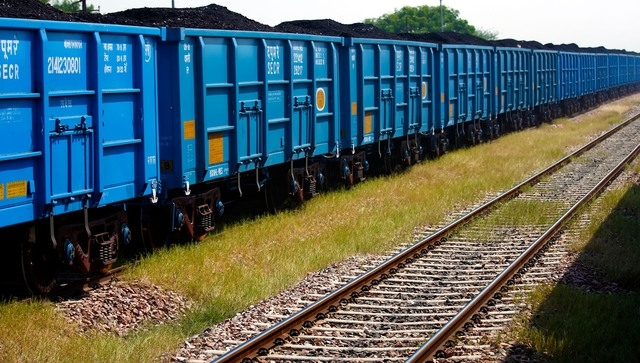
NEW DELHI: Indian Railways registered a 6.14 per cent year-on-year growth in freight loading in September, ferrying 135.35 million tonnes of goods compared to 127.52 million tonnes in the corresponding month last year.

Freight revenue increased by Rs 1,266 crore over September 2025, registering growth of 9.3 per cent.

The growth was led by food grains, which registered 25 per cent growth, followed by clinker at 20 per cent and domestic containers at 10 per cent.

Coal loading grew by 9 per cent, mineral oil loading rose by 6 per cent, finished steel by 5.5 per cent and iron ore by 5.2 per cent during the month.

On a cumulative basis, Indian Railways loaded 833.7 million tonnes of freight during April-September 2026, registering 4.1 per cent growth over the corresponding period last year. Freight revenue during the same period recorded 3.7 per cent growth.

The Railways intends to increase freight volumes to 3,000 million tonnes by 2031 and expects to end the financial year at around 1,750 million tonnes.

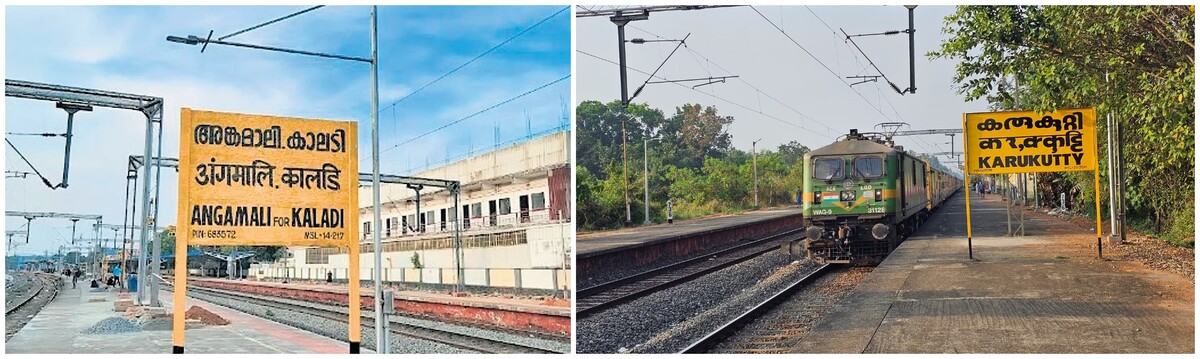
Railway logistic facilities to come up at Angamaly and Karukutty stations under Thiruvananthapuram division

KOCHI: Two logistics facilities will come up at Angamaly and Karukutty railway stations under the Thiruvananthapuram division as the Southern Railway (SR) looks to scale up freight movement.

At a time when the Kochi airport is seeing an increase in cargo movement, especially in the Fast-Moving Consumer Goods (FMCG) category, the railway too wants to make the most of it.

A senior railway official said the facilities will be built and operated by private parties on the surplus railway land. “The available space is around 4,400 sq ft at Angamaly and around 3,000 sq ft at Karukutty. The private party will be provided with land use licence and will have to develop the infrastructure. The facilities can be used as warehouses, silos, cold chains, micro-fulfilment centres, cargo scanning and value-added services. The aim is to increase rail freight and integrate the railways into the national supply chain,” he said.

The official said the land earmarked for Gati Shakti Cargo Terminals (GCTs) is excluded and governed by the GCT policy.

“Land is leased through open, competitive bidding. Lease charges are payable annually in advance under the Railway Board’s land policy. The initial term is 25 years, counted from two years after site handover or from commissioning, whichever is earlier.

At the end of each term, the contract is re-tendered. The existing developer has a First Right of Refusal if they match the highest bid and have no dues,” said the official.

The facility is linked to one or more railway terminals within 100 km, chosen from a list the Zonal Railway publishes in the tender notice.

“Traffic counted toward the GRF (Guaranteed Railway Freight) is verified. The facility’s turnover growth is reviewed first after year five and then every three contractual years. If the compound annual growth rate (CAGR) exceeds 25%, the developer pays a lump sum equal to the excess percentage of the last three years’ GRF. For example, a CAGR of 28% means a payment of 3% of that GRF,” said the official.

Egypt and Tanzania plan joint consortium for Dar es Salaam Port Terminal

ALEXANDRIA: Egypt and Tanzania are preparing to strengthen transport and logistics cooperation through a proposed multipurpose terminal at Dar es Salaam Port, a new maritime shipping route and logistics zones in both countries. The projects are part of a planned strategic partnership aimed at improving trade connectivity between Egypt, East Africa and landlocked countries in Central Africa.

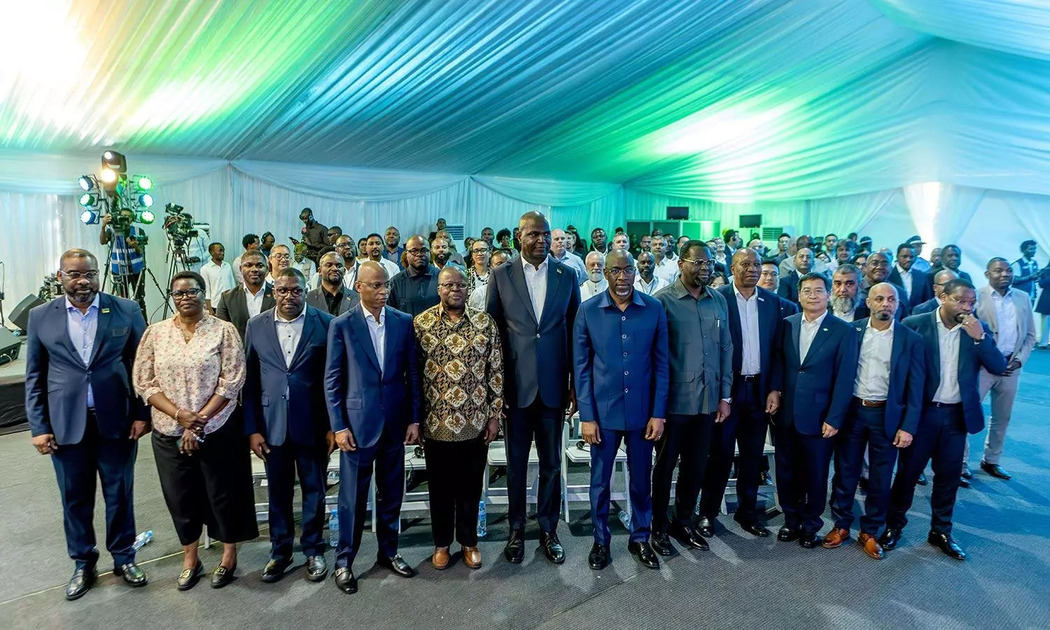
Egyptian Transport Minister Kamel El-Wazir and Tanzanian Transport Minister Professor Makame Mbarawa discussed the proposed initiatives during a visit to Alexandria Port on 5 October 2026. The cooperation is expected to be formalised through a memorandum of understanding (MoU), with technical committees set to work on implementing the planned projects.

Egyptian-Tanzanian Consortium to Develop Port Terminal

A key component of the proposed agreement is the establishment of a multipurpose terminal at Dar es Salaam Port through an Egyptian-Tanzanian international consortium. The facility is expected to support cargo handling and strengthen the port’s role as a regional logistics gateway.

Dar es Salaam Port is a major maritime hub in East Africa, serving approximately 90% of Tanzania’s domestic market and providing access to six landlocked countries: Malawi, Zambia, the Democratic Republic of the Congo, Burundi, Rwanda and Uganda.

The proposed terminal is part of Egypt’s wider strategy to expand its transport-sector cooperation across Africa, boost Egyptian exports and establish logistics hubs in key markets.

Shipping Route and Logistics Zones Planned

The proposed MoU also includes a shipping route connecting Egypt’s Red Sea ports of Sokhna and Safaga with Dar es Salaam. In addition, the two countries plan to establish an Egyptian logistics zone in Tanzania and a Tanzanian logistics zone in Egypt.

Cooperation with Tanzania’s railway company is also planned to connect the proposed logistics facilities to the national railway network. The integration of maritime, road and rail transport is intended to facilitate cargo movement and improve access to regional markets.

DP World completes £13M Skills and Innovation Hub at London Gateway

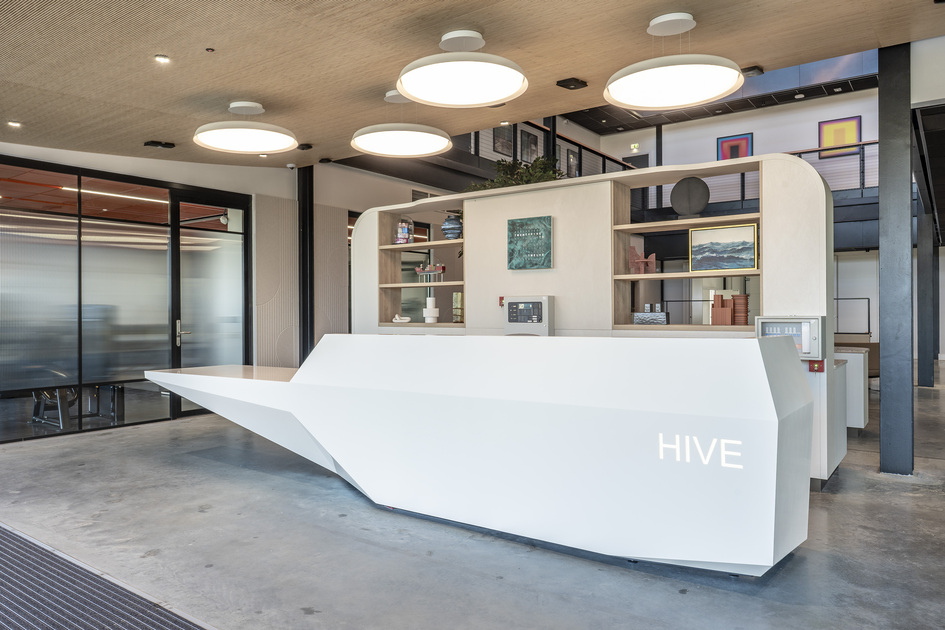
The Hive is a new £13m facility jointly funded by DP World and Thames Freeport that will support more than 1,100 trainees per year

LONDON: DP World and Thames Freeport have completed The Hive, a new £13 million skills, amenity and innovation hub at London Gateway, designed to support the growth of one of the UK’s leading logistics centres while creating new opportunities for local communities.

The facility at the centre of London Gateway’s Logistics Park houses a dedicated training and innovation skills centre, providing more than 100 days of industrial and employability skills programmes each year and supporting around 1,125 trainees annually across the Freeport.

With a particular focus on advanced logistics, The Hive will host simulators for crane driver training, training for working at height, and VR technology for broader careers activities to support people interested in pursuing a career in maritime and logistics.  

The Hive also provides amenity space for on-site employees and businesses in the connected Port and Logistics Park ecosystem of London Gateway 7, acting as a central hub for collaboration and wellbeing.

The three-storey facility includes flexible meeting rooms, a double height training and events space, and a 100-person auditorium, alongside a gym, all-weather padel court and multi-use sports pitch with dugout. The project forms part of wider efforts to ensure the continued growth of London Gateway creates opportunities for communities across the Thames Estuary.

Alan Holland, Chief Executive Officer, DP World London Gateway Logistics Park, said: “As the London Gateway Logistics Hub continues to grow, we want to ensure the infrastructure around it grows too. With The Hive now complete, we are creating a space where businesses can collaborate, employees can thrive and the local community can develop the skills needed to access new opportunities.

“London Gateway now supports more than 10,000 jobs through on-site employment and its role in the wider economy, and is already home to a growing community of some of the world’s leading businesses. The Hive gives that community a new place to come together. Alongside Thames Freeport, we are investing not only in the physical infrastructure of the site, but in the skills and amenities that will support its growth for many years to come.”

Stuart Rimmer, Interim Chief Executive Officer, Thames Freeport, said: “The completion of The Hive marks an important milestone for Thames Freeport and our partnership with DP World. This investment is about ensuring that the continued growth of London Gateway translates into real opportunities for local people and businesses, equipping the workforce with the skills needed to succeed in the industries of the future.

“By bringing together employers, training providers and local communities in one dedicated facility, The Hive will play a central role in supporting high-quality jobs, attracting investment and driving long-term economic growth across the Thames Estuary.”

Construction of The Hive began in October 2025, with the facility designed and built to the highest sustainability standards, and constructed using British steel. It has achieved BREEAM ‘Outstanding’ certification and an EPC ‘A+’ rating, reflecting DP World’s wider commitment to sustainable development across London Gateway.

Partners using the site will begin moving into and operating from the new facility in November. Earlier this year SEATS was announced as the Skills Partner for The Hive and will work alongside DP World, employers and regional partners to help businesses develop the skilled workforce they need today while preparing for the opportunities of tomorrow.

The Hive forms part of DP World’s broader commitment to investing in the infrastructure, innovation and skills that enable trade to flow more efficiently and create lasting economic opportunities.

LR launches new guidance to help shipowners navigate the growing complexity of retrofit projects

New guidance highlights the practical challenges shipowners face as they retrofit existing vessels for alternative fuels and energy-saving technologies to meet evolving environmental regulations.

LONDON: Lloyd’s Register (LR) has published new Guidance Notes for Retrofit of Alternative Fuels and Energy Saving Devices highlighting the growing complexity of ship retrofit projects.

As regulatory and commercial pressures increase through measures such as FuelEU Maritime, the Carbon Intensity Indicator (CII) and the IMO’s greenhouse gas reduction ambitions, retrofitting existing vessels is becoming an increasingly important pathway for owners seeking to improve efficiency, reduce emissions and extend asset life.

However, the challenge is no longer simply selecting a single fuel or technology. Retrofit projects have become increasingly complex, requiring careful consideration of fuel storage, engine compatibility, safety systems, crew training, statutory approvals, vessel design and long-term operational impacts.

To help the industry navigate these challenges, LR’s new publication brings together alternative fuels and energy-saving devices within a single retrofit framework. It covers the practical considerations associated with converting vessels to LNG, methanol, ethanol, ammonia, hydrogen and LPG, alongside the installation of wind-assisted propulsion systems (WAPS) and air lubrication systems (ALS).

A central theme is that many retrofit decisions must be made much earlier in the process than owners may expect. Factors such as engine conversion capability, available onboard space, tank location, fuel-system integration and project execution can have a major influence on project costs, timelines and operational outcomes.

The guidance emphasises the importance of early collaboration between owners, shipyards, equipment manufacturers, flag administrations and classification societies to avoid delays and reduce project risk.

The publication also highlights growing opportunities for energy-saving technologies. Wind-assisted propulsion systems, for example, can benefit from incentives under FuelEU Maritime through a reward factor designed to recognise their contribution to lowering greenhouse gas intensity

At the same time, the guidance notes reflect growing industry recognition that retrofit projects must address both technical and human factors. Extensive crew training, revised operating procedures, updated safety management systems and new risk assessments are identified as essential elements of successful deployment, particularly for fuels such as ammonia and hydrogen, which introduce new safety considerations

Paul Herbert, Principal Technology Specialist at Lloyd’s Register, said: “With much of the global fleet expected to remain in service well into the next decade, retrofit projects will play a critical role in shipping’s decarbonisation journey. The challenge is no longer identifying technologies, but understanding how those technologies can be safely, practically and economically integrated into existing ships while meeting increasingly demanding regulatory requirements.

“As the industry evaluates a wider range of fuel and efficiency solutions, retrofit projects are becoming more complex. This guidance has been developed to give the industry a practical framework for navigating those challenges. By bringing alternative fuels and energy-saving technologies together in a single document, we are helping owners take a more informed and structured approach to retrofit decision-making and project delivery.”

The Guidance Notes for Retrofit of Alternative Fuels and Energy Saving Devices is available from LR’s Retrofit Research programme: Ship Retrofitting | Retrofit Research Programme | LR

LR’s Retrofit Research programme serves as a comprehensive hub for ship retrofitting insights, providing annual reports, publications and tools that monitor retrofitting demand, capabilities, and adoption trends. 

IMO’s Net Zero Framework can provide significant incentives for electrification and boost support for COP31 35-by-35 electrification target : UCL Report

New UCL report reveals major renewable electricity infrastructure projects can find bankable demand from shipping driven by the IMO’s NZF

LONDON: Using the Grand Inga hydropower project in the Democratic Republic of Congo as a case study, the report shows that adoption of the IMO GHG policy, the Net Zero Framework, could help to provide a strong demand and investment justification for renewable electricity projects in developing countries that have so far struggled to move forwards into implementation.

The report, ’Electrification investment from IMO’s Net Zero Framework – A case study on Grand Inga hydropower project’, by UCL Energy Institute’s Shipping and Oceans Research Group, evaluates two opportunities for electricity from Grand Inga to support maritime decarbonisation while creating new electricity demand and business case for the DRC project; shore power (cold ironing) for vessels berthed in DRC ports, and green ammonia production for use as a low-carbon marine fuel, fertiliser feedstock and export commodity.

The Grand Inga hydropower project has long been held back by the absence of large, reliable electricity demand capable of supporting project financing. The report finds that while shore power offers an attractive local decarbonisation opportunity, green ammonia production could provide the scale of demand needed to help underpin future phases of the project — while simultaneously opening export markets across Africa, Europe and the maritime fuel sector.

Jesse Ralph-Gbobo, Researcher at the UCL Energy Institute Shipping and Oceans Research Group, said: “Although much of the focus relating to shipping decarbonisation has been on transition to new fuels, electrification, including use of cold ironing, is one of the cheapest ways to comply with IMO NZF regulation. This analysis shows there is strong potential for NZF to unlock grid and electrification related investment.”.

Key findings and implications for industry and policymakers:

  • Under IMO’s NZF, shore power offers an immediate, competitive compliance solution and strong business case for electrification investment in DRC: also likely to be the case in similar countries: The demand for cold ironing could create demand for electrification that helps to unlock supply-side and grid investment in developed and developing countries.
  • IMO NZF can also unlock investment for renewable electricity use to create green ammonia supply: this is the far larger and more strategically significant opportunity, where it can be produced competitively. Grand Inga’s estimated low electricity costs in combination with high supply reliability (high production utilisation) make this plausible for helping to make the investment case in this instance.
  • Weakening IMO’s NZF will weaken electrification opportunity: lowering the GFI stringency, reducing the compliance/enforcement cost, or removing the reward mechanism can undermine business cases both for cold ironing and green ammonia related electrification projects.
  • The opportunities extend beyond shipping: renewable electricity, electrification related investment and green ammonia produced at Grand Inga could also supply Central and East African electricity and fertiliser markets, as well as open up opportunities for wider domestic electrification and international exports.

Dr Mohd Shoaib, Research Fellow at the UCL Energy Institute Shipping and Oceans Research Group, said: “Where energy use can be electrified, it is increasingly the case that this is the cheapest way to reduce emissions, as found here for ships at berth in DRC. This indicates that shipping’s decarbonisation can also contribute to the COP 31 electrification goal and needs to be given attention and credit alongside efforts made to electrify other sectors.”

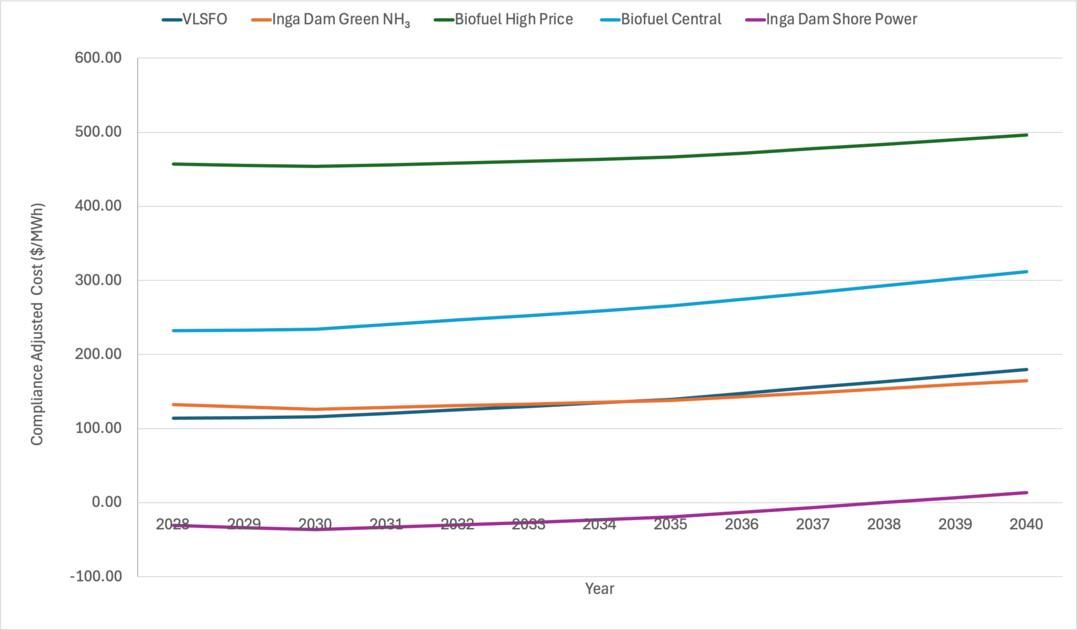
Relative compliance adjusted cost of operation in Grand Inga Dam (DRC) shore power, biofuel prices, green ammonia and very low sulphur fuel oil.

UCL Graph.jpeg IMO’s Net Zero Framework can provide significant incentives for electrification and boost support for COP31 35-by-35 electrification target : UCL Report
MetricValue
Annual Calls352
Berth Hours22,770
Electricity Demand20.99 GWh/year
HFO Displaced4,975 t/year
MGO Displaced4,704 t/year
Emissions Avoided~18,600 tCO₂e/year

About UCL Energy Institute

The UCL Energy Institute hosts a world leading research group which aims to accelerate the transition to an equitable and sustainable energy and trade system within the context of the ocean. The research group’s multi-disciplinary work on the shipping and ocean system leverages advanced data analytics, cutting-edge modelling, and rigorous research methods, providing crucial insights for decision-makers in both policy and industry. The group focuses on three core areas: analysing big data to understand drivers of historical emissions and wider environmental impacts, developing models and frameworks to explore energy and trade transition to a zero emissions future, and conducting social science research to examine the policy and commercial structures that enable the decarbonisation of the shipping sector. For more information visit www.shippingandoceans.com

India and Canada explore stronger bilateral partnership as PM Modi meets Foreign Minister Anita Anand

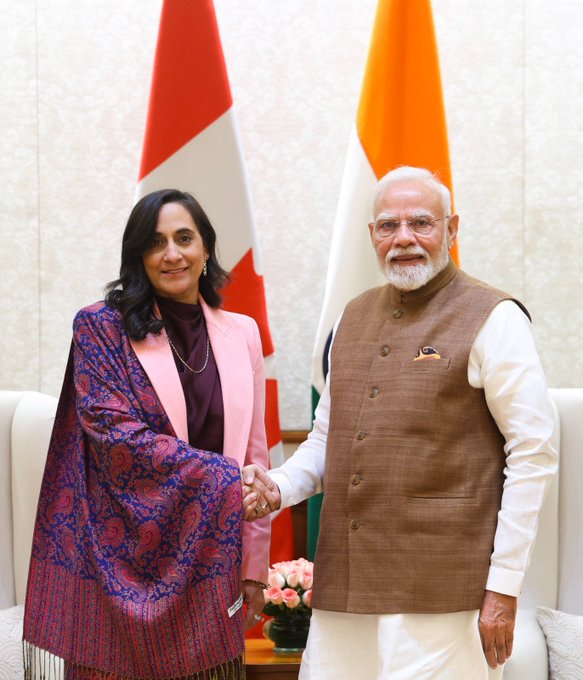
NEW DELHI: Prime Minister Shri Narendra Modi met Canada’s Foreign Minister, H.E. Ms. Anita Anand, to discuss ways to strengthen India–Canada bilateral relations and expand cooperation across key sectors, including trade, science and technology, defence, security, energy, education, people-to-people exchanges and multilateral engagement.

The meeting underscored the shared interest in sustaining momentum in bilateral engagement and translating ongoing discussions into concrete outcomes. Both sides exchanged views on advancing cooperation in areas of mutual interest and strengthening engagement on regional and global developments.

A key focus of the discussions was the proposed Comprehensive Economic Partnership Agreement (CEPA), with Prime Minister Modi emphasising the importance of an early conclusion of negotiations. The agreement is expected to provide fresh impetus to bilateral trade and economic cooperation, while creating opportunities for businesses and industries in both countries.

The two sides also discussed the potential to deepen collaboration in science and technology, energy, education, defence and security, alongside strengthening people-to-people connections that form an important foundation of India–Canada relations.

PM Modi Reaffirms Commitment to Stronger India–Canada Ties

Sharing his thoughts following the meeting, Prime Minister Narendra Modi said he was pleased to meet Canadian Foreign Minister Anita Anand and described the discussions as productive.

In his message, the Prime Minister highlighted the importance of further strengthening India–Canada ties in trade, technology, security, energy, education and people-to-people exchanges.

Prime Minister Modi also conveyed his warm greetings to Canadian Prime Minister Mark Carney and expressed his anticipation of continuing engagement with him to advance bilateral relations.

Advancing Cooperation for Mutual Prosperity

The meeting reflects the continued efforts by India and Canada to broaden bilateral engagement and identify practical avenues for cooperation. With opportunities spanning trade and investment, technological innovation, clean energy, education and strategic collaboration, both countries have significant potential to build a forward-looking partnership.

The emphasis on an early conclusion of CEPA negotiations signals the importance attached to strengthening economic ties and creating a more conducive environment for bilateral commerce and investment.

As India and Canada continue their dialogue, sustained high-level engagement and a focus on tangible outcomes are expected to remain central to efforts to advance their relationship and promote shared interests in an evolving global environment.

PSA Mumbai sets new terminal performance benchmark at JNPA with record of 18,381 TEU exchange on MSC DILETTA

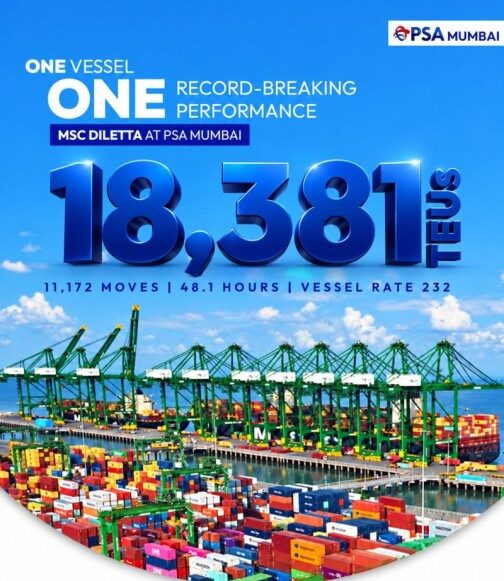
MUMBAI: PSA Mumbai has achieved a significant operational milestone at Jawaharlal Nehru Port Authority (JNPA), handling a record exchange of 18,381 TEUs aboard MSC DILETTA, a container vessel measuring 399 metres in length overall (LOA). The achievement marks the highest-ever container exchange recorded at JNPA, setting a new benchmark for terminal productivity and operational performance.

During the vessel’s port call, the PSA Mumbai team completed 11,172 container moves in just 48.1 hours, achieving a Vessel Rate (VR) of 232 and establishing a new terminal performance record. The accomplishment highlights the terminal’s ability to manage high-volume container operations through coordinated planning, efficient resource deployment and precise execution.

Handling a vessel of MSC DILETTA’s size and completing such a substantial container exchange within a limited operational window requires close coordination across multiple functions, including vessel planning, quay crane operations, yard management, equipment deployment and landside logistics. The achievement reflects the importance of synchronised operations and effective workforce coordination in maintaining high productivity levels.

The record performance also underscores the growing importance of efficient container terminal operations in supporting India’s expanding international trade and maritime logistics requirements. As vessel sizes and cargo volumes increase, terminals must continuously strengthen their operational capabilities to ensure faster vessel turnaround, reliable cargo handling and improved utilisation of port infrastructure.

PSA Mumbai’s latest achievement demonstrates the combined strength of its operational systems, infrastructure and workforce. The performance reflects the team’s commitment to maintaining high standards of safety, precision and efficiency while meeting the requirements of global shipping lines and other stakeholders.

The milestone reinforces PSA Mumbai’s focus on operational excellence and its role in supporting JNPA’s position as a major gateway for India’s containerised trade.

With 18,381 TEUs exchanged, 11,172 moves completed in 48.1 hours and a vessel rate of 232, PSA Mumbai has established a new performance benchmark, demonstrating how operational capability, teamwork and precision can translate into measurable results for the maritime logistics sector.

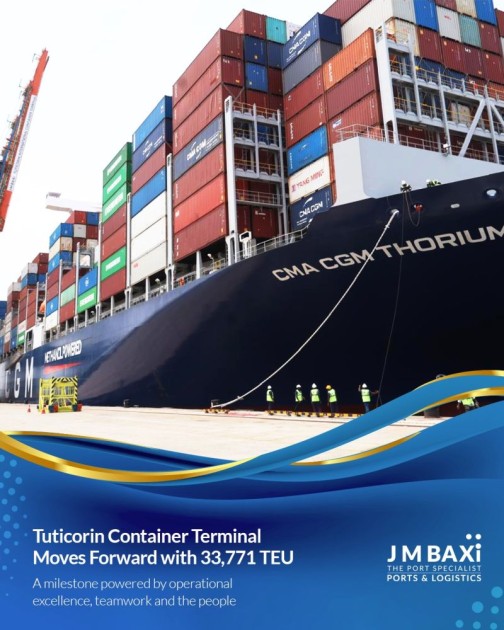
Tuticorin Container Terminal handles record 33,771 TEU in September 2026, reinforcing operational excellence

TUTICORIN: Tuticorin Container Terminal operated by J M Baxi Group successfully handled 33,771 TEUs (Twenty-foot Equivalent Units) in September 2026, marking a significant operational milestone and reaffirming its commitment to efficiency, reliability and quality container handling services.

The achievement reflects the collective efforts of the terminal’s workforce, whose dedication, resilience and attention to detail ensure the smooth movement of containers and the continuity of operations. The milestone underscores the importance of teamwork across operational, technical and support functions in maintaining service standards and meeting the evolving requirements of the maritime and logistics sector.

The terminal also highlighted the valuable contribution of women across its operational, technical and support teams. Their participation reflects the growing importance of gender diversity and inclusive workforce practices in the maritime industry.

In a LinkedIn Post, Tuticorin Container Terminal expressed its appreciation to vessel operators, container lines and other stakeholders for their continued trust and partnership. It also acknowledged the guidance, cooperation and support extended by V.O. Chidambaranar Port Authority in facilitating efficient terminal operations.

The September performance represents an important step in the terminal’s ongoing journey towards operational excellence and stronger stakeholder collaboration. With a continued focus on dependable services, teamwork and operational efficiency, Tuticorin Container Terminal remains committed to supporting cargo movement and strengthening the region’s container logistics capabilities.

The handling of 33,771 TEUs in a single month stands as a testament to the people and partnerships behind the achievement, with the terminal looking ahead to greater operational milestones and future growth.

Safety of Indian seafarers, tankers raised during Ajit Doval’s October 12 call with Iran’s Mohsen Rezaei: MEA

NEW DELHI: The safety and security of Indian seafarers and tankers were raised during a telephone conversation between National Security Adviser Ajit Doval and Iran’s Supreme National Security Council Secretary Mohsen Rezaei on October 12, the Ministry of External Affairs said on Wednesday, amid heightened regional tensions and attacks on commercial vessels.

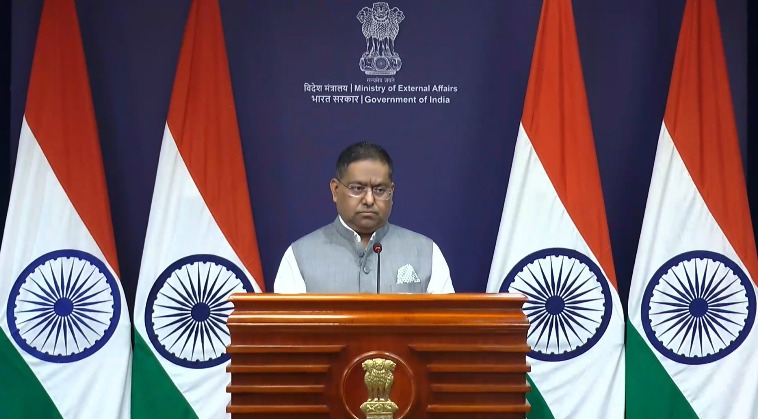
MEA spokesperson Randhir Jaiswal, responding to media queries, said the two officials discussed bilateral issues, the regional situation and international developments during their conversation.

“The National Security Adviser spoke to his Iranian counterpart, His Excellency Dr Mohsen Rezaei, Secretary of Iran’s Supreme National Security Council, on 12 October. They discussed bilateral issues. They also discussed the regional situation and international developments. And during the meeting, the safety and security of Indian seafarers and the security of Indian tankers were also raised,” Jaiswal said.

The Iranian Embassy in India also confirmed the conversation in a post on X, stating that the two officials exchanged views on the latest regional and international developments and issues of mutual interest to both countries.

The discussions come amid concerns over maritime security in the Gulf region following a series of reported attacks on commercial vessels carrying Indian crew members.

On October 11, the Nicaragua-flagged tanker MT Petro Dolphin, carrying 11 Indian seafarers, was subjected to a drone attack at Sohar Anchorage. Union Minister for Ports, Shipping and Waterways Shri Sarbananda Sonowal said nine crew members had been rescued safely, while two Indian nationals remained missing. Search-and-rescue operations were underway in coordination with the local Coast Guard and relevant authorities.

In another incident on October 11, the Marshall Islands-flagged tanker MT Valthera was struck by an unidentified projectile in the Strait of Hormuz, triggering a fire onboard. Sonowal said all 11 Indian seafarers aboard the vessel were safe.

Earlier, on October 9, the Panama-flagged crude oil tanker MT GEM NO. 2, carrying 22 Indian nationals, was subjected to a drone attack at Sharjah Anchorage. All 22 Indian seafarers were reported safe.

The incidents have heightened concerns over the safety of commercial shipping and the security of strategic maritime routes, particularly the Strait of Hormuz, a crucial passage for global energy supplies.