Home Blog Page 56

UAE-managed container ship GFS PRIDE sinks near Strait of Hormuz amid escalating maritime security threats

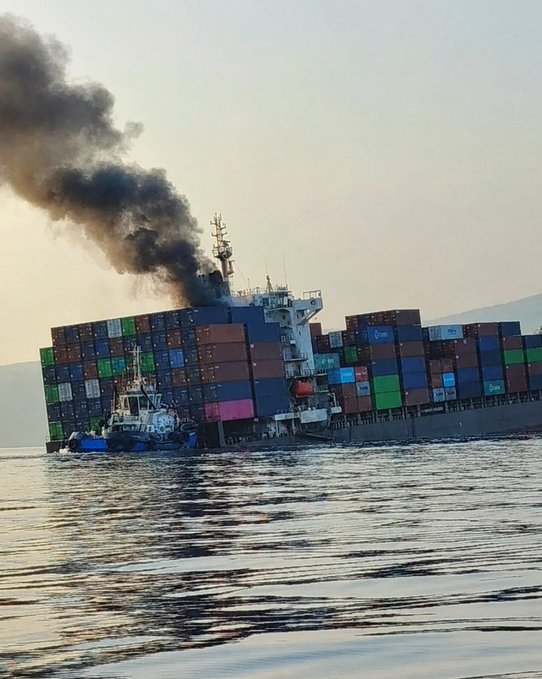
SINGAPORE: The Singapore-flagged container vessel GFS PRIDE, managed by Dubai-based GFS Ship Management FZE, has sunk near the strategically important Strait of Hormuz following a maritime security incident that triggered a fire onboard. The incident has heightened concerns over the safety of commercial shipping in one of the world’s most critical maritime corridors.

Iran’s Islamic Revolutionary Guard Corps Navy (IRGCN) claimed that the vessel struck a naval mine while attempting to navigate what it described as an “unauthorised and dangerous” shipping route through the waterway. According to Iranian reports, the explosion caused a severe fire, and the vessel subsequently sank in waters south of the Strait of Hormuz on October 14.

The vessel was reportedly carrying more than 2,500 containers. However, the specific cargo, including reports of luxury perfumes and iPhones, has not been independently confirmed. The exact value of the lost cargo and the overall financial impact of the incident also remain unknown.

Crew Safely Evacuated as Vessel Sinks

The Maritime and Port Authority of Singapore (MPA) confirmed that GFS PRIDE sustained damage and caught fire before sinking. All 21 crew members were safely evacuated, with no injuries reported. The authority said it was in contact with the vessel’s management company and was closely monitoring developments.

The vessel has been identified as a Singapore-registered container ship with a capacity of approximately 2,824 TEUs (twenty-foot equivalent units). Its loss underscores the growing security risks confronting merchant vessels operating in and around the Strait of Hormuz.

Floating Containers Raise Navigational Concerns

Following the sinking, Iran’s IRGC Navy warned local vessels and fishermen to exercise caution, reporting that containers from the sunken ship were floating on the water’s surface.

Floating containers can create serious navigational hazards for other ships, particularly in congested shipping lanes. The incident may also require further assessment of potential marine pollution, cargo loss and salvage-related challenges, although no confirmed assessment of these impacts was immediately available.

Wider Wave of Attacks on Commercial Shipping

The sinking comes amid a series of attacks on merchant vessels in the Strait of Hormuz and surrounding waters. Maritime security reports have identified several commercial ships targeted by unidentified projectiles, reflecting the widening threat to container shipping, bulk carriers and tankers amid the ongoing US-Iran conflict.

A second Singapore-registered container vessel, GFS GISELLE, was also reported struck by an unidentified projectile on October 14. According to Singapore’s maritime authority, the vessel sustained hull damage but reached a safe anchorage under its own power. All 22 crew members were reported safe, with no injuries.

The incidents have raised fresh concerns among shipowners, operators, cargo interests, insurers and maritime authorities regarding vessel routing, war-risk coverage, crew safety and the continuity of regional trade.

Strait of Hormuz: A Critical Global Shipping Corridor

The Strait of Hormuz connects the Persian Gulf with the Gulf of Oman and the wider Arabian Sea. It is a vital passage for international energy shipments and commercial trade, making any disruption potentially significant for global supply chains.

Continued attacks and navigational restrictions in the region could lead to increased war-risk insurance premiums, higher freight costs, vessel delays and changes to voyage planning. Cargo owners may also face uncertainty over delivery schedules, insurance claims and the recovery of lost consignments.

The sinking of GFS PRIDE highlights the urgent need for enhanced maritime security, effective coordination among coastal and international authorities, and robust emergency-response arrangements to safeguard seafarers and commercial vessels.

The investigation into the precise circumstances of the sinking remains subject to further confirmation. While Iran has attributed the incident to a naval mine, maritime authorities have separately reported that the vessel was struck by an unidentified projectile. The distinction remains important as investigations seek to establish the cause of the incident and assess its wider implications for commercial shipping.
PM GatiShakti NMP completes five years, reinforcing India’s push for integrated infrastructure and logistics development

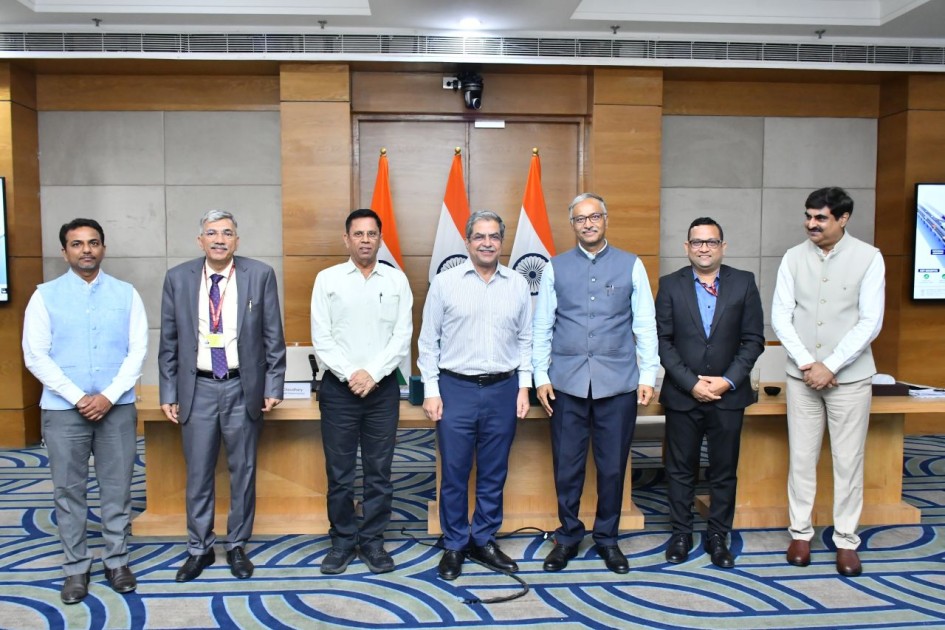
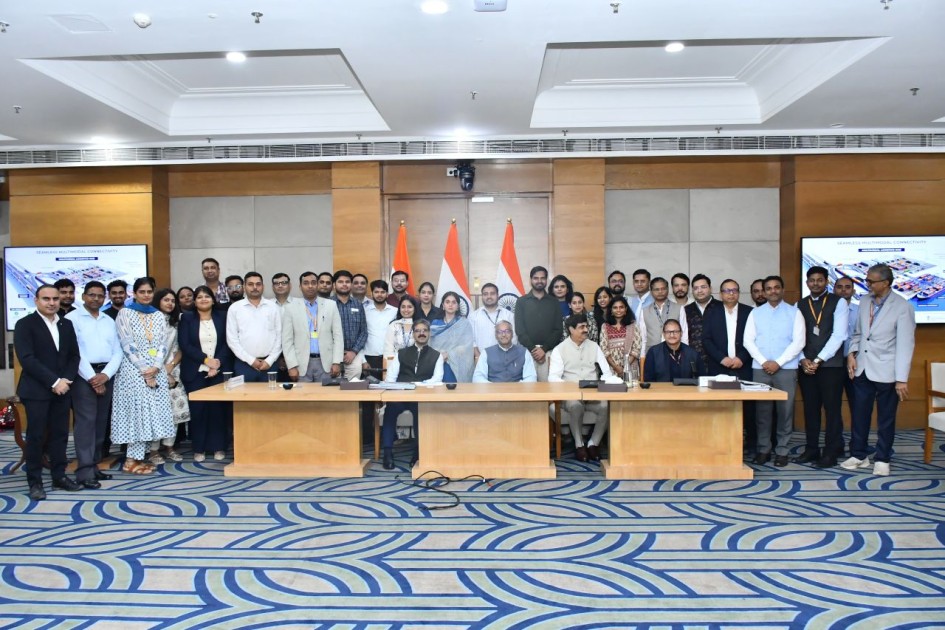
NEW DELHI: The Logistics Division of the Department for Promotion of Industry and Internal Trade (DPIIT) commemorated five years of the PM GatiShakti National Master Plan (PMGS-NMP) by organising a brainstorming session at Vanijya Bhawan, New Delhi, bringing together senior policymakers, industry leaders, and academic experts to discuss the way forward for integrated transport planning and logistics development in India.

The session was held in the distinguished presence of Dr. Manoj Govil, Secretary (Coordination), Cabinet Secretariat, and Shri Pankaj Kumar, Joint Secretary (Logistics), DPIIT. The event marked a significant milestone in India’s efforts to strengthen multimodal connectivity, improve infrastructure planning, and enhance logistics efficiency in pursuit of the vision of Viksit Bharat.

During the programme, Shri Vinay Thakur, Director General of the Bhaskaracharya Institute for Space Applications and Geo-Informatics (BISAG-N), showcased the latest geospatial and digital advancements integrated into the PM GatiShakti National Master Plan portal. These developments highlight the role of technology and data-driven planning in improving coordination among infrastructure sectors and facilitating more efficient project implementation.

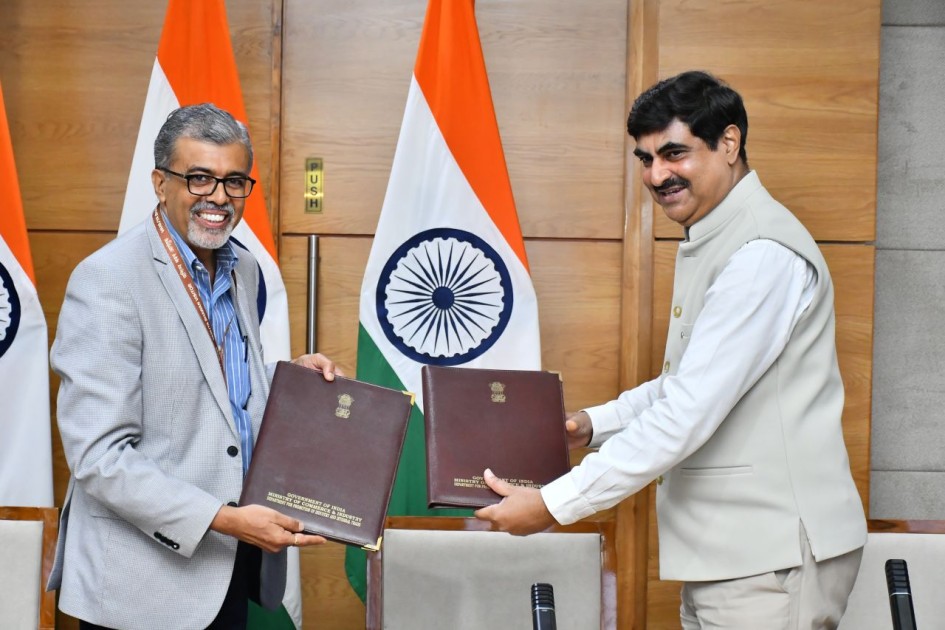
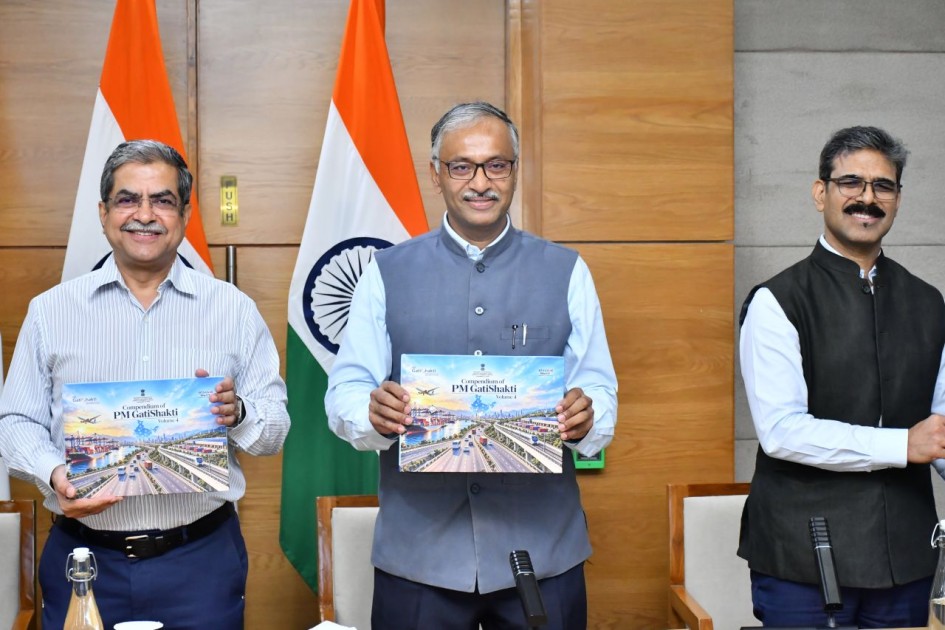
The session also featured an introductory presentation on the proposed Integrated Transport and Logistics Authority (ITLA), the signing of a Memorandum of Understanding (MoU) between the Logistics Division and the Indian Institute of Management Mumbai, and the launch of a compendium documenting five years of PM GatiShakti.

Panel Discussions Focus on Integrated Transport Planning

Two panel discussions formed a key part of the programme, bringing together experts from government, industry, technology, and academia to deliberate on the future of India’s transport and logistics ecosystem.

The first panel, titled “Leveraging PM GatiShakti NMP for Integrated Transport Planning,” featured Shri Vinod Mishra, Head – Government Business, MapmyIndia; Shri Akash Singh, Partner, Kearney; Ms. Priya Jacob, Director, Ministry of Consumer Affairs, Food and Public Distribution; Dr. Seema (Simi) N., Programme Director, TICE; and Professor Vivekanand Khanpure, Indian Institute of Management Mumbai.

The discussion explored opportunities to leverage the National Master Plan for coordinated infrastructure development, improved transport connectivity, and more effective planning across sectors.

The second panel, titled “National Transport Master Plan: Actionable Items and Roles of Different Stakeholders,” featured Shri Vikram Singh, Executive Director, Gati Shakti (Traffic), Railway Board; Professor Manoj Choudhary, Vice-Chancellor, Gati Shakti Vishwavidyalaya; Shri Samuel Praveen Kumar, Director (M&CP), Central Warehousing Corporation; and Shri Sachin Bhanushali, Member, Logistics Advisory Committee, FICCI.

The panel deliberated on actionable measures, institutional coordination, and the responsibilities of different stakeholders in advancing a comprehensive national transport master plan.

Both discussions generated valuable insights and practical recommendations for strengthening integrated planning, enhancing inter-agency collaboration, and improving the overall efficiency of India’s logistics network. The contributions of Shri Surendra Ahirwar, Shri Kamlesh Gosai, and other distinguished dignitaries further enriched the deliberations.

Strengthening India’s Logistics Ecosystem

Over the past five years, PM GatiShakti has emerged as an important framework for coordinated infrastructure planning, bringing together geospatial information and multiple infrastructure-related datasets to support integrated decision-making across ministries and departments.

The fifth-anniversary programme reaffirmed the importance of collaboration among government institutions, industry stakeholders, and academia in translating the objectives of PM GatiShakti into actionable outcomes. The initiative continues to support India’s broader ambitions of developing a modern, connected, and efficient logistics ecosystem while advancing the national vision of Viksit Bharat @2047.

DFCCIL wins ‘Global Green Freight & Sustainable Transport Excellence of the Year 2026’ at GEEF Global Sustainability Awards

NEW DELHI: Dedicated Freight Corridor Corporation of India Limited (DFCCIL) has been selected for the prestigious ‘Global Green Freight & Sustainable Transport Excellence of the Year 2026’ at the GEEF Global Sustainability Awards 2026, marking a significant milestone in the organisation’s commitment to sustainable freight transportation and green infrastructure development.

The recognition acknowledges DFCCIL’s contribution towards promoting environmentally responsible freight movement, improving the sustainability of transportation systems and strengthening India’s logistics infrastructure. The achievement reinforces the organisation’s role in advancing a cleaner, more efficient and sustainable freight logistics ecosystem.

Dedicated Freight Corridors are an important component of India’s efforts to modernise freight transportation, enhance operational efficiency and encourage a greater shift of cargo from road to rail. By strengthening rail-based freight infrastructure, DFCCIL contributes to more sustainable logistics operations while supporting the country’s broader objectives of reducing the environmental impact of transportation.

The award also recognises the collective efforts of the entire DFCCIL team in advancing green freight movement and developing infrastructure aligned with the principles of sustainable development.

This achievement further strengthens DFCCIL’s commitment to building a modern, efficient and environmentally responsible freight transportation network, supporting India’s long-term vision of sustainable economic growth and a greener logistics sector.

CONCOR organises Trade Meet at ICD Jodhpur to strengthen EXIM Trade and Logistics Connectivity

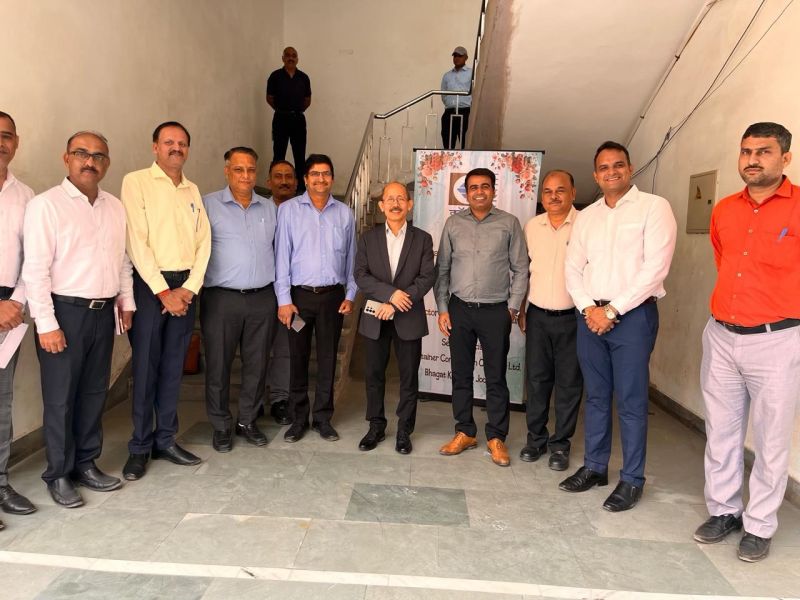
JODHPUR: Container Corporation of India Limited (CONCOR) organised a Trade Meet at its Inland Container Depot (ICD) Jodhpur, bringing together key stakeholders from the region’s logistics, export-import (EXIM) trade and industrial sectors to strengthen engagement and explore opportunities for business growth.

The meeting was attended by Shri Vijoy Kumar Singh, Director (International Marketing), CONCOR, along with representatives of shipping lines, Customs House Agents (CHAs), exporters, importers and domestic trade partners. Among the prominent participants was Shri Sandeep Choudhary of UltraTech Cement.

During the interaction, Shri Vijoy Kumar Singh engaged with trade partners to understand their concerns, suggestions and operational challenges. The discussions provided an opportunity to exchange views on improving logistics services, addressing trade-related issues and enhancing coordination among stakeholders. The interaction reaffirmed CONCOR’s commitment to customer-centric operations, responsive service delivery and continuous improvement.

A key highlight of the meeting was the update provided by the Rajasthan Cluster Head on the progress of the upcoming Multi-Modal Logistics Park (MMLP) at Salawas, Jodhpur. The project is expected to strengthen multimodal connectivity in the region, improve logistics efficiency and facilitate the movement of domestic and EXIM cargo.

The proposed MMLP is also expected to support Rajasthan’s industrial and commercial ecosystem by creating improved logistics infrastructure, facilitating smoother cargo movement and opening up new opportunities for exporters, importers, manufacturers and other businesses. Its development is expected to contribute to more integrated supply chains and enhance the region’s logistics capabilities.

The Trade Meet served as a valuable platform for direct engagement between CONCOR and its customers, enabling stakeholders to share feedback, discuss operational requirements and identify potential avenues for collaboration. Such interactions play an important role in aligning logistics services with the evolving needs of the trade and industry.

CONCOR continues to focus on providing efficient, reliable and sustainable logistics solutions through its nationwide network of terminals and multimodal transport services. Through initiatives such as stakeholder consultations and the development of modern logistics infrastructure, the organisation remains committed to supporting EXIM trade, strengthening supply chains and contributing to the economic and industrial growth of Rajasthan.

Indian Register of Shipping announces launch of first fleet support ship INS Surya

VISAKHAPATNAM : Indian Register of Shipping (IRS) continues to strengthen its role in supporting the Indian Navy and India’s naval shipbuilding capabilities through the certification of increasingly larger, more complex and technologically advanced naval platforms.

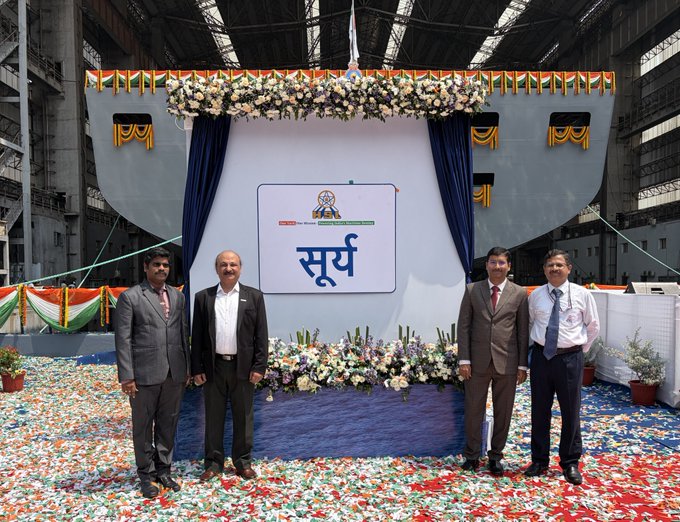
A significant milestone was achieved with the launch of INS Surya, the Indian Navy’s first Fleet Support Ship (FSS) of length 224 meter and displacement of 43000 tons, built under IRS certification, at Hindustan Shipyard Ltd. (HSL), Visakhapatnam. The launch is a testimony to IRS’ growing capability to undertake the certification of large and complex naval platforms. On the same day, the keel of the fifth Fleet Support Ship (FSS-5) was laid at HSL marking another important milestone in the programme.

The Fleet Support Ships are designed to enhance the Indian Navy’s operational reach and endurance. They are designed to provide comprehensive logistics support, including simultaneous replenishment of a number of Naval ships at sea, enabling sustained naval operations over extended periods.

Further demonstrating IRS’ capabilities in the certification of complex naval platforms, the keel of the first ship of the Indian Navy’s Next Generation Missile Vessel (NGMV) project was laid at Cochin Shipyard Limited (CSL), Kochi. Designed to operate in the challenging maritime environment of the Indian Ocean Region, the NGMVs will be equipped with state-of-the-art weapons and sensor systems, significantly enhancing the Indian Navy’s combat capabilities and supporting its vision of a future-ready and combat-ready force.

Another complex naval platform built under IRS certification, INS Nipun, the second Diving Support Vessel, was commissioned into the Indian Navy. These vessels are designed to support submarine rescue operations up to the depth of 300 meters and significantly enhance the Navy’s ability to respond to underwater contingencies. Their specialised diving complex, dynamic positioning capability, and integrated life-support and medical facilities enable sustained and complex underwater operations at sea.

Cdr KK Dhawan, of IRS stated, “These milestones underscore the growing technical capabilities of IRS and its contribution to India’s naval shipbuilding ecosystem, supporting the Indian Navy in the indigenous development and induction of advanced platforms for enhanced operational capability and maritime security.”

Finance Minister to embark on an official visit to Bangkok, Thailand, from 14th to 18th October 2026

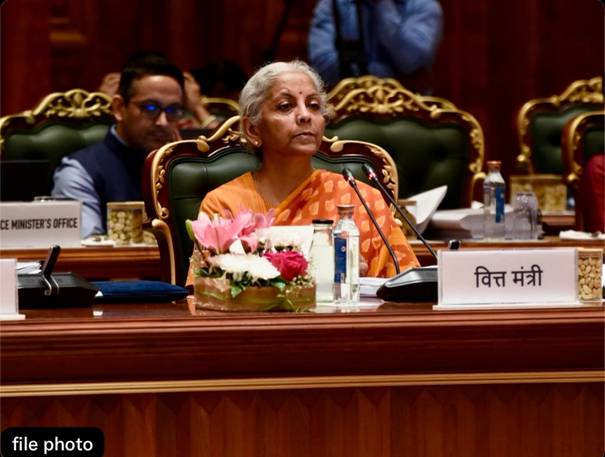
NEW DELHI: Union Minister for Finance and Corporate Affairs Smt. Nirmala Sitharaman will undertake an official visit to Bangkok, Thailand, from October 14th to 18th, 2026, to participate in the Annual Meetings of the International Monetary Fund (IMF) and the World Bank Group, along with meetings of the G20 and G7 Finance Ministers and Central Bank Governors (FMCBG).

During the visit, the Union Finance Minister will participate in a series of multilateral meetings and discussions on key global economic and financial issues, including current economic developments and financial sector issues. These engagements will provide an opportunity to exchange perspectives on the global economic outlook, development priorities and international financial cooperation.

The Union Finance Minister is also scheduled to hold bilateral meetings with H.E. Ekniti Nitithanprapas, Deputy Prime Minister and Minister of Finance of the Kingdom of Thailand; and the Finance Ministers of Switzerland, Japan, Luxembourg, Bhutan and Curaçao.

She will also meet Ms. Kristalina Georgieva; Managing Director of the IMF; and Governor of the Japan Bank for International Cooperation (JBIC).

In addition to the ministerial engagements, Smt. Sitharaman will participate in discussions and events involving global policymakers, financial institutions and other stakeholders. These include an Atlantic Council fire-side chat on India’s growth outlook, trade resilience and outreach, reform of the international financial architecture, India and the ASEAN, and the road to Viksit Bharat 2047 among the topics; and a Germany side event on Working Together to Make Cities Investable – Mobilising Private Capital for Urban and Water Infrastructure.

The engagements will provide a platform to highlight India’s economic performance, reform priorities and investment opportunities, while strengthening dialogue and cooperation with international partners on issues of global economic significance.

The visit underscores India’s active engagement with multilateral institutions and its commitment to constructive international cooperation on global economic and financial challenges.

India and Brunei Darussalam Review Bilateral Trade and Economic Cooperation at Third Joint Trade Committee Meeting

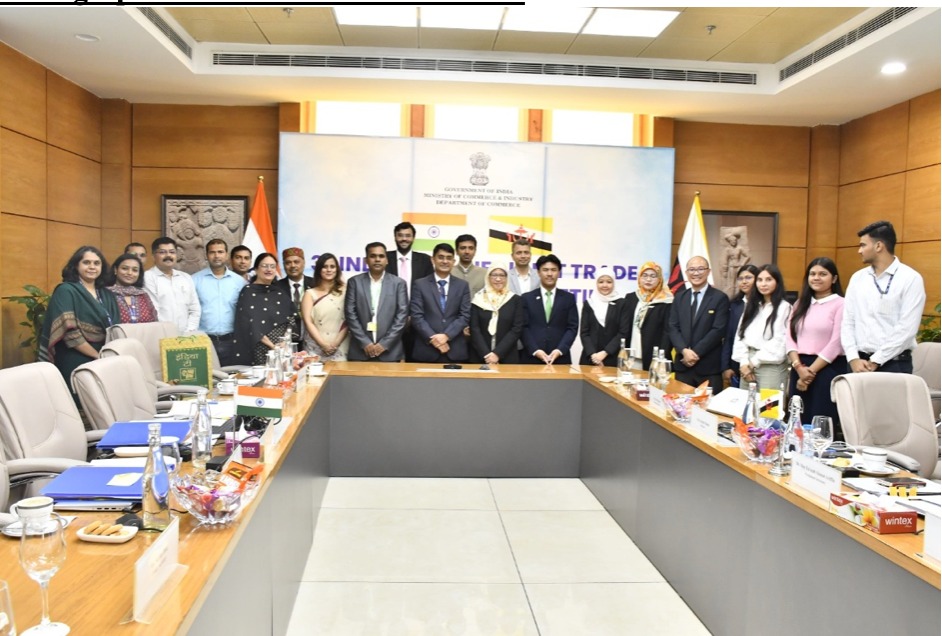
NEW DELHI: The third meeting of the India–Brunei Darussalam Joint Trade Committee (JTC) was convened to review bilateral trade and economic cooperation and identify avenues for strengthening commercial ties between the two countries. The meeting was co-chaired by Joint Secretary, Department of Commerce, Ministry of Commerce and Industry, India, Shri Amit Verma, and Permanent Secretary (Economy & Trade), Ministry of Economy, Trade and Industry, Brunei Darussalam, Dr. May Fa’ezah Ahmad Ariffin. Representatives from relevant Ministries, Departments and organisations of both countries participated in the deliberations.

The discussions focused on expanding bilateral trade, addressing market access priorities and identifying institutional mechanisms to facilitate business-to-business exchanges. Both sides also deliberated on facilitating exports of agricultural and animal products from India to Brunei Darussalam, with a view to supporting food security and diversifying trade.

Pharmaceuticals, healthcare and energy were identified as key areas for further cooperation. Both sides explored opportunities for regulatory collaboration, procurement and healthcare services, recognising the potential for greater engagement in the pharmaceutical and healthcare sectors. Discussions on energy covered traditional and emerging energy partnerships to support sustained industrial growth.

The two sides also emphasised the importance of strengthening people-to-people ties and commercial outreach through cooperation in tourism and participation in trade fairs and exhibitions. They noted that targeted trade promotion events and reciprocal business delegations could help identify investment opportunities in manufacturing, infrastructure and services.

Both sides reaffirmed their commitment to maintaining regular communication between relevant nodal agencies and working groups to monitor follow-up actions and advance the trade and investment objectives discussed during the meeting.

The next meeting of the India–Brunei Darussalam Joint Trade Committee will be held in Brunei Darussalam.

SHM Shipcare expands Coastal Clean-Up Drive to Mumbai, Reinforcing Commitment to Marine Conservation

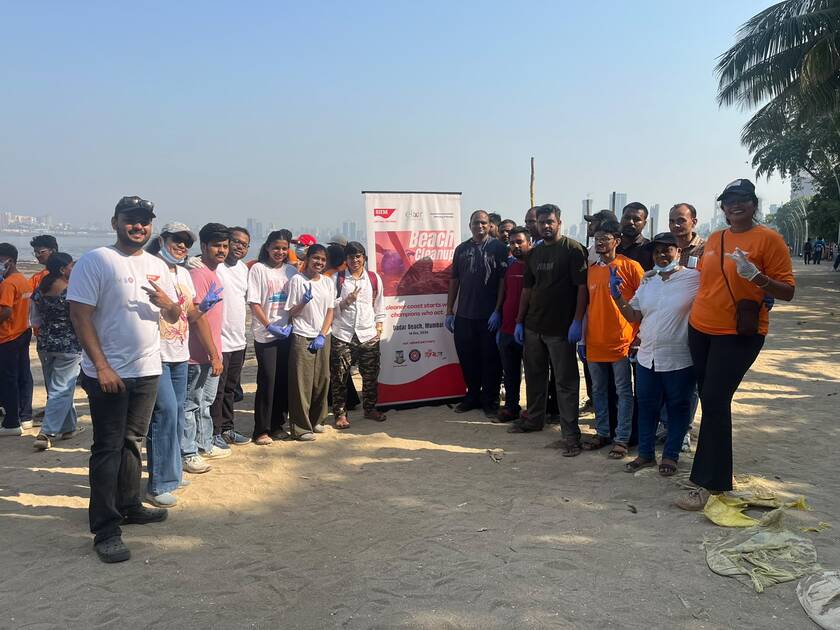
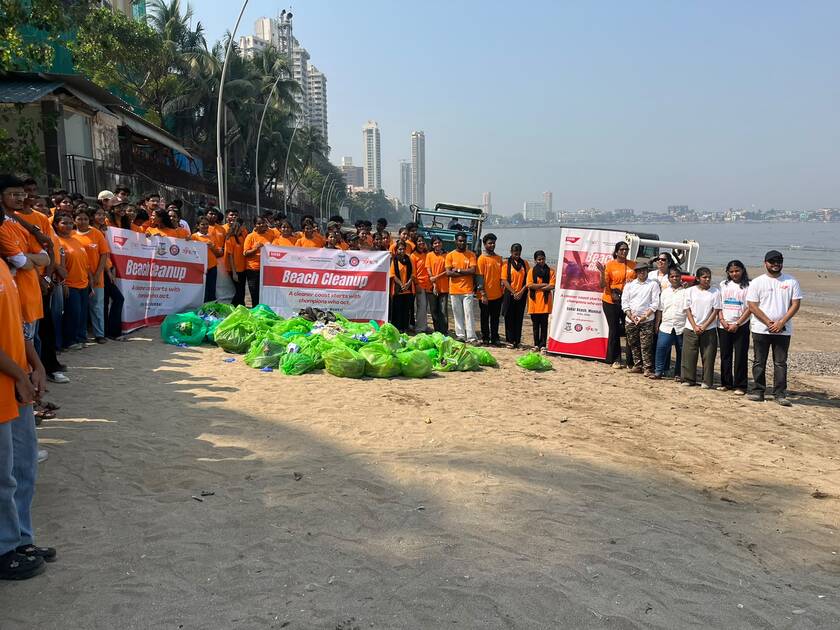
MUMBAI: SHM Shipcare Private Limited (“SHM Shipcare”), an integrated maritime company engaged in shipbuilding, ship repair, ship management and maritime safety solutions, has extended its coastal clean-up initiative to Mumbai with a beach clean-up drive at Dadar Kirti College Beach. Conducted in partnership with the University of Mumbai, the drive is the third phase of the company’s ongoing coastal conservation programme, following earlier clean-ups in Surat and Goa.

Held under the theme ‘A Cleaner Coast Starts with Champions Who Act’, the initiative brought together volunteers to remove litter and debris from the shoreline and promote responsible waste disposal. The programme was conceptualised earlier this month around the birthday of SHM Shipcare Chairman Saifuddin Hajee, reflecting the company’s close connection with India’s coastal communities and the marine environment.

Image 1 3 1 SHM Shipcare expands Coastal Clean-Up Drive to Mumbai, Reinforcing Commitment to Marine Conservation

The Mumbai drive assumes significance at a time when marine litter and plastic pollution continue to threaten coastal ecosystems, marine biodiversity and the livelihoods of communities dependent on the sea. By mobilising volunteers and local stakeholders, SHM Shipcare aims to convert environmental awareness into tangible, community-led action.

Commenting on the initiative, Mohammed Hajee, CEO – Marine & Fire Safety, SHM Shipcare, said, “The sea is central to everything we do, and protecting the coastal environment is a responsibility we all share. Through this clean-up drive in Mumbai, we hope to encourage collective action and demonstrate that small, consistent efforts can create a meaningful impact on the health of our coastline. Keeping our beaches clean requires both awareness and action. By bringing volunteers together, we aim to encourage responsible habits and greater participation in protecting India’s coastal environment.”

The Mumbai clean-up forms part of SHM Shipcare’s broader CSR engagement across environmental and community initiatives in coastal regions. Through such programmes, the company seeks to support local conservation efforts, strengthen environmental awareness and contribute to the long-term protection of India’s coastline.

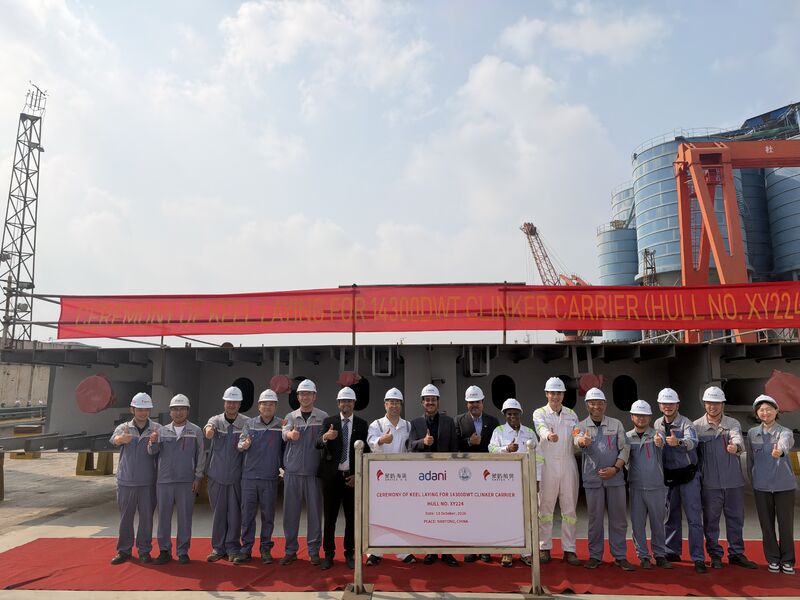
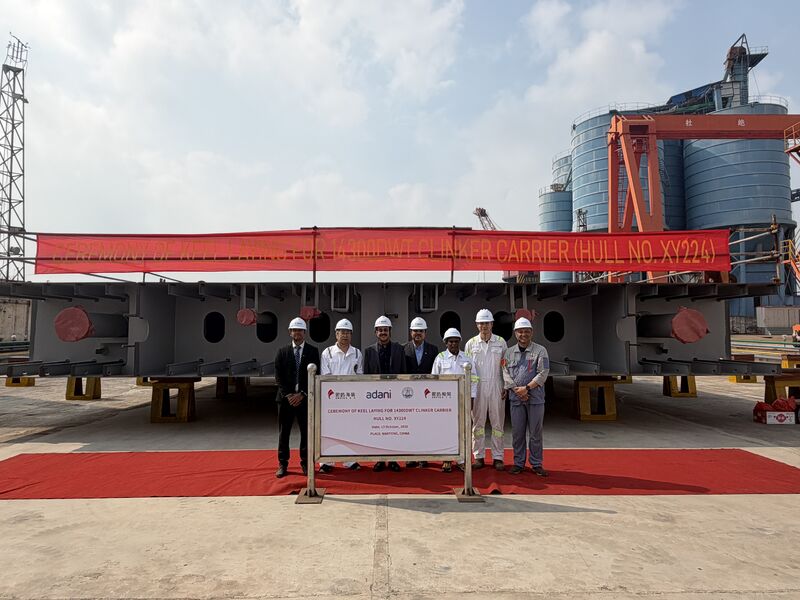
Indian Register of Shipping attends Keel Laying Ceremony for 14,300 DWT Clinker Carrier for Adani Group Company

First Vessel in a Seven-Ship Series Takes Shape at Nantong Xiangyu Shipbuilding Yard in China

BEIJING: The Indian Register of Shipping (IRS) has marked another milestone in its classification activities with the keel laying ceremony of a 14,300 DWT clinker carrier (Hull No. XY224) at Nantong Xiangyu Shipbuilding & Offshore Engineering shipyard in China.

According to a post shared by the Indian Register of Shipping (IRS) on LinkedIn, the IRS Qingdao team attended the keel laying ceremony of the 14,300 DWT clinker carrier (Hull No. XY224) at Nantong Xiangyu Shipbuilding & Offshore Engineering shipyard in China. The vessel is being built under IRS classification for M/s Shanti Sagar International Dredging Limited, a company identified in the original post as being associated with the Adani Group. It is the first vessel in a planned series of seven ships.

IRS Adani 2 Indian Register of Shipping attends Keel Laying Ceremony for 14,300 DWT Clinker Carrier for Adani Group Company

The vessel is the first in a series of seven ships, reflecting the scale of the planned vessel-building programme. Its construction under IRS classification highlights the organisation’s role in supporting shipbuilding projects through classification services and the application of relevant technical and safety standards.

The keel laying ceremony represents an important milestone in a ship’s construction, signifying the progression of the vessel from the initial stages of fabrication towards completion. The project also underscores the importance of collaboration among shipowners, shipbuilders and classification societies in delivering vessels that meet the required technical and operational standards.

With the construction of the first vessel in the seven-ship series now progressing, the project marks a notable development for Shanti Sagar International Dredging Limited and reinforces the role of the Indian Register of Shipping in supporting maritime infrastructure and fleet development.

Navantia and Larsen and Toubro collaborate to offer LHDs to the Indian Navy

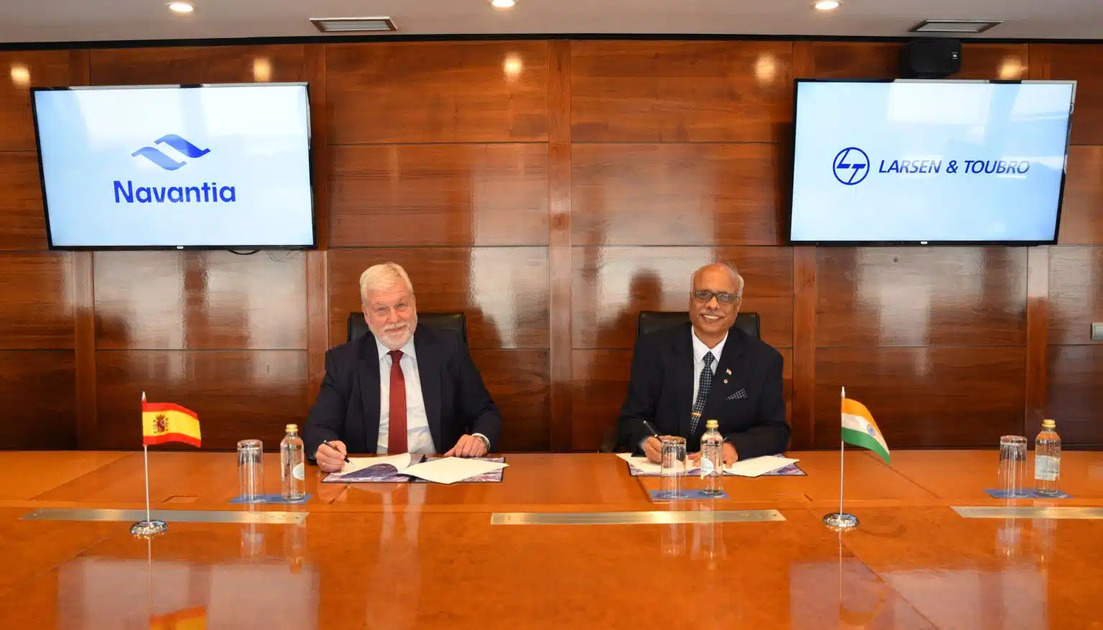
MADRID: Navantia and L&T (Larsen and Toubro) have reached a strategic agreement to collaborate on the upcoming program for four amphibious assault ships for the Indian Navy (known as the LPD program in India).

The alliance, formalized in Madrid with the signing of a memorandum of understanding (MoU), establishes a framework for long-term collaboration between the two companies.

The collaboration will combine L&T‘s engineering excellence with Navantia’s experience in the design and construction of surface ships and submarines, and will contribute to the development of local capabilities for the construction of large ships, while strengthening the proposal by drawing on Navantia’s extensive experience.

Navantia has extensive experience in LHD vessels, such as the Juan Carlos I for the Spanish Navy and the Canberra and Adelaide for the Royal Australian Navy. These proven designs will serve as the basis for the LPD program, which envisions the acquisition of four platforms to support India’s amphibious operations, humanitarian assistance and disaster relief missions, as well as other naval operations.

Regarding the agreement, Arun Ramchandani, Senior Vice President and Head of Precision Engineering & Systems at L&T, stated: “This collaboration brings together L&T’s extensive shipbuilding capabilities and the expertise of Navantia, one of the world’s leading designers and builders of military vessels, to support the Indian Navy’s highly complex LPD program. We are confident that this partnership will contribute to strengthening India’s maritime capabilities and advancing the country’s autonomy in constructing such complex and essential platforms.”

Gonzalo Mateo-Guerrero, Director of Operations and Business at Navantia, stated: “We are proud to strengthen our alliance with L&T. Navantia’s experience in the design and development of strategic naval platforms, combined with L&T’s engineering excellence and track record in shipbuilding, will allow us to develop the best technical solutions for the Indian Navy. Navantia also remains committed to providing long-term support to L&T, the Indian Navy, and all other stakeholders throughout the LPD lifecycle.”