Home Blog Page 574

Europort 2025: A Roaring Success with Innovation and Collaboration taking centre stage

ROTTERDAM: The maritime community came together at Europort 2025, Rotterdam this week to focus minds on the ideas, innovation, and international collaboration needed by an industry that is simultaneously challenged by accelerating energy transition and digitalisation, financial uncertainty and the test of attracting next generation talent.

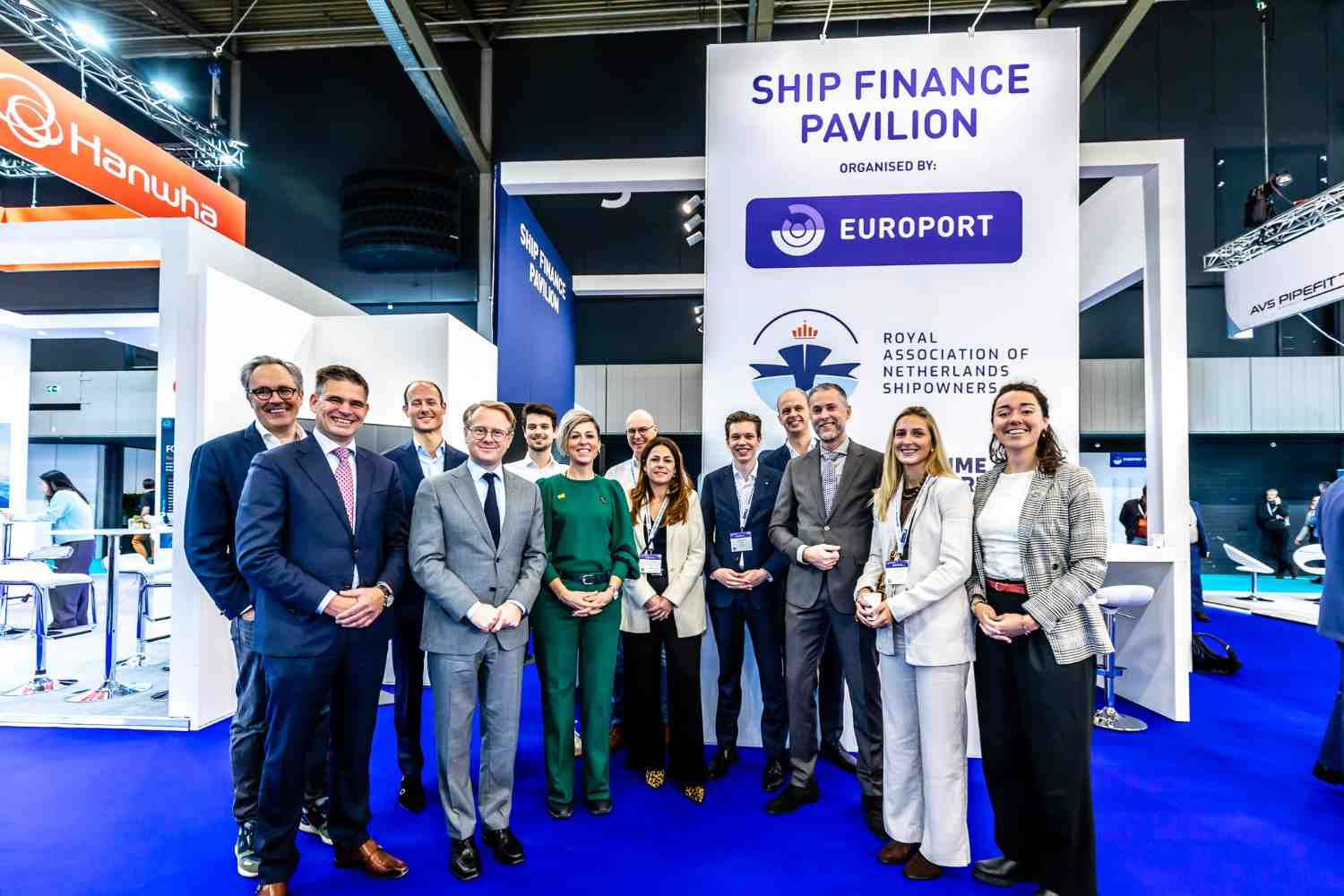
The successful 42nd edition of Europort concluded following four intense days of conferences, networking, award ceremonies and high-powered panel discussions that assessed how global forces are reshaping the industry and creating new opportunities. Welcoming over 23,000 visitors from 87 countries, the sold-out exhibition featured 1,100 exhibitors and 13 national pavilions.

Europort officially opened on Tuesday 4 November during an energetic Opening Summit that drew parallels between the turbulent 1920s and today, encouraging industry to find creative ways to navigate the challenges of our age. In an inspiring keynote, Marja van Bijsterveldt, Special Envoy for the Dutch Maritime Industry highlighted the power of reinvention, as part of a session which set the tone for the collaboration and innovation that would take centre stage in the week ahead.

In one example, Damen introduced its latest innovation in cargo vessel design – the Combi Freighter CF-5000 ICE: a new, scalable series of ice-class ships. In another, the world’s first ‘Circular Route’ proved a popular addition to proceedings. Featuring 15 maritime companies, the route showcased real-world examples of circularity and its role in promoting sustainable growth.

“Circularity isn’t just good for the planet,”
said Marjolein Boer, Founder of the Maritime Sisters and co-organiser of the Circular Route. “It increases our strategic autonomy and creates commercial advantages. By reducing reliance on scarce materials, we lower costs, unlock new business models, and future-proof our industry.”

Sustainability and energy transition remained high on the agenda, despite the pause put on the IMO’s Net-Zero Framework at the Marine Environment Protection Committee in October. Discussions at a Maritime Technology Forum (MTF) event ran through a comprehensive set of new guidelines covering risk assessments for alternative fuels. Championing a harmonised and practical approach, the guidelines aim to bridge the gap between safety assurance and decarbonisation.

The importance of collaboration was a recurring theme throughout. During an exhibition visit, Dutch caretaker Minister for Infrastructure and Water Management, Robert Tieman, praised the event’s scale and role in connecting global maritime stakeholders. The Minister also emphasised the role of governments in fostering conditions where businesses can thrive while maintaining focus on sustainability goals.

“We have to keep an eye on our objectives, but also ensure regulations support, rather than hinder, innovation,” Tieman noted, calling for a balanced approach to red tape and a level playing field for all market participants.

Echoing calls for enhanced collaboration, Petra de Groene, Programme Director, Business, Climate, Port and Grid Congestion, Municipality of Rotterdam, commented, “As a crucial hub, the maritime sector is hugely important for Rotterdam – and for future innovation, collaboration is a key element. The city of Rotterdam aims to stimulate cooperation by bringing partners together, including here at Europort where technology companies and other stakeholders can meet.”

On Friday 7 November, the #YoungEuroport events celebrated the next generation and addressed the need to attract talent to the sector. The programme invited students and young professionals to connect with peers and industry leaders, pitch ideas and participate in debates as they explored what the maritime industry has to offer. The final day also concluded the SAFETY4SEA Europort Awards, which recognised organisations and individuals for their outstanding contributions to smarter, greener shipping and nurturing the next generation of maritime professionals.

“This year’s Europort radiated energy and global connection,”
said Raymond Siliakus, Europort Director at Rotterdam Ahoy. “In a time of geopolitical tension, it’s inspiring to see so many people from around the world come together to think in opportunities rather than contradictions. That spirit of collaboration is exactly what drives our industry forward.”

Europort will return to Rotterdam 2-5 November 2027.
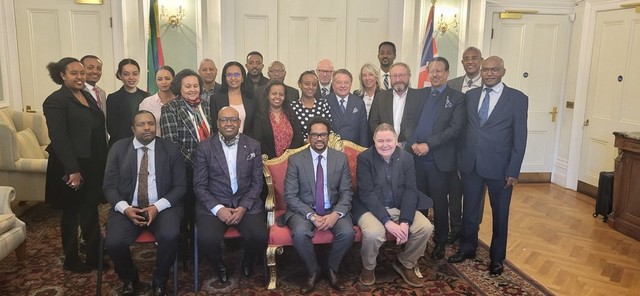
Ethiopian freight industry delegation visits the UK to strengthen logistics partnership

LONDON: A high-level delegation from the Ethiopian Freight Forwarders and Shipping Agents Association (EFFSAA) has completed a successful visit to the UK, hosted by the British International Freight Association (BIFA).

The visit followed the signing of a Memorandum of Understanding in May 2025 aimed at helping to modernise Ethiopia’s freight and logistics industry through training, capacity building, and knowledge exchange.

Delegates from EFFSAA and key Ethiopian logistics institutions met with BIFA’s leadership, visited dnata at Heathrow, London Gateway Port, and the TT Club, and discussed operational standards, digitalisation, and sustainable supply chain practices. Two delegates attended the Transaid Showcase, meeting HRH The Princess Royal and exploring opportunities for collaboration to enhance transport safety in Ethiopia.

BIFA’s training team showcased its BTEC-accredited Freight and Customs courses as potential models for Ethiopian professional development. The week concluded with a reception hosted by H.E. Biruk Mekonnen, Ethiopia’s ambassador to the UK (pictured above).

BIFA Director General Steve Parker and EFFSAA President Dawit Woubishet reaffirmed their commitment to help build a globally competitive logistics sector in Ethiopia through joint training, advisory support, and institutional partnerships.

This collaboration is supported by the UK’s Foreign, Commonwealth & Development Office and TradeMark Africa.

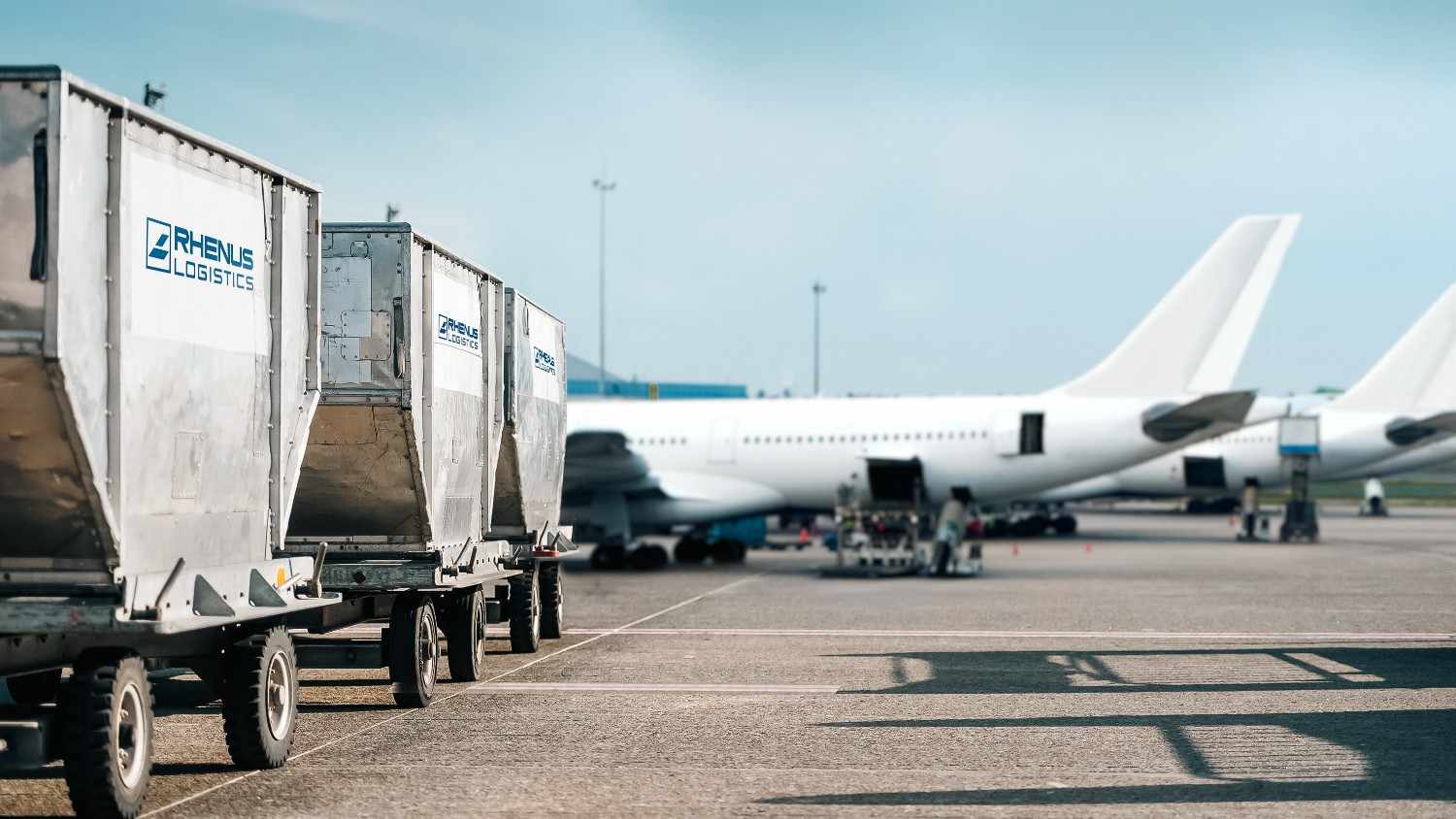
Rhenus strengthens its Air Freight Gateways Network in Southeast Asia to support Global Trade

SINGAPORE: Leading global logistics provider Rhenus Group is steadily increasing its investments in Southeast Asia, as part of its ongoing plans to strengthen its presence across key trade corridors globally. The China+1 strategy has also influenced cargo flows in Southeast Asia, increasing cargo volumes and creating greater demand for more resilient, flexible and cost-effective logistics solutions.

Despite weaker external demand, elevated tariffs, and persistent policy uncertainty, Asia is expected to remain the biggest driver of global growth, contributing about 60%[1] in 2025 and 2026. Trade lanes between Asia and the world are seeing growth as well, as manufacturers prioritize Southeast Asia for their sourcing needs. According to IATA, air freight volumes, as of September 2025 saw the Europe/Asia corridor grew by 12.4%[2] YoY, reflecting a strategic shift in trade flows toward Southeast Asia as cities such as Bangkok and Kuala Lumpur increase in importance as key inbound and outbound hubs for European cargo. Trade between China and ASEAN totaled 3.67 trillion yuan[3], a YoY increase of 9.6%, compared to a 9.3% YoY decrease in terms of China’s trade with the United States.

“Southeast Asia is a focus growth area for Air Freight in Rhenus. The gateways are at the center of the company’s latest expansion plans, and go beyond delivering the global promise of reliable, customer-centric logistics solutions. They are designed with scalability in mind, and integrate the latest digital and sustainable logistics solutions, to give our global customers flexibility and efficiency,” said Chris Bode, Vice President Global Air Freight, Rhenus Air & Ocean.

From Southeast Asia to the World: Strategic Integration into global freight corridors

In 2025, Rhenus set up air freight gateways in key trade hubs in the region – Singapore & Thailand (Bangkok) and with the already existing Malaysia (Kuala Lumpur) – to optimize cargo flows across Southeast Asia and with global trade lanes. The strategic gateways strengthen the presence of Rhenus across key corridors, including (and not limited to):

  • Kuala Lumpur facilitates inbound cargo from Europe and outbound cargo to Oceania.
  • Singapore handles inbound cargo from Asia or Oceania, and outbound cargo to the Americas.
  • Bangkok manages outbound cargo to Europe and serves as a multi-modal hub to enhance Intra-Asia trade capabilities through regional air freight and cross-border trucking.

The fully operational gateways, with the flexibility for phased expansions, offer a full suite of solutions, door-to-door services, customs clearance, cargo consolidation and value-added air freight services. Technology-enabled capabilities, such as smart logistics platforms, real-time tracking and digital documentation to streamline operations, power the gateways. Sustainable logistics initiatives, such as electric vehicles for pre and on-carriage, optimized routing and low-emission transport options, will also be embedded across all three gateways.

Joachim Hanssen, CEO APAC, Rhenus Air & Ocean, said, “With recent global developments, including the China +1 strategy, more businesses are set to include the Southeast Asian region as an increasingly important piece of their global logistics plans. Rhenus has been and remains committed to support our customers in these fast-growing markets. We are confident that our strategic plans to grow our capabilities in this region, by enhancing resilience and operational agility, will position us as a preferred partner to meet evolving regional and global trade needs.”

Looking ahead, Rhenus will continue to identify strategic investment opportunities in Southeast Asia and the overall APAC region, as part of its commitment to support and facilitate its customers globally.

First scheduled freight train from Russia reaches Iran’s Aprin dry port

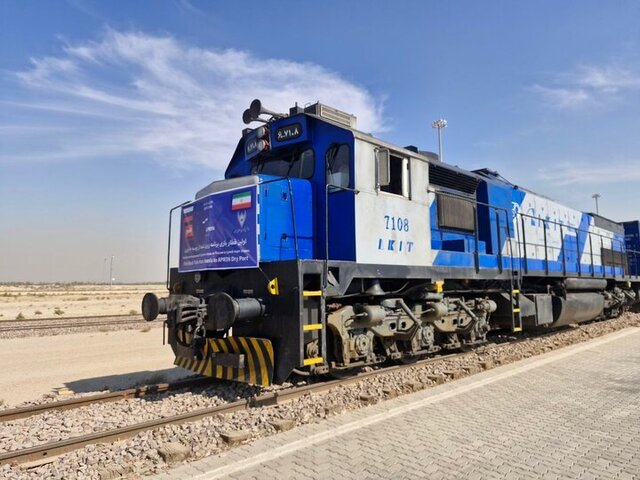
TEHRAN : The first scheduled freight train from Russia arrived at Iran’s Aprin dry port on Saturday, marking a major step toward strengthening trade relations between the two countries and launching regular train operations linking Iran, Russia, and Central Asian neighbors.

The train, consisting of 62 forty-foot containers carrying paper, pulp, and related products bound for Iran and Iraq, began its journey 900 kilometers north of Moscow.

It passed through Russia, Kazakhstan, and Turkmenistan, entered Iran via the Incheboron border crossing, and reached Aprin dry port in 12 days.

The establishment of such a large-scale freight train required extensive coordination among railway authorities along the route, customs offices, rail forwarders, and cargo owners.

Officials hailed the development as a significant achievement for the International North-South Transport Corridor (INSTC), enhancing Iran’s role in regional logistics and transit.

Morteza Jafari, deputy for commerce and operations at the Islamic Republic of Iran Railways, told IRNA on Saturday on the sidelines of the event that since June this year, when the first train from China arrived at Aprin dry port, 30 trains have reached the facility.

He added that efforts are underway to expand the operations, noting that for countries without direct rail access to Iran, cargo will be delivered by truck.

“Through coordination with other regional and CIS countries, we are working to make Iran a hub for exports, imports, and transit among neighboring states,” Jafari said.

Source : IRNA English

EST-Floattech to supply Octopus battery systems for 6 new coasters for Arklow Shipping

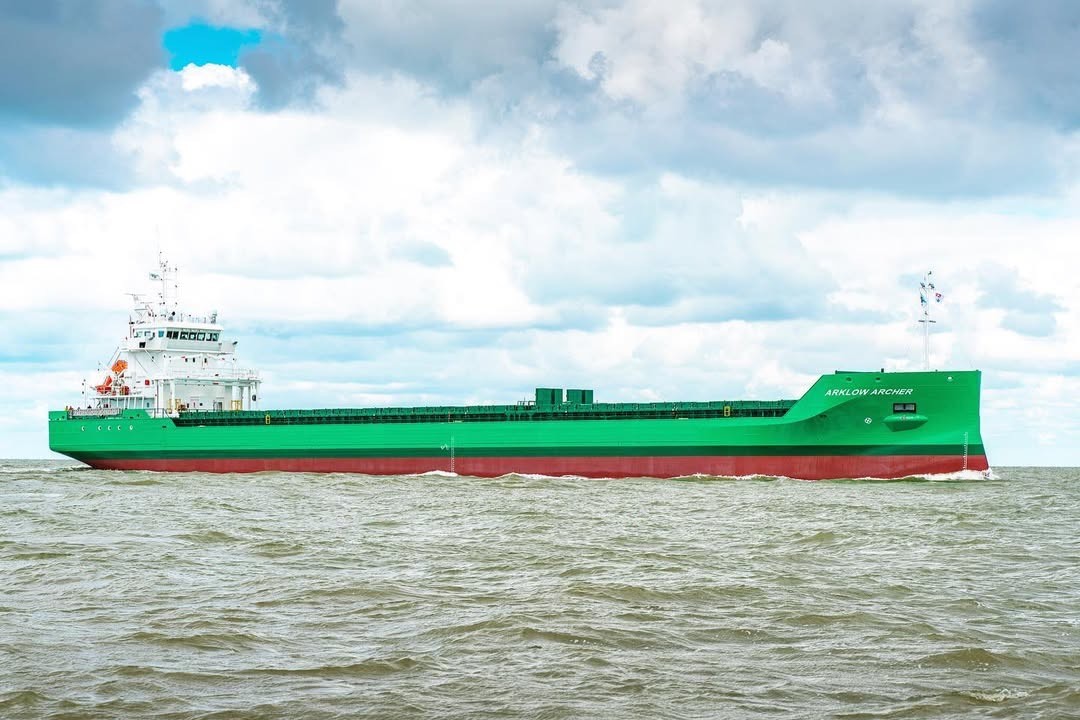
AMSTERDAM: EST-Floattech has been selected to deliver its Octopus Lite battery system for a new series of six General Cargo Vessels. The vessels will be built by Ferus Smit in the Netherlands for Irish ship operator Arklow Shipping. Working closely with the shipyard, and with Eekels Technology – the vessels’ electrical systems provider – EST-Floattech designed the system to fit the sailing profile of the vessels perfectly. This close collaboration provides both technology and efficiency gains for Arklow Shipping.

The new series of 11,000 DWT general cargo vessels represents another successful chapter in the ongoing collaboration between Ferus Smit and Arklow Shipping.

The battery systems will support several onboard functions, such as grid stabilization during sailing. Other functions include loading and offloading operations, in particular when the vessel’s electric excavator is deployed. The Octopus Lite BESS will also provide power for the bow thruster and enable zero-emission port stays, improving overall efficiency and reducing CO2 and other emissions across the vessel’s entire operational profile.

Patrick Kuiper, Mechanical Designer at Ferus Smit Shipyard, says:

“We selected EST-Floattech as our partner, because of their proven battery performance and excellent service on previous vessel series. Their modular battery system design allows for capacity upgrades over the vessel’s lifetime, providing the shipowner with added flexibility and ensuring the vessels remain future-proof.”

Delivery of the first vessel is scheduled for 2026, with the final vessel expected to be completed in 2029. Walter van der Pennen, Chief Commercial Officer at EST-Floattech, comments:

“We are grateful for the trust that Ferus Smit, Eekels and Arklow Shipping have put in us. In general, we see a strong interest among cargo vessel owners to operate more efficiently, and with lower emissions. With tightening regulations our battery systems, in combination with modern electric propulsion solutions, help owners reduce fuel consumption and emissions today, while preparing them for the cleaner, more sustainable shipping of tomorrow.”

Piyush Goyal visits Melbourne, holds bilateral meetings to review progress of India–Australia CECA negotiations

MELBOURNE : Union Minister of Commerce and Industry Shri Piyush Goyal visited Melbourne, Australia, on 8th November 2025 to hold bilateral discussions with Minister for Trade and Tourism of Australia Senator the Hon. Don Farrell and Minister for Skills and Training Andrew Giles. The constructive discussions focused on unlocking the full potential of the India–Australia Economic Partnership, including through an ambitious and balanced India–Australia Comprehensive Economic Cooperation Agreement (CECA).

During the meeting, the Ministers reviewed the progress made under the CECA negotiations and discussed pathways to elevate bilateral trade and economic partnerships. The discussions covered a wide range of areas, including trade in goods, services, investment and mutually beneficial cooperation.

In FY 2024–25, bilateral merchandise trade between India and Australia stood at USD 24.1 billion, with India’s exports registering a growth of 14% in 2023–24 and a further 8% in 2024–25.

Both sides reaffirmed their commitment to work constructively towards the early conclusion of a balanced and mutually beneficial CECA, building on the foundation of the India–Australia Economic Cooperation and Trade Agreement (ECTA), which entered into force in December 2022.

Shri Piyush Goyal also engaged with select business representatives from the Indian diaspora, accompanied by Minister Farrell and Minister Giles. The interaction highlighted opportunities for stronger commercial linkages and underscored the community’s role in advancing bilateral economic ties


Fourth Round of India–New Zealand FTA negotiations concludes successfully

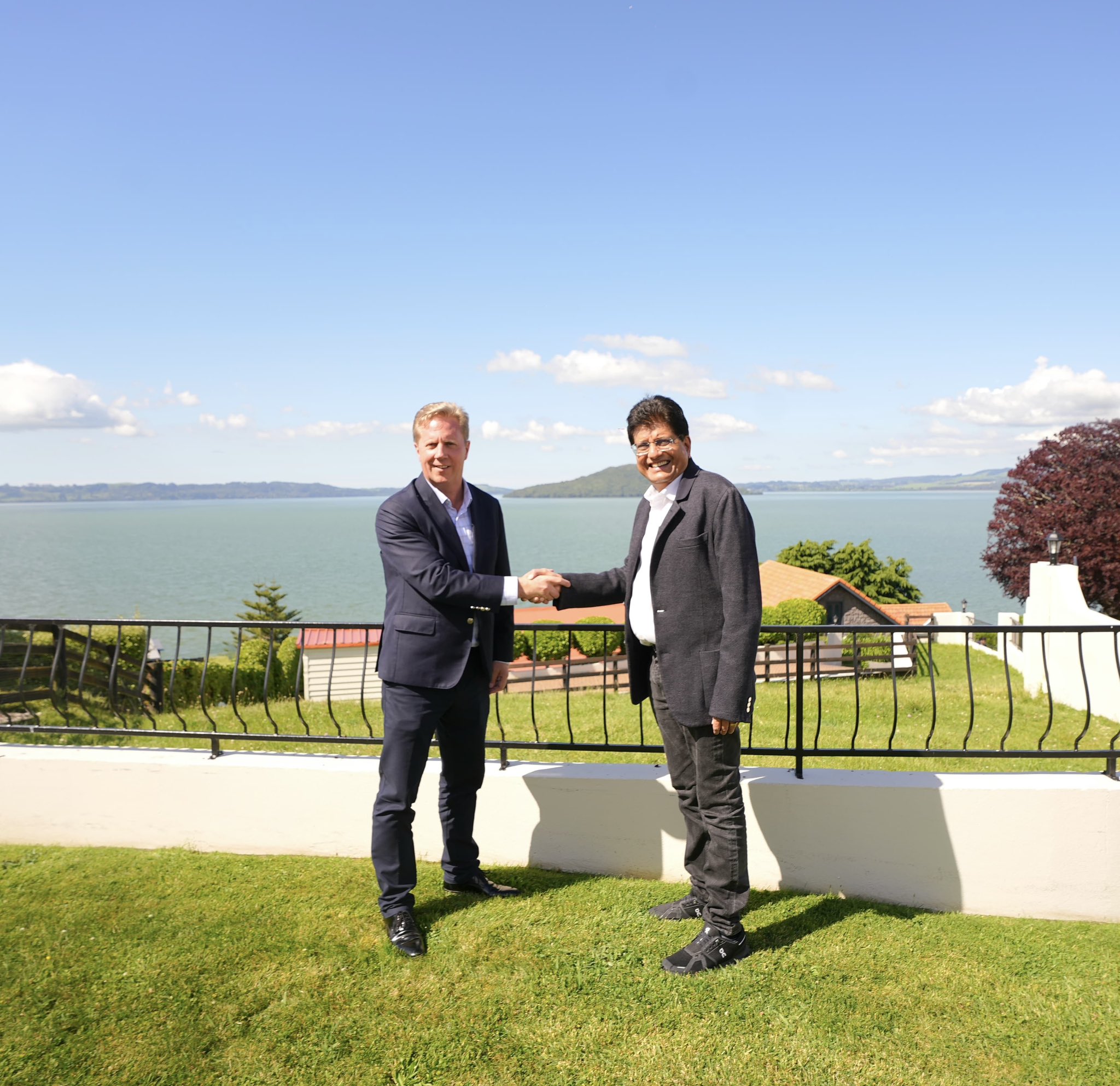
AUCKLAND : The fourth round of negotiations on the India–New Zealand Free Trade Agreement (FTA) concluded on Saturday in Auckland and Rotorua, following five days of constructive and forward-looking discussions between the two sides.

Union Minister of Commerce & Industry, Shri Piyush Goyal, and New Zealand Minister for Trade, Mr. Todd McClay, acknowledged the steady progress made during this round and reaffirmed their commitment to work towards a modern, comprehensive, and future-ready FTA.

Both delegations held detailed engagements across key tracks including trade in goods, trade in services, economic and trade cooperation, and rules of origin. The discussions reflected the shared ambition to strengthen economic ties and build a mutually beneficial partnership that supports resilient, inclusive, and sustainable growth.

Guided by the leadership of Prime Minister Shri Narendra Modi, India remains committed to forging deeper economic partnerships that contribute to global prosperity and secure supply chains. The Ministers noted that the proposed FTA is expected to significantly enhance trade flows, deepen investment linkages, strengthen supply-chain resilience, and provide greater predictability and market access for businesses in both countries.

The ongoing discussions reflect the shared resolve of both nations to expedite the process and work towards an early, balanced, and mutually advantageous conclusion of the agreement.

India’s bilateral merchandise trade with New Zealand stood at USD 1.3 billion in FY 2024–25, marking a year-on-year growth of nearly 49 percent. The proposed FTA is expected to unlock further potential in sectors such as agriculture, food processing, renewable energy, pharmaceuticals, education, and services, creating new opportunities for businesses and consumers alike.

Both sides agreed to sustain momentum through inter-sessional work and continue detailed discussions across all chapters with a shared determination to move towards early convergence on the India–New Zealand Free Trade Agreement.

VOC Port driving Green Hydrogen future through learnings and dialogues

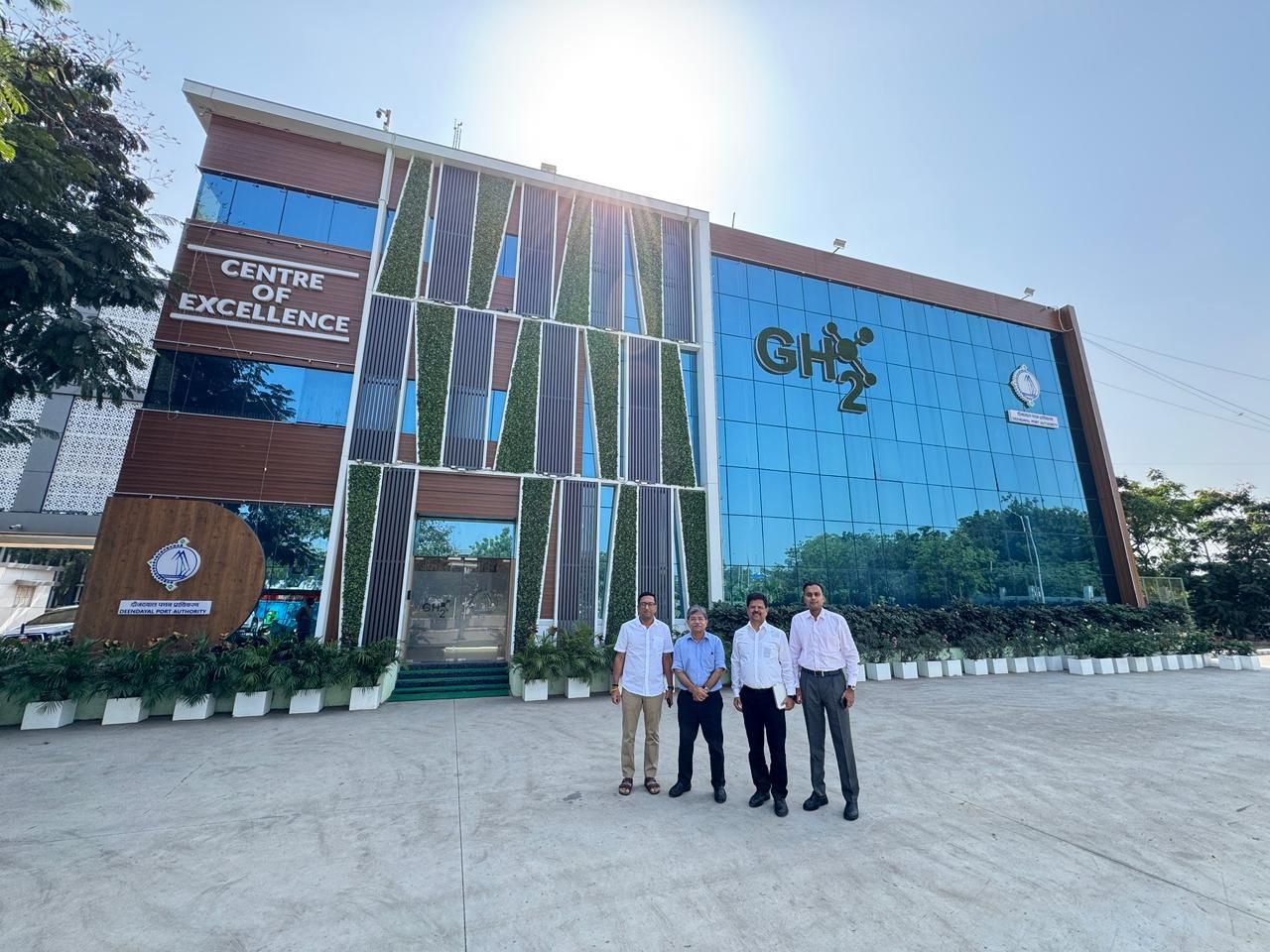
GANDHIDHAM : Shri Susanta Kumar Purohit, Chairperson, and Shri Rajesh Soundararajan, Deputy Chairperson, VOC Port, Tuticorin, held a strategic discussion with Shri Sushil Kumar Singh, Chairperson, Deendayal Port Authority, Kandla (DPA).

The focus was a deep-dive into DPA’s advancements in Green Hydrogen and strategising on how to rapidly set up the necessary common user facilities to accelerate the Green Hydrogen Hub development at VOC Port.

DPA VOC 1 VOC Port driving Green Hydrogen future through learnings and dialogues

VoC Port thanked Shri Sushil Kumar Singh and Shri Nilabhra Dasgupta, Deputy Chairperson, DPA, for their valuable insights and collaborative spirit. Inter-port learning is key to achieving India’s ambitious green energy targets.

CONCOR launches first door-to-door parcel service under rapid cargo service initiative

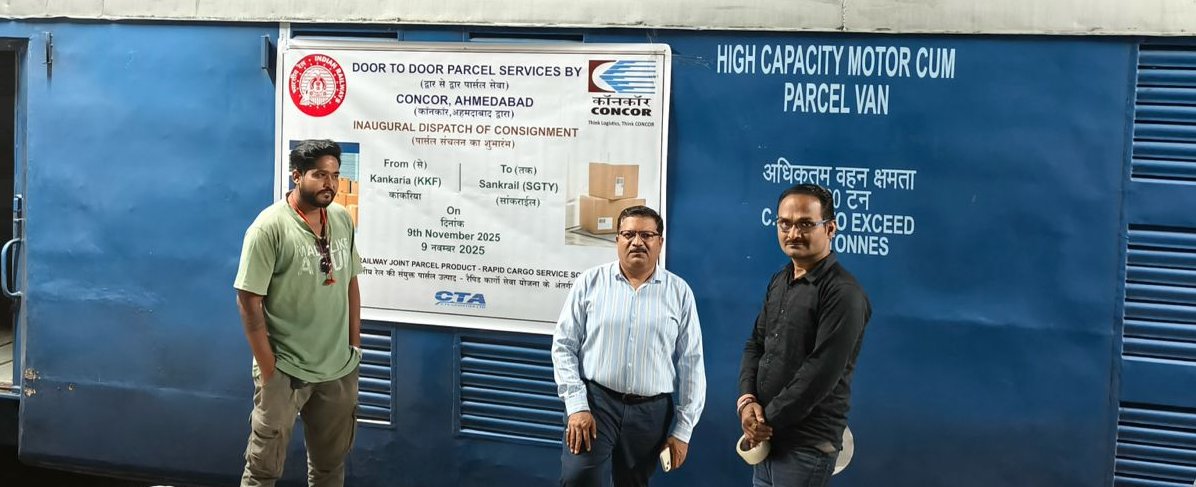
AHMEDABAD : The Container Corporation of India Ltd. (CONCOR) achieved a major milestone on Sunday as its Ahmedabad Cluster flagged off the first door-to-door parcel service from Kankaria (Ahmedabad) to Sankrail (Kolkata) under the Indian Railways’ Joint Parcel Project – Rapid Cargo Service (JPP-RCS).

G5TvPUHa4AA7 mQ CONCOR launches first door-to-door parcel service under rapid cargo service initiative

This marks a transformative step in CONCOR’s service portfolio, extending its expertise beyond traditional full-container and rake-load traffic to now include small and mid-sized consignments and e-commerce logistics — enabling broader participation in India’s growing logistics and digital commerce sectors.

The Rapid Cargo Service (RCS) aims to revolutionize rail-based parcel logistics by offering:
Faster transit times with full-chain visibility through digital tracking systems
Cost-efficient and smooth end-to-end services, integrating first- and last-mile delivery
Flexible shipment options catering to small and medium businesses and e-commerce players

With the successful launch of this inaugural service, CONCOR reaffirms its commitment to fostering seamless, time-bound, and customer-centric logistics solutions, aligning with India’s vision of modern, multimodal, and sustainable freight transport.

Adani Krishnapatnam Port achieves milestone by handling over 2 lakh metric tonnes of fertilizer across five vessels

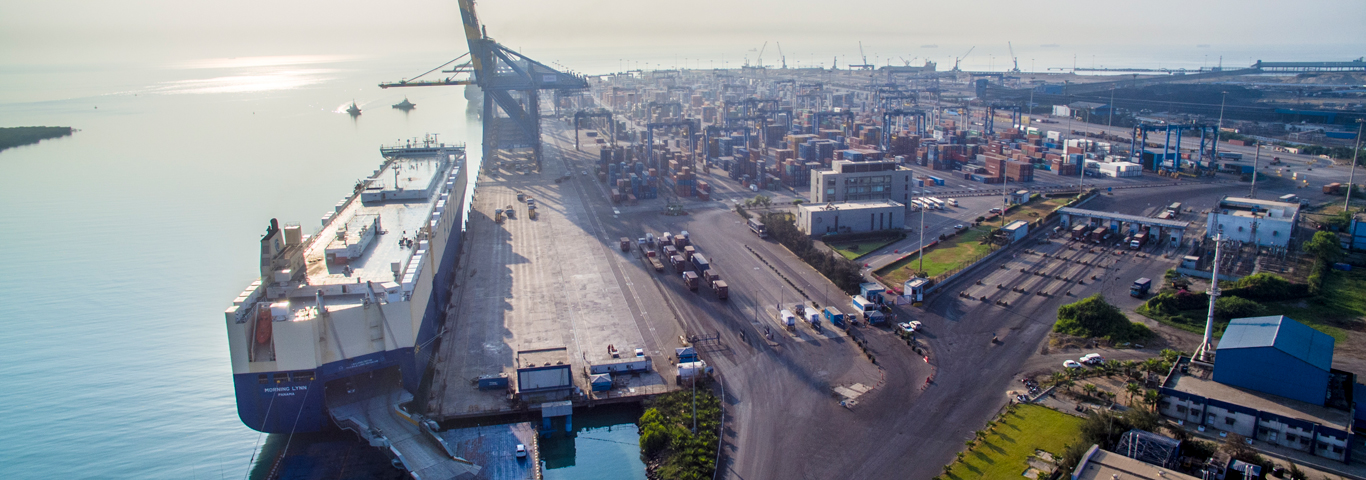
NELLORE : Adani Krishnapatnam Port Limited (AKPL), a flagship asset of Adani Ports and SEZ Limited (APSEZ), has accomplished a landmark operational feat, efficiently managing and discharging five fertilizer vessels simultaneously with a total cargo of 2,23,419 Metric Tonnes (MT). This significant achievement demonstrates AKPL’s advanced infrastructure and its pivotal role in strengthening India’s agricultural supply chain.The entire volume of vital agricultural cargo was swiftly unloaded into various godowns and dispatched to farming regions across the country through a combination of rail rakes and road transport.

AKPL’s state-of-the-art Automated Fertilizer Handling System ensured quick turnaround times for vessels, enabling fertilizers to reach farmers promptly. The port’s superior rail and road connectivity further facilitated seamless nationwide distribution, supporting initiatives by the Government of India and the Government of Andhra Pradesh to empower the farming community.

Speaking on the occasion, Adani Krishnapatnam Port Limited management said, “We are proud to have successfully handled over two lakh tonnes of fertilizer across five vessels in a single operation, which showcases the strength of our advanced infrastructure and our dedicated commitment to agricultural support. At Adani Krishnapatnam Port, our focus remains on timely and efficient delivery of essential farm inputs to farmers, driving sustainable growth in the farming community.

This accomplishment represents our ongoing efforts to align with government priorities and strengthen the supply chain that supports the nation.” AKPL continues to reinforce its position as a critical hub for fertilizer imports and distribution on India’s east coast, playing an essential role in boosting agricultural productivity and promoting rural development.