Home Blog Page 58

FM Sitharaman invites Worldsteel to open office in India

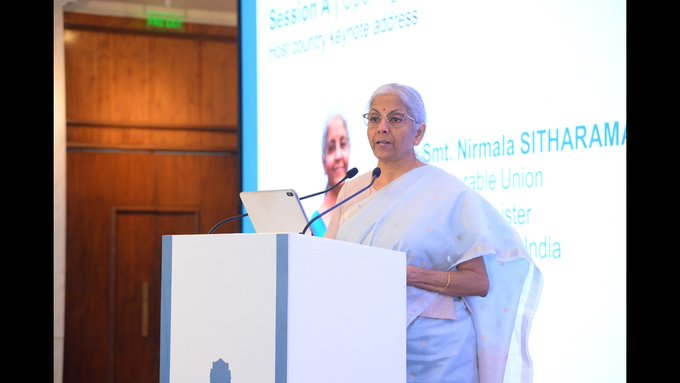
NEW DELHI: Union Finance Minister Smt. Nirmala Sitharaman on Monday invited the World Steel Association (Worldsteel) to consider opening an office in India, citing the country’s growing importance in global steel demand and its expanding production capacity.

Addressing the World Steel Association’s General Assembly in New Delhi, Sitharaman said India had emerged as a major source of incremental demand for steel, creating an opportunity for the global industry body to strengthen its presence in the country.

“As Worldsteel enters its 60th year, I would invite the Association to consider establishing an office in India,” she said.
Sitharaman noted that Worldsteel had opened its Beijing office in 2006, when China accounted for much of the growth in global steel demand
.” She said India was now playing an increasingly important role in driving demand.

“On Worldsteel’s own projections, India is now the largest single source of that growth,” she said, adding that an Indian office would bring the association closer to fast-growing steel markets in South Asia, South-East Asia, West Asia and Africa.

India, the world’s second-largest steel producer since 2018, increased crude steel output by 10 per cent in 2025 to 165 million tonnes, according to figures cited by the Finance Minister. Production rose a further 6 per cent during January-August 2026, even as global output declined.

Sitharaman said India’s share of global steel production had increased from 5.2 per cent in 2014 to around 9 per cent. Domestic demand has also strengthened, with finished steel consumption reaching 164 million tonnes in 2025-26.

As per data from the Ministry of Steel, India produced 168.4 million tonnes of crude steel and 160.9 million tonnes of finished steel in 2025-26, while domestic consumption reached 163.7 million tonnes.

The sector continued to expand in the first half of the current financial year. India recorded steel imports of 654.4 thousand tonnes, valued at Rs 7,496.2 crore, and exports of 561.8 thousand tonnes during the period, according to the data provided. Sitharaman said India’s steel demand was being supported by sustained public investment in infrastructure. Union government capital expenditure has risen from approximately Rs 2 lakh crore in 2014-15 to Rs 12.2 lakh crore in 2026-27.

Construction and infrastructure account for approximately two-thirds of India’s steel use, investing in highways, railways, ports and urban transport being an important source of demand. However, she said the global steel industry was facing challenges from falling production, excess capacity, rising energy costs and trade restrictions. Global crude steel output declined 2 per cent in 2025 to 1.85 billion tonnes and fell a further 0.7 per cent during January-August 2026.

The Organisation for Economic Co-operation and Development projects global excess steel capacity to increase from 600 million tonnes in 2024 to 720 million tonnes by 2027. Sitharaman called for coordinated international action to address the problem, arguing that unilateral tariffs would not resolve the underlying imbalance.

“A lasting correction of global excess capacity requires multilateral disciplines on the subsidies that sustain uneconomic plants, supported by transparent data,” she said. She also stressed the need for India to expand production of speciality steel, improve raw-material security and reduce emissions as the industry grows. Sitharaman said India needed to combine capacity expansion with technological advancement and lower-carbon production to strengthen its position in the global steel industry.
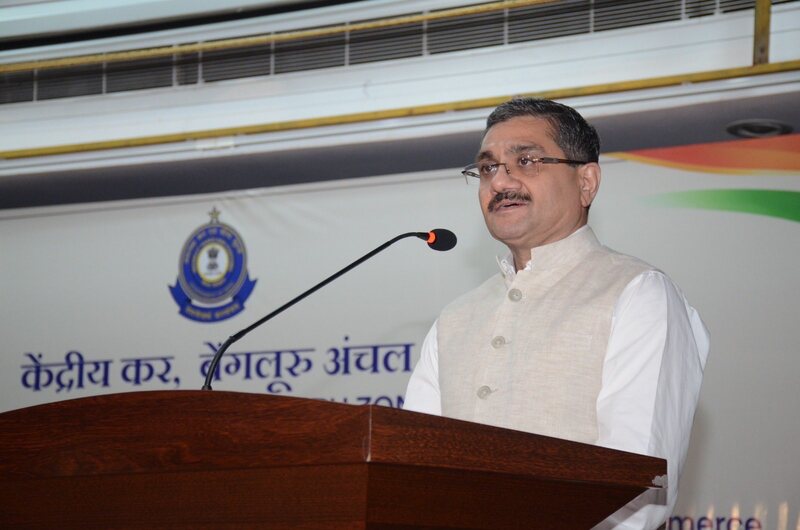
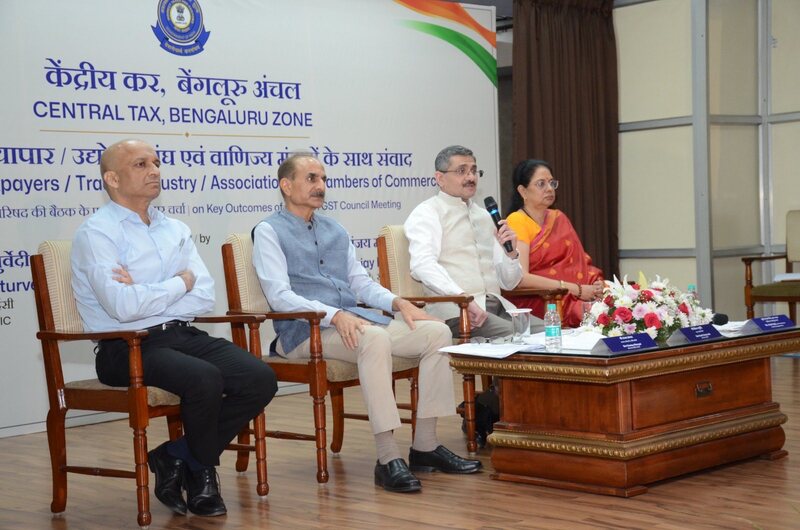
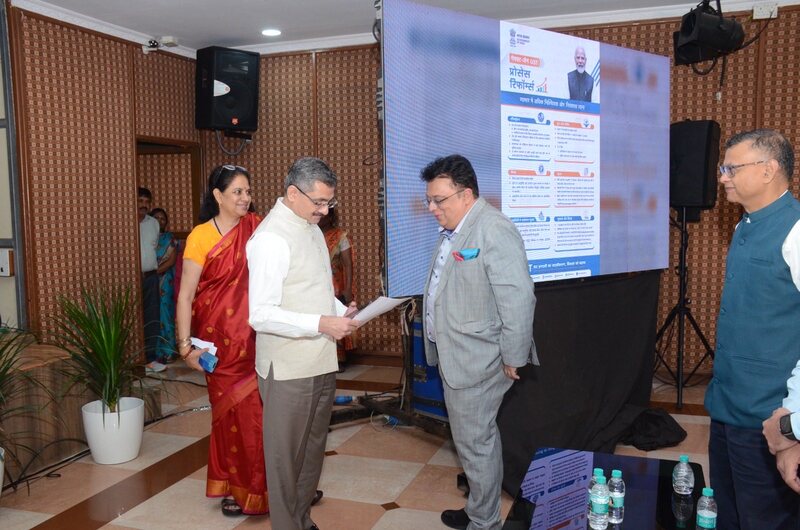
CBIC Chairman Vivek Chaturvedi engages with Trade and Taxpayers in Bengaluru on GST Reforms

Around 250 representatives welcome recommendations of the 57th GST Council meeting aimed at facilitating ease of doing business

BENGALURU: Shri Vivek Chaturvedi, Chairman, Central Board of Indirect Taxes and Customs (CBIC), and Shri Sanjay Mangal, Member (GST), CBIC, interacted with trade associations and taxpayers in Bengaluru on October 13 to discuss the path-breaking reforms undertaken at the 57th meeting of the GST Council.

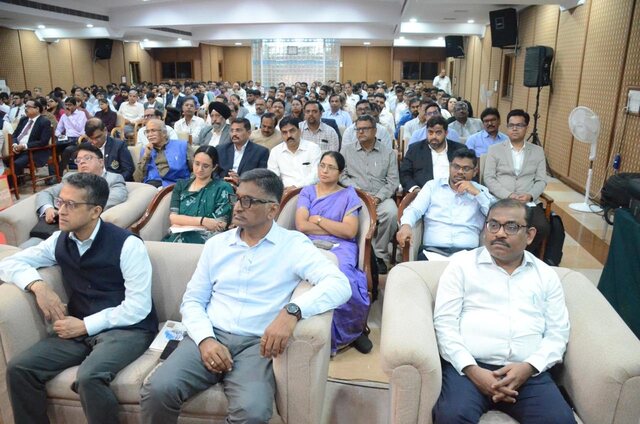
Around 250 representatives from trade associations and the taxpayer community participated in the session, welcoming the Council’s recommendations aimed at facilitating ease of doing business. Participants also shared their views during the discussions, providing valuable stakeholder feedback to the tax administration.

Smt. Kajal Singh, Chief Commissioner of Central Tax, Bengaluru Zone; Shri Vipul Bansal, Commissioner of Commercial Taxes, Government of Karnataka; and senior officials from the Central and State GST administrations were also present.

The interaction provided a platform for direct engagement between tax authorities and businesses, reinforcing the importance of stakeholder consultation in advancing GST reforms and improving the taxpayer experience.

Following the trade outreach, Shri Chaturvedi and Shri Mangal also held an interactive session with CBIC officers posted in the Bengaluru Zone.

CBIC Bangalore 2 CBIC Chairman Vivek Chaturvedi engages with Trade and Taxpayers in Bengaluru on GST Reforms

CBIC Chairman reviews GST reforms in interactive outreach with trade and taxpayers in Chennai

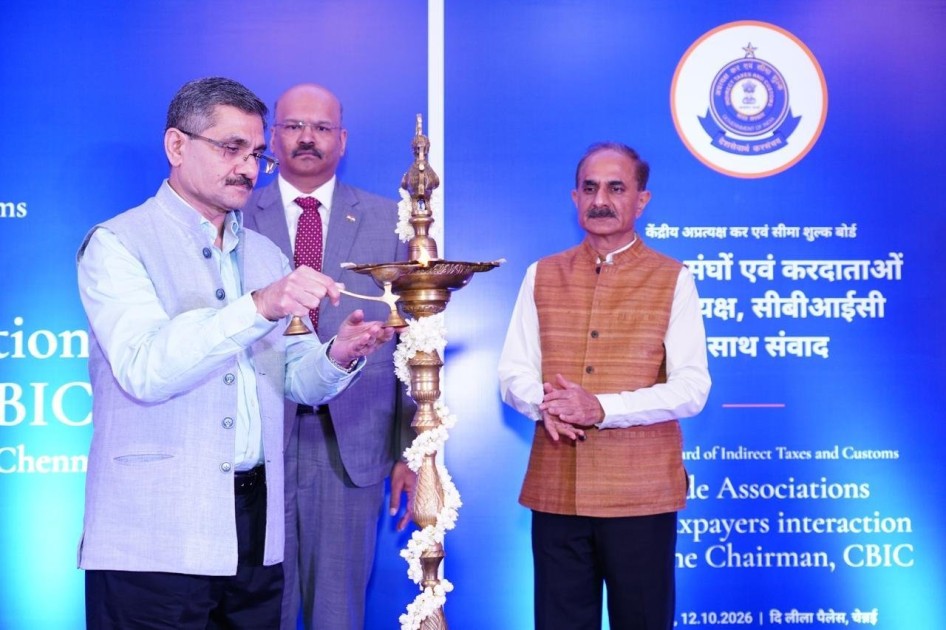
CHENNAI : The Central Board of Indirect Taxes and Customs (CBIC) organised an interactive outreach programme with trade associations and taxpayers in Chennai on October 12, 2026, to discuss the path-breaking reforms introduced at the 57th meeting of the GST Council and their implications for businesses, industry and taxpayers.

Shri Vivek Chaturvedi, Chairman, CBIC, and Shri Sanjay Mangal, Member (GST), led the interactive session, engaging with representatives of trade associations and taxpayers to explain the key reform measures and gather feedback from stakeholders on their implementation.

The outreach programme was also attended by Shri S.K. Vimalanathan, Chief Commissioner of GST and Central Excise, Tamil Nadu and Puducherry Zone, and Shri S. Nagarajan, Commissioner of Commercial Taxes, Government of Tamil Nadu, highlighting the importance of coordination between the Central and State tax administrations in implementing GST reforms effectively.

The meeting witnessed active participation from trade representatives and taxpayers, who contributed to the discussions, shared their perspectives and raised important issues concerning the GST framework. The interactive format provided an opportunity for stakeholders to seek clarifications, communicate their concerns and understand the potential impact of the recent reforms on tax compliance and business operations.

The discussions underscored the significance of continuous engagement between the tax administration and the business community in ensuring that policy reforms translate into practical benefits for taxpayers. Such outreach initiatives also help strengthen transparency, improve awareness of changes in the tax regime and facilitate smoother compliance by businesses across sectors.

The 57th GST Council meeting reforms formed the central focus of the interaction, reflecting the government’s continued efforts to improve the GST framework, simplify tax administration and make compliance more efficient and taxpayer-friendly.

Following the interaction with trade associations and taxpayers, the CBIC Chairman and Member (GST) also held a separate interactive session with officers of CBIC posted in the GST Tamil Nadu and Puducherry Zone. The session provided an opportunity to discuss the implementation of reforms at the field level, address operational matters and reinforce the role of tax officers in ensuring effective administration and taxpayer facilitation.

The outreach programme reaffirmed CBIC’s commitment to maintaining an open dialogue with trade and industry, strengthening stakeholder engagement and supporting the effective implementation of GST reforms through coordinated efforts between tax authorities and taxpayers.

Indian Railways exports first 18-coach LHB train for Bangladesh as part of 200 coach order

NEW DELHI: Indian Railways has exported the first batch of LHB passenger coaches to Bangladesh under a new deal. RITES Ltd announced on Tuesday that it had sent the first batch of 18 broad-gauge passenger coaches to Bangladesh Railway under an agreement to supply a total of 200 coaches.

The coaches, which come in seven different variants, are being built at the Rail Coach Factory (RCF) in Kapurthala, Punjab.

Dispatched on October 12, 2026, the first rake consists of 11 non-AC Shovan chair cars, three AC chair cars, two AC sleeper coaches and two AC power cars. The power cars are fitted with a guard room and space for luggage, the company said. RITES added that its supplies to date include more than 280 locomotives and over 1,085 coaches and diesel multiple unit (DMU) trainsets.

The company, which holds Navratna public sector enterprise status, has executed projects in more than 55 countries across Asia, Africa, Latin America, South America and West Asia.

Indian Railways’ coaches for Bangladesh
According to the Ministry of Railways, the partnership between RCF and Bangladesh Railway began in 2015-16, when the Indian factory successfully delivered 120 LHB broad-gauge passenger coaches to the neighbouring country.

Building on that collaboration, Bangladesh Railway placed a fresh order through RITES in 2024 for the manufacture and supply of 200 broad-gauge passenger coaches. The order covers seven different variants and further deepens the association between the two organisations.

The coaches have been customised to suit Bangladesh Railway’s operational requirements while providing passengers with greater comfort.

The ministry said the coaches incorporate several design improvements and modifications developed specifically for LHB coaches, including features described as first-of-their-kind.

Among these are specially designed reclining seats fitted with stainless steel armrests and footrests. The seating arrangement allows passengers to adjust their seats to different reclining positions.

A range of passenger-oriented facilities has also been incorporated. These include fans in air-conditioned coaches, an integrated CCTV surveillance system, a passenger alarm system, windows that can be partially opened, a Baby Care Room and a Prayer Room.

The coaches have also been adapted to Bangladesh Railway’s operating conditions. Their roofs have been reinforced structurally to bear the additional weight of passengers travelling on top of coaches during periods of heavy passenger traffic.

Another important technological feature is a crashworthy design that meets European Standard EN 15227. To achieve the required safety performance, the coach body shell was redesigned to improve its ability to withstand collisions and provide better protection to passengers.

The electrical system has also been customised for Bangladesh Railway. Unlike the conventional 750 V system used in coaches operated by Indian Railways, these coaches are designed to function on a 415 V electrical system.

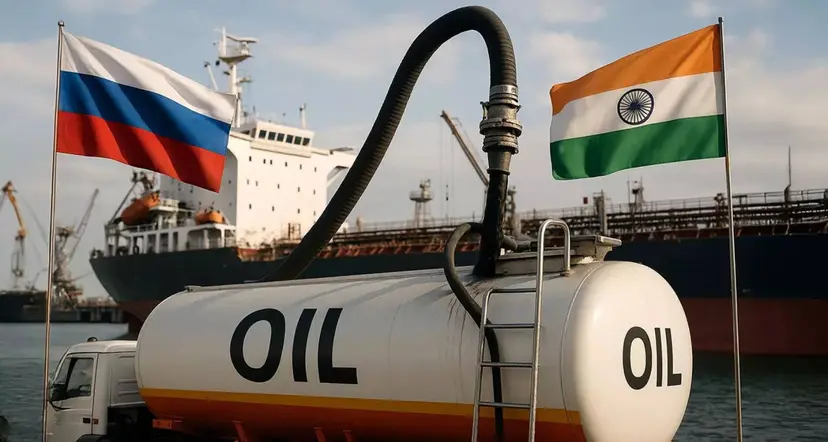
Russian oil’s costly journey to India: Shipping charges surge to $30 million per tanker

NEW DELHI: Freight rates for Russian oil exports from its western ports to India climbed to fresh record highs in early October amid heightened risks in the Black Sea and a continuing rally in the global tanker market, trading and shipping sources said.

The rise in freight costs is preventing Russia from fully capitalising on high oil prices, as Moscow is forced to ship most crude volumes from its western ports to Asian markets, primarily India and China, via lengthy and costly export routes.

According to traders and Reuters calculations, freight costs for exporting Urals crude to Asia currently amount to around $30 per barrel or more.

The cost of transporting Urals crude from the Black Sea to India on Suezmax tankers with a deadweight capacity of about 140,000 metric tons has risen to a record $27 million to $30 million per one-way voyage, up from around $19 million in September, traders in the grade said.

The increase in Urals freight rates comes against a backdrop of record global hydrocarbon shipping costs. According to shipbroker Riverlake, the cost of transporting a 140,000-ton cargo of crude from the Black Sea to the Mediterranean surged to Worldscale 1002.5 in October from about WS500 in the second half of September, almost twice the previous all-time high.

Cross-Mediterranean freight rates also climbed to record levels in early October, exceeding WS900.

According to market sources, the cost of transporting a cargo of around 100,000 tons aboard Aframax tankers from Baltic ports to western India has increased on average to $21 million to $23 million per one-way voyage, compared with roughly $13 million to $16 million during September.

Some shipowners are now quoting rates approaching $25 million per voyage.

South Korea’s Lee welcomes home Arctic container ship as route faces viability tests

BUSAN: South Korean President ​Lee Jae Myung on Tuesday welcomed home the first South Korean container ship to sail to Europe and ‌back via the Arctic, as Seoul pushes to launch regular services on the route by 2030 despite diplomatic and commercial hurdles.

At a ceremony in the port city of Busan, Lee presented flower garlands to the PanStar Acro’s captain and crew, who returned on Sunday after a 50-day voyage ​that included stops in Felixstowe, Rotterdam and Gdansk.

“We have clearly learned how badly the Korean economy is shaken when ​existing sea lanes are blocked,” said Lee, referring to how conflict in the Middle East has ⁠affected shipping routes. “The newly opening Arctic route can become another sea lane, another option… to rely on in a crisis.”

Authorities ​said the route, made more accessible by reduced ice cover in northern waters amid a warming climate, should cut sailing time by ​about a third compared with the Suez Canal route. Oceans Minister Hwang Jong-woo said that further trial voyages are planned in 2027 involving container ships and automobile carriers, with the aim of launching a regular service in 2030.

He expected the route to become economically viable around 2040. Within ​15 years, he said, ships could use it for more than six months of the year.

NORTHWEST PASSAGE
South Korea will ​also look into the potential of the Northwest Passage between Asia and North America, he said.

Obstacles remain, however, with the current route hugging ‌Russia’s Arctic ⁠coast, risking friction with Western allies seeking to isolate Moscow over its war in Ukraine.

At a cabinet meeting earlier on Tuesday, Foreign Minister Cho Hyun said Russia had been more cooperative than expected, though he conceded that there could be complications if the war drags on. “For now there is no problem, but there is also the relationship with the United States,” Cho said.

Lee ​said Seoul would develop the ​route “amid the trust of the ⁠international community”, reassuring partners who might have concerns over the plans. “We will strictly observe international norms and the international community’s sanctions principles,” he said at the ceremony.

The voyage also has yet ​to prove its commercial viability, according to the office of Kang Seung-kyoo, a lawmaker from the ​opposition People Power ⁠Party.

The ship had targeted 1,300 twenty-foot equivalent units (TEU) of cargo, but left with 737 TEU of export cargo and returned with 1,743 TEU of empty containers and no imports, according to Oceans ministry data provided by Kang’s office.

In his speech, Lee said getting ⁠cargo onto ​ships coming back after unloading in Europe was among the “challenges still to ​be solved”.

Analysts said the route’s commercial viability will depend on reliable schedules, speed of sailing through ice, special insurance premiums and extra fuel costs.

Source: Reuters

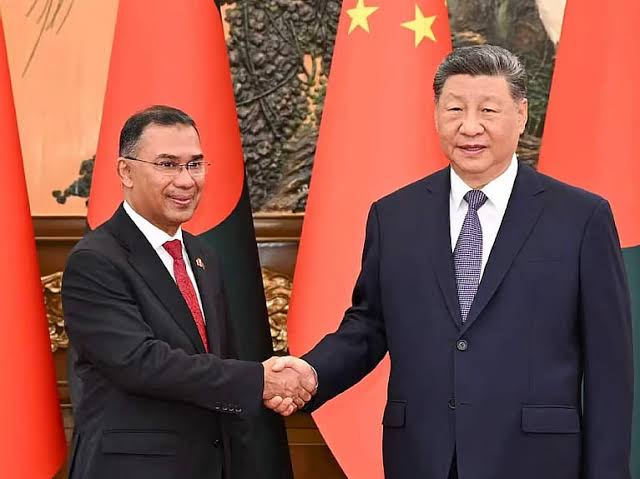
Bangladesh and China sign $335-million loan deal for Mongla Port expansion

DHAKA: Bangladesh has signed a USD 335.78 million concessional loan agreement with China to expand and modernise its southwestern Mongla Port, located about 80 km west of the Indian border, according to a media report on Monday.

The agreement will finance the construction of two container terminals and dedicated cargo-handling yards at Mongla, Bangladesh’s second-largest seaport after Chattogram, as Dhaka seeks to expand the port’s capacity and infrastructure.

The loan agreement for Renminbi Yuan 2.404 billion or Bangladeshi taka 3,592.8975 crores (USD 335.78 million approx.) was signed between the Bangladesh government and the Export-Import Bank of China on Saturday, the state-run BSS news agency reported.

China will provide the loan at a concessional interest rate of 2 per cent, with a 20-year repayment period, including a five-year grace period, according to a statement by the Finance Ministry’s Economic Relations Division (ERD).

The ERD signed the agreement with China’s EXIM Bank on behalf of the two sides for the “Expansion and Modernisation of Mongla Port Facilities” project, the statement said.

The development comes a year after the Muhammad Yunus-led interim government cancelled an Indian Economic Zone project planned on 110 acres of land near Mongla Port, saying the Indian government-nominated developer had failed to begin physical construction within the stipulated timeframe.

The land had been earmarked for India under a 2015 bilateral agreement, and the Indian government later appointed Hiranandani Group subsidiary Evita Constructions to develop the site.

The loan agreement follows an understanding reached between Bangladesh and China during Prime Minister Tarique Rahman’s visit to Beijing in June.

Mongla Port is located on the east bank of the Pasur River, 71 nautical miles upstream from the Bay of Bengal.

India has previously flagged concerns over China’s expanding footprint in Bangladesh, with projects in strategically significant areas drawing particular attention because of their proximity to Indian territory.

Why does Mongla Port matter?
Situated on the east bank of the Pasur River — roughly 71 nautical miles inland from the Bay of Bengal — Mongla Port is uniquely positioned.

While Chattogram Port historically handled over 80 per cent of Bangladesh’s international sea trade, severe vessel congestion at Chattogram led consecutive governments in Dhaka to invest heavily in Mongla.

The opening of the multi-billion-dollar Padma Multimodal Bridge drastically cut transit time between Dhaka and Mongla, transforming the port from a secondary regional hub into a high-capacity gateway serving the nation’s ready-made garment (RMG) export industry and heavy bulk imports.

However, geography makes Mongla vital beyond commercial shipping. Mongla sits roughly 80 km (50 miles) from the Indian border in West Bengal. It sits adjacent to the Sundarbans mangrove ecosystem and near critical Indian maritime approach routes into the Port of Kolkata and Haldia Dock Complex.

Mongla is also geographically optimised to provide sea transit access to landlocked Bhutan, Nepal, and India’s landlocked North Eastern Region (the “Seven Sister” states).

Drones hit 2 ships off Bulgaria, 1 sinks : PM Radev

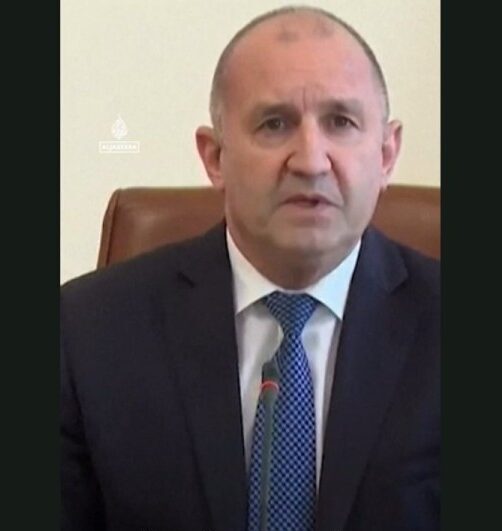
SOFIA (BULGARIA): Drones struck two ships off Bulgaria’s Black Sea coast overnight, sinking one, Bulgarian Prime Minister Rumen Radev said Tuesday, adding that while there is no clear evidence, “logic” suggests the attacks benefit Russia.

“We do not have solid and clear evidence to make accusations against either side, but logic, as I have already stated, indicates that the result benefits the Russian Federation. That is why today I will summon Ambassador Mitrofanova for a conversation,” Radev said after an emergency meeting of the government’s Security Council.

The strikes are the second wave of drone attacks on merchant ships near Bulgarian waters in a week, after the sinking of the Alfa Watan on Oct. 6, as the Russia-Ukraine war spills deeper into Black Sea shipping lanes.

Chelsea 3 hit by three drones
Radev said a distress signal was received at 1:30 a.m. (10:30 p.m. GMT) from a ship 18 nautical miles east of the town of Byala, which the crew said had been hit by three aerial drones on its deck and side.

Border police rescued all 15 crew members, seven Ukrainians and eight Azerbaijanis, from the Malta-flagged, Odesa-registered Chelsea 3, which Radev said is Ukrainian-owned. Five crew members were being treated for what authorities believe are light injuries, he said.

The 136-meter general cargo ship was sailing from the Turkish Black Sea port of Giresun to Giurgiulesti in Moldova, Bulgarian maritime outlet Maritime.

Radev said a second ship was hit 17 miles east of Krapets and sank, with one crew member rescued.

DP World takes Rory McIlroy’s Performance Environment around the World

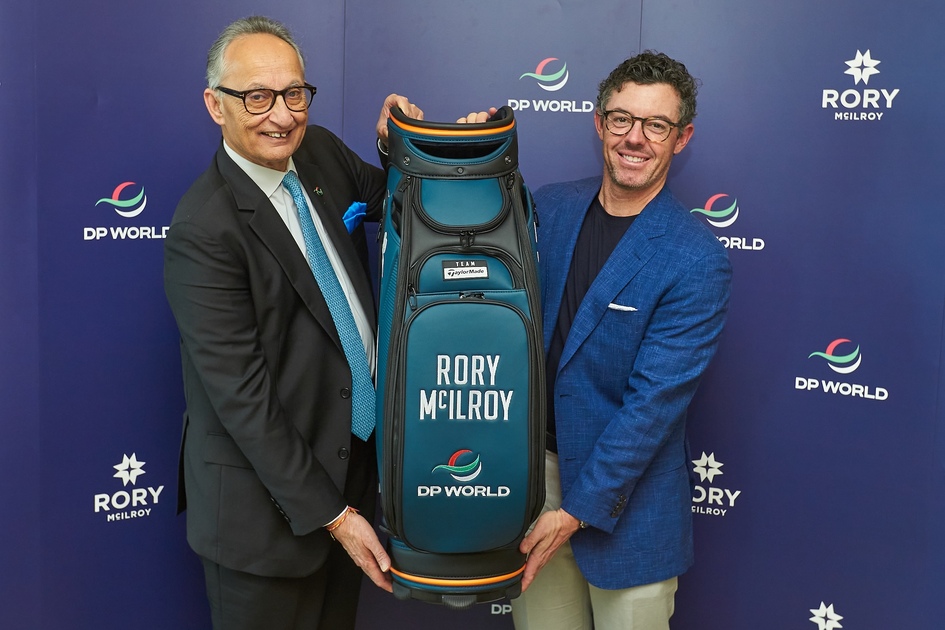
DUBAI: Rory McIlroy’s season takes him around the world, but his training and recovery environment doesn’t have to change with it. In a new multi-year global partnership announced today, DP World will take McIlroy’s personalised fitness and recovery environment from tournament to tournament, using its smart end-to-end global logistics network to give him and his team greater consistency wherever he competes.

At the heart of the partnership are two personalised fitness and recovery trailers that will travel with McIlroy across his PGA Tour and DP World Tour schedules. DP World will manage every stage of their journeys, from collection and customs clearance to storage and delivery, so everything McIlroy needs to train and recover is ready when he arrives at each tournament.

As part of the multi-year agreement, Mcllroy becomes a Global Ambassador for DP World, while DP World becomes his exclusive partner in logistics and supply chain globally.

One consistent performance environment

Elite performance depends on consistency. For a player competing across continents, that means being able to maintain the same training, treatment and recovery routine every week, whatever the time zone. The two trailers will give McIlroy and his team a familiar setup across his two principal touring schedules, while DP World manages the complex international movements behind the scenes throughout the season.

Each trailer is equipped with strength and cardio equipment, an infrared sauna, a cold plunge and a Hyperice recovery station, giving Rory and his team the facilities they need train and recover on site.

Behind it all is the same challenge DP World solves for customers every day: connecting multiple stages of a journey, navigating borders and managing time-critical movements to ensure the right equipment arrives in the right place at the right time.

What they said

Rory McIlroy: “When you’re competing around the world, consistency really matters. Having the same environment to train and recover in every week gives me and my team one less thing to think about and lets us focus on preparing and performing. DP World knows how to make that happen wherever I am playing. I am really excited to have DP World on the team as we continue to push the boundaries of performance together.”

Yuvraj Narayan, Group Chief Executive Officer, DP World: “Moving goods reliably across borders is what we do for customers in every corner of the world. Applying our global scale, network and logistics expertise to help Rory perform at his best is a natural fit, and a powerful way to show what a smart, end-to-end supply chain makes possible. It’s a groundbreaking partnership that sets a new standard for how a business can support an athlete’s performance. We’re proud to have him on our team.”

Ganesh Raj, Global Chief Operating Officer, Marine Services, DP World: “Moving something around the world reliably means managing far more than a journey from A to B. It means connecting transport, customs, storage and delivery against tight, fixed deadlines, while being ready to adapt when plans change. That’s what our teams do for customers every day, and it is what we will do for Rory throughout his season. I’m often asked what an integrated, end-to-end supply chain actually looks like. This is a great example of what that can make possible.”

The collaboration strengthens DP World’s global sports portfolio which, along with the DP World Tour, includes McLaren F1, SailGP, the Ryder Cup, the International Cricket Council, Yamaha Factory Racing and Porsche Motorsport. Across these partnerships, DP World increasingly brings together brand and customer engagement with the capabilities of its business, using its logistics expertise to help move the equipment, infrastructure and events that keep global sport moving.

WMU and UMIP advance cooperation

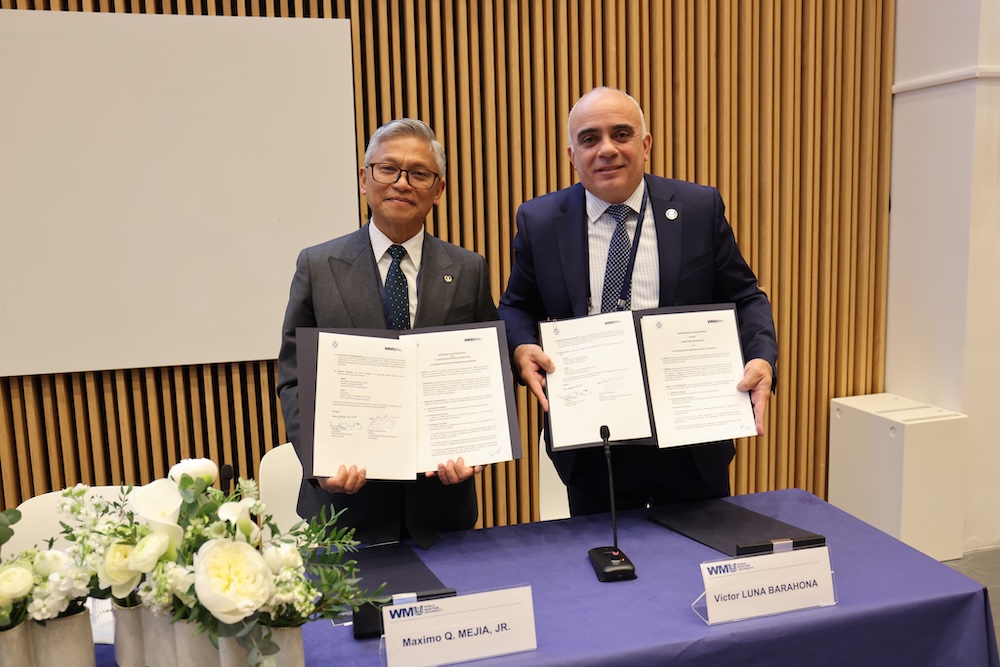
MALMO : The World Maritime University (WMU) and the International Maritime University of Panama (UMIP) are strengthening their cooperation in maritime education, research and capacity development through the renewal of a Memorandum of Understanding (MoU) signed earlier this year.

The agreement provides a framework for collaboration across a broad range of areas, including academic and faculty exchange, education and training, academic activities and visits, and joint research and technical and scientific cooperation. Through the renewed partnership, WMU and UMIP aim to create meaningful opportunities for knowledge exchange, strengthen engagement between their academic communities, and help address emerging challenges facing the global maritime sector.

The renewed cooperation is already supporting academic engagement, including participation in the International Maritime Human Factors Conference (IMHFC 2026) in Türkiye. The conference provided an opportunity to exchange expertise and perspectives related to maritime education, human factors, sustainability and the future development of the sector.

Another activity being developed under the renewed agreement will provide WMU students with practical exposure to Panama’s internationally significant maritime and logistics sector. UMIP has agreed to host students from WMU’s Maritime Law and Policy (MLP) specialization for a field study in Panama in 2027.

The field study will provide MLP students with an opportunity to connect their academic studies with practical experience and engage directly with relevant maritime and port institutions in Panama. The programme is expected to include academic and institutional activities, technical visits, and interaction with maritime professionals and organizations, providing participants with firsthand insight into the legal, policy, operational and institutional dimensions of one of the world’s most strategically important maritime hubs.

Through the renewed partnership, WMU and UMIP will continue to explore opportunities for academic exchange, joint research, capacity development and knowledge sharing, further strengthening cooperation between the two institutions and contributing to the development of maritime professionals and solutions for an evolving global maritime sector.