Home Blog Page 59

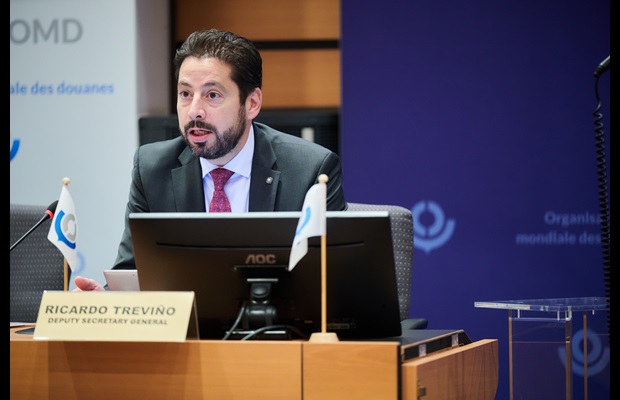
WCO : A message from the Deputy Secretary General, Ricardo Treviño Chapa

BRUSSELS: On 31 October, I will conclude my service as Deputy Secretary General of the World Customs Organization (WCO). As that moment approaches, I would like to share with you a few words of gratitude, reflection and farewell.

Serving the WCO and, above all, serving its Members over the past nine years has been one of the greatest privileges of my professional life. I remain profoundly grateful for the confidence you placed in me by electing me twice to this position, and for the support and trust you have extended to me throughout my tenure.

My decision to leave the Organization before the completion of my second term has not been an easy one. The WCO has occupied a very significant place in my professional life, and the opportunity to work with such a diverse and committed global Customs family has been both an honour and a source of constant learning and inspiration.

Looking back, what matters most to me is not any single initiative, but what we have been able to achieve TOGETHER. Throughout these years, I have sought to ensure that the work of the Secretariat remained firmly anchored in the priorities, challenges and expectations of Members, and that the Organization stayed relevant, responsive and forward-looking.

Together, we strengthened and gave renewed relevance to the WCO Strategic Plan, making it a more meaningful instrument for guiding the Organization’s work and responding to Members’ needs. Throughout this process, we built a closer and more direct relationship between the Secretariat and Members, placing greater emphasis on consultations, dialogue and regular communication so that your perspectives could more effectively shape our priorities and activities.

We reinvented the WCO’s approach to foresight and environmental scanning, strengthening our ability to anticipate change rather than simply reacting to it. In an increasingly complex and uncertain global environment, I believe this capacity will remain essential to keeping Customs administrations, and the WCO itself, prepared for the challenges and opportunities ahead.

We laid the foundations for the WCO’s modernization journey, defining a Modernization Plan aimed at ensuring that the Organization itself continues to evolve in line with the rapidly changing environment in which Customs administrations operate. We also advanced a renewed Capacity-Building Paradigm, seeking to make our implementation support to Members one that is more strategic, sustainable, and responsive to specific needs.

I am equally proud to have contributed to the work on the definition of the Performance Measurement Mechanism (PMM). The PMM represents an important step in strengthening the Organization’s capacity to demonstrate results, promote evidence-based decision-making and support continuous improvement across the Customs community.

None of these achievements belong to one individual. They are the result of collective efforts and shared ambitions to build great things together. I therefore wish to express my deepest appreciation to all of you who shared your ideas, challenged our thinking, contributed your experience and worked with us to move these initiatives forward.

I also want to convey my sincere gratitude to the staff of the WCO Secretariat. I have had the privilege of working alongside exceptionally dedicated and talented colleagues, whose professionalism, resilience and commitment to Members are at the heart of this Organization. Their
work, often carried out behind the scenes and under demanding circumstances, deserves the highest recognition.

My thanks also go to the Secretary General, under whose leadership I have had the honour to serve, as well as to the Chairpersons of the Council with whom I have worked over the years. Their leadership, guidance and partnership have been invaluable, and I am grateful for the constructive
relationships we have built in advancing the objectives of the Organization.

Above all, I leave with a profound sense of gratitude. International organizations derive their legitimacy from their Members. Throughout my tenure, I have never lost sight of the fact that our responsibility at the Secretariat is ultimately to serve you. Your trust has therefore been both an honour and a responsibility that I have carried with the greatest seriousness.

The WCO today faces a world of accelerating technological, economic and geopolitical change. I am confident, however, that the Organization possesses the collective strength required to navigate this changing landscape. Its greatest asset remains the global Customs family itself: a family that is defined by professionalism, solidarity and hard work.

As I move on to the next chapter of my professional and personal journey, I will carry with me many friendships, countless memories and a deep respect for the work that Customs administrations perform every day in support of their societies. I will also carry the conviction that when Members come together around a shared purpose, this Organization can be an extraordinary force for progress.

Thank you once again for the confidence you placed in me, for your partnership over these nine years, and for the privilege of allowing me to serve you and the World Customs Organization. I leave proud of what we have accomplished together, grateful for what you have taught me, and
confident in what the WCO can continue to achieve.

I wish the WCO, its Members and the entire Customs community every success in the years ahead. Although my formal responsibilities will end on 31 October, my respect for this Organization and my connection to the global Customs family will remain.

With my deepest appreciation and warmest regards

Ricardo TREVINO CHAPA
Deputy Secretary General

Lloyd’s Register, Shell and GTT to explore hybrid-electric 200,000m³ LNG carrier concept

The project will explore how hybrid-electric propulsion and GTT NEXT1®cargo containment system technology could support potential improvements in LNG transport efficiency.

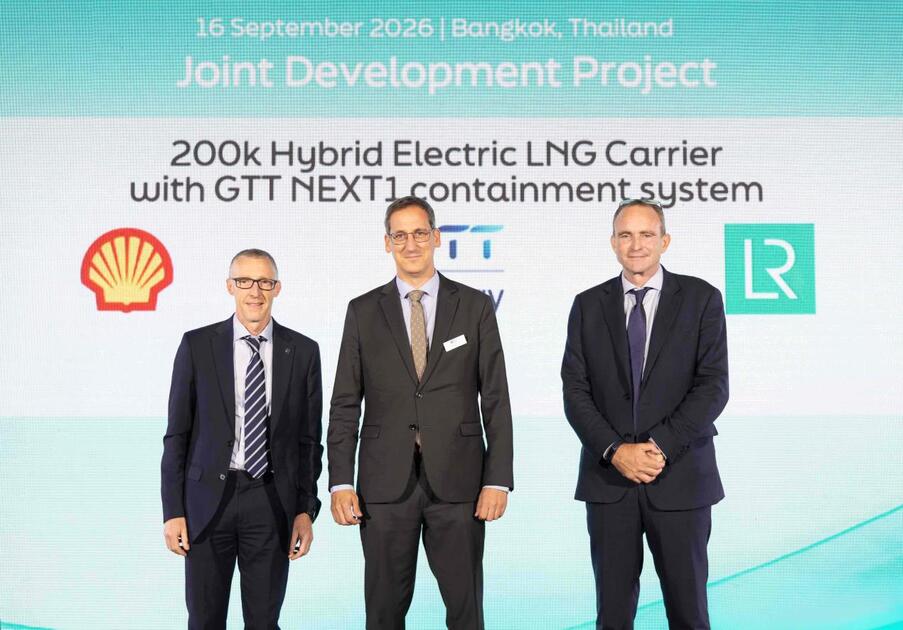
LONDON: Lloyd’s Register (LR), Shell and GTT have launched a Joint Development Project (JDP) to develop a conceptual 200,000m³ LNG carrier combining hybrid-electric propulsion with GTT NEXT1® cargo containment technology.

By bringing together a larger-capacity vessel concept with hybrid-electric propulsion and GTT NEXT1® cargo containment technology, the partners aim to explore how future LNG carrier designs could transport more cargo, operate more efficiently and provide greater flexibility as industry requirements continue to evolve.

Under the JDP, the partners will work on the development and safety verification of the vessel’s hybrid-electric propulsion system, focusing on system architecture, redundancy philosophy and battery integration, while also exploring the commercial evaluation from a total cost of ownership (TCO) model. In parallel, the integration of GTT NEXT1® cargo containment technology will be assessed as part of the overall vessel concept.

The project will also establish technical requirements and guidance for hybrid-electric propulsion in LNG carrier applications, helping to support further technical understanding of the technology.

Constantinos Chaelis, Global Gas Segment Director, Lloyd’s Register, said: “The industry is under increasing pressure to move more energy with lower emissions and greater operational flexibility. Larger vessel concepts are being assessed for their potential, and this project will explore how hybrid-electric propulsion and cargo containment technology can support their technical and operational performance from a TCO perspective.

“By bringing together expertise from across the LNG value chain, we’re helping to develop technical foundations that could support further assessment of future LNG carrier concepts.”

PM Modi inaugurates eight VOC Port infrastructure projects worth ₹753.68 crore

Projects focus on port connectivity, container terminal development, green methanol bunkering, renewable energy, green hydrogen and modernisation of port facilities

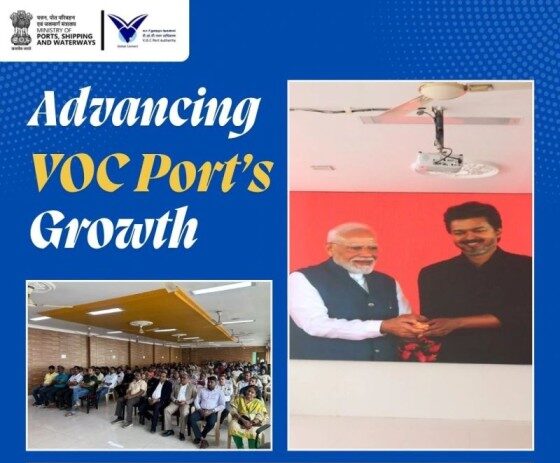
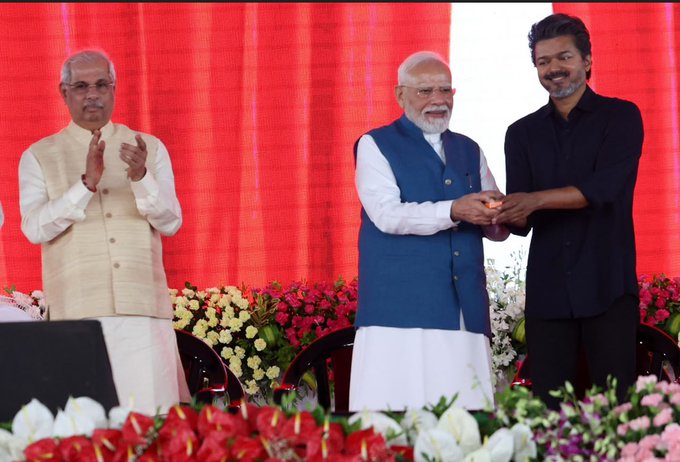
TUTICORIN : V.O. Chidambaranar Port Authority (VOC Port) marked a significant milestone in its infrastructure development journey as its officers and employees witnessed the live telecast of the Hon’ble Prime Minister of India, Shri Narendra Modi, inaugurating key infrastructure projects and laying the foundation stones for upcoming developments.

The programme, held at the Port Conference Hall, brought together senior officials and employees of the Port Authority to witness an important step forward in the expansion and modernisation of India’s maritime infrastructure. The occasion reflected the collective pride of the VOC Port community as the port continues to strengthen its contribution to the country’s maritime growth and logistics capabilities.

Focusing on the strategic modernization of maritime logistics, the Prime Minister announced that the nation’s port infrastructure is being heavily bolstered to push the shipping sector to unprecedented heights, with Tamil Nadu playing a central role. He highlighted a recent landmark decision to invest approximately seventeen thousand crore rupees to transform Thoothukudi’s VOC Port into a World-Class Mega Container and Green Energy Hub, capable of accommodating ultra-large container vessels. “This will help Tamil Nadu become a global hub for industry and transport,” asserted Shri Modi.

Highlighting the operational successes of this maritime focus, the Prime Minister pointed out that both the speed and efficiency of Indian ports have drastically improved in recent years. He noted that significantly reducing ship turnaround times by half has allowed domestic products to reach global markets much faster than ever before. “Because of this, India’s products as well are able to reach global markets faster than before,” observed Shri Modi.

A total of eight projects involving an investment of ₹753.68 crore featured in the programme, with four projects inaugurated and foundation stones laid for four additional projects. The initiatives cover several strategic areas, including port connectivity, container terminal development, green methanol bunkering, solar power generation, electric mobility, green hydrogen infrastructure, truck parking facilities and modernised bagging operations.

These developments are expected to support the Port’s long-term growth objectives by enhancing operational efficiency, strengthening cargo-handling capabilities, improving logistics infrastructure and promoting the adoption of cleaner energy solutions. The focus on renewable energy, green hydrogen and green methanol bunkering also reflects the growing importance of sustainable practices in the maritime and port sectors.

Improved connectivity and modernised facilities are important to supporting cargo movement, reducing logistics bottlenecks and strengthening the overall efficiency of port operations. At the same time, investments in green energy and electric mobility are aligned with the broader national vision of building a cleaner, more energy-efficient and environmentally responsible maritime ecosystem.

For the officers and employees of VOC Port, the occasion was more than a formal inauguration ceremony. It represented a shared achievement and an opportunity to recognise the collective efforts that drive the Port’s continued development. The event also reinforced the importance of teamwork, institutional commitment and forward-looking investment in building a competitive port infrastructure.

With these projects, VOC Port continues to advance its development agenda, focusing on infrastructure expansion, operational modernisation and sustainability. The initiatives are expected to further strengthen the Port’s role in facilitating trade, supporting industrial growth and enhancing India’s maritime connectivity.

As India works towards building a globally competitive maritime sector, VOC Port’s continued investments in capacity, connectivity and green infrastructure underscore its commitment to contributing to the national maritime vision and the development of a stronger, greener and more efficient port ecosystem.

Eight projects. ₹753.68 crore in investment. One shared vision — to take VOC Port and India’s maritime sector to greater heights.

PM Modi inaugurates coal berth, lays foundation for cargo berth modernisation at Kamarajar Port in Rs 482 crore push

CHENNAI: Prime Minister Shri Narendra Modi on Sunday inaugurated Coal Berth–3 at Kamarajar Port and laid the foundation stone for the modernisation of General Cargo Berth–1, with the two projects involving a combined investment of Rs 482 crore. PM Modi said, “today, the port infrastructure across the country is also being bolstered so that the shipping sector can scale new heights.”

Built at a cost of Rs 261.05 crore, Coal Berth–3 has an annual handling capacity of 9 million tonnes and will be operated by Tamil Nadu Power Generation Corporation (TNPGCL) to meet its captive coal requirements.

The facility is designed to handle Capesize vessels, with a maximum draft of 18 metres, enabling larger coal shipments to reach the port.The berth is equipped with two ship unloaders, each capable of handling 2,000 tonnes of coal per hour.

A conveyor system with a capacity of 4,000 tonnes per hour will transport the coal directly to the North Chennai thermal power plants, supporting fuel movement for electricity generation. The modernisation is intended to speed up cargo handling, increase throughput and accommodate a wider range of commodities. It is also expected to reduce vessel turnaround time and improve the port’s operational efficiency.

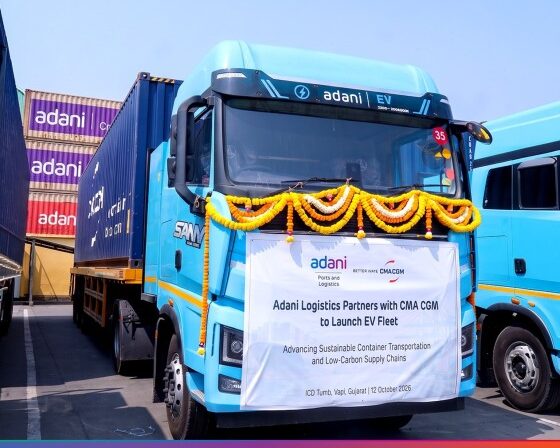
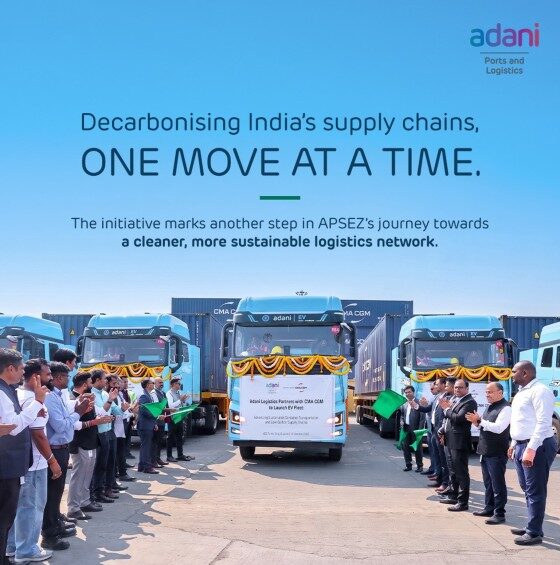
Adani Logistics and CMA CGM flag off India’s largest electric truck fleet for container movement at ICD Tumb

VAPI: Adani Logistics, in partnership with global shipping and logistics major CMA CGM, has flagged off India’s largest electric truck fleet dedicated to container movement at the Inland Container Depot (ICD) Tumb, near Vapi, Gujarat. The initiative marks a significant milestone in the adoption of electric mobility across India’s logistics sector and reinforces the industry’s growing focus on sustainable cargo transportation.

The deployment brings electric vehicles into the inland transportation of containerised cargo, strengthening connectivity between ports, inland container depots, warehouses and manufacturing centres. By integrating electric trucks into container logistics operations, the initiative aims to reduce carbon emissions, promote cleaner transportation and support the development of a more sustainable supply chain network.

cma cgm adani edited Adani Logistics and CMA CGM flag off India’s largest electric truck fleet for container movement at ICD Tumb

The fleet deployment reflects Adani Logistics’ continued efforts to advance decarbonisation across its logistics operations. As highlighted in the company’s communication, the initiative represents another step in Adani Ports and Special Economic Zone Limited’s (APSEZ) journey towards building a cleaner and more sustainable logistics network.

Electric trucks are increasingly emerging as an important solution for reducing the environmental impact of road-based freight transportation. Their deployment in container movement can help lower tailpipe emissions and reduce dependence on conventional diesel-powered vehicles, particularly when supported by efficient fleet utilisation and charging infrastructure.

The initiative also highlights the importance of collaboration between logistics operators and global shipping companies in accelerating the transition towards cleaner freight movement. By combining inland logistics capabilities with CMA CGM’s global shipping network, the partnership aims to strengthen the integration of container transportation across the wider supply chain.

The adoption of electric trucks is expected to support more sustainable first- and last-mile connectivity, enabling cargo to move more efficiently between inland facilities and gateway ports. Such integrated solutions are becoming increasingly important as Indian industry seeks to improve logistics performance while addressing environmental considerations.

The deployment at ICD Tumb also reflects the broader transformation underway in India’s logistics ecosystem, where technology, alternative-fuel transportation and multimodal connectivity are gaining importance. With growing emphasis on reducing logistics costs, improving operational efficiency and lowering emissions, initiatives of this nature can contribute to the development of a more resilient and environmentally responsible freight network.

Through this collaboration, Adani Logistics and CMA CGM reaffirm their commitment to advancing sustainable transportation solutions and supporting the ongoing transformation of India’s container logistics and supply chain infrastructure.

The initiative underscores the role of industry partnerships in accelerating the adoption of cleaner mobility solutions and advancing India’s transition towards a more efficient, connected and sustainable logistics ecosystem.

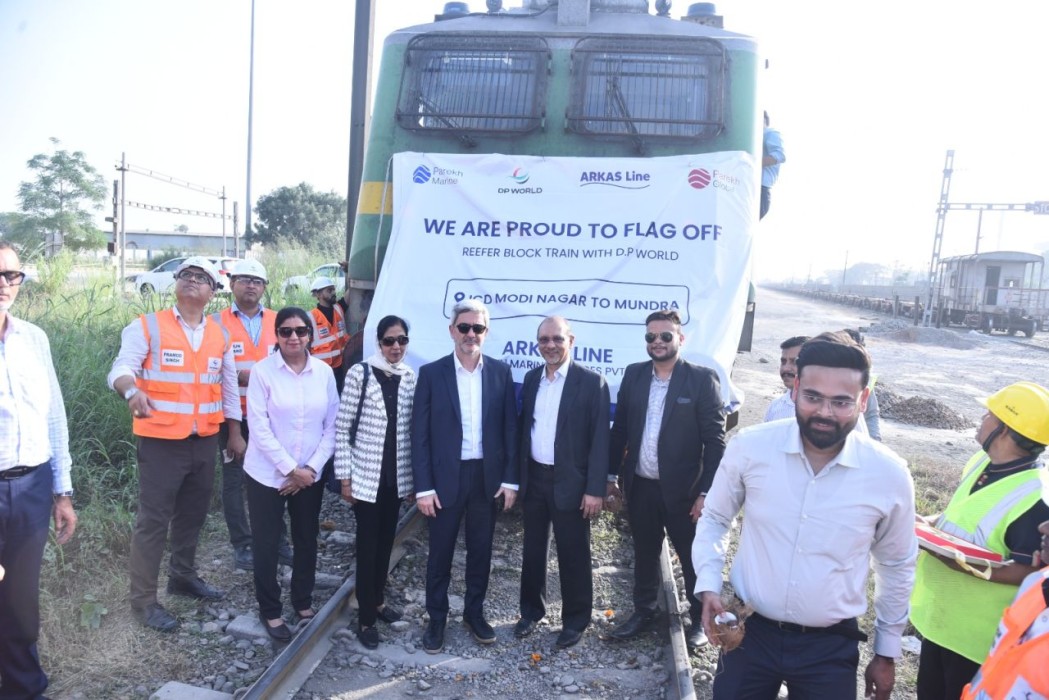
Arkas Line flags off first reefer block train from DP World’s ICD Modinagar

MODINAGAR: Arkas Line, represented by Parekh Marine Services Pvt. Ltd. (Parekh Global), has flagged off the first refrigerated container (reefer) block train from DP World-operated Inland Container Depot (ICD) Modinagar in Uttar Pradesh, marking a significant milestone in India’s temperature-controlled logistics and multimodal transportation network.

The first-of-its-kind service from ICD Modinagar is aimed at strengthening the movement of temperature-sensitive and perishable cargo from North India to gateway ports through integrated rail and port logistics operations. The initiative represents an important step towards expanding dedicated reefer transportation capabilities and improving export-import (EXIM) connectivity for businesses handling refrigerated cargo.

Operating via the Western Dedicated Freight Corridor (WDFC), the dedicated reefer block train offers a rail-based transportation solution designed to support faster, more reliable and efficient cargo movement under controlled temperature conditions. The service also highlights the importance of coordinated cold chain infrastructure, specialised container handling and seamless connectivity between inland logistics facilities and seaports.

The milestone builds on Arkas Line’s continued efforts to expand its reefer rail operations in India. In May this year, Arkas Line (Parekh Global) successfully flagged off three reefer block trains from three inland container depots on May 8, 9 and 11. Earlier, on August 16 last year, the company successfully operated a double-stack reefer block train from Dadri to Mundra, demonstrating the potential of rail-based refrigerated cargo transportation.

These initiatives reflect the growing confidence of reefer customers in Arkas Line’s logistics capabilities and underscore the importance of close coordination among rail operators, ICD infrastructure providers, reefer cargo-handling teams, vessel planners and port authorities. Such integration is essential to ensuring the timely and seamless movement of temperature-sensitive cargo from inland production and distribution centres to international markets.

The expanded use of dedicated reefer trains also supports efforts to improve logistics efficiency, strengthen supply chain reliability and encourage greater use of rail transportation for long-distance cargo movement. By integrating refrigerated container services with established rail corridors and port networks, Arkas Line and Parekh Marine are contributing to the development of a more connected and efficient cold chain ecosystem in India.

The flag-off ceremony was attended by Mr. Tumay Ulutas, Country Head, Arkas Line; Mr. Kaushik Datta Sharma, CEO – Liner Division; and Mr. Rajat Pathak, Regional Head – North India, Parekh Global.

The initiative reinforces the shared commitment of Arkas Line and Parekh Marine to operational excellence, dependable logistics solutions, sustainable transportation and the continued development of India’s multimodal logistics and temperature-controlled supply chain infrastructure.

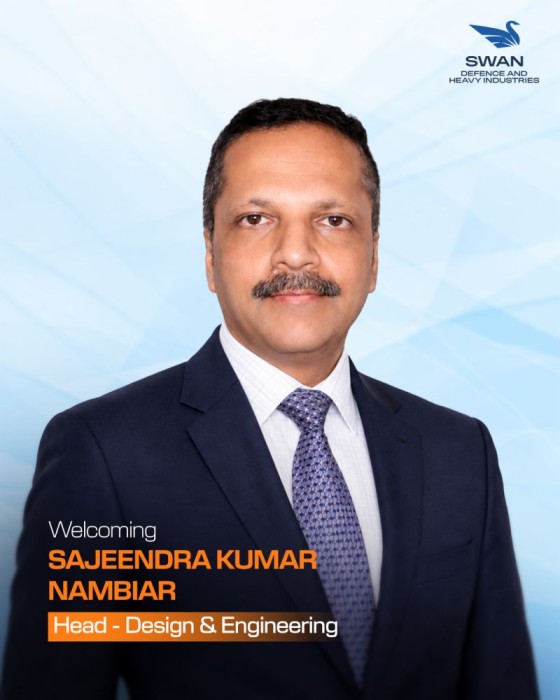
Swan Defence and Heavy Industries appoints Sajeendra Kumar Nambiar as Head of Design and Engineering

Appointment to strengthen ship design, engineering capabilities and execution of complex maritime projects

MUMBAI : Swan Defence and Heavy Industries Limited (SDHI) has announced the appointment of Mr. Sajeendra Kumar Nambiar as its Head of Design and Engineering, reinforcing the company’s focus on strengthening its technical leadership and expanding its ship design and engineering capabilities.

A naval architect by profession, Mr. Nambiar brings over three decades of experience spanning ship design, naval projects, marine engineering and business development. His extensive professional background is expected to support SDHI’s efforts to enhance its engineering expertise, strengthen project execution and advance its capabilities in the shipbuilding and maritime sector.

In his new role, Mr. Nambiar will contribute to strengthening the company’s design and engineering functions, with a focus on technical excellence, engineering coordination and the development of effective solutions for complex shipbuilding requirements. His experience across naval architecture and marine engineering is expected to be valuable in supporting design development, project planning and the integration of engineering disciplines throughout the shipbuilding process.

The appointment comes at a time when India is placing greater emphasis on developing domestic shipbuilding capacity, strengthening maritime infrastructure and enhancing its position in the global maritime industry. Design and engineering expertise remains a critical component of this effort, enabling shipyards to improve technical capabilities, meet demanding project specifications and deliver vessels in line with evolving industry requirements.

For SDHI, strengthening its leadership team with experienced maritime professionals represents an important step towards consolidating its technical foundation and supporting its long-term business objectives. The company’s focus on engineering capabilities is also aligned with the broader industry emphasis on innovation, operational efficiency and the development of competitive shipbuilding solutions.

Welcoming Mr. Nambiar to the organisation, Swan Defence and Heavy Industries expressed confidence that his experience and leadership would contribute to further strengthening the company’s design and engineering capabilities.

His appointment is expected to add depth to SDHI’s technical leadership as the company continues to pursue its ambitions in shipbuilding and heavy marine engineering.

About Swan Defence and Heavy Industries Limited

Swan Defence and Heavy Industries Limited is an Indian shipbuilding and heavy engineering company operating in the maritime and industrial infrastructure sector. Its activities are associated with the development of shipbuilding and marine engineering capabilities, supporting India’s broader ambitions to strengthen its domestic maritime industrial base.

Nirmala Sitharaman concludes successful visit to Singapore, focusing on strengthening investment and financial cooperation

SINGAPORE: Union Minister for Finance and Corporate Affairs Smt. Nirmala Sitharaman concluded her official visit to Singapore from October 8 to 11, 2026, after a series of high-level bilateral engagements and meetings with leading global investors, financial institutions and businesses aimed at strengthening India–Singapore Economic and Financial Cooperation.

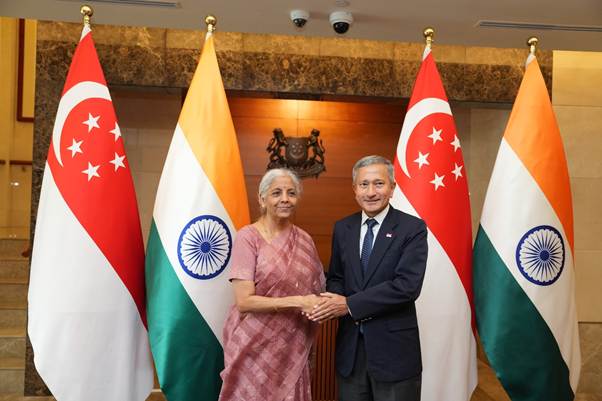
During the visit, the Union Finance Minister called on H.E. Mr. Tharman Shanmugaratnam, President of Singapore, and H.E. Mr. Lawrence Wong, Prime Minister of Singapore, and met H.E. Mr. Gan Kim Yong, Deputy Prime Minister and Minister for Trade & Industry, and H.E. Dr. Vivian Balakrishnan, Minister for Foreign Affairs.

The engagements provided an opportunity to review progress in advancing the outcomes of the 4th India–Singapore Ministerial Roundtable (ISMR) and explore avenues to further deepen the Comprehensive Strategic Partnership. The two sides also exchanged views on strengthening India–ASEAN cooperation and regional economic ties, including in the run-up to Singapore’s ASEAN Chairmanship in 2027.

Smt. Sitharaman also participated in a luncheon meeting hosted by H.E. Mr. Tharman Shanmugaratnam, President of Singapore, and Ms. Kristalina Georgieva, Managing Director of the International Monetary Fund (IMF). The luncheon brought together senior leaders from global financial institutions, investment firms, academia and the Singapore Government, providing an opportunity for exchanges on global economic and financial developments.

Discussions with Singapore’s leadership focused on expanding bilateral investment, strengthening financial connectivity and advancing cooperation in emerging technologies. The Union Finance Minister highlighted India’s strong macroeconomic fundamentals, growth prospects and ongoing policy reforms, and encouraged greater investment by Singapore-based institutional investors and businesses in India’s growth story. Select infrastructure projects from the National Investment and Infrastructure Fund (NIIF) pipeline were highlighted for consideration by investors, with a view to facilitating follow-up discussions and engagement with relevant Indian authorities.

As part of the investment outreach, Union Minister for Finance and Corporate Affairs Smt. Nirmala Sitharaman participated in a business roundtable with senior representatives of leading global financial institutions and investment firms, including JPMorgan Chase, BlackRock, Deutsche Bank, PIMCO, the Abu Dhabi Investment Authority (ADIA), Carlyle, Temasek, Millennium Management, Citadel, and Brevan Howard. The discussions covered India’s continued commitment to economic reforms and resultant economic resilience amidst global uncertainties, developments in global and domestic financial markets, the implications of rapid advances in Artificial Intelligence (AI), and opportunities to attract greater global capital into Indian assets. The participants expressed confidence in India’s growth story. They remarked that they look forward to continued progressive, fiscally prudent, predictable, growth-oriented policies of the government along with a focus on infrastructure.

The Union Finance Minister also held separate bilateral meetings with senior leadership of major institutional investors, financial institutions, and global corporations, including Mitsubishi UFJ Financial Group (MUFG), Sumitomo Mitsui Banking Corporation (SMBC), Wellington Management, Standard Chartered Bank, GIC (Government of Singapore Investment Corporation), DBS Bank, Skandinaviska Enskilda Banken (SEB), Temasek, TPG, HPS Investment Partners, CapitaLand Investment, Intel, British International Investment (BII), IHH Healthcare, and B Capital.

The senior leadership of these financial institutions and global corporations expressed strong investment interest in key sectors, including consumer markets, start-ups, FinTech, Deep-tech, and healthcare. These engagements also explored investment and financing opportunities across infrastructure, especially AI and AI related infrastructure including semiconductors and data centres, renewable energy for India’s energy transition and energy security, manufacturing, MSMEs and trade finance, financial services, food supply chains and other growth-oriented sectors.

Opportunities relating to aircraft leasing, treasury centres and greater participation by global investors in India’s financial markets were also explored. Mobilising long-term institutional capital and expanding avenues for financing India’s infrastructure and development priorities were key themes of the investment discussions. Smt. Sitharaman encouraged investors to explore opportunities through the NIIF and GIFT International Financial Services Centre (GIFT IFSC). The participants reaffirmed their strong commitment to the Indian market and expressed their intention to sustain and expand their investments in India, reflecting continued confidence in the country’s long-term growth prospects.

The visit also advanced dialogue on financial connectivity and emerging financial technologies. In meetings with Singapore’s financial authorities, including the Monetary Authority of Singapore (MAS), both sides exchanged views on frontier technologies such as tokenisation of financial assets, digital money, central bank digital currencies (CBDCs), interoperability and trusted settlement arrangements. Singapore expressed its keenness to share its experience in asset tokenisation. The discussions provided an opportunity to explore further cooperation between the financial authorities of the two countries on emerging technologies and their application in financial markets.

Engagements with businesses also covered opportunities arising from India’s expanding semiconductor and AI ecosystems. Discussions included investment under the India Semiconductor Mission, development of skilled manpower, industry-linked training and AI skilling initiatives, and the application of AI in banking and financial services. Other areas included renewable energy, electric mobility, aviation maintenance, repair and overhaul (MRO), food security and processing, sustainable finance, and healthcare infrastructure.

Engagement with the Singapore Business Federation (SBF) focused on strengthening business-to-business linkages through targeted business matching and visits by Singapore business delegations to India for meaningful interactions with Indian businesses and State Governments. SBF highlighted potential areas for collaboration, including semiconductor supply chains, MRO, food security and food processing.

The visit reaffirmed the depth of the India–Singapore partnership and the shared interest in translating ongoing policy dialogue into greater investment, business engagement and financial cooperation. The wide-ranging interactions with Singapore’s political leadership, institutional investors, financial institutions and businesses helped showcase India’s growth and investment opportunities, identify areas of mutual interest and strengthen channels for follow-up engagement. The discussions are expected to support continued efforts to mobilise long-term capital, deepen financial connectivity and advance cooperation in emerging and strategic sectors.

Smt. Sitharaman was accompanied by the CEO of the National Investment and Infrastructure Fund (NIIF), the Chairperson of the International Financial Services Centres Authority (IFSCA), and senior officials of the Department of Economic Affairs.

India-US Bilateral Trade Pact must reflect ‘changed circumstances

NEW DELHI: Union Commerce and Industry Minister Shri Piyush Goyal said that, the bilateral trade agreement between India and the United States will be finalised in light of changing circumstances since the countries announced a framework for an interim pact in February, evolving tariff dynamics and legal nuances have kept negotiators at work on the fine print.

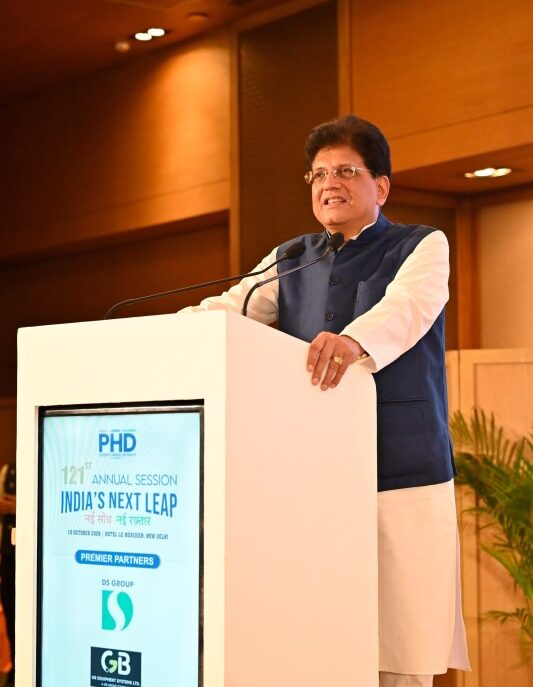
Speaking at an industry chamber event in New Delhi, Goyal told members of PHDCCI that whilst a framework had been reached, evolving conditions would shape the final agreement.

The February framework reduced the US reciprocal tariff on Indian goods from 50 per cent to 18 per cent and removed a separate 25 per cent surcharge tied to India’s purchases of Russian oil.

India, in turn, committed to eliminating or reducing tariffs on US industrial and agricultural goods. However, the broader bilateral trade agreement remains unsigned, with both sides still working to finalise terms.

The minister did not specify which changed circumstances he was referring to, though shifting US tariff policy has continued to complicate negotiations.

Finance Minister Smt Nirmala Sitharaman stated earlier this month that negotiations had reached a “plateau” beyond which further concessions would be “very, very difficult”. She criticised the weaponisation of tariffs during talks, suggesting such tactics had moved beyond standard negotiation.

Goyal recently met US Trade Representative Jamieson Greer during the G20 trade ministers’ meeting in Milwaukee, where the two discussed issues related to the trade pact.

India seeks lower tariffs for its goods than competitors receive in American markets, whilst the US aims to reduce its trade deficit with India, which stood at $58.4 billion in goods in 2025.

The minister also revealed that trade talks with Canada were progressing rapidly, and negotiations with Mexico would launch next week.

Piyush Goyal calls for doubling India-UK Bilateral Trade by 2030

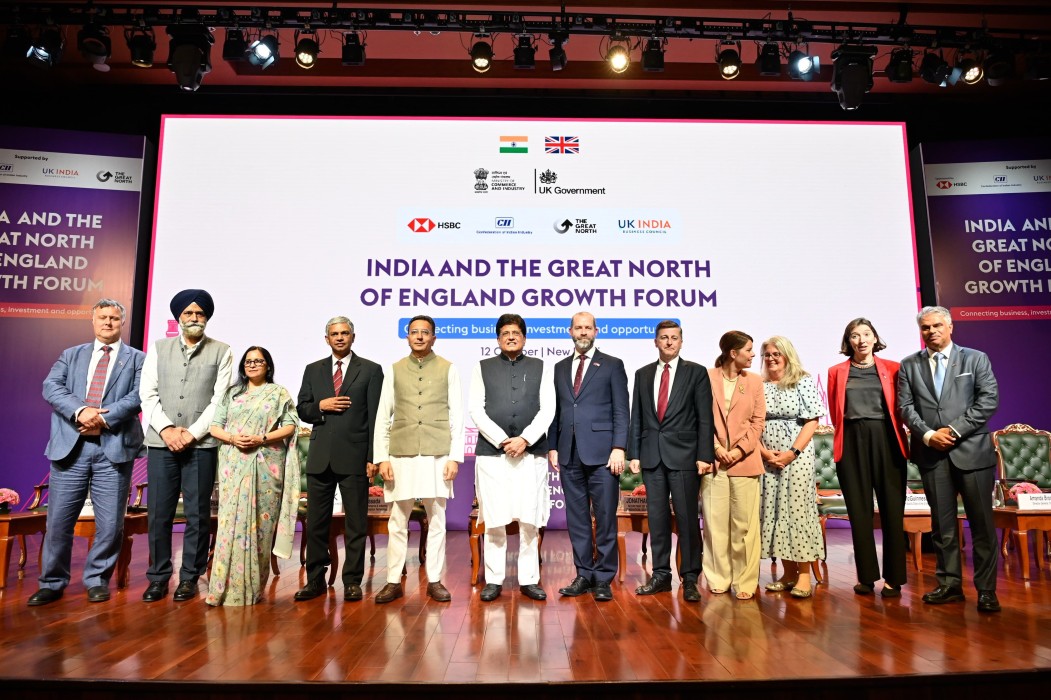
NEW DELHI : Union Minister for Commerce and Industry Shri Piyush Goyal has called upon businesses in India and the United Kingdom to translate the opportunities created by the India-UK Comprehensive Economic and Trade Agreement (CETA) into expanded trade, investment, partnerships and job creation. Addressing the JETCO Business Plenary under the 16th Session of the India-UK Joint Economic and Trade Committee (JETCO), he said the two countries should aim to double bilateral trade by 2030 and make the India-UK Vision 2035 a framework for greater economic ambition and cooperation.

Shri Goyal said CETA marks a major milestone in the economic partnership between the two countries, providing zero-duty access in the United Kingdom market for most Indian exports while opening up significant opportunities for UK exporters across sectors. The agreement has also opened up new opportunities in services. He added that the Social Security Double Contribution Convention could further benefit both economies through the supply of services at competitive prices and improved profitability.

Emphasising the need to convert the agreement into tangible business outcomes, the Minister said, “This agreement opens the doors businesses have to walk through.” He called for businesses to make the most of the opportunities available under CETA and said that 2030 should not merely mark the end of the decade but the beginning of much greater ambition between the two countries. Referring to the approximately 1,500 days remaining until the end of 2030, he urged businesses to work towards achieving the shared ambition of doubling bilateral trade.

Continuing his address Shri Goyal said India and the UK were complementary economies with considerable potential to expand existing trade, develop new export opportunities and diversify the range of products exchanged. India brings scale, a deepening manufacturing base, world-class digital public infrastructure and the youngest talent pool available anywhere in the world, while the UK brings strengths in research, design, advanced technologies and one of the world’s leading financial centres.

Highlighting the existing trade complementarities, the Minister noted that India was a major exporter of smartphones, pharmaceutical products, jewellery, textiles, leather goods, rice and certain agricultural products, iron and non-alloy steel, machinery parts and auto components. On the UK side, he identified potential in the supply of products across the petroleum value chain, technology products in electronics and electrical equipment, medicaments, motor cars and Scotch whisky. He said the wide-ranging CETA had opened up numerous opportunities to expand trade, encourage new exporters and introduce new product lines.

The Minister also highlighted the significant potential for investments in both directions. He noted that several Indian companies had invested substantially in core sectors in the UK, while prominent UK companies had invested in India. He said the Ministry of Commerce and Industry would be willing to cooperate in expanding existing frameworks, enhancing mutual recognition in different areas and supporting both economies to move forward at a faster pace.

Setting out five priority areas for India-UK cooperation, Shri Goyal said infrastructure and clean energy offered opportunities in project development, renewable energy, transmission lines and utility financing to support sustainable growth in both countries.

The second area was advanced manufacturing and resilient supply chains, particularly in electric vehicles, batteries, electronics and precision engineering. He said cooperation should help build competitive manufacturing ecosystems, strengthen supply-chain resilience and enhance confidence between the two trusted partners.

The third priority was technology and innovation. He called for stronger links between educational and research institutions, technology companies and start-ups, alongside greater research and development cooperation. He highlighted opportunities for collaboration in semiconductors, quantum computing and artificial intelligence.

The fourth area was financial services, where he called for greater collaboration between the City of London and GIFT City in Gandhinagar, Gujarat. He identified fintech, insurance, cross-border payments, transition finance and trade finance as areas for cooperation, adding that the two financial centres should work towards becoming a connected pathway to greater progress and prosperity.

The fifth area was healthcare and consumer sectors. Shri Goyal highlighted opportunities in generic pharmaceuticals on the Indian side and branded and innovative pharmaceutical products on the UK side, as well as diagnostics, food processing and consumer goods. He said India’s affordability and Britain’s strengths in discovery could together become a force multiplier. He added that skills and training across all five areas would be important in expanding business potential, as capital could move quickly across borders but capabilities took time to develop. He stressed the need to invest in mutual understanding and capacity-building to expand trade between the two countries.

Calling for practical support to help businesses benefit from CETA, Shri Goyal emphasised the need to make tariff schedules, rules of origin and documentation requirements accessible through clear instructions. He called for supporting material in plain language and, in the Indian context, regional languages, so that businesses of different sizes and from different regions could navigate the agreement effectively. Referring to a unit in Tirupur in southern India and an engineering firm in the Midlands, he said accessible guidance, including in Tamil where relevant, would help businesses make use of the agreement.

The Minister said one measure of success would be the number of new exporters entering the UK market with new products. He called for greater engagement between businesses on both sides through regular sectoral round tables, sectoral delegations and participation in exhibitions at scale, including as partner countries, to demonstrate the commitment of both countries to implementing the free trade agreement.

Concluding his address, Shri Goyal called for translating the promise of India-UK Vision 2035 into progress on the ground, guided by the principle that when nations grow together, their people prosper together.

Addressing the session Rt Hon Jonathan Reynolds MP, Secretary of State for Business, Innovation, Science and Trade of the United Kingdom, said that the conclusion of the India–UK Comprehensive Economic and Trade Agreement (CETA) marked the beginning of a sustained and practical dialogue between governments and businesses on both sides. He noted that the government-to-government JETCO meeting had concluded ahead of the business dialogue, with the launch of committees and working groups and a joint review of utilisation to address business feedback, resolve implementation issues and improve delivery. With CETA having been in force for almost 100 days, he said there were encouraging signs of businesses in both countries beginning to use the agreement and explore new opportunities across advanced manufacturing, clean energy, life sciences, technology, services and creative industries. He emphasised that the agreement’s success would depend on businesses using it to expand exports, investment and partnerships.

Mr. Reynolds stressed the need for practical support to help businesses, particularly MSMEs and first-time exporters, understand tariff reductions, rules of origin, customs procedures, regulatory requirements and procurement opportunities. He underlined the importance of frank and constructive feedback from businesses to identify implementation challenges and areas where further government action could facilitate trade and investment. He said that business feedback would be taken up through CETA’s utilisation review, committees and working groups, adding that the agreement was a starting point for further expansion of India–UK trade relations. He called for translating the commitment to trade and cooperation into tangible outcomes, including contracts, investments, commercialisation of technologies and job creation in both countries, and reaffirmed the importance of keeping businesses at the centre of implementation.

Union Minister of State for Commerce and Industry Shri Jitin Prasada in his address said that sustained engagement between India and the UK business communities through business missions and exchanges between industrial associations would help companies identify prospective partners, explore opportunities and strengthen commercial ties across regions and enterprises of different sizes. He highlighted technological collaboration as the next frontier of India–UK economic relations, particularly in artificial intelligence, semiconductors and data centres. He noted that the UK’s strengths in research and development, combined with India’s engineering talent, digital market and ability to deploy technologies at scale, offered opportunities for collaboration. Referring to the Technology Security Initiative agreed in 2024, he said both countries could work towards developing trusted and affordable technologies for global markets. He emphasised that continued government–industry engagement would strengthen business confidence and called for measuring progress at the next JETCO through partnerships signed, factories opened and jobs created.

This was the first JETCO session following the signing and entry into force of the India–UK Comprehensive Economic and Trade Agreement (CETA) on 15 July 2026. The Ministers reviewed early business uptake of CETA, bilateral trade and investment developments, and priorities for the year ahead.

The JETCO coincided with the visit of seven mayors and a combined authority leader from the North of England. It supported a broader programme of engagement involving government, business, universities, innovators and regional leaders from both countries, including parallel visits by the UK’s Secretaries of State for Scotland and for Environment, Food and Rural Affairs.

Both sides undertook a Joint Utilisation Review of CETA and welcomed the speed with which businesses in both countries have used the agreement. The Ministers also welcomed the establishment of sub-committees and working groups under CETA and exchange of contact points for these sub-committees and working groups. The Ministers agreed that the committees will engage and develop a practical forward roadmap identifying the priority areas and issues on which they will work.

The UK India Business Council (UKIBC), the strategic and knowledge partner to the Great North delegation, is supporting a first-of-its-kind mayoral mission to India bringing together leaders from five Combined Authorities across the North of England.

UKIBC has provided the delegation with strategic and market insights on India, identified bilateral opportunities across priority sectors, and facilitated engagement with Indian industry and government. The mission forms part of UKIBC’s wider work with Northern regions, which includes identifying each region’s strongest proposition in India, developing market strategies and engagement plans, and building long-term partnerships with Indian businesses and institutions. These efforts aim to translate intent into practical programmes on the ground.