Home Blog Page 7

GEODIS secures Regional GDP Certification across Asia Pacific, strengthening its Healthcare Logistics Capabilities

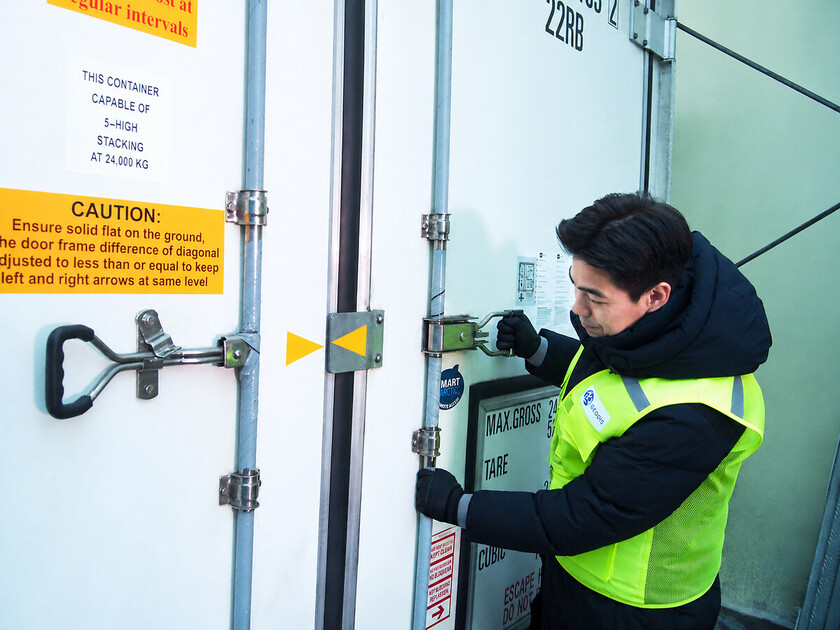
LEVALLOIS-PERRET : GEODIS, a global logistics provider, has achieved World Health Organization (WHO) Good Distribution Practices (GDP) certification for its operations across Asia Pacific (APAC). This regional achievement demonstrates GEODIS’ ability to apply consistent, rigorous quality standards to the storage, handling and distribution of pharmaceutical products across multiple markets.

GDP sets internationally recognized requirements for maintaining the quality, safety and integrity of pharmaceutical products throughout the supply chain. The certification confirms that GEODIS has implemented robust quality management systems and controlled operational procedures across its certified APAC operations. The scope covers freight forwarding services for pharmaceuticals, healthcare products and medical devices, together with temperature-controlled storage at 2-8°C and 15-25°C, according to the activities performed at each location. It encompasses the critical safeguards required for healthcare logistics: temperature management, complete documentation, end-to-end traceability, risk assessment, trained personnel and stringent quality control. By aligning these practices within a common regional framework, GEODIS helps customers reduce distribution risk and maintain product integrity from origin to destination.

“Growing our pharmaceutical business is a strategic priority for GEODIS in Asia Pacific,” said Eric Martin-Neuville, GEODIS Regional President and CEO, Asia Pacific. “Healthcare customers operate in an environment where product integrity, regulatory compliance and supply chain reliability are non-negotiable. Regional GDP certification provides them with a consistent quality framework across our APAC operations and reinforces our ability to manage sensitive healthcare products with the control, visibility and discipline they require.”

This regional certification builds on GEODIS’ wider investment in healthcare logistics and quality excellence. The company’s global network includes 28 CEIV Pharma-certified (Center of Excellence for Independent Validators in Pharmaceutical Logistics) sites across the Americas, Asia Pacific, the Middle East and Europe.

LR approves new Rules for nuclear-powered ships and offshore units

LONDON: Lloyd’s Register (LR) has approved Rules for the Classification of Ships and Offshore Units Integrated with Nuclear Power, providing a common classification framework to support the assessment of nuclear technologies for maritime use.  

They are believed to be the first Rules developed by a class society that are suitable for all types of ship and offshore units. The Rules have been approved by LR’s Ships and Offshore Technical Committees and will evolve as nuclear maritime technologies mature. 

Interest in nuclear power for maritime use is gathering momentum, with governments, regulators, shipowners and technology developers increasingly working together to address practical barriers to deployment.  The new Rules respond to growing demand for guidance on the practical steps needed to bring nuclear power into maritime applications. 

Reactor agnostic, the Rules are underpinned by goals and functional requirements, an approach intended to accommodate different nuclear technologies and marine applications as designs and international regulation continue to evolve. 

They will form part of a wider suite of classification and Advisory tools to support the development of nuclear maritime projects, which will be announced separately. 

Claudene Sharp Patel LR LR approves new Rules for nuclear-powered ships and offshore units

Claudene Sharp-Patel, Global Technical Director at LR, said: “The maritime industry needs a clear classification framework to assess how advanced nuclear technologies can be integrated into ships and offshore units. These Rules set out the goals to be achieved, the functions to be performed and the evidence needed to demonstrate that a design meets the requirements, without prescribing a particular reactor technology.” 

The framework draws on LR’s risk-based certification (RBC) process to help align maritime requirements with nuclear licensing, using the same goal-based approach in the nuclear Rules.  

Mark Tipping LR approves new Rules for nuclear-powered ships and offshore units

Mark Tipping, Global Offshore Power-to-X Director at LR, said: “The opportunity for nuclear in maritime extends well beyond ship power. From nuclear-powered vessels to floating power units and reliable, low-carbon energy for ports and neighbouring industries, there is potential to reshape how the sector produces and uses energy. 

“These rules provide a common framework for those developing or bringing forward nuclear maritime projects.” 

Nuclear’s high energy density brings the potential for long intervals between refuelling and reliable power for propulsion and onboard services, reducing reliance on conventional bunker fuel supplies. Inherently safe, it supports greater flexibility in vessel deployment, while avoiding greenhouse gas emissions during operation.  

The Rules form part of LR’s wider work to support the safe deployment of advanced nuclear technology in maritime. This includes Advisory support on feasibility and integration risks, contributions to international regulatory development through the Nuclear Energy Maritime Organization (NEMO) and work with the British Ports Association on a practical readiness pathway for ports considering nuclear-powered ships and floating nuclear power units. 

LR’s expertise spans voyage, vessel and people, combining classification, Advisory and digital providing the Power of Three to assess nuclear technologies, understand integration risks and make informed decisions on maritime applications.

MV New Oshima makes African debut at Port of Mombasa, reflecting growing global shipping confidence

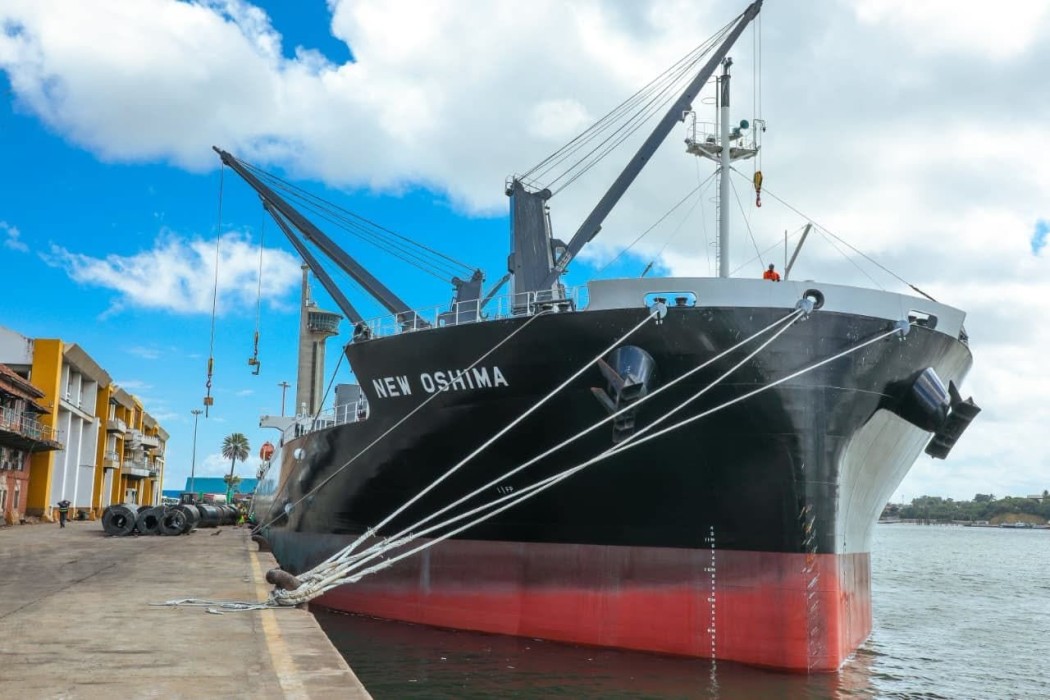
MOMBASA : The Port of Mombasa has marked another significant milestone in its maritime operations with the maiden African call of MV New Oshima, highlighting the port’s growing attractiveness among international shipping operators and newly commissioned vessels.

The vessel, owned by Japan-based New Oshima Shipping Co. Ltd., recently arrived at the Port of Mombasa carrying a consignment of steel coils. Having been in service for just two months, the vessel’s inaugural visit to Africa reflects the increasing confidence of global shipping companies in Mombasa’s operational capabilities and strategic importance in international maritime trade.

MV New Oshima measures 179.98 metres in length and 32.26 metres in breadth, with a gross tonnage of 25,623 and a deadweight capacity of 35,747 metric tonnes. Its arrival adds to the growing number of newly launched vessels and shipping operators making their maiden calls to Kenya’s principal seaport.

The increasing frequency of maiden vessel calls reflects the Port of Mombasa’s expanding role as a major maritime gateway serving Kenya and the wider East and Central African region. Strategically positioned along major international shipping routes, the port provides an important connection between global markets and the region’s growing industrial, commercial and logistics sectors.

The port’s improved infrastructure, enhanced cargo-handling efficiency and established connections to regional hinterland markets have further strengthened its competitive position among shipping destinations in the region. Its connectivity supports the movement of diverse cargoes, facilitating international trade and providing shipping lines with access to a wider regional consumer and industrial market.

The growing number of maiden calls also demonstrates increasing confidence among shipowners and shipping operators in the port’s ability to accommodate different vessel types, handle cargo efficiently and support expanding maritime trade requirements.

To commemorate the historic occasion, Capt. Moses Muthama, Manager – Marine Operations, Kenya Ports Authority (KPA), presented the vessel’s Master with a Certificate of First Call, formally recognising MV New Oshima’s inaugural visit to the African continent through the Port of Mombasa.

The milestone further reinforces Mombasa’s position as a preferred maritime destination and underlines Kenya Ports Authority’s continued efforts to strengthen port infrastructure, improve operational performance and enhance the country’s standing in the global maritime and logistics network.

With the arrival of MV New Oshima, the Port of Mombasa continues to demonstrate its growing significance in facilitating international trade, strengthening regional supply chains and connecting East and Central Africa with global shipping markets.

Building Resilient Supply Chains in an Era of Global Trade and Geopolitical Disruptions

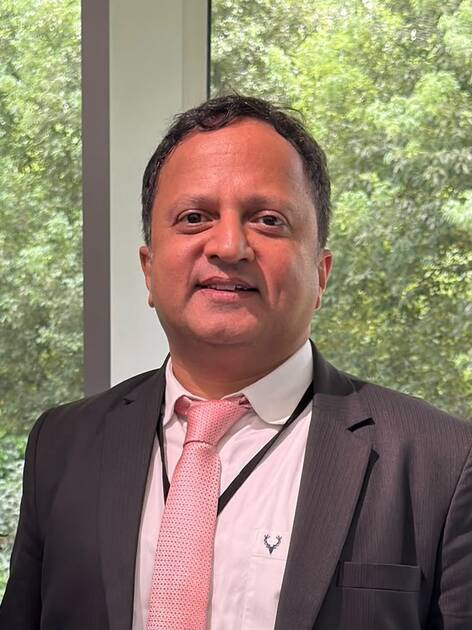
By Arvind Devaraj, COO, NLDSL

Introduction
Supply chains at a global level face a crucial change in the manner in which companies view the threat of operational risks facing them. Elements such as global tension, disturbances in the shipping industry, modifications in the trade policies and varying prices of transportation make it difficult for the companies to prognosticate on international trade activities. Nevertheless, global trade is still adjusting as evidenced by the WTO increase in the volume of merchandise trade forecast for 2026 which increased from 1.9% to 3.9% thus evidence of supply chains capability of adapting to changes and the demand for being resilient in logistics planning.


Why supply-chain disruptions have wider consequences
global trading system operates like never before. Sea freight is responsible for over 80% of total volume of international trade operations, which makes any disruption of the work of essential maritime transport routes a serious blow to the economy. The Red Sea problem has obliged ships to take longer routes around the Cape of Good Hope, which has resulted in increased travel time, operational costs and uncertainty in terms of cargo delivery. However, these repercussions did not concern only shipping companies but also industries that either manufacture exported goods or those that are dependent on imported goods.

The disruption has also demonstrated how damaging it can be to depend on the use of single suppliers, transport routes and distribution methods. However, this does not mean that supply chains should be relocated entirely. OECD models indicate that broad resocialisation measures can cut global trade by over 18% and reduce global real GDP by over 5%, without making the world economy more resilient to the possible disruptions in the long run. This shows that it is important to have balanced policies in place that would involve the use of diversification and flexibility while taking part in economically viable international relationships.

The issue is of particular concern for India, due to the increasing push for a greater degree of engagement in global value chains across the manufacturing sector. It is vital to have trustworthy sources of imported items in order to succeed in exporting, as well as reliable transport systems in the country and dependable international transportation options. Major delays in supply chain processes can disrupt business plans and influence potential clients’ decisions. Therefore, building resilience means identifying weaknesses of the entire chain, rather than just focusing on production premises or transport companies.

Three priorities for stronger supply-chain resilience
• Diversify logistics dependencies: Firms need to explore alternate logistics channels in order to minimize their reliance on any one logistics network or supplier.

• Increase visibility: Information related to the movement of cargo and other events can be valuable in identifying and exploring responses to disruptions.
• Develop a contingency plan: Businesses need to develop a contingency plan, not just after a disruption, but all the time.

Digitalisation can strengthen preparedness
Modern technologies have many advantages when it comes to maintaining supply chain resilience. They provide more accurate updates regarding shipment, standardisation of information and advanced analytical methods which can be helpful in making decisions in case of unforeseen events. However, as we know, when something goes online, there is a risk of becoming dependent on it. Thus, in order to become resilient companies need to find the right balance between technology and security measures along with backups. In addition, resilience should cover both logistics and the digital aspect of the supply chain.

Conclusion
Supply-chain resilience is aimed at prevention of all disruptions because it is unrealistic. However, it allows creating resilient networks that are capable to recover after disruptions without hurting business finances. Therefore, it is important for companies to combine efficiency and flexibility, diversification and digitalisation. As for India, its future economic success depends on improvement of those capabilities in terms of manufacturing industry and international business.

ClassNK grants Innovation Endorsement for Products & Solutions to ‘Energy Efficiency in Boiler, Steam Systems and Cargo Operations on Oil Tankers (Guideline)’

TOKYO: ClassNK has granted its Innovation Endorsement for Products & Solutions to ‘Energy Efficiency in Boiler, Steam Systems and Cargo Operations on Oil Tankers’, a guideline developed by Samundra Institute of Maritime Studies (SIMS).

In order to promote the spread and development of innovative technologies, ClassNK has offered Innovation Endorsement for Products & Solutions. ClassNK supports the deployment of products and services through third-party certification for equipment and software technology with innovative functions. For more information, please visit this page.

–  Product name:

Energy Efficiency in Boiler, Steam Systems and Cargo Operations on Oil Tankers

– Overview Provided by Samundra Institute of Maritime Studies:

Tankers burn substantial fuel in boilers for cargo heating and steam-driven cargo discharge, yet no dedicated guideline exists for running these systems efficiently. Because IMO rules allow tankers to deduct this fuel from their Carbon Intensity Indicator (CII), savings here do not improve a ship’s rating and the potential has remained largely untapped.

The SIMS publication fills this gap with practical guidance on boiler operation, steam systems, cargo heating and cargo discharge operations, helping operators cut fuel cost and emissions.

– Scope of the Guidelines:

1. Estimating Boiler Thermal Efficiency

2. Estimating Steam Loss in the System

3. Energy Efficient Cargo Heating -Voyage Strategy & Energy Audit

4. Steam Heater & Steam Trap Performance

5. Operational Practices to Reduce Steam & Heat Loss

6. Energy Efficient Cargo Pump Operations on Crude OilTankers

7. Operational Practices to Maintain Hotwell Temperature

Detailed information on each product and solution is available on the following page.

www.samundra.com

PM Modi inaugurates FICCI Annual General Meeting and Annual Convention

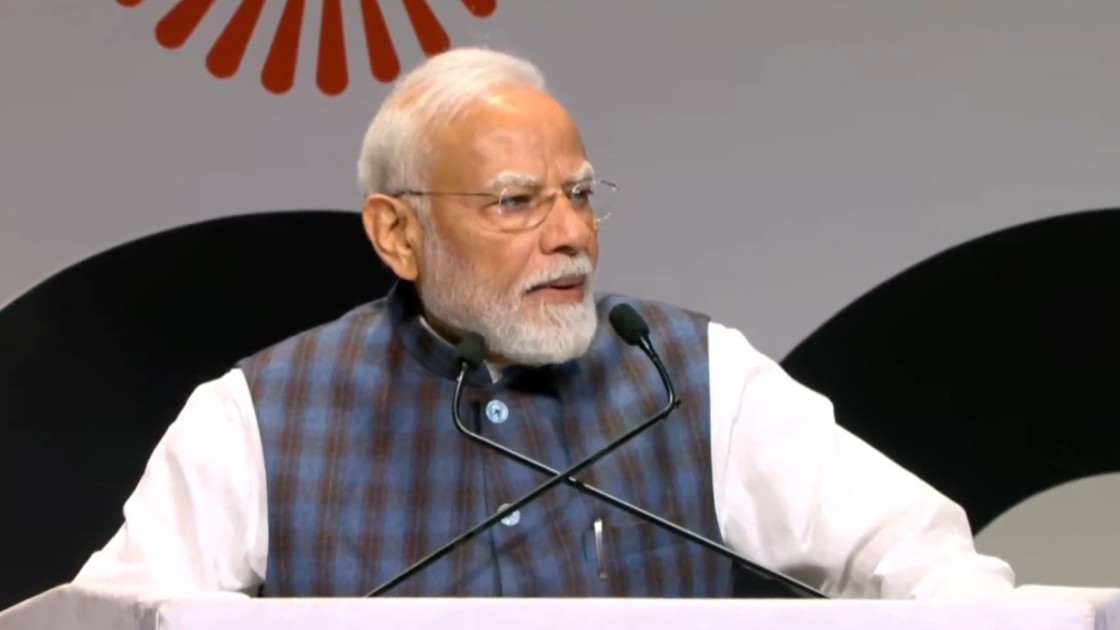
NEW DELHI : Prime Minister Shri Narendra Modi on Thursday inaugurated the Annual General Meeting and Annual Convention of the Federation of Indian Chambers of Commerce and Industry (FICCI) at Bharat Mandapam, New Delhi. Addressing the gathering on the centenary celebrations of the FICCI, he noted that while he has attended FICCI events on several occasions earlier, today’s milestone is special as the chamber completes 100 years of staying alert, evolving with changing times, and contributing to India’s economic journey.

Tracing India’s economic trajectory over the past century, the Prime Minister highlighted how hard work by citizens, youth, farmers, workers, and industry over the past 12 years reversed the trend. “Today in India, the pace of progress is also the fastest, and the speed of coming out of poverty is also unprecedented,” observed PM Modi.

Pointing to the latest World Bank report stating that 50 crore Indians defeated poverty in just 12 to 13 years, the Prime Minister underlined the pride this milestone brings to the nation. “This report is going to fill all of us with pride,” remarked Shri Modi.

With the past 12 to 13 years in which 50 crore people rose out of poverty under the right policies and intent, the Prime Minister assessed the trajectory of India’s current path. “It shows that the path on which India is walking today is right, accurate, and has the guarantee of the country’s success in it,” asserted PM Modi.

Highlighting India’s status as the world’s fastest-growing major economy projected by major institutions to expand at around seven percent, alongside October’s record monthly goods exports of nearly 50 billion dollars, the Prime Minister noted how such performance has prompted global agencies to revise India’s growth upward. “Moody’s Ratings, S&P Global Ratings, Fitch Ratings, the World Bank, and the Asian Development Bank are revising our growth upward,” noted Shri Modi.

Citing the ancient scripture verse ‘Uddharet Atmana Atmanam, Na Atmanam Avsadayet’ to stress that individuals, industry, and nations must uplift themselves through periodic self-reflection rather than relying on established sectors and short-term gains alone, the Prime Minister urged FICCI to look beyond its century of achievements and plan for the next 20 years amid global resource weaponization so that Indian industry strengthens self-reliance and unlocks new business growth. “In every long-term investment decision of yours for the next 20 years, make India First your foundation,” asserted PM Modi.

Pointing out that although India is known globally as the Pharmacy of the World and excels in finished medicines, it still imports billions of dollars worth of APIs, bulk drugs, and drug intermediates across hundreds of categories, the Prime Minister urged the pharmaceutical sector to identify domestic manufacturing opportunities and invest in new technology and large production plants to gain global competitiveness. “In finished medicines, we have a strength, and now we will have to build our capability in ingredients as well,” asserted Shri Modi.

Highlighting similar gaps in iron, steel, and aluminum,where India exports iron ore worth thousands of crores and holds vast bauxite reserves yet imports finished steel, specialized aluminum alloys, and other products,the Prime Minister called on industry to identify imported grades, develop manufacturing technologies, and build expertise across the mineral value chain. “We will have to develop the manufacturing capacity for these products in the country as well,” asserted PM Modi.

Noting that India’s share in global agricultural exports stands at just two to two-and-a-half percent despite its scale while processed food’s share in agri-food exports rose from 13 percent to over 20 percent over 12 years, the Prime Minister urged industry to draft a joint strategy aligned with global demand, expand investment in agriculture, and build dependable procurement and product lines for overseas markets. “Together we will have to change this situation and view it as a big opportunity for value addition and the food processing industry,” asserted PM Modi.

Pointing to untapped potential in daily engineering products,where India’s share in global hand tools and power tools exports remains low,and in machinery manufacturing for developing nations and the Global South, the Prime Minister encouraged large firms to help smaller enterprises scale up quality manufacturing and explore packaging equipment, irrigation systems, and factory machinery markets. “We can work on this sector to increase our presence in the global market,” remarked Shri Modi.

Emphasizing that a nation progresses by honoring farmers, small entrepreneurs, industry, wealth creators, and taxpayers, the Prime Minister detailed pro-business and taxpayer-friendly reforms including cutting the basic corporate tax rate from 30 percent in 2014 to 22 percent, exempting income up to 12 lakh rupees to boost purchasing power, simplifying returns and refunds, and lowering GST rates on numerous goods to stimulate demand. “Its direct benefit is going to our industry and business houses,” observed PM Modi.

Encouraging industry to leverage India’s recent trade agreements and the Reform Express momentum to capture overseas opportunities alongside the 140-crore domestic market, the Prime Minister kept government doors open for suggestions while urging businesses to invest in understanding global customer needs, meeting standards, and building distribution networks, before concluding his address with best wishes to all participants. “Our domestic market should not be our comfort zone, as it must give us the confidence to compete in global markets,” asserted Shri Modi.

India eases ship age norms : Ships above 20 years eligible for DGMA approval to strengthen domestic fleet and reduce dependence on foreign carriers

NEW DELHI : India has relaxed its vessel age norms to facilitate the expansion of the country’s merchant fleet, improve the availability of shipping capacity and reduce dependence on foreign shipping operators. The revised framework is expected to provide greater flexibility to Indian shipowners and operators at a time when global freight markets are experiencing capacity constraints and increased transportation costs. The move gives shipowners access to more vessels as tight freight markets drive up transport costs for India, a major importer of crude, liquefied petroleum gas and liquefied natural gas. It marks a retreat from age restrictions introduced earlier this year, as New Delhi seeks to expand its domestic fleet and reduce reliance on foreign carriers.

The Directorate General of Maritime Administration (DGMA), under the Ministry of Ports, Shipping and Waterways, issued Order No. 31 of 2026 on November 18, introducing revised age and compliance requirements for vessels registered under the Indian flag, as well as foreign-flagged vessels requiring licences under the Coastal Shipping Act, 2025.

Five-Member Technical Committee to Assess Older Vessels
Under the revised framework, vessels above 20 years of age, including oil tankers, bulk carriers, general cargo vessels and offshore vessels, may be considered for entry into the Indian registry through a case-by-case assessment and recommendation by a five-member technical committee.

The committee will examine the technical condition, classification records, statutory certifications and compliance with applicable international maritime safety requirements before recommending whether relaxation of the prescribed age norms can be granted.

The DGMA will retain the authority to grant, reject or modify such exemptions in the public interest.

Key Changes in the Revised Vessel Age Policy
The revised order introduces differentiated age and technical compliance requirements across vessel categories:

  • Oil Tankers: Vessels below 15 years can enter the Indian registry without additional conditions. Those between 15 and 20 years must meet specified Condition Assessment Programme (CAP) ratings. Vessels above 20 years require special consideration under the technical committee mechanism. Bulk Carriers and General Cargo Vessels: Ships below 15 years are permitted without additional conditions, while vessels aged 15–20 years must meet prescribed technical grading requirements. Ships above 20 years are subject to special approval.
  • Container and Cement Carriers: Dedicated vessels aged between 20 and 25 years can enter the Indian registry subject to specified compliance and inspection requirements. Older vessels require special consideration.
  • Gas and Chemical Carriers: Vessels in the 20–25-year age bracket must fulfil prescribed condition-rating requirements for their hull, machinery and cargo systems.
  • Existing Indian-Flagged Vessels: The revised order removes the earlier exit-age restrictions, allowing already registered vessels to continue operations irrespective of age, subject to applicable safety and technical compliance requirements.

    Focus on Strengthening India’s Shipping Capacity
    India remains heavily dependent on foreign-flagged vessels for transporting a substantial portion of its international trade, including crude oil, petroleum products, natural gas and other essential commodities. Expanding the availability of Indian-flagged vessels is therefore an important component of strengthening the country’s maritime capabilities and improving the resilience of its supply chains.

The revised policy is expected to widen acquisition opportunities for Indian shipowners, improve access to available tonnage in the international market and provide greater flexibility in deploying vessels for domestic and coastal shipping operations.

It could also strengthen India’s ability to secure shipping capacity during periods of geopolitical uncertainty, supply-chain disruptions and fluctuations in global freight rates. Indian-flagged vessels also receive priority for certain cargo contracts awarded by government departments and public-sector companies, further supporting the development of the domestic shipping industry.


Balancing Fleet Expansion with Maritime Safety
While relaxing the age restrictions, the government has retained technical and operational safeguards to ensure that fleet expansion does not compromise maritime safety, environmental protection or international compliance standards.

The revised order came into force on November 18, 2026, and supersedes the previous orders governing vessel age norms.

The development represents an important regulatory adjustment in India’s efforts to strengthen its merchant shipping fleet, encourage greater participation by domestic shipowners and build a more competitive and resilient maritime ecosystem.

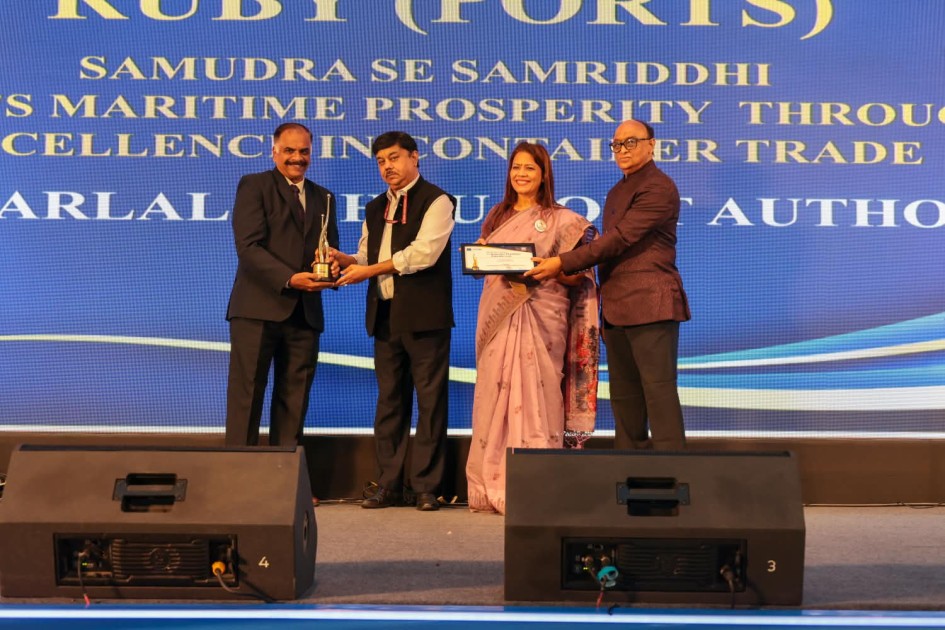
JNPA wins ‘Major Port of the Year (Container)’ Award at 13th Samudra Manthan Awards 2026

MUMBAI : Jawaharlal Nehru Port Authority (JNPA), India’s leading container port, has been honoured with the prestigious ‘Major Port of the Year (Container)’ award at the 13th Samudra Manthan Awards, organised by Bhandarkar Publications in Mumbai.

The award was presented under the theme ‘Samudra Se Samriddhi – India’s Maritime Prosperity Through Excellence in Container Trade’, recognising JNPA’s significant contribution to the growth of India’s container trade, port efficiency and the overall development of the maritime sector.

Girish Thomas, Chief General Manager (Traffic), JNPA, received the award on behalf of the port along with senior JNPA officials at the award ceremony.

The recognition highlights JNPA’s sustained efforts towards enhancing container-handling capacity, improving operational efficiency, strengthening multimodal connectivity and adopting modern technologies to facilitate seamless cargo movement. Through continuous infrastructure development, digitalisation and close collaboration with stakeholders, the port has been playing a vital role in supporting India’s international trade and strengthening its position in global maritime logistics.

As one of India’s most important container gateways, JNPA continues to focus on capacity expansion, improved service delivery and sustainable port operations in line with the country’s broader maritime development objectives.

The award marks another significant milestone in JNPA’s journey towards operational excellence and reinforces its commitment to strengthening India’s container trade ecosystem and advancing the nation’s maritime leadership globally.

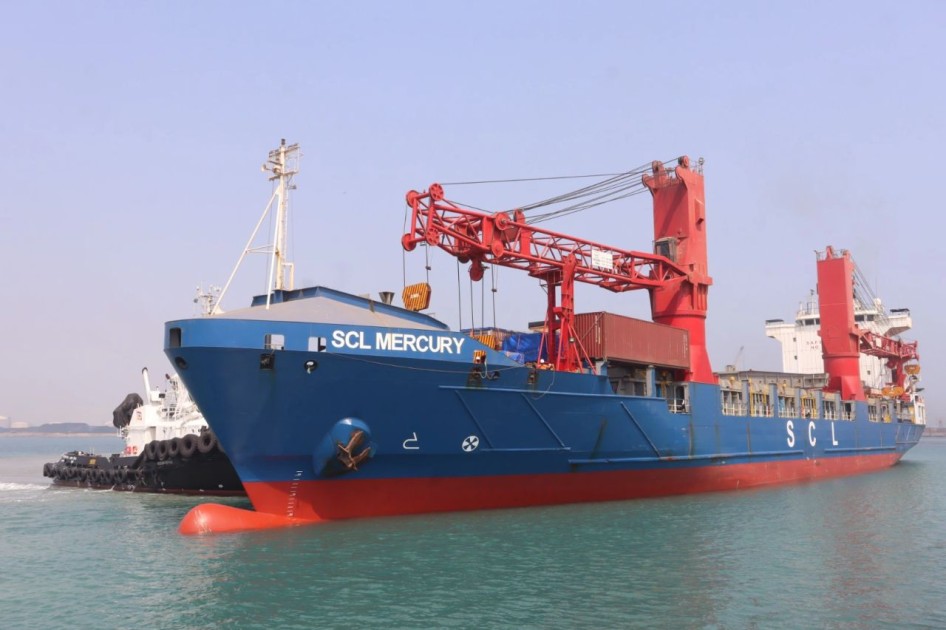
VOC Port successfully completes trial berthing of project cargo vessel at newly developed multi-cargo berth No. 10

THOOTHUKUDI : V.O. Chidambaranar Port Authority (VOC Port) has achieved a significant milestone in its infrastructure development programme with the successful completion of the trial berthing of project cargo vessel M.V. SCL Mercury at its newly developed Multi-Cargo Berth No. 10 on November 19, 2026.

The vessel, carrying project cargo destined for export to the Port of Duqm, Oman, marked the operational commencement of the newly developed berth, representing an important step towards expanding the port’s cargo-handling capabilities and strengthening its infrastructure to meet growing trade requirements.

Multi-Cargo Berth No. 10 has been developed with a quay length of 442.5 metres and an annual cargo-handling capacity of 10.22 million tonnes. The facility is designed to handle a diverse range of commodities, including project cargo, heavy machinery and general cargo, providing additional flexibility to accommodate the evolving requirements of industries and exporters.

The commissioning of this facility is expected to enhance VOC Port’s ability to handle specialised and non-containerised cargo, support large-scale industrial and infrastructure projects, and improve cargo-handling efficiency. It will also strengthen the port’s capacity to facilitate India’s growing international trade and industrial supply chains.

The successful trial berthing of M.V. SCL Mercury underscores VOC Port Authority’s continued focus on modernising port infrastructure, expanding cargo-handling capacity and providing efficient maritime logistics services.

This milestone further reinforces VOC Port‘s strategic role in supporting India’s export growth, strengthening maritime connectivity and developing world-class port infrastructure in line with the country’s broader maritime development objectives.

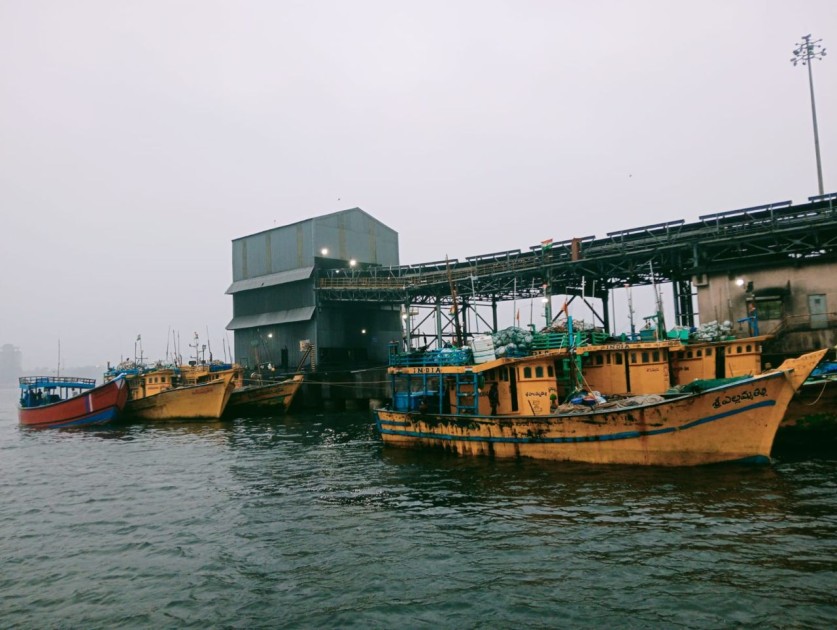
Paradip Port Authority provides safe shelter to six fishing boats amid Cyclone Akvan

PARADIP : In view of the adverse weather conditions associated with Cyclone Akvan, Paradip Port Authority (PPA) has stepped up its safety measures and extended round-the-clock assistance to the fishing community, ensuring the protection of fishermen and their vessels.

As part of its proactive response to the developing weather situation, Paradip Port Authority has provided safe harbour shelter to six fishing vessels carrying 54 fishermen at the EQ-2 Berth of Paradip Port. According to the latest update issued by the authority, the vessels and fishermen were accommodated safely as of 0200 hrs.

PPA has maintained continuous vigilance and taken necessary precautionary measures to minimise risks arising from rough sea conditions and adverse weather. The initiative reflects the port authority’s coordinated efforts to support the fishing community and ensure that those at sea have access to a safe harbour during challenging weather conditions.

Paradip Port Authority‘s timely intervention highlights its commitment not only to efficient port operations but also to humanitarian assistance, maritime safety and community welfare.

The authority reiterated that the safety of human lives at sea remains its foremost priority, reaffirming its readiness to extend necessary support and assistance during natural calamities and emergency situations.