Home Blog Page 61

Paradip Port reviews implementation of ONOP Initiative to enhance operational efficiency

PARADIP: Paradip Port Authority (PPA) has reaffirmed its commitment to implementing the One Nation One Port (ONOP) Initiative aimed at standardising port procedures, streamlining operations and improving the ease of doing business across India’s major ports.

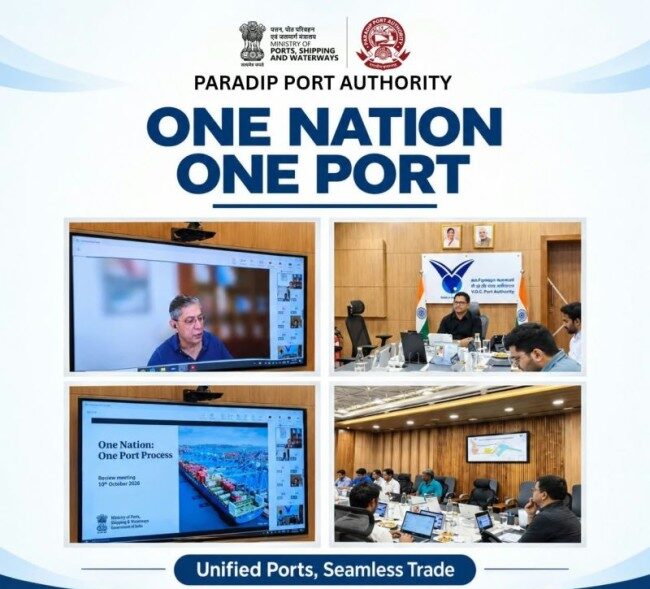
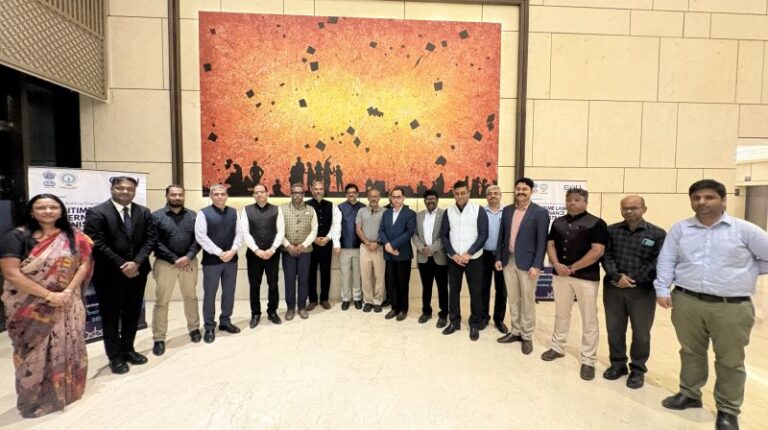
Shri Susanta Kumar Purohit, IRSEE, Chairperson, Paradip Port Authority, along with Heads of Departments (HoDs) and senior officials of PPA, participated in a review meeting chaired by Shri Vijay Kumar, IAS, Secretary, Ministry of Ports, Shipping and Waterways (MoPSW), to assess the progress of ONOP implementation.

The meeting reviewed the implementation status of the initiative, with particular emphasis on promoting uniformity in port-related processes, simplifying operational procedures and improving coordination across major ports. The initiative seeks to establish a more consistent and efficient operating environment for port users, shipping lines, cargo owners, logistics service providers and other maritime stakeholders.

Standardising Port Operations Across Major Ports

The One Nation One Port initiative represents an important step towards creating a more harmonised framework for port operations across the country. Standardised procedures can help reduce operational complexities, improve transparency and predictability, and facilitate smoother cargo movement through India’s maritime gateways.

By encouraging common practices and streamlined processes, ONOP is intended to strengthen coordination among major ports and support greater efficiency in cargo handling and associated services. Such measures are also expected to benefit businesses by simplifying port-related interactions and improving the overall logistics experience.

Strengthening Ease of Doing Business

Improving the ease of doing business remains a key priority in India’s maritime development agenda. Greater procedural uniformity across ports can help reduce avoidable delays, improve service delivery and make India’s port ecosystem more responsive to the needs of domestic and international trade.

The initiative also complements the broader objectives of modernising port infrastructure, improving logistics performance and strengthening India’s competitiveness in global maritime commerce.

Paradip Port Reaffirms Commitment to Maritime Reforms

Paradip Port Authority reiterated its commitment to supporting the successful implementation of ONOP through continued coordination with MoPSW and other major ports. The Authority aims to contribute to the development of a more standardised, seamless and efficient port operating environment in line with the Government of India’s maritime development priorities.

The review meeting underscores the importance of coordinated efforts between the Ministry and port authorities in advancing operational reforms. Through initiatives such as ONOP, India’s major ports are working towards a more integrated maritime ecosystem that supports trade facilitation, operational excellence and long-term sectoral growth.

The implementation of the initiative is expected to contribute to a more efficient, competitive and globally integrated Indian maritime sector, strengthening the country’s position as a key participant in international trade and logistics.
Kamarajar Port Limited celebrates 27th Corporate Day, reaffirms commitment to maritime excellence

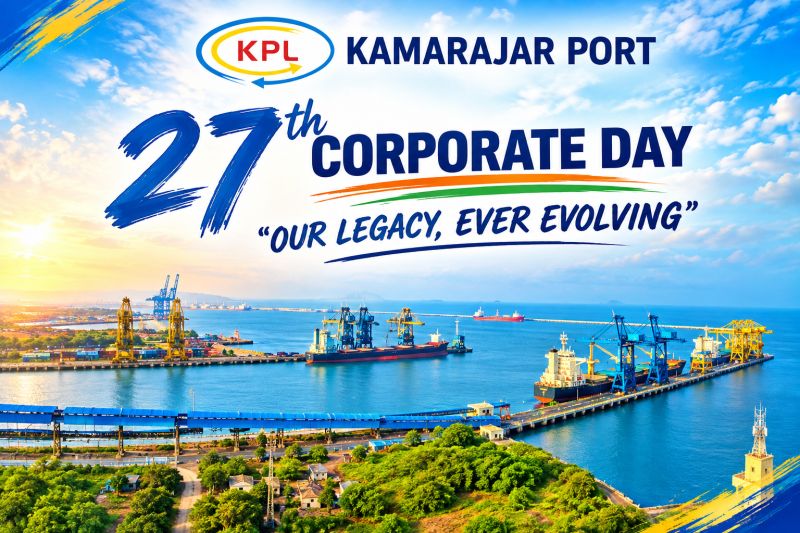
CHENNAI: Kamarajar Port Limited (KPL) celebrated its 27th Corporate Day on Sunday, marking 27 years of growth, transformation and contributions to India’s maritime sector. The occasion celebrated the port’s legacy of achievements while reaffirming its commitment to strengthening port infrastructure, enhancing operational efficiency and supporting the nation’s economic progress.

Sharing the milestone through its LinkedIn post, Kamarajar Port Limited commemorated the occasion under the theme “Our Legacy, Ever Evolving,” highlighting its journey of continuous development and its vision for the future of maritime operations.

Located on the East Coast of India about 24 km north of Chennai in Tamil Nadu, Kamarajar Port occupies approximately 2,800 acres of land along the Coromandel Coast. The port was declared a Major Port under the Indian Ports Act, 1908 in March 1999 and was incorporated as Ennore Port Limited under the Companies Act, 1956 in October 1999, later renamed Kamarajar Port Limited. Kamarajar Port (originally known as Ennore Port) was officially incorporated as a corporate entity on October 11, 1999, and later commissioned for commercial operations on February 1, 2001.

Over the past 27 years, KPL has built its journey around trust, teamwork and a commitment to operational excellence. As a key component of India’s port infrastructure, the organisation continues to focus on improving operational capabilities and contributing to the country’s evolving maritime and logistics ecosystem.

The Corporate Day celebration also underscored the importance of innovation, collaboration and adaptability in responding to the changing requirements of the maritime industry. With port infrastructure playing a vital role in facilitating trade, strengthening supply chains and supporting economic growth, KPL’s continued focus on operational efficiency and infrastructure development remains significant to India’s broader maritime ambitions.

Looking ahead, Kamarajar Port Limited has reiterated its commitment to embracing emerging opportunities, promoting sustainable development and advancing maritime excellence. Its forward-looking vision reflects the importance of balancing a strong institutional legacy with evolving operational requirements and the growing demands of trade and logistics.

As KPL marks 27 years of its corporate journey, the milestone represents both a celebration of past achievements and an opportunity to build on its established foundations.

With the message “27 Years of Legacy. A Future of Limitless Possibilities,” Kamarajar Port Limited looks ahead to the next chapter of its journey, focused on progress, sustainability and excellence in India’s maritime sector.

GMU concludes Capacity Building Programme on Maritime Law, Governance and Administration for DGMA Officers

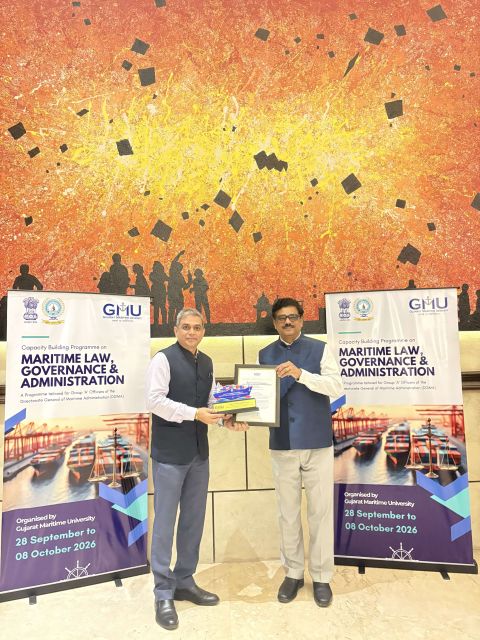
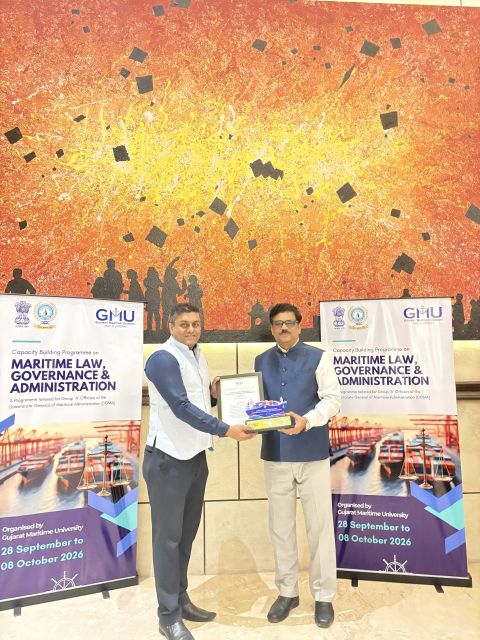
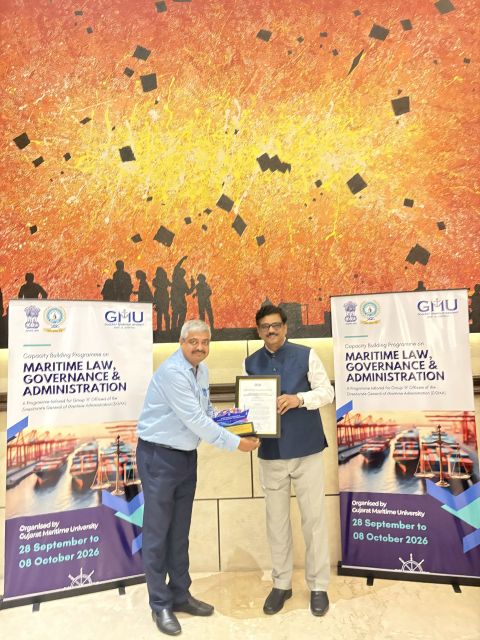
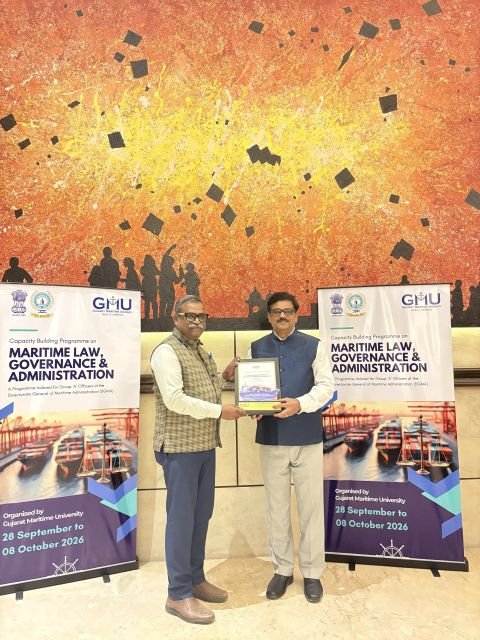
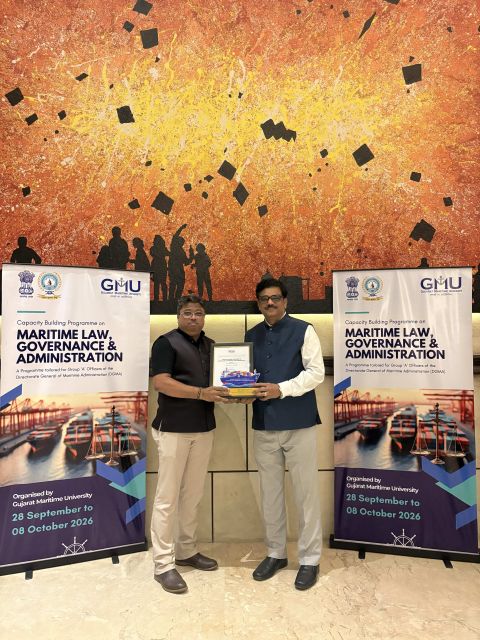
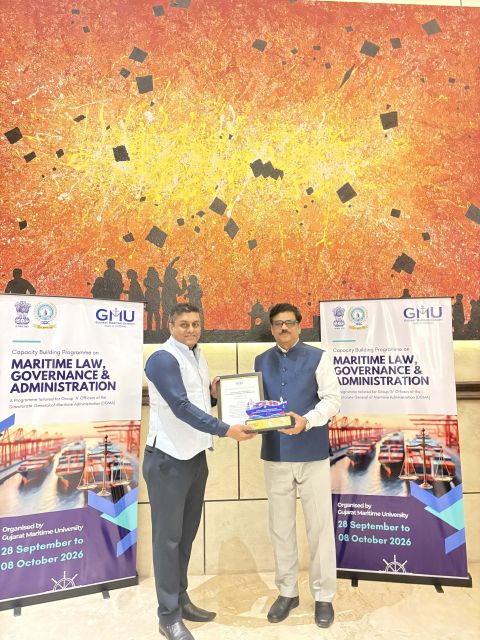
GANDHINAGAR : Gujarat Maritime University (GMU) has successfully concluded a specialised Capacity Building Programme on Maritime Law, Governance, and Administration for Group ‘A’ officers of the Directorate General of Maritime Administration (DGMA), India. Conducted from September 28 to October 8, 2026, the programme aimed to strengthen professional knowledge and institutional capabilities in maritime legislation, regulatory frameworks, governance and administration.

The programme was conducted under the leadership of Prof. (Dr.) Sanjeevi Shanthakumar, Provost, Gujarat Maritime University, and provided participating officers with opportunities to deepen their understanding of key legal, regulatory and administrative aspects of the maritime sector through expert-led sessions and professional interactions.

The initiative reflects GMU’s continued commitment to supporting capacity development in India’s maritime sector by facilitating specialised learning opportunities for government officials and maritime professionals entrusted with regulatory and administrative responsibilities.

Valedictory Ceremony Marks Successful Completion

The valedictory ceremony marked the successful culmination of the programme, recognising the active participation and engagement of the officers throughout the training period. Prof. (Dr.) Sanjeevi Shanthakumar felicitated the participating officers and acknowledged their contribution to the programme’s discussions and learning activities.

The participating officers represented a range of nautical, engineering, ship-surveying and administrative functions within DGMA, reflecting the multidisciplinary nature of India’s maritime regulatory framework. Their participation provided a valuable platform for professional engagement and knowledge exchange on matters relevant to maritime administration and regulatory oversight.

The officers felicitated during the ceremony included:

Capt. S. I. Abul Kalam Azad – Nautical Advisor-cum-Additional Director General of Shipping (Nautical) (I/C)

Capt. Anish Joseph – Principal Officer-cum-Joint Director General (I/C)

Capt. Vikram Singh Manhas – Deputy Nautical Advisor-cum-Senior Deputy Director General (Tech)

Shri Satish Devdas Kamath – Deputy Chief Surveyor-cum-Senior Deputy Director General (Tech)

Shri Gopikrishna Chockalingam – Engineer and Ship Surveyor-cum-Deputy Director General (Tech)

Shri Ubaidu Rehman – Engineer and Ship Surveyor-cum-Deputy Director General (Tech)

Shri Sajendra Oraon – Deputy Chief Surveyor-cum-Senior Deputy Director (Tech)

Capt. Tapesh Ghosh – Nautical Surveyor-cum-Deputy Director General (Tech)

Shri Ash Mohd – Deputy Director General

Capt. P. C. Meena – Nautical Surveyor-cum-Deputy Director General (Tech)

Capt. Nitin Mukesh – Deputy Nautical Advisor-cum-Senior Deputy Director General (Tech)

Shri Nebu Oommen – Deputy Chief Ship Surveyor-cum-Senior Deputy Director General (Tech)

Shri Yogesh Jaisinghani – Ship Surveyor-cum-Deputy Director General (Tech)

Shri Shitesh Ranjan – Ship Surveyor-cum-Deputy Director General (Tech)

Strengthening Maritime Governance and Regulatory Expertise

Maritime law, governance and administration are essential to the effective functioning of the shipping industry, covering regulatory compliance, vessel safety, technical standards, seafarer welfare and the implementation of national and international maritime requirements.

Specialised capacity-building initiatives such as this programme can help strengthen the professional competencies of officers responsible for implementing maritime regulations and supporting effective administration. They also provide an opportunity to exchange institutional perspectives, discuss emerging sectoral challenges and enhance familiarity with the evolving requirements of the maritime industry.

By bringing together academic expertise and the practical experience of senior maritime officials, the programme reinforced the importance of continuous professional development in an increasingly complex and internationally connected maritime environment.

GMU–DGMA Engagement Promotes Knowledge Exchange

The successful completion of the programme highlights the importance of collaboration between academic institutions and maritime regulatory authorities in developing specialised knowledge and professional expertise.

As a university focused on maritime education, research and professional development, Gujarat Maritime University provides a platform for advancing knowledge in maritime law, policy, governance and related disciplines. Engagement with DGMA officers further supports the exchange of expertise between academia and the institutions responsible for India’s maritime administration.

The programme concluded with a gala dinner at Radisson, GIFT City, bringing together DGMA officers, GMU faculty members, resource persons and the organising team to celebrate the successful completion of the initiative and the continued academic engagement between GMU and DGMA.

The successful conclusion of the programme marks another step towards strengthening professional capacity, promoting knowledge sharing and supporting the development of a competent and future-ready maritime administration in India.

India condemns attacks on two vessels in Hormuz region, calls for de-escalation

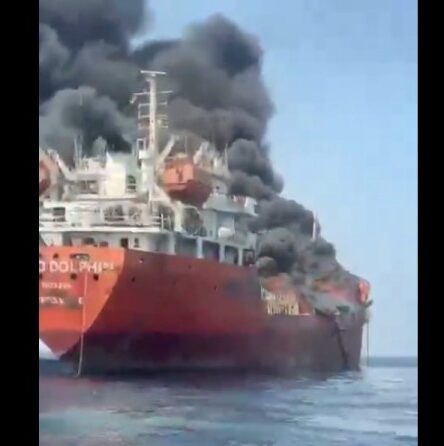
NEW DELHI: The Ministry of External Affairs (MEA) on Sunday condemned attacks on two commercial vessels in the Strait of Hormuz region, including a drone attack on tanker MT Petro Dolphin that left two Indian seafarers missing, and called for immediate de-escalation and resolution of the ongoing conflict through dialogue and diplomacy.

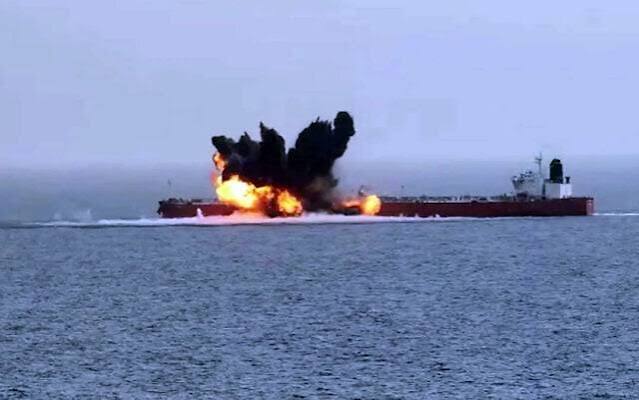
In a statement issued on October 11, the MEA said MT Petro Dolphin was reportedly struck by a drone, while MT Valthera, a Marshall Islands-flagged tanker, was hit by an unknown projectile, resulting in a fire onboard.

“We condemn the attacks on commercial vessels in the Strait of Hormuz region on 11 October 2026. MT PETRO DOLPHIN was reportedly struck by a drone, with two of the 11 Indian seafarers onboard reported missing. MT VALTHERA, a Marshall Islands-flagged tanker, was struck by an unknown projectile, resulting in a fire onboard,” the MEA said.

“All 11 Indian seafarers onboard MT VALTHERA are reported to be safe,” it added.

The ministry said the Embassy of India in Muscat was closely monitoring the situation and coordinating with Omani authorities and the respective ship management companies for the rescue of missing Indians and to provide all possible assistance to the Indian crew.

“The safety and security of Indian seafarers remain a priority for the Government of India. The recurring attacks on commercial shipping in the region are deeply concerning and risk further aggravating an already volatile situation,” the MEA said.

The ministry reiterated the need for an immediate de-escalation and a resolution to the ongoing conflict through dialogue and diplomacy.

“India reiterates the need for immediate de-escalation and a resolution to the ongoing conflict through dialogue and diplomacy. Attacks on commercial vessels, seafarers and civilian infrastructure must cease. Freedom of navigation and the safe, unimpeded flow of maritime commerce through international waterways, in accordance with international law, must be upheld,” the statement added.

Earlier, Union Minister of Ports, Shipping & waterways Shri Sarbananda Sonowal said nine Indian crew members aboard MT PETRO DOLPHIN had been rescued and were safe, while search-and-rescue operations were underway to locate the two missing Indian nationals.

In a post on X, Sonowal said the Nicaragua-flagged tanker, carrying 11 Indian seafarers, was subjected to a drone attack at Sohar Anchorage on October 11.

“Search-and-rescue operations are actively underway by the local Coast Guard. We are continuously coordinating with all relevant authorities to fully support the ongoing rescue efforts and ensure every possible action is taken to safely locate our missing personnel,” he said.

The Embassy of India in Oman also said it was in close and continuous contact with the concerned authorities regarding the incident involving MT PETRO DOLPHIN.

In a separate update, Shri Sonowal said MT VALTHERA, carrying 11 Indian seafarers, was struck by an unknown projectile in the Strait of Hormuz on October 11, causing a fire onboard. He said all 11 Indian crew members were reported safe.

The latest incidents come amid concerns over a series of attacks on commercial vessels in the Gulf region and elsewhere, raising concerns over maritime security and the safety of seafarers.

Earlier, on October 9, Panama-flagged crude oil tanker MT GEM NO. 2, carrying 22 Indian nationals, was subjected to a drone attack at Sharjah Anchorage. Sonowal had said all 22 Indian seafarers aboard the vessel were safe.

India has also called for stronger international cooperation to protect commercial shipping and seafarers. The Group of Friends on Safety and Security of Shipping and Seafarers, launched by India and Liberia on the sidelines of the 81st United Nations General Assembly, seeks to strengthen coordination among maritime stakeholders and keep the safety of commercial vessels and seafarers at the centre of global discussions.

Drone attack on MT PETRO DOLPHIN at Sohar Anchorage: Nine Indian seafarers rescued, two missing

SOHAR: A drone attack on tanker MT PETRO DOLPHIN at Sohar Anchorage off the coast of Oman on October 11 has left two Indian seafarers missing, while nine other Indian crew members have been successfully rescued and reported safe, according to Union Minister of Ports, Shipping and Waterways Shri Sarbananda Sonowal.

In an update shared on social media, the Minister confirmed that the vessel, carrying 11 Indian seafarers, was subjected to a drone attack. Following the incident, the local Coast Guard initiated search-and-rescue operations to locate the two missing Indian nationals.

Sonowal stated that the Government is maintaining continuous coordination with the relevant authorities to support the ongoing rescue efforts and ensure that every possible measure is taken to locate the missing seafarers safely.

Search-and-Rescue Operations Underway

The immediate priority remains the safe recovery of the two missing crew members. Rescue teams are continuing their efforts, while coordination with the concerned authorities is being maintained to facilitate the operation.

The incident has once again brought the safety and security of Indian seafarers operating in international waters into focus. Indian maritime professionals play a vital role in sustaining global shipping, energy transportation and international trade, often working in challenging and unpredictable maritime environments.

The latest incident also underscores the importance of effective maritime emergency response mechanisms and close cooperation between national authorities and local maritime agencies when commercial vessels face security threats.

Government Extends Support to Rescue Efforts

Reaffirming the Government’s commitment to the welfare of Indian seafarers, Sonowal said that all relevant authorities were being engaged to provide the necessary support to the ongoing search-and-rescue operation.

The Ministry of Ports, Shipping and Waterways, along with the concerned agencies, is coordinating efforts to assist in the situation. Further details regarding the circumstances of the attack and the status of the vessel have not yet been officially confirmed in the initial reports.

As the search continues, the focus remains on locating the two missing Indian nationals and ensuring the safety and well-being of the rescued crew members.

The Government’s response reflects the priority accorded to the protection of Indian seafarers and the need for sustained coordination in addressing maritime security incidents.

The search for the two missing Indian seafarers remains ongoing.

GRSE launches ‘Shreyas’, marking third NGOPV Milestone in under five months

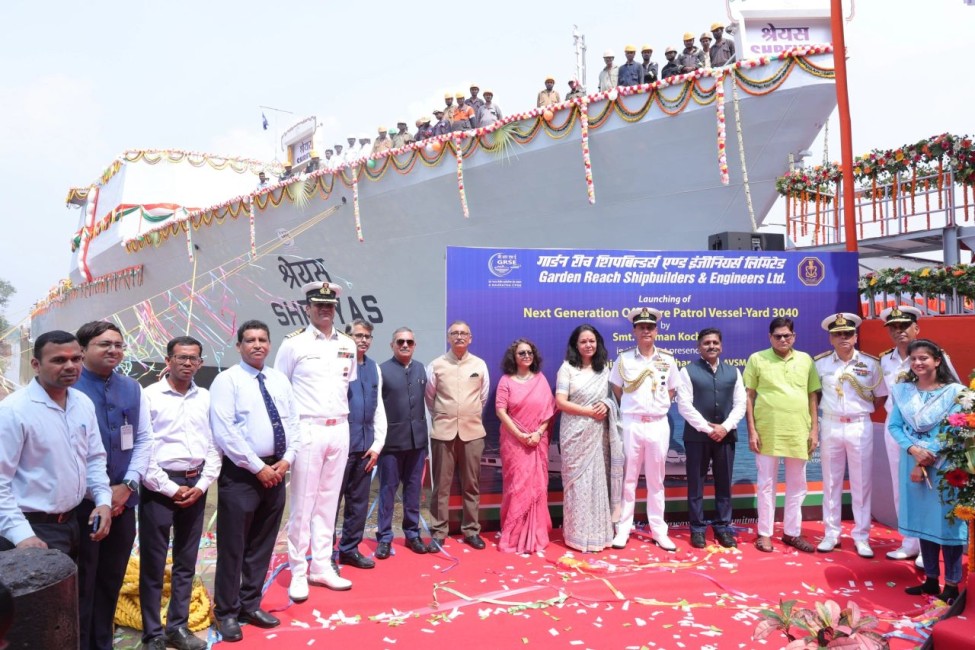
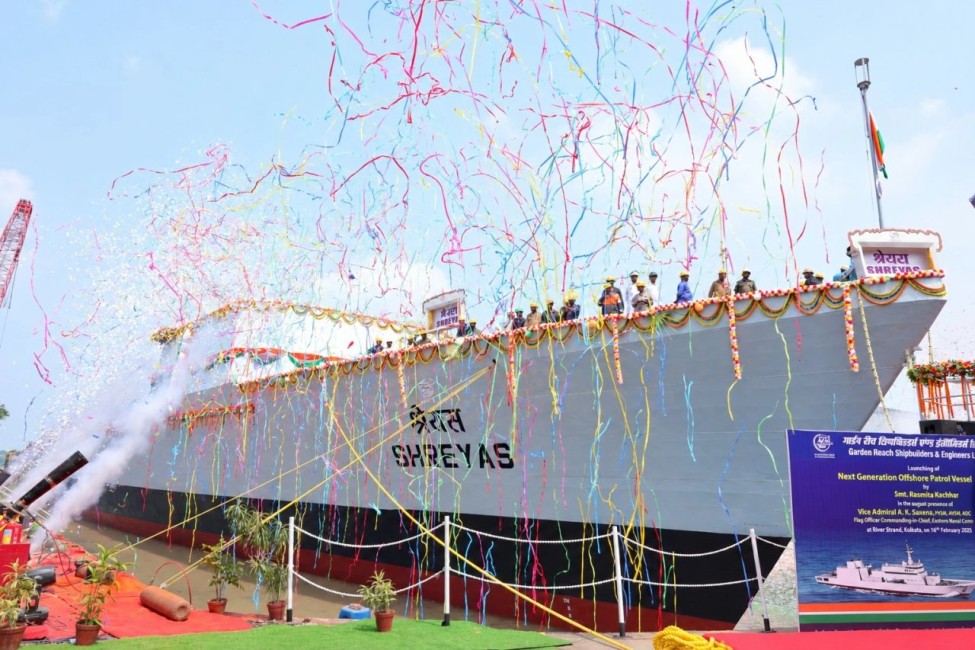
KOLKATA: Garden Reach Shipbuilders & Engineers Ltd. (GRSE), a Navratna DPSU under the Ministry of Defence, Government of India, on Saturday highlighted the landmark achievement of launching ‘Shreyas’, the third of four Next Generation Offshore Patrol Vessels (NGOPVs) being built by the shipyard for the Indian Navy.

1791630123994 GRSE launches ‘Shreyas’, marking third NGOPV Milestone in under five months

This launch comes less than two months after the launch of ‘Shruti’, the second vessel of the series, on 11 Aug 26. The first NGOPV ‘Sanghmitra’ was launched on 20 May 26. This marks three launches in less than five months, reflecting the steady momentum achieved by GRSE in executing this prestigious project of four advanced warships as part of the Indian Navy’s 11-ship NGOPV Programme.

‘Shreyas’ was formally launched by Smt Reyman Kochhar, wife of Vice Admiral Ajay Kochhar, PVSM, AVSM, NM, Vice Chief of the Naval Staff, amidst traditional rituals and the chanting of Vedic shlokas. The name ‘Shreyas’ in Sanskrit means “auspicious” and something that represents the path of the highest good. Vice Admiral Ajay Kochhar graced the occasion as the Chief Guest.

The others present at the occasion included senior officials from GRSE and Indian Navy.

The NGOPVs are significantly larger and more capable than the Offshore Patrol Vessels built earlier, offering enhanced endurance, firepower and operational versatility. Measuring about 113 metres in length and 14.6 metres in width, with a displacement of 3,000 tonnes, they will achieve speeds of up to 23 knots and have an endurance of 8,500 nautical miles at a cruising speed of 14 knots.

Designed for a wide range of maritime operations, the NGOPVs will undertake coastal and offshore asset protection, maritime interdiction, surveillance, VBSS (visit, board, search and seizure), mine warfare and special operations. These warships will also be deployed for Out of Area Contingency Operations, anti-piracy, counter-infiltration, humanitarian assistance and disaster relief (HADR), search and rescue missions, besides supporting hospital, COMINT and fleet maintenance roles.

Vice Admiral Ajay Kochhar, PVSM, AVSM, NM, Vice Chief of the Naval Staff, congratulated GRSE on the launch of the three NGOPVs including ‘Shreyas’ in approximately five months, commending the shipyard’s remarkable pace of execution and indigenous shipbuilding capabilities. He lauded GRSE’s achievements as a Navratna shipyard with over 100 ships delivered and an expanding international presence, and expressed confidence in the successful completion of ‘Shreyas’ with the shipyard’s hallmark professionalism and commitment.

Cmde PR Hari, IN (Retd.), Chairman & Managing Director, GRSE, highlighted transformation of GRSE into a vibrant shipyard with exceptional project execution rate, resulting in a series of ship launches & deliveries.

DFCCIL operates over 13,833 Trains in September 2026, Records 19,716 Million GTKM of Freight movement

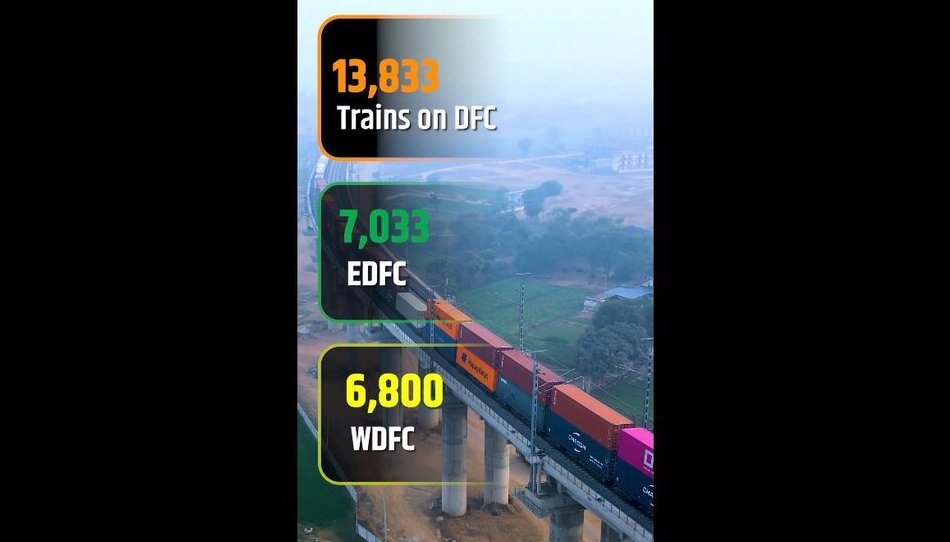
NEW DELHI: The Dedicated Freight Corridor Corporation of India Limited (DFCCIL) has reported strong operational performance for September 2026, with more than 13,833 trains operated across the Dedicated Freight Corridor (DFC) network and freight movement exceeding 19,716 million Gross Tonne Kilometres (GTKM).

The performance figures highlight the role of dedicated freight corridors in facilitating the efficient transportation of goods across India. These specialised rail routes are designed to improve freight-handling capacity, support smoother logistics operations, and reduce pressure on the country’s conventional railway network.

According to an official update shared by DFCCIL, the September figures reflect the continued utilisation of the dedicated freight infrastructure for high-capacity goods transportation.

During September 2026, the Dedicated Freight Corridors handled over 13,833 trains, demonstrating the scale of freight operations carried out across the network.

Dedicated freight corridors are designed primarily for goods trains, allowing freight services to operate on specialised rail infrastructure. By separating a significant portion of freight traffic from passenger services on conventional routes, these corridors can help improve operational efficiency and railway capacity.

The volume of trains operated during September reflects the network’s contribution to transporting commodities and supporting supply chains across the country.

DFCCIL also reported more than 19,716 million Gross Tonne Kilometres (GTKM) of freight movement during the month.

GTKM is a standard railway measurement used to calculate freight transportation performance. It represents the gross weight of a train, including its wagons and cargo, multiplied by the distance travelled.

The September figure of more than 19,716 million GTKM therefore reflects the combined scale of freight weight and distance covered across the network.

This metric is useful for assessing the volume of transportation activity undertaken by a freight railway system.

CONCOR launches new containerised rail freight service connecting Udaipur to Bengaluru in partnership with JK Cement

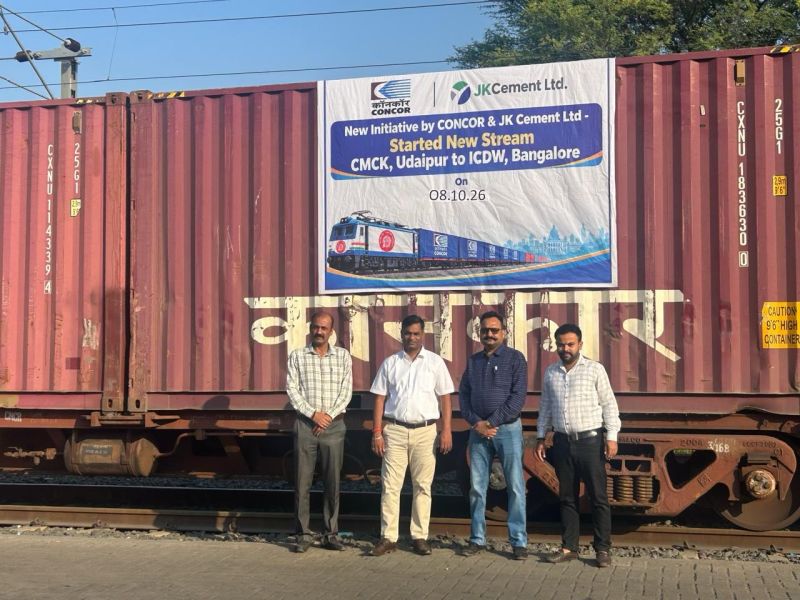
UDAIPUR : Container Corporation of India Limited (CONCOR) has expanded its domestic logistics network with the successful launch of a new containerised rail freight service connecting CMCK (Khemli, Udaipur) in Rajasthan with ICDW (Whitefield, Bengaluru) in Karnataka. The new service has been introduced in partnership with JK Cement Ltd. to facilitate the efficient and sustainable transportation of cement from the company’s newly commissioned plant near Khemli to markets in southern India.

The new rail stream marks an important step towards strengthening multimodal logistics connectivity between Rajasthan’s cement-producing region and key consumption centres in Karnataka. By establishing a direct rail link between the two locations, CONCOR aims to provide a reliable, cost-effective and environmentally sustainable solution for long-distance freight movement.

Promoting Sustainable and Efficient Cement Logistics

A key feature of the new service is the shift towards containerised rail transportation for cement, offering an alternative to conventional road-based movement. Rail transportation can help reduce road congestion, improve fuel efficiency and lower transport-related carbon emissions, particularly over long distances.

The containerised approach also supports more organised cargo handling, improved shipment planning and better integration between production facilities, inland container depots and destination markets. This can help strengthen supply-chain reliability while facilitating the movement of industrial commodities across regional markets.

Strengthening Rajasthan–Karnataka Trade Connectivity

The new connection is strategically significant for linking Rajasthan’s industrial output with the growing construction and infrastructure markets of southern India. Cement is a critical input for infrastructure development, housing, commercial construction and industrial projects, making dependable long-distance transportation essential for maintaining efficient supply chains.

The direct rail stream from Khemli to Whitefield is expected to improve logistics coordination for JK Cement while providing an additional transportation option for supplying cement to Karnataka and surrounding markets.

CONCOR–JK Cement Partnership Drives Multimodal Growth

The launch reinforces the partnership between CONCOR and JK Cement Ltd. in developing integrated logistics solutions tailored to the requirements of the cement industry. Through its container rail network and inland container depot infrastructure, CONCOR supports the movement of cargo across regions, connecting industrial production centres with major consumption markets.

The collaboration reflects the growing role of multimodal transportation in improving logistics efficiency, supporting industrial competitiveness and encouraging a shift towards lower-emission freight movement.

Advancing India’s Green Logistics Vision

The new domestic freight stream aligns with India’s broader objectives of promoting rail-based cargo transportation, improving logistics efficiency and reducing the environmental impact of freight movement. Greater use of rail for long-distance transportation can support more sustainable supply chains while helping businesses optimise their logistics operations.

With the launch of the Khemli–Whitefield service, CONCOR continues to strengthen its domestic freight network and expand logistics options for industrial customers. The initiative highlights the importance of industry partnerships and integrated rail logistics in connecting manufacturing centres with markets across India.

The new service is expected to provide a strong logistics link between Rajasthan and Karnataka, supporting the movement of cement and contributing to a more efficient, connected and sustainable domestic supply chain.

October witnesses near-daily attacks on ships in the Strait of Hormuz

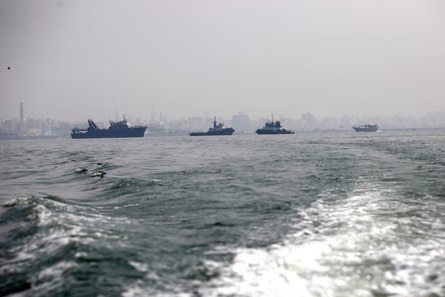
LONDON: Ships have been struck in the Strait of Hormuz nearly every day this month, according to the International Maritime Organization.

Between Oct. 1 and Tuesday, nine ships – mostly crude oil tankers – were struck in the Strait of Hormuz or off the coast of Oman, according to the IMO. Two additional ships were hit since, with one struck on Wednesday and another struck on Friday, according to the United Kingdom Maritime Trade Operations.

Wednesday’s attack was on an unnamed tanker off the coast of Madinat ash Shamal, Qatar, in the Persian Gulf. Friday’s attack was on an unnamed vessel off the coast of Al Jazeera, United Arab Emirates, according to the UKMTO advisories.

Between Sept. 28 and Wednesday, there were 12 attacks, the highest weekly total since the war between the U.S. and Iran began, Richard Meade, editor-in-chief of London-based Lloyd’s List, said last Thursday during a weekly webinar.

Both Iran and the U.S. have attacked ships as part of the ongoing conflict. The U.S. has struck ships that the Pentagon says violated its blockade or are sustaining Iran’s war effort. While a recent U.S. Central Command news release said the U.S. disabled 13 ships as part of its blockade and strikes, the U.S. did not list what ships it hit.

Although attacks on vessels are rising, so are the number of transits week-over-week, with Middle East crude exports approaching pre-war levels, Meade said.

There were 143 total transits between Sept. 28 and Wednesday, up three over the previous week, according to Lloyd’s List Intelligence data. Eastbound transits in that period rose by 7.1 percent, while westbound transits dropped 4.2 percent.

Tanker and gas carrier transits were also down 10.2 percent over the same period.

The rise in Middle East crude exports is due to the shuttle system, where ships are taking oil out of Persian Gulf ports, transporting it through the Strait of Hormuz – often with their automatic identification systems off – then doing a ship-to-ship transfer in the Arabian Sea.

“While the shuttle system […] is no doubt a remarkable feat, if not a very inefficient and expensive one, this is not sustainable, and this is not the positivity that I think has been somewhat misleading out there in the mainstream press that we really want to be looking at,” Meade said. “This is not a sustainable new normal, as far as I’m concerned.”

September saw 477 non-Iranian-linked transits through the Strait of Hormuz, the highest since the conflict began, according to Lloyd’s data. Of the 477 transits, 246 were eastbound, or away from the strait, while 231 were westbound.

August saw more westbound than eastbound transits. While September tipped the scale back in favor of eastbound ships, the number of westbound transits was the highest it has been in at least four months.

What drove the increase is owners’ and operators’ willingness to send in their ships and assume risk, Bridget Diakun, the maritime intelligence and research director at Lloyd’s List Intelligence, said during Thursday’s webinar.

“It is growth and it is expansion, but really it’s people building on these supply chains that they have set up as kind of a work around to the circumstances,” she said.

The question is now is this growth sustainable or will there be a cap, Diakun said.

It’s unclear what the increase of attacks or possible escalation might do to the numbers.

Iranian crude is at a yearly low, according to Lloyd’s List. It appears that there were no crude oil loadings in Iran in September, Tomer Raanan, senior maritime intelligence analyst at Lloyd’s List, said during Thursday’s webinar.

Small amounts of liquid petroleum gas are making it out of the country, using the ship-to-ship transfer method that non-Iranian-linked ships are also using, Raanan said.

While all eyes are on Hormuz, the Black Sea has erupted as a more deadly place for seafarers, Meade said.

Ukraine’s seaborne trade has plummeted as the fighting between Russia and Ukraine continues. There were 21 calls to Ukraine’s Black Sea ports in August, which is down around 90 percent compared to August 2025, according to Lloyd’s List.

The decrease in trade mainly affects grain, although it also hits the tanker market as well, Diakun said.

“The situation is really, really bad to put it frankly,” Diakun said. “I’ve been monitoring the situation in the Black Sea for several years since I’ve started here, and it’s a really resilient market, and the people operating in it have really high risk appetites, but everything has changed over the summer in the last couple of months. This is really serious.”

To put it in context of the Strait of Hormuz, there are ship owners and companies that are moving ships through the strait, despite the Iranian attacks, who would not undertake the risk presented by the fighting in the Black Sea, Meade said.

The Russo-Ukraine War will hit five years in February. In the first year of the war, there was a grain crisis when Ukraine could not export its product. The United Nations and Turkey brokered a grain deal in 2022 that allowed ships to sail through designated Black Sea lanes, but it ultimately fell apart.

At the time, it was not difficult to find vessels that were prepared to sail to and from Ukrainian ports, Edgar Martin, the head analyst for Central and Eastern Europe at Infospectrum, which is part of Lloyd’s List Intelligence, said during the webinar.

“That was a very different situation,” Martin said. “The risk wasn’t so high. But at the moment, the market has dramatically changed.”

The Black Sea, minus the territorial waters of Black Sea countries that are not Russia or Ukraine, now falls under the Joint War Committee’s – which represents Lloyd’s and the International Underwriting Association company markets – highest war risk designation, Martin said.

“The implications for the crew are complex, and let’s hope the crew understand the risk and they’re being paid accordingly,” he said.

US fighter jet strikes cargo ship in Gulf of Oman as Iran blockade tightens

FLORIDA: The United States military announced on Saturday that it had disabled a Panama-flagged commercial cargo vessel in the Gulf of Oman after the crew allegedly ignored warnings and attempted to breach Washington’s naval blockade against Iran, amid escalating tensions across regional shipping corridors.

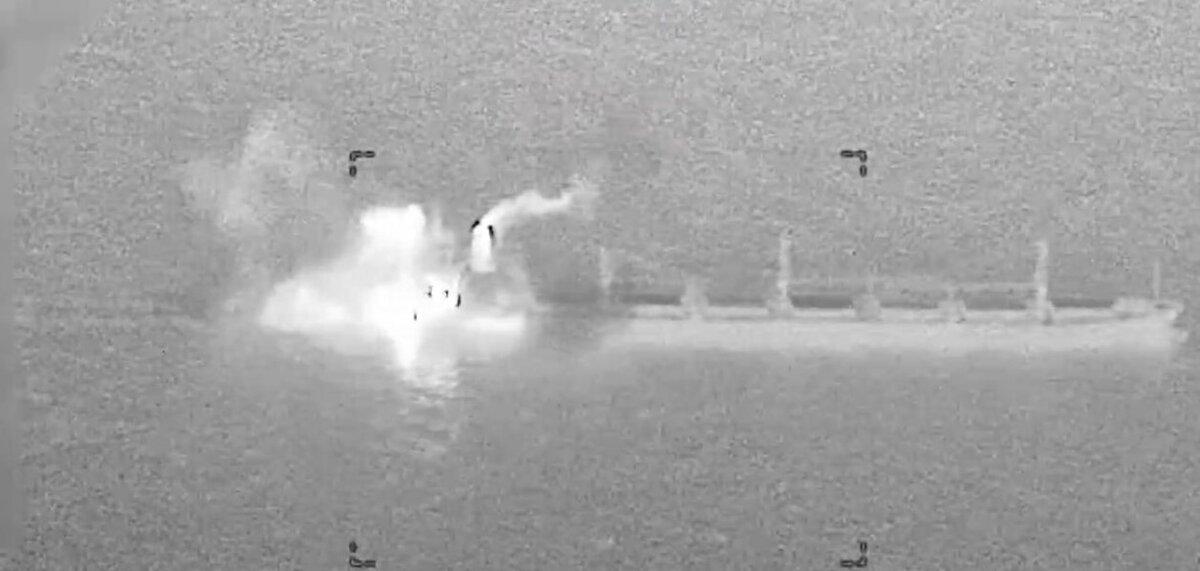
Detailing the operation via social media, the US Central Command stated in a post on X: “A US military fighter jet struck the stern of Panama-flagged M/V Ocean Molica (also known as the “Arika Sun”) with a precision munition, fully disabling the ship’s propulsion without harming the crew”.

According to CENTCOM, the bulk carrier attempted to transit regional waters after departing from an Iranian port. To enforce its ongoing naval blockade covering all maritime traffic entering and leaving Iranian ports, US forces have subjected vessels operating to or from those locations to strict restrictions.

This enforcement involves issuing direct warnings and operational orders to commercial shipping, with naval units redirecting compliant vessels while disabling those that refuse to follow instructions. In its October 10 statement, CENTCOM reported that four commercial vessels had been disabled and 135 ships turned back over three months of enforcement operations, alongside the destruction of 10 tankers linked to the Islamic Revolutionary Guard Corps’ shadow shipping network.

Against the backdrop of mounting disruption to regional maritime trade and escalating security anxieties across the waters encircling Iran, particularly within the Gulf of Oman and the Strait of Hormuz, which functions as a vital energy transport artery for international markets, the command urged regional mariners to heed all blockade directives issued by American units.

Ship crews were recommended to keep a close watch on Notice to Mariners broadcasts and instructed to maintain communication with US naval personnel via bridge-to-bridge radio channel 16 when navigating the Gulf of Oman and approaches to the Strait of Hormuz.

Source: ANI