Home Blog Page 637

JNPA ranks among 20 most-improved container ports globally : World Bank

MUMBAI : Jawaharlal Nehru Port Authority (JNPA) has featured among the 20 most-improved container ports globally in 2024, according to a preliminary report by the World Bank.

JNPT ranked 19th globally among the ports that saw the highest improvement year-on-year, according to the multilateral institution. The findings were part of ‘The Container Port Performance Index (CPPI) 2020 to 2024 – Trends and lessons learned’ report.

However, in the four-year period, two Indian ports – JNPA and Adani Ports and Special Economic Zone’s Mundra Port – featured in the top 20 ports that recorded the most improvement.

“Jawaharlal Nehru Port (India) experienced significant improvements from 2020 to 2024. The port’s CPPI values were 66 (2020), 62 (2021), 35 (2022), 48 (2023), and 100 (2024). This upward trend reflects the addition of terminal capacity and process reforms that have reduced turnaround and dwell times,” the report said.

In terms of capacity and operations, Bharat Mumbai Container Terminals (BMCT), a subsidiary of PSA – Singapore’s global port operator backed by state-owned Temasek Holdings – offers a deep-water capability (berth depth of approximately 16.5 meters and a 1000-meter quay) and modern equipment and gates that support higher productivity.

“Moves per hour per ship and per crane are reported to have improved, as are truckside and rail process improvements,” World Bank said.

In 2023, nine Indian ports had featured in the top 100 of the bank’s container port rankings. These included Pipavav (41), Kamarajar (47), Cochin (63), Hazira (68), Krishnapatnam (71), Chennai (80) and Jawaharlal Nehru (96). Based on vessel time in port, defined as arrival and berth hours, the CPPI is generated for over 400 ports.

Source : BS

Adani Logistics expands footprint with launch of Kishangarh Logistics Park & ICD

KISHANGARH : Adani Logistics Limited (ALL), the logistics arm of Adani Ports and Special Economic Zone (APSEZ), has inaugurated of its new Adani Logistics Park and Inland Container Depot (ICD) at Kishangarh, Rajasthan. The launch marks another major step in the company’s mission to build a robust, multimodal logistics network that powers India’s trade and industry.

The 100-acre facility, located in Mandawariya Village just 4 km from RIICO and 5 km from NH8, is strategically positioned to connect industries with major transport routes. Of the total area, 35 acres have already been developed, providing modern facilities and direct rail connectivity to Indian Railways and the Dedicated Freight Corridor via New Marwar Junction. This link is expected to make the movement of goods faster and more efficient, helping exporters and manufacturers reach domestic and international markets with ease.

Adani Logistics’ newly launched multimodal hub in Kishangarh is set to transform supply chain efficiency by catering to diverse industries such as retail, automotive, grain, bulk commodities, and e-commerce. With state-of-the-art infrastructure, the hub will accelerate cargo movement, enhance industrial output, and boost India’s export competitiveness.

By ensuring seamless connectivity to domestic and international markets, the Inland Container Depot (ICD) is expected to draw fresh investments, create employment opportunities, and reinforce Rajasthan’s emergence as a key manufacturing and export hub.

This milestone aligns with Adani Ports and Special Economic Zone’s (APSEZ) long-term vision of becoming the world’s largest integrated transport utility. The Kishangarh facility now adds to APSEZ’s growing network of Multi-Modal Logistics Parks (MMLPs), further strengthening its nationwide logistics footprint.

India’s logistics cost at 7.97 percent of GDP : DPIIT

NEW DELHI : India’s logistics cost during 2023-24 turned out to be Rs 24.01 lakh crore, or 7.97 percent of the gross domestic product (GDP), according to a statement shared by the Department for Promotion of Industry and Internal Trade (DPIIT) on September 25, underscoring a slowdown in its pace of growth owing to Centre’s recent initiatives.

“This is a significant development as until now, logistics costs in India were often misrepresented, with commonly cited figures of 13-14 percent of GDP derived from external studies or partial datasets. This led to inconsistent estimates, causing confusion among policymakers and global stakeholders. This is the first time that the government has undertaken such a study,” said Shri Sanjiv, Joint Secretary, DPIIT.

The report, prepared by NCAER (National Council of Applied Economic Research) for DPIIT, stated that estimates derived for the previous five years show that the pace of growth in the logistics cost is gradually slowing down.

“Slowing down of the growth in logistics cost is a desirable thing. This may be attributed to several initiatives such as PM Gati Shakti National Master Plan; dedicated freight corridors; Sagarmala project; integrated check posts; and development of the unified logistics interface platform,” Sanjiv said.

The report said that as per current assessment, the logistics costs in India are estimated at about 7.97 percent of total GDP. Officials said the logistics costs in Indonesia were relatively high at 24 percent of GDP, while in South Korea they were much lower at around 8 percent. In 2023, China estimated its logistics costs as 14.4 percent of its GDP.

The report provides a comprehensive framework by capturing logistics costs across different transport modes, product categories, and firm sizes. It also presented estimates of freight cost per tonne-kilometre and highlighted the role of multi-modality in improving efficiency.

“Rail logistics emerged as a cost-efficient mode, with an average cost of Rs 1.96 per tonne per km, significantly lower than road transport (Rs 11.03), in cases where the first/last mile of the consignment is not taken into consideration,” the report said.

“Air transportation is the most expensive, albeit the fastest, mode of freight transportation, averaging Rs 72 per tonne per km, which largely limits its use to high-value, time-sensitive commodities,” the report added.

Emirates Shipping, Shreenathji Worldwide and Cotton Comfort flag off First Block Rake from Adani Virochannagar ICD to Mundra Port

AHMEDABAD: Emirates Shipping Line, Shreenathji Worldwide and Cotton Comfort Friday dispatched its first dedicated block rake from Adani’s Virochannagar Inland Container Depot (ICD) to Mundra Port.

The new service offers a direct, uninterrupted rail connection from the ICD to India’s largest commercial port, reducing transit time, lowering costs and strengthening supply-chain reliability. By moving a full train of containers in one seamless journey, the block rake enhances efficiency and supports the nation’s drive toward smarter, integrated logistics.

This collaborative effort underscores the partners’ shared commitment to building resilient trade infrastructure and advancing India’s position as a global logistics hub.

Donald Trump’s drug tariff spares generics, but India braces for fallout

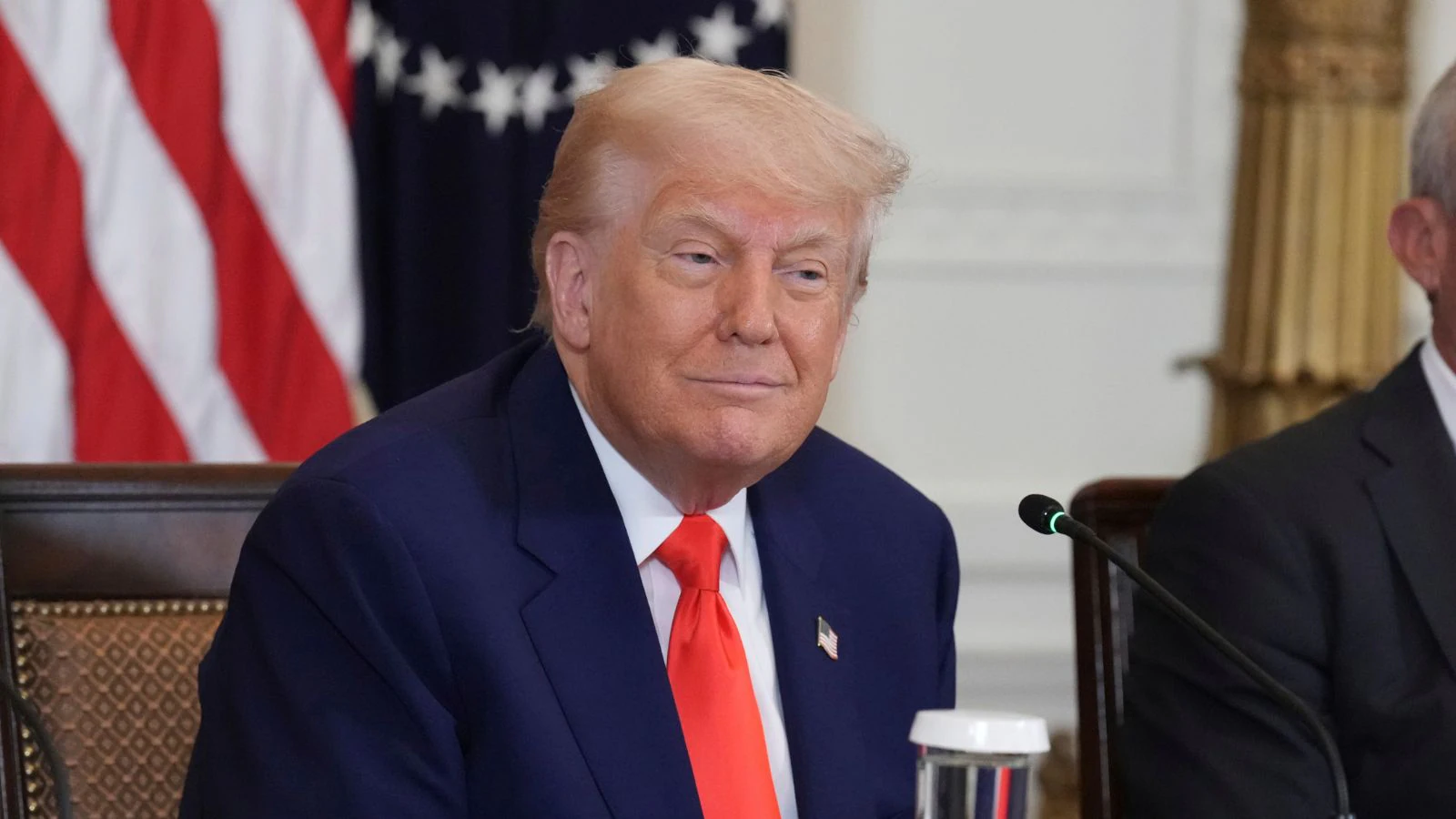
WASHINGTON : President Donald Trump announced on Thursday (September 25, 2025) a 100% tariff on branded and patented pharmaceutical imports, effective October 1, 2025, unless companies establish manufacturing facilities in the United States. While generic medicines — India’s main export to America — are excluded on paper, the move has the potential to unsettle the $20 billion industry that supplies nearly 40 per cent of US generics.

“Starting October 1, 2025, we will be imposing a 100% Tariff on any branded or patented Pharmaceutical Product, unless a Company IS BUILDING their Pharmaceutical Manufacturing Plant in America,” Mr. Trump declared on his social media platform.

He said “IS BUILDING” would mean “breaking ground” or “under construction,” adding that products from firms already investing in U.S. facilities would not face tariffs.

President Donald Trump announced on Thursday (September 25, 2025) a 100% tariff on branded and patented pharmaceutical imports, effective October 1, 2025, unless companies establish manufacturing facilities in the United States. While generic medicines — India’s main export to America — are excluded on paper, the move has the potential to unsettle the $20 billion industry that supplies nearly 40 per cent of US generics.

“Starting October 1, 2025, we will be imposing a 100% Tariff on any branded or patented Pharmaceutical Product, unless a Company IS BUILDING their Pharmaceutical Manufacturing Plant in America,” Mr. Trump declared on his social media platform.

He said “IS BUILDING” would mean “breaking ground” or “under construction,” adding that products from firms already investing in U.S. facilities would not face tariffs.

The announcement has sent ripples through the global pharmaceutical industry. By explicitly targeting branded and patented medicines, the measure spares generics — the lower-cost versions produced once patents expire.

For India, the world’s largest supplier of generics to the United States, that distinction provides only partial relief. Indian companies ship about $20 billion worth of generics to America each year, with Sun Pharma, Dr Reddy’s Laboratories, Cipla, Lupin, and Aurobindo Pharma among the major exporters.

Industry analysts say the absence of generics in Mr. Trump’s order does not eliminate the risk for India. Many firms also manufacture ingredients and formulations for branded products through contract arrangements with multinational companies.

Those partnerships could be disrupted if the finished drugs are subject to taxation. Others worry about how U.S. authorities will interpret the term “branded.” Even generics carry a manufacturer’s label, and a broad or inconsistent definition could mean Indian shipments face delays, scrutiny, or additional costs at customs.

The larger concern is the direction of U.S. policy. Trump’s carve-out for companies “building” plants in America is widely seen as a signal to drugmakers that they must establish manufacturing capacity on U.S. soil. For India’s biggest exporters, investing in American facilities would mean higher capital costs and thinner margins. For smaller firms, meeting the demand may be impossible.

The tariff also threatens to distort the U.S. pharmaceutical market. If branded drugs become more expensive due to import duties, demand for generic alternatives could increase in the short term, which might benefit Indian suppliers. But a sudden surge in reliance on imported generics could just as easily prompt Washington to clamp down further and push aggressively for domestic production of lower-cost medicines.

“This is less about the immediate blow and more about the future trajectory of U.S. trade policy,” said one Indian American pharma analyst. “On the surface, generics are safe, but the message is unmistakable: America wants its drugs made at home.”

For U.S. patients, the implications of the pharmaceutical tariff are significant. Generics have long been the linchpin in keeping drug prices affordable, with Indian companies supplying treatments for everything from cancer to infectious diseases. Even the hint of disruption could lead to higher costs or shortages in critical categories. Health policy experts warn that while the push to reshore manufacturing may serve long-term strategic goals, it risks undermining supply stability in the short term.

Mr. Trump’s pharmaceutical announcement was part of a broader protectionist push on Thursday (September 25, 2025).

India proposes to ease investment rules in possible win for Amazon

NEW DELHI : India’s government has drafted a proposal to ease foreign investment rules to allow E-commerce companies such as Amazon to buy products directly from Indian sellers and then sell them to overseas customers, a document showed. India prohibits foreign e-commerce companies from selling goods directly to consumers at home or abroad, allowing them only to operate a marketplace to connect buyers and sellers for a fee.

The policy has been a matter of dispute between New Delhi and Washington for years, and Amazon has lobbied the Indian government to ease the rules for exports, Reuters has reported. The proposed changes coincide with efforts by India and the U.S. to overcome their differences over a long-delayed trade deal.

India’s small retailers disagree
The proposals also rebuff the demand of groups backing millions of small Indian brick-and-mortar retailers that the government should dismiss Amazon’s request on the grounds the U.S. company’s financial strength is a threat to their businesses.

Less than 10% of small Indian businesses selling online domestically participate in global e-commerce exports, “constrained by complex documentation, compliance requirements,” said a 10-page proposal from The Directorate General of Foreign Trade, which is not public but was seen by Reuters on Thursday.

“The proposal envisages a third-party export facilitation model, wherein a dedicated export entity linked to e-commerce platforms would manage compliance.” The directorate and Amazon did not respond to Reuters’ queries. The proposal will require a sign-off from India’s cabinet.

Reuters has reported Amazon said the move will help Indian exporters, but the Confederation of All India Traders, which represents millions of bricks-and-mortar retailers, opposed the proposal on Friday. It said it could be abused by foreign companies and give them more control over supply chains.

“It will create a slippery slope, making it nearly impossible to monitor whether goods are genuinely meant for exports or being diverted into the domestic market,” said B C Bhartia, the confederation’s national president.
The directorate’s draft said the relaxed rules would only apply to exports, and any breaches of the policy would attract stiff penalties along with criminal action. It has proposed implementing the model on a pilot basis, and scaling it up after a review.

Amazon said in December it helped to generate $13 billion in cumulative exports for sellers from India since 2015, and plans to increase that to $80 billion by 2030. Last year, the Indian antitrust watchdog’s investigation found that Amazon breached competition laws by engaging in deep discounting and working with its preferred sellers, allegations Amazon denies.

Source : Reuters

DP World launches Dedicated Warehouse Facility for Mondelez India in Cochin

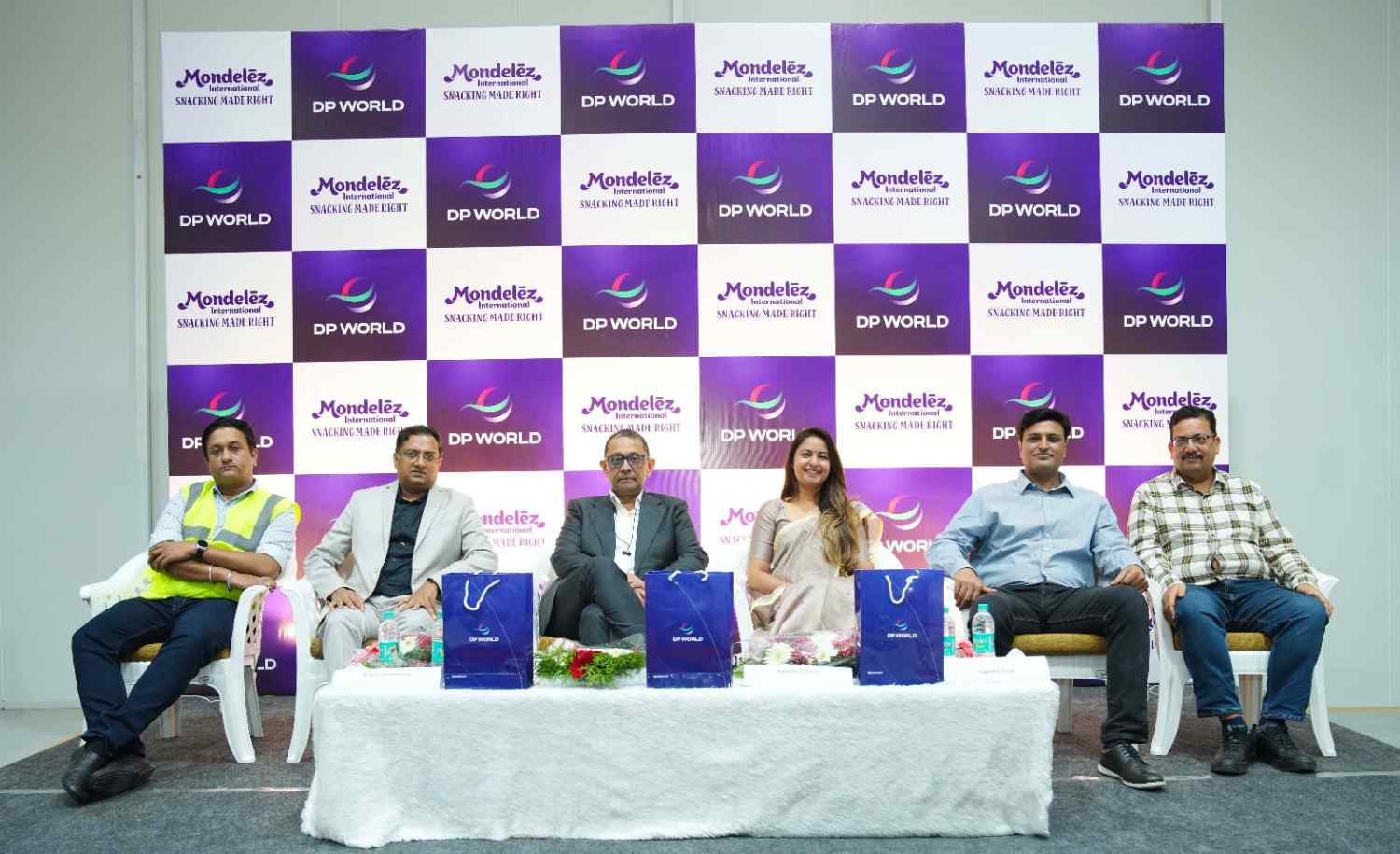
KOCHI: DP World Friday inaugurated a dedicated warehouse facility for Mondelez India in Cochin, further strengthening Mondelez India’s supply chain and distribution capabilities across Kerala.

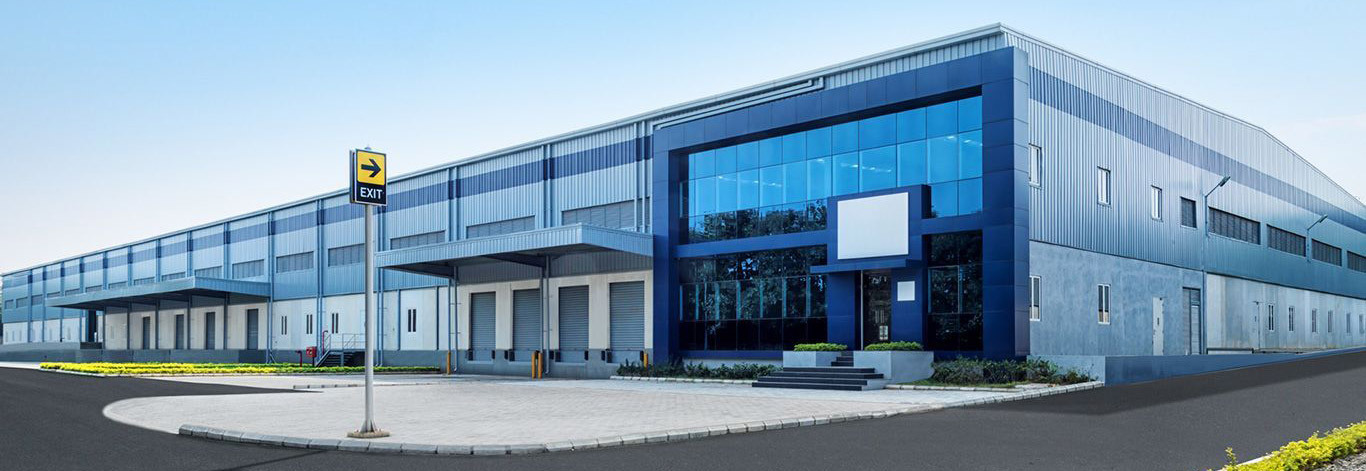
The state-of-the-art facility, designed and operated by DP World, provides over 4,000 pallet positions, comprising 2,200 positions for dry goods and the remainder configured for ambient storage at 18–25 degrees Celsius. This fully integrated warehouse solution combines advanced infrastructure, warehousing services, and skilled manpower to ensure Mondelez India’s products reach consumers reliably, efficiently, and in compliance with the highest quality standards.

The inauguration took place at Ernakulam, Kerala in the presence of senior delegates from both Mondelez India and DP World.

Key Highlights of the Facility

• Integrated Operations: Consolidates warehousing, infrastructure, and manpower under one roof, reducing reliance on multiple vendors, cutting lead times, and ensuring consistent service quality.

• Agility & Responsiveness: Enables Mondelez India to manage seasonal demand surges and respond swiftly to evolving consumer and market requirements.

• Enhanced Supply Chain Strength: Ensures safe, compliant, and efficient movement of products, reinforcing Mondelez India’s commitment to delivering its much-loved brands to consumers across Kerala.

Suresh Ramani, Chief Commercial Officer- Logistics – DP World India Subcontinent, said, “At DP World, we are committed to building advanced logistics solutions and world-class assets that simplify supply chains and unlock growth for our valued customers. We are excited to inaugurate this new warehouse in Cochin for Mondelez India which is a true testament of our ability to design infrastructure that is safe, compliant, and efficient at scale”.

This launch strengthens DP World’s warehousing network across India, which now exceeds 5 million sq. ft. across 60+ locations. By integrating warehousing, port terminals, rail freight, freight forwarding, and express logistics, DP World continues to build resilient, integrated supply chain solutions that support India’s economic growth.

IndoSpace expands presence with new 66-Acre Park in Maharashtra’s industrial and warehousing hub, Bhiwandi

MUMBAI: IndoSpace, India’s fully integrated supply chain infrastructure services platform, has launched its new logistics park in Bhiwandi, near Mumbai. Spanning 66 acres, the park offers a combination of ready-to-move-in facilities and build-to-suit (BTS) options to meet the varied requirements of businesses across sectors with a total investment of USD 57 million upon completion.

This development reflects IndoSpace’s sustained investment in Maharashtra, where the company has already invested USD 330 million to strengthen the region’s infrastructure and logistics capabilities. By expanding capacity in a key corridor of the Mumbai Metropolitan Region, the industrial and warehousing park further adds to the country’s supply chain ecosystem. Additionally, it is expected to generate employment opportunities in the surrounding area, reinforcing the economic linkages between infrastructure development and local communities.

Commenting on the launch, Anshuman Singh, MD & CEO, IndoSpace said, “The launch of our Bhiwandi park highlights IndoSpace’s role in expanding India’s supply chain backbone. As the country experiences shifts in consumption, manufacturing, and global trade linkages, the availability of reliable logistics infrastructure becomes critical. Our approach is centred on building facilities that combine operational efficiency with long-term sustainability, aligning with the broader imperatives of India’s economic growth.”

Bhiwandi is an established warehousing hub in Maharashtra with connectivity to Mumbai, Thane, and Pune. The location is gaining additional relevance due to its connectivity to the Mumbai–Nagpur Samruddhi Expressway. The IndoSpace Bhiwandi park is positioned to enable companies to serve demand in these regions while optimising supply chain operations. With a development potential of over 1.7M sq. ft, the park is suitable for a wide range of sectors, including e-commerce, 3PL, FMCG, automotive, and electronics. IndoSpace Bhiwandi has been designed to incorporate facilities such as green spaces and infrastructure aligned with ESG standards and certifications.

Given Maharashtra’s status as one of India’s premier industrial and consumer hubs, the state has witnessed significant growth in the industrial and logistics sector in recent years. In H1 2025 itself, the leasing volume across India reached 32.1 mn. sq ft, up 42% YoY. Notably, Mumbai contributed 7.5 mn sq ft. of this leasing volume, growing at 63% on YoY basis. Against this backdrop, Bhiwandi remains a key node in Maharashtra’s supply chain network, reflecting the scale and depth of the state’s warehousing ecosystem.

About IndoSpace:

IndoSpace is India’s fully integrated supply chain infrastructure services platform. With over 60 million square feet of infrastructure across 50+ strategically located hubs since its inception in 2007, IndoSpace powers over 150+ industry leaders across Manufacturing, Electronics, 3PL, E-Commerce, Retail, and Automotive sectors. Aligned with the vision of PM Gati Shakti, the National Logistics Policy (NLP), and Make in India, IndoSpace is contributing to India’s supply chain industry by delivering scalable, and sustainable infrastructure services that enhance efficiency and accelerate manufacturing growth. By seamlessly integrating technology, sustainability,

DP World and Hapag-Lloyd renew Agreement to boost Port Operations in Brazil

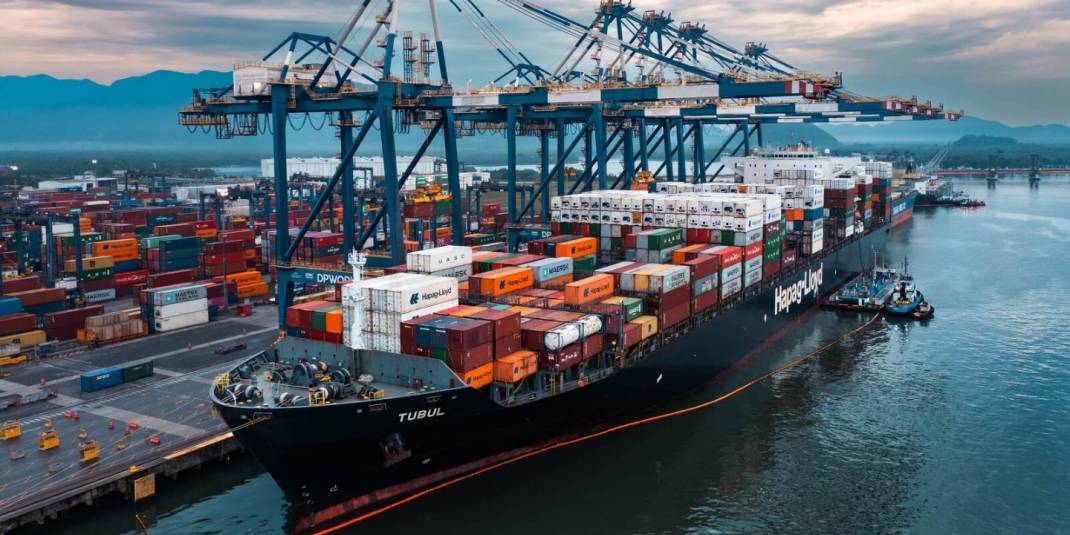
SANTOS: DP World, a global leader in logistics and supply chain solutions, announces the renewal of a long-term agreement with Hapag-Lloyd, one of the world’s largest shipping lines, for operations at the Port of Santos. With this contract, both companies reaffirm their partnership and ensure the continuity of container handling operations for the next ten years.

To meet growing demand, DP World advances its port capacity expansion plan in the coming years. The expansion project will enable the handling of new volumes and maritime services for Hapag-Lloyd, while continuing to efficiently and sustainably serve other shipping lines, strengthening DP World´s role as an independent and competitive terminal at the Port of Santos.

For Hapag-Lloyd, the agreement also provides a solid foundation to continue expanding its presence in the Brazilian market, ensuring predictability and efficiency in the development of its business in the region.

Santos Terminal Expansion
On August 21, 2025 DP World marked the groundbreaking of its quay expansion works on the left bank of the Port of Santos. Scheduled for completion in August 2026, the project will add 190 meters to the existing quay, extending its length to 1,290 meters and enabling the terminal to accommodate larger container vessels.

The expansion also includes the acquisition of new equipment for container operations. With these investments, the terminal’s handling capacity will increase to 1.7 million TEUs per year by 2026, establishing DP World Santos as one of the most modern private multipurpose terminals in Brazil.

Hapag-Lloyd and DHL sign agreement to further decarbonize supply chains

HAMBURG: Hapag-Lloyd and DHL Global Forwarding have achieved a major milestone in their joint efforts to decarbonize supply chains. The two companies have signed a three-year framework agreement for the purchase of Scope 3 greenhouse gas (GHG) emission reductions resulting from the use of sustainable marine fuels within Hapag-Lloyd’s fleet.

As part of this agreement, the first order of 25,000 tons CO2e well-to-wake (WTW) emission avoidance was successfully executed in July 2025. The biofuels are second-generation biofuels produced from waste and residue feedstock, demonstrating the companies’ unwavering commitment to reducing greenhouse gas emissions.

“We are delighted to have completed this order with DHL, demonstrating the feasibility and effectiveness of using sustainable marine fuels to reduce Scope 3 emissions through our Ship Green product,” said Danny Smolders, Managing Director Global Sales at Hapag-Lloyd, adding: “Partnering with DHL shows how powerful collaboration can be. Together, we are creating real momentum in further decarbonizing supply chains, one bold step at a time.”

“The signing of this three-year framework agreement marks a crucial step toward realizing our shared vision of a decarbonized shipping industry,” said Casper Ellerbaek, Head of Global Ocean Freight at DHL Global Forwarding. “We are thrilled to partner with Hapag-Lloyd in driving the adoption of sustainable marine fuels and the book and claim mechanism, ultimately empowering our customers to achieve their climate goals.”

The agreement showcases the effective application of the “book and claim” chain of custody mechanism, enabling customers to claim Scope 3 emission reduction for their transport separately from the physical use of the fuel. By decoupling decarbonization from the physical transportation, sustainable marine fuel enabled by book and claim emerges as a vital tool to drive early action in the shipping industry, particularly given that the supply of sustainable marine fuels is currently limited globally and of higher cost.

Both companies are committed to ambitious decarbonization targets, with Hapag-Lloyd aiming to achieve net-zero fleet emissions by 2045 and DHL striving to reach net-zero emissions by 2050. Offering sustainable logistic solutions to customers is a key lever to achieve these goals.

Hapag-Lloyd has been deploying second-generation biofuels since 2020. Since 2023, it has been offering its customers the possibility to claim the resulting emission avoidance through “Ship Green,” its emission-reduced ocean transport product utilizing biofuel blends instead of traditional fossil marine fuel oil (MFO).

DHL’s GoGreen Plus products provide decarbonized solutions across DHL’s core offerings by leveraging sustainable fuels and low carbon technology. GoGreen Plus products are based on true value chain decarbonization, enabled by the ‘book & claim’ approach. GoGreen Plus allows customers to reduce their indirect Scope 3 emissions in their value chain arising from upstream and downstream transportation and distribution. It also helps customers with voluntary reporting of greenhouse gas (GHG) emissions and progress against their decarbonization targets.

By working together and leveraging book and claim and sustainable marine fuels, DHL and Hapag-Lloyd are driving the industry’s transition toward a more sustainable future.