Home Blog Page 677

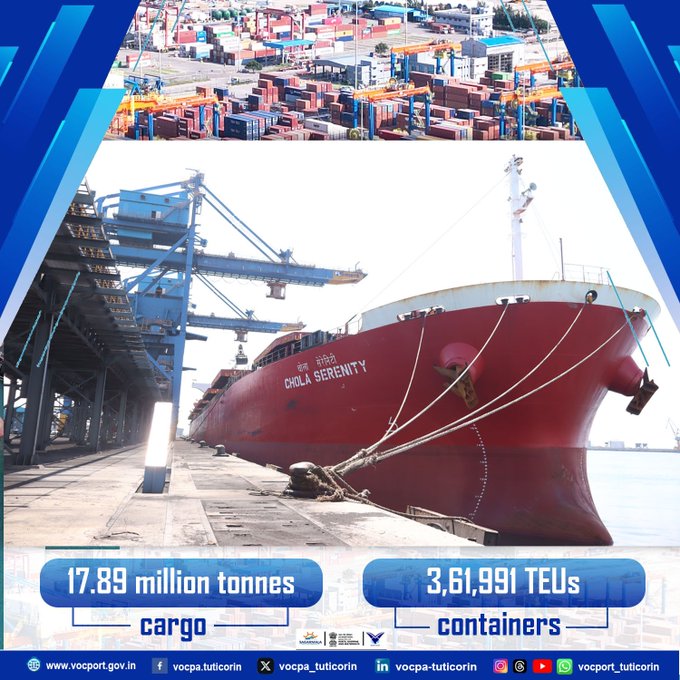
VOC Port handles 17.89 million tonnes of cargo, including 3,61,991 TEUs of containers

TUTICORIN : V.O. Chidambaranar Port handled 17.89 million tonnes of cargo, including 3,61,991 TEUs of containers, up to August in the financial year 2025–26. This reflects a 2.40% growth in overall cargo traffic and a 7.72% growth in container traffic compared to the 17.47 million tonnes of cargo and 3,36,036 TEUs handled during the same period of the previous financial year 2024–25. With this achievement, the Port continues to set new benchmarks in efficiency, connectivity, and service excellence, strengthening its position as a trusted gateway for global trade.

The Port has also handled 2,98,107 TEUs of containers up to 03.08.2025 in the current financial year 2025–26, registering a growth of 9.75% compared to the 2,71,620 TEUs handled during the corresponding period of the previous financial year.

The major commodities that have contributed to this achievement include Coal, Limestone, Salt, Rock Phosphate, Edible oil, and construction materials. The rapid growth in exports from Tirupur, Coimbatore and Karur, resulting in increase in Container volumes and the operationalization of North Cargo Berth-III for handling bulk cargo, which was recently dedicated to the nation by the Hon’ble Prime Minister, Shri Narendra Modi, in a function organised at Tuticorin on 26.07.2025, will be a major contributor to the port’s improved performance.

The Ports primary hinterland is witnessing rapid industrialization with the proposed man made fibre factory by a Singapore based firm, footwear manufacturing facility by a Korean firm coupled with new investments in Defence & Space Technology Startups augurs well for VOC Ports cargo handling.
Shri Susanta Kumar Purohit, IRSEE, Chairperson, congratulated all stakeholders and trade partners for their continued support and contribution towards this significant achievement.

Andhra Pradesh will emerge as East Coast logistics hub, says CM Chandrababu Naidu

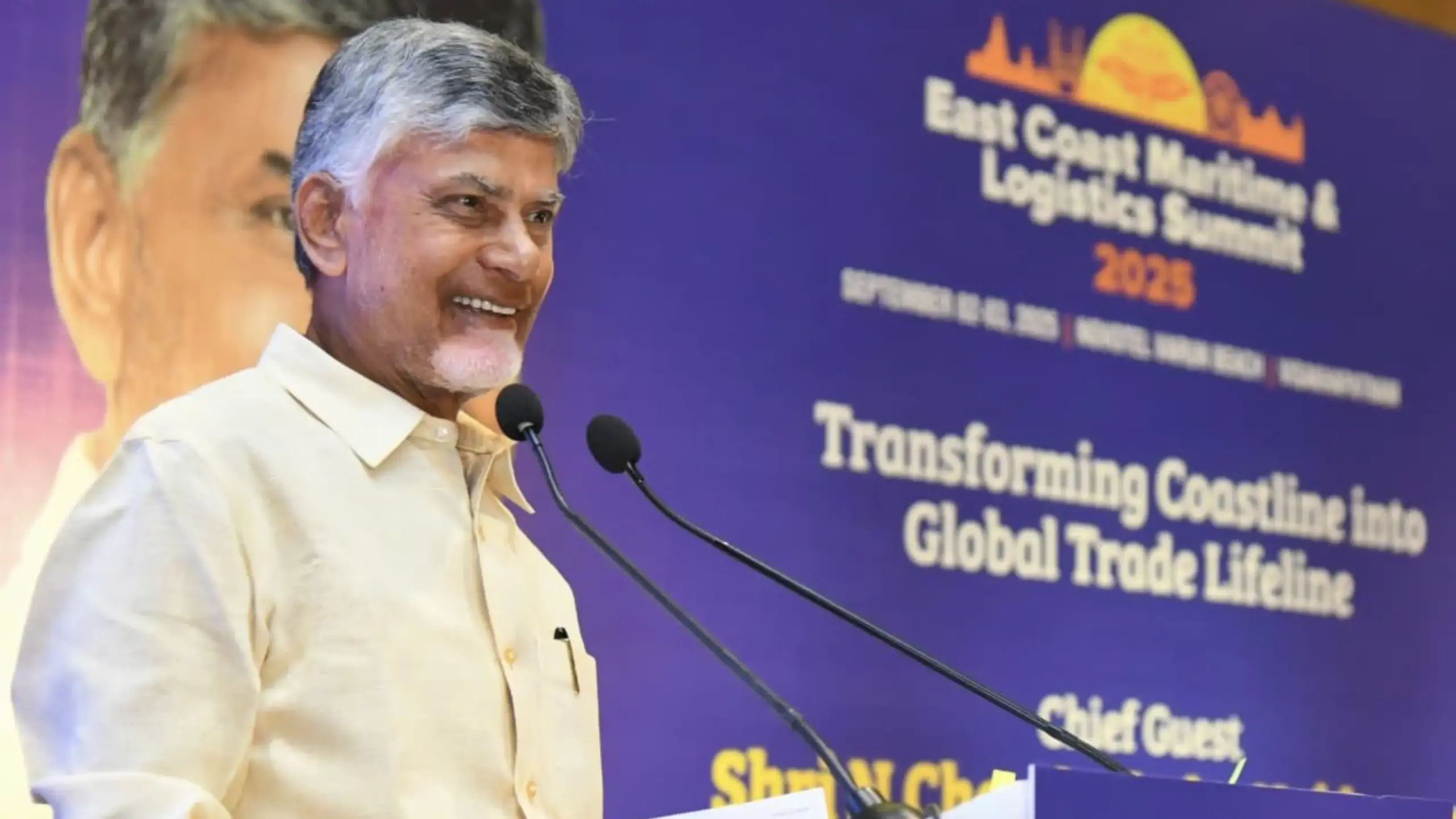
VISAKHAPATNAM: Andhra Pradesh Chief Minister Shri N Chandrababu Naidu has announced that Andhra Pradesh will be developed as a key logistics hub on the East Coast to meet global standards. He said the State government will soon establish a Logistics University and a Civil Aviation University to strengthen the sector.

Speaking at the East Coast Maritime Logistics Summit in Visakhapatnam on Tuesday, the Chief Minister noted that the logistics sector currently contributes around 1 per cent to the Gross State Domestic Product (GSDP). He emphasised the goal of raising this share to 3 per cent in the coming years.

Naidu proposed the creation of a 20-member advisory body comprising representatives from port and shipping industries to guide the State on developing Andhra Pradesh as a global logistics hub. He said that with six operational ports and four more under development, the State is well-positioned to expand its port-led economy. The government also plans to establish fishing harbours or ports at intervals of about 50 kilometres along the state’s 1,050 km coastline.

Highlighting the demand from neighbouring states such as Telangana, Maharashtra, Odisha, Chhattisgarh, and parts of Karnataka, the Chief Minister said Andhra Pradesh already ranks second in sea cargo transport. He added that the government is focusing on infrastructure for shipbuilding, ship and container repair, and ship recycling, particularly at Dugarajapatnam and Machilipatnam, along with facilities to maintain defence vessels.

Naidu underscored the importance of digital logistics platforms, cargo tracking, and stronger rail, road, and air connectivity to major ports. He also stressed the need to reduce logistics costs, which stand at about 13 per cent in India compared with 8 per cent in several other countries.

The Chief Minister further noted that the government is working on inland water transport as an alternative to reduce costs, citing the example of the Buckingham Canal that once facilitated transport between Kakinada and Chennai.

Referring to discussions with shipping industry leaders, he said the State would take up certain issues with the Government of India. He also reiterated the government’s focus on water security, river interlinking, and skill development to support industrial needs. Visakhapatnam, he added, is expected to grow as a technology hub, with initiatives such as a proposed data centre.

Earlier, Naidu attended a roundtable with CEOs from the shipping and logistics sectors. He also released two publications and launched the AP of the Air Cargo Forum of India.

Ministers BC Janardhana Reddy, Dola Balaveeranjaneya Swamy, and Kondapalli Srinivas, along with GFST Vice Chairman and Director SP Tucker, officials, and industry representatives were present.

Cabinet approves Rs.1,500 crore incentive scheme to promote Critical Mineral Recycling in the country

NEW DELHI: The Union Cabinet chaired by the Prime Minister Shri Narendra Modi Wednesday approved a Rs.1,500 crore Incentive Scheme to develop recycling capacity in the country for the separation and production of critical minerals from secondary sources.

This scheme is part of the National Critical Mineral Mission (NCMM), which is aimed at building the domestic capacity of and supply chain resilience in critical minerals. The critical mineral value chain comprising exploration, auction and mine operationalization, and acquisition of foreign assets, has a gestation period before they could supply critical minerals to Indian industry. A prudent way to ensure supply chain sustainability in the near term is through the recycling of secondary sources.

The Scheme will have a tenure of six years from FY 2025-26 to FY 2030-31. Eligible feedstock is e-waste, Lithium Ion Battery (LIB) scrap, and scrap other than e-waste & LIB scrap e.g. catalytic convertors in end-of-life vehicles. Expected beneficiaries will be both large, established recyclers, as well as small, new recyclers (including start-ups), for whom one-third of the scheme outlay has been earmarked. The Scheme will be applicable to investments in new units as well as expansion of capacity / modernization and diversification of existing units. The Scheme will provide incentive for the recycling value chain which is involved in actual extraction of critical minerals, and not the value chain involved in only black mass production.

The incentives under the Scheme will comprise 20% Capex subsidy on plant & machinery, equipment and associated utilities for starting production within specified timeframe, beyond which reduced subsidy applicable; and Opex subsidy, which will be an incentive on incremental sales over the base year (FY 2025-26) viz. 40% of eligible Opex subsidy in the 2nd year and balance 60% in the 5th year from FY 2026-27 to FY 2030-31 on achievement of specified threshold incremental sales. In order to ensure greater number of beneficiaries, total incentive (Capex plus Opex subsidy) per entity will be subject to an overall ceiling of Rs.50 crore for large entities and Rs.25 crore for small entities, within which there will be a ceiling for Opex subsidy of Rs.10 crore and Rs.5 crore respectively.

In terms of key outcomes, the Scheme incentives are expected to develop at least 270 kilo ton of annual recycling capacity resulting in around 40 kilo ton annual critical mineral production, bringing in about Rs.8,000 crore of investment and creating close to 70,000 direct and indirect jobs. Several rounds of consultations with industry and other stakeholders have been held through dedicated meetings, seminar sessions, etc. before formulating the Scheme.

99th Meeting of Network Planning Group under PM GatiShakti evaluates key Infrastructure projects

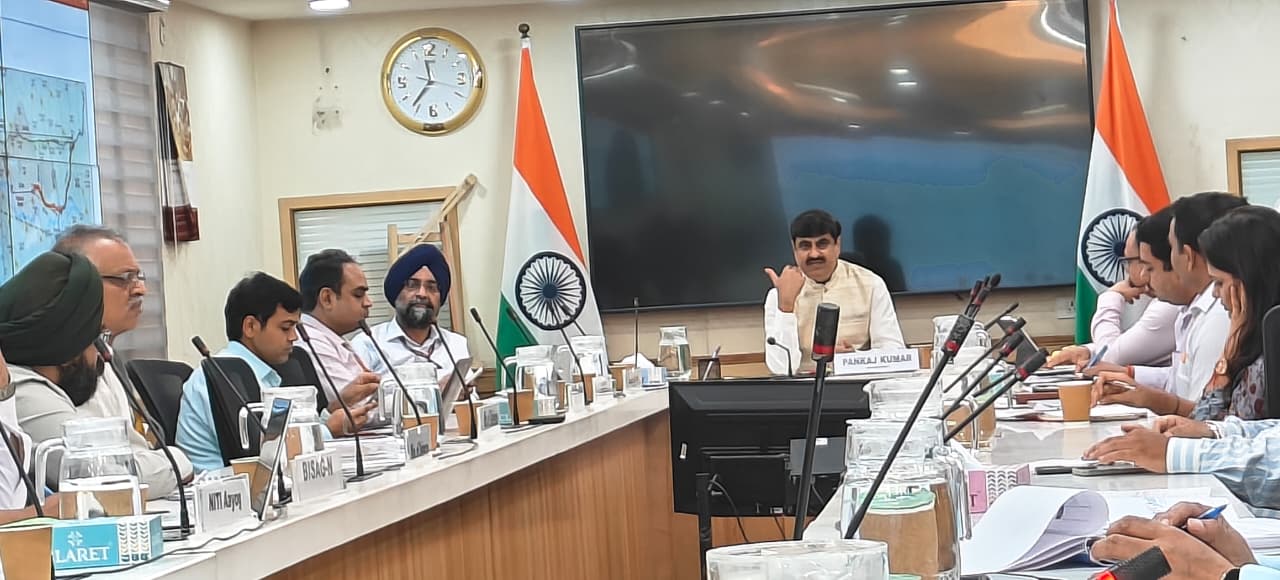
NEW DELHI: The 99th meeting of the Network Planning Group (NPG), convened on Wednesday to evaluate infrastructure projects of Road, Transport & Highways. The meeting focused on enhancing multimodal connectivity and logistics efficiency in alignment with the PM GatiShakti National Master Plan (PMGS NMP).

The NPG evaluated 04 projects comprising 01 Road/Highway project of the Ministry of Road, Transport & Highways (MoRTH) and 03 Rail projects of the Ministry of Railways (MoR), including 02 Brownfield, 01 Greenfield, and 01 Greenfield + Brownfield projects. The evaluation was undertaken to ensure conformity to PM GatiShakti principles of integrated multimodal infrastructure, last-mile connectivity to economic and social nodes, and a ‘whole of Government’ approach. These initiatives are expected to boost logistics efficiency, reduce travel times, and deliver significant socio-economic benefits to the catchment areas of the projects. The meeting was chaired by Shri Pankaj Kumar, Joint Secretary, Logistics, Department for Promotion of Industry and Internal Trade (DPIIT). The evaluation and anticipated impacts of these projects are detailed below:

Ministry of Railways(MoR)

New Broad Gauge (BG) line from Baramulla to Uri: The Ministry of Railways has proposed the construction of a new 40.2 km railway line between Baramulla and Uri in Jammu & Kashmir, connecting five existing stations. The project will provide all-weather, reliable rail connectivity, addressing frequent disruptions faced by road travel during harsh weather. Uri, located near the Line of Control at Kaman Post, has already emerged as a border tourism destination. With the new railway line, tourism in the region is expected to receive a significant boost. The project also holds strategic importance, as Baramulla and Uri Tehsil house major Indian Army establishments and lie close to the border. The proposed railway line will include 3 Road Under Bridges (RUBs) and 9 Road Over Bridges (ROBs) and will be developed as a new single Broad-Gauge line, requiring fresh land acquisition.

Doubling of Qazigund to Badgam: The Ministry of Railways has proposed the doubling of the Qazigund–Badgam railway line, covering a 73.50 km stretch in Jammu & Kashmir. At present, the Qazigund–Baramulla line operates as a single track. With the commissioning of the Katra–Banihal section in 2025, the corridor will be fully integrated with the Indian Railways network, offering huge potential for passenger and freight traffic. The doubling project is of strategic importance, enabling seamless movement of military special trains carrying Army personnel, equipment, and supplies. Accordingly, it has been designated under the Hill & Strategic Corridor. Key highlights: (a) 10 stations (9 crossing stations and 1 halt), all existing in J&K, will be covered. (b) The new alignment will run parallel to the existing line. (c) Doubling will increase capacity, reduce delays, and strengthen connectivity across the Valley. The project will also boost tourism and local economic activity, while ensuring faster, safer, and reliable logistics for defence needs. The proposal marks another step towards building a resilient and strategically vital railway network in Jammu & Kashmir.

Proposed 3rd & 4th line between Ambala – Jalandhar : The Ministry of Railways has proposed the development of a 3rd line between Ludhiana–Jalandhar Cantt and a 4th line between Ambala Cantt–Sahnewal, covering 138 km on Broad Gauge (1676 mm). The alignment passes through key districts of Punjab (Patiala, Fatehgarh Sahib, Ludhiana, Kapurthala, Jalandhar) and Ambala district in Haryana. The project will reduce travel time, ease congestion, and increase capacity for both passenger and freight trains. It will cover 21 stations including Ambala Cantt, Patiala, Ludhiana, Kapurthala, and Jalandhar, and include 44 Road Under Bridges (RUBs) and 1 Road Over Bridge (ROB) for safe and smooth operations. This section forms part of the Ambala–Ludhiana–Jalandhar–Amritsar corridor, which currently handles nearly 92 trains per direction per day. The additional lines will provide crucial capacity augmentation, benefitting agriculture, trade, tourism, and industry in the region. Strategically, the project holds exceptional importance for national security, as the corridor serves as the shortest and most vital rail link to Jammu & Kashmir, enabling faster movement of defence personnel, logistics, and supplies to border areas.

Ministry of Road, Transport & Highways (MoRTH)

Construction of 4-Lane Divided Carriageway from Khagaria to Purnia :The Ministry of Road, Transport and Highways has proposed the upgradation of the existing two-lane to a four-lane divided carriageway between Khagaria to Purnia in Bihar. The road will cover part of NH-31 (Km 270.0–384.200) and NH-231 (Km 384.200–410.0). NH-31 is one of India’s key highways, starting near Unnao in Uttar Pradesh and passing through major towns such as Varanasi, Ghazipur, Chhapra, Patna, Begusarai, Khagaria, Bhagalpur, and Katihar before ending in Pandua, West Bengal. This stretch will connect remote districts like Khagaria and Katihar in the Seemanchal region with Patna and other important urban centers, ensuring people in underdeveloped areas have better access to jobs, markets, healthcare, and services. It will help drive inclusive growth by linking marginalized communities with the state’s economic hubs. Project Highlights: 5 Major Bridges, 6 Minor Bridges , 4 Railway Crossings/ROBs, 2 Toll Plazas, 4 Truck Lay Bays. Connectivity Benefits: (a) Direct link to the Patna–Purnia Expressway (via NH-27).(b) Easy access to Khagaria, Bhagalpur, Katihar, and Purnia railway stations. (c) Better link to Purnia Airport (via NH-231 and NH-27). Once completed, the highway will provide faster, safer travel, reduce travel time, and improve the movement of goods and passengers. It is expected to become a key driver for regional trade, agriculture, tourism, and overall development in the Seemanchal region.

CONCOR’s new milestone: Moves first-ever own container from Hyderabad to Ajman (UAE)

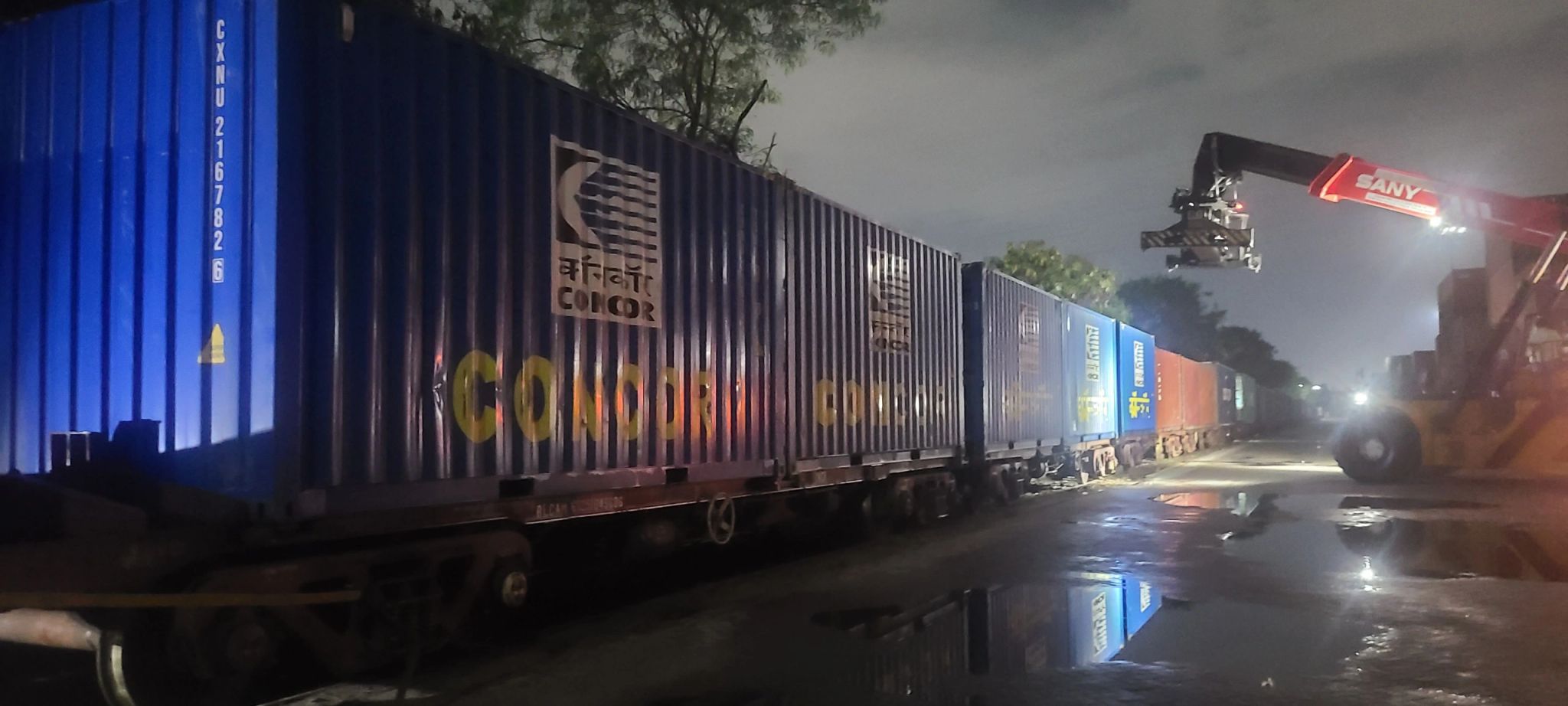
HYDERABAD: In a significant boost to India’s multimodal logistics capabilities, the Container Corporation of India (CONCOR) has achieved a major milestone by successfully facilitating the first-ever overseas movement of export-loaded containers from its Inland Container Depot (ICD) at Sanath Nagar, Hyderabad, to Ajman in the United Arab Emirates (UAE) via Jebel Ali Port.

This achievement marks the first international cargo movement using CONCOR-owned 20-foot containers from Hyderabad, reinforcing the company’s commitment to enhancing India’s trade connectivity and providing seamless logistics solutions for global exporters.

CONCOR highlighted that this success demonstrates its unwavering focus on operational excellence, customer-centric, end-to-end logistics solutions, and strengthening India’s trade competitiveness. Leveraging its robust rail network and integrated multimodal infrastructure, the company continues to play a pivotal role in empowering businesses and enabling faster, more efficient cargo movement.

Speaking on the achievement, a senior CONCOR official stated, “This milestone underscores our dedication to providing innovative, reliable, and cost-effective logistics solutions for exporters. By connecting ICD Sanath Nagar directly to global markets via Jebel Ali, we are enabling businesses in southern India to tap into new international opportunities.”

With India’s export ecosystem rapidly evolving, CONCOR’s success aligns with the government’s vision of “Make in India, Ship from India”, promoting greater ease of doing business and supporting the country’s position as a global trade hub.

Looking ahead, CONCOR aims to replicate this model across more inland depots, expanding its international footprint and ensuring faster, safer, and more sustainable cargo movement.

“Wings and Waves: Decarbonizing Aviation & Marine” Conference

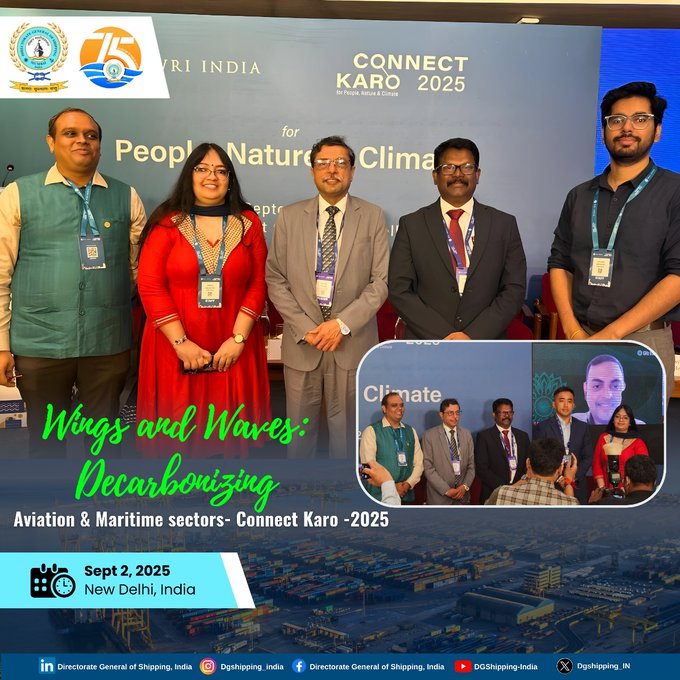
NEW DELHI : The global conference “Wings and Waves: Decarbonizing Aviation & Marine” was held on 2nd September 2025 at the India Habitat Centre, here, bringing together leaders, experts, and policymakers to deliberate on the future of sustainable fuels and strategies for reducing emissions in two of the hard-to-abate sectors — shipping and aviation. Organized by WRI India, the event featured research presentations and panel discussions on pathways to accelerate the adoption of green fuels such as ammonia, methanol, hydrogen, and sustainable aviation fuels.

The keynote address of the event was given by Shri Amitabh Kant, Ex-IAS, Former G20 Sherpa, India, and Former CEO, NITI Aayog. Representing the Directorate General of Shipping (DGS), Shri Gopikrishna C., Engineer & Ship Surveyor-cum-Deputy DG (Tech), participated in the panel on Alternative Fuels in Marine Decarbonization, alongside Shri Rajeev Nayyer, President, Institute of Marine Engineers (India), and other distinguished experts.

The event addressed critical themes such as:

  • Advancing marine decarbonization in line with India’s SDG commitments
  • Preparing for compliance with new IMO regulations and strategies
  • Developing port and bunkering infrastructure to enable a smooth transition to alternative marine fuels

During the panel discussions, Shri Gopikrishna highlighted the Green Shipping initiatives undertaken by DGS/MoPSW towards the formulation of the National Green Shipping Policy, Future Fuel Strategy, IOCE SMART, SBFA 2.0, and Ship Recycling Credit Note towards the sustainable development of Green Shipping in alignment with MIV 2030 and MAKV 2047. India’s commitment to sustainable shipping through innovation, global partnerships, and regulatory readiness — aligning with both international climate goals and national commitments — was also discussed.

Chief of the Naval Staff visits the National Maritime Heritage Complex (NMHC) at Lothal, Gujarat

Gz96eOOXYAAeb4J Chief of the Naval Staff visits the National Maritime Heritage Complex (NMHC) at Lothal, Gujarat

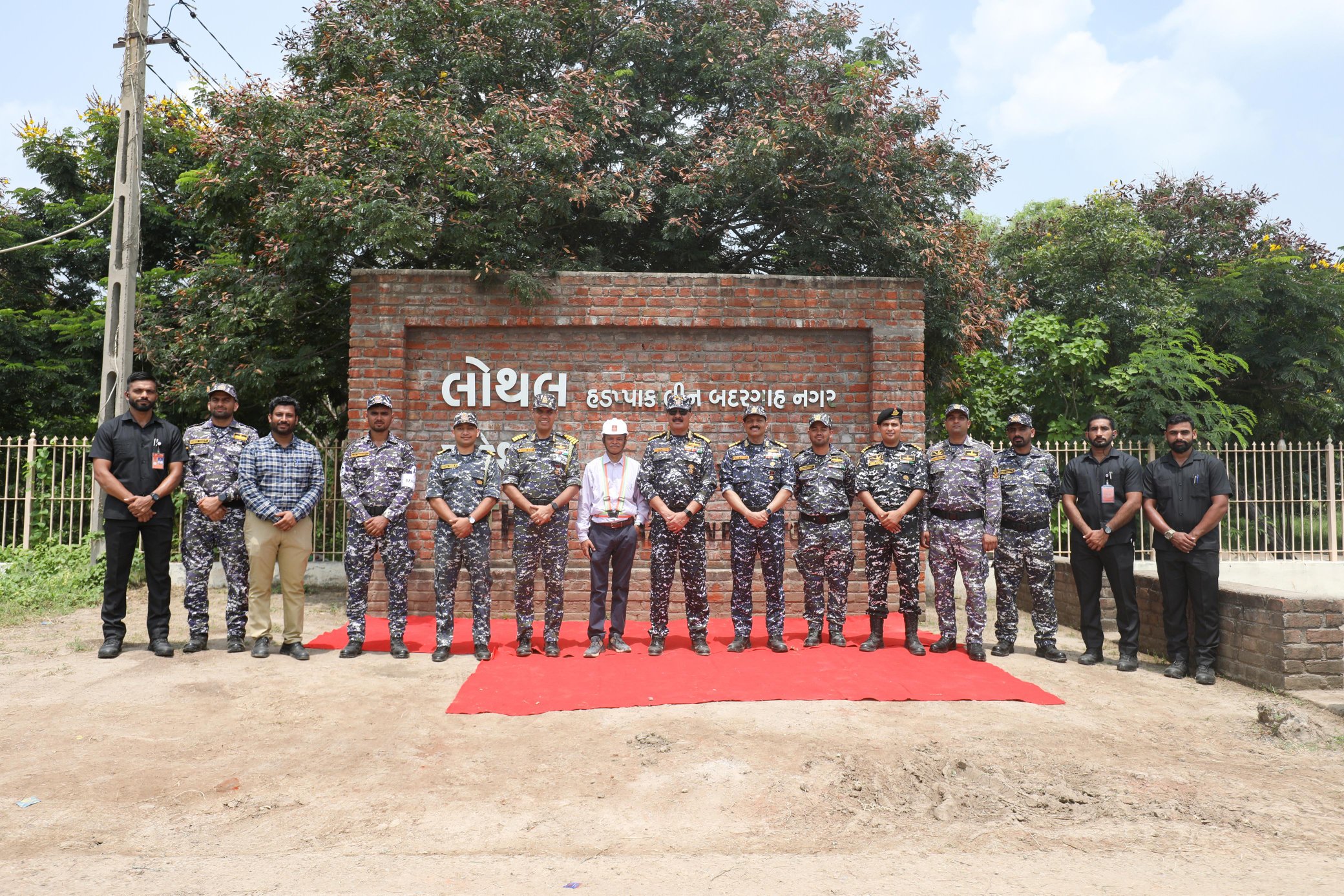
LOTHAL : Adm Dinesh K Tripathi, Chief of the Naval Staff, visited the National Maritime Heritage Complex (NMHC) at Lothal, Gujarat, on 03 Sep 2025. The visit included a comprehensive tour of the NMHC, a visit to key naval exhibits and heritage artefacts, a review of construction progress, interaction with project stakeholders, and a visit to the Varuna Naval Complex.

CNS also visited the historic archaeological site at Lothal, reaffirming the Indian Navy’s connection to India’s rich maritime heritage.

The NMHC at Lothal is a landmark project being developed by the Ministry of Ports, Shipping, and Waterways, with the support of the Government of Gujarat and the contribution of the Indian Navy. Spread over 400 acres, it will be one of the largest maritime museums in the world. The project aims to showcase India’s rich seafaring legacy and its naval evolution, with immersive galleries including one dedicated to the evolution of the Indian Navy.

During his visit, CNS was given a walkthrough tour of the warship Nishank, the IL-38 SD Maritime Reconnaissance aircraft, Naval helicopters including the UH-3H, deck-based fighter aircraft Sea Harrier, and a range of naval artefacts such as AK-176 GM, 4.5-inch GM, ZIF 101 SAM Launcher. Heavy artefacts on display include missile models (P-21, BrahMos), engine models (ICE, GT), Underwater Chariot, and Sea Eagle missile system.

CNS was briefed by RAdm Sathish Vasudev, Flag Officer Commanding Gujarat, Daman and Diu Naval Area, along with Cdr Ranjot Singh, Officer-in-Charge, NMHC Lothal, on the progress of Phase 1A, which is expected to be completed by the end of 2025.

Gz96d6QWQAEbNdg Chief of the Naval Staff visits the National Maritime Heritage Complex (NMHC) at Lothal, Gujarat

The CNS also visited the newly constructed Varuna Naval Complex, built by the Indian Navy as an administrative and residential facility at the NMHC site. The Naval personnel stationed there will closely monitor the project’s progress and maintain the Naval artefacts. He met with the senior officials associated with the ongoing project including Commodore Doraibabu, Deputy Director, Maritime Heritage Society (MHS), and representatives of Indian Ports Rail and Ropeways Corporation Limited (IPRCL) and Tata Projects Limited. Describing NMHC as a “living testimony to India’s maritime past, present, and future”, CNS commended the synergy between the Navy and stakeholders, praised their efforts, and encouraged the team to maintain momentum.

CNS also visited the Archaeological Survey of India (ASI) site at Lothal, which is renowned for its ancient dockyard, bead workshops, and maritime trade links with Mesopotamia and Egypt dating back nearly 4,000 years. He emphasised that Lothal’s maritime legacy continues to inspire the Indian Navy’s vision in the 21st century.

US expert advises Trump to scrap 50% tariffs and apologise to India, praises Modi’s ‘pretty smart’ balancing act

NEW DELHI : A prominent American expert has urged President Donald Trump to roll back the steep tariffs on India, cut them to zero and “apologise” to New Delhi, while describing Prime Minister Shri Narendra Modi as “pretty smart” in managing ties with Washington, Moscow and Beijing.

Edward Price, an adjunct professor at New York University, told news agency ANI that India holds a “deciding” vote in shaping the 21st century and warned that Donald Trump’s tariff policy is jeopardising Washington’s most important partnership.

“I consider the partnership between India and the US as the most crucial 21st-century partnership. This partnership will decide what happens between China and Russia. India has the deciding vote in the 21st century… I can’t for the life of me understand why the President of the US, in confrontation with China and in a war with Russia, then imposes 50% tariffs on India,” he said.

“We need to remove the 50% tariff on India and get it down to something far more reasonable, I suggest zero per cent and apologise,” he added. Edward Price also praised PM Modi’s handling of global power rivalries, noting that he has signalled India’s options without fully aligning with Beijing or Moscow.

“PM Modi is being pretty smart. He is reminding the Americans, reminding people like me, that he has options, but he’s not fully embraced China and Russia and is not attending the military parade, for example,” Edward Price said.

The professor stressed that India would not fall into Beijing’s orbit, pointing to its independent foreign policy, as he asserted, “India is an independently minded sovereign with its own civilisation. It makes its own choices. There’s no way India is going to permanently put its feet on one side or the other.”

Donald Trump’s tariffs on India, which include a 25 per cent reciprocal duty on Indian goods combined with an additional 25 per cent levy linked to New Delhi’s purchase of Russian crude, rank among the steepest in the world. The US President has accused India of “fueling Russia’s deadly attacks on Ukraine” while at the same time declining to impose stronger sanctions on Moscow itself.

On Truth Social this week, Donald Trump described the trade relationship as a “one-sided disaster”, insisting that India had offered to slash tariffs on US goods too late. “They sell us massive amounts of goods, their biggest ‘client,’ but we sell them very little,” he wrote.

But Edward Price warned that Donald Trump’s tariff offensive could damage long-term strategic cooperation between the world’s two largest democracies, saying, “India has the deciding vote in the 21st century. Alienating it now makes no sense.”

India set for record cotton buying as imports, US tariffs hit prices

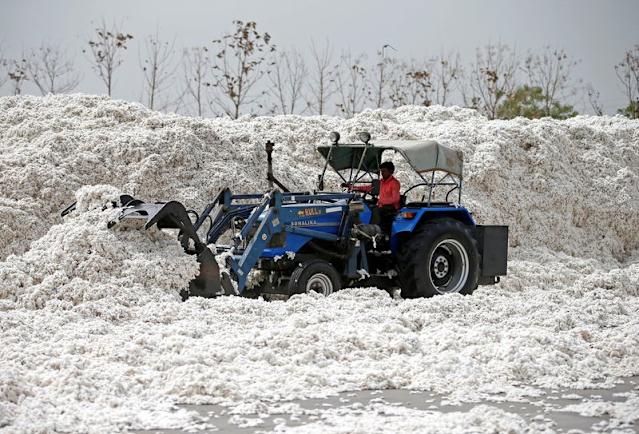
NEW DELHI : India is expected to purchase a record volume of cotton from farmers in the upcoming season, as domestic prices face pressure from cheaper imports and weakening demand following hefty U.S. tariffs on textile exports, industry officials told .

Cotton consumption in the world’s second-largest producer has slowed, with exporters reporting a sharp decline in orders from the United States, which accounts for nearly 29% of India’s $38 billion in annual textile exports.

“Demand has slowed down, and that’s hurting the industry. In this kind of market, farmers are unlikely to get the promised support price for their cotton,” Atul Ganatra, president of the Cotton Association of India, told .

The government will have to step in and buy a record amount of cotton – maybe around 14 million bales, Ganatra said.

India has raised the price at which it will buy new-season cotton from domestic farmers by 7.8% to 8,110 rupees per 100 kg, but local market prices are hovering around 7,000 rupees.

Prices are expected to come under pressure from next month due to rising supplies from the new season’s crop and the arrival of cheaper imported cotton, said Pradeep Jain, a ginner based in Jalgaon in the western state of Maharashtra.

Last week, India extended an import duty exemption on cotton by three months, until the end of December.

Farmers usually sell their crop to the state-run Cotton Corporation of India (CCI) whenever prices fall below the government-set floor price.

In the 2024/25 marketing year, which ends this month, CCI spent a record 374.36 billion rupees to buy 10 million bales from farmers.

“There is no limit or target for buying cotton from farmers in the new season. We will buy the entire quantity that farmers bring to CCI,” Lalit Kumar Gupta, managing director of CCI told .

The CCI is planning to increase the number of procurement centres by 10% to 550 in the new season and has the capacity to purchase more than 20 million bales, Gupta said.

In December quarter, India could import more than 2 million bales, said a New Delhi-based dealer with a global trade house.

“Imported cotton is not only cheaper but also better in quality. So, textile mills will be busy using it even when local supply is at its peak, which will push down domestic prices,” the dealer said.

Source : Reuters

GSF and FIATA Reissue ICS2 Data Guidance as final milestone reached

LONDON/GENEVA : The European Union’s advance cargo information system, ICS2, has been fully implemented from 1st September with notifications for all shipments entering or transiting the EU Customs Territory by truck or train now mandatory. This completes the 5-year roll-out of the ICS2 system that was first introduced for air cargo in 2021, and for sea transport during 2024.
 
With this major milestone, GSF and FIATA have updated and reissued their joint guidance to shippers and forwarders on the quality of data required to be submitted in order to meet the demanding standards of EU Customs authorities and avoid delays and possible penalties for non-compliance.
 
The GSF/FIATA Guidance Note on Data Quality and Information Exchange Requirements for the ICS2 Regime sets out the detailed information that shippers of goods need to provide their forwarder or contracted carrier for each consignment destined for the countries in the EU Customs Territory, which consists of the 27 EU member states plus Switzerland, Norway and Northern Ireland.
 
The carrier or forwarder is responsible for submitting this information in the form of a partial or full Entry Summary Declaration (ENS) by a specified time prior to loading the goods on an aircraft or ship, or arrival at the EUCT border on a truck or train. However, the level of detail required for each item in a shipment will normally only be known to the original shipper and close co-operation between shippers and forwarders is necessary to ensure that timely, accurate and complete information is submitted in accordance with the ICS2 deadlines.
 
Failure to meet the deadlines or provide the required information in the correct format at the right level of detail will result in delays and possible penalties for non-compliance. The GSF/FIATA guidance includes separate checklists for shippers and forwarders itemising the actions each party should take to ensure the ICS2 requirements can be met.
 
James Hookham, Secretary General of the Global Shippers Forum said: “Upgrading and interconnecting the data systems of EU Customs authorities and establishing and testing the connections for thousands of carriers, forwarders, and Customs agents has been a major undertaking over the past 5 years. But from 1 September the focus has switched from technology to data quality as ICS2 submissions became mandatory across all modes of transport”.
 
“Although ICS2 is a “Brussels” regulation it has a big impact on shippers outside the European Union. Freight forwarders acting for shippers will be requesting more detailed information than was necessary in the past. Our joint guidance with FIATA aims to demystify the ICS2 data requirements and help the right quality of data to be provided to avoid delays and frustrations for exporters to the EU Customs Territory”.
 
Dr Stéphane Graber, Director General of FIATA said: “Freight forwarders are the vital link between shippers and carriers, and with ICS2 now fully implemented, their role in ensuring the secure, accurate and timely submission of data has never been more important. By conducting multiple filing, forwarders provide original data from the source at the earliest opportunity while protecting sensitive commercial information and reinforcing trust in the supply chain. The success of ICS2 ultimately depends on close collaboration between all commercial parties to ensure complete and compliant data. This updated guidance developed by FIATA and GSF offers practical support to shippers and forwarders in meeting their responsibilities and avoiding costly disruptions.”

About FIATA
FIATA International Federation of Freight Forwarders Associations is a non-governmental, membership-based organisation representing freight forwarders in some 150 territories. FIATA’s membership is composed of 111 Associations Members and more than 6,000 Individual Members, overall representing an industry of over 40,000 freight forwarding and logistics firms worldwide. Based in Geneva, FIATA is ‘the global voice of freight logistics’.