Home Blog Page 71

ONE and ClassNK launch Research to Quantify Roll Damping Tank Effectiveness on Large Container Ships

SINGAPORE: Ocean Network Express Pte. Ltd. (“ONE”) and Nippon Kaiji Kyokai (“ClassNK”) have launched a joint research project to evaluate the effectiveness of roll damping tanks (“RDTs”) on large container ships. ONE will provide onboard measurement data from its vessels, which ClassNK will analyze alongside numerical simulations to assess roll reduction performance under actual operating conditions.

Through the analysis of onboard measurement data and numerical simulations, the research aims to provide practical insights into the performance of RDTs, and better understand their effectiveness in full-scale operations. By optimizing RDTs performance, ONE and ClassNK aim to further enhance cargo safety and transit reliability, ensuring a more resilient and stable supply chain for its customers worldwide.

ONE Class NK 1 ONE and ClassNK launch Research to Quantify Roll Damping Tank Effectiveness on Large Container Ships

About RDTs and Their Growing Use on Container Ships
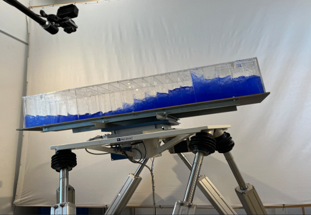
RDTs are designed to reduce a ship’s rolling motion through the controlled movement of liquid within a tank. Long established on passenger ships, research vessels, and other specialized vessels, their application to container ships has increased in recent years.

Roll reduction matters for large container ships as excessive rolling can increase the forces acting on containers and their securing systems. Effective roll reduction can support safer vessel operation and cargo transportation, and can allow more efficient stowage and improved operational flexibility.

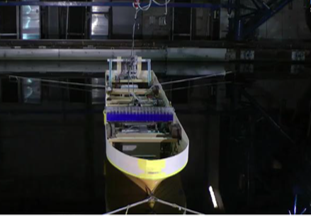
Despite the growing application of RDTs to container ships, their roll reduction performance on large container ships has primarily been evaluated through model tests and numerical simulations. Full-scale verification based on onboard measurements under actual operating and sea conditions remains limited.

To help address this gap, ONE, one of the world’s leading liner shipping companies, will provide operational data collected from vessels in its fleet, while ClassNK will apply its extensive experience in testing, numerical simulation, and technical analysis to evaluate the data. Through this collaboration, ONE and ClassNK aim to build a clearer understanding of RDT performance on large container ships under real-world operating conditions.

Kumi Miyashita, Corporate Officer, ClassNK, says, “We are pleased to work with ONE to verify the effectiveness of RDTs based on data obtained from actual vessel operations. Through the combination of full-scale measurement data and numerical analysis, we aim to contribute to safer and more efficient vessel operations by establishing a reliable basis for evaluating RDT performance under actual operating and sea conditions.”

Masaharu Urabe, Vice President of Global Vessel Operations, Ocean Network Express, says, “We are pleased to collaborate with ClassNK on this important research initiative. By combining ONE’s onboard operational data with ClassNK’s advanced technical analysis, we aim to establish a practical methodology for quantifying the effectiveness of RDTs under actual operating conditions. We believe that the knowledge gained through this research will further enhance the safety of our vessel operations while contributing to improved container stowage efficiency and loading capability.”

Shaping a Safer Maritime Future
ONE and ClassNK will continue to share operational data and technical expertise to drive innovation and contribute to a safer, more reliable, and more efficient future for container shipping and the broader maritime industry.

Asia’s maritime community to take centre stage at upcoming WISTA 2026

KUALA LUMPUR: The strength, dynamism and diversity of Asia’s buoyant maritime community will be evident at the 2026 WISTA AGM and Conference gathering in Kuala Lumpur later this month, as industry leaders, experts, policy makers and professionals gather to sustain progressive change across shipping.
 
Co-hosted by WISTA Malaysia, WISTA Singapore and WISTA Hong Kong SAR China, the three-day event will take place from 28-30 October under the theme Bridging Borders, Driving Change: Asia Shaping the Future of Maritime and Trade.
 
Leveraging Asia’s position as a connector, catalyst and hub for innovation, conference proceedings have been curated to drive forward key maritime industry conversations regarding sustainability, technology and inclusive leadership.

Elpi Petraki President of WISTA International Asia’s maritime community to take centre stage at upcoming WISTA 2026

Elpi Petraki, President of WISTA International, said: “The WISTA International AGM and Conference provides an important opportunity for the maritime community to come together to address some of the key challenges facing our industry, while continuing to advance gender diversity and inclusion across the shipping, logistics and trading sectors. This year’s conference comes at a particularly significant time, as the industry faces a period of considerable change that will shape its direction.
 
“As the world’s largest maritime market, Asia has a vital role to play in defining the next chapter, and I am delighted to welcome WISTA 2026 delegates, speakers and guests to the region on behalf of the three National WISTA Associations who have joined forces to co-host the event. Collaboration is at the heart of WISTA, and our conference will provide a valuable platform to share perspectives, exchange ideas and strengthen connections as we explore Asia’s growing influence on shipping and global trade.”   
 
Those attending this year’s conference will hear from a distinguished line-up of experts, with highlights including a ‘fireside chat’ with Thomas Kazakos, Secretary General of the International Chamber of Shipping (ICS). Attractions also include a high-impact panel discussion on Leadership Shaping the Future of Maritime in Asia, and a timely discussion on Building an Inclusive and Future-Ready Maritime Workforce featuring Mariana Noceti, Programme Officer at the International Maritime Organization (IMO) and Helio Vicente, Director of Employment Affairs at ICS. Other panel sessions will explore Connecting Ships, Ports and Global Trade and Building a Resilient Maritime Economy Through Global Partnerships.
 
For the first time delegates will hear from female seafarers, in a focused session on Women at Sea that will celebrate the evolution of women’s participation in the maritime profession and provide practical insights into how to address future workforce challenges.
 
Alongside industry-focused discussions, the conference will also highlight the wider social and environmental aspect of the maritime sector. A guest presentation from Michelle de la Harpe, Founder of Meraki Daat, will explore ocean conservation, community empowerment, women-led initiatives and sustainability through work with coastal communities in Sabah.
 
In a joint statement, WISTA Hong Kong SAR China President, Isabel Tse, WISTA Malaysia President, Reshma Yusuf and WISTA Singapore President, Yukie Teo, said: “We are honoured to be hosting the 2026 WISTA International AGM and Conference and to be delivering a thought-provoking programme that showcases the strength, diversity and dynamism of the region’s maritime community. The WISTA International Conference provides a wonderful opportunity for industry professionals to connect and build lasting relationships, and we look forward to welcoming delegates from around the world to Kuala Lumpur later this month.”
 
The full agenda for the 2026 WISTA AGM and Conference can be viewed here.
 

Yemen Government forces report recapture of Mocha from Houthis

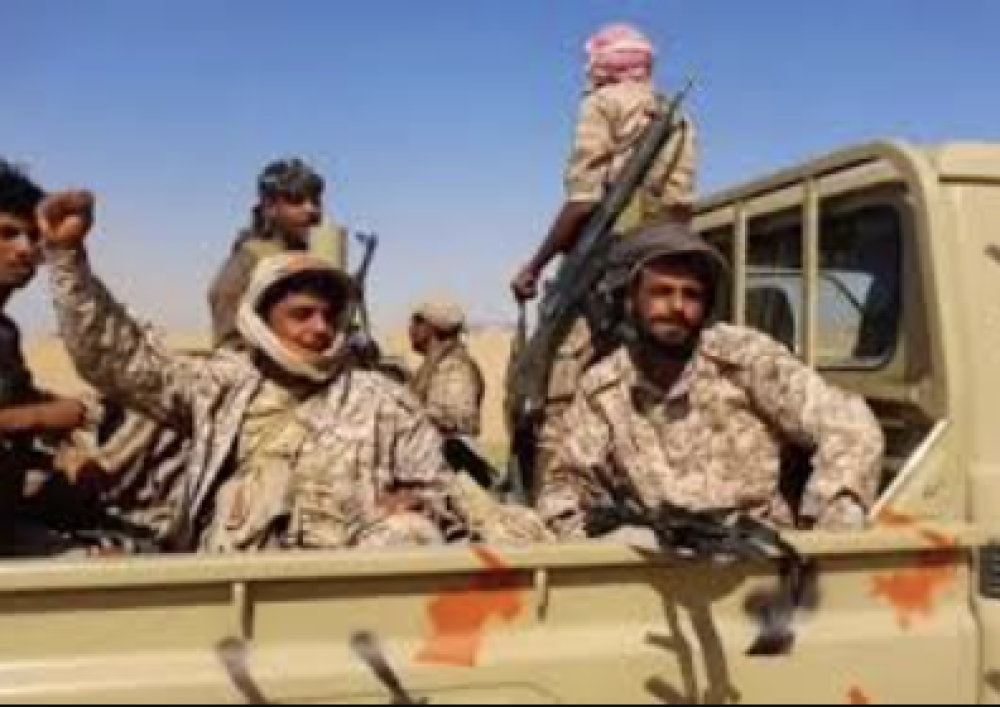
SANAA: Yemen Government forces have reported that they have retaken the strategic port city of Mocha as they pursue a major counteroffensive against the Houthis.

The internationally -recognised government’s military said on Monday that it had also retaken control of key positions near the Bab al-Mandeb Strait, as it seeks to oust the Iran-aligned Houthis from control of the strategic waterway – a key route for global energy supplies. A “strategic offensive” has also been launched on Yemen’s capital Sanaa, it added.

The military said on social media that fighting took place across several fronts near Mocha, leaving a number of Houthi fighters dead and wounded.

Several Houthi fighters were captured, military sources said, without specifying the number of casualties.

Amid the United States and Israel’s war on Iran and the closure of the Strait of Hormuz, the Houthis have relaunched hostilities with the Saudi Arabia-backed Yemeni government.

In a rapid offensive in September, the group captured Mocha in western Taiz governorate, and then territory around the Bab al-Mandeb Strait.

Earlier on Monday, Yemeni government forces said they had reclaimed control of the governorate’s Dhubab district and key positions near the strait, as well as launching a “strategic offensive” on Sanaa. The Houthis have controlled the Yemeni capital and much of Yemen’s populous northwest since 2014.

“Forces from the Homeland Shield Forces and the Giants Brigades carried out a large-scale military operation with air cover targeting Houthi militia positions and movements in several areas of the district,” Yemen’s Saudi-backed military said in a statement carried by the government-aligned news agency Saba regarding the fighting in Dhubab.

“During the operation, they advanced and seized important positions – cutting off supply lines and roads leading to Bab al-Mandeb,” an unnamed army source told Saba.

The Houthis, also known as Ansar Allah or Supporters of God in Arabic, lost many fighters and several others were wounded in the clashes, with military equipment destroyed or damaged, according to the source.

Government forces are “continuing to comb and secure the liberated areas and cut off supply routes to the Houthi terrorist militia”, Saba reported.

Shortly afterwards, the Saudi-led military coalition backing the Yemeni government reported that it had launched an air campaign against the Houthis.

Coalition spokesman Major General Turki al-Maliki said 100 fighter jets were providing support to the Yemeni forces.

He said the coalition has secured “air protection” of the Bab el-Mandeb Strait and destroyed hundreds of Houthi targets.

Al Jazeera could not independently verify the battlefield reports.

Yemen has been at war since the Houthis seized Sanaa in central Yemen over a decade ago, forcing the government to retreat to the southern port city of Aden.

The war escalated after a fragile truce struck between the government and the Houthis in 2022 collapsed in July.

In mid-September, the Houthis swept across parts of western Yemen, seizing Mocha and key strategic islands in the Bab al-Mandeb Strait. The move choked off an additional key global oil passageway as Iran maintained a blockade on the Strait of Hormuz.

Since then, anti-Houthi forces have largely stabilised the front lines.

On Sunday, ⁠⁠⁠⁠Rashad al-Alimi, the chairman of ⁠⁠⁠⁠Yemen’s Presidential Leadership Council, the executive body of the internationally recognised government, announced the start of military operations to retake the ⁠⁠⁠⁠remaining territory held by ⁠⁠⁠⁠the Houthis.

The battlefield reports come as Pakistani Deputy Prime Minister Ishaq Dar, who also serves as foreign minister, arrived in Saudi Arabia for a meeting with Saudi and Turkish officials under their new defence pact, the Mecca Joint Defence Agreement.

Pakistani Defence Minister Khawaja Asif and military chief Asim Munir were accompanying Dar at Monday’s talks in Riyadh with their counterparts from Saudi Arabia and Turkiye, the Pakistani Ministry of Foreign Affairs said in a statement on X.

Saudi Arabia, Turkiye and Pakistan signed the agreement on August 7 to strengthen collective deterrence and expand defence cooperation in the region. The pact stipulates that an attack on one of the three countries is considered an attack on all.

GEODIS places an order for 110 new electric heavy-duty trucks

PARIS: GEODIS has signed a firm order for 110 44-tonne electric trucks intended for its European road transport operations, with delivery expected by May 2027. This order illustrates GEODIS’s commitment to accelerating the electrification of its fleet.

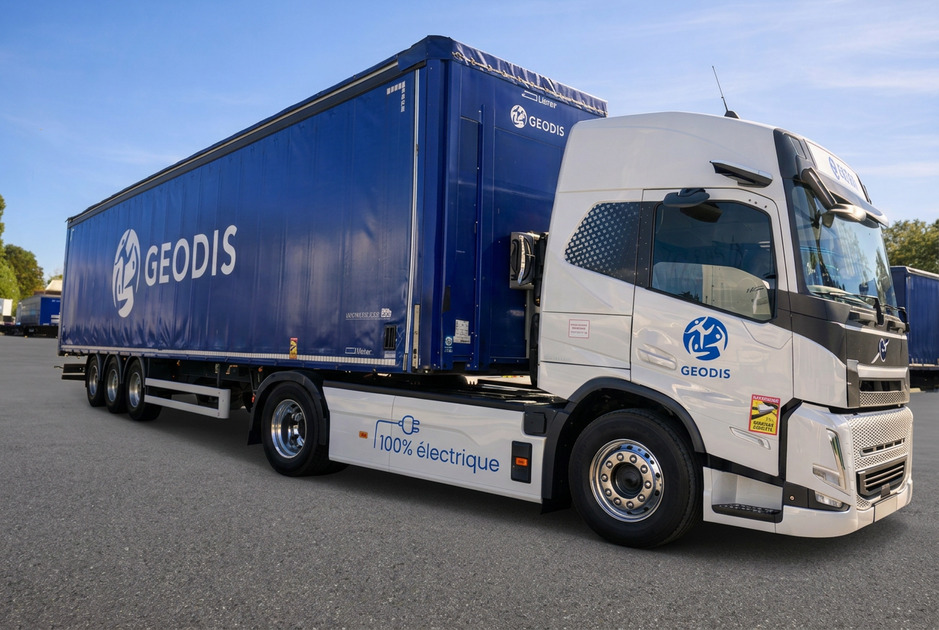
GEODIS, a world leader in transport and logistics, announces the acquisition of 110 electric trucks for its European road transport operations. This order of 44-ton heavy-duty trucks developed by Renault Trucks and Volvo Trucks will be delivered by May 2027. These new trucks will be dedicated to transport operations in France, both for urban deliveries and long-distance transport. The GEODIS European Road Network activity electric truck fleet will reach 190 vehicles.

To support the operation of this fleet and optimize territorial coverage, GEODIS is developing electric corridors along the main French routes, enabling charging every 250 to 500 kilometers. To achieve this, GEODIS relies on its current network of around sixty charging points, which will increase to more than 200 by 2030.

“The arrival of these new electric vehicles is part of a global decarbonization strategy and meets the expectations of our clients. It is a major investment for GEODIS, both in terms of fleet and infrastructure, marking our clear choice in favor of electrifying our fleet and integrating into our CO2 emission reduction trajectory validated by the Science Based Target initiative,” says Marc Vollet, Managing Director of the European Road Network at GEODIS.

True to its mission, GEODIS supports its clients by offering innovative solutions aimed at reducing GHG emissions related to transport, thereby actively contributing to the decarbonization of the sector.

deugro delivers time-critical airfreight solution for Wind Turbine Generator Production

AARHUS : To ensure uninterrupted production at a key wind turbine generator and component manufacturing facility in Germany, deugro’s Airfreight Department delivered 162 cubic meters of time-critical equipment on nine consecutive direct flights from China to Germany.

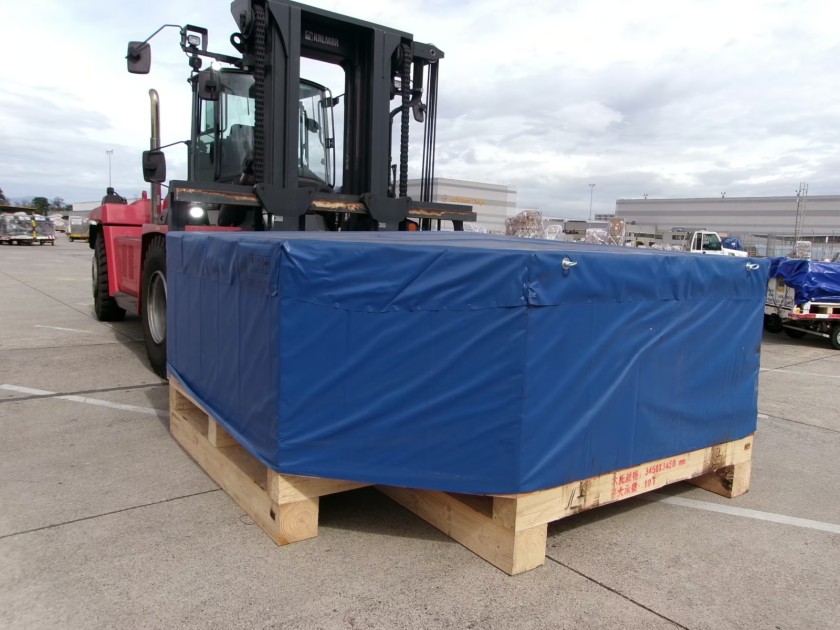
The urgent cargo contained nine Stator Pack Mach Steel units with a total weight of 74.25 metric tons. The heaviest unit weighed more than 7.5 metric tons and measured 346 x 346 x 148 cm. Due to their dimensions, the cargo units were operating close to the maximum capacity limits of commercial scheduled airfreight services, a threshold at which dedicated air charter transportation would normally be required. Through intensive negotiations and close coordination with a selected A-class carrier, deugro developed a customized transportation solution that enabled the urgent cargo to be transported on direct flights. This approach generated substantial cost savings for the client by eliminating the need for a dedicated charter aircraft.

Under the original transportation plan, three cargo units were scheduled to be shipped together on each direct flight. However, when the selected air carrier made late changes to its loading plan, the operation had to be reorganized immediately. Through close coordination with the client, the carrier and all parties involved, deugro swiftly adapted the transportation solution and redistributed the nine units across nine consecutive direct flights from Shanghai Pudong International Airport (PVG) to Frankfurt Airport (FRA), ensuring uninterrupted delivery of the time-critical shipment.

The urgent cargo units were collected at the production facility in Tianjin and transported by truck more than 1,100 kilometers to Shanghai Pudong International Airport. To ensure smooth loading and cargo handling operations, avoid storage charges, and allow sufficient time for any potential customs inspections, deugro China completed customs clearance procedures three days in advance. With the maximum loading width supported by the cargo terminal’s handling equipment limited to 350 cm, meticulous monitoring was required to ensure that the cargo dimensions, which were extremely close to this threshold, remained fully compatible with the terminal’s handling vehicles.

“Given that the cargo dimensions were extremely close to the cargo terminal’s handling limits, close coordination with the airline was essential. Our team conducted multiple site visits to verify the cargo dimensions and ensure that the shipment could be handled safely at every stage of the airport operations,” said Tom Ou Yang, Head of Airfreight at deugro China.

“As the cargo dimensions were at the absolute limit of what the airline would accept, close coordination between deugro’s local teams at both origin and destination was critical throughout the operation. Any delay or lack of preparation at either end could have resulted in significant storage charges for the client. Through proactive communication and continuous alignment with the client, the airline, terminal operators, and our local teams, we ensured a seamless process while successfully avoiding unnecessary costs,” said Alexander Krause, Global Head of Airfreight at deugro.

“This approach enabled us to implement an efficient and cost-effective airfreight solution through a series of consecutive direct departures while securing the required airfreight capacity in a highly constrained market. At the same time, proactive communication, close coordination, and continuous negotiations by deugro’s Airfreight teams in Shanghai and Frankfurt with the airline, airport operators, and all stakeholders helped reduce storage costs at both airports to an absolute minimum, generating additional value for the client,” Krause added.

All cargo units arrived safely and according to schedule at Frankfurt Airport, ensuring their timely onward transportation by truck to the client’s manufacturing facility.

“By working closely with our client throughout the planning process, we were able to identify the most suitable solution for their specific needs. This collaborative approach allowed us to optimize both transit time and transportation costs while meeting all project requirements,” said Mia Iversen, Project Manager, deugro GWRE.

“As global wind turbine supply chains become increasingly interconnected, reliable logistics play a critical role in ensuring uninterrupted production processes. At deugro GWRE, we are committed to supporting our clients in maintaining manufacturing continuity by delivering tailored logistics solutions for time-critical cargo movements such as this one,” said Peter Ehrhorn, Director Onshore Wind & Cables, deugro GWRE.

IMO Secretary-General mourns seafarers killed during rescue of hijacked ship

While three hijacked vessels have been freed after months in captivity, five seafarers have reportedly died in the crossfire of rescue operations

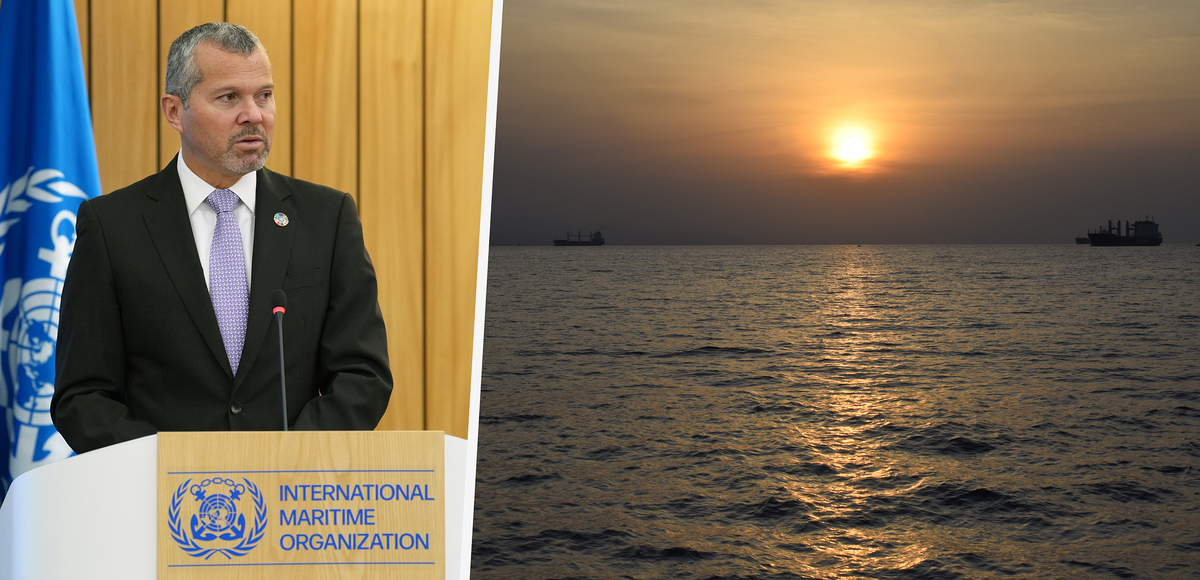
LONDON: IMO Secretary-General Arsenio Dominguez has expressed his condolences and reiterated his tireless call on the international community to do more to protect seafarers, following reports of the deaths of five crew members during an operation to free the hijacked vessel HONOUR 25 in the Gulf of Aden region.  

The HONOUR 25 was one of three vessels released this week, along with the SEAMULL (SIBU 1) and EUREKA, which were held captive by pirates and armed robbers since they were seized between April and August 2026: 

Secretary-General Dominguez said:

“It is troubling to have to make these statements so often, and even more difficult to convey in words how distressing it is continuously hear that seafarers are losing their lives simply for doing their jobs. 

I am deeply saddened to learn of the tragic loss of five seafarers during the rescue of the HONOUR 25 on 29 September, in Somali waters. I offer my heartfelt condolences to their families, friends and fellow crew members. 

Several seafarers were also seriously injured. I will keep urging all those responsible for their care and welfare to ensure they receive the treatment and support they need as they recover from this traumatic ordeal. 

Vessels and seafarers freed

“There is some relief that the remaining crew of the HONOUR 25 have been freed. The crews of two other vessels held captive in the same area – the SEAMULL (also known as SIBU 1) and the MT EUREKA – were also released during similar operations. 

I thank the Government of Somalia for their efforts in securing their release.  

In total, 44 seafarers were freed from the three vessels, and their governments are now working with the shipowners and relevant authorities to arrange their repatriation. 

We must not forget the 22 seafarers who remain in captivity onboard the ASANA, which was also taken hostage by pirates and armed robbers earlier this year. Every effort must continue to secure their safe release.”

Stop piracy

“We have come together to stop piracy in this region before. We must do it again – with renewed resolve, targeted cooperation and the required resources – because seafarers should not have to lose their lives for the service they provide for the world. The measures and best practices are there, and remain relevant, let’s focus on implementing them,” Secretary-General Dominguez stated.

He highlighted discussions he held at the United Nations General Assembly (UNGA) last week and in Brussels earlier this month, where ensuring maritime security was a key topic of shared interest.  

He called on Governments to bring new initiatives, such as the ‘Group of Friends of Safety and Security of Shipping and Seafarers’ to IMO for appropriate follow-up and stressed the importance of the EUNAVFOR Aspides and Atalanta operations for safeguarding maritime security in the Red Sea, Gulf of Aden, and Western Indian Ocean region. 

IMO actions 

IMO continues to engage with the relevant authorities, including the flag States of the vessels concerned, to support the safety and well-being of seafarers, including those who remain in captivity. 

IMO continues to strengthen the capacity of countries in the Western Indian Ocean and Gulf of Aden to boost regional maritime security through the Djibouti Code of Conduct initiative. 

IMO urges vessels operating in the region to conduct thorough security risk assessments to avoid exposing crews to avoidable dangers, and implement the Best Management Practices developed by the industry as well as relevant IMO guidance. 

Panama Canal announces New Long-term Slot Allocation Program for the Neopanamax and Panamax Locks (LoTSA)

PANAMA CITY: The Panama Canal announced a new phase of its Long-term Slot Allocation (LoTSA) program, covering the period from January 3rd to April 3 rd, 2027. The program, for the first time, reaches both sets of locks: LoTSA Neopanamax continues the program customers already know, and the new LoTSA Panamax Pilot Program extends the same opportunity to customers transiting the Panamax locks.

LoTSA is designed to give customers greater predictability when planning their operations, allowing them to secure transit slots in advance during the dry season. This option provides more certainty for scheduling itineraries and makes logistics planning easier for Canal users.

The program will be offered through sealed-bid competitions and will be backed by a specialized customer service team, dedicated to providing timely support and a smooth experience for participants.

The competition for the LoTSA Neopanamax will be held on November 17 th, 2026, while the LoTSA Panamax pilot program competition will take place on November 24 th, 2026.

The Neopanamax LoTSA program will offer 36 packages, with a total of 270 slots available (165 northbound and 105 southbound), equivalent to three daily transit slots distributed across different packages.

Meanwhile, the new pilot LoTSA program for the Panamax locks will offer 51 packages, for a total of 288 slots (147 northbound and 141 southbound), equivalent to three daily transit slots throughout the program period under a single flexibility level. These packages will be offered through a sealed-bid competition, maintaining the same allocation mechanism, selection criteria, and tie-breaking rules used for the Neopanamax LoTSA program.

It is important to note that the remaining transit capacity is expected to continue being offered through the regular Reservation System and Auction process, as is currently the case.

With the LoTSA Neopanamax and LoTSA Panamax programs, the Panama Canal reaffirms its commitment to continuous service improvement, operational efficiency, and reliable solutions for international maritime trade.

This program is particularly relevant in the current operating environment, as the Panama Canal implements measures to ensure the sustainability of its operations in response to climatic conditions affecting water availability.

Through LoTSA, Canal customers can choose to reserve transit slots, strengthening voyage planning and enhancing the reliability of their supply chains.

SCCT welcomes Govt officials and global maritime and logistics leaders to Egypt for Transport Middle East 2026

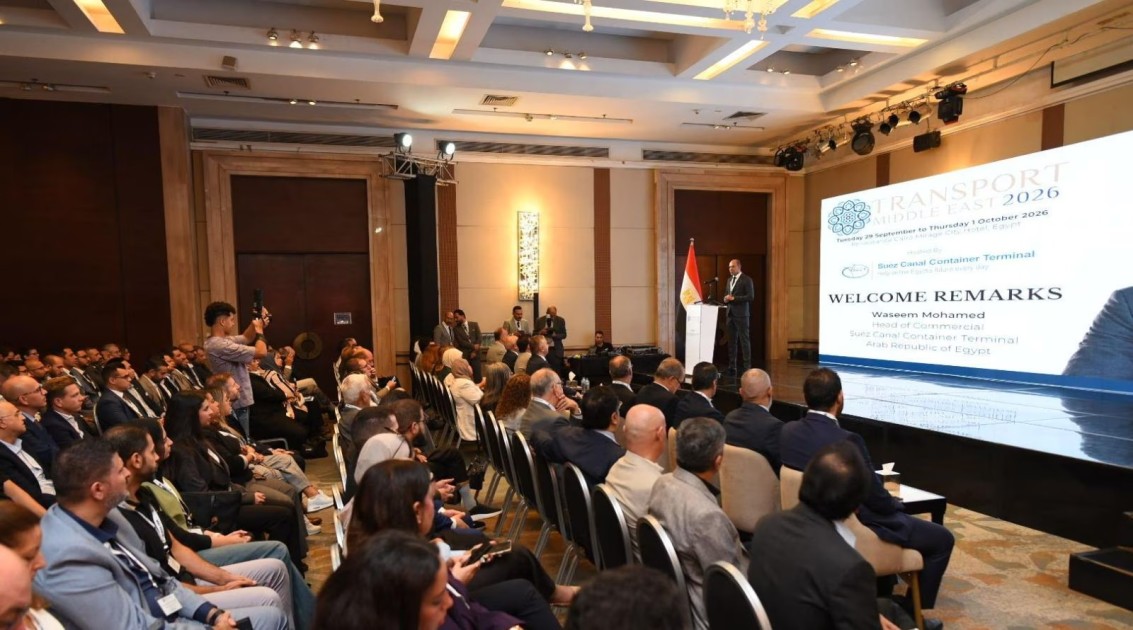
CAIRO : Suez Canal Container Terminal (SCCT) welcomed government officials, industry leaders, customers, suppliers and logistics professionals from across the Middle East, Africa, Europe and beyond as Transport Middle East 2026 officially opened in Cairo, Egypt. The three-day event brings together government officials and senior decision-makers from across the maritime, transport and logistics sectors to discuss the trends, opportunities and challenges shaping the future of global trade. Hosted by SCCT, the conference features an international programme of expert speakers, industry discussions, networking opportunities and a technical site visit. The event provides a platform for knowledge sharing and collaboration across the global supply chain, bringing together hundreds of delegates and industry representatives from around the world. The conference agenda focuses on key industry priorities, including supply chain resilience, digital transformation, smart port technologies, sustainability, maritime decarbonisation, infrastructure investment and the future of international trade.

Statement from Keld Mosgaard Christensen, Chief Executive Officer, SCCT
“Transport Middle East 2026 provides an important platform to exchange perspectives on the future of global trade and supply chains. Bringing together government officials, industry leaders and supply chain stakeholders, the event highlights the value of collaboration in addressing shared challenges and opportunities. As a strategic gateway connecting three continents, Egypt plays a vital role in enabling global commerce. Through collaboration and innovation, we can build more resilient and sustainable trade networks while advancing our vision of being the Mediterranean’s most trusted trade hub, driving Egypt’s growth and building a sustainable legacy for future generations. I would like to thank all delegates, speakers and partners for contributing to these important conversations.“

Statement from Waseem Mohamed, Head of Commercial, SCCT
“Transport Middle East 2026 creates valuable opportunities for customers, supply chain partners and industry stakeholders to connect, share insights and explore practical solutions to common challenges. Collaboration across the logistics ecosystem is essential to improving efficiency, enhancing connectivity and creating value for customers. The discussions taking place throughout the event will help strengthen partnerships and support more resilient supply chains.”As host of Transport Middle East 2026, SCCT reinforces its commitment to supporting international trade, facilitating connectivity and strengthening collaboration across the maritime and logistics community. The event also highlights Egypt’s strategic role as a global trade gateway connecting markets across three continents.

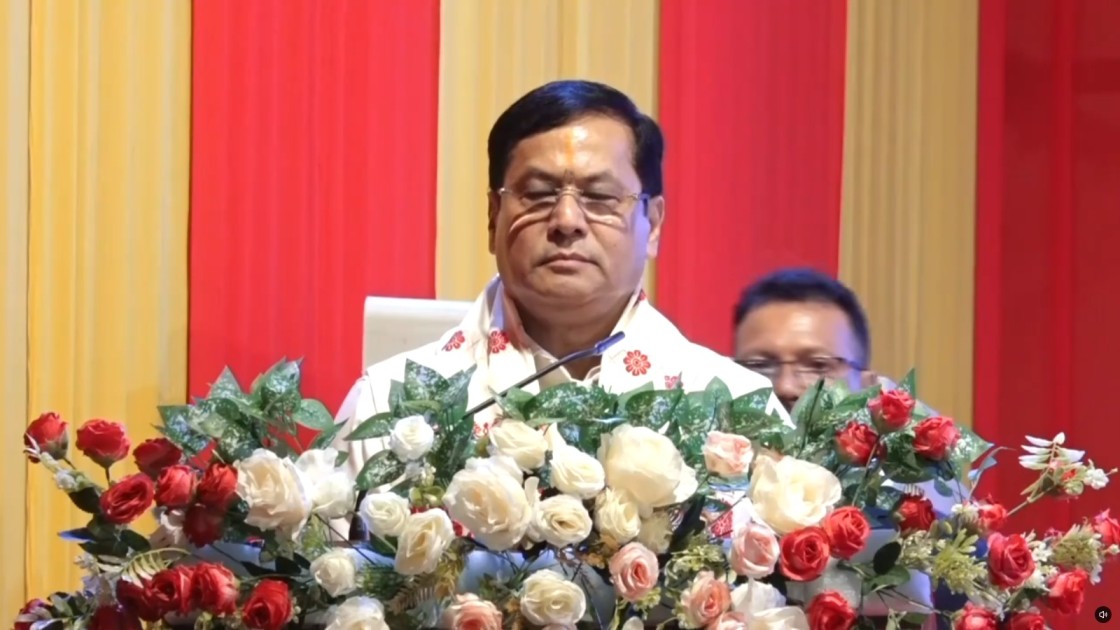
Sarbananda Sonowal to flag off first international cargo voyage from Dibrugarh today

DIBRUGARH : The Union Minister of Ports, Shipping and Waterways (MoPSW), Shri Sarbananda Sonowal, will flag off the first international cargo voyage from Dibrugarh today on, 5 October 2026, at 11:00 AM at Bogibeel Terminal, . The Chief Minister of Assam, Dr. Himanta Biswa Sarma, will join the ceremony virtually as Chief Guest.

The maiden voyage will carry methanol produced by Assam Petro-Chemicals Limited (APCL) from Bogibeel to Pangaon Port in Dhaka, Bangladesh, via National Waterway-2 (river Brahmaputra) and the Indo-Bangladesh Protocol Route (IBPR). It will be the first time since Independence that a cargo consignment sails from Dibrugarh to a foreign port.

For generations before Independence, the Brahmaputra was Upper Assam’s main link to the markets of the world, and Dibrugarh was among the region’s most important river ports. Tomorrow’s flag-off marks the return of that link, reflecting the Government’s push to develop inland waterways as a cheaper, greener and more efficient mode of transport for the Northeast.

The ceremony will be attended by Charan Boro, Minister of Transport, Government of Assam; Rameswar Teli, Minister of Labour Welfare, Government of Assam; and Bimal Borah, Minister of Industries, Commerce and Public Enterprises, Government of Assam, as Special Guests.

Presence of Terash Gowalla, Member of Parliament (Rajya Sabha); MLAs Prasanta Phukan (Dibrugarh), Chakradhar Gogoi (Khowang), Sanjoy Kishan (Makum), Suren Phukan (Digboi), Binod Hazarika (Chabua-Lahowal), Bhaskar Sharma (Margherita), Taranga Gogoi (Naharkatia) and Pulok Gohain (Tinsukia); Sushil Kumar Lohani, Chairman, Inland Waterways Authority of India (IWAI); and Bikul Ch. Deka, Chairman, APCL is also expected.

The event is being organised by the Ministry of Ports, Shipping and Waterways and IWAI, together with the Government of Assam and APCL.

The ceremony will be streamed live on IWAI’s official YouTube channel, IWAI_ShipMin. More information on iwai.gov.in and through IWAI’s official social media handles on X, LinkedIn, Instagram and Facebook.

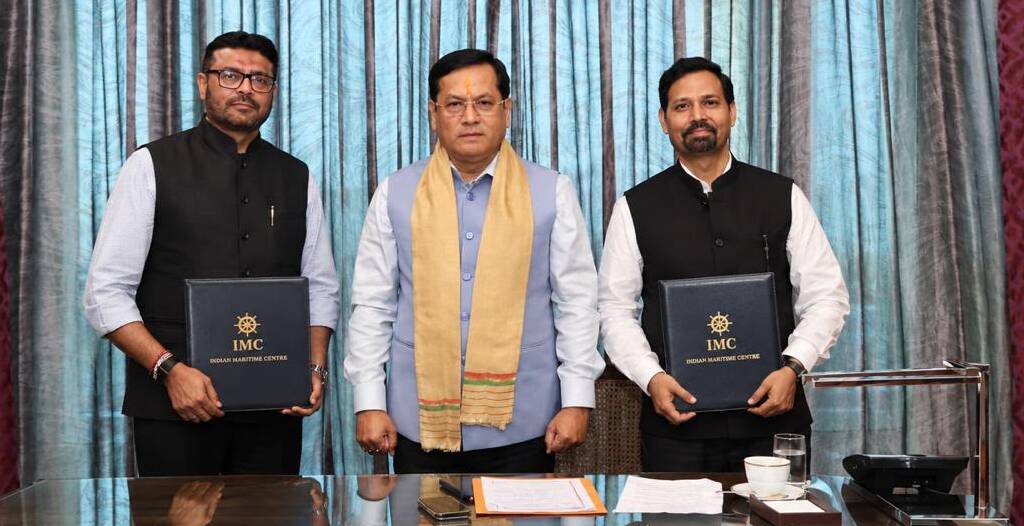
Rahul Modi takes charge as Indian Maritime Centre Chairman, sets focus on Global Maritime Partnerships

MUMBAI: Mr. Rahul Modi has formally taken charge as Chairman of the Indian Maritime Centre (IMC), marking a new phase for the apex maritime industry body as India intensifies efforts to strengthen its global maritime presence and build institutional partnerships with leading maritime nations.

Modi assumed office in Mumbai on October 2, 2026, in the presence of Shri Sarbananda Sonowal, Union Minister for Ports, Shipping and Waterways, following his election as Chairman at the 12th meeting of the IMC Board of Directors on September 22, 2026. Alongside Modi, Mr. Maneesh Pradhan was elected Vice Chairman.

Modi, who serves as President of the Coastal Container Transporters Association (CCTA) and is a member of the National Shipping Board, succeeds Mr. Devki Nandan as Chairman. Mr. Pradhan, Chairman of the Maritime Association of Ship Owners and Ship Agents (MASSA) and Chief Operating Officer of Synergy Marine Group, succeeds Mr. Shankar Shinde as Vice Chairman.

The leadership transition comes at an important juncture for the IMC, which seeks to bring together diverse stakeholders across India’s maritime ecosystem and serve as a bridge between industry and government. According to the Centre, its mandate encompasses policy formulation and advocacy, knowledge sharing, technology and international best practices, while creating a collaborative platform for India’s maritime community.

Sonowal Reviews IMC’s Progress and Future Priorities

On October 2, Minister Shri Sonowal chaired a review meeting of the Indian Maritime Centre to assess its progress, future plans and operational requirements.

The meeting brought together Mr. Rahul Modi, former Chairman Mr. Devki Nandan, Capt. Dr. Sankalp Shukla, Capt. Chandran Daniel, P.K. Mishra, CEO Capt. Tushar Pradhan and Advisor Capt. Vikas Vij, former First Director of the IMC.

A key theme of the discussions was the need for the IMC to expand its role as a facilitator of international maritime engagement, while developing structured relationships with maritime institutions and industry bodies across the world.

The discussions assume added significance as India seeks to strengthen its maritime capabilities across shipping, shipbuilding, maritime skills, technology and related services under the broader objectives of Maritime India Vision 2030 and Maritime Amrit Kaal Vision 2047.

India-Germany Maritime Cooperation Opens New Opportunities

Devki Nandan highlighted the recently signed Memorandum of Understanding between the Indian Maritime Centre and the German Maritime Centre (DMZ), describing it as an important step towards closer maritime cooperation between India and Germany.

The MoU was signed in Hamburg during SMM 2026, one of the world’s leading maritime industry exhibitions. The agreement establishes a framework for greater cooperation and knowledge exchange between the two maritime ecosystems, with areas including maritime innovation, shipbuilding, technology, sustainability and capacity building forming part of the broader cooperation agenda.

The meeting also highlighted the growing requirement in Germany for skilled maritime manpower, including professionals for defence and private shipyards, engineering facilities and seafaring positions. This could create new opportunities for India’s highly skilled maritime workforce.

Capt. Dr. Sankalp Shukla noted that Germany, Japan and Singapore have shown interest in greater cooperation with India. He emphasised that the IMC should convert such interest into structured institutional partnerships and MoUs with leading maritime organisations.

He also proposed that India’s international maritime engagement should extend beyond manpower development to include opportunities for manufacturing and supplying marine spare parts from India, thereby creating a wider value proposition for the country’s maritime industry.

Japan Emerges as Another Strategic Maritime Partner

Capt. Vikas Vij briefed the Minister on his visit to Japan in August 2026, where he accompanied the Union Minister for Commerce and Industry and interacted with Japanese government officials and industry representatives in the presence of the Indian Ambassador in Tokyo.

The discussions covered India’s maritime development priorities, including Maritime India Vision 2030 and Maritime Amrit Kaal Vision 2047, along with opportunities for deeper India-Japan maritime cooperation.

Vij also highlighted discussions with the Japan Maritime Centre concerning potential cooperation in areas such as shipbuilding, maritime skill development and shipping trade. Dialogue has reportedly begun towards a possible institutional MoU between the two organisations.

Recognising the strategic importance of the engagement, Minister Sonowal advised the IMC to invite the Chairman of the Japan Maritime Centre to India for further discussions and explore concrete areas of collaboration.

Building India’s Global Maritime Knowledge and Skills Network

P.K. Mishra emphasised India’s considerable institutional capacity to develop and upskill its maritime workforce through the country’s network of training and educational institutions.

This capability, he noted, can become an important component of India’s international maritime partnerships, allowing the country to contribute skilled human resources while simultaneously strengthening knowledge exchange and professional development across global maritime markets.

The approach aligns closely with the IMC’s stated objective of creating a collaborative maritime ecosystem encompassing shipping and container shipping, freight forwarding, container train operations, ports and terminals, shipyards, training institutions, seafarers, regulatory bodies, transporters and other maritime professionals.

Sonowal Calls for Stronger Institutional Partnerships

Congratulating Mr. Rahul Modi on his appointment, Minister Shri Sonowal assured the Indian Maritime Centre of the Government’s support in taking forward its agenda.

The Minister stressed that the IMC should continue to function as a common platform for India’s maritime stakeholders and play a more active role in facilitating international maritime engagement.

He further advised the Centre to establish structured engagement with maritime nations and leading international organisations and to pursue institutional partnerships and MoUs that can generate tangible outcomes for India’s maritime sector.

The emphasis reflects India’s broader ambition of moving beyond participation in the global maritime ecosystem towards becoming a leading maritime nation, supported by stronger capabilities in shipping, shipbuilding, maritime services, skills, technology and international trade.

Rahul Modi Pledges to Advance IMC’s Global Maritime Role

Taking charge as Chairman, Mr. Rahul Modi assured the Minister that the IMC team would make every effort to meet the Government’s expectations and advance the Centre’s objectives.

His tenure begins at a time when India’s maritime sector is witnessing increasing international interest and when institutional cooperation is emerging as an important tool for expanding India’s footprint across global maritime markets.

With the recent India-Germany maritime cooperation, ongoing dialogue with Japan and interest from other maritime nations, the IMC under Modi’s leadership is expected to increasingly focus on converting international engagement into long-term partnerships, knowledge exchange, skill development, technology cooperation, shipbuilding opportunities and greater participation of Indian maritime enterprises in global value chains.

The leadership transition, therefore, represents more than a change at the top of the organisation. It comes with an opportunity for the Indian Maritime Centre to strengthen its role as a unifying platform for India’s maritime community and a catalyst for India’s growing engagement with the international maritime industry.