Home Blog Page 70

Dibrugarh sends first international cargo from Bogibeel to Bangladesh since Independence

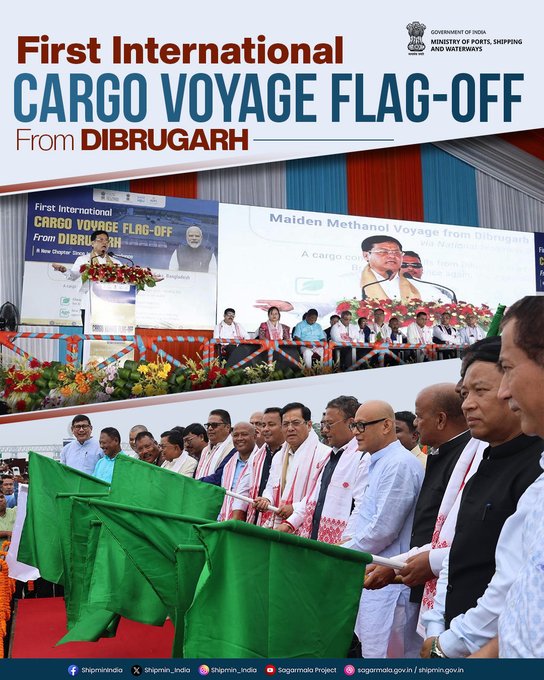
DIBRUGARH : A barge carrying 540 metric tons of methanol left Bogibeel Terminal in Dibrugarh for Dhaka, Bangladesh, here on Monday. Shri Sarbananda Sonowal, Union Minister of Ports, Shipping and Waterways (MoPSW), flagged off the vessel DLB Patkai, pushed by the tug Kushal Konwar from Bogibeel. Assam Chief Minister Dr Himanta Biswa Sarma joined the ceremony virtually. It is the first cargo shipped from the upper Assam to a foreign port since India’s independence in 1947, nearly 70 years after the town’s river ghat closed.
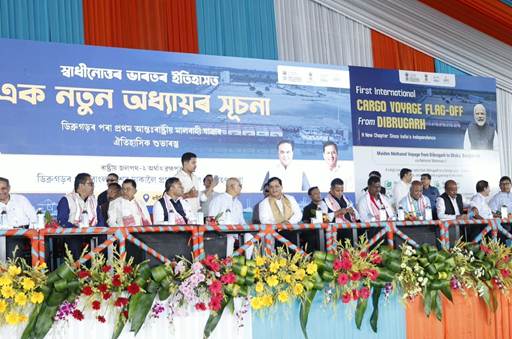
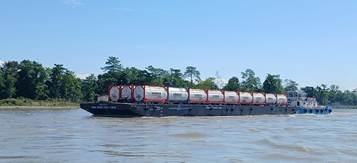
The methanol, produced by state-owned Assam Petro-Chemicals Ltd. (APCL) at Namrup, is bound for Pangaon Port in Dhaka, Bangladesh. The vessel will travel about 768 kilometres down National Waterway-2 on the Brahmaputra River in India to the Indo-Bangladesh border, then continue along the Indo-Bangladesh Protocol Route (IBPR). The vessel will cover a total distance of 1,300 kms from Bogibeel, Dibrugarh to Narayanganj, Dhaka.

The voyage is being observed as a test of whether the Brahmaputra can serve as a commercially viable freight corridor linking the Northeast to overseas markets. Regular methanol shipments to Bangladesh are planned. The shipment became possible after customs and immigration complexes were set up at Bogibeel and Dhubri recently.

“Our grandparents grew up hearing the steamer whistle at Dibrugarh Ghat. For 70 years, that whistle fell silent and the ships stopped coming,” Sonowal said. “Today, a ship leaves Dibrugarh for the world once again. The river never failed us. What it lacked for decades was the will to revive it.”

Sarma called it a proud day for Assam. “Assam’s own product, made in Namrup, is now traveling to an international market on Assam’s own river,” he said. “The Northeast is no longer a frontier. It is India’s gateway to the East.”

Sonowal said the shipment was a beginning. “This is the first voyage, not the last,” he said. “To the youth of Assam I say: Dream with this river. The world is no longer far away. It is downstream. Under Prime Minister Shri Narendra Modi, Dibrugarh, the Tea Capital of India, is reclaiming the glory it once had as a great river port. We are building it with world-class infrastructure while honouring its heritage. The steamer whistle that fell silent in 1956 is heard again,” Sonowal exclaimed.

Dibrugarh was once among the busiest river ports in eastern India. Government steamers reached the town from Calcutta, now Kolkata, by 1856. In 1882, the Dibru-Sadiya Railway began operating from the Dibrugarh steamer ghat. By 1913, steamers sailed up the Brahmaputra to the town daily, carrying tea, timber and passengers.

The 1947 partition cut that route, forcing Assam’s goods to pass through East Pakistan to reach Calcutta. A 1950 earthquake disturbed the riverbed at Dibrugarh. Regular bookings from Dibrugarh Ghat stopped in 1954, and the ghat closed on October 15, 1956, as tea shipments shifted to rail. The 1965 war between India and Pakistan suspended cross-border river trade. India and Bangladesh signed a river trade protocol in 1972. In 1988, the 891-kilometer stretch of river Brahmaputra from Sadiya to Dhubri was declared National Waterway-2. Regular cargo service on the waterway did not begin until December 2017, when cement moved from Pandu to Dhubri.

“For decades, that glory was allowed to fade. Under the leadership of Prime Minister Narendra Modi ji, we set out to give Dibrugarh back its rightful place. The Bogibeel terminal, the customs and immigration complex and fixed-schedule cargo services under ‘Jalvahak’ are giving this historic town modern amenities and world-class infrastructure. We are building for the future while reinstating the heritage that made Dibrugarh great. Today, as cargo leaves Dibrugarh for a foreign port once again, the town’s proud past and its promising future meet on the same river,” Sonowal added.

Activity on the route has grown since then. Tata Steel barges reached Pandu through Bangladesh in February 2022, and the river cruise ship MV Ganga Vilas sailed from Varanasi to Dibrugarh through Bangladesh in 2023. The Bogibeel passenger and cargo terminal, whose foundation stone was laid in July 2023, opened in February 2024. The ‘Jalvahak’ cargo incentive program launched in December 2024.

According to the Ministry of Ports, Shipping and Waterways (MoPSW), cargo on India’s national waterways rose from 18 million metric tons in fiscal 2013-14 to 218 million metric tons in 2025-26. More than 68 billion rupees (about $770 million) is being invested in waterways across the Northeast, including development of National Waterway-2, a ship repair facility at Pandu and last-mile connectivity to Pandu Port.

“Every ton we move on the river means less fuel burnt and fewer trucks on the highway,” Sonowal said. He added that India is working with Bangladesh, Nepal, Bhutan and Myanmar on regional waterway links. The voyage involved the Inland Waterways Authority of India, Assam Petro-Chemicals, Cochin Bunkers Pvt. Ltd. and partners in Bangladesh.

Assam state ministers Charan Boro, Bimal Borah and Sushanta Borgohain attended, along with Terash Gowalla, a member of the Rajya Sabha, the upper house of India’s Parliament. Also present were state legislators from the region, including Prasanta Phukan, MLA, Dibrugarh LAC and Chakradhar Gogoi, MLA, Khowang LAC. IWAI’s Chief Engineer, AK Bansal and Assam Petro-Chemicals APCL’s Chairman, Bikul Ch. Deka were also present along with officials of APCL, IWAI and Govt of Assam attended the historic event.
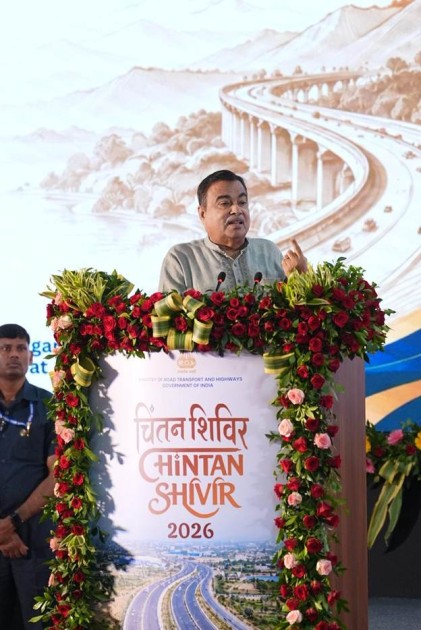
Nitin Gadkari inaugurates Chintan Shivir 2026, sets agenda for future-ready highway infrastructure

EKTA NAGAR : Union Minister for Road Transport and Highways Shri Nitin Gadkari on Monday inaugurated “Chintan Shivir 2026 – A National Conclave on Highway Infrastructure” at Tent City 2, Statue of Unity, Ekta Nagar, Narmada District, Gujarat, setting the direction for two days of focused deliberations on strengthening India’s highway infrastructure. The Chintan Shivir, being held under the motto “Gatishakti se Pragati”, brings together Transport and PWD Ministers from States, senior officials of State PWDs, implementing agencies and other stakeholders to deliberate on key issues concerning highway development, project implementation and infrastructure delivery. Minister of State for Road Transport and Highways Shri Harsh Malhotra also addressed the inaugural session.

Addressing the inaugural session, Shri Gadkari said the Chintan Shivir provides an important platform for the Centre and States to think together, share field-level experiences and work together towards practical solutions for emerging challenges in highway development. He emphasised that successful practices adopted by different States should be shared, evaluated and replicated wherever appropriate to improve project implementation and infrastructure outcomes across the country.

The Minister stressed that highway development must remain focused on quality, safety, speed and world-class standards. He called for greater emphasis on advance planning and preparedness at the Detailed Project Report (DPR) stage, including proper surveys, alignment planning, land acquisition, utility shifting and timely statutory clearances. Better preparedness at the initial stage, he said, can help minimise delays, avoid cost escalation and improve the efficiency of highway projects.

Shri Gadkari highlighted that road safety must be integrated into highway planning and project design from the beginning. Identification of accident-prone locations and incorporation of appropriate safety interventions during the planning and construction stages can contribute towards safer highways and reduction in road accidents.

Underscoring the importance of highway infrastructure for national economic growth, the Minister said modern highways should provide seamless connectivity between cities, towns, ports, markets and industrial centres. Improved connectivity supports trade, investment, employment and overall economic activity. He called for coordinated efforts by the Centre, States and implementing agencies to ensure timely delivery of infrastructure in line with the country’s growing development and mobility requirements.

he two-day Chintan Shivir will feature key thematic sessions covering PM GatiShakti and integrated infrastructure planning; Land Acquisition and Bhoomi Rashi; Model Concession Agreements and Ratings; Designing Safe Highways and Green Highways; Road Safety and Toll Reform; and Quality Assurance and Project Monitoring. The sessions are aimed at addressing implementation challenges, sharing best practices and identifying practical and replicable solutions for more efficient highway development.

The Minister also called for wider adoption of new technologies, innovative construction practices and cost-effective materials to improve quality and reduce construction and maintenance costs. He encouraged States and implementing agencies to share innovations and field-level solutions and stressed the importance of research, technology and continuous improvement in highway construction and maintenance.

Sustainability and environmental responsibility form an important component of the Chintan Shivir’s agenda. Shri Gadkari emphasised the need to promote environment-friendly construction practices and greater use of innovative and recycled materials, while ensuring appropriate measures for environmental and wildlife protection. In this context, a document on Environment & Wildlife Mitigation Measures was launched during the inaugural session.

A BRICS Compendium on Perspectives in Sustainable Transport was also launched during the session, bringing together perspectives on sustainable approaches in the transport sector and adding an international dimension to the deliberations on future-ready infrastructure.

Shri Gadkari also highlighted technology-driven reforms aimed at improving the efficiency and convenience of highway travel, including FASTag Annual Pass and Multi-Lane Free Flow (MLFF). These initiatives reflect the Ministry’s continued focus on modernising tolling systems, improving traffic movement and enhancing the overall highway user experience.

The inaugural session set the broader direction for the deliberations ahead, with the Chintan Shivir providing a platform for Centre-State dialogue, exchange of experiences and best practices, and identification of innovative and replicable solutions. The discussions over the two days will seek to strengthen project planning and monitoring, improve highway quality and safety, promote sustainable infrastructure and accelerate the delivery of future-ready highway infrastructure.

Shri Gadkari called upon all stakeholders to work collectively towards safer, high-quality and future-ready highway infrastructure, contributing to faster economic growth and stronger connectivity in line with the vision of Viksit Bharat.

DFCCIL MD Alok Tiwari reviews DFC operations, future EWDFC plans and Technology-Driven Modernisation

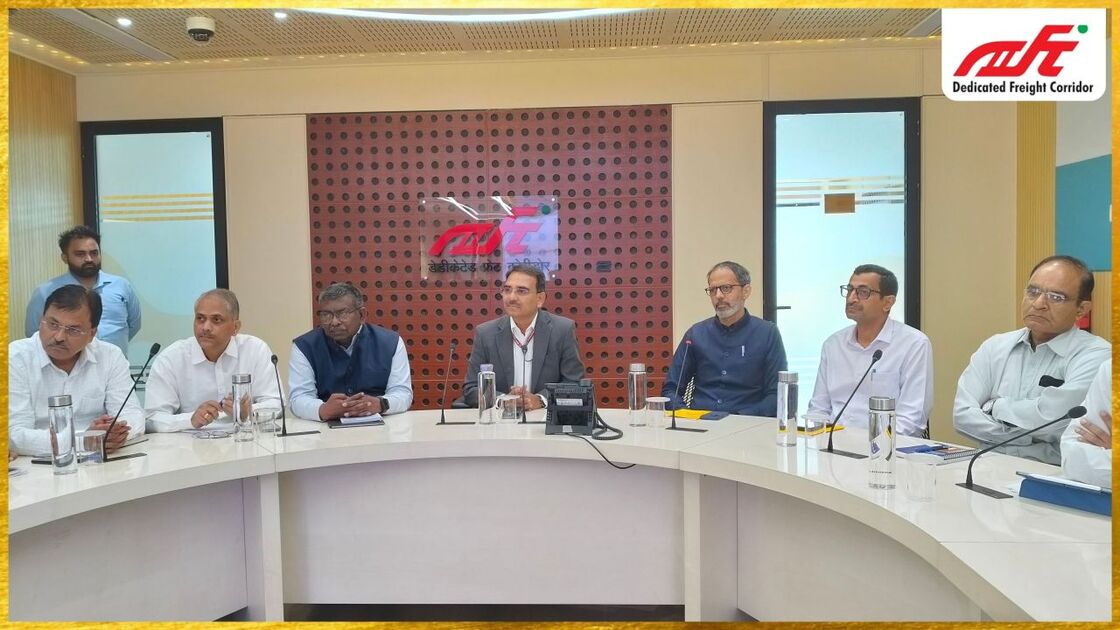
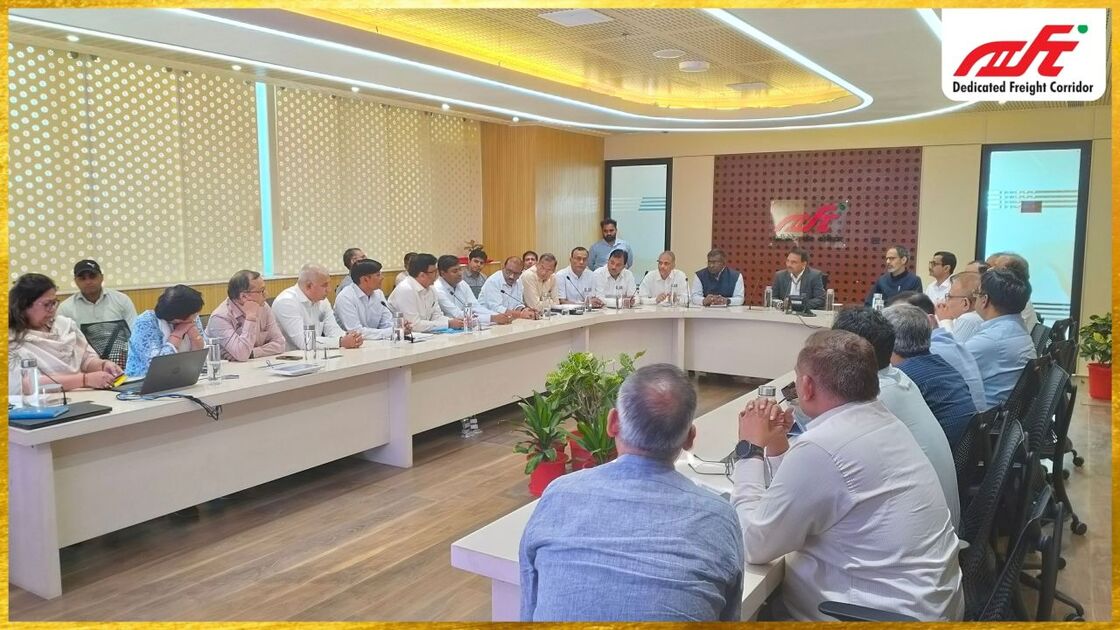
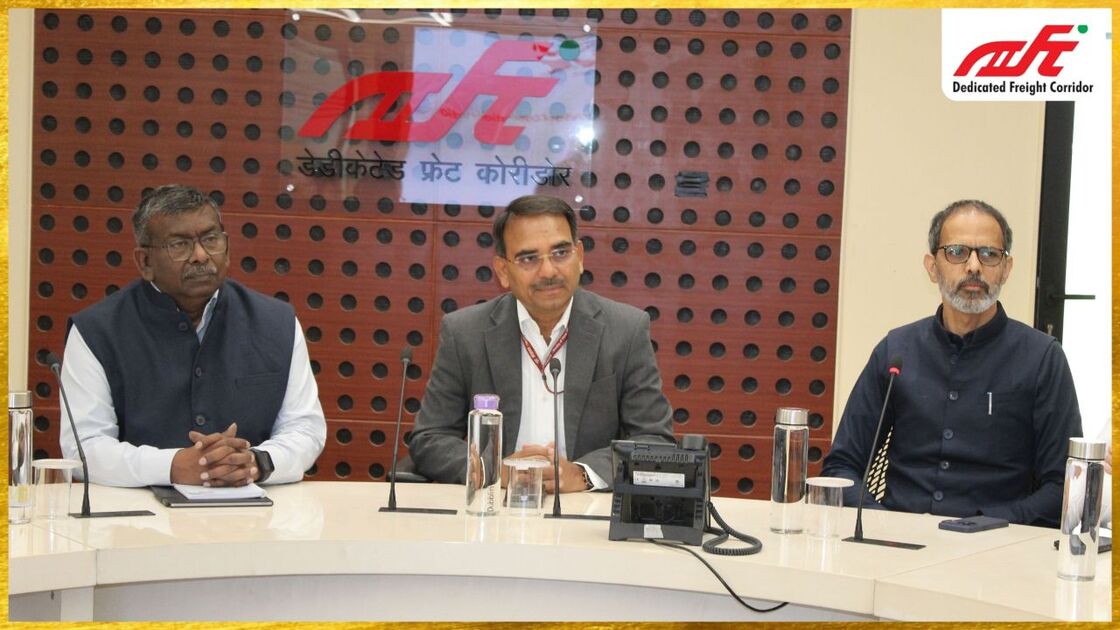
NEW DELHI : Dedicated Freight Corridor Corporation of India Limited (DFCCIL) New Managing Director Shri Alok Tiwari, IRSE, chaired a comprehensive review meeting at the organisation’s Corporate Office to assess key activities, ongoing works, operational priorities and the overall performance of the Dedicated Freight Corridor network.

The review meeting covered a wide range of critical areas, including DFC operations, construction progress, maintenance, asset reliability, safety, project execution and organisational performance. During the meeting, the MD emphasised the need for a coordinated and outcome-oriented approach across all functions, with a clear focus on enhancing operational efficiency, reliability and productivity.

Focus on New East-West Dedicated Freight Corridor

A significant part of the discussions focused on the proposed new East-West Dedicated Freight Corridor (EWDFC). The meeting reviewed the alignment of the proposed corridor and deliberated on the way forward for its planning and development.

The proposed expansion is expected to play an important role in strengthening India’s dedicated freight transportation infrastructure and improving the efficiency and reliability of long-distance freight movement.

Push for Mechanisation, Automation and AI

Technology-led modernisation emerged as another key priority during the review. The MD stressed the need for greater mechanisation and automation in maintenance activities, alongside the adoption of modern construction methodologies to improve productivity, quality and execution efficiency.

The meeting also emphasised the wider deployment of pre-cast construction solutions, which can help reduce construction timelines and improve consistency and quality.

DFCCIL also highlighted the growing role of Artificial Intelligence (AI) and digital technologies in enhancing asset performance, supporting data-driven decision-making and strengthening the overall management of DFC infrastructure.

Strengthening Digital Knowledge Repository

Another important area discussed was knowledge management and institutional memory. The MD called for the creation of a comprehensive digital repository of drawings and critical project-related data at the Corporate Office.

The proposed repository, supported by robust backup arrangements, is intended to ensure systematic preservation and easy access to important technical and project information, thereby strengthening institutional knowledge and supporting future planning, maintenance and project execution.

Emphasis on Quality, Safety and Timely Execution

During the meeting, Sh. Alok Tiwari called upon officers to maintain a strong focus on quality, cost-effectiveness, timely execution and operational excellence across all areas of DFCCIL’s activities.

He underscored the importance of leveraging technology, innovation and modern management practices to further strengthen DFCCIL’s capabilities and improve the reliability and productivity of the Dedicated Freight Corridor network.

The review reflects DFCCIL’s continued focus on combining infrastructure development with technology-driven asset management, operational efficiency and institutional strengthening, as the organisation works towards further expanding and modernising India’s dedicated freight transportation ecosystem.

CONCOR MMLP Dadri sets New Record in Reefer Container Dispatches, boosting India’s Cold-Chain Logistics

DADRI: Container Corporation of India Limited (CONCOR) has achieved a new milestone in India’s temperature-controlled logistics sector, with its Multimodal Logistics Park (MMLP) at Dadri recording its highest-ever movement of refrigerated (reefer) containers during September 2026.

According to an update shared by CONCOR, the MMLP Dadri dispatched 2,931 reefer containers in September 2026, surpassing the previous record by 350 containers. The facility also recorded 5,931 TEUs booked, marking an increase of 597 TEUs over the previous high.

The latest achievement underscores the growing importance of reliable, efficient and integrated cold-chain logistics infrastructure in supporting India’s expanding exports of temperature-sensitive commodities.

The record performance at MMLP Dadri also highlights the strategic role of rail-based multimodal logistics in facilitating the movement of refrigerated cargo over long distances. By providing an efficient connection between production and consumption centres, ports, distribution networks and export gateways, such infrastructure can help improve supply-chain reliability while supporting the movement of cargo requiring controlled temperatures.

Strong Momentum for India’s Cold-Chain Supply Chain

The substantial increase in reefer container volumes reflects the rising demand for dependable temperature-controlled transportation across sectors such as agriculture, food processing, pharmaceuticals, seafood, dairy and other perishable commodities.

For exporters, maintaining an uninterrupted cold chain from origin to destination is critical to preserving product quality, reducing wastage and meeting international market requirements. The growing utilisation of rail-connected logistics facilities such as MMLP Dadri can therefore play an important role in strengthening India’s cold-chain ecosystem.

The latest record further demonstrates CONCOR’s expanding capabilities in handling specialised cargo and providing multimodal logistics solutions tailored to the evolving requirements of Indian industry and international trade.

With 2,931 reefer containers and 5,931 TEUs handled/booked in a single month, MMLP Dadri has established a new benchmark for refrigerated cargo movement, reinforcing the significance of integrated logistics infrastructure in India’s journey towards a more efficient and export-oriented supply chain.

The milestone reflects CONCOR’s continued focus on leveraging rail and multimodal connectivity to support India’s logistics growth and strengthen the country’s position in global trade.

FIEO welcomes Swiss President’s state visit to India; sees new opportunities for Trade and Investment under India–EFTA TEPA

NEW DELHI:  The Federation of Indian Export Organisations (FIEO) has welcomed the State Visit of President of the Swiss Confederation, H E Mr Guy Parmelin, to India from October 5–7, 2026, describing the visit as an important opportunity to further strengthen India–Switzerland economic relations and deepen trade and investment cooperation.

President Parmelin is visiting India at the invitation of Prime Minister Shri Narendra Modi and is accompanied by a high-level delegation comprising senior officials and business leaders. The visit assumes particular significance as it coincides with the 2nd India–EFTA Prosperity Summit on October 7, 2026, marking the first anniversary of the India–EFTA Trade and Economic Partnership Agreement (TEPA) coming into force.

Commenting on the visit, Mr S C Ralhan, President, FIEO, said: “The State Visit of President Guy Parmelin comes at an opportune moment as India and EFTA complete the first year of the India–EFTA Trade and Economic Partnership Agreement. Switzerland, being India’s largest trade and investment partner among the EFTA countries, has a pivotal role in translating the opportunities created by TEPA into greater two-way trade, investment and technology partnerships. The visit provides fresh momentum to business-to-business engagement and open new avenues for Indian exporters in the Swiss and wider European markets.”

He further said that the implementation of TEPA provides a stronger institutional framework for Indian businesses to expand their presence in EFTA markets, while Swiss companies can benefit from India’s rapidly expanding domestic market, manufacturing capabilities and growing global value-chain integration. Mr Ralhan added that “India’s competitive strengths in engineering goods, pharmaceuticals, textiles and apparel, chemicals, processed foods, gems and jewellery, IT and professional services can complement Switzerland’s strengths in advanced manufacturing, precision engineering, pharmaceuticals, financial services, technology and innovation.”

The two countries share longstanding friendly relations, with regular high-level exchanges contributing to cooperation across diverse areas. And therefore, “TEPA offers a major opportunity for India to diversify and expand its exports to the high-value EFTA markets. With tariff concessions covering 99.6% of India’s exports to EFTA, Indian exporters in pharmaceuticals, organic chemicals, textiles, machinery and other sectors can significantly strengthen their market presence”, reiterated Mr Ralhan.

He added that the US$100 billion investment commitment and the potential to generate one million direct jobs over 15 years can provide a strong foundation for technology transfer, manufacturing partnerships and integration with global value chains. At the same time, India must focus on improving utilisation of TEPA by MSMEs and addressing the trade imbalance through greater export penetration.”

FIEO believes that this high-level engagement will further provide impetus to India’s export ambitions by facilitating greater interaction between Indian and Swiss businesses and encouraging partnerships in emerging and high-value sectors. The 2nd India–EFTA Prosperity Summit, scheduled for October 7, assumes special importance as it marks one year of the implementation of TEPA between India and the European Free Trade Association (EFTA), comprising Switzerland, Norway, Iceland and Liechtenstein. Mr Ralhan further said that the upcoming India–EFTA Prosperity Summit should give renewed impetus to industry-to-industry engagement and identify practical measures to convert the commitments under TEPA into higher exports, investment and sustainable business partnerships.”

He emphasised that improved awareness of preferential market access and greater utilisation of trade agreements would be critical for Indian exporters, particularly MSMEs, to take advantage of the opportunities emerging in developed and high-value markets. The FIEO President also highlighted the potential for cooperation beyond traditional merchandise trade, including technology, innovation, research and development, financial services, digital solutions, sustainability and professional services.

FIEO looks forward to continued efforts by both countries to strengthen the India–Switzerland economic partnership and to ensuring that the opportunities emerging from TEPA translate into greater exports, investment, technology collaboration and sustainable business partnerships.

NMPA reviews Port Security Measures at PFSAC Meeting

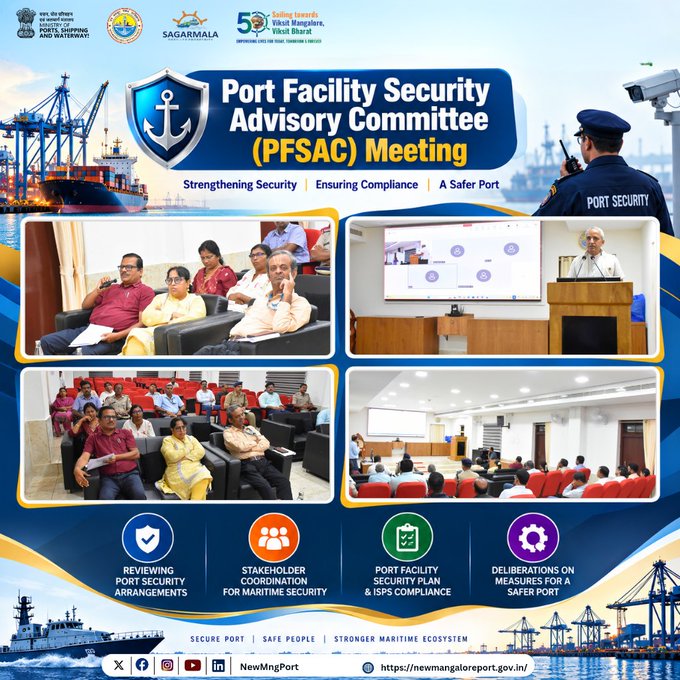
MANGALURU: New Mangalore Port Authority (NMPA) convened a meeting of the Port Facility Security Advisory Committee (PFSAC) to review existing security arrangements and further strengthen security measures across the port premises.

The meeting was chaired by Smt. S. Shanthi, Deputy Chairperson, NMPA, and brought together senior representatives from key security, law-enforcement and regulatory agencies associated with port security.

Representatives from the Central Industrial Security Force (CISF), Indian Coast Guard, Indian Navy, Intelligence Bureau, Customs, Panambur Police, Coastal Security Police, Immigration and Narcotics Control Bureau, along with other stakeholder agencies, participated in the meeting.

During the meeting, Capt. Manoj Joshi, Port Facility Security Officer (PFSO) and Deputy Conservator, NMPA, briefed the Committee on the current status of the Port Facility Security Plan and the port’s compliance with the International Ship and Port Facility Security (ISPS) Code.

The Committee held detailed discussions on various aspects of port security and deliberated on measures to further enhance security arrangements. The discussions focused on ensuring a robust, coordinated and effective security framework across the port premises through continued cooperation among all concerned agencies.

The meeting reaffirmed NMPA’s commitment to maintaining high standards of security and ensuring a safe and secure environment for port operations, vessels, cargo and other stakeholders.

Interasia Lines expands India–East Africa connectivity with New Express Service

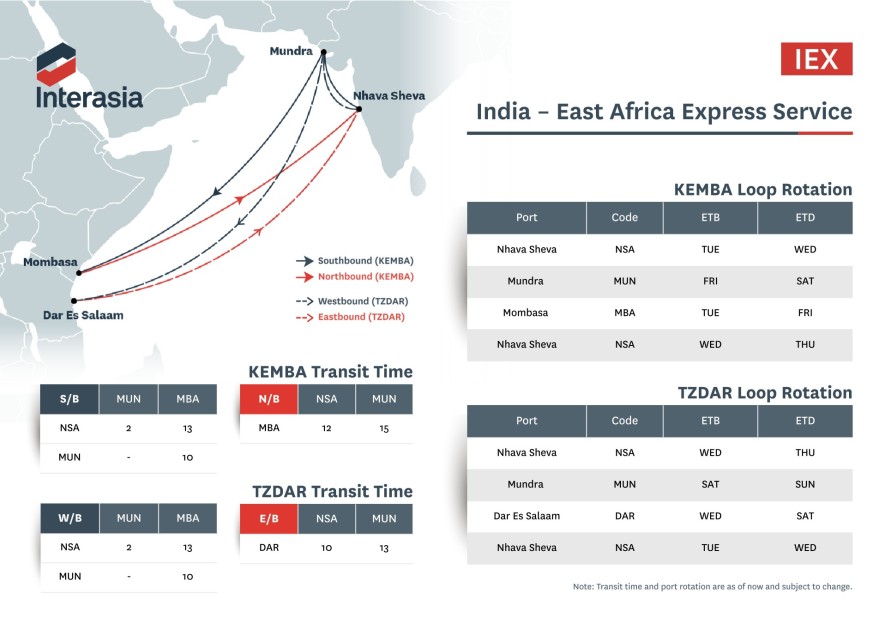
MUMBAI: Interasia Lines Ltd has announced the expansion of its service network with the India–East Africa Express Service (IEX), providing direct connectivity between West India’s key gateway ports and major East African markets.

The new service links Nhava Sheva and Mundra with Dar es Salaam in Tanzania and Mombasa in Kenya, strengthening trade and shipping connectivity between West India and East Africa.

The IEX operates on a 56-day rotation using a butterfly-loop service pattern, with the port rotation structured as:

Nhava Sheva – Mundra – Dar es Salaam – Nhava Sheva – Mundra – Mombasa – Nhava Sheva

According to Interasia Lines, the launch of IEX represents another important milestone in the company’s network expansion beyond its traditional Intra-Asia and Indian subcontinent services.

As part of the joint service, Interasia Lines is contributing one vessel, enabling the carrier to offer additional scheduling options for shippers and consignees engaged in trade between West India and East Africa.

The new service is expected to enhance direct maritime connectivity, provide greater flexibility in cargo planning and support growing trade flows between the two regions.

With the introduction of IEX, Interasia Lines is further broadening its international service footprint while strengthening its role in connecting emerging and established trade markets across the Indian Ocean.

Chowgule Shipbuilding signs contract with Norway’s GMI for two Hydrogen Fuel Cell Hybrid Coastal Bulkers

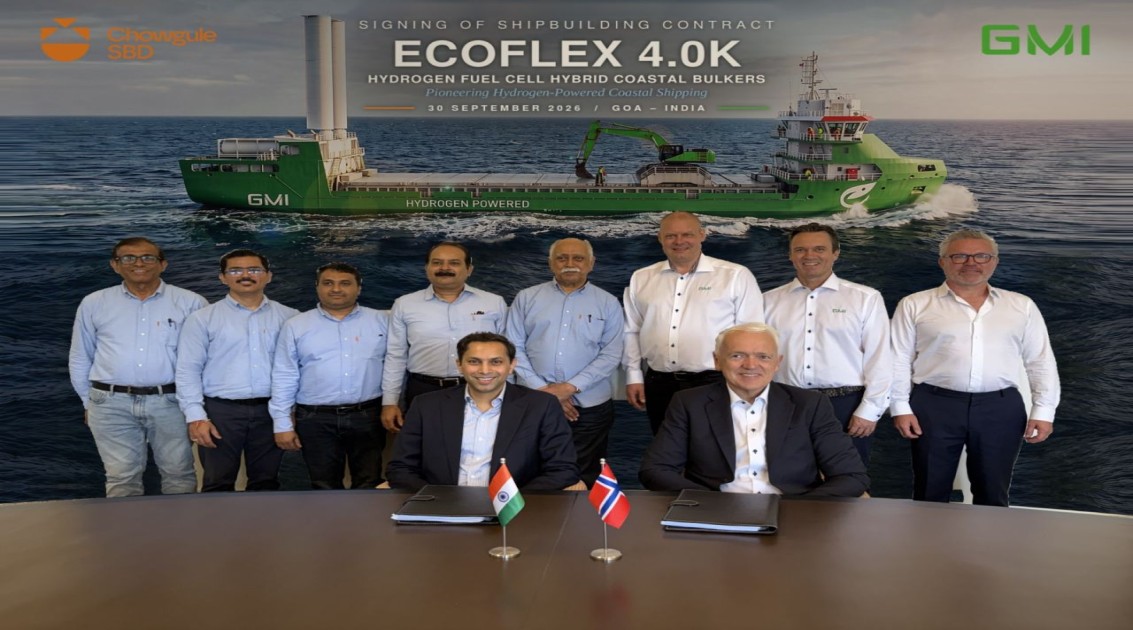
GOA: Chowgule Shipbuilding has signed a shipbuilding contract with Norway-based GMI AS for the construction of two firm EcoFlex 4.0K Hydrogen Fuel Cell Hybrid Coastal Bulkers, marking another significant step in the development of low-emission vessels for short-sea and coastal shipping.

The shipbuilding contract was signed on September 30, 2026, in Goa, India. Both vessels are scheduled for delivery by 2029.

Designed specifically for low-emission coastal trade, the EcoFlex 4.0K vessels will incorporate hydrogen fuel-cell hybrid technology, supporting the transition towards cleaner and more sustainable short-sea shipping.

The agreement also highlights the increasing confidence of European shipowners in India’s shipbuilding capabilities and its potential to deliver technologically advanced, future-ready vessels for international markets.

Chowgule Shipbuilding said the contract reflects its commitment to developing innovative and environmentally responsible tonnage while strengthening India’s position in the global shipbuilding ecosystem.

The company expressed its appreciation to the GMI team for its confidence in Chowgule Shipbuilding and said it looks forward to working closely with GMI on the construction and delivery of the two vessels.

The EcoFlex 4.0K project is expected to further demonstrate the potential of hydrogen-powered and hybrid technologies in reducing emissions from coastal and short-sea maritime operations.

Allcargo Group Targets 3 Lakh Plantations under Maitree Project to Create Sustainable Livelihoods for 5,000 Farmers in FY27

MUMBAI: Allcargo Group, through its CSR arm Avashya Foundation, is continuing the Maitree Project in FY27 is scaling its flagship Project Maitree in FY27 with a target of 3,00,000 saplings across 81 villages in Maharashtra, creating sustainable livelihood opportunities for 5,000 farmers and their families.

The initiative seeks to integrate environmental conservation with sustainable livelihood development by supporting rural and tribal communities through plantation-based livelihood opportunities, while promoting greener communities and contributing to long-term economic resilience.

As part of the FY 2026–27 afforestation programme, approximately 3,00,000 plants were distributed across Palghar, Raigad, Nashik and Amravati districts of Maharashtra, supporting environmental sustainability while contributing to rural livelihoods.

In Palghar and Nashik, 2,20,000 plants were distributed, benefiting around 4,400 farmers. In Raigad/Karjat, a further 30,000 plants were distributed, benefiting approximately 600 farmers. In Amravati district, 50000 plants were distributed. These interventions supported farmers in integrating fruit tree-based cultivation into their agricultural practices, with the potential to strengthen long-term livelihood resilience while contributing to green cover.

In Amravati, 50,000 plants were planted through a community-based model, enabling the wider village community to participate in and benefit from the initiative. The approach encouraged collective ownership of the plantation effort and strengthened community participation in environmental conservation.

Overall, the programme combined environmental stewardship with community and livelihood development, reaching approximately 5,000 farmers Raigad, Palghar, Nashik and Amaravati districts

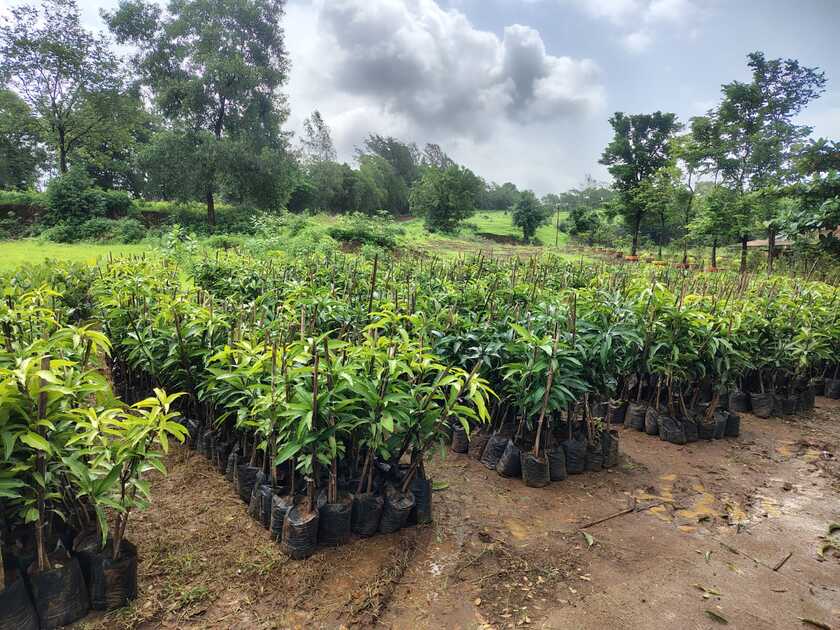
The programme has been promoting a diverse mix of fruit-bearing, timber and multipurpose species, including Mango, Cashew, Teak, Lemon, Guava, Custard Apple, Jackfruit and Bamboo. The approach is designed to create productive income generating assets that can generate value over time, while supporting greater green cover and sustainable land-use practices.

Commenting on the initiative, Dr. Nilratan Shende, Head – CSR, Allcargo Group, said, “Project Maitree is built on the belief that environmental conservation and livelihood creation can reinforce each other. By enabling farmers to develop productive plantation assets alongside their existing agricultural activities, we aim to create opportunities for additional income while strengthening the ecological resilience of rural communities. This year’s expansion will help us deepen that impact across more villages and households.”

A key focus of the programme is to create alternative livelihood opportunities closer to home. As the plantations mature, fruit-bearing and multipurpose species can become productive assets for participating households, supporting additional income and strengthening economic resilience. The initiative also seeks to reduce dependence on seasonal migration by enabling communities to develop livelihood opportunities within their villages.

The FY 2026–27 programme will be implemented with the support of Digant Swaraj Foundation, Light of Life Trust and Khoj Foundation, which will facilitate community mobilisation, plantation planning, sapling distribution, training and field-level monitoring.

The latest phase builds on Maitree’s larger environmental intervention, which has already facilitated the plantation of over 1.6 million trees across Maharashtra. With the addition of 3 lakh plantations this year, the initiative seeks to further connect environmental conservation with livelihood diversification and community development, creating impact that extends beyond the plantation season.

Through Project Maitree, Allcargo Group aims to strengthen a community-led model where plantation serves as both an environmental intervention and a long-term livelihood asset, supporting greener villages, diversified income opportunities and greater economic resilience for rural and tribal communities.

India infrastructure sector seeks more private participation, simpler regulations: Deloitte Survey

NEW DELHI: India’s infrastructure sector needs greater private-sector participation, simpler regulations and stronger project preparation to accelerate project delivery, according to Deloitte’s Future of Infrastructure Survey 2026.

The survey found that 38 per cent of Indian respondents consider the lack of private-sector participation a major challenge in delivering infrastructure projects.

The report said India’s challenge is not limited to raising capital but also involves making projects more attractive to investors and ensuring they are ready for execution.

About 42 per cent of Indian respondents identified complex policies, regulations and approval processes as barriers to project delivery, while 38 per cent cited budget constraints as a key impediment.

The report called for better project preparation, clearer revenue models and financing structures that distribute risks among stakeholders best placed to manage them.

The survey also pointed to a shift in infrastructure financing, with Indian respondents expecting greater use of diversified funding models. About 71 per cent expect growth in vendor and supplier financing, while 62 per cent foresee higher funding from multilateral and development banks. Another 58 per cent expect increased participation from sovereign wealth funds and pension funds.

Deloitte said India’s Hybrid Annuity Model (HAM) is an example of how government support and risk-sharing can improve the bankability of infrastructure projects and attract private investment.

Under HAM, the government funds 40 per cent of construction costs, while risks are shared between public and private stakeholders, creating more investable opportunities.

Technology is also expected to play a major role in the future of infrastructure. About 71 per cent of Indian respondents said the public sector needs to modernise infrastructure and adopt digital engineering technologies, compared with 36 per cent across the Asia Pacific region.

Further, 91 per cent of Indian respondents expect technologies such as generative artificial intelligence (AI), digital twins and predictive analytics to have a significant impact on infrastructure and transportation operations.

NSN Murty, Government & Public Services Consulting Leader, Deloitte South Asia, said technology is becoming an important link across infrastructure systems.

“Indian leaders are moving beyond viewing AI as a standalone technology and are beginning to see it as an operating layer for infrastructure planning, financing, delivery and operations,” Murty said.

He added that governments would need to combine AI, digital twins, cybersecurity and real-time analytics to improve project delivery, strengthen resilience and support better investment decisions.

The survey showed that organisations are already preparing for this shift. About 79 per cent of Indian respondents said they are developing AI training and development programmes, while 62 per cent are preparing AI vision and implementation roadmaps.

Another 54 per cent are taking steps to improve data quality for applications including predictive maintenance, security, energy forecasting and asset monitoring.

The survey also highlighted key areas expected to attract higher infrastructure investment in India. About 93 per cent of respondents expect increased investment in cybersecurity, while 82 per cent see growth in freight rail and mass transit systems.

Around 80 per cent expect higher investment in public Wi-Fi infrastructure, while 77 per cent anticipate expansion in alternative energy sources, including solar, wind and geothermal power.