Home Blog Page 719

Adani Ports records 8% increase in YoY cargo handling volumes in July’25

AHMEDABAD : Adani Ports & Special Economic Zone (APSEZ) announced that in the month of July 2025, the company handled cargo volume of 40.2 MMT (+8% YoY), led by containers (+22% YoY).

YTD Jul’25, APSEZ handled 160.7 MMT of total cargo (+10% YoY), led by containers (+20% YoY).

During Jul’25, Logistics rail volumes stood at 60,940 TEUs (+17% YoY) and GPWIS volume was at 1.61 MMT (-13% YoY).

YTD Jul’25, Logistics rail volumes stood at 240,419 TEUs (+15% YoY) and GPWIS volume was at 7.67 MMT (+3% YoY).

MoPSW updates on the upcoming projects under Sagarmala Programme

NEW DELHI : Minister of Ports, Shipping and Waterways, Shri Sarbananda Sonowal in a written reply to the Rajya Sabha that, there are 839 projects worth investment of Rs. 5.79 Lakh crores for implementation under the Sagarmala Programme. These projects are implemented by Central Ministries, IWAI, Indian Railways, State Government and Major Ports etc. Out of these, 280 projects worth Rs. 1.42 lakh Cr. have been completed and 209 projects worth Rs. 1.62 lakh Cr. are under implementation. Further, 350 projects worth Rs. 2.75 Lakh Cr. are under various stages of development.

Reasons for delay in implementation of projects under Sagarmala Programme mainly attribute to delay in land acquisition, statutory clearances, local agitation, change in scope. The major steps undertaken to ensure completion of Infrastructure Projects without delays include; Periodic review of projects by various levels in the Ministry, methodical project appraisal and funding guidelines.

The ministry from time to time holds Maritime States Development Council (MSDC) meetings and also encourages coastal States/UTs to hold State Sagarmala Committee meetings for creating synergy among various stakeholders for expeditious implementation of Sagarmala projects.

Further, at the top of the Sagarmala framework, a National Sagarmala Apex Committee has been constituted for overall policy guidance and high level coordination, and to review aspects of planning and implementation of the plan and projects.

PM GatiShakti National Master Plan evaluates 293 infrastructure projects worth ₹13.59 lakh crore

NEW DELHI : Minister of State for Ministry of Commerce & Industry, Shri Jitin Prasada, informed in a written reply in the Lok Sabha that, PM GatiShakti National Master Plan (PMGS NMP) was launched in October 2021. Since the launch, substantial progress has been made, which includes development of the geospatial platform, integration of multiple georeferenced data, provision of planning tools/software for planning infrastructure projects (including socio-economic infrastructure), and capacity building. Mechanism of Network Planning Group(NPG) has been institutionalised, under which infrastructure projects are evaluated for integrated planning, multimodality, inter-modality, synchronization of efforts, whole of Government approach and Last-mile connectivity in and around the project catchment area. So far, 293 infrastructure projects amounting to Rs. 13.59 Lakh Crore have been evaluated through the NPG mechanism.

Under PM GatiShakti initiative, as on date, 57 Central Ministries/Departments including 8 Infrastructure, 22 Social and 27 Economic & other Ministries/Departments have been onboarded on PMGS NMP. 36 States/UTs have also been onboarded on PMGS NMP. About 1700 data layers, including 969 layers from States/UTs and 731 layers from Central Ministries/Departments, have been mapped and integrated on the PMGS NMP. Year wise progress made under PMGS is given in Annexure-A

The PM GatiShakti National Master Plan has no specific or separate fund allocation. However, Ministry of Finance, Department of Expenditure through Part- II of the “Scheme for Special Assistance to States for Capital Investment for 2022- 23” made a provision of ₹ 5000 crores for disbursement among the States for PMGS related infrastructure development.

36 new Ministries/Departments, in addition to initial 21, have been included in the PMGS-National Master Plan. As on date, total 57 Central Ministries/Departments have been onboarded on PMGS NMP. The details are given in Annexure-B

Plans for 10-lane, 15-km road linking Visakhapatnam Port to major highways: N Sridhar

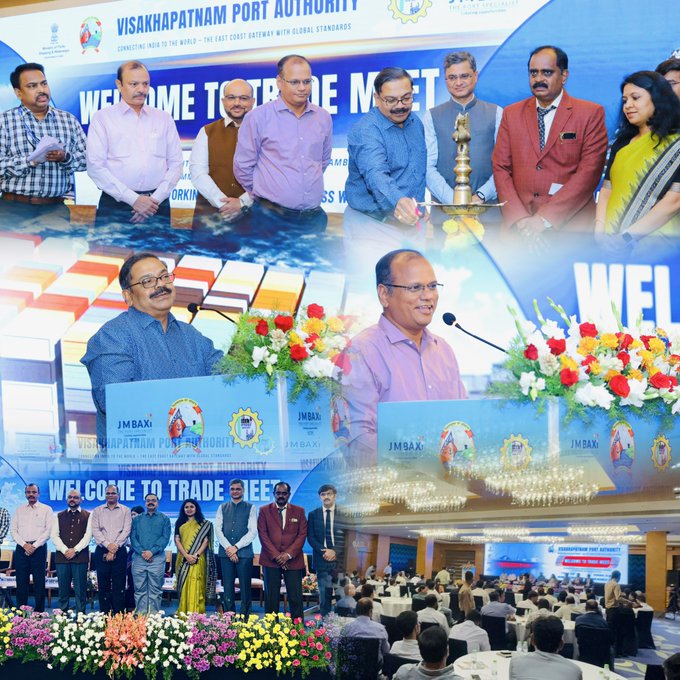
HYDERABAD : Visakhapatnam Port partook in a Trade Meet in Hyderabad on 1 August 2025, where it showcased its operational excellence in front of more than 200 exporters and importers present. The Trade Meet was organised in collaboration with the Federation of Telangana Chambers of Commerce and Industry (FTCCI). At the event, Principal Commissioner of Customs, Visakhapatnam Port Authority, N Sridhar conveyed that Visakhapatnam Port has set a goal of handling 90 million tonnes of cargo in FY 2025-26. This is a considerably ambitious increase from last year, when the port achieved a target of handling 82.63 million onnes. In addition, the commissioner spoke of plans to develop a 10-lane, 15-kilometre access road connecting Visakhapatnam Port to major highways. This infrastructure boost will help decongest traffic, he said.

Moreover, Sridhar highlighted Visakhapatnam Port’s standing among the top 20 world ports, which was declared last year when it secured the 19th position in the Container Port Performance Index. Sridhar highlighted that this achievement was propelled by sweeping modernisation and infrastructure developments. He added that quick turnaround times, real-time cargo tracking and automation were contributing to the port’s efficient functioning, putting it in the lead. Visakhapatnam Port Trust presented the port’s key performance indicators to those present – 27.5 container moves per crane hour, minimal berth idle time, reduced vessel turnaround, and more.

Recently, the port achieved a new milestone of loading 43,085 metric tonnes of thermal coal in a single day, breaking its own previous record of 41,999 metric tonnes. The Trade Meet also made it evident that both Andhra Pradesh and Telangana will benefit substantially from Visakhapatnam Port Trust’s accelerated momentum, as the resultant projected cargo traffic growth is between 3-6% annually, with utilisation expected to stabalise at 55%.

In other news, Visakhapatnam Port Authority is in talks to hold a road show in Mumbai to encourage investments in Visakhapatnam as a cruise destination.

E-Commerce Export Hubs to support Indian SMEs with cost-effective logistics and streamlined regulatory processes

NEW DELHI : Shri Jitin Prasada, the Minister of State for Ministry of Commerce & Industry informed that the E-Commerce Export Hubs (ECEHs) initiative, aims to provide dedicated zones for facilitating cross-border e-commerce exports from India. The objective is to support SMEs, artisans, and small businesses by reducing the cost and time associated with logistics, streamlining regulatory processes, and simplifying re-imports for e-commerce returns or 2 rejects. ECEHs shall provide integrated services at a single location, encompassing customs clearance, quality certification, packaging, and off-port warehousing.

DGFT has issued Trade Notice No. 14/2025 dated 22.08.2024, inviting detailed proposals for these pilots. Five ECEH pilot projects have been proposed for implementation.

The Government has undertaken several steps to streamline customs, logistics, and compliance procedures for small exporters, particularly in the context of e-commerce exports:

• Chapter 9 of the Foreign Trade Policy (FTP) 2023 provides for the promotion of crossborder trade in the digital economy.

• The Trade Connect ePlatform (https://trade.gov.in) has been launched to provide small exporters with access to international trade-related information. It integrates inputs from Indian Missions, Export Promotion Councils, and Commodity Boards. Outreach through Niryat Bandhu programmes and handbooks on e-commerce exports have also been undertaken.

• The CBIC, via Notification No. 23/2023-Customs dated 31.03.2023, enhanced the value limit for courier exports to ₹10 lakh. Export duty remissions such as Duty Drawback and RoDTEP have been extended to courier-mode exports from 12.09.2024.

• The Department of Posts, in coordination with CBIC, has established Dak Ghar Niryat Kendras (DNKs) to assist exporters with documentation, packaging, and regulatory compliance. A total of 1,013 DNKs have been notified. The International Tracked Packet Service covers 41 countries, with volume-based discounts to benefit small exporters.

• Further, the Reserve Bank of India has issued a draft circular proposing procedural relaxations for small-value exporters under the Export Data Processing and Monitoring System (EDPMS). The circular shall enable Authorised Dealer (AD) banks to close shipping bills up to ₹10 lakh based on quarterly declarations from exporters confirming realisation and value adjustments, thereby reducing compliance burden and streamlining reconciliation for small consignments.

Some of the proposed ECEHs are to be implemented directly by logistics service providers to ensure integrated delivery of warehousing, packaging, and regulatory facilitation. In addition, the Government has entered into Memoranda of Understanding (MoUs) and signed Letters of Intent (LoIs) with key stakeholders, including global e-commerce platforms and domestic logistics providers. These partnerships focus on building awareness, enhancing export readiness, and promoting cross-border e-commerce, particularly among MSMEs. Regional Authorities of DGFT have also conducted outreach and capacity-building programs in collaboration with these entities to support the onboarding of SME sellers and familiarise them with export procedures.

Gati Shakti Cargo Terminals – Redefining India’s Freight Landscape

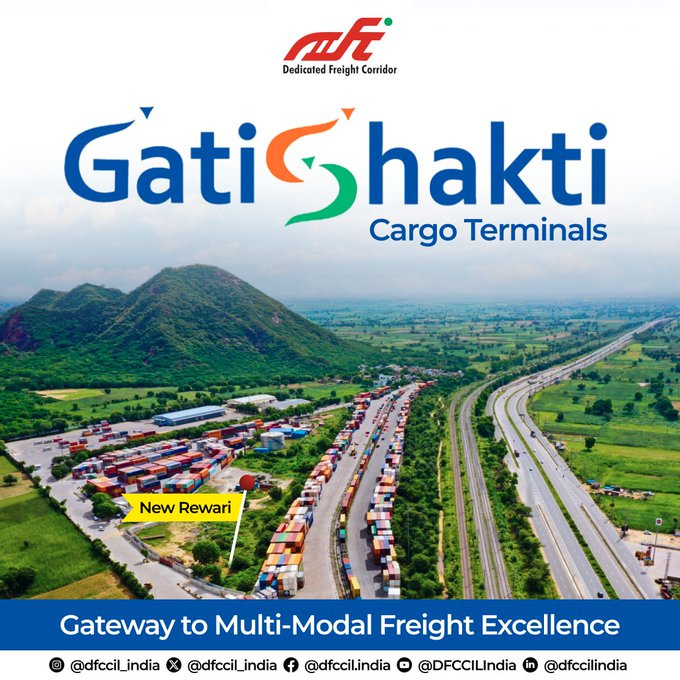
NEW DELHI : Gati Shakti Cargo Terminals – Redefining India’s Freight Landscape. DFCCIL’s Gati Shakti Cargo Terminals (GCT) are transforming the way freight moves across India. With state-of-the-art infrastructure, multi-modal connectivity, and plug-and-play logistics solutions, these terminals serve as critical gateways for economic and industrial growth.

High-speed cargo movement with minimal transit time
Seamless integration between rail and road
Reduced logistics cost and improved operational efficiency
Environment-friendly, decongested, and tech-enabled systems

Aligned with the PM Gati Shakti National Master Plan, GCTs are enabling faster, greener, and more efficient logistics, strengthening India’s position as a global supply chain hub.

NYK Line Q1 2025 Consolidated Financial Results

TOKYO : Nippon Yusen Kabushiki Kaisha (NYK Line) has released Consolidated Financial Results for Q 1 Three Months Ended June 30, 2025

Review of Operating Results

In the first three months of the fiscal year ending March 31, 2026 (April 1, 2025 to June 30, 2025), the company reported revenues, operating profit, recurring profit, and profit attributable to owners of parent of ¥600.9 billion (decreased by ¥50.7 billion from the first three months of the previous fiscal year), ¥37.7 billion (decreased by ¥28.0 billion), ¥59.7 billion (decreased by ¥66.0 billion), ¥52.0 billion (decreased by ¥58.1 billion), respectively. Non-operating income includes equity in earnings of unconsolidated subsidiaries and affiliates of ¥23.7 billion, of which ¥4.5 billion was earned by OCEAN NETWORK EXPRESS PTE. LTD. (ONE), an equity-method affiliate of the Company.

Changes in the average exchange rate between the U.S. dollar and yen as well as the average bunker oil price during the first three months of the current and previous fiscal years are shown in the following tables.

Overview by Business Segment

Business segment information for the three months ended June 30, 2025 (April 1, 2025 to June 30, 2025) is as follows.

Liner Trade Business

Container Shipping Division: Amid a continued increase in shipping capacity following the delivery of new vessels, the division experienced a sharp decline and subsequent surge in the transport demand originating from China, affected primarily by tariff polices in the U.S. and China; market levels fluctuated significantly while freight rates were lower throughout the quarter year on year. At ONE, the profit level was lower year on year due to a year-on-year decrease in freight rates.

Terminal Division: At the terminals in Japan, the handling volumes increased year on year.

As a result of the above, the Liner Trade Business overall decreased revenues and profits year on year.

Air Cargo Transportation Business

Freight rate and handling volumes from Asia to North America decreased year on year due to U.S. tariff policies and other factors.

As a result of the above, the Air Cargo Transportation Business decreased both revenues and profits year on year.

Logistics Business

Air Freight Forwarding Business: Although the handling volumes were flat year on year, the profit level was higher year on year due to lower purchasing prices.

Ocean Freight Forwarding Business: Although the handling volumes increased year on year, the profit level declined year on year due to higher costs caused by inflation.

Contract Logistics Business: The profit level declined year on year as a result of a decrease in the handling volumes of major customers in U.S. due to the uncertain economic outlook caused by the impact of the U.S. tariff policy and other factors.

As a result of the above, the Logistics Business overall decreased both revenues and profits year on year.

Automotive Business
In the marine transport business, with the continued strong transport demand, the number of vehicles transported remained at the same level year over year. On the other hand, the business was affected by a decrease in revenues due to the stronger yen against the U.S. dollar compared to the last year and higher costs such as cargo handling costs due to inflation.

The auto logistics business experienced a decrease in the number of vehicles handled and a rise in cost due to inflation.

As a result of the above, the Automotive Business overall decreased both revenues and profits year on year.

Dry Bulk Business

The Capesize market declined compared to the strong year-ago period. The Panamax size and smaller market declined year on year despite strong soybean shipments from Brazil.

The Dry Bulk Business overall was affected by foreign exchange fluctuations in addition to a decline in the market conditions.
As stated above, the Dry Bulk Business overall significantly decreased both revenues and profits compared to the strong performance of the same period of the previous fiscal year.

Energy Business

VLCC (Very Large Crude Carrier): Market levels increased year on year, reflecting unstable movements including temporary spike due to the worsening situation in Iran and Israel, despite a decline from mid- May due to a softening supply-and-demand conditions.

VLGC (Very Large Gas Carrier): Market levels temporarily fell sharply in April due to concerns about a decline in transportation demand caused by the U.S. tariff policy and other factors. While the market subsequently showed a recovery trend due to the deferral of the application of tariffs and other factors, it declined year on year.

Petrochemical tanker: Market levels declined year on year due to a slowdown in cargo movements resulting from a decrease in demand for petroleum products caused by an economic slowdown and other factors.

LNG carrier: The results were steady on support from the long-term contracts that generate stable earnings.

Offshore business: FPSO (Floating, Production, Storage and Offloading) recorded a one-off profit as a new project launching operation. Shuttle tankers operated steadily.

As a result of the above, the Energy Business overall increased both revenues and profits year on year.

Strong gains in seafarer happiness levels, but serious safety concerns emerge

LONDON : The Q2 2025 Seafarers Happiness Index, published by The Mission to Seafarers, reveals an encouraging uplift in seafarer wellbeing, with the average happiness score rising to 7.54/10, up from 6.98 in Q1. Positive trends were seen across all core areas, from connectivity and food to training and wages, painting a picture of a better-supported workforce at sea. Yet despite the improving numbers, seafarers are also sounding a clear and urgent alarm, as safety standards and basic protections are increasingly under threat.

The report revealed that seafarers are finding more day-to-day satisfaction in their roles. Interactions among crews remain the most positive aspect of life onboard. Similarly, connectivity which is vital for maintaining family ties and mental wellbeing, has continued to improve. Access to reliable internet, even if uneven across fleets, has been life-changing, with many reporting the ability to video call loved ones and enjoy moments of normalcy through entertainment and social connection.

Food quality, health, and exercise have also improved, and there is growing appreciation for fitness facilities and healthier options onboard. Meanwhile, although satisfaction with wages rose, with several respondents noting improvements, concerns persist about deductions and currency exchange losses.

Yet these improvements are shadowed by a growing anxiety about physical safety and working conditions. A recurring message is that preventable accidents, such as working at height, entering enclosed space entries, electrocution, and being struck by moving objects, still happen regularly. Despite decades of regulation, technological innovation, and awareness campaigns, seafarers continue to witness or experience dangerous failures.

Particularly concerning is the emergence of new claims around the misuse of “riding squads” or technician teams. While such crews have historically played a legitimate and vital role in vessel maintenance and specialist repairs, some respondents suggested that certain operators are now using these teams to bypass Standards of Training, Certification and Watchkeeping for Seafarers (STCW) certification requirements, placing non-mariners in operational roles for extended periods. This practice violates regulatory standards, puts qualified seafarers at risk, and undermines trust in the maritime safety framework.

In parallel, seafarers are increasingly critical of the widespread shift to e-learning in place of traditional, hands-on instruction. Seafarers have voiced deep concern that online modules are prioritising completion statistics over actual competence.

Workload management improved this quarter, yet many described a worrying disconnect between growing demands and stagnant crew resources. Respondents repeatedly pointed to rising paperwork, operational pressure, and reduced shore leave opportunities as symptoms of deeper manning issues. These are not isolated frustrations; they point to systemic strain that may ultimately compromise vessel safety, crew wellbeing, and the wider supply chain.

Despite these serious concerns, there was also clear evidence of pride, resilience, and optimism among crews. Seafarers spoke of their commitment to their work, the strength of onboard friendships, and the quiet professionalism that underpins maritime life. Positive messages about teamwork, encouragement, and faith in the value of their roles were a striking feature of this quarter’s open-ended feedback.

Ben Bailey, Director of Programme, The Mission to Seafarers, said: “While the Q2 2025 results show real progress, there are some worrying safety concerns that need addressing. As seafarers become more vocal, connected, and engaged, they are raising questions the industry can no longer afford to ignore. The improvement in overall happiness should not obscure the rising concern around safety, training integrity, and manning. Now is the time for industry leaders, regulators, and shipowners to act.”

Thom Herbert, Idwal Key Account Manager and Crew Welfare Advocate, Idwal, commented: “It’s encouraging to see seafarer morale improving in part, with better connectivity, food, and camaraderie making a real difference at sea. But we must listen carefully to the serious concerns around physical safety, misuse of riding squads, and diluted training standards.

“As an industry, we need to work together to uphold conditions that protect crews and support vessel integrity. At Idwal, we see first-hand how these challenges impact operational safety, and we’re committed to being part of the collective effort to raise standards across the board.”

Yves Vandenborn, Head of Loss Prevention Asia-Pacific, NorthStandard, added: “The Seafarers Happiness Index, Q2 2025 reported an overall happiness score of 7.54/10, up from 6.98 in Q1, a promising trend that reflects improvements in welfare, food quality, workload management, and especially crew interaction. Seafarers expressed appreciation for camaraderie onboard, better gym and food facilities, and more reliable internet enabling family contact. However, despite these gains, persistent challenges remain.

“The results demonstrated that seafarers are keen to explore improved professional development opportunities. Some raised concerns about workload, administrative burdens and shore leave. Pay stagnation and varying food quality in some regions were other factors reported.

“The industry can celebrate positive progress in the overall happiness score but must also remain dedicated to addressing the core concerns highlighted, to ensure long-term seafarer wellbeing and workforce sustainability.”
Source: The Mission to Seafarers

OrbitMI appoints Capt. Sujit Padhye to lead Product and Managed Services Strategy

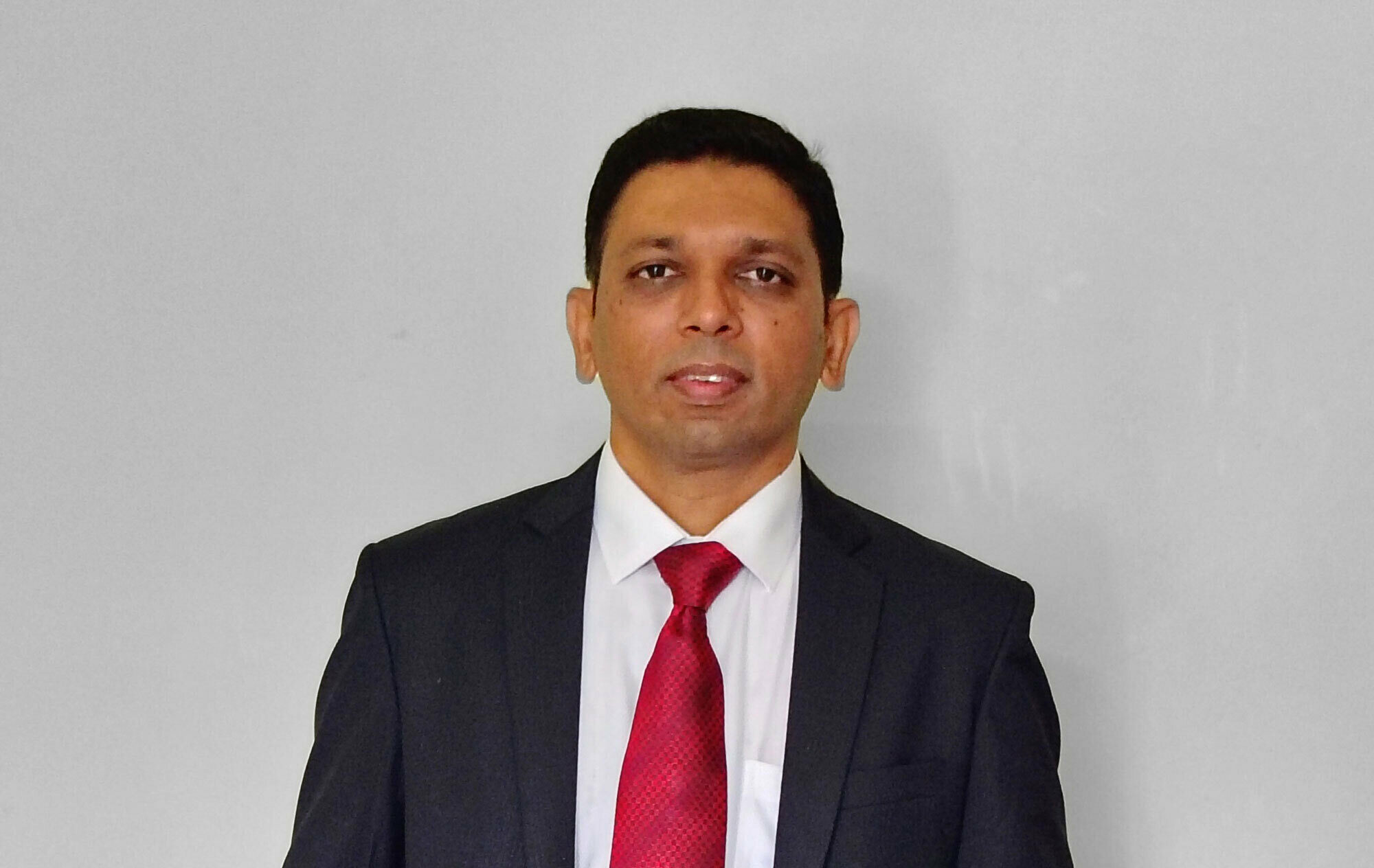
NEW YORK : OrbitMI, a leading provider of maritime SaaS software, is pleased to announce the appointment of Capt. Sujit Padhye to a senior leadership role overseeing product strategy and managed services. Capt. Sujit will guide the continued evolution of OrbitMI’s digital solutions portfolio, spearhead product innovation, and lead the development of global managed services that enhance customer engagement and operational performance.

Capt. Sujit brings over 25 years of combined experience in commercial shipping, maritime operations, and digital product development. A former Master Mariner, he has built a career bridging shipboard expertise and maritime technology, most recently focusing on voyage optimization, emissions compliance, and fleet performance monitoring.

Prior to joining OrbitMI, Capt. Sujit served as Head of Voyage Planning and Optimization at Synergy Marine Group, where he was instrumental in scaling digital services to improve operational decision-making across the fleet. Before that, he was Head of Route Optimization at Lloyd’s Register, where he oversaw the development and implementation of route optimization strategies for shipowners and operators worldwide, integrating environmental and performance data into voyage planning workflows.

For the past 15 years, Capt. Sujit has worked at the intersection of data, operations, and technology, developing integrated optimization platforms and launching 24/7 global support centers to improve decision-making and operational outcomes. His experience spans weather routing, regulatory compliance, and shipboard software development, with a proven track record of aligning product capabilities with customer needs.

“Capt. Sujit’s leadership strengthens our ability to deliver smarter, more connected maritime solutions,” said Ali Riaz, CEO of OrbitMI. “His deep domain knowledge, combined with a clear vision for how technology can improve shipping operations, makes him the ideal person to help shape the next phase of our platform.”

Capt. Sujit’s global network and cross-functional experience across engineering, operations, and customer success will be instrumental as OrbitMI expands its presence in voyage optimization, emissions intelligence, and maritime risk management.

“I’m excited to join OrbitMI and help develop digital solutions and managed services offering, that supports our customers not just with tools, but with real operational guidance,” said Padhye. “Digital platforms are only part of the solution, many companies also need trusted partners who understand the day-to-day realities of maritime operations. That’s what I hope to bring to this role.”

About OrbitMI

OrbitMI helps shipowners and operators tackle two of the biggest challenges in maritime today: staying compliant with evolving environmental regulations and reducing fuel costs. Our best-in-class Orbit Reporter solution ensures high-quality daily reporting through built-in data validations, supporting accurate emissions tracking, voyage optimization, and operational decision-making. OrbitMI is a New York City-based maritime technology company with offices and partners around the world. Our platform connects multiple systems into intelligent, connected workflows accessible via desktop and mobile applications. Recognized by Thetius as one of the 150 Most Innovative Companies in Maritime in 2022, 2023, and 2024, OrbitMI enables customers to turn insight into action across the voyage lifecycle.

Baltic Index hits near three-week low as larger vessel rates fall

LONDON : The Baltic Exchange’s main sea freight index, which measures rates for ships carrying dry bulk commodities, extended losses to a near three-week low on Tuesday, pressured by lower rates for capesize and panamax vessels.

* The main index BDI, which tracks rates for capesize, panamax and supramax shipping vessels, fell 49 points, or 2.49%, to 1,921 points, its lowest since July 16. The contract was down for a second straight session.

* The capesize index (.BACI) was down 152 points, or 4.8%, at 3,006, a two-week low.

* Average daily earnings for capesize vessels (.BATCA), which typically transport 150,000-ton cargoes such as iron ore and coal, slid $1,258 to $24,929.

* Iron ore futures climbed to a near one-week high, aided by resilient near-term demand in top consumer China.

* The panamax index (.BPNI) lost 8 points, or 0.5%, to 1,625, a near four-week low.

* Average daily earnings for panamax vessels (.BPWT), which usually carry 60,000-70,000 tons of coal or grain, were down $71 at $14,625.

* Among smaller vessels, the supramax index (.BSIS) added 9 points, or 0.7%, at 1,279, its highest level since July 29.

Source: Reuters