Home Blog Page 74

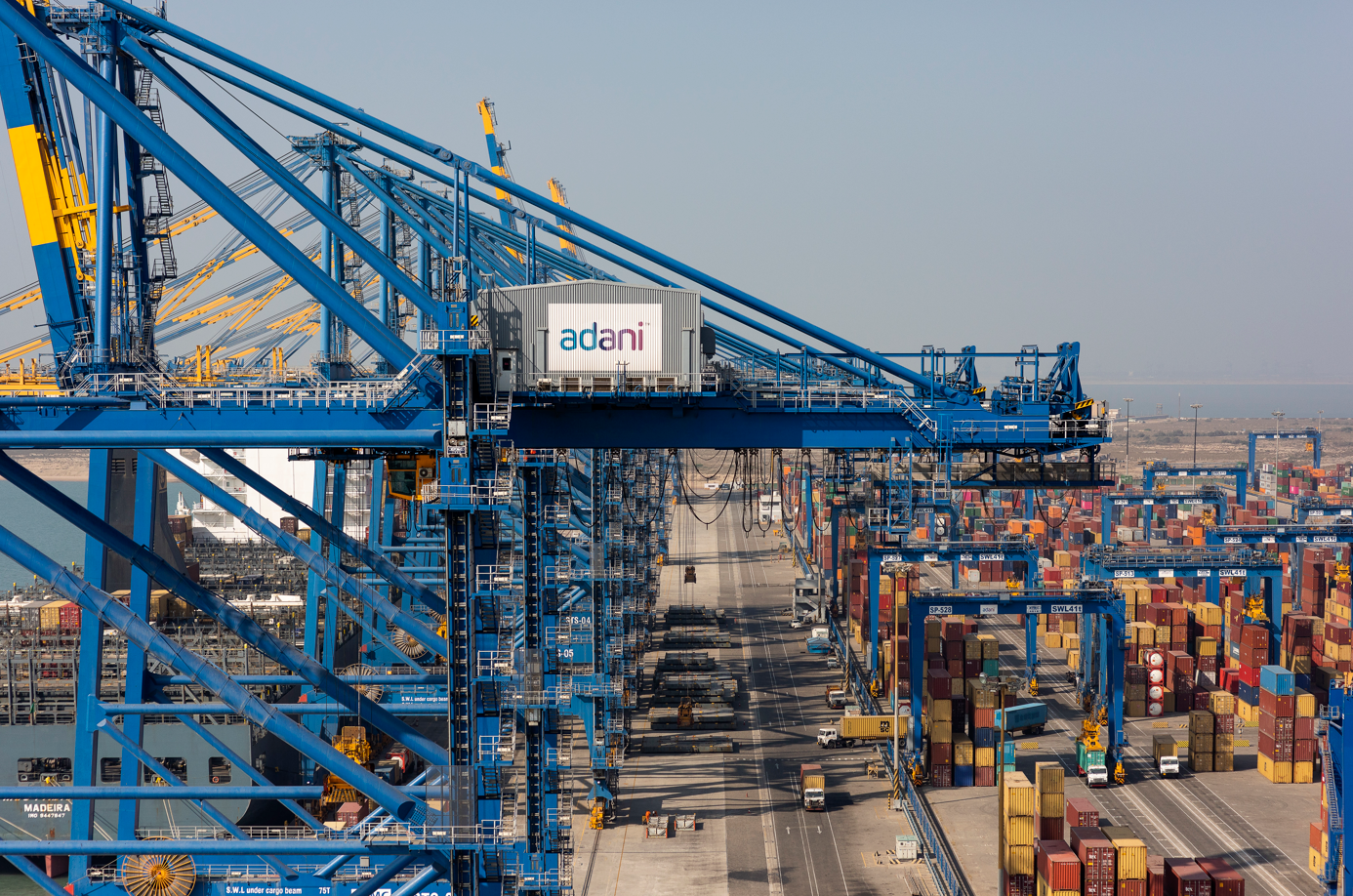
Adani Ports handled 46 MMT in September, Jumps 11% YoY growth driven by strong container volumes

AHMEDABAD: Adani Ports and Special Economic Zone Limited (APSEZ) has released its operational performance update, reporting solid growth in cargo handling volumes for September 2026 and the first half of FY27.

In September 2026, APSEZ handled 46 MMT of cargo, marking an 11% year-on-year increase, primarily driven by strong container volumes.

For the first half of FY27 (April–September 2026), total cargo handled stood at 280 MMT, registering a robust 15% YoY growth. Both containers and dry cargo segments contributed equally with 15% growth each.

PeriodCargo VolumeYoY GrowthKey Drivers
September 202646 MMT+11%Containers (+15% YoY)
H1 FY27280 MMT+15%Containers (+15%), Dry Cargo (+15%)

Logistics rail volumes showed modest growth in September but declined 13% year-on-year for the half-year period.

PeriodRail VolumeYoY Growth
September 202662,302 TEUs+3%
H1 FY27312,763 TEUs-13%

The company has requested the stock exchanges to take the information on operational performance update for September 2026 and the first half (H1) of FY27, in a filing to the exchanges on October 2.

NSFT sets new monthly throughput record with 1.34 million Teus in September

Nhava Sheva Freeport Terminal records its highest-ever monthly throughput, building on a strong run of operational performance

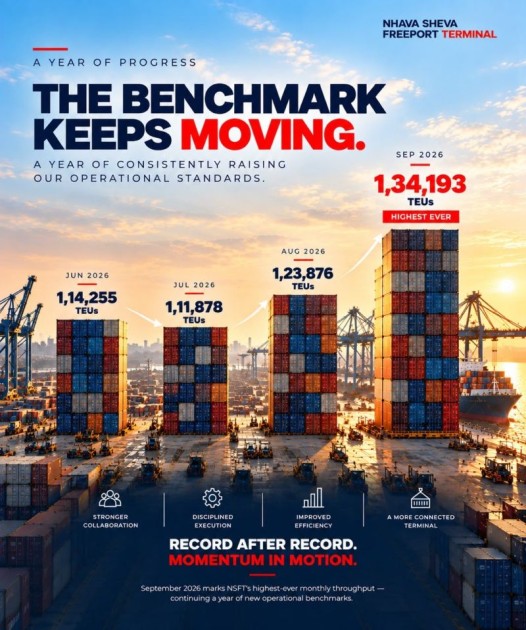
NHAVA SHEVA : Nhava Sheva Freeport Terminal (NSFT) has achieved a new operational milestone, recording its highest-ever monthly container throughput of 1,34,193 TEUs in September 2026.

The September performance marks a new benchmark for the terminal, surpassing the throughput recorded in previous months and reflecting continued focus on operational efficiency, disciplined execution and reliable cargo handling.

NSFT’s monthly throughput during the four-month period stood at:

June 2026: 1,14,255 TEUs
July 2026: 1,11,878 TEUs
August 2026: 1,23,876 TEUs
September 2026: 1,34,193 TEUs – Highest Ever

September’s throughput represents an increase of 10,317 TEUs over August, or approximately 8.33 per cent, underlining the terminal’s continued operational momentum.

The latest milestone has been supported by the collective efforts of NSFT’s teams, stronger collaboration among stakeholders and a continued focus on improving efficiency and maintaining reliable operations at scale.

The terminal said the achievement reflects its commitment to consistently raising operational standards and supporting the smooth movement of trade through the Nhava Sheva gateway.

With record throughput in September, NSFT continues its momentum of setting new operational benchmarks, reinforcing its focus on performance, efficiency and dependable service.

Sunay Mukerjee joins J M Baxi Container Holding as Chief Operating Officer

MUMBAI: Mr. Sunay Mukerjee has been appointed as Chief Operating Officer (COO) of J M Baxi Container Holding Pvt. Ltd., marking a significant new chapter in his professional journey and adding further leadership strength to the container and logistics business of the J M Baxi Group.

Sharing the development on LinkedIn, Mr. Mukerjee expressed his delight at joining the J M Baxi Group, stating that in his new role he will be responsible for the overall Profit and Loss (P&L) of the company’s container business portfolio.

J M Baxi Container Holding Pvt. Ltd. has an extensive presence across container terminals, Inland Container Depots (ICDs), Container Freight Stations (CFSs), rail logistics and warehousing. According to Mr. Mukerjee, the business forms an integral part of the portfolio of Hanseatic Global Terminals, reflecting its role within the wider global terminal and logistics ecosystem.

In his new leadership position, Mr. Mukerjee will oversee a diversified portfolio comprising six terminals, ICDs, CFSs, rail logistics and warehousing operations. His mandate will include working closely with the Board of J M Baxi Container Holding to drive the business through its next phase of growth, transformation and value creation.

The appointment comes at a time when India’s maritime and logistics ecosystem is undergoing significant transformation, driven by increasing containerisation, multimodal connectivity, integrated logistics solutions and the growing importance of efficient supply chains. Mr. Mukerjee’s responsibilities will therefore span a broad operational landscape, with a focus on identifying and developing new opportunities across the sector.

In his LinkedIn post, Mr. Mukerjee said he looks forward to working closely with the Board and contributing to the next phase of the portfolio’s growth and transformation, while creating new opportunities across India’s maritime and logistics ecosystem.

Expressing gratitude to those who have supported his professional journey, Mr. Mukerjee thanked his former colleagues, mentors and teams for their contribution to his career. He also conveyed his enthusiasm about the new assignment, saying he looks forward to “learning, contributing and building the future together.”

The new role brings together Mukerjee’s leadership experience with J M Baxi Container Holding’s integrated portfolio spanning terminals, inland logistics, rail and warehousing. His appointment is expected to add further operational focus as the company continues to develop its presence across India’s evolving container and multimodal logistics landscape.

From Classroom to Business Excellence: Jitesh Kumar shares insights on the Future of Supply Chain Management at IIMM Vadodara

VADODARA: Bridging the gap between academic knowledge and real-world business challenges is becoming increasingly important for the next generation of supply chain professionals, as the sector undergoes rapid transformation driven by technology, geopolitical uncertainties, sustainability imperatives and changing customer expectations.

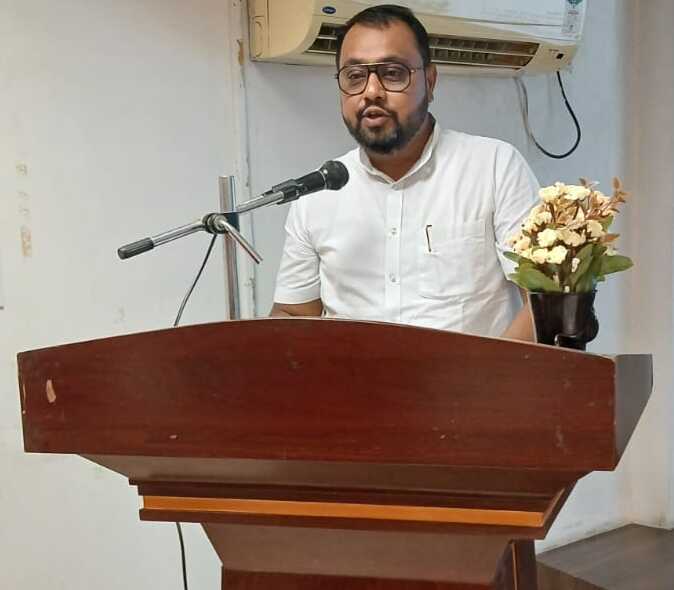
Jitesh Kumar speaking at IIMM Vadodara From Classroom to Business Excellence: Jitesh Kumar shares insights on the Future of Supply Chain Management at IIMM Vadodara

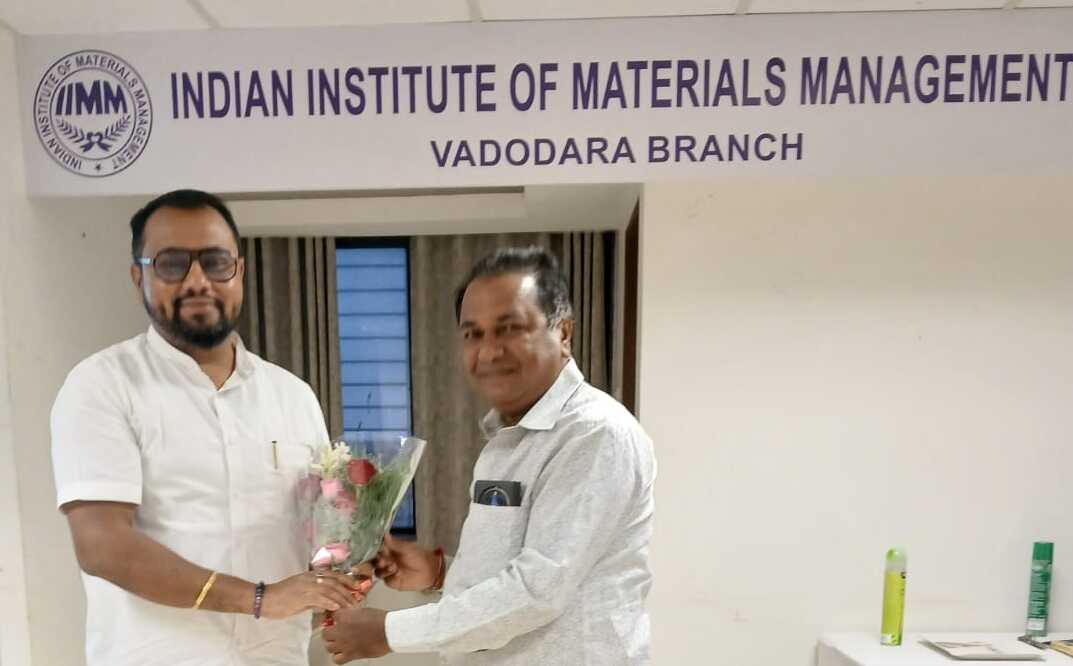
Against this backdrop, Jitesh Kumar, Director, Kamya Shipping Pvt. Ltd., Supply Chain Consultant and Knowledge Partner at ThinkPeepal Consulting, shared valuable industry insights during a session held on 19 September 2026 at the Indian Institute of Materials Management (IIMM), Vadodara.

Titled around the theme of moving “From Classroom to Real Business Excellence,” the session focused on how supply chain professionals can transform academic knowledge into practical business outcomes by combining education with experience, continuous learning and strategic thinking.

Drawing upon nearly three decades of hands-on experience across shipping, logistics, port operations, sourcing, vessel management, commercial negotiations and supply chain leadership in India and overseas, Kumar used practical examples and real-world case studies to explain the widening gap between theoretical concepts and the complexities of modern business.

From Theory to Practical Application

While academic education provides an important foundation in areas such as procurement, inventory management, logistics, forecasting, risk management and supply chain strategy, Kumar emphasised that professional success requires the ability to apply these concepts in dynamic and often unpredictable business environments.

Today’s supply chain professionals are required to make decisions amid multiple challenges, including global market volatility, supplier risks, geopolitical disruptions, sustainability requirements, artificial intelligence-led transformation, rising customer expectations and shortages of skilled talent.

Consequently, technical knowledge alone is no longer sufficient. Supply chain leaders must increasingly combine functional expertise with commercial acumen, strategic thinking, problem-solving capabilities, effective communication and leadership skills.

Resilience Emerges as a Critical Supply Chain Capability

The session also reflected on lessons from major global disruptions, particularly the COVID-19 pandemic, which exposed vulnerabilities across international supply chains.

Kumar highlighted the importance of building resilient and agile supply chain networks capable of responding quickly to unexpected disruptions. Key areas include supplier diversification, improved digital visibility, risk preparedness and agile decision-making.

The experience of recent disruptions has reinforced the changing role of Supply Chain Management. What was traditionally viewed largely as an operational function is increasingly being recognised as a strategic business enabler and a potential source of competitive advantage.

Technology is Transforming Supply Chain Management

Another important dimension discussed during the session was the growing influence of Artificial Intelligence and digital technologies on supply chain operations.

Technology is creating new opportunities in areas such as forecasting, planning, visibility, automation, analytics and decision-making. However, Kumar’s insights emphasised that technology must be complemented by human judgement, business understanding and practical experience.

The future supply chain professional, therefore, will need to understand not only how emerging technologies work but also how to apply them effectively to solve business problems and create measurable value.

Continuous Learning: The Journey Towards Leadership

A key message emerging from the session was the importance of lifelong learning.

Kumar outlined professional development as a continuous journey — beginning with classroom learning, progressing through practical experience and continuous development, and ultimately leading towards effective leadership.

The message was particularly relevant for students and young professionals entering the supply chain industry. While academic qualifications provide the foundation, exposure to real business situations, willingness to learn and the ability to adapt are critical to long-term professional growth.

Experienced professionals, too, need to continuously upgrade their skills as technologies, markets and business models evolve.

Creating Measurable Business Value

The session encouraged students, professionals and industry leaders to look beyond simply acquiring knowledge and instead focus on converting knowledge into measurable business outcomes.

As supply chains become increasingly interconnected and strategic, professionals who can connect operational execution with broader business objectives are expected to play a significant role in strengthening organisational competitiveness, resilience and sustainable growth.

Kumar concluded with a powerful message:

“Knowledge creates understanding, experience builds judgment, and continuous learning creates leaders.”

The message encapsulated the central theme of the session: the future of Supply Chain Management will depend not merely on individuals who understand supply chain concepts, but on professionals who can continuously transform knowledge and experience into business excellence and sustainable value creation.

About Jitesh Kumar

Jitesh Kumar is a seasoned Supply Chain Professional, Consultant and Trainer with nearly three decades of experience spanning shipping, logistics, sourcing, port operations, commercial negotiations and business leadership in India and overseas.

He currently serves as Director of Kamya Shipping Pvt. Ltd. and Knowledge Partner with ThinkPeepal Consulting, where he contributes to practical, industry-oriented learning and business excellence frameworks.

His extensive industry experience across multiple segments of the maritime and supply chain ecosystem enables him to connect academic concepts with real-world business challenges and provide practical perspectives to students, professionals and organisations seeking to build future-ready supply chain capabilities.

Piyush Goyal calls for WTO-Compliant approach to correct global trade distortions at the concluding day of G20 Trade Ministers’ Meeting

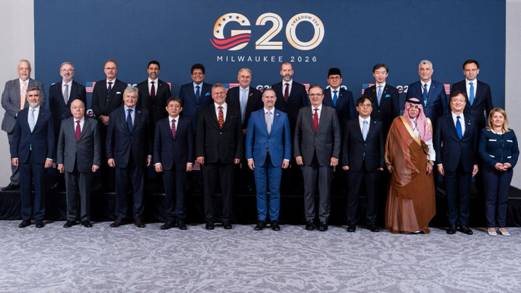
MILWAUKEE : Union Minister of Commerce and Industry Shri Piyush Goyal participated in the concluding day of the G20 Trade Ministers’ Meeting in Milwaukee, Wisconsin, and spoke in sessions on structural excess capacity and production, updating the Most-Favoured-Nation principle, ending forced labour in global supply chains, and the closing session.

Speaking on structural excess capacity and production, Shri Goyal said that India is the fastest-growing large economy in the world, with a domestic-demand-driven economy serving 1.4 billion people, and is building manufacturing value chains from design to finished goods as a trusted link in global supply chains. He said India’s manufacturing capacity serves its domestic and global needs and that, in the sectors identified by the G20 Presidency, India does not have structural excess capacity.

Shri Goyal said India shares the concerns of many Members that trade-distorting support in some economies can lead to dumping and predatory pricing. He said such concerns are addressed through WTO-consistent measures, including anti-dumping and countervailing duties, based on evidence and subject to judicial review. He emphasised that industrial capacity in itself is not the issue, while distortions can arise where geographical concentration of production is driven by hidden subsidies and support. He said diversification of production and supply chains is a legitimate objective, but cannot be used as a pretext for measures outside WTO rules or for shifting the burden of adjustment onto developing countries, which must retain policy space to industrialise. He also said that sharing of statistics and data should take place within existing mechanisms.

On updating the Most-Favoured-Nation principle, Shri Goyal said that India’s trade with G20 members depends on a transparent, non-discriminatory and rules-based trading system. He said Most-Favoured-Nation treatment is a key guarantee of this system, ensuring that the same terms apply to the smallest trader and the largest trader. He emphasised that consensus remains central to the WTO and that special and differential treatment must be preserved to enable developing countries to catch up with developed economies. He also called for restoration of the two-tier dispute settlement system.

Speaking on ending forced labour in global supply chains, Shri Goyal said India’s commitment to the elimination of forced labour is absolute and unconditional. He noted that Article 23 of the Constitution prohibits forced labour as a fundamental right, enforceable by the Supreme Court. He said India has ratified ILO Conventions 29 and 105 and, in July 2026, amended its Foreign Trade Policy to prohibit the import of goods produced using forced labour.

Shri Goyal said measures at the border must be based on specific and verifiable evidence rather than presumptions about entire countries, regions or sectors, and must respect due process and WTO rules. He said the International Labour Organization is the competent, universal and tripartite body for labour standards. India supports the objective of eliminating forced labour and voluntary exchange of good practices among G20 members, provided that such cooperation does not involve monitoring of members, create new obligations or result in information being used as a basis for unilateral trade action.

Shri Goyal thanked Ambassador Greer and the United States G20 Presidency for the arrangements and hospitality extended in Milwaukee. Recalling Prime Minister Shri Narendra Modi’s words that issues that cannot be resolved together should not come in the way of those that can, Shri Goyal said India participated in the Meeting in that spirit and, across all four themes, shared its concerns and offered constructive inputs.

The Minister reaffirmed India’s commitment to a rules-based, fair, equitable, non-discriminatory, transparent, open, inclusive and multilateral trading system with the WTO at its core. He emphasised the importance of preserving policy space for developing countries to grow and feed their people, while upholding decision-making by consensus. Shri Goyal extended India’s full support to the United Kingdom for its G20 Presidency in 2027.

On the sidelines of the Meeting, Shri Goyal held bilateral meetings with the Minister for Trade and Tourism of Australia, the Minister of Commerce of Saudi Arabia, the Minister Delegate for Foreign Trade and Economic Attractiveness of France, the Minister for Trade of the Republic of Korea and the Minister of International Trade of Canada.

APEDA facilitates FPO-led export of frozen food products from Haryana to Canada

Export-led Market Access Creates New Opportunities for Farmers and Food Producers

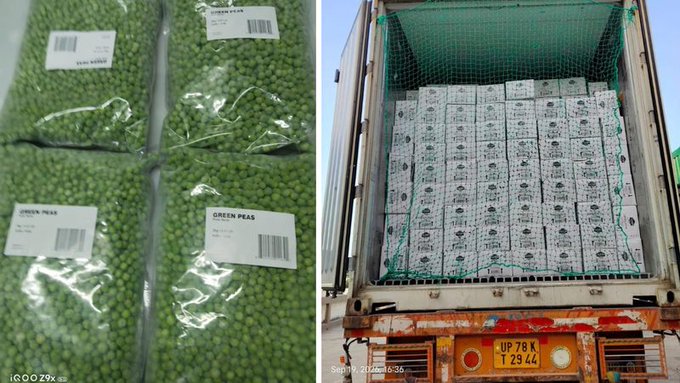
SONIPAT: The Agricultural and Processed Food Products Export Development Authority (APEDA) facilitated the flag-off of a consignment of 24 MT of frozen food products from Sonipat, Haryana to Canada on 1st October 2026. The shipment, exported by Aterna Foods Producer Company Limited, comprises 2,295 boxes of frozen food products with a total shipment value of CAD 35,140.

The FPO-led export includes green peas, mixed vegetables, peas and carrots, sweet corn, samosa, among other products. The exporting unit was supported by APEDA under its Financial Assistance Scheme. The shipment marks another step towards expanding international market opportunities for Indian processed food products and connecting Farmer Producer Organisations (FPOs) with global buyers and markets.

The export highlights the growing role of Farmer Producer Organisations (FPOs) in developing export-oriented value chains and enabling farmers to access international markets. APEDA has been facilitating linkages between FPOs/FPCs and exporters through initiatives aimed at strengthening market access and connecting farmer groups with export opportunities. By linking agricultural produce with processing and international markets, the FPO-led model can support improved returns for producers and strengthen the participation of farmer groups in the export value chain.

Addressing the gathering, Chairman, APEDA, Shri Abhishek Dev congratulated the exporter and stakeholders, noting that the direct export by the FPO would significantly enhance value realisation for the producers. He also acknowledged NIFTEM’s valuable contribution and expressed optimism about expanding exports to the Canadian market.

APEDA, under the Ministry of Commerce and Industry, Government of India, continues to facilitate market linkages and export opportunities for Indian agricultural and processed food products while supporting the integration of farmer groups into global value chains.

APEDA facilitates export of Bihar’s Makhana from Purnea to Greece

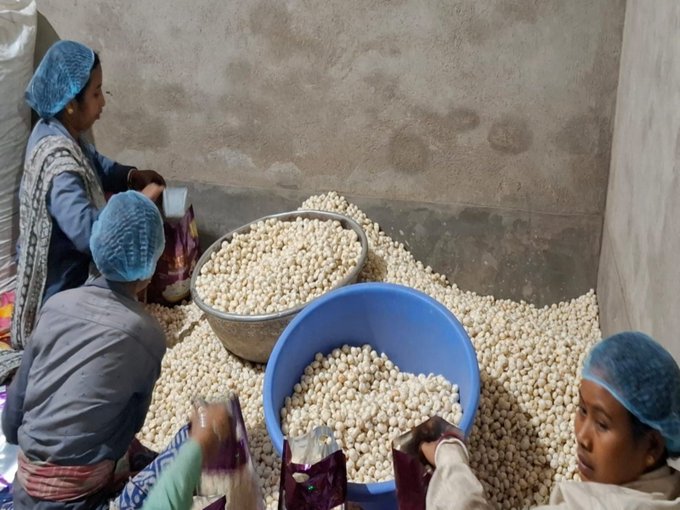
PURNEA: The Agricultural and Processed Food Products Export Development Authority (APEDA) facilitated the flag-off of a consignment of 1 MT of Popped (Phool) Makhana from Purnea, Bihar, for export to Greece, marking another step towards expanding international market access for Bihar’s traditional Makhana and creating opportunities for improved farmer realisation through export-oriented value chains.

The consignment, sourced by Indo Global Export, Belouri, Purnea, is being exported to Greece through S. S Foods Exports Pvt. Ltd., New Delhi. The shipment will move from Mundra Port in India to Piraeus Port in Greece.

The export has also resulted in higher price realisation compared with the prevailing domestic market selling price, highlighting the potential of international markets to create additional value for Makhana producers. Such export-led market access can strengthen linkages between producers and international buyers while creating opportunities for improved returns to farmers.

India is the global leader in Makhana production, with Bihar contributing around 80-85% of the country’s production. Makhana cultivation in Bihar spans over 35,000 hectares across 10 districts. The sector is supported by technical interventions at the grassroots level from Bihar Agricultural University (BAU), Sabour, and ICAR-National Research Centre for Makhana, Darbhanga.

The flag-off programme was chaired by Agriculture Minister, Government of Bihar, Shri Vijay Kumar Sinha, in the presence of Chairman, APEDA, Shri Abhishek Dev, and Director, Horticulture, Agriculture Department, Government of Bihar, Shri Abhishek Kumar, along with senior officers of the Government of Bihar and other stakeholders associated with the Makhana export value chain.

Addressing the gathering, Shri Vijay Kumar Sinha said, “The export marks an important milestone for Bihar’s Makhana sector as the product continues to reach international markets. India exported more than 7000 MT of makhana and value-added makhana products valued at USD 22 million during FY 2025-26 across more than 20 international destinations.”

He further stated that the Government of Bihar is working towards an Agri Export Policy aimed at supporting farmers and improving their incomes through export promotion. He also highlighted that packhouses have been developed to support the Makhana export value chain. He commended APEDA for its continued efforts towards expanding Makhana exports and improving farmer realisation.

The export from Purnea to Greece is part of growing efforts to connect Bihar’s Makhana producers and exporters with international markets. With its strong traditional and cultural association with Bihar, Makhana has emerged as an important product in India’s agricultural export basket.

APEDA has been facilitating market linkages and supporting exporters in taking Indian Makhana to international markets. Makhana exports are also expanding into European markets, with growing opportunities for Indian producers and avenues for diversification beyond traditional destinations. These efforts are helping connect Makhana producers in Bihar with international demand while creating opportunities for improved farmer realisation and greater participation of producer groups in the export value chain.

Singapore strengthens Ship Registry capabilities as Registry Marks 60 Years

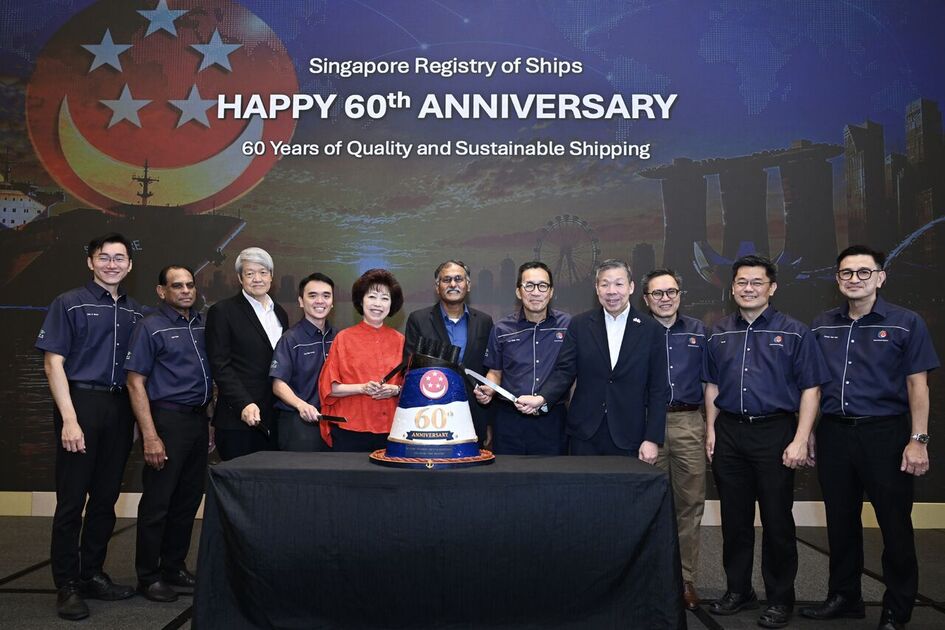
SINGAPORE: The Singapore Registry of Ships (SRS) is strengthening its capabilities to support a more digital and increasingly multi-fuel shipping sector, as it marks 60 years since its establishment in 1966.

At the SRS Forum on 2 October 2026, which was attended by industry and union partners, Senior Minister of State for Law and Transport Mr Murali Pillai highlighted the importance of continued partnerships as Singapore strengthens the SRS amid the maritime industry’s digital and green transition.

Modernising the Registry

The Maritime and Port Authority of Singapore (MPA) will launch a new ship registration system in the first half of 2027 to simplify the registration process and make it more seamless for shipowners and ship agents. The new system will integrate the end-to-end registration process, from application submission to certificate issuance. It will also incorporate AI capabilities to support the vetting and processing of applications. Processing time for standard applications will be reduced from up to three working days to just a few minutes, with certificates issued upon completion.

Shipowners and ship agents will also have greater visibility over the status of their applications. MPA will invite industry stakeholders to participate in pilot trials in the coming months to refine the system ahead of its launch.

A growing and evolving Singapore-registered fleet

Since its establishment in 1966, the SRS has grown to more than 4,400 vessels. As at 31 December 2025, the SRS reached a record 137 million gross tonnage (GT), a 27% increase from the previous year, making Singapore the world’s fourth-largest ship registry. With an average vessel age of about 11 years, the SRS is also currently the youngest fleet among the world’s top ten ship registries[1]. Singapore continues to rank among the leading flags under the Tokyo and Paris Memoranda of Understanding on Port State Control[2], and qualifies for the United States Coast Guard’s QUALSHIP 21 programme[3]. 

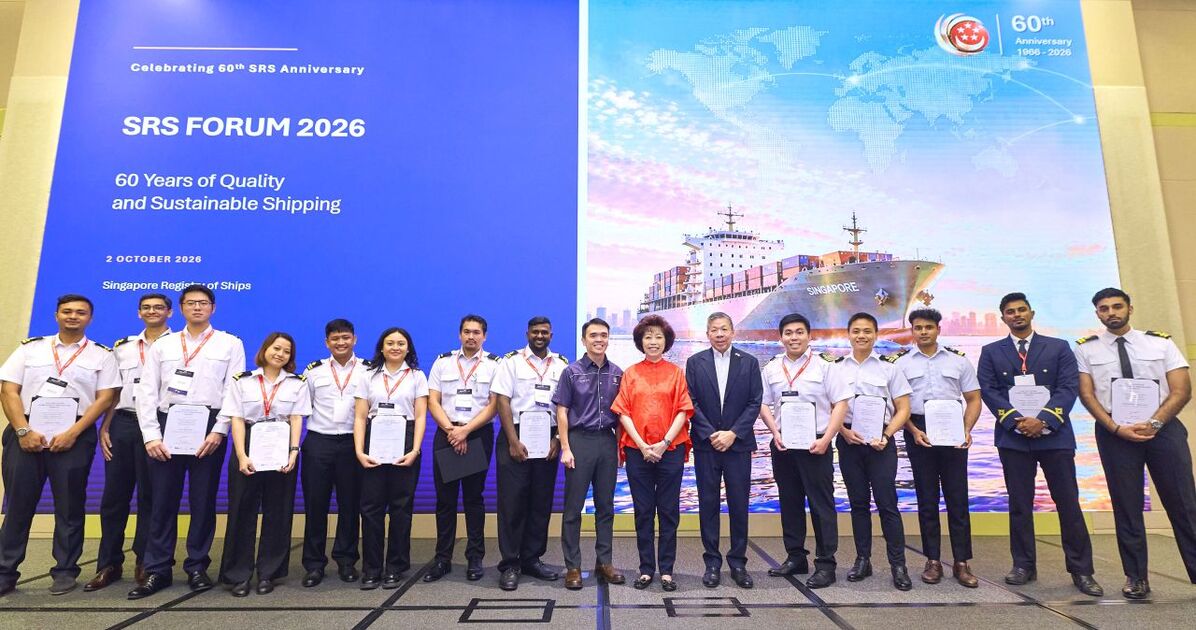
SRS FORUM 2026 Singapore strengthens Ship Registry capabilities as Registry Marks 60 Years

The Singapore-registered fleet is also evolving as shipping companies adopt alternative fuels. Since 2020, eight methanol-fuelled vessels have been registered with the SRS. The SRS is expected to flag its first ammonia dual-fuelled vessel next month.

A record 74 vessels from 28 companies qualified for MPA’s Green Ship Programme this year for adopting solutions that exceeded the prevailing environmental regulatory requirements. Seaspan Corporation was recognised for contributing the highest net tonnage to the SRS in 2025/2026. The list of SRS Award recipients is in the Annex.

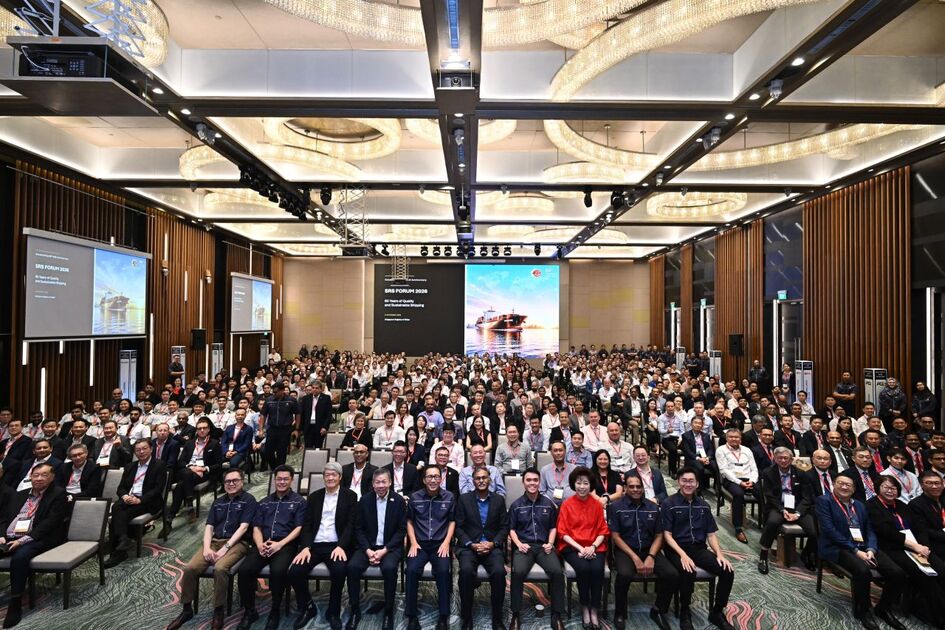
SRS 60th Anniversary Audience Singapore strengthens Ship Registry capabilities as Registry Marks 60 Years

Developing Singapore’s maritime talent

At the Forum, 13 local seafarers were also recognised under the Sail Milestone Achievement Programme (SailMAP). Since its launch in 2022, SailMAP has supported more than 100 local seafarers in progressing towards higher levels of shipboard competency, contributing to efforts to strengthen Singapore’s maritime talent pipeline.

[1] Flag State statistics published by Clarksons Shipping.

[2] The Tokyo and Paris Memorandums of Understanding (MOUs) are two major regional agreements through which maritime authorities cooperate on Port State Control (PSC). The Tokyo MOU on Port State Control in the Asia-Pacific Region coordinates PSC activities among maritime authorities in the Asia-Pacific, including Singapore, Australia, China, Japan and others, while the Paris MOU on Port State Control covers Europe and the North Atlantic, with participating maritime administrations conducting coordinated PSC inspections.

[3] The United States Coast Guard’s Quality Shipping for the 21st Century (QUALSHIP 21) programme recognises flag Administrations and vessels that demonstrate a strong record of compliance with international safety, environmental and regulatory standards.

CMA CGM Group completes acquisition of FedEx Supply Chain, strengthening its logistics presence in North America

. Advances CMA CGM Group’s long-term strategy to build integrated, end-to-end logistics solutions.
. Reinforces the Group’s investment commitment to the United States, a strategic market for its long-term growth.
. Nearly triples the North American contract logistics footprint of CEVA Logistics, the Group’s logistics subsidiary.
. The CMA CGM Group, a global player in sea, land, air and logistics solutions, announced the successful closing of its acquisition of FedEx Supply Chain, a subsidiary of FedEx Corp., at an enterprise value of $1.4 billion.

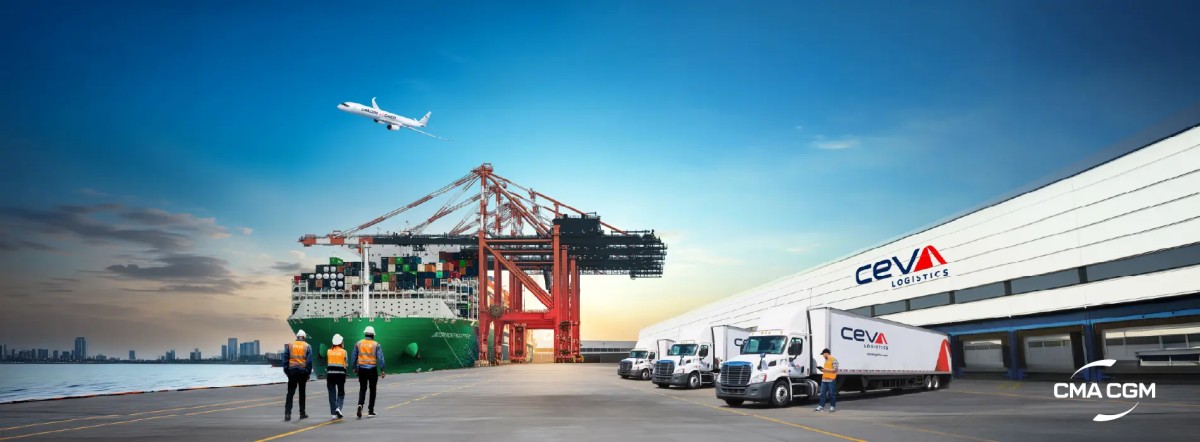
MARSEILLE : The completed acquisition significantly expands CEVA Logistics‘ North American contract logistics operations and reinforces CMA CGM‘s more than 25-year commitment to investing in the United States. It also advances the Group’s strategy to provide comprehensive end-to-end logistics solutions spanning ocean shipping, terminals, inland transport, warehousing and value-added logistics.

With the integration of FedEx Supply Chain’s assets and nearly 10,000 team members, CEVA Logistics is now one of North America’s leading contract logistics providers. This acquisition triples the north American logistics footprint of CEVA Logistics, adding approximately 34 million square feet of warehouse space. The combined business operates approximately 150 warehouses, expanding CEVA’s presence in North America to more than 240 locations with a workforce of approximately 20,000 people.

Beyond physical footprint, the acquisition combines complementary digital and operational capabilities, accelerating the deployment of automation and robotics across the North American network. It also deepens CEVA’s sector expertise in healthcare, technology, consumer and retail, enhancing its ability to manage complex, end-to-end supply chains across the United States and Canada.

In parallel, the CMA CGM Group and FedEx also enter into multi-year commercial agreements related to air and ocean freight, unlocking broader global collaboration.

CMA CGM will become a preferred ocean carrier for FedEx, offering transport and carrier services under a non-exclusive agreement.The two companies also plan to collaborate on an air cargo capacity agreement on key strategic routes, including Asia-Europe. This will strengthen their respective global networks, improving aircraft utilization and providing greater flexibility on long-haul routes. This will also further reinforce CMA CGM’s capabilities as an integrated logistics solutions provider across ocean, air and land.

Rodolphe Saadé, Chairman and Chief Executive Officer of the CMA CGM Group, stated: “The completion of this acquisition marks an important step in the development of CMA CGM and CEVA Logistics in North America. By significantly expanding our contract logistics capabilities, we are strengthening our ability to offer customers integrated, end-to-end supply chain solutions across ocean, air, land and logistics. It also reinforces CMA CGM’s long-term commitment to investing in the United States, a strategic growth market for the Group, and supporting the resilience and efficiency of its supply chain.”

Strait of Hormuz security, decarbonisation among key issues discussed by BIMCO committees

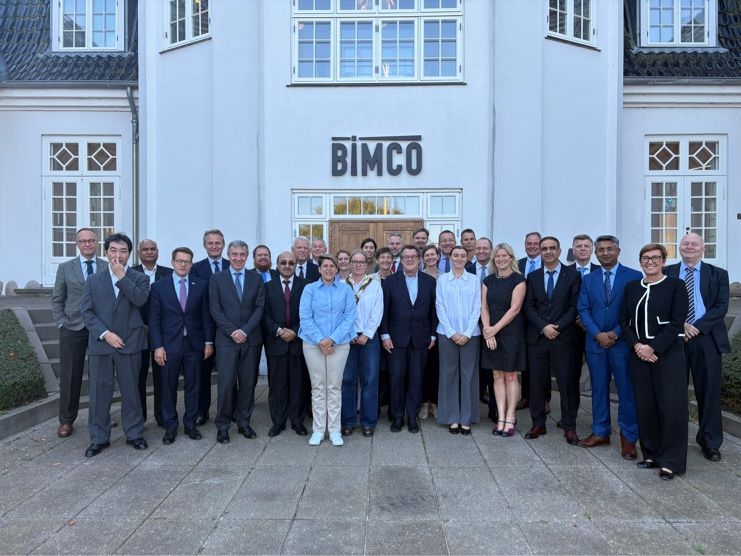
LONDON: The security situation in the Strait of Hormuz and the Black and Red Seas, as well as environmental topics, were among the key issues discussed when BIMCO’s Maritime Safety & Security Committee (MSSC) and Marine Environment Committee (MEC) met on 30 September and 1 October.

Members considered the implications of regional conflicts, attacks on shipping, drones, mines and navigational disruption. The committees also discussed a broad range of other regulatory, safety and environmental issues affecting the day-to-day operation of ships.

These meetings are an important part of how we represent your interests. Our committees bring together industry expertise to identify practical challenges and help shape BIMCO’s positions in discussions with the IMO, governments and regulators.

Digitalisation was another major theme, including the opportunities it offers for efficiency, compliance and safety, as well as the growing importance of cyber security and supporting seafarers as technology develops.

Members also discussed the safe adoption of alternative fuels, including ammonia, hydrogen and methanol, and future safety frameworks for advanced modular nuclear reactors. The continued discussions on the IMO Net-Zero Framework and revisions to the EU ETS also received significant attention.

Operational and human factors featured prominently, including enclosed-space fatalities, hydrogen sulphide exposure, fatigue, crew welfare, criminalisation and suicide prevention.

On environmental regulation, members considered continuing challenges with ballast water management systems, including challenging water quality, reliability, spare parts and access to service engineers. The proposed legally-binding international convention on biofouling was also discussed, with an emphasis on ensuring that future requirements are practical, science-based and capable of consistent implementation across the global fleet.

Other topics included search and rescue and mixed migration, underwater radiated noise, marine plastics and plastic pellet transportation, and implementation of the Hong Kong Convention on ship recycling.

Across the discussions, the focus was clear: helping ensure that new regulation delivers meaningful safety and environmental improvements while remaining practical and workable for ships, crews and the wider industry.