Home Blog Page 73

Maersk completes first U.S. Ethanol bunkering for a deep-sea containership

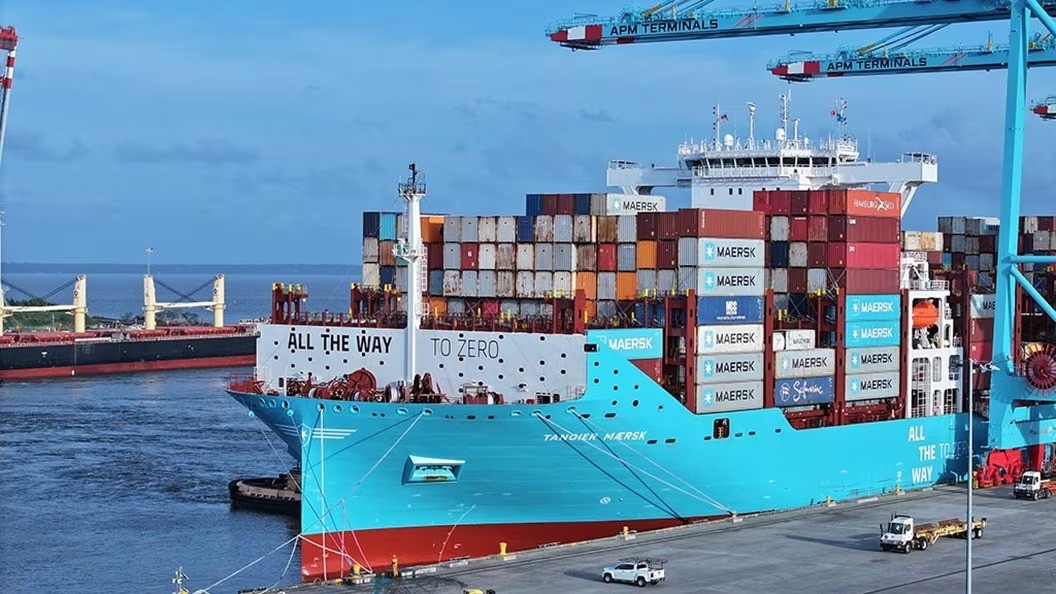
COPENHAGEN: Maersk has completed what it describes as the first ship-to-ship commercial ethanol bunkering of a deep-sea containership in the United States, extending a series of trials that is bringing ethanol into practical use as a marine fuel.

Announcing the operation on 28 September, the company said its dual-fuel, alcohol-capable containership Tangier Maersk had received U.S.-produced corn ethanol. Fuel supplier POET confirmed that the operation took place in Houston and used 100% bioethanol.

The delivery follows ethanol trials aboard Laura Maersk and a 2,800-tonne bioethanol supply to Antonia Maersk in Barcelona. Together with a separate ethanol-methanol trial by X-Press Feeders in Rotterdam, these developments show the industry expanding its assessment beyond engine performance to fuel procurement, delivery and commercial operations.

Connecting U.S. ethanol production with ocean shipping

The Houston operation brought together participants across the fuel and maritime supply chains. POET supplied the bioethanol, Kirby Corporation supported fuel transportation and bunkering, and the Port of Houston provided coordination and infrastructure. The U.S. Coast Guard supported the regulatory requirements for the operation.

For Maersk, the exercise provided practical experience with the infrastructure, sourcing, handling and supply arrangements needed to use ethanol at sea. The company said wider deployment would depend on fuel availability, regulation and operational readiness across the maritime value chain.

The distinction between a completed commercial delivery and an established supply network remains important. The operation demonstrates that this supply chain can deliver ethanol to an ocean-going vessel, but regular procurement and repeated bunkering will be needed to establish its suitability for routine fleet operations.

Neither Maersk nor POET disclosed the quantity delivered in Houston.

From blended fuels to 100% ethanol trials

Maersk’s initial onboard work centred on Laura Maersk, a vessel originally designed to use methanol as its alternative fuel.

In October and November 2025, the ship tested a blend of 10% ethanol and 90% e-methanol. Maersk subsequently increased the ethanol share to 50%, with its 2025 annual report confirming trials of both blends during the year.

By July 2026, information published by the Port of Barcelona confirmed that Laura Maersk had also completed sailings using 100% ethanol.

Testing then expanded to a larger vessel. On 17 July, the Port of Barcelona announced that Repsol had supplied 2,800 tonnes of bioethanol to Antonia Maersk in the port’s first bunkering operation of this kind. Maersk described it as its first ethanol trial aboard one of its large dual-fuel vessels.

The progression from lower-percentage blends to neat ethanol, followed by larger vessel applications, has allowed Maersk to build operating experience in stages. The Houston delivery adds another production source and supply location to that work.

Rotterdam broadens the operational experience

Maersk is not the only container operator exploring ethanol.

On 26 May 2026, the Port of Rotterdam announced its first ethanol bunkering operation, involving X-Press Feeders’ Eco Levant. The vessel subsequently operated on a blend comprising 90% biomethanol and 10% second-generation ethanol, both ISCC EU-certified.

Tankmatch supplied the fuels using its bunker vessel MTS Experience. Methanol and ethanol were delivered separately and blended aboard the receiving ship under controlled operating conditions.

The operation illustrates how ethanol can be introduced through blending, allowing operators to assess fuel handling and onboard performance before considering higher concentrations.

Across Rotterdam, Barcelona and Houston, the projects are adding experience with different fuel blends, vessel sizes and delivery arrangements. That experience will be necessary if ethanol is to become a regularly purchased bunker fuel.

One reason ethanol is attracting attention is its potential compatibility with methanol propulsion technology.

DNV has indicated that methanol dual-fuel engines can be adapted to use ethanol through relatively minor modifications. This creates an opportunity for some existing investments in alcohol-fuelled ships to support a wider choice of fuels.

Compatibility still needs to be established for each application. Engine configuration, fuel systems and the relevant approvals must be assessed before a vessel switches fuels.

Development is also extending into large dry bulk shipping.

On 2 September 2026, Everllence announced that its ethanol-capable G80 engine had completed research and development testing at HD Hyundai Heavy Industries’ Engine and Machinery Division in South Korea.

The engine is intended for the third vessel in a series of 10 very large ore carriers ordered by Shandong Shipping for charter to Vale. That vessel is scheduled for delivery in early 2027.

According to Everllence, the engine can operate on fuel oil, methanol, ethanol, or blends of the two alcohol fuels. The project remains at the pre-delivery stage, but it points to a broader potential market beyond containerships.

In Xinde Marine News’ assessment, such developments strengthen the commercial case for fuel flexibility. Where ships can safely use several approved fuels, owners gain more scope to respond to changes in availability, supply locations and procurement costs.

Production scale must translate into sustainable supply

Ethanol enters the marine fuel discussion with an established production and distribution base.

POET says its network comprises 35 production facilities with annual capacity exceeding 3 billion U.S. gallons. Existing production, transport and distribution infrastructure provides a starting point for supplying shipping.

However, total production capacity does not establish how much fuel will be available to maritime customers or how much will meet their emissions and sustainability requirements.

In its earlier ethanol trial announcement, Maersk said the fuel should not contribute directly or indirectly to land conversion or deforestation, or compete with food and feed. Its assessment of crop-based fuels includes lifecycle greenhouse gas emissions, traceability, certification and responsible sourcing.

The term bioethanol alone therefore does not establish a fuel’s environmental performance. Feedstock, production methods and verifiable lifecycle emissions all matter.

Commercial adoption also requires consistent availability, reliable delivery and acceptable operating costs. A successful bunker operation provides useful evidence, while sustained use will depend on how these conditions perform over time.

The next test is repeatable commercial supply

The significance of the Houston operation is that ethanol is entering the procurement and delivery processes of deep-sea shipping.

Over the past year, projects have tested different ethanol concentrations, expanded from smaller to larger containerships, and involved supply chains in Europe and the United States. Engine development for very large ore carriers is progressing alongside this operational work.

The next indicators to watch are repeat bunker deliveries, longer-term procurement commitments and accumulated operating data.

For owners investing in alcohol-capable vessels, ethanol offers another potential fuel choice. Its lasting role in shipping will depend on whether established production capacity can support reliable marine deliveries, verifiable emissions reductions and commercially workable costs.
The Maritime Standard Awards 2026 announces finalists following record nominations

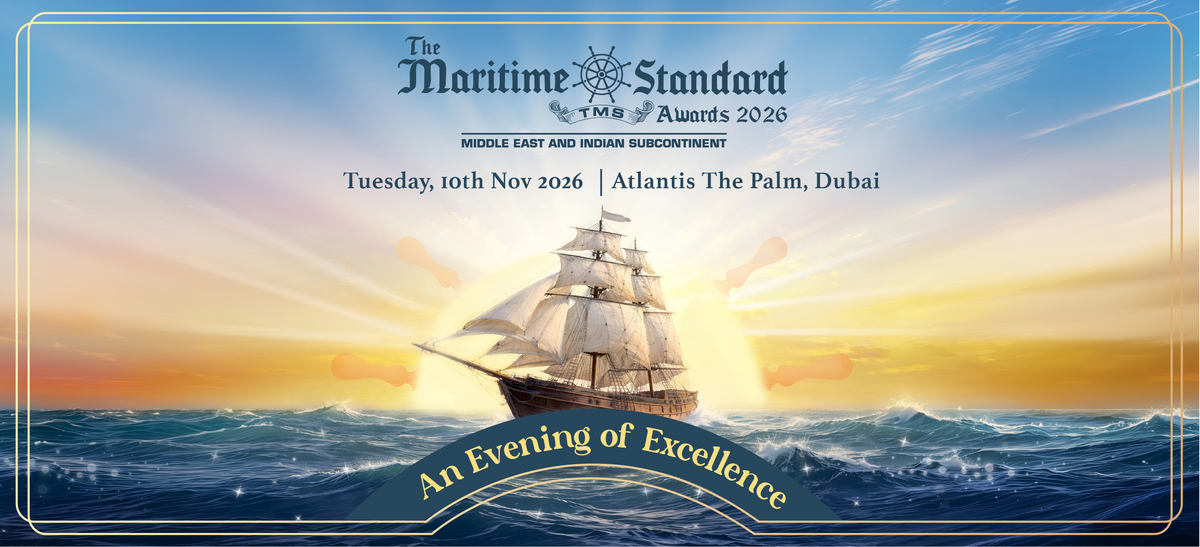
DUBAI: The Maritime Standard (TMS) has announced the finalists for the 13th annual Maritime Standard Awards 2026, following the strongest response in the history of the prestigious maritime industry awards from companies across the Middle East and Indian Subcontinent. The 2026 edition, themed “Nautica”, will see finalists compete for top honours across more than 25 categories at the awards ceremony on 10 November 2026 at Atlantis, The Palm, Dubai.

Held under the patronage of His Highness Sheikh Ahmed bin Saeed Al Maktoum, President of the Dubai Civil Aviation Authority and Chairman and Chief Executive of Emirates Airline and Group, the TMS Awards 2026 will bring together more than 1,200 senior executives, decisionmakers and industry professionals from across the maritime and shipping sectors.

The record number of nominations received this year underlines the breadth of activity taking place across the regional maritime industry. Companies from shipping, ports, terminals, logistics, ship management, offshore services, maritime technology, marine insurance, energy and other specialist areas have put forward their achievements for consideration.

The finalists were selected following a detailed judging process conducted by an independent panel of experienced maritime professionals. Entries were reviewed against the specific criteria established for each category, with judges considering factors including business performance, operational achievements, innovation, safety, sustainability, investment, market development and wider industry contribution.

Clive Woodbridge, Chairman of the Judging Panel and Editor of The Maritime Standard, said:
“The response to the TMS Awards this year has been remarkable. We received an unprecedented level of interest, and the standard of submissions made the selection process particularly challenging. The finalists have demonstrated clear achievements in their respective fields and can be proud of reaching this stage. With such strong competition across the categories, the final judging will be closely contested.”

The breadth of the finalist list also reflects the changing nature of the maritime industry. Alongside established areas of operational and commercial excellence, the 2026 awards recognise achievements in technology and innovation, environmental performance, education and training, corporate responsibility, safety, specialist maritime services and other areas that are becoming increasingly important to the industry’s future.

The awards provide an opportunity to highlight companies and individuals that are contributing to the development of maritime business across the Middle East and Indian Subcontinent. They also provide a platform for the industry to recognise the investments, strategies and achievements that are helping companies respond to changing market conditions.

Trevor Pereira, Managing Director of The Maritime Standard, said:
“The number of nominations this year is a strong indication of the importance companies place on being recognised by their peers and the wider maritime community. It is also a reflection of the depth and diversity of the industry across the region. The finalists represent organisations that have achieved meaningful results in areas ranging from operations and commercial growth to technology, sustainability and people development. We are looking forward to bringing the industry together in Dubai to celebrate these achievements.”

Now in its 13th year, the TMS Awards have become an established occasion for the international maritime community, attracting senior representatives from across the shipping, ports, logistics and associated sectors. The event combines the presentation of awards with opportunities for networking and engagement between industry leaders, business partners and professionals from across the maritime value chain.

The 2026 edition features more than 25 award categories, covering a broad range of maritime activities. These include Shipping Company of the Year, Ship Manager of the Year, Tanker Operator of the Year, Port of the Year, Terminal Operator of the Year, Marine Insurer of the Year, Technology / Innovation Award, Green Shipping Award, Maritime Education and Training Award and several other specialist categories.

The finalists now enter the final stage of the awards process, with the winners to be revealed during the gala ceremony at Atlantis, The Palm, Dubai, on Tuesday, 10 November 2026.

Beyond the awards themselves, the evening will provide an opportunity for the maritime community to come together, exchange ideas, strengthen business relationships and celebrate the people and organisations contributing to the industry’s continued development.

With the record level of participation this year, the 2026 edition is expected to be one of the most competitive and widely attended TMS Awards to date.

The full list of 2026 finalists can be viewed here. https://tmsawards.com/finalists/2026

Strait of Hormuz will not reopen until conditions are met, says Iran

TEHRAN : The Strait of Hormuz ​will not reopen until seven Iranian conditions set out in a June interim agreement with the US are ‌met, Nournews ​reported Iran’s parliament ​speaker Mohammad Baqer Qalibaf as ​saying on Sunday, a few days after Tehran received Washington’s reply to its diplomatic proposal.

“The Americans, ​who say something different ‌in the media, have recently put ​forward proposals through a mediator. But they must understand that the period ‌of dragging ​out the ‌process and dictating one-sided demands ‌is over,” Qalibaf was quoted ​as saying.

“The position of the Islamic Republic of Iran is ​completely clear and firm, and the Strait of ‌Hormuz will not be opened until ‌our seven conditions, based on the Islamabad Memorandum of Understanding, are met.”

The US should know “that the era of wasting time and dictating unilateral demands is over”, Ghalibaf said, adding Iran’s position remains “clear and definite”.

He emphasised that “the Strait of Hormuz will not open until our seven conditions based on the Islamabad memorandum are met”, and that Iran is “present on the military battlefield and will confront them with new surprises”.

He added that Iran was neither “excited” nor “intimidated” by the latest US proposals and would “both fight and negotiate”.

US President Donald Trump ruled out an Iranian proposal to reopen the Strait of Hormuz last week, hours after Iran put forward a roadmap to reopening the strait, through which one-fifth of global oil and natural gas is shipped during peacetime.

Last month, Trump threatened to “annihilate” Iran in his speech on the floor of the United Nations General Assembly (UNGA).

On Sunday, Iranian Foreign ⁠Minister Abbas Araghchi also said Iran is “serious about finding diplomatic solutions just as we are serious about defending ourselves”.

Speaking to foreign ambassadors and diplomats in Tehran, Araghchi said Iran had clearly explained ⁠its conditions for reopening the strait and ⁠that Tehran hoped Washington would choose diplomacy and accept its proposal. However, Araghchi warned that if the US takes military action again, Iran is “more prepared than before and will take whatever action is necessary to defend ourselves”.

Iranian Ministry of Foreign Affairs spokesman Esmaeil Baghaei added that Tehran used the UNGA platform last month to provide world leaders with its position on ending the US-Israel war on Iran.

He said the US has continued to focus on nuclear talks, while reopening the strait has been Iran’s main goal.

“We are at this stage mainly focusing on the strait, and our principal concern is to reach a solution and to have peace and stability restored within this waterway,” Baghaei said.

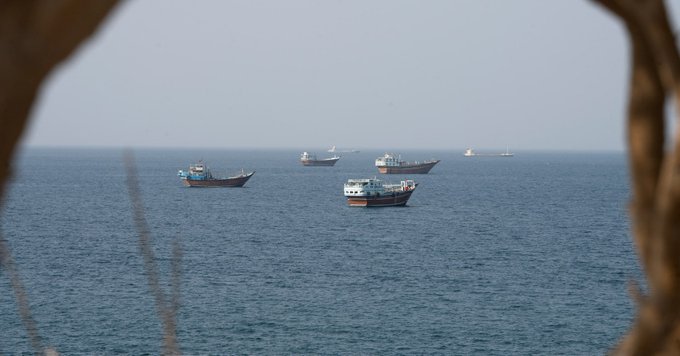
The Strait of Hormuz has been largely blocked and disrupted for more than seven months, since the US and Israel launched strikes on Iran on February 28, driving one of the worst maritime shipping disruptions in decades.

Houthis claim attack on Saudi Aramco Facility amid rising conflict

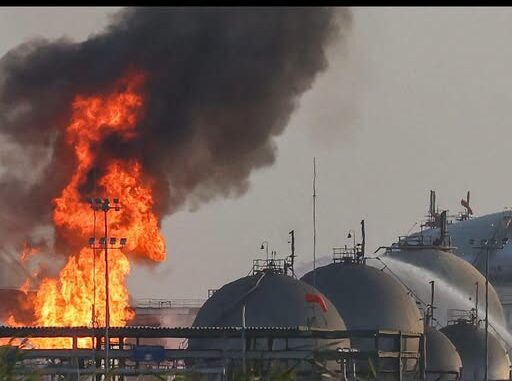
RIYADH : The Yemen-based Houthi movement has claimed responsibility for an attack on a facility owned by Saudi Aramco in the Saudi capital, Riyadh. This announcement comes as fighting intensifies between the Iran-aligned Houthis and the internationally recognised government of Yemen, which is backed by Saudi Arabia.

In a statement released on social media platform X on Saturday, Yahya Saree, the military spokesperson for the Houthis, announced that the group conducted a ‘military operation with ballistic missiles and drones’ aimed at the Aramco site. He characterised the strikes as ‘precise and direct’ and asserted that they resulted in significant fires at the facility. Eyewitnesses reported seeing a large plume of smoke rising from the area around the Aramco facility.

In contrast, Turki al-Maliki, who serves as the spokesman for the Saudi-led coalition, responded to these claims by labelling them ‘misleading’. This official statement was disseminated through Saudi media outlets.

Later on Saturday, the Saudi-led coalition outlined that its forces had executed 97 ‘precise targeting operations’ against Houthi reinforcements. The military actions took place at the Tor al-Baha front and along the Taiz axis, deploying a variety of armed forces including warplanes and drones. Colonel Majed Abdullah al-Nazili, a spokesperson for the Yemeni government forces, reported that these operations targeted ‘at least 260 Houthi fighters’ and resulted in the destruction or immobilisation of 44 military vehicles.

Prior to this incident, the Houthis claimed to have struck Aramco facilities in Yanbu, located on Saudi Arabia’s Red Sea coast. Saudi military officials indicated at that time that they successfully intercepted six ballistic missiles aimed at both Taif and Yanbu, reporting no damage to their facilities.

Further escalation occurred earlier this week when the Saudi-led coalition stated that the Houthis had attacked a power station in Medina, a city of considerable religious significance.

The hostilities between the two sides have escalated sharply since the collapse of a fragile truce in July 2022. In September, the Houthis captured the port city of Mocha, along with several strategic islands in the Bab al-Mandeb strait, an important passageway for global oil shipments.

The ongoing conflict has resulted in widespread displacement, with hundreds of thousands forced from their homes since the resurgence of fighting. Yemen has experienced civil war conditions since the Houthis took control of the capital, Sanaa, in 2014, pushing the legitimate government to relocate to Aden.

Saudi Red Sea Authority presents Red Sea Global with Operating Licenses for AMAALA Marina and Shura Marina

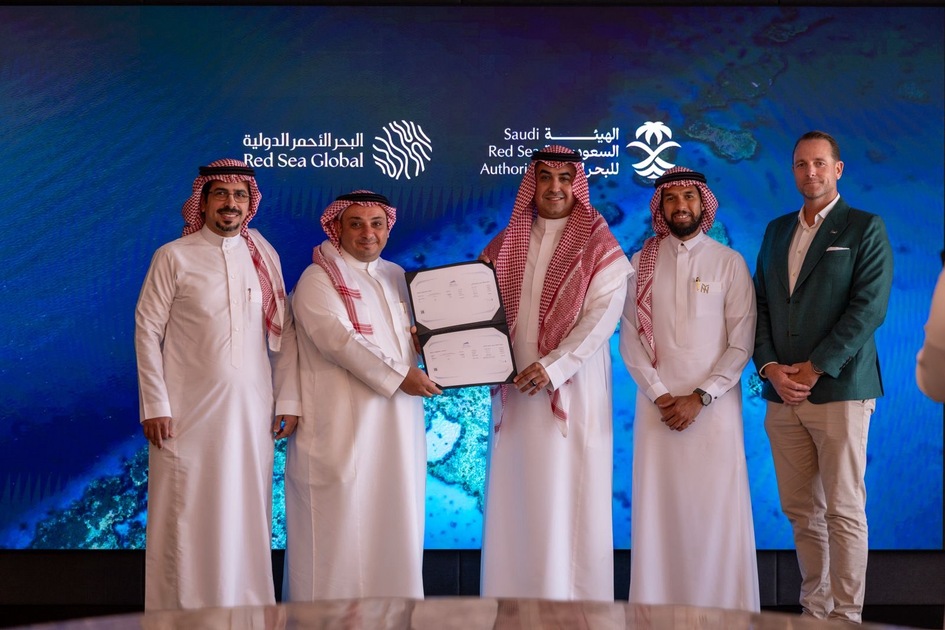
RIYADH: The Saudi Red Sea Authority (SRSA) today presented Red Sea Global (RSG) with two operating licenses for AMAALA Marina and Shura Marina. The move strengthens the marinas’ readiness to welcome yachts and supports the integration of marine services across RSG’s destinations along Saudi Arabia’s Red Sea coast.

صورة00 1 Saudi Red Sea Authority presents Red Sea Global with Operating Licenses for AMAALA Marina and Shura Marina

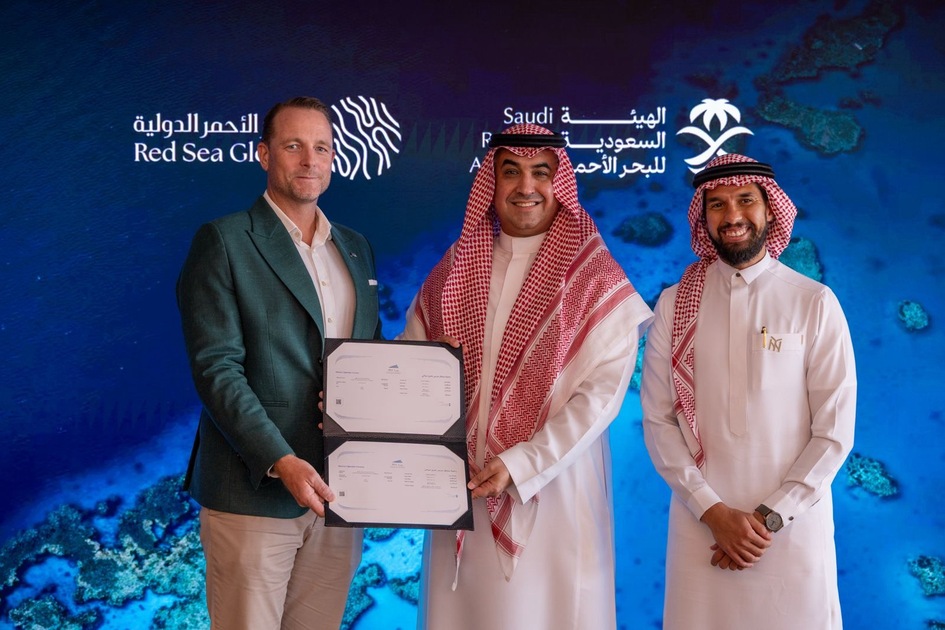
Eng. Mohammed Bukhari, Vice President of Coastal Tourism Operations at SRSA, handed over the licenses to Mr. Raed Albasseet, Chief Operations and Sustainability Officer at RSG, in Riyadh.

The licenses were issued in accordance with the Regulation for the Design and Operation of Tourist Marinas, which governs marina design and operations and sets out health, safety, and environmental protection requirements. These requirements support the quality of services provided to yacht owners and visitors to coastal destinations. SRSA’s regulatory framework also provides clarity for operators and investors, strengthens confidence in the sector, and supports coastal tourism growth underpinned by quality visitor experiences and protection of the marine environment.

RSG recently launched Yachting Network, which brings the management and operation of its marinas and yacht clubs along the Red Sea coast together under unified management. The network is designed to provide yacht owners, captains and crews with a connected experience and easier access to berthing and marine services across destinations.

The network includes AMAALA Marina, part of AMAALA Yacht Club, with 119 berths, and Shura Marina, the largest tourist marina on an island in Saudi Arabia, with 159 berths. Together, the two marinas offer a combined capacity of 278 berths and can accommodate yachts up to 120 meters in length.

With a clubhouse spanning approximately 7,900 square meters, AMAALA Yacht Club offers facilities and services for yacht owners and visitors that complement the marina. Together, they bring yachting, hospitality, and marine services into an integrated experience, strengthening the destination’s appeal to the yachting community.

The move reflects the complementary roles of SRSA in developing and regulating coastal tourism and RSG in developing tourism destinations, facilities, and services. SRSA establishes regulatory frameworks, policies, rules and standards, issues licenses and permits, encourages investment, and identifies infrastructure requirements. These efforts support the sector’s growth, strengthen the Red Sea’s competitiveness as a global tourism destination, and advance the objectives of Saudi Vision 2030.

Railport continues to strengthen logistics links between Türkiye and North Rhine-Westphalia

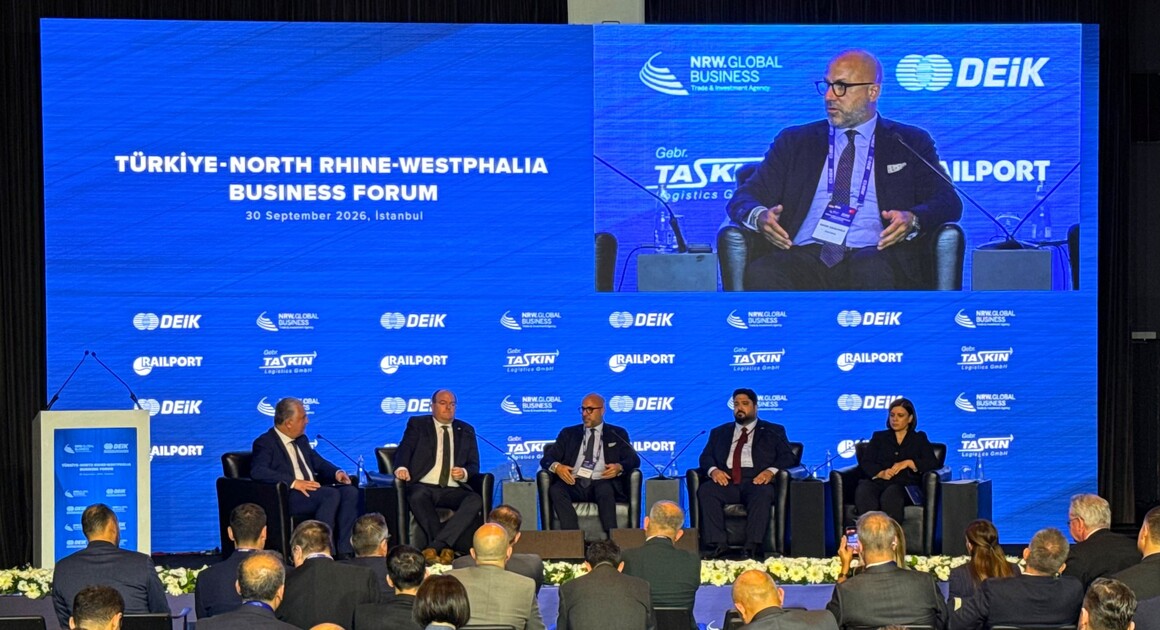
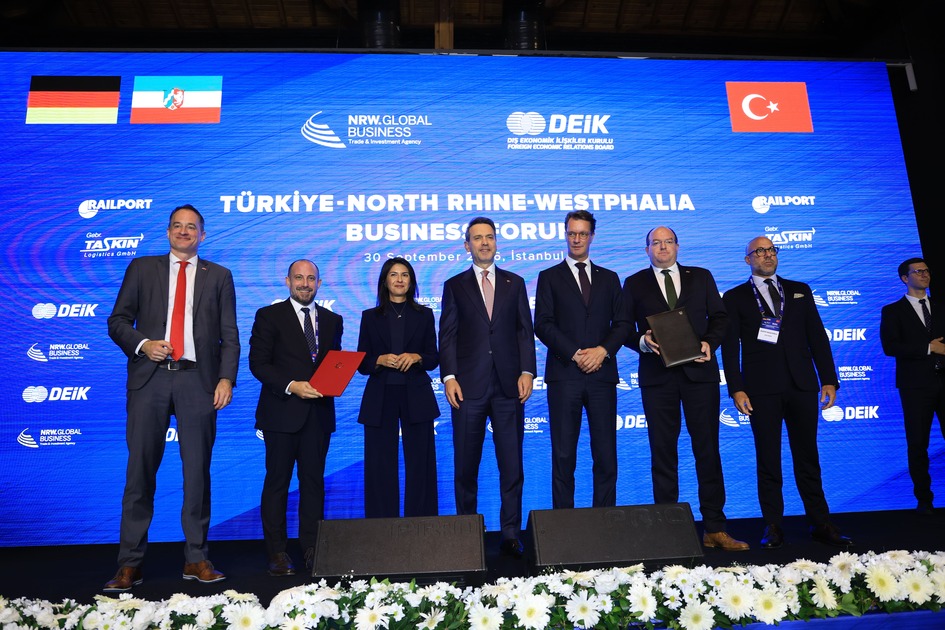
ISTANBUL: The Türkiye–North Rhine-Westphalia Business Forum, aimed at strengthening trade and economic relations between Türkiye and North Rhine-Westphalia (NRW), one of Germany’s leading economic regions, brought together senior representatives from the public and business sectors of both Türkiye and Germany in Istanbul. Supported by Railport, Türkiye’s first intermodal terminal, the forum addressed the role of intermodal connections and strong transport corridors in further advancing existing trade and investment relations between Türkiye and NRW.

Turkiye NRW Business Forum 2. Visual 1 Railport continues to strengthen logistics links between Türkiye and North Rhine-Westphalia

Organised in cooperation with the Foreign Economic Relations Board of Türkiye (DEİK) and NRW.Global Business to strengthen economic ties between Türkiye and North Rhine-Westphalia and explore new areas of cooperation, the Türkiye–North Rhine-Westphalia Business Forum brought together senior representatives from the public and business sectors of both countries. The forum opened with speeches by Alparslan Bayraktar, Minister of Energy and Natural Resources of the Republic of Türkiye; Hendrik Wüst, Minister-President of North Rhine-Westphalia; Serap Güler, Minister of State at the German Federal Foreign Office; Nail Olpak, President of DEİK; and Felix Neugart, CEO of NRW.Global Business. Discussions focused on the future of economic relations between the two regions, transport connections, mutual investments and opportunities for long-term cooperation. As part of the forum, a Memorandum of Understanding was also signed to further develop logistics cooperation between Türkiye and Germany. Özgür Kalelioğlu, President of Arkas Holding Port and Terminal Services Group, and Markus Bangen, CEO of duisport, also took part in the signing ceremony.

Kalelioğlu: “We aim to strengthen Türkiye’s position as a logistics hub between East and West”

Commenting on trade and logistics connections between Türkiye and Germany at the Türkiye–North Rhine-Westphalia Business Forum, Özgür Kalelioğlu, President of Arkas Holding Port and Terminal Services Group, said:

“North Rhine-Westphalia is one of Europe’s most important industrial and logistics hubs, while Duisburg plays a key role in cargo flows across Europe thanks to its strong rail connections. Our partnership with duisport and our investment in Railport were among the important steps taken with this logistics connection between Türkiye and North Rhine-Westphalia in mind. As container transport continues to grow in Türkiye, we need not only seaports but also intermodal terminals capable of moving cargo into the country’s inland regions. Railport was developed to meet this need following an extensive preparation and investment process. Having Railport operational today is highly significant for the development of Türkiye’s intermodal infrastructure. At a time when rail connections between the Far East and Europe are becoming increasingly stronger, our goal is to reinforce Türkiye’s position as a major logistics hub between East and West. To achieve this, we need to strengthen our port infrastructure and increase the number of intermodal terminals such as Railport.”

Weekly rail connection from Kartepe to Duisburg

North Rhine-Westphalia, Germany’s largest regional economy and one of Europe’s leading industrial and logistics centres, plays an important role in trade flows from Türkiye to Europe, supported by its strong transport infrastructure and Duisburg’s position within the European logistics network. Developed in Kartepe, Kocaeli through the partnership between Arkas Holding and duisport, Railport, Türkiye’s first intermodal terminal, serves as a strategic link connecting Türkiye’s production centres with the European rail network. Integrated with the European rail network to the west and the Middle Corridor to the east, Railport strengthens Türkiye’s role as a bridge between Europe and Asia through its connections extending to the Caucasus, Central Asia and China. With this position, Railport forms part of a broader Eurasian logistics network extending beyond the Türkiye–Germany corridor. Operating across an area of 265,000 square metres, Railport contributes to Türkiye’s intermodal logistics infrastructure with an annual handling capacity of 360,000 TEU of containers, 1.5 million tonnes of general cargo, 130,000 finished vehicles and 125,000 trailers. The terminal also features 20,000 square metres of covered warehousing space and provides services for various cargo types, including containers, trailers, swap bodies, finished vehicles and general cargo. The rail connection established between Kartepe and Duisburg contributes to the development of intermodal transport between Türkiye and Europe, while Railport plays an important role in Türkiye’s goal of becoming a stronger logistics hub for cargo flows between East and West.

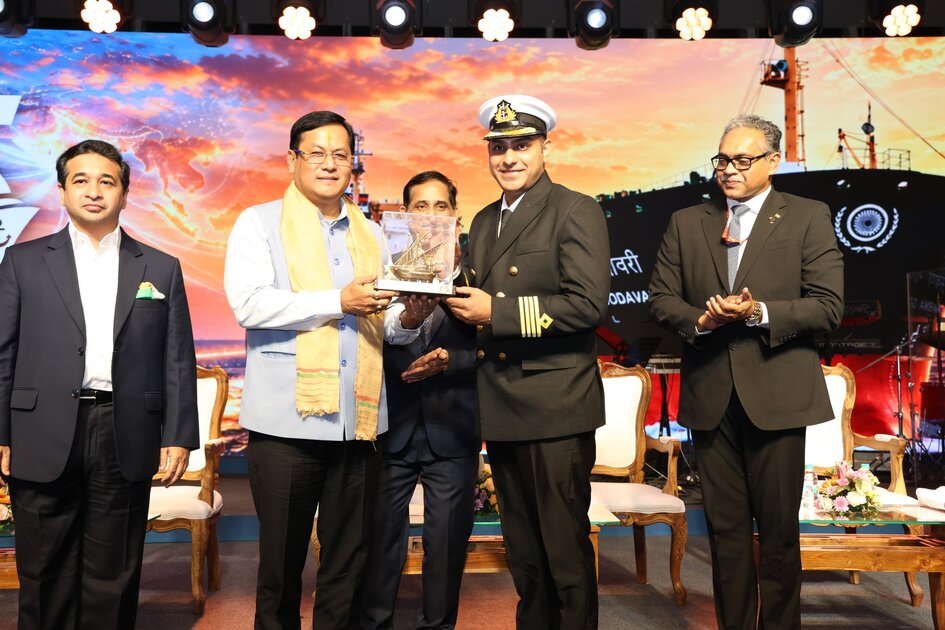
Sarbananda Sonowal calls on SCI to lead India’s Maritime and Shipbuilding Growth

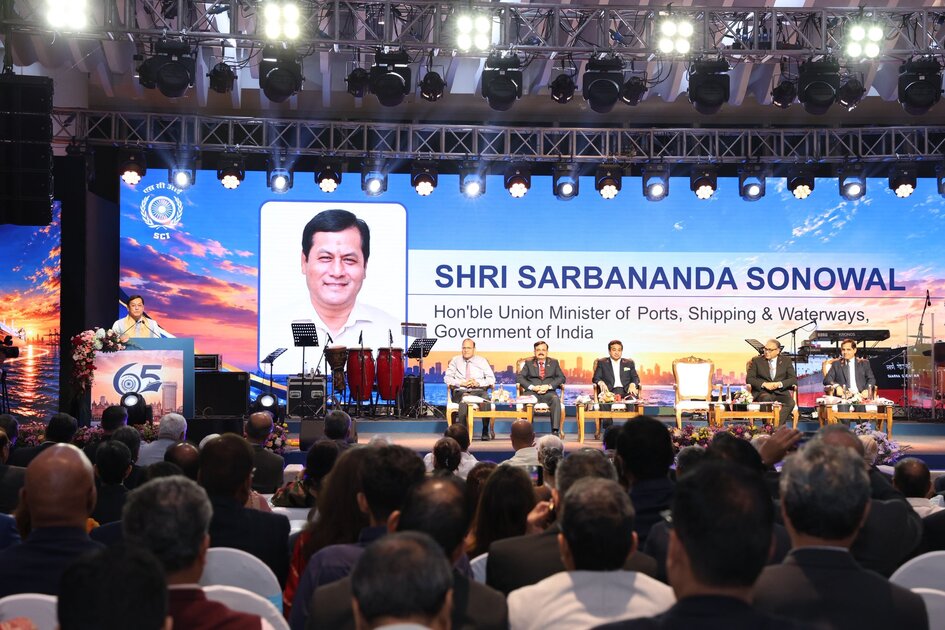
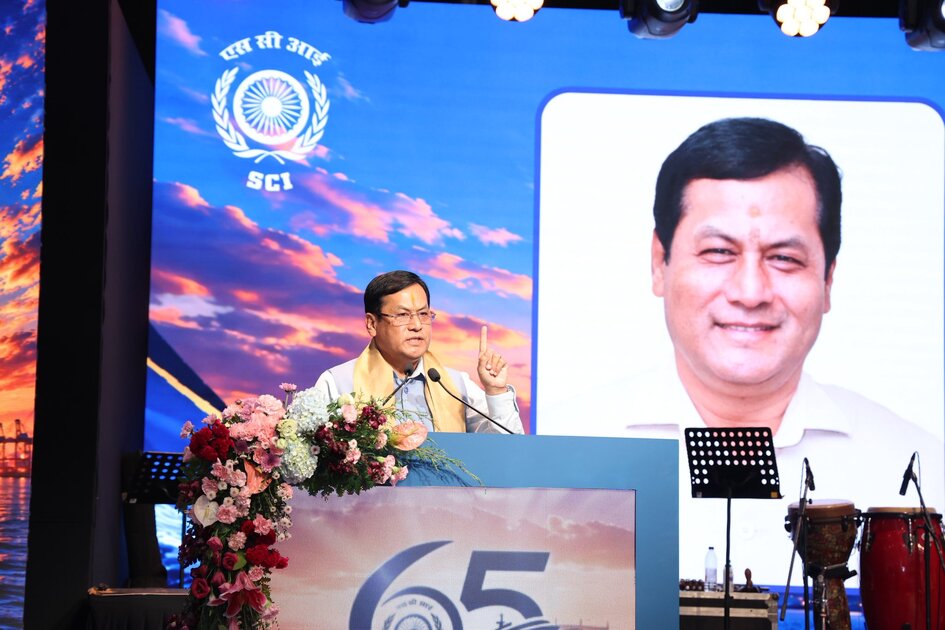
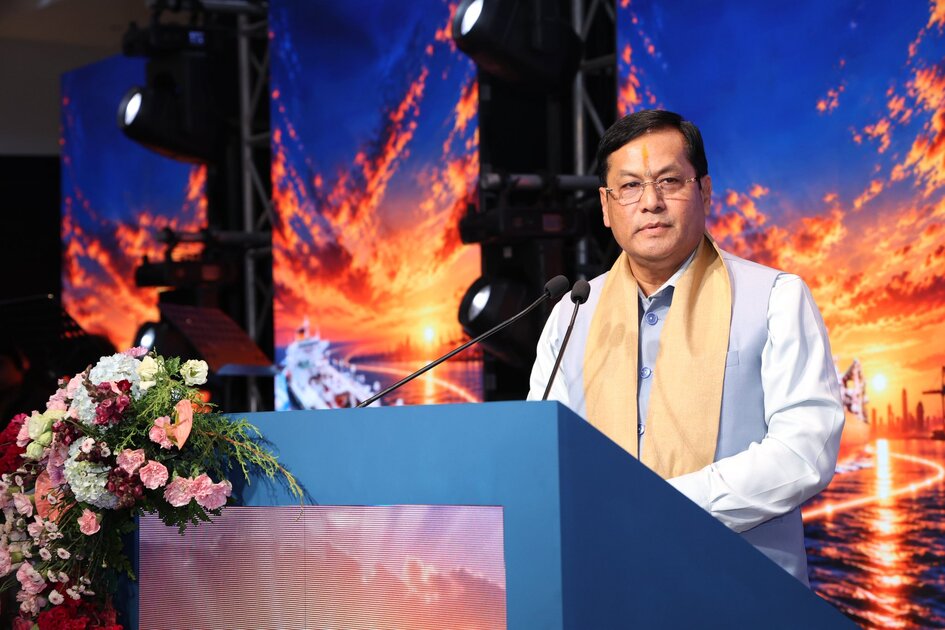
MUMBAI: Union Minister for Ports, Shipping and Waterways Shri Sarbananda Sonowal has called upon the Shipping Corporation of India (SCI) to strengthen its role as a key driver of India’s ambitions to build a self-reliant and globally competitive maritime and shipbuilding sector.

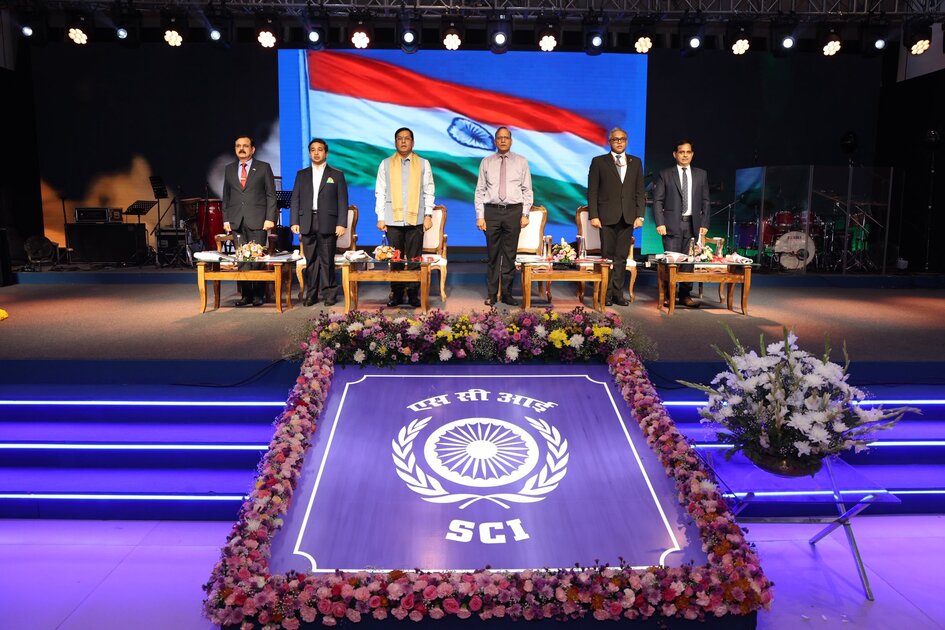
Addressing a ceremony held at the International Cruise Terminal in Mumbai to mark 65 years of SCI’s operations, the Union Minister emphasised the company’s strategic importance in advancing India’s maritime capabilities and supporting the nation’s long-term shipbuilding ambitions.

Shri Sonowal urged SCI to continue playing a leading role in strengthening domestic maritime capacity while contributing to India’s vision of becoming a stronger and more competitive force in the global maritime industry.

Sarbananda Sonowal, who attended as the chief guest at the event, congratulated SCI on completing six and a half decades of service to the nation and highlighted the company’s role in safeguarding India’s energy and trade security, pointing specifically to its performance during the recent Strait of Hormuz crisis. The Union Minister called on SCI to help advance the government’s Viksit Bharat and Atmanirbhar Bharat goals, framing a stronger national fleet as central to India’s ambition of becoming a top shipbuilding and ship-owning nation by 2047.

“SCI is one of the clearest examples of India building its own strength at sea,” Sonowal said. “As India works to become a top shipbuilding nation under Maritime Amrit Kaal Vision 2047, SCI’s fleet, its people and its partnerships will be central to that mission.”Founded in 1961 as a liner shipping company with 19 vessels, SCI has grown into a diversified maritime enterprise operating 58 vessels totalling 5.26 million deadweight tonnage (DWT). The company’s operations now span crude and product tankers, bulk and container shipping, LPG and LNG carriers, offshore services, passenger and coastal transport, project cargo, ship management, and shipbuilding consultancy.

“Under the visionary leadership of Prime Minister Shri Narendra Modi ji, India is no longer content to simply own ships — we are determined to build them, right here at home. SCI’s growth over these decades shows what Indian enterprise can achieve when backed by national resolve. As SCI expands its fleet and deepens its partnerships, it strengthens not just one company, but India’s entire shipbuilding ambition, and carries us forward, mile by mile, toward the goal of a Viksit Bharat,” Sarbananda Sonowal said.

Shri Nitesh Narayan Rane, Maharashtra’s Minister for Fisheries and Ports and Guest of Honour at the event, credited SCI’s enduring ties to Maharashtra and Mumbai, and said a strong shipping ecosystem remained essential to trade, employment and the broader growth of India’s maritime economy.

Shri Vijay Kumar, Secretary of MoPSW, addressed the gathering virtually and pointed to SCI’s role as a second line of defence during periods of national need, alongside what he called its robust financial performance despite the shipping industry’s cyclical nature. The secretary said SCI’s fleet expansion, strategic partnerships and focus on greener shipping would further strengthen India’s maritime capabilities and its global maritime presence under MAKV 2047.

Capt. B.K. Tyagi, SCI’s Chairman and Managing Director, outlined the company’s plans for the years ahead, reaffirming its commitment to building a larger, modern and globally competitive fleet in support of the national push to expand India’s shipping capacity and tonnage.

SCI is undertaking a fleet augmentation program backed by the government’s expanded policy and financing support for the maritime sector, with proposed joint ventures involving Indian Oil’s public sector undertakings and the Bharat Container Shipping Line laying the groundwork for accelerated expansion toward MAKV 2047 targets.

SCI is positioned to play a central role in strengthening India’s maritime capacity, supporting the country’s economic and energy security, and contributing to its broader shipbuilding and tonnage ambitions, as the company enters its next phase of growth toward a Viksit Bharat and Atmanirbhar Bharat.

DPA Kandla sets new national record with 9.64 lakh MT cargo handling in a single day

Kandla Port surpasses its own previous national record, reinforcing its position as a leading maritime and cargo-handling hub

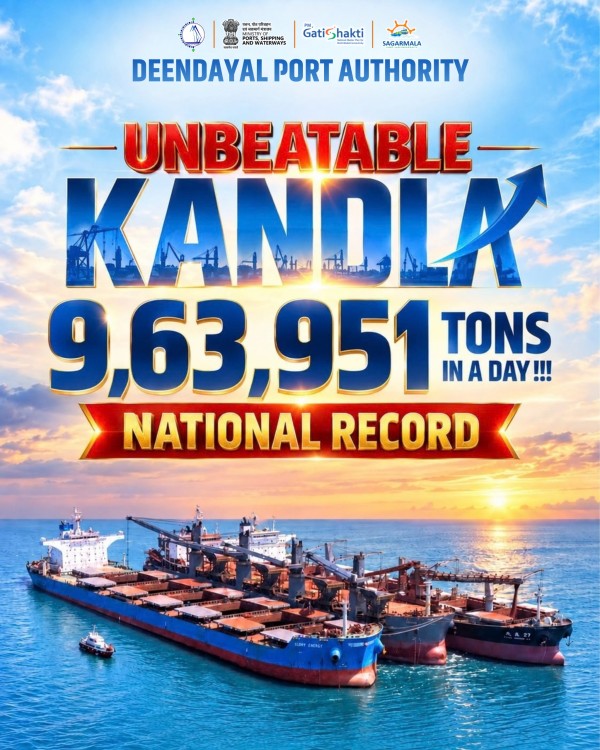
GANDHIDHAM: Deendayal Port Authority (DPA), Kandla, has achieved a new milestone in cargo handling by recording 9,63,951 metric tonnes (MT) of cargo in a single day, setting a new national record in daily cargo handling.

The latest achievement surpasses DPA Kandla’s previous national record of 9,03,904 MT, registered on September 7, 2026. The new performance represents an increase of 60,047 MT, or approximately 6.64 per cent, over the earlier record.

The achievement highlights the port’s operational capabilities, efficient cargo-handling infrastructure and coordinated efforts of its stakeholders in facilitating high-volume maritime trade.

With this latest milestone, Deendayal Port Authority continues to set new benchmarks in cargo-handling efficiency, strengthening Kandla’s role as an important gateway for India’s EXIM trade.

The record also reflects the port’s continued focus on improving operational productivity and supporting the growing requirements of India’s logistics and maritime sector.

Key Highlights

New National Record: 9,63,951 MT cargo handled in a single day
Previous Record: 9,03,904 MT on September 7, 2026
Additional Cargo Handled: 60,047 MT
Growth over Previous Record: Approximately 6.64%
Port: Deendayal Port Authority, Kandla
Achievement: Highest single-day cargo handling milestone reported by the port

APSEZ’s Colombo West International Terminal Doubles Capacity to 3.2 million TEUs with Total USD 750 Million investment

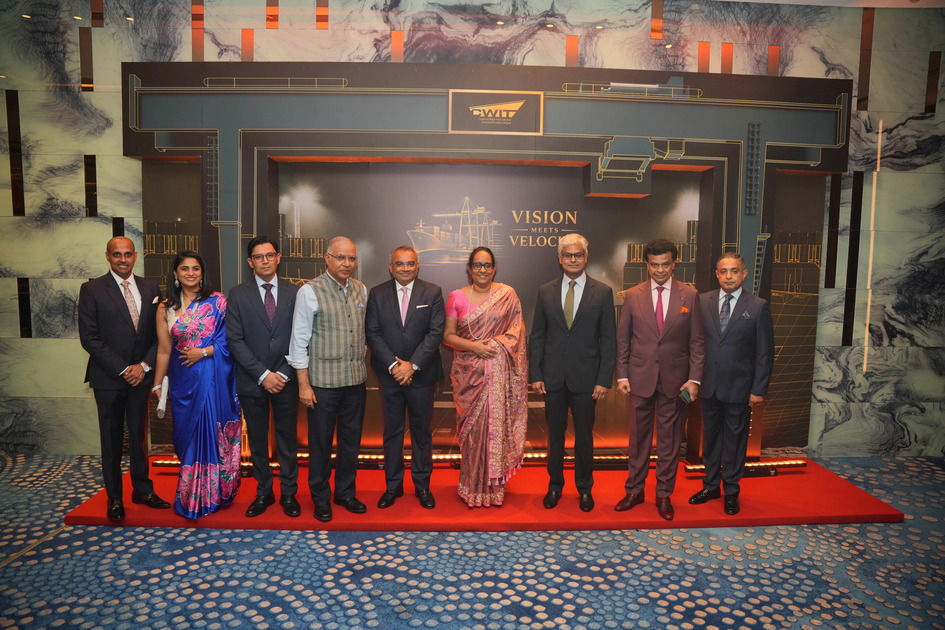
COLOMBO: Prime Minister of Sri Lanka Dr Harini Amarasuriya on Thursday inaugurated the USD 750 Mn Phase II expansion of Adani Ports and Special Economic Zone’s (APSEZ) Colombo West International Terminal (CWIT). With its capacity doubled from 1.6 million to 3.2 million TEUs, the expansion will further CWIT’s ambition to handle nearly 25% of the Port of Colombo’s 13 million TEU target by 2028.

Building on its earlier record as the fastest terminal to handle 1 million TEUs within its inaugural year in 2024, CWIT has achieved yet another historic milestone in the Port of Colombo’s history by handling 2 million TEUs within its first 18 months of operation.

“The success of Colombo West International Terminal demonstrates what Sri Lanka can achieve when bold vision, trusted partnerships and modern infrastructure come together. Reaching 2 million TEUs in record time and commencing Phase II today is not just a milestone for the Port of Colombo, but a milestone for our nation’s economic future. As Sri Lanka strengthens its position at the crossroads of global trade, investments such as CWIT are creating jobs, attracting international commerce, enhancing competitiveness, and reinforcing our ambition to become the leading maritime and logistics hub of the Indian Ocean,” Prime Minister of Sri Lanka Dr. Harini Amarasuriya said.

With additional capacity, CWIT would be able to simultaneously berth three ultra-large container vessels, strengthening Colombo’s position as a critical transshipment hub on the East-West trade route.

“Doubling CWIT’s capacity to 3.2 million TEUs with a USD 750 Mn investment is a direct statement of confidence from APSEZ and from the global shipping lines. Phase II is a landmark for APSEZ’s international portfolio and sharpens our position across the Indian Ocean’s key trade corridors. With expanded capacity, full automation and deep-water infrastructure, CWIT is built to be Colombo’s premier transshipment gateway and contribute to EXIM cargo in Sri Lanka,” Mr. Ashwani Gupta, Whole-Time Director and CEO, APSEZ said.

“This is an important milestone for CWIT and for the Port of Colombo. Reaching 2 million TEUs in just 18 months is a strong reflection of what this partnership has been able to achieve. With the expansion of the terminal, we see an even greater opportunity to strengthen Colombo’s position as a key transshipment hub and support Sri Lanka’s growth as an important centre for trade in the region. We are pleased to be part of this journey alongside APSEZ and the Sri Lanka Ports Authority.” Mr. Krishan Balendra, Chairperson, John Keells Group added

CWIT is Sri Lanka’s first fully automated deep-water container terminal. It is built to serve the world’s largest container vessels through fully electrified operations and zero tailpipe emissions. The terminal has recorded 17 million safe working hours, underscoring its safety and workforce credentials alongside its operational and environmental performance.

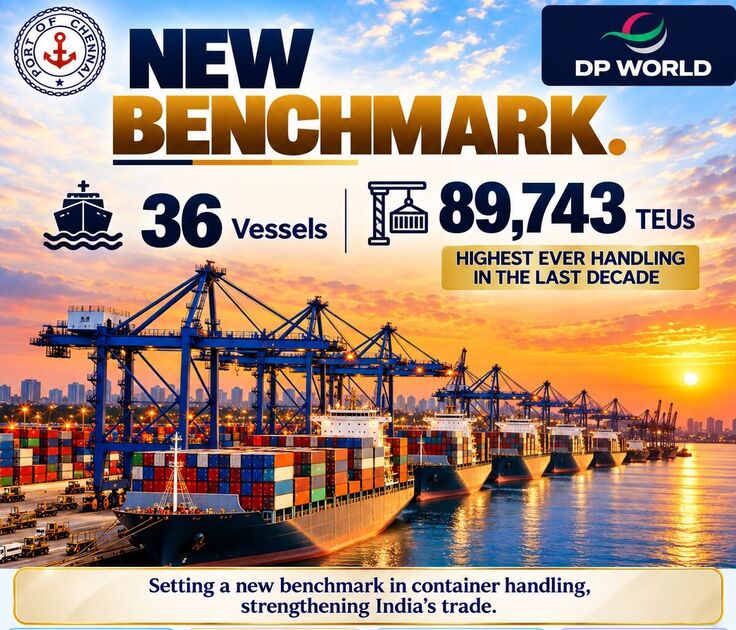
Chennai Port’s CCTPL sets Decade-High Container Handling Benchmark with 89,743 TEUs in September

DP World-operated terminal handles record volume across 36 vessels, marking its highest monthly container throughput in a decade

CHENNAI: Chennai Port’s container handling operations have reached a significant new milestone, with Chennai Container Terminal Pvt. Ltd. (CCTPL), operated by DP World, recording its highest-ever container handling volume in the last decade during September 2026.

According to a post shared by the Chennai Port Authority, CCTPL handled 89,743 TEUs across 36 vessels during September 2026, marking a new benchmark for the terminal and underscoring the growing momentum of containerised trade through Chennai Port.

The achievement represents a notable performance milestone for CCTPL and reflects the coordinated efforts of the terminal operator, Chennai Customs and the wider port stakeholder community in facilitating efficient cargo movement and vessel operations.

The Chairperson of Chennai Port Authority appreciated CCTPL for achieving the milestone and acknowledged the contribution and support extended by Customs as well as other stakeholders across the port ecosystem.

The record monthly performance comes against the backdrop of a series of initiatives aimed at enhancing Chennai Port’s competitiveness and strengthening its role as a key gateway for South India’s trade.

The Chairperson also highlighted recent measures such as Port SETU and other trade-promotion initiatives undertaken by Chennai Port Authority. These measures are intended to improve trade facilitation, strengthen connectivity and create opportunities for attracting additional business and cargo through the port.

The latest achievement at CCTPL highlights the importance of collaboration among terminal operators, Customs, port authorities and other stakeholders in improving cargo-handling efficiency and supporting the growth of India’s maritime trade.

With continued emphasis on trade facilitation, connectivity and customer-focused initiatives, Chennai Port is seeking to further strengthen its position in the container shipping ecosystem and enhance its contribution to India’s expanding international trade.