Home Blog Page 748

Maersk launches New Caribbean – North Europe (CAX)Service

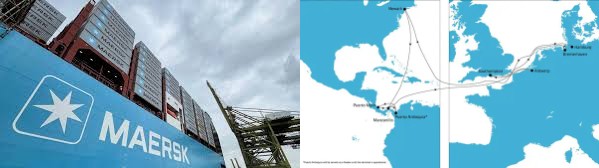
COPENHAGEN : Maersk are pleased to announce the launch of CAX, a new service that will connect the Caribbean and North Europe. With the aim of enhancing our Latin American ocean network, the new CAX service will replace the current  CRX and  COEX services and is designed to deliver greater reliability, efficient transit times, and expanded connectivity across key markets.

The service rotation will be as follows:
Antwerp – Southampton – Hamburg – Bremerhaven – Newark – Manzanillo (PA) – Puerto Antioquia* – Puerto Moin – Manzanillo (PA)

*Puerto Antioquia will be served by a feeder connecting in Manzanillo (PA) until the new terminal is fully operational.

The CAX will offer efficient, direct products from key reefer ports in the Caribbean, with seamless connections to and from their expansive ocean network via hubs in Panama. The service will maintain direct coverage of main ports in North Europe and offer improved feeder connectivity.

he launch of the CAX service will be accompanied by the following adjustments to our ocean network:

  • The CLX service will add Santa Marta-Magdalena (Colombia) as the last port in Latin America, and Southampton as the first port in Europe. Rotterdam and Antwerp rotation will be swapped.
  • The COEX and CRX services will phase out, being replaced by the CAX.
  • Veracruz and Altamira (Mexico) will be served exclusively by a dedicated loop (TA4) on our Transatlantic network, continuing the existing reliable, weekly coverage to/from North Europe.
  • The ECUMED service will remain unchanged.

The changes will be effective as from the end of September 2025.

ServiceDirectionFirst Vessel VoyageProforma ETA
CAXNorthboundMonte LinzorPuerto Moin / Sept 26
CAXSouthboundMaersk Monte AltoAntwerp / Sept 29
ServiceDirectionFirst Vessel VoyageProforma ETA
CLXNorthboundJPO LibraCallao / Sept 12
CLXSouthboundJPO LibraSouthampton / Oct 11

PIL opens new office in Guatemala

GUATEMALA : Pacific International Lines (PIL) has opened a new office in Guatemala to strengthen its business in Central America.

“This new office represents much more than a physical space; it symbolises our firm commitment to Guatemala and Central America. The premises will allow us to be closer to our customers, respond better to their needs and give them greater confidence in our services and logistics solutions,” said Alfredo Di Palma, General Manager of PIL Guatemala.

The Singapore-based shipping company offers services in the country through the West Coast Central and South America 2 and 6 (WS2 and WS6) routes, which provide connections to Asia, Oceania, and the Pacific Islands.

Since 2023, PIL has been working to unify its overseas agencies under the PIL brand with the aim of ‘better leveraging our strengths to meet the needs of our customers.’

‘With this alignment with our PIL brand and our deeper presence in the region, we not only reaffirm our commitment to Guatemala and Central America, but also reiterate our promise to “Put customers first”. PIL Guatemala will continue to push the boundaries to deliver people-centric and future-focused solutions that are efficient and reliable,’ said the shipping company.

Global Shipping Giants bet big on ULCVs as trade flows evolve

The container shipping sector is entering a period of structural adjustment, as excess vessel capacity, declining freight rates and shifting global trade routes reshape commercial dynamics. According to Veson Nautical‘s Shipping Market Outlook for Q3 2025, adaptability and cost efficiency will be central to navigating the months ahead.

The global shipping market continues to be defined by geopolitical tensions, trade disruptions and macroeconomic uncertainty. Veson Nautical’s Q3 2025 outlook highlights how these pressures are playing out most sharply in the container segment, which faces mounting challenges following a period of rapid fleet expansion.

The net container fleet expanded by 5.5 per cent in 2023 and 9.7 per cent in 2024, with average annual growth projected at 8.2 per cent from 2025 to 2028. This acceleration was driven by record ordering activity in 2024, which saw approximately 4.3 million TEUs added to the orderbook. As a result, the orderbook-to-fleet ratio has reached 31.1 per cent, a level not seen in recent years.

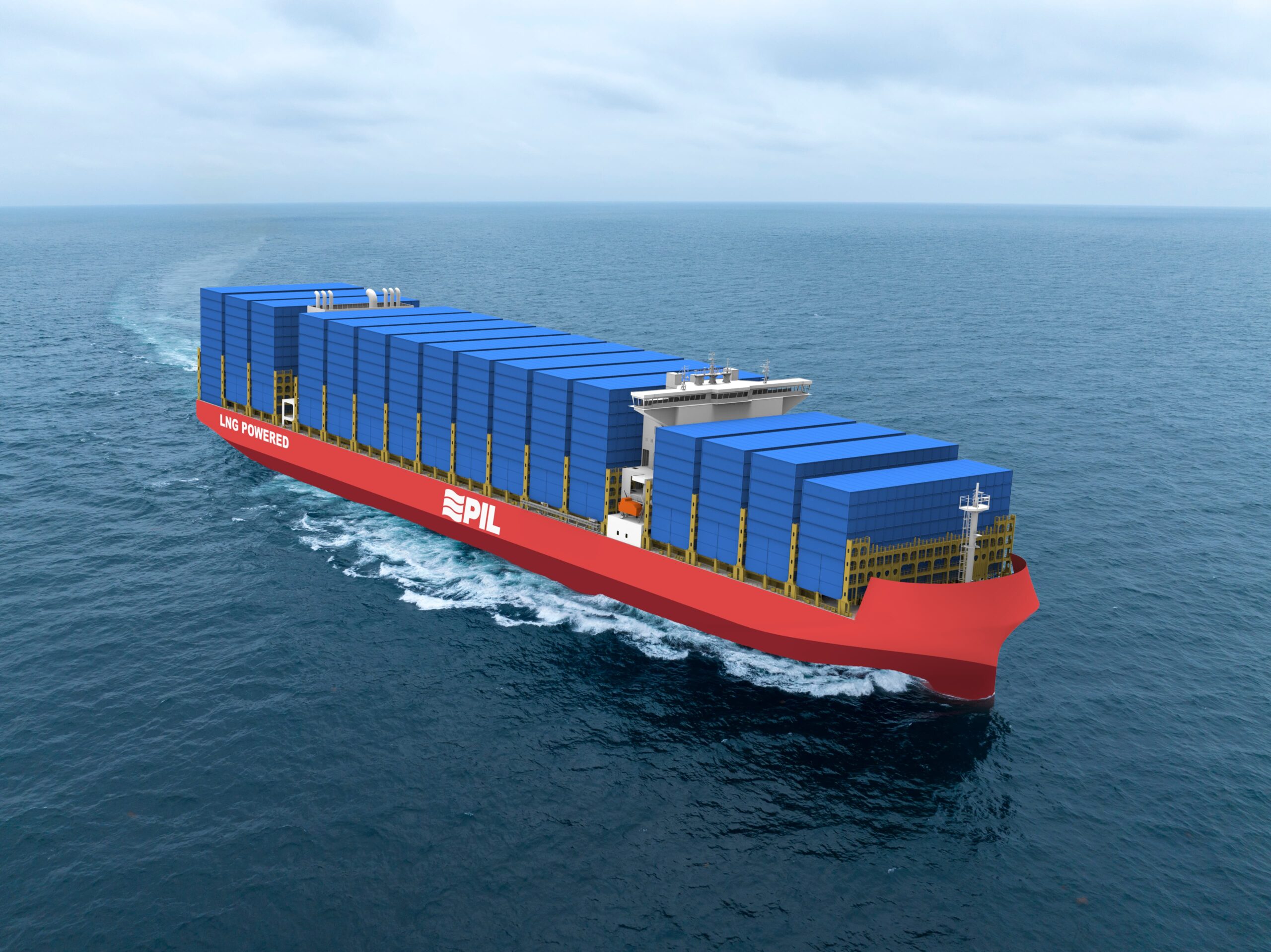
One notable trend is a shift in ordering preferences, with a growing move away from New-Panamax vessels in favour of Ultra Large Container Vessels (ULCVs). This reflects evolving global trade patterns and a continued emphasis on economies of scale.

Despite this growth, new orders have slowed sharply in 2025, as elevated shipbuilding costs and a saturated orderbook temper fresh activity. Veson notes that this will likely ease pressure on shipyard capacity in the medium term.

On the scrapping front, activity remains subdued but is expected to increase, particularly among smaller vessels under 3,000 TEUs. These older ships are becoming less viable as operating costs remain high and freight rates fall.

Beyond containers, Veson Nautical notes ongoing volatility in tanker markets, driven by Red Sea tensions and EU sanctions on Russian oil that have rerouted trade flows and boosted tonne-mile demand. Yet, tanker fleet growth is expected to outpace demand after 2025 due to new deliveries and low scrapping, with regulatory pressures and shifting oil consumption patterns adding long-term uncertainty.

Similarly, the bulker sector benefits from reduced orderbooks and emerging trade routes, such as increased iron ore shipments from Guinea, supporting ton-mile growth despite softer demand linked to China’s economic challenges. Geopolitical risks continue to influence vessel rerouting and freight rates, even as overall ordering activity slows across sectors amid elevated newbuilding costs.

South Africa advances plans to decarbonize shipping sector

South Africa has reaffirmed its commitment to decarbonizing its maritime industry, outlining plans to implement key IMO regulations on shipping emissions and establish a national task force and action plan to drive the effort.

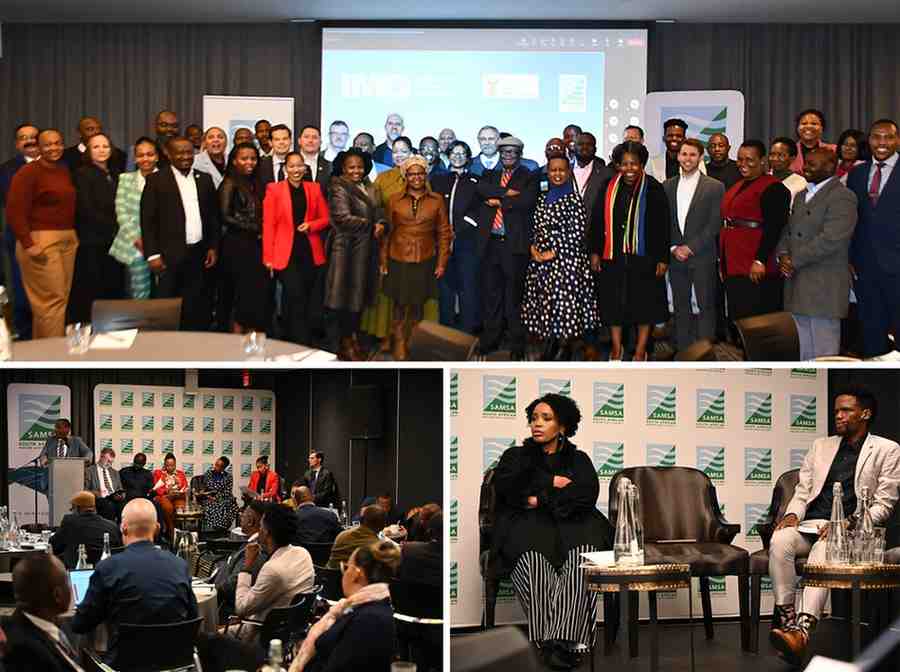
These priorities emerged during a national workshop co-organized by IMO and the South African Maritime Safety Authority (SAMSA) in Pretoria on 10 July.

The workshop – the first cross-sectoral event in South Africa to be fully dedicated to maritime decarbonization – brought together over 70 senior officials from government, industry and civil society. Discussions centred on four key areas:

Alignment with the approved IMO Net-Zero Framework
Fuel transitions and decarbonization technologies
Workforce development and training
Financing the green transition
From statements to strategies

In his keynote, Deputy Minister of Transport Hon. Mkhuleko Hlengwa urged swift progress: “Let us move from statements to strategies, from planning to piloting, and from ambition to real action… Africa must be part of designing the route.”

IMO technical officer Camille Bourgeon presented an overview of the IMO Net-Zero Framework, which is due to be adopted by the IMO’s Marine Environment Protection Committee in October 2025. It comprises a set of mandatory regulations, including a global fuel standard and a global pricing system for GHG emissions.

“The workshop is extremely valuable in terms of linking IMO’s global frameworks with nationwide strategies. It also helps us to identify pilot projects, while laying the foundation for stronger coordination among stakeholders,” said Mr. Bourgeon.

Priority actions

At the conclusion of the workshop, delegates endorsed a set of priority actions, including:

Governance: Ratify and enforce MARPOL Annex VI (IMO treaty which regulates air pollution and ship emissions), establish a national task force on shipping decarbonization, develop national action plans and raise awareness at all levels.
Infrastructure: Explore government incentives and identify funding mechanisms for alternative fuel production, promote clean fuel infrastructure and bankable projects; Improve access to finance and reduce barriers for green shipping investments
Workforce: Modernize maritime education, initiate skills gap assessments, and invest in training programmes for green maritime careers.
SAMSA Acting CEO Ms. Mbalenhle Golding welcomed the country’s bold vision and IMO’s support: “It is a journey filled with opportunity for green industries, new skills, cleaner communities, and a more resilient ocean economy.”

The workshop follows the Southern African Transport Conference held on 9 July, which included a session dedicated to maritime issues. Participants from Angola, Ghana, Kenya, Liberia, and Namibia, were supported by the IMO GHG Technical Cooperation Trust Fund. The workshop builds on a previous regional workshop held in Mombasa earlier this year.

Sanfu Shipyard delivers methanol dual‑fuel feeders to MPC Container Ships

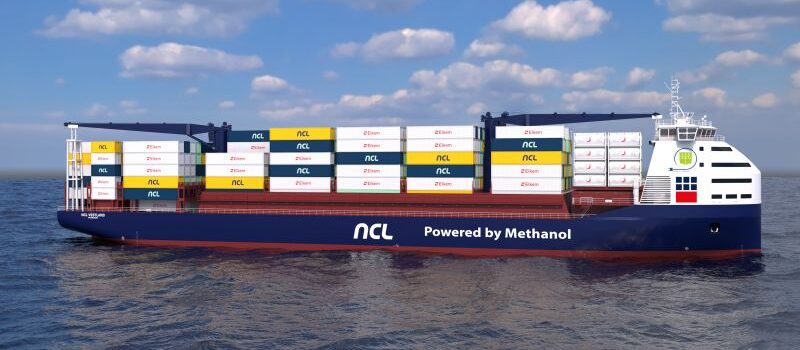
TAIZHOU CITY : Sanfu Shipyard, officially Taizhou Sanfu Ship Engineering Co., Ltd., has delivered two DNV‑class methanol dual‑fuel 1,300 TEU container feeder vessels—the NCL Vestland and NCL Nordland—to owner MPC Container Ships ASA (MPCC) and long‑term charterer North Sea Container Line AS (NCL), according to the company’s release.

Delivered in February and April 2025, these vessels mark the launch of a green shipping corridor between Norwegian and Dutch/German North Sea ports.

Both vessels are capable of operating on “green” methanol from day one and were equipped with integrated methanol systems supplied by Qingdao Sunrui, certified by DNV to meet safety standards.

The vessels feature advanced energy‑saving systems such as shore‑power connection, battery back‑up, waste‑heat recovery, exhaust‑gas recirculation, and optimized hydrodynamics—including controllable‑pitch propellers, twisted‑flap rudders, and aerodynamic bows—which contribute to EEDI ratings of 14.837 g CO2/ton‑nm, exceeding Phase III requirements.

Designed for deployment in sub‑arctic coastal waters, both vessels are ice‑classed and outfitted for single‑operator bridge operations with high manoeuvrability supported by bow and stern thrusters.

Cargo capacity exceeds similar feeder vessels by approximately 40%, accommodating up to 380 reefer units and IMDG‑rated hazardous goods, aided by hatchless loading and dual 45‑tonne cranes.

According to Constantin Baack, CEO of MPCC, the delivery aligns with the company’s decarbonization strategy, positioning MPCC as an early mover in fuel‑agnostic operation.

NCL CEO Bente Hetland stated that the vessels advance the carrier’s aim to cut CO₂ emissions by 80% by 2030, with green methanol supply sourced within Norway.

This delivery completes a shipbuilding contract signed in mid‑2022, when MPCC ordered two 1,300 TEU methanol‑fueled feeder vessels at Sanfu Shipyard under 15‑year time charter agreements with NCL, supported by a contract of affreightment involving Elkem ASA. The contract, valued at USD 39 million per vessel, was financed via charter‑backed cash flows at approximately €16,300/day and included support from Norway’s Enova and NOₓ Fund.

Taizhou Sanfu Ship Engineering Co., Ltd. is a Chinese shipbuilding enterprise specialising in the construction of container feeder vessels and offshore platforms. The shipyard holds approvals from classification societies and has increasingly focused on dual‑fuel and eco‑design vessels under DNV supervision.

MPC Container Ships ASA (MPCC) is a publicly listed Norwegian shipping company based in Oslo, operating a fleet of small to mid‑size containerships primarily under fixed‑rate time charters on intra‑regional trade lanes.

North Sea Container Line AS (NCL) is a Norwegian container shipping operator engaged in feeder services along the North Sea and Norwegian coastline. As charterer, NCL is replacing its conventional fleet with carbon‑neutral vessels and plans to launch the world’s first ammonia‑powered container vessel, Yara Eyde, in 2026.

Drewry: World Container Index down 2.6% last week

LONDON : Drewry’s World Container Index decreased 2.6% to $2,602 per 40ft container this week.

For many years, World Container Index has been the go-to, independent, global reference for index-linked contracts. If your organisation is considering index-linked contracts or requires regional visibility/coverage beyond the eight trade lanes provided below, contact our ocean freight cost benchmarking team.

Drewry’s detailed assessment for Thursday, 17 Jul 2025

  • Drewry’s World Container Index (WCI) fell 2.6% this week, marking its fifth consecutive weekly decline. This ongoing downturn follows an earlier period of volatility triggered by higher US tariffs announced in April. The market reaction to the tariffs lagged by one month, with rates beginning to climb in May and surging through the first week of June. However, this trend has since reversed, with rates falling consistently since mid-June, indicating that the tariff’s initial market impact was not sustained.
  • Transpacific spot rates fell this week, with those on Shanghai–Los Angeles down 4% ($2,817/feu) and those on Shanghai–New York down 6% ($4,539/feu). However, both lanes remain above their levels from 10 weeks ago, when tariff concerns began driving up rates. Spot rates from Shanghai to Los Angeles are still 4% higher, while rates to New York are 24% higher than on 8 May. Drewry expects spot rates on this trade lane to continue to decline due to weak demand.
  • Drewry’s Container Forecaster expects the supply-demand balance to weaken again in 2H25, which will cause spot rates to decline. The volatility and timing of rate changes will depend on Trump’s future tariffs and on capacity changes related to the introduction of US penalties on Chinese ships, which are uncertain.

Source: Drewry

Baltic Index posts Biggest Weekly Gain in four months on Capesize increase

LONDON : The Baltic Exchange’s main sea freight index, which measures rates for ships carrying dry bulk commodities, jumped on Friday, posting its biggest weekly gain in over four months, supported by a steady rise in capesize vessel rates.

The main index, which tracks rates for capesize, panamax and supramax shipping vessels, gained 22 points, or 1.1%, to 2,052 points, its highest level since September 30, 2024. The contract logged its highest weekly percentage gain since late February.

The capesize index rose 63 points, or 2.1%, to 3,084, hitting its highest level in a month. The contract gained over 43% for the week.

Average daily earnings for capesize vessels, which typically transport 150,000-ton cargoes such as iron ore and coal, increased $520 to $25,575.

Dalian iron ore futures climbed to their highest close in 4-1/2 months and logged a fourth consecutive weekly gain, as an upbeat demand outlook and hopes for further policy support from Beijing boosted market sentiment.

The panamax index fell 14 points, or 0.7%, to 1,919. However, the contract gained over 3% for the week.

Average daily earnings for panamax vessels, which usually carry 60,000-70,000 tons of coal or grain, lost $127 to $17,272.

Among smaller vessels, the supramax index added 11 points, or 0.8%, to 1,346.

Source: Reuters

CMD CONCOR engages with trade in Morbi ; Highlights benefits of newly established Gati-Shakti Cargo Terminal (GCT) – Rafaleshwar

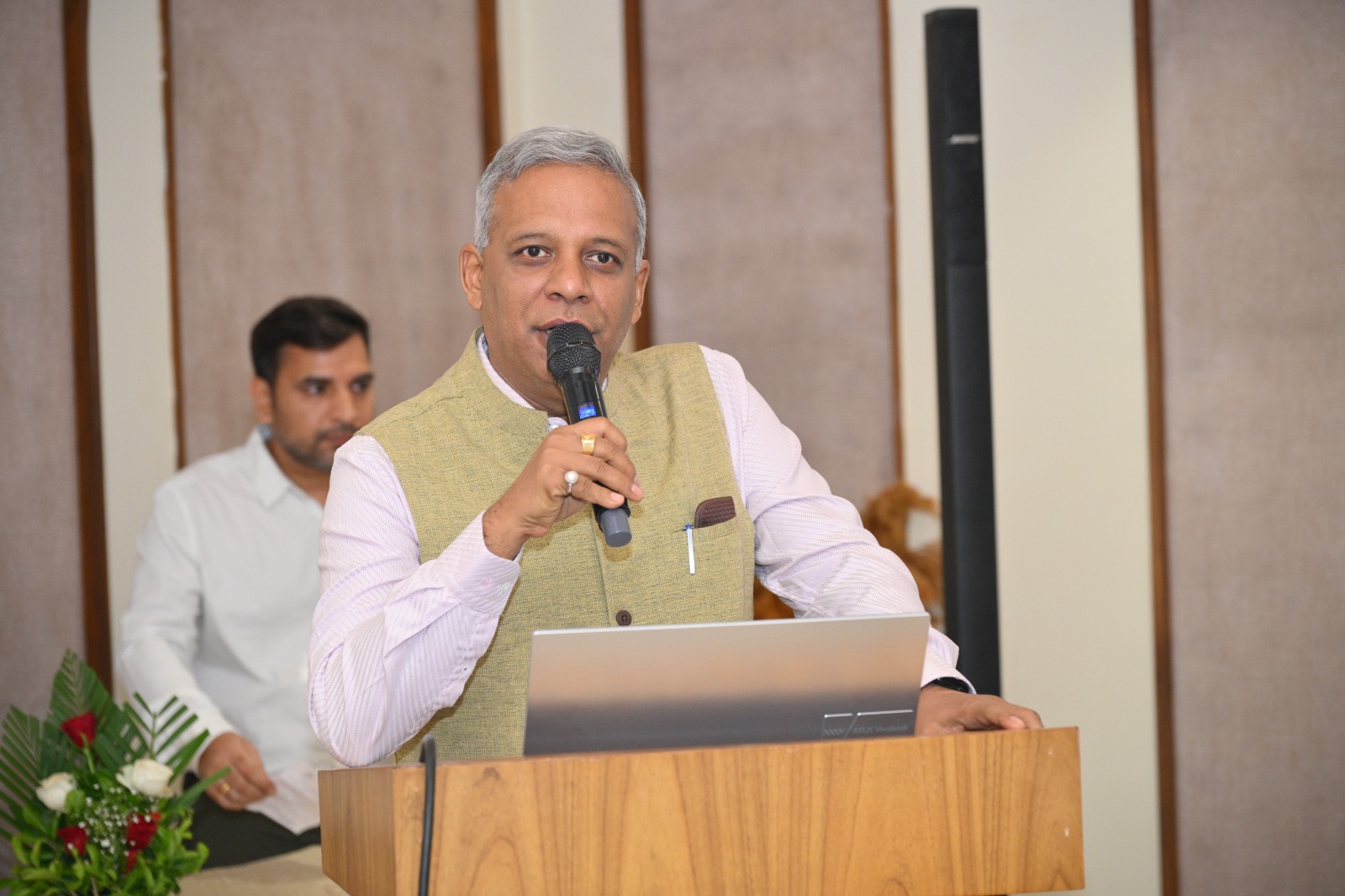
MORBI : Shri Sanjay Swarup, Chairman and Managing Director of Container Corporation of India Ltd. (CONCOR), met with key trade stakeholders in Morbi to discuss the newly established flagship multimodal logistics terminal at Rafaleshwar, Morbi.

During the interaction, CMD highlighted how the new terminal will significantly enhance rail-based cargo movement for Ceramic Tiles manufacturers and other industries in Morbi and surrounding regions. The facility is expected to provide a seamless, cost-effective, and time-efficient logistics solution, particularly benefiting the ceramic products, tiles, and allied industries that are prominent in the area.

The event witnessed active participation from the Morbi Ceramic Manufacturers Association (MCMA), along with representatives from shipping lines, freight forwarders, Custom Brokers, tile manufacturers, and other Business Associates. The trade welcomed the initiative and expressed optimism about the positive impact the terminal will have on regional exports and domestic distribution.

Shri Ravi Chaturvedi, Executive Director, Area-II of CONCOR expressed his views on potential of Morbi Ceramic Industries and presence of Morbi in the world map. He mentioned about connecting Morbi Rafaleshwar Terminal with CONCOR’s PAN India network and also emphasized for maximum utilization of this facility strategically located at the door step of the Ceramic Hub. CONCOR is committed to provide end-to-end logistics movement warehousing solution at its destination terminals for demand based distribution across the country.

Harish Bopalia, President, Wall Tiles Division of MCMA and Nilesh Jetpariya, Member Board of Trade, Sr. Vice Chairman, Ceramic Panel-Capexil under MOCI expressed their gratitude for the new terminal within the Morbi cluster. They spoke of elevating the cluster to the worlds top spot by delivering products that are superior to those from Italy and more affordable than those from China.

Shri Sanjay Swarup, Chairman and Managing Director, CONCOR acknowledged Morbi’s remarkable contribution of 90% to India’s ceramic consumption and its position as the second-largest ceramic exporter globally, with exports worth over ₹20,000 crore. He described GCT-Rafaleshwar as a state-of-the-art facility tailored to meet the unique needs of the Morbi cluster. With the terminal now at the industry’s doorstep and leveraging rail as a green and efficient mode of transport, the region is poised for a logistics transformation.

He also emphasized that CONCOR, as a Government of India enterprise, operates with transparency and a customer-centric commercial approach. With a robust network of 68 terminals across India, over 55,000 domestic containers, 400+ rakes, and LNG trailers, CONCOR aims to support the region’s industrial growth. The organization is targeting the establishment of 100 terminals by 2027 in alignment with the Honble Prime Minister Shri Narendra Modi’s Viksit Bharat vision.

The GCT-Rafaleshwar Terminal is slated to commence operations on or before August 1, 2025, offering a full range of logistics services tailored for the Morbi industrial cluster.

Shri Abhilash V, Chief General Manager, Ahmedabad Cluster (Gujarat), concluded the session with a vote of thanks and called upon the industry to actively support and utilize the new facility developed specifically for the growth of Morbis industries. He further mentioned that the GCT Rafaleshwar terminal will be headed by Mr. Ritesh Malviya, who can be reached for any inquiry for rates, services, operational matters, etc on his Mobile-97550 99684.

Piyush Goyal interacts with Heads of Commercial Wings in Indian Missions Abroad

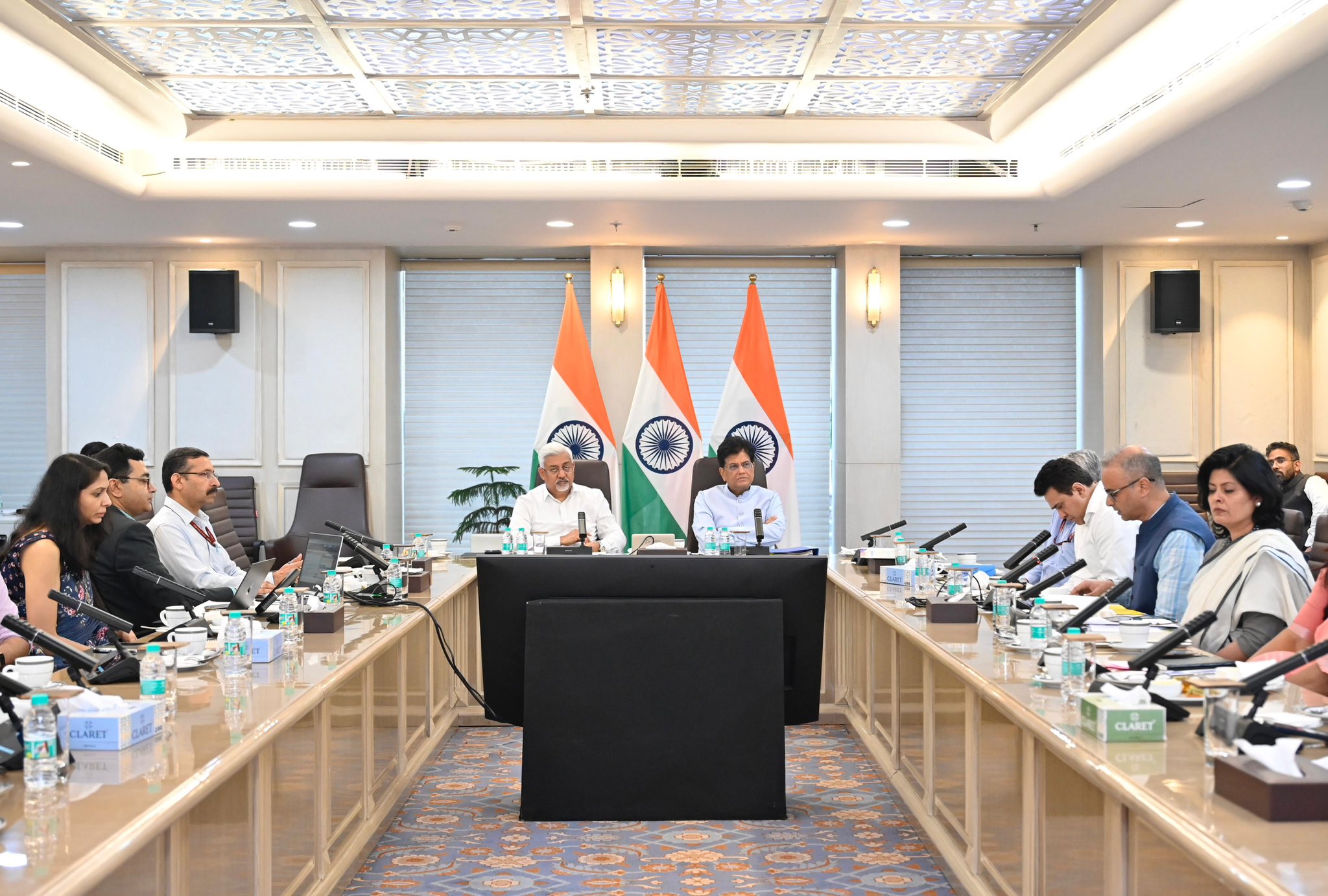
NEW DELHI : Union Minister of Commerce and Industry, Shri Piyush Goyal interacted with Heads of the Commercial Wings posted in 74 Indian Missions abroad across 61 countries on 16th July 2025 through video conference to review and strengthen India’s global trade and commercial engagement strategy.

During the meeting, key Indian Missions made detailed presentations on trade promotion activities, challenges in market access, and sectoral insights. The Minister acknowledged the Missions as the first point of contact for India’s commercial and economic diplomacy, underscoring their responsibility in promoting Indian exports and facilitating stronger engagement with host countries.

Gv wSIHWQAAMEWc Piyush Goyal interacts with Heads of Commercial Wings in Indian Missions Abroad

In his address, the Minister emphasized the need for:

Proactive trade intelligence gathering, including updates on market trends, sectoral developments, and regulatory frameworks. Sharing of innovative strategy and best practices, that yielded good results in trade promotion and attracting investment into India.
Focus on 4 KPIs i.e., Investment, Trade, Tourism and Technology, which has also been quoted by Hon’ble PM as pillars for India’s growth.
Regular dissemination of trade advisories to identify demand-supply gaps and opportunities for Indian exporters.
Strategic interventions to address Market Access Barriers including Non-Tariff Barriers (NTBs), Sanitary and Phyto sanitary Measures (SPS), and Technical Barriers to Trade (TBT).
Enhanced alignment between Missions and the Department of Commerce through data-driven planning and effective use of digital platforms like the DGFT Trade Connect Portal.
Collaborative efforts to support India’s objectives in multilateral forums such as the WTO, especially in key areas like agriculture, public stockholding for food security, and fisheries subsidies.
The meeting also addressed operational and logistical challenges, including the need for adequate resources, efficient posting of commercial officers, and improved coordination to support initiatives under the Make in India and Production Linked Incentive (PLI) schemes.

The Minister called for greater synergy among Missions, Export Promotion Councils (EPCs), and Indian industry stakeholders to achieve the nation’s ambition of becoming a global export powerhouse.

Prior to the Minister’s interaction with the mission, the Commerce Secretary started the interaction emphasizing the critical role of Indian missions at abroad for overall growth of Indian export and investment in India to achieve the goal of vision 2047.

Vadhavan Port is India’s march towards maritime superpower : Maharastra CM

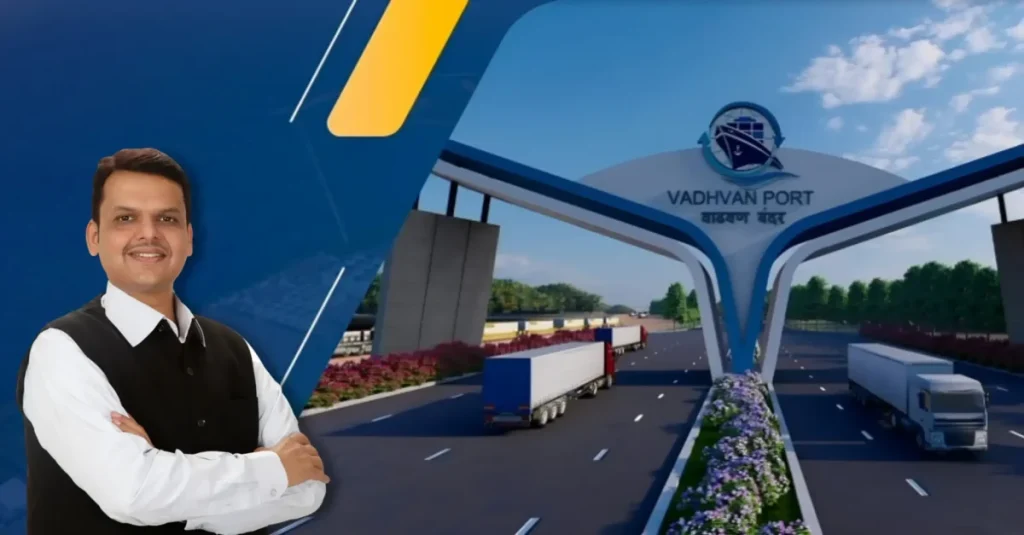
MUMBAI : Chief Minister Shri Devendra Fadnavis on Wednesday said that with the construction of Vadhavan Port, Maharashtra and India are marching rapidly towards becoming a maritime superpower, and this project will not just be a port but will be a focal point for bringing about an economic revolution.

“After PM Shri Narendra Modi came to power at the Centre and our government in Maharashtra, renewed efforts were taken up for Vadhavan Port. Initially, the project was 100 per cent with Maha Port, but considering its scope, the Central Government was made the main partner,” he said.

While speaking at the Maritime Summit 2025, organised by the Fisheries and Ports Department and Maharashtra Maritime Board, the Chief Minister said, “Vadhavan Port will be among the top ten ports in the world after it is fully operational. India is currently on its way to becoming the third-largest economy in the world, and Maharashtra is ready to lead.”

“India’s first ‘offshore airport’ is being set up near Vadhavan port, and it will provide multimodal connectivity of waterways, railways, roads and air routes. For this, the central government is investing heavily under the Sagarmala project. There is a huge opportunity for water transport, shipbuilding and ship recycling in Maharashtra,” he said.

The Chief Minister said that efforts are also being made to create a railway network connecting Vadhavan Port. This connectivity has become much easier due to the Sagarmala project. Multi-modal cargo handling capacity will be created at Vadhavan Port. Efforts are also being made to make non-major ports more efficient. Because they also have an important contribution.

“In the future, we will not be limited to cargo handling alone, but we can move towards shipbuilding, ship recycling and water transport. There is a huge opportunity for water transport in Maharashtra, especially in the Mumbai-Navi Mumbai area. This can greatly improve the quality of life of the citizens,” he added.

He said that due to the Samruddhi Highway, 15-16 districts have got fast connectivity with JNPT port, where it used to take six to seven days for goods to reach, now the journey takes less than 10 hours.

“Vadhavan port is also being connected to Samruddhi Highway through ‘access-controlled’ roads, which will provide direct port connectivity to 24 districts,” he said.

Referring to the Maritime Vision of the Central government, he said that in the future, India can become an important partner in the global supply chain. That is why the Central government has prepared ‘India Maritime Vision 2030’ and ‘Amritkal Maritime Vision 2047′.

“Mumbai is our financial, commercial, entertainment and economic capital. Mumbai Port and JNPT Port are the ports that make Mumbai the economic engine of India. These two ports brought Mumbai to the forefront. Now we are determined to become a power in the global supply chain, so we have to increase the capacity, efficiency and connectivity of the ports,” said the Chief Minister.

Fisheries and Ports Development Minister Nitesh Rane said that the Maritime Summit is not just an event, but an important step taken to take Maharashtra to the forefront of the country’s maritime sector.

“Our approach is not limited to capacity expansion alone but is based on sustainability. Green logistics, multimodal integration and empowerment of coastal communities are the key components of the maritime policy. The most ambitious infrastructure project in Maharashtra today is the Vadhavan Port. Once operational, it will be one of the top 10 deep-sea ports in the world. It will have high-quality container handling, deep water availability, and world-class logistics facilities. This port will be a game-changer not only for Maharashtra, but also for India’s role in global trade,” he added.

“The Maharashtra government has announced the ‘Shipbuilding, Ship Repair and Ship Recycling Policy 2025’. Under this policy, capital grants, financial incentives for skill development and fast-track permission processes will be provided to projects,” said Rane.