Home Blog Page 760

“We need to strengthen shipping ecosystem to reduce vulnerability in times of global crises” : Rajesh Agrawal

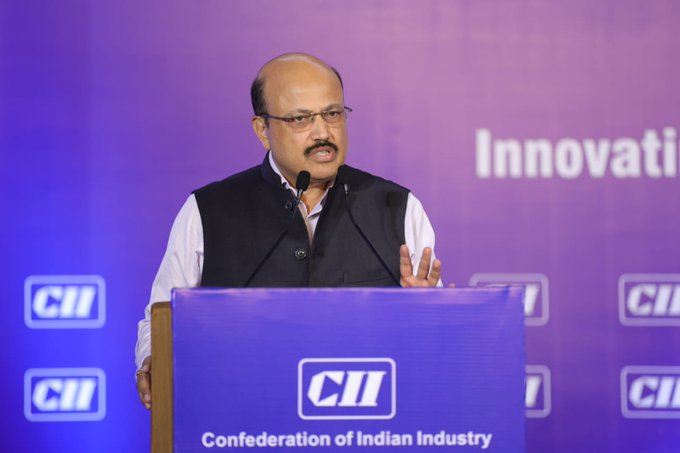
NEW DELHI : “India needs to strengthen its shipping ecosystem to reduce vulnerability in times of global crises and promote the country’s trade” , Special Secretary in the Department of Commerce Shri Rajesh Agrawal said at the 2nd ExL 2025: A Conference on Export Logistics, held on Thursday. He said, “Indian flag vessels are very limited in number, and this leads to around USD 50 billion of trade deficit that we do have in the services sector solely due to maritime logistics.” Calling the situation “unsustainable” as it also makes India “vulnerable“, he said countries which have strong control over logistics systems fare better during global disruptions.

“India’s ambition to become a global trading powerhouse depends not just on production, but on how efficiently and sustainably we can move our goods. Logistics is no longer a cost centre – it is a strategic enabler of competitiveness and exports. As we pursue this vision, our efforts must align with the Net Zero 2070 commitment by building a green, low-emission logistics ecosystem that powers growth without compromising sustainability. We need to focus on how we have a minimum degree of control over the global logistics ecosystem, which is also necessary to support our international trade as we move towards the 2047 Viksit Bharat goal,” Agarwal said here at CII’s Export Logistics Conclave.

The country, he said, has limited control over shipping and air cargo spaces. Citing an example, Agrawal said during Covid times, shippings cost went up multiple times and it impacted India’s exports. “Whenever there is an international crisis or there is a Red sea crisis, the first thing that suffer is a logistics cost…it goes up for our exporters,” he said, adding, “Whenever the world logistics suffers a constraint, the countries which have better control over logistics tend to gain more than the countries which have not much control over logistics.”

In another example, he said if a container from India has to reach Africa, and for that, if it has to transit through Singapore or Dubai, it would lead to delays and add to the cost for exporters.

MSC conveys to Kerala High Court inability to deposit ₹9,531 crore as damages for sunken ship

HC Bench extends interim arrest of the shipping company’s MSC Akiteta-2, berthed at the Vizhinjam port, till August 6

KOCHI : Three days after the Kerala government moved an admiralty suit before the Kerala High Court seeking arrest of the vessel MSC Akiteta-2, owned by Geneva based Mediterranean Shipping Company (MSC), as security for a ₹9,531-crore compensation claim, the shipping company informed the court on Thursday that it would be unable to deposit this amount. The compensation was claimed for marine and coastal pollution, loss of fishers’ livelihood, and the ‘remediation’ measures due to the sinking of the company’s container vessel MSC Elsa-3 off the Alappuzha coast on May 25.

Following this, a Bench of Justice M.A. Abdul Hakhim extended the interim arrest of MSC Akiteta-2 that is berthed at the Vizhinjam port till August 6 and posted the case for hearing on the day.

Firm’s contention

The shipping company contended that there is no report so far of oil pollution after the vessel’s sinking and that the oil sheen that spread within one nautical mile off MSC Elsa 3 was completely removed by the ‘ship owner.’ It further said the claim was exaggerated for want of supporting documents.

The court directed the government to file its counter affidavit with supporting documents within two weeks, and the applicant company to file its rejoinder if any within a further period of one week, for the court to finally dispose of the application.

Source : The Hindu

Indian trade delegation to visit Washington as India-US trade talks enter final stage: Govt Sources

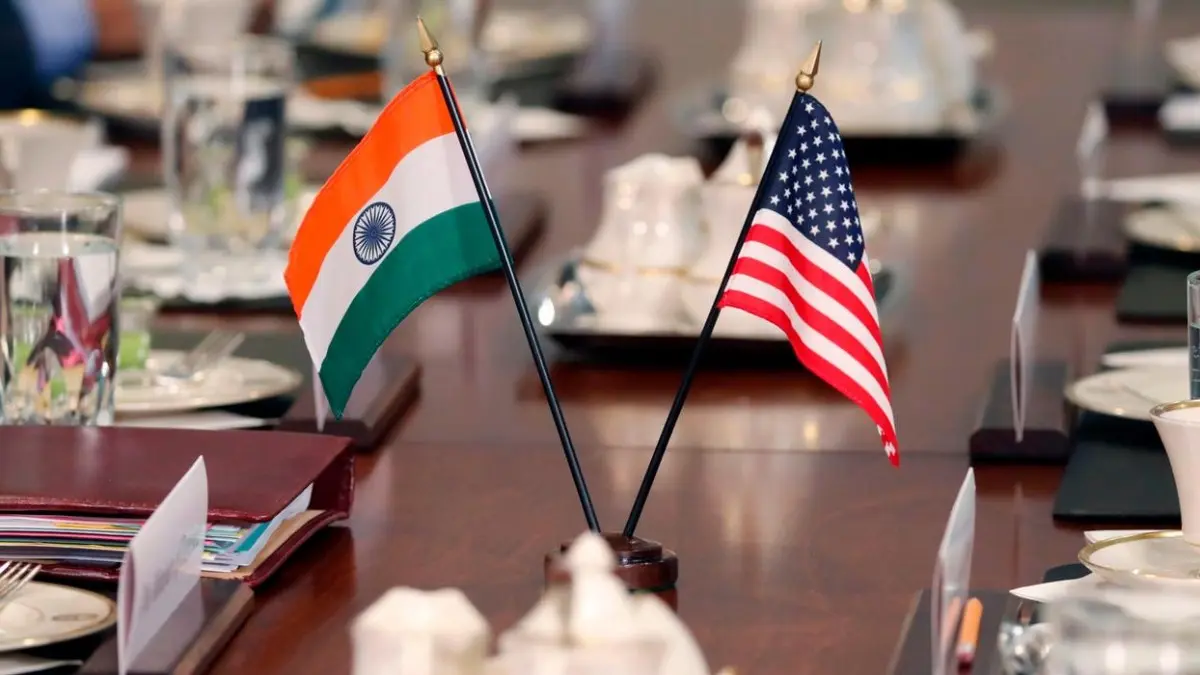
NEW DELHI : India and the United States have stepped up their trade talks, with both sides actively engaging in virtual discussions.

The government sources told ANI that an Indian trade delegation will revisit Washington DC soon for in-person negotiations aimed at finalising a trade deal.

Sources familiar with the matter also said that besides in person meetings, Indian officials have also been engaged in several virtual meetings with their US counterparts in recent weeks.

These meetings have helped set the stage for more detailed and comprehensive face-to-face talks. The upcoming visit by the Indian delegation is seen as a major step forward in advancing discussions on a possible trade agreement.

The talks are focusing on both a broad-based trade agreement as well as targeted trade arrangements that could help resolve key issues between the two countries.

The ongoing dialogue reflects a serious effort by both sides to deepen trade ties and reduce friction on trade-related matters.

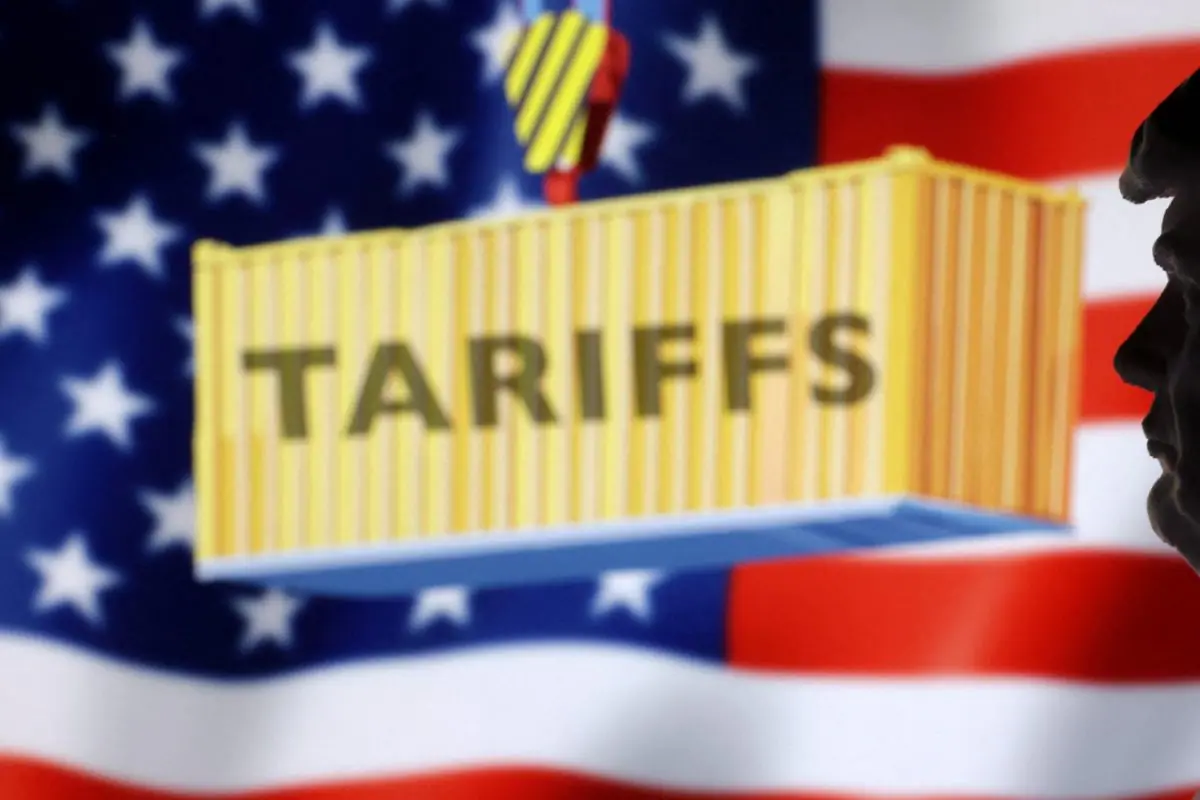
The discussions gained momentum after US President Donald Trump, who returned to office earlier this year, announced a tariff policy targeting countries with trade surpluses against the United States. India was among the countries likely to be affected by the proposed tariffs on exports to the US.

However, the tariff implementation, initially planned for April, was paused for 90 days and later extended until August 1. This extension has provided both countries extra time to negotiate and try to reach on a mutually beneficial agreement.

Officials said that the current round of discussions is critical, and the Indian delegation’s visit could play a key role in finalising the deal before the extended deadline.

Meanwhile the Donald Trump continues with his tariff policy as a tool to pressurize countries as on Wednesday, he announced a new list of tariffs targeting 14 countries.

Products from Algeria, Libya, Iraq, and Sri Lanka will face a 30 per cent tariff, while Brunei and Moldova will see a 25 per cent tariff. Goods from the Philippines will attract a 20 per cent tariff. Brazil has been hit the hardest, with a steep 50 per cent punitive tariff, especially on copper.

On July 8, Trump shared letters sent to Japan’s Prime Minister Shigeru Ishiba and South Korea’s President Lee Jae-myung, stating that both countries would face a 25 per cent tariff from August 1.

He later confirmed that similar letters had been sent to Malaysia and Kazakhstan, which will also face 25 per cent tariffs.

According to the letters, Myanmar and Laos will face a 40 per cent tariff, while Indonesia will be subject to a 32 per cent tariff. Imports from Thailand and Cambodia will be taxed at 36 per cent, and from Bangladesh and Serbia at 35 per cent.

South Africa and Bosnia and Herzegovina will see 30 per cent tariffs, and Tunisia will face a 25 per cent rate.

Source : ANI

India revises WTO retaliatory duty proposal amid fresh US tariff hike on Steel and Aluminium

NEW DELHI : India has revised its proposal to impose retaliatory duties under the WTO (World Trade Organisation) norms against the US over American tariffs on steel and aluminium in view of the further hike in duty by the Trump administration.

The US first imposed 25 per cent tariffs on imports of aluminium, steel and derivative articles on March 12. Again, on June 3, the taxes were hiked to 50 per cent.

“Without prejudice to its earlier notification to the Council for Trade in Goods and the Committee on Safeguards dated May 12, India reserves its right to adjust the products and tariff rates. This request is made in response to the increase in the tariff rate by the US from 25 per cent ad valorem to 50 per cent,” the WTO has said in a communication on Wednesday.

This was circulated among WTO members at the request of India. It said that the proposed suspension of concessions or other obligations can take the form of an increase in tariffs on selected products originating in the US.

“The safeguard measures would affect USD 7.6 billion imports into the United States of the relevant products originating in India, on which the duty collection would be USD 3.82 billion,” it said. Accordingly, India’s proposed suspension of concessions would result in an equivalent amount of duty collected from products originating in America.

In the May 12 communication, the duty collection figure was stated as USD 1.91 billion. The first Trump administration, in 2018, imposed a 25 per cent duty on certain steel items and a 10 per cent duty on aluminium products on the grounds of national security. In retaliation, India in June 2019 slapped customs duties on 28 US products, including almonds and walnuts. India had also filed a complaint in the WTO.

The proposal assumes significance as both countries are negotiating a Bilateral Trade Agreement (BTA). The Indian team is also expected to visit Washington next week to the US for trade talks.

Source : PTI

India achieves 4,000% solar capacity growth : Piyush Goyal

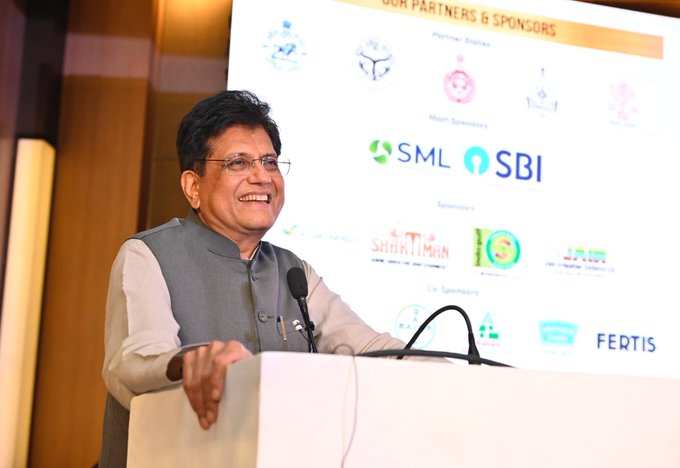
NEW DELHI : Union Minister of Commerce and Industry, Shri Piyush Goyal, while addressing the 11th India Energy Storage Week (IESW) 2025 on Thursday here, noted the 4,000% increase in India’s installed solar capacity and stated that the country’s renewable energy capacity now stands at a robust 227 GW. He said India is likely the first G20 nation to have met its Nationally Determined Contributions (NDCs) under the Paris Agreement.

Shri Goyal cited the example of Palli village in Jammu and Kashmir, which has become India’s first carbon-neutral panchayat using solar energy and energy efficiency. He pointed out that the IESW venue, Yashobhoomi, is itself a model of sustainability, featuring rooftop solar installations, wastewater treatment, and energy-efficient infrastructure.

Highlighting India’s manufacturing progress in the last decade, Shri Goyal said that the country’s solar photovoltaic module capacity has increased nearly 38-fold, while photovoltaic cell capacity has risen 21-fold. He mentioned the PM Surya Ghar Yojana, which aims to equip 1 crore households with rooftop solar panels to make them energy self-sufficient and reduce electricity bills. He also spoke of the PM Kusum Yojana, which supports the expansion of solar pumps in India’s agrarian economy. Additionally, the government has launched a Production Linked Incentive (PLI) programme to boost manufacturing of Advanced Chemistry Cells (ACC), he added.

Congratulating India Energy Alliance and partners for curating IESW, Shri Goyal appreciated their efforts in bringing together clean energy, storage technologies, green hydrogen, and e-mobility solutions under one platform. He emphasised that India is on a focused path to becoming energy sufficient, with the aim of having renewable energy sources power the country’s growing needs round the clock.

The Minister underscored the importance of storage technologies—whether in the form of batteries, pumped storage, hydro storage, or geothermal—as essential for meeting India’s future energy demands. He highlighted that the energy sector will be a driving force in India’s transition to clean and renewable sources of power, and this vision has already been reflected in the country’s achievements over the last decade.

The Minister emphasised that various forms of energy storage, such as pump storage and battery systems, as well as nuclear power, will support the clean energy transition. He also underlined the critical role that stakeholders will play in this mission.

Proposing a comprehensive four-pronged approach for advancing India’s energy independence, Union Minister Shri Piyush Goyal emphasised the need for targeted innovation, infrastructure development, supply chain resilience, and holistic value chain growth. He stated that India must lead in research and development for energy storage by focusing on next-generation battery chemistries, solid-state and hybrid storage technologies, and circular supply chains.

Highlighting the recent Cabinet approval of a ₹1 lakh crore Research, Development and Innovation Fund under the leadership of Prime Minister Shri Narendra Modi, he noted its potential to match R&D investments of ₹6–7 lakh crore in advanced economies, given India’s cost advantages. On infrastructure, the Minister called for enhanced collaboration among stakeholders to build both charging and battery swapping systems, thereby accelerating electric vehicle adoption and ensuring affordable, accessible e-mobility. He also urged the industry to build supply chain resilience by reducing dependence on specific geographies and adopting new technologies to achieve self-reliance in the energy sector. Finally, Shri Goyal stressed that India’s ambition should encompass the entire value chain—from raw materials and cell components to battery packs, semiconductors, management systems, and recycling—ensuring a robust and self-sustained clean energy ecosystem.

The Minister urged stakeholders to explore new opportunities to scale up operations and strengthen competitiveness. He reaffirmed India’s target of achieving 500 GW of renewable energy capacity by 2030, and reiterated that energy storage will be central to this journey. As Prime Minister Narendra Modi has stated, “Ensuring energy security for our citizens is not just a priority but also a responsibility.”

India Energy Storage Week (IESW) is a premier industry event focused on advancing energy storage, e-mobility, battery manufacturing, and green hydrogen. The 11th edition brought together global leaders, policymakers, researchers, and industry stakeholders to discuss innovations and policy developments critical to India’s energy transition. The event promotes dialogue, partnership, R&D, skill development, and technology showcase aligned with national energy goals.

India shouldn’t be affected if another country blocks fertiliser supply: Piyush Goyal

NEW DELHI : Union Commerce Minister Shri Piyush Goyal on Wednesday said India should not face difficulties even if another country stops fertiliser exports and called for a robust supply chain in fertilisers, insecticides, and pesticides.

He highlighted that the Centre ensured fertiliser prices did not rise by providing subsidies worth crores to shield farmers from cost increases.

His remarks comes after there were reports that India is facing an unexpected disruption in its supply of specialty fertilisers, with China quietly halting shipments to the country for over two months.

These fertilisers, crucial for boosting yields of high-value crops like fruits and vegetables, are now caught in what seems to be a silent trade war between the two neighbours. While there is no formal export ban in place, Chinese authorities have effectively blocked exports by not clearing shipments meant for India, said top executives of large importing companies.

“This time it is a complete halt,” said Rajib Chakraborty, President of the Soluble Fertilizer Industry Association (SFIA), in there port. “China has been restricting supplies to India for the past 4–5 years, but never like this.”India imports nearly 80% of its specialty fertilisers—used mainly for high-value crops and precision farming—from China.

These include water-soluble nutrients, liquid feeds, and controlled-release variants, which are not covered under the fertiliser subsidy programme.

Imports typically range between 150,000 and 160,000 tonnes during the June–December season. Though demand is rising, limited domestic production has kept India reliant on imports.

However, interest in local manufacturing is growing, with companies like Deepak Fertilisers, Paradeep Phosphates, and Nagarjuna Fertilisers already operating in this space.

India and ASEAN adopt new plan of action for next five years during Foreign Ministers’ Meet

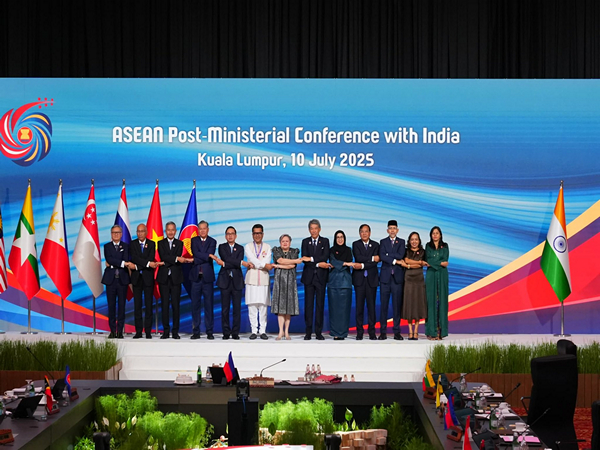
KUALA LAMPUR : Minister of State for External Affairs, MoS Pabitra Margherita, co-chaired the ASEAN-India Foreign Ministers’ Meeting in Malaysia on Thursday. The Meeting saw the adoption of a new ASEAN-India Plan of Action for the next five years. In a post on X, he described the meeting as productive, which he had co-chaired with Theresa P Lazaro of the Philippines.

MoS Margherita noted that the meeting resulted in the adoption of a new ASEAN-India Plan of Action for 2026-2030, which aims to expand cooperation further and give impetus to the comprehensive strategic partnership between India and ASEAN.

Highlighting that as celebrations of the ASEAN-India Year of Tourism are on, MoS Margherita said that discussions also took place on enhancing people-to-people relations.
Other areas which featured in discussions included proposals for cooperation in the digital field, disaster management, defence, economy, maritime and health.

MoS Margherita held a meeting with the Secretary General of ASEAN, Kao Kim Hourn, on the margins of the Foreign Ministers’ Meet. In a post on X, he said, “Had a very cordial meeting with Secretary General of ASEAN, Dr. Kao Kim Hourn, today on the margin of the ASEAN-India Foreign Ministers’ Meeting in Kuala Lumpur, Malaysia. Appreciated his personal commitment as the head of the ASEAN Secretariat in facilitating implementation of decisions of leaders towards strengthening our Comprehensive Strategic Partnership.”

MoS Margherita also met the Foreign Minister of Vietnam, Bui Thanh Son, on the sidelines of the Foreign Ministers’ Meet. Upon meeting Philippines’ Foreign Affairs’ Secretary, Theresa P Lazaro, MoS Margeherita said, “Glad to meet Secretary of Foreign Affairs of the Philippines, H.E. Ma. Theresa P. Lazaro SecLazaro, in the margins of ASEAN-India Foreign Ministers’ Meeting in Malaysia. Acknowledging the long standing friendship and 75 years of diplomatic relationship between our countries, we discussed ways to further strengthen our bilateral cooperation. Thanked the Philippines for solidarity with India in its fight against terrorism.”

The Ministry of External Affairs (MEA), had noted in a previous statement that MoS Margherita is visiting Kuala Lumpur from July 10-11 at the invitation of the current ASEAN Chair, Malaysia.
India and ASEAN share cultural and civilisational bonds.
The MEA in a previous statement had underscored that ASEAN is the cornerstone of India’s Act East Policy and the Indo-Pacific vision.

The visit by MoS Margherita would renew India’s deep engagement with the ASEAN-centred regional architecture, underline our strong commitment to ASEAN unity, ASEAN centrality and the ASEAN Outlook on the Indo-Pacific (AOIP) and strengthen the ASEAN-India Comprehensive Strategic Partnership, MEA noted in its statement.

Source : ANI

25 Crore soil health cards distributed ; Kisan Credit Cards ensuring wider credit access: Piyush Goyal

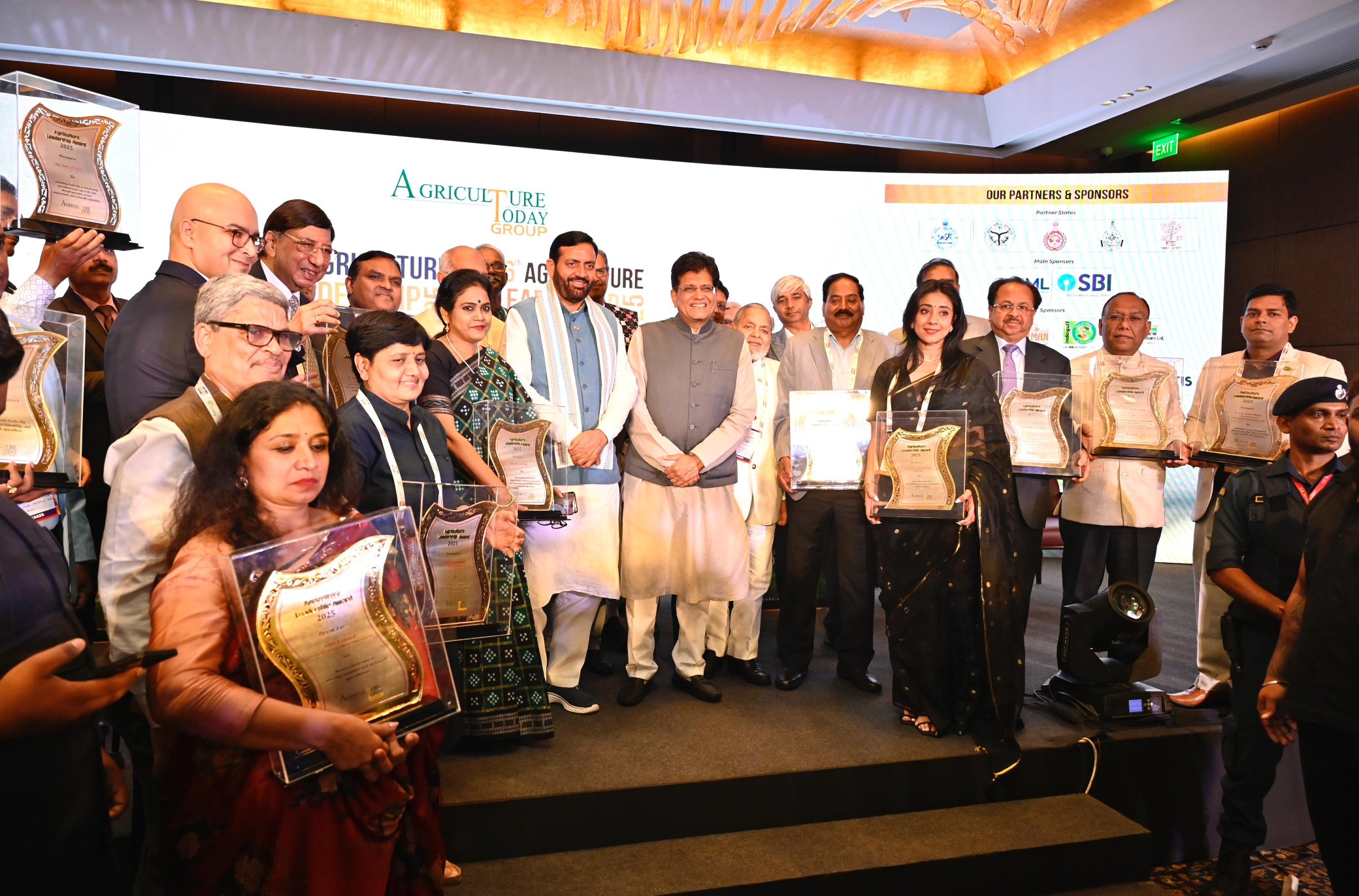
NEW DELHI : Union Minister of Commerce and Industry, Shri Piyush Goyal, during his address at the 16th Agriculture Leadership Conclave here on Wednesrday stated that 25 crore Soil Health Cards have been distributed to farmers to promote balanced fertiliser usage, and crop loans have been made accessible through the Kisan Credit Card initiative.

Further Shri Goyal said that, the Government has consistently placed the agricultural sector at the forefront of its development agenda under the leadership of Prime Minister Shri Narendra Modi said a large number of farmer families have benefitted from the PM-KISAN Samman Nidhi scheme. Additionally, 1,400 mandis have been integrated with the e-NAM platform, enabling farmers across the country to access real-time information on crop prices and enhance market linkages.

In the fertiliser sector, the Central Government has provided substantial subsidies to ensure that farmers receive fertilisers at affordable prices. Even during the COVID-19 pandemic, timely fertiliser supply to farmers was ensured.

He noted that India’s agricultural sector has demonstrated remarkable resilience—even amid global market turbulence and declining export trends. The efforts of Indian farmers have contributed to a stable agri-export performance, with agriculture, animal husbandry, and fisheries exports reaching ₹4 lakh crore. The farming community has played a key role in building an Atmanirbhar Bharat and turning the “Local Goes Global” vision into a reality.

Shri Goyal said that India’s farmers have been instrumental in the global success of products such as basmati and other varieties of rice, spices, fresh fruits and vegetables, horticulture and floriculture produce, as well as in the fisheries and poultry sectors. With supportive policies, fiscal incentives, reduced tariff barriers, and new market access through Free Trade Agreements developed countries including Australia, the UAE, the EFTA nations, and the UK, the agriculture sector has witnessed significant progress.

Looking ahead, he expressed confidence that further development would take place in seed production and quality, natural and organic farming, and irrigation—including drip irrigation. He emphasised the Government’s focus on promoting digital agriculture by introducing Artificial Intelligence, geospatial technology, weather prediction systems, vertical farming, and AI-enabled tools. These innovations, he noted, would support Farmer Producer Organisations (FPOs) and cooperatives.

The Minister further stated that value addition through food processing, along with improvements in design, branding, and packaging, will boost agriculture’s contribution to the economy. Various government schemes and programmes, along with funds allocated to agriculture, animal husbandry, and fisheries, are aimed at strengthening warehousing and storage infrastructure.

Shri Goyal affirmed that the Government, under Prime Minister Narendra Modi, remains fully committed to ensuring a secure and prosperous future for India’s farmers, reaffirming that agriculture remains a key engine in the journey of Viksit Bharat.

India urges IMO to review maritime incidents involving foreign-flagged container vessels

NEW DELHI : India highlighted recent maritime incidents involving foreign-flagged container vessels operating in Indian waters and urged the International Maritime Organization to review all such incidents, according to an official statement.

Shipping Secretary T.K. Ramachandran, while participating in the 134th session of the Council of the International Maritime Organization (IMO), said recent maritime incidents caused by undeclared hazardous cargoes have raised serious safety concerns.

“India delivered a strong and principled statement addressing recent maritime incidents involving foreign-flagged container vessels operating in Indian waters,” the statement said. India urged the IMO to undertake a comprehensive investigation and global review of all such incidents involving container ships, it added.

Citing the proactive role of the Indian Navy and Indian Coast Guard in ensuring the safety of life at sea, the statement said India called for urgent enhancements in the safety framework for container shipping.

“The Indian statement underscored the need to reinforce international protocols related to packaging, declaration, stowage, and monitoring of lithium-ion batteries and IMDG cargo,” it noted. According to the statement, India proposed the establishment of IMO-led investigations into such incidents to help build global best practices, improve standardisation, and strengthen operational norms that ensure the safety and security of container ship operations across the world.

India proudly shared the remarkable achievement of a 650 per cent increase in the number of Indian women seafarers, showcasing the country’s commitment to creating equal opportunities in the maritime sector.

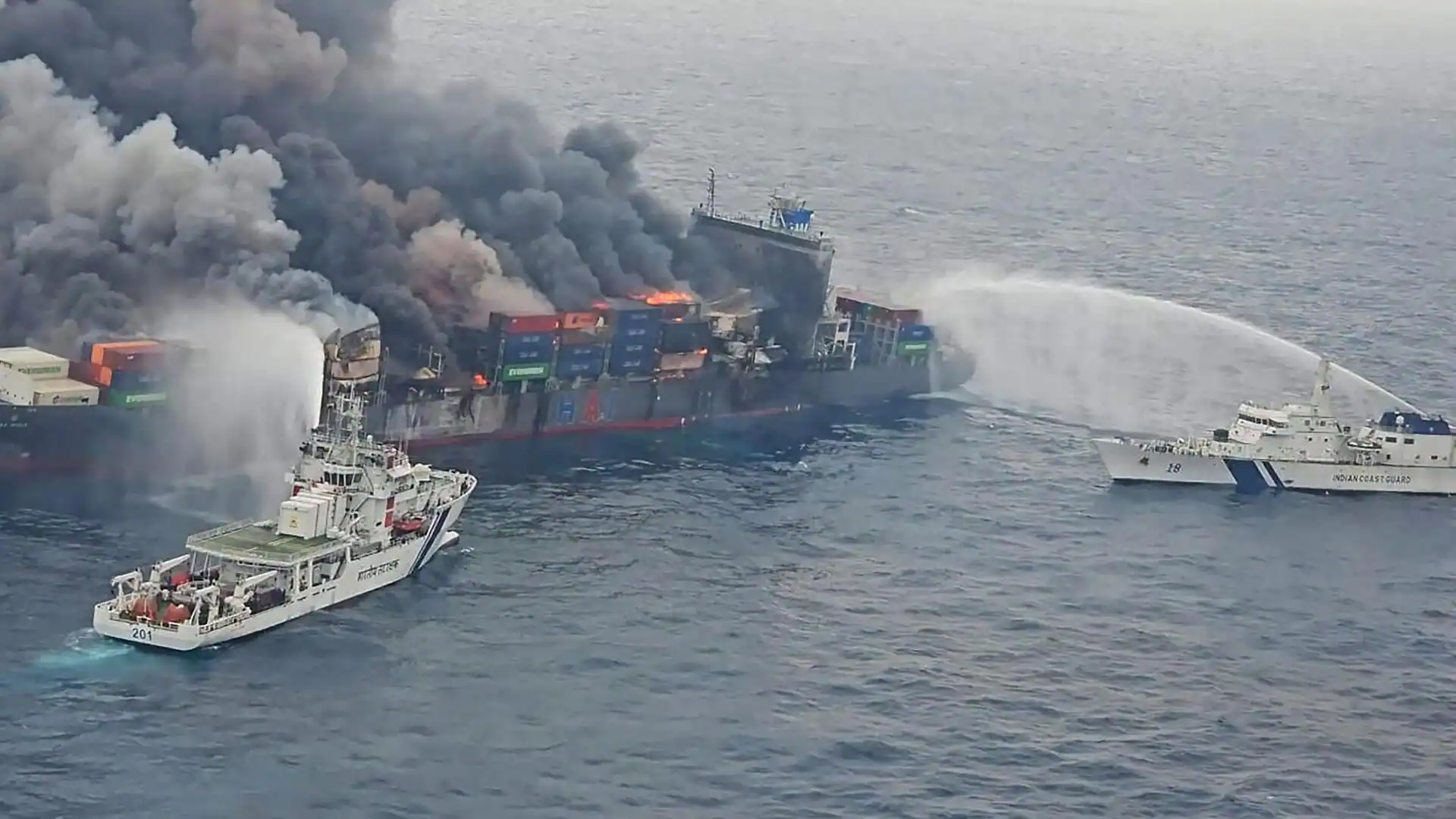
The country has witnessed serious maritime incidents along its coastline that exposed vulnerabilities in the current emergency response framework. The sinking of the container ship MSC ELSA 3 in May 2025 and the major fire and explosion of the container ship WAN HAI 503 in June 2025, off the coast of Kerala, led to the loss of several containers in the waters and the release of hazardous cargo and significant environmental risk.

Source : PTI

India–Japan Partnership advances with focus on semiconductor, smart city investment in Dholera

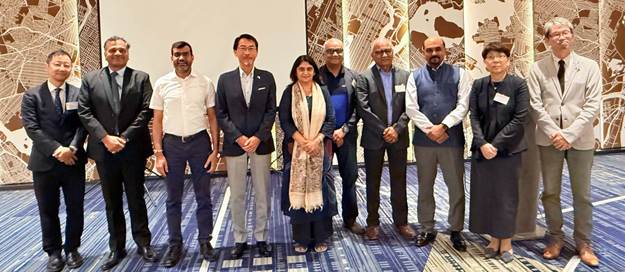
NEW DELHI : The Ambassador of Japan to India, Mr. Keiichi Ono, led a high-level delegation of leading Japanese companies on an official visit to Dholera Special Investment Region (Dholera SIR), India’s greenfield smart industrial city under the Delhi-Mumbai Industrial Corridor (DMIC). The visit marked a significant milestone in advancing industrial cooperation between India and Japan, built on shared values of innovation, sustainability and inclusive development.

image0015Z52 India–Japan Partnership advances with focus on semiconductor, smart city investment in Dholera

The two-day engagement commenced on 9th July 2025 with a conference session in Ahmedabad, followed by a site visit to Dholera Special Investment Region (SIR) on 10th July 2025. The Japanese delegation undertook an on-ground tour of the city’s planned infrastructure and facilities, accompanied by officials from Dholera Industrial City Development Ltd. (DICDL) and the National Industrial Corridor Development Corporation (NICDC). The site visits included the Water Treatment Plant, Canal Front Development, Power Substation, the under-construction Tata Electronics semiconductor fabrication plant, and the ABCD Building, which houses the Integrated Command & Control Centre (ICCC) and the Experience Centre.

The delegation was briefed on the Tata Electronics semiconductor fabrication facility, being developed in partnership with Powerchip Semiconductor Manufacturing Corporation (PSMC) of Taiwan. This project, a key component of the Semicon India Programme, forms part of over ₹1.54 lakh crore in semiconductor-related investments underway in Gujarat.

The delegation also reviewed Dholera’s planned social infrastructure—including a multi-specialty hospital, fire station, integrated school, premium guest house, residential and commercial complexes, and hospitality hubs—designed to make Dholera a fully livable and investor-ready smart city.

Dholera represents India’s Vision 2047 of becoming a developed, self-reliant, and innovation-driven economy. With multimodal connectivity through the Ahmedabad–Dholera Expressway and the upcoming Greenfield International Airport, plug-and-play industrial zones, real-time governance via ICCC, and robust utility infrastructure, Dholera is envisioned as more than just an industrial base.

The session held on the 9th July featured opening remarks by Resident Executive Officer & Regional Head for Asia Pacific, Japan Bank for International Cooperation (JBIC) Ms. Kazuko Sakuma and Chief Representative, JETRO Ahmedabad Mr. Yu Yoshida. Mrs. Mona K. Khandhar, Principal Secretary, Department of Science & Technology, Government of Gujarat, also addressed the gathering.

Delivering the keynote address, CEO & MD, National Industrial Corridor Development Corporation (NICDC), Shri Rajat Kumar Saini, underscored the deepening strategic partnership between India and Japan. He noted that the Delhi-Mumbai Industrial Corridor (DMIC), inspired by Japan’s Tokyo–Osaka corridor, continues to benefit from Japanese collaboration and investment.

The session showcased presentations on India’s evolving industrial ecosystem and the emergence of Dholera as a hub for advanced manufacturing.

A special address by Ambassador Mr. Keiichi Ono concluded the session, where he appreciated India’s vision for semiconductors and smart cities, and reaffirmed Japan’s continued support in India’s economic transformation. The day concluded with a networking dinner that fostered greater engagement between Indian and Japanese stakeholders.

The visit by the Japanese delegation highlights Dholera’s rising global prominence and its potential to serve as India’s gateway to advanced manufacturing. As India advances toward its goal of becoming a global economic and technological leader by 2047, Dholera SIR stands as a model of integrated planning, international cooperation, and futuristic infrastructure.