Home Blog Page 768

Piyush Goyal doubles down on ‘Make in India’ as US trade talks hit rough patch

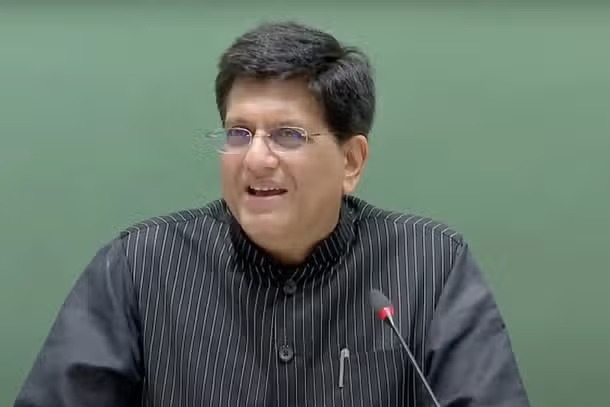
NEW DELHI : As talks between India and the United States (US) turn complex on issues around agriculture and automobiles, Commerce Minister Shri Piyush Goyal reiterated that Free Trade Agreements (FTAs) must be balanced and reciprocal, indicating that New Delhi will not agree to any trade deal that undermines domestic interests.

“An FTA is two-sided trade. You can’t ask us to open our market but refuse to accept Indian products,” Goyal said, emphasising that trade must work both ways.

Speaking at an interaction in Srinagar, the minister reassured Indian traders and businesses that the Narendra Modi-led Government’s top priority remains safeguarding national interest.

“Traders need not worry. Whatever FTA we sign will keep the interests of Jammu & Kashmir and the entire country in mind,” he added.

“We are promoting ‘Vocal for Local’, and making sure that local goes global. Our approach supports both ‘Make in India’ and ‘Make for the World’,” said Goyal.

The minister’s re-assertion comes after June 4 when he said that India does not enter trade agreements based on deadlines, but on mutual benefit and national interest.

Moreover, India, on June 4, also informed the World Trade Organisation (WTO) that it plans to impose retaliatory tariffs on selected US-origin products in response to America’s recent duty hike on automobiles and certain auto parts.

While, the Indian side is still hopeful of a trade deal before July 9, New Delhi has toughened its position on issues related to automobiles, dairy and agriculture, especially genetically modified (GM) crops, as in-person negotiations in Washington ended after a week since the Indian team arrived there on June 27.

New Delhi is looking to secure an exemption from Donald Trump’s 26 percent tariffs by sealing a deal before July 9, it is also pushing for significant tariff concessions for its labour-intensive exports such as textiles, leather and footwear.

The US, on the other hand, want greater access for its farm and dairy goods, sectors that are sensitive for India.

Without a mini-deal, Indian exports could face a 26-percent reciprocal tariff from the US.

Moneycontrol earlier reported that a mini-trade deal between India and the United States requires a political push from President Donald Trump and Prime Minister Shri Narendra Modi to reach a middle-ground on outstanding issues.

India has been negotiating a scaled-down version of the first tranche of a Bilateral Trade Agreement (BTA) with the US to ensure that it escapes Trump’s reciprocal tariffs. The deadline for a more comprehensive BTA is this year’s fall.

US President Donald Trump on June 5 announced that his administration will begin dispatching letters to 10 to 12 countries starting Sunday, outlining reciprocal tariff rates.

These letters, Trump said, will explain what each country is expected to pay under his proposed new tariff regime. Describing them as “take it or leave it” offers, he added that these will be delivered by the administration’s self-imposed July 9 deadline to broker deals. The higher tariffs will be implemented from August 1.

Source : Moneycontrol
Ball in Washington’s court on India-US Interim Trade Agreement before July 9

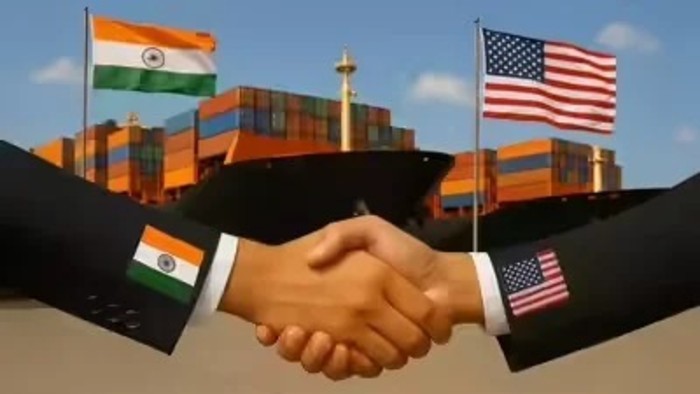
NEW DELHI : With India setting its red lines on key issues in sectors such as agriculture and dairy for the proposed interim trade agreement with the US, the ball is now in Washington’s court to finalise the deal, sources said.

They said if issues are settled, an interim trade pact could be announced before July 9, which marks the end of the 90-day suspension period of the Trump tariffs announced on April 2 on dozens of countries, including India.

“India has drawn its red lines… now the ball is in the US court,” they said. In February, the two countries announced starting negotiations for a bilateral trade agreement (BTA). They fixed a deadline to conclude the first tranche or phase of the BTA by fall (September-October) this year. Before that, the two sides are locking to finalise an interim trade pact.

On April 2, the US imposed an additional 26 per cent reciprocal tariff on Indian goods but suspended it for 90 days. However, the 10 per cent baseline tariff imposed by America remains in place. India is seeking full exemption from this 26 per cent tariff.

“If the proposed trade talks fail, the 26 per cent tariffs will come into force again,” one of the sources said.

Commerce Minister Shri Piyush Goyal last week stated that India does not enter into any trade agreement based on deadlines and will accept the proposed trade deal with the US only when it is fully finalised, properly concluded and in the national interest.

FTAs are possible only when both sides get benefitted and it should be a win-win agreement, he has said.

“National interest should always be supreme. Keeping that in mind, if a deal is made then India is always ready to deal with developed countries,” Goyal had said on July 4.

The Indian team returned from Washington last week after holding talks with the US on an interim trade pact. Differences are also there on steel, aluminium (50 per cent) and auto (25 per cent) tariffs.

India has hardened its position on giving duty concessions to the US on agriculture and dairy products as both are sensitive subjects. India has never opened the dairy sector in any of the previous trade pacts signed.

US President Donald Trump last week said his administration is sending letters to the first batch of 10-12 countries, sharing details of reciprocal tariff rates and the entire process could be completed by July 9.

His comments came amid increasing suspense in India on whether New Delhi and Washington would be able to firm up a much-anticipated trade deal before the US president’s tariff deadline ends. He has, however, not named the countries.

The president has stated that the reciprocal tariffs would come into effect from August 1.

While the US is looking at duty concessions in sectors like certain industrial goods, automobiles (electric vehicles particularly), wines, petrochemical products, dairy, and agriculture items such as apples, tree nuts, and alfalfa hay; India may look at duty cuts for labour-intensive sectors like apparels, textiles, gems and jewellery, leather, plastics, chemicals, oil seeds, shrimp, and horticulture products.

The US is India’s largest trading partner from 2021-22. During 2024-25, the bilateral trade in goods stood at USD 131.84 billion (USD 86.51 billion worth of exports, USD 45.33 billion of imports and USD 41.18 billion trade surplus).

India’s merchandise exports to the US rose 21.78 per cent to USD 17.25 billion in April-May this fiscal year, while imports rose 25.8 per cent to USD 8.87 billion. The two-way trade in services expanded from USD 54.1 billion in 2018 to an estimated USD 70.5 billion in 2024.

India is also a key destination for American businesses such as professional, scientific, and technical services, manufacturing, and IT. The US accounts for about 18 per cent of India’s total goods exports and over 6 per cent in imports and about 11 per cent in bilateral trade.

India received USD 70.65 billion between April 2000 and March 2025, making Washington the third largest investor.

In 2024, India’s main exports to the US included drug formulations and biologicals (USD 8.1 billion), telecom instruments (USD 6.5 billion), precious and semi-precious stones (USD 5.3 billion), petroleum products (USD 4.1 billion), gold and other precious metal jewellery (USD 3.2 billion), ready-made garments of cotton, including accessories (USD 2.8 billion), and products of iron and steel (USD 2.7 billion).

Imports included crude oil (USD 4.5 billion), petroleum products (USD 3.6 billion), coal, coke (USD 3.4 billion), cut and polished diamonds (USD 2.6 billion), electric machinery (USD 1.4 billion), aircraft, spacecraft and parts (USD 1.3 billion), and gold (USD 1.3 billion).

source : PTI

India targets record export growth in 2025 amid global challenges : Piyush Goyal

NEW DELHI : Commerce and Industry Minister Shri Piyush Goyal said that, despite a volatile global environment, India is on track to clock record-high exports this year. He said this in a recent interview that, India’s total exports could exceed $870 billion in 2025, up from a record $825 billion in 2024–25.

“Our focus is more and more on value-added and labour-intensive goods and services exports,” he said. While goods exports are expected to grow by 5–6 percent, services may see a stronger 9–10 percent jump, Goyal said, citing resilient demand and growing competitiveness across sectors like electronics, engineering, and pharmaceuticals. FTAs with UAE, Australia yielding strong gains

FTAs with UAE, Australia yielding strong gains

Goyal highlighted how recent free trade agreements (FTAs) are reshaping India’s global trade presence. India has signed FTAs with the UAE, Australia, EFTA, and the UK.

“With the UAE, services exports have almost doubled in the last four-five years. In Australia, it has nearly tripled,” Goyal told TOI. “In Australia’s case at 25 percent, we have crossed $8 billion, while we were tottering at $3 billion earlier.”

However, he criticised FTAs signed during the UPA regime as imbalanced. “Services export to Japan is slowing down. We did not get very wide coverage in areas of interest for India,” he said, expressing hope for a review with ASEAN, Japan, and South Korea. “Japan has not agreed to it and a South Korea review is underway.”

India cautious on China, stands by RCEP exit

India’s trade engagement with China remains cautious. Defending India’s 2019 decision to stay out of the China-dominated RCEP, Goyal said it was “nothing but an FTA between India and China” since India already had agreements with other member countries.

“PM Modi showed decisive leadership and sensitivities for our fishermen, farmers, industry and entrepreneurs,” he said, adding that only three out of 200 stakeholders consulted supported joining the pact.

Goyal also flagged concerns about transshipment of Chinese goods through ASEAN countries and stressed India is actively working to curb substandard imports and protect domestic industry.

Trade deficit with China ‘more controlled under Modi govt’

While India’s trade deficit with China nears $100 billion, Goyal said the growth has slowed compared to the UPA years.

“During the 10 years of UPA rule, the trade deficit with China grew nearly 25 times. Between 2014–15 and 2023–24 it has only expanded 1.75 times,” he said.

He noted that many Chinese imports are raw materials or capital goods used in domestic manufacturing. “There is also a corresponding increase in exports,” Goyal added.

India a top choice for China+1 investors

Amid global efforts to de-risk from China, Goyal said India has emerged as a preferred destination for investment.

“India is a much sought after destination for investments,” he said, highlighting progress in sectors like shipbuilding and semiconductors. “Domestic value addition has increased significantly in PLI-supported sectors.”

Industrial parks, SEZ rule changes on the way

India is also pushing ahead with new industrial infrastructure. Goyal said ground work for 12 new industrial corridor projects is set to begin by October or November this year.

“Dholera is emerging as a semiconductor hub, while Shendra-Bidkin in Maharashtra is growing into an automotive and EV centre,” he said.

Of the 4,200 acres developed in industrial zones like Dholera, Shendra-Bidkin, Vikram Udyogpuri, and Greater Noida, 76 percent is already under committed use.

The government also plans to launch 100 new industrial parks with plug-and-play infrastructure and a single-window system for approvals.

QCOs and SEZ reforms to support ‘Zero Defect, Zero Effect’ vision

Goyal said quality control orders (QCOs) are being enforced to curb substandard imports and encourage high-quality domestic production.

“Technical regulations have been strengthened to promote a strong quality ecosystem in India… It acts as a nudge to produce quality products in India,” he told TOI.

On SEZ rules, he said reforms are being finalised to improve capacity utilisation and reduce FTA dependency.

Private capex, rural demand show signs of recovery

While acknowledging signs of a global slowdown in Q1, Goyal pointed to improving rural demand and robust investment in sectors like steel, auto parts, and cement.

“You may see a jump in growth in the second half of the year. I see no difficulty in closing the year with RBI’s 6.5% growth, which will make us the fastest growing economy,” he said.

Goyal also noted that India’s outward investment is building global assets and long-term economic strength.

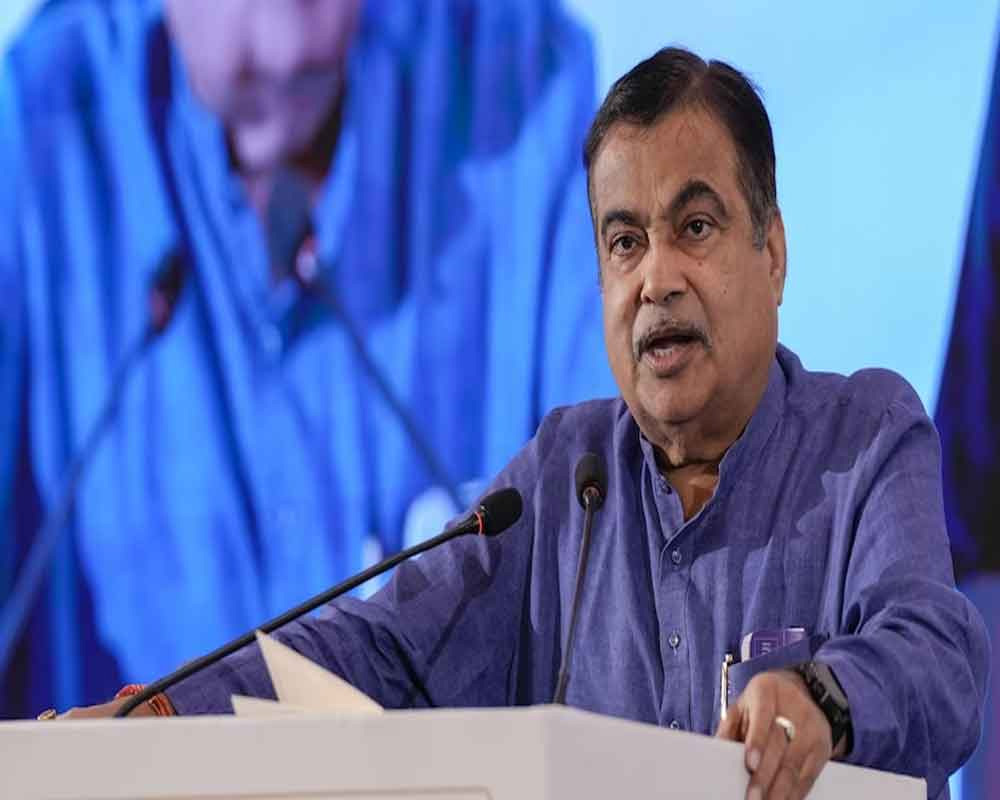
Nitin Gadkari plans for the blueprint of India’s Mega Mobility and Green Transport future

RANCHI : Union Minister of Road, Highways and Transport Shri Nitin Gadkari has unveiled an ambitious roadmap for next-generation mass mobility in the country, which includes electric rapid transport, hyperloop in urban areas and ropeways, cable buses and funicular railways in inaccessible terrains.

In an interview with PTI, the Union Minister of Road Transport and Highways said India’s transport sector is undergoing a major transition, with initiatives like tree bank, mobile-based driving tests, and flex-fuel engines by 11 leading automakers in the pipeline.

Also on the agenda are plans to upgrade 25,000 km of two-lane highways to four lanes, establish an electric mass rapid transport network across major routes and scale up road construction to 100 km per day.

“We are driving innovation. A revolution in mass mobility is underway,” Mr Gadkari said.

“Work is progressing at a war footing to transform how India travels, with a focus not just on metropolises but also on remote, inaccessible rural areas. We’re building ropeways, cable cars and funicular railways across 360 locations, including Kedarnath. Work has already started on 60 of these projects,” he said.

NITI Aayog proposes incentives and upgrades to port infrastructure and clusters to expand chemical exports

NEW DELHI : NITI Aayog, the government’s apex public policy think tank, has proposed a series of measures to nearly double India’s $44 billion in annual chemical exports by 2030, noting that limited domestic demand remains a key barrier to faster growth in the sector.

The measures outlined in a report released on Thursday include developing new and existing production clusters to enable scale, improving port infrastructure for better logistics and storage, and introducing a sales-linked incentive scheme to localise production and boost exports of critical chemicals.

In 2023, India ran a trade deficit of $31 billion in chemicals, and accounted for a share of 3.5 per cent in global value chains (GVCs) – against China’s 23 per cent – according to the report. The domestic market was valued at $220 billion in 2023, and the government and industry hope to increase that to $1 trillion by 2040.

At the report launch, Nivedita Shukla Verma, Secretary, Department of Chemicals and Petrochemicals, said the industry is resilient and has maintained an annual growth rate of 6 per cent over the last 30 years, with the agrochemicals and dyes sectors performing well in exports.

“But despite doing well, there are challenges. If we were to reach $1 trillion by 2040, it wouldn’t be easy. We have to focus on exports because the domestic industry and domestic usage has its limitations, and that kind of goal cannot be reached without focusing on exports. That will also help bridge the sector’s trade deficit,” Verma said.

During the launch, NITI Aayog Vice Chairperson Suman Bery said: “It is not that the sector has been doing badly, but compared to pharma, with which it is quite closely associated, it doesn’t seem to have been as much of a success story. In the case of pharma, one reason was that India had a strength in chemistry. I would have thought the same kind of intellectual strength in chemistry ought to have applied to the chemical sector, but apparently that’s not so. It’s a bit of a puzzle.”

The report said India could double its share in GVCs to 5-6 per cent by 2030, largely by shifting from bulk chemicals to high-demand specialty chemicals. Adequate policy interventions can also raise exports by 35-40 billion in 2030 from $44 billion in 2023, it said.

Towards that end, the report has proposed a sales-linked incentive scheme packaged as an operational expenditure (opex) subsidy to expand capacities. The subsidy will be aimed at reducing heavy reliance on specific countries for critical chemical imports and at boosting exports.

The products eligible for the proposed scheme will fall under broad groupings of agrochemical intermediates, pharmaceutical intermediates, battery and electronic chemicals, dyes and pigments, petrochemicals, and multiple uses.

NITI Aayog Member Arvind Virmani said India can identify potential choke points in the chemicals supply chain like China did in 2018. “They identified choke points from their perspective, we have to look at it from our perspective. We already know that certain chokes have been done on critical minerals, etc. So, identifying these choke points in chemicals is very important to decide where some of the subsidies will have to be directed.”

The report also called for revamping existing cluster-based Petroleum, Chemicals and Petrochemicals Investment Regions (PCPIRs) – namely Dahej, Paradeep, and Vizag. The Paradeep and Vizag PCPIRs are currently far from completion.

“The first pathway focuses on revitalising India’s existing chemical hubs, such as those in Gujarat, Odisha, and Andhra Pradesh. These regions have already made significant progress in establishing infrastructure, attracting anchor tenants, and laying the groundwork for chemical industry development. However, they face challenges related to infrastructure quality, financial incentives, and regulatory complexities,” the report said.

It also recommended setting up a Chemical Committee to identify and address infrastructure gaps in port-based chemical trade, alongside developing eight high-potential clusters spanning 14 major and 12 minor ports across India.

Cochin Shipyard signs MoU with Hyundai’s KSOE

KOCHI : Cochin Shipyard Limited (CSL), India’s premier shipbuilder under MoPSW & Hyundai’s KSOE, globally acclaimed shipbuilding giant from South Korea have signed a MoU for long-term collaboration in following key areas:-

  1. Joint exploration of new building opportunities in India and abroad.
  2. Sharing of technical expertise to achieve global standards in ship building.
    3. dentification of initiative to enhance productivity and capacity.
    4. Joint efforts to upskill and strengthen workforce.
    5. Exploration of potential collaboration in other shipbuilding related projects.

This strategic collaboration is a major milestone for CSL, paving the way for building larger vessels, adopting advanced technologies, upskilling and ensuring optimal utilisation of the new large Dry Dock at Kochi, inaugurated by Hon’ble Prime Minister of India.

It aligns with India’s maritime goals under MIV 2030 and MAKV 2047, reinforcing India’s Global Shipbuilding ambitions. CSL takes great pride in achieving this milestone, made possible by unwavering support from MoPSW, Government of Kerala and Cochin Port Authority.

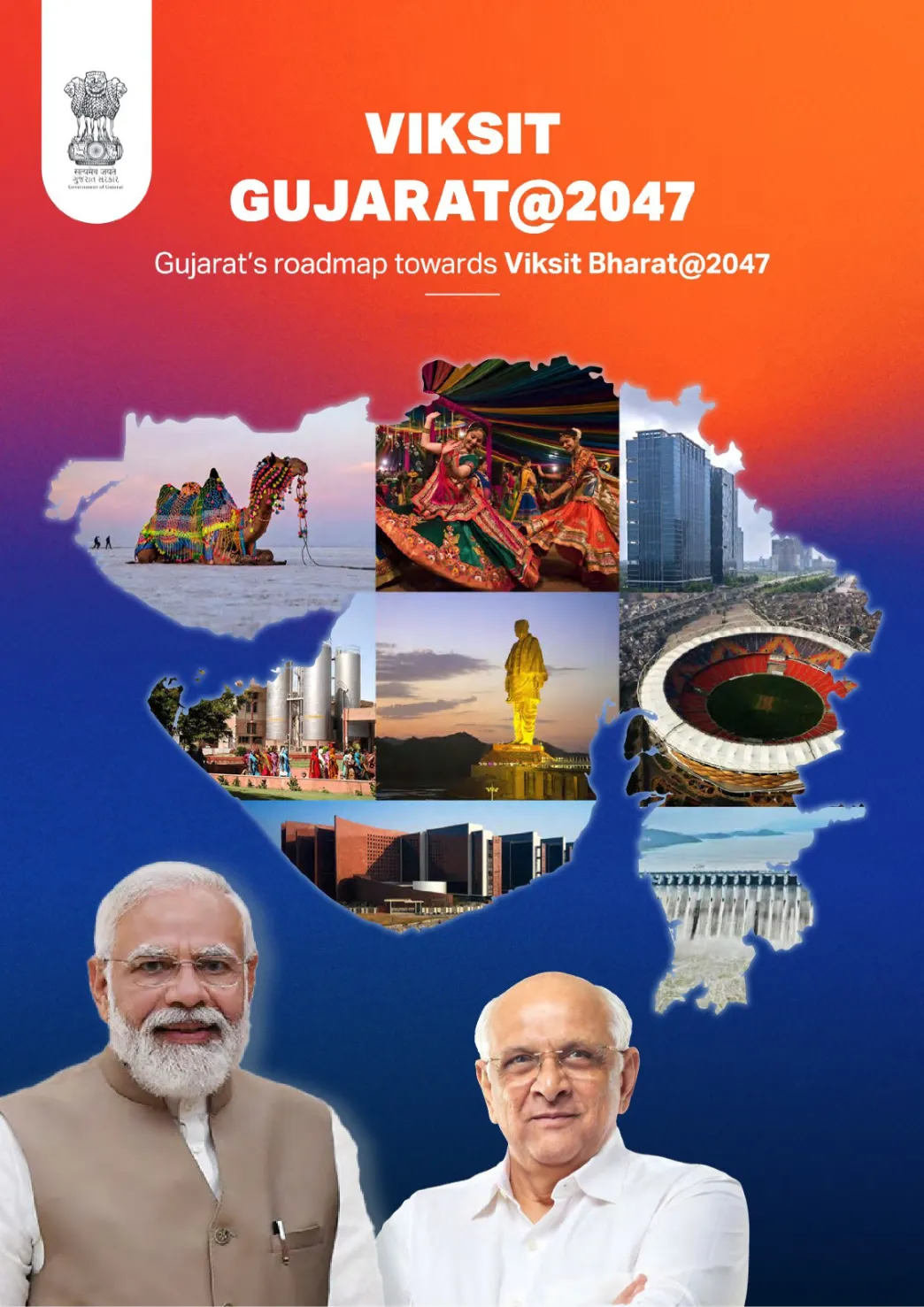
‘Gujarat’s recent policy initiatives closely aligned with India’s national vision for services sector’

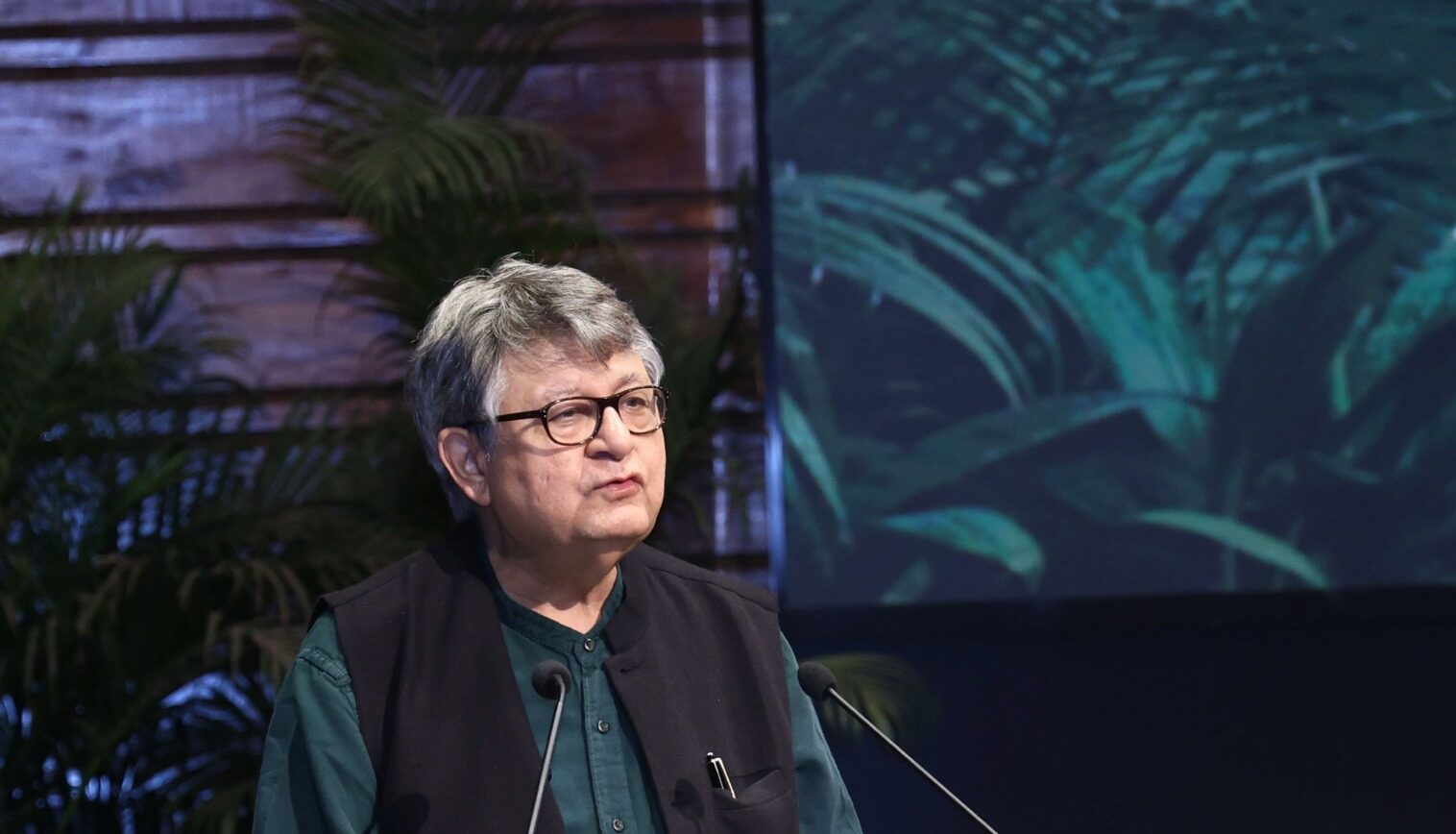
Gujarat’s recent policy initiatives are closely aligned with India’s national vision for the services sector, said Mona Khandhar, Principal Secretary of the Department of Science and Technology (DST), at a round table recently organised by the Gujarat Department of Science and Technology (DST) and HSBC at the GIFT City to promote Global Capability Centres (GCC) Policy 2025-30.

Around 27 Chief Executive Officers (CEOs), Chief Financial Officers (CFOs) and senior executives of 27 leading national and international companies participated in the event.

Addressing the gathering on Thursday, Khandhar said, “In just the past year, the Gujarat government has implemented over five key policies to promote innovation, investment, and institutional development.”

She also underlined Gujarat’s strengths, including “a robust legal-administrative framework and gender-inclusive business environment, making it one of the most trusted and investment-friendly destinations in India”.

Opening the discussion, Mr Avasar Vipathi, CEO of HSBC and Head of GIFT City Branch, reiterated HSBC’s commitment to supporting investment and innovation in Gujarat.

Avantha Vamshra, Managing Director and Head of Markets and Securities Services, HSBC India, praised the state’s fast-paced development and emphasised the crucial role GCCs could play in the next growth phase. She noted that Gujarat’s ecosystem offers structural support for Research & Development (R&D), talent development, and sustainable expansion.

During the session, officials from GIFT City and the DST gave detailed presentations on the government’s key industry incentives and the policy framework supporting GCC growth. Industry participants expressed enthusiasm about expanding their operations in Gujarat and praised the “clarity and pro-investor approach” of the GCC policy. Many remarked that the CaPEX (Capital Expenditure) and OpEX (Operational Expenditure) support offered would significantly aid long-term organisational planning and scalability.

Author : Mr. Jay Jani, Intern-The Indian Express

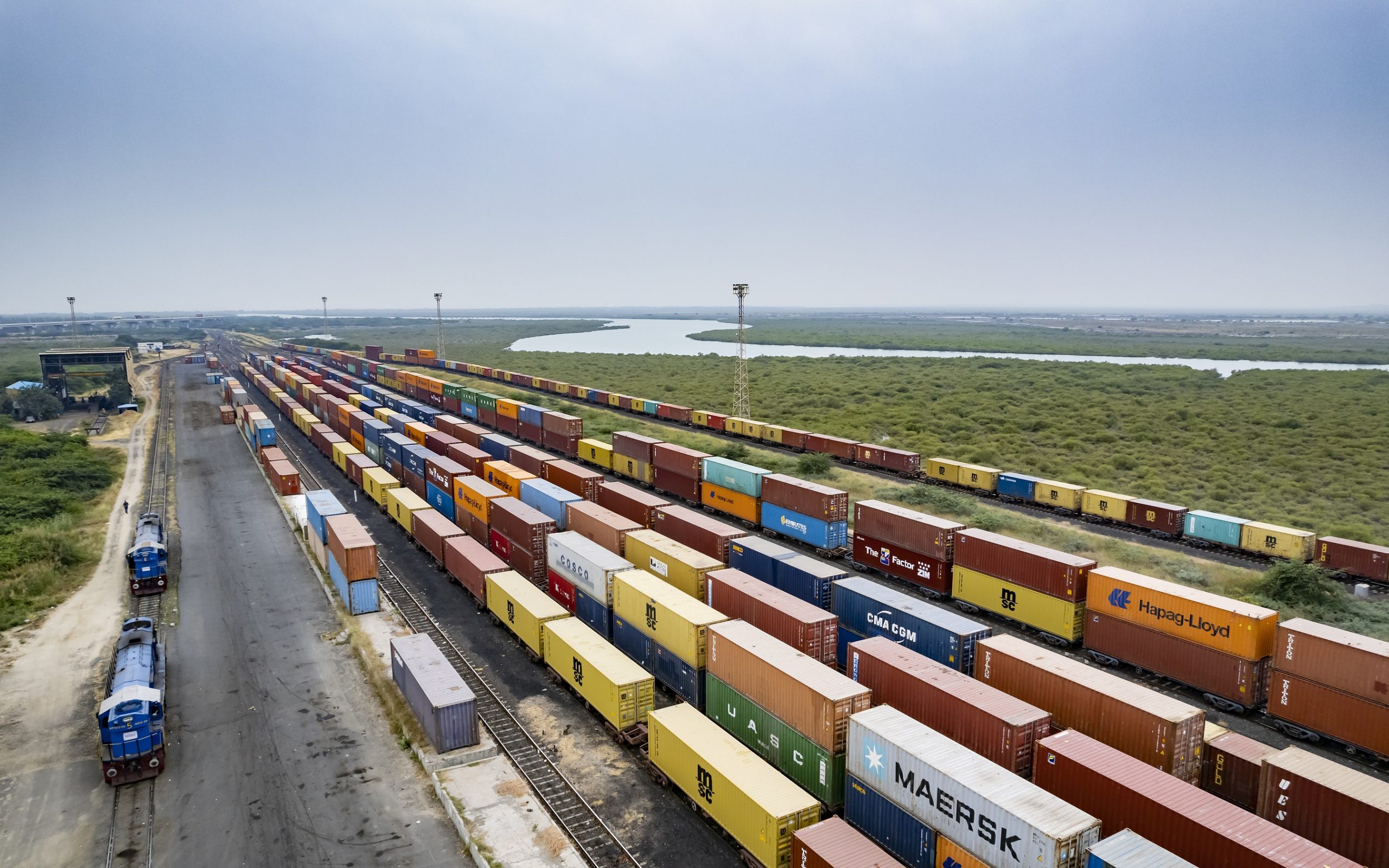
200 Gati Shakti Terminals to come up along rail freight corridors : Indian Railways

NEW DELHI : The government is planning to build 200 Gati Shakti Cargo Terminals (GCT) under the public-private partnership over the next few years along the new freight corridors. Currently, the entire rail network in the country has 77 GCTs. Average cost of a terminal is Rs 70 crore.

The Dedicated Freight Corridor Corporation of India (DFCCIL) iself has four GCTs operational, while six more terminals are slated to be commissioned in FY26 along the corridors. “There are a total 115 stations on DFCs and 50-55 of them are suitable for Gati Shakti terminals. By December 25, the entire western DFC will be commissioned. Several Gati Shakti terminals are coming on this line. We are floating the tenders and there’s a lot of participation from players,” Praveen Kumar, Managing Director of DFCCIL said.

The dedicated freight corridors can over the next few years contribute significantly to the financial health of the Indian Railways and help prevent passenger fares from flaring up, Kumar said.

He said that even though the high-speed corridors are expensive projects and recouping their capital costs will take years, once their efficiencies improve, they can contribute significantly to the railways‘ operational revenues.

“The Indian railways’ main traffic is freight which contributes 67% to the overall traffic while 33% is passenger traffic. With the commissioning of DFC, the freight percentage will definitely go up further,” he said.

“The DFC corridors cost a staggering Rs 1,24,000 crore, but when the efficiencies are improved, a lot of cross subsidy for the passenger services may be possible,” Kumar said at a PHDCCI event.

At present, the share of road transport in the overall logistics sector is 46% while the share of railways is just 26%. Kumar said that with the plan is to reverse this on a “complementary basis”.

Source : FE

CBI Court sentences two in 2003 duty drawback fraud case, orders Rs. 9 lakh compensation to AEPC

NEW DELHI : The CBI Court at Rouse Avenue District Court (RADC), New Delhi sentenced two individuals — Rajender Sharma and Satyapal Singh — in a 2003 case involving fraudulent duty drawback claims amounting to over Rs. 14 lakh. Both were also directed to pay a total compensation of ₹9 lakh to the Apparel Export Promotion Council (AEPC), New Delhi.

The Central Bureau of Investigation (CBI) had registered the case on December 30, 2003, against Rajender Sharma, proprietor of M/s Siddharthi, and unidentified officials of AEPC, Ministry of Textiles, for allegedly manipulating documents to falsely claim duty drawbacks for non-existent exports of garments. The conspiracy was carried out in collaboration with co-accused Satyapal Singh.

The investigation revealed that Sharma had illegally transferred his export license to another person and fabricated export documents to fraudulently claim duty drawback benefits totaling Rs. 14,01,828. Both Sharma and Singh were chargesheeted by the CBI on June 29, 2005, and subsequently admitted guilt during trial proceedings under plea bargaining.

Following their admission, the court convicted Rajender Sharma and sentenced him to the duration of custody already undergone — 75 days — along with a fine of ₹6,000. Co-accused Satyapal Singh was sentenced to imprisonment till the rising of the court, also with a fine of Rs. 6,000.

In addition to the penal sentences, the court ordered both convicts to jointly pay ₹9 lakh in compensation to AEPC, to be disbursed in three equal installments of ₹3 lakh each within six months from the date of judgment.

India initiates anti-dumping probe into import of polyethylene from 6 countries

NEW DELHI : The Commerce Ministry’s arm DGTR has initiated an anti-dumping probe into the import of polyethylene from Kuwait, Malaysia, Oman, Qatar, Saudi Arabia, the UAE following a complaint by Chemicals and Petrochemicals Association of India.

The applicant has alleged that the industry is impacted due to the dumped imports of Linear-Density Polyethylene (LLDPE).

It is primarily used in raw materials for the plastic processing industry to make a variety of products such as packaging films, profiles, wire and cable.

According to the DGTR’s notification, the applicant has provided evidence with respect to the injury suffered by the domestic industry due to the dumped imports.

“The authority hereby initiates an anti-dumping investigation to determine the existence, degree and effect of the dumping,” it said.

If it is established that the dumping has caused material injury to domestic players, the DGTR would recommend the imposition of the levy on imports.

The finance ministry takes the final decision to impose duties.

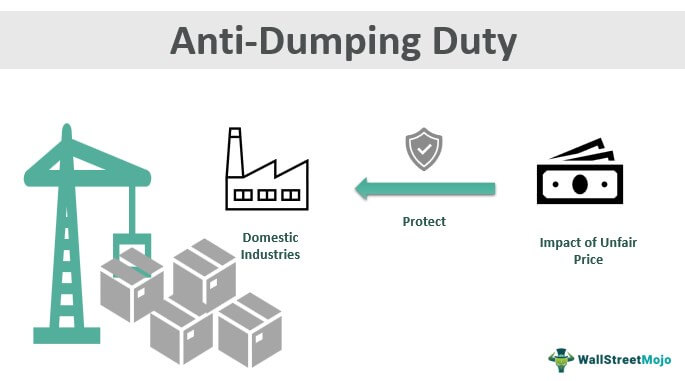
Anti-dumping probes are conducted by countries to determine whether domestic industries have been hurt because of a surge in cheap imports.

As a countermeasure, they impose these duties under the multilateral regime of the Geneva-based World Trade Organization (WTO). The duty is aimed at ensuring fair trading practices and creating a level playing field for domestic producers vis-a-vis foreign producers and exporters.

India and these countries are members of the WTO.

India has already imposed anti-dumping duties on several products to tackle cheap imports from various countries, including China.