Home Blog Page 774

Maharashtra truckers calls indefinite strike from July 1 over E-challan penalties

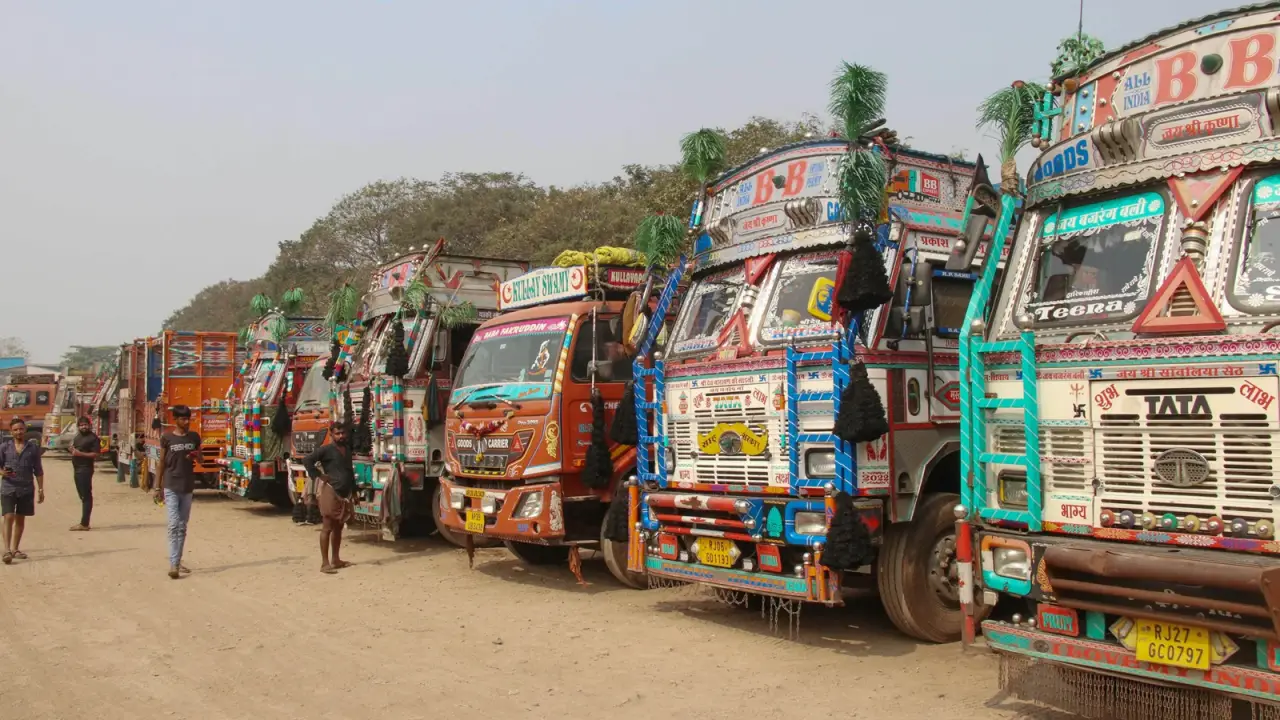
MUMBAI : Lakhs of trucks and other goods carriage vehicles in Mumbai and other parts of Maharashtra will go on indefinite strike to oppose the E-challan system for traffic violations, and other demands from Tuesday midnight, transporters said.

Goods transporters across Maharashtra bringing the movement of trucks, tempos, tankers, and trailers to a halt. The strike threatens to disrupt essential supply chains, with heavy vehicle operators refusing to back down until the state government addresses their long-pending demands. 

The operators of buses, including those involved in ferrying school children, however, announced they would postpone their participation in the strike at the request of Chief Minister Shri Devendra Fadnavis, who said the warkaris (Lord Vitthal devotees) would face inconvenience as Ashadi Ekadashi is just round the corner.

Taking cognizance of the transporters’ strike, the state government set up a 10-member committee led by Transport Commissioner Vivek Bhimanwar to look into the issue.

The Vahatukdar Bachao Kruti Sanghatana, an action committee of the transporters’ associations in the state, said the indefinite strike will begin from midnight as the transporters are frustrated with the e-challans and harassment by the enforcement agencies for recovery of e-challans. 

As many as 1.5 lakh to 2 lakh trucks and other goods-carrying vehicles in Mumbai and other parts of Maharashtra will go on strike after midnight,” said Uday Barge, convener of the action .

However, he made it clear that the transportation of essential items, including milk, vegetables and medicines, has been kept out of the strike’s purview. 

Barge further said that the All India Motor Transport Congress, the apex body of transporters in the country, has supported the strike along with the Maharashtra Rajya Truck Tempo Tanker Bus Vahatuk Mahasangh, the All India Bulk LPG Transporter Association, and the Navi Mumbai Transport Association, along with many other transport bodies.

He said that the government did not invite them for any meeting on Tuesday.

heir other demands include stopping the forceful collection of e-challan fines, cancellation of e-challans older than six months, waiving existing penalties, cancelling the mandatory cleaner rule for heavy vehicles, and reconsidering no-entry timings in metro cities, among others.

“As the Uttar Pradesh government has waived old fines issued through e-challans in their state, the Maharashtra government should also consider taking a similar move,” said Kailas Pingle, president of Maharashtra Rajya Motor Malak Sangh, which has also extended support to the strike.

The transporters complain that the recovery process by authorities has become aggressive and is disrupting business operations, besides mounting fines of e-challans.

Harsh Kotak, a leader of the Mumbai Bus Malak Sanghatana, one of the bodies of bus operators, told PTI that earlier in the day a meeting was held to take a decision about participation in the strike.

At that time, CM Fadnavis requested the bus operators over the phone not to go on strike to avoid troubles for the warkaris, as Ashadi Ekadashi is just a few days away.

“We have decided to postpone our participation in the strike till the midnight of July 6,” Kotak said.

Deepak Naik, president of the Mumbai Bus Malak Sanghatana, said that they have extended their support to the strike and they will express their protest by tying black flags to buses in this period.

The School Bus Owners’ Association, a body of school bus operators, also said that both Chief Minister Devendra Fadnavis and Transport Minister Pratap Sarnaik have assured them they will address their grievances with due seriousness. 

“Respecting the positive intent shown by the government, the committee has decided to postpone the strike and pursue the matter through the channel of dialogue and negotiation,” Anil Garg, leader of the School Bus Owners’ Association, said in a statement issued after a meeting. 

In view of the transporters’ strike call, the state government formed the 10-member committee with senior officers from the Mumbai Traffic Police, Highway Police, and Motor Vehicles Department as its members along with leaders of transport associations.

According to the Government Resolution (GR) issued late Tuesday night, the committee will submit its report within a month.

On June 26, Maharashtra Transport Minister Shri Pratap Sarnaik had assured the formation of the committee. 

From June 16, the transporters had started an indefinite sit-in protest at Mumbai’s Azad Maidan to press their demands about e-challan and other issues. Finally, they ended the protest on June 24, after Maharashtra Industries Minister Uday Samant assured them he would convene a meeting to resolve their issues. 

In the meeting held the next day, Transport Minister Pratap Sarnaik and Industries Minister Uday Samant assured them that a committee would be formed to look into the demands. The transporters, however, remained firm on their stand of going on strike from the start of July as they were not going to get relief from the recovery of e-challans older than six months, which they are demanding to withdraw.

A meeting with Chief Minister Devendra Fadnavis is scheduled for later today (July 2) to address the transporters’ concerns. 

India-US BTA talks deadlocked as Government stands firm on ‘red line’

NEW DELHI : Hopes of an India-US bilateral trade (BTA) deal before the July 9 deadline set by President Donald Trump dimmed further on Tuesday, as talks ended in a deadlock over key agricultural demands, sources told .

This comes despite the White House reaffirmed earlier on Tuesday India’s importance as a “key strategic ally” in the Indo-Pacific region, while confirming that a long-anticipated trade deal between New Delhi and Washington was “very close” to announcement.

According to top government sources, India has refused to budge on dairy, a sector employing over 80 million people in India, many of them smallholder farmers.

“There is no question of conceding on dairy. That’s a red line,” a senior government source said.

Special Secretary Rajesh Agarwal, who is leading the Indian delegation in Washington to reach an interim trade agreement with the US, has extended his stay by another day in an attempt to break the impasse.

The trade talks in Washington, which entered the sixth day on Tuesday, are expected to continue through Wednesday, with External Affairs Minister S Jaishankar also scheduled to meet his US counterpart, Marco Rubio, on the sidelines of a diplomatic meet.

Notably, India expects duty concessions for a wide array of labour-intensive sectors, including textiles, garments, gems and jewellery, leather goods, plastics, chemicals, shrimp, oilseeds, grapes, and bananas. “These concessions do not hurt any domestic interests in the US and are unlikely to face resistance,” the source added.

The interim trade pact is being projected as a first step toward a broader bilateral trade deal. It also aims to do away with high tariffs of up to 26 per cent on Indian exports—a deadline that looms with urgency, as the US pushes for a breakthrough before July 9.

For the time being, India has taken a firm position, emphasising no compromise on agriculture, especially not at the cost of its rural economy.

The Indian delegation in the US for trade talks that began on June 26 has already had its two-day stay extended as the two sides are trying to seal a deal before the reciprocal tariff deadline.

“If the proposed trade talks fail, the 26 per cent tariffs will come into force again,” news agency PTI quoted an official as saying.

The reciprocal tariffs imposed by the US on Indian imports on April 2 were suspended for 90 days by Trump, but the 10 per cent baseline tariff continued to be in effect. India, meanwhile, is targeting exemption from the 26 additional tariffs levied by the US.

On the other hand, the US is expecting duty concessions in both the agriculture and dairy sectors from India. But it is difficult for India to allow that, as Indian farmers are into sustenance farming and have small land holdings.

Industrial products, electric vehicles, wines, petrochemical goods, dairy, and agricultural items like apples, tree nuts, and genetically modified crops are among the goods that the US is seeking duty concession on.

India and the US are aiming to wrap up the talks for the first tranche of the proposed bilateral trade agreement (BTA), which targets doubling up bilateral trade to USD 500 billion by 2030, by September-October this year. The current bilateral trade is valued at USD 191 billion.

US President Trump says he doesn’t expect to extend July 9 tariff deadline

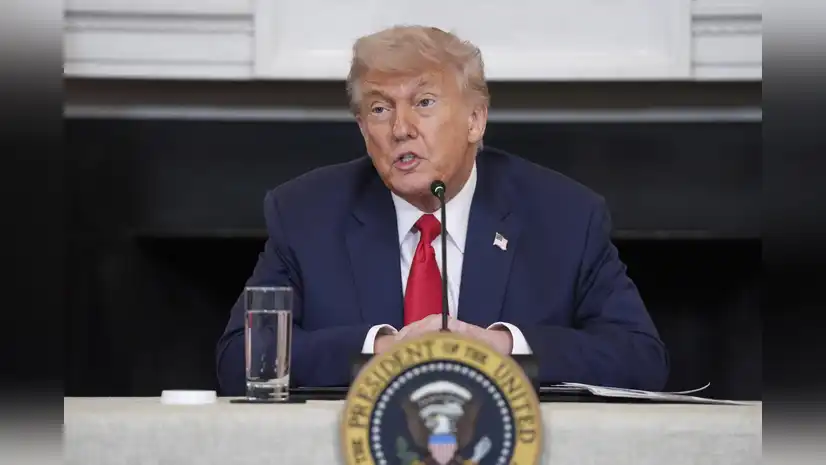
WASHINGTON : President Donald Trump said he doesn’t think he’ll need to extend the July 9 trade deadline he has imposed on countries to secure deals with the US to avoid higher tariffs.

“I don’t think I’ll need to,” he said in an interview on Fox News’s Sunday Morning Futures with Maria Bartiromo that was taped Friday. He then added, “I could, no big deal.”

The comments follow Trump’s remarks on Friday that the administration could do “whatever we want” with the deadline, including extending it or making it shorter.

“I’d like to make it shorter. I’d like to just send letters out to everybody, ‘Congratulations, you’re paying 25%,’” he told reporters Friday in a press briefing. Trump and his advisers earlier this year laid out ambitious plans for a negotiating period, and have said repeatedly they’re in talks with dozens of trading partners on reducing trade deficits and eliminating barriers.

On Friday, Treasury Secretary Scott Bessent cast doubt on the timeline, saying “we have countries approaching us with very good deals” but they all might not be finished by the date when Trump’s April 2 country-based tariffs are set to kick back in.

“If we can ink 10 or 12 of the important 18 — there are another important 20 relationships — then I think we could have trade wrapped up by Labor Day,” Bessent said on Fox Business.

It’s also unclear how comprehensive the trade deals the administration is hoping to secure will be. The pact with the UK that Trump has touted as comprehensive still leaves critical points unresolved, and the recently inked China accord leaves questions unanswered with regard to fentanyl trafficking and US exporters’ access to Chinese markets. Trump has suggested India is one nation that could be close to finalizing a deal. A team of Indian trade officials held meetings with officials in Washington last week.

Drone survey for Vadhvan Port completed

MUMBAI : The drone survey for the ambitious Vadhan Port Project in the Dahanu Taluka of Maharashtra’s Palghar district has been completed, officials said on Saturday. A section of villagers had earlier protested against the technical survey at the site of the proposed seaport, claiming the project would snatch their livelihoods. The drone survey was done by ITDC, said district officials.

According to a release by the district administration, officials met locals on Saturday over their demands. Though the protesters who had initially raised objections did not attend the meeting, several representatives from the affected coastal villages participated in the discussion, it said. The villagers’ demands include higher compensation for land to be acquired for the Vadhvan greenfield highway, employment opportunities for locals in the port project, and compensation and rehabilitation measures for fishermen who may lose their livelihood.

Deputy Collector Mahesh Sagar said during the meeting that JNPT (Jawaharlal Nehru Port Trust) has agreed in principle to prioritise the local residents for employment opportunities in the project, according to the release. The district administration also clarified that a comprehensive compensation policy for fishermen is under preparation, the release said.

Officials also emphasised that the government remains sensitive to public sentiment and is committed to an inclusive development process, it added. The development of a Rs 76,200 crore all-weather greenfield deep draft major Port at Vadhvan was approved by the Union Cabinet in 2024.

The project will be constructed by Vadhvan Port Project Limited, a special purpose vehicle (SPV) formed by Jawaharlal Nehru Port Authority (JNPA) and Maharashtra Maritime Board (MMB), with a shareholding of 74 per cent and 26 per cent, respectively.

Source : PTI

Netaji Subhas Dock-Kolkata deploys first-ever electric mobile cranes

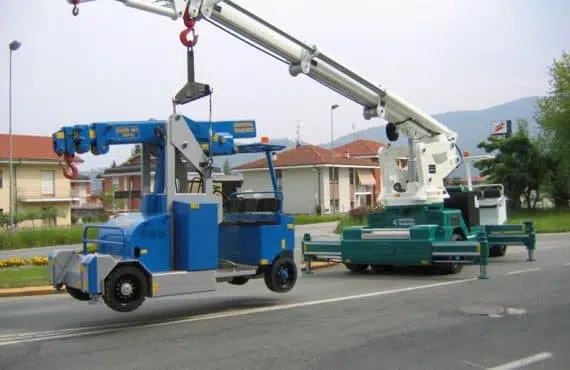
KOLKATA : In a major move towards greener port operations, Syama Prasad Mookerjee Port (SMP), Kolkata, on Tuesday commissioned its first two electric-powered Mobile Harbour Cranes (MHCs) at the Netaji Subhas Dock, marking a shift from traditional fossil fuel-powered cargo handling equipment, officials said.

Deployed by Adani Ports and Special Economic Zone (APSEZ), the new MHCs represent SMP Kolkata’s initial transition to cleaner, energy-efficient technology in port logistics.

With this addition, the total number of MHCs at the Kolkata Dock System has increased to six, officials said.

Source : PTI

Adani Gangavaram Port sets a new record in handling of coastal cargo

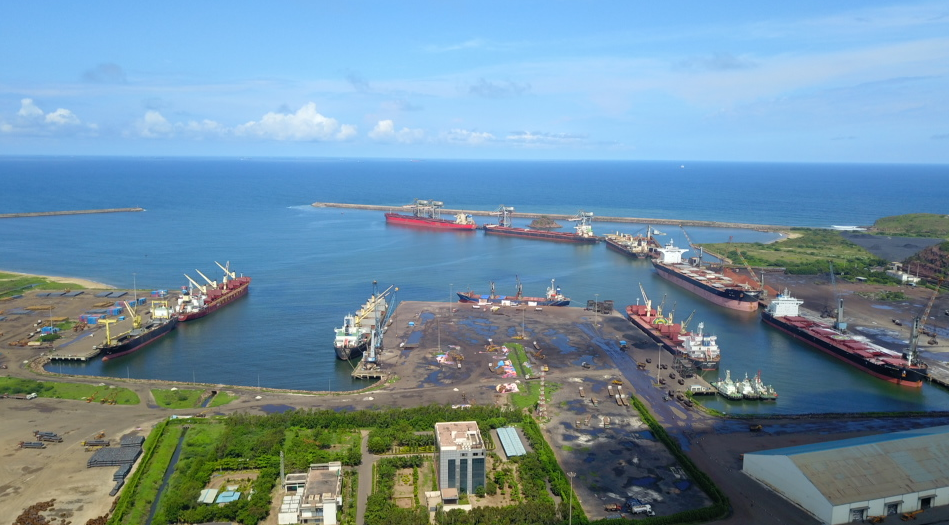
VISAKHAPATNAM : Adani Gangavaram Port, the deepest and one of the most modern ports in India today sets a new record in handling of coastal cargo by loading 61,317 MTs in 24 hours in MV Star Nasia for TANGEDCO breaking its earlier record of 57,950 MTs in Jan 2025. This achievement underscores the port’s commitment to operational excellence and efficient cargo handling.

The record-breaking cargo handling was made possible through the strategic utilization of Mobile Harbour Cranes, E-GSCs, Railway Infra and Mechanized Yards to ensure high productivity. The port’s constant thrust in safe and efficient operations through technology and investments in infrastructure have enabled this record.

Adani Gangavaram Port integrated approach, which includes seamless connectivity with railway facilities, ensures the swift and reliable transportation of coastal cargo across the region.

Speaking on the occasion, Adani Gangavaram Port management said, “This record-breaking achievement is a testament to the dedication and hard work of our entire team,” “We are committed to continuously enhancing our operational capabilities to provide efficient and reliable services to our customers and contribute to the growth of the Indian economy.

Chhattisgarh clears ‘State Logistics Policy’, aims at creating dry ports

RAIPUR : The Chhattisgarh Cabinet on Monday approved ‘State Logistics Policy-2025’ which is a comprehensive framework introduced by the government to transform the state into a major logistics and export hub.

The policy aligns with India’s National Logistics Policy and is aimed at reducing logistics costs, boosting industrial competitiveness, and enhancing export capabilities, Deputy Chief Minister Shri Arun Sao said here.

Chhattisgarh’s geographic location — positioned at the heart of India — offers a strategic advantage for interstate and international trade routes.

One of the policy’s key focuses is the development of dry ports and inland container depots to support micro, small, and medium enterprises (MSMEs) and regional producers in reaching domestic and international markets. This infrastructure will provide seamless connectivity between production zones and distribution channels, reducing transit times and improving the efficiency of supply chains.

The Logistics Policy-2025 leverages this by encouraging investments in multimodal transport infrastructure, warehousing, and digital logistics systems. National and international logistics players, as well as e-commerce companies, are expected to be drawn to the state through targeted incentives and land facilitation. The policy also aims to create a robust storage network to assist industries, traders, and farmers.

By expanding cold storage and warehousing capacity, it seeks to minimise post-harvest losses and lower storage costs. In turn, this will benefit agricultural and forest-based producers, particularly in forest-rich regions like Bastar and Surguja, by promoting the export of medicinal plants, non-timber forest produce, and tribal handicrafts.

Employment generation is a core outcome of the policy. By formalising the logistics ecosystem, the state anticipates the creation of thousands of direct and indirect jobs, particularly in transport, warehousing, packaging, and IT-enabled logistics services.

Additionally, the policy promotes sustainability by encouraging fuel-efficient transport, eco-friendly packaging, and digital tracking systems to reduce the state’s environmental footprint.

India’s Supply Chain Future Takes Center Stage at 4th Supply Chain & Logistics Conclave by Team Marksmen Network

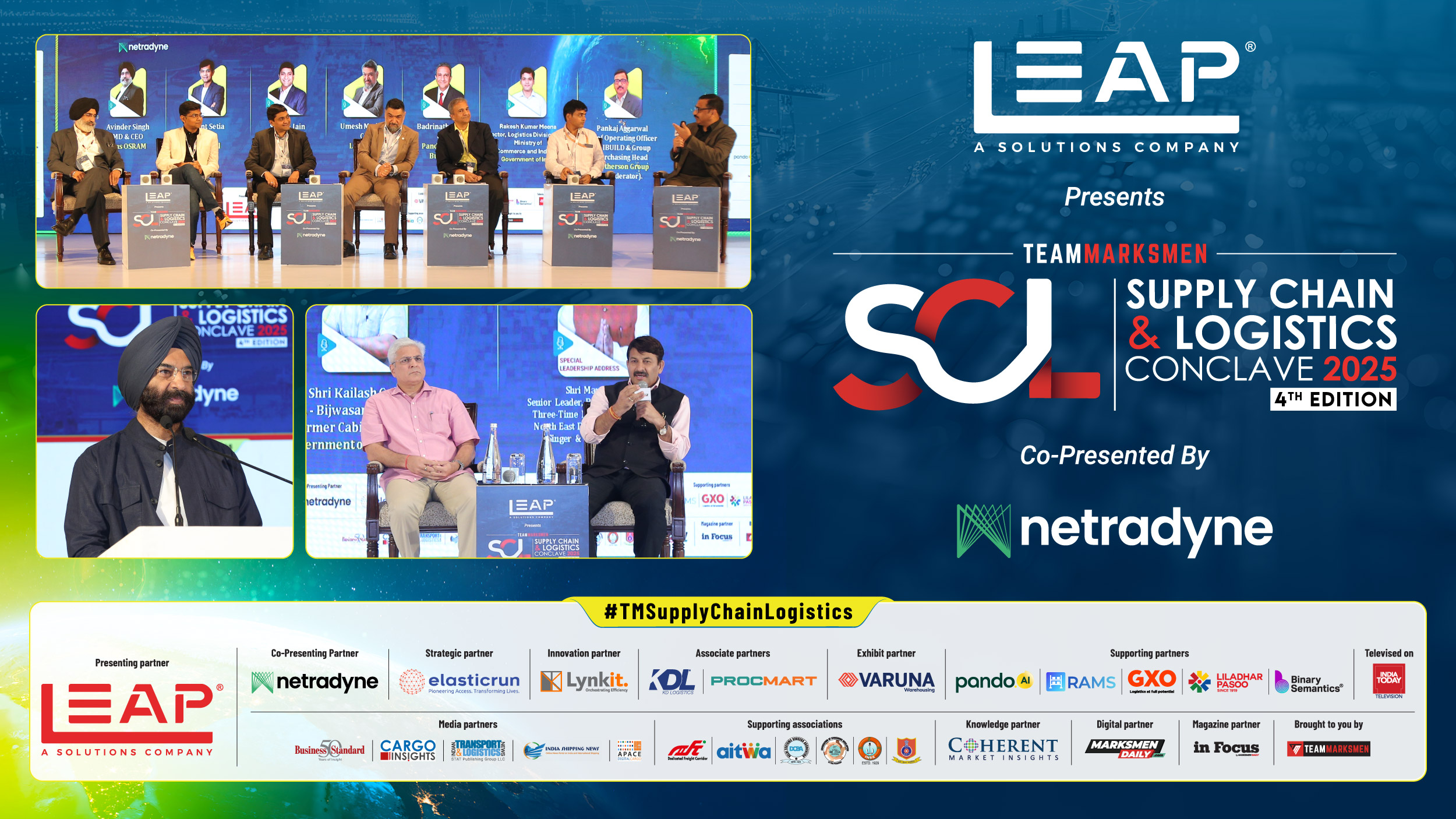
NEW DELHI : Team Marksmen Network successfully concluded the 4th edition of the Supply Chain and Logistics Conclave 2025 on June 20th at the Hyatt Regency, New Delhi. Held under the central theme “Seamless, Sustainable, Smart – The Next Era of Supply Chains,” the day-long summit convened over 300 distinguished guests from business, government, and academia to decode the next big leap in India’s supply chain and logistics ecosystem.

The conclave kicked off with a welcome address by Rajesh Khubchandani, Co-founder & MD, Team Marksmen Network, who emphasized the need for unified action to modernize India’s supply chain infrastructure amid geopolitical volatility and technological transformation.

“This year’s conclave was a true reflection of where India is headed in the logistics and supply chain domain towards greater digitization, sustainability, and collaborative innovation,” said Rajesh Khubchandani. “With India poised to become a USD 484 billion logistics market by 2029, platforms like these are crucial to unite the ecosystem, break silos, and unlock transformational impact.”

The Chief Guest, Shri Manjinder Singh Sirsa, National Secretary, Bharatiya Janata Party and Minister in the Government of NCT of Delhi, addressed the audience with a vision for Delhi and India’s logistics future:

“Our nation is growing rapidly under the leadership of PM Modi, alongside the youth workforce and their innovative ideas. Delhi, with a population of over 30 million within just 50 kilometers, faces unique urban and industrial challenges, challenges that are fueling innovation. I’m happy to see this platform catalyzing ideas that align with PM Modi’s vision of building integrated logistics hubs across India.”

The Conclave’s agenda was split across the Main Summit, Manufacturing, Retail & FMCG focused tracks that sparked powerful discussions on topics critical to shaping a future-ready India. Sessions explored the role of AI and automation in supply chain agility, urban logistics and last-mile connectivity, rail freight modernization, green supply chains, reverse logistics, cold-chain innovations, and strategic procurement for global competitiveness.

Thought-provoking addresses and panel discussions also explored themes such as predictive analytics, supply chain risk mitigation, sustainable packaging, and the rise of diverse leadership in logistics, including a dedicated session on Women Shaping the Future of Supply Chains.

Some of the key speakers at the Conclave included Shri Manjinder Singh Sirsa; Dr. Ajay Dua, Chairman and Board Director of various companies, former Secretary at the Union Ministry of Commerce & Industry, Chair of the Advisory Board for the Supply Chain and Logistics Conclave, and an Advisory Board Member of Team Marksmen Network; Shri Kailash Gahlot, MLA from Bijwasan and former Cabinet Minister in the Government of NCT of Delhi; Shri Manoj Tiwari, Senior BJP Leader and three-time Member of Parliament representing North East Delhi; Dr. Surendra Kumar Ahirwar, Executive Director – Traffic Commercial (Rates) at the Ministry of Railways; Avinder Singh, Managing Director & CEO of ams OSRAM; Achint Setia, Chief Executive Officer of Snapdeal; and Amit Kumar, Senior Director – Marketing, Netradyne, among other senior leaders.

Umesh Madhyan, Chief Operating Officer from LEAP India, reflected on the sector’s evolution – “With purviews from various important industry stakeholders, and with technology becoming more localised, it gives us an opportunity to experience and witness how the industry is shaping and scaling. While our supply chain network in India is robust, it is important to figure out how we streamline and strengthen our network, especially for scaling India’s supply chain capabilities.”

The conclave also culminated with the Champions of Supply Chain Awards 2025, which recognised 30 standout individuals who are redefining excellence across supply chain, procurement and logistics. Backed by research from Coherent Insights, the awards celebrated innovation and leadership at scale.

With insights from over 60 industry experts across 20+ sessions, the Conclave succeeded in catalyzing collaboration between the public and private sectors, charting a forward-thinking agenda for India’s logistics leadership on the global stage.

Rail and road projects evaluated in the 96th Meeting of Network Planning Group

NEW DELHI : The 96th meeting of the Network Planning Group (NPG) was convened on Tuesday and  was chaired by Joint Secretary, Department for Promotion of Industry and Internal Trade (DPIIT) Shri Pankaj Kumar to evaluate key infrastructure proposals in the railway and road transport sectors. The meeting focused on enhancing multimodal connectivity and improving logistics efficiency in alignment with the principles of the PM GatiShakti National Master Plan (PMGS NMP).

A total of four projects were reviewed—three brownfield railway projects proposed by the Ministry of Railways (MoR) and one greenfield road project proposed by the Ministry of Road Transport and Highways (MoRTH). These projects were assessed for their alignment with PM GatiShakti’s core objectives of integrated planning, last-mile connectivity, and intermodal coordination. Once implemented, the projects are expected to reduce travel times, boost logistics efficiency, and generate significant socio-economic benefits across regions.

Ministry of Railways (MoR)

  1. Asangaon–Kasara 4th Line
    The Ministry of Railways, through Central Railway, has proposed the construction of a fourth railway line between Asangaon and Kasara, covering approximately 34.97 km in Thane district, Maharashtra. The project aims to enhance rail capacity and decongest the existing corridor, critical for both passenger and freight movement. The alignment includes two major bridges, 129 minor bridges, one road overbridge (ROB), and six road underbridges (RUBs). This section forms part of the HDN-2 corridor and serves key industrial hubs including JNPA (97 km), Dighi Port, JSW Dolvi, and warehousing clusters of Amazon, Flipkart, and Adani Logistics.

2. Doubling between Bakhtiyarpur and Tilaiya
This project involves doubling the 103.528 km railway line from Karnauti to Tilaiya via Rajgir, traversing the districts of Patna, Nalanda, Gaya, and Nawada in Bihar. The alignment passes through major towns such as Bakhtiyarpur, Harnaut, Bihar Sharif, Rajgir, and Hisua. The corridor supports freight movement to the SJVN Chausa power plant and UltraTech Cement plant. It currently handles 28.33 MTPA and is projected to carry an additional 26.02 MTPA by FY 2029–30. The project includes 18 major bridges, 284 minor bridges, four ROBs, and 49 RUBs.

3. Third and Fourth Line between Delhi and Ambala
The proposal includes construction of third and fourth broad-gauge lines between Delhi and Ambala, covering a total length of 193.60 km. It spans the National Capital Region and Haryana, passing through Sonipat, Panipat, Karnal, Kurukshetra, and Ambala. The 33-station alignment includes 79 RUBs and two ROBs. The corridor connects with major national highways (NH-44, NH-9, NH-48, NH-344GM, NH-152) and improves access to Chandigarh, Ludhiana, and Indira Gandhi International airports. It is expected to benefit agriculture, tourism, and trade while boosting regional economic growth.

Ministry of Road Transport and Highways (MoRTH)

Four-laning of Mokama–Munger Section of NH-80
The Ministry of Road Transport and Highways has proposed the four-laning of an 82.4 km stretch of National Highway-33 from Mokameh Khas (NH-31) to Safiyabad Morcha in Bihar. To be developed under the Hybrid Annuity Model (HAM), this corridor will improve regional connectivity by linking NH-33, NH-31, and SH-18 while ensuring access to key hubs such as Patna, Lakhisarai, and Munger. The project is expected to support the Baruani industrial area and facilitate seamless freight and passenger movement between Patna and Jharkhand. It will also help decongest city routes by diverting commercial vehicles to a high-speed bypass, enhancing safety and reducing travel time.

MPEDA organises First National Skill Olympiad to promote seafood value addition

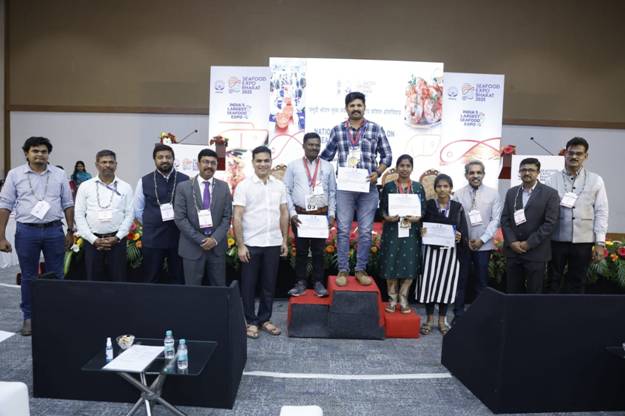
CHENNAI : The Marine Products Export Development Authority (MPEDA) organised the grand finale of the inaugural National Skill Olympiad on seafood value addition on Tuesday at the Seafood Expo Bharat in Chennai. MPEDA is a statutory organisation under administrative control of Department of Commerce. The Olympiad, a pioneering initiative by MPEDA, was launched to promote value addition in seafood exports and create a skilled workforce in the sector. In a closely contested final round, Thanseer K R of Abad Foods Malipuram, Kerala, was adjudged the winner. The awards were announced by Member of Parliament and Authority Member of MPEDA, Shri Hibi George Eden, and Chairman, MPEDA Shri D. V. Swamy.

As a precursor to the event, MPEDA conducted skill tests for trained professionals across the East and West coasts of India. The preliminary rounds were held in Kochi (West Coast Zone) on 29 May and in Visakhapatnam (East Coast Zone) on 5 June. Ten semi-finalists competed on 30 June, from whom four were selected for the final round.

A total of four trained seafood processing professionals competed in the final round of the Olympiad. Balamurugan I from Edhayam Frozen Foods Pvt Ltd, Tuticorin, Tamil Nadu secured the second position. Ms Sandya Rani Palaparthi from Coastal Cooperation Ltd, Kakinada, Andhra Pradesh stood third, while Ms D. Anitha from Sandhya Aqua Exports Pvt Ltd, Kakinada secured the fourth position. The finalists were evaluated on parameters such as quality, hygiene, execution, and presentation.

The winner received a cash prize of Rs 1,00,000. The second and third positions carried prize money of Rs 75,000 and Rs 50,000 respectively. A consolation prize of Rs 25,000 was awarded for the fourth position. All four finalists were also presented with medals and certificates.

Shri Hibi Eden appreciated MPEDA’s initiative in conducting the Olympiad and taking seafood value addition to new heights. Shri D. V. Swamy commended the participants for their skill and commitment and noted that the Olympiad is a novel effort aimed at making India a global hub for value-added seafood exports. He added that MPEDA plans to make the Olympiad an annual event.

The finale was attended by stakeholders including officials from the Central and State fisheries departments, seafood exporters, foreign buyers, and other delegates of Seafood Expo Bharat 2025.

Seafood products prepared by the finalists were displayed for public viewing, and a tasting session was held at the MPEDA Skill Olympiad pavilion.