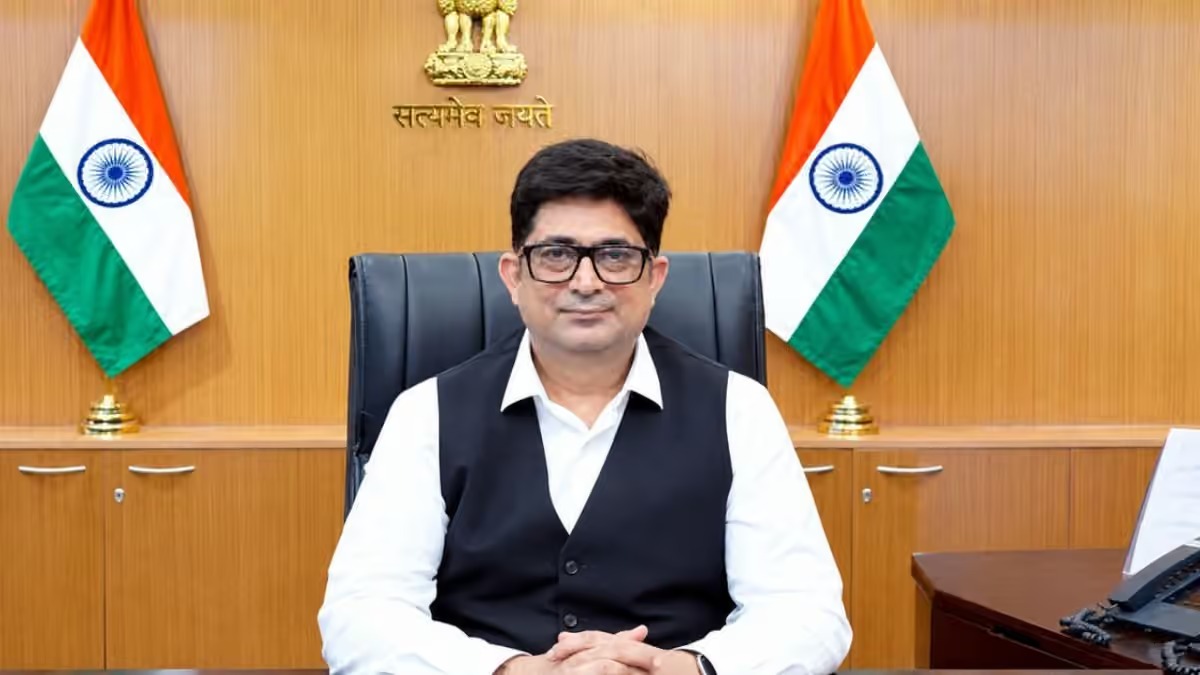
MUMBAI: The Shipping Corporation of India Limited (SCI) has informed the stock exchanges about the appointment of Shri Vipul Singhal as a Part-Time (Government Nominee Director) on its Board. The appointment has become effective from 25 September 2026, the date on which he obtained his DIN (11971150).
Shri Vipul Singhal is currently serving as Director (SBR) in the Ministry of Ports, Shipping & Waterways (MoPSW).
Brief Profile
Belongs to the Indian Railways Traffic Service (IRTS) of 2008 batch
B.Tech from IIT Kharagpur in Ocean Engineering and Naval Architecture
More than 17 years of experience in logistics, transport and railways sector covering passenger and freight operations, safety and infrastructure planning
Has previously worked on policy formulation related to passenger fares, ticketing and digital initiatives in the Ministry of Railways.
The company has confirmed that Shri Vipul Singhal is not related to any Director of SCI and is not debarred from holding the office of director by any SEBI order or other authority.
This disclosure is in continuation of SCI’s earlier intimation dated 24 September 2026 regarding the approval of the Competent Authority for his appointment.
MUMBAI: Allcargo Logistics Limited, an integrated logistics service provider, has announced a strategic leadership transition to accelerate its growth momentum and strengthen its talent pool to position the company for the next phase of progress. The leadership realignment, in line with the broader strategic restructuring of the Allcargo Group, is focused on fuelling growth both for Allcargo logistics and to enable the group to leverage emerging opportunities as a holistic, integrated logistics provider.
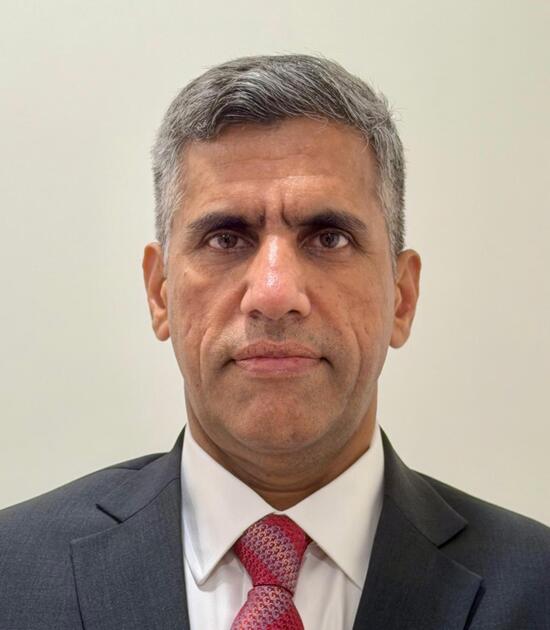
Mr. Vijay Nehra
As part of the transition, Allcargo Logistics has appointed Vijay Nehra as the Chief Transformation Officer and Managing Director Designate, effective October 1, 2026. He will work closely with the existing leadership during the transition period before assuming the role of Managing Director & Chief Executive Officer effective January 1, 2027, subject to the requisite shareholder approvals.
Ketan Kulkarni, currently Managing Director & Chief Executive Officer of Allcargo Logistics, will take up the role of Chief Growth Officer, Allcargo Group, effective January 1, 2027. He will take on a broader responsibility to spearhead sales and marketing initiatives, with a focus on identifying new growth opportunities, particularly across emerging industries, and developing new avenues for value creation across the Group.
The leadership transition builds on the strategic restructuring that was undertaken following the demerger of the Allcargo Group, with businesses moving towards more focused leadership and governance structures. The appointment of Dinesh Lal as Chairman of Allcargo Logistics was an important step in bolstering the company’s leadership framework. Nehra’s appointment as Managing Director Designate represents an important phase in this strategic realignment, with a deeper focus on transformation, operational excellence and long-term growth. Both Vijay Nehra and Ketan Kulkarni will report to Punit Misra, Chief Business Officer, Allcargo Group.
Dinesh Lal, Chairman, Allcargo Logistics, said, “Allcargo Logistics is entering a crucial phase of its growth journey, and strengthening the leadership team is an integral part of this evolution. Vijay brings valuable experience in complex supply chains and business transformation, which will complement the core strengths of the organisation based on customer-centricity and improved service quality and I am confident that with his experience, he will contribute significantly to build the momentum and drive continued progress for Allcargo Logistics.”
Punit Misra, Chief Business Officer, Allcargo Group, said, “The strategic restructuring of the Allcargo Group marks an important phase in the Group’s evolution, creating greater focus across businesses and driving respective growth priorities. This leadership realignment has brought in distinct and complementary mandates across the Group. Vijay’s diversified leadership experience will help us shape the future of Allcargo Logistics as we aim to build upon our substantial strengths to capture larger market share. With Ketan’s expanded Group mandate, we will be able to identify new growth opportunities, especially in emerging industries, and build new avenues for value creation across the Group.”
Ketan Kulkarni, Managing Director & CEO, Allcargo Logistics, said, “We foresee a significant opportunity to identify new avenues for growth and build value across the Group. Over the coming months, I look forward to working closely with Vijay to ensure a smooth transition and share the experience and insights that can support the next phase of Allcargo Logistics. In my broader Group mandate as Chief Growth Officer, I will focus on expanding the Group’s presence in emerging sectors, strengthening our market outreach and identifying opportunities that can unlock new sources of growth and long-term value for the Group.”
Vijay Nehra, Chief Transformation Officer & MD Designate, Allcargo Logistics, said, “Allcargo Logistics has set a benchmark in the service delivery as an integrated logistics provider. As the Indian economy grows, new opportunities are opening across sectors. I look forward to working with the leadership team to strengthen operational excellence and create long-term value, with sustained focus on yield improvement and volume growth.”
Nehra is an accomplished professional with a unique skill set and has a successful track record across multiple industries and functional areas. He has held senior leadership roles across diverse sectors, including financial services, pharmaceuticals, FMCG, e-commerce, and technology-led businesses. A Supply Chain professional at Hindustan Unilever (HUL), where he transitioned into a senior Sales and Customer management leadership role, then pivoting as Head of Finance at Indiabulls Real Estate & Indiabulls Housing Finance and subsequently as CEO of Indiabulls Asset reconstruction company, he has built a strong and successful general management expertise. In his last role, Vijay served as CEO of Ozone Pharma. A Master Mariner, Nehra holds a post graduate programme in management from ISB, Hyderabad, and a Bachelor of Nautical Sciences from T. S. Chanakya, University of Mumbai.
About Allcargo Logistics Limited:
Allcargo Logistics Limited under the composite Scheme of Arrangement has merged its Domestic Supply Chain business and demerged its International Supply Chain (ISC) business as Allcargo Global.Domestic supply chain business houses express distribution and consultative logistics. Allcargo Logistics’ combine legacy, innovation, and customer-centricity with a robust distribution network, deep expertise, and a digital-first approach to provide reliable logistics for MSMEs, retailers, and enterprises. With a nationwide network covering 100% of India’s districts and a growing presence across Asia, the company offers unparalleled reach and service capability. It’s key business verticals include Express Distribution, Air Freight, E-commerce Logistics, First and Last Mile Delivery, and more. The company also offers specialized B2C services such as Laabh, Bike Express, and Student Express, designed to meet the evolving needs of diverse customer segments. Allcargo group stays true to its strong commitment to adhere to Environmental, Social, and Governance (ESG) standards and continues to direct efforts towards enhancing its people, technology as well as business processes and operations on a regular basis. The group has set out to achieve 100% carbon neutrality by 2040.
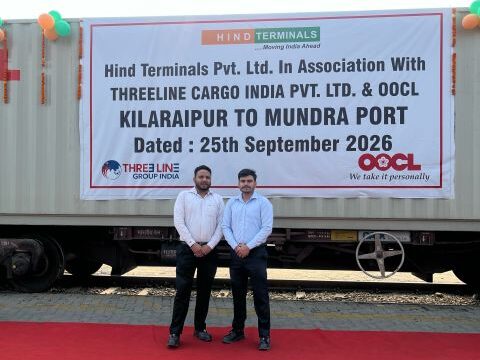
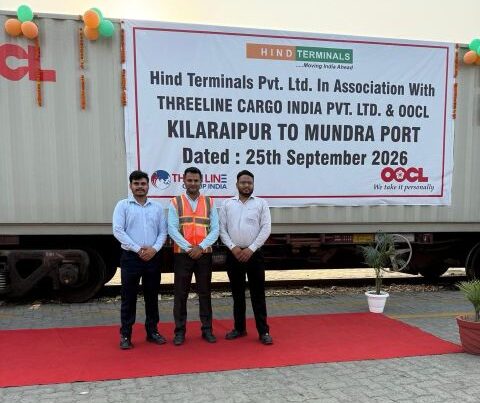
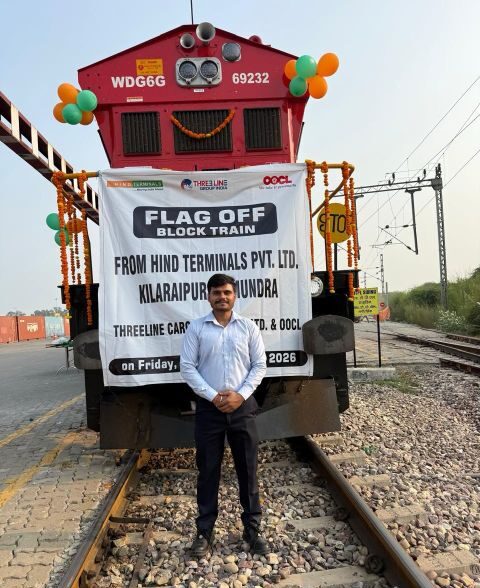
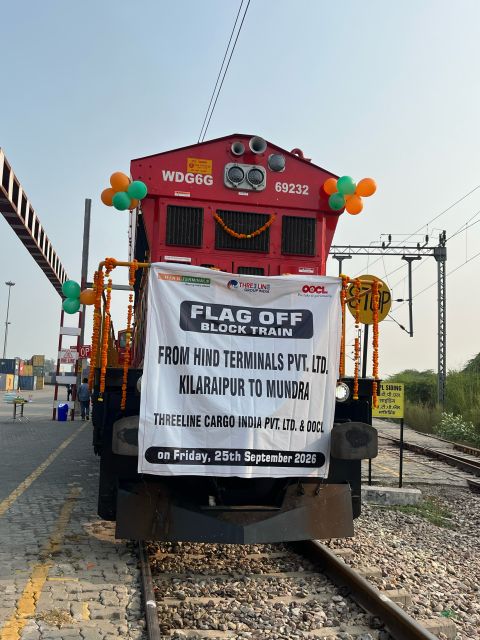
KILARAIPUR: Hind Terminals Private Limited, in association with ThreeLine Cargo India Pvt. Ltd. and OOCL, marked an important milestone in rail-based logistics with the flag-off of a block train from Kilaraipur to Mundra Port on September 25, 2026, according to a LinkedIn post.
The block train movement represents a coordinated effort to facilitate efficient movement of EXIM cargo through an integrated rail and port logistics network, connecting the inland cargo location at Kilaraipur with Mundra Port, one of India’s key gateways for international trade.
The flag-off ceremony brought together stakeholders from the logistics, shipping and rail transportation ecosystem, highlighting the importance of collaborative solutions in creating reliable and efficient cargo movement channels.
The dedicated block train operation provides an opportunity to streamline cargo transportation between the hinterland and the gateway port, supporting better connectivity and contributing to more integrated supply-chain operations. Rail-based cargo movement can also play an important role in improving the efficiency of long-distance freight transportation and strengthening the link between inland logistics hubs and seaports.
The initiative further reflects the growing importance of multimodal logistics, where shipping lines, terminal operators and logistics service providers work together to provide seamless connectivity across the EXIM supply chain.
For professionals and industry participants, the execution of the block train movement also offered valuable practical exposure to rail operations, container logistics, terminal coordination and EXIM cargo handling, providing insights into the various stages involved in moving cargo from the hinterland to the port gateway.
The successful flag-off underscores the importance of stakeholder collaboration in developing efficient, dependable and customer-focused logistics solutions for India’s growing trade requirements.
From Kilaraipur to Mundra Port — strengthening rail connectivity, supporting EXIM trade and building a more integrated logistics network.
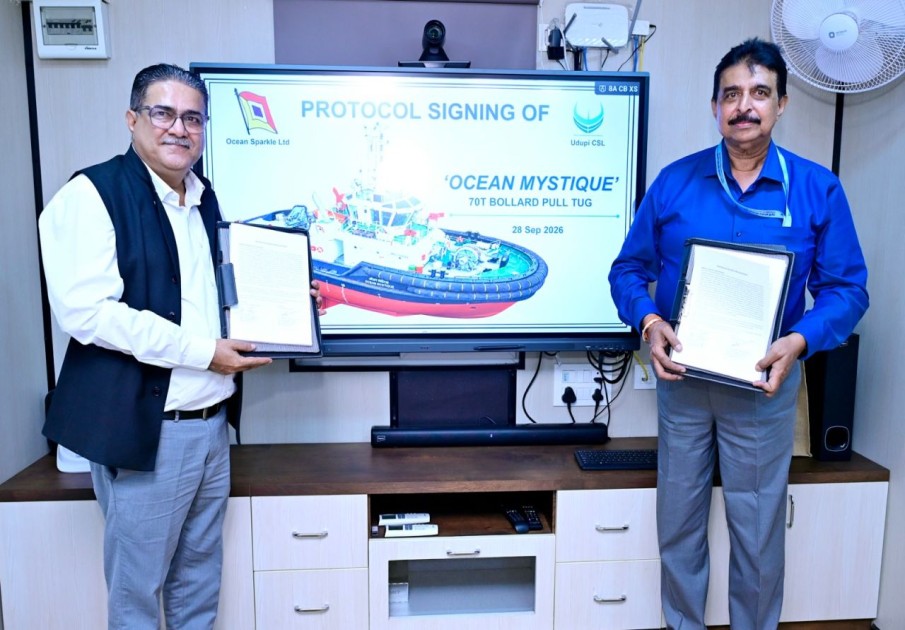
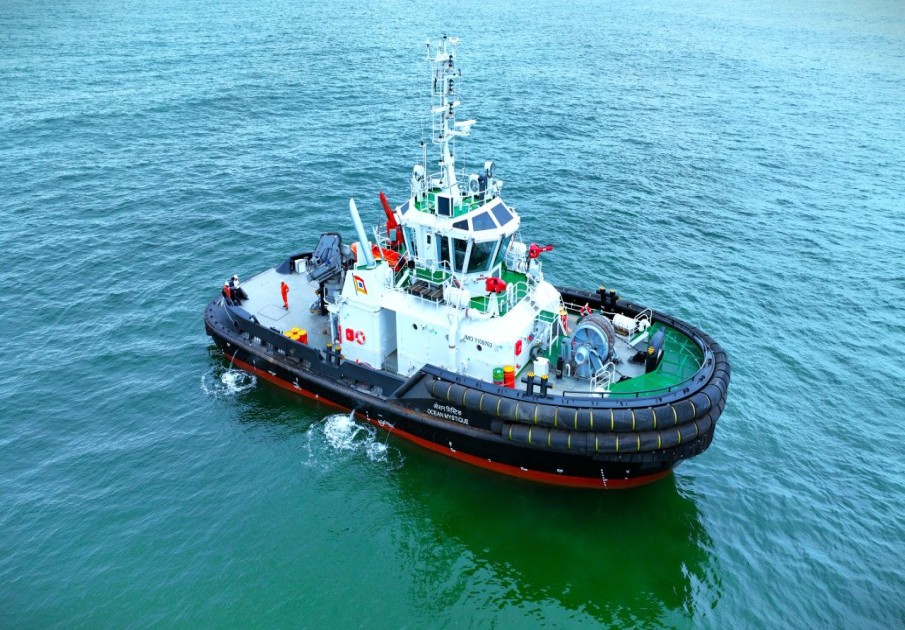
KOCHI: Udupi Cochin Shipyard Limited (UCSL), a wholly owned subsidiary of Cochin Shipyard Limited under the Ministry of Ports, Shipping and Waterways, has achieved another milestone in indigenous shipbuilding with the on-time delivery of the third vessel in a 15-vessel series of 70-tonne Bollard Pull Tugs to Ocean Sparkle Limited (OSL), part of the Adani Group, on September 28, 2026.
The 70T Bollard Pull Azimuth Stern Drive (ASD) Tug has been developed in compliance with the Approved Standard Tug Design and Specifications (ASTDS) framework established by the Indian Ports Association (IPA), supporting the adoption of standardised and modern tug designs for port operations.
Designed by Robert Allan Ltd., Canada, the vessel is classed by the Indian Register of Shipping (IRS). The tug measures 33 metres in length with a beam of 12.2 metres and is powered by two main engines, each delivering approximately 1,838 kW. Together, the propulsion system enables the vessel to achieve a rated 70-tonne bollard pull, making it suitable for demanding harbour and marine support operations.
A key highlight of the project is the vessel’s rapid completion following launch. The tug was delivered within just 47 days of launching, meeting the committed delivery schedule. The achievement demonstrates UCSL’s focus on production planning, streamlined shipbuilding processes, disciplined execution and schedule adherence.
The delivery of the third tug also marks further progress in the ongoing 15-vessel construction programme, strengthening UCSL’s capabilities in building specialised harbour craft for India’s maritime sector.
The milestone reflects the growing role of Indian shipyards in meeting the country’s requirements for modern marine assets and contributes to the broader objective of strengthening domestic shipbuilding capacity under the Atmanirbhar Bharat vision.
With continued emphasis on quality, productivity and timely delivery, UCSL is further establishing its capabilities as an important contributor to India’s indigenous shipbuilding and maritime infrastructure development.
Key Highlights:
Third 70T Bollard Pull Tug delivered to Ocean Sparkle Limited Part of a 15-vessel tug series 70-tonne Bollard Pull ASD Tug 33-metre length | 12.2-metre beam Twin main engines of approximately 1,838 kW each Designed by Robert Allan Ltd., Canada Classed by Indian Register of Shipping Delivered just 47 days after launching Built in compliance with the IPA’s ASTDS framework
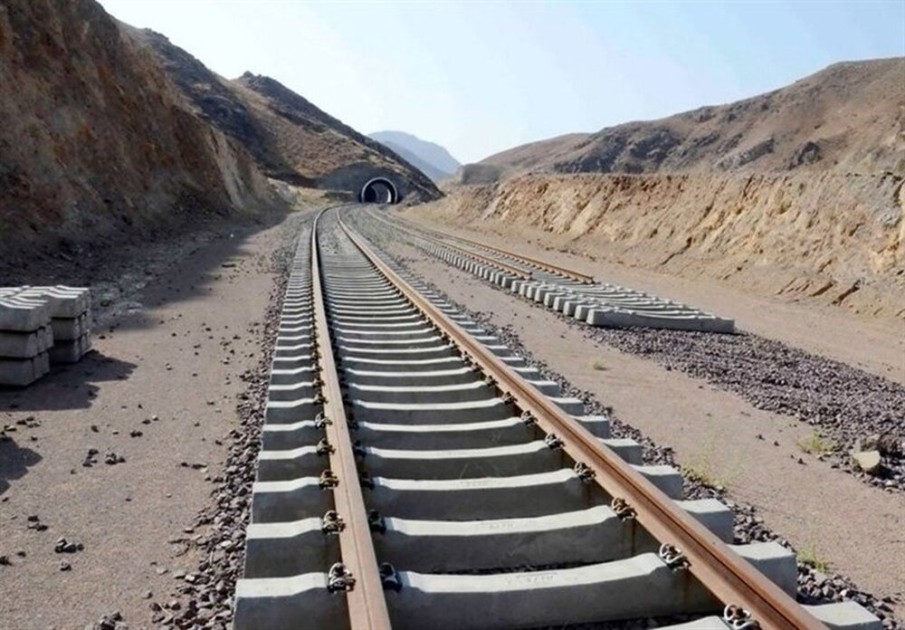
TEHRAN: Iran has completed construction of the strategic Chabahar-Zahedan Railway Line. Construction was completed on 25 September 2026, with the newly laid tracks expected to become fully operational over the next three to four months.
The infrastructure project connects Iran’s oceanic hub of Chabahar directly to the national rail network at Zahedan, offering India an uninterrupted overland route into landlocked Central Asia.
The expansive railway features 33 stations, 39 tunnels, and 201 bridges across challenging geographical terrain in southeastern Iran.
Once operational, the project is expected to have an annual capacity of approximately 2.2 million passengers and 7.7 million tonnes of freight.
Key intermediary stations including Khash and Iranshahr have been outfitted to handle immediate operational logistics.
For India, the rail link establishes a crucial supply-chain bridge bypassing Pakistan, substantially reducing transit costs and time for Indian cargo heading to Afghanistan, Central Asia, and eastern Russia via the International North-South Transport Corridor.
Indian exporters have long relied on maritime-cum-land bypasses to access landlocked markets in Central Asian republics like Turkmenistan, Uzbekistan, and Tajikistan.
The project has faced numerous delays over the years due to geopolitical tensions and international sanctions.
India initially partnered with Iran to construct the rail line, but following geopolitical and funding delays, Iran proceeded with independent construction.
The completion of the Chabahar-Zahedan rail artery operationalises years of diplomatic and economic investment in Iran’s deep-water port.
The route is planned to be extended from Zahedan approximately 800 km north via Mashhad to Sarakhs on the border with Turkmenistan.
WASHINGTON / TEHRAN : U.S. and Iranian officials have reportedly held separate indirect talks with mediators on Monday, reviving efforts to end seven months of war as Tehran presses for a response to a revised ceasefire framework and Middle East crude exports climb to their highest level since the conflict began.
Iranian Foreign Minister Abbas Araghchi met Qatari mediators in New York, where he remained after the United Nations General Assembly, and reportedly said he expects Washington’s reply by Tuesday. “We talked about ideas and how to find solutions to fulfil Iran’s conditions,” Araghchi said, adding that he planned to return to Tehran once a response arrives. “Whenever the Qataris have a response, they know how to get it to us.”
Iran’s proposal, first presented on the sidelines of last week’s General Assembly, calls for a four- to five-day U.S. timeline to release frozen Iranian funds, lift sanctions on Iranian oil and end the naval blockade of Iranian ports, with nuclear talks beginning within seven days. Tehran has tied any reopening of the Strait of Hormuz to those steps.
President Donald Trump had on Sunday called the plan “unacceptable” and rejected it, telling reporters Iran wants a swift deal because of the economic pressure it is under. Speaking at the White House Monday, Trump said U.S. officials had spoken separately with mediators but gave no further details, adding: “We’re going to win. It’s going to go pretty quickly.”
The diplomatic push comes as physical supply data shows the war’s toll on the oil market easing. Middle Eastern crude exports rebounded this month to around their highest level since the war began in February, Kpler data showed. “Middle East crude exports at just under 80% of pre-conflict levels,” the tracking firm said in a note on Monday.
The Strait of Hormuz itself remains far from normal. Kpler’s real-time tracking showed total clearance through the strait at 10,591 kilobarrels a day on Saturday, against a pre-war baseline of 17,133.
The unresolved standoff is also feeding into U.S. fuel markets, with retail diesel prices hovering near a record high of $6.53 a gallon. The Trump administration is again weighing an export ban days after distancing itself from an earlier version of the plan — a move Kpler estimates would keep roughly 1.2 million barrels a day at home and risk overwhelming storage.
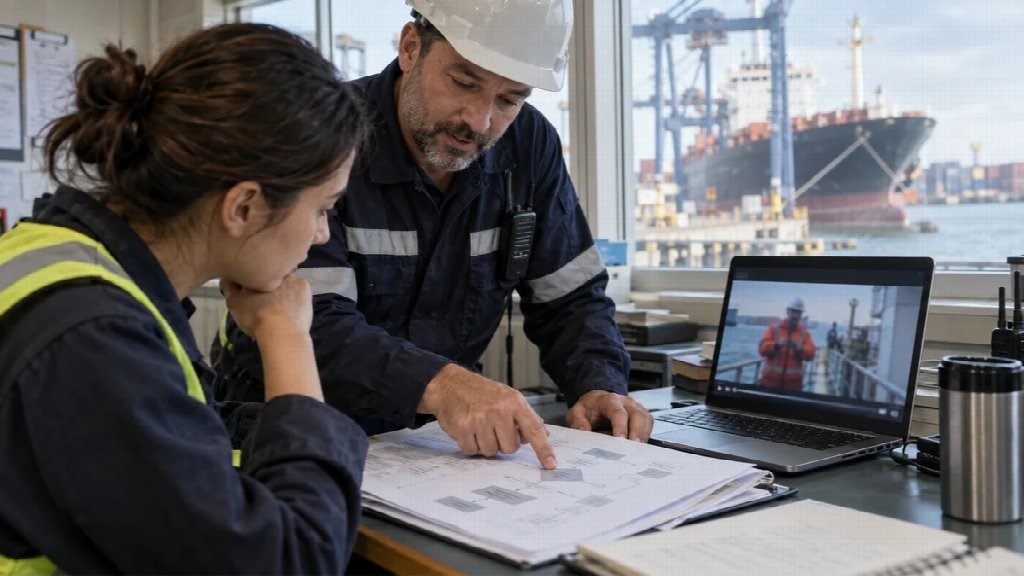
SOP videos from written procedures can help shipping teams teach one task clearly. The difficult part is helping a new coordinator, warehouse colleague, or vessel-side partner follow the right step when a document is dense or a situation changes. A short video can explain the sequence, but it must stay tied to the approved procedure.
SOP videos from written procedures start with one operational decision.
Before turning a procedure into scenes, write the decision the learner must make. It might be whether a shipment is ready for handover, which document to check when a seal does not match, or whom to notify when a delivery window changes. A video that tries to teach an entire logistics manual will be hard to review and harder to update.
Take a fictional export-desk procedure as an example. It includes booking confirmation, document checks, carrier handover, exception reporting, and close-out. The first lesson could cover only the handover check. The example is a planning device, not a report from a customer operation.
Mark the source document, version date, process owner, and escalation contact. If any item is unknown, pause the draft. A polished explanation cannot compensate for an unapproved instruction or an unknown escalation owner.
Use maritime guidance as context, not as a script The International Maritime Organization’s Model Courses are tools that maritime institutes and instructors can adapt when developing training programmes. They include course frameworks, outlines, instructor material, and evaluation sections. That structure is useful when planning an internal lesson, but a company must still use its own current procedures and applicable requirements.
The U.S. Coast Guard Training System Standard Operating Procedures provide a separate training-system reference. Use such institutional guidance to shape review questions, not as a substitute for the company’s current manual or a universal checklist for every port or cargo.
For an SOP video, keep the external reference in the research record and explain the company-specific action in plain language. A viewer should know which local manual controls the decision and where to ask when the case falls outside it.
Break the procedure into teachable scenes
Use a table before writing narration:
Scene
Learner action
Evidence to show
Review owner
Prepare
Open the current shipment record
Version/date field
Operations
Check
Compare key identifiers
Redacted example record
Documentation
Handover
Confirm the receiving party
Sign-off example
Shift lead
Exception
Stop and escalate a mismatch
Contact route
Safety or compliance
Close
Record the outcome
Log entry example
Process owner
Keep identifiers in examples fictional or redacted. Do not display customer names, booking numbers, personal information, or sensitive cargo details simply to make a scene look authentic. Show the structure that the learner needs.
Create a reviewable first draft
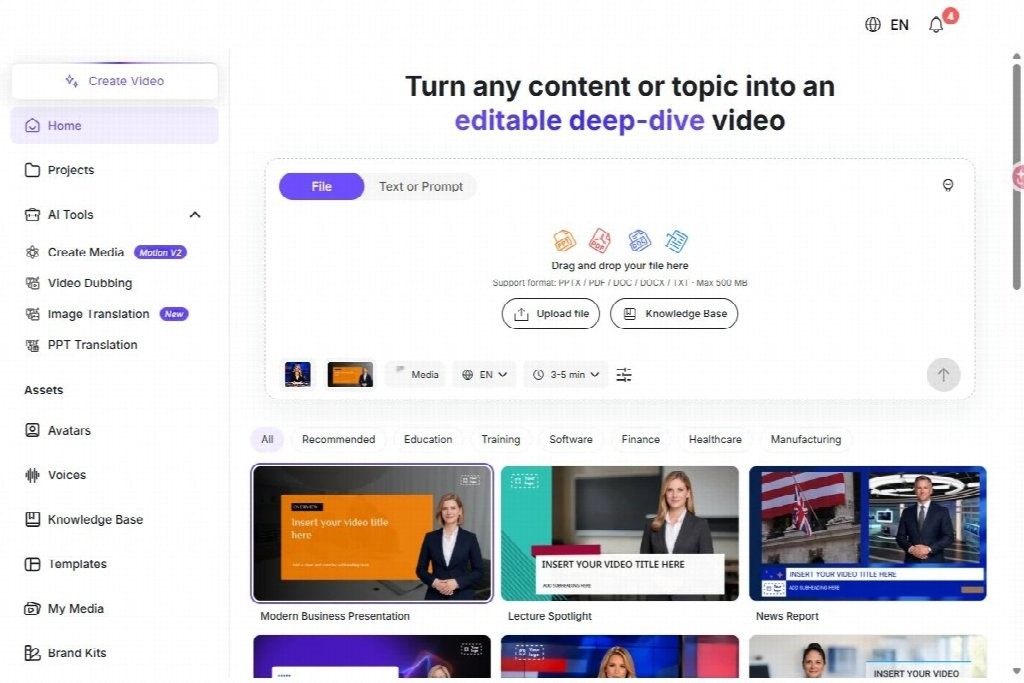
Once the text is approved, create SOP videos from written procedures with Leadde.ai as a draft-production step. The target page describes turning written procedures into structured videos. This article does not claim a completed product test or an operational result.
Review the draft against the source one scene at a time. Check that a condition has not disappeared, that “may” has not become “must,” and that an escalation contact remains visible. Listen for abbreviations that sound similar when spoken. Keep the written procedure beside the video so the reviewer can point to the controlling sentence.
Test the handoff with a realistic exception Ask someone who did not write the procedure to watch the lesson. Give them a controlled scenario: one identifier on the receiving record does not match the shipment record. Ask what they would do first, who they would tell, and what they would record.
If the person continues instead of stopping, the exception scene is too weak. If the person cannot find the owner, add the role and contact route. If the person quotes a number without its unit or condition, revise the on-screen text. Do not mark the lesson complete because the viewer reached the final frame.
For multilingual crews, use a reviewer who knows the operational language and the local process. Names, port references, time zones, and document labels need deliberate checking. Keep the source language version and translated version linked by a version number.
Separate training from authorisation An SOP video can prepare someone for a supervised task. It does not grant a certification, replace a required drill, or prove that a person can perform a safety-critical action. The manager responsible for the operation decides what evidence and supervision are required.
Keep the SOP video current Store the source document, script version, approver, review date, publication location, and replacement trigger together. A process owner should know whether a changed cutoff time, carrier requirement, or escalation role requires a new render.
Review the video on the same cadence as the underlying procedure, with an additional check after a material incident or process change. Avoid putting an unstable date in narration when a controlled notice can carry it. If the date must be spoken, assign someone to replace the scene before the next shift uses it.
Should every shipping procedure become a video? No. A searchable reference may be better for a long list of codes, while a supervised demonstration may be necessary for physical work.
What is a useful first lesson?
Choose one handoff or exception that new colleagues repeatedly misunderstand. Define the evidence, reviewer, and escalation route before producing the draft.The value of SOP video production is traceable understanding. Start with an approved procedure, show the decision and exception, let an independent colleague try the handoff, and keep one owner responsible for the next update.
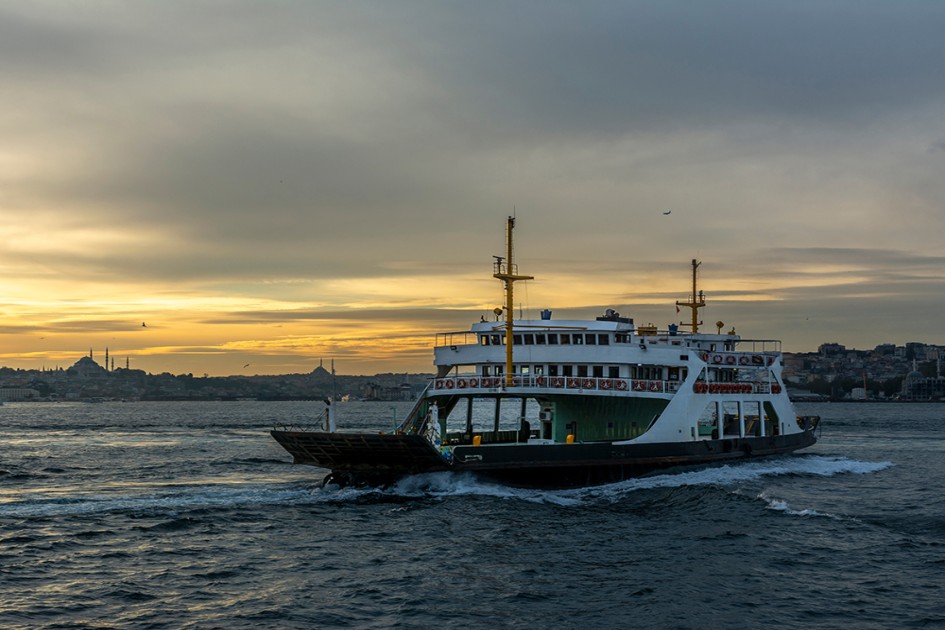
LONDON: Türkiye’s Sea of Marmara ferry network could cut greenhouse gas emissions by 63% by switching to a mix of hybrid and fully electric vessels, while avoiding nearly half a billion euros in health and environmental damage costs and supporting around 1,100 jobs a year, according to a new IMO study.
Commissioned by IMO’s GreenVoyage2050 Programme in partnership with Türkiye’s Ministry of Transport and Infrastructure, the study assessed 67 Ro-Ro and Ro-Pax ferries carrying vehicles and passengers across 26 ports. The network transports around 25 million passengers and seven million vehicles each year.
Significant potential to cut emissions The study found that battery-electric and hybrid propulsion are technically feasible options across all Ro-Pax and Ro-Ro ferry operations assessed in the Sea of Marmara.
It identified an optimum scenario combining hybrid and fully electric vessels to balance emissions reductions and costs. Under this scenario, annual GHG emissions could fall by around 63% by 2050 compared with business-as-usual operations using diesel fuel.
The transition would also reduce local air pollution and could avoid an estimated €492 million in cumulative health and environmental damage costs.
Going further, converting the entire fleet to fully electric operations could cut GHG emissions by 84% by 2050. This could rise to as much as 95% if Türkiye’s electricity grid decarbonizes in line with its 2053 net-zero target.
The study identified no major technical barriers to electrification. The main challenges to large-scale deployment are charging infrastructure, upfront investment, coordinated energy planning and the domestic regulatory framework.
Building on Türkiye’s shipbuilding strength Ferry electrification would build on Türkiye established shipbuilding expertise, boosting clean technology industries in the country and reducing reliance on imported marine fuels.
Under the optimum hybrid-electric scenario, the required investment could support an average of around 1,100 jobs a year through to 2050. Vessel construction and retrofit jobs are expected to be concentrated in Turkish shipyards.
Moving towards implementation To turn these findings into action, the study recommends a coordinated approach involving government, municipalities, ports, ferry operators and the energy sector.
Priority actions include:
expanding shoreside charging infrastructure and high-voltage grid connections at ports, supported by long-term port concessions that include charging infrastructure; securing a low-carbon electricity supply at ports, including by allowing ports to generate, use and sell locally produced low-carbon electricity; introducing targeted financial incentives, mobilizing blended finance, and using emissions-based port fees to encourage cleaner vessels; integrating electrification into transport and energy planning; embedding environmental criteria into public ferry procurement; and supporting detailed feasibility studies and pilot projects that can demonstrate commercial viability before wider deployment. GreenVoyage2050 and Türkiye’s Ministry of Transport and Infrastructure are now looking to advance a first pilot electrification project in the Sea of Marmara to demonstrate the technical, environmental and commercial benefits identified in the study.
About GreenVoyage2050 The GreenVoyage2050 Programme supports developing countries in reducing greenhouse gas emissions from shipping, in line with the IMO Strategy on Reduction of GHG Emissions from Ships. Through technical assistance, capacity building, policy support and pilot projects, the programme helps countries identify practical pathways towards maritime decarbonization while fostering innovation, investment and international collaboration.
GreenVoyage2050 is funded by the Governments of Denmark, Finland, France, Germany, the Netherlands and Norway.
LONDON: The Institute of Marine Engineering, Science and Technology (IMarEST) will outline a new approach to technical and policy engagement at its inaugural Technical Forum, taking place on 15 October 2026 at HR Wallingford in Oxfordshire.
Delivered in partnership with HR Wallingford, a global leader in marine innovation, the one-day forum will bring together experts from across engineering, science and technology. Drawing on expertise from the IMarEST’s Special Interest Groups (SIGs), the event will explore emerging trends, industry insights, and examine operational issues shaping the future of the sector.
A key attraction of the event is the opportunity to visit HR Wallingford’s internationally renowned research facilities, which play a major role in supporting the development of complex marine, coastal, port and offshore projects around the world.
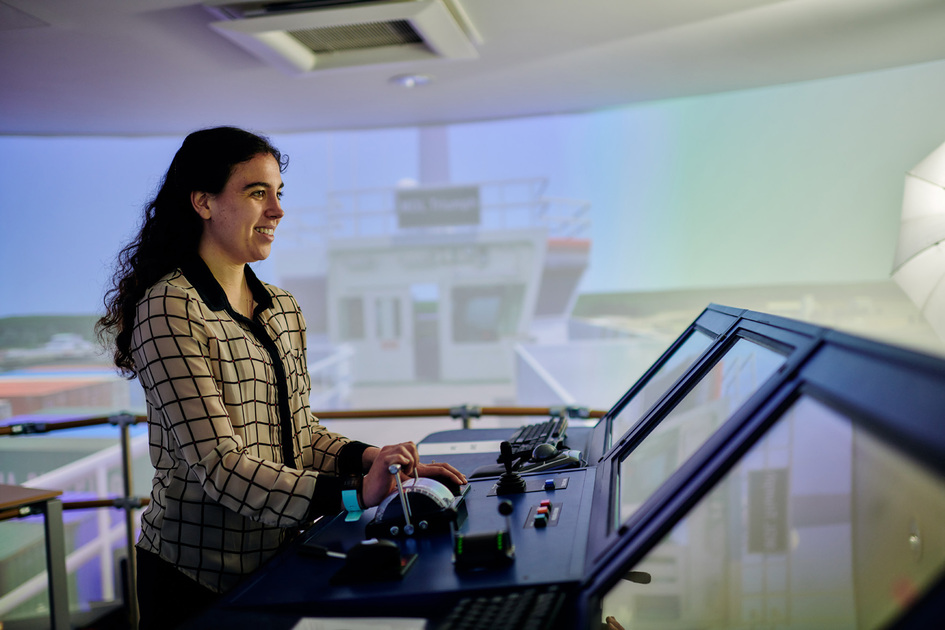
The tours will take in one of the world’s largest and most advanced marine physical modelling laboratories – the Froude Modelling Hall – and the UK Ship Simulation Centre where delegates may be lucky enough to take the helm of one of HR Wallingford’s ship or tug simulators.
Presentations during the day will feature contributions from several IMarEST SIGs, including Marine Electrical, Operational Oceanography, Ship Energy and Environment, and Ship Management. These SIGs are helping shape international maritime policy through their contributions to forums such as the International Maritime Organization (IMO), providing expert insight to support a safer, more sustainable maritime sector.
Delegates will also hear from HR Wallingford’s scientists and engineers through a series of expert presentations. These will include using advances in satellite technology for marine projects, an introduction to the world’s most advanced sea manoeuvring basin, the challenges of modelling vessel grounding, and shallow water towage for offshore wind projects.
Alasdair Wishart, Director of technical and policy, at the IMarEST said: “We are excited to welcome members and non-members alike to the revitalised IMarEST Technical Forum. As we celebrate the renewed momentum of our SIGs, this event offers a space to connect with the technical community, participate in thought-provoking discussions, build professional relationships, and gain exclusive access to HR Wallingford’s renowned facilities.”
Steve Grey, HR Wallingford’s IMarEST Ambassador, said: “Not only does hosting this workshop give us an opportunity to show off our work and facilities to visitors, but it also allows us to support and contribute to the work that IMarEST does through its SIGs. I believe the IMarEST is an important organisation that represents our community and makes sure that its voice is heard.”
Running from 9.00am to 5.30pm, the Technical Forum is open to both members (£25) and non-members (£50) of the IMarEST. For more information and to register, visit https://www.imarest.org/events/technical-forum.html.
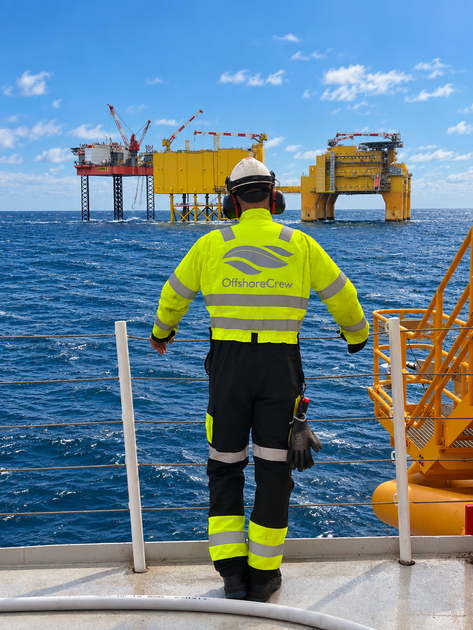
HAMBURG: Bernhard Schulte Shipmanagement (BSM) has agreed to acquire a 50% stake in OffshoreCrew AS, a Norwegian specialist in offshore recruitment and crewing solutions, further strengthening its service offering for offshore and maritime customers.
Headquartered in Kristiansand, OffshoreCrew provides recruitment, staffing and crew management services to offshore and maritime industries, including oil and gas, offshore wind and subsea operations. The company has built a strong track record in supplying qualified personnel for offshore vessels and projects, supported by an in-house database of around 30,000 offshore professionals.
The investment marks an important step in BSM’s strategy to expand its capabilities in offshore crew solutions. While BSM has traditionally focused on technical and crew management for the global maritime industry, the partnership with OffshoreCrew enables the company to offer more tailored, targeted services to offshore clients – including the provision of individual specialists such as dynamic positioning operators, crane operators or other highly specialised roles over a vast range of different offshore unit types. This expands BSM’s reach across a broader range of offshore unit types than previously covered.
By combining OffshoreCrew’s expertise and agile operating model with BSM’s global network and infrastructure, the partnership will allow customers to access the full spectrum of offshore services – from recruitment and staffing through to crew management and up to full (technical) management. This integrated approach enables faster mobilisation of qualified offshore personnel and significantly reduces response times to critical crewing requirements, particularly in fast-evolving markets such as offshore wind and other energy segments.
“OffshoreCrew brings a strong track record in offshore crewing and a highly specialised talent pool that complements our existing capabilities. This investment allows us to respond faster and more flexibly to our customers’ needs, particularly in dynamic offshore markets,” said Sebastian von Hardenberg, CEO of Bernhard Schulte Shipmanagement.
“With BSM as a strategic partner, we are ideally positioned to scale our services and reach a broader international client base while maintaining the flexibility and customer focus that define OffshoreCrew,” said Javier Zahn, CEO and Managing Director of OffshoreCrew AS.
The partnership underscores BSM’s commitment to further strengthening its offshore service offering and supporting customers in increasingly dynamic and specialised operational environments.