Home Blog Page 79

Liners meeting in Bengaluru focuses on port connectivity, stakeholder coordination and trade facilitation

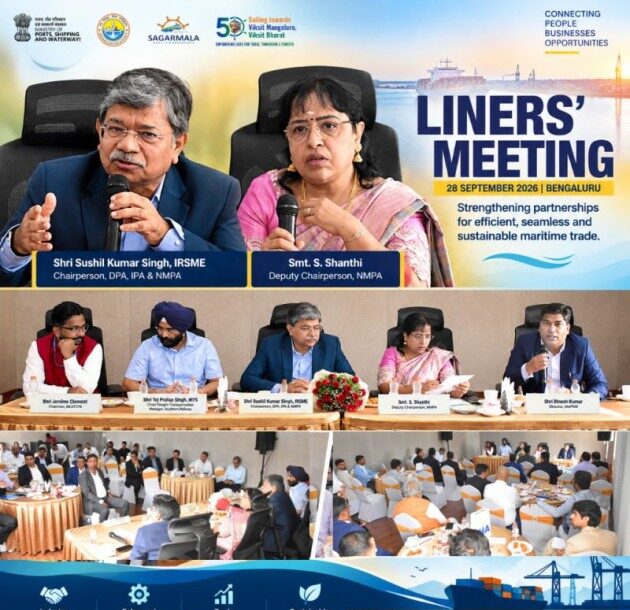
BENGALURU: A high-level Liners Meeting was held in Bengaluru on September 28, 2026, bringing together representatives from the shipping industry, ports, railways, government and other key stakeholders to discuss matters related to port operations, connectivity and trade facilitation.

The meeting was chaired by Shri Sushil Kumar Singh, IRSME, Chairperson, Deendayal Port Authority, Indian Ports Association and New Mangalore Port Authority (NMPA). The meeting was attended by Smt. S. Shanthi, Deputy Chairperson, NMPA; Shri Dinesh Kumar, Director, Ministry of Ports, Shipping and Waterways; and Shri Tej Pratap Singh, IRTS, Chief Freight Transportation Manager, Southern Railway.

Representatives of shipping lines, port users and other industry stakeholders participated in the discussions and shared their views, suggestions and operational perspectives on issues impacting maritime trade and logistics.

The meeting provided an important platform for strengthening industry–Port–Railway–Government coordination, with discussions aimed at improving connectivity, enhancing operational efficiency and addressing stakeholder requirements.

The interaction also underscored the importance of continued engagement among shipping liners, port authorities, railway authorities and government agencies to support seamless cargo movement and strengthen the overall maritime logistics ecosystem.

The meeting reaffirmed the commitment of the stakeholders towards efficient port operations, improved connectivity and enhanced trade facilitation, supporting the growth and competitiveness of India’s maritime sector.

JNPA and IFC partner for 1st Blue Financing in India’s maritime sector

The US$ 70 million investment—aligned with Government of India’s maritime vision—to boost shore power supply infrastructure

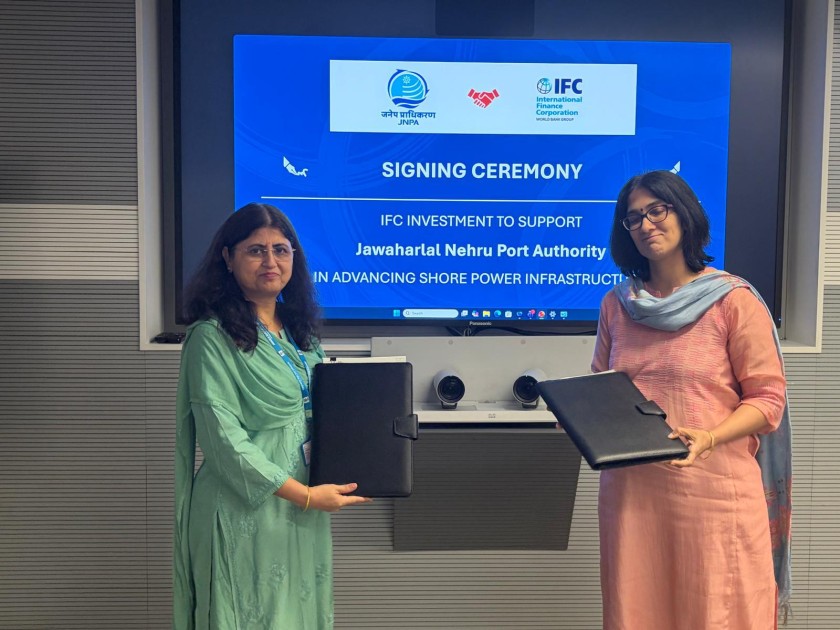
MUMBAI : In a landmark move for sustainable maritime development, the Jawaharlal Nehru Port Authority (JNPA), India’s largest container port, has partnered with the International Finance Corporation (IFC) to pioneer the country’s first-ever Blue Finance framework for the maritime sector.

This strategic collaboration with a member of the World Bank Group focused on the private sector aims to raise targeted capital dedicated exclusively to building eco-friendly, resilient port infrastructure and advancing India’s blue economy. IFC’s US$70 million investment will finance Shore Power Supply (SPS) infrastructure across JNPA’s terminals and enable ships at berth to switch off diesel engines and connect to land-based electricity—cutting carbon emissions by 63%, reducing harmful air pollution by up to 90%, and creating over 400 jobs. The collaboration aims to elevate India’s maritime sector by setting new benchmarks for its ports and elevating them to meet global standards.

As the first labeled ‘blue financing’ for port infrastructure in Asia-Pacific, this project is among the first to be aligned with the new Blue Finance guidelines of the Indian Ports Act, 2025. The transaction also represents a historic milestone as the first DFI investment in India’s state-owned major port authorities.

Shore power technology is new to Indian ports. No major Indian port has yet deployed it at scale commercially. IFC’s long-term financing is expected to support the adoption of this emerging technology and demonstrate a replicable financing model that could facilitate similar investments across other Indian ports.

Expressing his views on the collaboration, Shri Gaurav Dayal, IAS, Chairperson, JNPA, said, “Indian ports have not yet commercialized SPS at scale. Funding from international development institutions like IFC will enable JNPA to manage early-stage commercial risks, build operational experience, and bring international best-practices, prior to scale-up. A successful operational and commercial demonstration by India’s largest container port would provide proof of concept for broader adoption of SPS across Indian ports and other emerging markets, delivering economic as well as environmental benefits.“

The Project is expected to demonstrate JNPA’s pioneering commitment to achieving Harit Sagar Green Port Guidelines, setting a new benchmark for Indian Ports infrastructure sector.” Speaking on the partnership, Manuel Reyes Retana, Division Director, South Asia, IFC said, “India’s ports are critical to its trade, and this investment is about making them future ready. By partnering with India’s largest and busiest container port we are going beyond an infrastructure upgrade to demonstrate that sustainable financing can work for the country’s maritime sector at scale. This is how the World Bank Group adds value: unlocking, mobilizing and expanding access to finance, creating jobs, and helping India scale modern smart infrastructurethat expands trade, applies first-in-market innovation, and builds a maritime economy the world will look to.”

India has set itself an ambitious target. The Maritime India Vision 2030, launched by the Ministry of Ports, Shipping and Waterways, calls for Indian ports to become globally competitive, digitally advanced, and environmentally sustainable by the end of this decade. At the heart of this vision is the Harit Sagar Green Port Guidelines: India’s national framework for decarbonizing port operations, reducing pollution, and transitioning the maritime sector to cleaner fuels and technologies.

Shore power is one of Harit Sagar’s flagship interventions. IFC also supported the development of JNPA’s Sustainable Finance Framework to mobilize additional green and blue financing for future investments. DNV’s Second Party Opinion confirms that JNPA’s framework is in full alignment with the LMA Green Loan Principles and IFC Blue Finance Guidelines.

JNPA remains committed to embedding sustainability across its operations, balancing efficient trade facilitation with long-term environmental responsibility.

About Jawaharlal Nehru Port Authority (JNPA):

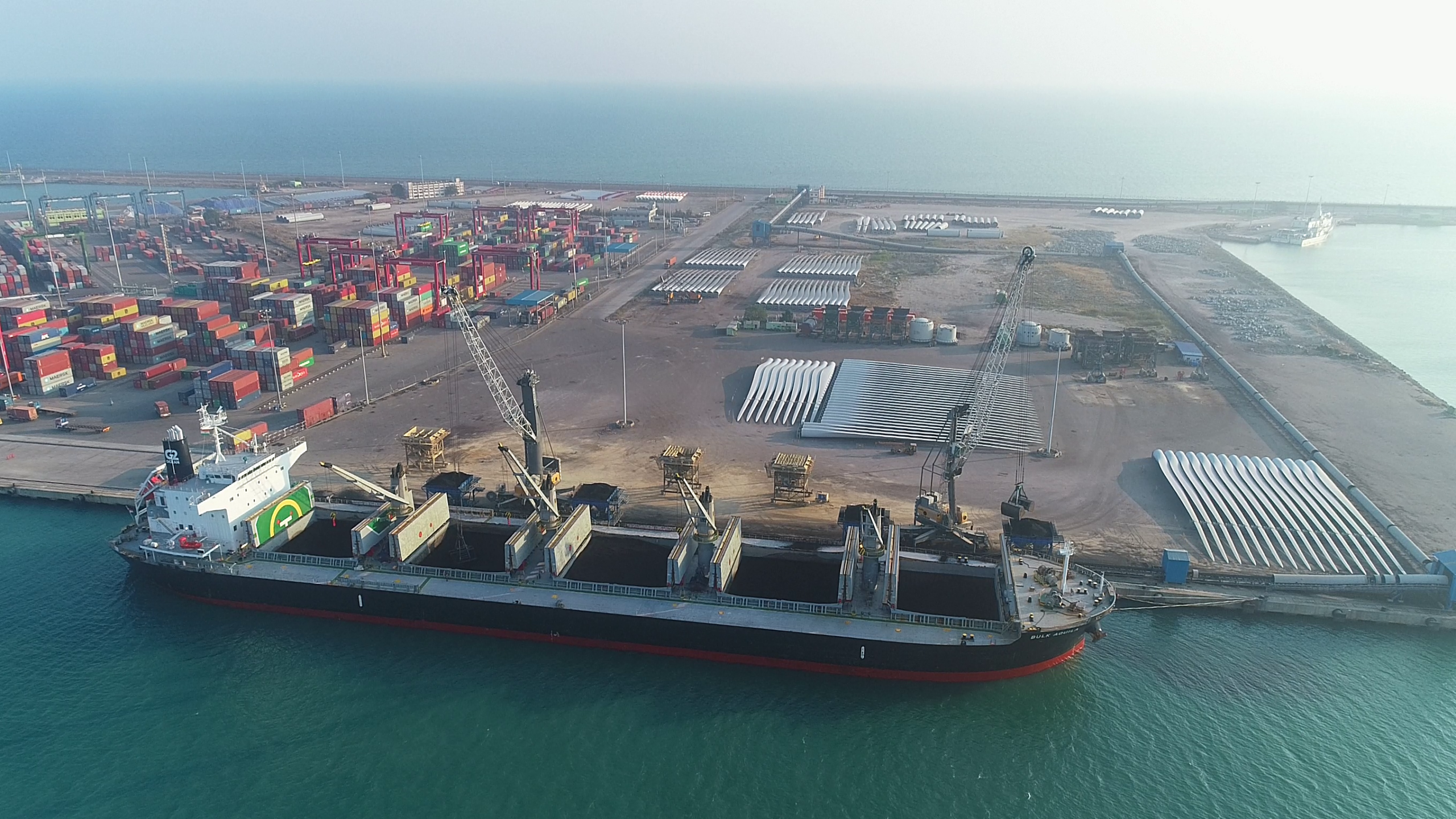
The Jawaharlal Nehru Port Authority (JNPA) is one of India’s premier containerhandling ports and a key gateway for the country’s EXIM trade. JNPA currently operates five container terminals — NSFT, NSICT, NSIGT, BMCT and APMT. The port also has a shallow water berth for general cargo, operated by NSDT. Its liquid cargo facilities include a terminal managed by the BPCL-IOCL consortium and an additional liquid cargo terminal developed by JNPA and operated by M/s JSW-JNPT Liquid Terminal Pvt. Ltd. The port’s coastal berth further strengthens maritime connectivity with other Indian ports and supports the growth of coastal cargo and container movement.

Spread across 277 hectares, JNPA also operates a strategically located multi-product Special Economic Zone (SEZ) equipped with modern infrastructure and facilities to support export-oriented industries and promote trade and investment. Looking ahead, JNPA is developing the Vadhvan Port, an all-weather, deep-draft, greenfield port in Maharashtra and the 13th Major Port of India.

VOC Port to get Rs 17,167-crore outer harbour and container terminal expansion

THOOTHUKUDI: The Cabinet Committee on Economic Affairs (CCEA) has reportedly approved a major infrastructure development at V. O. Chidambaranar Port in Thoothukudi, Tamil Nadu, with a total investment of Rs 17,167 crore.

The project aims to construct a new outer harbour and expand container terminal capacity to support the rising volume of maritime trade along India’s southern coast.

The expansion initiative utilises two distinct financial structures.

Approximately Rs 11,733 crore has been earmarked for works under the Hybrid Annuity Model, where the government shares a portion of the project cost to reduce financial strain on private developers.

The remaining Rs 5,434 crore will fund container terminal construction through the Design-Build-Finance-Operate-Transfer model, with private operators assuming responsibility for construction and operations.

The project is expected to strengthen India’s position in the container transshipment sector by reducing dependence on foreign ports, particularly Colombo, which currently handles approximately 65 per cent of containers from Thoothukudi.

VOC Port, one of India’s 13 major ports and the second-largest in Tamil Nadu, currently handles seven per cent of the country’s total container traffic.

The expansion represents a transformative step that will support growing trade volumes, attract private investment, and contribute to the modernisation of India’s port ecosystem whilst generating employment opportunities in the region.

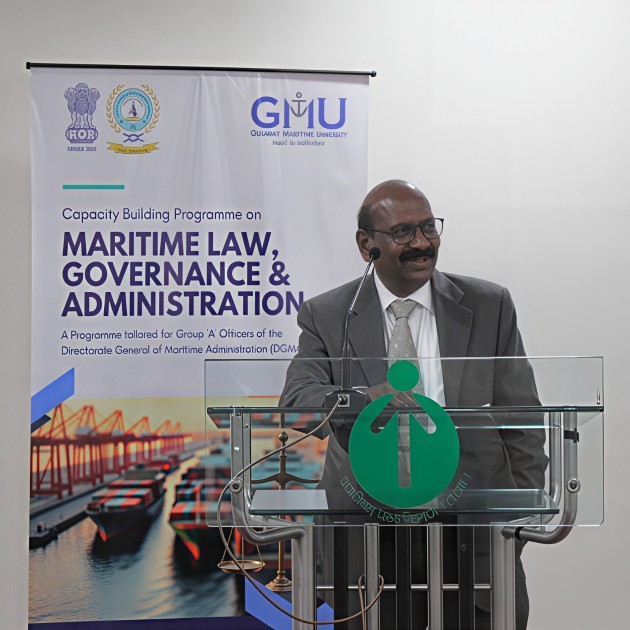
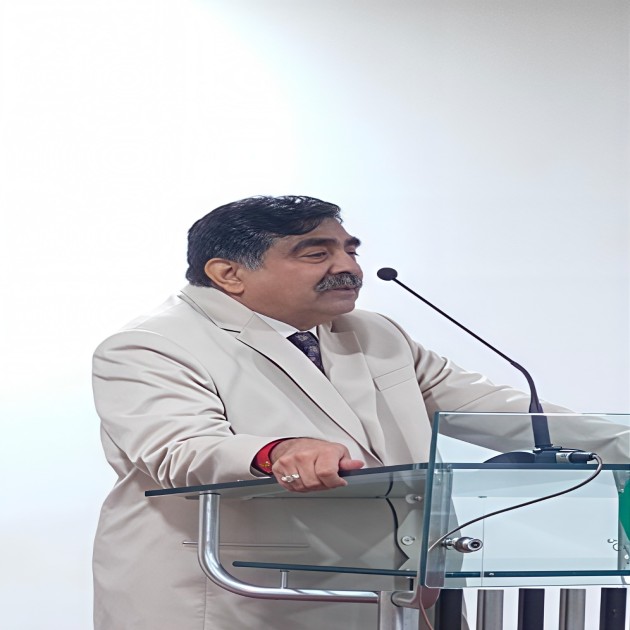
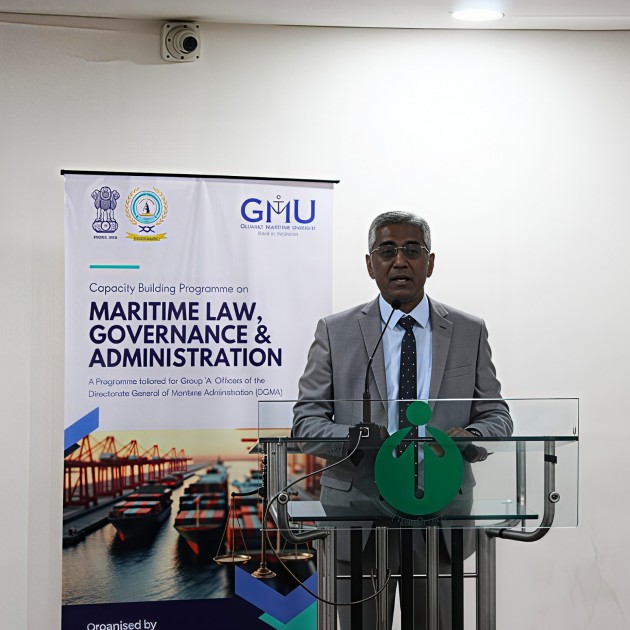
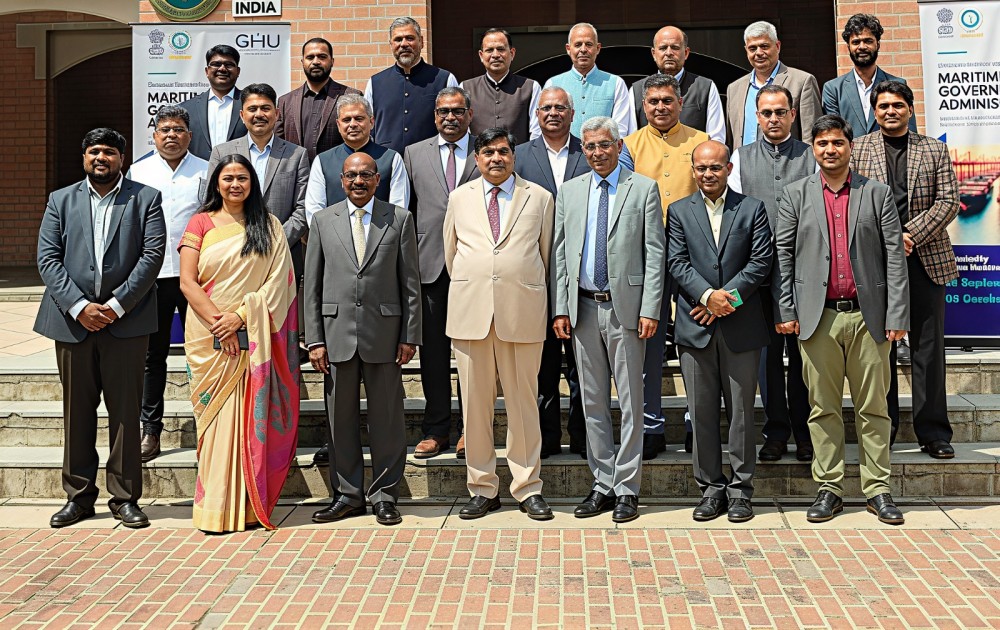
GMU inaugurates capacity-building programme on Maritime Law, Governance and Administration for senior officers of the DGMA

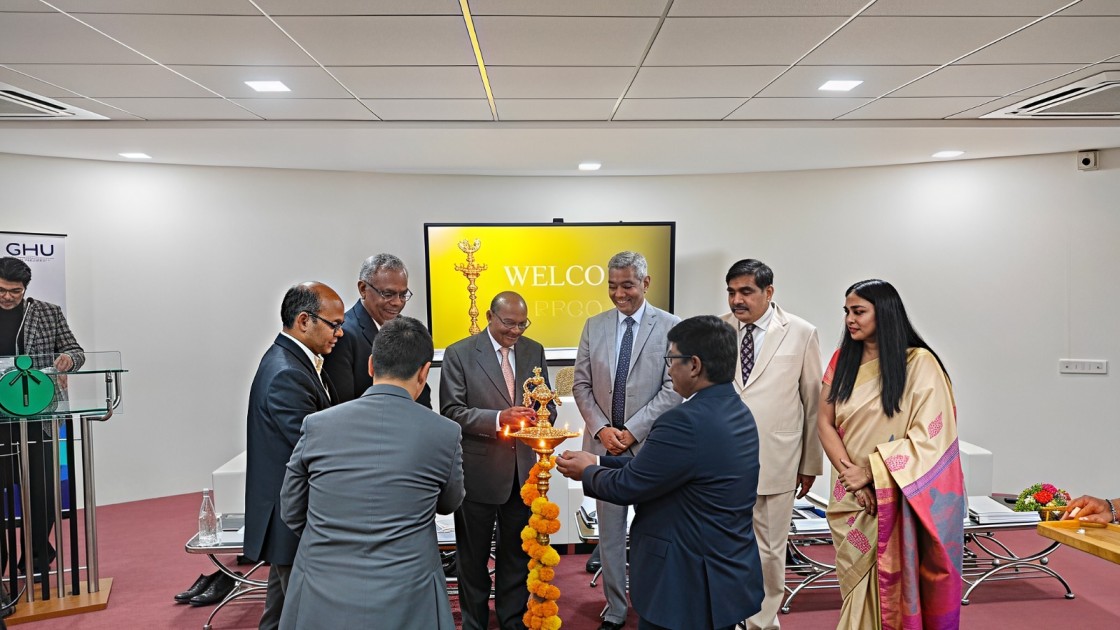
GANDHINAGAR : Gujarat Maritime University (GMU), through its School of Maritime Law, Policy and Administration, inaugurated a two-week capacity-building programme on Maritime Law, Governance and Administration for senior officers of the Directorate General of Maritime Administration (DGMA).

Dr. Justice Kaushal J. Thaker, Former Chairperson of the Gujarat State Human Rights Commission inaugurated the program in the presence of Prof. (Dr.) Manimuthu Gandhi, Vice President of the Indian Society of International Law and Advocate Hari Narayan, Maritime Lawyer at United Mercantile Law Chambers, and Dean of Academic Affairs at GMU Prof. (Dr.) Tanuja Kaushik.

In his inaugural address, Dr. Justice Kaushal J. Thaker, former Chairperson of the Gujarat State Human Rights Commission, encouraged participants to use the programme as an opportunity for focused learning. “Treat this as a retreat. Take it as a detoxing zone,” he said, urging officers to engage fully with the sessions. He noted that maritime law continues to develop through judicial interpretation and highlighted the jurisdictional questions that can arise in matters involving foreign crews and Indian waters.

Justice Thaker also encouraged participants to carry the learning forward: “You can go back to your jurisdictions and have training modules for your colleagues.”

Prof. (Dr.) Manimuthu Gandhi, Vice President of the Indian Society of International Law, situated maritime law within the wider framework of international law and the United Nations Convention on the Law of the Sea. “Don’t look [at] this maritime law alone, because maritime law is one subset of law of the sea,” he said, emphasising the links between maritime public law, private law and the International Maritime Organization framework.

He added that “ freedom of navigation” remains central to the development of maritime law and encouraged officers to approach the programme with full attention and engagement.

Advocate Hari Narayan, Partner and Maritime Lawyer at United Maritime Law Chambers, described 2025 as a pivotal year for Indian shipping law following the introduction of five key legislations, including the Merchant Shipping Act, Coastal Shipping Act, Bills of Lading Act, Carriage of Goods by Sea Act, and Indian Ports Act. “The Indian law is now in conformity with the industry’s best practice and international conventions ,” he said.

Highlighting the role of DGMA officers, he said: “You are the key people who are involved in the enforcement of these statute provisions.” He noted that effective implementation is essential to protecting seafarers, the industry and environmental interests .

Dr. Abhay Singh, Director, School of Maritime Law, Policy and Administration said: “Through this initiative, Gujarat Maritime University seeks to contribute to the professional development of maritime administration officers by deepening their understanding of the legal and institutional frameworks governing India’s maritime sector and equipping them to engage with emerging regulatory and operational challenges.”

The programme brings together Honble High Court judges, maritime-law practitioners, academicians and international-law experts connected with International Maritime Organisation and World Maritime University to examine key aspects of international and domestic maritime law, maritime administration, shipping regulations, port governance, ship registration, flag State jurisdiction, admiralty jurisdiction, ship arrest, maritime arbitration, marine insurance and commercial shipping contracts.

The programme will also examine maritime environmental protection, marine biodiversity, sustainable shipping, seafarers’ rights, maritime crimes, ship recycling, cybersecurity, artificial intelligence and autonomous vessels.

Fifteen senior officers of the Directorate General of Maritime Administration are participating in this two-week programme.

NLDSL, Chennai Port host workshop on logistics e-Marketplace to drive digital transformation

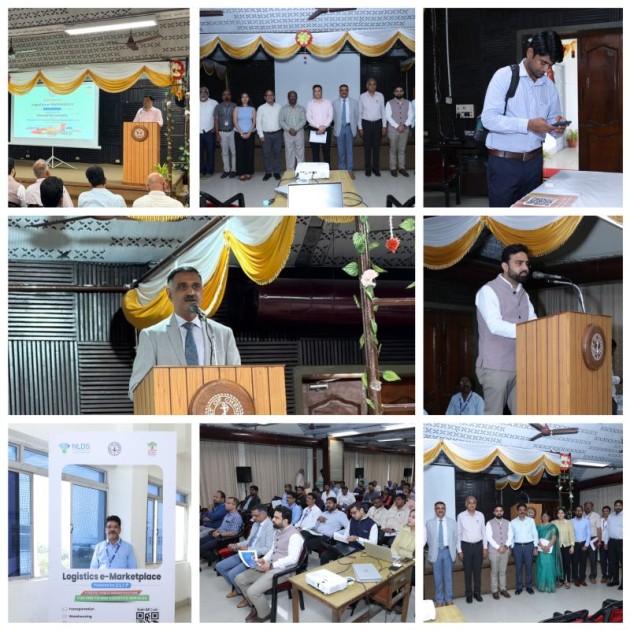
CHENNAI: NICDC Logistics Data Services Limited (NLDSL), in association with Chennai Port Authority, organised a workshop on the Logistics e-Marketplace (LeMP) on September 25, 2026, bringing together key stakeholders from across India’s logistics and supply chain ecosystem.

The workshop focused on highlighting the role of LeMP as an integrated digital single-window platform designed to connect logistics service seekers with service providers and facilitate efficient, transparent and cost-effective end-to-end logistics solutions.

The event witnessed participation from manufacturers, exporters, importers, trade associations, customs brokers, freight forwarders, shipping lines, transporters and warehouse service providers, reflecting the growing importance of digital platforms in enabling seamless logistics operations.

Developed under the guidance of Rajat Kumar Saini, MD & CEO, NICDC and Chairman, NLDSL, LeMP offers access to a range of end-to-end multimodal logistics services through a single digital platform. Its ecosystem encompasses service discovery, logistics planning, bidding, certification, warehousing, regulatory compliance, banking and financial services, including insurance.

The platform is being positioned as an important component of India’s Digital Public Infrastructure, supporting greater integration, transparency and technology-led efficiency across the logistics value chain.

During the workshop, the NLDSL LeMP team provided an overview of the digital logistics ecosystem and explained the platform’s role in facilitating integrated digital solutions. The session included a presentation on LeMP, followed by a live demonstration of its key features and components.

The programme was facilitated by the management of Chennai Port Authority under the chairmanship of Shri Sachin S. Kurve, IAS, Chairman, Chennai Port Authority, who graced the occasion. The interaction provided participating stakeholders with an opportunity to understand the capabilities of LeMP and explore avenues for its wider adoption across the logistics ecosystem.

The workshop underscored the importance of collaboration among ports, logistics service providers, trade stakeholders and technology platforms in building a more connected and digitally enabled logistics network.

NLDSL reiterated its commitment to advancing the digital transformation of India’s logistics sector through integrated, technology-enabled solutions that can enhance efficiency, transparency and ease of doing business across the supply chain.

PSA Mumbai welcomes GIA Service, strengthening Gulf–India–East Africa connectivity

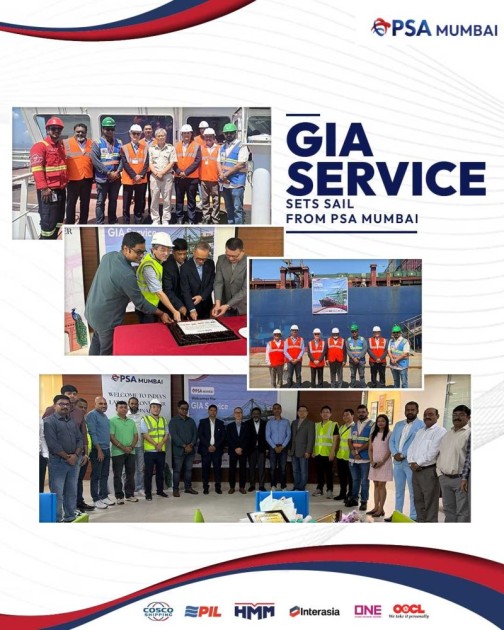
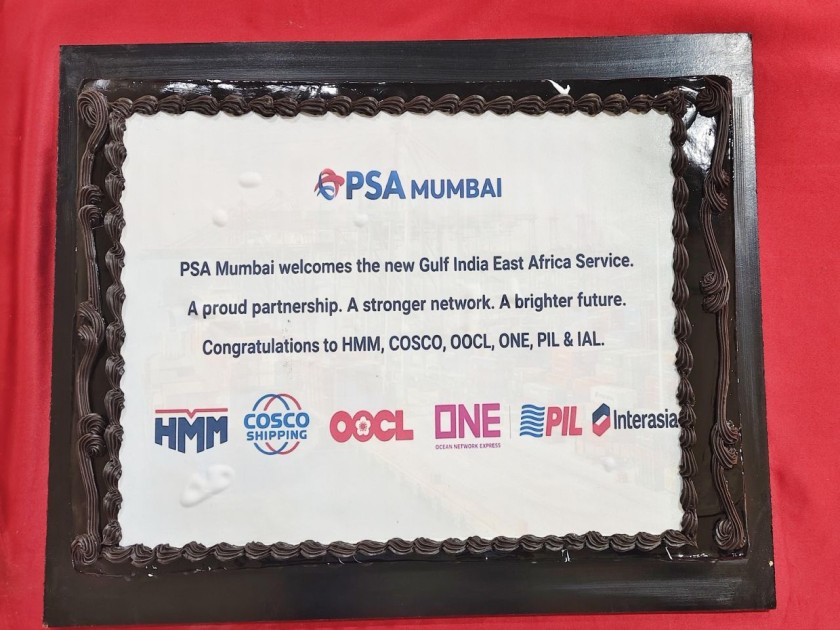
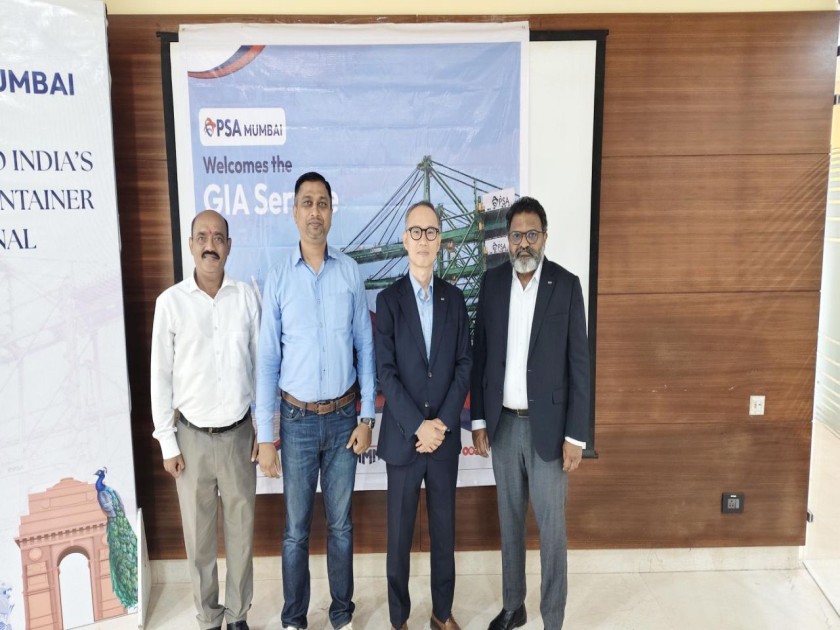
MUMBAI: PSA Mumbai has welcomed the new GIA (Gulf–India–East Africa) Service, which was formally inaugurated with the call of MV HMM Cebu at the terminal on September 27, 2026.

The new service has been introduced in collaboration with leading global shipping lines HMM, COSCO Shipping, OOCL, Interasia Lines (IAL), Pacific International Lines (PIL) and Ocean Network Express (ONE).

The GIA service, operating through the TZDAR and KEMBA loops, will connect key markets across India and East Africa. The service rotation is:

INNSA – INMUN – TZDAR – INNSA – INMUM – KEMBA – INNSA

The launch marks an important addition to PSA Mumbai’s portfolio of international services and further strengthens the terminal’s connectivity with emerging and established trade markets across the region.

By linking major Indian gateways with East African destinations, the GIA service is expected to provide customers with broader access to regional and international trade networks, supporting efficient cargo movement and greater connectivity across global supply chains.

The service also reflects the continued collaboration between PSA Mumbai and its shipping-line partners in developing reliable maritime connections and facilitating seamless cargo flows.

The successful inaugural call of MV HMM Cebu further reinforces PSA Mumbai’s role as a key gateway for international trade, supporting the movement of cargo between India, the Gulf region and East Africa while contributing to the continued development of India’s maritime and logistics ecosystem.

Gujarat govt appoints IAS Ajay Bhadoo as GMDC MD

0

GANDHINAGAR: The Gujarat government on Monday appointed senior IAS officer Ajay Bhadoo as the Managing Director of the Gujarat Mineral Development Corporation (GMDC) Ltd.

Shri Bhadoo, a 1999-batch IAS officer of the Gujarat cadre, was recently repatriated to the state government and placed at the disposal of the Industries and Mines Department for his new assignment. With his appointment, Roopwant Singh, IAS, has been relieved of the additional charge of GMDC managing director.

Shri Bhadoo returns to the Gujarat administration after serving on central deputation in several key positions. He was serving as Additional Secretary in the Department of Commerce and was also appointed CEO of the Government e-Marketplace (GeM) in March 2025. He had earlier served as Deputy Election Commissioner in the Election Commission of India and as Joint Secretary in the President’s Secretariat.

During his earlier tenure in Gujarat, Shri Bhadoo held several important administrative positions, including Municipal Commissioner of Vadodara, Vice Chairman and CEO of the Gujarat Maritime Board, Secretary to the Chief Minister and Municipal Commissioner of Rajkot. He also served as District Collector of Mehsana.

Shri Bhadoo holds a degree in Civil Engineering and a Master’s in Business Law from the prestigious National Law School of India University, Bengaluru

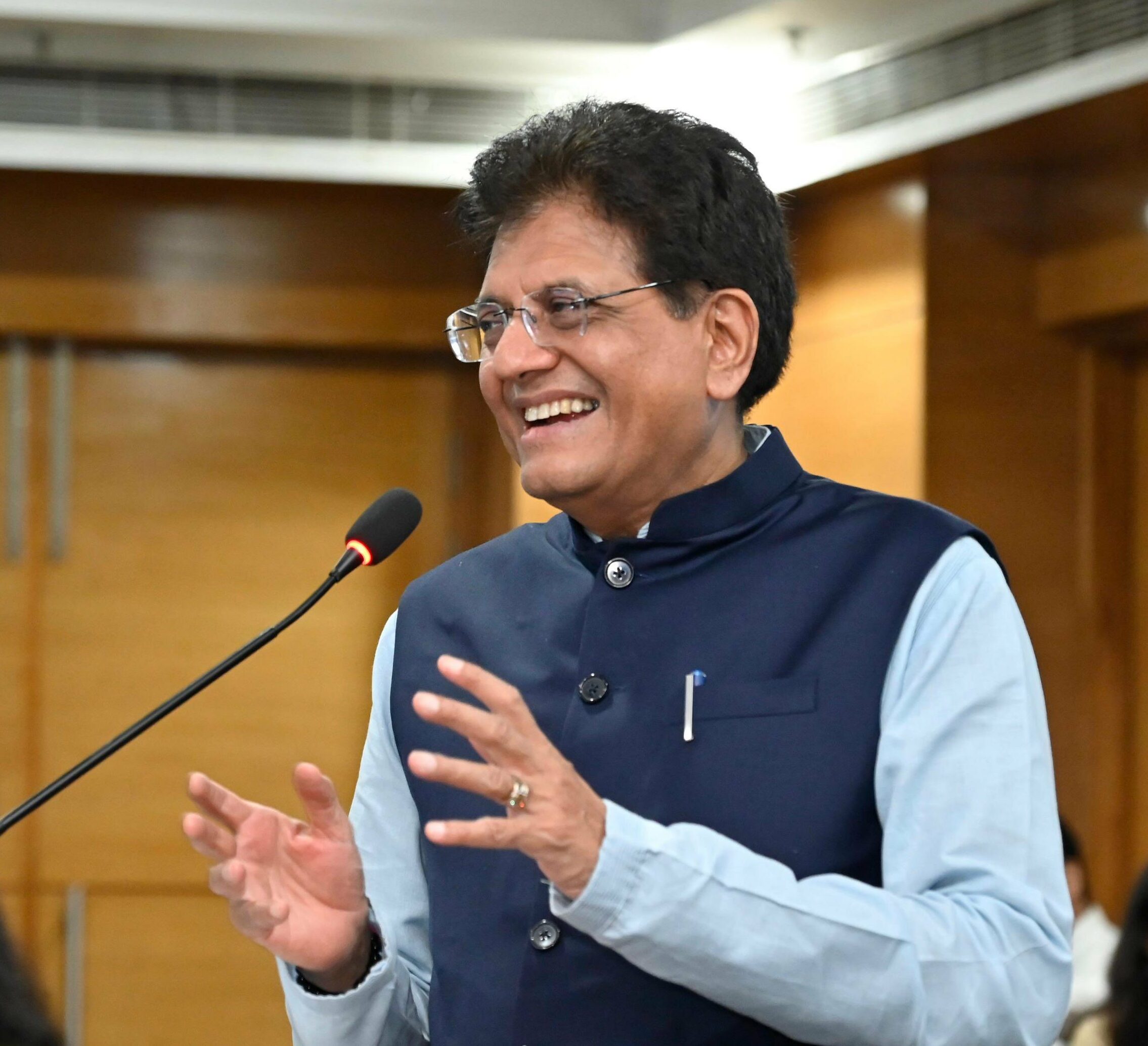
Piyush Goyal to visit US to participate in G20 Trade Ministers’ Meeting

NEW DELHI : Union Minister of Commerce and Industry Shri Piyush Goyal will visit the United States of America from 29 September to 5 October 2026. Shri Goyal will participate in the G20 Trade Ministers’ Meeting to be held in Milwaukee, Wisconsin, on 30 September and 1 October 2026, at the invitation of the U.S. Trade Representative (USTR).

The Meeting will bring together Trade Ministers of G20 members. India will engage constructively with all G20 members and work towards a rules-based, open, inclusive, transparent, equitable and non-discriminatory multilateral trading system, with the World Trade Organization at its core, while ensuring adequate policy space for developing countries. On the sidelines of the Meeting, Shri Goyal will hold bilateral meetings with his counterparts. The engagements will focus on expanding opportunities for farmers, fishermen, women entrepreneurs, startups, MSMEs and other enterprises.

Shri Piyush Goyal will also engage bilaterally with his counterpart from the United States as part of ongoing efforts to advance a balanced and mutually beneficial India-U.S. Bilateral Trade Agreement (BTA) and finalise an interim deal in line with the Joint Statement of 7 February 2026.

In Milwaukee and Chicago, Shri Goyal will meet chief executives of leading American companies in manufacturing, consumer goods, agri-business, retail and technology, and participate in roundtables with businesses, startups and innovative companies. He will highlight the opportunities India offers as a manufacturing and investment destination and invite American companies to deepen their partnerships with Indian enterprises.

In Chicago, Shri Goyal will pay floral tributes to Mahatma Gandhi on Gandhi Jayanti and Swami Vivekananda. He will also interact with professional associations representing the Indian community.

The visit is expected to further strengthen the trade and investment partnership between India and the United States and deepen India’s engagement with its G20 partners.

Piyush Goyal meets ADIA MD to strengthen India-UAE-CEPA

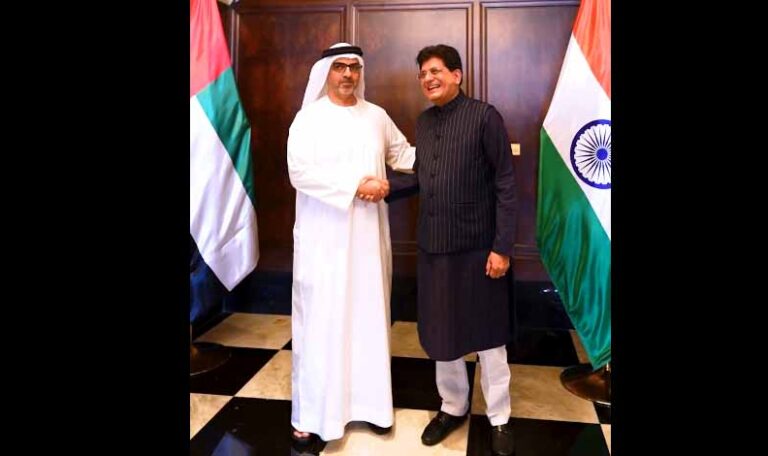
NEW DELHI: Union Minister of Commerce and Industry Piyush Goyal held a meeting with H.H. Sheikh Hamed bin Zayed Al Nahyan, Managing Director of the Abu Dhabi Investment Authority (ADIA), to discuss opportunities for further strengthening the India-UAE economic partnership and expanding bilateral trade and investment cooperation.

The meeting focused on accelerating economic engagement between the two countries and leveraging the India-UAE Comprehensive Economic Partnership Agreement (CEPA) to create greater opportunities for businesses, investors and industries across both economies.

During the interaction, Goyal highlighted India’s strong economic growth trajectory and the country’s expanding opportunities across a wide range of sectors. He emphasised the potential for increased UAE investment in India, supported by the enabling framework provided by CEPA and India’s growing integration with global value chains.

The Minister also underlined the importance of deepening cooperation in areas that can strengthen trade and investment linkages, enhance supply-chain resilience and promote long-term economic growth. The India-UAE partnership continues to evolve beyond traditional trade relations, with increasing opportunities for investment, manufacturing, infrastructure, technology and other emerging sectors.

The India-UAE CEPA, which provides a framework for reducing trade barriers and facilitating greater market access, remains an important pillar of the bilateral economic relationship. The agreement is aimed at creating a more predictable and business-friendly environment while encouraging greater movement of goods, services and investment between the two countries.

The discussions also highlighted the significant role that institutional investors such as ADIA can play in supporting India’s long-term development and investment opportunities. With India’s expanding domestic market, infrastructure requirements and emerging growth sectors, the country continues to offer a broad platform for international investors.

Goyal said the discussions provided an opportunity to explore avenues for further strengthening economic engagement and expressed his commitment to taking the India-UAE partnership to new heights.

The meeting reaffirmed the shared objective of deepening bilateral economic ties, unlocking new investment opportunities and building resilient and sustainable supply chains, further strengthening the strategic economic relationship between India and the United Arab Emirates.

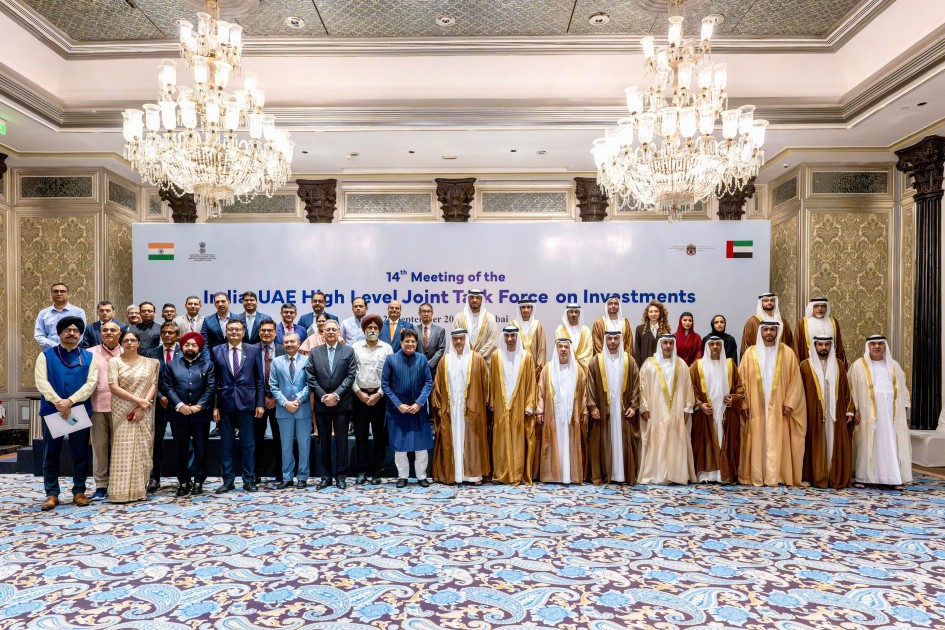
14th India-UAE high level joint task force meeting held in Mumbai

MUMBAI: The 14th Meeting of the India-UAE High Level Joint Task Force on Investments (HLJTFI) took place in Mumbai on Monday, co-chaired by Shri Piyush Goyal, Minister of Commerce & Industry, Government of India and His Highness Sheikh Hamed bin Zayed Al Nahyan, Managing Director of Abu Dhabi Investment Authority (ADIA).

The HLJTFI was established in 2013 to promote trade, investment and economic ties between India and the UAE. Since its formation, it has provided an effective mechanism to discuss opportunities and prospects for further investments in India and the UAE, while acting as a forum to resolve issues faced by investors of the two countries.

Regular High-level exchanges, including Hon’ble Prime Minister Modi’s visit to the UAE in May 2026, and the visit of His Highness Sheikh Khaled bin Mohammed bin Zayed Al Nayhan, Crown Prince of Abu Dhabi, to India in September 2026, have provided strategic direction and added momentum to the steadily strengthening bilateral partnership.

Today’s meeting addressed key trade and investment priorities, including initiatives to expand bilateral investment flows and explore emerging areas of collaboration. The UAE–India economic partnership continues to grow in both scale and strategic importance Bilateral trade reached US$101.25 billion in FY 2025-26 and in 2025, non-oil trade reached US$76.2 billion, reflecting the strength of commercial ties and the impact of the Comprehensive Economic Partnership Agreement (CEPA). As the UAE and India continue to work towards the shared ambition of US$200 billion in bilateral trade by 2032, the two countries continue to expand investment cooperation across the sectors that will drive future growth, including energy, infrastructure, technology and artificial intelligence.

Against this positive backdrop, the co-chairs opened the meeting by acknowledging the rise in trade between the UAE and India, and the role the CEPA, the Bilateral Investment Treaty (BIT) and other agreements on taxation, mutual legal assistance have played in further strengthening the bilateral relationship. The two sides reviewed the work of CEPA’s relevant subcommittees, discussed ways to further strengthen trade resilience in an increasingly complex geopolitical and economic environment.

The Joint Task Force reviewed the positive progress of several joint investment projects and areas of collaboration, including the Food Park project in Gujarat. Both sides noted the expected operationalization of Invest India office in the UAE before the end of 2026. They welcomed recent Emirates NBD’s approximately USD 3 billion acquisition of a majority stake in RBL Bank of India, and International Holding Company (IHC) USD 1 billion in Sammaan Capital of India, as well as a joint investment intent of USD 11.5 billion in the establishment of integrated Aluminuim complex in Odisha. They also noted the successful opening of Mashreq Bank, First Abu Dhabi Bank (FAB) and Abu Dhabi National Insurance Company (ADNIC) branch offices in GIFT City in India. The two sides also reviewed energy cooperation under the MoUs signed during Hon’ble Prime Minister Modi’s visit to UAE in May 2026. Given the wide range and depth of mutual investments, this truly stands as a multifaceted partnership between the two countries.

Financial-sector cooperation remains an important pillar of the UAE-India economic partnership. The Co-Chairs reviewed the progress made by the Central Banks of the UAE and India on initiatives relating to local-currency settlement, the integration of payment and messaging systems, and central-bank digital currencies. It was noted that these initiatives have the potential to make bilateral trade and investment more efficient, accessible and resilient. The two sides agreed to take steps to work together to support their timely implementation.

The delegations considered areas with the potential to increase two-way investment flows, including closer cooperation in energy, industry, logistics, infrastructure, technology and artificial intelligence, space, food security, agricultural innovation and working together in the startup ecosystem.

Civil-aviation cooperation between Abu Dhabi and India was also discussed at the meeting, with the aim of enhancing air connectivity to support the broader economic relationship. In the same context, investment opportunities and collaboration in developing an aviation and logistics hub in Dholera in Gujarat, India were also explored between the two sides.

Since its formation, the HLJTFI has consistently served as an open and effective mechanism for raising and resolving investment-related concerns between the UAE and India.

The two sides also noted the efforts undertaken through the UAE–India Fast Track Mechanism to resolve outstanding issues affecting UAE investments and companies in India, as well as Indian investments and companies in the UAE. The two sides agreed to take steps to support their timely resolution.

At the conclusion of the meeting, the co-chairs acknowledged the respective ambassadors, officials and technical teams for their continued contributions to the success of the HLJTFI.

Commenting on the 14th meeting of the HLJTFI, Shri Piyush Goyal, Co-Chair of the HLJTFI and Minister of Commerce & Industry, Government of India, said:

“As the world’s fastest-growing large economy, India remains committed to inclusive, sustainable and resilient growth. The UAE is a trusted friend and partner in this journey. Today’s Joint Task Force meeting showcased positive progress under many initiatives and deliberated on future avenues of cooperation. Grounded in collaboration in investment, innovation development and security of our people, this partnership is poised for significant transformation under the visionary leadership of both sides.”

His Highness Sheikh Hamed bin Zayed Al Nahyan, Co-Chair of the HLJTFI and Managing Director of Abu Dhabi Investment Authority (ADIA), said: “This meeting comes at an important moment in the longstanding and growing partnership between the UAE and India. Since its establishment in 2013, our Joint Task Force has served as a valuable platform for candid dialogue, practical problem-solving and the advancement of shared economic priorities. Over the years, it has helped to bring our two countries closer together by supporting investors, addressing challenges and identifying new opportunities for cooperation.