Home Blog Page 788

Half of India’s LNG imports come from Qatar and UAE, relying on Strait of Hormuz for supplies

NEW DELHI : Half of India‘s total natural gas requirement is met via imports that come through the Strait of Hormuz – supplied by Qatar and the UAE – and thus stands exposed to a higher risk of disruption, according to experts who track movement of energy supplies.

Out of this total import, over 50 percent is supplied by the two Gulf nations that ship LNG to India via the Strait of Hormuz route. Qatar – India’s largest LNG supplier – exports around 11.4 million metric tonnes (mmt) of LNG, which is over 40 percent of New Delhi’s total annual import. A closure of the shipping lines of the Strait of Hormuz poses a critical threat to these exports, as nearly all of Qatar’s outbound cargoes transit the strait to reach Asian markets, said Harshraj Aggarwal, analyst at Yes Securities.

“While no shipments have been disrupted so far, QatarEnergy has instructed tankers to delay Gulf entry until just before loading, reflecting heightened risk perceptions. For India, any prolonged disruption could lead to supply delays, higher spot reliance, and upward pressure on LNG prices, directly impacting Petronet LNG’s portfolio economics,” Aggarwal added. India’s state-run gas major Petronet LNG has a long-term contract with QatarEnergy for supplying 7.5 million tonnes per annum of LNG until 2048.

Asian spot LNG prices have already jumped around 11 percent Week-on-Week (WoW) to $14 per mmbtu (million metric British thermal unit) on fears of disruption.

To shield India from potential supply shock in the Middle East, New Delhi also sources LNG from countries that are logistically detached from the Gulf, including the US, Russia and Australia, among others.

Risk of Costlier Freight

Though energy supplies from the Middle East nations have remained largely undisrupted until now, freight costs for the India’s energy companies have shot up. Oil Minister Hardeep Puri on June 22 said the government is closely monitoring the evolving geopolitical situation in the Middle East and would take all necessary steps to ensure stability of fuel supplies to Indian consumers.

Middle East Conflict

With Middle East nations being large energy suppliers to India, the escalation of the Iran-Israel conflict over the weekend poses serious risk for New Delhi. US President had bombed Iranian nuclear facilities on June 21, increasing risks for vital shipping routes in the region.

India’s critical energy supplies are at risk as it is not only a big consumer but also primarily reliant on imports of crude oil (around 90 percent) and liquified natural gas (around 50 percent).

LPG: Another fuel at risk?

Not only oil and gas, but New Delhi is also highly dependent on imports of liquefied petroleum gas (LPG), which is India’s primary cooking fuel. The nation imports around 60 percent of its total LPG requirements. Data from global trade analytics firm Kpler says of the total LPG imports, India buys around 90 percent of the fuel from West Asian nations including UAE, Qatar, Kuwait and Saudi Arabia. The closure of the Strait of Hormuz would also cripple India’s LPG supplies shipped by the Middle East nations through the route. India’s LPG consumption have risen by 5.5 percent in FY24 from last year, government data showed.

Oil vs Gas

Though not immune, but India’s natural gas import exposure via the Strait of Hormuz is lower than the risk to crude oil. This is on account of two reasons – India’s higher reliance on imports for crude than LNG, and oil constituting a major share in the nation’s total energy basket versus natural gas.

According to Oil Ministry data, India is dependent on imports for nearly 90 percent of its crude oil supplies from countries such as Russia, Iraq, Saudi Arabia. In comparison, New Delhi imports around 50 percent of its natural gas requires.

Secondly, in India’s energy basket, oil and petroleum products form a significant portion – around 26 percent – as against natural gas’ share of 6 percent. India’s crude oil consumption too has continued to grow while the nation’s appetite for natural gas has stayed stagnant. India crude oil imports rose to 5.64 million barrels per day (bpd) in 2024 as against around 5 million bpd in the previous year. The International Energy Agency (IEA) expects this to further grow to 6.66 million bpd by 2030, the agency said in a report earlier this month.

India’s gas consumption, on the other hand, is growing at a slow pace. Domestic gas consumption grew only 7 percent in FY24 from last year, showed oil ministry data.

Source : Moneycontrol
Strait of Hormuz could be vulnerable to Iran retaliation

OMAN : The United States launched military strikes on three Iranian nuclear facilities Sunday morning local time, an action President Trump said aimed to neutralize a threat “posed by the world’s number one state sponsor of terror.” It was widely seen as a turning point in America’s involvement in the ongoing Middle East conflicts as the first direct intervention by U.S. forces in the war between Israel and Iran.

The strikes have ignited concerns about possible Iranian retaliation and what form such responses could take. Among them are fears Iran could block oil exports through the Strait of Hormuz, a major commercial trade passage that the country partly controls.

What is the Strait of Hormuz, and why is it important?
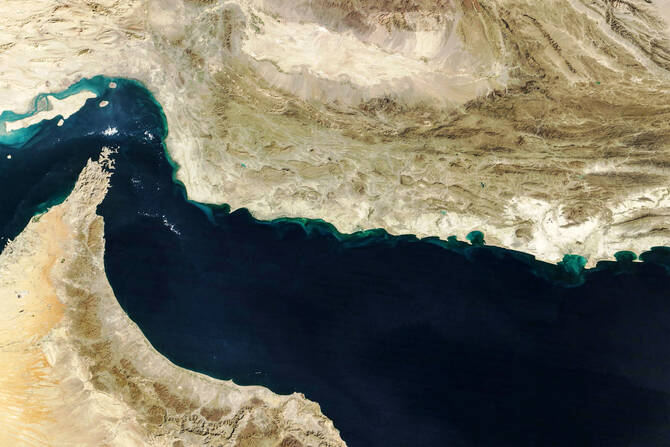
Located between Oman and Iran, the Strait of Hormuz connects the Persian Gulf to the Gulf of Oman and the Arabian Sea and at its narrowest point, it is just 21 miles wide. The water, a crucial piece of global trade infrastructure, facilitates the transit of millions of barrels of oil and petroleum products per day, according to the Energy Information Administration, or EIA, a branch of the U.S. Department of Energy.

Iran controls the northern side of the strait, which runs along its border, and Oman and the United Arab Emirates control the southern side.

Because of that, the strait has become one of the most vital oil “chokepoints” in the world, U.S. energy officials say. An analysis released last week by the EIA defined chokepoints as “narrow channels along widely used global sea routes that are critical to global energy security,” which can raise shipping costs and cause supply delays if passage through them is disrupted.

Iran has long used the threat of closing the strait as a way to ward off Western pressure.

Which products pass through the Strait?
In 2024 and the first quarter of 2025, more than a quarter of global maritime oil trade flowed through the Strait of Hormuz, equaling about one-fifth of oil and petroleum consumption worldwide, according to the EIA.

The agency estimated roughly 20 million barrels of oil have transited the strait daily since at least 2020, with tanker tracking data indicating close to 40% of the barrels last year were exported from Saudi Arabia — the most of any country. Along with crude oil and petroleum products, the strait also allowed for about one-fifth of the world’s liquefied natural gas trade in 2024, which primarily came from Qatar, the EIA said.

Both Saudi Arabia and the United Arab Emirates have oil pipelines that, to an extent, could serve as alternative trade routes should the Strait of Hormuz become compromised, but their relative capacities would be limited. The EIA noted that disruptions to oil flow through the strait would severely impact a few markets, such as China, India, Japan and South Korea, which imported a majority of the oil and gas that transited it in 2024. In the U.S., the agency reported that oil imports through the Strait of Hormuz only accounted for 7% of the country’s total oil imports and 2% of its liquid petroleum consumption over the same period.

However, officials warn that any interference with oil flows through the strait could broadly upset international energy markets and economies, by stifling supply and possibly driving up oil and gas prices. 

“A suicidal move”
Speaking about what Iran might do next, U.S. Secretary of State Marco Rubio said Sunday on “Face the Nation with Margaret Brennan” that an Iranian effort to block the strait “would be a suicidal move,” likely driving backlash from a sizable group of powerful countries that would be impacted by that kind of decision.

“If they do that, the first people that should be angry about it are the Chinese government, because a lot of their oil comes through there,” Rubio said, when asked about the possibility of Iran mining or otherwise preventing movement through the strait. “Mining” entails placing naval mines — which are explosives — in the water to damage vessels trying to pass.

If that were to happen, Rubio said China would “pay a huge price,” as would “every other country in the world,” including the U.S.

“It will have some impact on us. It will have a lot more impact on the rest of the world,” he said, hypothetically, of the consequences. “It would be a suicidal move on their part because, I think, the world would come against them if they did that.”

The U.S., with its 5th Fleet stationed in Bahrain, has long pledged to uphold freedom of navigation in the strait.

Source : CBS News

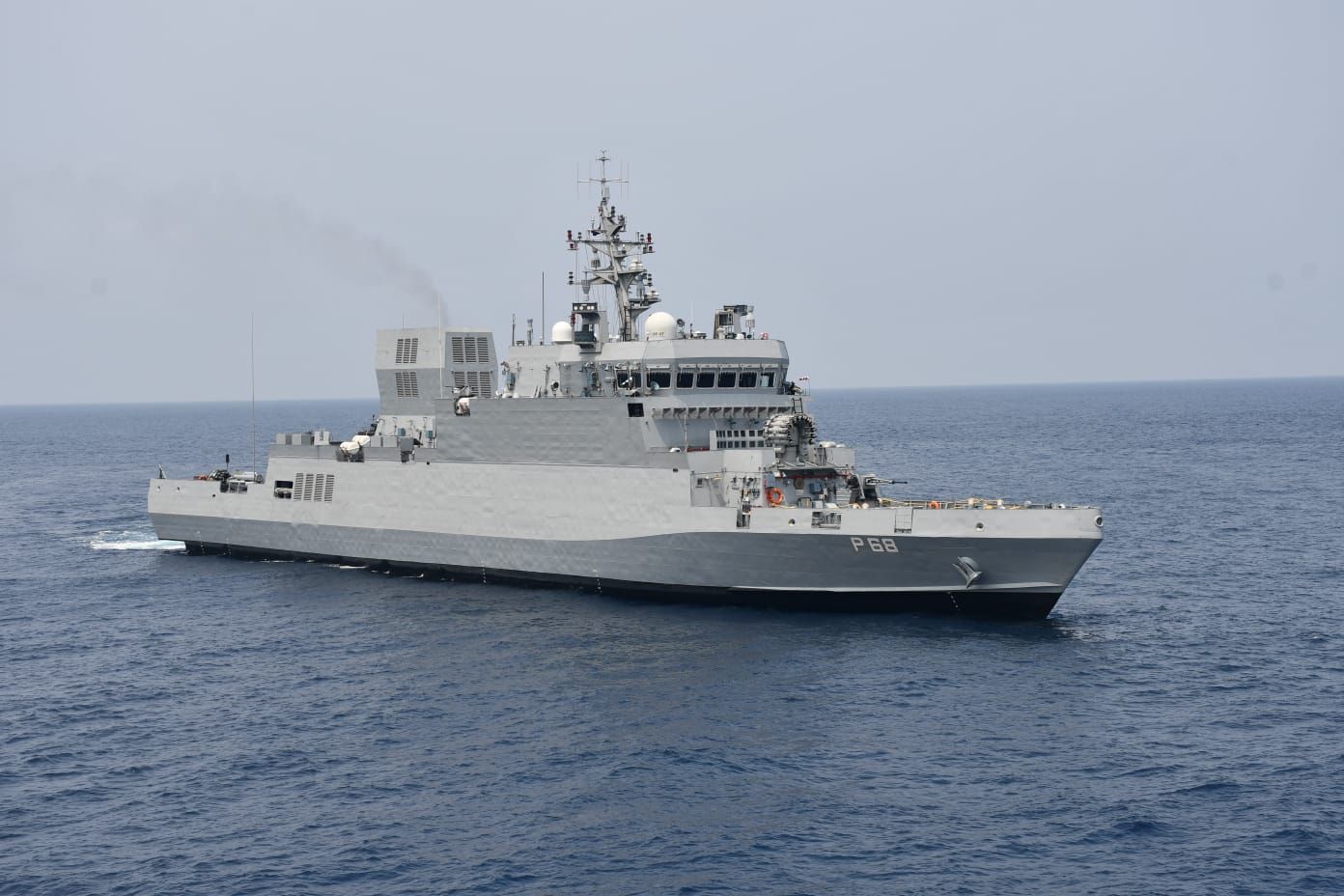
Anti-Submarine Shallow-Water Craft, ‘ARNALA’, classed by Indian Register of Shipping, delivered to Indian Navy

MUMBAI : Indian Register of Shipping (IRS) takes pride in the delivery of ‘INS Arnala’, the first in a series of eight Anti-Submarine Warfare Shallow Water Crafts (ASW SWCs), to the Indian Navy. The vessel was delivered by Garden Reach Shipbuilders and Engineers (GRSE) Ltd, marking a significant milestone in India’s journey towards self-reliance in defence production.

‘INS Arnala’ has been indigenously designed and constructed in compliance with the Naval Classification Rules of the Indian Register of Shipping (IRS) and has demonstrated the successful collaboration between Indian Defence Public Sector Undertakings, the private sector, and IRS in building very capable naval platforms.

The primary role of the warship is to undertake naval underwater operations, covering underwater surveillance, detection and neutralisation of hostile submarines, in shallow waters, where the environment renders these tasks more difficult, by several orders of magnitude, than in an ‘open ocean’ environment.  The vessels are also equipped for mine-laying, and other secondary roles.

Cdr K K Dhawan, Head of Defence said: “Indian Register of Shipping is honoured to be associated with this prestigious project and remains committed to supporting India’s defence and maritime developments through robust technical standards, innovation, and collaborative efforts. IRS is proud to have certified these vessels, which have over 80% indigenous content, which is a testimony to the commitment of IRS towards India’s ‘Atmanirbhar Bharat’ initiative.'”

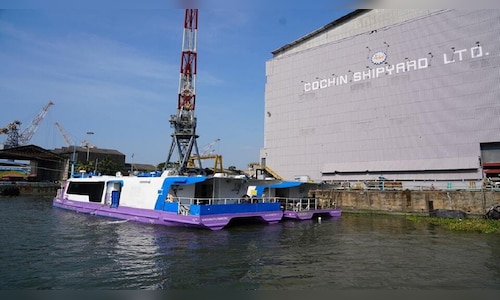
Cochin Shipyard’s arm Hooghly CSL wins order to build two luxury river cruise vessels for Antara

KOCHI : Cochin Shipyard Limited (CSL) on Monday (June 23) announced that its wholly owned subsidiary, Hooghly Cochin Shipyard Limited (Hooghly CSL), has secured a notable order valued between ₹100 crore and ₹250 crore from Heritage River Journeys Private Limited, which operates under the brand Antara River Cruises.

The contract involves the construction of two luxury river cruise vessels for deployment on the Brahmaputra River, aimed at expanding premium inland waterway tourism in India. The first agreement has been formally signed, while a Letter of Intent (LOI) has been issued for the second vessel.

Antara River Cruises, renowned for its immersive voyages along the Ganga, Padma, and Brahmaputra river systems, currently operates a fleet of bespoke luxury cruise vessels that sail South Asia’s most iconic rivers.

Its flagship vessel, Ganga Vilas, offers the longest, most picturesque river cruise in the world. This epic journey, famously showcased by the Limca Book of Records, covers over 3,200 kilometres across 27 rivers and traverses diverse regions including the Gangetic plains, the Sundarbans, and the Brahmaputra Valley

Cochin Shipyard clarified that the order does not fall under related party transactions, and none of its promoters or group companies hold any interest in the awarding entity.

Shares of Cochin Shipyard Limited ended at ₹2,231.05, up by ₹49.85, or 2.29%, on the BSE.

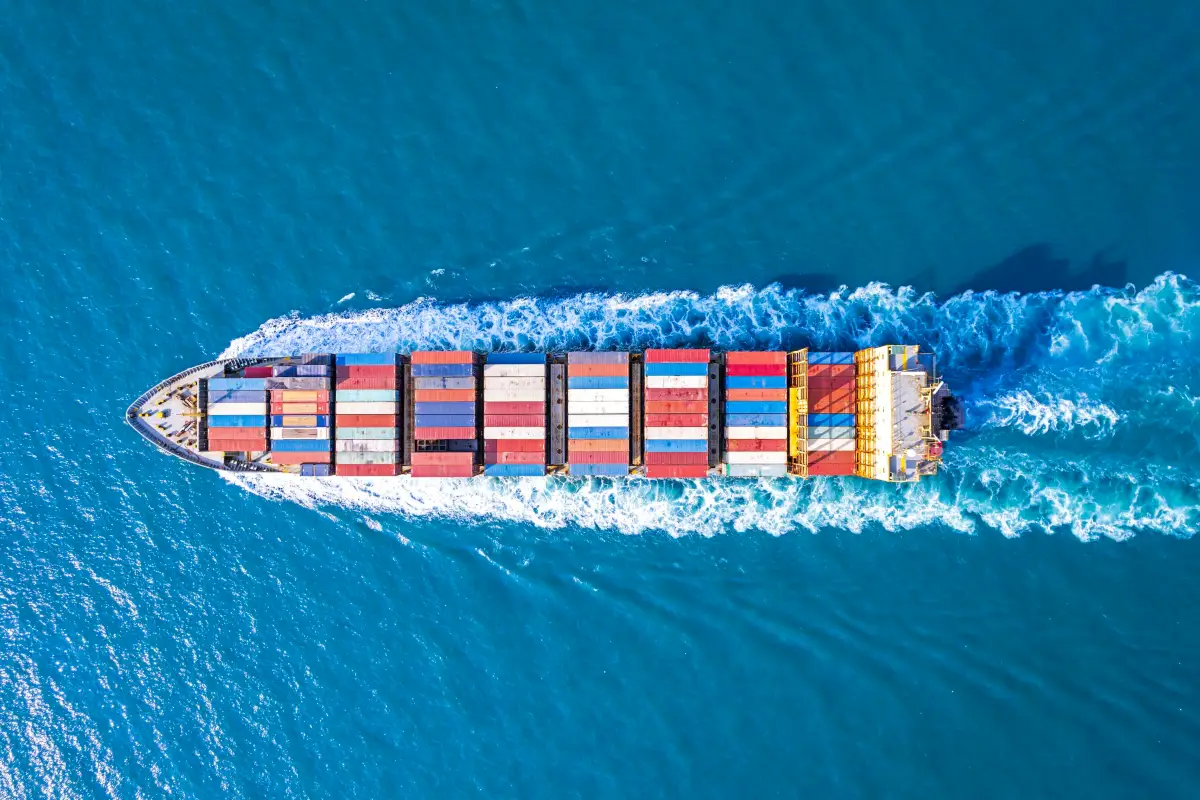
Hapag Lloyd reducing services to Port of Haifa temporarily

HAMBURG : German shipping line Hapag-Lloyd has temporarily reduced its container services to the Port of Haifa, Israel, which is being operated by Adani-Gadot Group, due to the geopolitical tensions in West Asia.

Hapag-Lloyd joins Danish shipping major Maersk in this move as Maersk said last week it would temporarily suspend vessel calls at the Port of Haifa and also suspend cargo acceptance for Haifa.

“At this time, the Atlantic Loop 7 (AL7) service will continue to call the Port of Haifa, while the East Med Shuttle 3 (EM3) service has temporarily suspended cargo acceptance for Haifa-bound shipments,” says a statement by Hapag Lloyd.

Crew safety

Both the lines said their main priority was the safety of crew.

“The safety and security of our seafarers and operations are our top priorities. We have taken this proactive measure to safeguard our people, assets, and customers’ cargo in light of increased regional instability,” said Maersk.

“Amid rising geopolitical tensions in West Asia, we are actively monitoring the situation. Our top priorities remain the safety of our crews and cargo, and the consistent reliability of our service,” Hapag-Lloyd said.

The Port of Haifa is the largest port in Israel, and serves as a vital regional transshipment hub. Its operation is overseen by the Haifa Port Company, which is owned by the Adani-Gadot Group. Close to 20 million tonnes of cargo pass through the port each year – more than any other port in Israel, as per information in the port’s website.

NYK acquires Kadmos, a salary payment platform for seafarers

TOKYO : Japanese shipping company Nippon Yusen Kabushiki Kaisha, or NYK Line, is acquiring Germany’s salary payment platform for seafaring workers, Kadmos, as it seeks to further expand the reach of its fintech services in the maritime sector.

The companies did not disclose the financial terms of the acquisition deal, which is expected to be completed in the next few weeks.

MIT alumni Justus Schmueser and Sasha Makarovych founded Kadmos in 2021, aiming to provide businesses, including shipowners and ship management companies, with affordable and transparent options for transferring salaries internationally, specifically for seafaring workers.

In 2019, NYK launched a financial services platform called MarCoPay in Manila, the Philippines, offering loans and insurance for Filipino seafaring workers and their families. Since then, it has collaborated with shipowners and ship management companies, and has even acquired an Electronic Money Issuer (EMI) license from the Philippine central bank.

NYK approached Kadmos for the acquisition in line with its plan to grow its digital payment business beyond the Philippines. It plans to incorporate the Kadmos platform into MarCoPay, providing payroll solutions to seafaring workers of all nationalities.

“Our plan is to leverage Kadmos’ global reach and coverage while using advantages that MarCoPay has in the Philippines,” Makarovych told TechCrunch. “Beyond that, we are planning to use the NYK brand and reputation to grow faster in shipping and sign customers quicker – they are a widely respected brand globally recognized by the whole industry.”

Kadmos also plans to expand its capabilities beyond payroll to offer cross-border B2B payments and corporate cards. The company intends to expand its remit to also service the cruise industry, and wants to offer additional financial services for shipping companies and seafarers through a partnership with NYK, Makarovych added.

Makarovych said Kadmos’ team will stay with the company, with slight adjustments to the management structure.

There are several digital payment platforms available for maritime companies, such as MarTrust, ShipMoney and Brightwell.

Makarovych, however, thinks Kadmos stands apart thanks to its end-to-end reach, listing as examples its features that let companies operate completely cashless on vessels, including virtual point-of-sale devices and peer-to-peer transfers.

“Our cards are non-personalized and have the widest acceptance, which allows companies to roll out Kadmos to their ships very quickly without complicated card logistics,” Makarovych said. “Kadmos pricing is built in an extremely flexible way, allowing companies to cover fees for their crew in a very personalized way while staying compliant with regulations by the Maritime Labor Convention — our competition simply charges a monthly SaaS fee.”

Kadmos most recently raised a $29.5 million Series A round in 2022. The round brought Kadmos’ total capital raised to $38 million. It now has more than 40 enterprise customers.

Wilson Sons starts operations powered by 100% renewable energy at the Rio Offshore Support Base

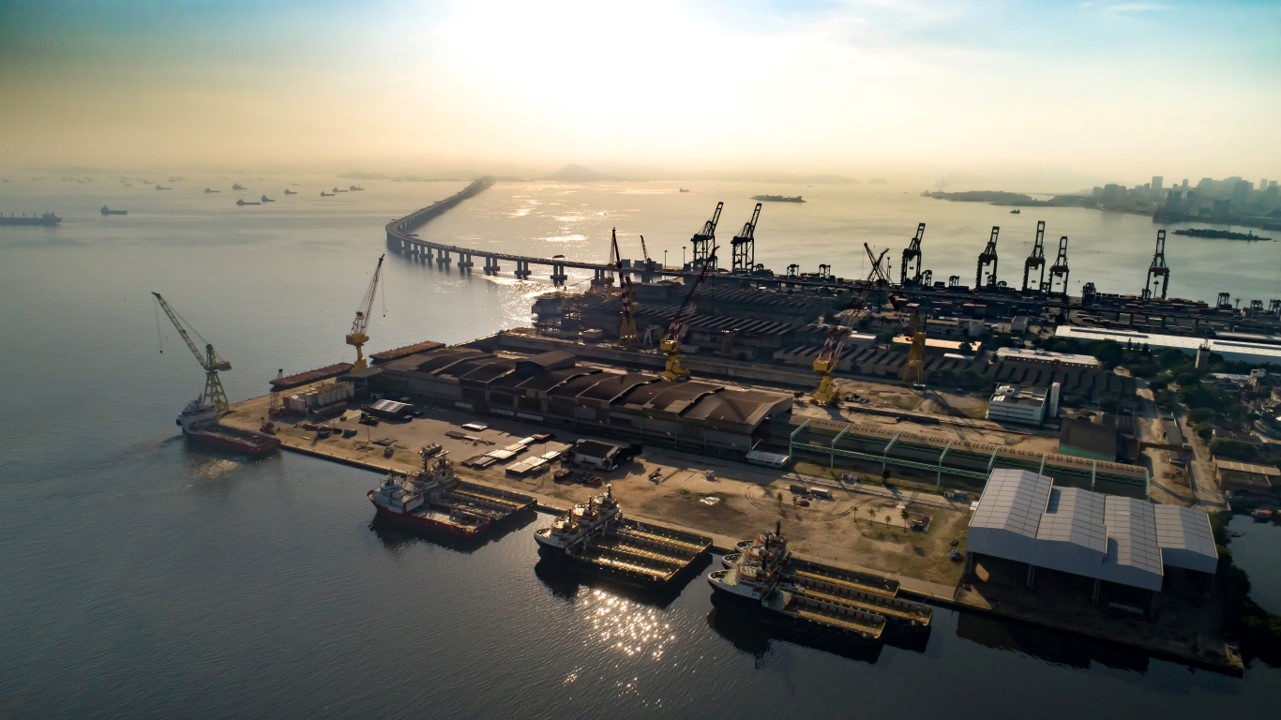
RIO DE JANEIRO : Recognized for its extensive experience of over 187 years, Wilson Sons has begun operating with 100% renewable energy, primarily from wind and solar generation, at its Rio Offshore Support Base in Guanabara Bay over the past month. The Rio Base, which provides logistical support to offshore energy companies operating in the Campos and Santos Basins, began to derive electricity from renewable sources. This transition is expected to help us reduce around 22.7 tCO₂e of annual indirect Scope 2 emissions associated with electricity consumption both for our use and for the supply of energy to clients served at the base. 

As part of the process, the Rio Base will receive, by the end of this year, I-REC (International Renewable Energy Certificate) certificates attesting that the electricity consumed is associated with power generation from renewable sources. I-RECs are internationally recognized for accounting for Scope 2 emissions and reaffirm the company’s commitment to reducing greenhouse gas emissions and environmental impacts.

Currently, electricity is used, for example, to light yards, offices, mechanical workshops, and cargo storage areas. Clients docking vessels at the Rio Base will also benefit from this, as the docking facilities already operate with energy from renewable sources by supplying vessels with shore power and replacing diesel with cleaner fuel alternatives, which directly contributes to the reduction of emissions and the decarbonisation of operations. A pioneer in the offshore support base business, Wilson Sons owns two private terminals in Guanabara Bay — the Rio Base and the Niterói Base — totaling eight berths. The company has expertise in remote operations. It has set up temporary bases in multiple ports along the Brazilian coastline. 

“Achieving I-REC certification in Rio is a clear reflection of our commitment to sustainability and the future of energy in the maritime and port industry. We are proud to take this pioneering step, which not only reduces emissions from our operations but also adds direct value to our clients and the environment. We remain firm on our decarbonisation journey, with our eyes on innovative and responsible solutions throughout our chain of operations,” says Mariana Jannuzzi, Executive Director of Wilson Sons Offshore Support Bases.

Support for drilling campaigns

Located in Caju, in the port district of Rio de Janeiro, the 65,000-square-metre base has five mooring berths and is strategically located to support oil fields in the pre-salt polygon. Its services include cargo handling, storage of materials and equipment (with customised high-technology software for inventory and cargo flow management and control), environmental services, fluid and bulk plants to support drilling campaigns, and facilities.

Wilson Sons’ offshore support units are the only private terminals in Guanabara Bay that offer berthing at two bases strategically located in Rio and Niterói.  The division includes the Guaxindiba Pipe Yard, located 20 kilometres from the Niterói Base, which stores drilling pipes and other equipment on a 63,000-square-metre facility. With investments in technology and innovation, qualified personnel, and permits from the Brazilian authorities, the pipe yard conducts pipeline inspection and hydrojetting.

Baltic Dry Bulk Index dips to over 2-week low as capesize rates retreat

LONDON : The Baltic Exchange’s main sea freight index, which tracks rates for ships carrying dry bulk commodities, fell to a more than two-week low on Monday, dragged by a decline in capesize vessel rates.

The main index, which monitors rates for capesize, panamax and supramax shipping vessels, was down 15 points, or 0.9%, at 1,674, its lowest level since June 6.

The capesize index (.BACI) lost 61 points, or about 2.1%, to 2,818, its lowest level since June 4.

Average daily earnings for capesize vessels (.BATCA), which typically transport 150,000-ton cargoes such as iron ore and coal, decreased by $512 to $23,367.

Dalian iron ore futures touched their highest levels in more than a week on Monday, supported by improving short-term demand prospects for the steelmaking ingredient in top consumer China.

The panamax index (.BPNI) rose 12 points, or 0.9%, to 1,362.

Average daily earnings for panamax vessels (.BPWT), which usually carry 60,000-70,000 tons of coal or grain, increased $103 to $12,254.

Among smaller vessels, the supramax index (.BSIS) gained 6 points to 979.

Source: Reuters

Finance Ministry urges port infrastructure upgrade to boost export efficiency

NEW DELHI : A Finance Ministry report released on Friday has called for urgent upgrades to port infrastructure to enhance the efficiency of perishable export cargo movement. The report, unveiled by Finance and Corporate Affairs Minister Smt. Nirmala Sitharaman, highlights the need to improve gate operations, IT systems, scanning mechanisms, and temperature-controlled facilities across Indian ports.

The document stresses that improving these touchpoints is essential to reduce cargo clearance times and make Indian exports more globally competitive. The report also underlines the importance of streamlining post-clearance logistics, including better coordination and movement of cargo from ports to final destinations.

“Modern and integrated infrastructure at ports, especially for perishable goods, is critical to improving turnaround time and reducing costs for exporters,” the report notes, adding that the current setup falls short in supporting India’s ambitious trade targets.

Minister Smt. Sitharaman, while releasing the report, said that efficient port logistics are key to India’s export growth strategy, and called for greater synergy between customs, logistics providers, and port authorities to enable a smoother experience for exporters.

The report is part of a broader policy focus on trade facilitation, with India aiming to improve its ranking in global logistics performance indices. Stakeholders, including port operators and exporters, are expected to be consulted in implementing the recommendations.

The Finance Ministry’s push for reforms comes amid rising global competition and increasing demands for faster and more temperature-sensitive deliveries, particularly in sectors like agriculture, seafood, and pharmaceuticals.

“Bharat’s gift of wellness to whole world”: Union Minister Sarbananda Sonowal on 11th International Yoga Day

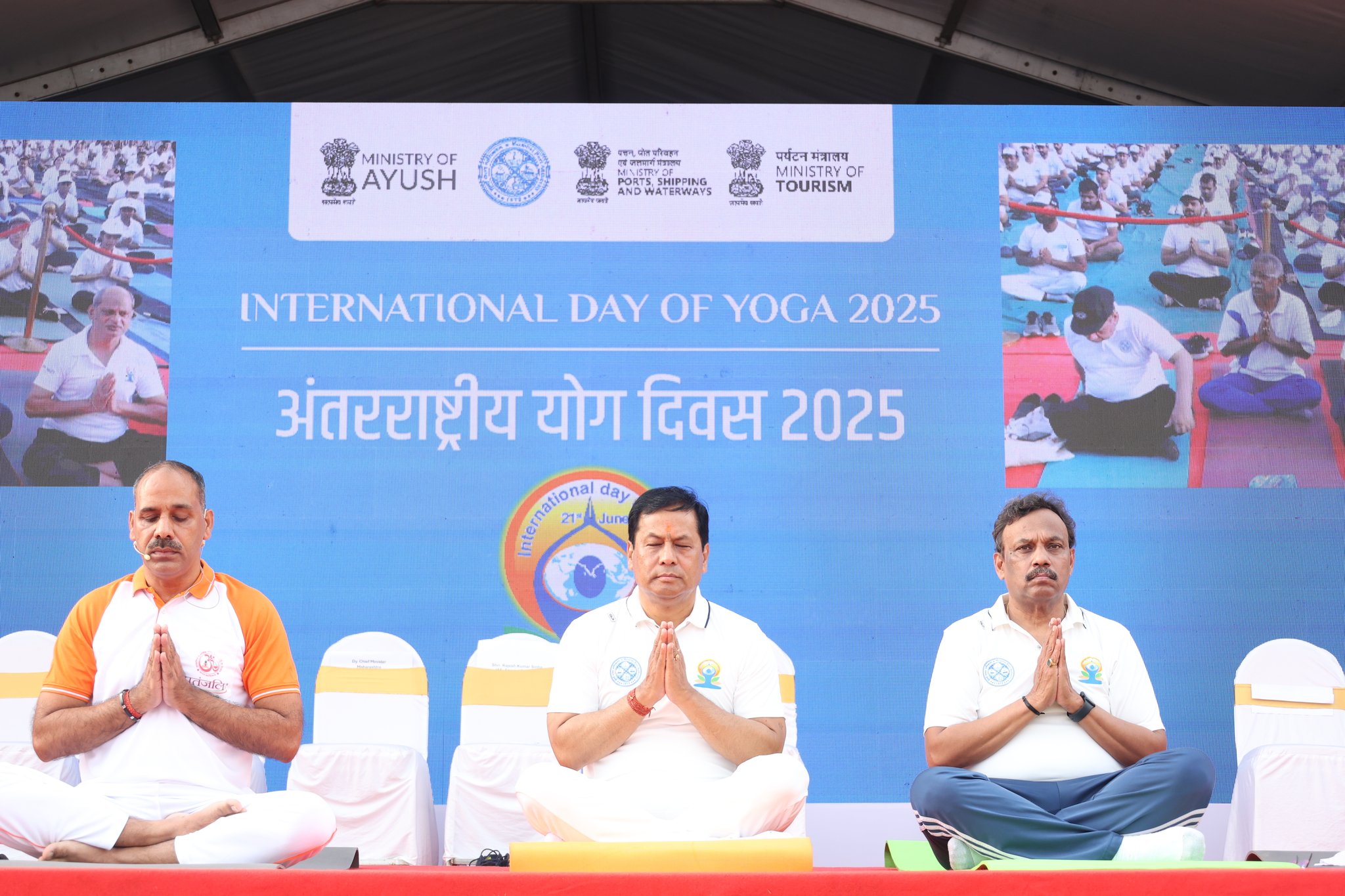
MUMBAI : Union Minister of Ports, Shipping & Waterways Shri Sarbananda Sonowal on Saturday participated in the International Yoga Day celebrations at the Gateway of India in Mumbai, which had the theme “Yoga for One Earth and One Health.“

Sarbananda Sonowal "Bharat's gift of wellness to whole world": Union Minister Sarbananda Sonowal on 11th International Yoga Day

Speaking to the reporters, Sarbananda Sonowal said that yoga is “Bharat’s gift of wellness” to the whole world. The Union Minister thanked Prime Minister Shri Narendra Modi for the efforts that have made yoga a “global movement” for “wellness, good health, harmony, and universal peace.”

“Yoga is Bharat’s gift of wellness to the world. Thanks to the strong efforts of Hon’ble Prime Minister Shri Narendra Modi ji, yoga has become a global movement for wellness, good health, harmony, and universal peace. Yoga continues to inspire us to enhance our physical and mental well-being and to reconnect with nature. Let us all commit on this day to embrace yoga as an integral part of our daily lives”, Sarbananda Sonowal said.

Earlier today, Prime Minister Shri Narendra Modi took part in the 11th International Day of Yoga celebrations, where he hailed yoga as a gift “beyond age” that transcends all boundaries and unites humanity in “health and harmony.”

The event took place against the scenic backdrop of the Visakhapatnam coastline, with Indian Navy ships stationed near the shore, adding to the grandeur of the celebrations.

The Prime Minister praised the efforts of the Andhra Pradesh government and extended his appreciation to Chief Minister N Chandrababu Naidu and Jana Sena Party chief Pawan Kalyan for hosting the event in Visakhapatnam. He lauded their leadership as “inspiring” and described the state’s initiative to promote yoga as “commendable.”

“Yoga is for everyone beyond boundaries, beyond backgrounds, beyond age or physical ability. It is a universal gift that unites humanity in health, harmony, and consciousness. Friends, I am truly delighted that we are gathered here in Visakhapatnam, a city that beautifully blends nature with progress. I extend my heartfelt congratulations to Chandrababu Naidu Garu and Pawan Kalyan for hosting such a wonderful event under your inspiring leadership. It is commendable that the state of Andhra Pradesh has taken this meaningful initiative to promote yoga,” said PM Modi while addressing the gathering.