Home Blog Page 789

DG Shipping celebrates 11th International Day of Yoga with MoPSW at Mumbai

MUMBAI : The Directorate General of Shipping, under the Ministry of Ports, Shipping and Waterways, successfully commemorated the event of the 11th International Day of Yoga (IDY) 2025 at the Gateway of India, Mumbai.

Organised in collaboration with the Mumbai Port Authority (MbPA) and Patanjali Yogpeeth, the celebration was in line with the global theme this year, Yoga for One Earth, One Health and also witnessed the launch of the “Sagar Mein Yog” wellness modules for the maritime workforce.

The event was graced by Shri Sarbananda Sonowal, Hon’ble Union Minister for Ports, Shipping and Waterways, Shri Shyam Jagannathan, IAS, Director General of Shipping, Directorate General of Shipping .Shri Rajesh Sinha, Special Secretary, Minister for Ports, Shipping and Waterways and other dignatories.

More than 5,000 participants, consisting of seafarers, Navy and CRPF members, shipping staff, students, and yoga practitioners, were present to participate in the mass yoga session, illustrating India’s commitment to holistic wellness.

The Directorate, through “Sagar Mein Yog”, reaffirms its responsibility for supporting healthy, structured yoga practices for physical fitness, mental clarity, and emotional well-being across the maritime ecosystem.

JNPA hosts grand “Yoga Sangam” celebration for International Day of Yoga 2025

Inauguration of New Yoga Park Marks a Step Towards a Healthier Community

MUMBAI : Jawaharlal Nehru Port Authority (JNPA) – India’s largest container port, celebrated the 11th International Day of Yoga, under the guidance of the Ministry of Ports, Shipping and Waterways in collaboration with the Ministry of AYUSH, Government of India. JN Port hosted a large-scale celebration titled “Yoga Sangam”, the second-largest Yoga session in India, at the JNPA Township, Uran, on Saturday, June 21st, 2025. This year’s theme is ‘Yoga for One Earth, One Health.’

The event, coordinated by RRAP – Central Ayurveda Research Institute, Worli, Mumbai — the Nodal Coordinator for Maharashtra — saw the participation of nearly 10,000 individuals who gathered at dawn to take part in a collective yoga session. To mark the international significance of the day, a live screening of the Hon’ble Prime Minister Shri Narendra Modi’s address was also conducted at the venue. As a gesture of encouragement and support for healthy living, all participants were provided with yoga kits.

The celebrations commenced at 6:00 AM and were graced by the esteemed presence of Shri Unmesh Sharad Wagh, IRS, Chairperson, JNPA and CMD, VPPL, all HoDs of JN Port, Trustees, officials, employees and media. The event was coordinated by Smt. Manisha Jadhav, General Manager, Admin and Secretary, JNPA.

Adding to the significance of the event, a dedicated Yoga Park spread over 16,500 sq.m. in the JNPA Township was inaugurated by Shri Unmesh Sharad Wagh, IRS, Chairperson, JNPA, and CMD, VPPL. The park, designed to promote regular wellness practices among residents and port employees, is now open for all and is expected to serve as a community hub for yoga enthusiasts.

Expressing his views on the International Day of Yoga, Shri Unmesh Sharad Wagh, IRS, Chairperson, JNPA and CMD, VPPL, said, “It is a moment of pride for JNPA to be chosen as the host venue for a large-scale celebration like Yoga Sangam. Bringing together thousands of participants at the crack of dawn, in an atmosphere of energy and mindfulness, truly reflects the spirit of International Yoga Day. With the launch of the Yoga Park, we hope to make wellness a part of daily life for our community, beyond just one day of celebration.”

Various events like Harit Yoga, Yoga Samavesh, Yoga Unplugged, Yoga Connect, and Yoga Mahakumbh were organised throughout the week on the occasion of the International Yoga Day. The Yoga Sangam celebration at JNPA reinforced the national vision of integrating wellness into everyday life. With strong participation and a dedicated Yoga Park now open, JNPA moves forward with a stronger focus on community well-being.
About JNPA:
The Jawaharlal Nehru Port Authority (JNPA) is one of the premier container-handling ports in India. Since its inception on May 26, 1989, JNPA has transformed from a bulk cargo terminal into the premier container port in the country.
Currently, JNPA operates five container terminals – NSFT, NSICT, NSIGT, BMCT and APMT. The Port also has a Shallow Water Berth for general cargo. A Liquid Cargo Terminal present at the JNPA Port is managed by the BPCL-IOCL consortium and the additional liquid cargo terminal developed by JNPA will be operated by M/s JSW – JNPT Liquid Terminal Pvt. Ltd. Additionally, the newly constructed coastal berth links other Indian ports and facilitates enhancing the traffic of coastal containers.
Nestled across 277 hectares of land, JNPA also operates a meticulously designed multi-product SEZ, with state-of-the-art infrastructure, to boost export-oriented industries in India.

JNPA is also developing an all-weather, deep-draft, greenfield port at Vadhvan, the 13th Major Port of India in Maharashtra. It is poised to be among the top 10 ports globally and will be a 100% green port since its inception

DPA Kandla celebrates 11th International Day of Yoga

GANDHIDHAM : Deendayal Port Authority, Kandla marked the 11th International Day of Yoga with a vibrant celebration at SVP Auditorium, Gopalpuri.

Gt8WZ5 XEAAgO25 DPA Kandla celebrates 11th International Day of Yoga

Led by Shri Sushil Kumar Singh, IRSME, Chairman DPA, the session witnessed enthusiastic participation from DPA officials, staff & students — embracing yoga for a healthier, balanced life.

Exporters may use other routes if Iran blocks Strait of Hormuz

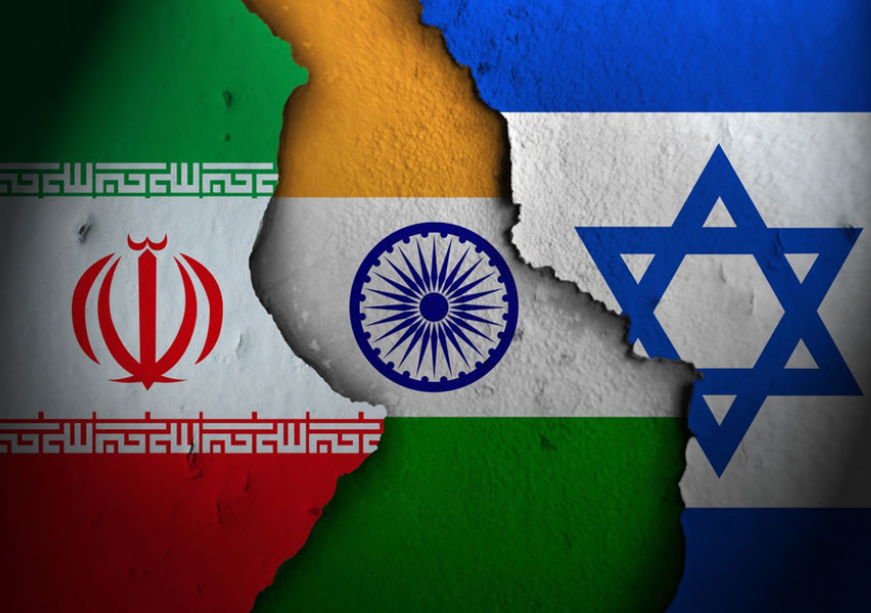
NEW DELHI : The dramatic escalation in the Iran-Israel war with the entry of the US has aggravated the uncertainty over India’s foreign trade in goods, with the possibility of navigation in Strait of Hormuz and Red Sea getting disrupted.

As for overall exports, the impact is expected to be very limited as more than 90% of Indian shipments to its two biggest markets of US and Europe are using the longer route through Cape of Good Hope. Only 5-6% of traders started using Red Sea route recently after a period of relative calm, Director General of Federation of Indian Export Organisations (FIEO) Ajay Sahai said.

While the shipments to Europe, US and Africa can continue without any hassle , the conflict has the potential to disturb exports to the crucial market of West Asia, if the Strait of Hormuz which connects Persian Gulf and Gulf of Oman is blocked by Iran.

Sahai said there are alternatives to reach many of the markets in West Asia through ports on the nodes of India-Middle East- Europe Corridor (IMEEC) like Fujairah port in United Arab Emirates (UAE) on the gulf of Oman and Salalah port in Oman that can avoid Hormuz Strait. Only getting exports to Iraq would be difficult if the strait closes for shipping, he said, adding that another issue on the use of alternate ports would be their capacity to handle extra traffic.

The biggest challenge would be getting oil and natural gas from ports on the Persian Gulf. “Roughly 60–65% of India’s crude imports transit through the Hormuz Strait. Any blockade or military escalation in this vital maritime corridor would severely impact India’s energy security, drive up oil prices, and trigger inflationary pressures at home,” founder of Global Trade Research Initiative (GTRI) Ajay Srivastava said.

Further escalation of the conflict if Iran attacks US bases, as it has been talked about, things could become a little more challenging, Sahai said. Already it is quite a challenging time for logistics, insurance and regional supplies, he added.

Globally 20% of the world oil passes through Hormuz and there are fears that the crude oil prices could go up to $ 120 a barrel if that route is closed, This could set-off another round of economic challenges for India

The government is already exploring all possible alternatives for responding to the evolving situation, commerce ministry sources had said earlier. Ship reporting system is in place to monitor any incidents and freight and insurance rates are also being closely monitored.

At present, the immediate impact on bilateral trade with Iran and Israel remains modest—amounting to $1.2 billion in exports and $441.8 million in imports with Iran, and $2.1 billion in exports and $1.6 billion in imports with Israel.

A wider regional escalation could threaten India’s much larger trade with the broader West Asian region—including Iraq, Jordan, Lebanon, Syria, and Yemen—where Indian exports total $8.6 billion and imports stand at $33.1 billion, Srivastava said.

Source : FE

Iran-Israel war escalation to impact India’s trade with West Asia, say experts

NEW DELHI : Any further escalation of the ongoing war between Iran and Israel will have wider implications for India’s trade with West Asian countries, including Iraq, Jordan, Lebanon, Syria, and Yemen, say experts.

They said that the war has already started impacting India’s exports to Iran and Israel.

The US attacked three sites in Iran early Sunday, inserting itself into Israel’s war aimed at destroying the country’s nuclear programme in a risky gambit to weaken a longtime foe that prompted fears of a wider regional conflict as Tehran accused Washington of launching “a dangerous war”.

“We are in for big trouble now because of this war. It will have a cascading effect on India’s trade with West Asian countries,” Mumbai-based exporter and founder chairman of Technocraft Industries India Sharad Kumar Saraf said.

Saraf said that his company is also holding back consignments to both these countries. Technocraft Industries manufactures drum closures, nylon and plastic plugs, capseal closures, and clamps.

“There will be a cascading effect of this war,” he added.

Another exporter said that the Indian traders community is already reeling under the impact of the Israel-Hamas conflict and involvement of Yemen-backed Houthis’ attack on shipping vessels in the Red Sea. Due to that, shipping lines from India were taking consignments from the Cape of Good Hope, encircling the African continent.

Now, because of the Iran-Israel war, another key trading route – the Strait of Hormuz – is getting affected.

“This route will hit the movement of oil tankers. I have a feeling that oil tankers will find new routes but that will push crude oil prices. It will have implications on inflation as crude oil prices are the mother of all prices,” Saraf said.

Think tank Global Trade Research Initiative (GTRI) said that a wider regional escalation could threaten India’s much larger trade with the broader West Asian region, including Iraq, Jordan, Lebanon, Syria, and Yemen, where Indian exports total USD 8.6 billion and imports stand at USD 33.1 billion.

“Any disruption to shipping lanes, port access, or financial systems in this corridor would severely impact India’s trade flows, inflate freight and insurance costs, and introduce fresh supply chain risks for Indian businesses,” GTRI Founder Ajay Srivastava said.

India’s exports to Iran stood at USD 1.24 billion in FY2025, with key items including Basmati rice (USD 753.2 million), banana (USD 53.2 million), soya meal (USD 70.6 million), Bengal gram (USD 27.9 million), and tea (USD 25.5 million). Imports stood at USD 441.8 billion last fiscal.

Iran–Israel war could shut Bandar Abbas port, push up air freight rates: Exporters tell Govt

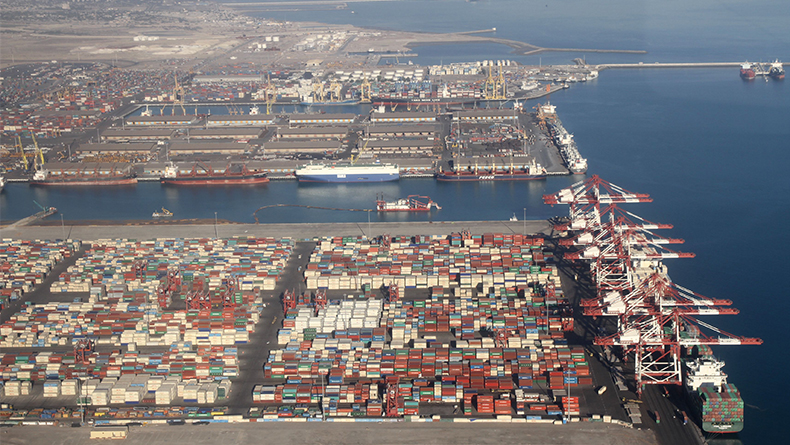
NEW DELHI : Indian exporters on Friday urged the government to plan alternate shipping routes to West Asia, warning that the escalating Iran–Israel war could lead to the closure of Iran’s largest port, Bandar Abbas, and drive up air freight charges as several West Asian countries are closing their airspace, a person aware of the development said.

“There are concerns that the Bandar Abbas port could be closed, so alternate routes particularly Chabahar Port should be considered. There is also worry over a surge in air freight, along with ocean freight, due to airspace closures in several West Asian countries such as Jordan and Iran. Pakistani airspace is already closed,” exporters told the government at a stock taking meeting on Friday at the Commerce and Industry Ministry.

“Sea freight could rise, and the war risk premium may further add to costs. Oil flows remain steady through the Strait of Hormuz, but the situation is volatile,” traders said.

A Commerce Ministry official said traders informed the government that the situation in the Strait of Hormuz is “currently stable”, and a ship reporting system has been put in place to monitor any incidents. “The freight and insurance rates are also being closely monitored,” the official added.

The Indian Express had earlier reported that escalating tensions between Iran and Israel have further driven up marine cargo insurance premiums, amid growing war-related risks and the potential threat to global shipping and trade routes.

Marine cargo insurance premiums have now risen by 15 per cent to 30 per cent, with insurers charging an additional 0.15 per cent of the cargo’s value, insurance sources said. The increase is expected to impact commodity importers and exporters operating from ports in Gujarat and Maharashtra.

Exporters said that Red Sea exposure premiums began climbing after the Russia–Ukraine war, well before the current Iran–Israel conflict. That earlier escalation had already prompted global underwriters to reassess maritime risks. The latest flare-up has only deepened concerns—especially in the Red Sea, a crucial corridor for global oil and cargo trade.

Source : Indian Express

Iran may decide closure of Strait of Hormuz — putting one-fifth of world’s oil supply at risk

WASHINGTON : Iran’s parliament has voted to close the Strait of Hormuz, the vital shipping channel through which around 20% of the world’s daily oil flows.

The move, which could block $1 billion in oil shipments per day, is likely to send oil prices soaring.

It will come into effect pending a final decision by Iran’s Supreme Council. The Supreme Council’s decision must be made by anytime, according to Iran’s state-run Press TV.

Iran’s major escalation in response to US strikes on its nuclear facilities “will be done whenever necessary,” Email Kosari, Commander in the Revolutionary Guards, said on Sunday.

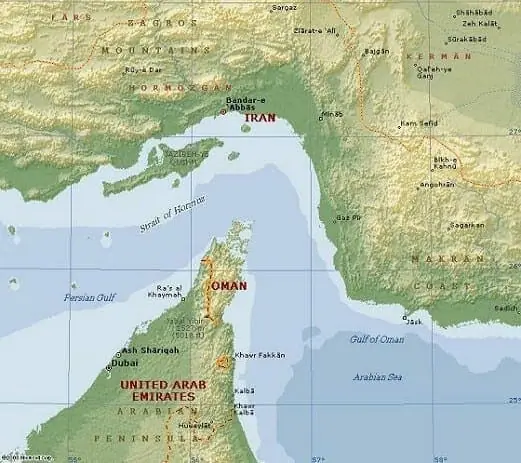
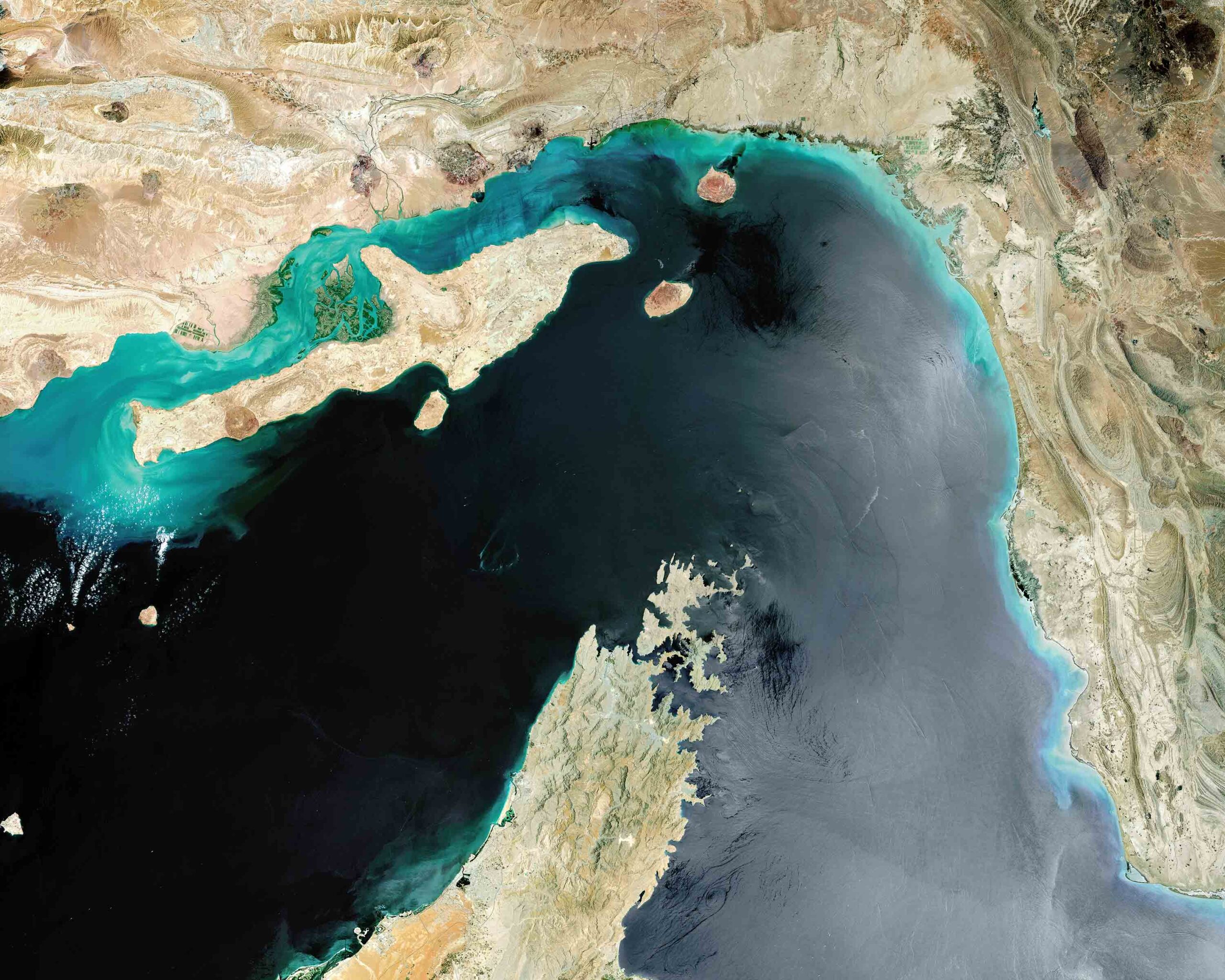
The strait connecting the Gulf of Oman with the Persian Gulf is one of the world’s most critical chokepoints — just 20 miles wide at its narrowest point.

Shipping lanes in the strait — the area that is deep enough for ships to pass — are even narrower at less than two miles wide in each direction, making them much more vulnerable to attacks and threats of closure.

The channel is shallow, making it a particular target for underwater mining, while the narrowness of the strait makes passing vessels vulnerable to attack from shore-based missiles or interception by patrol boats or helicopters.

Iran has no legal authority to block sea traffic through Hormuz, and any attempts by its navy to bar entry to the strait would likely be met by a strong response.

Ships with the US Fifth Fleet, along with other Western navies, are patrolling the area at all times.

It is bordered by Iran to the north and Oman and the United Arab Emirates to the south.

The bulk of all oil exported by the regional petro giants, Iran, Iraq, Kuwait, Qatar, Saudi Arabia and the UAE, all travel through this narrow waterway.

Asia is likely to bear the brunt most from any closures to the waterway, with China, India, Japan and South Korea all getting most of their oil imports through the strait.

China, the world’s biggest buyer of Iranian oil and a critical partner that has previously used its veto power at the UN Security Council to block sanctions or resolutions against Tehran, would be particularly affected by any closure. The move would also hit Iran’s own economy.

Iran last disrupted traffic in the Persian Gulf in April last year when it seized an Israel-linked container ship near the Strait of Hormuz, accusing the MSC Aries of violating maritime regulations.

In April 2023, Iran seized a US-bound tanker, claiming the ship had struck another vessel.

And in May 2022, two Greek tankers were held for six months in what was widely seen as retaliation to the confiscation of Iranian oil on a different ship by Greek and US authorities.

In previous years, the Houthi militia in Yemen was able to successfully disrupt traffic through the Bab el-Mandeb Strait leading into the Red Sea on the other side of the Arabian Peninsula.

Using the firing of missiles and drones, the Houthis were able to cut ship traffic through the Red Sea and the Gulf of Aden some 70% in June compared with the average levels in 2022 and 2023, according to Clarkson Research Services Ltd, a unit of the world’s largest shipbroker.

Vessel operators have been forced instead to reroute traffic around the southern tip of Africa instead of using the Suez Canal, making journeys for ships traveling between Europe and Asia vastly more expensive and much longer.

Source : New York Post

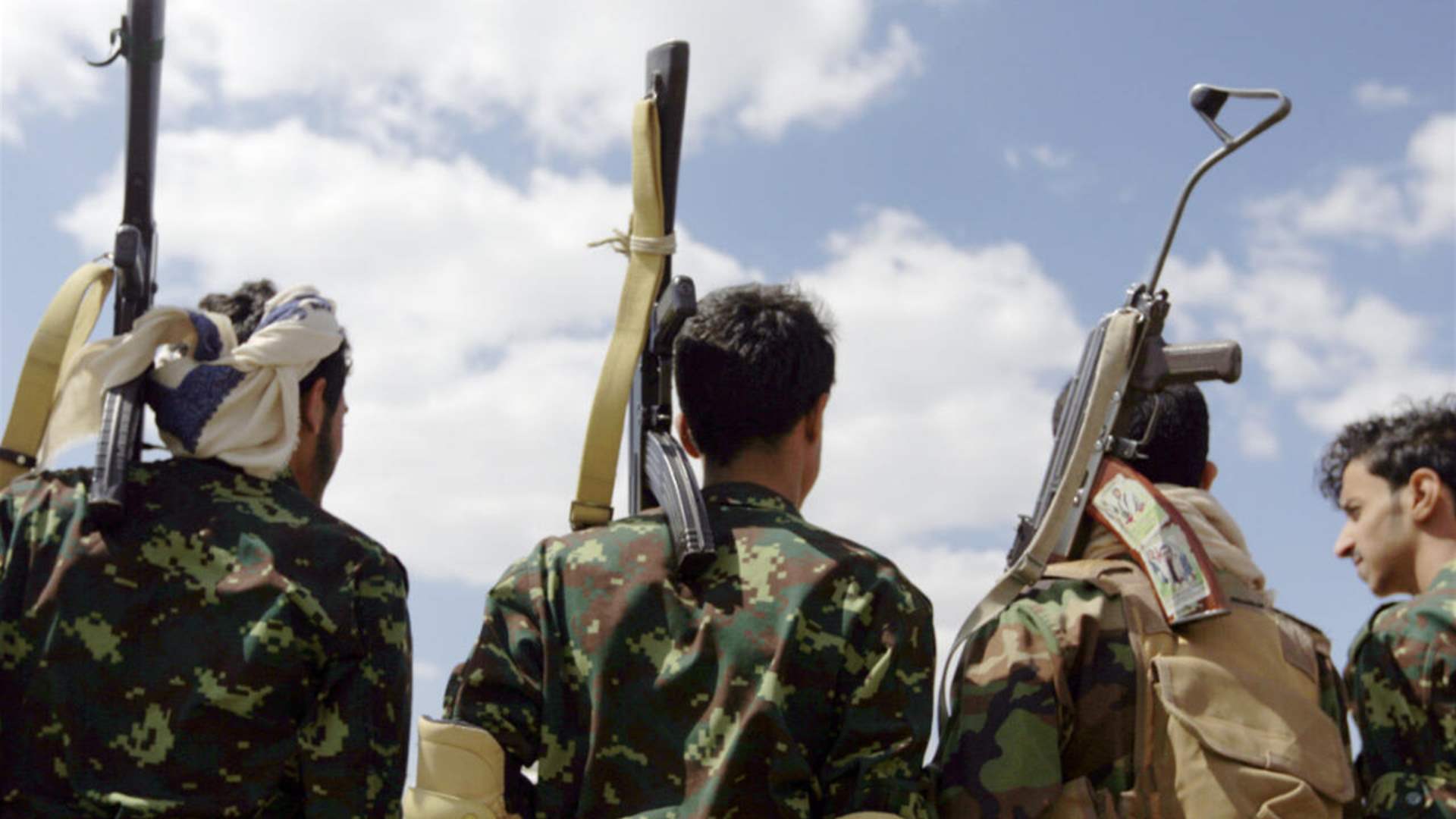
Yemen’s Houthis say ready to attack Red Sea after US strikes on Iran

SANA : Yemen’s rebel government says it supports a vow by its armed wing a day earlier to hit US ships in the Red Sea should Washington launch strikes on Iran.

“We affirm the Republic of Yemen’s commitment to the armed forces’ declaration that they were ready to target US ships and warships in the Red Sea,” the government says in a statement after the United States launched attacks on Iran.

Shipping insurance costs spike in the Middle East as Israel-Iran conflict rages

NEW YORK : Israel and Iran’s escalating conflict has significantly driven up the cost of insurance for ships sailing through the Red Sea and Persian Gulf.

Marine insurers are now charging 0.2% of the value of a ship for journeys into the Gulf, according to data from the world’s largest insurance broker Marsh McLennan, up from 0.125% prior to Israel’s attack on Iran last week.

There has also been an uptick in war risk insurance rates for the Red Sea, Marsh said, while cover relating to ports in Israel has more than tripled to 0.7%.

The length of time quotes are valid for has been cut to 24 hours from most leaders, Marsh said, down from 48 hours previously.

The scramble to reassess shipping insurance costs reflects the deteriorating security environment in the Middle East, with Israel and Iran continuing to exchange fresh air attacks over recent days.

The conflict between the two powers has ratcheted up concerns of a broader conflict, with many closely monitoring the prospect of U.S. intervention.

“Given that the situation is currently contained within the region, risks are still being placed to enable cargo to flow through these areas,” Marcus Baker, Global head of marine, cargo and logistics at Marsh, told CNBC by email.

Some shipowners have recently opted to steer clear of the strategically important Strait of Hormuz, reaffirming a sense of industry unease amid the conflict.

Jakob Larsen, head of security at BIMCO, which represents global shipowners, said earlier this week that the escalating conflict was causing concerns in the shipowner community and prompting a “modest drop” in the number of ships sailing through the area.

Situated between Iran and Oman, the Strait of Hormuz is a narrow waterway that connects the Persian Gulf to the Arabian Sea. It is recognized as one of the world’s most important oil chokepoints.

The inability of oil to traverse through the Strait of Hormuz, even temporarily, can ratchet up global energy prices, raise shipping costs and create significant supply delays.

Source: CNBC

Donald Trump predicts trade deals with India and Pakistan

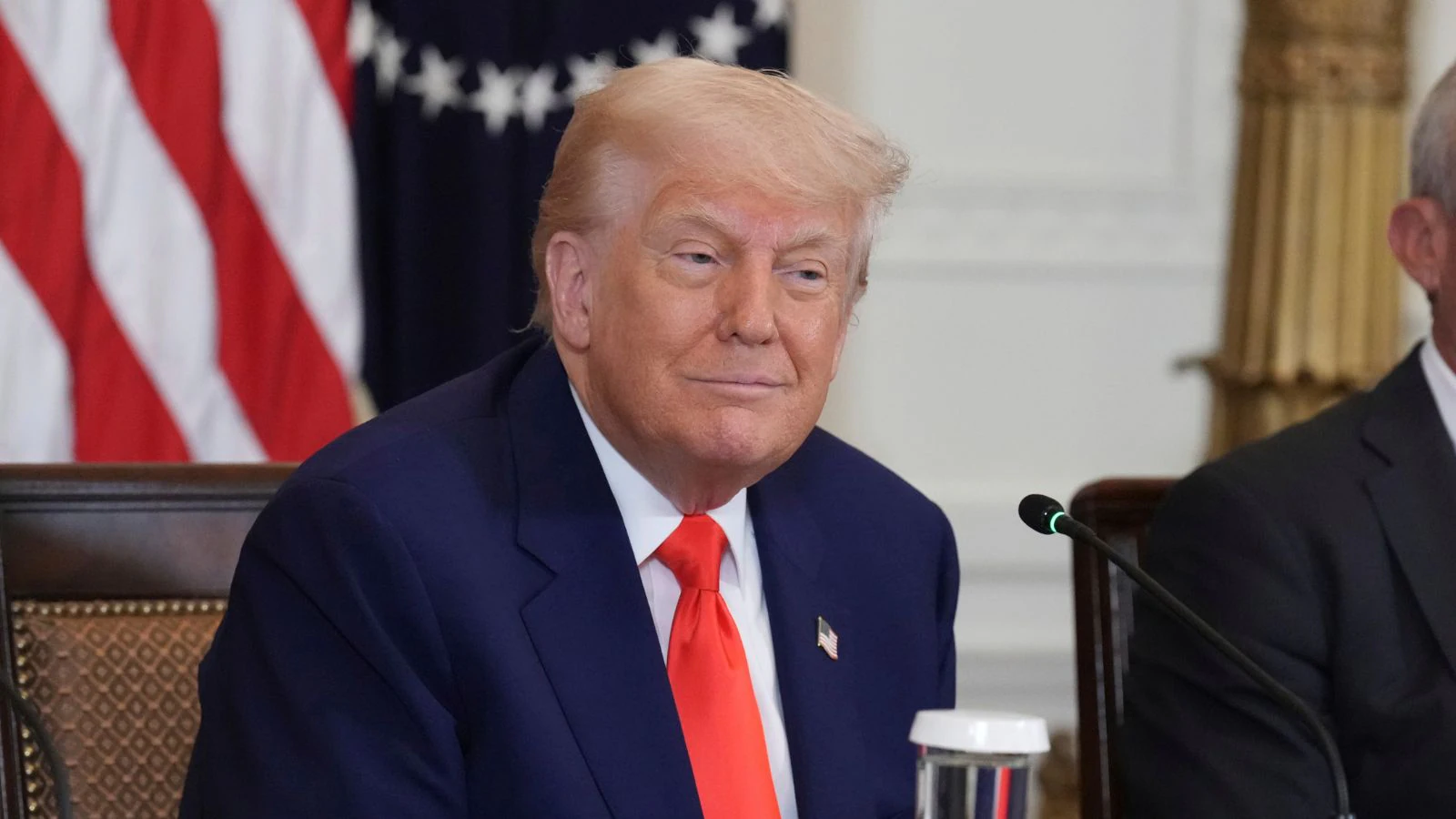
WASHINGTON : President Donald Trump predicted on Friday that the United States will be able to negotiate trade deals with both India and Pakistan. Speaking to reporters as he arrived in New Jersey, on June 20th Trump spoke optimistically about the potential for trade agreements with the two countries. “It looks like we’re going to be making the trade deal with India and we had Pakistan in… it’s a beautiful thing to watch.” The president’s comments reflect growing momentum behind his administration’s push to leverage tariffs into revamped global trade terms.

After became the US President since, Trump has imposed a sweeping 10% tariff on nearly all imports and rolled out a second phase of “reciprocal tariffs” on April 2—what he dubbed “Liberation Day.” He paused enforcement for 90 days to allow countries time to negotiate bilateral deals. That window closes July 8, but Trump hinted an extension might be unnecessary if nations accept U.S. terms swiftly.

“We’re rocking in terms of deals,” Trump said earlier this month, citing new trade agreements with China and the United Kingdom as evidence of progress.

The China deal permits exports of critical rare earths and industrial magnets in exchange for halting visa restrictions on Chinese students. Details remain sparse, but the agreement sets the stage for broader talks.

With the UK, the U.S. secured lower tariffs on American beef and agricultural goods, along with a 100,000-vehicle import quota at a 10% tariff rate. UK-produced steel and aluminum also received special exemptions.

Talks with Canada are advancing under a 30-day goal set on June 16, according to Canadian Ambassador Kirsten Hillman, who called for “stability” and the removal of multiple U.S. tariffs.

Trump confirmed that deals with about 15 countries—including Japan and South Korea—are in play. If talks falter, he warned, the U.S. may simply impose final terms.

“At a certain point, we’re just going to send letters out… saying: ‘This is the deal—you can take it or you can leave it,’” Trump said.