Home Blog Page 790

FTA impact : India sees export uptick in trade with Australia, UAE

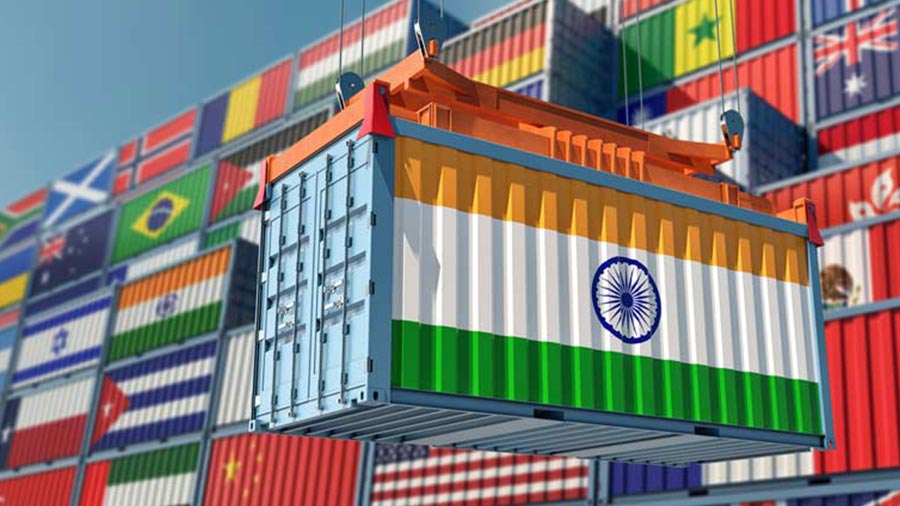
NEW DELHI : In a move that reflects India’s policy emphasis on boosting exports through Free Trade Agreements (FTAs), the country’s trade pacts with Australia and the United Arab Emirates (UAE) are beginning to deliver visible outcomes.

A sharp rise in the issuance of Preferential Certificates of Origin (CoO) to Indian exporters during FY25 signals growing utilisation of tariff concessions under the free trade pacts.

A Preferential Certificate of Origin is a paper that shows where a product was made, so that it can get lower taxes when shipped to another country under a trade deal.

According to a commerce ministry report reviews, preferential Certificates of Origin (CoOs) issued under the India-Australia Economic Cooperation and Trade Agreement (ECTA) rose to 77,234 in FY25, marking a 19.1% increase from 64,864 in FY24. The momentum continued into the first two months of FY26, with April and May 2025 registering year-on-year growth rates of 13.3% and 7.4%, respectively.

For Australia, 5,643 CoOs were issued in April 2024, rising to 6,395 in April 2025. Similarly, 6,125 CoOs were issued in May 2024, which rose to 6,580 in May 2025.

These certificates, which allow exporters to access lower or zero duties in partner countries, saw strong growth under both the India-Australia Economic Cooperation and Trade Agreement (Ind-Aus ECTA) and the India-UAE Comprehensive Economic Partnership Agreement (IUCEPA), highlighting deeper integration into partner markets and increasing awareness among exporters.

The steady climb reflects a strengthening trade relationship and growing awareness among Indian exporters of the agreement’s benefits, particularly in sectors such as textiles, leather, gems and jewellery, and engineering goods, where tariff concessions are actively utilised.

The rise was even more pronounced under the IUCEPA (UAE), where CoO issuances jumped by 24.7%, from 98,104 in FY24 to 122,306 in FY25. In April 2025 alone, 11,825 certificates were issued—35.4% higher than the same month last year. May figures followed suit, with a 28.3% increase over the previous year to 11,507.

A senior commerce ministry official attributed the sharp increase to greater clarity on documentation procedures, faster processing timelines, and rising demand from UAE-based buyers for Indian products including food items, machinery, electricals, and chemicals.

While addressing a press conference on 16 June, outgoing Commerce Secretary Sunil Barthwal said that the department is examining the impact of FTAs that have already been signed, especially as several new ones have been concluded in recent years. He noted that there is now a greater thrust on ensuring a higher rate of realisation from these agreements.

Source : Moneycontrol

JSW Infra signs MoU with Konkan Railway Corporation Limited

MUMBAI : JSW Infrastructure Limited (JSWIL), a key player in India’s ports and logistics sector, has announced the signing of a binding Memorandum of Understanding (MoU) with Konkan Railway Corporation Limited (KRCL). This MoU pertains to the Bhoke Railway Siding Project in Ratnagiri District, situated on the Konkan Railway route. This development follows JSWIL’s earlier disclosure on September 9, 2024, regarding their investment in this crucial project through their wholly-owned subsidiary, JSW Jaigarh Port Limited (Jaigarh Port).

Under the terms of the MoU, Jaigarh Port will provide a refundable and non-lapsable security deposit for the construction and development of the Bhoke Railway Siding. Once completed, this project will establish vital railway access to Jaigarh Port, facilitating the efficient movement of diverse cargo, including containers, bulk goods, and liquid cargo. This significantly enhanced connectivity is expected to bolster Jaigarh Port’s capacity to handle third-party cargo from the hinterland and will be instrumental in laying the groundwork for future capacity expansion.

About the Company

JSW Infrastructure Limited, a leading player in India’s ports and logistics sector, is committed to providing sustainable and efficient port solutions. With a network of strategically located ports along the Indian coastline and an international terminal in the UAE, the company caters to a diverse range of cargo and vessel sizes. By focusing on operational excellence, strategic partnerships, and a strong commitment to sustainability, JSW Infrastructure is poised to further strengthen its position as a key player in the global maritime industry.

The stock’s 52-week high is Rs 361 per share and its 52-week low is Rs 218.10 per share. The company has a market cap of over Rs 62,000 crore with a PE of 42x, an ROE of 17 per cent and an ROCE of 15 per cent. The company has delivered good profit growth of 53 per cent CAGR over the last 5 years. The stock is up by 38.5 per cent from its 52-week low of Rs 218.10 per share.

FATF report links dual-use cargo seized by India in 2020 to Pakistan missile agency

NEW DELHI : A dual-use equipment seized by India from a Pakistan-bound merchant vessel in 2020 is linked to Islamabad’s National Development Complex, which is involved in the country’s missile development programme, a new report by the Financial Action Task Force (FATF), the global anti-terror financing watchdog, has said.

The report listed the case under a section on the misuse of the maritime and shipping sectors, including to transport a range of commodities, including dual-use equipment.

“In 2020, Indian Customs authorities seized an Asian-flagged ship bound for Pakistan. During an investigation, Indian authorities confirmed that documents mis-declared the shipment’s dual-use items,” the FATF report said.

Pakistan’s National Development Complex (NDC) has played a crucial role in the development of Pakistan’s missile programme.

India seized the dual-use equipment from merchant vessel Da Cui Yun at Kandla port in Gujarat on February 3, 2020.

Loopholes
The report noted significant vulnerabilities in the global financial system in countering the financing of weapons of mass destruction (WMD).

“Despite the grave threat posed by proliferation financing, only 16 per cent of countries assessed by the FATF and its global network have demonstrated high or substantial effectiveness” in a process that evaluates the implementation of targeted financial sanctions under the United Nations Security Council resolutions on proliferation.

The report said that unless the public and private sectors urgently bolster technical compliance and effectiveness, those seeking to finance WMD proliferation will continue to exploit weaknesses in the existing controls.

The report provided a detailed analysis of the evolving methods and techniques used to evade proliferation financing-related sanctions. “Illicit actors are employing increasingly sophisticated methods to evade sanctions and circumvent export controls,” it said.

Source : PTI

CBI raids 7 places in Bihar and Jharkhand in ₹100-crore GST fraud; customs officers in dock

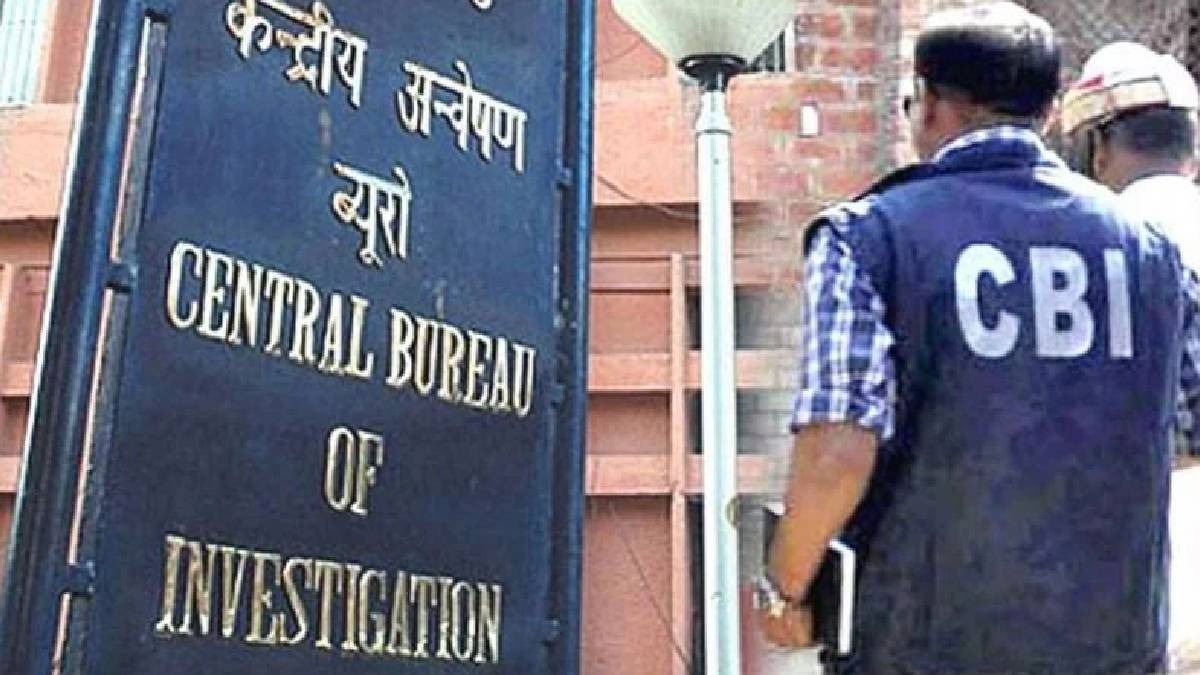
PATNA : The Central Bureau of Investigation (CBI) on Saturday (June 21, 2025) investigated in Bihar and Jharkhand in a case registered against the then Additional Commissioner, Customs, Patna, and 29 others over bogus GST claims through fake export bills of nearly ₹100 crore.

In a press statement, the agency said searches were conducted at seven places in Bihar and Jharkhand, including Patna, Purnia, Jamshedpur, Nalanda and Munger. The searches led to the recovery of seven gold bars, each weighing 100 gram, incriminating documents and mobile phones. It is alleged in the FIR that senior officials of the Customs department, including then Additional Commissioner and four Superintendents, entered into a criminal conspiracy with the accused.

‘Loss to exchequer’
The CBI statement said: “A G-card holder/private individual, exporter firms, 23 importer firms and unknown others, with the dishonest intention to allow/show fake export of tiles and automobile parts from LCS, Bhimnagar, Jaynagar and Bhittamore, either to get the refund or claim tax refund from jurisdictional GST Office, induced the aforesaid public servants to perform improperly a public duty with promises to give an undue advantage directly or through a third party in order to show undue advantage to these private parties/exporters and corresponding wrongful loss to the government exchequer.”

According to the CBI, the accused include Ranvijay Kumar, the then Additional Commissioner, Customs, Patna; Tarun Kumar Sinha, the then Superintendent, Customs, LCS Bhimnagar; Rajeev Ranjan Sinha, the then Superintendent, Customs, LCS Bhimnagar; Neeraj Kumar, the then Superintendent, Customs, LCS Jaynagar (now Assistant Commissioner, Customs); Manmohan Sharma, the then Superintendent, Customs, LCS Jaynagar (now Assistant Commissioner, Customs); and Ganga Singh, G-Card Holder/private person.

Source : PTI

Banana was India’s most exported fruit in FY25; shipments up seven-fold since FY18

NEW DELHI : India’s banana production is not only meeting domestic demand but is also making its way into banana puddings and cookies across the Middle East.

In FY25, bananas overtook grapes to become India’s top fruit export, with shipments valued at $377.5 million. Banana exports grew 29.7 percent year-on-year (YoY) and have expanded seven-fold since FY18. In contrast, grape exports have increased just 16 percent over the past eight years.

Experts attribute this shift to lower prices and rising demand from the Middle East. “The low price of Indian bananas has helped support exports. We have also seen increased interest from Middle Eastern countries,” said BV Patil, President, Banana Grower’s Association of India. Patil added that FY26 exports are likely to surpass last year’s figures.

The Middle Eastern push is clearly visible in trade data. Iraq accounted for 47 percent of India’s total banana exports in FY25, marking a 108 percent increase from the previous year. Other major buyers include Iran, the UAE, Oman, Saudi Arabia, Kuwait, Bahrain, and Qatar.

Commerce ministry data also shows signs of trade diversification. A doubling of banana exports to Uzbekistan helped the Central Asian nation emerge as India’s second-largest banana importer in FY25.

While the Middle East leads in banana imports, the Netherlands, Russia, and the UK accounted for over 60 percent of India’s grape exports.

According to reports that India was working to improve safety standards to secure greater market access for fruits like grapes, bananas, and pomegranates in the United States.

Bananas and grapes made up 59.2 percent of India’s total fruit exports in FY25, up from 44.4 percent in FY18. This growth comes as India’s overall fruit and nut exports surged 53 percent — from $806.9 million in FY18 to $1.24 billion in FY25.

Xeneta Weekly Ocean Container Shipping Market Update

OSLO : Xeneta analyst insight – Transpacific

Peter Sand, Xeneta Chief Analyst commented “The market mid-low on the Transpacific trade has dropped 33% since 9 June, meaning some of the more powerful shippers are now pushing back on the higher rates they were more willing to pay in the immediate aftermath of the lowering of US-China tariffs.

“Spot rates have peaked, but we could see fluctuations between now and the end of the 90-day lowering of tariffs on US imports from China on 13 August and the rest of the world on 9 July. Until that point, spot rates should remain above the levels seen in May prior to ‘Liberation Day’.

“Looking further ahead, demand is expected to drop significantly, even if lower tariffs continue after the 90-day pause. Shippers have been frontloading imports throughout 2024 and early 2025 so inventories will be brimming once the current cargo rush is over.

“As demand eases and capacity continues to return to US trades, it will not just be the more powerful shippers pushing back on higher rates or peak season surcharges, it will be across the market. We should then see spot rates falling back to the levels seen in Q1.”

Xeneta analyst insight – Middle East

Peter Sand, Xeneta Chief Analyst commented “Conflict in the Middle East has seen elevated risk and associated operational costs for ocean container shipping trades transiting the Arabian Gulf, such as security measures, higher bunker fuel prices and burning more fuel due to faster sailing through high-risk areas.

“This has contributed to a 55% increase in average spot rates on the trade from Shanghai to Jebel Ali – the Arabian Gulf’s largest port – compared to one month ago. Average spot rates now stand at USD 2761.

“We have not yet seen any decisive moves by carriers in announcing immediate changes on services into the Arabian Gulf, but there is clearly a serious risk of further escalation in this conflict and the potential for disruption to supply chains and spike in freight rates.”

Market average spot rates – 19 June 2025:
Far East to US West Coast: USD 4755 per FEU (40ft container)
Far East to US East Coast: USD 7003 per FEU
Far East to North Europe: USD 2815 per FEU
Far East to Mediterranean: USD 4524 per FEU
North Europe to US East Coast: USD 2100 per FEU

Market mid-high spot rates – 19 June 2025:
Far East to US West Coast: USD 5412 per FEU
Far East to US East Coast: USD 7283 per FEU
Far East to North Europe: USD 3160 per FEU
Far East to Mediterranean: USD 4829 per FEU
North Europe to US East Coast: USD 2379 per FEU

Note: The Xeneta mid-high is the spot rates paid by shippers in the 75th percentile of the market with Xeneta mid-low being the spot rates paid by shippers in the 25th percentile of the market.

Market mid-low on the Transpacific trade from Far East to US West Coast has fallen 33% since 9 June to USD 3600 per FEU. This leaves the spread between the mid-high and mid-low on this trade at USD 1912 per FEU, up from USD 611 per FEU only 10 days ago.

The drop in market mid-low on the Transpacific shows better-positioned shippers are now pushing back on the General Rate Increase (GRI) or Peak Season Surcharge (PSS) that were ‘successfully’ pushed by numerous carriers in the first week of June.

Falling mid-low shows capacity is now returning to the Transpacific trade to meet demand from frontloading following lowering of US-China tariffs. Capacity will continue to increase in the next six weeks.

Market average spot rates are up 45% from Far East to Mediterranean compared to a month ago to stand at USD 4524 per FEU.

Market average has inched down 1% on the trade from North Europe to US East Coast from a week ago to stand at USD 2100 per FEU. A trade impacted by ample capacity and no demand growth.

Average spot rates from Shanghai to Jebel Ali – the Arabian Gulf’s largest port – have increased 55% compared to one month ago (prior to escalation in conflict between Israel and Iran) to stand at USD 2761 per FEU.

IMO delivers regional training for Asia-Pacific women auditors

SINGAPORE : Women auditors from across 20 Asia-Pacific countries took part in an intensive regional training course under the IMO Member State Audit Scheme (IMSAS) held in Singapore (11-13 June).  

Aside from equipping participants with the skills and knowledge needed to conduct Member State Audits, the initiative aimed to address the under representation of women in the maritime auditing workforce, particularly in Asia and the Pacific.  

The three-day in-person training programme was supplemented by an e-Learning course as a pre-requisite, available through the IMO online Learning Management System (LMS). Through blended learning, participants developed their skills in planning, conducting and reporting on audits.  

Under the Framework and Procedures for IMSAS, all IMO Member States are required to undergo a mandatory audit within the seven-year audit cycle, with up to 25 audits scheduled per year. Since they became mandatory in January 2016, 148 mandatory audits have been conducted, representing 83% of IMO’s 179 Member States and Associate Members. 

The pilot initiative was delivered as part of IMO’s Integrated Technical Cooperation Programme (ITCP) within the framework of the Singapore-IMO Third Country Training Programme (TCTP). Participating countries included: Bangladesh; Brunei Darussalam; Cambodia; China; the Cook Islands; Hong Kong, China; Indonesia; Kiribati; Malaysia; Nauru; Papua New Guinea; the Philippines; the Republic of Korea; Samoa; Singapore; Thailand; Timor-Leste; Tonga; Tuvalu; Vanuatu; and Viet Nam. 

11 years of Modi Govt: India’s Maritime sector charts new waters

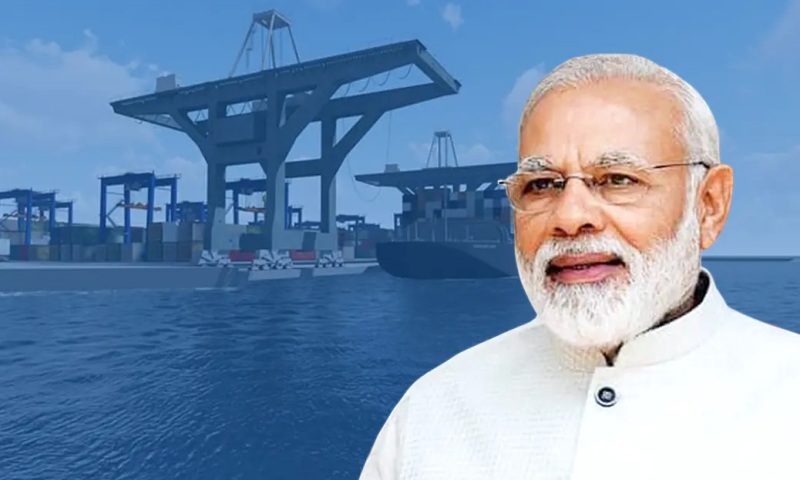
NEW DELHI : India’s ports, shipping, and waterways sectors have undergone a remarkable transformation over the past 11 years under the leadership of Prime Minister Shri Narendra Modi. With a firm push towards multimodal logistics, green shipping, and global maritime integration, the Ministry of Ports, Shipping and Waterways has played a pivotal role in strengthening India’s infrastructure vision for Viksit Bharat@2047.

The recently inaugurated Vizhinjam International Deepwater Seaport in Kerala, built at a cost of Rs 8,800 crore, marks a major milestone. As India’s first dedicated container transshipment port, it is designed to handle the world’s largest cargo ships and significantly reduce dependence on foreign ports. Other key projects include the New Dry Dock at Cochin Shipyard Limited and the International Ship Repair Facility—Asia’s largest—which together bolster India’s shipbuilding and repair capabilities. The Jal Marg Vikas Project, enhancing inland navigation along the Ganga, is also a notable step toward cost-effective cargo transport.

Several major projects are progressing rapidly, including the Rs 76,000 crore Vadhvan Deep Draft Port and a new container terminal at Tuna Tekra in Gujarat. Paradip Port’s Western Dock Project and green hydrogen hubs at Kandla, Tuticorin, and Paradip reflect the Centre’s commitment to sustainability and innovation.

Flagship initiatives like the Sagarmala Programme, launched in 2015, have evolved into Sagarmala 2.0, with an ambitious vision for shipbuilding, port modernization, and coastal economic zones. With a projected investment of Rs 12 lakh crore over the next decade and Rs 40,000 crore budgetary support, it aims to drive job creation and reduce logistics costs. Complementing this, greening efforts include the Harit Sagar and Harit Nauka guidelines and the Green Tug Transition Programme, which collectively promote alternative fuels and eco-friendly practices across ports and inland waterways. The launch of the India-Singapore Green Shipping Corridor further cements India’s leadership in maritime sustainability.

To improve efficiency, the government rolled out the “One Nation One Port Process” for documentation standardization, reducing paperwork and improving port turnaround. Between 2014 and 2025, India’s port capacity has nearly doubled to 2,762 MMTPA, with cargo handling rising to 1,594 MMT. Vessel turnaround time dropped significantly from 93 to 49 hours, and annual net surplus surged from ₹1,026 crore to ₹9,352 crore.

India’s shipping sector has also seen strong growth, with Indian-flagged ships increasing to 1,549 and seafarer strength rising to 3.2 lakh, including a tenfold increase in women seafarers. Coastal shipping cargo volumes nearly doubled, and new maritime routes were launched with Maldives and Sri Lanka.

Inland waterways, once underutilized, now carry 146 MMT of cargo, up 710% from 2014, and serve more than 7.5 crore ferry and Ro-Pax passengers. National Waterways notified increased from just 5 in 2013-14 to 111 by 2016. River cruises and lighthouse tourism have also seen exponential growth, including the successful Ganga Vilas cruise from Varanasi to Dibrugarh.

The government’s vision includes heritage preservation too. The Cabinet approved new phases of the National Maritime Heritage Complex in 2024, including the world’s tallest Lighthouse Museum. Changes to the Productivity Linked Reward Scheme for port workers were also cleared.

On the international front, India signed over 21 MoUs with countries like Norway, UAE, South Korea, and Bangladesh. A landmark 10-year agreement was signed with Iran to operate the Shahid Beheshti Port at Chabahar, giving India strategic access to Central Asia. The India-Middle East-Europe Economic Corridor (IMEC), launched during India’s G20 presidency, promises to revolutionize regional trade by reducing logistics costs by 30% and transit time by 40%.

Together, these developments underscore India’s emergence as a modern maritime power, poised to lead regional and global trade in the coming decades.

India’s commerce secretary holds meeting on Iran-Israel conflict’s trade fallout: Sources

NEW DELHI : According to the Commerce Ministry sources, the Commerce Secretary held a meeting with stakeholders from shipping and air-cargo sectors to discuss the impact of the Iran-Israel conflict on India’s trade and he actions needed to normalize it.

During the meeting, the participants informed that the situation in the Strait of Hormuz is currently stable.

Additionally, country’s ship reporting system is in place to monitor any incidents. The freight and insurance rates are also being closely monitored, the source revealed.

Furthermore, the Commerce Secretary also emphasized the need to assess the evolving situation and its impact on Indian EXIM trade. He highlighted the importance of exploring all possible alternatives in response to the situation.

Recently, the Israeli Defence Forces shared that on Thursday night it targeted the missiles manufacturing sites in Iran by using approximately 120 munitions.

The conflict between Iran and Israel started after the latter launched a series of strikes against military and nuclear infrastructure in Iran under ‘Operation Rising Lion’ on June 13. Iran responded with retaliatory strikes and launched ‘Operation True Promise III’.

Since the military attacks started almost a week ago, the UN nuclear watchdog has been reporting damage at several of these facilities, including at nuclear-related sites located in Natanz, Arak, Esfahan and Tehran, and their potential radiological effect, according to the statement released by the IAEA.
Furthermore, amid these rising threats and regional attacks, US President Donald Trump has said he will allow two weeks for diplomatic efforts with Tehran before deciding whether to authorize military action against Iran.

Meanwhile, thee Israeli Defence Forces said that on Thursday night it targeted the missiles manufacturing sites in Iran by using approximately 120 munitions.The details were provided in a post on X.

The IDF said, that over 60 fighter jets “struck dozens of military targets in Iran using approximately 120 munitions.”

“Several industrial sites used to manufacture missiles were struck in the Tehran area. These sites served as a key industrial center for the Iranian Ministry of Defence. The SPND headquarters in Tehran were struck. This building was used for the development of advanced technologies and weapons supporting the Iranian regime’s military capabilities.”

The IDF also noted that 4 UAVs launched from Iran were intercepted and shared a video clip. Citing Israeli military, Times of Israel reported, “SPND serves as a hub for research and development of advanced technologies and weaponry for the Iranian regime’s military capabilities. It was established in 2011 by Mohsen Fakhrizadeh, the founder of Iran’s nuclear weapons program”.

It also mentioned citing IDF that a site that was struck had been used to manufacture a “component essential to the regime’s nuclear weapons program”.

Union Minister for Finance and Corporate Affairs chairs Conclave with Principal Chief Commissioners, Chief Commissioners and Director Generals of CBIC

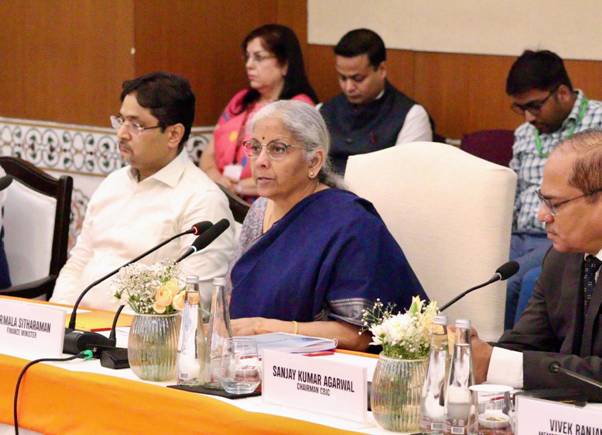
NEW DELHI : Union Minister for Finance and Corporate Affairs Smt. Nirmala Sitharaman chaired the Central Board of Indirect Taxes and Customs (CBIC) Conclave with the Principal Chief Commissioners, Chief Commissioners and Director Generals of the field formations of the CBIC, here.

The meeting was also attended by Shri Arvind Shrivastava, Secretary, Department of Revenue (DoR), Ministry of Finance (MoF); Shri Sanjay Kumar Agarwal, Chairman, CBIC; members of the CBIC Board, and senior officials of DoR.

On the first day of the CBIC Conclave, Union Minister of State for Finance Shri Pankaj Chaudhary addressed and also launched the ICETAB device for export examination, which aims to reduce the transaction cost and turnaround time for trade, thereby improving India’s ranking in the Logistics Performance Index (LPI).

During the conclave, presentations highlighted the performance of Customs and CGST zones on key indicators. The CBIC informed the Union Finance Minister about the following key indicators:

Grievance Redressal: The average time for grievance disposal has been reduced to just 9 days, significantly better than the stipulated 21-day timeline. An impressive 95% to 97% of CPGRAMS appeals are being disposed of within 30 days. This performance has placed CBIC among the top 5 out of 90 Central Ministries in CPGRAMS rankings since February 2024.

GST Compliance: National average for GSTR-3B filing stood at 94.3% in FY 2024–25.
Refunds: 85% of claims were processed within the statutory 60-day limit.
Audit & Enforcement: GST audit coverage rose from 62.21% in FY 2022–23 to 88.74% in FY 2024–25. Detected GST evasion grew to ₹2,23,170 crore in FY 2024–25, with voluntary payments totalling ₹28,909 crore. It was also noted that the number of taxpayers repeated for Audit more than once in 3 years is zero.
Enhanced Trade Facilitation: Facilitation of cargo through the Risk Management System (RMS) has steadily increased, with 86% of cargo being facilitated in 2025, up from 82% in 2022.
Effective Disposal Operations: In FY 2024-25, 2140.35 kgs of seized gold were disposed of by handing it over to SPMCIL.
During the conclave, the Union Finance Minister directed the zones to prepare an action plan to improve upon various parameters such as GST registration, processing of refunds, and handling taxpayers’ grievances.

During the interaction, Smt. Sitharaman stressed the need to make the GST registration process easier, seamless, and more transparent for taxpayers, with the use of technology and risk-based parameters.

The Union Finance Minister also directed the CGST formations to launch targeted awareness campaigns among taxpayers, trade associations, and industry bodies regarding the mandatory documentation required for GST registration, particularly those related to the principal place of business. This, the Union Finance Minister emphasised, would help reduce rejections and delays in registration and enable faster processing of applications. She also directed CGST Zonal Heads to have a dedicated helpdesk for GST registrations to facilitate the taxpayers in the application process.

The Union Finance Minister highlighted the need to ensure that GST Seva Kendras and Customs Turant Suvidha Kendras are well-staffed, accessible, and properly maintained, so that taxpayers receive timely and quality assistance.

Emphasising taxpayer trust, the Union Finance Minister called for a targeted and sustained focus on grievance redressal, ensuring the timely resolution of queries and complaints through improved systems and accountability.

Smt. Sitharaman also called for the speedy closure of investigations for Customs & CGST cases, and exhorted for an analysis on detection and recovery and to seek solutions to reduce the gap between detection and recovery. At the same time, the Union Finance Minister emphasised the need for preventing tax evasion and wrongful Input Tax Credits (ITC) claims.

The CBIC was urged by the Finance Minister to expedite the processing of GST and Customs refunds to ensure timely redressal and ease of doing business, especially for MSMEs and exporters.

Smt. Sitharaman appreciated that while the CBIC ranks in the top five out of 90 Central Ministries/Departments in CPGRAMS performance since February 2024, she underscored the importance of promptly addressing public grievances received through CPGRAMS. The Finance Minister also suggested that the CGST and Customs zones may dedicate teams within the zones to further expedite the resolution of grievances.

The Union Finance Minister urged the Customs to reduce dwell time at seaports, airports, and Inland Container Depots (ICDs) for both imports and exports, and emphasised that faster cargo clearance is crucial to enhance India’s global trade competitiveness and ease of doing business.

Taking note of pending disciplinary matters, the Union Finance Minister directed that disciplinary proceedings against the officials at different levels be concluded expeditiously in a time-bound manner.

The CBIC was also urged to fill all vacant posts at the earliest, across various levels, to strengthen field formations and enhance administrative efficiency.

Smt. Sitharaman encouraged Chief Commissioners and DGs to actively undertake trade facilitation measures within their jurisdictions and to submit actionable suggestions to CBIC Headquarters for further streamlining of procedures.