Home Blog Page 791

India Maritime Norway Dialogue advances : DG Shipping

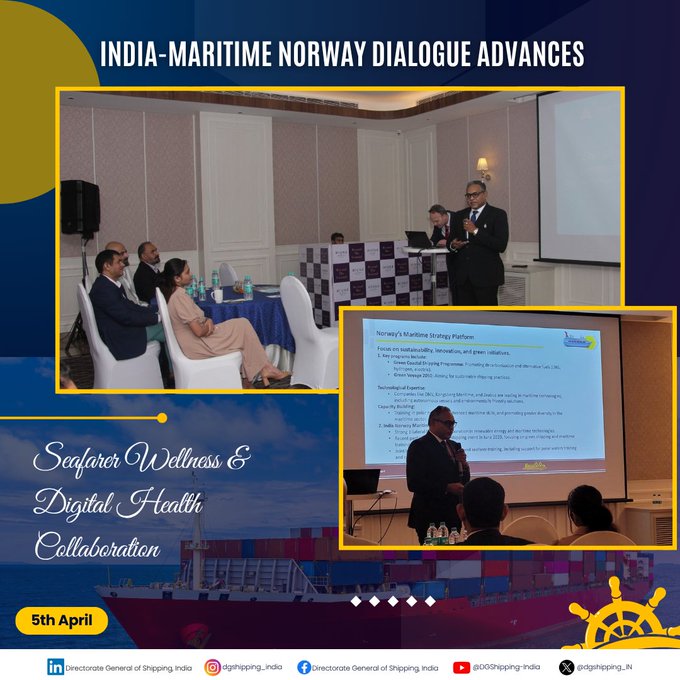
MUMBAI : Shri Shyam Jagannathan, IAS, Director General of Shipping, Government of India, participated in the India Maritime Norway Dialogue held in Mumbai on 18th June 2025. Emphasizing India’s proactive approach to seafarer welfare across all career stages—pre-sea, at sea, and post-sea—he showcased key initiatives undertaken by DGS.

The dialogue featured a presentation by Mr. Adrian Stray, CEO of Norway-based Stray Partners, who introduced the Alive Health web portal—an inclusive, digital human-centric health management system designed to monitor employee wellbeing, support data-driven decisions, and shape effective policies.

The event marks a forward-looking collaboration aimed at enhancing the holistic wellbeing of seafarers and fostering greater productivity in maritime operations through technology-enabled health governance.

CBI registers corruption case against TCS Engineers Ltd, Govt officials & others in Rs 800-crore project fraud

MUMBAI : The Central Bureau of Investigation (CBI) has registered a corruption case against the former Chief Manager of Jawaharlal Nehru Port Authority (JNPA), Tata Consulting Engineers, and other private firms for allegedly causing a loss of over Rs 800 crore to the exchequer through irregularities in a high-value dredging project at Nhava Sheva Port here.

A complaint was registered by the CBI following a preliminary enquiry alleging complicity between port officials of JNPT and the private companies involved, leading to the preparation of inflated estimates, restriction of competition in order to favour international bidders, extension of undue favour to the contractor and suppression of reports of independent experts and organisations.

The case, registered on June 18, alleges that a criminal conspiracy was hatched between senior officials of JNPA and representatives of private entities involved in the Capital Dredging Project, which aimed to deepen the port’s navigational channel to facilitate the entry of larger vessels.

According to the CBI, a consortium of a Mumbai-based company and a Chennai-based dredging firm was awarded contracts under the project, while Tata Consulting Engineers (TCE), Mumbai, acted as the Project Management Consultant (PMC).

The allegations of pecuniary advantage obtained by private companies as a result of abuse of official position by JNPA officials, resulting in a huge wrongful loss to the exchequer between 2003 and 2014 (first phase of the project) and the period from 2013 to 2019 (second phase of the project), was also enquired, the CBI said.

During Phase-I of the project, JNPA allegedly made excess payments of Rs 365.90 crore to contractors based on inflated claims of over-dredging. Subsequently, in Phase-II, which overlapped with the maintenance period of Phase-I, the agency claims another Rs 438 crore was paid, despite no corresponding dredging work being substantiated in Phase-I or its maintenance phase.

The accused involved in the CBI case are – Sunil Kumar Madabhavi, the then Chief Manager (PP&D), JNPT, Devdutt Bose, Senior General Manager, Tata Consulting Engineers Limited, Tata Consulting Engineers’ head office in Mumbai, BoskalisSmit India LLP, Jan De Nul Dredging India Private Limited and unknown public servants and private persons.

The CBI has invoked charges of criminal conspiracy, cheating, and corruption under the Prevention of Corruption Act.

Source : India Today

Maersk temporarily pauses Haifa Port calls

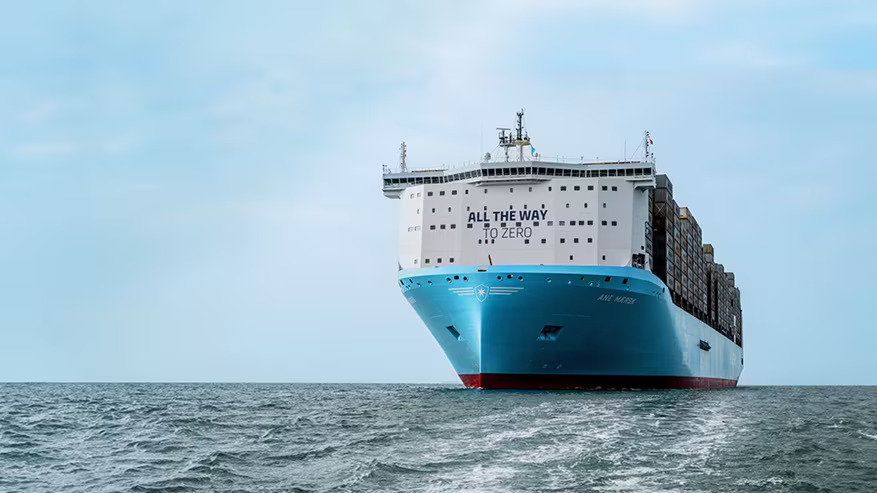
COPENHAGEN : Container shipping company Maersk, opens new tab said on Friday it had temporarily paused vessel calls at Israel’s Haifa port, amid the country’s escalating conflict with Iran. The Danish company said it had not experienced any further disruptions to its scheduled operations in the region.

Haifa Port, which was privatized, opens new tab in 2022, is owned 70% by India’s Adani Ports (APSE.NS), opens new tab while the remaining 30% is held by Israel’s Gadot Group.

Adani Ports is the ports operating arm of Adani Group, led by billionaire Gautam Adani. Including Haifa port, the company operates four ports outside Indian waters. A spokesperson for the Adani Group did not immediately respond to Reuters’ email and text messages requesting comment.

Israel has been hitting Iran from the air since last Friday in what it describes as an effort to prevent Tehran from developing nuclear weapons. Iran has denied plans to develop such weapons and has retaliated by launching counterstrikes on Israel.

On Thursday, Iran’s Revolutionary Guards said it had launched combined missile and drone attacks at military and industrial sites linked to Israel’s defence industry in Haifa and Tel Aviv.

Source : Reuters

Iran’s options against Foreign aggression include closing Strait of Hormuz, Lawmaker says

LONDON : Iran could shut the Strait of Hormuz as a way of hitting back against its enemies, a senior lawmaker said on Thursday, though a second member of parliament said this would only happen if Tehran’s vital interests were endangered.

Iran has in the past threatened to close the Strait of Hormuz to traffic in retaliation for Western pressure, and shipping sources said on Wednesday that commercial ships were avoiding Iran’s waters around the strait.

“Iran has numerous options to respond to its enemies and uses such options based on what the situation is,” the semi-official Mehr news agency quoted Behnam Saeedi, a member of the Iran parliament’s National Security Committee presidium as saying.

“Closing the Strait of Hormuz is one of the potential options for Iran,” he said.

Mehr later quoted another lawmaker, Ali Yazdikhah, as saying Iran would continue to allow free shipping in the Strait and in the Gulf so long as its vital national interests were not at risk.

“If the United States officially and operationally enters the war in support of the Zionists (Israel), it is the legitimate right of Iran in view of pressuring the U.S. and Western countries to disrupt their oil trade’s ease of transit,” Yazdikhah said.

President Donald Trump is keeping the world guessing about whether the United States will join Israel’s bombardment of Iranian nuclear sites.

Tehran has so far refrained from closing the Strait because all regional states and many other countries benefit from it, Yazdikhah added.

“It is better than no country supports Israel to confront Iran. Iran’s enemies know well that we have tens of ways to make the Strait of Hormuz unsafe and this option is feasible for us,” the parliamentarian said.

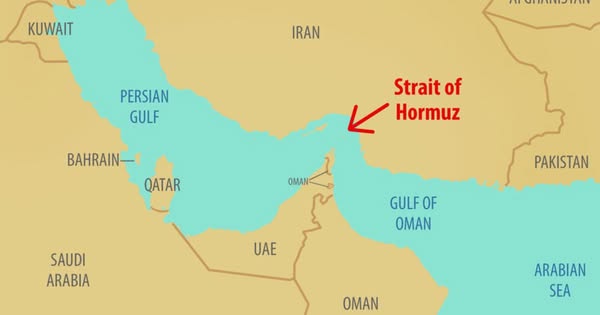
The Strait of Hormuz lies between Oman and Iran and is the primary export route for Gulf producers such as Saudi Arabia, the United Arab Emirates, Iraq, and Kuwait.

About 20% of the world’s daily oil consumption — around 18 million barrels — passes through the Strait of Hormuz, which is only about 33 km (21 miles) wide at its narrowest point.

Source: Reuters

2 Navi Mumbai shipping agents under DRI surveillance over lack of information in Wan Hai 503 cargo

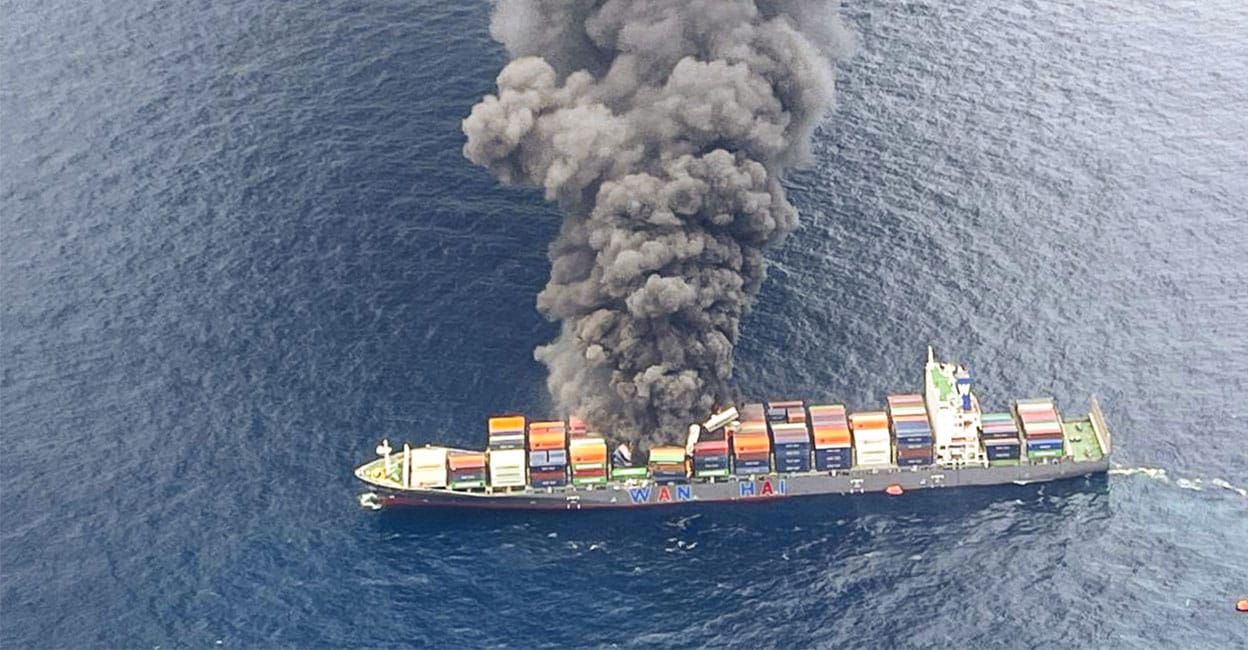
KOCHI : The Directorate of Revenue Intelligence (DRI) has placed two shipping agents operating at the Nhava Sheva Port in Navi Mumbai under close surveillance in connection with the investigation into the cargo aboard MV Wan Hai 503, a Singapore-flagged container ship that caught fire in the Arabian Sea following a mid-sea explosion.

Of the 1,754 containers listed on board, 157 were declared as carrying hazardous goods based on data submitted by shipping agencies in line with the International Maritime Dangerous Goods (IMDG) Code. However, the contents of the remaining 1,597 containers–labelled as ‘general cargo’–were found to be vaguely described, raising concerns even within the shipping company.

Suspecting that some containers may have been misdeclared to evade scrutiny or taxes, the DRI has zeroed in on two shipping agents linked to the consignment. Reports suggest the two may currently be in custody, although there is no official confirmation yet.

Wan Hai Lines had previously issued a warning to all shipping agencies, stressing that false cargo declarations would attract severe penalties. According to company policy, the fine for undeclared hazardous goods is $30,000 (approximately ₹26 lakh) per container, while the penalty for misdeclaring non-hazardous cargo is $20,000 (around ₹17 lakh).

The investigation is ongoing, with authorities focusing on whether any of the misdeclared cargo contributed to the explosion and fire aboard the vessel.

Maritime Safety Committee tackles busy agenda

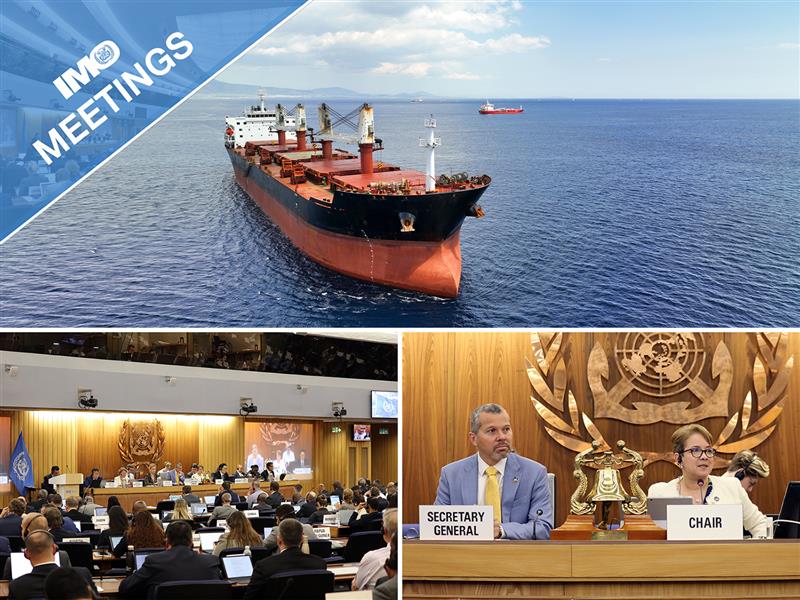
LONDON : IMO Secretary-General Arsenio Dominguez opened the 110th session of the Maritime Safety Committee this week, highlighting recent maritime casualties as a stark reminder of IMO’s critical role in ensuring safety, security environmental protection of shipping, and the importance of implementing IMO regulations.

The Secretary-General expressed his sadness at reports of four seafarers unaccounted for in an accident involving the MV Wan Hai 503 off the Indian coast days ago. 

He also acknowledged the sinking of the MSC ELSA 3 sank off the coast of Kochi, India in May, and a fire incident on the car carrier Morning Midas in the Pacific Ocean. Yesterday, the oil tanker ADALYNN collided with the VLCC, Front Eagle, off Khor Fakkan, in the United Arab Emirates (UAE), resulting in a massive fire. 

Secretary-General Dominguez confirmed that IMO will continue to monitor the follow-up and lessons learned from these incidents. 

“Given the increasing number of recent incidents, I wish to urge all Member States and the maritime industry to improve compliance with IMO international standards, exercise enhanced vigilance and navigational safety, ensure emergency preparedness and rapid response capabilities, and strengthen cooperation and information sharing to safeguard seafarers, ships and the marine environment” he said. 

Key issues for MSC 110 

The Maritime Safety Committee runs from 18 to 27 June for its 110th session. The Committee deals with all matters related to maritime safety and maritime security which fall within the scope of IMO, including both passenger ships and all kinds of cargo ships. A range of issues will be covered, including:  

IMO’s GHG reduction safety strategy  

Work continues on assessing alternative fuels and new technologies and addressing safety gaps to support IMO’s GHG goals.  Discussions will cover the possible revision of the IMO’s Code of Safety for Nuclear Merchant Ships (Nuclear Code).  

Maritime autonomous surface ships (MASS)  

Ongoing work on a non-mandatory MASS Code, including finalization of remaining chapters of the draft Code. Chapters dealing with a broad range of issues, including surveys and certificates, operational context and management of safe operations will be discussed.  

International Safety Management Code

Several matters related to the International Safety Management (ISM) Code will also be considered. These include: a proposal to review the Code; the outcome of the considerations on violence and harassment by the Joint ILO/IMO Working Group; and recommendations emanating from the Study on the effectiveness and implementation of the ISM Code.  

Next steps to enhance maritime cybersecurity  

The Committee will consider cybersecurity measures for ships and ports amid growing digitalization, including the use of international maritime information-sharing centres.   

Piracy and armed robbery against ships  

Review of 2024 piracy reports show a slight decrease in cases (146 attempted and occurred incidents of piracy and armed robbery) compared to 2023 (150). The number of reported incidents has picked back up in the first part of 2025, with 109 reported incidents within the first six months of 2025 (1 January – 17 June 2025). 

GRSE lands Rs 5.9 Billion deal to build two coastal research vessels

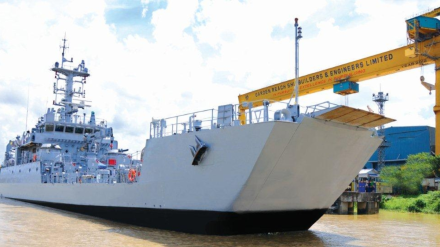
KOLKATA : Garden Reach Shipbuilders & Engineers (GRSE) has secured a major contract to build two coastal research vessels (CRVs) for the Geological Survey of India (GSI). The award marks a major step forward in India’s efforts to enhance domestic marine research capabilities through indigenous shipbuilding.

The contract, valued at approximately Rs 5.9 billion covers the design, construction and delivery of two advanced 62-metre vessels. GRSE is expected to complete the project within 36 months, as part of its expanding portfolio of mission-specific vessels.

Each vessel will be powered by diesel-electric propulsion and designed for extended offshore operations. They will come equipped with onboard laboratories, advanced navigation systems, multi-beam echo sounders, dynamic positioning capabilities, and accommodation for scientific personnel. The crafts are expected to operate at sea for around 270 days each year, with a minimum service life of 30 years.

This addition furthers GRSE’s reputation as a diversified shipyard capable of delivering military and scientific vessels, complementing its previous contracts for ocean research vessels and acoustic survey ships. With this order, GRSE continues to support India’s focus on enhancing maritime domain awareness, coastal exploration, and resource assessment.

This award underlines India’s growing self-reliance in marine infrastructure and supports national-level research aimed at understanding coastal and oceanic ecosystems.

Amazon to invest Rs 2,000 cr in India to expand logistics, improve safety

HYDERABAD : Amazon will invest more than Rs 2,000 crore (about $233 million) in India in 2025 as it strengthens its logistics and safety standards, said the E-Commerce company on Thursday.

The investment will be used for expanding and modernising the company’s infrastructure, employee safety and wellness initiatives, and developing technologies for its fulfillment network.

The planned outlay highlights Amazon’s ambition to operate what it calls India’s “safest, fastest, and most reliable” logistics network. The company said the new capital commitment builds on a series of prior investments that have enabled it to service every deliverable postal code in the country.

Amazon plans to leverage these investments to launch new sites and upgrade existing facilities across its fulfilment, sortation and delivery network. This investment will enhance processing capacity, improve fulfillment speed, and increase efficiency across the company’s operations network that will help Amazon serve customers across India faster and more reliably, the ecommerce giant said in a release.

Apart from this, the company will continue to invest and expand initiatives aimed at improving the health and financial well-being of employees and associates across the operations network. This includes expanding programs like ‘Ashray’ – to provide dedicated rest points for delivery associates, even those not delivering for Amazon – offering seating, water, charging stations, and washroom facilities; ‘Samridhi’ – a financial well-being program focused on financial education and personal finance support for associates and drivers; ‘Pratidhi’ program supporting children of associates with scholarship; and ‘Sushruta’ to address the healthcare needs of truck drivers, the company added in the release.

Recently, Amazon launched a nation-wide initiative to offer free health check-ups to over 80,000 delivery associates and partners through medical camps by the end of 2025.

“For over a decade now in India, we have been focused on building the best-in-class logistics infrastructure—designed to deliver with safety, speed, scale, and reliability for our customers across the country. These latest investments reflect our commitment to continually expand and upgrade our operations across our fulfilment, sortation and delivery network,” said Abhinav Singh, VP – Operations, Amazon India and Australia.

Gujarat’s Bullet Train Corridor about to complete soon

AHMEDABAD : The Mumbai-Ahmedabad Bullet Train Project has reached a significant milestone with the completion of 17 steel bridges in Gujarat, marking nearly 50% progress in the state’s planned 28 steel structures. The latest addition, a 100-metre-long steel bridge near Bharuch, exemplifies the project’s commitment to advanced engineering and indigenous manufacturing.

The newly launched steel bridge weighs approximately 1,432 metric tonnes and stands 14.6 metres tall, with a width of 14.3 metres. Fabricated at a workshop in Bhuj, Gujarat, the bridge was transported to the site and assembled at a height of 14.5 metres above the ground on temporary trestles. Utilising an 84-metre-long launching nose weighing about 525 metric tonnes, the bridge was pushed into position using two semi-automatic jacks, each with a 250-tonne capacity, employing mac-alloy bars. The bridge’s construction incorporated approximately 60,000 Tor-Shear Type High Strength (TTHS) bolts and features elastomeric bearings and C5-grade protective coating, all designed to ensure a lifespan of 100 years. This development underscores the project’s alignment with the ‘Make in India’ initiative, highlighting the use of domestically produced materials and technology.

The Mumbai-Ahmedabad high-speed rail corridor, spanning 508 kilometres, is poised to revolutionise long-distance travel between the two cities, aiming to reduce the travel time to under three hours. The completed steel bridges play a crucial role in facilitating the elevated track system, which is essential for maintaining the high-speed operations of the train. These structures are strategically located to cross over existing railway lines, highways, and irrigation canals, ensuring minimal disruption to existing infrastructure. In line with sustainable development goals, the project has implemented measures to mitigate environmental impact, including the installation of over 300,000 noise barriers along the completed viaduct stretches. Additionally, the use of advanced construction techniques, such as the Full Span Launching Method (FSLM) and Span-by-Span (SBS) method, has expedited the construction process while adhering to safety and quality standards.

With the completion of 17 steel bridges in Gujarat, the project is progressing towards its goal of operationalising the first phase between Surat and Bilimora by 2026. The successful execution of these steel bridges demonstrates India’s growing expertise in high-speed rail infrastructure and sets a precedent for future projects under the ‘Make in India’ initiative. As the project advances, it is expected to contribute significantly to regional connectivity, economic growth, and the development of sustainable transportation solutions.

Taiwan’s May exports reached a record high level, boosted by new tech

TAIPEI CITY : Taiwan’s export orders in May reached a record high for the month, boosted by continuously expanding global demand for artificial intelligence (AI) applications, said the Korea’s Ministry of Economic Affairs (MOEA), as reported by The Korea Herald.

Statistically, Export orders experienced a year-on-year growth of 18.5 per cent at USD 57.93 billion, marking the fourth consecutive month of annual growth.

Additionally, AI and cloud industry demands drove orders for information and communication products, including servers, networking devices and display cards, to a total of USD 18.2 billion, marking a record high for the month and year-on-year growth of 29.5 per cent.

Taiwan’s export orders for electronic products, like semiconductors and printed circuit boards, hit a record high of USD 21.57 billion, surging 27.7 per cent year-on-year, propelled by demand for AI and high-performance computing.

However, traditional industries faced a downturn, with orders for chemical products dropping 17.4% and rubber/plastics falling 14.3% from the previous year.

Huang Wei-jie, acting head of the Ministry of Economic Affairs’ (MOEA) Department of Statistics, attributed this decline to China’s slow recovery and overcapacity, which led to product dumping and eroded orders for Taiwanese firms.

Looking ahead, export order sentiment suggests a decline in June. Companies across traditional industries, electronics, and information and communication sectors are reporting a slowdown in advance orders. Server manufacturers anticipate a dip in June due to typical product line transitions.

While consumer product orders, especially for textiles, are strong due to stocking for second-half sales events, broader uncertainties loom. The upcoming July 9th end of the 90-day “reciprocal tariffs” suspension and unclear U.S. tariff policies are creating economic uncertainty, potentially impacting investment and consumption. Both the Central Bank and the Directorate-General of Budget, Accounting and Statistics forecast weaker economic conditions in the second half of 2025.