Home Blog Page 792

DHL commits to helping Indonesia expand its fast-growing sectors and aid its rise as a global trade hub

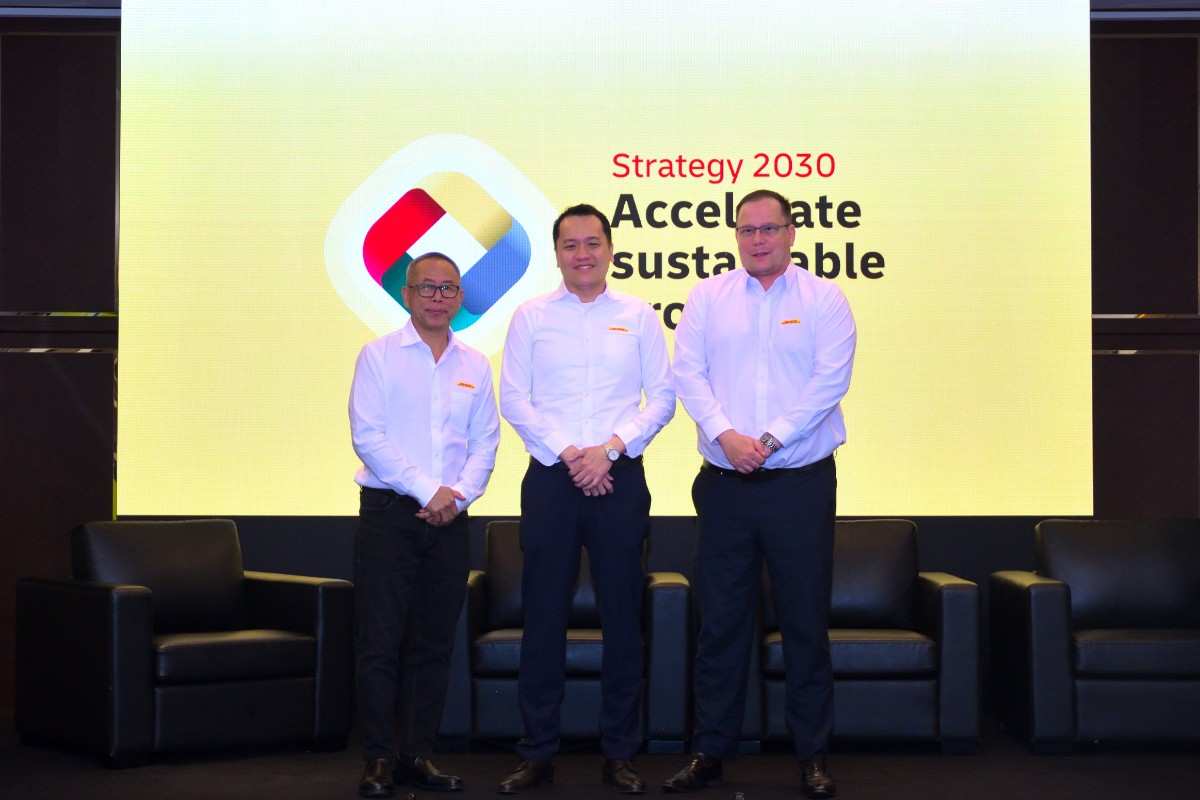
JAKARTA : DHL, the world’s leading logistics company, through its Strategy 2030 – Accelerate Sustainable Growth, is focused on supporting Indonesia’s ambitions as a key player in both regional and global trade. According to the DHL Trade Atlas 2025, Indonesia is expected to rank in the top 30 countries for trade growth in speed and scale over the next five years. Its dynamic economy, driven by rapid digital transformation and strategic infrastructure investments, presents significant opportunities for businesses. However, a volatile business environment – characterized by geopolitical tensions and shifting trade patterns – poses challenges and uncertainties for growth.

With the presence of three DHL Group divisions – DHL Express, DHL Global Forwarding, and DHL Supply Chain – businesses based in Indonesia can tap into end-to-end logistics offerings across the divisions, access a vast global logistics network, and lean on deep expertise to help navigate fluctuating trade complexities. Additionally, the DHL divisions are especially focused on supporting the expansion of fast-growing sectors in Indonesia such as electric vehicles (EVs), life sciences and healthcare, as well as e-commerce and retail.

DHL’s presence is well-suited to help the country and its businesses with its growth ambitions

Geographic Tailwinds

“Indonesia’s neighbors have been getting all the attention recently when it comes to supply chain resiliency, but this country has much to offer. We have a large domestic market and talent pool, and the government has been investing in modernizing its logistics sector through the National Logistics Ecosystem platform.

We also see growth opportunities in cities beyond the Greater Jakarta area, such as Surabaya, Semarang, Batam, and Bali, among others, which are viable alternatives for businesses looking to diversify their supply chains. More importantly, we also want to help Indonesian brands expand their horizon beyond the local market through e-commerce,” said Ahmad Mohamad, Senior Technical Advisor of DHL Express Indonesia.

In addition to international brands expanding into Indonesia, there is also a growing pool of Indonesian brands that are going global. Indonesia’s strategic location and proximity to major markets in the region make it an attractive location as a global trade hub. It is actively part of at least 12 major bilateral and multi-lateral trade agreements, including the Regional Comprehensive Economic Partnership (RCEP), currently the world’s largest free trade agreement.

DHL Group has been investing in Indonesia to help boost the country’s logistics and supply chain capabilities. It has more than 4,000 employees in the country, with approximately 180 facilities across Indonesia, to help cater to the needs of rapidly growing companies in the country.

New Energy

“Another sector that we see massive growth opportunities in is new energy in Indonesia, particularly EV batteries. Indonesia’s goal of becoming one of the world’s top three EV battery producers by 2027 is also in line with our Strategy 2030 focus in this area.

Since last year, we have seen at least seven EV manufacturers commit to building production facilities in the country. There is also keen interest from many China EV enterprises looking for a logistics partner that can deliver safe and compliant end-to-end logistics. Our existing experience in the automotive industry with customers such as Chery and Wuling Motors, along with regional capabilities and know-how in the EV industry, puts us in a prime position to help EV players navigate the Indonesian landscape,” said Matthias Gehrsitz, Managing Director, DHL Supply Chain Indonesia.

To support this fast-growing industry, DHL’s customers in this sector have access to a comprehensive end-to-end logistics solution tailored specifically for EV supply chains. This includes:

  • Multimodal transportation management
  • Specialized warehousing with critical value-added services such as battery testing and charging
  • Comprehensive aftermarket battery handling solutions
  • Dedicated team of EV logistics specialists who possess deep knowledge in navigating the sector’s complex logistical demands while maintaining the highest standards of safety and compliance.

Life Science & Healthcare

“Indonesia’s life science and healthcare (LSHC) sector is large, but still developing. As a country, we’ve always been heavily reliant on imports in this sector, but there is a push by the government to reduce imports and be more self-reliant. It is projected that the pharmaceutical sector market value will increase to US$11 billion (~EUR9.5 billion) in 2025.

For us, this would mean investing in the proper logistics infrastructure to support this ambition, such as implementing specialized cold-chain solutions that encourage companies to establish their facilities here in Indonesia,” said Nicholas Bongsosartono, President Director, DHL Global Forwarding Indonesia.

DHL has been investing in Indonesia ahead of the curve to meet market demands:

  • DHL Global Forwarding Life Science and Healthcare (LSH) Competency Centre in Jakarta offers specialized storage facilities that maintain temperatures of 2–8°C and 15–25°C, ensuring product integrity and regulatory adherence with the support of trained experts.
  • DHL Medical Express is a premium service that combines the division’s logistics expertise with a dedicated and unique range of features to create a flexible solution for the Life Sciences industry. Secure, temperature-controlled transport of vital medical goods through specialized packaging maintains the integrity of vital pharmaceuticals and biotechnological materials.
  • DHL Supply Chain offers deep expertise for various needs, ranging from pharmaceuticals and medical devices to logistics for clinical trials and supply chain consultancy and inventory management for hospital and health services.

DHL Group has also recently announced a strategic investment of €500 million to bolster its Life Sciences and Healthcare (LSHC) infrastructure across all business units in Asia Pacific. With its new sector brand, DHL Health Logistics, the Group consolidates its life sciences and healthcare expertise under one unified umbrella, creating a seamless, end-to-end experience for customers that simplifies the management of complex, cross-border supply chains.

Leading the Way in Sustainable Logistics: The Green Logistics of Choice
DHL’s ambitions to be a frontrunner in low-carbon logistics operations are also aligned with Indonesia’s sustainability ambitions. The country wants to reduce greenhouse gas emissions by 29% by 2030 and achieve a low-carbon economy by 2060 or sooner. It also aims to phase out fossil-fuel power plants by 2039 and significantly expand renewable energy capacity. DHL is supporting Indonesia’s sustainability targets in several ways:

  • DHL Express Indonesia is leading the way to reduce the industry’s carbon footprint with its GoGreen Plus service, which enables customers to reduce their greenhouse gas emissions by up to 80% through the use of Sustainable Aviation Fuel (SAF). DHL Express currently also deploys 28 electric vehicles for first and last-mile deliveries, as part of its progress in reaching the DHL Group ‘s global target to electrify over 66% of its pick-up and delivery fleet by 2030.
  • DHL Global Forwarding Indonesia is among the industry’s first to pilot electric van for inner-city deliveries, while offering sustainable marine and aviation fuels through its GoGreen Plus solutions to enable customers to easily reduce their main haul carbon emissions across all trade lanes.
  • DHL Supply Chain Indonesia delivers sustainable logistics solutions – from carbon-neutral warehouses powered by solar PV (covering 30% of energy needs), to five regulatory-compliant EV units. Additional eco-friendly measures at the sites, such as rainwater harvesting systems and the adoption of reusable pallets and packaging, ensure that environmental impact is minimized across every supply chain touchpoint. The division also has a dedicated team of EV logistics experts who are ready to support the growth of Indonesia’s commercial EV sector through reliable and compliant supply chain solutions.

DHL – The logistics company for the world
DHL is the leading global brand in the logistics industry. Our DHL divisions offer an unrivalled portfolio of logistics services ranging from national and international parcel delivery, e-commerce shipping and fulfillment solutions, international express, road, air and ocean transport to industrial supply chain management. With approximately 400,000 employees in more than 220 countries and territories worldwide, DHL connects people and businesses securely and reliably, enabling global sustainable trade flows. With specialized solutions for growth markets and industries including technology, life sciences and healthcare, engineering, manufacturing & energy, auto-mobility and retail, DHL is decisively positioned as “The logistics company for the world”.

DHL is part of DHL Group. The Group generated revenues of approximately 84.2 billion euros in 2024. With sustainable business practices and a commitment to society and the environment, the Group makes a positive contribution to the world. DHL Group aims to achieve net-zero emissions logistics by 2050.

Drewry: World Container Index down 7% Last Week

LONDON : For many years, World Container Index has been the go-to, independent, global reference for index-linked contracts. If your organisation is considering index-linked contracts or requires regional visibility/coverage beyond the eight trade lanes provided below, contact our ocean freight cost benchmarking team.

Drewry’s World Container Index decreased 7% to $3,279 per 40ft container this week.

Drewry’s detailed assessment for Thursday, 19 Jun 2025

  • For the first time in over a month, Drewry’s WCI fell 7% this week, following six weeks of gains, mainly due to the low demand for US-bound cargo. It is a sign that the recent surge in imports to the US, which occurred after the temporary halt of higher US tariffs, will fail to have the lasting impact we had initially expected.
  • Freight rates from Shanghai to New York decreased 10% to $6,584 per 40ft container in the past week. However, spot rates are still up a significant 81% compared to six weeks ago (8 May) while those to Los Angeles dropped 20% this past week, but gained 73% over the last six weeks.
  • Freight rates increased from Shanghai to Rotterdam 12% to $3,171 and Shanghai to Genoa 1% to $4,075 per 40ft container.
  • However, Drewry’s Container Forecaster expects the supply-demand balance to weaken again in 2H25, which will cause spot rates to decline. The volatility and timing of rate changes will depend on the outcome of legal challenges to Trump’s tariffs and on capacity changes related to the introduction of the US penalties on Chinese ships, which are uncertain.

Baltic Index logs worst Week in more than two months

LONDON : The Baltic Exchange’s Dry Bulk Sea Freight index, which tracks rates for vessels transporting dry commodities, fell on Friday to log its worst week since early-April, weighed down by lower rates for capesize and panamax vessels.

The main index, which monitors rates for capesize, panamax and supramax shipping vessels, was down 62 points, or 3.5%, at 1,689, its lowest level since June 10. The index logged its worst week since April 7 and was down 11% for the week.

The capesize index lost 199 points, or about 6.5%, to 2,879, its lowest level since June 6. The index logged a weekly loss of 17.3%.

Average daily earnings for capesize vessels, which typically transport 150,000-ton cargoes such as iron ore and coal, decreased by $1,645 to $23,879.

Prices of Dalian iron ore futures rose on Friday, but held nearly flat for the week as investors weighed resilient demand for the steelmaking ingredient in top consumer China against a persistent slump in the country’s property market.

The panamax index fell 3 points, or 0.2%, to 1,350, its lowest level in over a week. It ended the week 3.4% lower.

Average daily earnings for panamax vessels, which usually carry 60,000-70,000 tons of coal or grain, lost $23 to $12,151.

Among smaller vessels, the supramax index gained 10 points to 973.

Source: Reuters

India Shipping News recognized among Top 30 India Logistics Blogs by FeedSpot

AHMEDABAD : India Shipping News is proud to announce that it has been selected by FeedSpot as one of the Top 30 India Logistics Blogs on the web.

FeedSpot, a globally recognized content aggregator and ranking platform, curates top-performing blogs and news sites based on factors such as search engine ranking, social media influence, content quality, and consistency. Being featured among the top logistics blogs is a testament to India Shipping News’ commitment to delivering timely, accurate, and insightful news from the shipping, logistics, and maritime sectors.

Since its inception, India Shipping News has served as a trusted source for professionals, industry leaders, and stakeholders across the Indian and global maritime community. With daily updates, in-depth interviews, policy analyses, and exclusive coverage, the platform has become an essential hub for logistics intelligence.

“We are honored to receive this recognition from FeedSpot. It reinforces our mission to keep the shipping and logistics community informed and connected with the latest developments shaping the industry,”

As the logistics and maritime landscape continues to evolve with digital transformation, sustainability goals, and policy reforms, India Shipping News remains committed to offering high-quality journalism and industry thought leadership.

You can view the full list of Top 30 India Logistics Blogs on FeedSpot here.

About India Shipping News:

India Shipping News (www.indiashippingnews.com) is a leading digital platform covering news, insights, and trends in the shipping, ports, logistics, and maritime sectors in India and globally.

Piyush Goyal optimistic about signing first tranche of U.S. trade deal before July 9

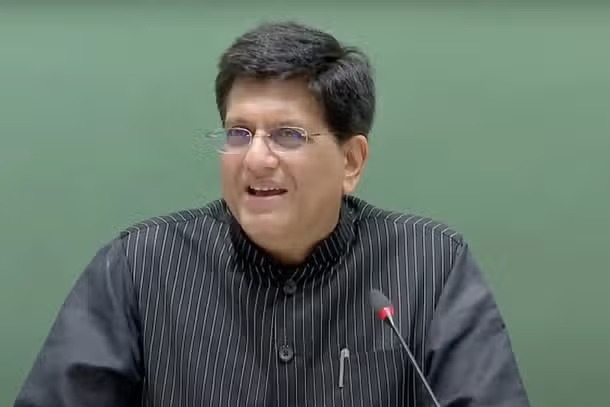
LONDON : As the clock ticks towards U.S. President Donald Trump’s ‘reciprocal tariffs’ to kick in on July 9, Union Commerce Minister Shri Piyush Goyal has expressed optimism that India and the U.S. could sign a preliminary or early tranche of a larger trade deal before that date, though he stopped short of confirming a deal would be signed.

“We are in continuous dialogue. I have always been an optimist,” Mr. Goyal said in an interview with The Hindu on the fringes of a conference organised by the India Global Forum 2025 in London.

Goyal chose to not specifically mention the nature of the talks with the Americans while responding to a question on the timeline for a mini trade deal between India and US.

“Every negotiation stands on its own legs, every negotiation can only work when there is merit in a deal, it has to be a win-win for both parties, just like in business…until both get a fair, equitable and balanced transaction, no deal can ever be successful,” the minister said during a session of the India Global Forum in London.

Commerce Secretary Sunil Barthwal on June 16 had said that India is hopeful of concluding an early tranche of the proposed Bilateral Trade Agreement (BTA) with the United States before July 9, when President Donald Trump’s reciprocal tariffs kick in.

India and the US are holding talks to seal a scaled-down version of the BTA before Trump’s country-specific reciprocal tariff of 16 percent on New Delhi is levied. The countries held another round of in-person talks between June 5 and June 10 in New Delhi. Goyal added that India is working towards striking trade deals with many countries.

Apart from the US, India is looking to close an early harvest trade deal with the European Union by July, as well as is in talks with New Zealand Peru and Chile for bilateral agreements.

India–UK FTA paves way for actionable cooperation in trade, technology, and mobility

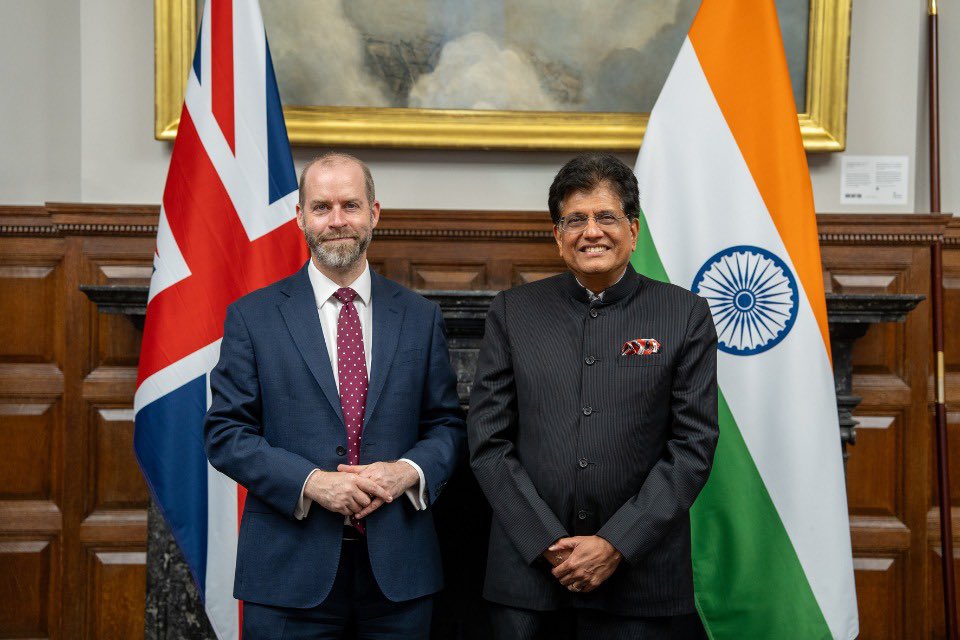
LONDON : Union Minister of Commerce & Industry, Shri Piyush Goyal showcased India’s strategic global outlook and economic leadership at the India Global Forum (IGF) 2025 in London. His visit marks a significant moment following the historic signing of the India–UK Free Trade Agreement (FTA) in May 2025.

Delivering the keynote address at the IGF Mainstage Plenary Session titled “From Agreement to Action: The UK–India FTA,” the Union Minister reaffirmed India’s commitment to transitioning the FTA from a negotiated text into a transformative economic partnership. He was joined in conversation by the UK Secretary of State for Business and Trade, Mr. Jonathan Reynolds, with moderation by international journalist Mr. Mark Barton.

IGF Mainstage Plenary Session India–UK FTA paves way for actionable cooperation in trade, technology, and mobility

Union Minister Shri Goyal described the FTA as a reflection of shared ambition between two vibrant democracies. He stated that the agreement not only enhances bilateral trade, but also demonstrates India’s ability to negotiate balanced and future-oriented trade frameworks aligned with its national interests.

Outlining the next phase of implementation, Shri Goyal highlighted key priorities such as strengthening institutional mechanisms for joint governance, unlocking early benefits for SMEs and startups, and facilitating smooth mobility of skilled professionals across sectors.

On June 19th, the Union Minister participated in a special session on “UK–India Science, Technology and Innovation Collaboration” at the Science Museum in London. The session explored opportunities for UK stakeholders to contribute to India’s expanding investments in digital public infrastructure, sustainable manufacturing, and green technologies. Discussions also covered efforts to make India a global manufacturing hub through Make in India, PLI schemes, and enhancing collaboration in sectors such as fintech, artificial intelligence, and creative industries.

The Free Trade Agreement’s role in deepening cooperation in critical technologies, defence production, and advanced manufacturing was also highlighted. The session further examined how innovations like UPI and CoWIN can be scaled globally through bilateral collaboration.

The Minister’s participation underscores India’s continued commitment to strengthening its comprehensive strategic partnership with the United Kingdom. By leveraging the India–UK FTA, both nations aim to unlock new avenues in goods, services, technology, and innovation for shared prosperity.

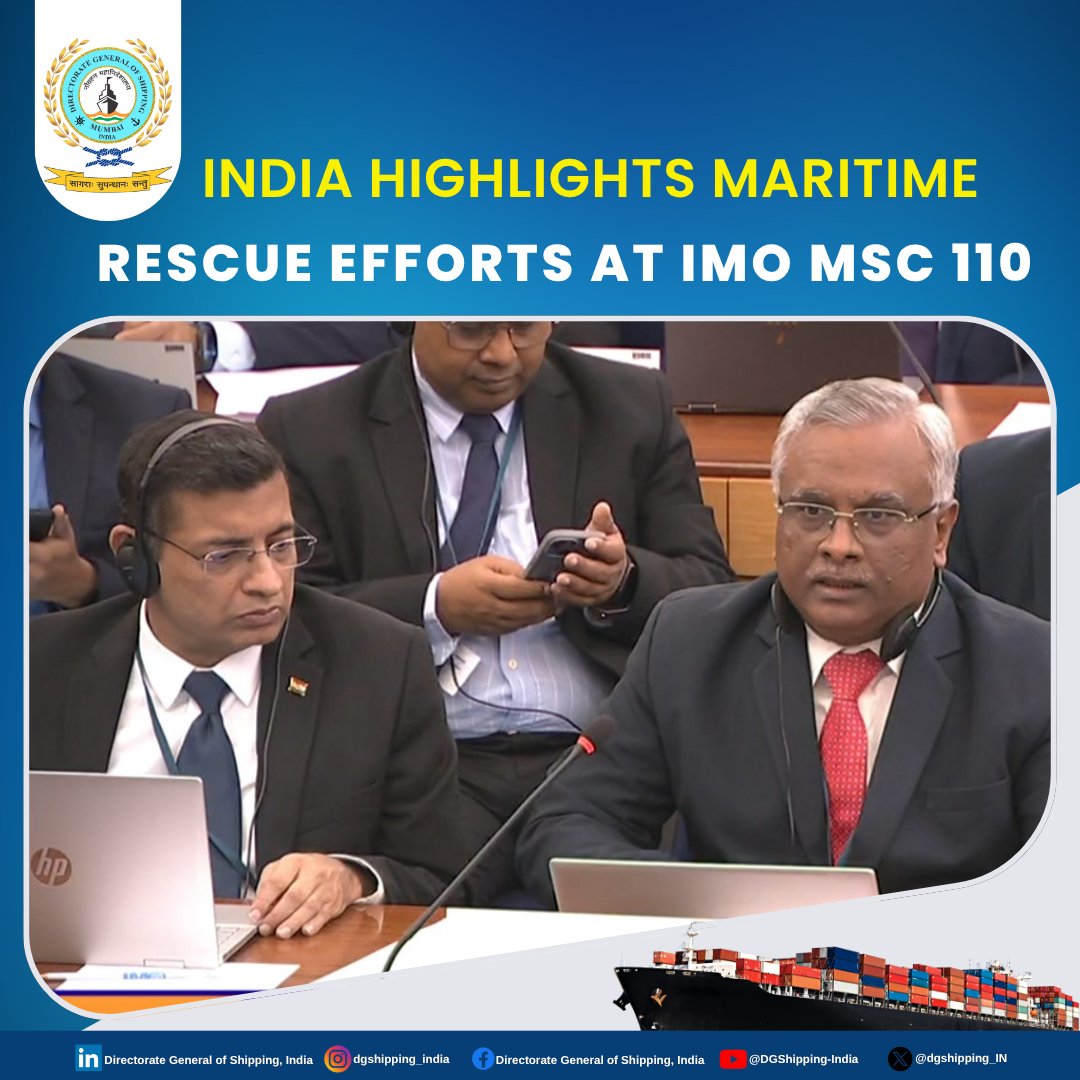
India highlights Maritime Safety Concerns at IMO’s 110th Maritime Safety Committee in London

LONDON : India underscored critical maritime safety challenges during the opening session of the 110th Maritime Safety Committee (MSC) meeting of the International Maritime Organization (IMO), held in London. The Indian delegation presented a comprehensive statement detailing a series of recent maritime incidents off its western coast, urging urgent global action on container ship safety and the handling of hazardous cargoes.

The delegation highlighted two significant emergencies — the sinking of MSC ELSA 3 on May 25 and a major explosion aboard WAN HAI 503 in early June — both of which involved dangerous goods and required complex, multi-agency rescue operations by Indian authorities. A total of 42 crew members were involved across both incidents, with Indian agencies managing to rescue 42 seafarers and continuing operations for four still missing.

The IMO Secretary-General and delegations from China and Singapore expressed appreciation for India’s swift and coordinated response efforts, which included pollution control, containment of fires, and safeguarding coastal communities.

India further raised alarm over a rising trend in onboard fires caused by undeclared lithium-ion batteries. Two additional container ship incidents — Interasia Tenacity and WAN HAI 613 — involved deck fires traced back to such misdeclared cargoes. These incidents, India noted, present an escalating risk to seafarer lives, the marine environment, and public safety.

Calling for immediate and collective action, India urged the IMO and its member states to review and strengthen global regulations on packaging, stowage, declaration, and tracking of dangerous cargo, particularly lithium-ion batteries and plastic nurdles. “What is in a box can’t be a mystery anymore,” the Indian representative said, emphasizing the need for container shipping lines to adopt better technology and take greater accountability.

Despite the fact that these vessels were foreign-flagged and crewed by international seafarers, India reiterated its commitment to international cooperation and maritime safety, noting that its emergency response teams remain operational round-the-clock.

India’s statement concluded with a request to annex the remarks to the official report of the Committee, reaffirming its dedication to maritime safety, environmental protection, and the welfare of the seafaring community.

DGFT : Import restriction on certain precious metal alloys containing Gold

NEW DELHI : The Directorate General Of Foreign Trade (DGFT) has restricted liquid gold import with immediate effect.

The changes take immediate effect and significantly restrict imports of various precious metal compounds that were previously allowed freely.

As per the notification, items classified under ITC (HS) Code 2843 — which include colloidal precious metals, inorganic or organic compounds of precious metals, and amalgams — will now face revised import policies. Notably, all items previously categorized under “Free” import status have now been moved to the “Restricted” category.

The restriction is likely to have a significant impact on industries involved in electronics, photography, pharmaceuticals, and chemicals where such compounds are used. Importers will now require specific authorization from DGFT to bring in these products.

The government has not yet detailed the rationale behind this change, but trade experts suggest it could be linked to efforts to curb non-essential imports, promote domestic value addition, or monitor sensitive materials more stringently due to their economic or strategic value.

Importers and exporters are advised to review the changes promptly and initiate the process for obtaining necessary licenses to avoid supply disruptions.

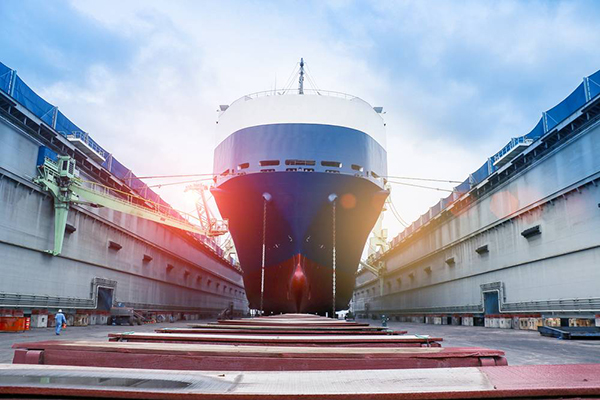
India plans full-spectrum maritime push to challenge global shipbuilding giants: Report

NEW DELHI : India is preparing to launch a series of mission-mode measures to transform itself into a global shipbuilding and maritime services hub, according to a Mint report citing two people familiar with the government’s plans.

The initiative, aimed at building a full-service maritime ecosystem, will include a maritime development fund, revamped shipbuilding assistance schemes, and policies to bolster domestic capabilities across shipbuilding, repairs, financing, insurance, technical staffing, and dispute resolution.

“The idea is to plug every critical gap in the value chain so that India is not just building ships, but also financing, insuring, managing, and resolving disputes,” one of the individuals told Mint.

Currently, China, South Korea, and Japan dominate over 90 percent of global shipbuilding, with China alone accounting for nearly half of all new orders. India, with less than 1% share, is now targeting a spot in the global top 10 by 2030 and top five by 2047, the report said.

To bridge the gap, India is courting Japanese and Korean shipbuilders and financiers to form joint ventures (JVs) and replicate their home-country shipping finance models in India. Cochin Shipyard is reportedly exploring a partnership with Korean firms for shipbuilding in Kerala, Mint reported.

In addition to shipbuilding, complementary missions will address ship repair, recycling, cruise infrastructure, maritime arbitration, and staffing. New ship repair hubs are being planned in Kochi, Mumbai, Chennai, Kolkata, and Vadinar, along with a free trade depot for duty-free imports and a maritime arbitration centre, the Indian International Maritime Dispute Resolution Centre (IIMDRC).

A Rs 25,000 crore maritime development fund is in the works to boost private investment via blended finance, while a dedicated domestic maritime insurance entity, the India Club, is under consideration to provide P&I cover for coastal and inland shipping.

Private players are also stepping in. Garden Reach Shipbuilders & Engineers (GRSE) has signed MoUs with Germany’s Carsten Rehder and UAE’s Aries Marine, while L&T is collaborating with Norway’s DNV on shipbuilding and port infrastructure.

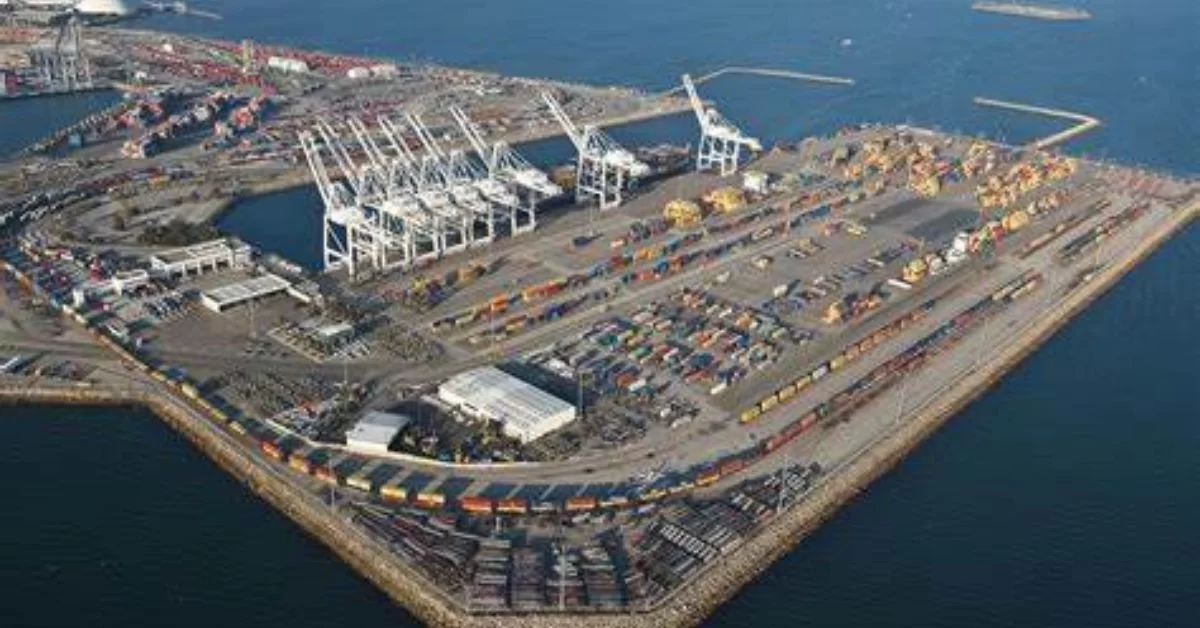
Israel-Iran conflict : With $550 million at stake, India’s Chabahar Port gamble faces heat from escalation

NEW DELHI : India’s business and strategic interests in Iran center primarily on Chabahar Port, a critical asset operated through India Ports Global Limited (IPGL). This port provides India with a strategic overland route to Afghanistan and Central Asia, circumventing Pakistan and counterbalancing China’s Gwadar port influence in the region.

As of May 2024, India secured a 10-year contract to manage the Shahid Beheshti terminal at Chabahar, reaffirming its long-term commitment. IPGL — a joint venture between Jawaharlal Nehru Port Trust and Kandla Port Trust — oversees operations in partnership with Iran’s Aria Banader.

India’s development contributions include an $85 million investment for berth upgrades, a $150 million Exim Bank line of credit, and a separate $400 million line of credit aimed at facilitating steel imports for the Chabahar–Zahedan railway. This railway project was initially assigned to Indian public sector firm Ircon International under a $1.6 billion MoU, although funding delays prompted partial Iranian disengagement in 2020.

Private sector firms such as Adani Group and Essar expressed interest in Chabahar operations as early as 2017. While concrete private investment remains pending, the Indian government continues to invite bids for participation.

At the diplomatic level, India and Iran have maintained regular engagement to sustain momentum. In January 2025, National Security Advisors and officials at the 19th Foreign Office Consultations emphasized enhanced cooperation on Chabahar and the International North-South Transport Corridor (INSTC).

However, geopolitical volatility poses a risk. The ongoing Israel-Iran conflict and the potential for expanded US involvement could disrupt operations at Chabahar, affecting insurance, logistics, and the INSTC corridor. Western sanctions remain a persistent obstacle, complicating both port development and rail connectivity initiatives.