Home Blog Page 794

HMM earns EcoVadis Platinum rating for second year

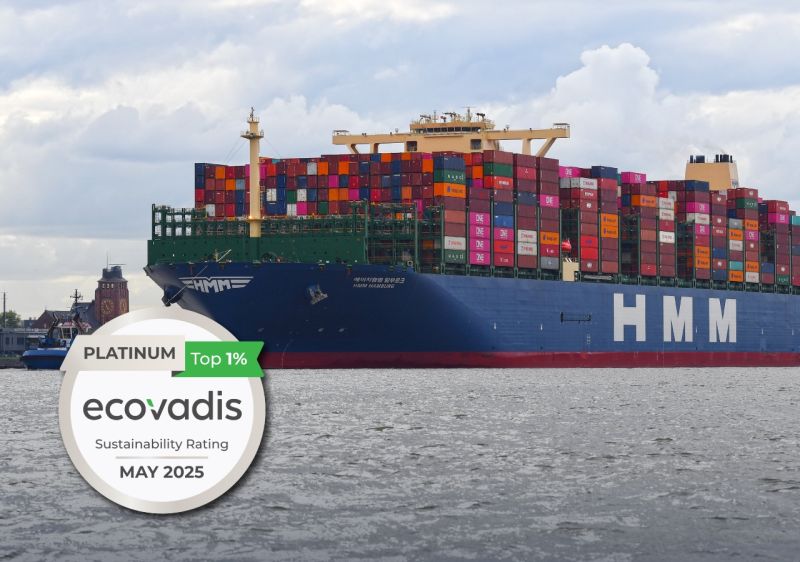
SEOUL : HMM announced that it has been awarded a Platinum rating by EcoVadis for the second consecutive year, placing the company among the top 1% of all evaluated companies worldwide for its sustainability performance.

EcoVadis evaluates over 100,000 companies annually across four key areas: Environment, Labor & Human Rights, Ethics, and Sustainable Procurement. The Platinum rating, the highest distinction, is given to companies recognized as reliable and responsible partners in global supply chains. The rating is widely used by global companies as a key standard for supply chain management and partner selection.

An HMM official said, “This year, we not only maintained strong performance in environmental practices but also received higher scores in Labor & Human Rights and Ethics. Key initiatives such as strengthening board diversity and enhancing supply chain due diligence contributed to this achievement.”

This year, HMM was also named the top global shipping company in ESG performance by Sustainalytics for the second year in a row, further validating its continued leadership in sustainable management.

IMO Secretary-General welcomes the outcomes of the UN Ocean Conference and urges swift implementation

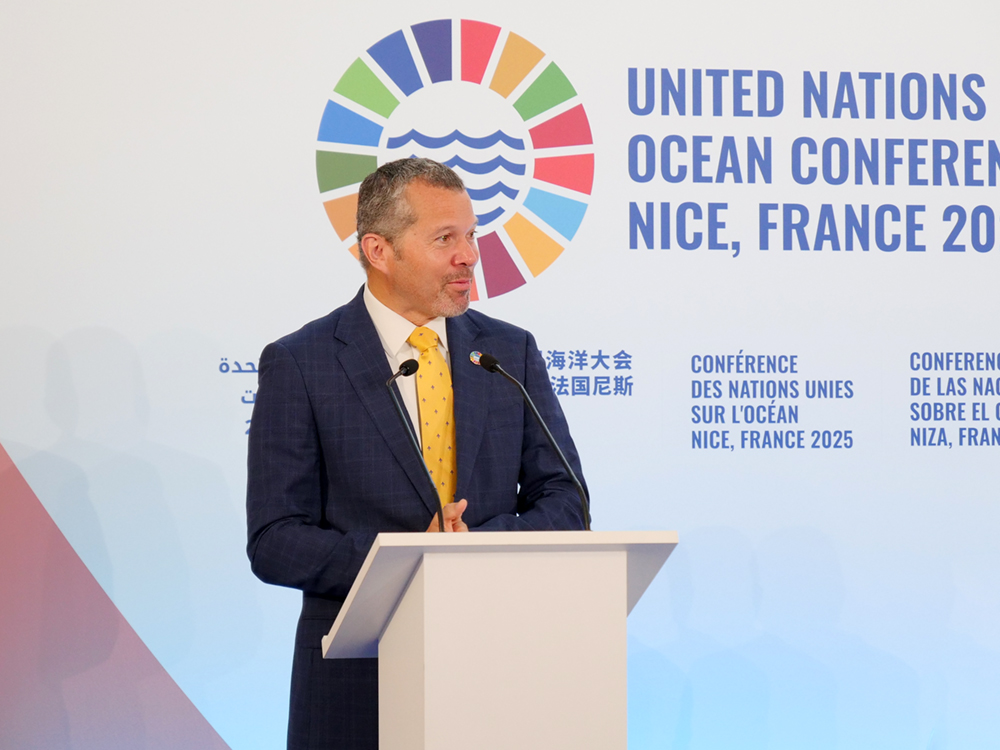
LONDON : The Secretary-General of the International Maritime Organization (IMO), Mr. Arsenio Dominguez has applauded the important commitments made at the United Nations Ocean Conference last week (9-13 June) in Nice, France, while urging countries to deliver on these promises as soon as possible.

Mr. Dominguez said: “Commitments are a necessary first step, but they are not the finish line. We must now move beyond the statements and turn those words into real, measurable action. That will take all stakeholders coming together, sharing information, and aligning actions to bridge differences and drive progress.”

Mr. Dominguez led an IMO delegation to Nice to highlight the work being done in the maritime sector to combat marine plastic pollution, protect biodiversity from invasive aquatic species introduced by ships, tackle underwater-radiated noise and decarbonize the maritime sector.

“IMO has a strong, decades-long history of driving regulatory action to protect the marine environment from harmful impacts of shipping, backed by targeted technical support to Member States. We can play a central role in moving this agenda forward,” he emphasized.

The outcome document from the UN Ocean Conference recognized the critical role of maritime transport, maritime routes and marine infrastructure in the global economy, trade, food and energy security, as well as the significant challenges of reducing GHG emissions in this sector. 

Underwater radiated noise

During the conference, IMO welcomed the launch of the High Ambition Coalition for a Quiet Ocean – a group of 37 countries led by Canada and Panama committed to tackling underwater noise pollution. 

An official side event co-organized by IMO with the Governments of France Costa Rica and South Africa highlighted IMO’s work on this issue, including:

  • Revised Guidelines for the reduction of underwater radiated noise (URN) from commercial shipping to address adverse impacts on marine life, adopted in 2023;
  • IMO Action Plan on Underwater Radiated Noise adopted in 2024, focusing on developing targets, policies and research, as well as an experience-building phase (EBP) for Member States to share lessons learned from implementing the revised guidelines; 
  • Technical support to Member States through the GloNoise Partnership Project, currently being implemented by IMO, UNDP and GEF. It supports six countries to develop capacity, raise awareness, establish baselines and advance policy dialogue on underwater radiated noise.  

Invasive aquatic species

IMO is actively addressing the threat of invasive species which accumulate on ships’ hulls (known as biofouling) and get transferred to new marine ecosystems. 

During a side event co-organized by IMO with the Governments of Norway and Fiji, speakers showcased regulatory and technical support actions in this area, including:

  • New legally binding global regulatory framework on biofouling management, currently in development for possible adoption in 2027. 
  • Biofouling guidelines issued to the industry, including the 2023 Guidelines for the control and management of ships’ biofouling; 
  • Technical assistance to support Member States via the TEST Biofouling Project (IMO-NORAD) which promotes the adoption of innovative biofouling management technologies; and the GloFouling Partnerships Project (GEF-UNDP-IMO) supporting the implementation of the IMO Biofouling Guidelines;
  • Global Industry Alliance (GIA) for Marine Biosafety, bringing together committed leaders from ocean-based industries to support IMO climate and ocean action via improved biofouling management. 

Marine plastic pollution 

IMO’s International Convention for the Prevention of Pollution from Ships (MARPOL, Annex V) prohibits the discharge into the marine environment of most types of garbage from ships, including plastics, and outlines standards for waste management. The London Convention/Protocol bans deliberate dumping of wastes at sea.   

In line with this, the IMO is taking the following initiatives:

  • IMO Strategy and 2025 Action Plan to Address Marine Plastic Litter from Ships aims to reduce plastic pollution from vessels, improve port waste facilities, improve awareness and training of seafarers, and strengthen international cooperation;  
  • Technical assistance provided by the OceanLitter Programme (IMO-FAO) including three key projects – GloLitter, RegLitter and PRO-SEAS. These focus on legal and policy reform to align with international regulations, enhance port reception facilities and advance gear marking systems.   

During the Conference, a new Global Industry Alliance was announced for action on marine plastic pollution, with industry actors and members of the private sector invited to join.

Looking ahead

Secretary-General Dominguez urged the international community to ramp up activities and deliver meaningful progress ahead of the next UN Ocean Conference in 2028, to be hosted by Chile and the Republic of Korea.   

Ships collide in Hormuz Strait in shadow of Israel-Iran war

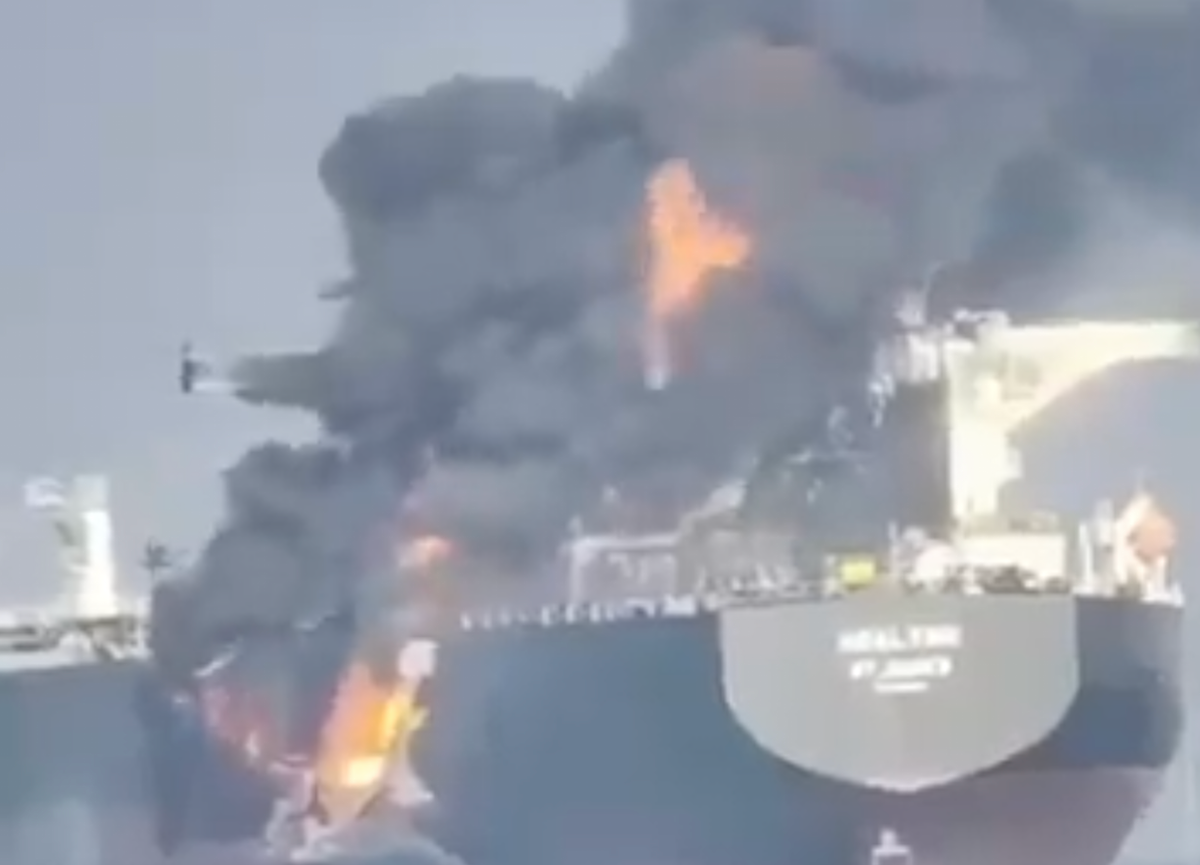
OMAN : Two oil tankers have collided in the Strait of Hormuz, the world’s most critical oil checkpoint just off the coast of Iran.

British maritime security monitor Ambrey said that the collision on Tuesday of the Adalynn and the Front Eagle is “not security-related,” despite the proximity of the accident to the war raging between Israel and Iran and concerns over its impact on navigation.

Shipping company Frontline said a fire was extinguished on the Front Eagle tanker, 15 nautical miles (28km) off the UAE’s Gulf of Oman coast. It added that no pollution had been detected.

The United Arab Emirates coastguard said it had evacuated 24 people from the Adalynn oil tanker.

The Front Eagle was loaded with 2 million barrels of Iraqi crude oil and was en route to Zhoushan in China, according to monitoring service TankerTrackers.com.

The Adalynn, a Suezmax-class tanker owned by India-based Global Shipping Holding Ltd, had no cargo and was sailing towards the Suez Canal in Egypt, the monitoring service said.

The Hormuz Strait is the strategic maritime entryway to the Gulf, and about a fifth of the world’s oil passes through it, according to the United States Energy Information Administration.

However, as Israel and Iran engaged in massive air strikes against one another for a fifth day, maritime experts say shipowners are increasingly wary of using the waterway, with some ships having tightened security and others rerouting.

Commercial ship navigation systems have been experiencing electronic interference around the strait and wider Gulf region, according to naval sources.

The multinational, US-led Combined Maritime Force’s JMIC information centre said in an advisory this week that it had received reports of electronic interference stemming from the vicinity of Iran’s Port of Bandar Abbas.

Tehran has in the past threatened to close the strait to traffic in retaliation for Western pressure. Since the start of the open hostilities with Israel, Iranian officials have reiterated the possibility.

A wave of attacks on ships in the area has been attributed to Iran since 2019, following President Donald Trump’s decision to unilaterally withdraw the United States from the 2015 Iran nuclear deal.

Such a move would affect global energy markets, but would likely draw a swift response from the US. Tehran is believed to be keen to avoid direct confrontation with the US due to its limited military capacity.

Iran has not commented on the collision or the earlier reports of electronic interference.

KR teams up with leading Shipbuilders and Korea Testing & Research Institute to develop International Standards for Ammonia Effluent Discharge 

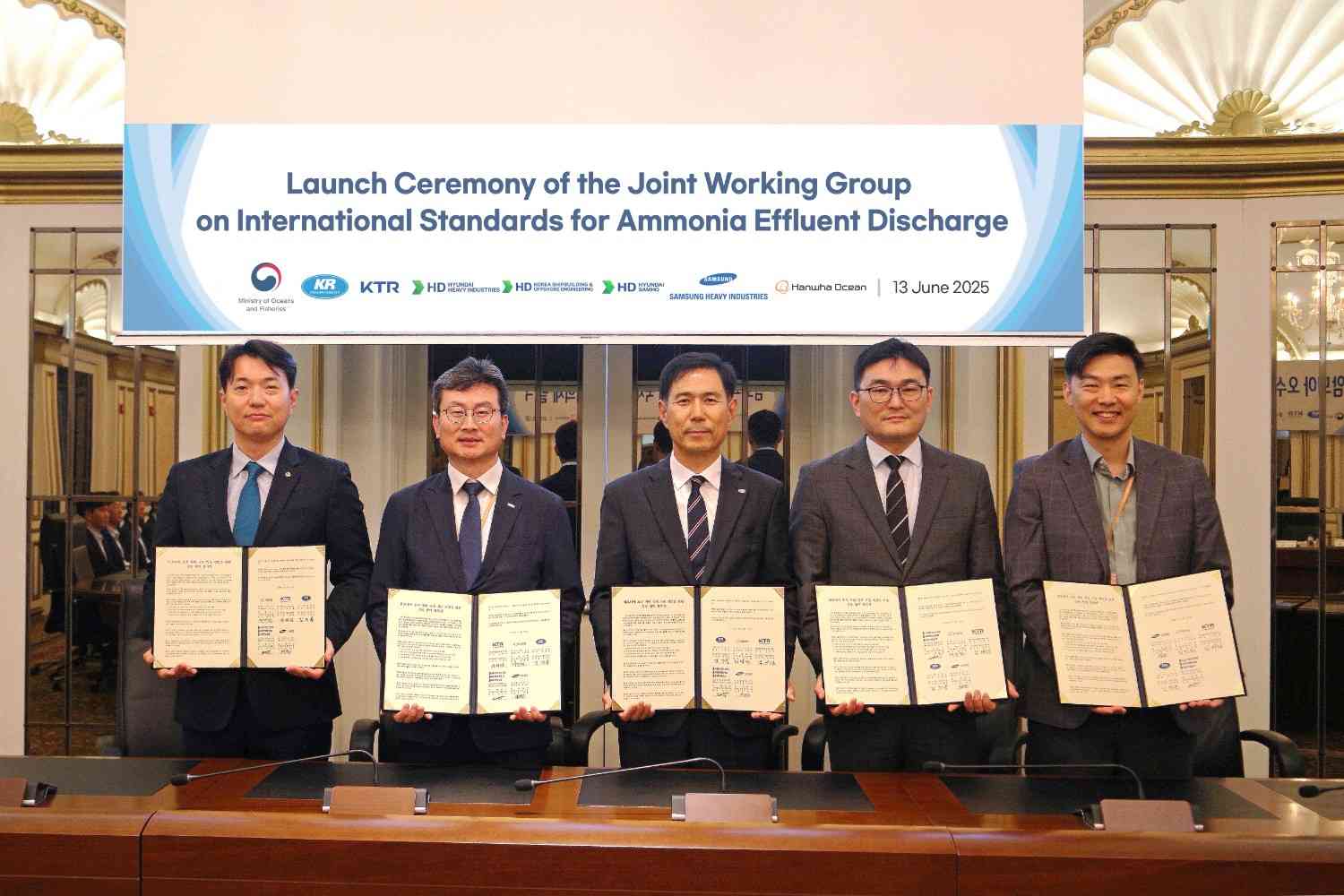
BUSAN : KR (Korean Register) has officially launched a joint working group to establish international standards for the safe discharge of toxic ammonia effluent generated from ammonia-fueled ships. The initiative brings together Korean major shipbuilders—HD Hyundai Heavy Industries (HD HHI), HD Korea Shipbuilding & Offshore Engineering (HD KSOE), HD Hyundai Samho, Samsung Heavy Industries (SHI), and Hanwha Ocean—as well as the Korea Testing & Research Institute (KTR), a national certification body. 

Ammonia is gaining global attention as a promising zero-carbon alternative fuel. However, due to its high toxicity and potential risks to the marine environment, specific international safety standards for its use are urgently needed. In particular, there are currently no established guidelines for managing the ammonia effluent generated from wet treatment systems on ammonia-fueled vessels, creating significant technical and operational uncertainty in ship design and operation. 

The joint working group aims to develop international standards for the storage, treatment, and discharge of ammonia effluent from ships and formally propose them to the International Maritime Organization (IMO) through the Korean government. 

This initiative follows a 2024 proposal to the IMO by KR, in cooperation with the Korean government, which first raised the need to develop guidelines for the management of ammonia effluent from ammonia-fueled ships. The proposal was officially approved at the 83rd session of the IMO’s Marine Environment Protection Committee (MEPC 83) in April 2025. The joint working group plans to submit draft guidelines to the IMO in 2026 and spearhead international discussions on the matter. 

KIM Taesung, Director General at KTR, stated, “We will provide highly reliable scientific data to support the development of standards for ammonia effluent management, and actively cooperate to enhance the global competitiveness of Korea’s shipbuilding and shipping industries.” 

PARK Sangmin, Senior Vice President of HD KSOE Green Energy Research Lab, remarked, “The working group will serve as a catalyst to advance international standards for ammonia-fueled vessels. HD Hyundai will leverage its experience in building the world’s first ammonia-fueled ship to continue leading the global market.” 

LEE Hoki, Director of Samsung Heavy Industries, commented, “This initiative will lay the foundation for the full-scale commercialization of ammonia fuel. SHI will continue to collaborate with stakeholders to reinforce Korea’s status as a leading shipbuilding nation.” 

CHOI Younghwan, Team Leader of Hanwha Ocean, said, “Establishing ammonia effluent standards in a timely manner will bolster Korea’s leadership in shipbuilding and maritime sectors. Hanwha Ocean is committed to proactive technology development and regulatory preparedness.” 

KIM Kyungbok, Executive Vice President of KR, concluded, “This joint working group is a pivotal milestone of maritime and shipbuilding industries joining forces to lead the development of international safety standards based on advanced technological capabilities. KR will continue to support the development and international standardization of safety regulations for alternative fuels in close cooperation with the Korean government.” 

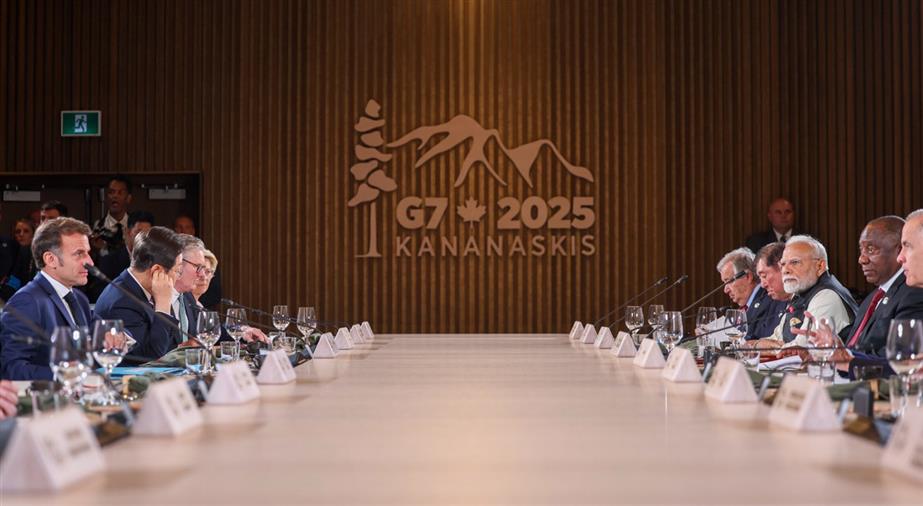
PM Modi addresses the G7 Outreach Session

KANANASKIS : Prime Minister Shri Narendra Modi participated in the Outreach Session of the G7 Summit in Kananaskis. He addressed a Session on ‘Energy Security: diversification, technology and infrastructure to ensure access and affordability in a changing world‘. He thanked the Prime Minister of Canada H.E. Mr. Mark Carney for his invitation and congratulated the G7 on marking 50 years of its journey.

In his address, Prime Minister highlighted that energy security was among the leading challenges facing future generations. While elaborating on India’s commitment to inclusive growth, he noted that availability, accessibility, affordability and acceptability were the principles that underpinned India’s approach to energy security. He further emphasised that even though India is the fastest growing major economy in the world, it has successfully met its Paris commitments ahead of time. Highlighting India’s commitment to a sustainable and green future, he underscored that India has undertaken several global initiatives such as the International Solar Alliance, Coalition for Disaster Resilient Infrastructure, Global Biofuels Alliance, Mission LiFE and One Sun- One World- One Grid, and called upon the international community to further strengthen them.

Prime Minister expressed that uncertainty and conflicts in various parts of the world have had a debilitating impact on the countries of the Global South, and India took it as its responsibility to make the voice of the Global South heard at the world stage. He underlined that it was important for the world to understand the priorities and concerns of the Global South if the international community was serious about a sustainable future. Emphasising on security challenges, he called upon countries to strengthen the global fight against terrorism. Thanking the global community for their strong support to India in its fight against terrorism, he expressed that the Pahalgam terror attack was not just an assault on India but on the entire humanity. He called for strict action against countries who support and promote terrorism. He further noted that there should be no double standards in dealing with terrorism and those who support terrorism should never be rewarded. Calling terrorism a grave threat to humanity, Prime Minister put forth pressing questions for the international community to ponder over :

-will countries understand the grave threat posed by terrorism only when they become a target ?

-how can perpetrators of terror and its victims be equated ?

-will global institutions be mute spectators to terrorism ?

Prime Minister also spoke on the nexus between technology, AI and energy. Noting that while AI has become a critical tool to promote efficiency and innovation, the technology itself was energy intensive, and it was important to strategize how to make it sustainable through clean and green initiatives. Elaborating on India’s human-centric approach to promoting technology, he noted that any technology to be effective must bring value to the lives of common people. He suggested that addressing AI related global governance issues was key to tackling the concerns of AI and to promoting innovation in the field. He underlined that in the age of AI it was important to have secured and resilient supply chains of critical minerals. Prime Minister further stated that quality and diverse data, which abounds in India, is critical for responsible AI.

Prime Minister emphasised that a technology-led world calls for closer cooperation among countries for realising a sustainable future, and to achieve it, people and planet must be kept at the centre of progress. Address of PM in the Session may be seen here

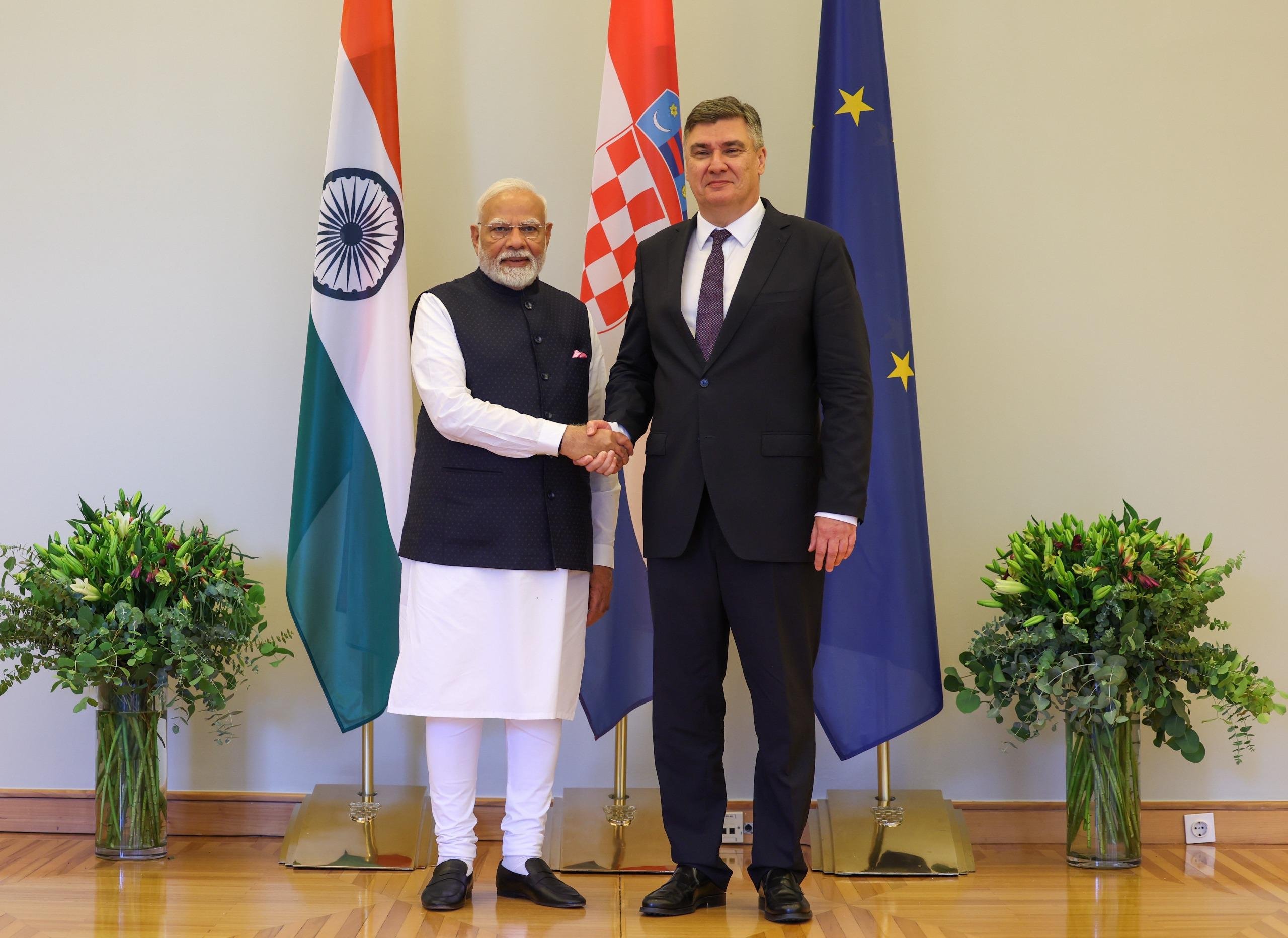
India, Croatia to speed up bilateral ties three times, to formulate Defence Cooperation Plan: PM Modi

Opportunities for Croatian companies in the port modernisation, coastal zone development and multi-modal connectivity being carried out under India’s Sagarmala Project : PM Modi

ZAGREB : Prime Minister Shri Narendra Modi said on Wednesday that India and Croatia will promote cooperation in many areas including pharma, agriculture, information technology and a Defence Cooperation Plan will be made for long-term cooperation in the defence sector.

In a joint press statement with Croatia PM Andrej Plenkovic after their delegation-level talks, PM Modi said the two countries have emphasised joint research and collaboration between their academic institutions and India will share its space experience with Croatia.

PM Modi reached Croatia earlier in the day in the last leg of his three-nation visit.

“We have decided to speed up our bilateral relations three times in our third term. A Defence Cooperation Plan will be made for long-term cooperation in the defence sector, which will focus on training and military exchange as well as defence industry. There are many areas where our economies can complement each other. These areas have been identified,” he said.

“We have decided to increase cooperation in many areas to increase bilateral trade and create a reliable supply chain. We will promote cooperation in many important areas like pharma, agriculture, information technology, clean technology, digital technology, renewable energy,” he added.

The Prime Minister said there are also ample opportunities for Croatian companies in the port modernisation, coastal zone development and multi-modal connectivity being carried out under India’s Sagarmala Project.

“We have emphasised joint research and collaboration between our academic institutions and centres. India will share its space experience with Croatia. Our centuries-old cultural relations are the root of mutual affection and goodwill… Today, we have decided to give more strength to our cultural and people-to-people relations. The duration of the MoU of Hindi Chair in Zagreb University has been extended till 2030. A cultural exchange program has been prepared for the next five years. The mobility agreement will be completed soon to facilitate the movement of people,” he said.

PM Modi expressed his heartfelt gratitude to the Croatian Prime Minister and the Croatian government for the enthusiasm, warmth and affection with which he has been welcomed.

“This is the first visit of any Indian Prime Minister to Croatia, and I have had the good fortune of it. India and Croatia are connected by common values like democracy, rule of law, pluralism and quality. It is a happy coincidence that last year the people of India have given me and the people of Croatia have given the opportunity to Croatian Prime Minister, Andrej Plenkovic to serve for the third consecutive time,” he said.

The Prime Minister was earlier accorded ceremonial welcome on his arrival in Croatia.

Source : ANI

Atmanirbharta in shipping a key goal of maritime policy: Sarbananda Sonowal

NEW DELHI : India is actively moving towards establishing Atmanirbharta (self-reliance) in shipping and ship building, and has pushed for multiple joint ventures between Indian and major global private sector shipyards, Shipping Minister Shri Sarbananda Sonowal said.

In an interview with Business Standard, the minister said the government is looking at Europe for new innovations in shipping and ship manufacturing and looking at major shipyards in Asia to set up yards in India.

The minister, earlier this month, was on a visit to Norway and Denmark to bolster global collaboration and global investment in India’s maritime sector. In Norway, he attended the nor-shipping event.

“During the visit, India and India’s private sector maritime players explored the scope of collaborations on further strengthening the shipbuilding ecosystem, and building partnerships to manufacture maritime equipment and machineries in India with an attempt to boost Make in India. India’s strong capabilities in shipbuilding must be sustained with cleaner and greener technologies towards which multiple MoUs were signed to transfer knowledge that empowers us to elevate our position in this regard,” Sonowal said.

Earlier this year, after a slew of budget reforms, Gujarat’s Deendayal Port had issued a tender to establish a shipbuilding cluster in Kandla, aimed at foreign major players who had expressed interest in investing in India. However, the tender evinced minimal interest, with only one bidder.

“The Indian shipbuilding industry will need to develop its capabilities in terms of modern shipbuilding technologies and processes. This can be achieved through collaboration with foreign shipbuilders, and the same is being pursued by both private sector as well as PSU shipyards,” the minister said.

The recent deliberations, according to the minister, became opportunities to reinforce India’s business-friendliness for the highly capital-intensive sector.

On the question of whether evolving geopolitical dynamics have any impact on India’s ambitions, Sonowal said, “The global geopolitical situation is a constantly evolving one, and amidst this flux, our unwavering focus is to safeguard the future of India’s maritime industry, reduce dependency and ensure atmanirbharta in shipping. We are committed to ensuring it remains growth-focused, strong and seamlessly integrated into the global maritime ecosystem, aligned with our national priorities and at the same time tapping available international opportunities.”

On talks with Norway, the minister said he engaged with industry leaders and explored a range of bilateral opportunities, including the potential for increased employment of Indian seafarers in the Norwegian fleet. Around 10 per cent of Norwegian ships are being built in India.

The minister had also met Terada Yoshimichi, Japan’s vice-minister for International Affairs, and the Ministry of Land, Infrastructure, Transport & Tourism. He said that a plan to develop India’s islands into smart islands was on the cards in the bilateral deliberations.

“We explored expanding ties between Indian and Japanese shipyards, including Greenfield investments like Imabari Shipbuilding in Andhra Pradesh. Opportunities for co-developing ports and maritime clusters as clean energy hubs were also identified. I conveyed India’s interest in joint ventures with top Japanese shipbuilders—Imabari, JMUC, Kanagawa Dockyard, and Mitsubishi Heavy Industries, and invited NYK Line, MOL, and K Line to invest in next-gen, sustainable maritime technologies,” he said.

Source : Business Standard

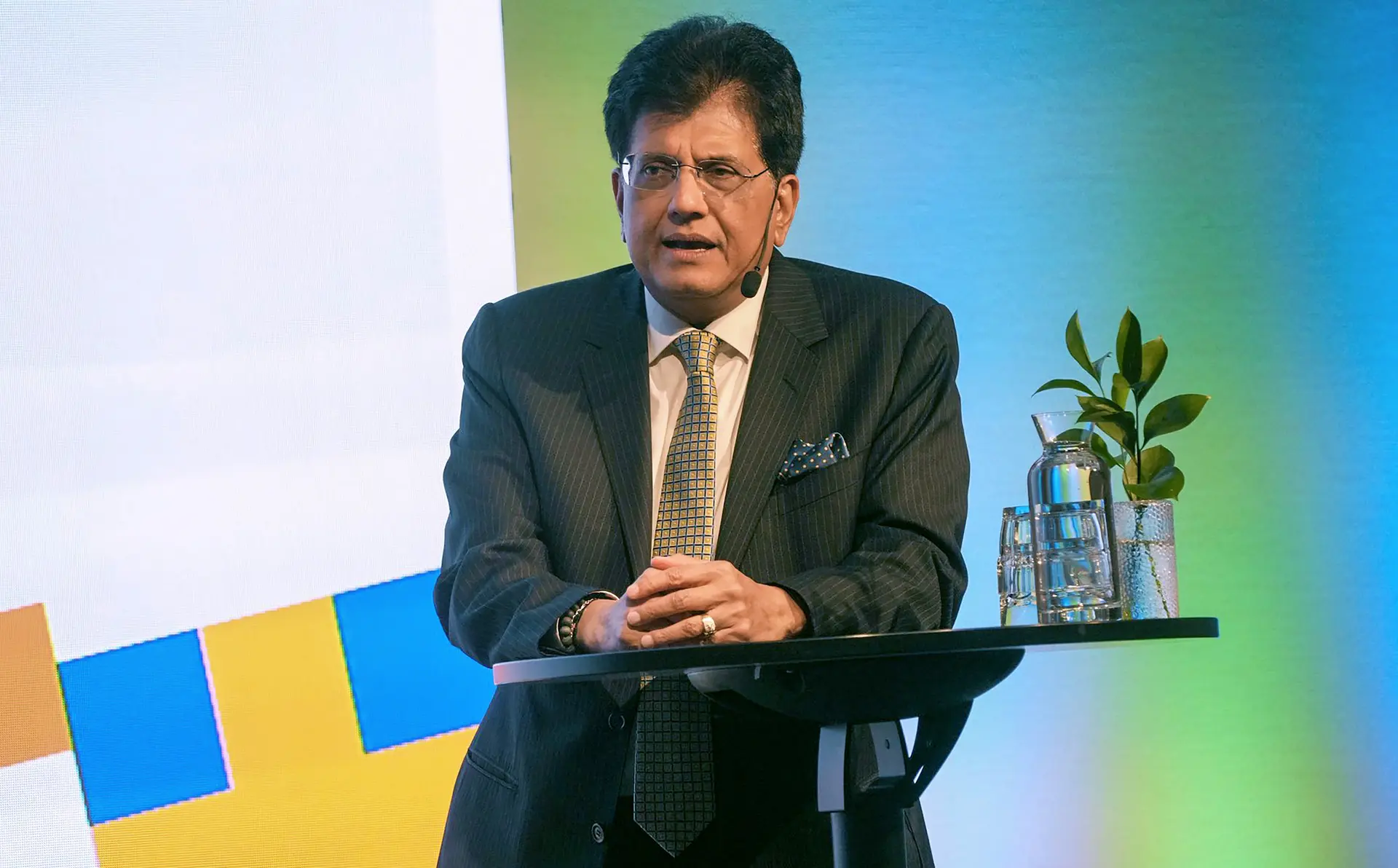
India-UK FTA may not be operational in the next few months : Piyush Goyal

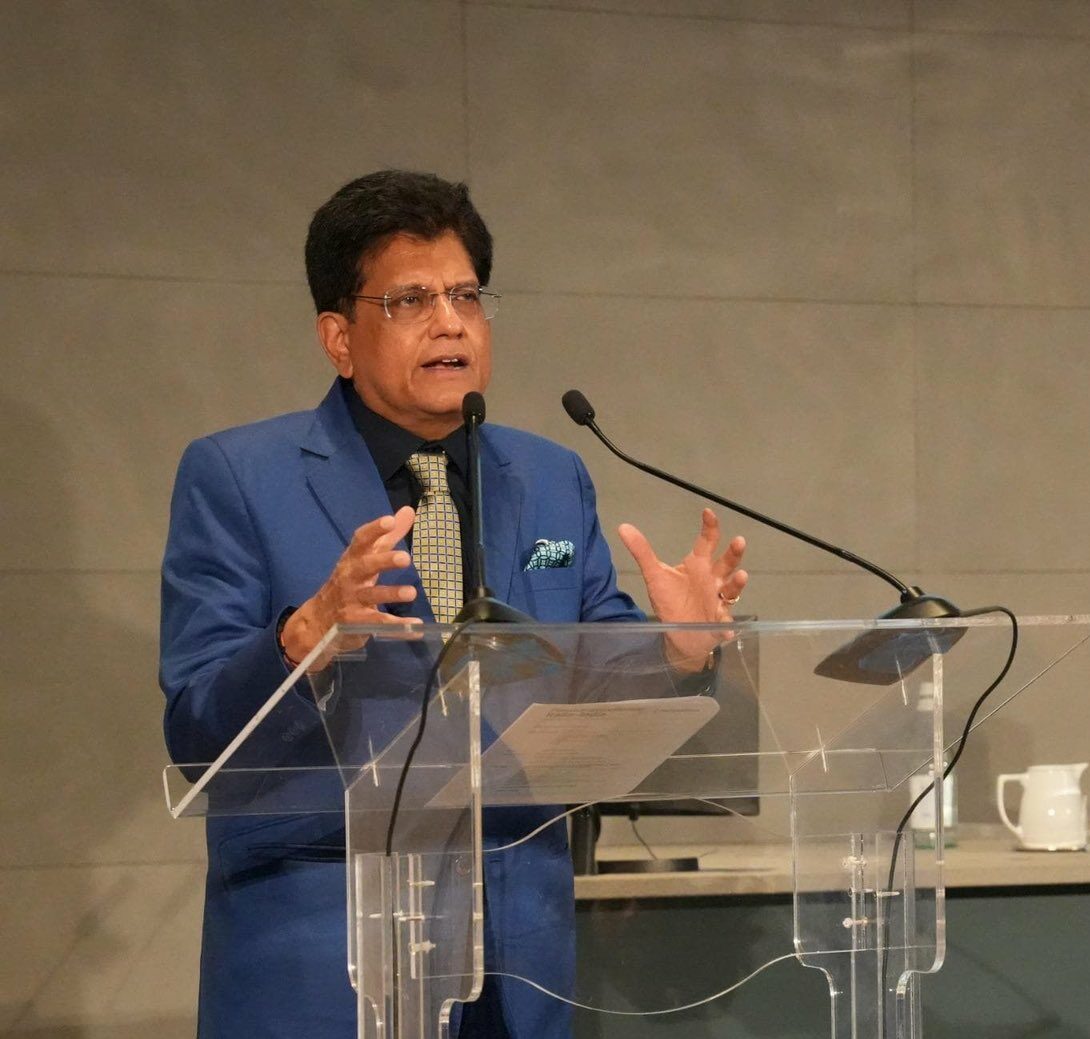
NEW DELHI : The trade agreement between India and the United Kingdom (UK), agreed upon last month, may not come into force in the next few months, given that Britain has a lengthier ratification process, Commerce Minister Shri Piyush Goyal said on June 18 in London.

“The process in UK is slightly longer, India gets trade deals approved much faster, I do assume that in the next few months we may not be able to enter into force the agreement until the UK processes are complete,” Goyal said while speaking at the plenary session of the India Global Forum, alongside British Secretary of State for Business and Trade Jonathan Reynolds.

India’s commerce ministry on June 16 said that for the trade deal between India and UK, the process of legal vetting is ongoing and is expected to be completed within three months since the closure of negotiations.

Once the legal scrubbing is concluded, the countries are expected to sign the deal. However, given Britain’s lengthy ratification process, the agreement may take over a year to get operational.

“Our effort in the next 12 months, on the one hand, would be to close the trade deal, and on the other hand have more and more businesses from India and UK get together,” Goyal added.

Speaking on the same issue, Reynolds said, “we are both working at pace, we have different processes to implement.“

India and the UK secured a long-pending free trade agreement on May 6, with Indian exports set to benefit from duty elimination on about 99 percent of the tariff lines, covering almost 100 percent of the trade value.

Goyal added in the meantime, the two nations are looking to build business to business connect and have people understand the benefits and nuances that the deal offers.

“To the extent that whenever I am travelling now, including in the Air India plane with which I landed this morning, I met a couple of people who had come to London this morning to check out the market to further mutually-beneficially business,” he added.

On the India-UK Bilateral Investment Treaty (BIT), currently being negotiated, Goyal said, he is optimistic about a conclusion soon given that there are no sticking points.

“There is nothing that I would call a sticking point. I think there’s negotiations on both sides to try and get the best BIT that works for both countries… I am very confident and an optimist to believe it will happen soon,” the minister said.

Piyush Goyal on official visit to UK for India-UK FTA

LONDON : Union Minister of Commerce and Industry Shri Piyush Goyal is on a high-level official visit to the United Kingdom from 18th to 19th June 2025. The visit underscores India’s strategic focus on strengthening its economic and trade partnership with the UK, particularly in the backdrop of the announcement by the two Prime Ministers to conclude the India–UK Free Trade Agreement (FTA).

At a time of evolving global trade dynamics, Shri Goyal’s visit aims to accelerate bilateral engagements, harness emerging opportunities, and lay a robust foundation for a forward-looking, resilient, and mutually beneficial economic relationship.

During the visit, Shri Goyal will hold a bilateral meeting with the UK Secretary of State for Business and Trade, Mr. Jonathan Reynolds. Both leaders will review the progress made in the ongoing FTA negotiations and chart out a clear, time-bound roadmap for its finalisation and implementation. The Minister will also meet the UK Chancellor of the Exchequer, Ms. Rachel Reeves, to discuss macroeconomic priorities, financial cooperation, and investment facilitation between the two countries.

In addition, the Minister is scheduled to engage with Secretary of State for Culture, Media and Sport, Ms. Lisa Nandy to explore avenues of collaboration in creative industries and innovation-driven sectors.

Shri Goyal will participate in multiple high-impact sessions at the prestigious India Global Forum (IGF), including the Mainstage Plenary, the Future Frontiers Forum, and a roundtable titled ‘From Agreement to Action: UK–India FTA’. These engagements will bring together global business leaders, investors, and policy experts to deliberate on the strategic contours of the India–UK economic corridor and the transformative impact of the proposed FTA.

Business engagements will form a central pillar of the visit. The Minister is expected to interact with leading CEOs and industry stakeholders from key sectors including shipping, fintech, logistics, and advanced manufacturing, with a view to deepening commercial linkages and promoting cross-border investments.

The visit comes at a pivotal moment for India–UK relations. With a shared ambition to convert vision into action, Shri Goyal’s interactions will reinforce mutual trust, unlock new pathways of cooperation, and advance a shared commitment to inclusive, sustainable, and high-impact economic growth.

Global slowdown could last several years, its average impact may be more than global financial crisis of 2008: CEA V Anantha Nageswaran

NEW DELHI : India has maintained a good growth rate despite difficult and unfavourable political and economic conditions, noted Chief Economic Adviser V Anantha Nageswaran on Wednesday.

Speaking with ANI, Nageswaran said that, “We are doing quite well, the global context has become very uncertain, very difficult. Both political and economic conditions have become unfavourable for growth, and more than that, there is a lot of uncertainty, which means investors would wait to put money on the ground.”

Commenting on the World Bank report forecasting global growth rate to drop to its lowest since the global financial crisis of 2008, the Chief Economic Adviser said, “Right now, it may be premature to say that the current situation could match the impact of the 2008 global financial crisis… We may not have a big growth drop like it happened in 2009 globally… This time, it could be a slow-moving event that lasts several years. In some sense, its average impact may be more than the 2008 global crisis, but it will be spread out over many years.”

Nageswaran added, “Given all of this situation, I think the Indian economy has maintained a good growth rate in FY 2024-2025 at 6.5 per cent and in FY 2025-2026, we have estimated to be between 6.3 per cent and 6.8 per cent.”

On the trade front, Nageswaran reflected optimism on the country’s diplomacy. He said, “Our diplomacy, the Petroleum Ministry, and the efforts of the Prime Minister and the External Affairs Minister ensured that India’s energy supply wasn’t affected. We are a trusted country with no axe to grind; we are seen as a good mediator; every country wants to ensure they get India’s goodwill.”

He added, “On the economic front, India is trying to use the current development on trade to reduce import duties so our domestic manufacturing cost goes down… We are also trying to use the current global situation to make our investments in education, skilling, or critical minerals… India is trying to create a niche space for itself so that India becomes an essential presence in manufacturing and services.”

Source : ANI