Home Blog Page 796

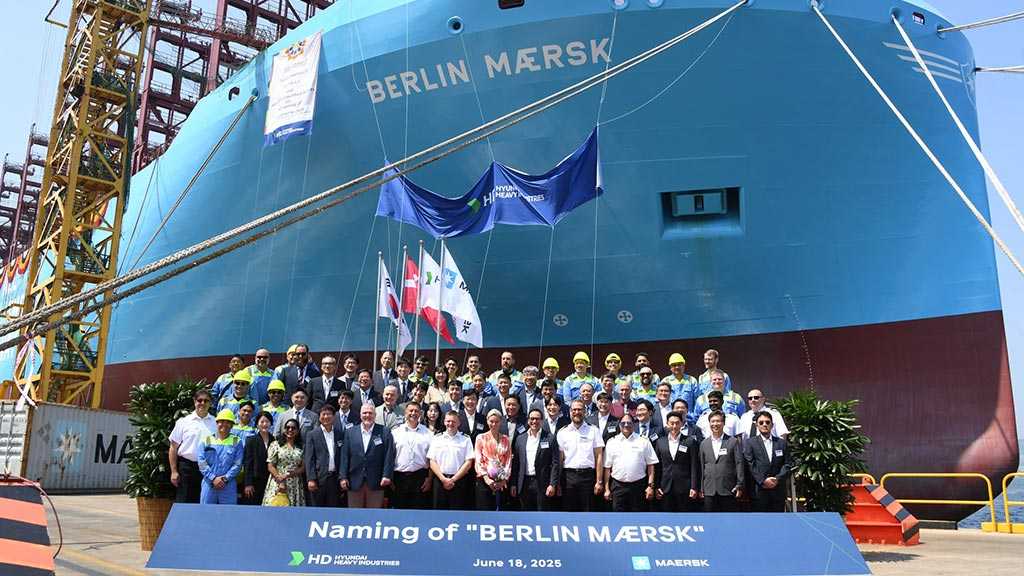
Berlin Mærsk, the new vessel class to enter Maersk AE3 Service

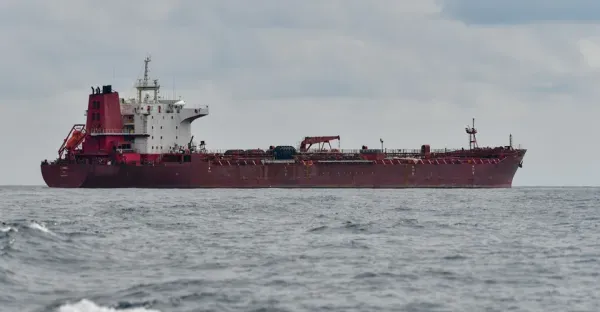
COPENHAGEN : A.P. Moller – Maersk has named the first vessel in a series of 17,480 TEU vessels equipped with dual-fuel methanol propulsion. The naming event took place on 18 June at Hyundai Heavy Industries’ (HHI) yard in Ulsan, South Korea.

The vessel, ‘Berlin Mærsk‘, is the 14th dual-fuel newbuild entering the Maersk fleet, and it will be followed by additional five sister vessels in this new class of container ships.

With the launch of the Berlin Mærsk class, we continue to build an ocean toolkit adaptable to multiple fuel pathways. Fleet renewal is essential for maintaining our competitive edge in ocean shipping, and it serves as a cornerstone of our commitment to decarbonisation.

Anda Cristescu
Head of Chartering & Newbuilding at Maersk
On 7 July, Berlin Mærsk will make its first port call in Shanghai, where it will enter service on Maersk’s AE3 service connecting Eastern Asia with Northern Europe.

Familiar design
The vessel’s design closely resembles that of the previous Ane Mærsk class, from which Maersk has received a total of 12 dual-fuel vessels, all built by HHI. The only significant difference is the wider beam, which allows Berlin Mærsk to carry more containers. The increased capacity also makes it the largest dual-fuel ship to date to join the Maersk fleet.

We are happy that we now begin taking delivery of the Berlin Mærsk series. Since our decision to order the first dual-fuel methanol vessel in 2021, we have come a long way with lots of other carriers investing in this propulsion technology as well. Our new Berlin Mærsk class builds on the foundation that we first laid with Laura Mærsk and later the Ane Mærsk class. The Berlin Mærsk class showcases our ongoing efforts in innovation and optimisation, setting a new industry efficiency benchmark.

Ole Graa Jakobsen
Head of Fleet Technology at Maersk
All six vessels in the series are being built by HHI with delivery in 2025. They will sail under the Danish flag.

About Maersk
A.P. Moller – Maersk is an integrated logistics company working to connect and simplify its customers’ supply chains. As a global leader in logistics services, the company operates in more than 130 countries and employs around 100,000 people. Maersk is aiming to reach net zero GHG emissions by 2040 across the entire business with new technologies, new vessels, and reduced GHG emissions fuels*.

*Maersk defines “reduced GHG emissions fuels” as fuels with at least 65% reductions in GHG emissions on a lifecycle basis compared to fossil of 94 g CO2e/MJ.

CMT urges urgent shift to Advanced Monitoring as Machinery failures and Fires increase

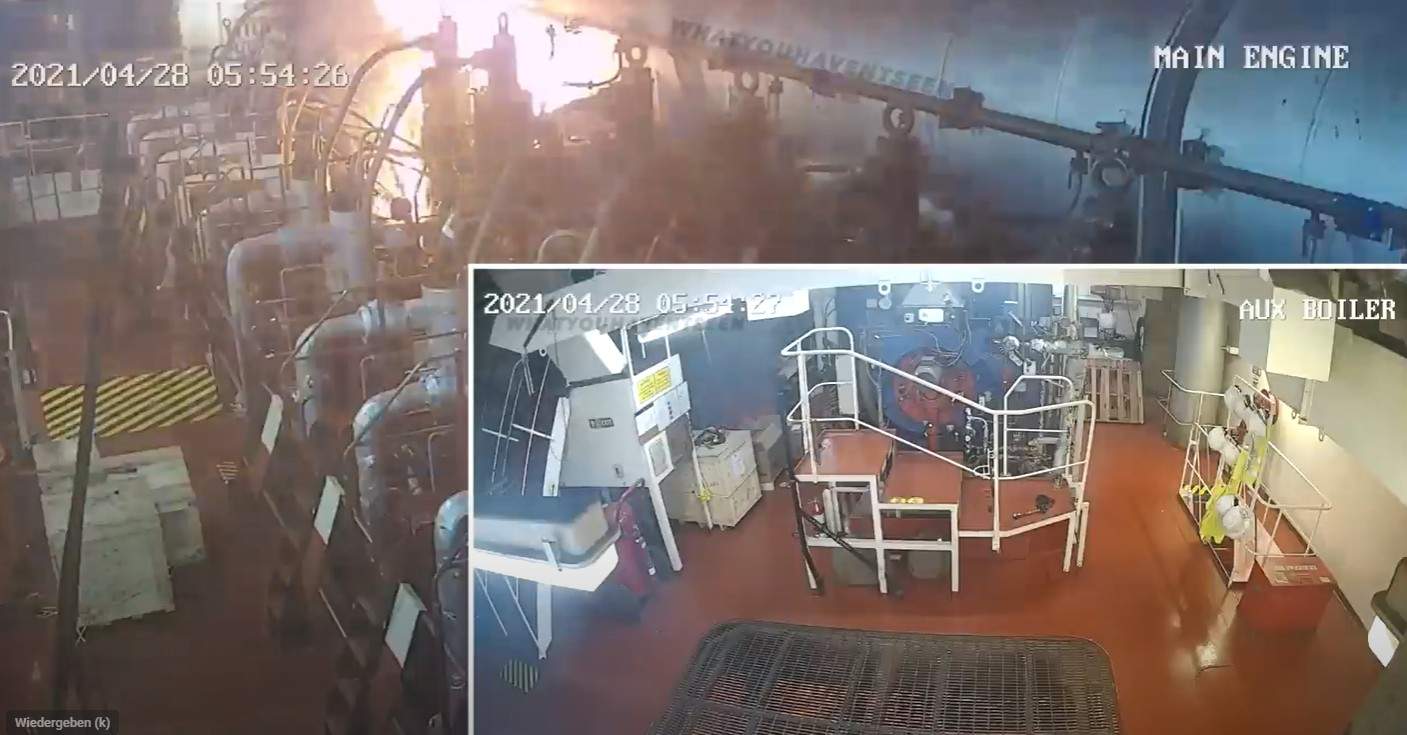
HAMBURG : The maritime industry is facing a sharp rise in machinery failures and engine-room incidents that modern monitoring systems could help prevent, warns CM Technologies (CMT).

With classification society DNV reporting a 20% increase in machinery damage failures during 2024, and engineroom fires accounting for more than half of all marine equipment-related insurance claims, Germany-based CMT says advanced diagnostics and monitoring solutions are not just a nice to have but should be considered as essential safety tools.

Referring to recent maritime casualties, some of which fatal, Uwe Krüger, Managing Director at CM Technologies, said: “Engine and machinery failures continue to catch crews and operators off guard, but effective system monitoring will alert crews to looming catastrophe.”

Citing as an example the root cause of the engine-room fire aboard the cargo vessel Stride in January, Krüger said that even small oversights, such as an incorrectly installed or damaged valve, can result in fatal accidents.

“Modern acoustic sensors could have picked up abnormal pressure signatures or vibration patterns as soon as the valve began to operate,” explained Krüger. “That kind of early warning can be the difference between a manageable maintenance event and catastrophic failure,” he said.

According to DNV’s Maritime Safety Trends 2014-2024 Preparing for Future Risks, published during the Nor-Shipping 2025 trade fair, the number of maritime safety incidents increased by 42% between 2018 and 2024, despite the global fleet growing by just 10%.

CMT’s Co-Managing Director David Fuhlbrügge added: “Machinery failures remain the leading cause of shipping casualties, accounting for 60% of all marine equipment-related incidents. Ships aged 25 years or older are particularly vulnerable but failures are caused by issues that engine and machinery performance optimisers can easily detect.”

Referring to the fire onboard Ocean Navigator earlier this year, Fuhlbrügge said an effective monitoring programme could have identified contamination and debris in the auxiliary diesel’s lube oil before it caused the failure that sparked the fire.

“Advanced real-time monitoring solutions can detect early signs of wear, contamination, and mechanical stress, issues that can contribute to machinery failures and subsequent engine-room fires,” he said.

Ship operators can no longer afford to treat condition monitoring as an optional extra, he said. “Too often, we see cases where seemingly minor issues spiral into significant failures. By the time these problems are identified during scheduled maintenance, the damage is already done. The early warning technology to detect these signs in real time already exists.”

Commenting on the risks associated with older vessels, where maintenance is deferred or relies solely on periodic inspections, Fuhlbrügge said continuous monitoring can reveal the “subtle degradation” that leads to unexpected breakdowns.

While no single technology can eliminate every risk, the maritime sector has access to a range of diagnostic tools capable of measuring key performance indicators, such as cylinder pressure, fuel injection timing, vibration signatures and acoustic emissions.

By applying these tools in tandem with rigorous maintenance regimes, operators can detect wear patterns, combustion anomalies and lubrication issues that would otherwise go unnoticed.

“Machinery failures rarely happen overnight; they are consequent of a series of events over a period of time,” Krüger said.  “Every percentage point of efficiency lost, every small increase in vibration, every piece of debris in the lube oil system is a warning sign. We need to pay closer attention to these details.”

DNV’s recent finding about the rise in machinery damage incidents align with what CMT is also seeing in the field.

“The emphasis on stricter maintenance and improved safety regimes highlights the urgency for ship operators to move beyond traditional inspection intervals and embrace a data-driven approach, said Krüger. “It is clear real-time insight and predictive diagnostics are key to preventing the kinds of failures that DNV warns about.

“Advanced condition monitoring is not just about saving money, it’s about protecting people, cargo, and the environment from the very real consequences of shipboard machinery failure.”

Proteus ushers in New Era of Hydrogen Fuel Cell Technology for the Maritime Sector

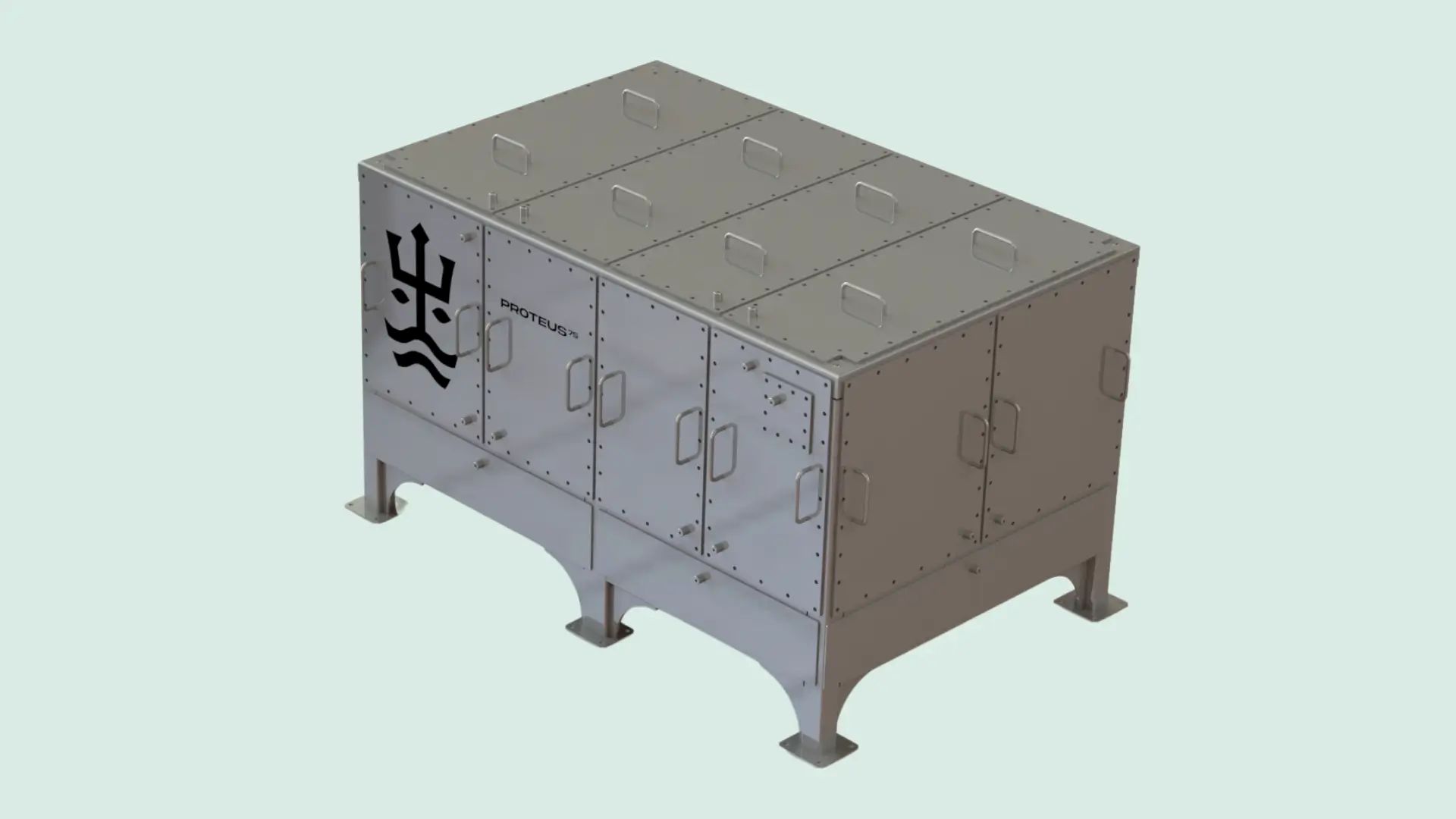
SINGAPORE : Proteus Energy, headquartered in Singapore, has developed the Proteus® Maritime Fuel Cell Solution, a modular hydrogen fuel-based system for ports and vessels. The first offering is the Proteus®75. Each fuel cell stack is 75 kW output, and these can be combined for larger power requirements. The vessel types being targeted are harbor craft, and vessels in the coastal, offshore support, and in-land waterway segments.

The technology has been developed in partnership with Symbio France, a world leading hydrogen fuel cell company with over 30 years track record. Symbio is jointly owned by global industrial groups Michelin, Stellantis, and Forvia.

“The maritime industry needs viable clean energy solutions today,” said Dr Lars Gruenitz, CEO of Proteus Energy. “We are providing a high energy density solution that is compact and lightweight, which is critical for vessels where space and weight considerations are imperative. This best-in-class system is the logical and most cost-effective choice to help operators make a quantum leap in their decarbonization efforts”.

The Proteus® Maritime Fuel Cell Solution can be delivered as a modular powerpack or customized and fitted into vessels.

Benefits include:

  • Zero tailpipe emissions
  • Negligible noise or vibration
  • Low maintenance cost due to few moving parts and no lubrication oil consumption
  • Fast refueling time compared to slower battery charging time
  • Hydrogen fuel can be stored for long time periods without any loss versus batteries which lose energy (even if not in use) and need to be regularly recharged

Proteus’ fuel cell technology also complements electric propulsion and offers a powerful solution for hybrid vessels by extending their range and easing the load on batteries, thus improving space efficiency and vessel performance.

Proven on roads and now customized for the sea

The Proteus® Maritime Fuel Cell Solution will be backed by a two-year performance guarantee from Symbio France.

Symbio’s systems have already logged millions of kilometers powering cars, buses and commercial trucks across Europe. Now, that same rigorous, road-tested performance is being deployed at sea with added protections for marine operating conditions.

Global-Scale Manufacturing with Automotive Production Line Precision

The fuel cell stacks are produced at Symbio’s gigafactory in Lyon, France, using state-of-the-art robotic assembly systems capable of producing thousands of units annually.

This high-throughput capability ensures that Proteus can meet rising demand without sacrificing quality – something only established and proven hydrogen fuel cell manufacturers can claim.

What also sets Proteus apart is its ability to bring economies of scale, continuous R&D, and tried and tested reliability from land transport into the marine environment. For example, Symbio tests over 2,000 fuel cell membranes each year -enabling faster upgrades and long-term performance enhancements – something new players in the market are not able to do.

Hydrogen fuel tank storage

To provide a convenient fuel storage option, Proteus also offers state-of-the-art high-pressure hydrogen storage tanks developed with its partner Forvia, a major global components and technology company. The DNV type-approved tanks, which are already available for delivery, offer a safe and easy way to store hydrogen onboard vessels and will be produced on an industrial scale.

In addition, Proteus works with port operators to provide them with customized refueling solutions and infrastructure.

“As regulators push towards zero emissions, ports and vessel operators face immense pressure to act now. With our proven technology and system designed for practical integration, we can assist our customers to meet their emission targets ahead of schedule and future-proof their business,” said Dr Gruenitz.

Deployment Roadmap

The Proteus® Maritime Fuel Cell Solution is expected to be available for delivery beginning January 2026, with type approval from DNV anticipated before the end of this year.  Proteus is ready to work with customers now.

Baltic index falls to one-week low on weaker capesize, panamax rates

LONDON : The Baltic Exchange’s Dry Bulk Sea Freight index, which tracks rates for vessels transporting dry commodities, fell to a one-week low on Wednesday due to weaker rates for capesize and panamax vessel segments.

The main index, which monitors rates for capesize, panamax and supramax shipping vessels, was down 78 points, or 4%, at 1,874, lowest level since June 11.

The capesize index lost 218 points, or about 6%, to 3,442, its lowest level in a week

Average daily earnings for capesize vessels, which typically transport 150,000-ton cargoes such as iron ore and coal, decreased by $1,811 to $28,546.

Iron ore futures fell on Wednesday and were on track for a fifth session of declines, pressured by slowing demand for the steelmaking material in top consumer China.

The panamax index fell 28 points, or about 2%, to 1,378, snapping a 10-session winning streak.

Average daily earnings for panamax vessels, which usually carry 60,000-70,000 tons of coal or grain, lost $247 to $12,405.

Among smaller vessels, the supramax index gained 4 points to 949, an over two-week high.

Elsewhere, marine war risk rates for ships transiting Israeli waters have spiked to around 0.7% following the escalation of tensions with Iran on Friday, three senior marine market sources told The Insurer.

Source: Reuters

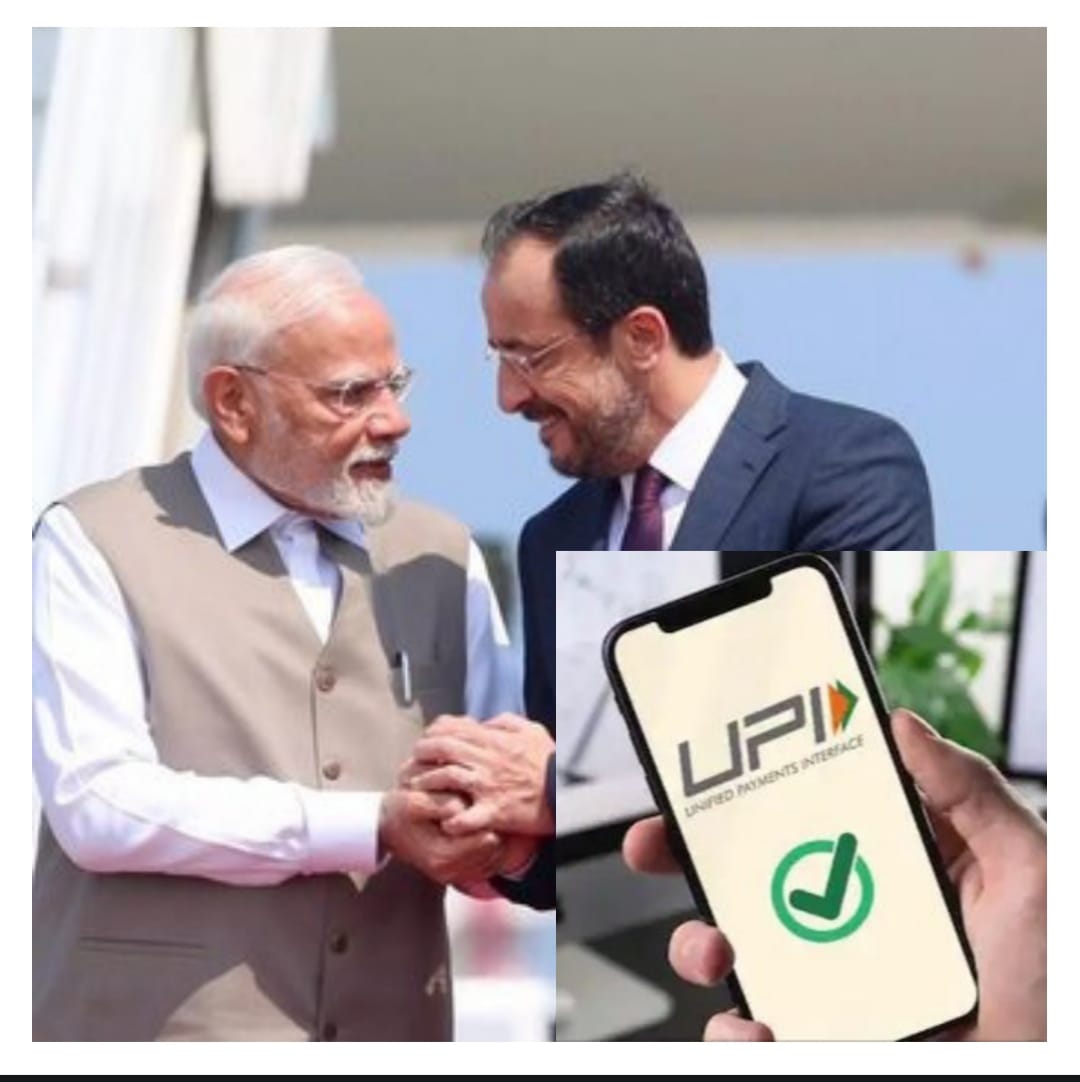
PM Modi and President of Cyprus welcome signing MoUs to introduce UPI for cross border payments

LIMASSOL : Prime Minister Shri Narendra Modi along with the President of Cyprus, H.E. Nikos Christodoulides recently held a Roundtable interaction with business leaders from Cyprus and India in Limassol. The participants represented diverse sectors such as banking, financial institutions, manufacturing, defence, logistics, maritime, shipping, technology, innovation, digital technologies, AI, IT services, tourism and mobility.

Highlighting India’s rapid economic transformation in the last 11 years, Prime Minister noted that India, propelled by next-generation reforms, policy predictability, stable polity and Ease of Doing Business, has become the fastest growing major economy in the world. Emphasizing on the primacy being given to innovation, digital revolution, start-up and futuristic infrastructure development, he expressed confidence that India, the fifth largest economy in the world, was well positioned to become the third largest in a few years’ time. He noted that steady growth in India’s civil aviation, port, shipbuilding, digital payments and green development sectors have opened myriad opportunities for companies from Cyprus to partner with India. He further underlined the strengths of India’s skilled talent and start-up ecosystem and highlighted manufacturing, AI, Quantum, Semiconductor and Critical Minerals as new and emerging areas contributing to India’s growth story.

Prime Minister noted that Cyprus was a significant economic partner for India, particularly in the Foreign Direct Investment sector and welcomed the keen interest in Cyprus for new investments into the Indian economy. Highlighting the potential for business engagement in the financial services sector, the two leaders welcomed the signing of an MOU between NSE International Exchange GIFT CITY, Gujarat and Cyprus Stock Exchange. NIPL (NPCI International Payments Limited) and the Eurobank Cyprus reached an understanding on introducing UPI for cross border payments between the two countries which would benefit tourists and businesses. Prime Minister also welcomed the launch of the India–Greece–Cyprus (IGC) Business and Investment Council, which will foster trilateral cooperation in sectors such as shipping, logistics, renewable energy, civil aviation and digital services. Prime Minister welcomed the fact that many Indian companies see Cyprus as a gateway to Europe and hub for IT services, financial management, and tourism.

As Cyprus prepares to assume the Presidency of the EU Council next year, the two leaders reaffirmed their commitment to further strengthen India-EU Strategic Partnership. They expressed optimism about concluding the India-EU Free Trade Agreement by end of the year which would also give a major boost to trade and economic cooperation between the two countries. Prime Minister underlined that the business roundtable had given practical suggestions which would form the basis for a structured economic roadmap, ensuring long-term collaboration in trade, innovation and strategic sectors.

With shared aspirations and a future-focused approach, India and Cyprus are poised for a new era of dynamic and mutually beneficial economic cooperation.

Piyush Goyal on 2-day visit to UK to boost India-UK Free Trade Agreement

NEW DELHI : Union Minister of Commerce and Industry, Shri Piyush Goyal, is on a two-day official visit to United Kingdom from today (June 18, 2025) to take part in key meetings related to the India-UK Free Trade Agreement (FTA).

This high-level visit highlights India’s growing efforts to strengthen its trade and investment partnership with the UK. It comes shortly after the India-UK FTA was announced by the Prime Ministers of both countries last month. The visit is seen as a significant step towards pushing forward the agreement and making use of the growing momentum in bilateral trade talks.

According to official sources, the Minister will hold a bilateral meeting with the UK’s Secretary of State for Business and Trade, Jonathan Reynolds. They will review the progress made by the negotiating teams and set a clear and time-bound plan to finalise and implement the FTA.

The Minister will also meet the Chancellor of the Exchequer, Rachel Reeves, to discuss broader macroeconomic priorities and ways to improve investment flows between the two nations.
A separate meeting is also planned with Lisa Nandy, Secretary of State for Culture, Media and Sport, to explore opportunities in creative and cultural partnerships.

Apart from government meetings, the Minister will attend multiple sessions at the India Global Forum (IGF), including the Mainstage Plenary Session, the Future Frontiers Forum, and a round table discussion titled ‘From Agreement to Action: UK-India FTA’.

These events are expected to bring together global leaders, investors, and policy experts to discuss the growing importance of the India-UK economic corridor and the opportunities the FTA can unlock.
Business engagement is also a key part of the visit. The Minister is expected to interact with business leaders from important sectors such as shipping, fintech, logistics, and advanced manufacturing.
This visit comes at a crucial time for India-UK relations, as both countries aim to move from policy announcements to concrete actions.

The meetings and discussions are expected to deepen mutual trust, strengthen trade ties, and build a future-ready economic partnership based on inclusive and sustainable growth

Union Railway Minister inaugurates India’s largest Automobile Gati Shakti Multi-Modal Cargo Terminal at Maruti Suzuki India Ltd., Manesar

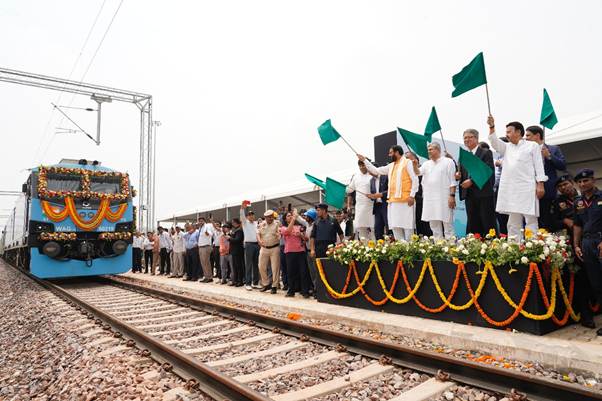
MANESAR : Union Minister for Railways, Information & Broadcasting and Electronics & Information Technology, Shri Ashwini Vaishnaw on Tuesday ( June 17, 2025) inaugurated the country’s largest automobile Gati Shakti Multi-Modal Cargo Terminal at Maruti Suzuki India Limited, Manesar, Haryana.

The Gati Shakti Cargo Terminal at Maruti Suzuki’s Manesar plant is a key infrastructure development that significantly enhances the logistics efficiency of automobile transportation. The Manesar facility is connected to Patli railway station through a 10 km dedicated rail link, which forms part of the 121.7 km Haryana Orbital Rail Corridor being developed by the Haryana Rail Infrastructure Development Corporation (HRIDC). The construction of this 10 km link involved an investment of ₹800 crore, with HRIDC contributing ₹684 crore and the remaining amount funded by Maruti Suzuki. The loading capacity of this Gati Shakti Cargo terminal is one of the highest in India i.e 4.5 lakh automobiles per annum.

Addressing the gathering, the Minister highlighted the significant transformation Indian Railways has undergone over the past decade. “Before 2014, the Railways’ annual budget hovered around ₹24,000–25,000 crore, Now, it has been increased to ₹2.5 Lakh Crore. Basic passenger amenities like toilets were absent in many stations and coaches. In the last two and a half years, a focused campaign has been launched to increase the number of General Coaches. More than 1,200 General Coaches were added in just the past year,” he said.

The Minister added that a major decision was taken recently to upgrade passenger train services. Over 100 MEMU trains will now be augmented — increasing their composition from 8 to 12 coaches to 16 to 20 coaches — greatly benefiting short-distance commuters. A new factory has been set up at Kazipet, Andhra Pradesh, for the manufacturing of over 100 MEMU trains.

Referring to the successful rollout of Namo Bharat trains, he said, “Encouraged by the strong public response to the two operational Namo Bharat trains, we have decided to produce 50 new Namo Bharat trains to cater to growing passenger demand.”

On the passenger and freight performance front, Shri Vaishnaw said, “In the financial year 2023–24, Indian Railways transported approximately 720 crore passengers and 1,617 million tonnes of freight. This performance helped Indian Railways achieve the second-highest freight volume globally, marking 2023–24 as a historic year.”

Talking about passenger convenience, the Minister announced a significant reform in Tatkal ticket booking, to be implemented from 1st July 2025. “As per the new rule, only Aadhaar-authenticated and KYC-verified users will be allowed to book Tatkal tickets during the first 30 minutes of the booking window. This measure will help ensure tickets are available to genuine passengers,” he said.

He also spoke about an ongoing pilot project in the Bikaner Division, where passenger reservation charts are now being prepared 24 hours in advance, replacing the earlier norm of 4 hours before train departure. The initiative has received highly positive feedback from citizens and public representatives and is expected to significantly improve the travel experience.

Discussing the rollout of the Amrit Bharat Trains, the Minister stated, “Three Amrit Bharat trains are currently operational and have received overwhelming public response. In the coming days, six more Amrit Bharat trains will be launched. and, production of 50 more trains is underway, and more batches will follow.”

Turning to developments in Haryana, Shri Vaishnaw said that prior to 2014, the annual railway budget allocation for the state was merely ₹300 crore. “This year, Haryana has received a record allocation of ₹3,416 crore. In the last 11 years, 823 kilometers of new rail lines have been laid in the state, and 100% of Haryana’s railway network is now electrified,” he said.

Highlighting ongoing infrastructure investment, the Minister added, “Currently, projects worth ₹11,800 crore are underway in Haryana. Redevelopment of 34 railway stations is in progress under the Amrit Bharat Station Scheme. In addition, 540 road overbridges and underpasses have been constructed across the state’s railway network.”

Shri Vaishnaw also mentioned that the Railway Coach Factory, Sonipat is undergoing modernization. “The upgraded facility will soon be ready for inauguration and will play a key role in enhancing our coach production capacity,” he said.

The event witnessed the esteemed presence of Shri Nayab Singh Saini, Hon’ble Chief Minister of Haryana; Shri Rao Narbir Singh, Hon’ble Minister of Industries, Government of Haryana; Shri Mukesh Sharma, Hon’ble MLA; and Mr. Hisashi Takeuchi, CEO & Managing Director, Maruti Suzuki India Limited

Govt striving to resolve China’s rare earth import issue for India : Commerce Secretary

NEW DELHI : The Ministry of Commerce and Industry and the Ministry of External Affairs are making all efforts to ensure that essential imports of rare earth magnets resume in India amid an export ban by China, Commerce Secretary Sunil Barthwal said on June 16.

Talking to reporters at a trade data briefing, Barthwal said China’s move to control exports of rare earth magnets was a global response, and not just targeted against India. “The rare earth magnets issue is impacting the auto sector more, which is why we are engaged with Society of Indian Automobile Manufacturers and the Automotive Component Manufacturers Association of India. Commerce ministry is facilitating them to have discussions with their Chinese counterparts,” he said adding that both diplomatic and commercial discussions are going on with China on the issue.

China has brought a regime where “perhaps licences will be required, so we are facilitating our importers and our auto players in whatever way possible”, Barthwal said.

The number of Indian companies seeking import licences from Beijing have doubled in just two weeks. As of mid-June, 21 Indian firms, up from 11, have applied to China’s commerce ministry for permits to import medium and heavy rare earth magnets.

The Chinese government has put restrictions, with effect from April 4, mandating special export licences for seven rare earth elements and related magnets. Critical materials include samarium, gadolinium, terbium, dysprosium and lutetium, which are essential in electric motors, braking systems, smartphones and missile technology.

“We are making all the efforts to see that these essential items of imports can come to India…what I feel is that this diplomatic and commercial communication should yield a positive result,” he said.

China controls over 90 per cent of the global processing capacity for magnets, used across multiple sectors including automobiles, home appliances and clean energy.

Source : Moneycontrol

Empowering Women in Logistics – CWWO organised ‘Women in Logistics’

NEW DELHI : CONCOR Women’s Welfare Organization (CWWO) successfully organized a first-of-its-kind Seminar on ‘Women in Logistics’ on 16th June, 2025 at NSIC, Delhi.

The event featured two inspiring guest speakers who shared their valuable experiences: Ms. Jaya Varma Sinha, Ex-Chairperson & Chief Executive Officer, Railway Board and Ms. Hena Kausar, Vice President/Logistics, Maruti Suzuki India Ltd.

This is an initiative taken by Ms. Nupur Bhatnagar, President, CWWO to celebrate the pivotal role of women in shaping the future of the logistics sector. A step towards inclusivity and empowerment.

Why the Strait of Hormuz matters to India amid Israel-Iran tensions

BANDAR ABBAS : Tensions between Iran and Israel have been on the rise and one name keeps surfacing in global headlines: the Strait of Hormuz.

This narrow stretch of sea might seem far from India, but what happens there can directly impact your fuel bill, your business, and even your stock market investments.

The Strait of Hormuz is located between Iran to the north and Oman and the United Arab Emirates (UAE) to the south. It connects the Persian Gulf to the Gulf of Oman, and then to the Arabian Sea.

At its narrowest point, it is only about 21 miles (34 kilometres) wide. However, the actual navigable channel for ships is just a few kilometres wide in each direction, making it a tightly controlled and high-risk zone.

Key ports located near the strait include:

Iran’s Bandar Abbas – a major naval and commercial port

UAE’s Fujairah Port – an important oil storage and shipping point

Oman’s Sohar Port – used for trade and shipping reroutes

Qatar’s Ras Laffan – a key port for liquefied natural gas (LNG) exports

This waterway is the only sea route for oil and gas exports from most of the Gulf countries, which makes it strategically critical.

WHY THE STRAIT OF HORMUZ IS IMPORTANT

Almost one-fifth of the world’s oil, more than 17 million barrels per day, passes through the Strait of Hormuz. It is the main shipping route for energy exports from major producers like Saudi Arabia, Iraq, Iran, Kuwait, Qatar, and the UAE.

According to the U.S. Energy Information Administration (EIA), approximately 20% of the world’s oil supply, around 20.9 million barrels per day, passes through this narrow waterway, with nearly 83% of it destined for Asian markets. Any threat to the free flow of oil and gas through this strait poses a significant risk to global energy security.

For India, which imports over 85% of its crude oil, this makes the strait a vital artery. Any disruption, whether by military activity, threats, or shipping delays—can lead to a sharp rise in oil prices, impacting India’s economy.

HOW THE ISRAEL-IRAN CONFLICT AFFECTS THE STRAIT

As Israel and Iran continue to launch missile and drone attacks on each other, there is growing concern that Iran could restrict or block access to the Strait of Hormuz—something it has threatened in the past. Even the fear of this happening can send shockwaves through oil markets and disrupt global trade.

Military tension also puts commercial ships at risk. Insurance premiums go up, companies reroute vessels, and shipping delays become more likely.

“The extent to which global powers can dissuade Iran from blocking this vital passage will determine the scale of impact on oil markets going forward. Even without further escalation, the geopolitical risk premium on oil is likely to persist,” said Ankit Patel, Partner at Arunasset Investment Services.

HOW DOES IT AFFECT FUEL SERVICES IN INDIA

Though India has diversified oil and energy supply partners including Russia and few Arab nations, but a large part of its supply also comes from Iran.

Diplomatic Expert Sanjeev Srivastava said, “The conflict, if it escalates further, will certainly impact Indian supplies, which could lead to an increase in oil prices that further influence commodity pricing. 1/5 of the total supplies of oil pass through Hormuz trade route in Iran. If the situation continues to escalate, then there are chances of this trade route getting blocked.”

India continues to monitor the whole situation closely and has appealed that Iran-Israel should resolve the conflict through dialogue.

Prime Minister Shri Narendra Modi reiterated in his address in Cyprus that this is not an age of war, giving a clear indication of India’s stand of not supporting the escalating war between both the nations.

“Besides the supply of oil and energy, the conflict between Iran and Israel could also impact the ongoing projects with Iran, including the Chabahar project. India remains a strong diplomatic and military partner with Israel and has been very balanced in its statements on the escalating situation,” said Srivastava.

Prof Swaran Singh, School of International Studies, Jawaharlal Nehru University, New Delhi said, ”Prima facie, this direct war between Israel and Iran only further complicates India’s foreign policy choices. In last few days, for instance, India had to distance itself from joint statements of both Shanghai Cooperation Organisation and the G7 summit that respectively criticised and endorsed Israel.”

He further said that India has historically been clear on not taking sides in military conflicts while focusing on seeking an early end of hostilities and meanwhile contributing to mitigating impact of such conflicts.

India’s humanitarian assistance to Ukraine and Palestine, while working for an early cessation of hostilities, provides its recent examples.

According to experts, the ongoing Iran-Israel tensions present a multidimensional challenge for India. While New Delhi maintains strategic ties with both nations, any escalation risks destabilising the broader Middle East, a region critical to India’s energy security.

The conflict also threatens global oil prices and maritime trade through the Strait of Hormuz, directly impacting India’s economic interests.

“Rising crude oil prices fuel inflationary pressures, particularly in the Consumer Price Index (CPI), and strain the external balance. A $10 increase in crude prices can widen India’s current account deficit by approximately 0.55% of GDP and raise CPI inflation by around 0.3%, given oil’s significant weight in the national import basket,” said Patel.

EFFECT ON STOCK MARKETS AND THE RUPEE

The stock market reacts quickly to news from the Gulf. Rising oil prices tend to hurt sectors like airlines, paints, and tyres. On the other hand, energy companies, oil refiners, and defence firms may gain.

The rupee also comes under pressure as oil becomes more expensive. A weaker rupee increases import costs and may force the Reserve Bank of India to rethink its monetary policy, especially if inflation rises.

If the Strait of Hormuz becomes unsafe, every Indian could feel the impact. Petrol prices may rise, monthly budgets may tighten, and inflation could increase.

India on Tuesday issued a fresh advisory urging its nationals and Persons of Indian Origin (PIOs) residing in Tehran to move out of the city, as the Iranian capital came under continued aerial attacks from Israeli drones and missiles.

The Indian Embassy in Tehran asked individuals who have the means to leave the city on their own and do so without delay.

Source : India Today