Home Blog Page 819

IRClass Systems and Solutions Pvt Ltd launches Groundbreaking CSR Project for Rural Menstrual Hygiene

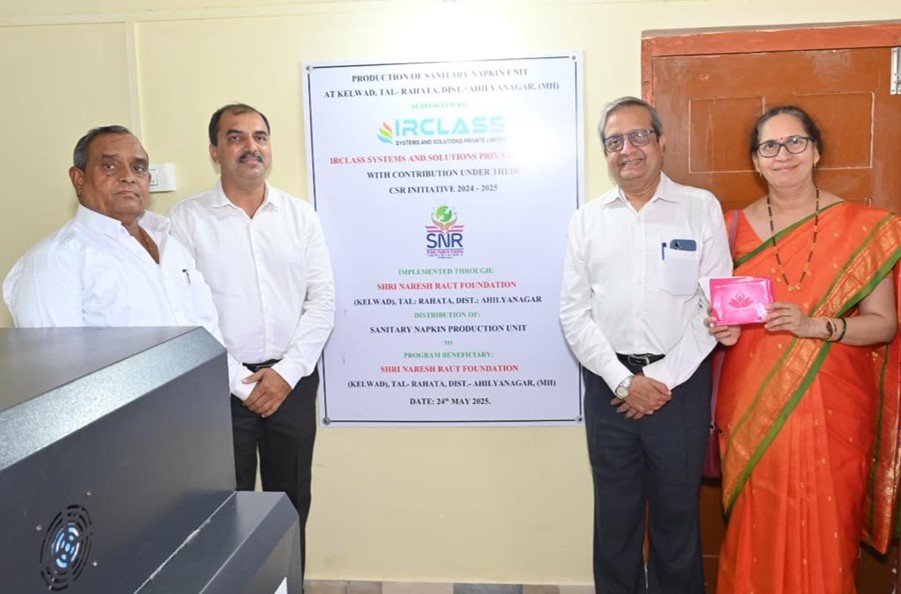
MUMBAI : IRClass Systems and Solutions Pvt Ltd (ISSPL) has taken a pioneering step in Corporate Social Responsibility (CSR) with the launch of the project titled ‘Hygiene & Menstruation for Health and Dignity’. Amongst CSR initiatives, this is the first project of its kind in Maharashtra, specifically aimed at improving menstrual health and hygiene practices among rural women and adolescent girls.

Located in Kelwad, Ahilyanagar, the project seeks to break taboos around menstruation, foster dignity, and support the health and well-being of women in underserved communities. The initiative supports a social innovation start-up, funded through ISSPL’s CSR funds, and is powered by Made in India machinery. Under the brand name ‘Lady Lotus’, the project has established a sustainable unit for the production of low-cost, high-quality sanitary napkins tailored to the needs of rural women. In addition to improving access to affordable hygiene products, the initiative also promotes employment generation and community awareness through women-led operations and sensitisation workshops.

Speaking on the occasion, Mr. Vinay Kshirsagar MD, ISSPL said, “This initiative reflects our commitment to meaningful CSR that goes beyond financial support. Through Lady Lotus, we aim to address a critical issue affecting women’s health in rural India with dignity, empathy, and a sustainable approach. We are proud to launch this pioneering project in Maharashtra.”

ISSPL’s partner in this project, Shri Naresh Raut Foundation, brings local knowledge and community outreach experience, ensuring that the project stays rooted in the needs of the beneficiaries. As a key step in India’s broader movement for menstrual equity, Lady Lotus aspires to be a model for similar projects across the country for rural women and girls.

Adani Ports will raise a billion dollars more after its largest ever bond issue in India

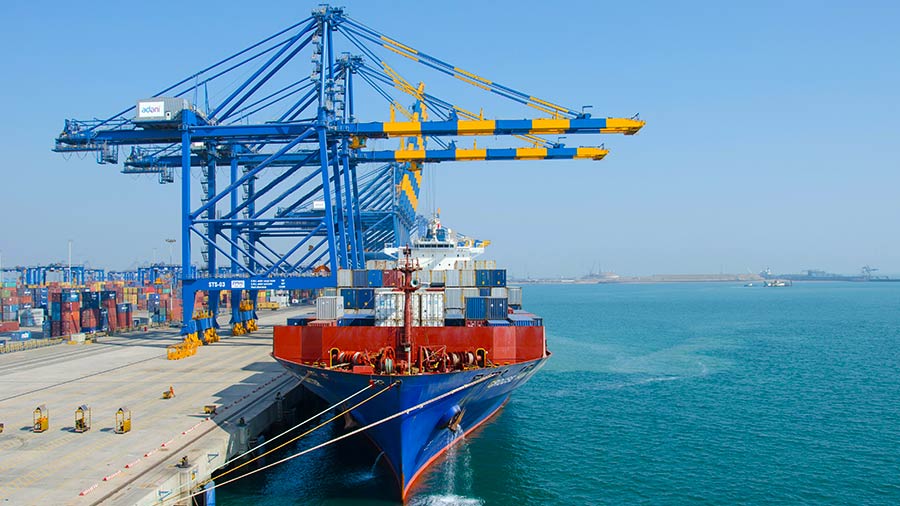
MUNDRA : The owner of India’s largest port in Mundra, Gujarat, will raise $1 billion in ‘outstanding senior notes’ one or more tranches over the next six quarters, the company informed the exchanges.

‘Outstanding senior notes’ refer to the kind of debt raised by a company that enjoy the highest priority during repayment.

The decision comes just a day after the ports operator, controlled by Gautam Adani (net worth $66.2 billion, as of May 31) raised ₹5,000 crore from Life Insurance Corporation of India, which already owns 8% of the company, according to a Times of India report. This was Adani Port’s largest-ever domestic debt issue.

The company has plans to spend ₹12,000 crore in capital expenditure in the financial year ending March 2026 in expanding its  capacity both in India and abroad. Earlier in April, the company said it would buy the North Queensland Export Terminal (NQXT) in Australia, at a valuation of about $2.5 billion, from the Singapore-based Abbot Point Port Holdings.

According to a Motilal Oswal report dated May 28, Adani Ports has about 27% market share in all-India cargo and about 45% in container cargo handled in India as of March 25. The Mumbai-based broking firm expects the stock to hit ₹1,620 in the next 12 months, which is 13% more than the closing price on Friday (May 30).

Shares of Adani Ports gained 3.4% to hit an intraday high of 1,482 apiece on Monday, June 2. The stock has gained 20.54% this year, so far.

Centre for Marine Living Resources and Ecology (CMLRE) leads an urgent ocean study following hazardous cargo spill south off Kochi

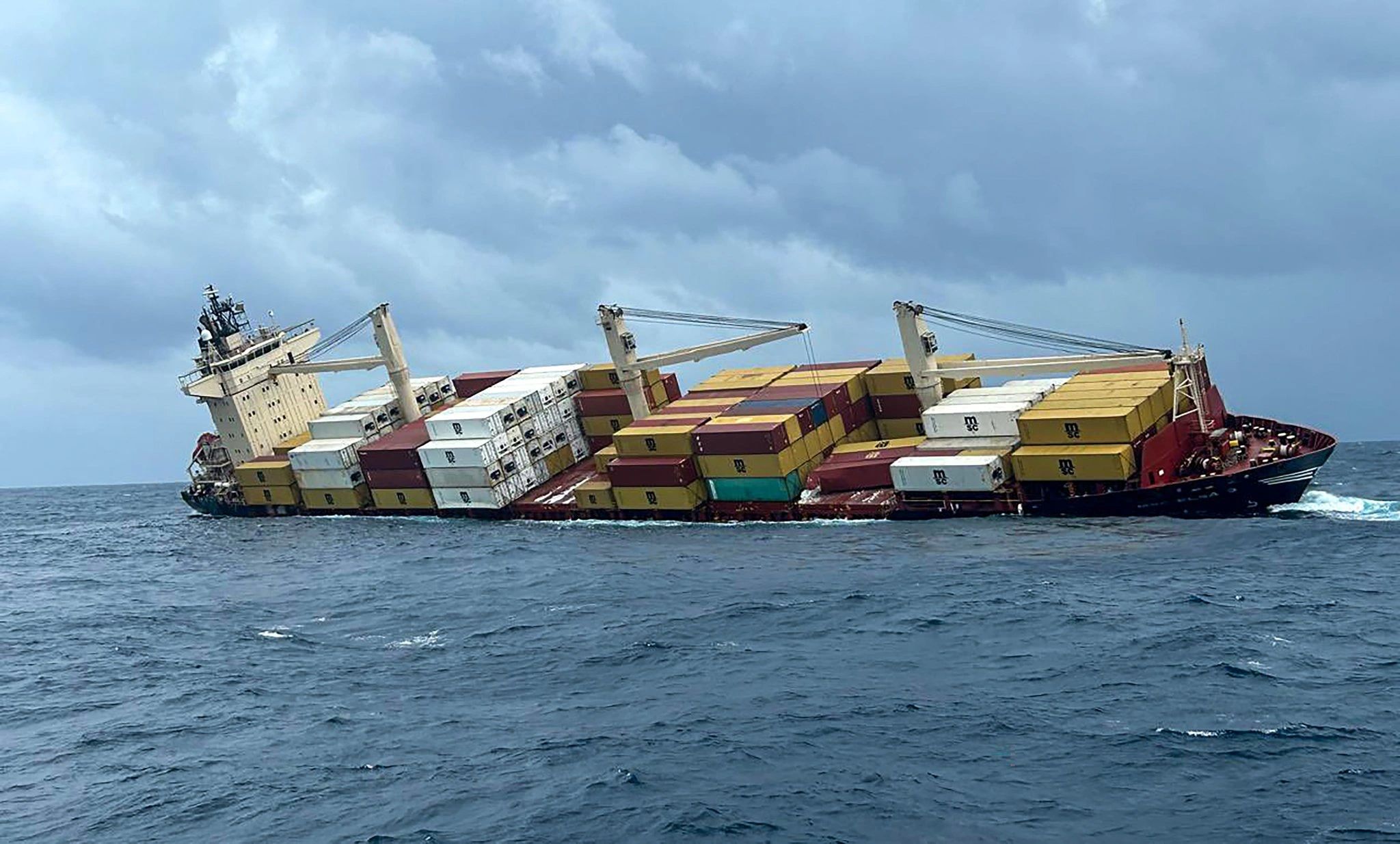
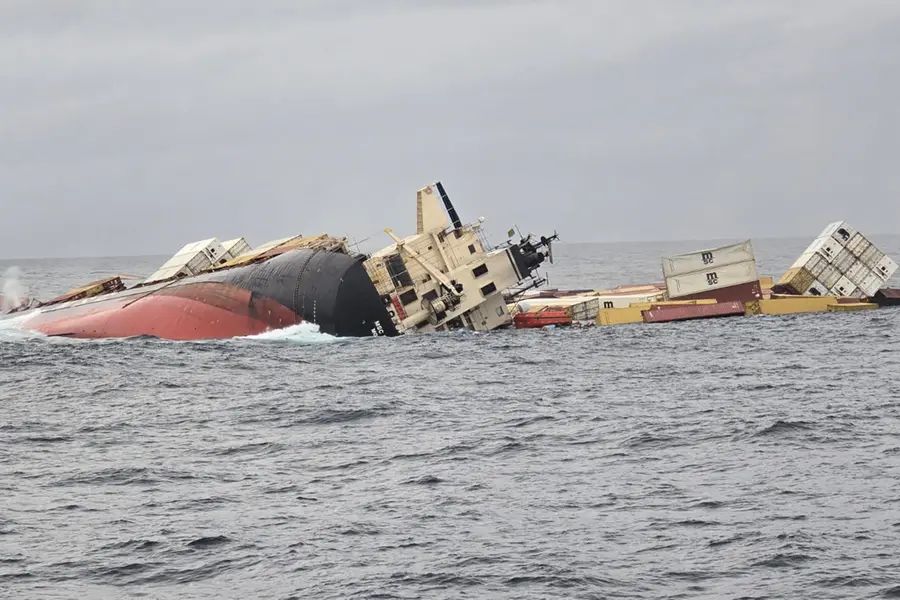
NEW DELHI : In response to the recent maritime disaster involving the sinking of a cargo vessel carrying 643 containers, including 13 known to contain hazardous materials, the Centre for Marine Living Resources and Ecology (CMLRE) under Ministry of Earth Sciences (MoES), is launching a focused oceanographic research cruise to investigate the potential ecological and biogeochemical impacts in the southern section of the south eastern Arabian Sea.

The vessel, which sank earlier this month, has triggered serious environmental concerns given the potential release of toxic substances into one of the most biologically productive regions amongst the Indian ecosystems. The cruise, scheduled from June 3 to June 12, 2025, will operate out of Kochi, navigating a loop track from Kochi to Kochi, and will cover a carefully charted section of the southeastern Arabian Sea, with a special focus on the wreck site located at 09°18.76’N and 076°08.12’E. The study area will include 16 research stations arranged in two meridional transects, spaced 10 nautical miles apart, providing zonal coverage of the region directly surrounding the sunken vessel.

This 10-day scientific voyage aims to offer a comprehensive assessment of the impact of the incident on marine life, fisheries, and the chemical balance of the surrounding waters and sediments. The primary goal is to monitor both biogeochemical and ecological parameters in the shipwreck area, as well as the regional hydrography and ocean currents using advanced instruments and methods. These instruments will help understand the physical structure and circulation of water in the impacted zone, which is critical for tracking the dispersion of pollutants. The team will operate high-end acoustic systems such as the Long-Range SONAR SX90 and multiple frequency split-beam echo sounders.  These tools will assist in locating the wreck and in mapping the area and water column disturbances, as well as identifying fish schools or other biological anomalies that could indicate stress or changes in marine life behaviour due to the spill.

Chemical and biological sampling forms a core part of this operation.  The team will analyse critical chemical and biogeochemical parameters, including dissolved oxygen, chlorophyll, various nutrients, polyaromatic hydrocarbons, heavy metal content, trace elements, pH, and particulate organic matter & carbon. These samples will also support microplastic and ecotoxicology analyses. The team will assess the distribution and health of phytoplankton, zooplankton, and fish eggs & larvae.

Concurrently, sediment samples will be collected using grab samplers at all 16 stations to examine benthic fauna and assess seabed contamination.   Underwater cameras will be deployed at selected locations to visually inspect the wreck and surrounding areas for evidence of structural damage, oil leaks, or stressed marine organisms. A Big Eye camera will be used for large-scale surface monitoring.

The team’s collective expertise spans physical oceanography, Marine biology, fisheries acoustics, marine chemistry, fisheries and environmental toxicology. Their integrated approach will not only help quantify the immediate environmental impact but will also lay the groundwork for long-term ecological monitoring and mitigation strategies.  Ultimately, the cruise is expected to generate an extensive data set that will inform stakeholders, including policymakers, fisheries managers, and conservationists, about the scope of the environmental damage and guide recovery plans.

The importance of this mission cannot be overstated. The Arabian Sea is a biodiversity hotspot, especially during the monsoon season, which is very critical as the Kochi to Kanyakumari sector is an active spawning-breeding ground during May and June (initial phase of the monsoon).  Most of the commercially important pelagic fishes like sardines, mackerel and anchovies prefer this area for their breeding. 

So, any disturbance in this fragile marine environment has cascading effects on regional ecology and livelihoods, especially in a country where millions depend on marine resources. Through this cruise, CMLRE is not only responding promptly to an environmental emergency but also demonstrating the critical role of scientific research in marine disaster response.

Wan Hai Lines holds naming ceremony for 13,100 Teu Newbuilding “WAN HAI A19” accompanied by a charity donation

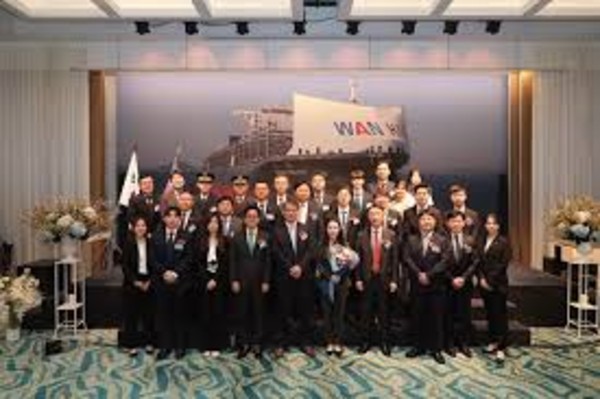
TAIPEI : Wan Hai Lines held ship naming ceremony for WAN HAI A19 accompanied by a charity event on 29th May at Samsung Heavy Industries Geoje shipyard. Ms. Huifang Zhang, Logistics Director of Meiying Household Group Co., Ltd, performed the christening rituals, bestowing blessings on the vessel for good fortune and safe journeys. Wan Hai Lines had signed a total of thirteen 13,100 teu containerships with Samsung Heavy Industries in 2021. WAN HAI A19 is the twelfth vessel in this series and is expected to be delivered in early June. Upon delivery, she will join Wan Hai Lines’ Asia to West Coast of South America service, “ASA”.

This series of containerships has a length overall of 335 meters and a breadth of 51 meters, featuring new engines and various eco-friendly and energy-saving designs. In addition, this series of vessels has obtained the “Smart Ship Notation” certification, which enables the use of various monitoring systems and communication equipment to collect real-time ship navigation data and equipment operation conditions, ensuring safe and reliable maritime transportation services.

The successive delivery of Wan Hai Lines’ 13,100 TEU series vessels symbolizes the further expansion and upgrading of the company’s own fleet. It does not only enhance the company’s shipping capacity but also strengthen its market competitiveness, thus providing customers with more comprehensive and high quality services In addition to naming the new vessel, Wan Hai Lines has also made a donation to a local charity organization –Geumgang Temple Child Care center. This gesture aims to benefit the local community, underlining Wan Hai Lines’ motto, “We carry, we care”, as the company is committed to fulfilling its corporate social responsibility by providing quality service to customers and bringing positive contribution to the society.

Kerala shipwreck: NGT asks shipping firm MSC to clarify hazardous cargo in sunken Liberia-flagged vessel

KOCHI : The National Green Tribunal (NGT) has stated that Mediterranean Shipping Company (MSC) that owned the Liberia-flagged container vessel MSC Elsa 3 that sank off the Kochi coast on May 25, 2025 was expected to clarify on the contents of the hazardous cargo in the 13 of the 640 containers.

An order dated May 27, 2025 issued by the Principal Bench of the tribunal in New Delhi pointed out that there were chances of serious impact to the marine and coastal environment affecting the biodiversity and water quality of the area as the sunken ship was carrying hazardous materials such as calcium carbide, oil and other undisclosed items.

The Bench, comprising Prakash Shrivastava, Chairperson, and A. Senthil Vel, expert member, said that the incident violated the provisions under the Biodiversity Act, 2002; Water (Prevention and Control of Pollution) Act, 1974 and the Environment Protection Act, 1986.

DNV grants AiP to HHI for 40K cbm LCO₂ carrier with three cargo holds

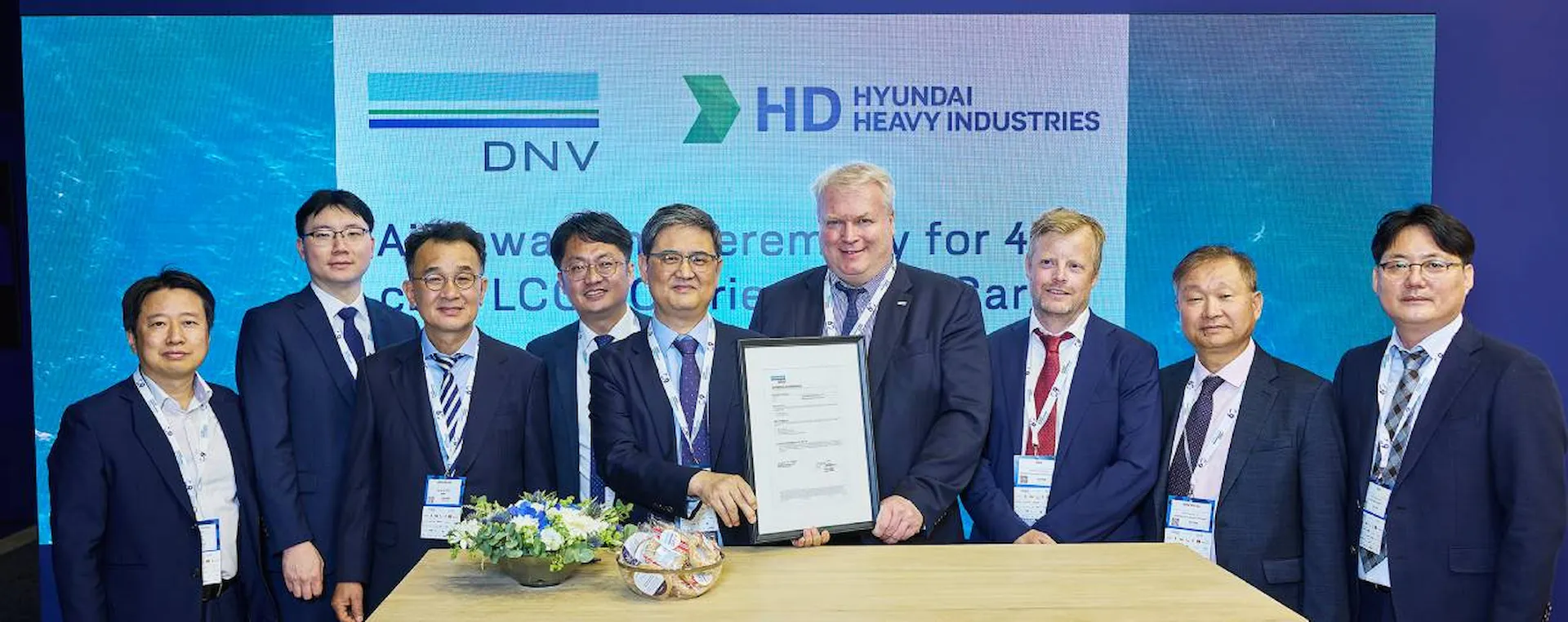
OSLO :  At the Nor-Shipping trade fair, classification society DNV awarded HD Hyundai Heavy Industries (HHI) an Approval in Principle (AiP) to for its newly developed 40,000 CBM liquefied CO₂ (LCO₂) carrier design featuring three cargo holds.

The cargo handling system is optimized through a reduction in the number of cargo holds from four to three which results in number of cargo tanks as well. This redesign simplifies the overall system architecture, resulting in enhanced operational convenience for inspection and maintenance, streamlined loading operations, and a reduction in piping systems and instrumentation. In addition, the performance of the Boil-Off Gas (BOG) management system has been improved due to increase in each volume of the cargo tanks, contributing to improved overall system efficiency and better energy management on board.

Hong-Ryeul Ryu, CTO and Executive Vice President, from HD Hyundai Heavy Industries, said: “Receiving DNV’s AiP for our latest LCO2 carrier design, shows the progress we are making in realizing practical, high-performance solutions for CO2 transportation. We believe this innovation will bring tangible benefits to operators through simplified operations and improved fuel efficiency. Because as CCUS becomes more widely deployed, it is vital that we can utilize vessels as part of cost-effective and flexible large-scale CO2 supply chains.”

Vidar Dolonen, Regional Manager of DNV Korea & Japan stated: “DNV is proud to support and recognize HHI on this important step forward in CO2 transport. Working together with forward looking partners like HHI to find compliant and optimized solutions is vital in emerging segments like LCO2 transport. At DNV, we’re proud to support these developments, through our expertise and trusted voice we help build confidence in new value chains that move the world closer to a decarbonized future.”

An Approval in Principle (AiP) is an independent evaluation of a concept based on a predefined framework of requirements. It confirms the feasibility of the design and ensures there are no significant technical obstacles hindering its implementation.

Sinokor expands crude oil transport, plans to sell half of bulk carrier fleet

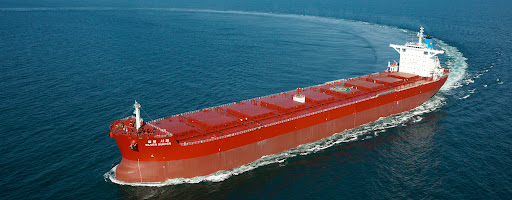
SEOUL : The domestic shipping giant Sinokor Merchant Marine is reportedly pushing for the sale of half of its bulk carrier fleet that it currently operates. Analysts suggest this is in response to establishing a collaboration with the multinational commodity trading company Trafigura, aimed at restructuring its business around crude oil transportation.

According to industry reports on the 30th, Sinokor Merchant Marine is in the process of selling four Cape-size bulk carriers (ships with a deadweight tonnage of 170,000 or more) and three Panamax bulk carriers (ships with a deadweight tonnage of around 80,000).

All of these ships were built between 2011 and 2012, with the total sale price, including charter delivery, reported to be $163 million (about 225 billion won). Sinokor Merchant Marine operates a total of 14 bulk carriers, including the seven being sold, three 180,000 DWT class ships, one 130,000 DWT class ship, one 100,000 DWT class ship, and two 80,000 DWT class ships.

Industry analysts predict that with the new partnership formed with Trafigura, Sinokor Merchant Marine will restructure its business around tanker vessels.

Since the beginning of this year, Sinokor Merchant Marine has established a partnership with Trafigura and launched a joint venture called ‘Lucky Maritime’ last month to promote integrated operations of large crude oil carriers (Very Large Crude Carriers, VLCCs). It is reported that Lucky Maritime plans to increase the number of operational VLCCs to over 100, aiming to capture 12% of market share.

Sinokor Merchant Marine is expanding the scale of its tanker vessels operated by its subsidiaries, including Lucky Maritime, Sinokor Petrochemical, and Heung-A Shipping. Last year alone, Lucky Maritime added six tanker vessels, and Heung-A Shipping also expanded by adding one tanker vessel. The total number of tankers operated by Sinokor Merchant Marine, including VLCCs, is reported to be 39.

Industry analysts suggest that Sinokor Merchant Marine is expanding its related business in response to projections of tanker supply shortages. The tanker specialist analysis firm Tankers International reports that among the currently active VLCCs, 130 are over 20 years old, and only 70 new VLCC vessels are expected to be supplied in the next three years, leading to a supply shortage.

Sinokor Merchant Marine’s revenue last year was 3.4018 trillion won, reflecting a 10% increase from the previous year, and operating profit surged by 55% to 534 billion won. Sinokor Merchant Marine stated that there is nothing they can confirm regarding the sale of bulk carriers.

Source : ChosunBiz

All deepsea terminals at the Maasvlakte now verify the operating carrier

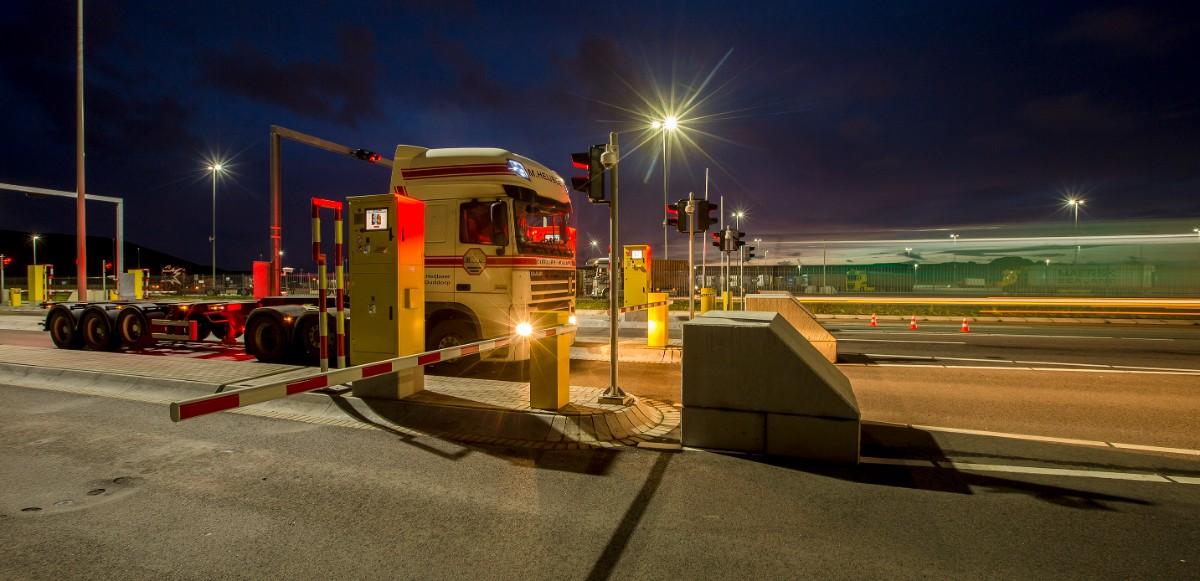
ROTTERDAM : An automatic check at the gate ensures that only the correct driver is granted access to the terminal. This so-called verification of the operating carrier has now been implemented at all deepsea terminals at Rotterdam’s Maasvlakte. This further minimises the risk of misuse during the container collection process.

Each deepsea terminal at the Maasvlakte introduced the verification of the operating carrier at a different time. The ECT Delta terminal, ECT Euromax terminal (both part of Hutchison Ports ECT Rotterdam), Hutchison Ports Delta II, RWG and, most recently, APM Terminals Maasvlakte II have successively implemented the process. The participating terminals regard this verification of the operating carrier as a logical final step in the Secure Chain introduced in Rotterdam. Since early 2025, deepsea shipping lines will no longer issue fraud-sensitive PIN codes for the collection of containers. In the Secure Chain, the collection right is securely transferred digitally from link to link. When a driver arrives at the terminal gate, the verification of the operating carrier serves as the final security step.

Simple operation

At the gate, the identity of the operating carrier is verified by comparing the unique EAN number on the visiting driver’s CargoCard against the EAN number as specified in the pre-notification submitted by the carrier via the Port Community System of Portbase. The driver is only allowed to proceed if both numbers match. The EAN numbers are issued by Secure Logistics.

Secure Chain

Through the Secure Chain, the business community and authorities work together to boost the digital resilience of the port logistics sector. Combined, the initiating parties represent the entire logistics chain: from the shipping line/ship agent, shipper and forwarder to the logistics service provider, inland operator (truck, train, barge) and terminal. The Port of Rotterdam Authority, the Municipality of Rotterdam, Dutch Customs, the Seaport Police and several semi-public organisations support the Secure Chain as well.

KR and HD Hyundai Heavy Industries team up to develop a very large Ethane Carrier

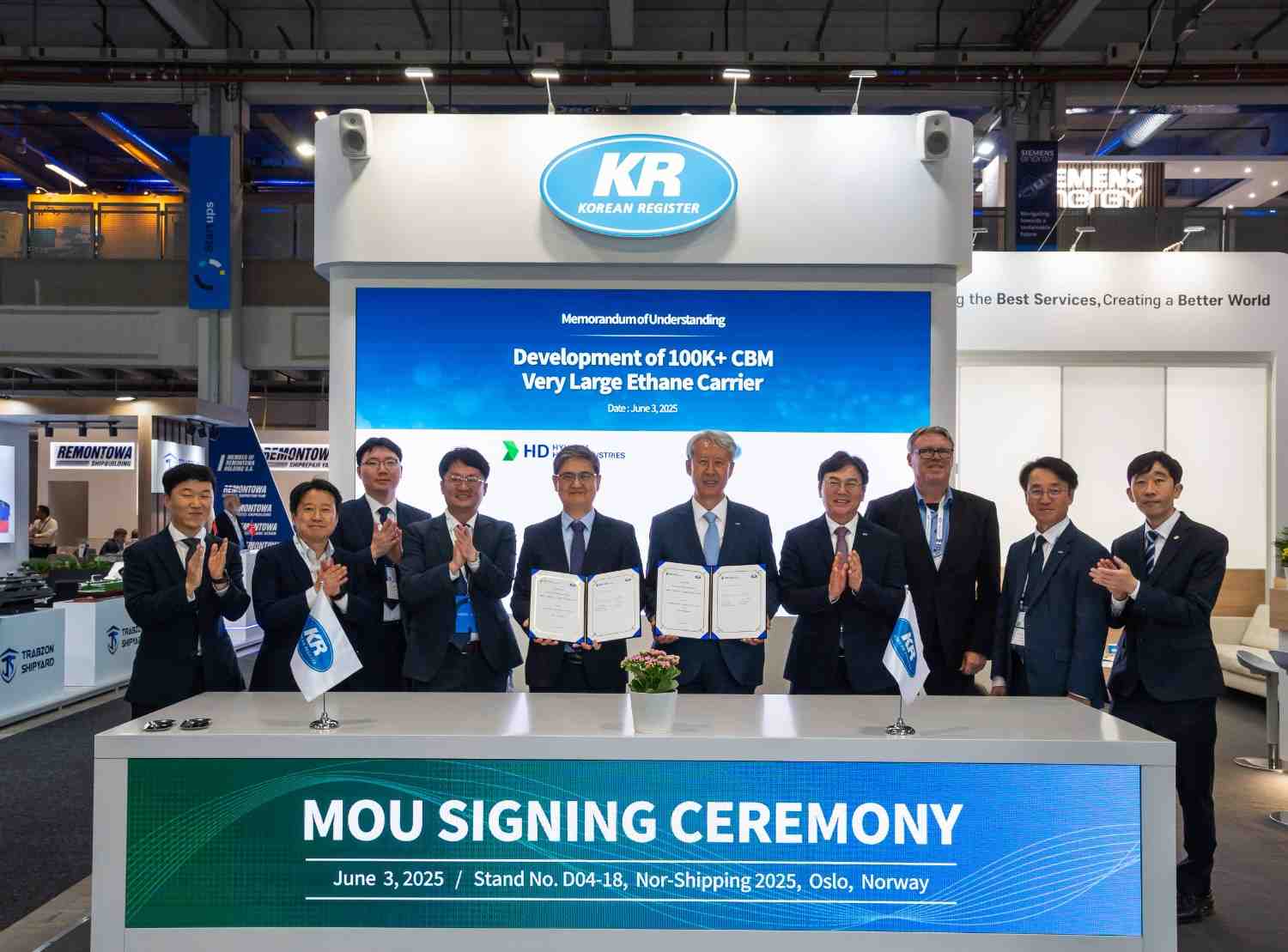
BUSAN : KR (Korean Register) signed a Memorandum of Understanding (MOU) with HD Hyundai Heavy Industries (HD HHI) on June 3 during Nor-Shipping 2025 to jointly develop a very large ethane carrier (VLEC). 

Ethane carriers are high value-added vessels designed to transport liquefied ethane at ultra-low temperatures of around -100°C. These ships require advanced engineering capabilities and highly specialized design expertise due to the complexity of their cargo. 

The new VLEC to be developed under this partnership will have a cargo capacity exceeding 100,000 m³. It will be designed to maximize cargo volume while minimizing changes to the main specifications of conventional vessel designs. Additionally, the vessel will be capable of transporting a variety of cargoes, such as LPG and propylene, enhancing operational flexibility and market responsiveness for shipowners. 

Under this joint project, HHI will take the lead in the vessel’s basic and hull design. KR will review the safety and regulatory compliance of the design in accordance with its latest structural rules for gas carriers and international standards, with the aim of granting an Approval in Principle (AiP). 

RYU Hong-Ryul, CTO and Executive Vice President at HHI, stated, “Through the development of this next-generation vessel capable of transporting more cargo under the same conditions, we will once again demonstrate HHI’s technological leadership in the global ethane transportation market. Ultimately, we aim to deliver a sustainable solution that enhances both profitability and environmental performance for our customers.” 

LEE Hyungchul, Chairman & CEO of KR, commented, “This joint effort marks a meaningful starting point in the development of next-generation ethane carriers. KR remains committed to supporting the industry and driving innovation in future ship technologies.” 

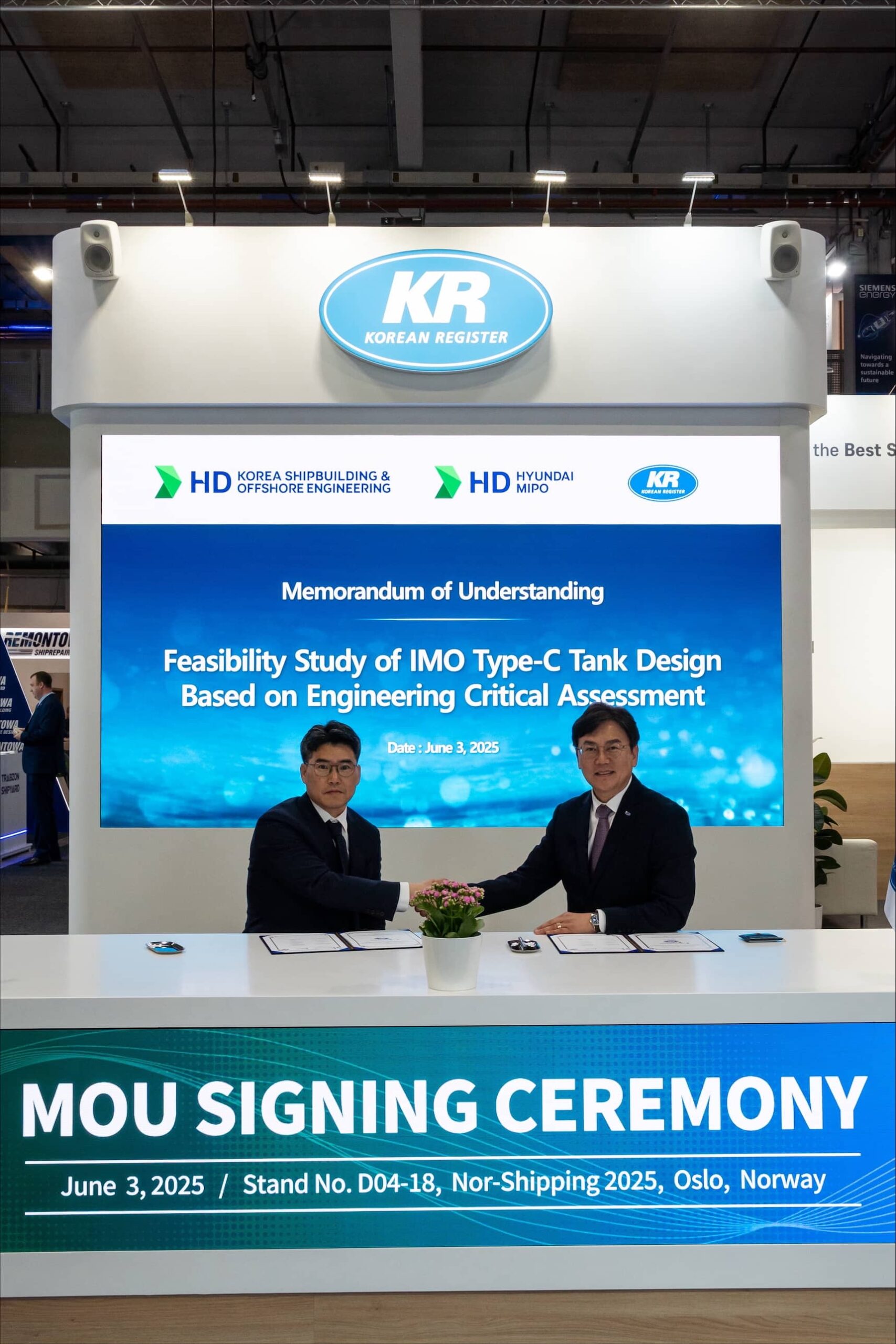
KR, HD Hyundai Mipo and HD KSOE Collaborate on Safe and Sustainable Tank Design for Green Ships

OSLO : KR (Korean Register) has signed a memorandum of understanding (MOU) with HD Hyundai Mipo and HD Korean Shipbuilding & Offshore Engineering (HD KSOE) on June 3 at Nor-Shipping 2025 in Oslo, Norway. 

The agreement focuses on applying Engineering Critical Assessment (ECA) techniques to the design of Type-C cargo tanks for liquefied gas carriers to ensure their structural safety. 

With the maritime industry accelerating its transition toward decarbonization, demand is growing for ships powered by alternative fuels such as LNG, ammonia, and hydrogen. These fuels are typically stored and transported in high-pressure, cryogenic liquefied form, requiring advanced safety measures for onboard containment systems. Therefore, ensuring the structural integrity of cargo tanks has become a critical element in next-generation, environmentally sustainable ship design. 

This MOU represents a proactive response to these evolving needs. The three parties aim to improve the structural safety and design reliability of IMO Type-C independent tanks—one of the most widely adopted containment systems for low-emission vessels. Type-C tanks are commonly used on small to mid-sized gas carriers and bunkering vessels due to their structural independence and ability to store high-pressure cargo, and therefore require precise structural analysis to ensure safety. 

To tackle these technical challenges, the partners will apply Engineering Critical Assessment (ECA)—a fracture mechanics-based structural analysis method—from the early stages of design. ECA simulates potential crack propagation in metallic structures, and assesses whether they can safely withstand real-world operating conditions. The methodology is particularly well-suited for high-pressure, low-temperature environments such as those found in liquefied gas storage. 

Under the agreement, HD Hyundai Mipo will conduct structural strength and fatigue assessments of the tanks, and HD KSOE will lead tank design and perform ECA-based structural evaluations. KR will review safety and compliance of the design in accordance with its classification rules and the international convention (IGC Code), with the goal of issuing an Approval in Principle (AIP). 

LEE Dong-jin, Executive Vice President of HD Hyundai Mipo, commented, “Through this collaboration, we aim to secure AIP and further strengthen our competitiveness in the green ship market. We will continue to lead the industry through the development of high-value-added technologies.” 

LEE Dong-ju, Senior Vice President of HD KSOE, said, “This project marks meaningful progress in ensuring both structural safety and design rationality of fuel tanks for green ships through the application of advanced structural evaluation techniques. We remain committed to advancing design and manufacturing technologies for environmentally friendly vessels.” 

KIM Han-se, Senior Vice President of HD KSOE SD Business Unit, stated, “The joint development effort is expected to enhance the competitiveness of independent tanks in the high-value, eco-friendly vessel market. We are dedicated to delivering safe and efficient tank solutions tailored to the evolving demands of global shipowners, leveraging our advanced design and evaluation expertise.” 

YEON Kyujin, Senior Vice President of KR, added, “This collaboration serves as a meaningful opportunity to integrate the ECA methodology into the design of liquefied gas tanks. KR will continue to provide robust technical support for the advancement of sustainable vessel technologies across the shipbuilding sector.”