Home Blog Page 820

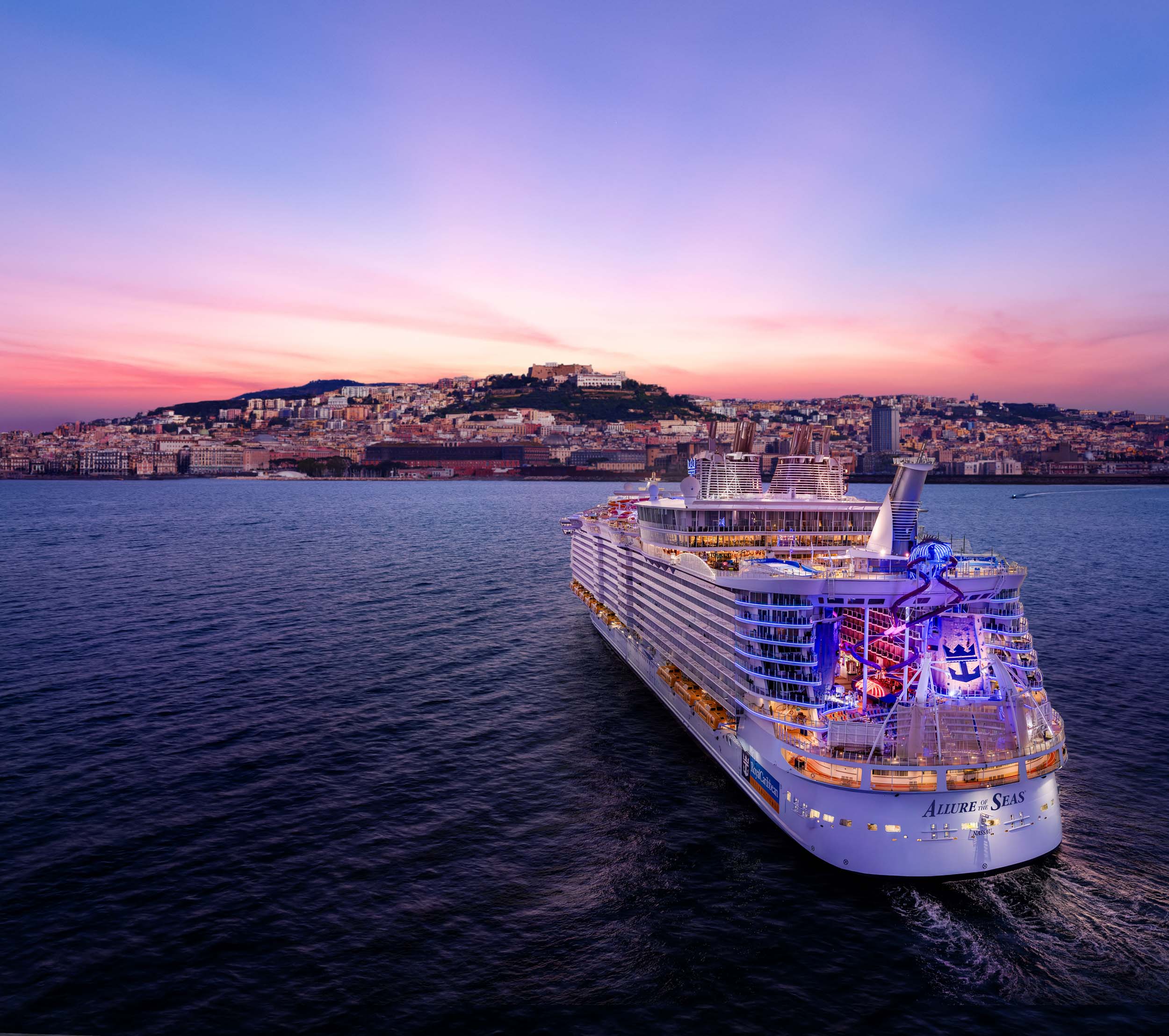
Foreship supports amplification of Allure of the Seas

HELSINKI : Ship design and engineering company Foreship has been working with Royal Caribbean on the $100 million amplification of Allure of the Seas, culminating in the recently completed drydock phase.

Foreship’s multi-disciplinary team worked in close coordination with Royal Caribbean from the planning phase in late 2023 onwards, with personnel in the yard on project management duties until the new-look ship’s redelivery in April 2025.

In between, Foreship has been providing the naval architecture, risk assessment, basic design work, piping and cabling engineering services, documentation for class and contractor coordination that turn owner amplification ambitions into ship-shape solutions.

Tasks have included designing a new steel structure in the forward part of the ship to accommodate additional cabins, and structural design to support new water slides.

Foreship has also taken care of work involving the installation of Ultimate Abyss – a 10-storey dry slide at the aft of the ship that is already featured on other Oasis-class ships. With a 100ft drop between decks 16 and 6, the exhilarating ride required new pillars under Boardwalk on Deck 6 to take the additional load.

In less visible work, Foreship has taken responsibility for modifying the piping, electrical cabling, and other systems that Allure of the Seas needs to support new attractions, including whirlpools and fountains and a remodeled pool deck.

“We have been working with Royal Caribbean for over a decade across multiple major assignments, including their newbuilding and refurbishment work and we are delighted to add the amplification of Allure of the Seas to our Royal Caribbean projects,” said Daniel Grönroos, Senior Project Manager, Foreship. “Our job is to provide the planning, design, engineering, and project management services to help Royal Caribbean deliver phenomenal holidays.”

ELCOME’s New Wi-Fi Solution is improving Life at Sea for Seafarers

PHILADELPHIA : When the Maritime Labour Convention’s latest amendments came into force in December 2024, requiring “regular and reliable” internet access for seafarers, many in the industry saw an opportunity to improve life at sea for seafarers. For HR and crewing departments under pressure to attract and retain skilled personnel, digital connectivity is fast becoming a frontline strategy. And Elcome’s WELCOME Wi-Fi is emerging as a critical enabler.

According to various seafarer happiness indices, crew sentiment continues to decline, with poor internet access among the top concerns across all ranks. Crews cite inconsistent connectivity, restrictive policies, and limited privacy when using onboard internet systems. In an industry still grappling with the aftermath of COVID-19, where extended contracts and crew change delays took a psychological toll, the ability to stay in touch with friends and family at home is widely considered a basic human right.

WELCOME Wi-Fi responds directly to this need. Designed to decouple crew internet access from ship systems, it allows individual seafarers to purchase affordable, high-speed data plans directly from their devices. By removing technical barriers and decoupling from ship infrastructure, WELCOME gives seafarers full control over their digital experience, enabling private, uninterrupted access to communication, entertainment, and emotional well-being tools. This independence matters. For many crews, internet rationing and bandwidth sharing still feel punitive. WELCOME eliminates that friction.But the real shift is strategic. Increasingly, crew welfare is not just a moral imperative it’s a core element of operational resilience.

“Based on conversations we are having with ship management companies we’ve noticed a few customers moving beyond compliance and seeing crew welfare not as a checkbox, but a vital strategic investment in the people who keep global trade moving,” says Jimmy Grewal, Elcome’s Managing Director.

“The vessels that invest in quality-of-life measures win. Reliable, personal internet has become a differentiator, particularly among younger crews who expect the same digital norms at sea as on land,” he added.

WELCOME makes this possible without adding strain to onboard teams. The installation is plug-and-play. The system runs on a separate channel from the ship’s main communications setup, meaning no interference with navigation, reporting, or IT security protocols. Crews don’t need to request access or wait for officers to distribute data vouchers. Instead, they join a secure Wi-Fi network, log into the portal, and select the plan that suits them — often for less than the cost of a cup of coffee ashore. Any unused data carries over between WELCOME-equipped vessels, making it ideal for crew moving across a fleet.

This simplicity has serious commercial and operational benefits for all stakeholders. HR and IT managers are often forced into uneasy trade-offs between cost, security, and crew expectations. WELCOME sidesteps that dilemma. Because it isolates personal traffic, it actually enhances cybersecurity while reducing administrative load. No bandwidth quotas to manage. No logs to monitor. No conflicts over access.

Cost efficiency is also built into the model. Elcome provides its hardware kit – which includes Starlink terminals, network switches, and high-performance access points – free of charge to qualifying vessels. There are no licensing fees, no recurring installation costs, and no disruption to operations.

For shipowners, that means there is no installation, set up or operational costs. From an investment perspective, it’s one of the few line items that improves compliance, retention, crew morale and operational performance simultaneously without any underlying fiscal requirement. It removes the traditional cost and administrative barriers to digital inclusion for seafarers. 

“That operational edge is easy to overlook but critical,” says Grewal. “By keeping seafarer internet off the ship’s systems, operators gain full bandwidth for route optimisation, predictive maintenance, video inspections, and real-time reporting. As more ship systems become cloud-reliant, the ability to protect communications channels from overload is no longer optional. WELCOME acts as a pressure valve – improving life for the crew while protecting the business from digital bottlenecks.”

Usage statistics tell a compelling story. Onboard engagement is high, with crews consuming gigabytes of data per day, engaging with family, culture, entertainment and self-care. In one deployment case, nearly half the vessel’s crew activated accounts within the first 48 hours of installation. It’s a clear signal: when digital autonomy is offered, it’s embraced.

John Hood, a United States of America seafarer serving aboard a 70m OSV, says: “Before WELCOME, I couldn’t always stay in touch with my family. It was very often that FaceTime audio would cut out or not connect. I no longer have this issue, as I’m able to call home before and after work every day. It has really been a blessing”.

Filippino seafarer John Alarcon aboard a 200m long woodchip carrier is another to benefit. “I have sailed with ships that has internet before but usually we only have few data allowance [sic]. I can now purchase my own data allowance whenever I need to without the hassle. WELCOME helps me stay connected with my family, which is a big thing for us seafarers.”

Another Seafarer from the Philippines, Ryan C. Jimenez, says WELCOME makes a nine-month stint onboard much easier. He is less homesick and there are “no more lonely nights”.

Asneed Ameer, Elcome’s Senior Manager of Connectivity, furthers: “For HR teams, WELCOME offers measurability. Adoption rates, usage patterns, and feedback can all be tracked to build a data-driven view of crew engagement and, ultimately, contentment. This helps identify welfare gaps, adjust communication strategies, and even inform crewing policy.”

But the implications extend beyond crew happiness. Regulators and charterers are looking more closely at the welfare standards onboard vessels. Auditable, fair, and independent internet provision is increasingly seen as part of ESG and social licence reporting. In that sense, installing WELCOME goes way beyond compliance: it demonstrates a duty of care.

It is telling that WELCOME, developed specifically for maritime industry use, has already found traction not just in cargo fleets, but in offshore and cruise sectors where user density and digital expectations are higher.

With support for thousands of concurrent devices and global coverage, including in the territorial waters of over 120 countries, the low latency, high-speed and secure system is positioned to serve the full spectrum of maritime operations.

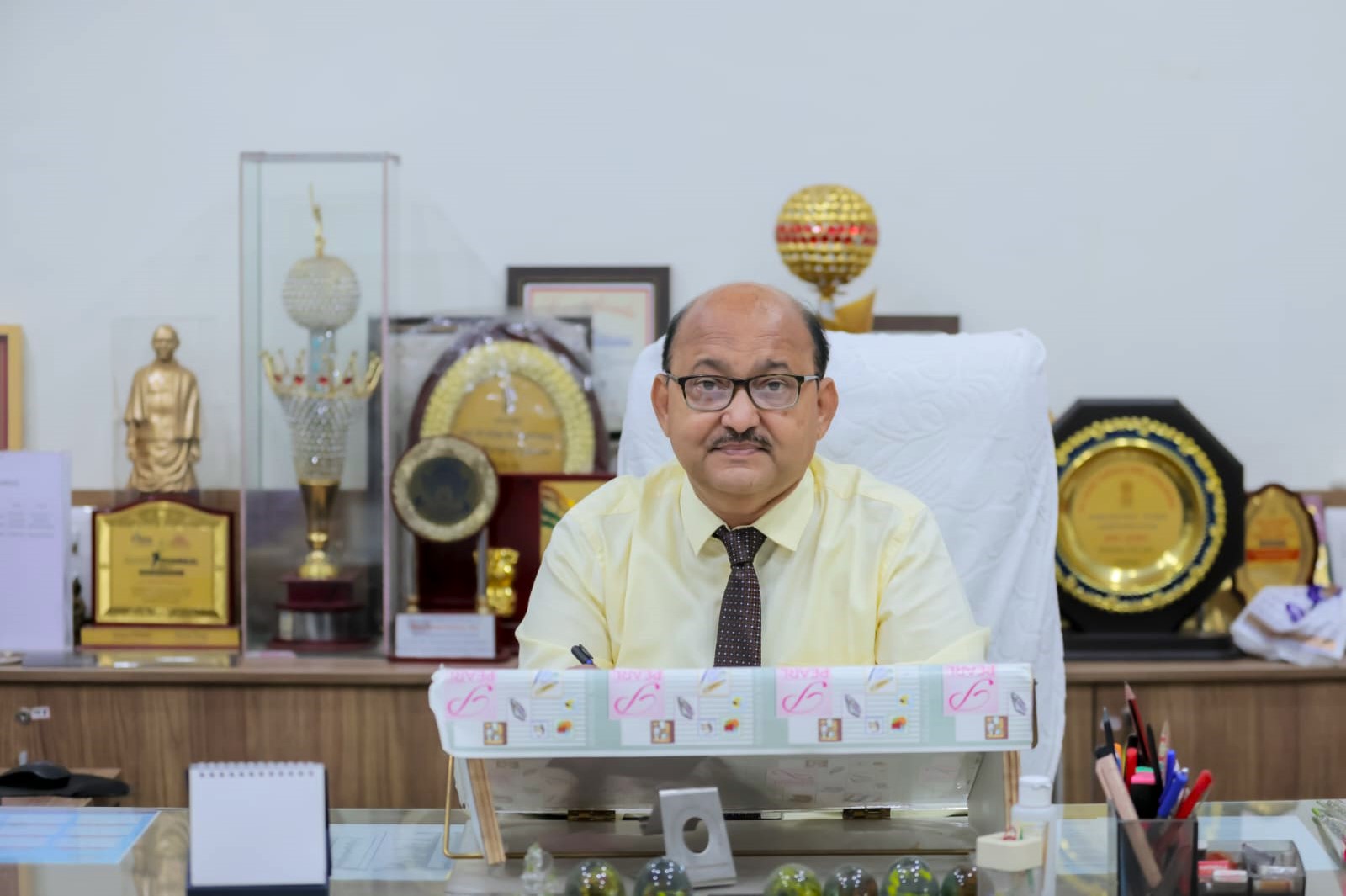
Yogesh Kumar Singh assumes the charge of the post of Secretary, Deendayal Port Authority

GANDHIDHAM : Shri Yogesh Kumar Singh has assumed the charge of the post of Secretary, Deendayal Port Authority, on 01.06.2025(F/N). Shri Yogesh Kumar Singh has begun his career in the Port Sector in the year 1997 by joining Kolkata Port Trust as Personnel Officer. He has put in more than 25 years’ of Port service in Class-I cadre in various capacities as well as around 05 years’ experience in Private Sector in Executive Cadre. Before joining DPA, he also happens to be Visiting Guest Faculty for IIPM, Kolkata (Presently, known as IMU, Kolkata Chapter), and rendered Training on various subjects/topics, to the Port Officials, nominated by various Ports for Trainings. After completing his graduation in Science, Shri Singh acquired Post Graduate Diploma in Human Resource Management, Diploma in Social Work (Labour Welfare) as well as Masters’ Degree in Sociology.

WhatsApp Image 2025 06 02 at 11.53.51 AM Yogesh Kumar Singh assumes the charge of the post of Secretary, Deendayal Port Authority

He has wide knowledge, experience and exposure in the area of Port Administration, Recruitment, Promotions, Establishment matters, Labour Welfare, Hospitality Management, Event Management, Transport Management, Training & Development and Industrial Relations, dealing with Trade Unions, Departmental Proceedings, Quasi-judicial functions, Public Relations etc. While working in DPA, his contribution towards formulation of Employee Welfare Centric Schemes, are notable and appreciated by all. Incidentally, he imparted training to DPA Officials in the year 2005, as Visiting Guest Faculty on behalf of IIPM.

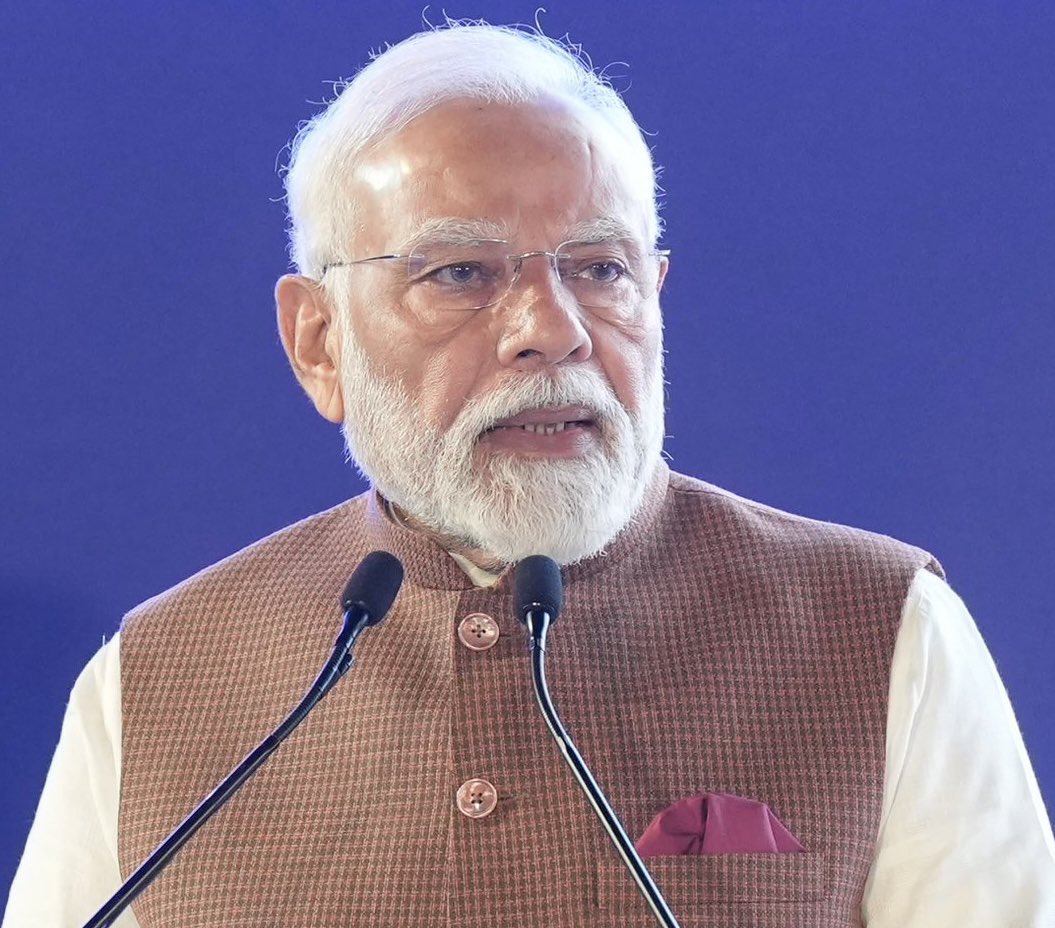
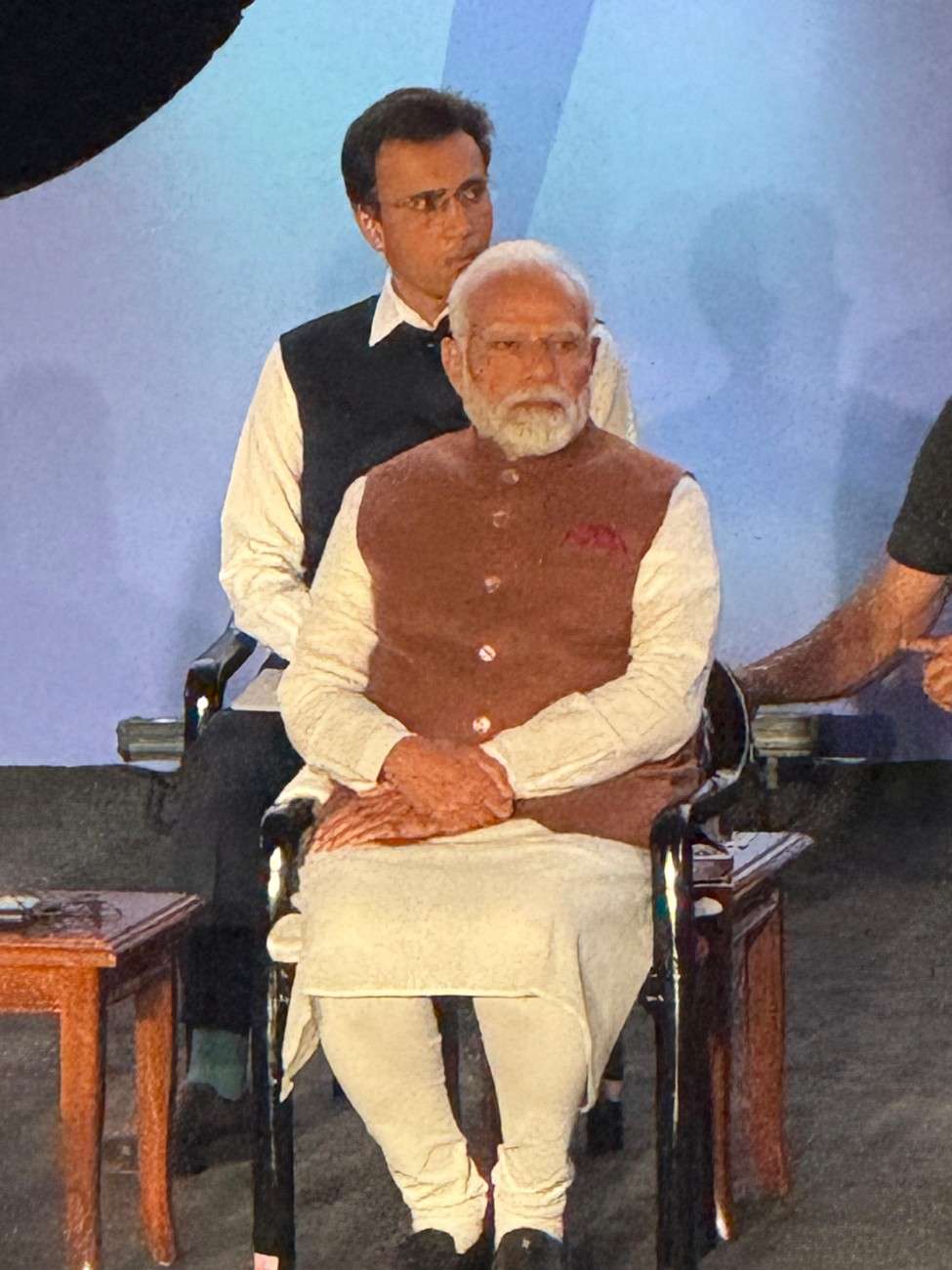
PM Modi addresses IATA’s 81st AGM and plenary Session of WATS

NEW DELHI : In line with his commitment to developing world-class air infrastructure and enhancing connectivity, Prime Minister Shri Narendra Modi addressed the International Air Transport Association’s (IATA) 81st Annual General Meeting (AGM) and the plenary session of World Air Transport Summit (WATS) at Bharat Mandapam here on Monday. Speaking at the event, the Prime Minister welcomed guests, highlighting the significance of the event returning to India after four decades. He emphasized the transformative changes India has undergone during this period, stating that today’s India is more confident than ever. He underscored India’s role in the global aviation ecosystem, not only as a vast market but also as a symbol of policy leadership, innovation, and inclusive development. “Today, India is emerging as a global leader in space-aviation convergence”, remarked the Prime Minister, noting that the civil aviation sector has witnessed historic advancements over the past decade, which are well recognized.

PM Modi addresses IATAs 81st AGM and plenary Session of WATSummit2 PM Modi addresses IATA's 81st AGM and plenary Session of WATS

Emphasizing that this summit and dialogue serve as a platform not only for aviation but also for advancing global cooperation, climate commitments, and equitable growth, Shri Modi highlighted that discussions at the summit will provide new direction to global aviation, unlocking its infinite possibilities and optimizing its potential. He remarked on humanity’s ability to cover vast distances and intercontinental journeys in mere hours, stressing that the aspirations of the 21st century continue to evolve beyond conventional travel. The Prime Minister noted the rapid pace of innovation and technological advancements, stating that as speed increases, distant destinations are becoming our destiny.

Mr C K Govil, President ACAAI described the event as a historic moment for India. He said, “It is for the first time that the Prime Minister of India — or for that matter, any Head of Government from any country — has attended the IATA Annual General Meeting. This is a truly historic moment, not just for Indian aviation but for the global aviation community. It is a matter of immense pride and honour for India to have our Hon’ble Prime Minister grace such a prestigious global platform. His presence underscores India’s growing prominence in global aviation and its pivotal role in shaping the future of air transport and connectivity.”

Mr Govil further added, “this landmark occasion reflects the government’s strong commitment to strengthening civil aviation, promoting sustainability, and fostering international collaboration. It also reaffirms India’s position as one of the fastest-growing aviation markets and a key stakeholder in the global logistics and transportation ecosystem. A proud moment for every Indian and a defining milestone in our aviation journey!”

India today is the world’s third-largest domestic aviation market : PM Modi

NEW DELHI : Prime Minister Shri Narendra Modi said while addressing the International Air Transport Association’s (IATA) 81st Annual General Meeting (AGM) and the plenary session of World Air Transport Summit (WATS) at Bharat Mandapam here on Monday 2nd June that, India is growing in the Aviation market rapidly and now the world’s third-largest.

PM highlighted India’s remarkable transformation in civil aviation over the past years. He added, “India has become the third-largest domestic aviation market in the world”. Emphasizing the success of the UDAN scheme, calling it a golden chapter in Indian civil aviation history, Shri Modi stated that under this initiative, over 15 million passengers have benefitted from affordable air travel, enabling many citizens to fly for the first time. The Prime Minister remarked that India’s airlines continue to achieve double-digit growth, with 240 million passengers flying annually—surpassing the total population of most countries worldwide. He projected that by 2030, this number is expected to reach 500 million passengers. Shri Modi noted that 3.5 million metric tons of cargo are transported by air annually in India and this volume is set to increase to 10 million metric tons by the end of this decade.

Emphasizing that these figures are not just statistics but a reflection of India’s immense potential, the Prime Minister highlighted that India is actively working on a futuristic roadmap to maximize this potential. He underscored India’s investment in world-class airport infrastructure, noting that in 2014, the country had 74 operational airports, which has now expanded to 162. Shri Modi further remarked that Indian carriers have placed orders for over 2,000 new aircraft, signaling rapid growth in the sector. Stressing that this is just the beginning, as India’s aviation industry stands at a crucial takeoff point, set to achieve unprecedented heights, he highlighted that this transformation will not only transcend geographical boundaries but will also drive sustainability, green mobility, and equitable access globally.

“India’s airports now have an annual handling capacity of 500 million passengers and is among the few nations setting new standards in user experience through technology”, exclaimed the Prime Minister, stating that equal priority is being given to safety, efficiency, and sustainability. He further underscored India’s transition towards sustainable aviation fuels, investment in green technologies, and efforts to reduce carbon footprint. Shri Modi remarked that India is committed to ensuring both progress and environmental security, reinforcing a balanced approach to development.

Urging international guests to familiarize themselves with the Digi Yatra app, highlighting it as a pioneering example of digital aviation, the Prime Minister emphasized that Digi Yatra provides a complete, seamless travel solution using facial verification technology, enabling passengers to navigate airport entry to boarding gates without requiring paper documents or ID display. Shri Modi said that India’s innovations and experience in serving a large population can benefit many countries. He added, “Digi Yatra stands as a secure and smart solution, serving as a model of inspiration for the Global South”.

Underlining that consistent reforms have been a key driver of India’s rapidly expanding aviation sector, the Prime Minister stressed on India’s commitment to becoming a global manufacturing hub, with strategic initiatives supporting this vision. Mentioning that Mission Manufacturing was announced in this year’s budget, reinforcing India’s focus on industrial growth, Shri Modi further highlighted the Protection of Interest in Aircraft Objects Bill, passed in Parliament this year, granting legal authority to the Cape Town Convention in India. The Prime Minister remarked that this legislation opens new opportunities for global aircraft leasing companies in India. He also pointed to the incentives offered at Gift City, stating that these measures have made India an attractive destination for aircraft leasing.

“The new Indian Aircraft Act aligns aviation laws with global best practices, ensuring a streamlined regulatory framework, ease of compliance, and a simplified tax structure which presents a significant investment opportunity for major international aviation companies”, said Shri Modi. He highlighted that growth in the aviation sector translates to new flights, new jobs, and new possibilities, noting that the industry is creating expanding opportunities for pilots, crew members, engineers, and ground staff. The Prime Minister also pointed to the emergence of Maintenance, Repair, and Overhaul (MRO) as a sunrise sector, highlighting that India is accelerating efforts to become a global hub for aircraft maintenance. He noted that in 2014, India had 96 MRO facilities, which has now increased to 154 while 100% FDI under the automatic route, GST reduction, and tax rationalization measures have given fresh momentum to India’s MRO sector. Shri Modi further outlined India’s goal to establish a $4 billion MRO hub by 2030, reinforcing the nation’s aviation growth strategy.

India and Japan to advance to boost collaboration in maritime ties for a sustainable, mutually beneficial future : Sarbananda Sonowal

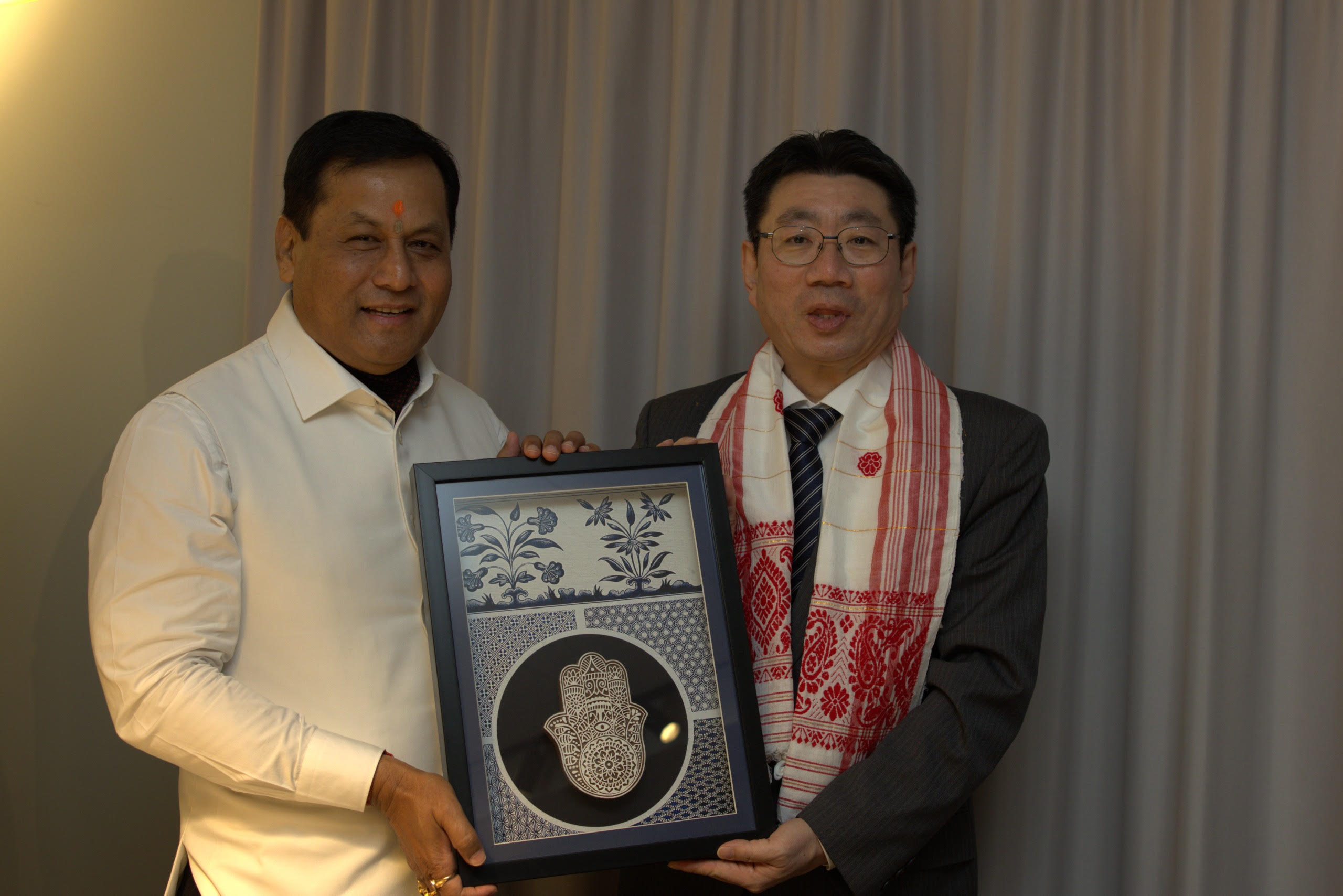
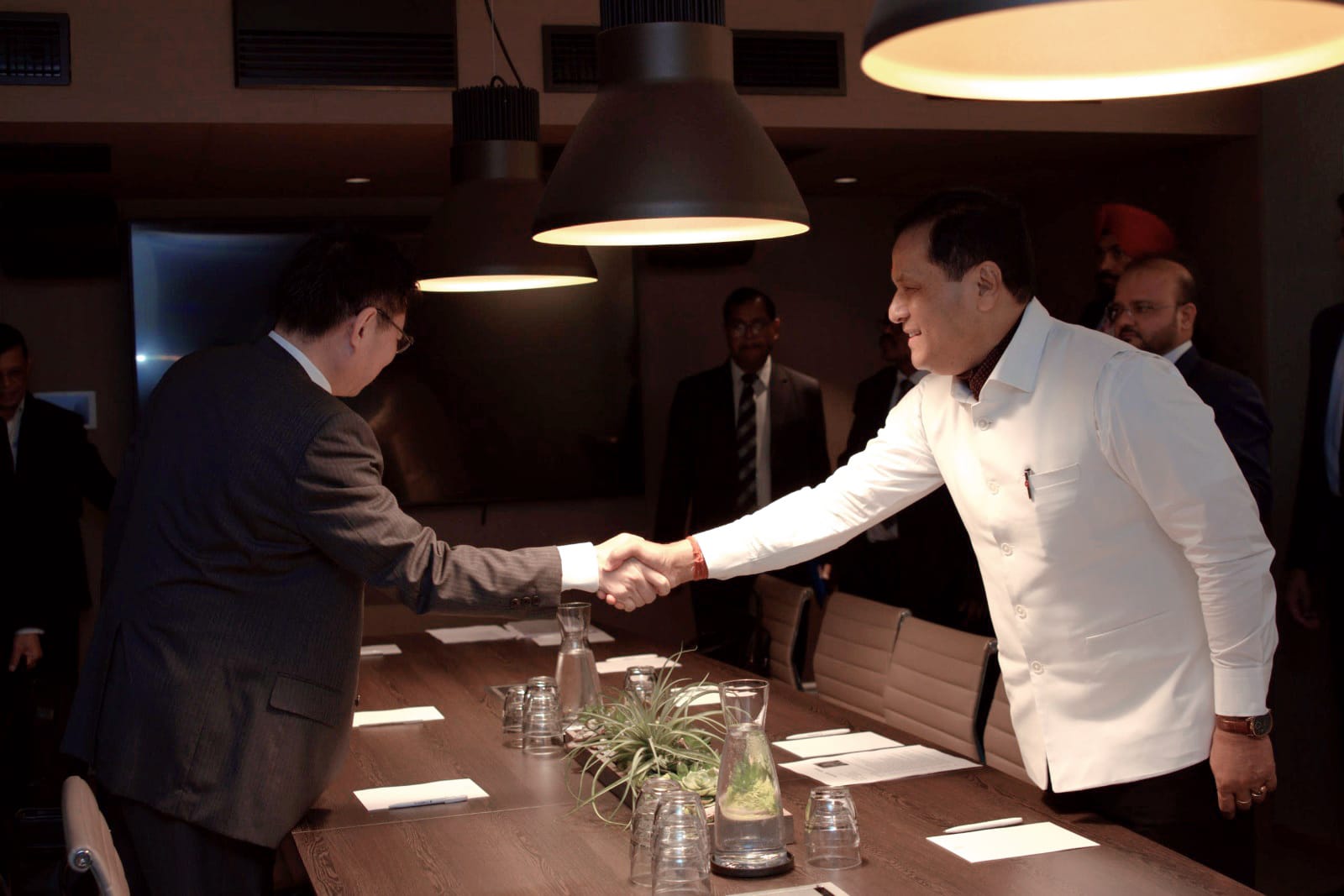
OSLO : Union Minister of Ports, Shipping & Waterways, Shri Sarbananda Sonowal held a bilateral meeting with His Excellency, Terada Yoshimichi, Japan’s Vice Minister for International Affairs, and the Ministry of Land, Infrastructure, Transport & Tourism (MLITT) in Oslo on Monday. With a goal to deepen the maritime relations between the two countries, the meeting entailed discussions on multiple areas including investment by Japanese Shipyards, collaboration on port digitisation and green port initiatives, increase in R&D cooperation, upskilling human resources, employment of Indian seafarers in Japan among others.

Both the ministers also discussed about using sustainable technologies, disaster-resilient infrastructure, and enhanced connectivity to enable Andaman Nicobar islands and Lakswadeep islands to be converted into Smart Islands. Acknowledging the rich expertise of Japan in developing island territories, Shri Sarbananda Sonowal said, “Japan’s expertise in this area is highly valued. We see scope for joint work in the Andaman & Nicobar and Lakshadweep islands, particularly in deploying renewable energy, smart mobility systems, and digital infrastructure. These initiatives will further our shared commitment to ecological conservation and regional maritime security.”

The meeting also discussed about increasing partnership between Indian and Japanese shipyards including Greenfield investment such as Imabari Shipbuilding in Andhra Pradesh and others. Opportunities for co-development of ports and maritime industrial clusters as clean energy hubs were also gauged for mutual cooperation. Shri Sonowal expressed India’s interest in leading Japanese shipbuilding companies such as Imabari Shipbuilding, JMUC, Kanagawa Dockyard, and Mitsubishi Heavy Industries to explore joint ventures and collaborative arrangements with Indian yards.

“Japan’s expertise in shipbuilding and ship repair is well recognised, and I see great scope for collaboration in this area. We also invite Japan’s Big Three maritime companies—NYK Line, MOL, and K Line—to explore joint ventures and investment opportunities in India’s growing maritime sector. With our strong bilateral relationship, India’s growing maritime industry present a unique opportunity for Japanese shipyards to invest in India in shipbuilding. Collaboration on port digitisation and green port initiatives will further strengthen the resilience and sustainability of our maritime logistics network,” said India’s Shipping Minister, Shri Sarbananda Sonowal.

Speaking on the occasion, the Union Minister said, “Relations between India and Japan have a long history rooted in spiritual affinity and strong cultural and civilisational ties. Our collaboration under the Quad framework and the India-Japan-Australia Supply Chain Resilience Initiative (SCRI) reflects our shared commitment to strengthening regional maritime security and economic integration. India appreciates Japan’s leadership in key initiatives such as the International Solar Alliance (ISA), Coalition for Disaster Resilient Infrastructure (CDRI), and the Leadership Group for Industry Transition (LeadIT). As India moves ahead to transform its maritime sector under the visionary leadership of Hon’ble Prime Minister Shri Narendra Modi ji, India is advancing port infrastructure, green shipping, shipbuilding, and digitalisation under ‘Maritime India Vision 2030’ and ‘Maritime Amrit Kaal Vision 2047’. India seeks Japan’s participation in these transformative initiatives.”

India and Japan agrees to deepen Maritime Relations

OSLO : Shri Sarbananda Sonowal, Indian Minister of Ports, Shipping & Waterways met Japan’s Vice Minister for International Affairs, and the Ministry of Land, Infrastructure, Transport & Tourism (MLITT) His Excellency, Terada Yoshimichi in Oslo on Monday 2nd June.

In the meeting they have discussed about increasing partnership between Indian and Japanese shipyards including Greenfield investment such as Imabari Shipbuilding in Andhra Pradesh and others. Opportunities for co-development of ports and maritime industrial clusters as clean energy hubs were also gauged for mutual cooperation. Sonowal expressed India’s interest in leading Japanese shipbuilding companies such as Imabari Shipbuilding, JMUC, Kanagawa Dockyard, and Mitsubishi Heavy Industries to explore joint ventures and collaborative arrangements with Indian yards. Sonowal added that, “Japan’s expertise in shipbuilding and ship repair is well recognised, and I see great scope for collaboration in this area. We also invite Japan’s Big Three maritime companies—NYK Line, MOL, and K Line—to explore joint ventures and investment opportunities in India’s growing maritime sector. With our strong bilateral relationship, India’s growing maritime industry present a unique opportunity for Japanese shipyards to invest in India in shipbuilding. Collaboration on port digitisation and green port initiatives will further strengthen the resilience and sustainability of our maritime logistics network“.

0222I97B India and Japan agrees to deepen Maritime Relations

Japan’s Vice Minister of Land, Infrastructure, Transport & Tourism (MLIT) Terada Yoshimichi expressed that India and Japan have very intimate relationship. Japan has been engaged in railway infrastructure development with India but now ‘very interested in maritime sector’. Prospects of mutual collaboration in shipbuilding and training of seafarers were discussed and considered positively. He expressed satisfaction over the meeting.

Emphasising the need to deepen bilateral ties in maritime training and development, as well as cooperation in research and development, both sides agreed to further strengthen collaboration in the maritime sector, especially on sustainable maritime technologies and next-generation ship design. Shri Sonowal evinced India’s interest for a MoU for a framework to avail promising avenues for collaboration with Cochin Shipyard Limited (CSL), Indian universities, and public agencies.

After the meeting, Shri Sonowal said, “The strong & deep Indo Japanese ties are rooted in mutual trust and shared values — democracy, freedom, and civilisational connection. Today’s discussions with His Excellency, Vice Minister Terada Yoshimichi, paved the way to elevate our maritime cooperation further. Japan is one of India’s most trusted investors. We deeply value this relationship. Under Hon’ble PM Narendra Modi ji’s leadership, India aims to scale new heights with a target of five trillion yen (₹3.2 lakh crore) in investments with Japan by 2027. India will work closely with Japan toward a sustainable future, guided by our shared vision of advanced maritime cooperation that contributes meaningfully to global progress & mutual benefit for both countries.”

The meeting was also attended by Onishi Yasushi, Maritime Bureau, MLIT, Hioki Miki, Maritime Bureau, MLIT, Ihara Takumar, First Secretary, Embassy of Japan in Norway & Kimura Hiroko along with Terada Yoshimichi. The Union Minister was joined by Dr Acquino Vimal, Ambassador of India to Norway, Venkatesapathy S, Joint secretary (Shipping), MoPSW; Mandeep Singh Randhawa, Director (MA&MT), Puneet Agarwal, Additional Secretary & Financial Advisor, MoPSW, Madhu S Nair, CMD, Cochin Shipyard Limited, Amit Kumar, IAS, Private Secretary, MoPSW among other officials.

CONCOR organizes Trade Meet in Vadodara ahead of ICD Dahej commissioning

VADODARA : Container Corporation of India Ltd. (CONCOR), a leading PSU under the Ministry of Railways, hosted a pivotal Trade Meet on 30th May 2025 in Vadodara. The event aimed to foster collaboration among stakeholders from the logistics and trade ecosystem, particularly from the prominent industrial regions of Vadodara, Ankleshwar, and Dahej.

The Trade Meet comes just ahead of the commissioning of CONCOR’s new Inland Container Depot (ICD) at Dahej PCPIR, developed in partnership with GIDC through a Joint Working Group (JWG). The ICD is scheduled to be operational in the first week of June 2025.

Key Highlights:

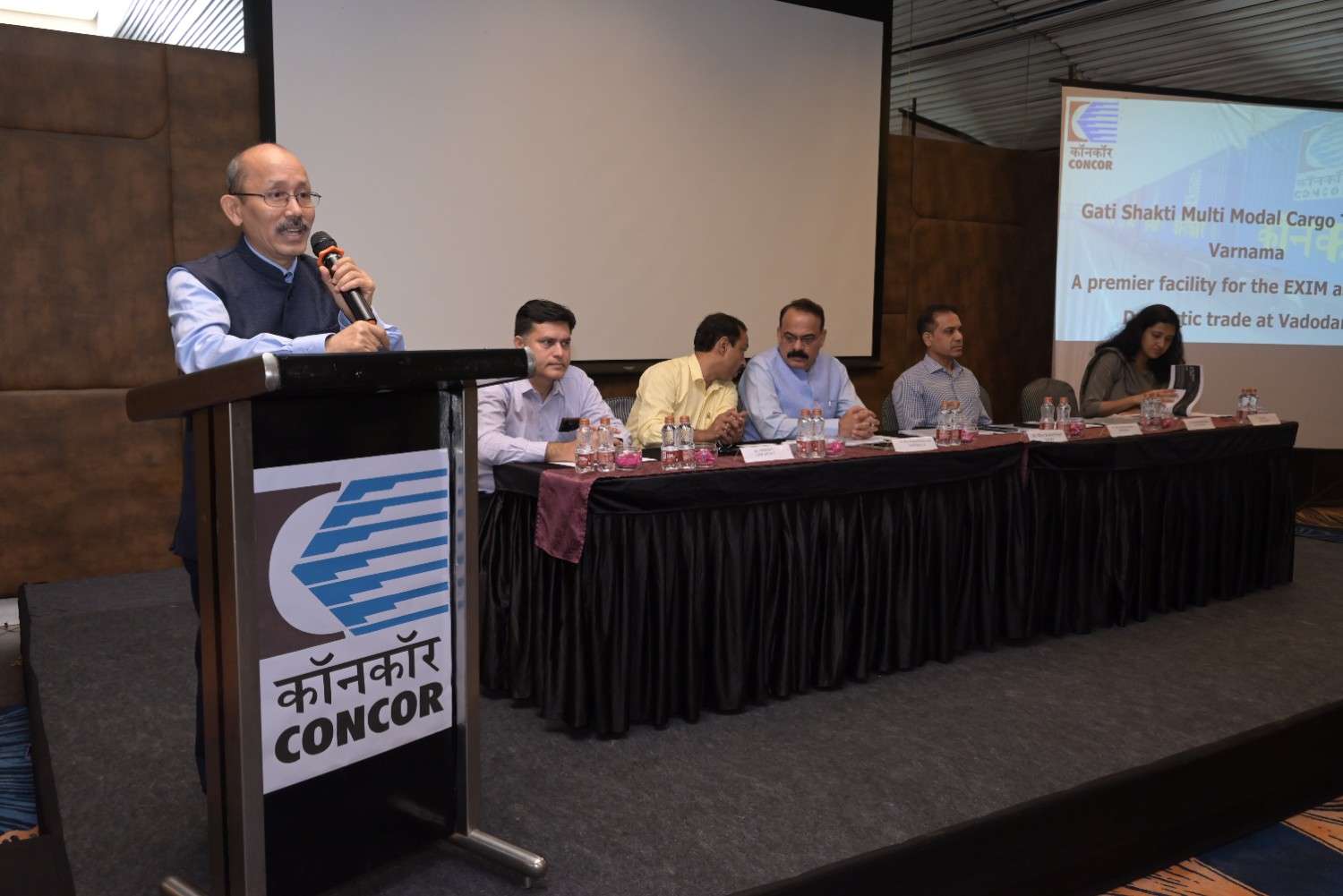
DSC 4199 1 CONCOR organizes Trade Meet in Vadodara ahead of ICD Dahej commissioning
Shri Vijoy Kr Singh, Director (International Marketing & Operations), CONCOR

Shri Vijoy Kr Singh, Director (International Marketing & Operations), CONCOR, emphasized the role of inclusive growth in nation-building and reiterated CONCOR’s commitment to achieving net zero CO₂ emissions through green energy initiatives.

The event was also attended by Shri Ravi Chaturvedi, Executive Director & Area Head (West); Shri Abhilash V, CGM Ahmedabad; and other senior officials from CONCOR’s Delhi, Mumbai, and Gujarat offices.

Industry representatives were apprised of CONCOR’s infrastructure, strategic terminal locations, train operations, and growth plans across the Petrochemical and Petroleum Investment Region (PCPIR) and the Vadodara–Surat industrial belt.

A detailed presentation was given on CONCOR’s three strategically located terminals:

  1. GCT MMLP ICD Varnama (CGMV)
  2. GCT MMLP ICD Dahej (CGMD)
  3. Combined Container Terminal, Ankleshwar (CCTA)

CONCOR highlighted its hub-and-spoke rail movement capabilities, linking these terminals to JN Port, NR/NCR regions, and Ahmedabad, enhancing EXIM and domestic logistics efficiency.

The meet also saw participation from Shri Raju P. Bhadke, Divisional Railway Manager, BRC Division, Western Railway, along with senior Railway officials—signifying strong coordination between CONCOR and Indian Railways.

Shri Pravin Tiwari, AGM, DFCCIL, provided insights on the upcoming Dedicated Freight Corridor (DFC) extension to JN Port, expected by December 2025, which will substantially reduce transit times and logistics costs.

The Trade Meet concluded with overwhelming response from the industry players and interactive sessions followed by dinner, allowing stakeholders to discuss specific logistics requirements with CONCOR’s Management team.

With an operational strength of 50,000+ domestic containers, 380+ rakes, and 100+ LNG trailers, CONCOR reaffirmed its readiness to provide efficient, end-to-end containerized logistics services tailored to India’s growing industrial needs.

Indian Economy to be close to $30 trillion mark by 2047 : Amitabh Kant

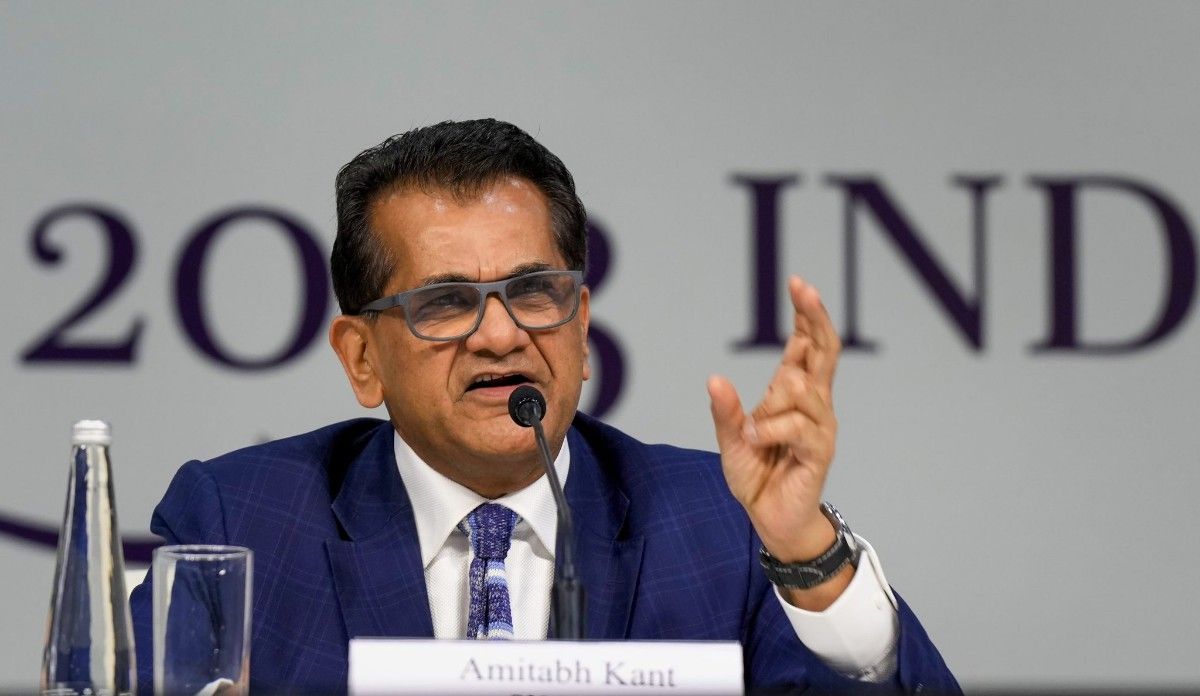
NEW DELHI : Indian Economy, which is currently $4 trillion in size, is expected to be close to $30 trillion by 2047 and the country also has the advantage of younger demographics, G20 Sherpa Amitabh Kant said on Monday.

He was speaking at a session on the sidelines of the International Air Transport Association (IATA) in the national capital.

“The demographics are very young. The Western part of the world is ageing and Japan has already aged, even China is ageing. India is just 28 and even when we become 100, the average age will be 35 years. It is a country of baby boomers,” Kant said.

According to him, the country’s economy will be close to $30 trillion in 2047. The country is a $4 trillion economy and just became the fourth largest economy in the world, he added. While emphasising about sustainable urbanisation, Kant said the country will see around 5 million people getting into the process of urbanisation and there will be a need to create 500 new cities in India.

“You need to create two new Americas in the next five decades. You need to create a Chicago every five years in India. That is the challenge for India,” he said. Kant also said that India’s ambition is to create 400 airports.

There are more than 150 operational airports in the country. “You need great airports, great airlines, you need them to do long haul… IndiGo and Air India with their wide body aircraft should go out and compete with Emirates, Qatar Airways… We believe in competing in the marketplace,” he noted.

Source : PTI

MoPSW notifies Chhara Port in Gujarat for LNG import

NEW DELHI : In a significant move to bolster India’s energy security, the Ministry of Ports, Shipping and Waterways(MoPSW) has officially notified Chhara Port in Gujarat for the import of Liquefied Natural Gas (LNG) into India by sea.

The notification, issued under Rule 16(1) of the Petroleum Rules, 2002, empowers M/s Simar Ports Private Limited (SPPL) to handle LNG imports at Chhara Port. This step has been taken in consideration of the critical necessity to import petroleum and gas in the public interest.

Operations at Chhara Port will be carried out in compliance with the Navigational Safety at Ports Committee (NSPC) certificate. The approval is granted for a period of three years, effective from 19th May 2025 to 18th May 2028.

Earlier, in November 2024, the Union Government permitted Chhara Port for the unloading of imported goods and the loading of export goods, or any class of such goods.

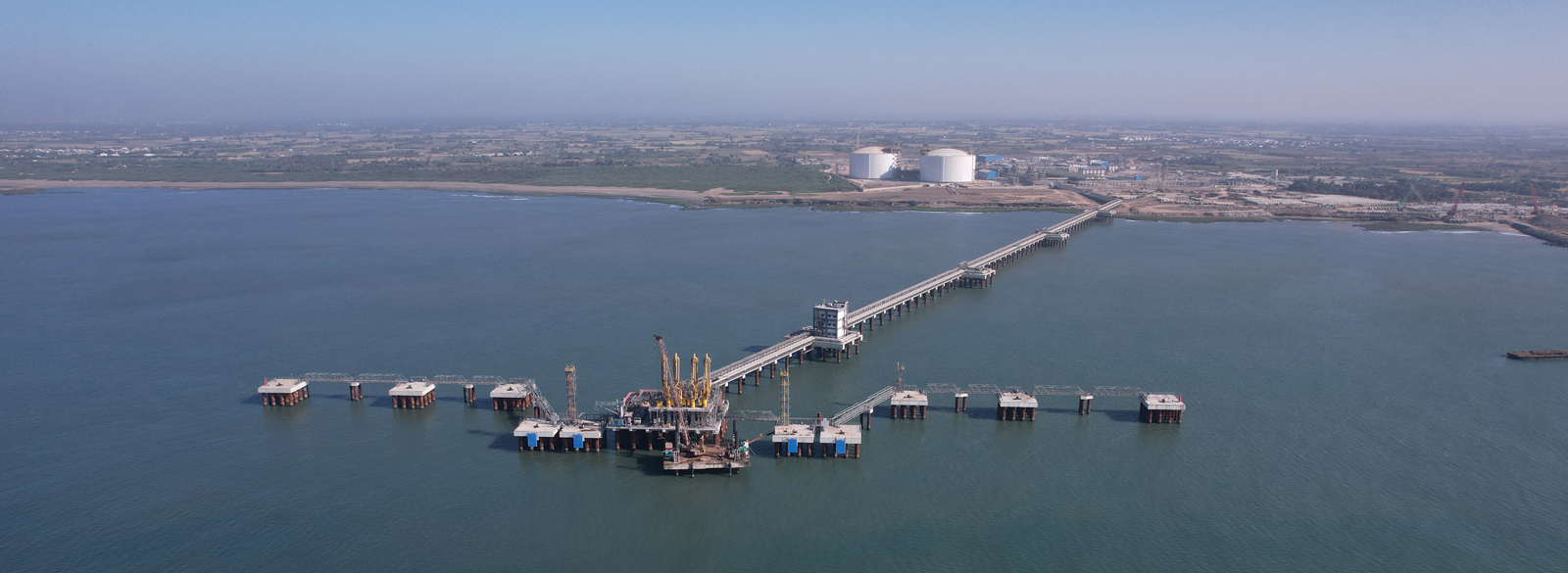
Chhara Port operates under HPCL LNG Limited (HPLNG), formerly known as HPCL Shapoorji Energy Private Limited (HSEPL). The company was incorporated as a 50:50 joint venture between Hindustan Petroleum Corporation Limited (HPCL) and SP Ports Private Limited (SPPPL) on 15th October 2013. Subsequently, HPCL acquired the remaining 50% stake from SPPPL on 30th March 2021, making HPLNG a wholly owned subsidiary. Following this change, the company’s name was changed to HPCL LNG Limited, effective 10th September 2021.

HPLNG was established for the development, construction, and operation of a greenfield LNG terminal, which includes all facilities necessary for the receipt, unloading, storage, and regasification of LNG, as well as the supply of regasified LNG to the gas grid. The LNG terminal is situated within the boundary of the all-weather direct berthing Chhara Port located at Chhara Village, Kodinar, Gir-Somnath district, Gujarat.