Home Blog Page 831

RBI grants authorisation to Worldline ePayments India to operate as an Export-Import Payment Aggregator – Cross-Border (PA-CB, E&I)

MUMBAI : Worldline ePayments India Private Limited, a leader in digital payments,on Tuesday announced that it has received authorisation from the Reserve Bank of India (RBI) to operate as an Export-Import Payment Aggregator – Cross-Border (PA-CB E&I) under the Payment and Settlement Systems Act, 2007.

This authorisation enables Worldline ePayments India to facilitate cross-border online transactions for the import and export of goods and services.

Ramesh Narasimhan, Chief Executive Officer – India, Worldline, said, “We’ve been present in the Indian market for over two decades and have established a leadership position across sectors. We serve merchants in diverse segments such as eCommerce, BFSI, Retail, Utilities, Education, Travel, and Hospitality. This authorisation from the RBI is a strong endorsement of our unwavering commitment to the Indian market. It reaffirms our focus on regulatory compliance and underscores the importance of a secure and well-regulated payments ecosystem.”

Worldline ePayments India received the official communication from the RBI on 21 May 2025.

In addition to the newly granted PA-CB licence, Worldline ePayments India is also authorised to operate as an online Payment Aggregator (PA), Bharat Bill Payment Operating Unit (BBPOU), enabling digital payments for domestic merchants across the country.

About Worldline
Worldline [Euronext: WLN] helps businesses of all shapes and sizes to accelerate their growth journey – quickly, simply, and securely. With advanced payments technology, local expertise and solutions customised for hundreds of markets and industries, Worldline powers the growth of over one million businesses around the world. Worldline generated a 4.6 billion euros revenue in 2024. worldline.com

In India, Worldline is a leading Omnichannel payments technology player building a robust payment ecosystem for over 26 years. Worldline is the preferred partner for over 30 leading public and private sector banks, leading sectors like NBFCs, insurance companies, e-commerce businesses, startups, retail brands, hotel chains and many more. www.worldline.com/india

NICDC and NEC deepen collaboration for smart logistics and industrial innovation

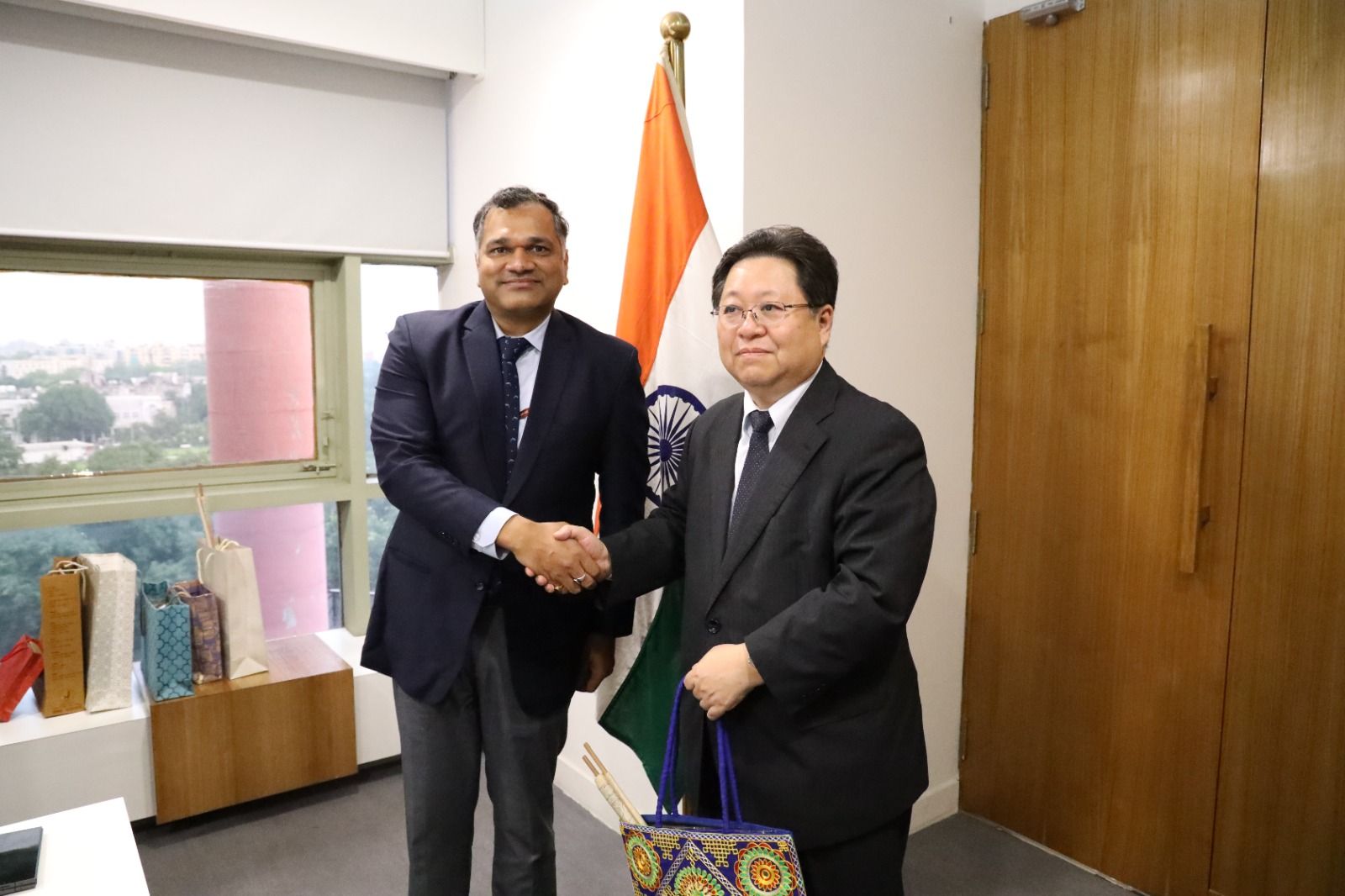
NEW DELHI : In a meaningful exchange with Mr. Hiroshi Hashimoto, Corporate Executive VP, NEC Corporation, Japan, Shri Rajat Kumar Saini, CEO & MD, NICDC, discussed strengthening collaboration between NICDC and NEC in advancing tech-driven solutions for India’s industrial and logistics ecosystem.

The success of NICDC Logistics Data Services Limited (NLDSL), a joint venture between hashtag#NICDIT and hashtag#NEC established in 2015 which enables real-time tracking of EXIM containers across India, was also discussed. It’s an impactful Indo-Japan initiative in logistics efficiency.

Key areas explored included the deployment of advanced Japanese technologies for public welfare in India, multilateral G2G collaboration opportunities and participation in an upcoming international event in Tokyo.

Further strengthening the India-Japan partnership, a Japanese Industrial Township is being established at Tumakuru, strategically located along the Chennai–Bengaluru Industrial Corridor (hashtag#CBIC), being developed by NICDC.

Both nations remain committed to co-creating solutions that meet domestic needs and drive global leadership in logistics and digital innovation.

UPES signs a landmark MoU with the Indian Navy to provide educational opportunities to Naval Personnel and their families

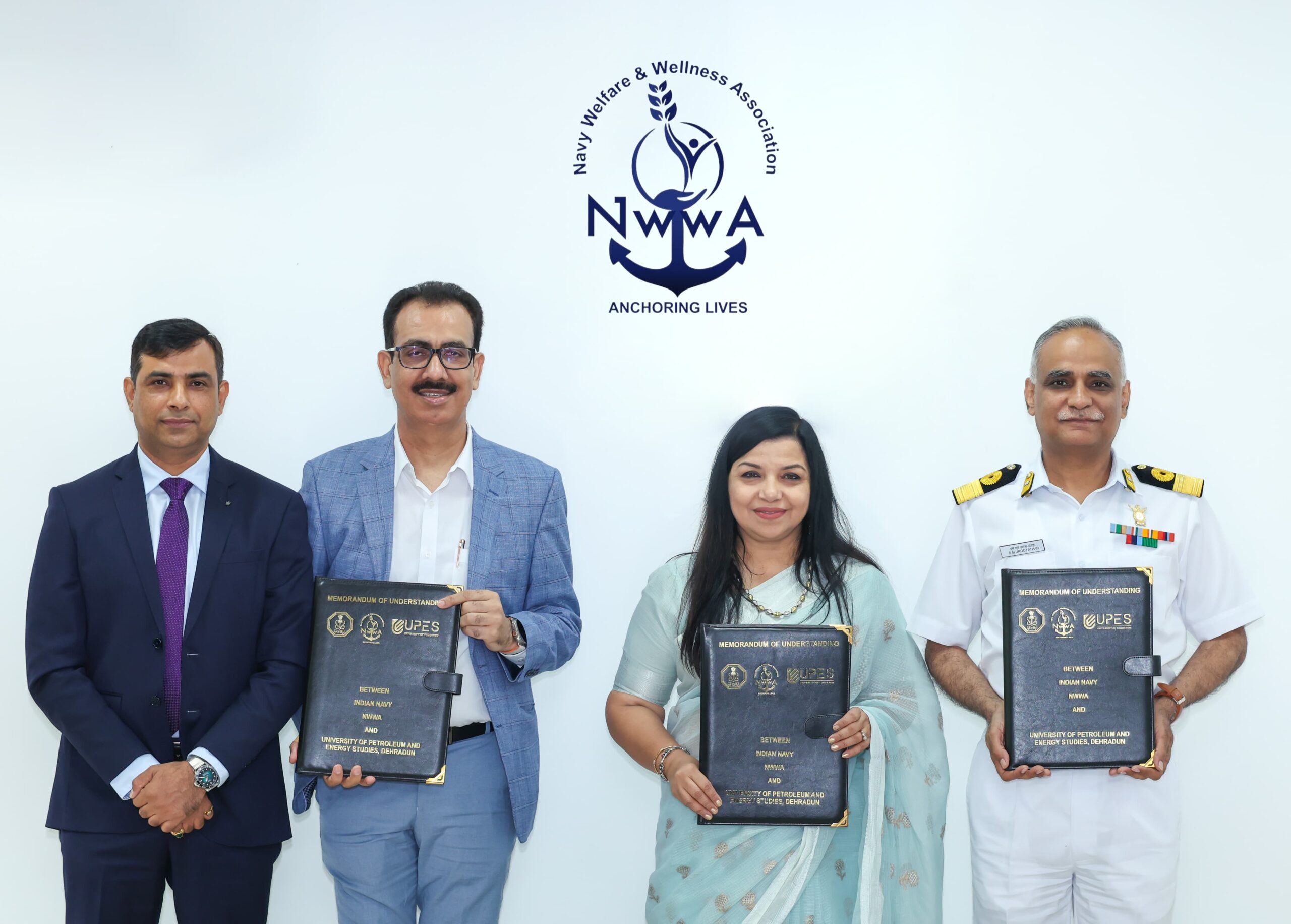
image001 1 UPES signs a landmark MoU with the Indian Navy to provide educational opportunities to Naval Personnel and their families

DEHRADUN : In a landmark move, Mrs. Shashi Tripathi, President, Navy Welfare & Wellness Association (NWWA), along with Cmde SM Urooj Athar, Cmde (Naval Education), and Mr. Manish Madaan, Registrar UPES, Dehradun signed a Memorandum of Understanding (MoU) with the Indian Navy to provide academic and professional development opportunities to its personnel and their families. This agreement, aligned with similar collaborations that UPES has established with the Indian Army and the Indian Air Force, is part of the university’s ongoing commitment to honour and support India’s defence forces through education.

Through this partnership, UPES will offer a comprehensive range of educational programmes to Naval personnel, both serving and retired, as well as their spouses and wards. The scope of the MoU also includes support for families of Naval personnel who died in harness or have been physically incapacitated in the line of duty. The offerings will span full-time on-campus undergraduate and postgraduate programs, part-time Ph.D. programs designed for working professionals, and flexible online learning courses in areas such as management, law, technology, and more. Additionally, joint research activities and management development initiatives will also form an integral part of the collaboration.

Speaking on the occasion, Mrs Shashi Tripathi, President, Navy Welfare & Wellness Association, said: “This collaboration with UPES is a significant step towards enabling our naval community to leverage the transformative power of education more flexibly and efficiently. By opening new academic pathways for our serving and retired personnel, their families, and especially for the Veernaris and their wards, we are investing in their future and honouring their immense sacrifices. Education is not just a tool for personal growth — it is a means to uplift families, open new doors, and build stronger, more resilient communities. This MoU reaffirms our commitment to ensure that every member of our extended naval family has access to quality learning, meaningful opportunities, and the support they need to thrive.”

Expressing his views on the MoU, Mr. Bharat Kharbanda, Member, Board of Governors, UPES, remarked, “This partnership is our tribute to the commitment and courage of the Indian Navy. We are proud to extend our academic ecosystem to those who serve the nation and to support their personal and professional journeys through meaningful educational pathways.”

As part of its commitment, the university will provide merit-based scholarships to wards of serving or retired Naval personnel, provided they meet the academic criteria and confirm their admissions within the stipulated timelines. Naval personnel enrolling in online learning programs will benefit from a 20% fee waiver, along with a 5% relaxation in eligibility criteria. For those with relevant work experience, project work requirements may be waived and replaced with a viva-based assessment. Learners will also have access to live weekend classes and recorded sessions, ensuring flexibility. Online examinations can be taken remotely, supporting both domestic and international participation.

For Naval personnel pursuing part-time Ph.D. programs at UPES, the university will offer a 50% scholarship on tuition fees for each semester. Scholars will also be granted limited-time access to UPES’s e-library resources and may be provided guest house accommodation for academic visits, subject to availability. The MoU also lays the foundation for future academic and research collaboration in key areas relevant to the Indian Navy, including aviation, aeronautics, engineering, science and technology, logistics, management, and legal studies. UPES will facilitate joint research, exchange of knowledge, and leadership development programs aligned with the Navy’s operational and strategic priorities.

For more details, please visit https://www.upes.ac.in/

About UPES

Established through the UPES Act, 2003, of the State Legislature of Uttarakhand, UPES is a top-ranked, UGC-recognised, private university. As per the National Institutional Ranking Framework (NIRF) 2024, the Ministry of Education, Government of India, UPES has been ranked 46 among universities, with a rank of 28 in Law, 41 in Management, and a rank of 42 in Engineering. As per the Times Higher Education (THE) World University Rankings 2025, UPES now stands in the 501-600 band globally and 7th in India, with a leap of over 300 ranks from 2024. In addition to this, the university has been ranked the No.1 private university in academic reputation in India by the QS World University Rankings 2025. It is among the top 2% of universities in the world.

UPES has also been accredited by NAAC with a grade ‘A’ and has received 5 stars on Employability (placements) by globally acclaimed QS Rating. The university has had 100% placements over the last five years. Forty-six (46) faculty members of UPES are among the world’s top 2% researchers as per Stanford University list.

UPES offers graduate and postgraduate programs through its seven schools: School of Advanced Engineering, School of Computer Science, School of Design, School of Law, School of Business, School of Health Sciences & Technology, and School of Liberal Studies and Media with 16,000+ students and 1,500+ faculty and staff members.

MSC makes history as mega ships arrive in West Africa, poised to reshape economic landscape

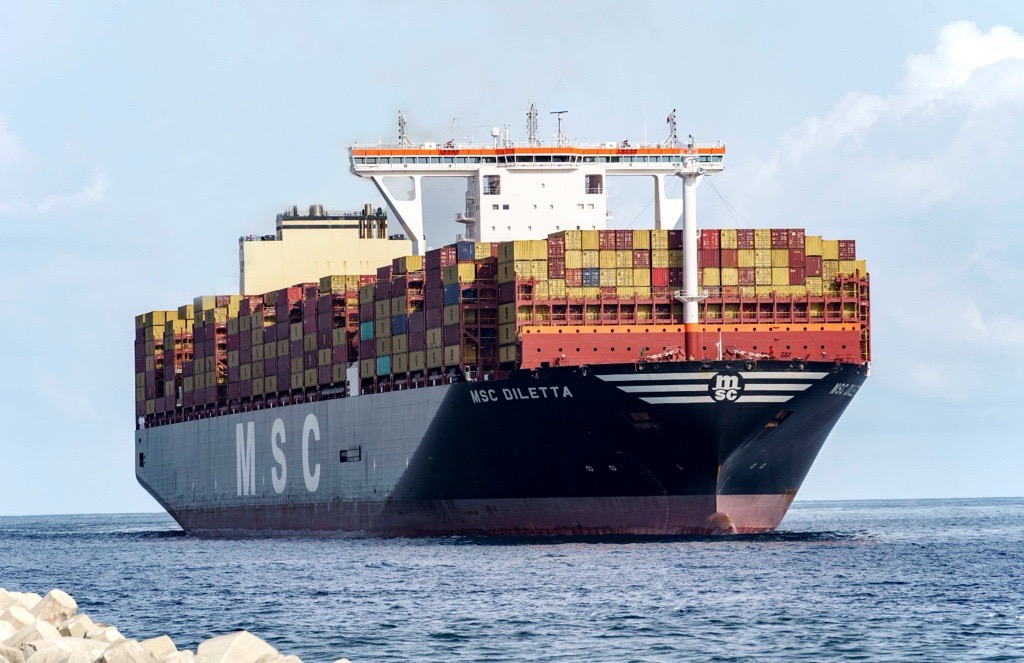
GENEVA : In a landmark moment for maritime trade in Africa, MSC Mediterranean Shipping Company has become the first shipping line to deploy mega-large container vessels with a capacity of 24,000 TEU on the continent. The arrival of the MSC DILETTA and MSC TÜRKIYE on the Africa Express Service, connecting key regions from China and South Korea through Southeast Asia to Ghana, Togo, Côte d’Ivoire, and Cameroon, signals a significant leap in West Africa’s port capabilities and holds the potential to positively alter the economic environment.

The historic first call of these colossal vessels occurred in Lomé, Togo, on 23 April with the arrival of the MSC DILETTA. This event marks a turning point, ushering in an era of unprecedented shipping capacity for the region.

MSC believes the arrival of 24,000 TEU ultra-large container vessels on African shores marks not only a major milestone, but also reflects its dedication to strengthening trade, driving economic growth across West Africa, and supporting local communities.

Driving force behind the mega ship deployment

Several key factors have driven MSC’s strategic decision to deploy these 24,000 TEU vessels to West Africa:

Surging Asia-West Africa trade: The volume of business and trade between Asia and Africa, particularly West Africa, is experiencing rapid growth. Deploying larger vessels allows MSC to efficiently cater to this increasing demand as we are Africa’s supply chain partner of choice.
Meeting customer demand: MSC is directly responding to the growing needs of its customers for increased capacity and more efficient shipping solutions on this vital trade route.
Commitment to Africa’s economic development: This deployment underscores MSC’s long-term commitment to supporting the economic development of Africa by providing the necessary infrastructure for enhanced trade and connectivity.
Unprecedented capacity and regional impact

The MSC DILETTA, has docked in Lomé, Togo, and Abidjan, Côte d’Ivoire, solidifying its status as one of the largest container ships ever to call at a West African port. The MSC TÜRKIYE, a formidable 400 meters in length, played a crucial role in positioning the ports of Tema, Ghana and Kribi, Cameroon as a major transshipment and strategic trade hub along the West African coast. With a draft of 16 meters and a beam of 61 meters, this vessel represents a new scale for maritime operations in Sub-Saharan Africa.

The arrival of these ultra-large container vessels (ULCVs) signifies more than just increased shipping capacity. It has the potential to:

Boost trade volumes: Increased capacity can facilitate greater import and export activity, fostering economic growth.
Enhance port infrastructure development: The need to accommodate these mega ships will likely spur further investment and development in port infrastructure across West Africa.
Improve efficiency: Handling larger volumes in single voyages can streamline logistics and reduce transit times.
MSC’s bold move to deploy these 24,000 TEU vessels marks a new chapter for West African trade. As these giants of the sea become a regular presence, the region stands poised to experience a significant transformation in its economic landscape, unlocking new opportunities for growth and development.

Hamdan bin Mohammed witnesses signing of agreement for Al Rawdah Special Economic Zone

DUBAI : Hamdan bin Mohammed witnesses signing of agreement to develop and operate Phase One of the Al Rawdah Special Economic Zone in Al Buraimi Governorate.

His Highness Sheikh Hamdan bin Mohammed bin Rashid Al Maktoum, Crown Prince of Dubai, Deputy Prime Minister, Minister of Defence, and Chairman of The Executive Council of Dubai, witnessed the signing of an agreement to develop and operate the first phase of the Al Rawdah Special Economic Zone, located in the Wilayat of Mahadha, Al Buraimi Governorate, in the Sultanate of Oman. The signing took place during the visit of a high-level UAE delegation to Oman led by HH Sheikh Hamdan bin Mohammed.
The signing of the agreement, which took place in Muscat, was attended by His Highness Sayyid Theyazin bin Haitham Al Said, Minister of Culture, Sports and Youth of Oman. The agreement is part of the flourishing economic cooperation between the two nations.

The agreement was signed by His Excellency Eng. Ahmed bin Hassan Al Dheeb, Deputy Chairman of the Public Authority for Special Economic Zones and Free Zones (OPAZ), and His Excellency Sultan Ahmed bin Sulayem, Group Chairman and CEO of DP World, representing Mahadha Development Company, which will develop the new zone. Mahadha Development Company is an Emirati-Omani joint venture in which DP World is the majority partner.

Commenting on the occasion, His Excellency Sultan Ahmed bin Sulayem said: “The Al Rawdah Special Economic Zone represents a new chapter in the growing economic relationship between the UAE and the Sultanate of Oman. Through close collaboration with OPAZ and our Omani partners, this new zone will strengthen our deep trade ties while reflecting our shared ambition for sustainable and diversified economic growth.”

He added: “At DP World, we are committed to developing a world-class platform that will create new opportunities for growth, strengthen connectivity and bring long-term economic value to both Oman and the UAE.”

In his speech, His Excellency Eng. Ahmed bin Hassan Al Dheeb highlighted: “The Al Rawdah Special Economic Zone has been designed to support key development goals, including creating jobs, attracting advanced knowledge and modern technologies, and fostering a business-friendly environment that aligns with the sustainable development objectives of Oman Vision 2040.”

He added: “The zone’s strategic location in the Buraimi Governorate – at the crossroads between Oman and the UAE – provides seamless connectivity to both Sohar Port and Jebel Ali Port. This positioning is expected to enhance logistics efficiency, lower costs, and improve market access across Gulf, Asian, and African trade routes.”

Phase 1 of the project will cover 14 square kilometres, with expansion plans to reach 25 square kilometres in Phase 2. The zone will benefit from direct connectivity to both Jebel Ali Port in Dubai and Omani ports, enhancing cross-border logistics.

Driving Economic Growth
Under the agreement, Mahadha Development Company will be responsible for developing the infrastructure and facilities, preparing the masterplan and environmental studies, and designing the initial layout. The first phase will target a range of economic activities, including manufacturing, logistics, warehousing, pharmaceuticals, medical supplies, plastics, mining, food processing, and security and safety services – all provided through an integrated one-stop-shop service model.

The Al Rawdah project is a strategic initiative that will leverage its geographic location to strengthen supply chains, re-export activity, and logistics connectivity between Oman, the UAE, and international markets. The zone will serve as a key engine of economic diversification aligned with the Dubai Economic Agenda D33 and Oman Vision 2040. It aims to attract foreign direct investment (FDI), increase industrial output, and create thousands of jobs as the zone scales over the coming decades.

In 2024, non-oil trade between the UAE and Oman reached a record AED56 billion – a 9.8% increase from the previous year – highlighting the deepening economic partnership. The Al Rawdah Zone is expected to accelerate this trend by establishing a modern and advanced ecosystem for trade and manufacturing.

DP World brings four decades of expertise in developing and operating economic zones, including the Jebel Ali Free Zone (Jafza), the first free zone in the Middle East and one of the most successful globally. This experience along with its portfolio of 11 economic zones worldwide positions DP World to deliver a future-ready, integrated platform in Oman, supported by OPAZ’s national development strategy.

The signing was attended by His Highness Sheikh Ahmed bin Mohammed bin Rashid Al Maktoum, Second Deputy Ruler of Dubai; His Highness Sheikh Ahmed bin Saeed Al Maktoum, President of the Dubai Civil Aviation Authority, Chairman of Dubai Airports, and Chairman and Chief Executive of Emirates Airline and Group; and Her Highness Sheikha Latifa bint Mohammed bin Rashid Al Maktoum, Chairperson of the Dubai Culture and Arts Authority.

Also present at the signing were His Excellency Mohammad bin Abdullah Al Gergawi, Minister of Cabinet Affairs; His Excellency Sheikh Salem bin Khalid Al Qassimi, Minister of Culture; His Excellency Dr. Thani bin Ahmed Al Zeyoudi, Minister of State for Foreign Trade; His Excellency Omar bin Sultan Al Olama, Minister of State for Artificial Intelligence, Digital Economy, and Remote Work Application; Her Excellency Maryam bint Ahmed Al Hammadi, Minister of State; His Excellency Sultan bin Saeed Al Mansoori, Chairman of Dubai Chambers; His Excellency Abdulla Al Basti, Secretary General of The Executive Council of Dubai; His Excellency Lieutenant General Talal Belhoul Al Falasi, President of Dubai’s State Security Department; and His Excellency Helal Saeed Al Marri, Director General of Dubai Department of Economy and Tourism.

Milaha and Fincantieri sign strategic MoU to Advance Maritime Cooperation and Technology Integration

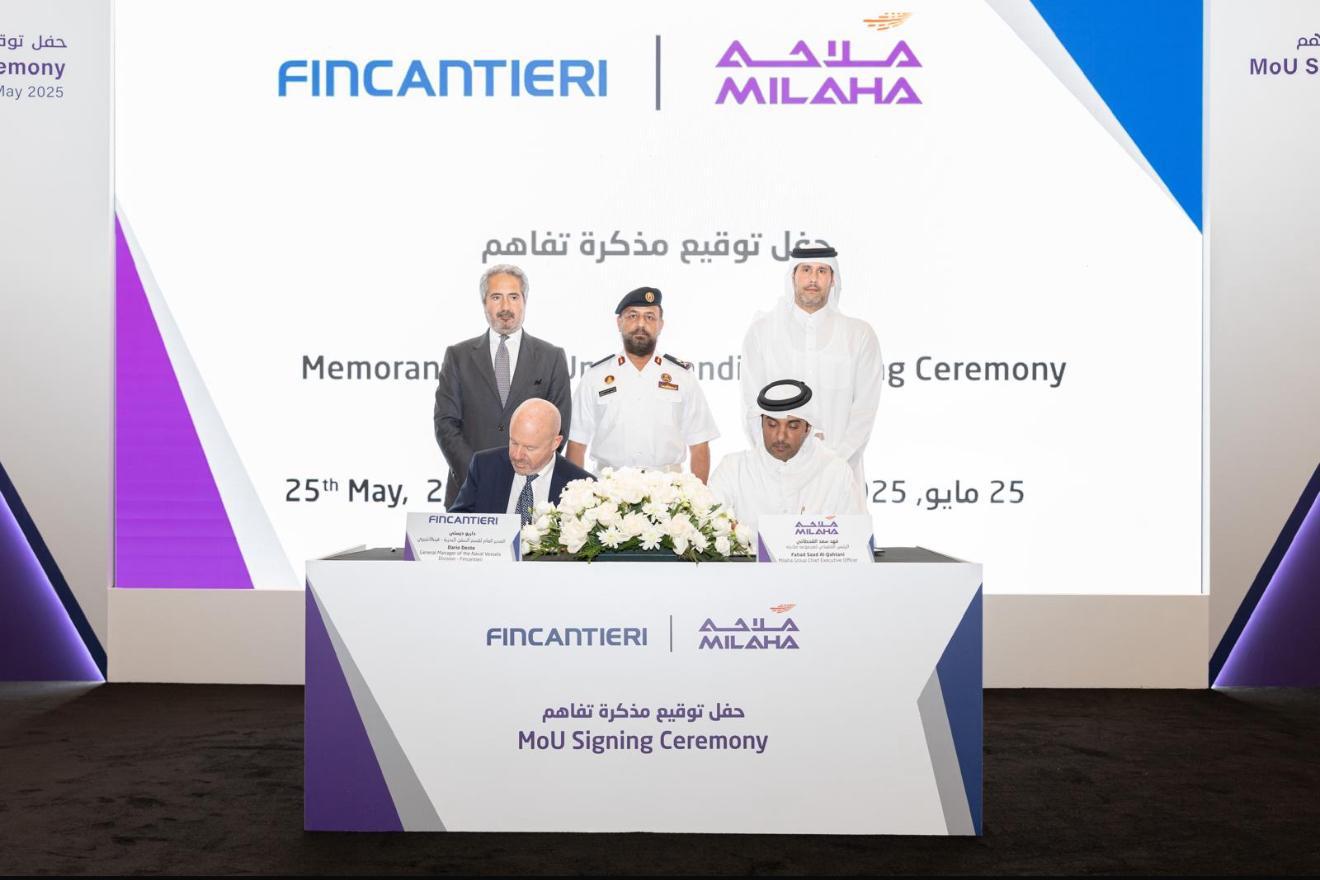
DOHA : Qatar Navigation Q.P.S.C. (“Milaha”), The leading provider of maritime and logistics solutions in the region, has signed a strategic Memorandum of Understanding (MoU) with Fincantieri, one of the world’s largest high-complexity shipbuilding groups, with operations across four continents. The MoU outlines a framework for potential cooperation in areas such as marine services, project management, and technology integration.

Attending the signing ceremony in Doha on behalf of Fincantieri were Chief Executive Officer and Managing Director, Pierroberto Folgiero and Dario Deste, General Manager of the Naval Vessels Division. Representing Milaha H.E. Sheikh Jassim bin Hamad bin Jassim bin Jaber Al-Thani, Milaha Chairman, and Group Chief Executive Officer Mr. Fahad Saad Al-Qahtani.

Both parties have expressed a shared intent to explore further opportunities that support Qatar’s national development objectives, particularly in enhancing sovereign capabilities within the maritime sector.

Mr. Fahad Saad Al-Qahtani, Milaha Group CEO, stated: “The signing of this MoU represents a significant step for Milaha in advancing its strategic objectives as a Qatari company aligned with national priorities. Collaborating with a global leader such as Fincantieri provides access to advanced international expertise while supporting the development of sustainable capabilities within Qatar. This partnership will facilitate localisation, promote industrial autonomy, and enable effective knowledge transfer, in line with the goals of Qatar National Vision 2030. It also reinforces Milaha’s commitment to enhancing its position as a regional maritime entity operating to international standards. Through this agreement, Milaha reaffirms its role as a key contributor to national development and a reliable partner in supporting the country’s long-term maritime ambitions.”

Pierroberto Folgiero, CEO and Managing Director of Fincantieri commented: “This agreement marks a further step in the consolidation of Fincantieri’s presence in a region of strategic importance for the development of advanced shipbuilding and maritime services. Qatar is a key partner with whom we have built a long-standing relationship. Our collaboration with Milaha reflects our shared ambition to move forward on this path, leveraging our industrial and technological expertise to support the country’s maritime sovereignty and contribute to the goals outlined in Qatar Vision 2030.”

The signing of this MoU represents a significant advancement in Milaha’s mission to redefine logistics and naval support capabilities in the region while contributing to the economic diversification goals outlined in Qatar Vision 2030.

For Fincantieri, this agreement strengthens its position as a trusted industrial partner, supporting Qatar’s ambition to build a high-value and self-sufficient maritime sector. In collaboration with Milaha – Qatar’s leading maritime and logistics company- this partnership brings together Fincantieri’s consolidated know-how and advanced technological capabilities in shipbuilding, digitalization, and sustainability with Milaha’s deep-rooted local expertise and operational excellence. Together, both companies are ideally positioned to contribute to the development of an integrated, competitive, and future-ready maritime ecosystem in the country.

Syria signs Strategic Agreement with CMA CGM to establish dry ports in key Free Zones

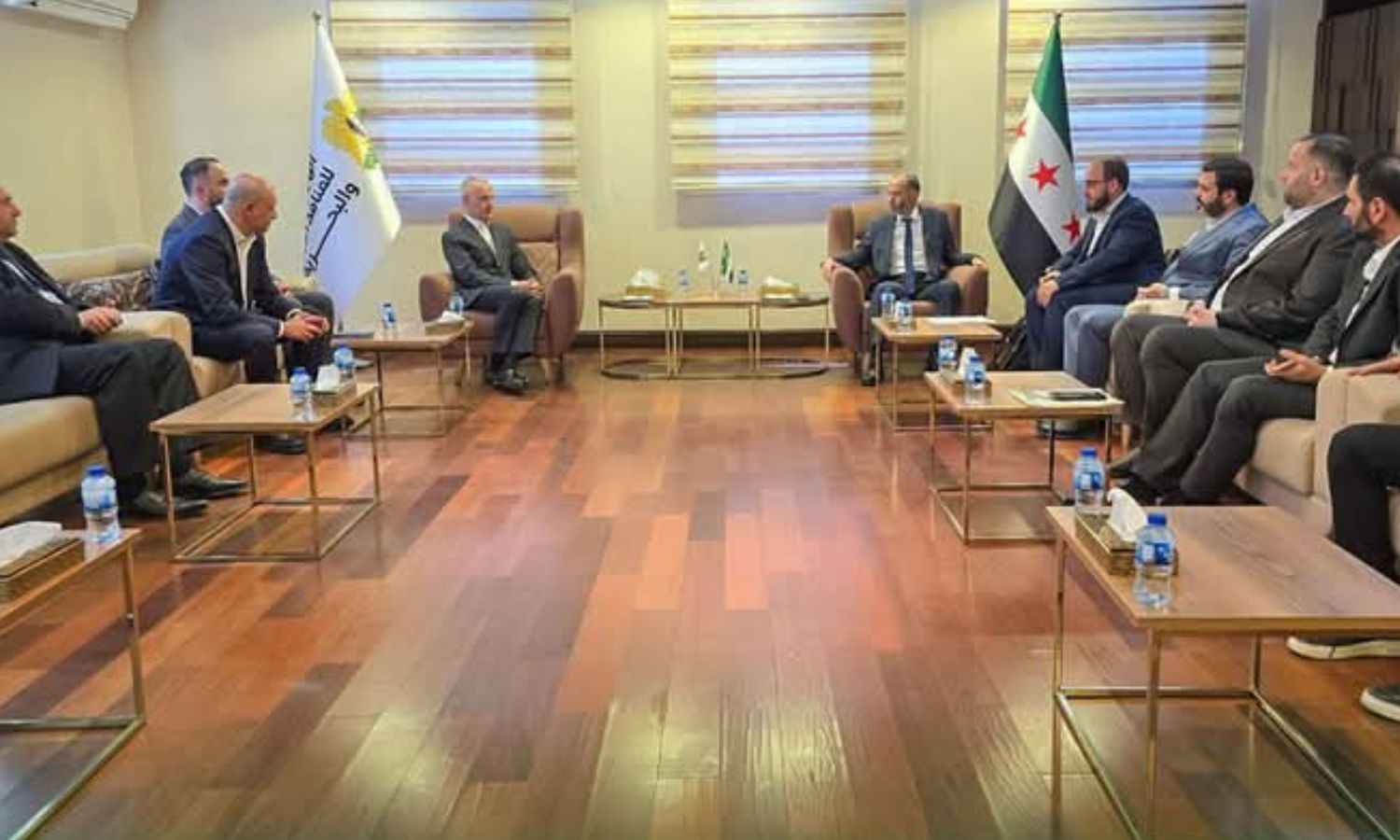
DAMASCUS : The Syrian Land and Sea Ports General Authority has signed a strategic Memorandum of Understanding with CMA CGM, a global leader in maritime transport and logistics, to establish and operate dry ports in the Syrian-Jordanian Joint Free Zone and the Adra Free Zone in Rural Damascus. The agreement marks a significant step in Syria’s efforts to modernize its trade infrastructure and improve regional connectivity.

The initiative supports the Authority’s broader vision to enhance Syria’s role in regional trade by transforming free zones into critical logistics hubs. By linking these zones to international land and sea transportation networks, the agreement aims to create a seamless flow of goods between seaports and inland logistics centers, ultimately reducing transit times and lowering transport costs.

Under the terms of the MoU, CMA CGM will oversee the management and operation of the dry ports in accordance with global best practices. The dry ports will offer a comprehensive suite of services, including customs clearance, cargo storage, and multimodal transport solutions. This integrated approach is designed to streamline trade processes and support supply chain efficiency.

The partnership is expected to significantly boost the investment environment in Syria by improving logistics infrastructure and enhancing the competitiveness of the country’s trade corridors. It also strengthens Syria’s positioning as a gateway between neighboring markets and global shipping routes, particularly in light of its proximity to Jordan and strategic location along the Eastern Mediterranean.

CMA CGM’s involvement brings to the project its international experience in port and logistics operations, reinforcing confidence in Syria’s capacity to attract global partners and reengage with international trade flows. The company’s global network and logistics expertise are seen as critical to delivering reliable, efficient services that meet the demands of modern commerce.

This latest agreement reflects Syria’s ongoing efforts to revive its transport sector through partnerships that align with regional development goals and international logistics trends. The development of dry ports in key free zones is anticipated to play a pivotal role in facilitating trade, encouraging private sector investment, and supporting broader economic recovery efforts.

Geopolitical tensions lead to increasing risks for shipping sector globally

SINGAPORE : The fast-changing geopolitical landscape is creating new risks and challenges for a shipping industry already juggling the energy transition and the legacy of the Covid-19 pandemic, according to Allianz Commercial’s Safety and Shipping Review. The industry faces an increasingly volatile and complex operating environment, marked by attacks against shipping, vessel detentions, sanctions, as well as the fall-out from incidents involving damage to critical sub-sea cables. Furthermore, the ripple effect of increasing protectionism and tariffs threatens to remake supply chains and shake up established trade relations.

Given 90% of international trade is transported across oceans, those developments are concerning, especially as the industry continues to see the potential for large claims from traditional risks such as fires, collisions and groundings, which are still the main drivers for total losses of large vessels. However, there is also good news. The shipping industry has made significant improvements when it comes to maritime safety in recent years. During the 1990s the global fleet was losing 200+ vessels a year. This total had halved 10 years ago and is now down to a record low of 27 as of the end of 2024 (from 35 in 2023).

“The relevance of political risk and conflict as a potential cause of maritime loss is increasing with heightened geopolitical tensions. Total losses from traditional causes may have reduced over time, but we could be in a position where this positive trend is potentially offset by war and other political-related exposures. As an industry, we are in a better position with regards to traditional risks, but there is a renewed focus on geopolitical risks,” says Captain Rahul Khanna, Global Head of Marine Risk Consulting, Allianz Commercial.

US-China trade conflict and growing shadow fleet bring uncertainty and challenges
China has been the biggest target of the protectionist measures of the US administration with tariffs reaching 145%, before both countries agreed to reduce them for 90 days. Developments have significantly impacted global maritime trade with approximately 18% of it subject to tariffs as of mid-April 2025, compared with 4% in early March, and dramatic declines in shipments reported in the immediate aftermath of the “Liberation Day” announcements. While the future of US trade-focused policies remains uncertain, another phenomenon is posing an increasing challenge for the maritime and insurance industries: the shadow fleet. Since the start of the war in Ukraine, the size of the shadow fleet has grown significantly. Today, around 17% of the world tanker fleet is thought to belong to the shadow fleet: estimates indicate there are close to 600 tankers trading Russian oil alone. Shadow fleet vessels have been involved in tens of incidents around the world including fires, collisions and oil spills.

“Although recent sanctions are making it harder for these vessels to trade, the shadow fleet continues to pose a serious risk to maritime safety and the environment, as many are likely to be older vessels that are poorly maintained and inadequately insured. In case of an oil spill involving a shadow fleet tanker, cleanup costs could be as much as US$1.6bn,” says Justus Heinrich, Global Product Leader, Marine Hull, Allianz Commercial.

Red Sea rerouting: older vessels and riskier routes in addition to higher costs
With ongoing geopolitical volatility in the Middle East, many ship operators have rerouted vessels around the Cape of Good Hope, adding time and cost to transits between Asia and Europe. For example, this rerouting adds around $1mn in costs and at least 10 days to a typical transit between China and Europe. According to estimates, cargo volumes in the strait had fallen by two-thirds by September 2024, with rerouting costing the global economy some US$200bn that year. The quality and safety of vessels may also be impacted as a result of this rerouting.

“With container capacity under pressure, some shipowners have gone out to the market to meet supply, purchasing tonnage that is often older and second best. This has helped push up values and seen vessels scheduled for scrap and older tonnage stay in the market longer. The concern is that when called back into service, these vessels may not be in the best state to operate safely on longer sea routes and in rough weather,” says Captain Nitin Chopra, Senior Marine Risk Consultant, Allianz Commercial Asia.

Fires and mis-declared cargo remain a top concern for large vessels
Large vessel fires are still a major concern for hull and cargo insurers. There were seven total losses reported across all vessel types during 2024, the same number as a year earlier. The number of incidents overall was up year-on-year to a decade high of 250, again across all vessel types. Around 30% of these fire incidents occurred on either container, cargo or roll-on roll-off vessels (ro-ros) (69). More than 100 total losses of vessels have been caused by fires in the past decade. Efforts to mitigate these risks are underway, with regulatory changes and technological advancements aimed at addressing mis-declared cargo, a primary contributor to such fires. This is critical as the electrification of the global economy poses further challenges given the growing number of lithium-ion batteries and battery energy storage systems being transported.

“There is little doubt the shipping industry is becoming more resilient against the risks associated with large vessels, although we can by no means say they are under control. However, only 27 total losses during 2024 underlines the positive trend. To put this into perspective: there are over 100,000 ships (100GT+) in the global fleet. However, uncertainty and multiple risks persist. Cyber-attacks and GPS interferences are increasing. Ceasefires have raised hopes, but the Red Sea security threat and supply chain disruption will likely remain. Meanwhile, the green transition requires much work. The coming years will be decisive and will determine the path of the sector and global trade,” explains Captain Rahul Khanna, Global Head of Marine Risk Consulting, Allianz Commercial.

Allianz Commercial
Allianz Commercial is the center of expertise and global line of Allianz Group for insuring mid-sized businesses, large enterprises and specialist risks. Among our customers are the world’s largest consumer brands, financial institutions and industry players, the global aviation and shipping industry as well as family-owned and medium enterprises which are the backbone of the economy. We also cover unique risks such as offshore wind parks, infrastructure projects or film productions. Powered by the employees, financial strength, and network of the world’s #1 insurance brand, we work together to help our customers prepare for what’s ahead: They trust us in providing a wide range of traditional and alternative risk transfer solutions, outstanding risk consulting and Multinational services as well as seamless claims handling. Allianz Commercial brings together the large corporate insurance business of Allianz Global Corporate & Specialty (AGCS) and the commercial insurance business of national Allianz Property & Casualty entities serving mid-sized companies. We are present in over 200 countries and territories either through our own teams or the Allianz Group network and partners. In 2024, the integrated business of Allianz Commercial generated around €18 billion in gross premium globally.

https://commercial.allianz.com

Simon Møkster Shipping boosts fleet efficiency with pooled Starlink bandwidth from Marlink

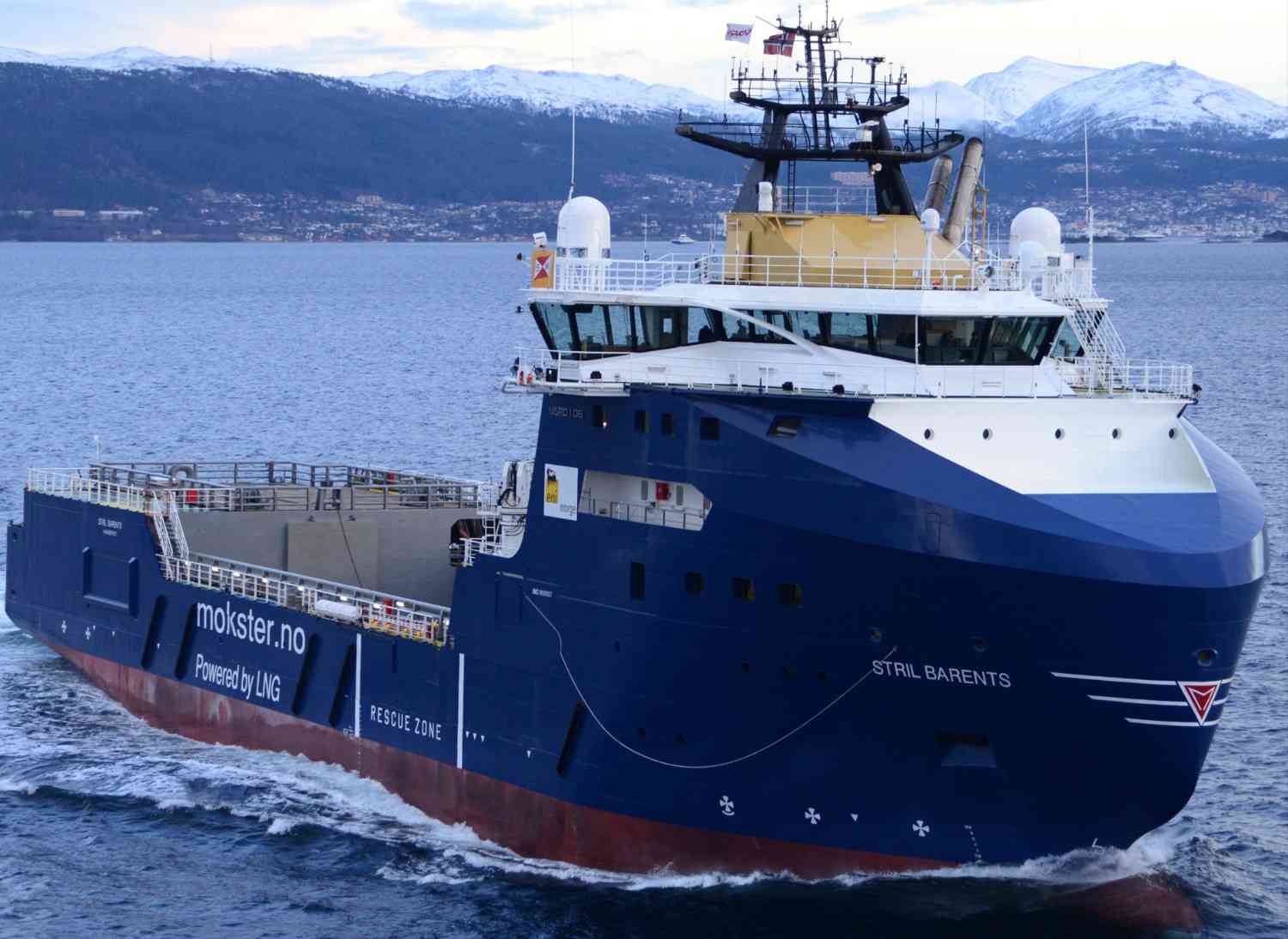
OSLO : Marlink, a leader in managed services for business-critical IT solutions is supporting Simon Møkster Shipping with flexible allocation of Starlink LEO bandwidth across its fleet.

The pooled bandwidth model enables Simon Møkster to deploy LEO internet bandwidth where it is most needed, supporting simplified connectivity for business applications and crew welfare services.

Simon Møkster Shipping completed a fleet-wide upgrade of its hybrid network solution to Sealink NextGen in May 2024, accelerating the company’s digitalisation programme.

Adopting the pooled model for LEO internet services provides benefits including:

  • Pooling of bandwidth between vessels in the same fleet enables capacity to be allocated to assets depending on deployment;
  • Baseline flexibility to use best effort LEO internet for crew welfare services and guaranteed bandwidth VSAT for business applications;

Simon Møkster Shipping is a leading provider of modern, high-specification support vessels to the offshore energy sector, operating 15 vessels designed for operations in harsh weather conditions. From its head office in Stavanger, Norway it mainly operates in the North and the Barents Seas with approximately 500 employees in onshore and offshore roles.

The company was among the first operators to deploy a Marlink hybrid network solution and has progressively upgraded its fleet to ensure high quality and reliability, treating its vessels as floating offices. Reflecting the increased cyber risk that can occur with the use of LEO internet solutions, the Sealink NextGen solution comes with EDR and UTM cyber solutions as default standards.

“Simon Møkster Shipping accelerates our digital journey with a new level of flexibility and efficiency offered by the Starlink pooled bandwidth model,” said “Terje Gjerde, Simon Møkster Shipping. “With Marlink as our trusted partner, we’re not just staying connected, we’re gaining the digital edge we need to stay ahead in a highly competitive market.”

“At Marlink, we’re committed to enabling vessel operators like Simon Møkster Shipping to turn complex connectivity challenges into opportunities—wherever they operate,” said Tore Morten Olsen, President, Maritime, Marlink. “By pooling bandwidth across the fleet, they gain the flexibility to adapt in real time to operational and locational needs, unlocking new levels of efficiency, agility, and performance.”

ABB extends lifespan of Helsinki ferry by retrofitting propulsion drive

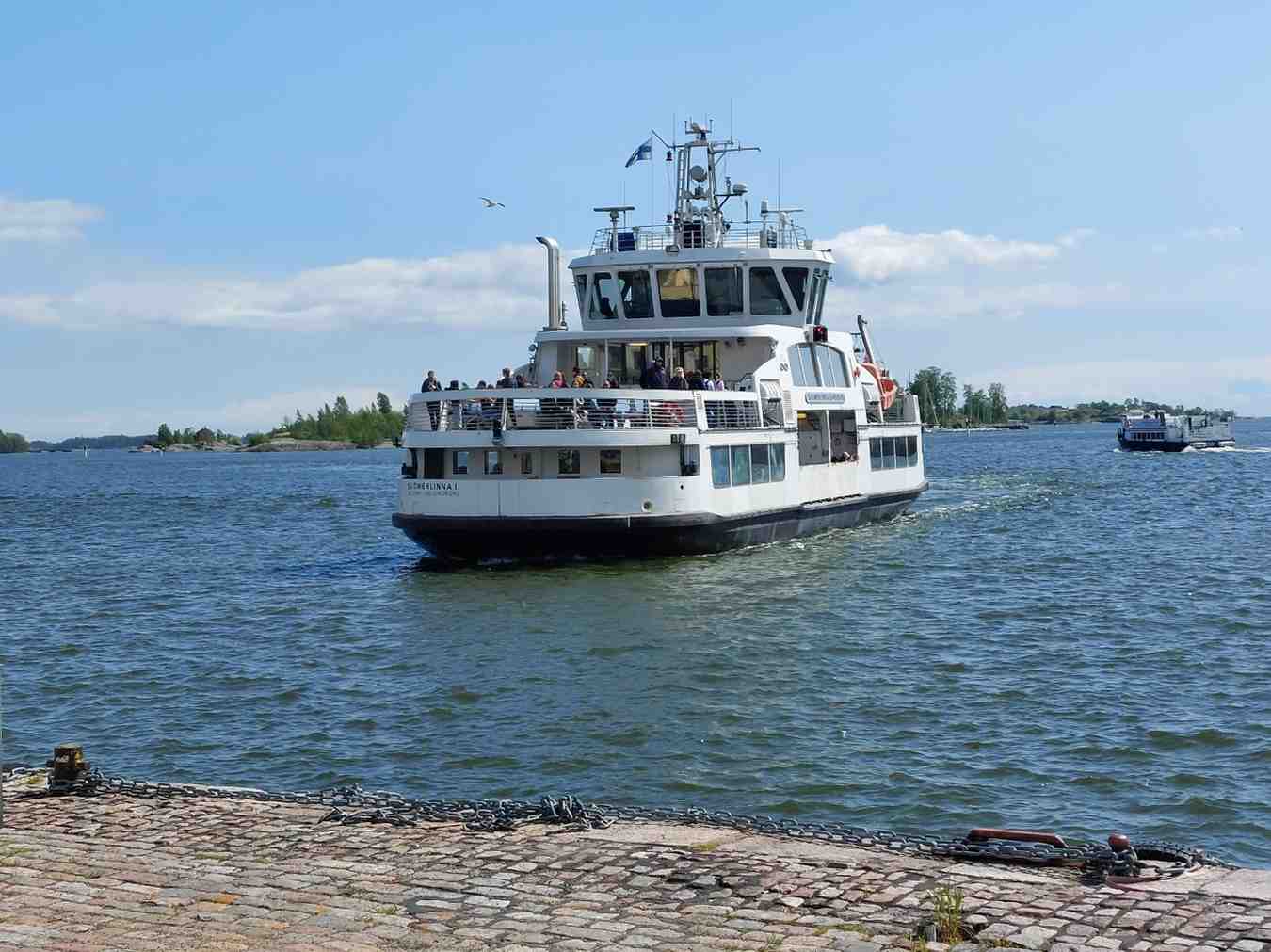
HELSINKI : The passenger ferry M/S Suomenlinna II has become the first ship to be retrofitted with ABB’s new-generation ACS880LC drive. The new-generation drive technology will significantly enhance vessel efficiency and help to secure smooth and reliable operations for many years to come.

As one of three ferries operated by Helsinki City Transport subsidiary Suomenlinnan Liikenne Oy, the 33.8-meter-long Suomenlinna II serves the Market Square – Suomenlinna route year-round. An integral part of the Helsinki public transport system, the 395-passenger capacity ferry makes multiple daily crossings between the city and the Suomenlinna sea fortress. Located on the coast of Helsinki, the fortress is a UNESCO World Heritage Site, a popular tourist attraction and a district with around 850 inhabitants.

Built in 2004, the 329-gross-ton vessel was equipped with an ACS600 drive system, which had become obsolete. However, its existing cabinets, busbars, and cables were suitable for repurposing, therefore helping to preserve resources. Instead of replacing the full system, ABB delivered a module-based retrofit, only replacing components as necessary. This transitioned the outdated onboard drives to ACS880LC with minimal impact on the ferry’s operating schedule. ABB will also supply the ferry with service support throughout the product lifecycle.

“ABB’s ability to provide a module-based retrofit as opposed to a full system replacement was a key factor for us in selecting a partner for this modernization project,” said Petri Öhrmark, Managing Director, Suomenlinnan Liikenne Oy. “Thanks to this upgrade, it can continue providing reliable, high efficiency services to residents, as well as tourists visiting the heritage site, for years to come.”

“We were proud to be chosen as partner to modernize the propulsion drives and propulsion control system for M/S Suomenlinna II,” said Ilmari Ackley, Head of Sales, Marine Service & Digital, Finland, ABB Marine & Ports. “We were happy to see the project delivered smoothly and as planned, which is particularly critical for a ferry that hundreds of passengers rely on every day. The module-based retrofit, replacing components only as necessary, shows one way our customers can improve the circularity of their operations – while ensuring a smooth and efficient upgrade to the latest technology.”