Home Blog Page 836

Piyush Goyal meets US Secretary Howard Lutnick for a mutually beneficial India-US Trade Agreement

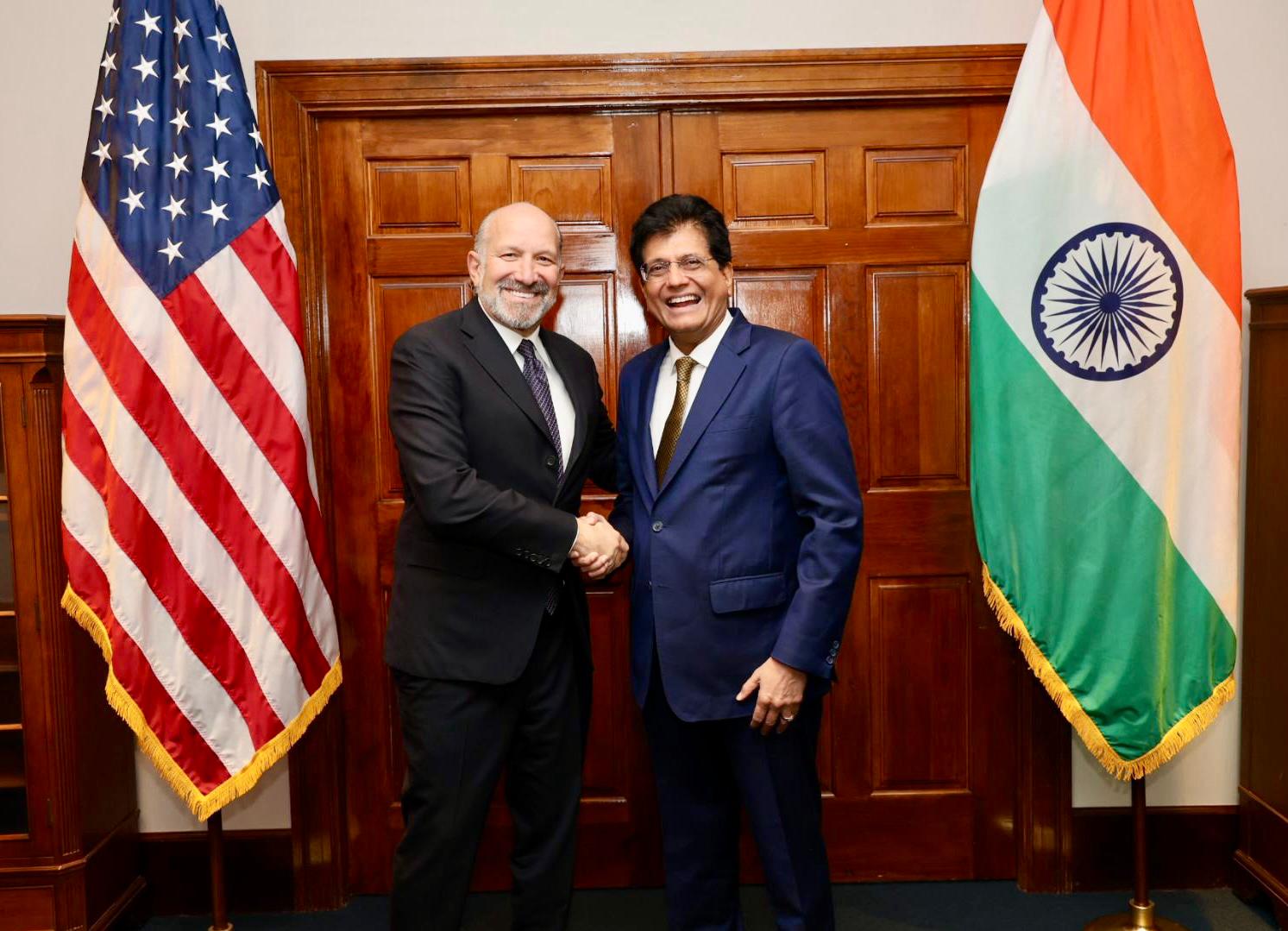
WASHINGTON D.C. : Union Minister of Commerce and Industry Shri Piyush Goyal held a meeting with Howard Lutnick, the United States Secretary of Commerce, to discuss the prospects of a mutually beneficial trade agreement between the two nations.

The meeting focused on deepening economic ties and exploring new opportunities for collaboration in trade and investment.

In a social media post following the meeting, Goyal shared, “Held a constructive meeting with Secretary @HowardLutnick for a mutually beneficial trade agreement. Committed to enhancing opportunities for our businesses and people.“

The statement reflects the growing commitment from both sides to strengthen bilateral trade relations and promote economic growth through increased cooperation.

India and the United States are poised to sign the first tranche of the much-anticipated Bilateral Trade Agreement (BTA) before July, according to sources who spoke to ANI.

Sources revealed that a round of meetings with the United States Trade Representative has already concluded.

Officials from both nations have discussed various issues related to goods trade, with India pushing for concessions on labour-intensive exports such as leather and textiles. Service sector issues have also featured prominently in the discussions.

“We want to increase our exports and preserve what we are already exporting,” a source familiar with the negotiations told ANI. “The BTA with the US will be a win-win deal for both countries”.

The sources indicated that India remains protective of sensitive sectors, particularly agriculture and dairy products. A key Indian demand is a full exemption from the 26 per cent tariff imposed on certain goods.

“Negotiations are proceeding on a very positive note, and we expect to conclude the agreement before the sunset clause set by the US, which expires on July 8,” one of the sources added.

The India-US trade deal would mark a significant milestone in economic relations between the world’s largest and fifth-largest economies, potentially opening new avenues for bilateral commerce and investment.

For the fourth consecutive year in 2024-25, the US was India’s largest trading partner, with bilateral trade valued at USD 131.84 billion. India had a trade surplus of USD 41.18 billion in goods in 2024-25.

During the recent meeting between President Donald Trump and Prime Minister Shri Narendra Modi in February, the two leaders resolved to expand trade and investment to make their citizens more prosperous, nations stronger, economies more innovative, and supply chains more resilient.

They resolved to deepen the US-India trade relationship to promote growth that ensures fairness, national security and job creation. To this end, the leaders set a bold new goal for bilateral trade – “Mission 500” – aiming to more than double total bilateral trade to USD 500 billion by 2030.Beyond the US talks, sources mentioned that trade negotiations with the European Union are also underway, and they expect an early harvest.
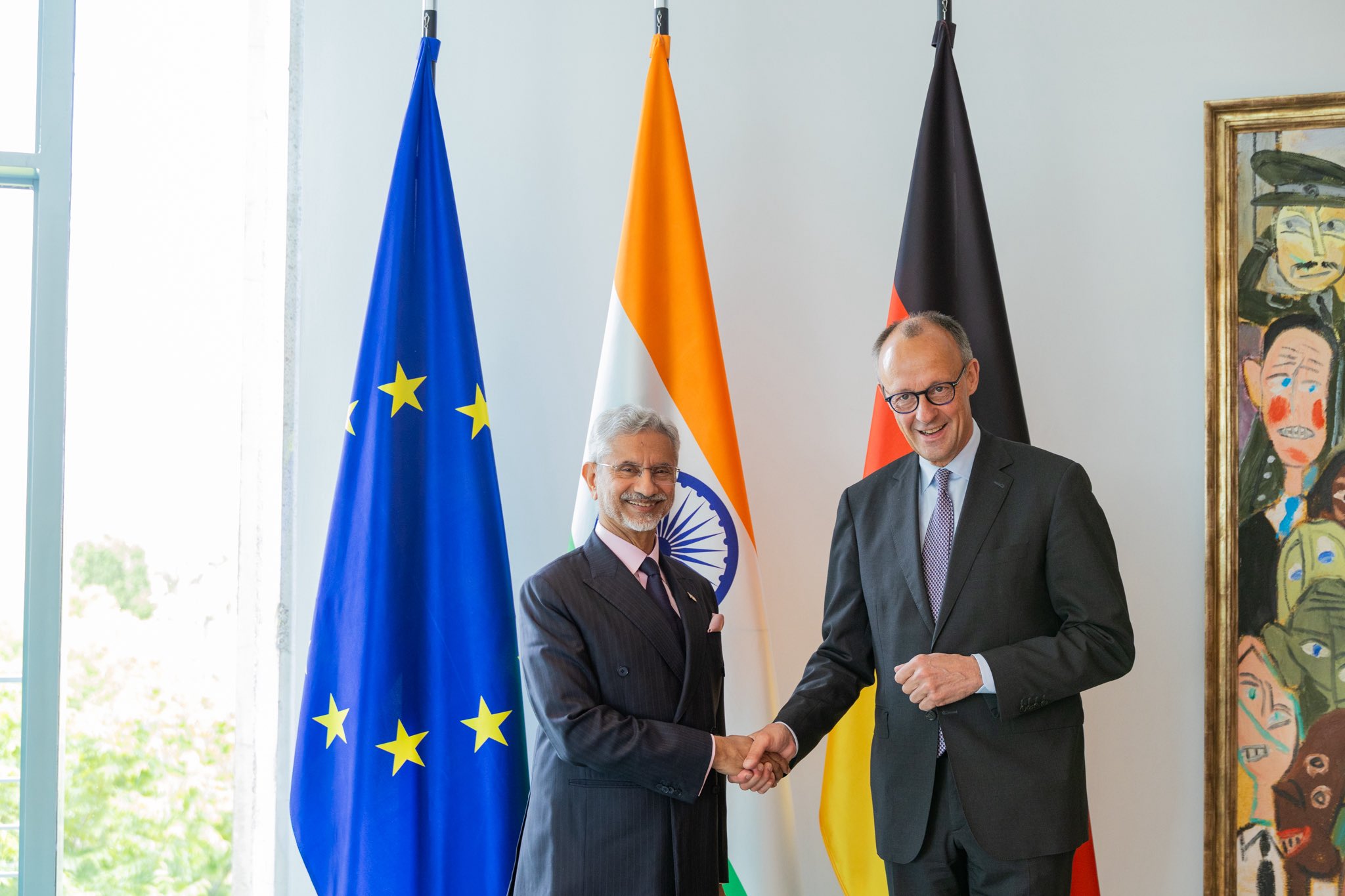
India looking forward to elevating strategic partnership with Germany: Dr. S Jaishankar to Friedrich Merz

BERLIN : External Affairs Minister Dr. S Jaishankar on Friday told German Chancellor Friedrich Merz that India is looking forward to working with his government to elevate and expand the bilateral strategic partnership.

Jaishankar is in Berlin in the concluding leg of his three-nation tour to the Netherlands, Denmark, and Germany.

“Honoured to meet Chancellor Friedrich Merz today in Berlin. Conveyed the best wishes of PM @narendramodi. Look forward to working with his government to elevate and expand our Strategic Partnership. Appreciate Germany’s solidarity as India counters the challenge of terrorism,” Jaishankar posted on X. He also met Minister of Economy and Energy Katherina Reiche.

Dr. S Jaishankar to Friedrich Merz berlin India looking forward to elevating strategic partnership with Germany: Dr. S Jaishankar to Friedrich Merz

India-Pakistan understanding on cessation of hostilities reached bilaterally: Jaishankar

“Discussed ways to enhance our talent linkages, industry partnership and joint collaboration to build more resilient supply chains,” Mr. Jaishankar said. He also held a “good conversation” with Gunter Sautter, Foreign & Security Policy Advisor to Merz.

“Exchanged perspectives on major global issues, including combatting terrorism. Our deepening partnership is an important factor of stability in an uncertain world. We will also work together to strengthen resilience and trust,” Mr. Jaishankar said.

On Thursday (May 22, 2025), Mr. Jaishankar held a “good interaction” with members of the German Bundestag (Parliament) and appreciated their strong support for the continued growth of India-Germany relations. “Also discussed with them India’s firm commitment to combatting terrorism in all forms and manifestations,” Mr. Jaishankar said.

Source : PTI

Adani Group to invest Rs 1 lakh crore in North East over 10 years: Gautam Adani

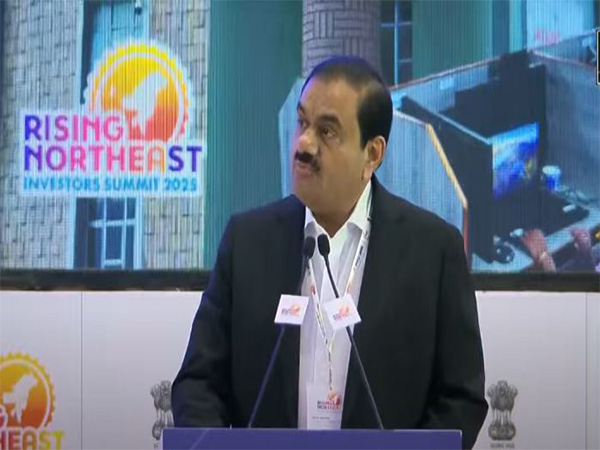
NEW DELHI : Mr. Gautam Adani, Chairman of Adani Group, on Friday announced a massive investment of Rs 1 lakh crore across different regions of the North-Eastern part of the country over a period on next 10 years.

This invesmnet will double the Rs 50,000 crore investment announced by the Adani Group just three months ago at the Advantage Assam 2.0 summit in February, according to the press release by Adani Group.

Speaking at ‘Rising Northeast Investors Summit’ in New Delhi, Mr. Gautam Adani said, “Three months ago, in Assam, we pledged an investment of Rs 50,000 crore. Today, once again, humbled and inspired by your leadership, I announce that the Adani Group will invest an additional Rs 50,000 crore across the Northeast over the next 10 years.”

The Adani Group Chairman further mentioned that the prime focus of Adani Groups investment will be on green energy, along with “smart-meters, hydro, pumped storage, power transmission, roads & highways, digital infrastructure, logistics, as well as capacity-building through skilling and vocational training centres.”

“But more than infrastructure, we will invest in people. Every initiative will prioritize local jobs, local entrepreneurship, and community engagement,” said Mr. Gautam Adani.

He appreciated Prime Minister Narendra Modi vision for the North East and said “Behind this rise is the vision of one leader who recognized no borders, only beginnings. Hon’ble Prime Minister, when you said, “Act East, Act Fast, Act First,” you gave the Northeast its wake-up call,“

Over last ten years since 2014, Adani group has invested Rs 6.2 lakh crore in North Easters states, Adani Group Chairman said.

He further added that, North-East has witnessed “doubling the road network to 16,000 kms” and “doubling the number of airports to 18.” He said recently, the Adani Group-owned Guwahati Airport managed 3.26 million domestic arrivals and 3.30 million domestic departures.

Before Mr. Gautam Adani, Union Minister for Communications and Development of North Eastern Region, Shri Jyotiraditya M Scindia, highlighted the transformative progress of the North Eastern states over the last decade under the leadership of Prime Minister Narendra Modi.

Recounting past infrastructure gaps, the minister shared that N-E region once had only nine airports, and two states lacked any airports at all.

Under PM Modi’s leadership, the number of airports in North east has risen to seventeen, giving the region a new thrust in connectivity and economic integration.

Source : ANI

Reliance to invest Rs 75,000 crore in North East over next 5 years: Mukesh Ambani

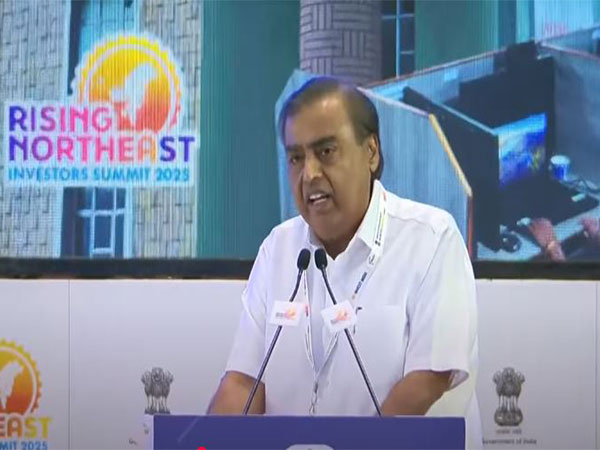
NEW DELHI : Reliance will invest over Rs 75,000 crore in North Eastern states over next five years announced Mr. Mukesh Ambani Chairman and MD Reliance Industries while speaking at the ‘Rising Northeast Investors Summit 2025’.

This investment is expected to add over 2.5 million direct and indirect employment opportunities, Mr. Ambani said, adding, “we aspire to touch the lives of most of our 45 million sisters and brothers in North-East.”
Reliance has invested around Rs 30,000 crore in the region in the past 40 years.

Mr. Mukesh Ambani, also mentioned that Reliance Retail will also make investment in North Eastern states “in factories for high-quality FMCG products in the region and promote the region’s fabulous artisan economy.”

Additionally, Mr. Ambani said, “Jio has already covered 90 per cent of the population with over 5 million 5G subscribers. We will double this number this year.”

Mr. Mukesh Ambani aims to transform the (North eastern) region’s vast “Wasteland into Wealth-Land”, by setting up 350 integrated Compressed Biogas plants.

On the healthcare front Mr. Mukesh Ambani plans to bring the best of cancer care to the North-East. “To begin with, we have established a 150-bed comprehensive cancer hospital in Manipur. We are collaborating with Mizoram University on care of breast cancer using genomic data. In Guwahati, we have built an Advanced Molecular Diagnostics and Research Lab. It will be among the largest Genome Sequencing Capacities in the India. We will help transform the North-East into a healthcare hub and a research powerhouse,” said Mr. Ambani.

To promote Sports in North East, “Reliance Foundation will work with all the eight states to set up Olympic Training Centres, which will prepare our Youth to be tomorrow’s medal-winners in Olympics.”

The Rising North East Investors Summit, which PM Modi inaugurated, is a two-day event taking place on 23rd and 24th May at Bharat Mandapam in New Delhi. The summit aims to highlight the North East region as a land of opportunity and attract both global and domestic investment.

Source : ANI

Donald Trump warns Apple of 25% tariff if iPhones are made in India

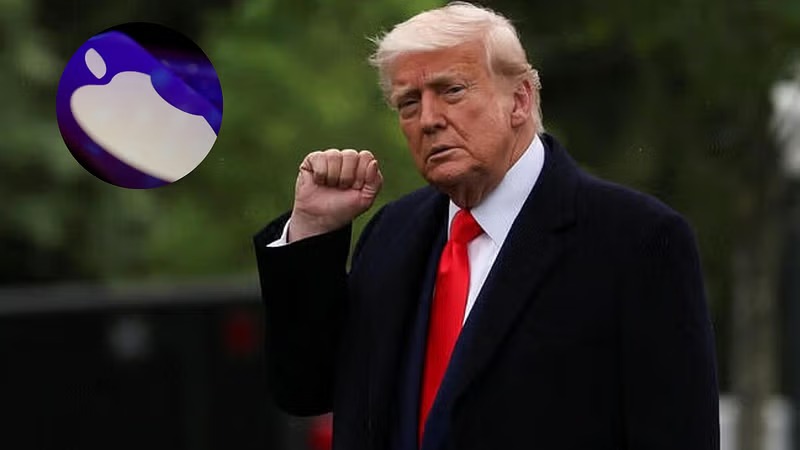
WASHINGTON D.C. : US President Donald Trump on Friday again sought to pressurise Apple on its decision to increase production of its iPhone in India.Trump said that Apple will have to pay a 25 per cent import tariffs if its mobile handsets sold in US are not produced in the boundaries of the country.

In a social media post on his Truth Social, US President Donald Trump wrote, “I have long ago informed Tim Cook of Apple that I expect their iPhone’s that will be sold in the United States of America will be manufactured and built in the United States, not India, or anyplace else,””If that is not the case, a Tariff of at least 25% must be paid by Apple to the U.S. Thank your for your attention to this matter,” he further added in the post.

Earlier on May 15, while speaking in Doha, Trump said that he had spoken with the Apple CEO Tim Cook and asked him to limit Apple’s expansion in India. Recently, Apple took some steps to expand its iPhone production in India, setting up assembly plants operating in the country. Two of these plants are located in Tamil Nadu, and one is in Karnataka.

For these plants Apple has signed contract with manufacturers, such as Foxconn and Tata Group to set up production units. In the last fiscal year, Apple produced USD 22 billion worth of iPhones in India in the 12 months through March 2025, which is a huge 60 per cent jump from the prior year.

Apple manufactured approximately 40-45 million iPhones in India in 2024, accounting for 18-20 per cent of its global output. Of this, about 15 million were exported to the US, 13 million to other international markets, and about 12 million were sold in the Indian market. In January 2025, Apple achieved an 11th consecutive quarterly revenue record in India, with iPhone sales estimated at USD 10 billion in 2024.
India stands as the Apple’s fourth-largest market globally in 2024, after the US, China, and Japan.

As reported last month, driven by the escalating trade tensions and high reciprocal tariffs announced by both China and US against each other, in a strategic move Apple decided to transition all production of iPhones destined for the US market to India from China.

Source : ANI

India-EU look to conclude talks for an early harvest deal by July 2025

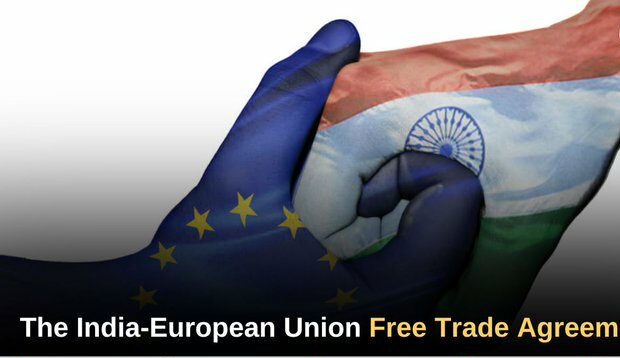
NEW DELHI : India and the European Union (EU) are aiming to conclude the first tranche of a bilateral Free Trade Agreement (FTA) by July this year, and have intensified the pace of negotiations for it, a senior official said Wednesday.

“We are looking for an early harvest. We are trying to do it as early as possible..targeting (to finalise the early harvest) by July,” the official added.

A team of Indian officials on the India-EU FTA led by the Chief negotiator Satya Srinivas has leaft for Brussels to pick up the thread of dialogue from where it was let off on Friday. Last week, India and the EU held the 11th round of negotiations in New Delhi and within a week of that, the Indian team is to be in Brussels, underscoring the urgency and fast-paced progress of the talks.

Apart from the key issue of tariffs on trade of goods, the early harvest will encompass solutions to issues of non-tariff barriers, government procurement, intellectual property rights, trade remedies, rules of origin, as well as sanitary and phytosanitary measures, the source said.

These issues have been identified as core issues of the FTA by both sides. The full-fledged trade agreement has 23 chapters that include issues like trade and sustainable development, transparency, good regulatory practices, subsidies and anti-fraud among others.

The early harvest deal with the EU would then be converted into a full-fledged FTA after further negotiations. In February-end European Commission’s (EC) President Ursula von der Leyen and a full college of commissioners had visited India for detailed talks on the entire spectrum of the relationship. At the meeting between EC President Shri Narendra Modi the year-end deadline to conclude the FTA was fixed.

Due to the tight deadline and time being taken to get to the common ground on non-core issues, both sides agreed to conclude the FTA in phases. Another push came from the change in the global trade environment after US President Donald Trump announced sweeping changes in tariffs giving rise to uncertainty all across the world.

To create cushions against the disruptions of global trade war, countries are speeding up agreements. The conclusion of India-UK trade talks early this month also gives a push to the negotiators and key issues involved on both these agreements are similar. In fact in the earlier attempt at India-EU the UK was negotiating as part of the 27-member group. Then Brexit happened and the UK officially left the EU in 2020. Fresh start was made for the FTA with the two in 2022.

The key ask for India from the EU in its negotiations is zero tariffs on labour intensive exports and greater access to the services market of 27-member grouping.

The EU is pushing for India to cut tariffs on cheese and skimmed milk powder, which India currently shields through high duties to protect its domestic dairy industry. Indian officials say that they would be unwilling to provide concessions in dairy in any of the FTAs.

The negotiations cover 23 policy areas, including trade in goods and services, investment protection, customs procedures, technical barriers, intellectual property rights, and sustainable development. The 11th round of India-EU FTA talks took place in New Delhi from 12th to 16th May.

While the EU has proposed amendments to India’s Patents Act to allow ‘evergreening’ of patents in pharmaceuticals, India has already rejected similar demands from the UK and Switzerland for data exclusivity to protect its generic pharmaceutical industry as part of FTAs with the UK and the European Free Trade Association (EFTA).

In FY2023-24, EU-India bilateral goods trade totalled $137.41 billion, with Indian exports valued at $75.92 billion and imports at $61.48 billion, making the EU India’s largest trading partner in goods. The EU accounts for nearly 17% of India’s total exports, while India represents 9% of the EU’s total overseas sales.

India calls for dismantling of export controls among BRICS members at 15th BRICS Trade Ministers’ Meeting

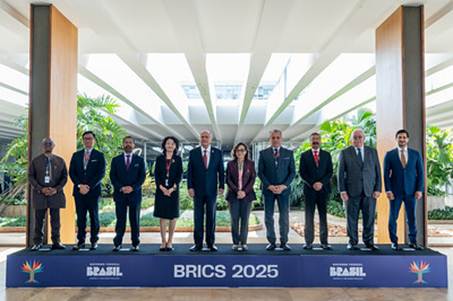
NEW DELHI : The 15th BRICS Trade Ministers’ Meeting was held on 21st May 2025 under the Presidency of Brazil, with the theme, “Strengthening Global South Cooperation for More Inclusive and Sustainable Governance.” India used the platform to oppose export controls among BRICS members, encouraging mutual support within the bloc. As India prepares to assume the BRICS Presidency in 2026, it commended the solution-oriented approach of the Brazilian Presidency in addressing critical trade issues.

A key outcome of the meeting was the endorsement of the Joint Declaration along with three annexures:

  1. BRICS Declaration on WTO Reform and Strengthening of Multilateral Trading System
  2. BRICS Data Economy Governance Understanding
  3. BRICS Trade and Sustainable Development Framework

These documents collectively reaffirm BRICS’ commitment to equitable, inclusive, and rules-based global trade. The Declaration especially emphasised that climate-related trade measures should not serve as tools of unjustifiable discrimination or disguised trade restrictions.

A speech delivered on behalf of Union Commerce and Industry Minister Shri Piyush Goyal extended India’s appreciation to Brazil for its efforts in building consensus and welcomed Indonesia’s induction as a new BRICS member in 2025. Reaffirming India’s commitment to a fair, transparent, inclusive, and rules-based multilateral trading system, the speech called on BRICS nations to promote a decentralised global trade architecture that addresses the developmental needs of the Global South.

On the subject of WTO reform, India highlighted the need for resolving longstanding developmental issues, particularly calling for a Permanent Solution to Public Stockholding (PSH) for food security. The Indian proposal of “30 for 30,” which seeks to introduce 30 incremental improvements to mark WTO’s 30th anniversary in 2025, was also emphasised. India reiterated that sustainable development is deeply rooted in its cultural ethos and must remain a cornerstone of international trade governance.

Representing India at the meeting Economic Adviser in the Department of Commerce, Shri Yashvir Singh, emphasised the need to eliminate restrictive trade measures that disrupt critical supply chains. India urged developed nations to ensure the concessional transfer of Environmentally Sound Technologies (ESTs), supported by adequate financial resources. The speech also spotlighted Mission LiFE, India’s global initiative advocating mindful consumption and circular economy practices as part of an equitable climate responsibility framework.

Digital transformation and technology-driven growth were recognised as vital areas for future collaboration. India reaffirmed its leadership in inclusive digital governance through flagship initiatives like Digital India and IndiaAI. It also reiterated its commitment to global cooperation in Digital Public Infrastructure (DPI), artificial intelligence, and cybersecurity under forums such as the Global Partnership on AI (GPAI) and G20. The BRICS Data Economy Governance Understanding acknowledged DPI as a key enabler of digital economic transformation.

Indian seafarers in danger of leaving their careers at sea after first contract, warns Mental Health Support Solution (MHSS)

BENGALURU : Indian seafarers are in danger of walking away from their careers at sea after their first contracts end, with MHSS reporting nearly 80% struggle with issues of isolation and loneliness.

Indian seafarers are more vulnerable to these mental health struggles as the culture places a strong emphasis on traditional family bonds and communal living, says MHSS, part of OneCare Group.

The company that provides seafarers with 24/7 access to clinical psychologists, says 60-80% of the calls they receive from Indian seafarers are to do with issues of isolation, often caused by cultural differences.

julia 12c88d6b Indian seafarers in danger of leaving their careers at sea after first contract, warns Mental Health Support Solution (MHSS)
Julia Oppermann

Head of operations at MHSS India, Julia Oppermann said: “We’re just not seeing the same push behind seafarers that we used to. I think the first contract counts for a lot. We have seen instances where there has only been one or two Indian seafarers onboard. When they are isolated like that it can really lead to an impact on their mental health and them even leaving the profession before their career has properly started.”

MHSS has received calls from Indian seafarers reporting isolation and loneliness struggles after being the only Indian seafarers among the crew. In some cases this has led to new seafarers walking away from their career due to feeling isolated on their first contract.

Charles Wattkins MHSS Indian seafarers in danger of leaving their careers at sea after first contract, warns Mental Health Support Solution (MHSS)
Charles Watkins

Clinical Psychologist at MHSS Charles Watkins said: “Shipowners and managers need to consider cultural differences when planning life onboard. When a seafarer is going on their first contract it is important to consider the other nationalities they will be onboard with. Family is such a strong tradition in India, they can often really struggle from losing that close bond when they are onboard. Sadly this is leading to some seafarers walking away from their careers.”

It is also important for consideration to be paid to the diverse range of cuisines that are available onboard as this only adds to feelings of isolation when Indian seafarers are not provided with meals from their home country, Dr Watkins added. Food plays a big role in the Indian culture so providing them with traditional meals is crucial for their welfare.

International maritime catering management company MCTC, echoed this call for more cultural awareness at sea and a deeper understanding of the important role food plays within a diverse crew.

“At MCTC, we believe in supporting every seafarer as an individual,” said Christian Ioannou, CEO of MCTC. “Our menus reflect all cultures and ethnicities onboard. If there are voyages with very few Indian seafarers onboard we ensure Indian cuisine is featured regularly. It’s not about numbers, it is about creating a sense of home and that can be reflected through mealtimes with their own cultural dishes on offer.”

“We serve clients with mixed nationalities, particularly among Indian and Filipino crews, which highlights the need to foster mutual understanding of each other’s food cultures”, Mr Ioannou added. “To support this, we have our Filipino and Indian Culinary Training Consultants rotate between our training centres in Manila and Mumbai. This exchange helps ensure that cooks from both cultures are better equipped to meet the culinary expectations of diverse crews.””

MHSS helps seafarers understand what they are experiencing and offers emotional and psychological support when needed. It can also connect Indian crews with Indian psychologists who are familiar with the family traditions and can offer coping strategies to help deal with isolation and loneliness.

Source: Mental Health Support Solutions

ECU Worldwide appoints Camilo Quintero as VP, Key Account Management in North America

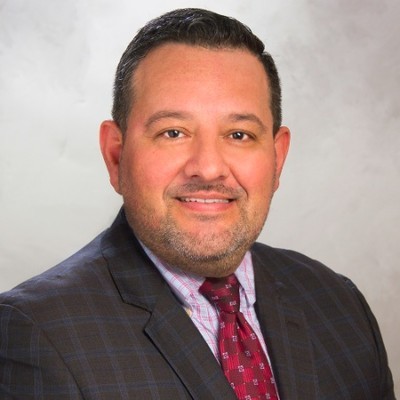
MUMBAI : ECU Worldwide, Allcargo Logistics’ wholly-owned global subsidiary and a leader in LCL consolidation, has appointed Camilo Quintero as VP, Key Account Management for North America. In this role, Camilo will drive innovation, continued growth and elevate the customer experience as he expands ECU Worldwide’s footprint across the region.

Camilo will report to Marc Stoffelen, Head of Global Accounts, and Niels Nielsen, Regional CEO ECU Worldwide, North America and will be based out of the regional office in Miami, Florida. Camilo rejoins ECU Worldwide after having worked at EFL Global since 2019. Prior to that, he spent more than 25 years at ECU Worldwide in various commercial senior leadership roles. His deep understanding of the organization and the logistics industry uniquely positions him for success in this strategic role.

In his new role, Camilo will lead the development and execution of the commercial strategies, focusing on customer acquisition, revenue growth and market expansion for global and KAM customers. He will also serve as a strategic partner to the U.S Sales Team. He holds a degree in Business Administration from Florida International University.

Welcoming Camilo, Niels Nielsen, Regional CEO, ECU Worldwide North America said, “Camilo is a respected leader with expertise in commercial strategy, customer engagement and operational execution, and his long association with ECU Worldwide and its business makes him a natural choice for this key role. His customer focused approach and passion for our business align perfectly with our growth targets as we continue to expand the company’s global footprint and service offerings. I wish him success in his new role.”

Commenting on his appointment, Camilo Quintero, VP – Key Account Management for North America, ECU Worldwide said, “I am excited to return to my beginnings, and to contribute to ECU Worldwide’s growth, success, and profitability. ECU Worldwide is a global leader in LCL consolidation and has significant potential to deepen its presence across the Latin America region. I look forward to collaborating with the leadership team to harness ECU Worldwide’s expanding presence, enhance operational excellence, and accelerate business growth while upholding a customer-centric approach.”

About ECU Worldwide

Founded in 1987, ECU Worldwide is Allcargo Logistics’ wholly-owned global subsidiary celebrating 30 years of excellence. It is one of the major players in multi-modal transport and a global leader in LCL consolidation. ECU Worldwide is powered by the vision of digital first approach and backed by passionate leadership with expertise in logistics, data science and technology. ECU Worldwide’s digital platform, ECU360 delivers a customer-centric digital logistics experience that enables end-to-end shipping services at the click of a button. With technologically advanced interface and customer-centric features, ECU360 has enabled ECU Worldwide to achieve digital leadership in global LCL consolidation. The company boasts of more than 300+ offices, across 180 countries, with over 2400 direct trade lanes, converging their international standard expertise across continents. ECU Worldwide practices the highest level of Environment, Social and Corporate Governance in line with the United Nations’ Sustainable Development Goals (UNSDGs), Global Reporting Initiative (GRI) 2021 Standards and has set out to achieve carbon neutrality and adopt 100% renewable energy at all owned facilities by 2040.

Docker Vision Secures First Place at CWC Hackathon for Leading Innovation in
AI-Powered Logistics and Warehousing

KOCHI : In a significant recognition of innovation in AI-driven logistics, Docker Vision has secured the First Prize at the prestigious Hackathon organized by the Central Warehousing Corporation (CWC). The company was awarded ₹10 lakh for its groundbreaking computer vision and OCR-based solutions, developed to digitally transform operations at the Inland Container Depot (ICD) Patparganj.

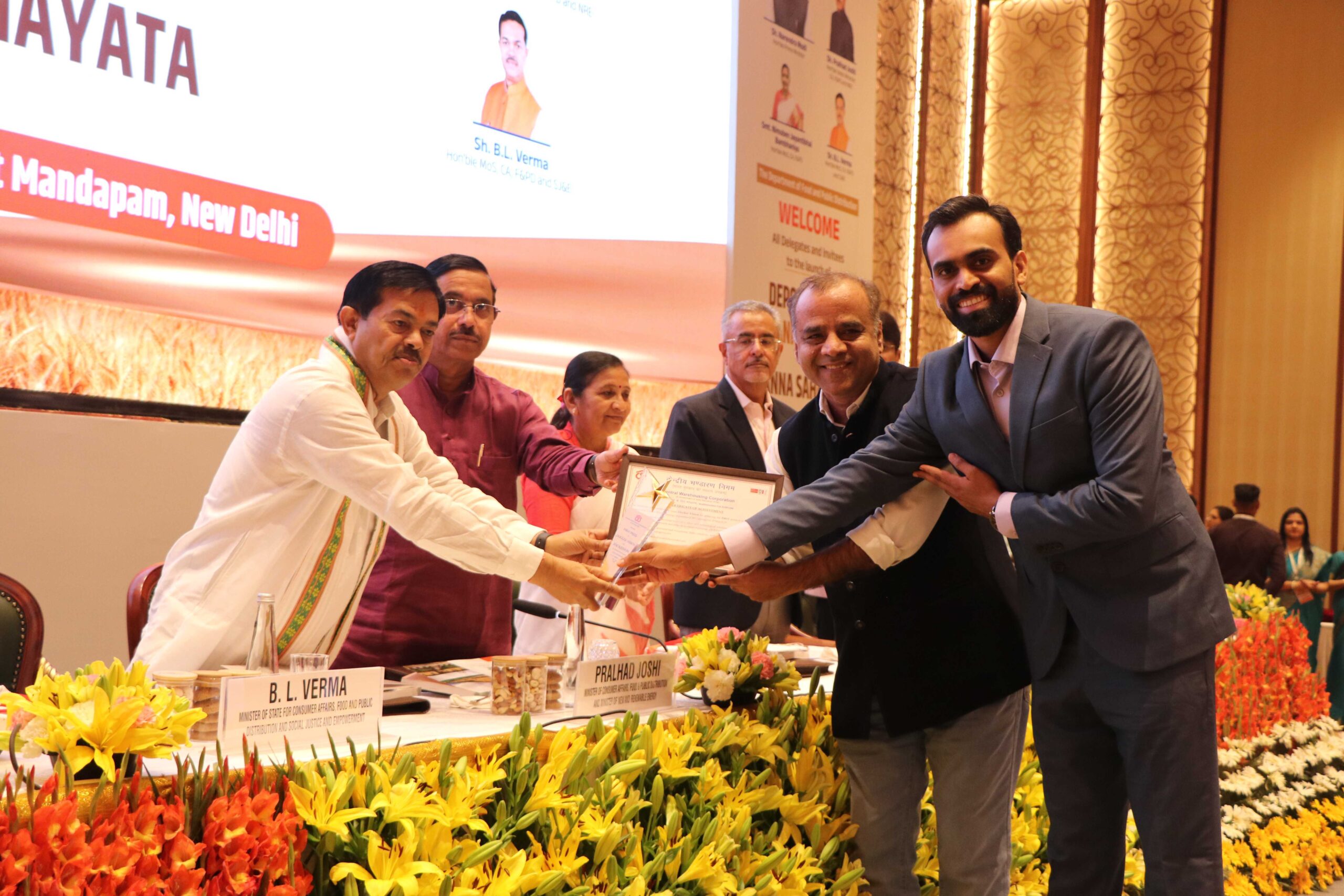
The award was presented to Mr. Prajith Nair, CEO of Docker Vision, during the grand launch ceremony of three key CWC initiatives—Depot Darpan Portal, Anna Mitra, and Anna Sahayata aimed at transforming India’s Public Distribution System (PDS), hosted at the Leader’s Lounge, Bharat Mandapam, Pragati Maidan, in the presence of top dignitaries. The prize was conferred by Shri Pralhad Joshi, Hon’ble Union Minister for Consumer Affairs, Food and Public Distribution & New and Renewable Energy. The event also saw the presence of Shri B. L. Verma, Minister of State for CA, F&PD, Social Justice and Empowerment and Smt. Nimuben Jayantibhai Bambhaniya, Minister of State for CA, F&PD.

Addressing a gathering officials from the Food Corporation of India (FCI) and the Central Warehousing Corporation (CWC), Mr. Joshi revealed that ₹1,000 crore will be allocated for the modernization of FCI’s existing godowns, while an additional ₹280 crore will be invested to upgrade CWC-owned warehouses.

“The government is leveraging cutting-edge technologies to boost transparency, streamline operations, and eliminate leakages within the PDS. Our overarching goal is to ensure the delivery of high-quality foodgrains to over 80 crore beneficiaries through ration shops under the National Food Security Act,” said Mr. Joshi.

In the highly competitive Hackathon event, Docker Vision clinched the top position, emerging as the winner among 11 final contenders, with its suite of AI-powered solutions addressing critical challenges in customs clearance, warehousing, and logistics forecasting Docker Vision’s winning solutions harnessed the power of advanced OCR (Optical Character Recognition) and Computer Vision technologies to enable paperless customs processing, real-time inventory traceability, and predictive logistics planning delivering a futuristic roadmap for digital transformation in warehousing and supply chain operations.

“Winning this prestigious recognition from CWC is a proud moment for Docker Vision. We are deeply committed to supporting India’s logistics transformation journey through innovative AI and computer vision technologies,” said Prajith Nair, CEO, Docker Vision.

Docker Vision’s success in the Hackathon reinforces its leadership in AI-based logistics innovation and positions it as a trusted partner in the nation’s supply chain modernization initiatives.