Home Blog Page 839

BetterSea and Normec Verifavia Partner to Revolutionize FuelEU Compliance with Seamless Data Validation and Pool Verification

LONDON : As the maritime industry navigates compliance with FuelEU Maritime, BetterSea has taken a decisive step toward simplifying action. The company has announced a strategic partnership with Normec Verifavia, a leading maritime emissions verifier, to seamlessly integrate automated data validation and final compliance pool verification into the FuelEU Marketplace. 

This partnership ensures that all compliance pools formed through BetterSea’s global FuelEU trading platform can now be directly verified by Normec Verifavia at no additional cost — eliminating administrative bottlenecks and setting a new standard for streamlined, digitalized regulatory compliance.

FuelEU Compliance—From Obligation to Opportunity

FuelEU Maritime introduces annual GHG intensity limits for ships operating in European waters. Ships exceeding these limits face significant financial penalties, while those with surplus compliance capacity can trade their excess allowances  at a fleet or pool level. BetterSea’s FuelEU Marketplace is designed to facilitate this trading, transforming compliance from a regulatory burden into a financial opportunity. 

However, until now, compliance pooling has been a fragmented process — requiring extensive manual effort, third-party coordination, and verification hurdles.  The BetterSea – Normec Verifavia collaboration removes these inefficiencies, delivering a fully automated and seamless compliance solution.

“We are turning compliance into a frictionless, automated process. By embedding Normec Verifavia’s verification services directly into our FuelEU Marketplace, we’re ensuring that every pool created through our platform is automatically validated and ready for final compliance approval — without additional effort from shipowners.”

– Maximilian Schroer, Co-CEO, BetterSea

A Fully Verified Marketplace—Instant, Seamless, and Cost-Free

Through this collaboration, BetterSea customers will benefit from: 

  • Seamless Input Data Validation – Normec Verifavia will ensure that all input data used to determine compliance positions is accurate, pre-validated, and fully aligned with regulatory standards.
  • Automated Pool Verification – Every compliance pool created through the FuelEU Marketplace will be automatically verified by Normec Verifavia, ensuring that all trades meet final regulatory approval without additional paperwork.
  • Compliance Assurance with Maximized Efficiency – Verification is included in BetterSea’s service offering — simplifying the path to compliance while maximizing cost efficiency. 

An important clarification: Through our partnership, Normec Verifavia independently verifies compliance pools within the FuelEU Marketplace. However, all pool members remain free to continue using their preferred verifier for their vessels — ensuring both flexibility and a seamless compliance experience. 

“Regulatory compliance should not be an administrative burden. By integrating our verification services directly into BetterSea’s platform, we’re providing shipowners with a one-click solution to ensure their compliance pools meet the highest regulatory standards—without delays, or operational disruptions.”

– Yuvraj Thakur, VP Commercial and Managing Director, Normec Verifavia 

The Future of Maritime Compliance is Here

With FuelEU Maritime in place, the industry is rapidly moving toward data-driven, automated compliance solutions. The partnership between BetterSea and Normec Verifavia ensures that shipowners, operators, and fleet managers can manage compliance with unprecedented ease — from automated data ingestion to seamless trading and final verification.

“This is about more than just compliance—it’s about future-proofing the industry. BetterSea’s mission is to help shipowners not only meet regulatory requirements but also capitalize on them. With Normec Verifavia as our verification partner, we are ensuring that the transition to FuelEU is as effortless and beneficial as possible.”

– Maximilian Schroer, Co-CEO, BetterSea
MARPOL update raises bar for sampling but Non-Compliance risks increase

HAMBURG : CM Technologies (CMT) is advising shipowners and operators to urgently review their fuel and lubricating oil sampling practices following the entry into force of revised IMO guidelines.

Recent amendments to MARPOL Annex VI and SOLAS Chapter II-2 include a 50% increase in the required sample volume and stricter expectations around equipment, handling, and record-keeping.

The International Maritime Organization’s updated protocol, MSC-MEPC.2/Circ.18, mandates that fuel samples collected for MARPOL compliance now be a minimum of 600ml, up from the previous 400ml. This change ensures there is sufficient material to perform both sulphur content testing under MARPOL and flash point testing under SOLAS requirements. It also reinforces proper sampling procedures, including the use of tamper-evident containers, accurate labelling, and secure onboard storage.

“Sampling is often regarded as a technicality, but it is the foundation for effective compliance and dispute resolution,” said David Fuhlbrügge, Managing Director of CM Technologies. “Too often, we see crew improvising with makeshift containers due to a lack of proper gear onboard. Samples are often sent to labs in recycled beverage bottles – which can invalidate test results.”

CMT 2 MARPOL update raises bar for sampling but Non-Compliance risks increase

Soft drink bottles frequently contain plasticizers – chemical additives designed to make plastic bottles flexible. These and other contaminants such as residual sweeteners, flavourings, or cleaning agents can alter the properties of the sample. This not only undermines test accuracy but can also lead to delays, re-sampling, or even the rejection of results by the laboratory.

“Labs may refuse to analyse non-compliant samples and, in some cases, will charge extra to transfer samples to proper containers, creating additional delays and cost,” said Fuhlbrügge. But beyond the laboratory implications, poor sampling practices can carry serious legal and commercial consequences.

“Proper sampling is not only about proving fuel quality but also about maintaining a defensible chain of custody,” he said.

Contaminated or poorly documented samples cannot be presented in bunker disputes or during Port State Control (PSC) inspections and any results labelled ‘indicative only’ would not be used to support compliance claims.

“With the new IMO regulations in place, ship managers and crews can’t afford to take shortcuts,” Fuhlbrügge furthered. “Proper sampling verifies that delivered fuel and oil conform to operational standards. If disputes arise, the integrity of that sample becomes critical. Any sign of tampering, contamination, or inadequate documentation could trigger fines, detention, or liability.”

The revised guidelines also transfer responsibility for tracking and storing MARPOL Delivered Samples from the ship’s master to the ship owner or management company.

“This shift underscores the importance of fleet-wide procedures and oversight,” said Fuhlbrügge. “Crews must be trained in how to operate sampling equipment, seal and label containers, and store samples correctly –typically for up to 12 months or until the fuel is consumed.”

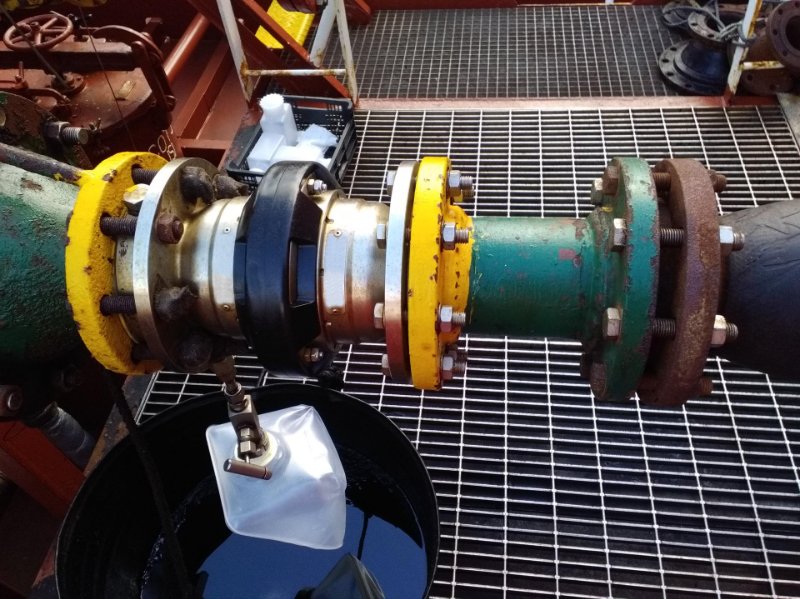
CM Technologies offers a comprehensive range of MARPOL-compliant solutions, including drip-type bunker samplers, certified sample bottles, tamper-evident seals, and lockable storage cabinets. The company is also preparing additional training resources and documentation to support shipowners and crew during the transition.

“The new sample volume requirement may seem minor, but it’s part of a broader shift toward stricter enforcement,” Fuhlbrügge said. “Authorities and labs are paying closer attention to how samples are taken and handled. Having the right equipment – and using it properly – is no longer optional. It’s a core part of regulatory readiness and risk mitigation.”

CMT believes these changes offer the industry an opportunity to raise standards, reduce risk, and improve transparency throughout the fuel supply chain.

PM Modi to inaugurate and dedicate to the nation multiple development projects worth over Rs 26,000 crore in Bikaner today

NEW DELHI : Prime Minister Shri Narendra Modi will visit Rajasthan on today 22nd May. He will travel to Bikaner. At around 11:00 AM, Prime Minister will inaugurate the redeveloped Deshnoke Station under the Amrit Bharat Station Scheme and flag-off Bikaner-Mumbai Express Train. Thereafter, he will lay the foundation stone, inaugurate and dedicate to the nation multiple development projects worth over Rs 26,000 crore and also address a public function in Palana.

In line with his commitment to constantly improve and enhance the rail infrastructure in the country, Prime Minister will inaugurate 103 redeveloped Amrit Stations in 86 districts across 18 States and Union Territories of India developed at a cost of over Rs 1,100 crore. Over 1,300 stations are being redeveloped with modern facilities, designed to reflect regional architecture and enhance passenger amenities under the Amrit Bharat Station Scheme. Deshnoke railway station, serving pilgrims and tourists visiting the Karni Mata Temple among others, is inspired with temple architecture and arch and column theme. Begumpet railway station in Telangana is inspired by the architecture of the Kakatiya empire.

Thawe station in Bihar incorporates various murals and art works representing Maa Thawewali, one of the 52 Shakti Peethas and depicting Madhubani paintings. Dakor station in Gujarat is inspired by Ranchhodrai Ji Maharaj. The redeveloped Amrit stations across India integrate modern infrastructure with cultural heritage, passenger-centric amenities including those for Divyangjan and sustainable practices to enhance the travel experience.

Indian Railway is marching towards 100% electrification of its network, making railway operations more efficient and environment friendly. In line with this, Prime Minister will lay the foundation stone of Churu-Sadulpur rail line (58 km) and dedicate to the Nation Suratgarh-Phalodi (336 km); Phulera-Degana (109 km); Udaipur-Himmatnagar (210 km); Phalodi-Jaisalmer (157 km) and Samdari-Barmer (129 km) rail line electrification.

In a major boost to road infrastructure in the state, Prime Minister will lay the foundation stone for construction of 3 Vehicle Underpasses, widening and strengthening of National highways. He will also dedicate 7 roadways projects in Rajasthan. The roadways projects, worth over Rs 4850 crore, will facilitate smoother movement of goods and people. The highways extend up to the Indo-Pak border, enhancing accessibility for security forces and strengthening India’s defence infrastructure.

Furthering the vision of electricity for all and green and clean energy, Prime Minister will lay the foundation stone of power projects including Solar projects at Bikaner and Nawa in Didwana Kuchaman, and Transmission Systems for Evacuation of Power Part B PowerGrid Sirohi Transmission Ltd and Part E PowerGrid Mewar Transmission Ltd. He will also inaugurate power projects including Solar project at Bikaner, Transmission system for Evacuation of PowerGrid Neemuch and from Bikaner Complex, Augmentation of transformation capacity at Fatehgarh-II Power Station which will provide clean energy and reduce carbon emission.

Prime Minister will also lay the foundation stone, inaugurate and dedicate 25 important state government projects across Rajasthan to enhance infrastructure, connectivity, power supply, health services, and water availability in the state. These include laying of foundation stone and dedication to the nation of projects for upgrading and maintaining 12 State Highways covering a total length of over 750 km worth over Rs 3,240 crore; further expansion under the program includes an additional 900 km of new highways. Prime Minister will inaugurate power projects at Bikaner and Udaipur.

He will also inaugurate Nursing Colleges in Rajsamand, Pratapgarh, Bhilwara, Dholpur which will play a key role in enhancing health infrastructure in the state. He will also lay the foundation stone and dedicate to the nation various water infrastructure projects in the region including Rural Water Supply and Fluorosis Mitigation Project in Jhunjhunu District, Restructuring of Urban Water Supply Schemes in 7 Towns of Pali District under AMRUT 2.0, among others.

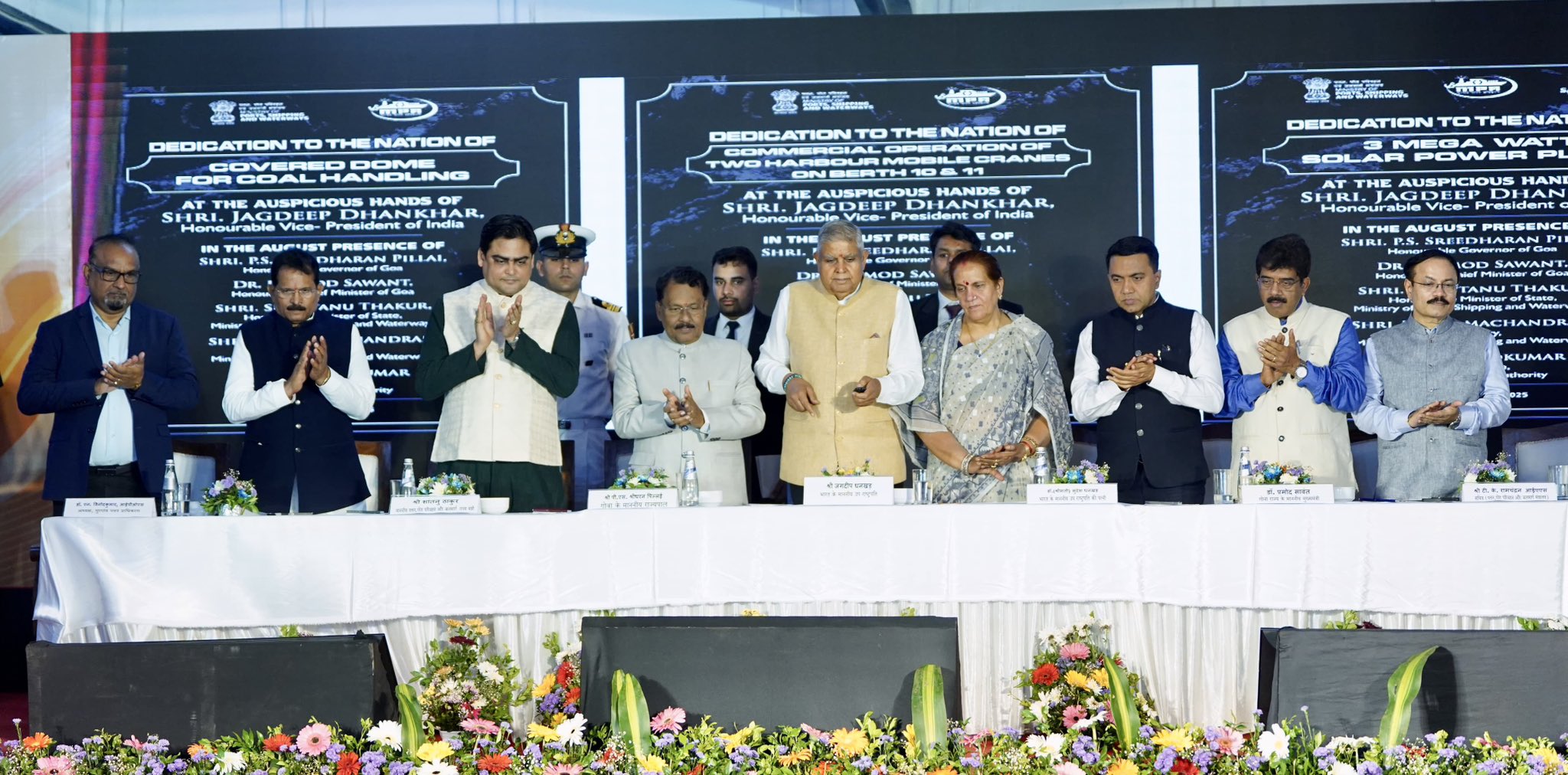
VP Jagdeep Dhankhar inaugurates and dedicates to the nation three projects at Mormugao Port

GOA : Vice President Jagdeep Dhankhar inaugurated Key Projects at Mormugao in Goa and stressed the importance of enforcing a rules-based order at sea amidst evolving geopolitical challenges. The Vice President, addressing a gathering on this occasion at Mormugao Port, advocated for India to become a leader in shipbuilding to meet the increasing demands of its growing economy.

He praised Indian Armed Forces and Coast Guard for their roles in recent conflict and overall security of the country. The Vice President also lauded ‘Operation Sindoor’ as a decisive response to terrorism, noting India’s precise targeting of terrorist bases in Muridke and Bahawalpur following an attack in Pahalgam on April 22. He asserted that the operation sent a clear global message that terrorism will not go unpunished.

Mr Dhankhar praised the Indian Coast Guard for their unwavering dedication, courage, and service. He lauded their critical role in ensuring zero mortality during severe cyclones, highlighting their immense contribution to coastal communities. Acknowledging the challenging nature of their work, he noted that while formal recognition may be delayed or absent, the gratitude of coastal populations speaks volumes. He emphasized the Coast Guard’s role as both a strategic force and a guardian of marine ecology.
He emphasized that these developments signify India’s rise as a global economic and maritime power committed to peace, sustainability, and development.

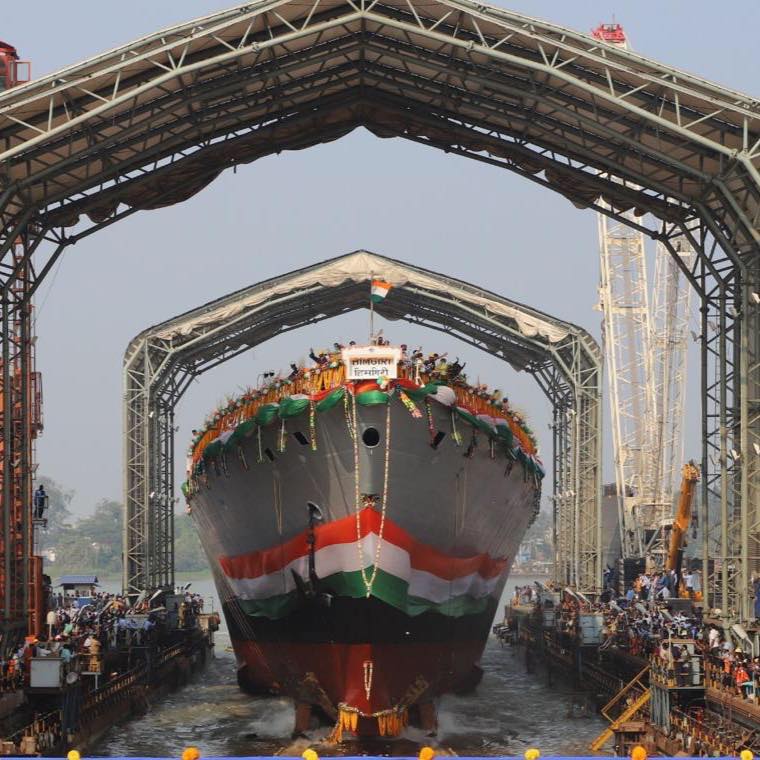
Centre to boost production of Made-in-India merchant vessels, cut reliance on foreign ships

NEW DELHI : The Government of India has set the ball rolling to increase the fleet of large ‘Made in India’ merchant ships with an eye on joining the league of the top maritime countries of the world over the next two decades.

The move stems partly from a realisation that a large fleet of merchant ships made in India is required, since foreign ships that transport merchandise to and from India may choose to stay away in case of an emergency.

A situation like the recent three-day escalation between India and Pakistan can put ports on high alert, and may dissuade foreign ships from visiting Indian ports, thus harming trade. The government also feels that becoming a maritime power is an essential part of being a “developed nation” — something that the government hopes to become by 2027.

“We need our ships to replace foreign ships, as the latter may stay away in an emergency, and that will harm our global trade. The policy of the government is to take strides in this direction over the next decade or two,” said a highly placed source in the Ministry of Ports, Shipping and Waterways. “Initiatives have been launched to boost indigenous shipbuilding and repair capabilities, reducing dependence on foreign vessels. India is advancing towards becoming the top 10 shipbuilding nations by 2030 and to ascend to the top five by 2047,” said an official.

Union Minister of Ports, Shipping and Waterways Shri Sarbananda Sonowal said: “India has everything it requires to be a global shipbuilding powerhouse. Our strategic location, technological expertise, demographic and cost advantage, and robust steel industry are there.”

“Further, recent radical policy reforms ushered in by our government by way of Maritime Development Fund, Shipbuilding Financial Assistance Policy, Shipbuilding and Ship Repair Clusters, infrastructure status to large vessels, customs duty exemption to components used in ship building and ship repair, comprise a comprehensive package to kickstart a revolution to repost India’s shipbuilding industry on the pinnacle of global shipbuilding arena,” the Union minister said.

A ministry note explains the major policies that have been set in motion to achieve this ambitious target.

In the Union Budget 2025, a Rs 25,000-crore fund has been set up under Maritime Development Fund to provide long-term, low-cost financing for shipbuilding, repair, and maritime infrastructure projects. The government will contribute 49 per cent of the fund, with the remainder to be mobilised from ports and the private sector.

This initiative is expected to generate investments of up to Rs 1.5 lakh crore by 2030. With an outlay of Rs 18,090 crore, Shipbuilding Financial Assistance Policy (SBFAP) 2.0 offers direct financial subsidies to Indian shipyards to enhance their competitiveness in the global market.

“To promote sustainable practices, a 40 per cent credit note on the scrap value of old ships is to be provided under the Shipbreaking Credit Note Scheme for shipbreaking in Indian yards. This credit can be used towards the purchase of new ‘Made in India’ vessels. The customs duty exemption on inputs used for shipbuilding and ship-breaking has been extended for another 10 years, reducing production costs and encouraging domestic manufacturing,” according to the note.

‘Global centre for maritime finance’

SCI Bharat IFSC Ltd was incorporated on August 12, 2024, as a shipping company, with its registered office at GIFT House, GIFT City, Gandhinagar, Gujarat, to undertake chartering, owning of vessels and other permitted shipping activities as per the ship leasing framework of the GIFT IFSC.

“The establishment of a new shipping company, in collaboration with state-run oil, gas, and fertiliser companies, aims to expand India’s fleet by at least 1,000 ships over the next decade. This initiative will reduce reliance on foreign shipping services and cut freight costs by at least 33 per cent by 2047,” says the ministry note.

“As of now, most of the big ships are foreign, and we may be having just 50-60 large ships, in a total fleet of about 1,500 merchant vessels. We need to take a quantum jump in building ‘Made in India’ ships, and the present policy is designed for that,” said an official.

India is already a leading global player in ship recycling. In 2024, India was the second-largest global ship recycling nation by tonnage. India’s share in the global ship recycling industry was around 33 per cent in 2023, accounting for one-third of the total global tonnage dismantled. The Alang Ship Breaking Yard in Gujarat is a major hub for ship recycling in India, responsible for dismantling a significant portion of retired ships.

The next aim, thus, is to make India a leader in shipbuilding too – the idea being to strengthen the maritime triad of shipbuilding, repairing and recycling.

Source : Indian Express

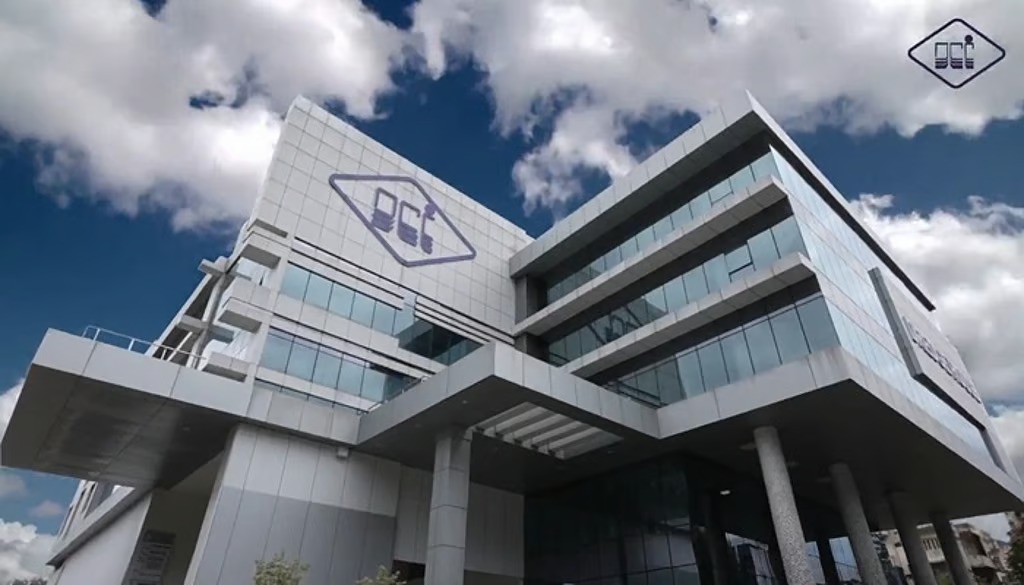
DCI turns profitable with Q4 net profit at Rs 21.39 cr

VISAKHAPATNAM : Dredging Corporation of India (DCI) reported a net profit of Rs 21.39 crore for the March 2025 quarter, mainly on the back of increased income. It had posted a loss of Rs 25.97 crore in January-March period of preceding 2023-24 fiscal, the company said in an exchange filing.

DCI increased its total income to Rs 464.38 crore in the fourth quarter from Rs 278.80 crore in the same quarter a year ago, registering a rise of 67 per cent.

Speaking to PTI, company’s MD and CEO Durgesh Kumar Dubey said, “We have ended the fourth quarter delivering positive financial numbers. We will try to maintain this momentum in the coming quarters.” The company is also looking for business opportunities in the Middle East, South East Asia and South Asian markets along with domestic market where players like AMNS India, JSW Group and Adani Group are looking to expand their port operations, said Dubey, who is also the Deputy Chairman of Visakhapatnam Port Authority (VPA).

On the outlook for the sector, Dubey said the port sector is on a growth trajectory driven by government-led initiatives like Sagarmala Programme.

Based in Visakhapatnam in Andhra Pradesh, DCI is a premier dredging company under the administrative control of four major ports of India — Visakhapatnam Port Authority, Jawaharlal Nehru Port Authority (Mumbai), Paradip Port Authority and Deendayal Port Authority (Kandla).

Source : PTI

Cochin Shipyard appoints Dr Seema Suri as Independent Director

KOCHI : Cochin Shipyard Limited (CSL), a premier shipbuilding and maintenance company under the Ministry of Ports, Shipping & Waterways, Government of India, has announced the appointment of Dr Seema Suri as a Non-official (Independent) Director on its Board. The appointment is effective from May 20, 2025, for a period of three years or until further orders, whichever is earlier.

The appointment was conveyed through a communication from the Ministry of Ports, Shipping & Waterways on May 20.

Dr Seema Suri is a seasoned educationist and social worker with a strong academic background. She holds a postgraduate degree in Arts from Ramjas College, University of Delhi, and a Bachelor of Education from Maharshi Dayanand University, Rohtak. She has been conferred with an Honorary Doctor of Literature (D.Litt.), titled Vidya Sagar, by Vikramshila Hindi Vidyapeeth, Bhagalpur, and the title Samaj Bhushan – Ph.D. (Vidyavachaspati) by Sahitya Mandal Shri Nath.

Dr Suri has an extensive professional background that includes a 17-year tenure at Delhi Public School, Vasant Kunj, where she served as a Teacher and Block Incharge. In addition to her contributions to academia, she has been a presenter of various educational and social programs on Radio and Doordarshan.

As the Founder and National President of Sarva Seva Sansthan, Dr. Suri has led numerous initiatives in the fields of education, health, environmental sustainability, and women empowerment. Her work includes adopting government schools to upgrade infrastructure, organizing health camps, conducting awareness drives, holding media workshops, and promoting gender equality through self-defense training programs for girls under the Beti Bachao Abhiyan. Her social contributions have earned her accolades from several national and international bodies.

Dr. Suri is also a serving Member of the Film Censor Board Advisory Committee in Delhi.

According to the company’s regulatory filing, Dr. Suri is not related to any of the existing directors of CSL and is not debarred or disqualified from holding the office of director under any SEBI or Companies Act provisions

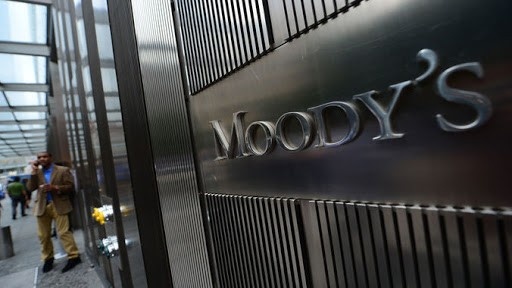
India better placed than peers to weather US tariffs: Moody’s Ratings

NEW DELHI : India is better positioned than many other emerging markets to deal with US Tariffs and global trade disruptions due to robust internal growth drivers, a sizable domestic economy, and a low dependence on goods trade, Moody’s Ratings said on Wednesday.

“Government initiatives to boost private consumption, expand manufacturing capacity, and increase infrastructure spending will help offset the weakening outlook for global demand,” the ratings agency said. It added, however, that export-linked sectors, such as automotives, remain exposed to global trade challenges, despite diversified operations.

While higher defence spending could weigh on India’s fiscal strength and slow fiscal consolidation, Moody’s Ratings said the recent escalation between India and Pakistan is accounted for in its geopolitical risk assessment.

“In a scenario of sustained escalation in localised tensions, we do not expect major disruptions to India’s economic activity because it has minimal economic relations with Pakistan… Most of its agricultural and industrial output are geographically distant from the conflict zones,” the ratings agency said.

It noted that Pakistan–India tensions, including the flare-up earlier in May, would weigh more on Pakistan’s growth than on India’s.

Moody’s expects that tariffs on most Chinese goods exports to the US will constrain global growth and could potentially reduce India’s economic growth in calendar year 2025 to 6.3 per cent from 6.7 per cent.

The ratings agency said India may benefit from investment inflows aimed at capitalising on its large and growing market, reversing the recent decline in foreign direct investments.

“Easing inflation offers the potential for interest rate cuts to further support the economy, even as the banking sector’s liquidity facilitates lending,” it added.

Moody’s Ratings emphasised that domestic demand underpins growth despite risks from US policy shifts. “The central government’s infrastructure spending supports GDP growth, while personal income tax cuts bolster consumption,” it said.

Bangladesh cancels $21-million order from Garden Reach Shipbuilders

DHAKA : The Bangladesh government has cancelled an order worth nearly Rs 180 crore from Garden Reach Shipbuilders & Engineers Ltd. The contract was for construction of an advanced ocean-going tug, according to an exchange filing on Wednesday.

The order, worth $21 million, was from the Directorate General Defence Purchase, Ministry of Defence, Bangladesh. The construction and delivery of one advanced ocean-going tug was to be designed, built and delivered in 24 months, according to the previous notification.

The overall length of the tug would have been nearly 61 metres and the vessel was set to be about 15.8 metres wide with a depth nearly 6.8 metres. The ship’s maximum speed with a full load was to be at least 13 knots.

Cyclone circulation! Mormugao Port shuts down operations, implements monsoon safety protocols

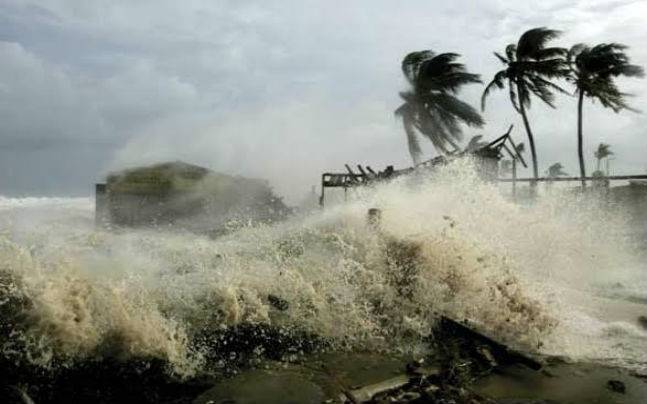
GOA : The Mormugao Port Authority has suspended all port operations until further notice in response to the development of a cyclonic circulation off the Goa and North Karnataka coast. This decision follows a formal alert from the India Meteorological Department (IMD) on 21 May 2025, which warned of a likely cyclonic system forming over the east-central Arabian Sea and worsening weather conditions, including heavy rainfall and strong winds in the region.

The port has also implemented strict monsoon protocols, including prohibiting small craft and barges from entering affected areas and requiring vessels to follow enhanced mooring and safety measures.

These precautions are necessary, especially during the dangerous monsoon season. With the IMD predicting more heavy rain and the possible intensification of the cyclone, the risks remain high. That’s why all stakeholders, from vessel operators to regular port users—are being urged to stay alert and follow the latest safety guidelines until the situation stabilizes.