Home Blog Page 838

Harappans were hungry for growth. It pushed them to build maritime contacts

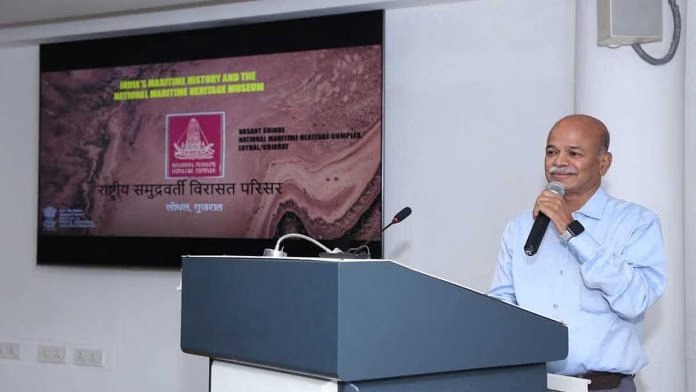
NEW DELHI : It was the urge to grow faster that pushed Harappans to establish maritime contacts with other parts of the world. They had the technology and were eager to develop their culture. “At one stage they realised that the revenue they generate is not really good enough to go to the next level. That is how they began to develop maritime contacts, and they first started with Oman,” said Vasant Shinde, Renowned Archaeologist and Former Director-General of National Maritime Heritage Complex (NMHC), Lothal. He was speaking at a lecture titled ‘Indian Maritime History and the Development of the National Maritime Museum at Lothal’, held at the Indian National Trust for Art and Cultural Heritage (INTACH) here.

The lecture was part of INTACH’s ‘Maritime Heritage of India’ series, and the audience included archaeologists and maritime experts such as Rajiv Nigam. Shinde’s hour-long lecture provided a comprehensive and scholarly overview of India’s enduring maritime legacy and the strategic significance of NMHC Lothal. Two key factors drove the Harappans to build trade contacts.

The first, according to Shinde, was the absence of critical resources in the Harappan region. The second was that “they were innovative people who wanted to develop their culture,” he said. So, they focused on establishing relationships with communities in the hinterland to procure raw materials, such as beads for bead making.

It is this enthusiasm for growth and maritime exploration that NMHC Lothal seeks to capture. In 2019, the Union Cabinet, chaired by Prime Minister Shri Narendra Modi, approved the development of a maritime heritage complex at Lothal. The aim was to celebrate and showcase India’s extensive maritime history, which spans over 4,500 years. Work on six museum galleries is expected to be completed by September this year, as part of the development of Phase-1A of the project. The complex, in its entirety, will be completed in two phases.

“Earlier, we didn’t have a museum that could showcase our entire maritime heritage,” said Shinde, adding that recent government estimates place India’s maritime area at around 11,000 kilometres.

Lothal Maritime Complex
Archaeological evidence suggests that Lothal is the earliest dockyard in the world. And this rich maritime history will be showcased in the upcoming National Maritime Heritage Complex at Lothal, a site that the Archaeological Survey of India excavated multiple times between 1955 and 1960, under veteran archaeologist Shikaripura Ranganatha Rao.

Shinde, who has played a crucial role in drafting the blueprint of NHMC Lothal, said that its 14 galleries will draw on archaeological evidence from ancient maritime centres across different eras – Harappan to medieval. A decommissioned Indian Navy warship and a naval transport plane will also be showcased at the complex. Shinde described all the galleries in detail during the lecture. Some of them were: Harappans – The Pioneer Seafarers, Post Harappan Trajectories, Contact with Greek-Roman World, Evolution of Indian Navy and Coast Guard, Trade and Cultural Relations with Southeast Asia and Beyond, Maritime Traditions of Gujarat.

Modi’s hometown Vadnagar will also be a part of the heritage complex, he said.

“The tangible and intangible maritime heritages of Gujarat will form a part of the galleries. The role played by some important ports – such as Lothal, Bharuch, and Kamroj – in trade and commerce will also be emphasised. The museum complex will also showcase the ancient Vallabhipur University, and Vadnagar’s [historical linkages] with the outside world,” said Shinde.

‘Founders of Indian culture’

The Harrapans, who lived for about 2,000 years, knew how to survive and save their culture. Realising the challenges of sustenance in the backdrop of harsh climatic conditions, they moved away from the Indus and Saraswati region basins to the Ganga-Yamuna-Doab areas. According to Shinde, this movement was not sudden. “We call that as a slow decline of the Harappan culture, where people started moving in different directions,” said Shinde. Several early farming communities already existed outside the Harappan region. The Harappans went there and got mixed up with them, he added.

According to Shinde, Harappans “are the founders of Indian culture”. “Most of the traditions and the knowledge systems that you know about were developed by the Harappans. That has continued till today without any break,” he said.

The Harappans had different philosophies, different administrative systems, and definitely had a democratic setup, Shinde added. Mesopotamians had a monarchical system, which is why development couldn’t go beyond royal families.

“The Harappans’ wealth was used for creating infrastructure and for the welfare of the common people. That is how they developed cities and towns for common people.”

Source : The Print
‘Over 1L warehouses identified to bring under WDRA’

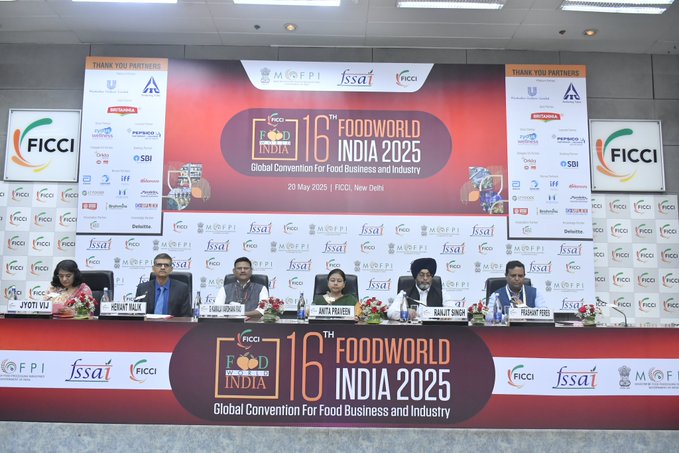
NEW DELHI: India has identified more than 100,000 warehouses as part of a push to reduce post-harvest losses, noted WDRA Chairperson Anita Praveen at the 16th FICCI Foodworld India 2025 conference. “Today, we have over 100,000 identified warehouses, and we are trying to bring in as many as possible into the fold of the WDRA,” she said.

16th FICCI Foodworld India 2025 conference ‘Over 1L warehouses identified to bring under WDRA’

The integration of warehousing and food processing is considered crucial for handling India’s growing agricultural production, which continues to increase year after year. “The food processing sector and warehousing are two very crucial players as far as the surplus food is concerned. Otherwise, we end up with lots of losses of food,” Praveen said.

G Kamala Vardhana Rao, CEO of FSSAI, highlighted the changing consumer landscape, noting that “most people no longer go to supermarkets to pick up products. Now everything is coming home—supermarkets are coming home.” Rao also addressed the shifting consumption patterns towards packaged and processed foods, urging the industry to consider its “great social responsibility” to ensure proper nutrition content in products as consumers increasingly rely less on home-cooked meals.

The Ministry of Food Processing Industries has made remarkable strides in developing the sector’s infrastructure. Ranjit Singh, Joint Secretary, noted that the government has funded nearly 1,600 projects, creating a food processing capacity of 4.1 million tonnes and benefiting approximately 900,000 farmers. The PLI scheme has catalysed investments worth Rs 7,000 crore and generated over 250,000 employment opportunities in the country.

Hemant Malik, Chair of the FICCI Food Processing Committee and Executive Director, ITC Ltd & Div CEO ITC Foods, expressed industry concerns about the labelling debate, advocating for serving-size-based front-of-pack nutrition information rather than per-100g measurements, since “most consumption of packaged food is in small sizes,” and cautioned against broadly categorising packaged foods as “ultra-processed,” citing examples such as soy nuggets, which provide affordable protein despite being processed products.

Source : MPost

Maharashtra signs deal with Blackstone Group for logistics parks

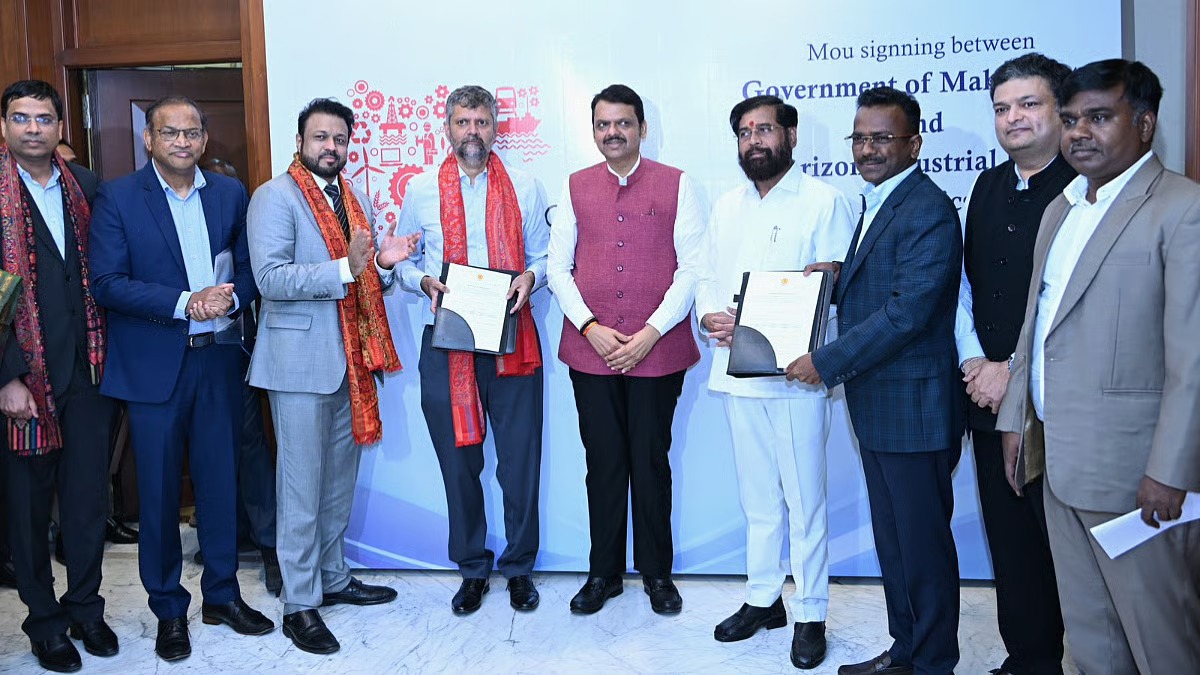
MUMBAI : In a major boost to Maharashtra’s industrial infrastructure, the state government has signed a Memorandum of Understanding (MoU) with global investment firm Blackstone Group for the development of over 10 logistics and industrial parks across key locations in the state.

The agreement, valued at Rs 51.27 billion in foreign direct investment (FDI), is expected to generate approximately 27,510 direct and indirect job opportunities.

The MoU was signed by Dr P Anbalagan, Principal Secretary of Industries, and R K Narayanan, President of Horizon Industrial Parks — a Blackstone entity — at Sahyadri Guest House, Mumbai, in the presence of Chief Minister Shri Devendra Fadnavis and Deputy Chief Minister Eknath Shinde. Also in attendance were senior officials including Ashwini Bhide, Principal Secretary to the CM, P Velarasu, CEO of MIDC, and Blackstone executives Tuhin Parikh, Alok Jain, and Ashish Agarwal.

The planned parks will be spread over 794.2 acres, encompassing a total built-up area of 18.5 million sq ft. They will be located in strategic logistics hubs such as Nagpur, Bhiwandi, Chakan, Khandwa, Sinnar, and Panvel.

Aligned with the Maharashtra Logistics Policy 2024, these developments aim to promote sustainable and tech-enabled infrastructure to drive employment, investment, and regional economic growth.

Calling the agreement “transformative,” CM Fadnavis said the initiative would help build world-class logistics and industrial hubs, reinforce India’s manufacturing and supply chain backbone, and strengthen Maharashtra’s position as a top investment destination.

The parks will also include green features and digital infrastructure to enhance efficiency and connectivity across the logistics sector.

Honda to invest Rs 9.2 bn to expand production capacity of its fourth plant

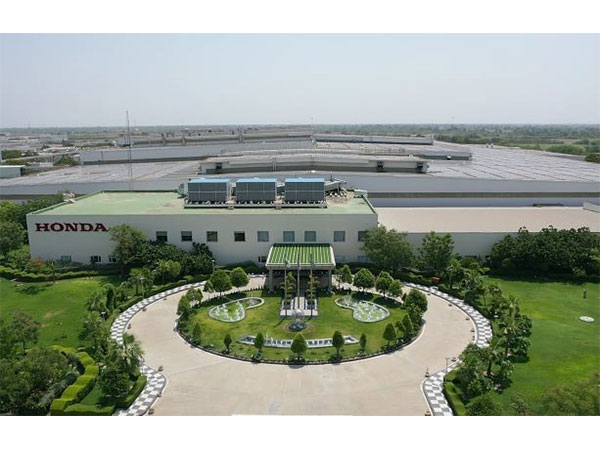
AHMEDABAD : Honda Motorcycle & Scooter India Pvt. Ltd (HMSI) on Thursday announced plans to expand production capacity at its fourth plant at Vithalapur, Ahmedabad district, Gujarat.

This step is likely to raise the annual production by 650,000 units, which will bring the total capacity of the fourth plant to 2.61 million units and will be operational by 2027.

“HMSI currently has four production plants in India with a total annual production capacity of 6.14 million units. In addition, the cumulative production volume reached 70 million units in April of this year, after 25 years since start of production in 2001,” Honda said in a release.

Honda set up its fourth plant in February 2016 and during that time annual production capacity was at 600,000 units. However, subsequently Honda added two more lines to its fourth pant, which brought annual production capacity to 1.96 million units.

Honda is committed to invest approximately 9.2 billion rupees, for the construction of its fourth line, which likely to add 1800 new jobs.

“Honda has long been investing and expanding its production capacity in India, the world’s largest motorcycle market, to bring joy to its customers. 25 years on, with much support, HMSI has reached the milestone of 70 million units of cumulative production,” said Tsutsumu Otani, President & CEO, HMSI

Honda expects to increase its total annual production capacity from the current 6.14 million units to approximately 7 million units in 2027 through further expansion of production capacity planned for other plants in India.

On the other hand, Honda’s cumulative global production of engine/motor-powered motorcycles has reached 500 million units, 76 years after the company began mass production of motorcycles in 1949 with the Dream D-Type.

Honda has an annual production capacity of more than 20 million units in 23 countries and regions and 37 production entities. The company deliver products and services to customers worldwide through a network of more than 30,000 Honda dealers.

Indian Navy formally inducted and named the Ancient Stitched ship as INSV Kaundinya

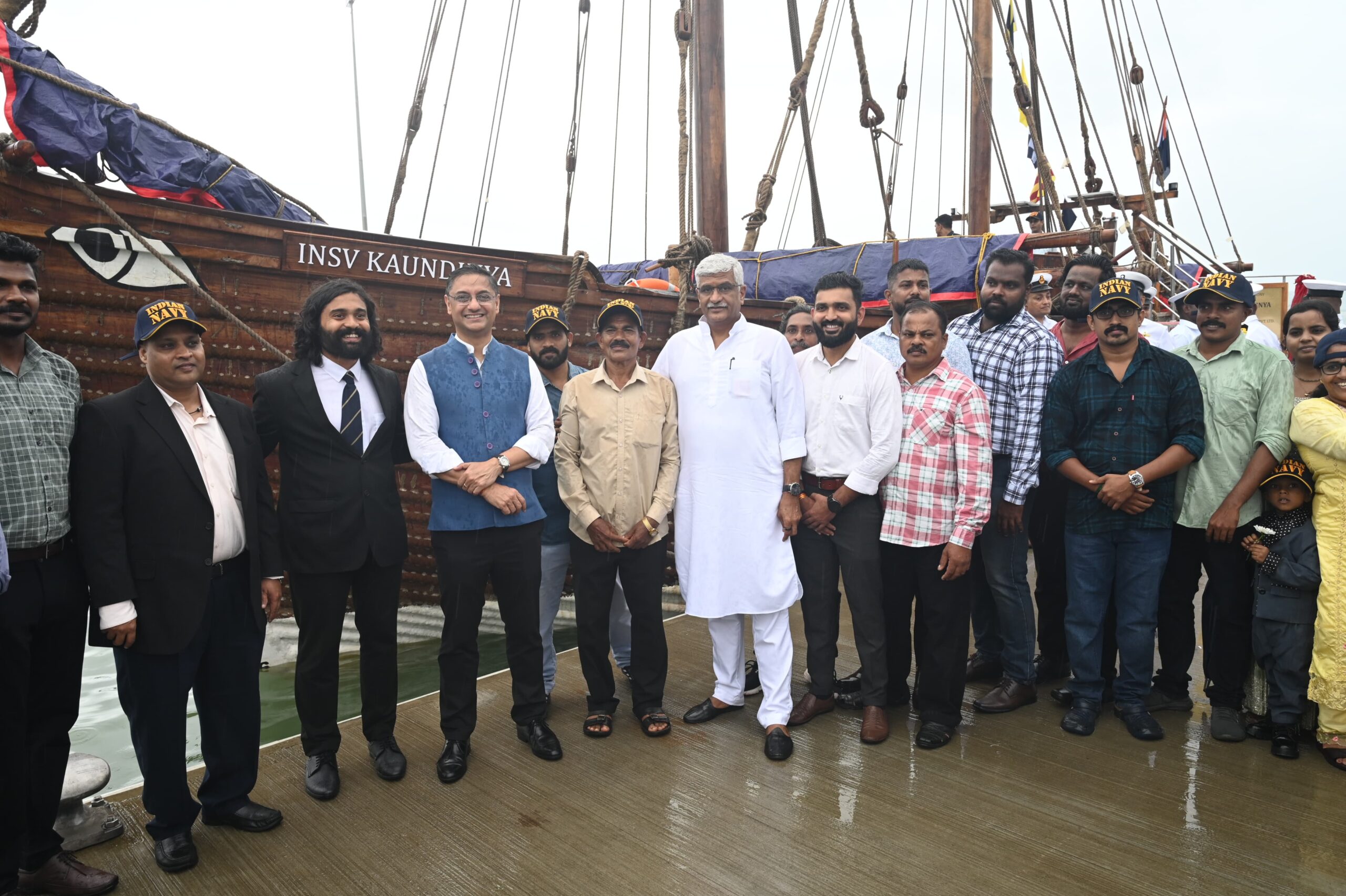
NEW DELHI : The Indian Navy formally inducted and named the Ancient Stitched ship as INSV Kaundinya at a ceremonial event held at Naval Base, Karwar. The Hon’ble Minister of Culture Shri Gajendra Singh Shekhawat presided over the event as the Chief Guest, marking the culmination of an extraordinary project that celebrates India’s rich shipbuilding heritage.

INSV Kaundinya is a stitched sail ship, based on a 5th century CE ship depicted in the paintings of Ajanta Caves. The project was initiated through a tripartite agreement signed in Jul 2023 between the Ministry of Culture, the Indian Navy, and M/s Hodi Innovations, with funding from the Ministry of Culture. Following the keel laying in September 2023, the vessel’s construction was undertaken using a traditional method of stitching by a team of skilled artisans from Kerala, led by master shipwright Shri Babu Sankaran. Over several months, the team painstakingly stitched wooden planks on the ship’s hull using coir rope, coconut fibre and natural resin. The ship was launched in Feb 2025 at Goa.

The Indian Navy played a central role in the project, overseeing the design, technical validation, and construction process. With no surviving blueprints of such vessels, the design had to be inferred from iconographic sources. The Navy collaborated with the shipbuilder to recreate the hull form and traditional rigging, and ensured that the design was validated through hydrodynamic model testing at the Department of Ocean Engineering, IIT Madras, and internal technical assessment.

The newly inducted vessel incorporates several culturally significant features. Her sails display motifs of the Gandabherunda and the Sun, her bow bears a sculpted Simha Yali , and a symbolic Harappan style stone anchor adorns her deck, each element evoking the rich maritime traditions of ancient India. Named after Kaundinya, the legendary Indian mariner who sailed across the Indian Ocean to Southeast Asia, the ship serves as a tangible symbol of India’s long-standing traditions of maritime exploration, trade, and cultural exchange.

Inducted as an Indian Naval Sailing Vessel (INSV), Kaundinya will be based at Karwar. The ship will now embark on her next historic phase, involving preparations for a transoceanic voyage along the ancient trade route from Gujarat to Oman, scheduled for later this year.

Pakistan’s imports and exports affect as India bans transshipment of cargoes via its ports

MUMBAI : Pakistan’s exports and imports are facing a major problem as India is refusing transshipments of cargoes emanating from Karachi or Qasim, or the South Asia Pakistan Terminal into any of its ports.

This has led to most of the shipping lines suspending direct services of mother vessels to and from Pakistan and deploy feeder vessels to Pakistani ports and terminals, media reports from Islamabad said.

A shipping company official from Mumbai confirmed that ships that have visited Pakistan are not being allowed into any Indian port for security reasons. The reverse is also happening. The problem due to this is that shipping liners have cancelled direct vessels, which will lead to a delay in shipments, lower capacity and increased costs.

The problem for Pakistan’s trade is that India’s Mundra Port is used mainly for shipments to Europe. Pakistan has been denied access now.

Emergency levy
Shipping companies are now using Colombo, Salalah, and Jebel Ali transhipment terminals to send consignments to Pakistan. Adding to Islamabad’s woes, shipping companies have begun to levy emergency operational surcharges.

“The other related issues that have emerged now. Insurance charges have increased for vessels heading to Pakistani ports. Parties that enter into any shipping deal with Pakistani sellers are demanding bank guarantees. These are adding to their woes,” said a trader.

“Pakistan’s exports and imports are in a state of jeopardy. The impact of supply chain disruption from energy to agri inputs, including water, is likely to create deep socio-economic fault lines,” said New Delhi-based trade analyst S Chandrasekaran.

Pakistan’s economy, which is already reeling, will likely face issues in imports of key equipment, raw materials and machinery, while exports of grains and textiles are likely to be affected. It comes at a time when its rupee is depreciating against the dollar. This week, it dropped to PKR282.77 against the dollar compared with PKR 280.79 on April 30.

Chinese shipping firms such as COSCO and OOCL suspended their operations after India’s action against terror camps in Pakistan on May 7, but COSCO was set to resume operations from Hong Kong to Karachi on Thursday.

Edge for Indian rice
The Indian action has now led to a backlog of export containers at various terminals in Pakistan. A Karachi port note said there were 2-3 delays under the general category, as log and rice vessels have queued up in good numbers. For vessels that have priority anchoring, the delay is one day.

“Delays may vary at short notice, in the coming days, depending on fresh declarations being made, for arrival,” the note said.

Pakistan’s shipping woes are expected to give India an edge in the rice market in particular. “Indian basmati prices have increased by 20 per cent in the past few weeks, following the dispute with Pakistan,” said New Delhi-based exporter Rajesh Jain Paharia. Indian basmati rice prices, which were ruling around $850 a tonne, have now increased to 1,050-1,100 a tonne free-on-board. Pakistan is quoting the fragrant variety at $1,075.

IMF’s Gopinath urges US to curb fiscal deficit, FT reports

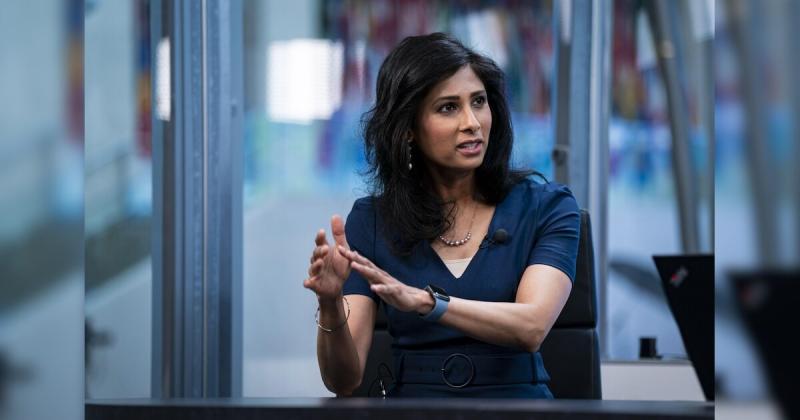
WASHINGTON : International Monetary Fund First Deputy Managing Director Gita Gopinath said U.S. fiscal deficits are too large and the country needs to tackle its “ever-increasing” debt burden, according to an interview published by the Financial Times on Wednesday.

Gopinath told the FT that the U.S. was still impacted by “very elevated” trade policy uncertainty despite positive developments such as President Donald Trump‘s administration rolling back tariffs on China and striking a U.S.-UK economic deal.

In April, the IMF slashed its U.S. growth forecast along with most other countries over the impact of U.S. tariffs, while warning that further trade tensions would slow growth further.
“It is absolutely a positive to have lower average tariff rates than the ones we assumed in [April] . . . but there is a very high level of uncertainty, and we have to see what the new rates will be,” Gopinath told the FT.

The comments came as Trump is proposing to extend tax cuts passed in his first term in 2017 and to add new tax breaks. Moody’s also downgraded the U.S. sovereign credit rating last week due to concerns about the nation’s growing, $36 trillion debt pile. The ratings agency cited the failure of successive U.S. administrations and Congress to agree on measures to reverse the trend of large annual fiscal deficits and growing interest costs.

Bangladesh exports to Northeast hit roadblock as Centre closes key Tripura landports

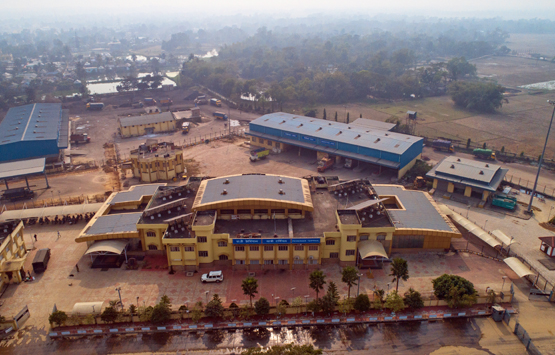
AGARTALA : Cross-border trade between India’s Northeast and Bangladesh has taken a severe hit since May 17, following the Directorate General of Foreign Trade’s (DGFT) directive halting trade through key landports, including the Akhaura Integrated Check Post (ICP) near Agartala.

The fallout has been immediate. Hundreds of trucks carrying goods bound for Tripura have been forced to return after being denied movement clearance.

Officials at Akhaura ICP confirmed a sharp decline in cargo traffic, with only essential commodities such as fish and limited quantities of cement allowed entry since the restrictions took effect.

“This has caused a drastic fall in goods movement. Previously regular imports of plastic items, PVC goods, processed food, and fruit-based beverages have stopped entirely,” a senior official at Akhaura ICP told The Assam Tribune.

The new restrictions have also alarmed Bangladeshi exporters, who fear long-term economic repercussions.

“We exported goods worth nearly 30 lakh Bangladeshi Taka through Akhaura daily, and most of those items—juices, plastic products, furniture—are now barred,” a Bangladeshi trader told the press.

The Akhaura landport serves as a key commercial gateway for Bangladeshi exporters into Indian states such as Tripura, Mizoram, Manipur, Nagaland, and parts of Assam.

In the last financial year, Bangladesh’s exports through Akhaura touched Rs 453 crore, up from Rs 427 crore the year before—a testament to the port’s growing trade relevance.

RFL Plastic, one of Bangladesh’s largest plastic manufacturers, has been among the hardest hit.

“The Northeast market is now cut off. Shifting to seaports will escalate logistics costs and render trade unviable,” said Kamrujjaman Kamal, an RFL retail division official, in a statement to a Bangladesh daily.

In Tripura, the state government has moved quickly to assess the situation. Director of Industries and Commerce Dr Sailesh Yadav chaired a high-level meeting at the Akhaura ICP on Monday, where officials were instructed to strictly enforce the DGFT’s new trade norms.

“We are processing only the exempted goods as per the directive,” confirmed Debasish Nandi, Manager of Akhaura Land Port.

Meanwhile, even the trade in essential items has seen disruption. On Wednesday, no trucks carrying fish crossed the border after Bangladeshi exporters reportedly failed to secure the necessary permits.

According to estimates, fish and dry fish worth $90,000 to $95,000 are exported daily to India via Akhaura.

With mounting trade losses and rising frustration on both sides of the border, traders have called for urgent diplomatic intervention to find a middle ground that can sustain the vital economic corridor between Bangladesh and India’s Northeast.

Source : Assam Tribune

90 days to economic collapse: UN and experts sound alarm over security at sea

GENEVA : The UN Secretary-General on Tuesday urged world powers to uphold international maritime law and overcome geopolitical rivalries, warning that growing threats are endangering global trade, marine ecosystems and international peace.

Addressing a high-level debate of the Security Council, António Guterres said that oceans and seas are “sending a clear SOS,” as maritime spaces face escalating pressure from both traditional threats and new dangers – including piracy, armed robbery, trafficking, terrorism, cyberattacks and territorial disputes.

“From time immemorial, maritime routes have bound the world together,” he said.

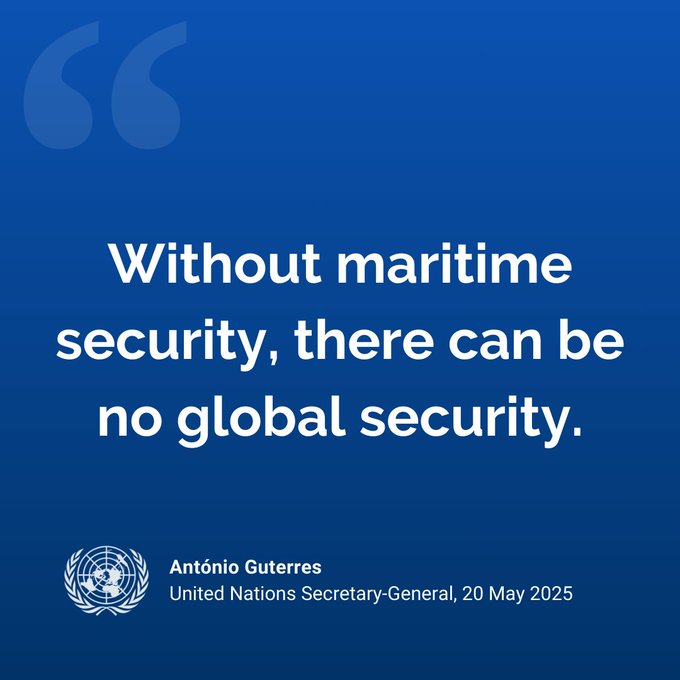
“But maritime spaces are increasingly under strain…and without maritime security, there can be no global security.”

Spike in piracy, attacks

The Secretary-General pointed to a sharp spike in piracy and armed robbery at sea in early 2025, citing International Maritime Organization (IMO) figures showing a 47.5 per cent increase in reported incidents compared to the same period last year.

The rise was most pronounced in Asia, especially in the busy Straits of Malacca and Singapore.

He also highlighted continued attacks on shipping in the Red Sea and Gulf of Aden by Houthi forces, disruptions in the Black Sea, and growing criminal networks trafficking drugs and people across the Gulf of Guinea, the Mediterranean and the Atlantic.

The debate was a signature event of the Greek presidency of the Council. Prime Minister Kyriakos Mitsotakis held the gavel, and several ministers were in the chamber.

A 90-day countdown to collapse

Melina Travlos, President of the Union of Greek Shipowners, delivered a stark warning to Council members: if the global shipping system grinds to a halt, the world economy will collapse in just 90 days.

She described shipping as “the silent guardian of global welfare,” noting that 90 per cent of international trade and more than 12 billion tonnes of goods depend on maritime transport each year.

“Shipping unites the world, not occasionally, but consistently,” she said, calling for greater protection of seafarers and maritime infrastructure amid increasing and more complex threats.

One ship, six days, billions lost

Christian Bueger, a professor of international relations at the University of Copenhagen, reminded ambassadors that in 2021, a single ship – the Ever Given – blocked the Suez Canal for six days, costing the global economy billions.

“Never before in history have we been as dependent on the sea as we are today,” he said, citing a 300 per cent rise in maritime trade since the 1990s.

Mr. Bueger urged Member States to adopt a more systematic, evidence-based approach to maritime security, urging a global response that is as interconnected as the threats it faces.

Uphold law of the sea

In his remarks, Secretary-General Guterres laid out a three-pronged strategy to strengthen maritime security – highlighting that decisive, coordinated global action is needed regardless of individual flashpoints or shipping disruptions.

These include upholding international law, tackling the root causes of maritime insecurity, and strengthening global partnerships.

He called on all nations to uphold international law, especially the UN Convention on the Law of the Sea (UNCLOS), the international treaty that sets the legal framework for all maritime activities and regulates the use of ocean and its resources.

“This framework is only as strong as States’ commitment to full and effective implementation,” he said.

“All States must live up to their obligations.”

Prioritise investment

On root causes, he urged investment in coastal communities, judicial reform and building maritime capacity in developing countries — from surveillance to port security.

Alongside this, weak governance, rising poverty and lack of opportunities must be addressed.

The UN chief stressed that lasting solutions would require cooperation from governments, regional bodies, the private sector and civil society – including women and girls, who are disproportionately affected by maritime crime.

“Collectively, we must do more to reduce the likelihood that desperate people will turn to crime and other activities that threaten maritime security and degrade our ocean environment,” he said.

“The United Nations system stands ready to support Member States to ensure peaceful, secure, and prosperous maritime spaces for generations to come.”

Source: United Nations

Saudi Red Sea Authority and Fincantieri sign MoU to develop Coastal Tourism activities in Saudi Arabia

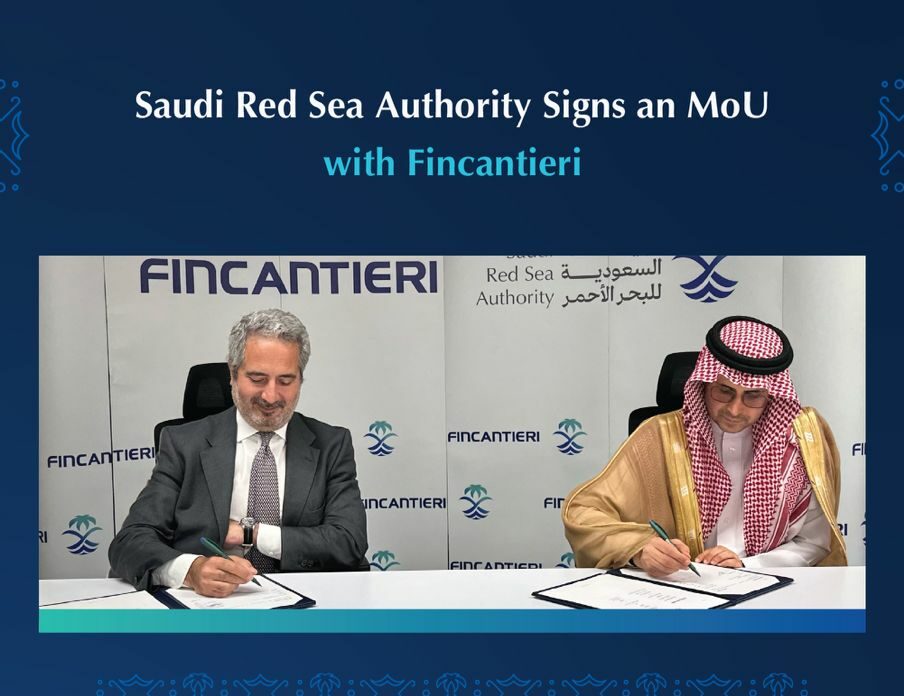
RIYADH : The Saudi Red Sea Authority (SRSA) signed a Memorandum of Understanding with Fincantieri, a global leader in the maritime industry. The goal is to strengthen collaboration in developing and managing coastal tourism activities across the Kingdom, supporting the sector’s sustainable growth.

The MoU was signed by Mr. Mohammed Al-Nasser, CEO of SRSA, and Mr. Pierroberto Folgiero, CEO and Managing Director of Fincantieri.

This agreement supports SRSA’s mandate, which includes protecting the marine environment, setting standards and regulations for coastal marinas, and leveraging international best practices to enhance coastal tourism.

The MoU focuses on developing coastal tourism while preserving marine ecosystems and natural resources. It also emphasizes maritime safety and security, improving marina infrastructure, and cooperating on research and innovation in advanced marine technologies.

This step reflects SRSA’s commitment to accelerating progress through strong partnerships with both public and private sectors, locally and globally. It aims to expand strategic alliances, share expertise, and apply global practices that promote regenerative tourism, sustainable growth, and the positioning of the Red Sea as a premier international destination while preserving its untouched environment.