Home Blog Page 840

Interim trade deal with US likely by July 8; India for full exemption from 26% additional tariff

NEW DELHI : India and the US may announce an interim trade agreement before July 8, with New Delhi seeking full exemption from the additional 26 per cent tariff on domestic goods, an official said.

The US on April 2 imposed an additional 26 per cent reciprocal tariff on Indian goods, but suspended it for 90 days till July 9. However, the 10 per cent baseline tariff imposed by America remains in place.

The government official said India’s endeavour to protect its sensitive sectors may entail some quota or minimum import price (MIP). Such sectors include agri goods and dairy.

Commerce and Industry Minister Shri Piyush Goyal was there in Washington earlier this week to give an impetus to the trade talks. He held meetings with US Trade Representative (USTR) Jamieson Greer and US Commerce Secretary Howard Lutnick.

“Talks are moving positively. Before July 8, we are looking at concluding an interim deal before the first tranche. It will include goods, non-tariff barriers, some areas of services also like digital. We are trying that the 26 per cent additional duty and the 10 per cent baseline tariff should not be there for India,” the official said, adding that India is seeking concessions for its labour-intensive sectors such as textiles and leather.

At present, the Trump administration requires approval from the US Congress to bring tariffs below the MFN (most favoured nation) rates.

But the administration has the authority to remove the reciprocal tariffs imposed on a number of countries, including India.

India may look at certain commitments from the US on the duty concessions for its labour-intensive sector in the first tranche of the proposed bilateral trade agreement (BTA). Both countries have fixed a deadline to conclude the first phase of the pact by fall (September-October) of this year to more than double bilateral trade to $500 billion by 2030.

The minister-level meetings were followed by the deliberations between chief negotiators of the two countries, which will continue until May 22.

Officials from New Delhi and Washington are looking to take advantage of the 90-day tariff pause window to advance the talks. The US has suspended the additional 26 per cent tariffs on India till July 9. It was announced on April 2 to bridge the widening trade deficit.

To boost bilateral trade, India is seeking duty concessions for labour-intensive sectors like textiles, gems and jewellery, leather goods, garments, plastics, chemicals, shrimp, oil seeds, chemicals, grapes, and bananas in the proposed pact with America.

On the other hand, the US wants duty concessions in sectors like certain industrial goods, automobiles (electric vehicles in particular), wines, petrochemical products, dairy, and agriculture items such as apples, tree nuts and GM (genetically modified) crops.

While the import of GM crops from the US continues to remain a non-starter due to regulatory norms in India, New Delhi is open to import non-GM products like Alpha alpha hay (a kind of cattle feed).

The US has on multiple occasions raised concerns over certain non-tariff barriers being faced by American goods in the Indian markets.

Whether another round of talks will happen on the proposed pact between the two countries, the official said, “We are trying to finalise things as early as possible.

The US remained India’s largest trading partner for the fourth consecutive year in 2024-25, with bilateral trade valued at USD 131.84 billion. The US accounts for about 18 per cent of India’s total goods exports, 6.22 per cent in imports, and 10.73 per cent in the country’s total merchandise trade.

With America, India had a trade surplus (the difference between imports and exports) of USD 41.18 billion in goods in 2024-25. It was USD 35.32 billion in 2023-24, USD 27.7 billion in 2022-23, USD 32.85 billion in 2021-22 and USD 22.73 billion in 2020-21. The US has raised concerns over this widening trade deficit.

Source : PTI
US importers race to create bonded warehouses amid Trump tariffs

WASHINGTON D.C. : Companies importing goods into the United States from China are rushing to convert warehouses into facilities that are exempt from President Donald Trump’s tariffs until they are ready to sell the merchandise.

The US has more than 1,700 bonded warehouses, facilities where imported goods can be held without immediate payment of customs duties such as tariffs, currently 30% for shipments from China. Such fees are only paid when the goods leave the bonded warehouse, allowing businesses to manage funds more effectively at a time of extreme trade policy volatility.

The rush to bond US warehouses for goods ranging from clothing to auto parts is a bet for some that raised US tariffs will be only a short-term policy by the Trump administration.

Due to Trump’s tariff war, many of these bonded warehouses are now at full capacity, and prices for space in them have skyrocketed, four industry sources told Reuters, prompting companies to apply to US Customs and Border Protection to expand bonded space.

Utah-based fulfillment firm LVK Logistics, for instance, is in the process of making one of its warehouses bonded “in response to the tariffs,” CEO Maggie Barnett told Reuters, adding she expects the process to take three to four months.

“You can bond more or less anywhere,” said Chris Rogers, who manages the supply chain research team at consultancy S&P Global Market Intelligence. “It involves money and it takes time, but if you are a big company and expect tariffs are going to remain elevated for an extended period, you can convert (existing) spaces into bonded warehousing.”

Other companies and logistics firms are seeing their applications with the CBP backlogged in some cases by over six months, said Chris Huwaldt, vice president of solutions at WarehouseQuote, a logistics research firm. Last year, the process would have taken a couple of months, he added.

Huwaldt said getting storage space certified as bonded “could cost thousands of dollars or it could cost six figures,” depending on the state the warehouse is based in, the financial status of the company and the additional security measures required by the CBP for a specific location.

Trump’s on-again, off-again tariff policy – which pushed duties on Chinese goods to as much as 145% in April before lowering them – makes the flexibility afforded by bonded warehouses appealing to companies.

“A lot of companies importing from China – not just China-based, but US importers as well – are taking advantage of bonded warehouses to assist with cash flow,” said Cindy Allen, shipping consultant at Trade Force Multiplier and a former FedEx Logistics executive.

“It doesn’t necessarily save them money as the tariffs have to be paid when the goods are withdrawn from the warehouse. But it allows companies to pay duties in smaller increments as they are sold,” she said.

The CBP said it has noticed an increased interest in the use of bonded warehouses for continued compliance with new regulations and executive orders.

The White House did not immediately respond to a request for comment.

‘UNPRECEDENTED’ WAREHOUSE RUSH

In early 2024, bonded storage space was rented at approximately twice the cost of standard storage rates, but since the start of 2025, it has risen to four times the price to rent non-bonded space, according to WarehouseQuote data.

“This rush to bonded warehouses to ease cash flow is unprecedented,” Allen said.

During the first Trump administration, many companies simply accepted the levies on China. But this meant firms paid more over a prolonged period of time while also being forced to invest in alternative sources to China. Importers “don’t want to repeat the past mistakes,” Allen said.

Setting up new bonded warehouses could be risky, because the United States may go back to higher tariffs once its 90-day reprieve ends.

Vladimir Durshpek, cofounder of Venice, Florida-based warehousing and storage company CargoNest, said he is weighing adding a third bonded warehouse to his assets until US tariff negotiations are completed.

“What we don’t want to do is rush into providing more capacity, and then things change,” he said.

Fremont, California-based storage company DCL Logistics has not made definitive plans for bonded space because “it’s unclear if the demand will stay this high,” Chief Revenue Officer Brian Tu said.

“By the time a lot of warehouses would be able to achieve bonded status right now, these additional tariffs might be gone, and the demand for bonded space might not be there,” said Jacob Roseburrough, director of marketing at WarehouseQuote.

Source : Reuters

Powering the Electrification of Medium and Heavy-Duty Trucks in India’s E-Commerce Sector : Report

Dominated by freight trucks and passenger cars, India’s energy demand and carbon dioxide emissions from road transport have more than tripled since 2000. Transport is essential to operations in India’s e-commerce sector, which is set to grow to US$345 billion in FY30. The sector uses transportation in:

  • First mile (transportation of products from the manufacturer or supplier to the warehouse or distribution centres);
  • Line-haul (transportation of products from warehouses or local centres to regional distribution centres) and;
  • Last mile deliveries (local distribution centres to end customers). 

Clean transport interventions are crucial in curbing heavy energy, environmental and logistics costs. This brief documents business insights on electric truck usage in India’s e-commerce sector and draws on sector practices and recommendations for their adoption. Key takeaways include: 

  • The e-commerce market in India is projected to reach approximately US$ 292.3 billion, reflecting a 18.7% compound annual growth rate (CAGR).
  • As e-commerce continues to expand, Medium and Heavy-Duty Trucks (MHDTs) are playing an increasingly critical role in logistics. MHDTs used for e-commerce parcel transport now account for around 15% of India’s overall MHDT fleet.
  • Electrification efforts have been primarily concentrated in two-wheelers and three-wheelers. E-commerce companies are actively exploring and piloting electric medium and heavy-duty vehicles as a strategy to manage freight costs.
  • Obstacles to scaling electric MHDTs in the e-commerce sector include high upfront costs, inconsistent charging tariffs across states, prolonged homologation procedures and limited charging infrastructure.

Source : Climate Group

Jassper Shipping scales Operations with Gulf Venture and Three New Indian Office launches

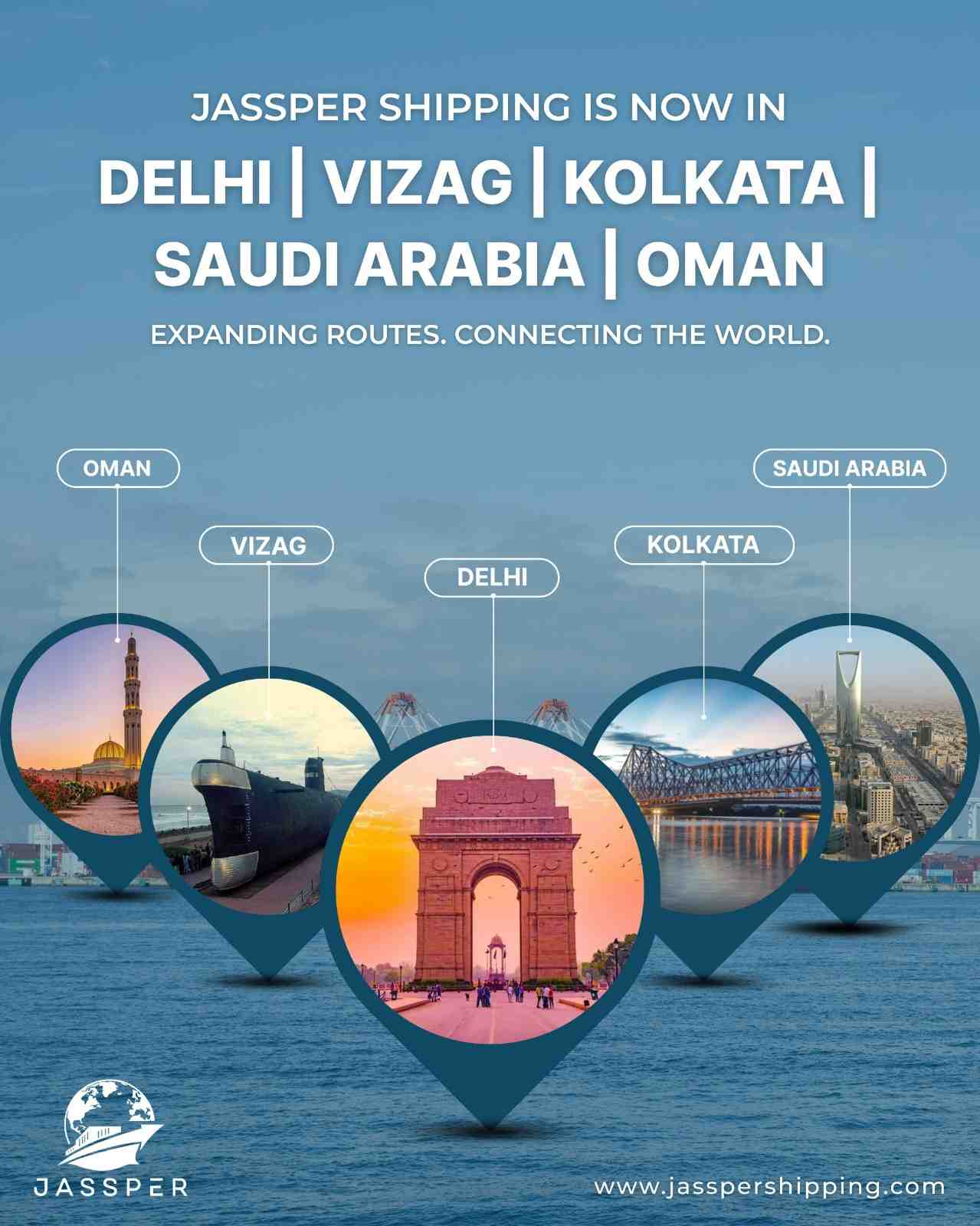
HYDERABAD : Jassper Shipping, a trusted name in the Indian shipping and logistics industry,  started Financial Year 2025–26 on a steep growth trajectory. Jassper Shipping opens new offices in Delhi, Vishakhapatnam, and Kolkata, and also formed a joint venture to begin operations in Saudi Arabia and Oman. These expansions reflect  a clear vision to become a transcontinental logistics leader, offering seamless, door-to-door solutions across domestic and global trade corridors.

Jassper Shipping’s new offices, inaugurated this year, will serve significant strategic roles, in Kolkata to expand reach in Eastern India’s maritime sector and boost Bay of Bengal connectivity, Delhi to serve as a logistics hub for Northern India’s industrial and trade activity and Vishakhapatnam to support coastal cargo movement and port-led logistics on the Eastern Seaboard. Simultaneously, the Middle East joint venture provides immediate exposure to Saudi Arabia’s and Oman’s booming economies in the logistics business. The milestone enables Jassper Shipping to grow in Cross-border project logistics, Breakbulk handling and GCC region integrated supply chain services.

Pushpank Kaushik, CEO & Head of Business Development (Subcontinent, Middle East and SouthEast Asia) at Jassper Shipping, stated, “This goes beyond simple expansion. We’re not only expanding, but also developing into a truly global logistics powerhouse with our new offices in India’s main logistical hubs and a revolutionary joint venture in the Gulf. This action reaffirms our dedication to providing top-notch, cross-industry, end-to-end solutions. Kolkata, Delhi, and Vishakhapatnam offices will become hubs for India’s most prominent corridors, and our penetration in Saudi Arabia and Oman gives access to one of the world’s most lively logistics hotspots. For future shipping solutions, it all comes down to size, gravity, and how the integrated package is laid out”.

Jassper Shipping’s FY 2025–26 vision is strategically momentum-driven. With a three-fold strategy of increasing project logistics, infrastructure support services, and multimodal solutions, the company has set a systematic course to become a ₹1800 crore group by FY 2029–30. This growth in the domestic country and globally is a reflection of Jassper Shipping’s commitment to constant innovation, world-class service, and growth globally in the logistics industry.

About Jassper Shipping :
Founded in 1993, Jassper Shipping is a leading international shipping company with a strong legacy and global reach. It serves key markets across Southeast Asia, Africa, the Arabian Gulf, the Red Sea, and the Far East, supported by a vast network of over 500 owners and operators. With experienced master mariners and industry experts at the helm, Jassper is known for reliable and efficient sailing and distribution solutions. Expanding its scope, the company launched Jassper Fuels, and recently taking bold steps toward sustainability, Jassper has also entered the e-commerce space and integrated electric vehicles (EVs) into its distribution logistics.

GEODIS’ 40-year Partnership with Volvo marked by Delivery of Electric Truck in Australia

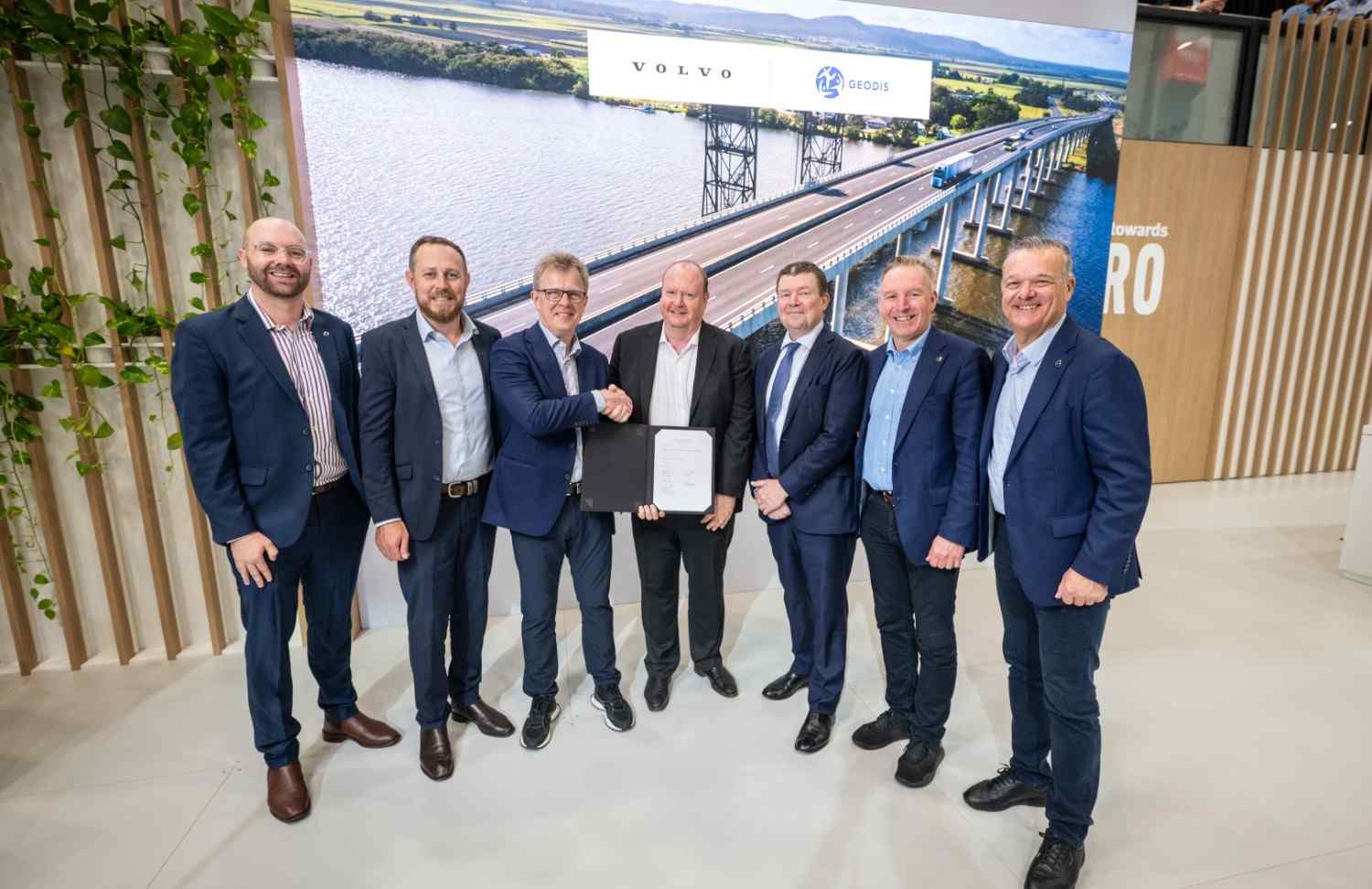
BRISBANE : GEODIS, a global leader in transport and logistics, announced the delivery of its second electric truck from Volvo Trucks Australia at the Brisbane Truck Show on 16 May. This marks another milestone in the partnership between GEODIS and Volvo Trucks Australia which spans over 4 decades. The partners share a collective vision to decarbonize the supply chain and reduce its impact on the environment.

Recognizing the low-carbon emissions of electric vehicles during its use, the introduction of this second Volvo unit is part of a strategic project to accelerate the transition to low-impact transportation in Australia. The initiative aligns with GEODIS’ broader strategy to drive decarbonization across all business areas and regions. The Volvo FE truck model is powered by the latest generation of battery technology, advanced solar energy and equipped with an energy-efficient charging system, optimizing both range and load capacity.

Stuart Asplet, Cluster Managing Director – Pacific, Korea, Japan, at GEODIS, stated, “At GEODIS, our commitment to reducing the supply chain carbon footprint is strengthened through partnerships with like-minded companies such as Volvo Australia. Our mutual collaboration with Volvo consists not only of fulfilling their freight forwarding and transportation needs but also of advancing our mutual vision for sustainability through increased electric truck development. We believe that sustainability is not just a responsibility in the supply chain sector; it is a strategic imperative that drives innovation, efficiency, and resilience in global operations.”

The FE trucks are charged via a cutting-edge charging system, which accelerates the process by leveraging existing solar infrastructure. These electric trucks are ideal for transporting heavy loads of up to 10,000kg with over 200-kilometers of range within metropolitan areas. The full integration of this type of trucks into GEODIS’ Australian fleet is set to completely remove fine particles and nitrogen oxide from emissions at the exhaust, and their usage will ensure a 95 percent reduction in direct carbon emissions, compared to existing diesel vehicles performing the same function.

Launched in early 2023, the first FE truck transported Volvo parts from GEODIS’ Matraville NSW headquarters to Volvo Group Australia’s Minto NSW Parts Distribution Centre on the Southwestern outskirts of Sydney. The second FE truck will transport Volvo’s truck components and sub-assemblies from Brisbane airport to the Volvo Wacol production facility in Brisbane.

Tim Camilleri, Director, Electromobility Solutions at Volvo Group Australia, commented, “Our partnership with GEODIS continues to drive forward our commitment to developing lower-emission and safer transport solutions. Over the past 2 years, we have witnessed a remarkable growth in EV adoption, demonstrating the industry’s shift towards sustainable practices, with more than 80 Volvo Electric Trucks now on Australian roads. By consistently advancing our electromobility technology, we have significantly enhanced the range, efficiency and performance of our electric trucks. These efforts represent crucial strides towards Volvo’s goal of building an energy-efficient transport ecosystem in the Australian heavy vehicle market.”

GEODIS’ climate action extends beyond fleet decarbonization. It includes an ambitious plan to reduce carbon emissions at company sites by 2030, targeting a 40% improvement in energy efficiency and ensuring that at least 90% of energy used comes from low-carbon sources. All new site projects incorporate stringent environmental criteria. To ensure the long-term success of these initiatives, GEODIS is leveraging digital tools for optimizing routing, loading and energy efficiency, and is continually driving awareness campaigns to empower its teams with climate-related knowledge.

About GEODIS

GEODIS is a leading global logistics provider acknowledged for its expertise across all aspects of the supply chain. As a growth partner to its clients, GEODIS specializes in four lines of business: Global Freight Forwarding, Global Contract Logistics, Distribution & Express Transport, and European Road Network. With a global network spanning nearly 170 countries and 50,000 employees. In 2024, GEODIS generated €11.3 billion in revenue. GEODIS is a company owned by SNCF group. 

Karin Orsel receives IMO Gender Equality Award

LONDON : Maritime entrepreneur recognised for her work to advance gender equality and empower women in the industry.

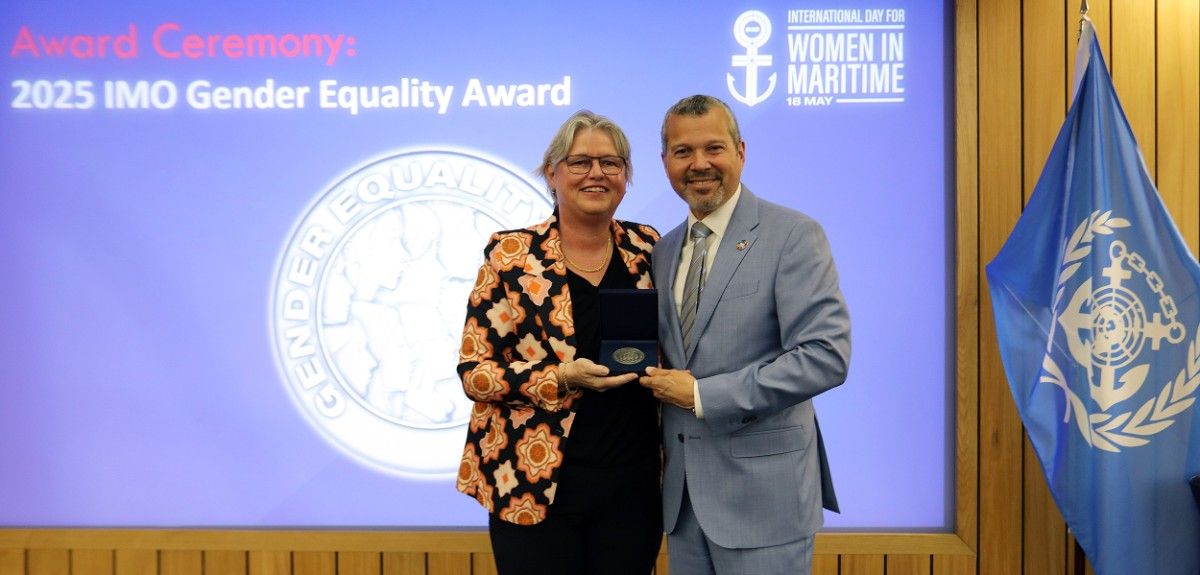
Netherlands shipowner and entrepreneur Ms. Karin Orsel was presented with the International Maritime Organization’s Gender Equality Award by Secretary-General Arsenio Dominguez on Friday, 16 May.

The winner of the Award is selected each year by a high-level panel and endorsed by the IMO Council, in recognition of their outstanding contributions to advancing gender equality in the maritime sector.   

Receiving her award at a ceremony in London, ahead of the International Day for Women in Maritime (18 May), Ms. Orsel called for stronger support networks for women, especially those just entering the industry:

“I am passionate about people in this industry and about mentorship and trying to pass it forward. I really hope that every one of you will do the same and think about how was it to be starting in this industry, who supported you and what you can do for someone else.”

Ms. Orsel began her career in shipping at just 18, and by 23 she had co-founded MF Shipping Group. The group  began with six vessels and now counts over 55, employing more than 1,000 crew and 80 office staff.

As CEO for over 20 years, she has focused on building a more inclusive workplace, by recruiting diverse talent, mentoring new entrants and backing initiatives to broaden women’s access to the sector.

While women have remained a minority in the industry, Ms. Orsel highlighted new potential opportunities to come with the drive to decarbonize shipping. IMO’s commitment to reach net-zero emissions by 2050 is expected to trigger a shift to innovative technologies and new alternative fuels which will require re-training and reforming the maritime workforce.

“The energy transition will give us the opportunity because we need new skills set in our industry and who will fill that better than the people in this audience,” she told a packed auditorium at IMO headquarters.

IMO Secretary-General Arsenio Dominguez applauded her as a role model for women and young people in the industry:

“[Karin Orsel] is changing the face of the maritime sector, one ship and one person at a time. Throughout her 30-year career, she has not only broken many glass ceilings, she has then enthusiastically opened the door for others to follow in her footsteps.”

Ms. Orsel currently serves as President of the European Community Shipowners’ Association (ECSA) and Chair of the International Seafarers’ Welfare and Assistance Network (ISWAN), and on the boards of several major industry bodies, including the International Chamber of Shipping, INTERTANKO, and the Royal Association of Netherlands Shipowners. She was formerly President of the Women’s International Shipping & Trading Association (WISTA International) and its Netherlands chapter.

Largest China-Russia Land Port reinvents itself as Industrial Hub

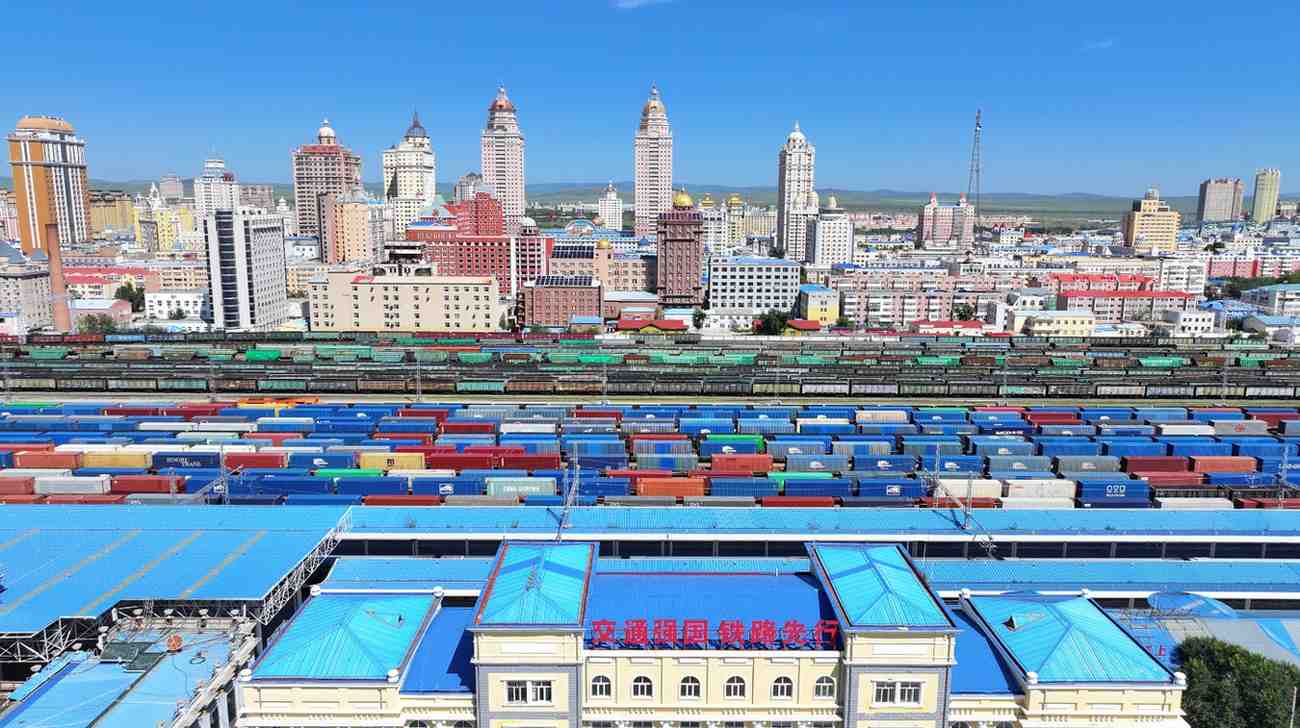
HOHHOT (CHINA) : As China’s largest land port, Manzhouli is expanding beyond its traditional role as a “transit station.” By promoting local processing of grain, oil and timber, the city is steadily evolving into a regional industrial hub.

At Manzhouli Xinfeng Grain and Oil Industry Co., Ltd., freshly imported rapeseed from Russia is processed on intelligent production lines. From dehulling to pressing, the procedures run smoothly, as golden rapeseed oil gently streams into storage tanks.

“As soon as the raw materials clear customs, we go straight into production, operating around the clock,” said Yang Zhihong, Deputy General Manager of the company. He noted that Russian rapeseed oil, prized for its low acid value and high smoke point, is particularly popular among domestic downstream enterprises.

This “Russian supply, Chinese processing” model is fueling a growing shift among local businesses, pushing them beyond mere trade toward more advanced, value-added processing.

Yang crunched the numbers. “By importing raw materials through ‘border trade’, a special policy that allows residents in border areas to conduct small-scale cross-border trade under simplified customs procedures, we save an average of 500 yuan (about 69.5 U.S. dollars) per tonne. Since last year, that’s added up to savings of over 8 million yuan,” he explained.

This model cuts traditional trade taxes and fees from around 18 percent to less than 4 percent of total costs. It enables enterprises to source raw materials at lower prices, while border residents earn income from the price difference, creating a win-win supply chain involving border residents, cooperatives and enterprises.

As of April 2025, “border trade” in Manzhouli has surpassed 100 million yuan this year, with more than 3,600 border residents taking part, generating nearly 2 million yuan in tax revenue to the city.

The roaring development of Manzhouli’s timber processing industry goes hand in hand with the grain and oil sector. Since establishing an imported timber processing base in 2003, Manzhouli has continuously focused on deep and fine processing, showcasing the strong potential of its timber manufacturing industry.

633566 2 5 .JPG Largest China-Russia Land Port reinvents itself as Industrial Hub
(240821) — HARBIN, Aug. 21, 2024 (Xinhua) — An aerial drone photo shows containers being loaded at Manzhouli Railway Port in north China’s Inner Mongolia Autonomous Region, Aug. 6, 2024. Manzhouli, Suifenhe and Tongjiang, the three railway ports on the eastern corridor of the train for China-Europe freight service in northeast China, had seen a total of 30,000 train for China-Europe freight service trips as of Tuesday, delivering 2.91 million twenty-foot equivalent unit (TEU) containers of goods, according to the China Railway Harbin Group Co., Ltd. (Photo by Huang Xu/Xinhua)

Located in the Inner Mongolia Manzhouli border economic cooperation zone, the import-export resource processing industrial park processes up to 5.6 million cubic meters of timber annually. It has developed a diverse product lineup, including solid wood furniture, doors and windows, wood pellets, and solid wood flooring.

In 2023, the city’s timber import reached 1.88 million cubic meters, demonstrating the strong momentum of the industry’s growth.

Meanwhile, Manzhouli has planned the development of a 2.74-square-kilometer chemical industry cluster within the import-export resource processing industrial park. This cluster will primarily rely on the import of large quantities of liquefied petroleum gas, methanol, and alkanes from Russia to drive integrated new energy chemical utilization and related projects.

The cluster will provide high-end, premium chemical intermediates for domestic advanced polymer materials and engineering plastics, injecting new momentum into the city’s economic development.

Bai Zhiping, an official from the Manzhouli municipal commerce bureau, said that Manzhouli’s transformation from a “transit station” to an “industrial hub” reflects the development of the port-based processing model.

An increasing number of enterprises are moving beyond the traditional “transit economy” and are leveraging the advantages of the border to create a new industrial ecosystem focused on deep processing.

In the first quarter of this year, Manzhouli’s import and export freight volume reached 6.53 million tonnes, a year-on-year increase of 10.6 percent. The value of imports and exports handled by the Manzhouli port reached 47.67 billion yuan, up 6.1 percent year on year.

INTERCARGO meetings held in China with focus on safety and decarbonisation

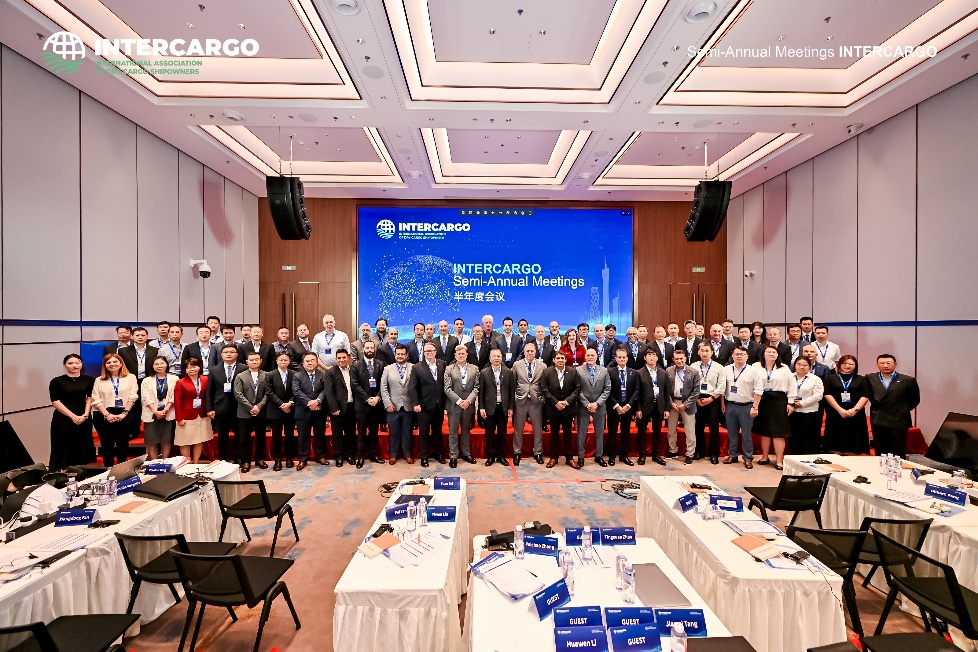
GUANGZHOU : INTERCARGO, the International Association of Dry Cargo Shipowners, convened last week in Guangzhou for its semi-annual meetings, the first time the Association has held such an event in China.

The meetings, hosted by COSCO Shipping Bulk, brought together members from across the globe for two days of dialogue and decision-making. Senior representatives gathered to discuss pressing issues the dry bulk sector is facing, including the evolving regulatory landscape, operational performance, and the industry’s sustainability.

Particular focus was given to greenhouse gas emissions and the implications of recent developments at the IMO, along with the European Union’s emissions trading regime and FuelEU framework. Members also examined operational safety, digitalisation, cyber risks, terminal operations, and the growing complexity of ship-recycling requirements. Throughout the meetings, there was strong engagement with INTERCARGO’s strategic initiatives, including the Dry Bulk Management Standard (DryBMS) administered by the Dry Bulk Centre of Excellence, and the work of the Association’s Quality Panels focusing on vetting and port compliance issues.

While there was reaffirmed support for the IMO’s environmental goals and path to net zero, the need for pragmatic application of regulations remained a key theme.

Speaking after the meetings, INTERCARGO Chairman John Xylas said: “Our meetings in Guangzhou have taken place at a time of great complexity for dry bulk shipping. Sustainability, environmental compliance, digitalisation and safety remain at the forefront of our agenda. These discussions provided an essential forum for members to share knowledge, align on priorities and reinforce our collaborative approach.”

The Association also confirmed a number of admissions of new members, as it continues to grow, and announced that its next meeting will take place in Athens from 2 to 4 November 2025.

Inmarsat provides NexusWave to Mitsui O.S.K. Lines to help accelerate onboard digitalisation strategy

LONDON : Inmarsat Maritime, a Viasat company, has signed an agreement with Mitsui O.S.K. Lines, Ltd. (MOL) to upgrade its fleet from Fleet Xpress (FX) service to Inmarsat’s NexusWave. This fleet-wide transition to NexusWave will allow MOL to benefit from Inmarsat’s fully managed bonded connectivity service and accelerate the digitalisation strategy of the leading Japanese shipping company. Local Inmarsat partner JSAT MOBILE Communications will be responsible for implementing and supporting the upgrades on board, covering a fleet that includes liquefied natural gas (LNG) carriers, oil tankers, and car carriers.

In response to evolving operational and crew connectivity needs, MOL is seeking multi-layered satellite communications services that support the transformation of its vessels into floating offices and homes. By combining multiple network underlays in one bonded connection, Inmarsat NexusWave delivers the speeds, reliability, unlimited data, and global coverage to support this objective, with enterprise-grade cyber-security, round-the-clock technical support, and fully transparent costs ensuring complete peace of mind.

Junichi Yoshiyama, Chief Digital & Information Officer, Mitsui O.S.K. Lines, Ltd., said: “Our digitalised and connected ships are becoming floating operations centres and homes for our crew, and Inmarsat’s NexusWave will help keep them connected to high-speed internet and support our onboard digitalisation strategy.”

Ben Palmer, President, Inmarsat Maritime, said: “We are proud to continue our partnership with MOL and to deliver NexusWave as an accelerator of maritime digitalisation and, by extension, an enabler of the floating office and floating home. Forward-thinking operators like MOL are drawn to the solution for its performance, robust capabilities, and the confidence that comes from working with a reliable maritime connectivity partner.”

Katsuaki Koike, CEO of JSAT MOBILE Communications, added: “MOL, JSAT, and Inmarsat have been long-term partners, and this collaboration further underscores our commitment to providing cutting-edge connectivity solutions. We are dedicated to supporting MOL’s digital transformation journey and look forward to ensuring seamless and reliable installations across MOL vessels.”

In recent real-world tests, NexusWave achieved download speeds of up to 330–340 Mbps, upload speeds of up to 70–80 Mbps, with average network availability exceeding 99.9%. As part of Inmarsat’s commitment to continuous improvement, the forthcoming integration of the next-generation ultra-high capacity, high-speed ViaSat-3 Ka-band network promises to increase NexusWave’s aggregated connectivity speeds even further.

ClassNK releases report ‘ClassNK Alternative Fuels Insight (Version 3.0)’

TOKYO : ClassNK has released the latest version of its report ‘ClassNK Alternative Fuels Insight (Version 3.0)’. This provides updated information on cost simulations reflecting the IMO’s mid-term GHG reduction measures approved at the 83rd session of the Marine Environment Protection Committee (MEPC 83) held in April 2025.

The ‘ClassNK Alternative Fuels Insight’ outlines the characteristics and latest trends, including factors such as fuel availability and cost projections for each alternative fuel, as well as our support for your future fuel option.

In the newly released Version 3.0, we have updated information on cost simulations based on the IMO’s mid-term GHG reduction measures approved at MEPC 83. It provides new insights into fuel conversion by conducting simulations for cost optimization across different fuel types and comprehensive total cost comparisons.

The ‘ClassNK Alternative Fuels Insight’ is planned for continuous updates according to the latest trends of alternative fuels and regulations in international shipping.

As part of the ‘ClassNK Transition Support Services,’ we will continue to provide such useful information which support our customers’ smooth transition to zero-emission.

‘ClassNK Alternative Fuels Insight’ is available on the following page of ClassNK’s website.

Home > Information Services > ClassNK Transition Support Services
https://www.classnk.or.jp/hp/en/info_service/ghg/