Home Blog Page 845

The University of Tokyo and 16 Organisations announce launch of Joint Research Initiative to achieve a Carbon-Neutral Society

TOKYO : ClassNK and 16 organisations—The University of Tokyo, IHI Plant Services Corporation, INPEX CORPORATION, ENEOS Xplora Inc., Kanadevia Corporation, Kawasaki Heavy Industries, Ltd., Kobe Steel, Ltd., JFE Engineering Corporation, JFE Steel Corporation, JERA Co., Inc., TOKYO GAS NETWORK Co., Ltd., Namura Shipbuilding Co., Ltd., NIPPON STEEL ENGINEERING CO., LTD., NIPPON STEEL PIPELINE & ENGINEERING CO., LTD., NIPPON STEEL CORPORATION, and Mitsubishi Heavy Industries, Ltd.—have jointly established the Social Collaboration Program*1, ‘Materials for Future Energy Infrastructure Trust (MEIT)’, to scientifically elucidate and standardise the material reliability of energy infrastructure supporting a carbon-neutral society. The joint research will commence on 1st May 2025. Kobe Steel, Ltd., JFE Steel Corporation, NIPPON STEEL CORPORATION, and ClassNK play a role as the lead organization.
This program aims to evaluate the material reliability essential for ensuring the long-term integrity of infrastructure and cargo/fuel tanks for decarbonised energy carriers such as liquefied hydrogen and ammonia as well as structures for liquefied and high-pressure CO2 in Carbon Capture and Storage (CCS) projects. Through these efforts, the initiative seeks to accelerate the development of energy infrastructure for a carbon-neutral society, address domestic demand and enhance international competitiveness.

*1 A collaborative research framework between UTokyo and 16 organisations, funded by joint research expenses borne by the participating organisations under a contract. It enables interdisciplinary collaboration among researchers and the formation of research teams to address comprehensive societal challenges; thus, allowing them to overcome the limitations often found in conventional and ad-hoc collaborations between individual researchers and companies.

Overview of the Social Collaboration Program
As society transitions to carbon neutrality, energy infrastructure is shifting significantly from fossil fuels to new systems utilising hydrogen and ammonia. This includes liquefied hydrogen tanks, ammonia tanks, CO2 tanks and high-pressure CO2 pipelines, all of which require material reliability evaluations to ensure long-term safety and economic viability. The program will establish material selection criteria, post-weld heat treatment omission standards and fracture prevention criteria to optimise infrastructure construction costs and promote international standardisation that contributes to a sustainable energy society.

Program Name
Social Collaboration Program ‘Materials for Future Energy Infrastructure Trust (MEIT)’
Period
1 May 2025 – 30 April 2030
Joint Research Topics
● Development of fracture evaluation technologies and standards for large-scale liquefied ammonia tanks (stress corrosion cracking prevention and omission of post-weld heat treatment).
● Development of fracture evaluation technologies and standards for large-scale liquefied CO2 tanks (omission of post-weld heat treatment).
● Establishment of rapid ductile fracture prevention standards for high-pressure CO2 pipelines in CCS projects.
● Enhancement of reliability and evaluation technologies for next-generation materials (cost-effective stainless steel and low-nickel steel) for large-scale liquefied hydrogen tanks.
Collaborating Faculty
School of Engineering, The University of Tokyo
Joint Research Team
●    UTokyo Faculty 
o   Tomoya Kawabata (Specially Appointed Professor, School of Engineering, concurrent)
o   Nobuhiro Yoshikawa (Specially Appointed Professor, Institute of Industrial Science, concurrent)
o   Takayoshi Himeno (Specially Appointed Professor, School of Engineering, concurrent)
o    Shunsuke Yagi (Specially Appointed Professor, Institute of Industrial Science, concurrent)
o    Shoichi Nambu (Specially Appointed Associate Professor, School of Engineering, concurrent)
o    Shohei Uranaka (Specially Appointed Assistant Professor, School of Engineering, concurrent)
o    Mitsuo Kimura (Senior Researcher, School of Engineering)
o    Chong Gao (Specially Appointed Assistant Professor, School of Engineering)

●    Participating Organisations (*Lead organisation)  
o    IHI Plant Services Corporation
o    INPEX CORPORATION
o    ENEOS Xplora Inc.
o    Kanadevia Corporation
o    Kawasaki Heavy Industries, Ltd.
o    Kobe Steel, Ltd.*
o    JFE Engineering Corporation
o    JFE Steel Corporation*
o    JERA Co., Inc.
o    TOKYO GAS NETWORK Co., Ltd.
o    Namura Shipbuilding Co., Ltd.
o    NIPPON STEEL ENGINEERING CO., LTD.
o    NIPPON STEEL PIPELINE & ENGINEERING CO., LTD.
o    NIPPON STEEL CORPORATION*
o    ClassNK*
o    Mitsubishi Heavy Industries, Ltd.
Research Structure
Kobe Steel, Ltd., JFE Steel Corporation, NIPPON STEEL CORPORATION, and ClassNK will serve as lead organisations (collaborating with UTokyo to manage the program’s foundation) and participate in all research projects. Other companies will join as participating organisations, addressing the planning and review of one or more projects as well as supporting national R&D initiatives and standardisation processes alongside UTokyo. Intellectual property protection, such as co-owned patents, will be actively pursued for new findings from the joint research. Additionally, the program will foster exchanges between UTokyo students and organisation researchers to secure outstanding talent in this field.
Japan’s Carbon Neutral Ports (CNP) initiative presented at ICHCA AGM

BARCELONA : The presentation given Monday in Barcelona as part of the ICHCA AGM contained the announcement of MLIT’s launch in June of its Carbon Neutral Ports (CNP) Certification for container terminals. The Certification process will evaluate each terminal’s decarbonization efforts.  Critically this assessment will be on a ‘per-terminal’ rather than a ‘per-port’ basis. The Certification will be multi-faceted.  Each element geared toward achieving carbon neutrality by 2050. 

As Suemune outlined, the process of decarbonization will involve evaluation of a wide variety of stratagems including low-emission handling equipment and LED lighting on the terminal operation side and efforts concerning carriers, such as zero emission vessel fuels and truck appointment systems.

“The evaluation will be performed at multiple certification levels from Level 1 to Level 5,” explained Suemune.  “Should the detailed and stringent requirements of each level be achieved then Certification will be granted for three years, after which the terminal will need to reapply.  Thus ensuring that decarbonization efforts are maintained.  We believe port decarbonization cannot be achieved in a single step, nor in the short-term; rather a long-term perspective must be pursued.”

In welcoming the MLIT initiative, Richard Steele, CEO of ICHCA commented, “We are both honoured and delighted that MLIT through their representative Yusuke Suemune has chosen the ICHCA forum to announce the CNP Certification initiative.  Environmental care is at the forefront of ICHCA’s mission and the efforts of such influential members such as the Japanese Government’s MLIT is a great example of how the cargo industry can deliver on that commitment.”

In addition, the results of the evaluation process will be visible to all port users, as they too are encouraged to contribute to the carbon zero target by 2050.  By initiating the CNP Certification, Ports and Harbours Bureau of MLIT is determined to objectively assess the status of decarbonization plans across all ports in the country on the basis of common and well defined criteria.

Yusuke Suemune’s presentation can be viewed in full HERE

About ICHCA International

Established in 1952, ICHCA International is an independent, not-for-profit organisation dedicated to improving the safety, productivity and efficiency of cargo handling and movement worldwide. ICHCA’s privileged NGO status enables it to represent its members, and the cargo handling industry at large, in front of national and international agencies and regulatory bodies, while its Technical Panel provides best practice advice and develops publications on a wide range of practical cargo handling issues.

Operating through a series of national and regional chapters, including ICHCA Australia, ICHCA Japan and plus Correspondence and Working Groups, ICHCA provides a focal point for informing, educating, lobbying and networking to improve knowledge and best practice across the cargo handling chain.

About MLIT

The Ministry of Land, Infrastructure, Transport and Tourism is the Japanese government ministry responsible for the comprehensive and systematic use, development and conservation of the nation’s land, the integrated development of social capital for these purposes, the promotion of transport policies, the development of meteorological services, and ensuring maritime safety and security.

Port of Dover Statement on UK-EU deal announced on 19 May 2025

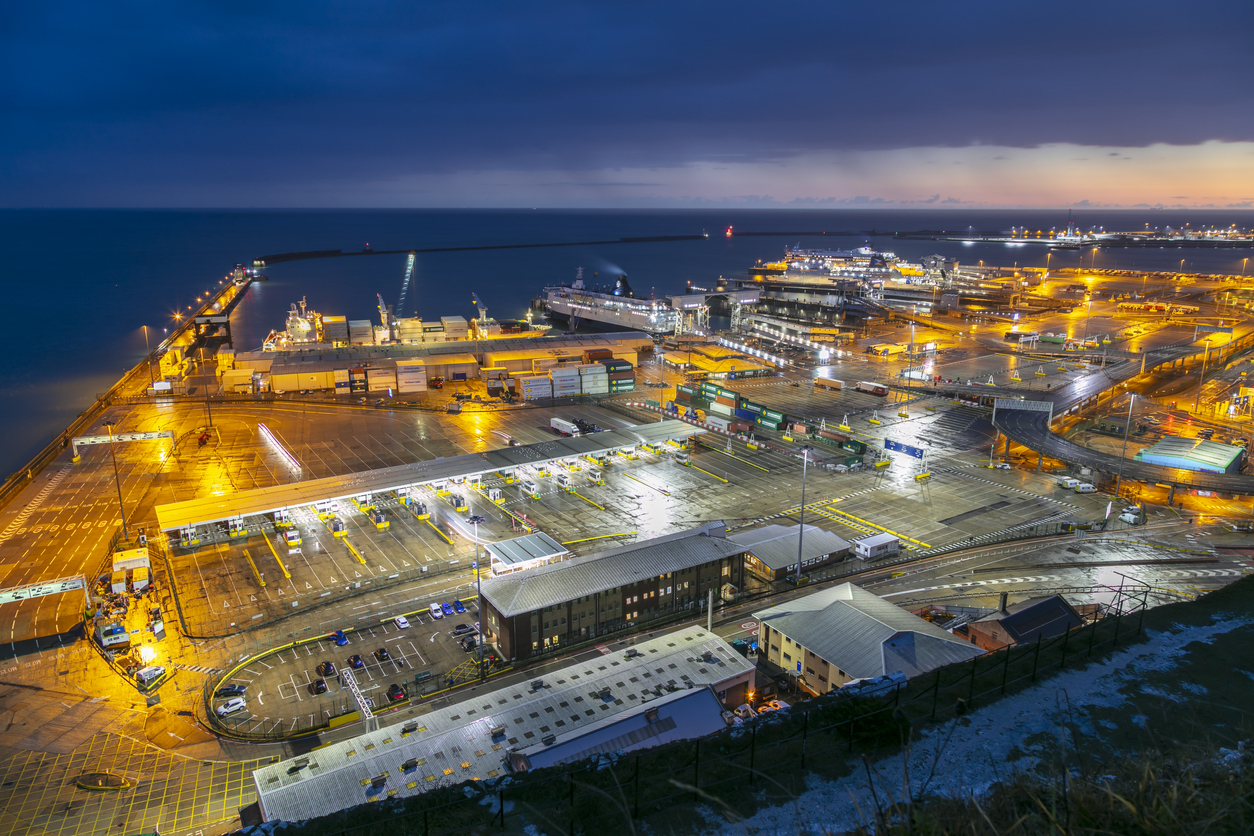
DOVER, KENT (ENGLAND) : The Port of Dover welcomes the UK-EU deal announced on Monday, 19 May 2025, which represents a significant and positive step forward in resetting and strengthening our vital cross-Channel economic relationship. As the UK’s primary gateway for trade with the European Union – handling approximately one third of all UK-EU goods trade – Dover is uniquely placed to see the tangible benefits that reduced border frictions will bring, said a release.

We particularly welcome commitments to simplifying trading and travel arrangements and removing barriers such as Sanitary and Phytosanitary (SPS) checks on animal and plant products, which we hope to see implemented as quickly as possible, the release highlighted.

This deal directly reflects the priorities discussed at our recent Short Straits Summit, where leaders across maritime, logistics, infrastructure, government, and business called for frictionless trade, regulatory cooperation, and a shared commitment to innovation and decarbonisation. An improvement in border processes will not only restore confidence for businesses and investors but also drive economic growth and supply chain resilience, and we are pleased to see these objectives recognised in today’s agreement.

Looking ahead, we are committed to working with the UK Government, French Government and European Commission to implement this deal effectively and maximise shared prosperity either side of the Channel. Today’s announcement marks a fresh chapter in UK-EU collaboration, and the Port of Dover stands ready to deliver the full potential of this renewed partnership for the benefit of communities, businesses, and economies on both sides of the Channel, read the release.

India celebrates ‘International Day for Women in Maritime’; Reinforces Commitment to Gender Equality

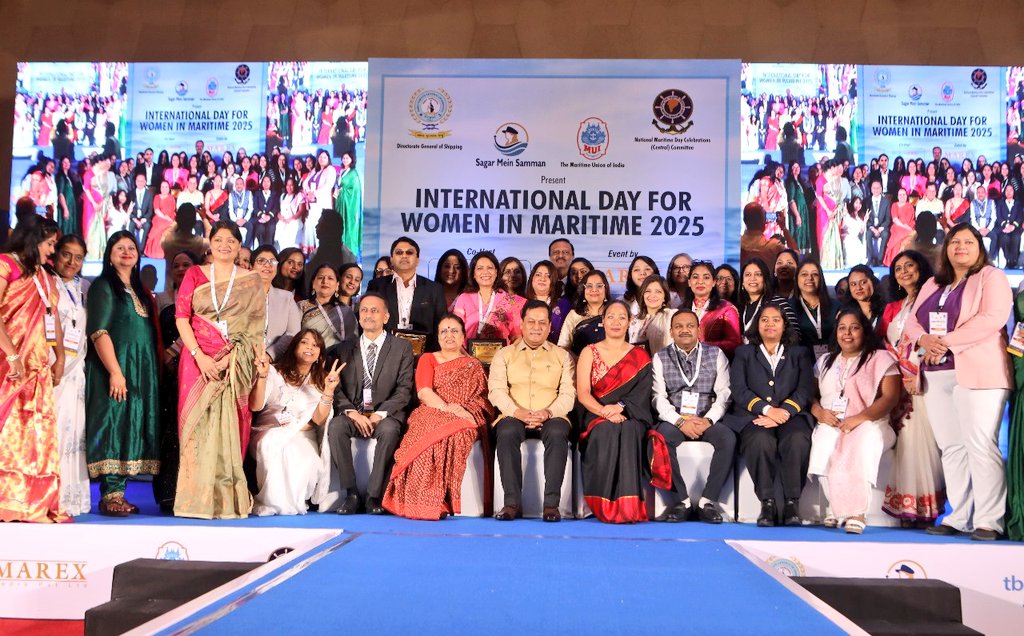
MUMBAI : Union Minister of Ports, Shipping and Waterways (MoPSW), Shri Sarbananda Sonowal unveiled the ‘Sagar Mein Samman’ (SMS), a policy initiative of the Government of India to create a future ready gender equitable maritime workforce with the ultimate aim to increase participation of women in the maritime sector. The initiative was launched at the inaugural International Day for Women in Maritime celebrations in Mumbai on Sunday, May 18, with a clear message of inclusivity, transformation and sustainability of the maritime sector.

The SMS policy aims to build a future where women’s participation is integral to all maritime operations; i.e., from the docks to decision making boards. In order to bridge the gender gap in both seafaring and shore based roles, this policy provides a structured road map for enhanced participation by women while addressing safety, leadership and retention of women in the Indian maritime sector. This programme is also aligned with Government’s DEI (Diversity, Equity and Inclusion) objective. Major scope of the policy would entail planning & strategy, training & development, research & development, governance & compliance, communications, and community outreach. It aims to secure objectives like empowerment & leadership, inclusivity & equal opportunity, safety & well-being, and skill development & training for women in maritime sector. 

As the Chief Guest at the event, Union Minister Shri Sarbananda Sonowal underscored the importance of empowering women to drive growth and resilience across the maritime ecosystem. Sonowal also interacted with a group of almost 100 women seafarers at the event. 

International Day for Women in Maritime 1 India celebrates ‘International Day for Women in Maritime'; Reinforces Commitment to Gender Equality

Speaking on the occasion, Union Minister Sarbananda Sonowal said, “This day is essential to celebrate women through their recruitment, retention, and sustained employment in the maritime sector. This year IMO is celebrating on a theme that ‘An Ocean of Opportunities for Women,’ which aligns with the 2025 World Maritime Day theme: Our Ocean, Our Obligation, Our Opportunity. We must introspect and work towards raising the profile of women in maritime and strengthening their presence. The development of women in various fields is also a top priority for our Hon’ble Prime Minister of India, Shri Narendra Modi ji. The Maritime India Vision 2030 document envisages the launch of the ‘Women in Seafarer’ program, which includes encouraging onshore jobs, awareness and marketing campaigns, incentivising shipping companies, and leveraging scholarships to improve women’s participation. We have made significant efforts to bring this vision to reality.”

International Day for Women in Maritime 2 India celebrates ‘International Day for Women in Maritime'; Reinforces Commitment to Gender Equality

Highlighting on the focus of the government since 2014, Union Minister Shri Sarbananda Sonowal also said how the India’s maritime sector has witnessed a surge of women seafarers from 341 in 2014 to 2557 in 2024, recording a whopping growth of 649%. Since 2014,  about 2,989 women seafarers have received financial assistance. Due to government’s sustained effort to encourage women to explore maritime sector for a fruitful career, the number of women seeking financial assistance has increased from a mere 45 in 2014-15 to 732 in 2024-25. The engagement of Indian female seafarers on Indian and foreign-flagged ships is continuously increasing.

Citing data, Shri Sarbananda Sonowal said, “Empowering women in maritime is not just about equity—it’s a strategic necessity. Their leadership brings innovation, strength, and a more sustainable future for the sector. Our Nari Shakti is a fundamental pillar of the new Bharat, for their incredible contribution in the nation building cause. Under the dynamic leadership of Prime Minister Shri Narendra Modi ji, our task is cut out. Sagar Mein Samman is one such initiative to create a conducive environment for more and more women to join the maritime sector. India witnessed a remarkable 739% surge in registered women seafarers — from 1,699 in 2015 to 14,255 in 2024, marking a decade of steady progress in Maritime Gender Inclusion, a key idea of PM Narendra Modi towards honing our impeccable talent pool with Nari Shakti.” 

International Day for Women in Maritime 3 India celebrates ‘International Day for Women in Maritime'; Reinforces Commitment to Gender Equality

During the celebrations of the ‘International Day for Women in Maritime,’ Union Minister Shri Sarbananda Sonowal also honoured and felicitated 10 outstanding women of the Indian maritime sector. They are Sumita Banerji, Bharati Bhandarkar, Kalpana Desai, Poonam Nagpal, Yen Pinto, Archana Saxena Sangal, Rupali Raj Joshi, Capt Deepti Singh and Amarjeet Rewari. 

Shri Sarbananda Sonowal further added, “The launch of the “Sagar Mein Samman” policy framework shows our commitment to the mental, physical, and professional well-being of women seafarers. This comprehensive policy addresses empowerment, leadership, inclusivity, safety, skill development, and the dismantling of gender-based barriers in the maritime profession. We have ambitious target of 12% female representation in technical maritime roles by 2030, aligning directly with national objectives. To our women seafarers present here today – you are the pioneers, the trailblazers who have navigated uncharted waters with courage and determination. This initiative is a tribute to your resilience and a promise for a more inclusive future for generations to come. Together, we shall ensure that Sagar Mein Samman is not just a policy but a transformative movement that reshapes the maritime landscape of our nation.”

Held under the theme “Women in Maritime: Leading Transformation and Sustainability,” the event was organized by Directorate General of Shipping, in collaboration with “Sagar Mein Samman” (SMS), Maritime Union of India, National Maritime Day Committee. The inaugural session saw participation from senior government officials, port authorities, maritime professionals, academics, and international bodies. Key highlights included a panel discussion on leadership and equity, and a felicitation ceremony recognising women achievers in the maritime domain. The celebration reinforces India’s commitment to the International Maritime Organisation’s (IMO) mission for gender inclusion and aligns with the broader vision of the UN Sustainable Development Goals (SDGs).

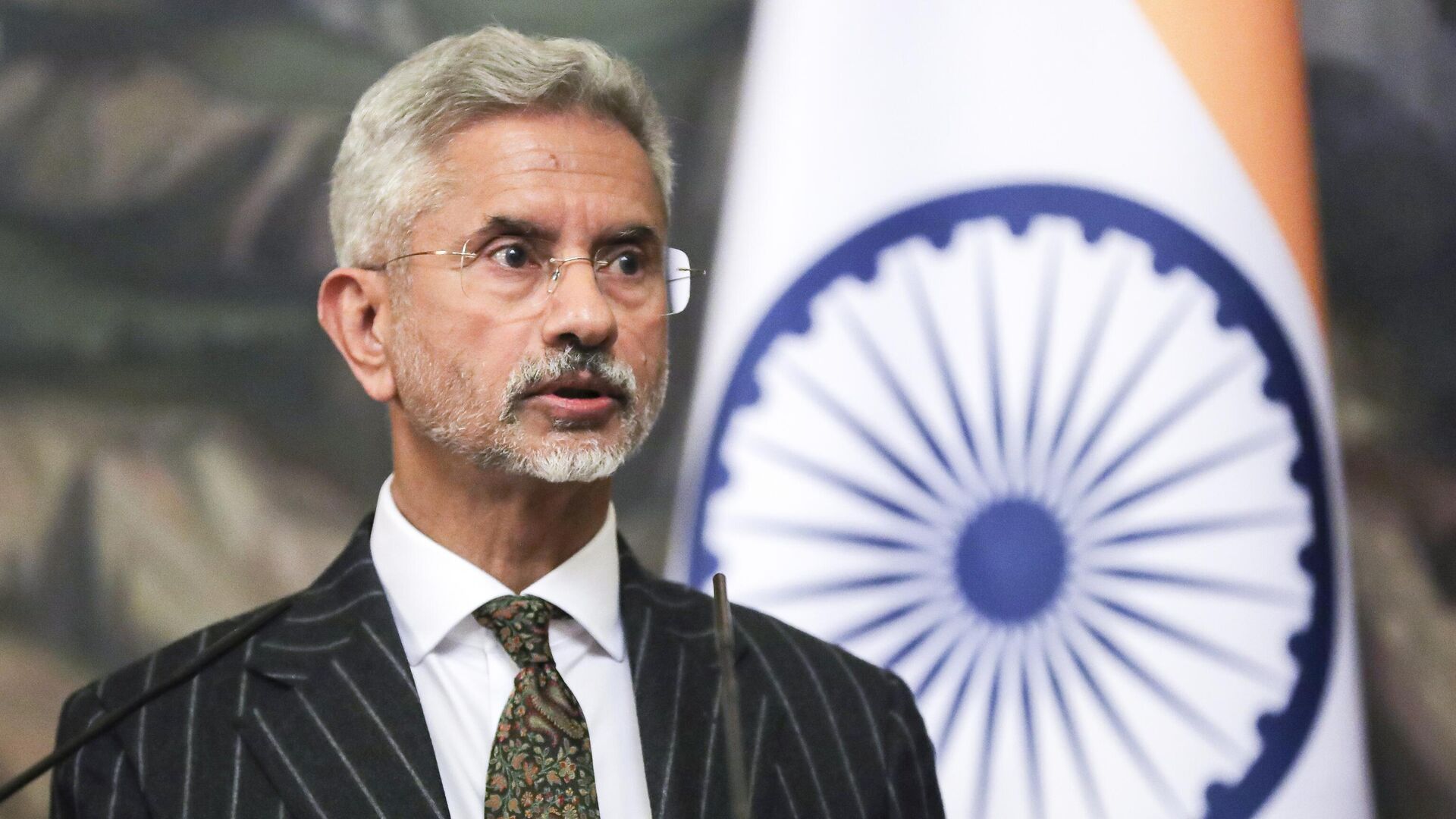
EAM Jaishankar on official visit to Netherlands, Denmark and Germany from today

NEW DELHI : External Affairs Minister Shri S Jaishankar is set to visit Netherlands, Denmark and Germany from May 19-24, the Ministry of External Affairs said in a statement on Sunday.

It further noted that during his three-country visit, the External Affairs Minister will meet with the leadership of the three countries and hold discussions on the entire range of bilateral relations.

Discussions will also take place on global and regional matters of mutual interest.

EAM Jaishankar’s visit to Germany comes as Friedrich Merz took over the office as the new Federal Chancellor of Germany earlier in May this year.

Prime Minister Shri Narendra Modi had extended his warm congratulations to Friedrich Merz and expressed his eagerness to work closely with Chancellor Merz for further strengthening the India-Germany Strategic Partnership.

Sharing a post on X, PM Modi wrote, ‘Heartiest congratulations to @_FriedrichMerz on assuming office as the Federal Chancellor of Germany. I look forward to working together to further cement the India-Germany Strategic Partnership.’

India shares warm and friendly ties with the three countries.

The ties of India and Denmark are based on historical links, common democratic traditions and shared desire for regional, as well as international peace and stability. The current development of renewed India-Denmark relations has been guided by the ‘Green Strategic Partnership’, MEA noted in a statement.

The diplomatic ties between India and the Netherlands are over 75 years old. As per the MEA, the two countries enjoy strong political, economic & commercial relations. High level mutual exchanges have provided impetus to the multifaceted partnership between the two countries.

According to the MEA, India and Germany have a strategic partnership, with India being one of the first countries to have established diplomatic ties with Germany after World War II over seventy years ago.

BLR launches monthly Multimodal Cross-Border Rail Service to Nepal

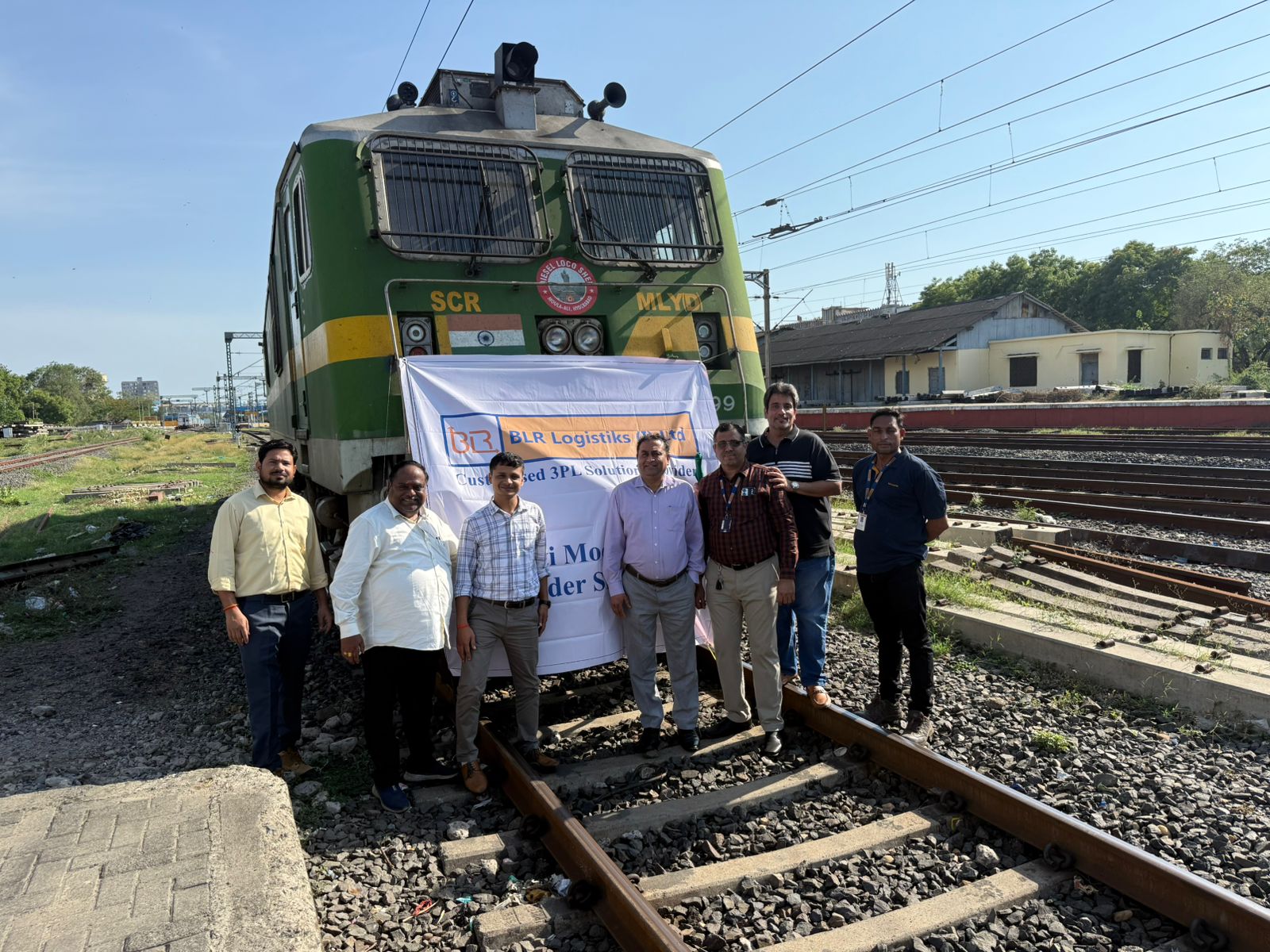
MUMBAI : BLR, a leading logistics company in India, excited to announce that it has launched a monthly cross-border rail service to Nepal. This initiative offers efficient, cost-effective, and eco-friendly transportation solutions for both Indian and international clients.

Service Launch
The service began on April 28, 2025, with the journey from Jhagadia to Ankleshwar ICD. The onward loading was completed by May 15, 2025, and the train to Birgunj ICD via Raxaul was flagged off on the same day.

Key Benefits

This new monthly rail services will connect Gujarat, Rajasthan, NCR, and Chennai to Birgunj, Nepal, providing:

  • Reduced road transportation pressure
  • Logistics cost savings
  • Zero carbon emissions, supporting our green initiatives

Looking Ahead
We plan to expand our services to more destinations to meet growing customer demands, said Mr. Abhishek Goyal, Director, BLR Logistiks (I) Ltd.

India’s Export Sector begins FY 2025–26 on a Strong Note: FIEO President

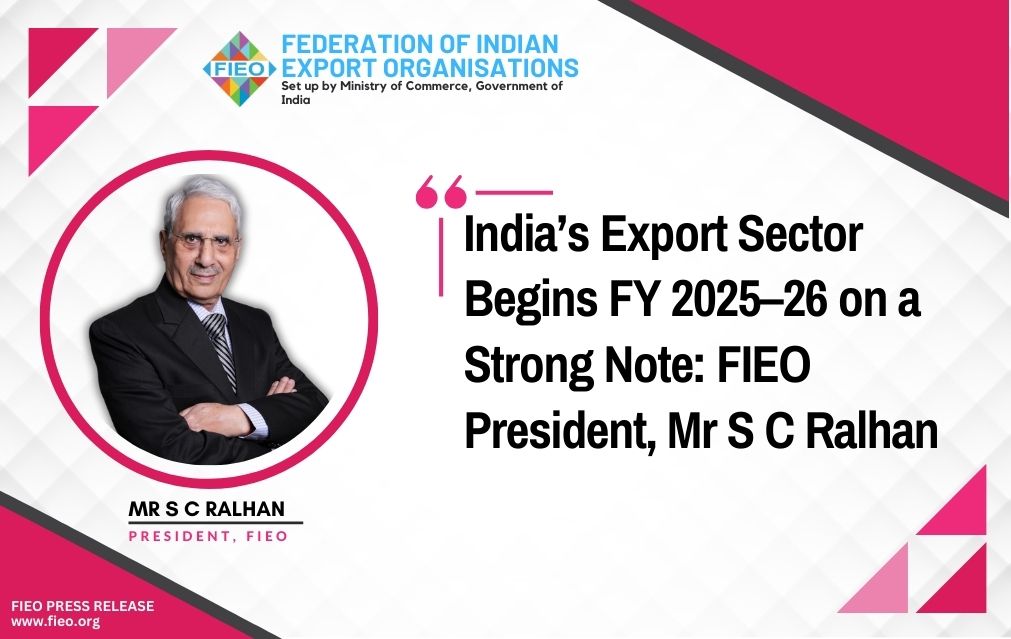
NEW DELHI : India’s trade performance in April 2025 signals a promising start to the fiscal year, reflecting the resilience, adaptability, and global competitiveness of Indian exporters, said Mr S C Ralhan, President, Federation of Indian Export Organisations (FIEO).

Merchandise exports stood at USD 38.49 billion, a growth of 9.03% over April 2024, while overall exports (merchandise + services) rose to USD 73.80 billion, reflecting a healthy increase of 12.71% year-on-year. Imports also grew—merchandise imports reaching USD 64.91 billion and overall imports touching USD 82.45 billion, driven by energy demand and a rebound in domestic manufacturing.

“The growth underscores the robust fundamentals of Indian exports despite global headwinds, including geopolitical tensions, inflationary trends, and supply chain disruptions,” said Mr Ralhan. “Exporters have responded with agility and innovation, supported by rising demand across key sectors.”

Leading the export growth were Engineering Goods, Petroleum Products, Electronic Goods, Gems & Jewellery, Pharmaceuticals, Chemicals, Ready-made Garments, Rice, Cotton Textiles, Handloom Products, and Plastics—sectors that continue to drive India’s value-added export strength.

On the import side, petroleum, electronic and capital goods, gold, coal, chemicals, and transport equipment dominated. “The increase in imports, particularly of capital goods and energy inputs, reflects improving domestic demand and capacity expansion,” noted the FIEO Chief.

Mr Ralhan emphasized that sustaining this momentum will require continued support through stable policy, enhanced trade facilitation, improved logistics, and timely conclusion of FTAs, especially with the UK, US, EU, Oman, and GCC countries.

He added, “Access to affordable credit, particularly for MSMEs, along with timely disbursal of incentives like Interest Equalisation, RoDTEP, and other export benefits, will be vital to maintaining export competitiveness and achieving ambitious growth targets.”

FIEO remains confident that with proactive policy interventions and sustained global engagement, India’s export sector will continue its upward trajectory in the months ahead.

₹1,253 crore sanctions to enhance road connectivity in industrial & logistics parks by UP Govt

LUCKNOW : The Uttar Pradesh Government has allocated ₹1,253 crore to improve road connectivity in industrial and logistics parks with the aim to provide world class infrastructure for industries,

For this project, the government has earmarked 33 major roads in industrial areas and logistic parks across the state. The public works department (PWD) and the infrastructure and industrial development department will jointly execute the project.

The industrial development department has identified the roads. The plan gives special attention to areas where industrial clusters are being developed so that infrastructure could be completed on time.

The project seeks to improve roads that connect small businesses, startups and standalone units. These roads will be upgraded to enhance access and support the smooth functioning of small-scale enterprises.

To make this possible, roads around upcoming industrial zones will be linked to major routes like national highways, state highways and key district roads with four-lane connectivity.

Standalone units will also be better connected, and the plan will help improve access to a variety of industrial areas and PLEDGE (Promoting Leadership and Enterprise for Development of Growth Engines) parks.

This push for better connectivity is seen as a strategic move that will bring multiple benefits. It will reduce travel time for logistics, cut down transport costs and improve the overall competitiveness of industries, said the state government on Thursday.

India’s textile exports to UK to jump from $1.5bn to $5bn after FTA : Union Minister Giriraj Singh

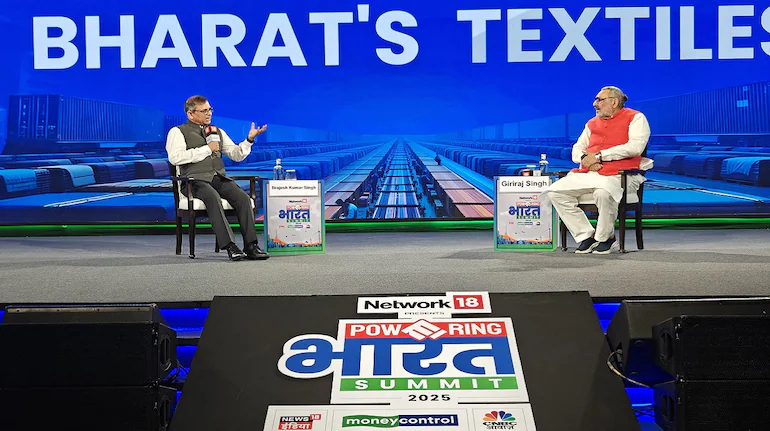
NEW DELHI : India is poised to see a sharp rise in textile exports to the United Kingdom following the signing of a Free Trade Agreement (FTA), Union Textiles Minister Shri Giriraj Singh said on May 16.

“We expect to increase textile exports to the UK from USD 1.5 billion to USD 5 billion. The increase is expected to be quick and not gradual,” Singh said while speaking at Powering Bharat Summit 2025.

He credited the expected jump in exports to the tariff reduction under the FTA and highlighted how competitors like Bangladesh and Vietnam gained an edge in the global textiles market by entering into similar free trade arrangements.

Earlier this month, India and the UK concluded a Free Trade Agreement (FTA), the first major pact between the two nations after US President Donald Trump‘s policy on tariffs threatened to upend global commerce. The FTA eliminates the existing 12 percent tariff on Indian textile exports to the UK. This zero-duty access is expected to significantly enhance the price competitiveness of Indian products in one of its key markets.

The India-UK FTA marks a major milestone in bilateral trade relations. It is the first comprehensive agreement signed between the two countries after years of negotiations, and comes at a time when India is actively seeking to diversify its export markets and reduce tariff barriers through bilateral trade deals.

Singh also emphasised India’s strength in the textile value chain. “India has end-to-end solutions in textile,” he said, adding that the government is committed to meeting the clothing needs of the country’s growing population.

Referring to criticism from opposition parties, Singh remarked, “I was asked by the Opposition what are you doing. I said it is my aim that even you all don’t remain naked. I am providing clothes to the entire nation.”

Addressing concerns over competition from nations like Bangladesh and Vietnam, Singh said India has the required infrastructure, investment support, and workforce. “Prime Minister Shri Narendra Modi has ensured sufficient investment in the textile sector. There is no shortage of labour force in India,” he said.

The new FTA is expected to not only benefit Indian exporters but also help boost employment in the textile clusters across states.

DGTR marks 8th Anniversary with Renewed Commitment to ensure Fair Trade

NEW DELHI : The Directorate General of Trade Remedies (DGTR) commemorated its 8th Foundation Day on Saturday, May 17, celebrating seven years of dedicated service in protecting Indian industry from unfair trade practices and sudden surges in imports. On this occasion, the Director General of DGTR applauded the commitment and tireless efforts of the organization’s officers and staff in upholding the integrity of India’s trade remedy ecosystem.

Since 1995, India has initiated over 1,200 trade remedy investigations. DGTR has played a central role in this process by conducting investigations swiftly, often concluding within a year, to ensure timely relief for affected industries. Recent interventions have protected domestic sectors including solar energy and advanced materials, such as solar cells and copper wire rods, from unfairly priced imports and subsidized goods.

Looking ahead, the Government of India is developing a digital platform to enable the electronic submission of documents in trade remedy investigations. The platform is expected to go live soon, offering enhanced transparency, efficiency, and ease of access for all stakeholders.

Through safeguard duties and quantitative restrictions, DGTR has also responded to sudden import surges, for products such as palm oil and metallurgical coke, helping stabilize markets and preserve industrial competitiveness. Its proactive approach has been particularly crucial for manufacturing sectors vulnerable to volatile global trade dynamics.

To further support equitable access, DGTR launched a dedicated Helpdesk in 2019, aimed at assisting micro, small, and medium enterprises (MSMEs). This initiative has helped smaller businesses navigate the trade remedy processes and help these industries file applications by addressing technical and data-related challenges.

DGTR also emphasizes transparency and accessibility by providing trade notices, handbooks, and FAQs on its website. These resources clarify procedural aspects and empower domestic industries, foreign exporters, and other interested parties to actively participate in defending their trade interests.

In addition to the above, DGTR, through its Trade Defence Wing, has effectively contested the imposition of trade remedy measures by foreign trade remedy authorities. These efforts have resulted in either reduced duties or complete relief from such measures on Indian exports, thereby protecting India’s international trade interests.

Established in 2018 through the consolidation of the Directorate General of Anti-Dumping and Allied Duties (DGAD) and the Directorate General of Safeguards, DGTR serves as India’s unified authority for trade remedy investigations. DGTR is responsible for imposing anti-dumping, countervailing, and safeguard measures to ensure a level playing field for domestic producers.

As DGTR enters its eighth year, it remains steadfast in its mission to uphold fair trade, support the domestic industry against unfair trade practices, and respond proactively to the evolving challenges of global commerce.